340 myths · Page 5 of 12
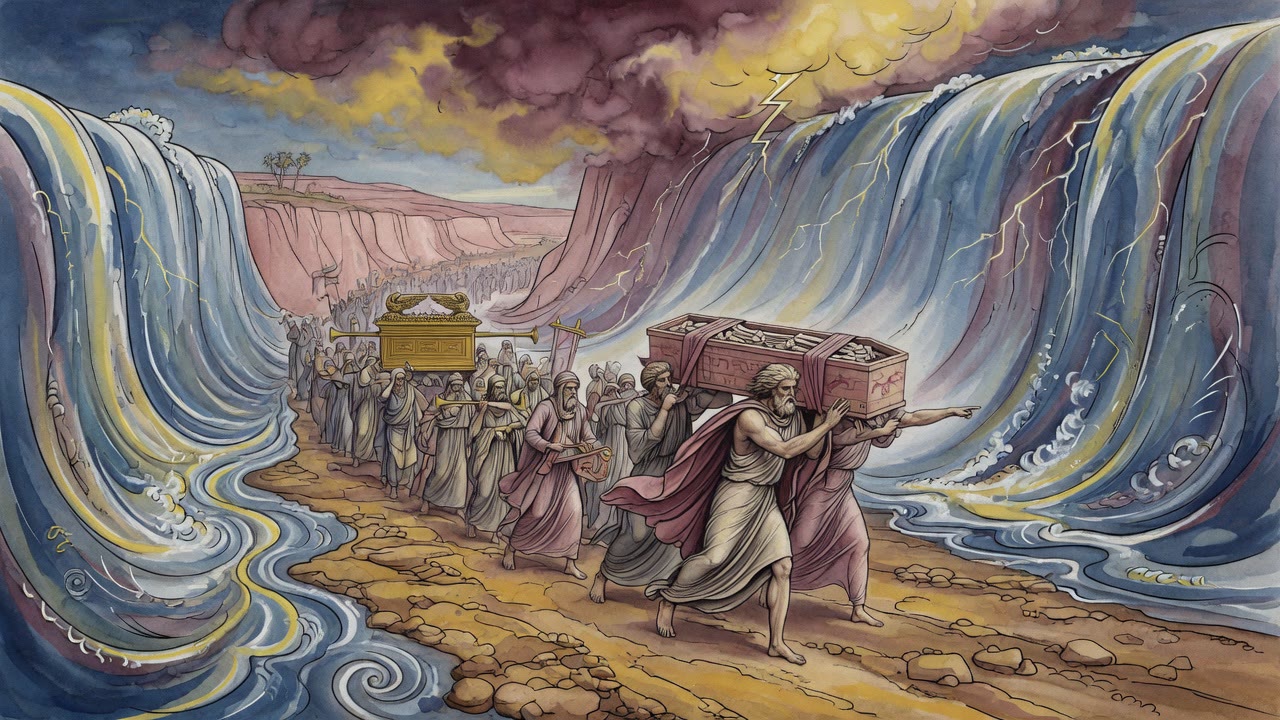
When Israel entered the promised land under Joshua, they carried two arks. Everyone remembers the Covenant. Almost no one remembers what traveled beside it.
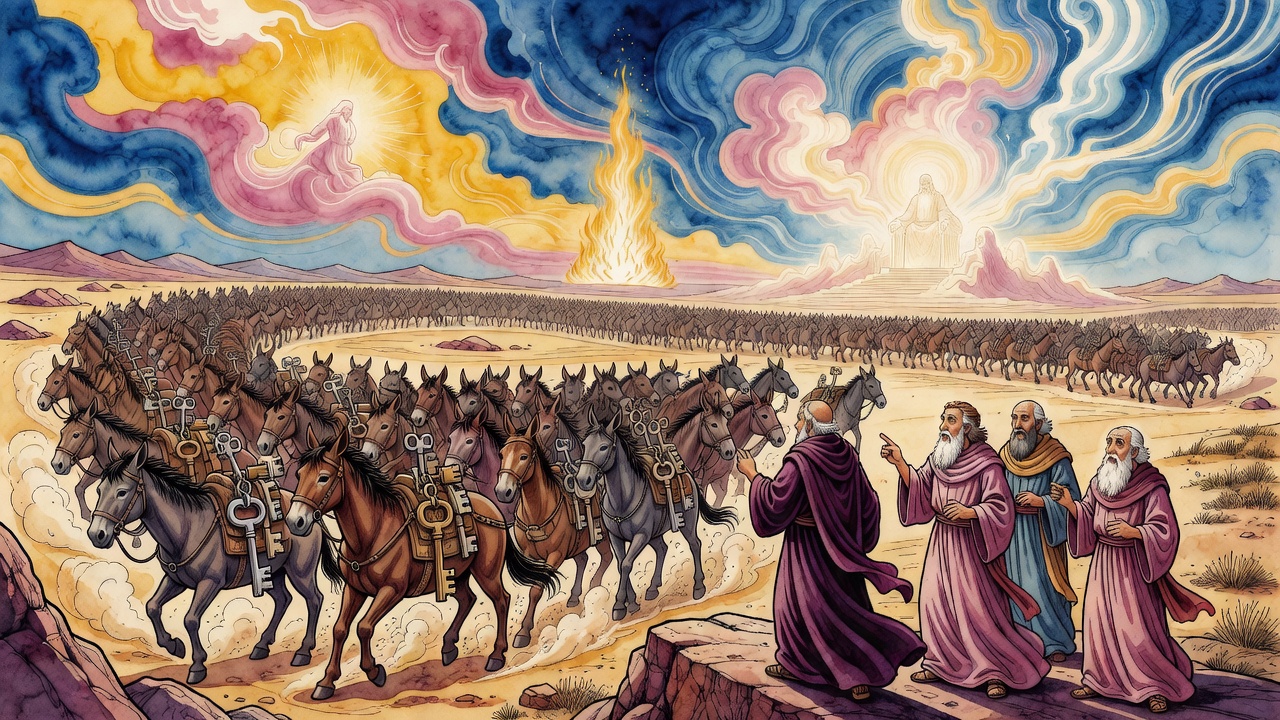
Three hundred white mules carried only the keys to his vaults. Korah came home shaved from the Levite rite, and his wife named it disgrace.
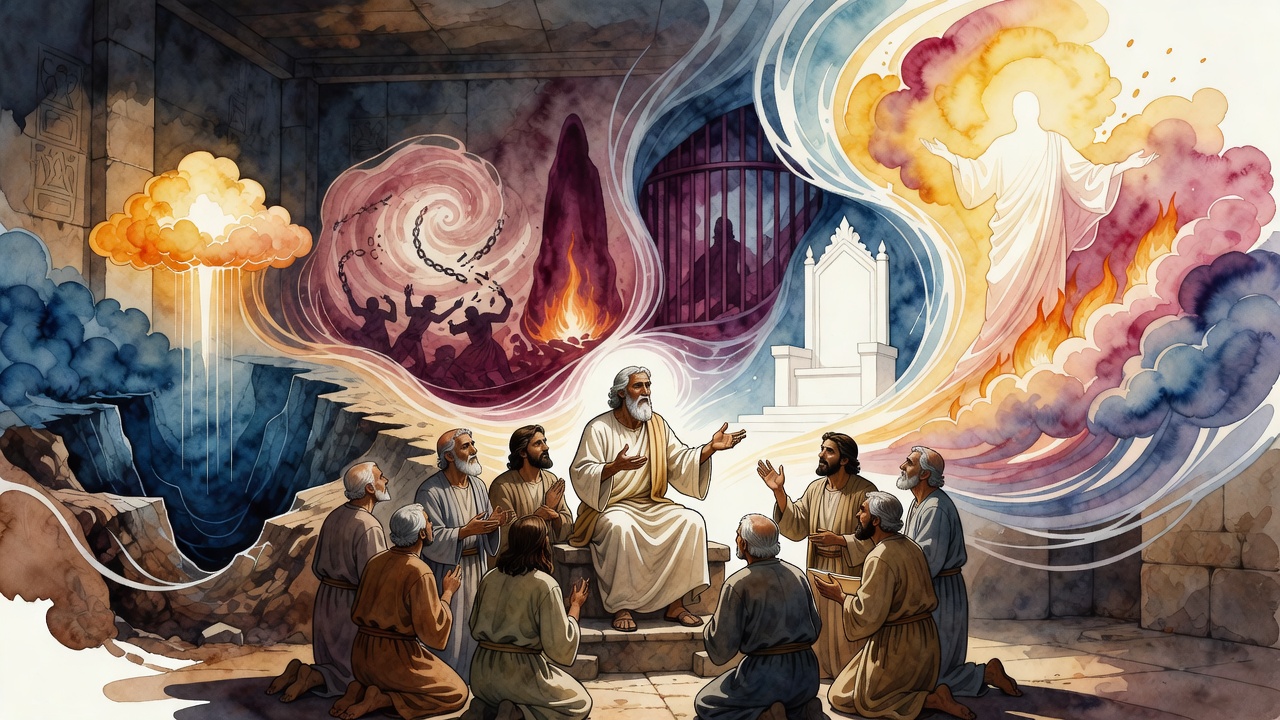
The woman of Memphis sent Joseph a dish laced with spells. He looked up and saw a figure standing behind the servant, holding out a sword.
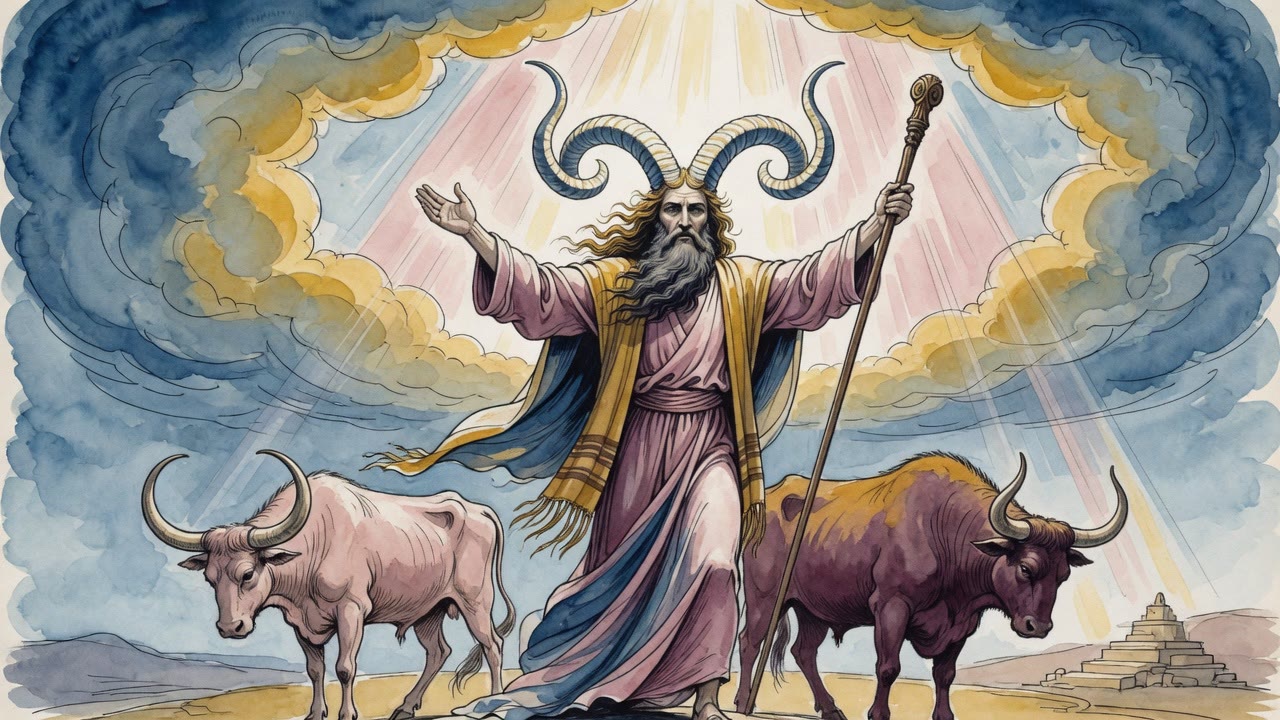
Moses argued at the bush until God's anger flared. Joseph sat in a dry pit while his brothers settled on twenty pieces of silver. Saul hid in the baggage.
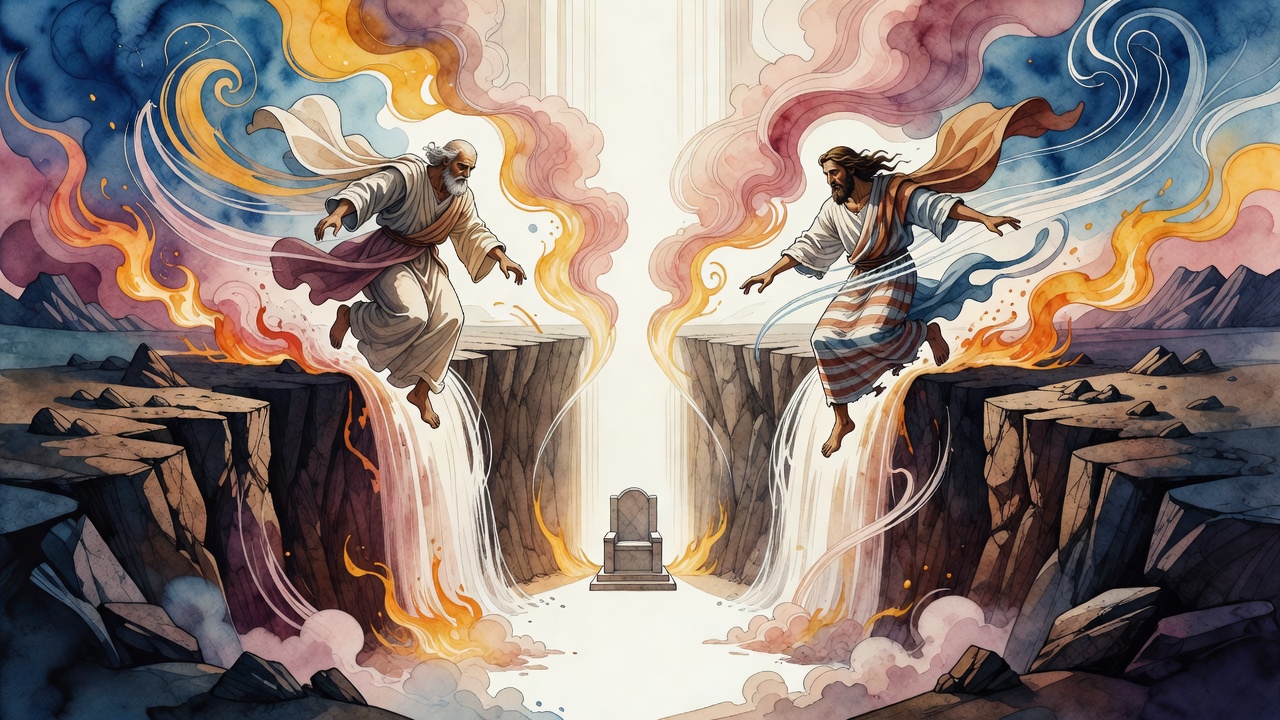
Lot looked at a valley that wore Eden's face and walked in. Years later a king in a cave asked God not to destroy him, because that walk had been paid.
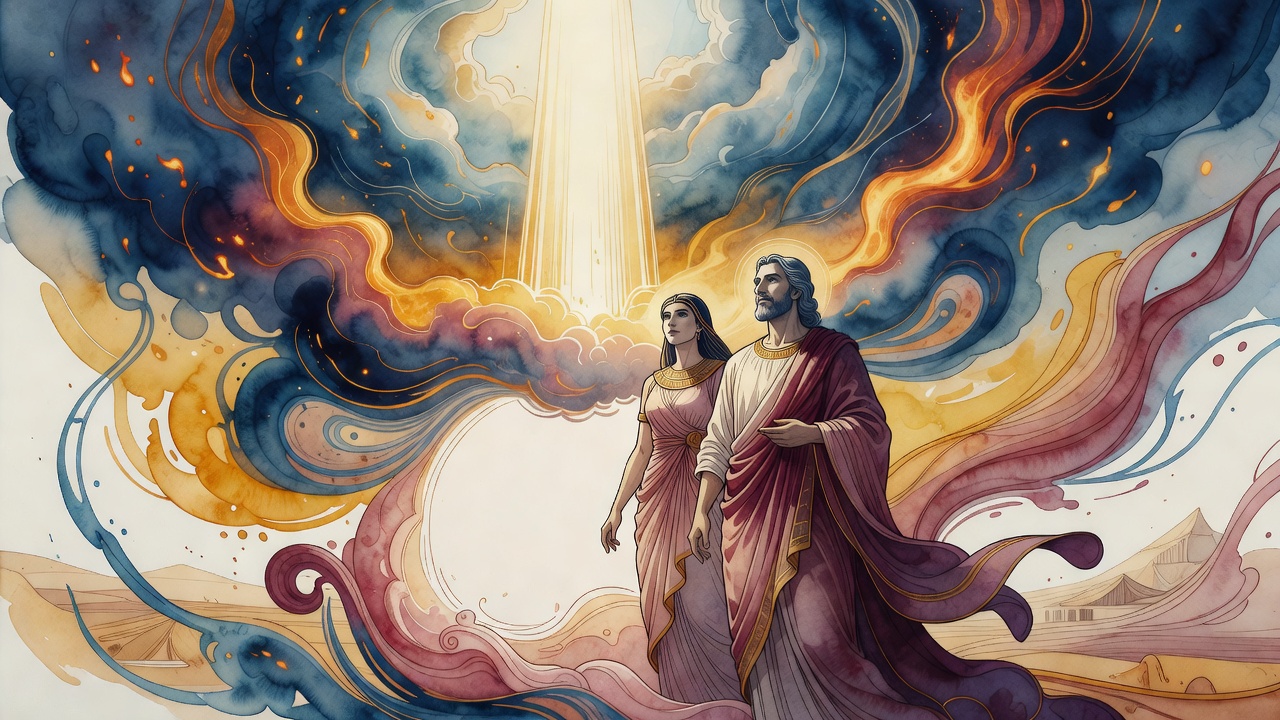
Jacob engraved the child's whole history on a gold plate and hung it around her neck. Then he left her at the border of Egypt for somebody else to find.
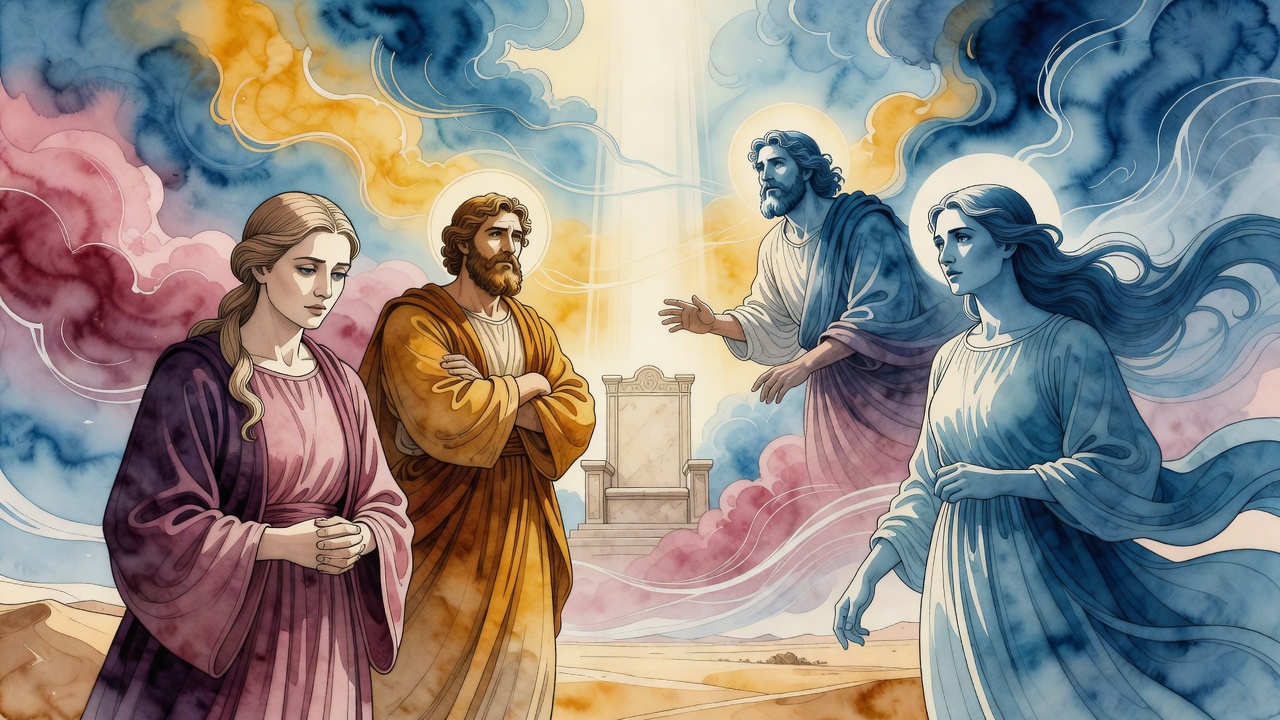
The conflict between Joseph and his brothers had nothing to do with a coat. It was about two mothers, two marriages, and which one Jacob loved.
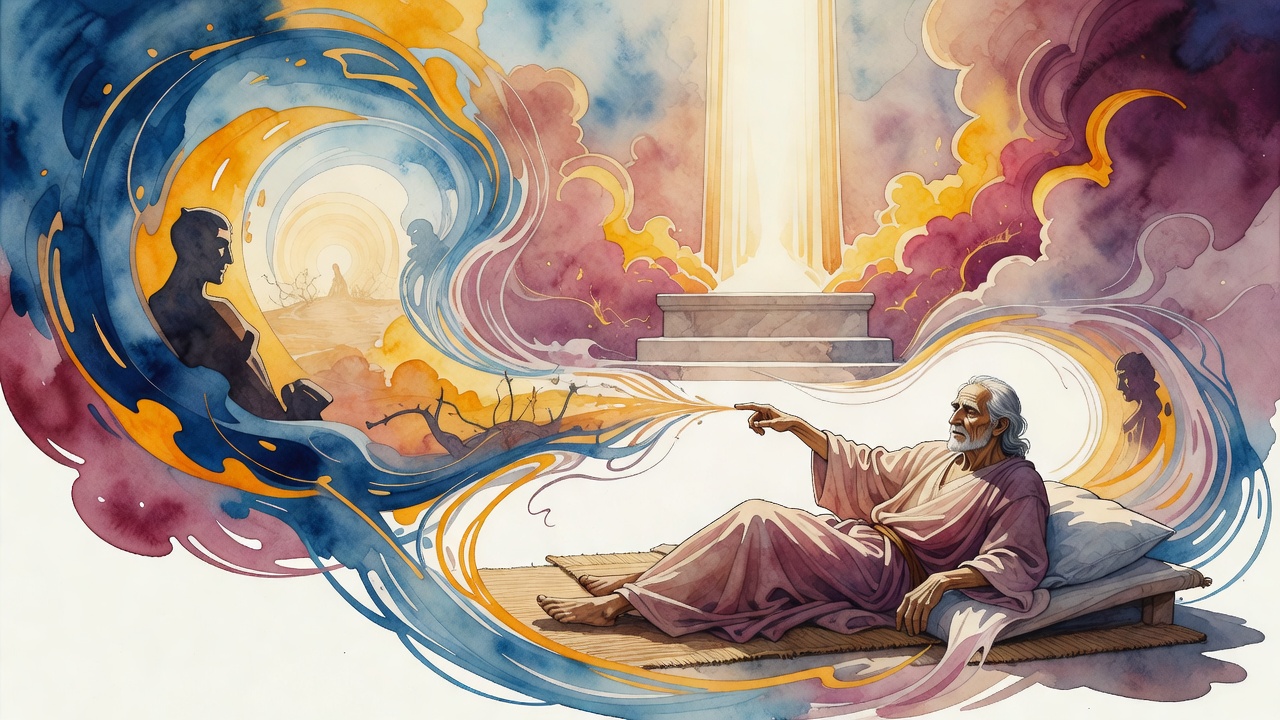
On his deathbed, Simeon confessed he had planned Joseph's murder in his heart and traced the same spirit back through Cain to the first morning of the world.
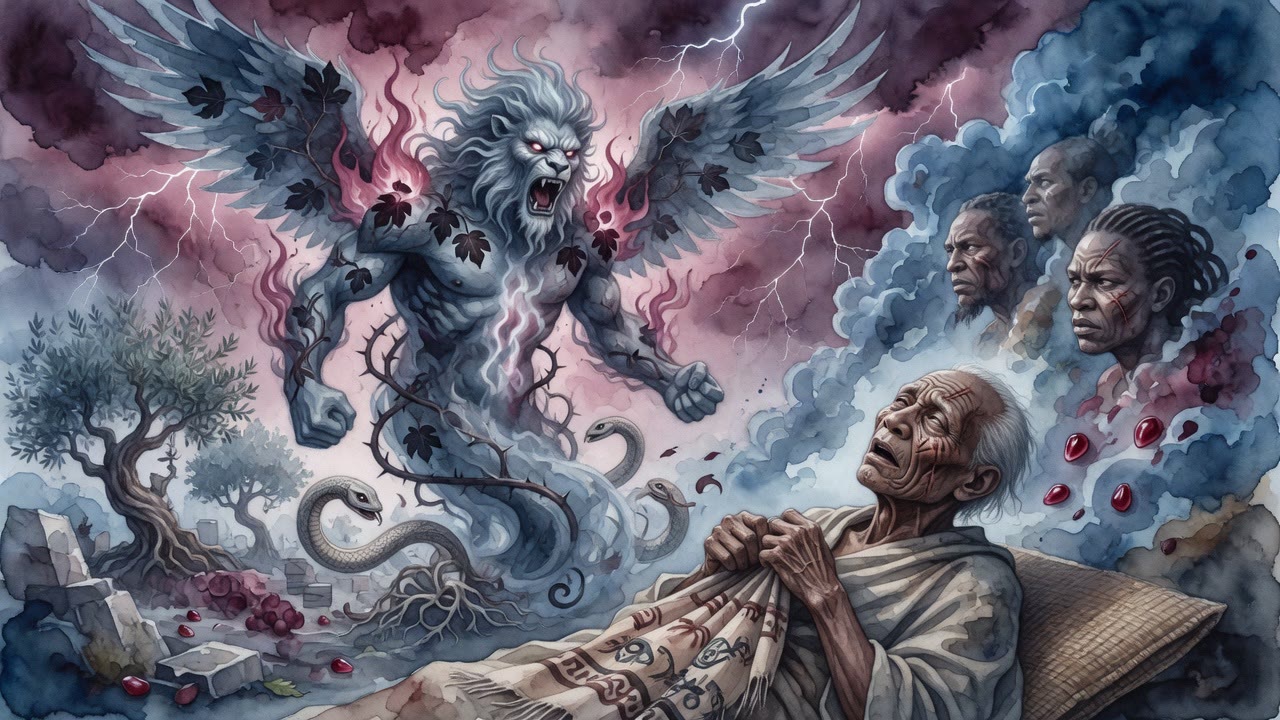
On his deathbed, Dan told his children where the spirit that nearly made him a murderer had come from. It was older than any of them knew.
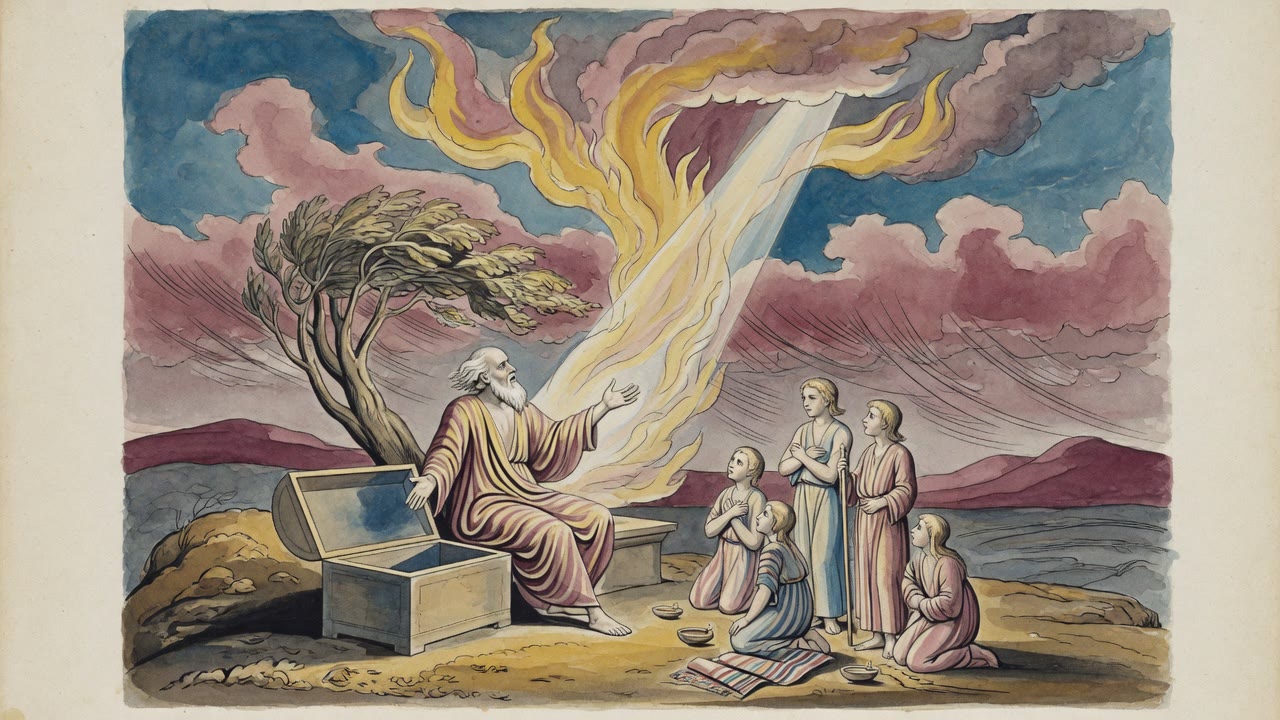
He fed his sons, then told them he was dying. They did not believe him because he still looked strong. Then he told them about the sun and the broken ship.
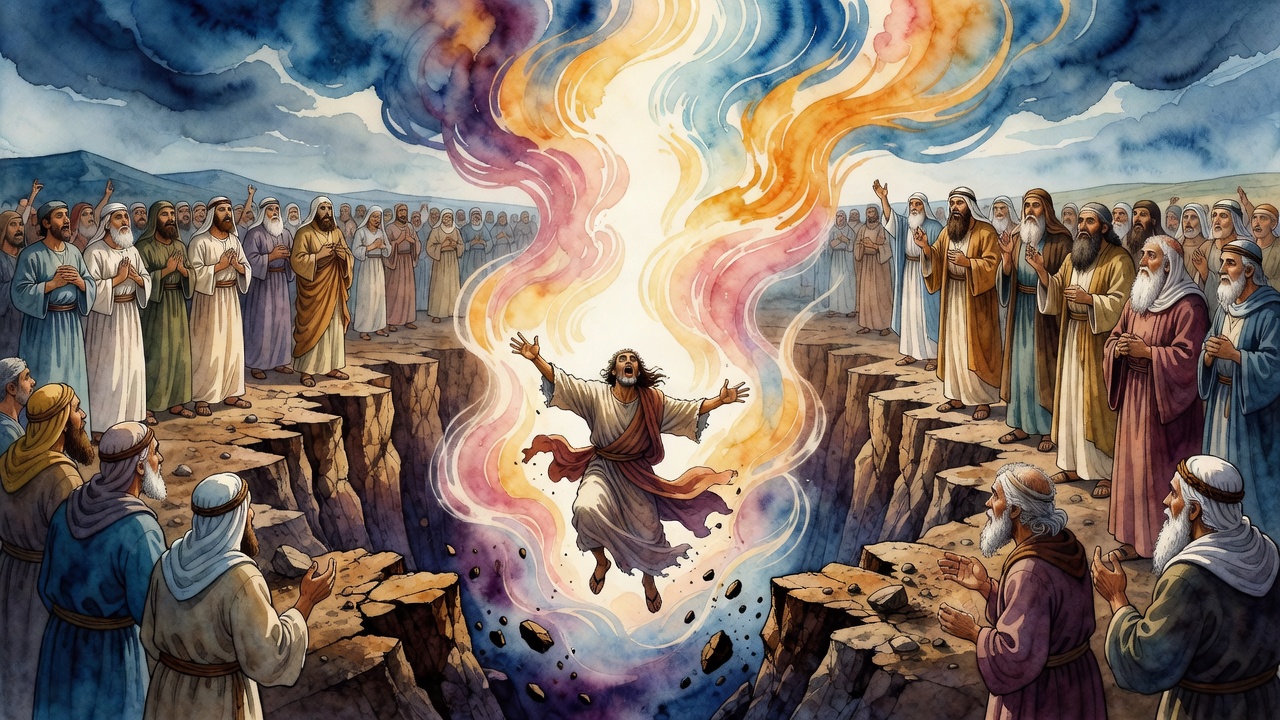
Joseph hid gold in empty country and told no one. A Levite named Korah found one cache. He spent it on a quarrel, and the ground opened its mouth.
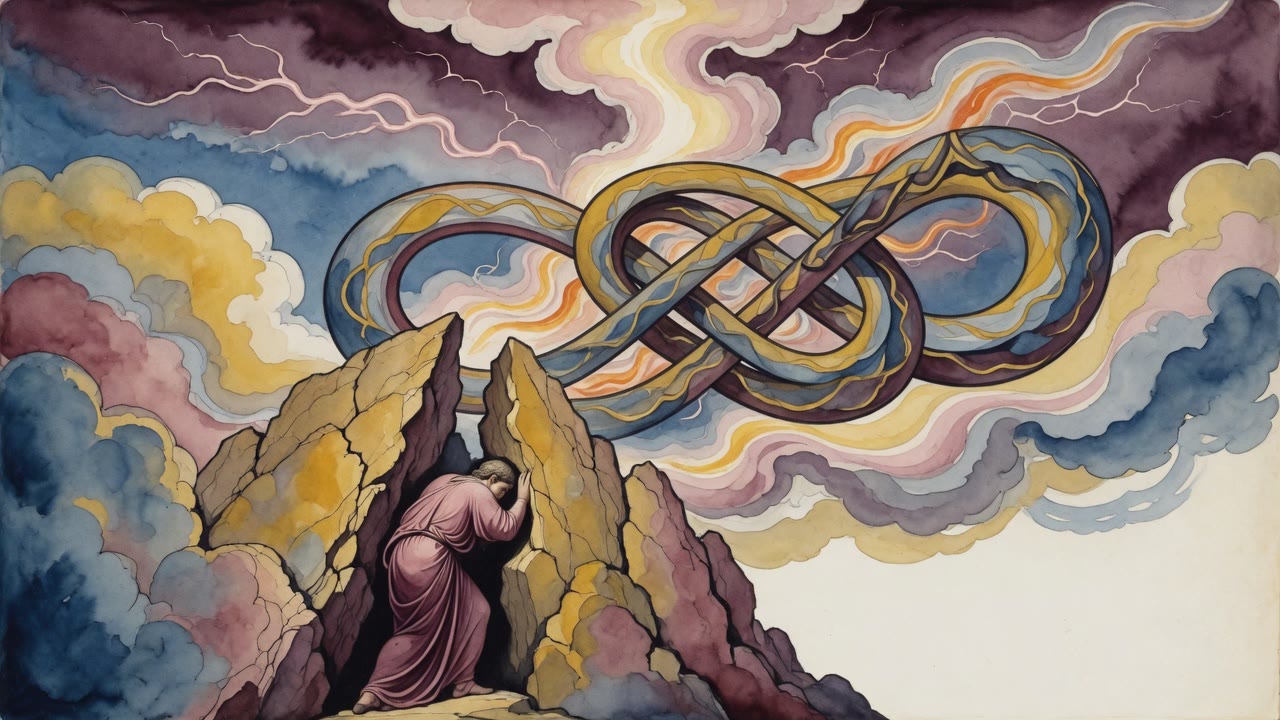
No king who came after Solomon could replicate his throne. The problem was not the gold or the ivory. The throne was built to humble whoever sat on it.
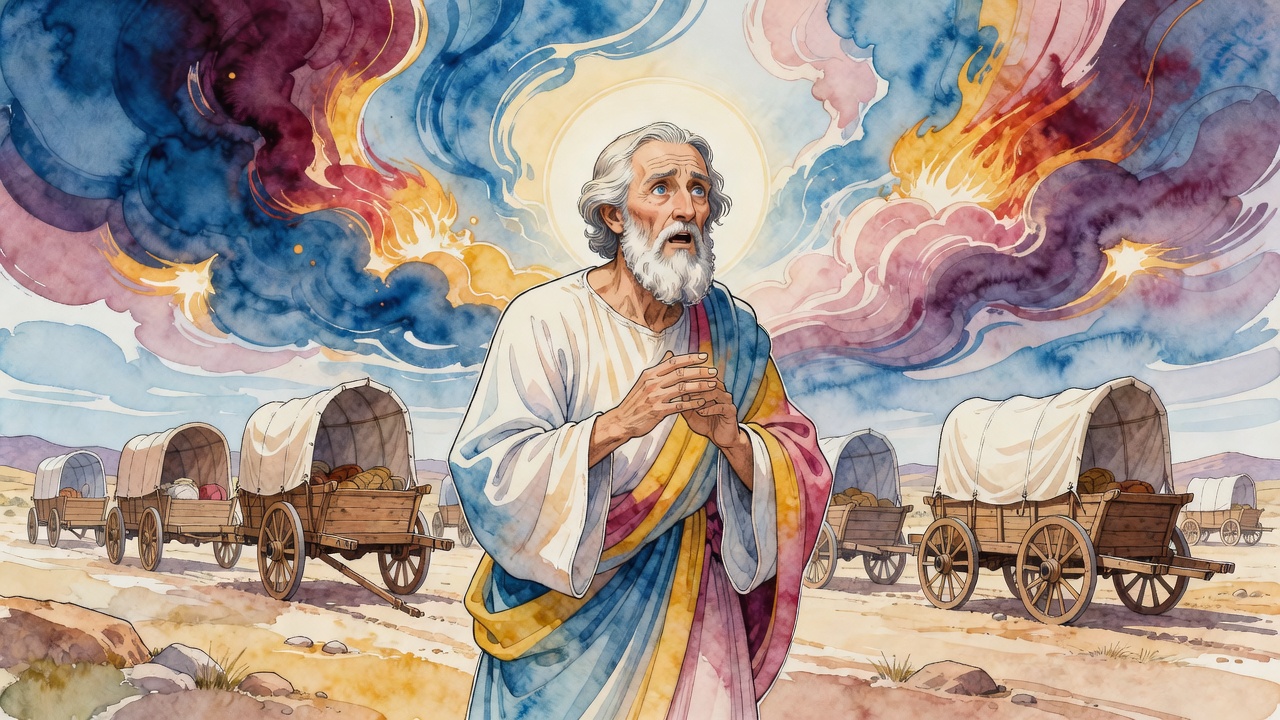
Jacob had not received prophecy in twenty-two years. When the wagons arrived from Egypt carrying proof that Joseph was alive, the spirit returned in an instant.
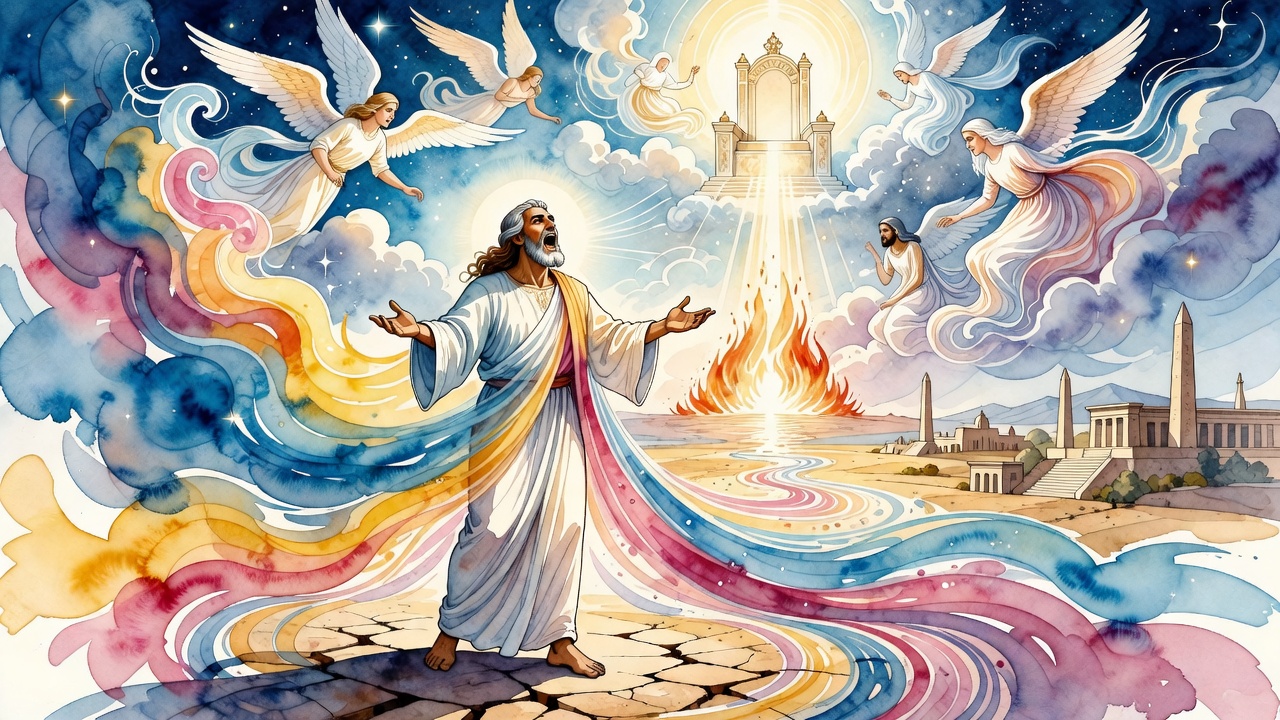
When Judah raised his voice in Egypt demanding Benjamin's release, the rabbis said his cry shook the earth and made the angels tremble in heaven.
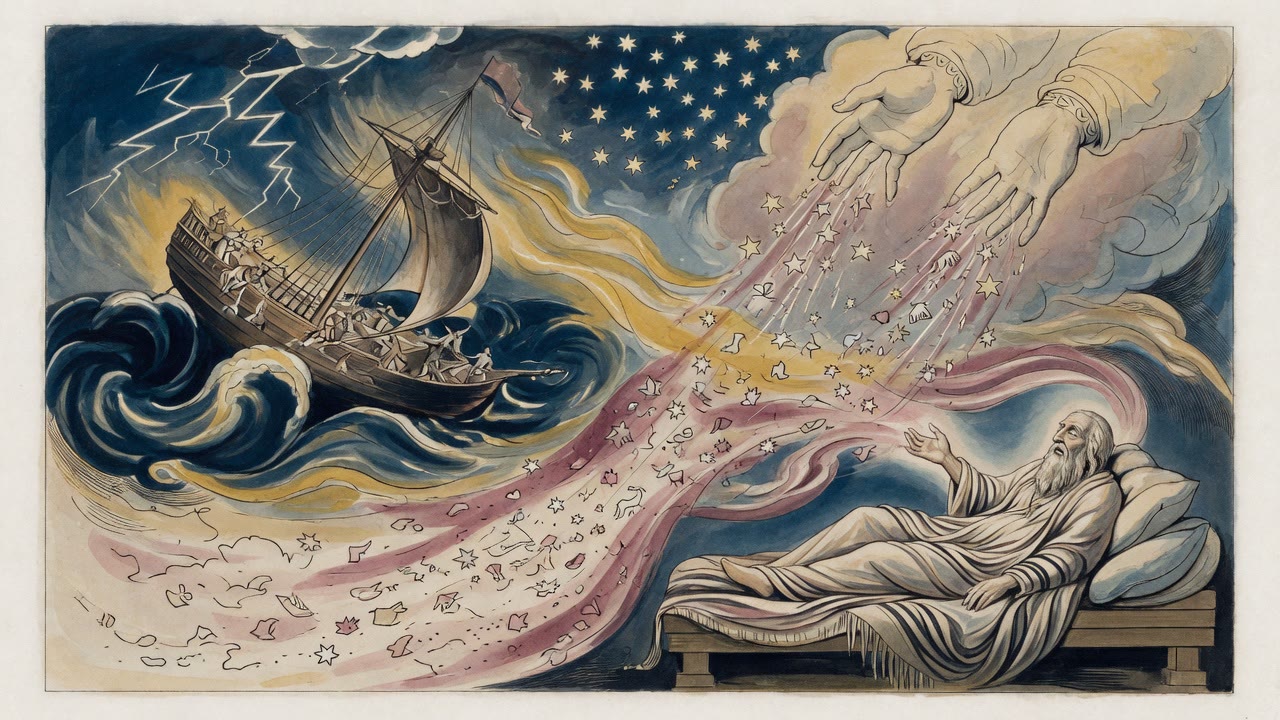
In a dream, Naphtali's brothers grabbed the sun and the moon, and he seized a star. On earth he carried Jacob's messages between Egypt and Canaan.
Egypt was in the streets for the Nile. Joseph stayed with the ledgers in an empty house. Moses later asked where that same people should rest at noon.
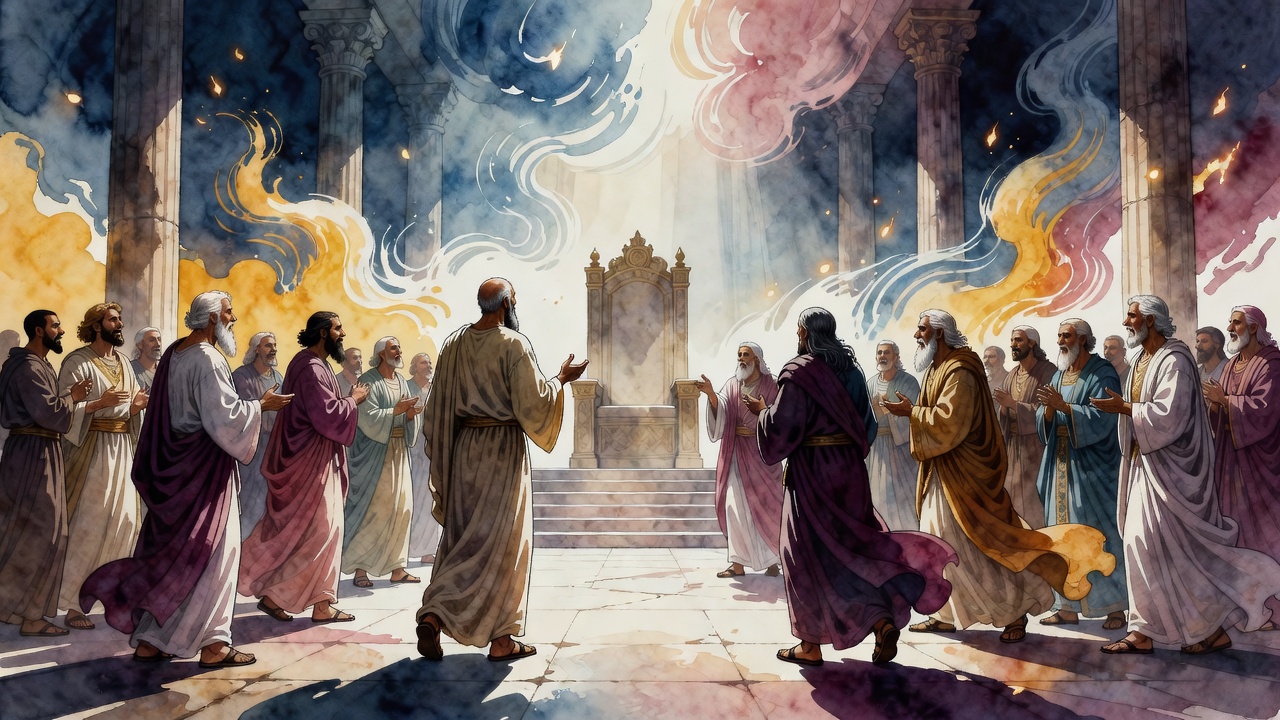
Moses promised locusts, then left the throne room. With him gone, the servants told Pharaoh the land of Egypt was already ruined.
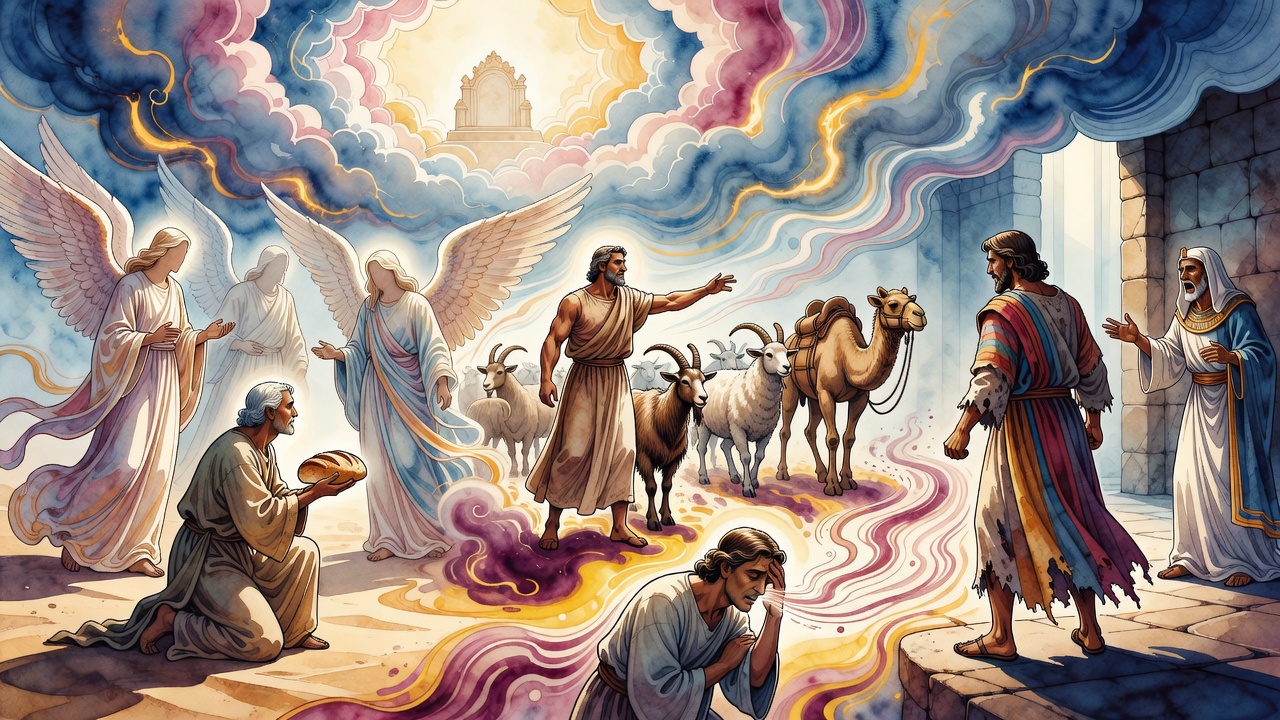
Joseph read the butler's dream correctly and asked him for one favor, a word to Pharaoh. The butler walked free and forgot him for two years.
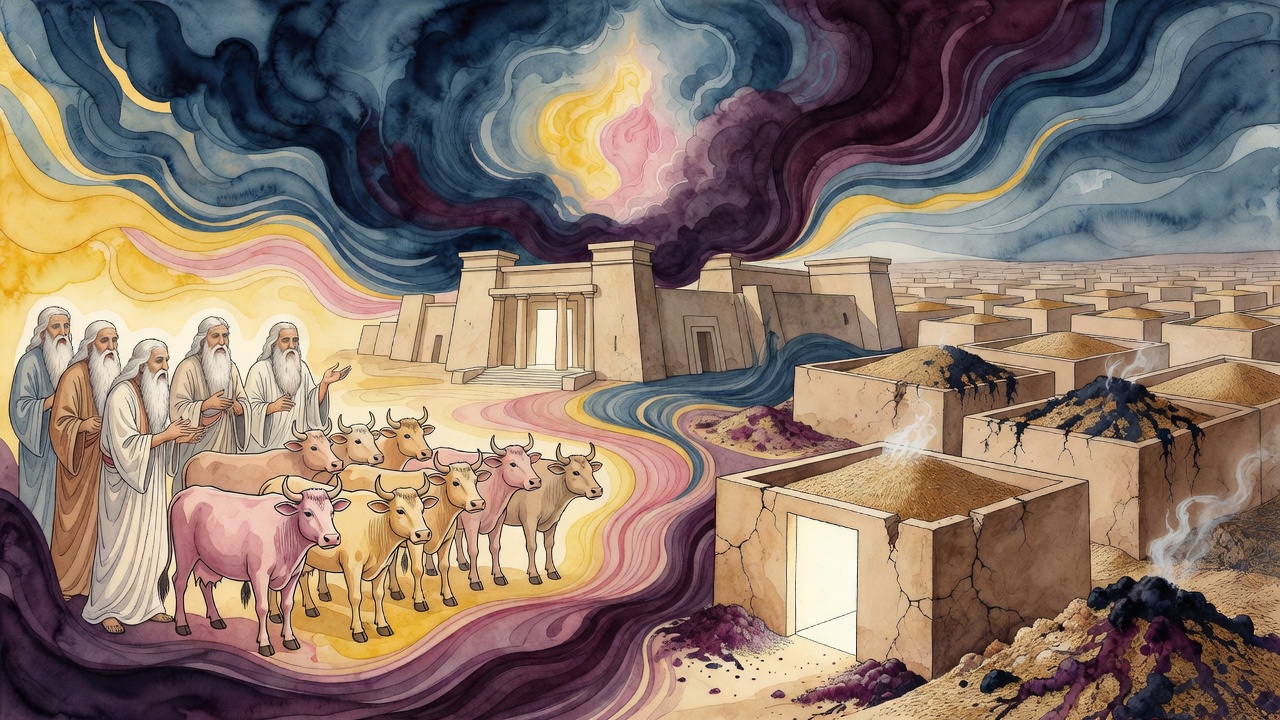
Egypt's wise men misread seven cows as daughters, Pharaoh's firstborn dies the day Joseph is freed, and grain rots in every storehouse except one.
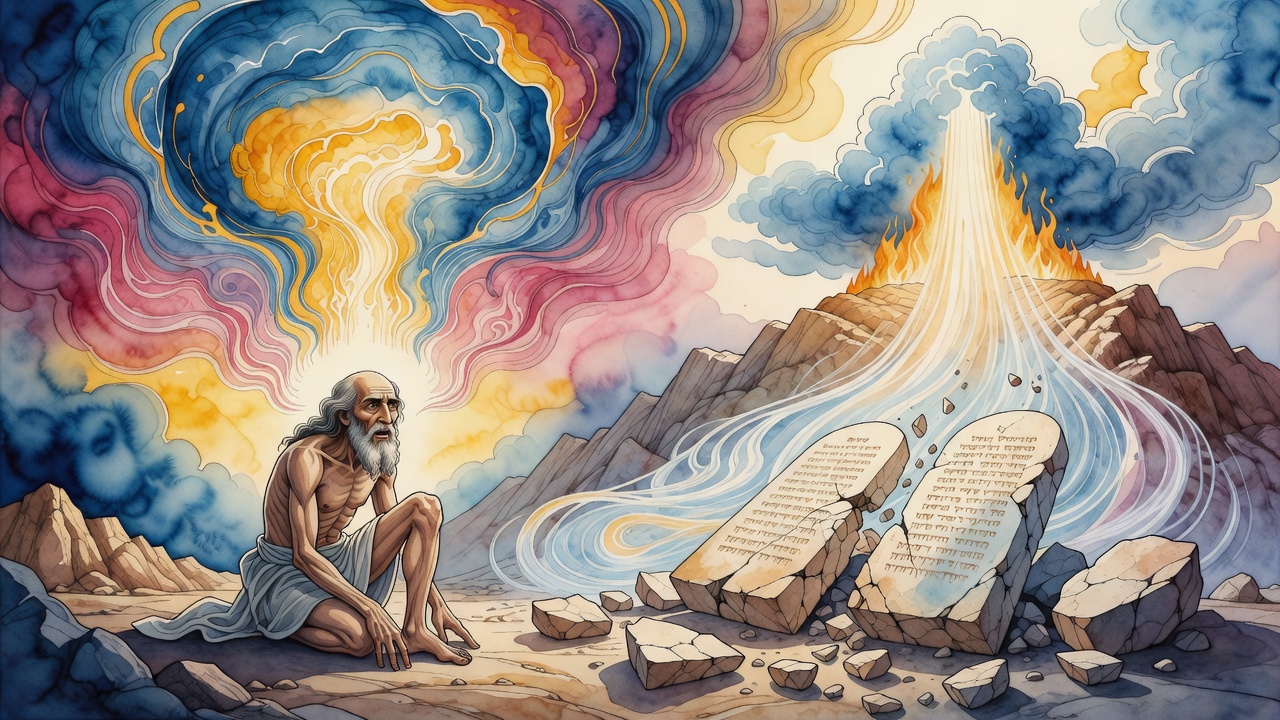
For forty days the young king ate nothing, and wisdom came down to him. At Sinai it went the other way. The letters lifted off the broken stone.
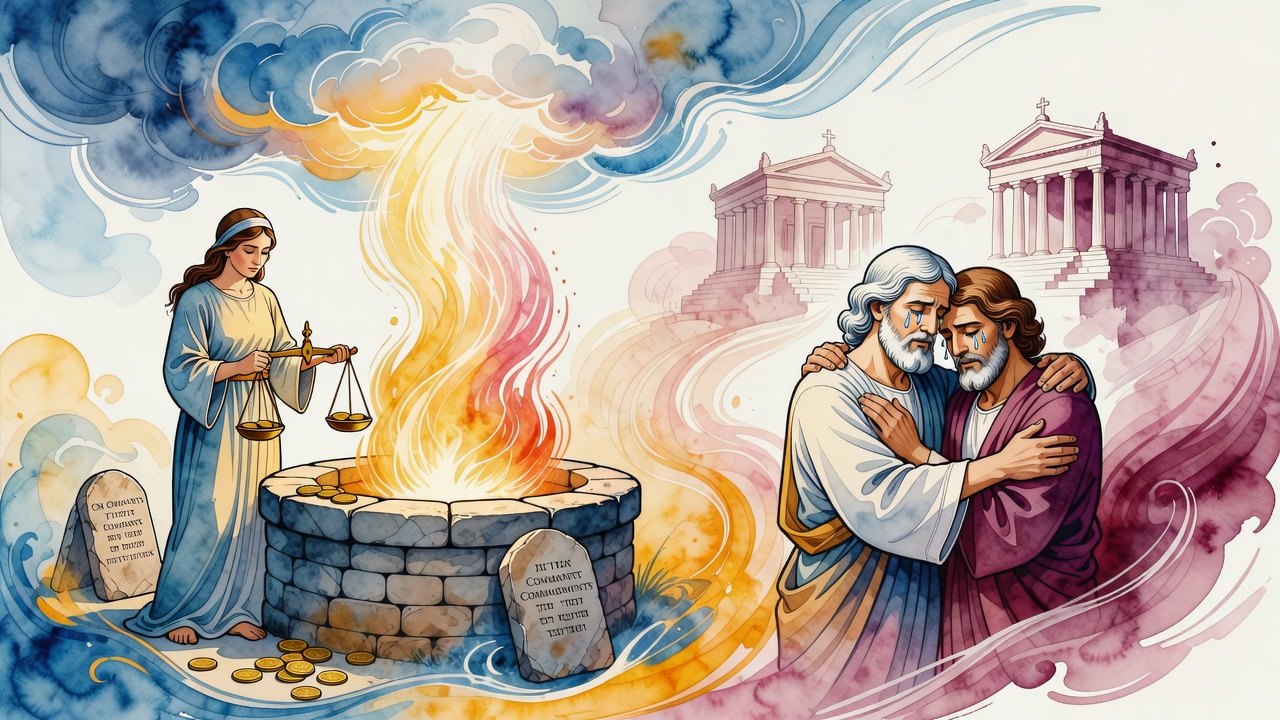
The servant would not touch the meal until he had said his errand. He talked half the night. By morning Rebekah's father was dead in the house.
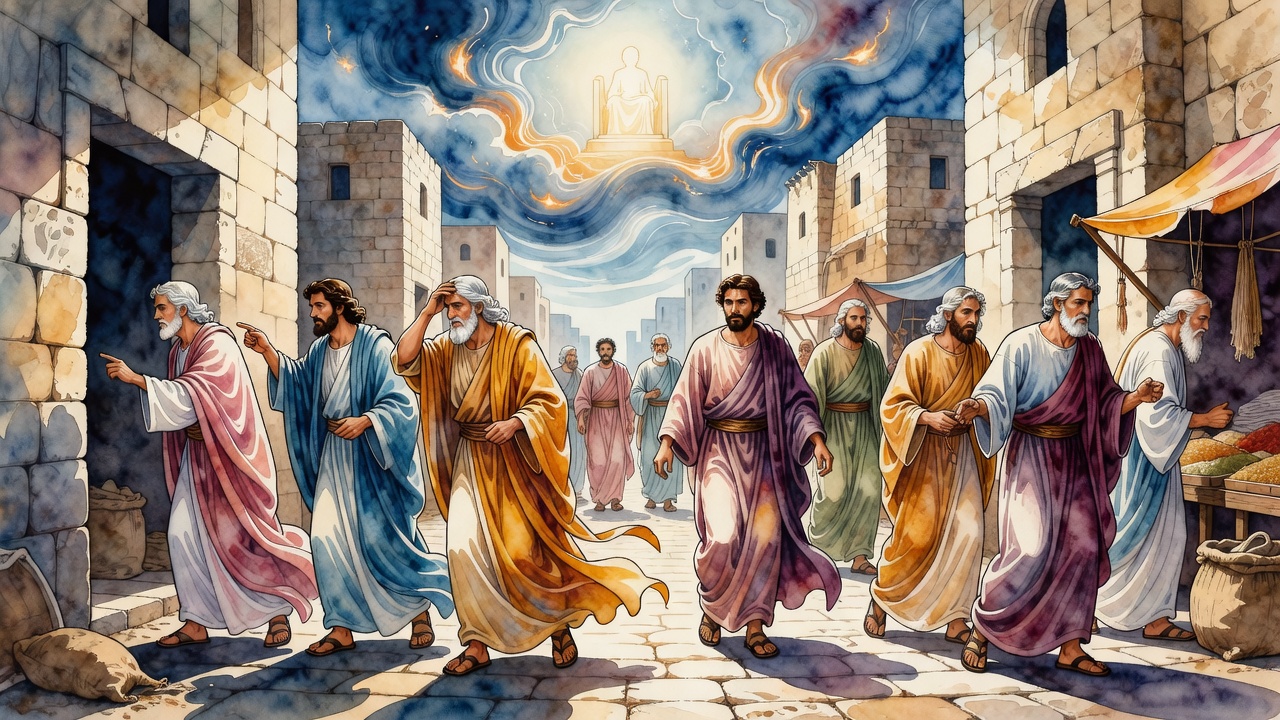
They came through the gate in the same hour and gave the clerks the same father. Then they spent the day hunting the streets for a sold boy.
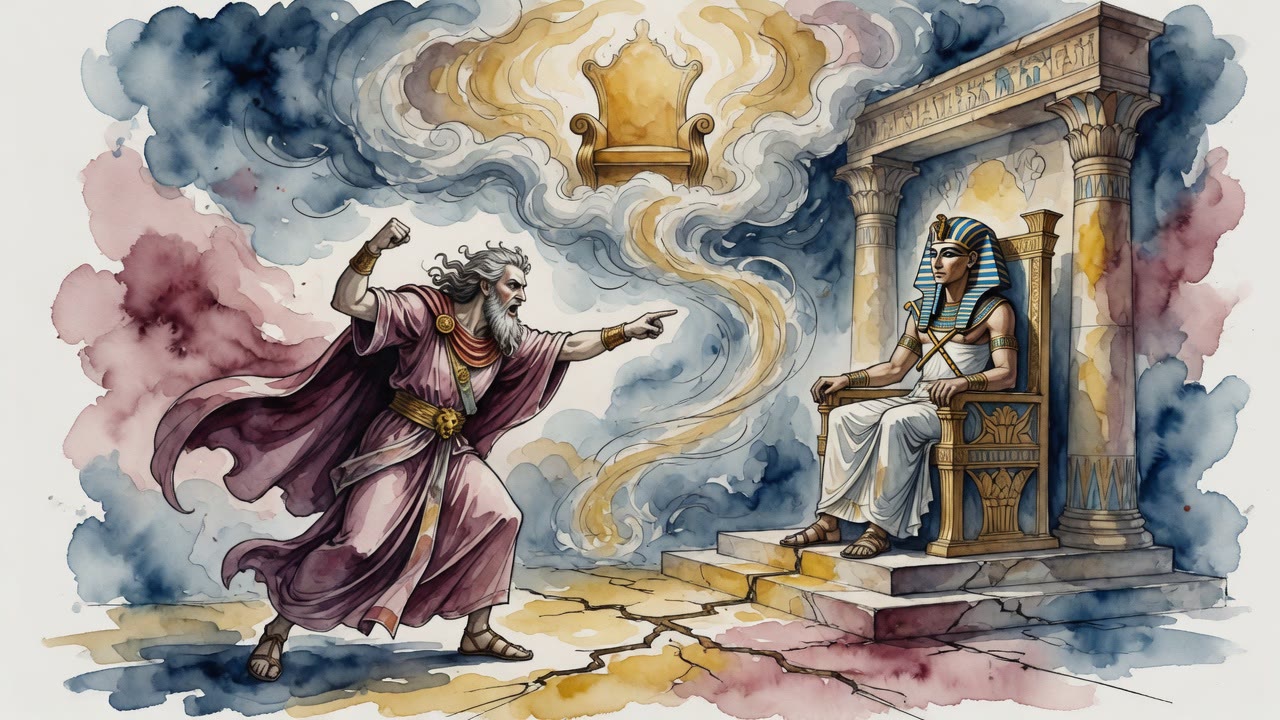
Jacob had deceived his father to take the firstborn's blessing. In Laban's house he got the wrong daughter on his wedding night and ten changes of wages.
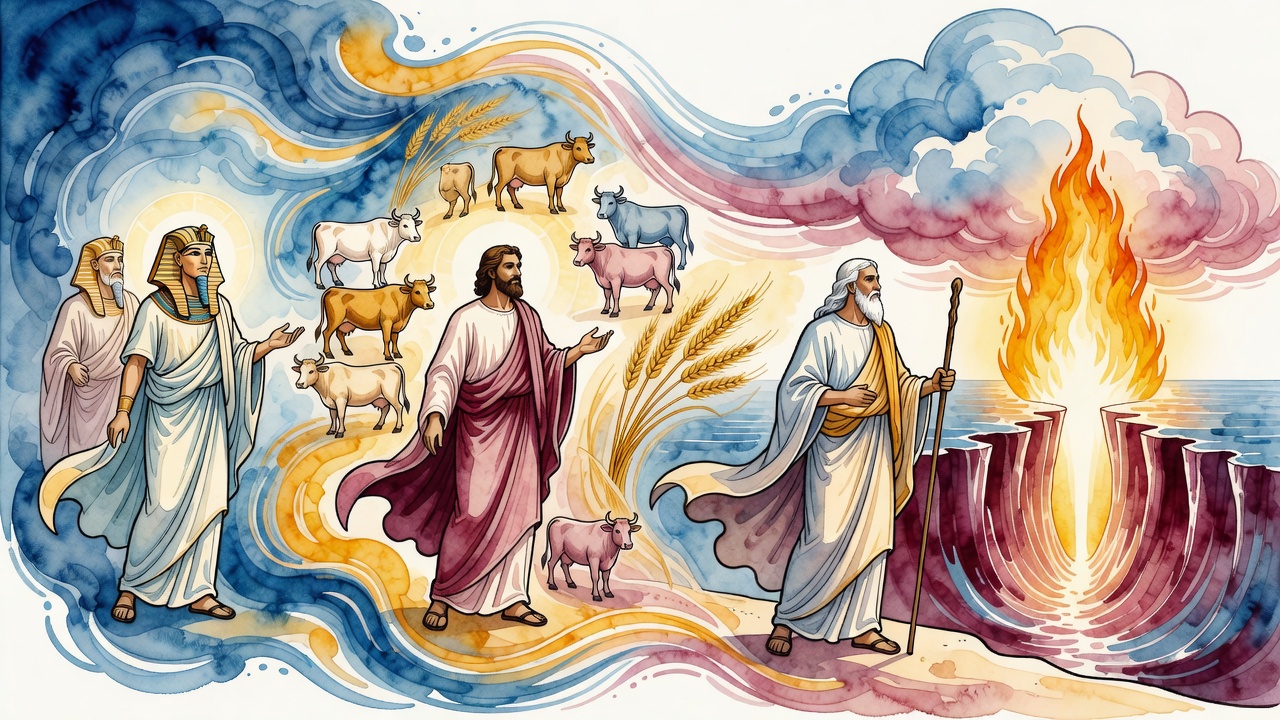
Pharaoh woke from dreams his court could not hold. Joseph named what the night meant. Generations later Moses stood at the sea and the answer came again.
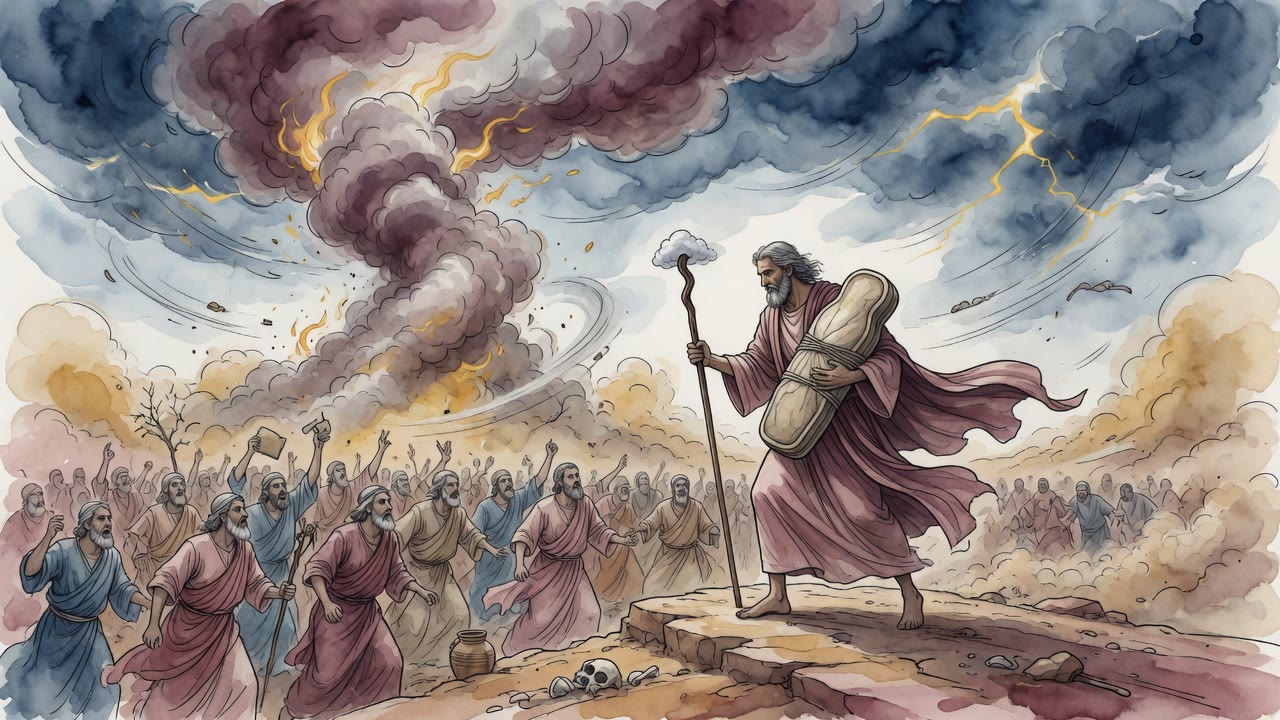
The people wept for meat and called the manna worthless. Moses told God the weight was too heavy and asked to be killed rather than watch it.
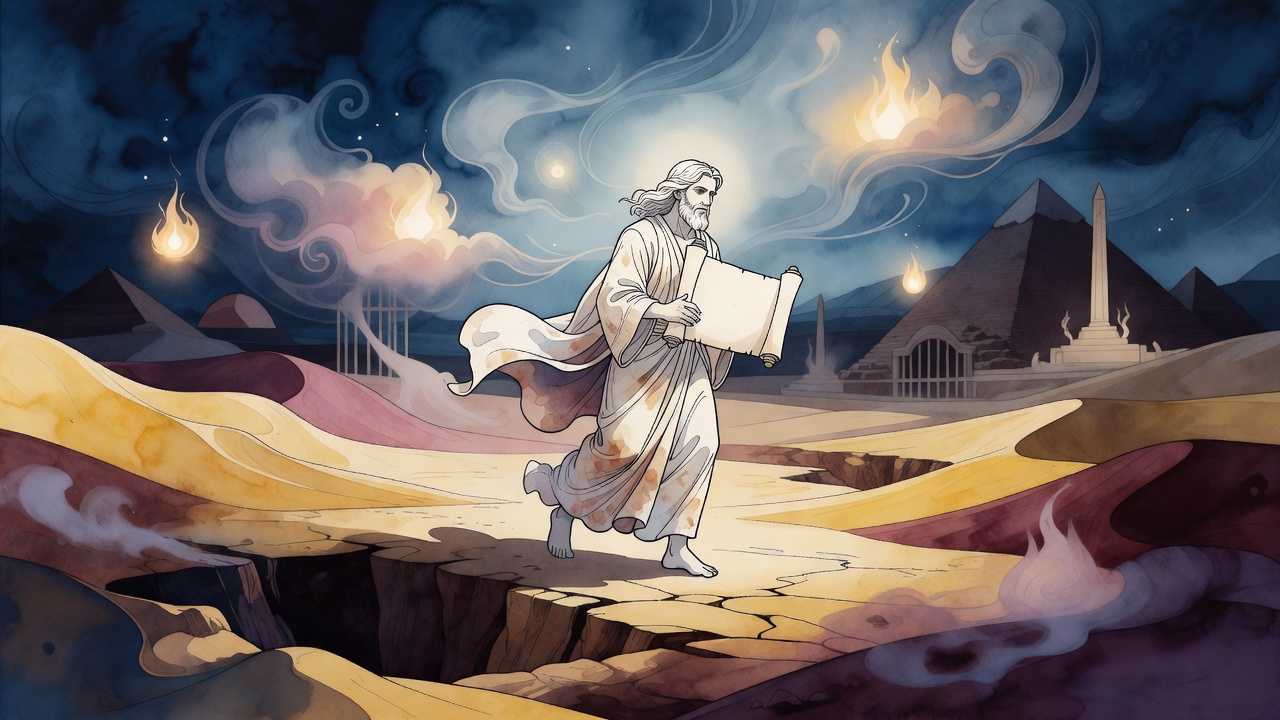
The iron sat under his neck so he would look at her. Joseph kept his eyes on the wall and answered her with a psalm.
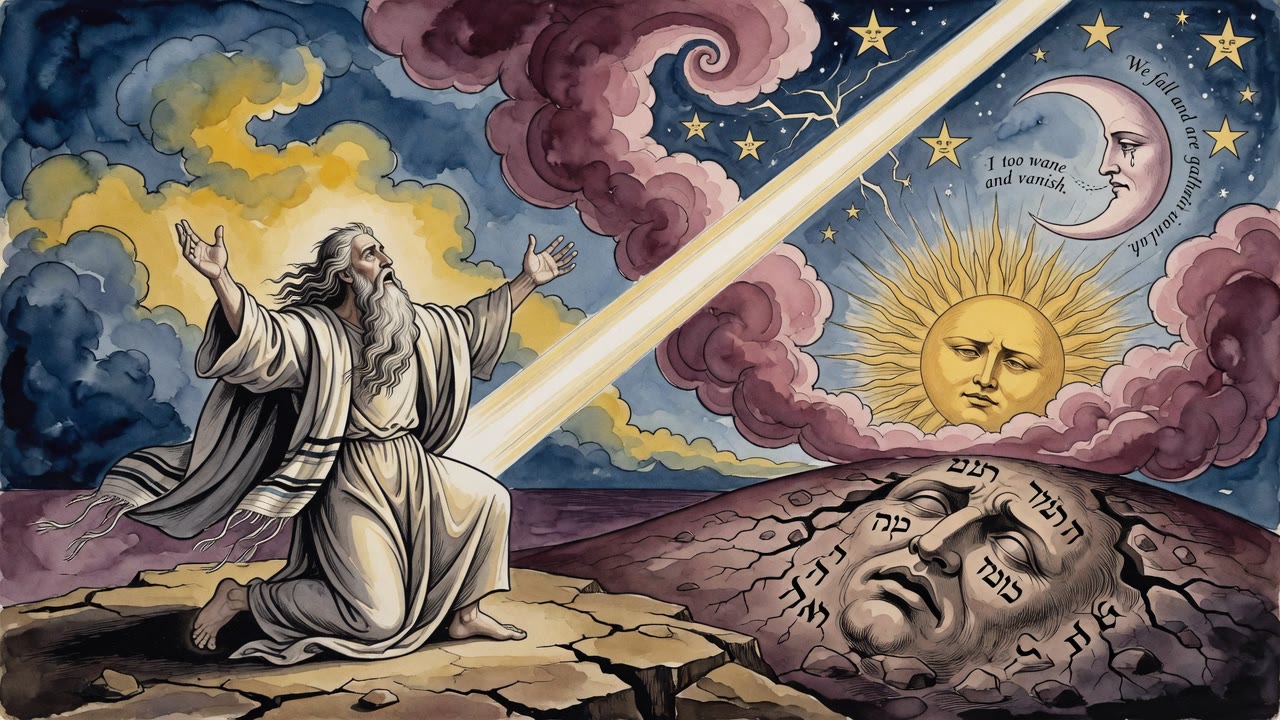
Abraham's tent rushed to serve strangers, Judah learned the cost of a half-finished rescue, and Joseph forced Egypt to promise his bones would leave.
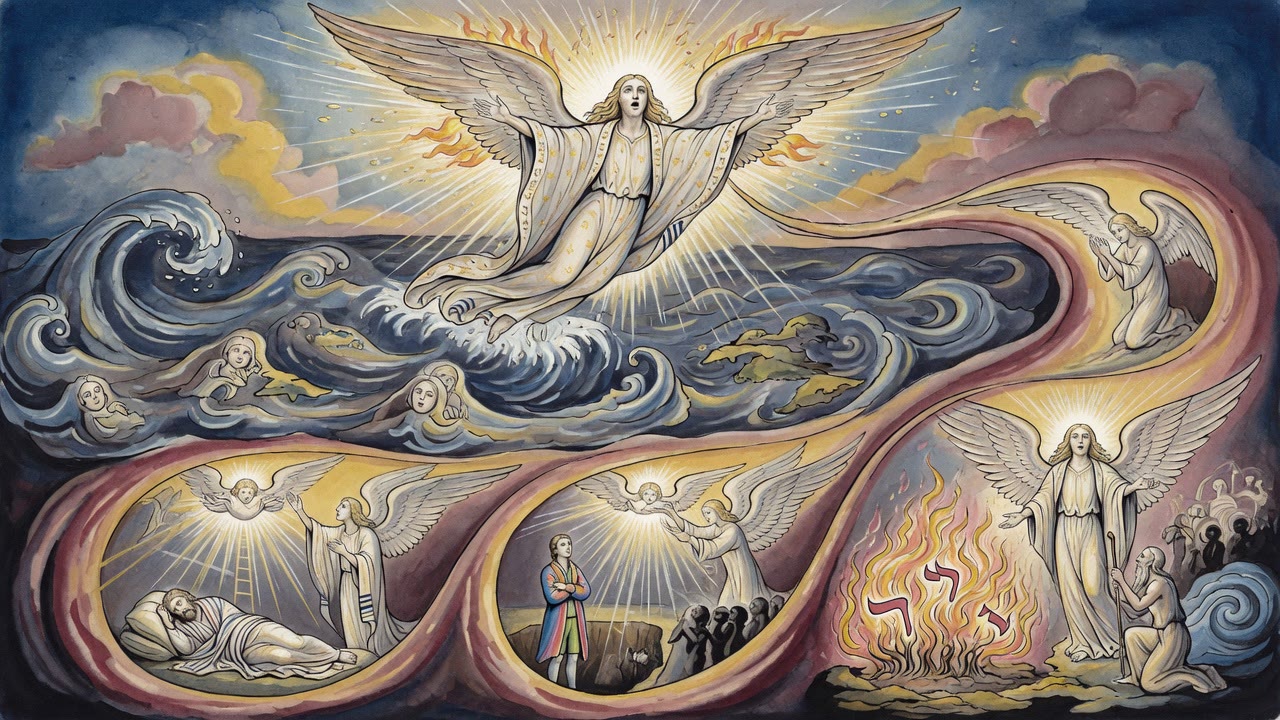
On the second day the lower waters wept and would not split. The sky was three fingers thick. An angel sang about Sinai, and the waters went quiet.
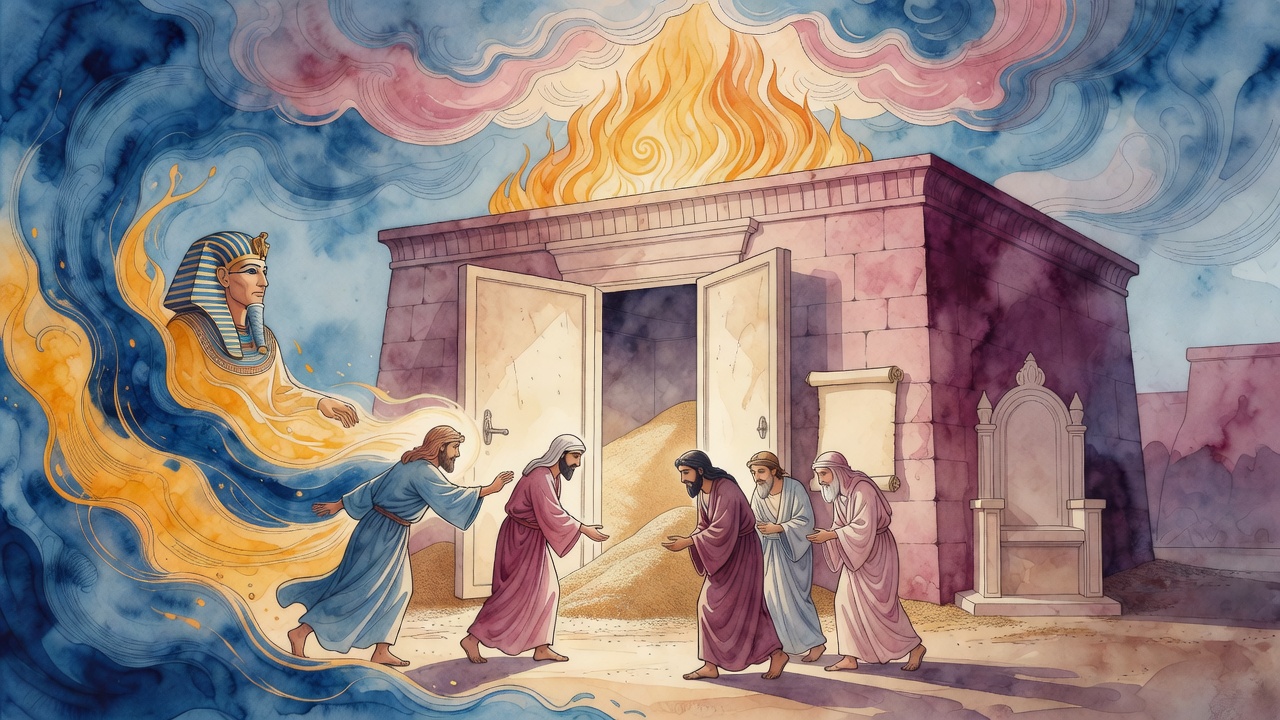
The butler dreamed of a vine in Joseph's cell. Years later the brothers bowed for grain and named the sale with their own mouths.
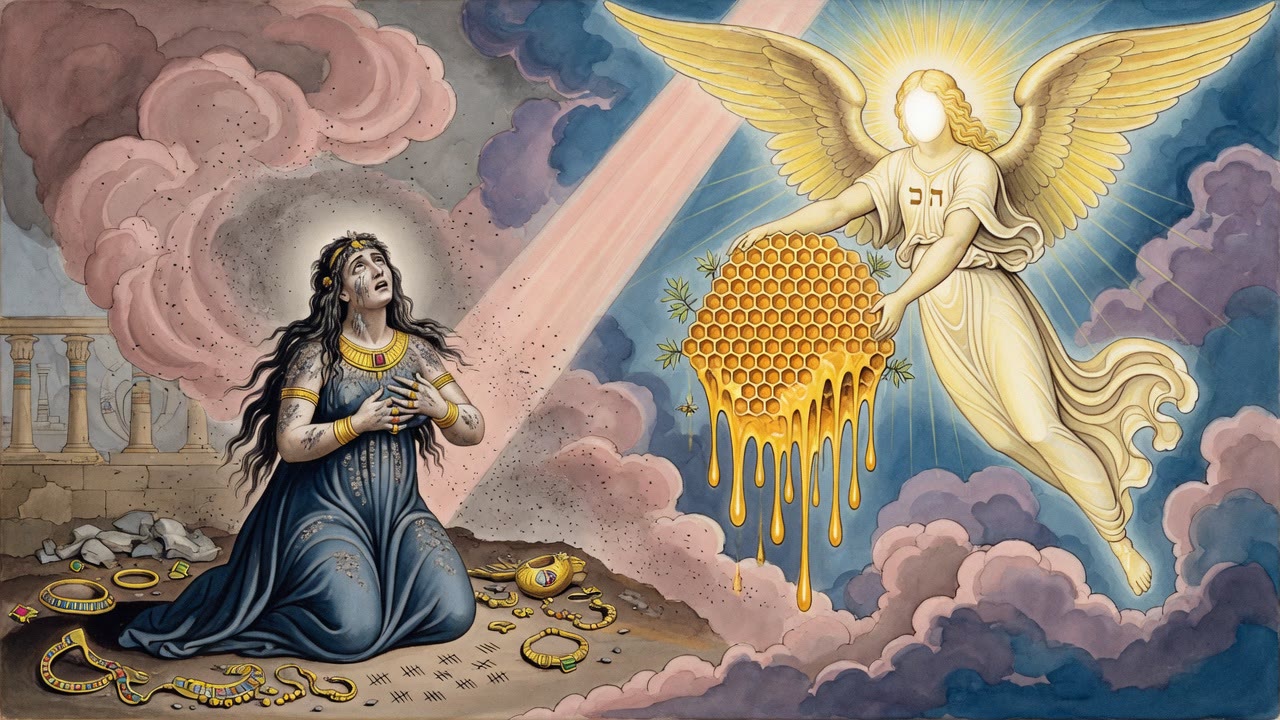
She threw her idols from the tower window. On the eighth morning a man like Joseph put honeycomb from Paradise on her tongue.
