145 myths · Page 2 of 5
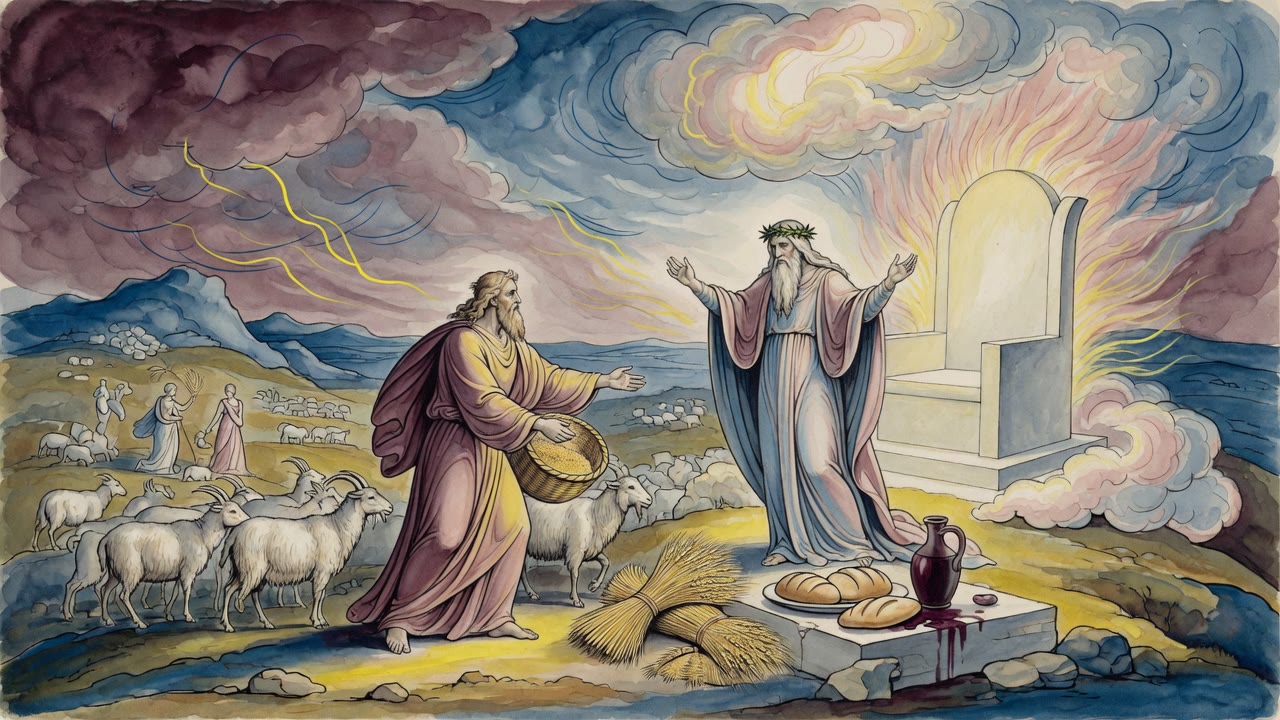
Twenty-four thousand were already dead. Moses wept at the tent door. A young priest stood up with a spear no one had given him.
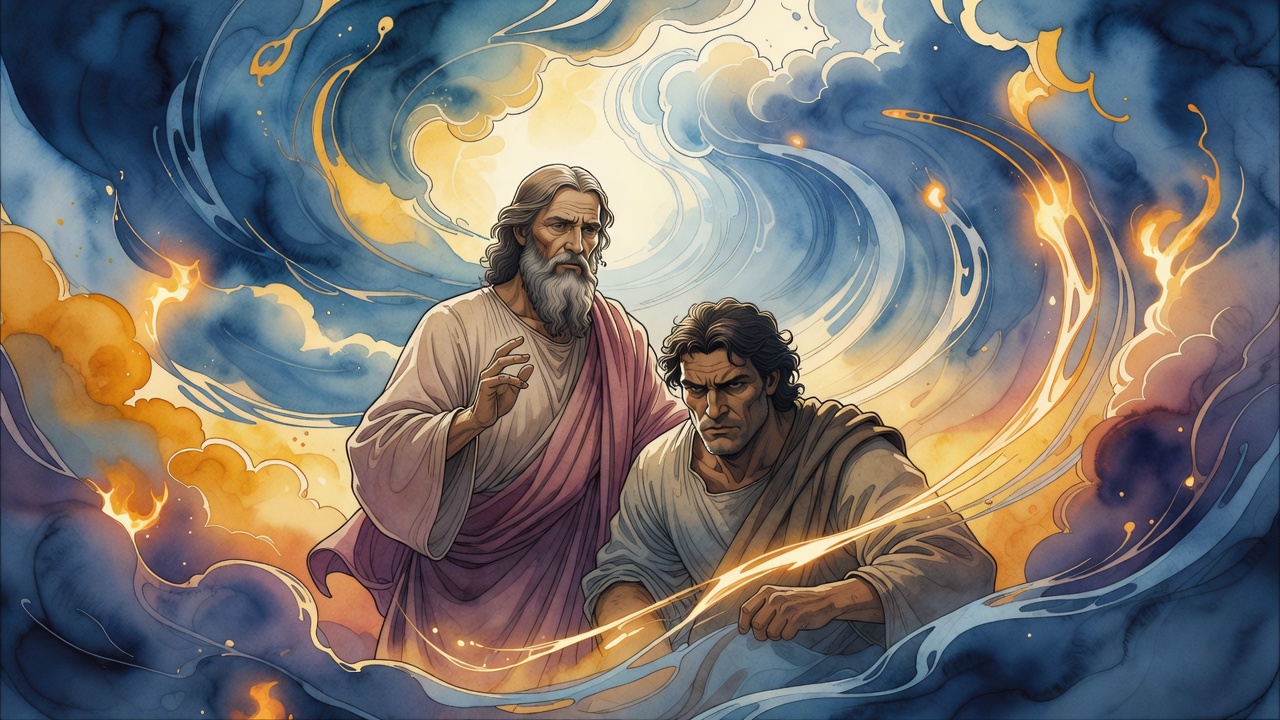
Judah told the men to burn Tamar. She sent him the seal he had left on the road. He said she was more righteous than he was.
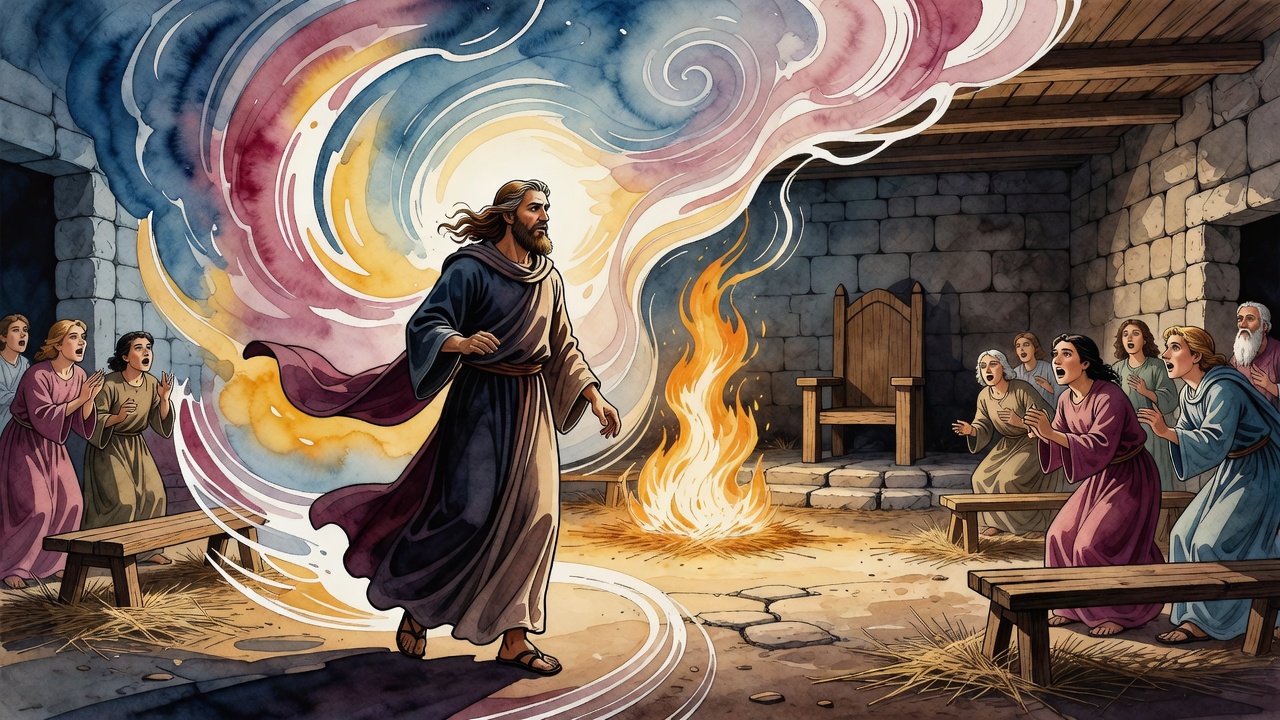
Elijah came daily to Rabbi Judah's school. One morning he was late. His explanation for why the Patriarchs could not pray together still echoes.
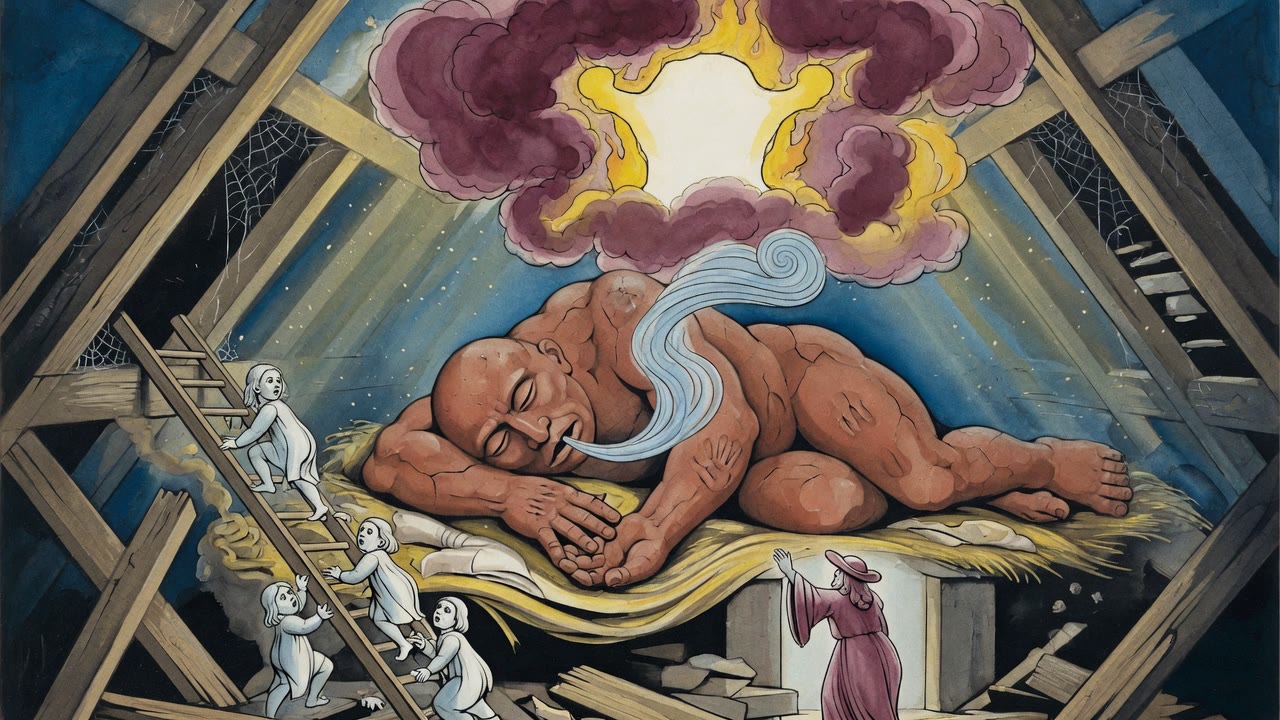
The Maharal put the clay body in the synagogue attic with a single promise: wait here until the Messiah. Children who climbed up to look could not come down.
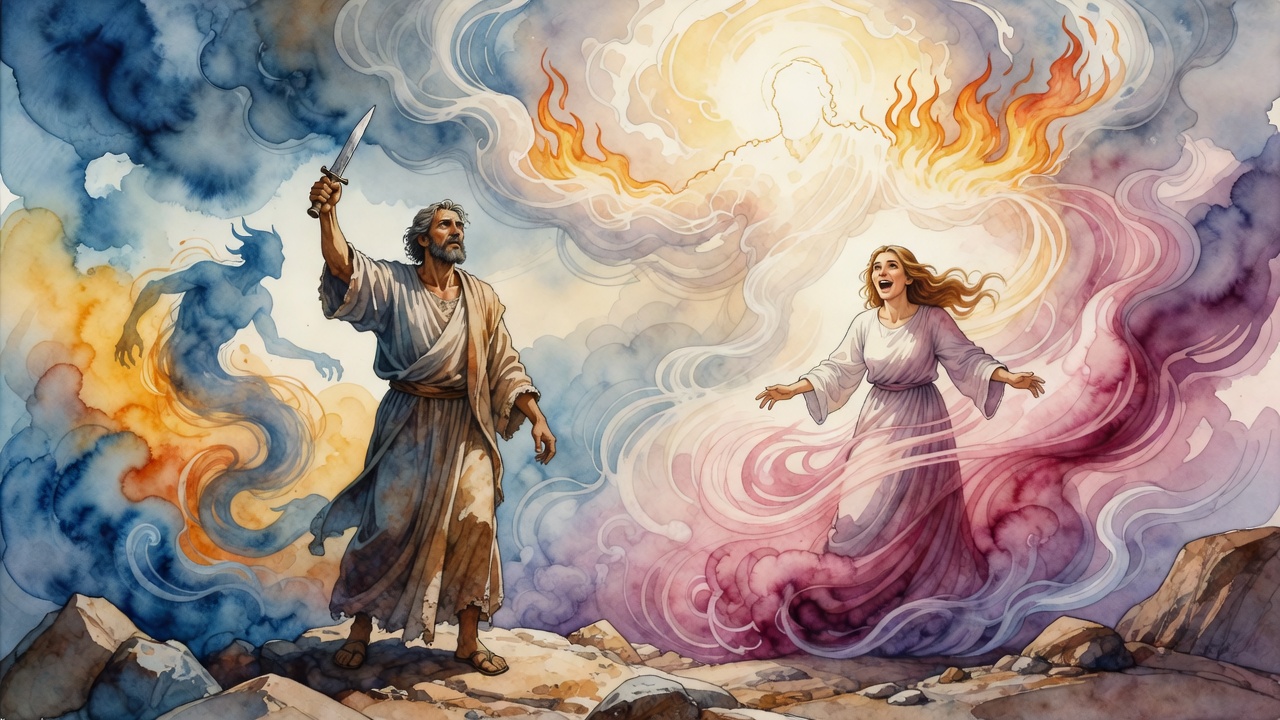
She went looking for Isaac as far as Hebron. No one had seen him. Then an old man came back to say the first news had been a lie.
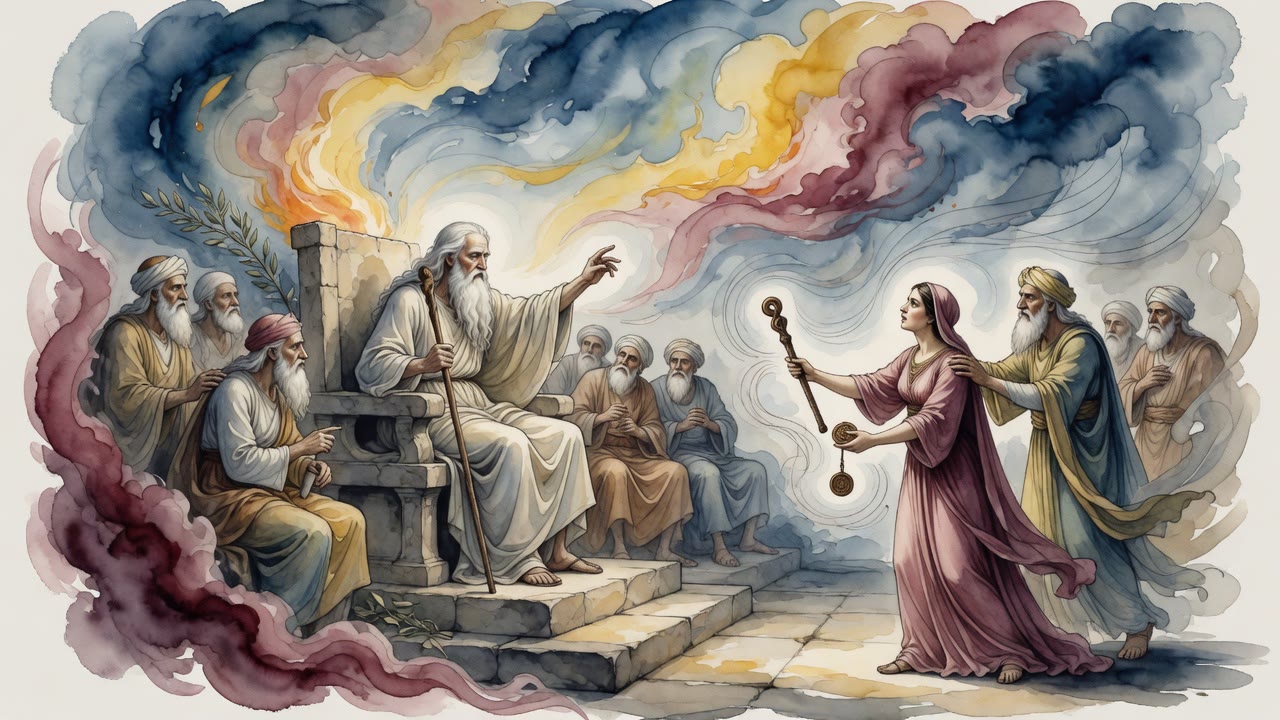
Judah walked past her on the road to Timnah. She asked heaven not to send her away empty. An angel of passion turned him back.
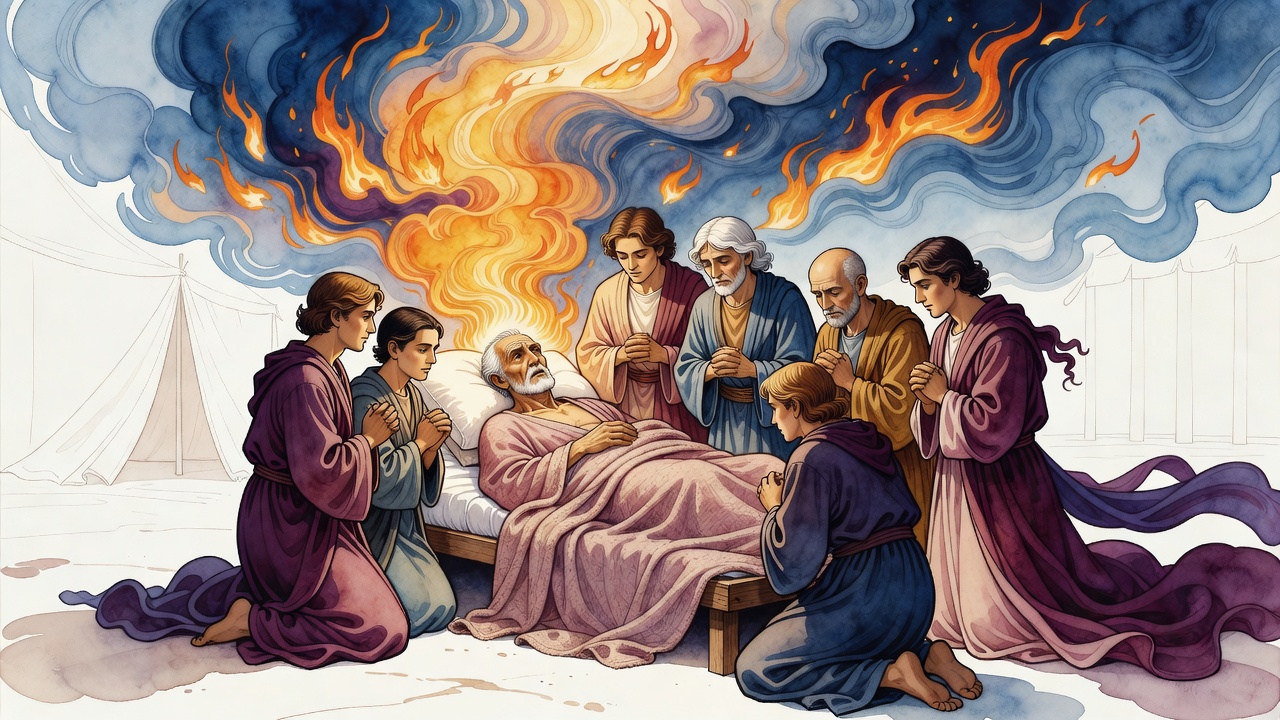
On his deathbed Judah named every strength he had possessed, then told his sons what had undone him. The wine did what war never could.
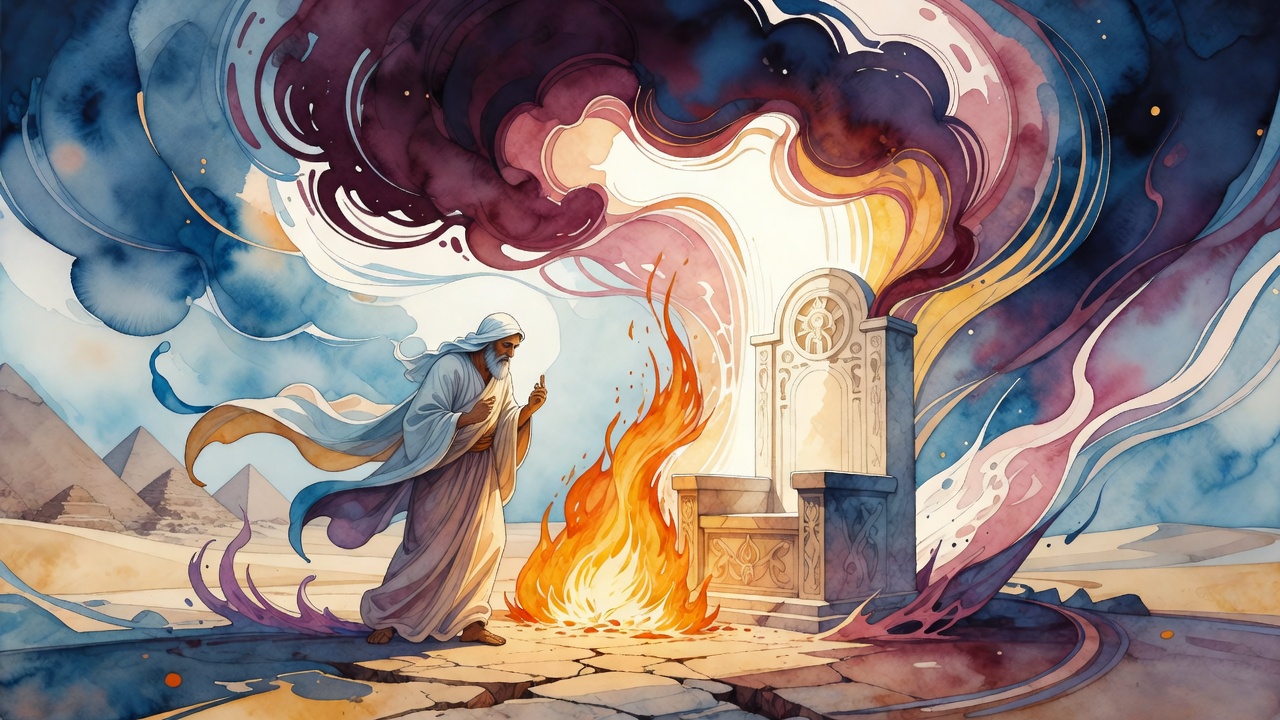
Lot survived Sodom not only because of Abraham's prayer. The tradition traces his rescue to a moment in Egypt when he stayed silent and heaven noticed.
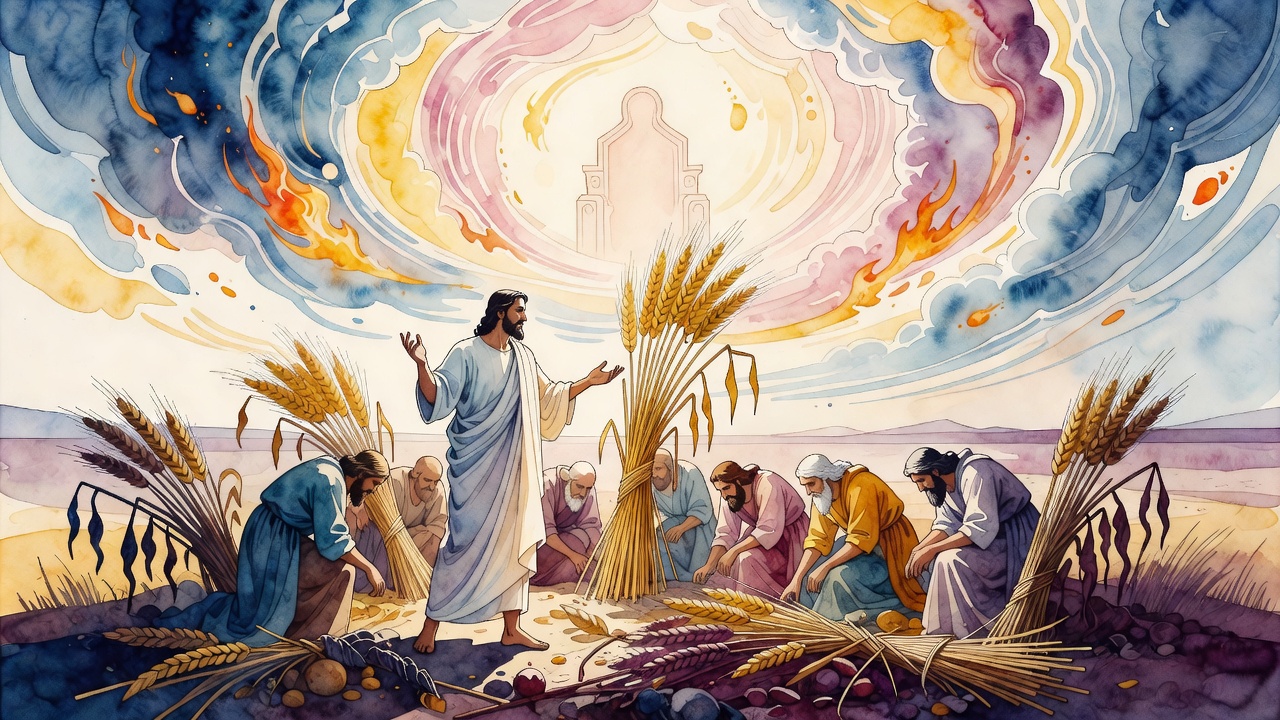
He warned them, before any of it happened, that they would keep the truth about him from his father. Then they sold him and soaked the coat in goat blood.
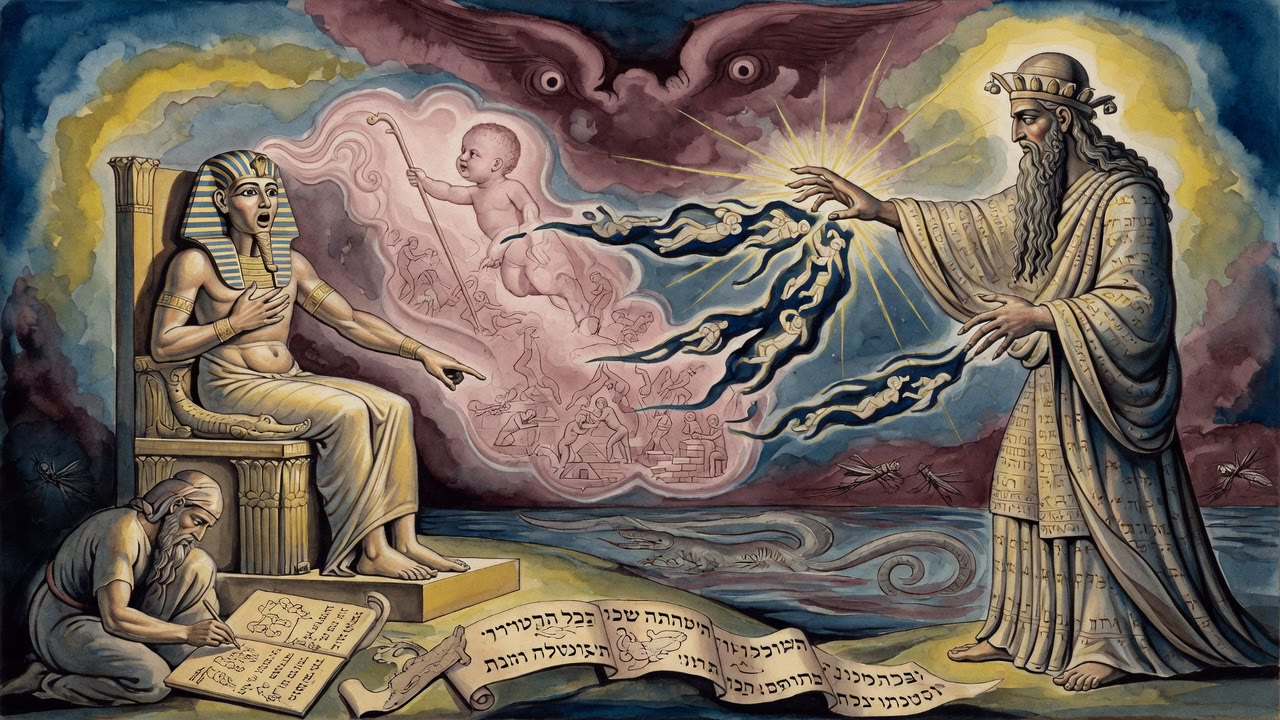
Balak paid for a curse. From Peor the hired mouth named a Midianite clan instead. Then the prophetic spirit left him for good.
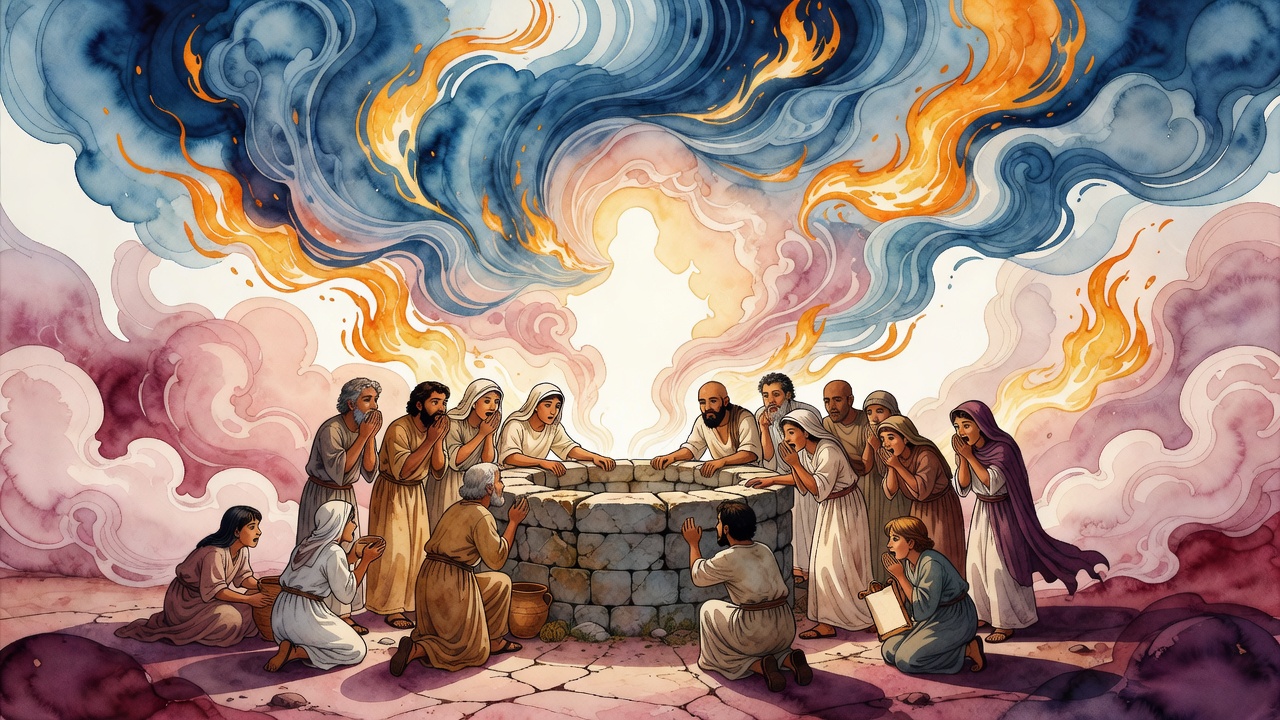
For generations nobody dared draw from it. Israel arrived after forty years in the desert and found cold water with no marker and no warning on it. They drank.
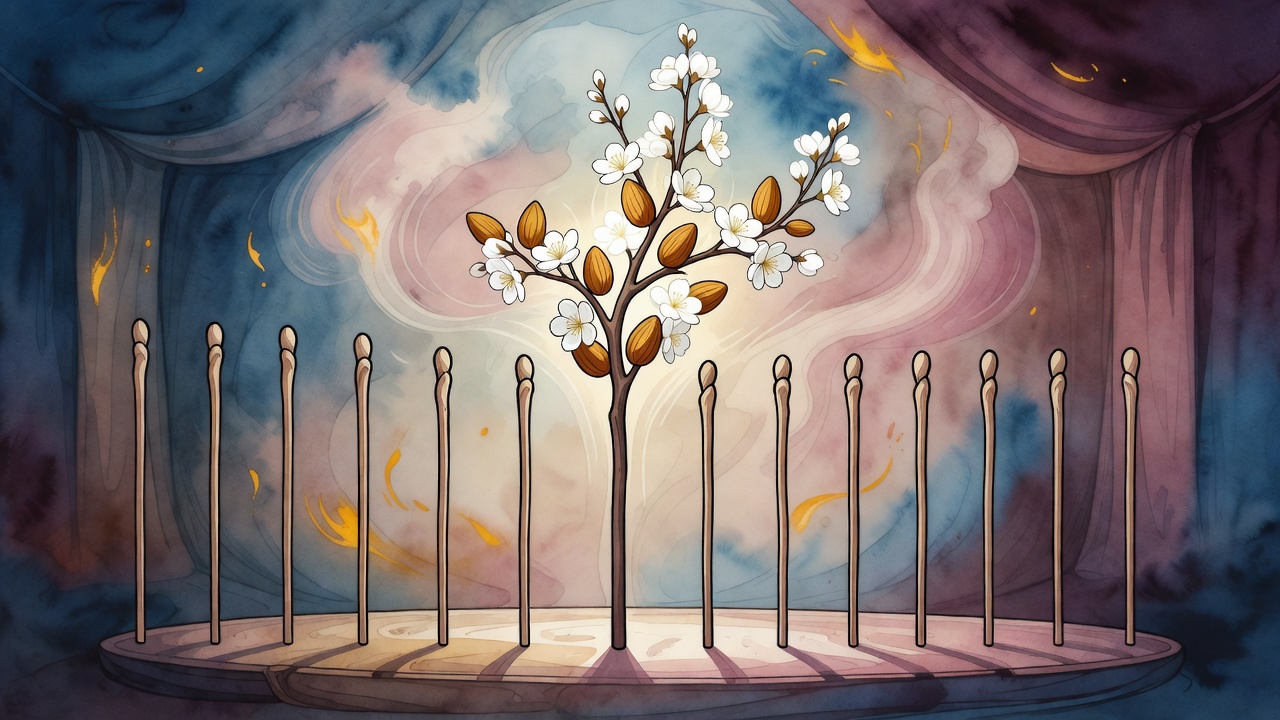
Twelve dry staves lay before the Ark until morning. One of them held blossoms, buds, and ripe almonds on the same wood.
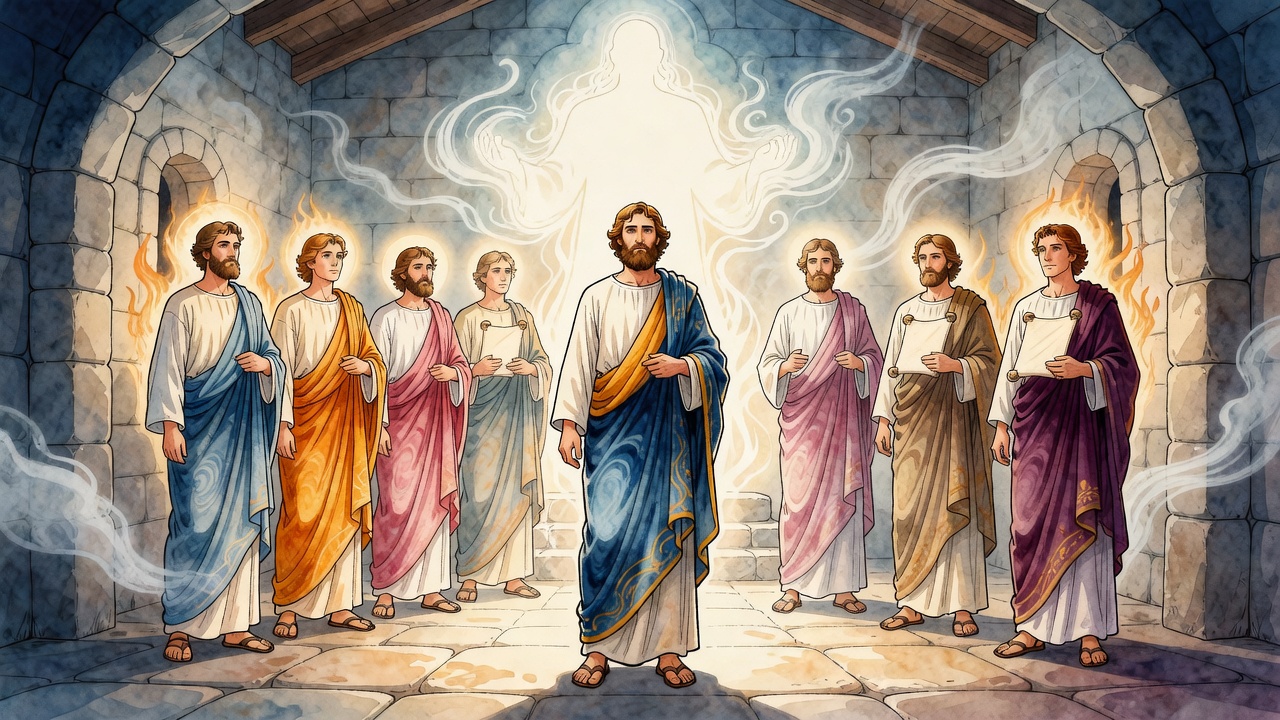
Samuel lifted the horn for Jesse's eldest. God said no. Seven sons later the oil still sat in the horn, and the shepherd had not been called.
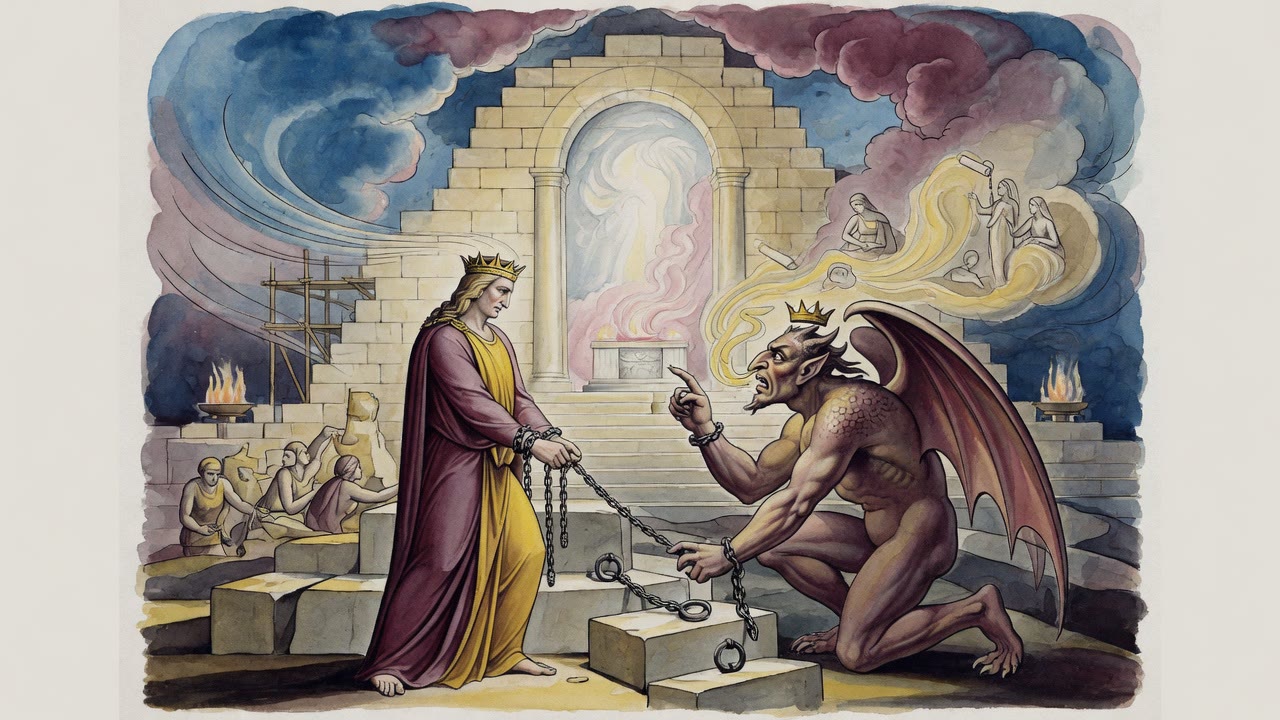
Asmodeus wore Solomon's face and ruled his throne. Solomon wandered for three years telling people his name while they laughed.
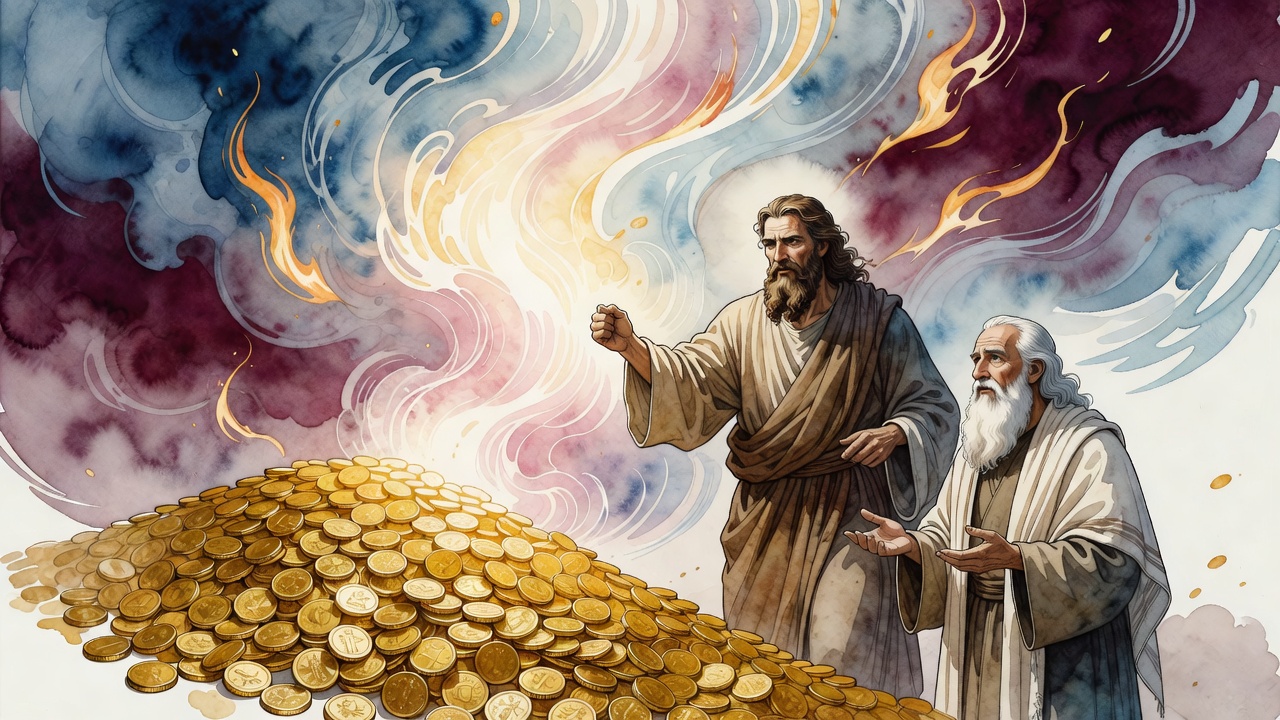
Someone offered Elijah a thousand million gold coins to leave Yavneh. He said no without hesitating. Then he showed a rabbi something luminous.
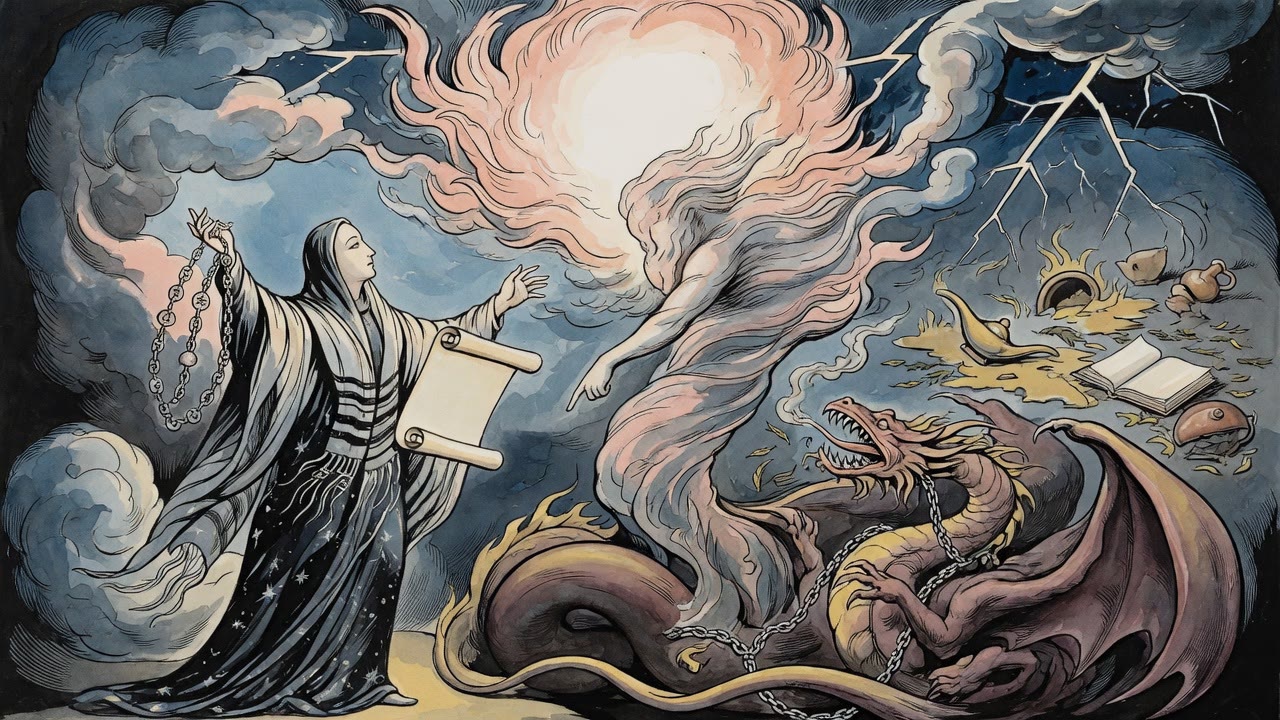
A kabbalist conjured Elijah and asked how to chain the Prince of Evil. He came within one act of forcing the Messiah's arrival. One mistake ended everything.
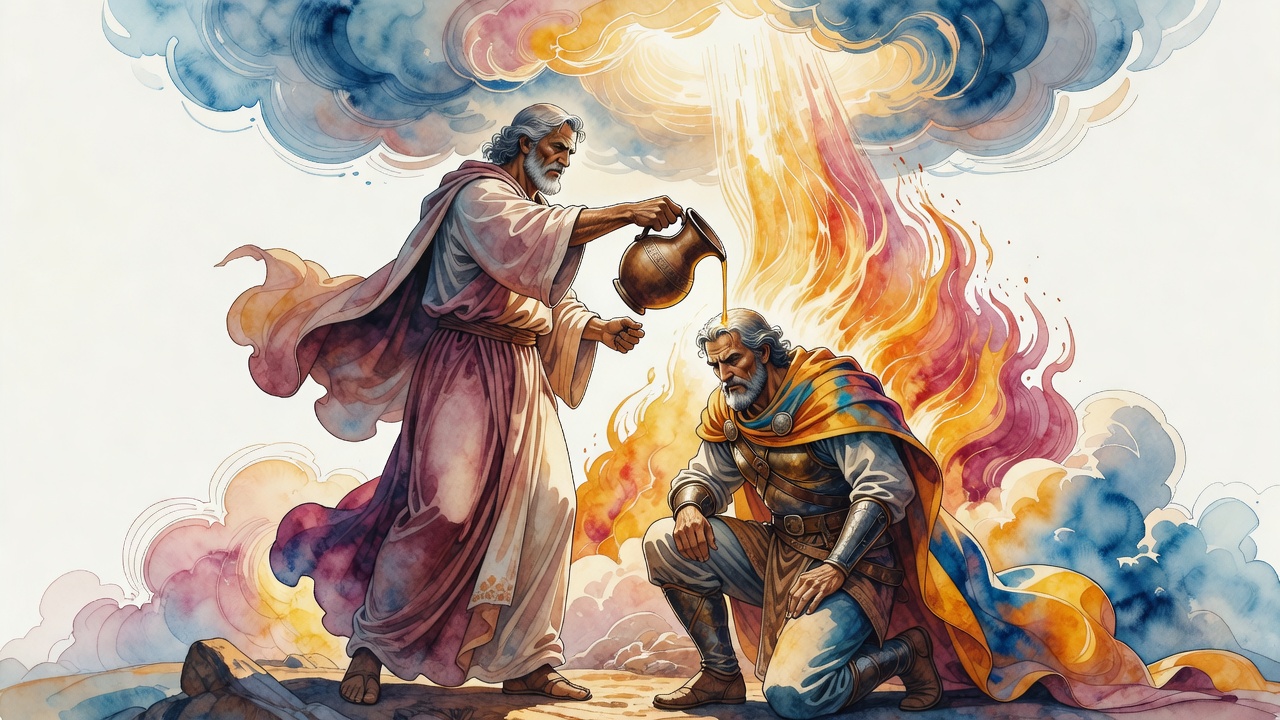
Jonah anointed Jehu out of a clay pitcher, not a horn. Years later Jehu found an old page with a prophet's name on it and left the calves standing.
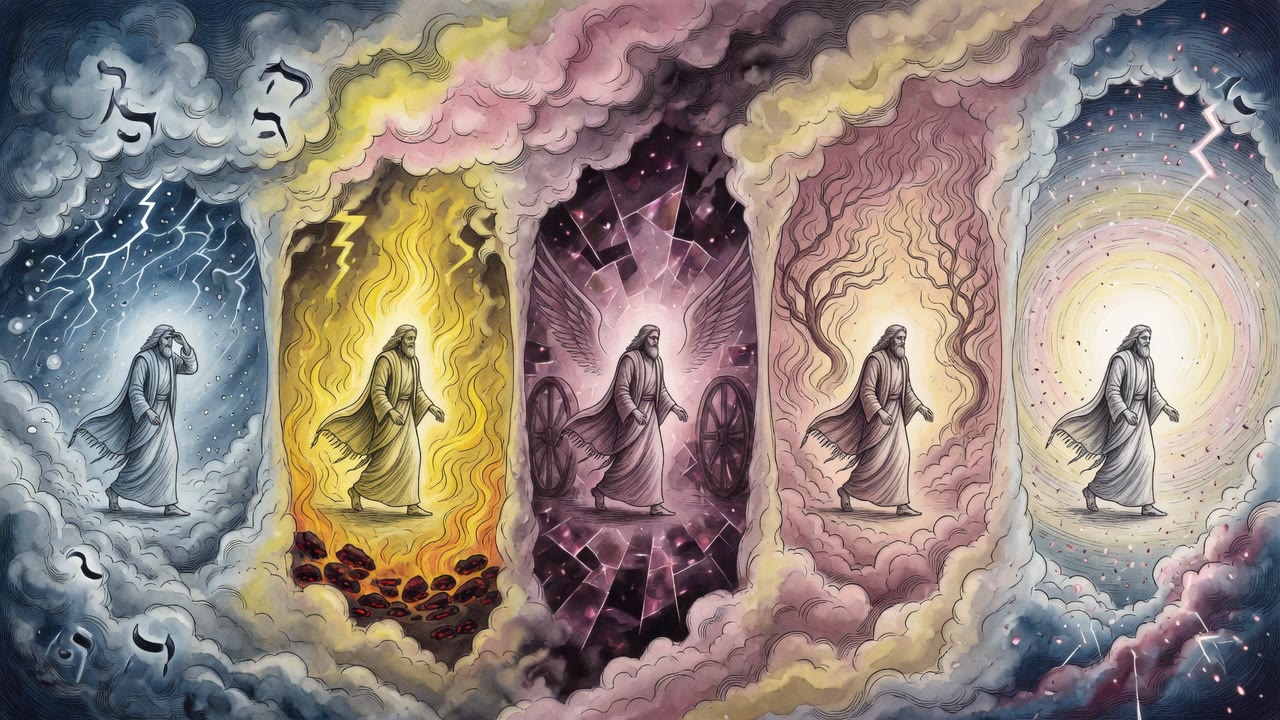
He changed his clothes at the palace door. The prophet was in the city, and the king would not walk any street that led to him.
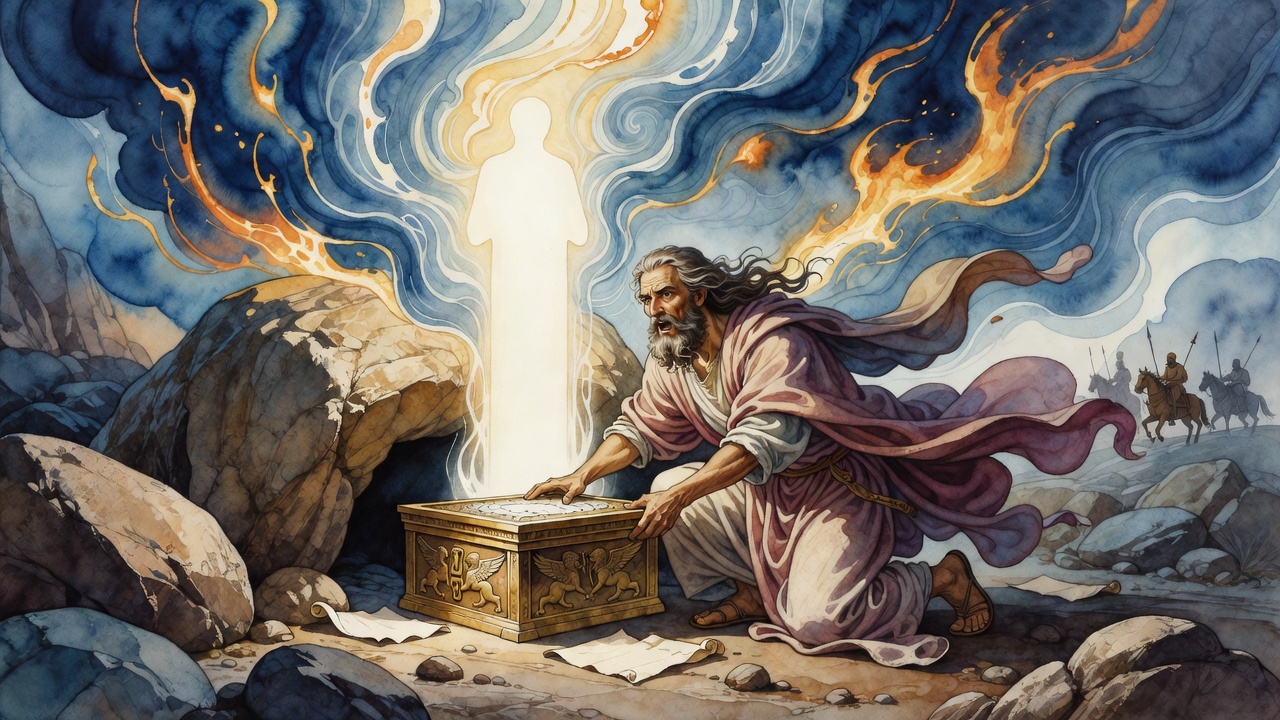
His men tried to scratch the rock so they could find the cave later. Jeremiah turned on them. God would show the Ark when God chose.
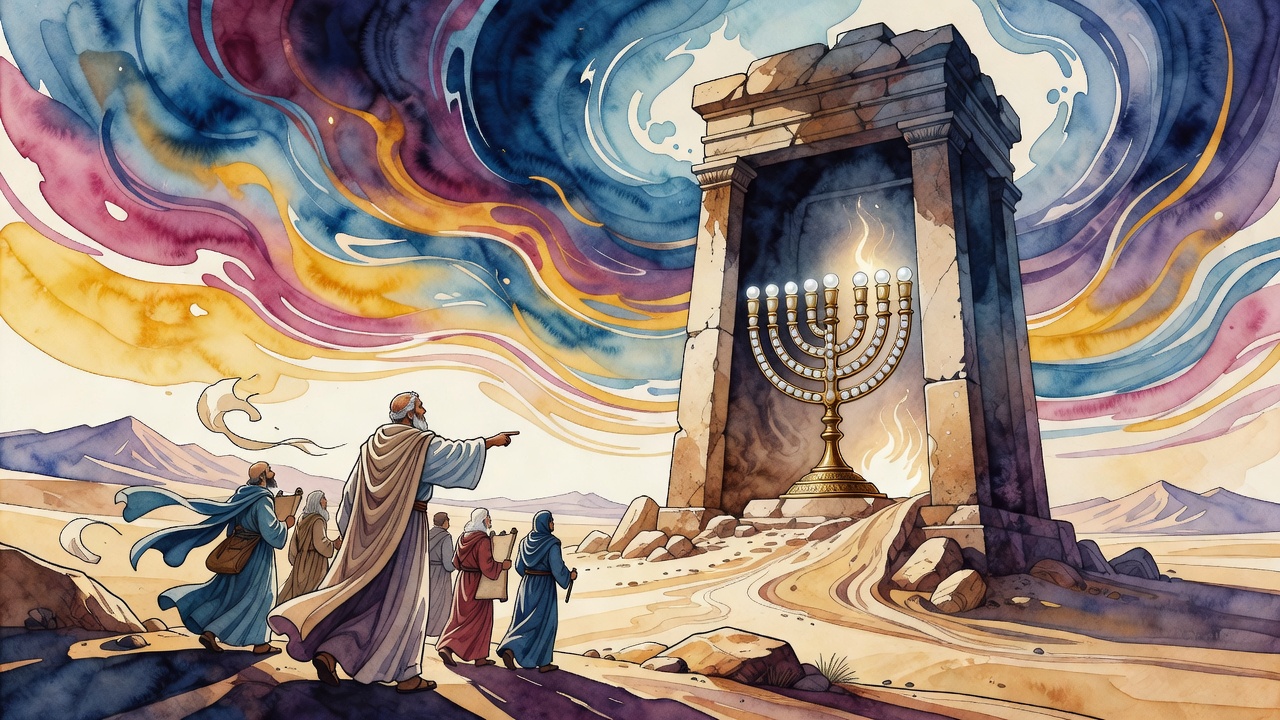
A Levite named Shimur led a group east to Babylon and hid the Temple's greatest treasures in a tower. The menorah (the lampstand) had twenty-six pearls on.
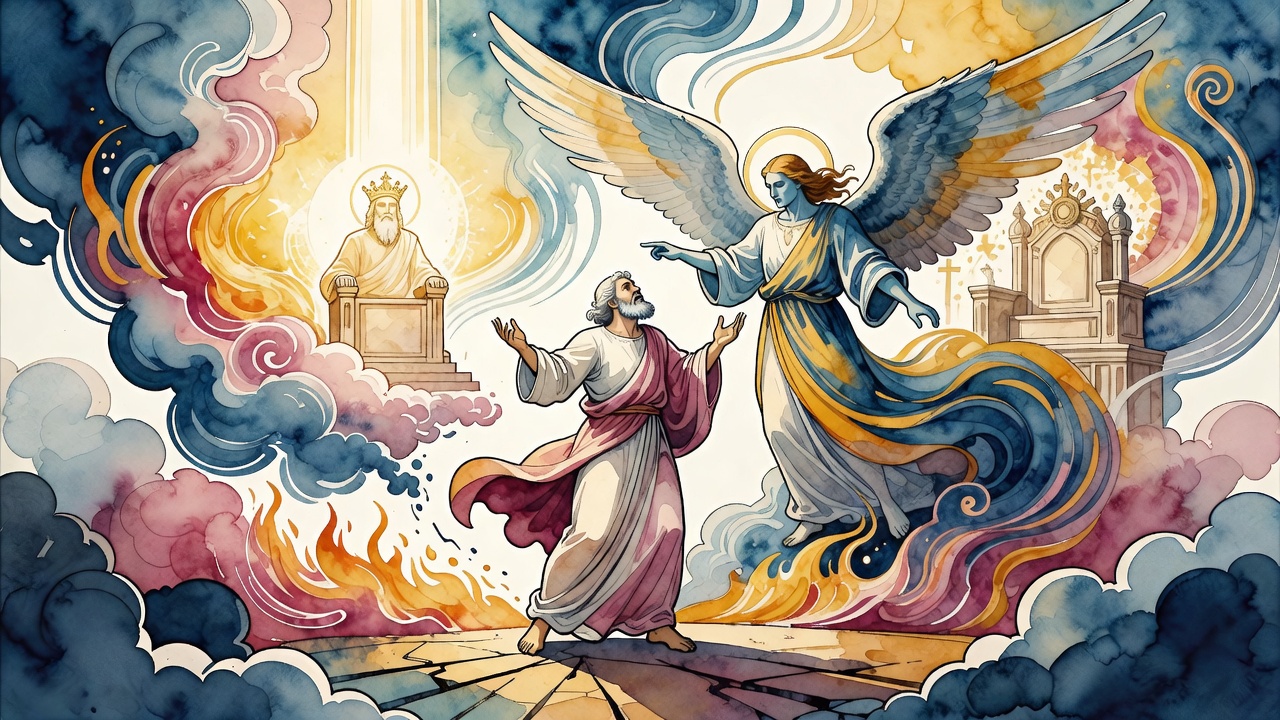
The archangel Metatron showed Zerubbabel the hidden Messiah and the shape of the future. Then Zerubbabel made one comment about Daniel and suffered for it.
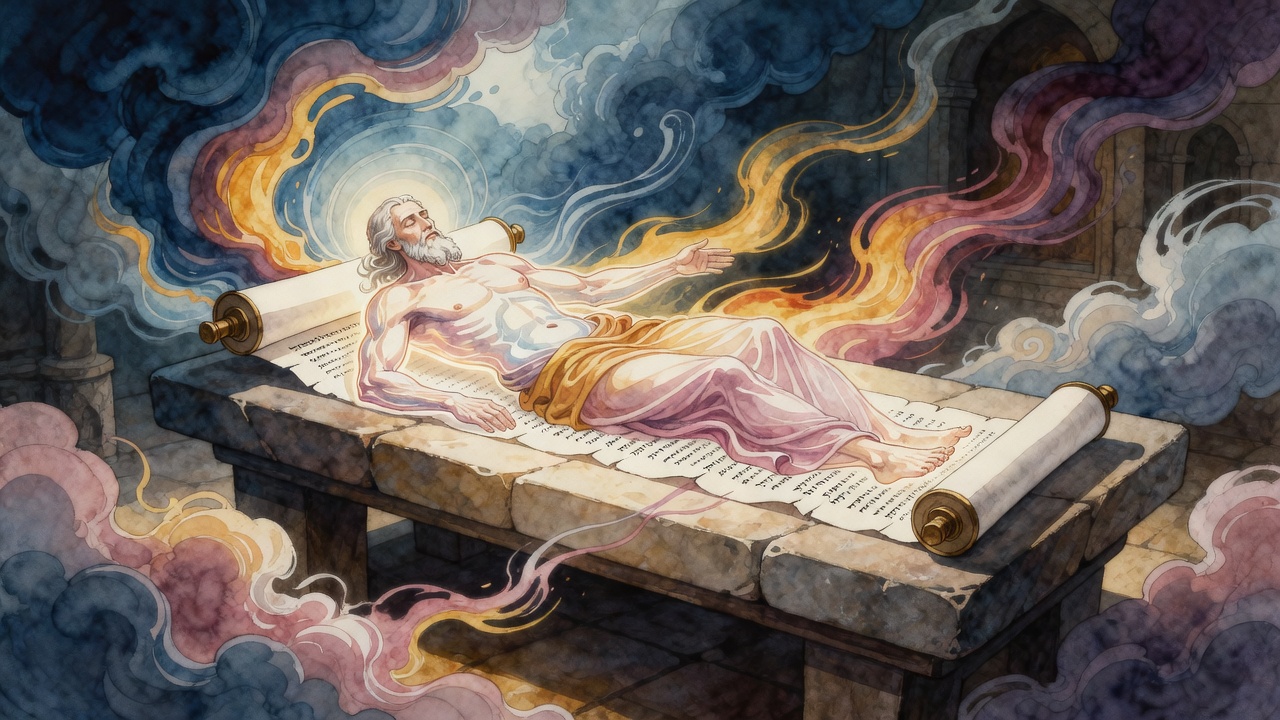
On Simhat Torah 1609 in Safed, a mystic dreamed that Moses was laid on the reading table and unrolled from Genesis to Deuteronomy like a scroll.
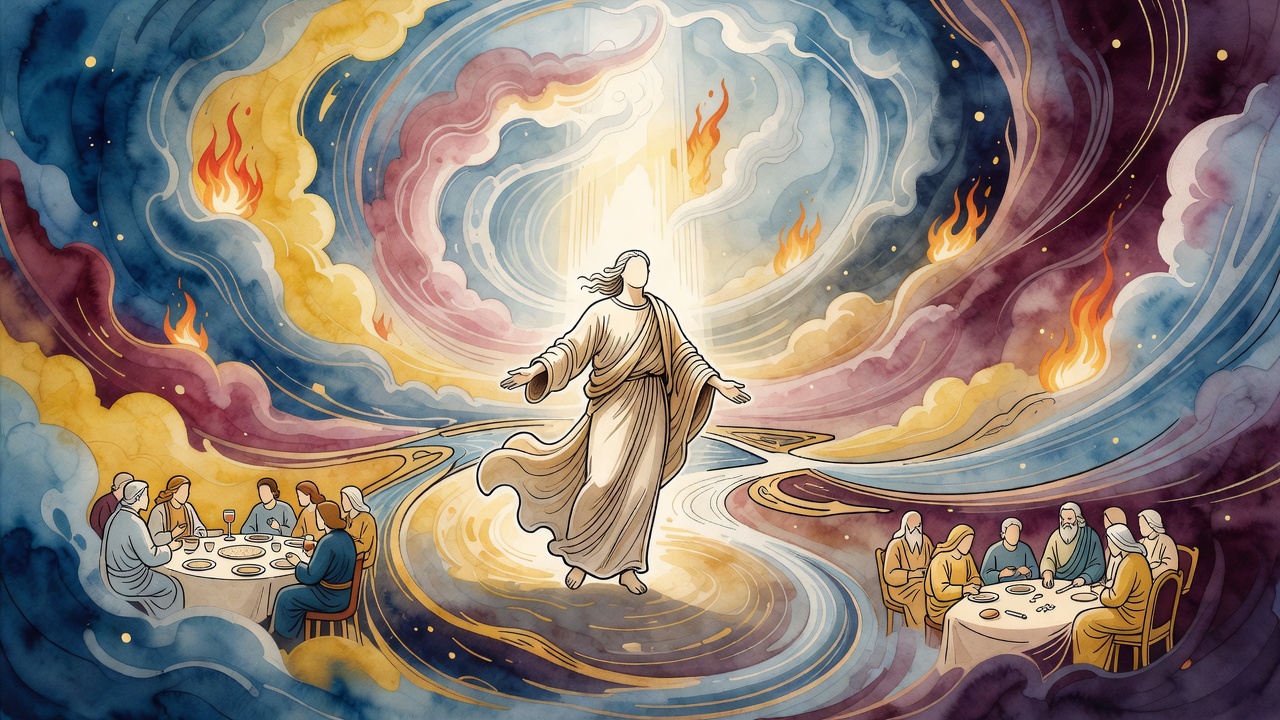
Elijah never died. He was taken to heaven in a whirlwind and has moved between worlds ever since, present at every seder, every circumcision, every crossing.
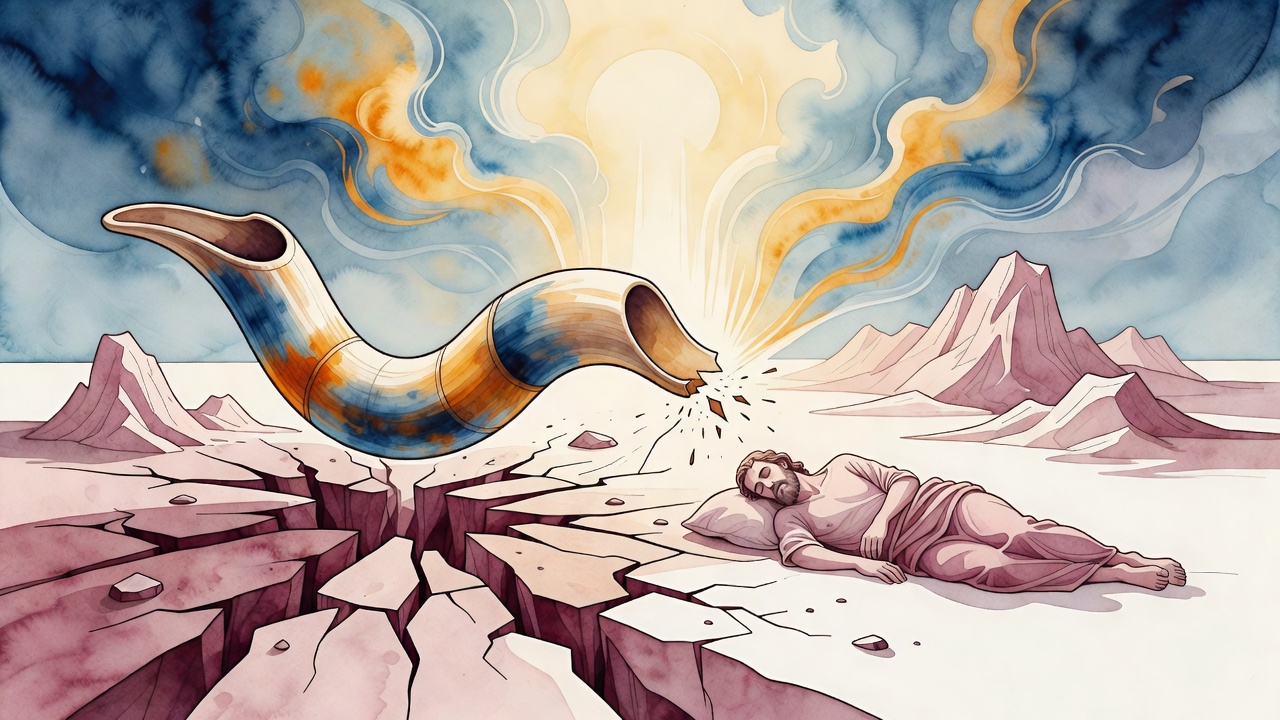
Three shofar (a ram's horn) blasts will shatter and remake the earth at the end of days. The broken teruah blast is aimed at Abraham, asleep in the world to.
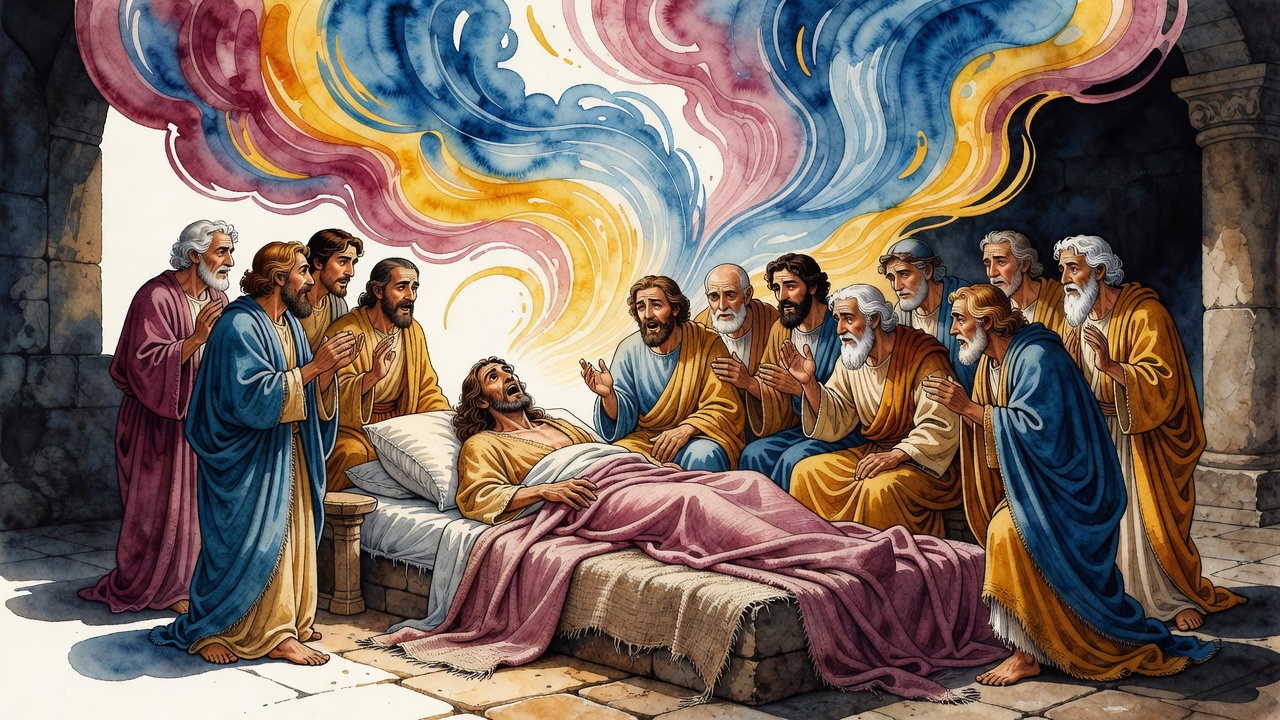
Twelve wet-haired sons waited for a date. Jacob opened his mouth, and the Presence took the year away before a number could land.
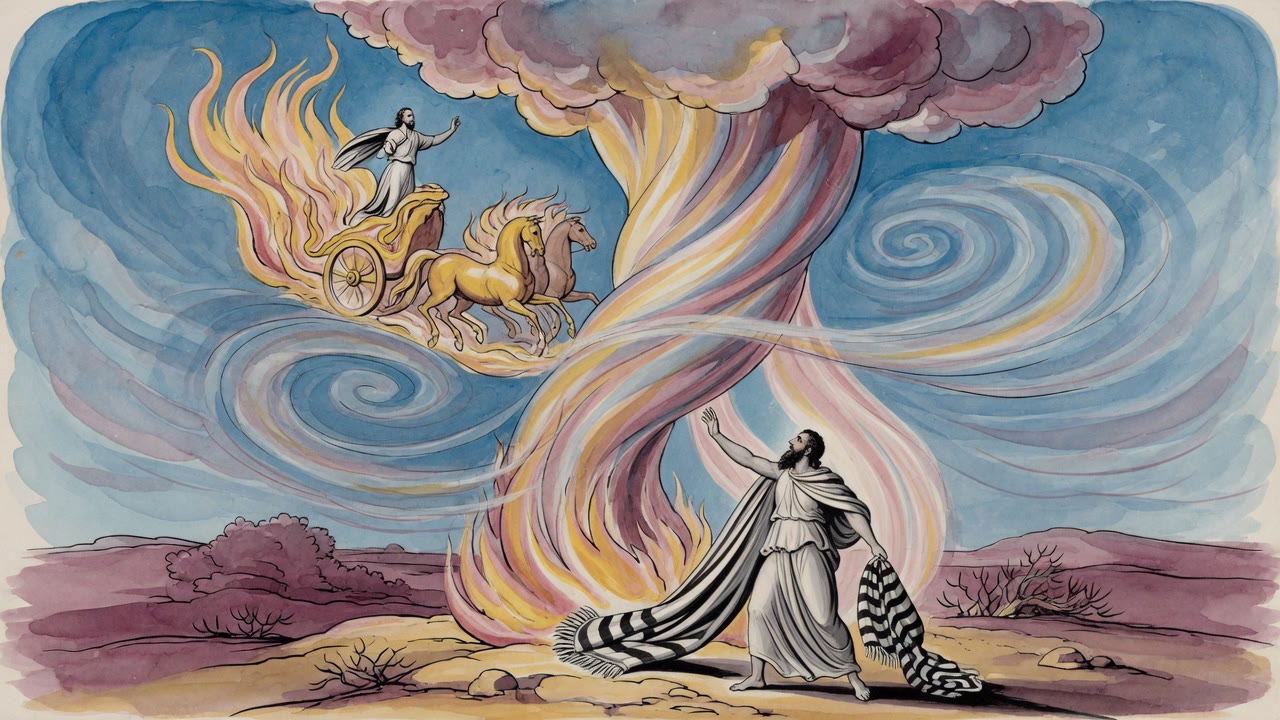
Every seder has a cup for Elijah. Every circumcision has his chair. But a tradition older than both holds that Elijah is not present everywhere. He is hidden.
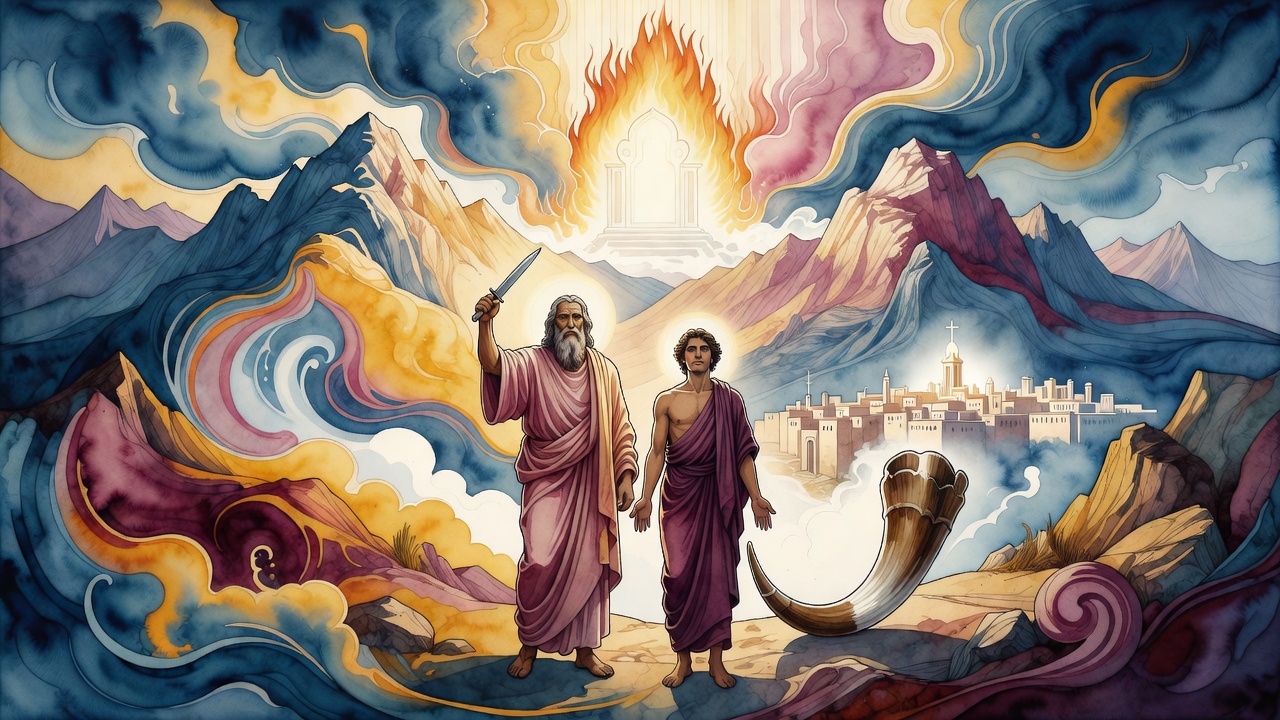
Isaac told his father to bind him tight so a tremble would not spoil the offering. He looked at the angels, not at the knife.
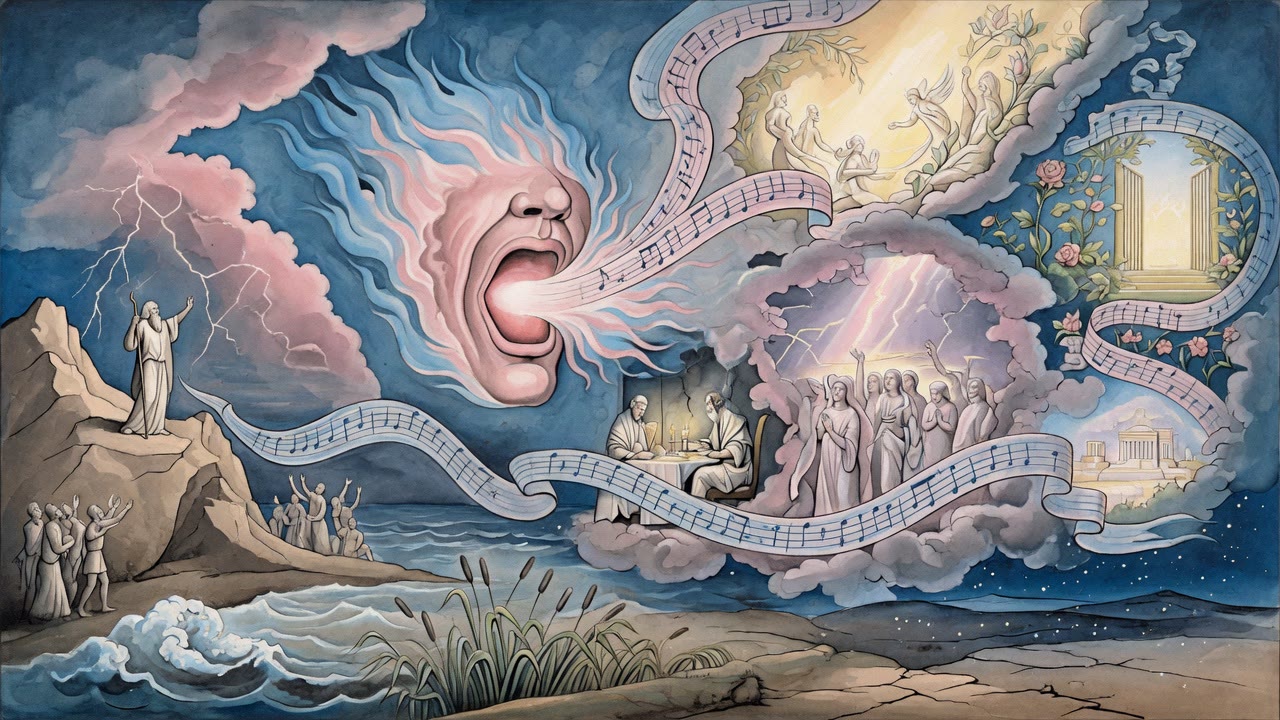
Sacred song does not stay inside the moment that produced it. The rabbis said shira moves freely through past, future, the messianic age, and the world to come.
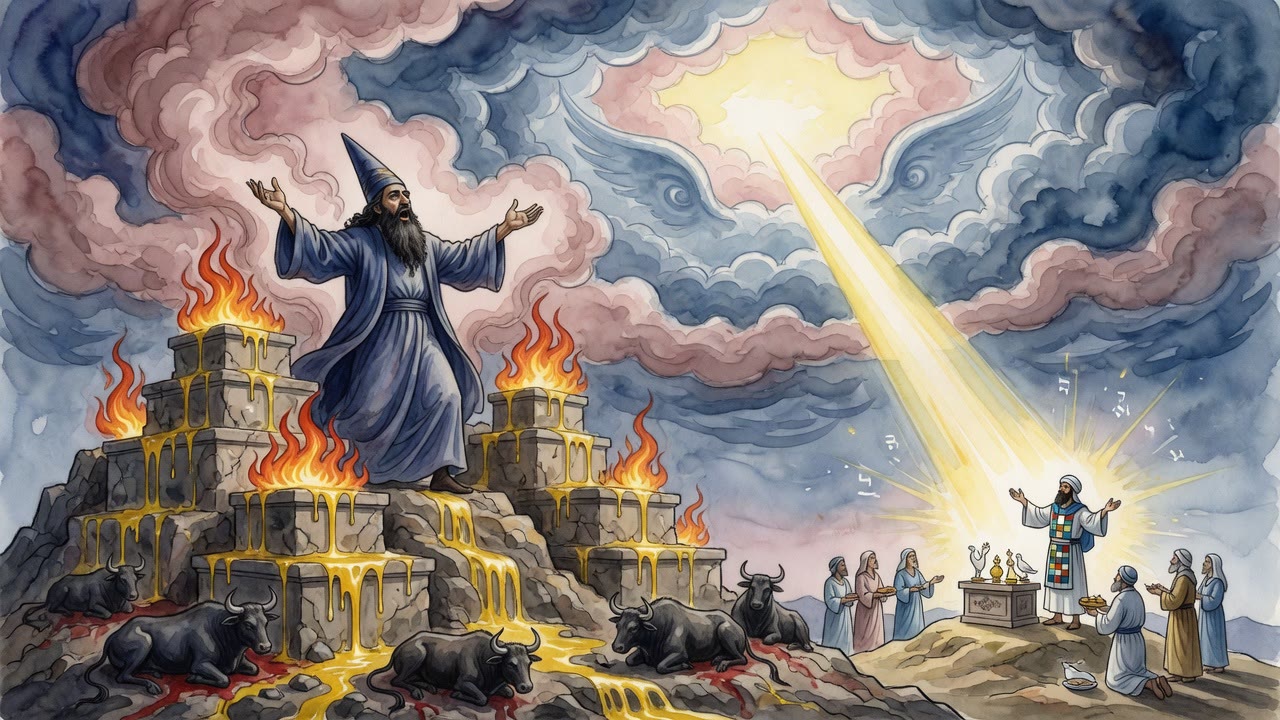
Balak paid for a curse. From the mountain Balaam's mouth opened and he saw David, the star from Jacob, and the King Messiah rising at the end of days.
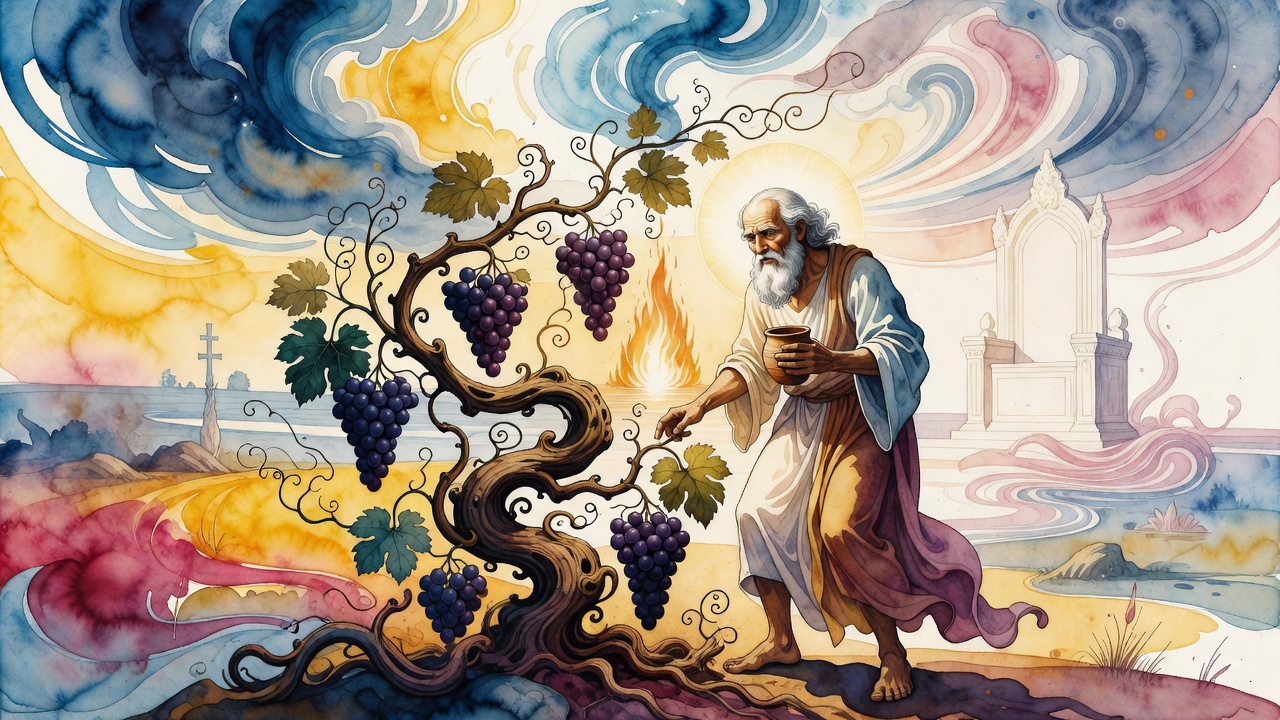
The ground was barely dry. Noah set a cutting from Eden into it. Satan walked up with a lamb, a lion, a pig, and a monkey.
