145 myths · Page 3 of 5
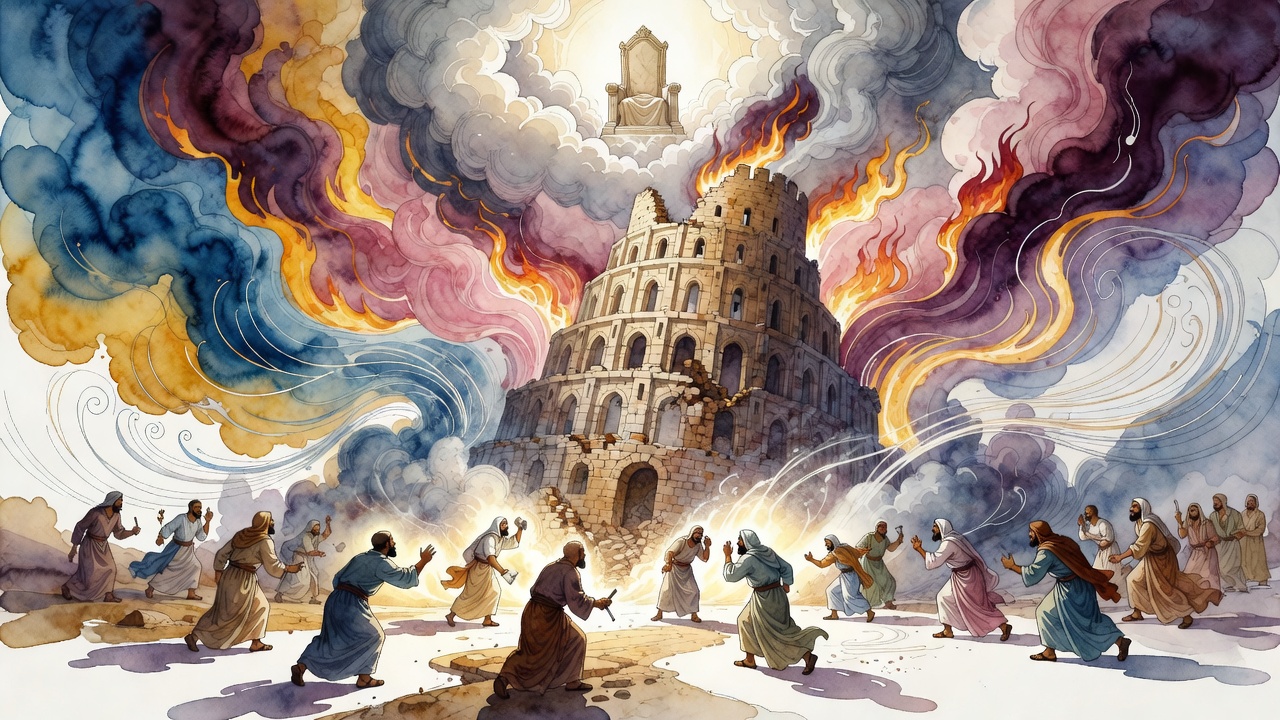
The builders of Babel spoke the tongue Adam used to name creation. When God scattered them, the world lost more than a common language.
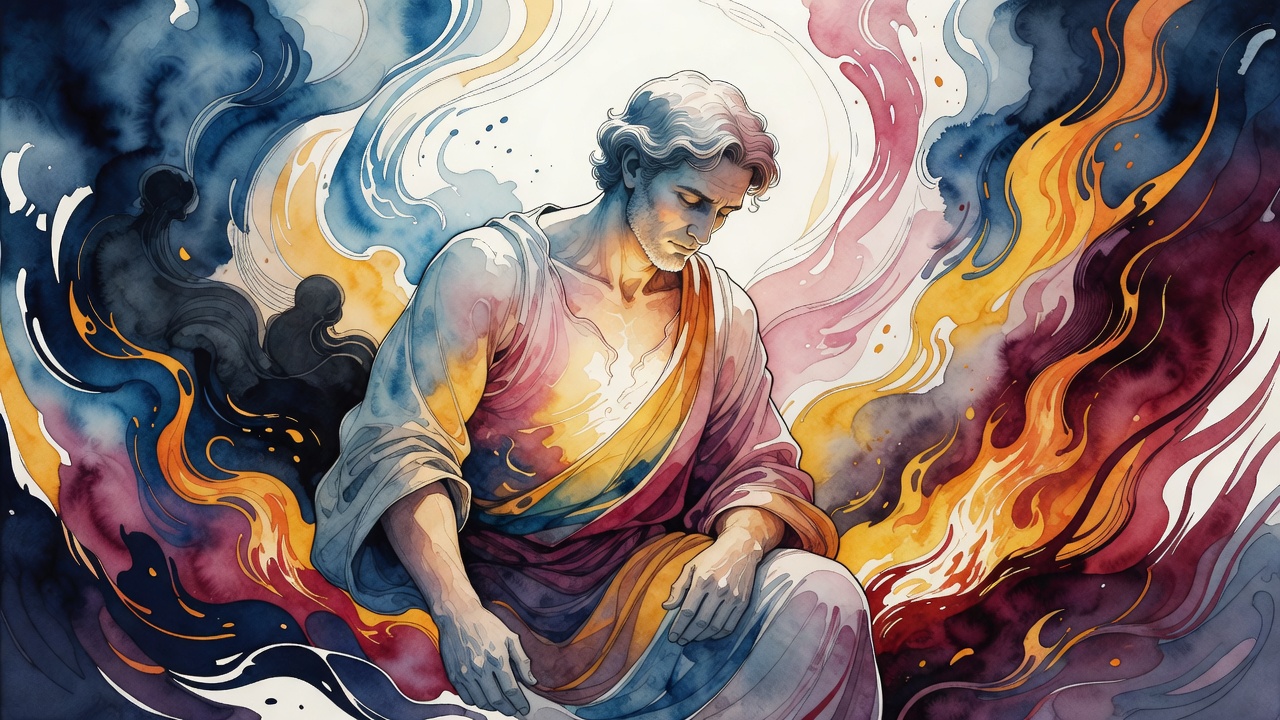
Reuben lost it. Simeon and Levi burned through it. When the blessing reached Judah it arrived at a man already broken open by what he had done.
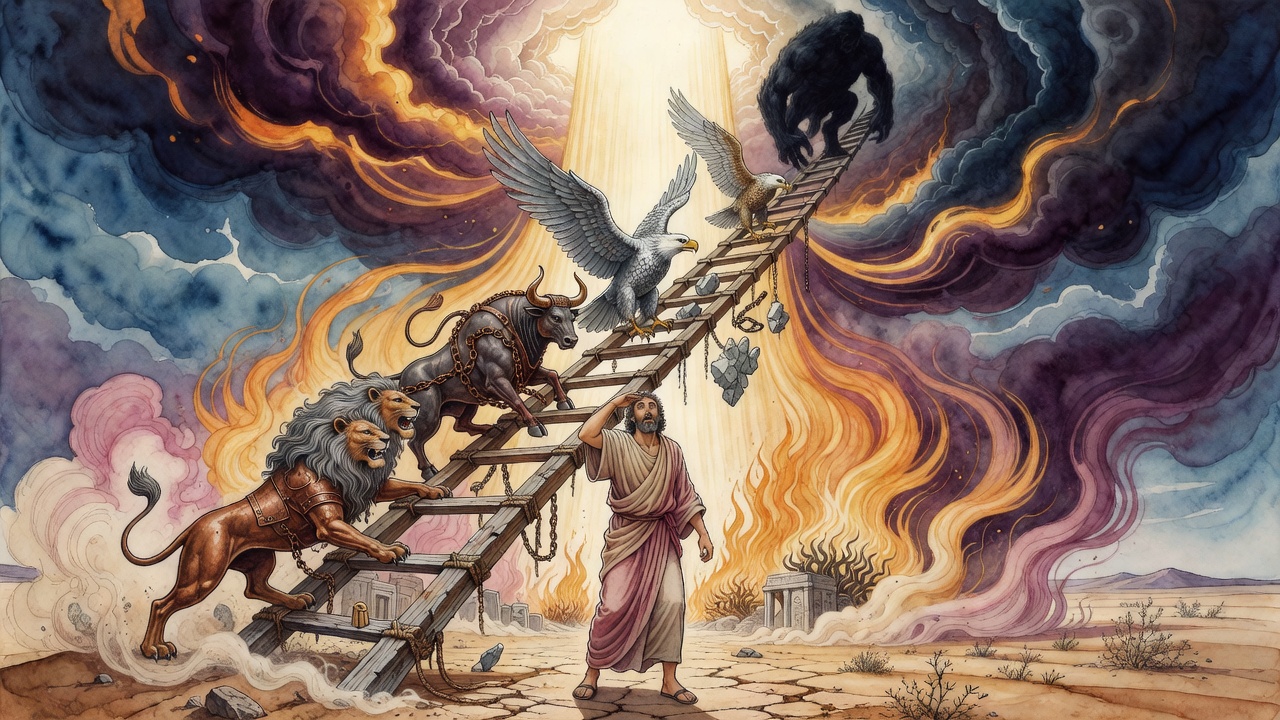
Each empire climbed the ladder and descended. The fourth climbed so high Jacob could no longer see the top and terror seized him until God spoke.
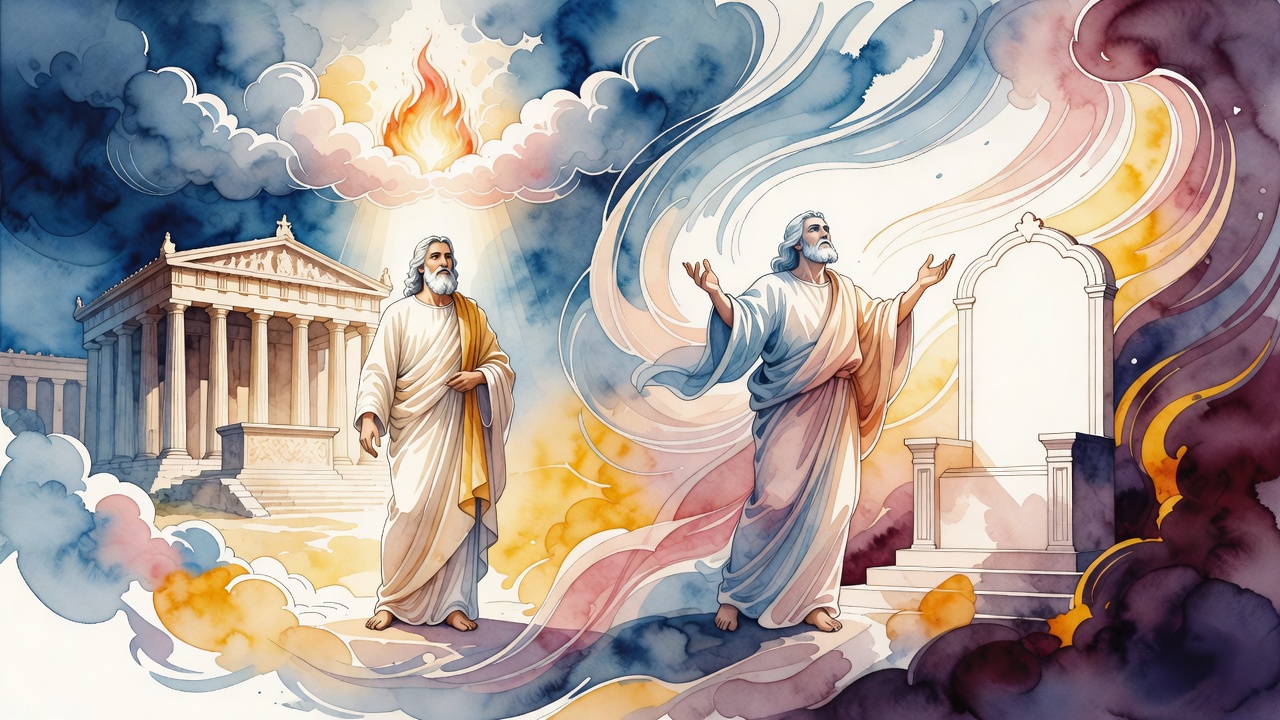
The fire fell on Solomon's altar. Later Hezekiah watched an army die overnight and did not sing. Isaiah kept waiting for the one who would.
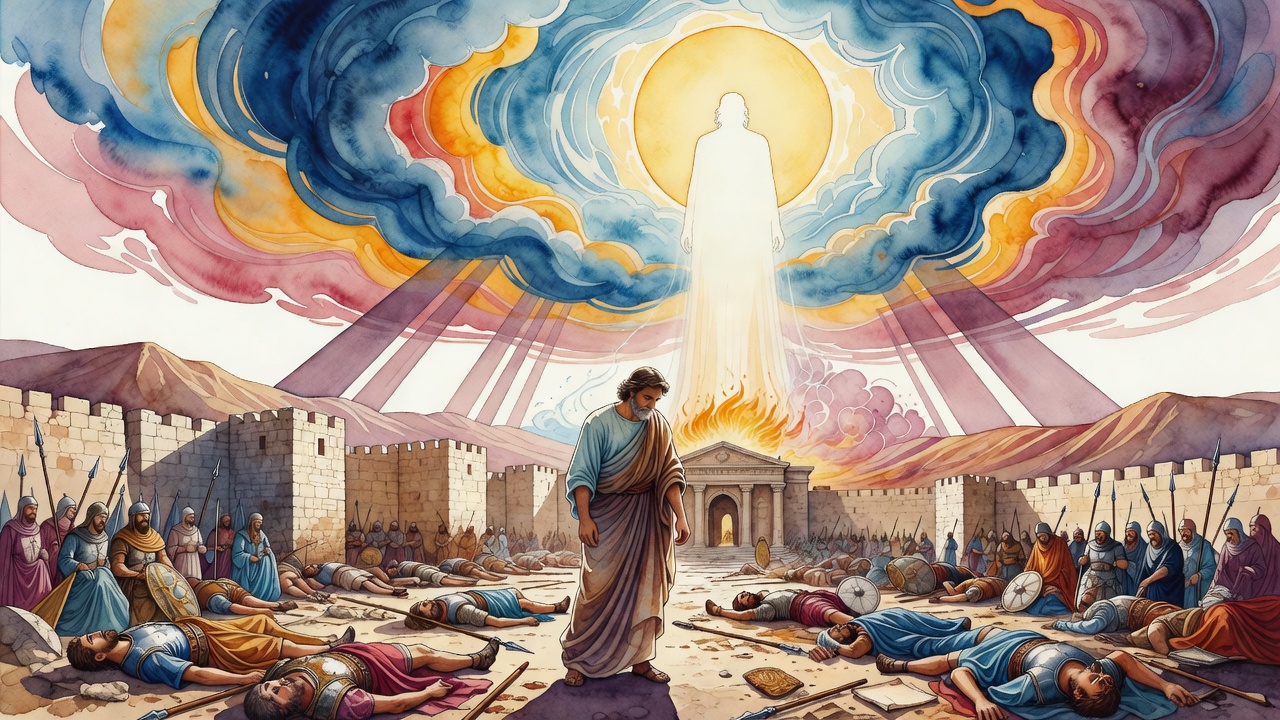
The sun went backward for Hezekiah. The Assyrian army died overnight outside Jerusalem. God had arranged everything. Then Hezekiah failed to sing.
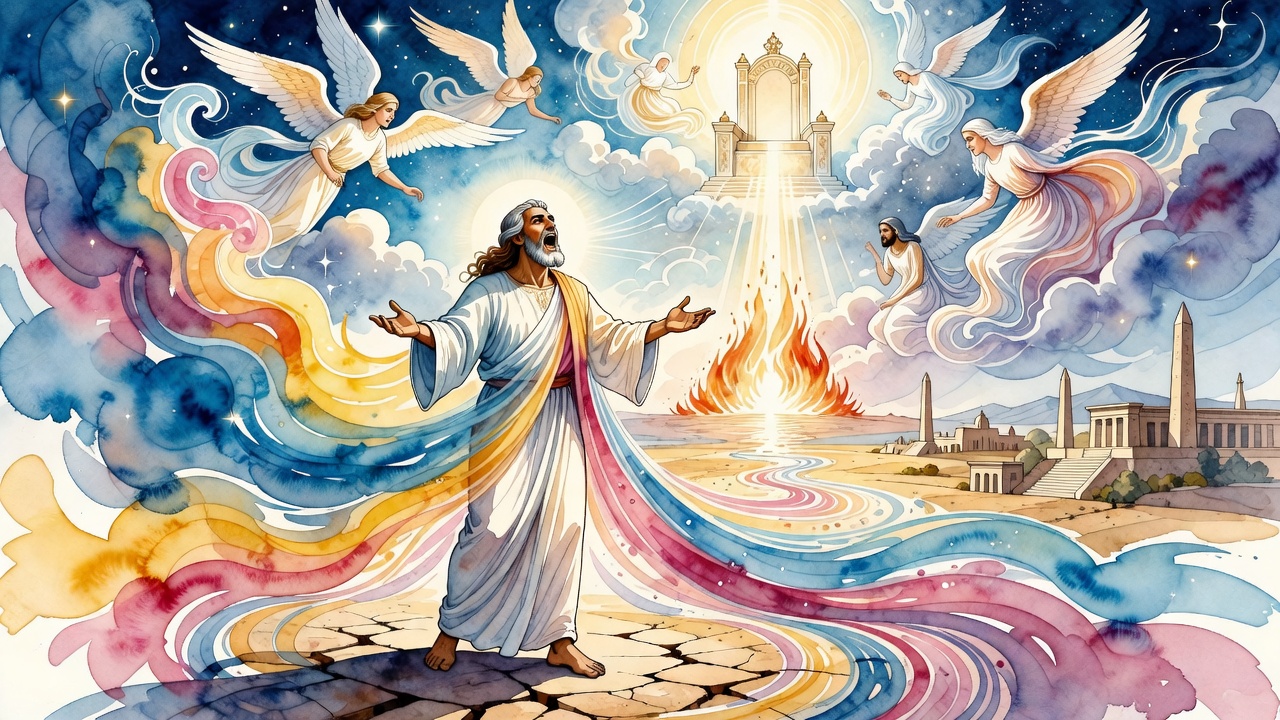
When Judah raised his voice in Egypt demanding Benjamin's release, the rabbis said his cry shook the earth and made the angels tremble in heaven.
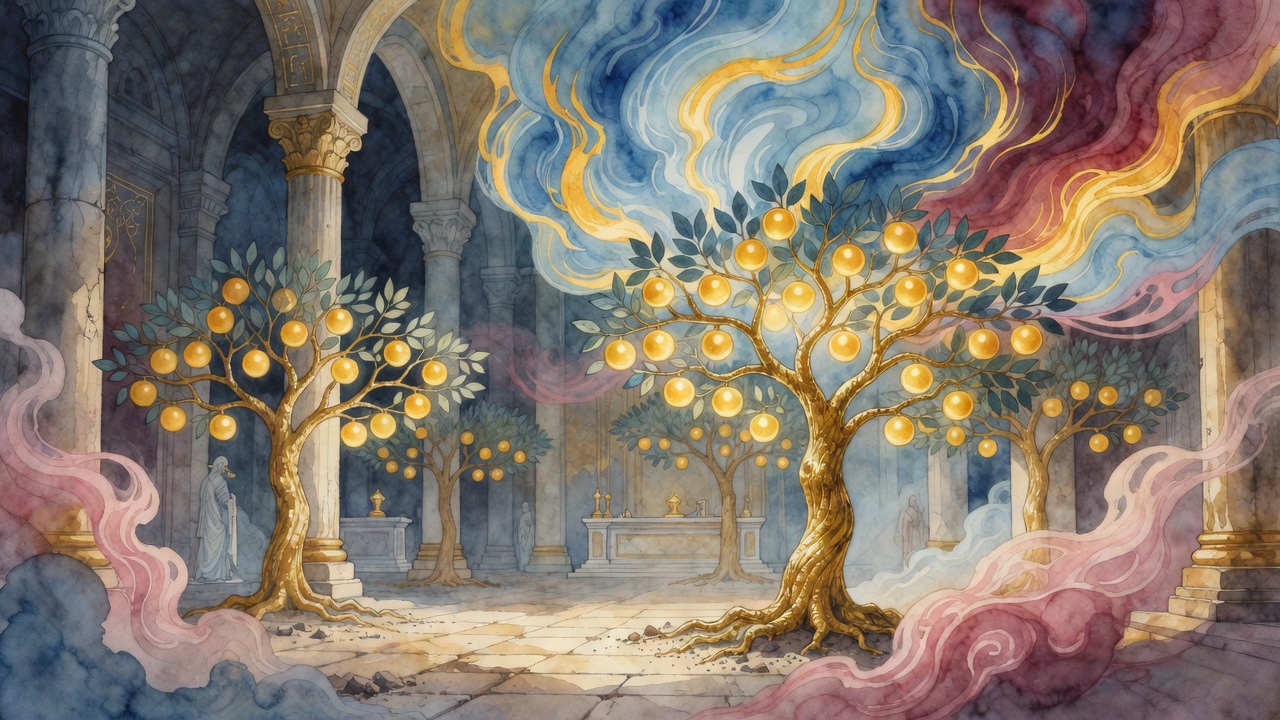
The Torah never asked for trees inside the Temple. Solomon planted them in gold anyway, and they bore fruit until Babylon burned the Temple down.
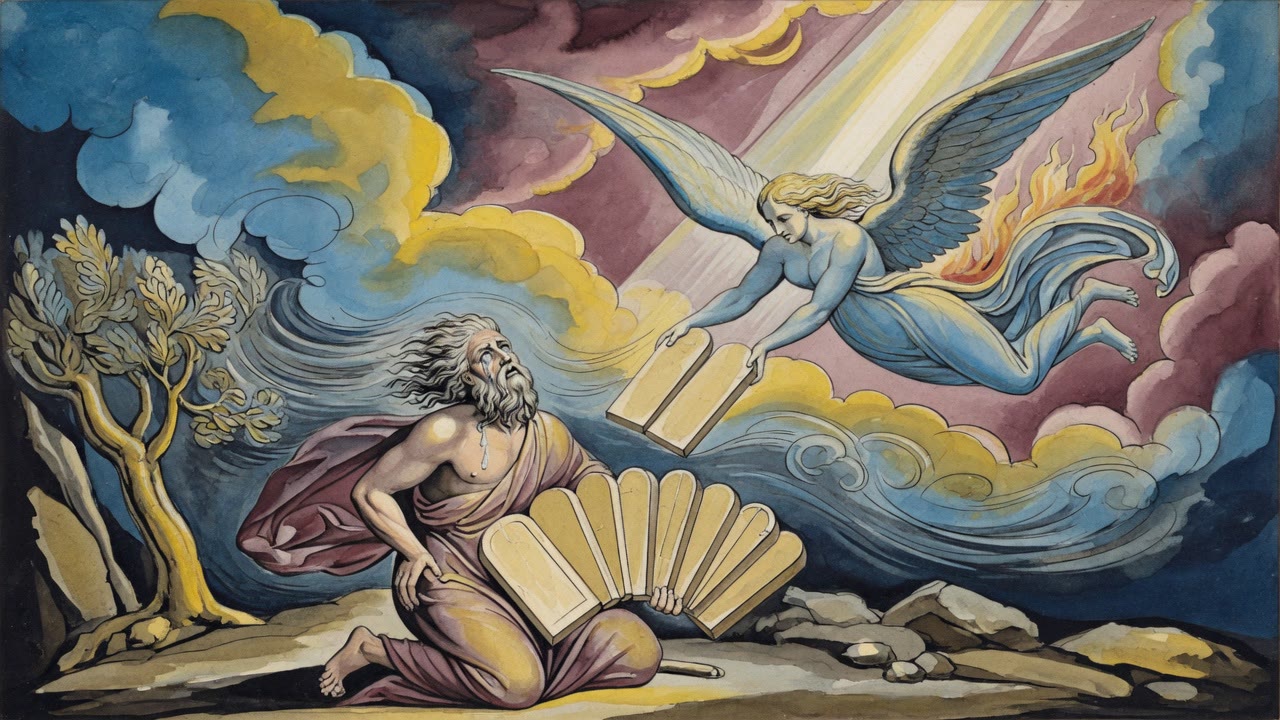
He had already put up the altar and planned the wall. Then an angel handed him everything that would happen to his sons, and told him to leave.
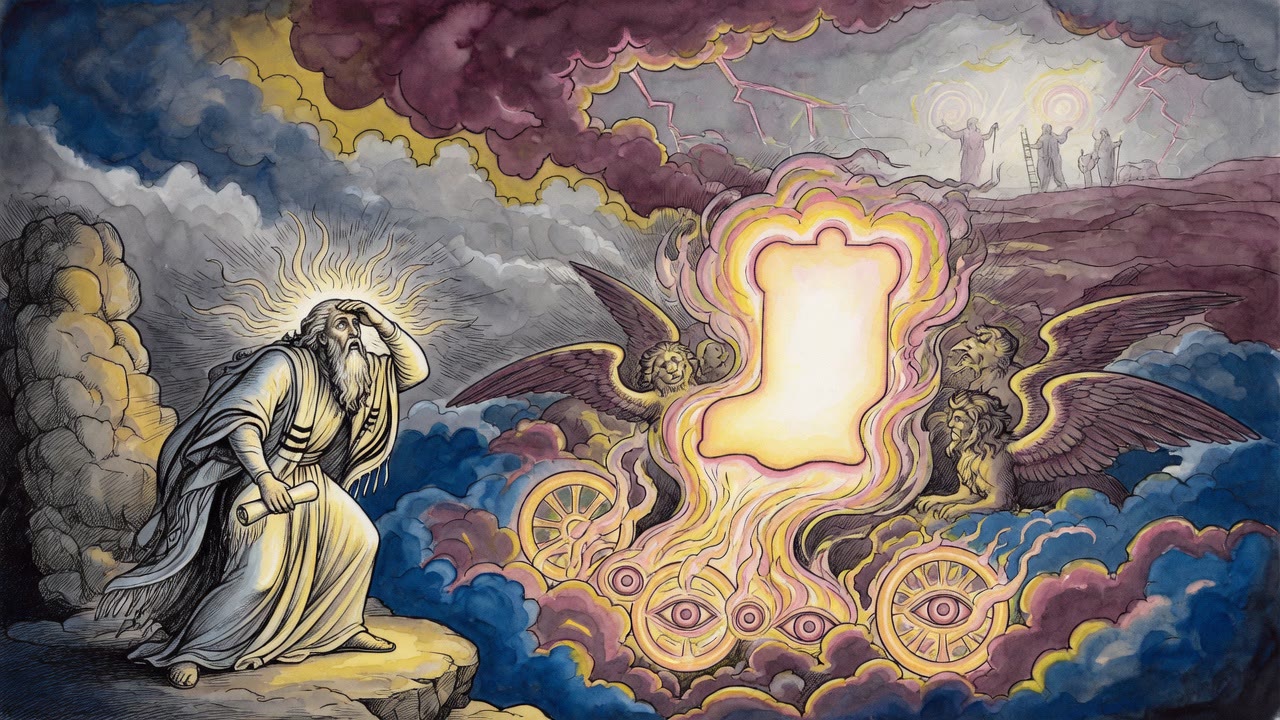
Moses sang about divine arrows drunk with blood on the edge of Canaan. Six centuries later, Ezekiel announced that the day Moses described had finally arrived.
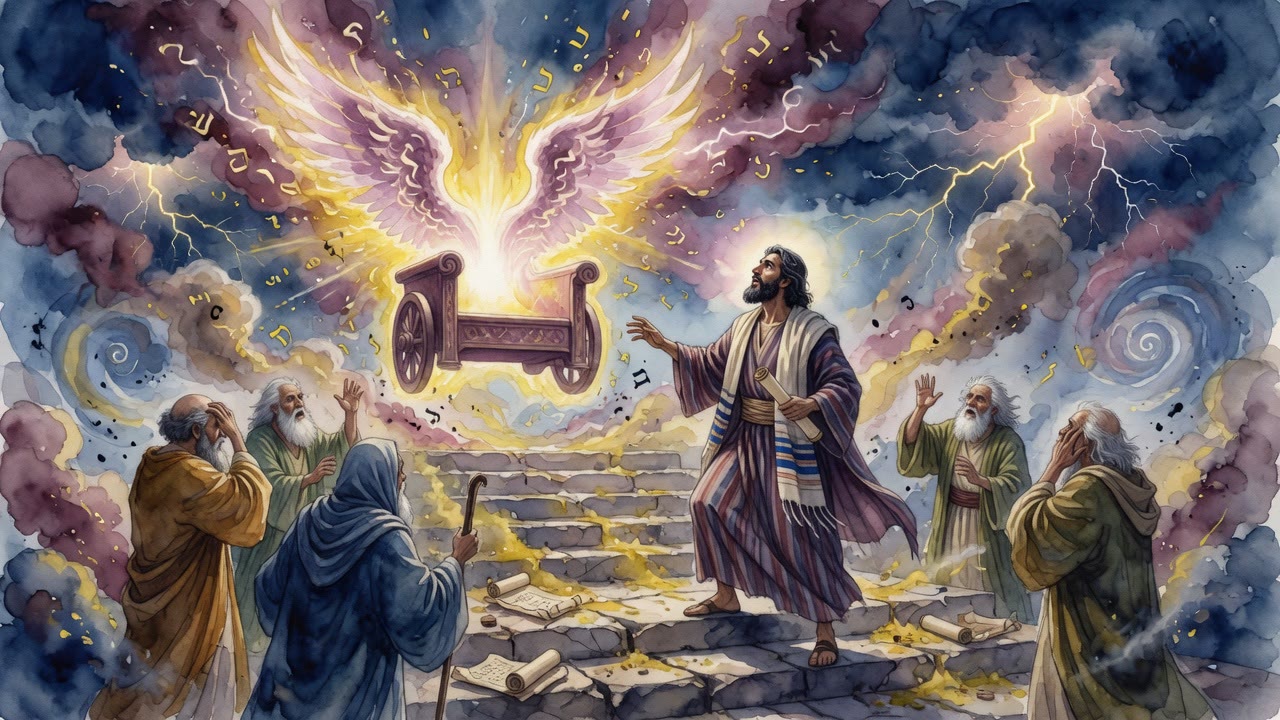
Micah came home with a rod mark across his cheek. They turned Amos into a joke. The call went out again, and Isaiah stood up anyway.
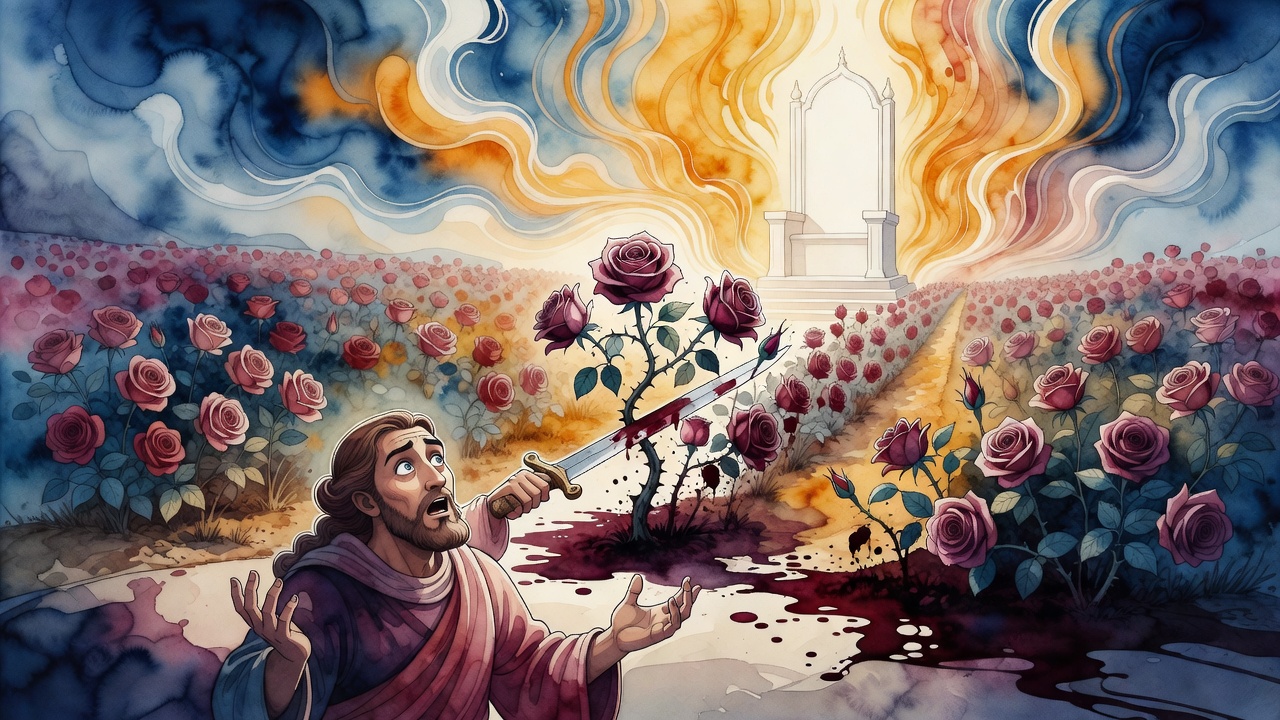
A Persian king dreamed of a rose garden soaked in innocent blood, saw one rose tree survive his blade, and woke to find the heir he could not kill.
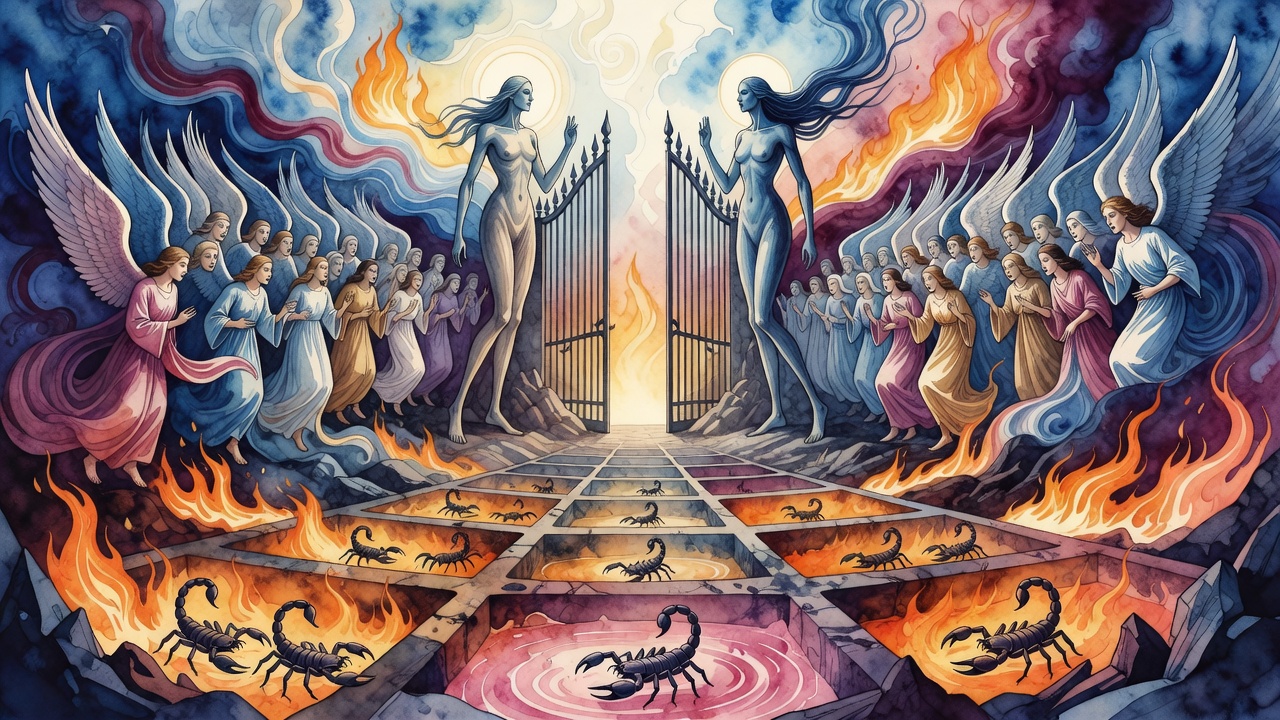
At the gates of Gehinnom (afterlife of judgment), two angel bands call out a single word forever, and beyond them lie seven named compartments of fire.
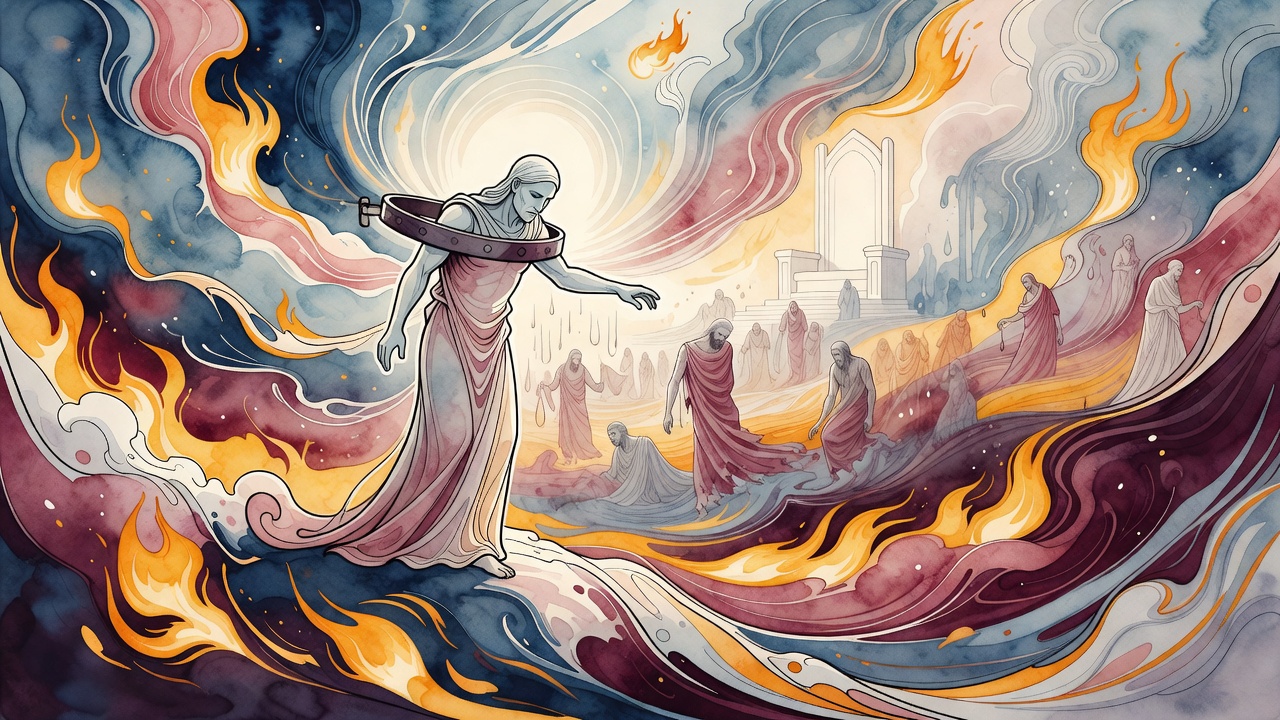
The Accuser asked whose light waited under the Throne. God drew Ephraim forward. The Accuser fell on his face before a king who had no world yet.
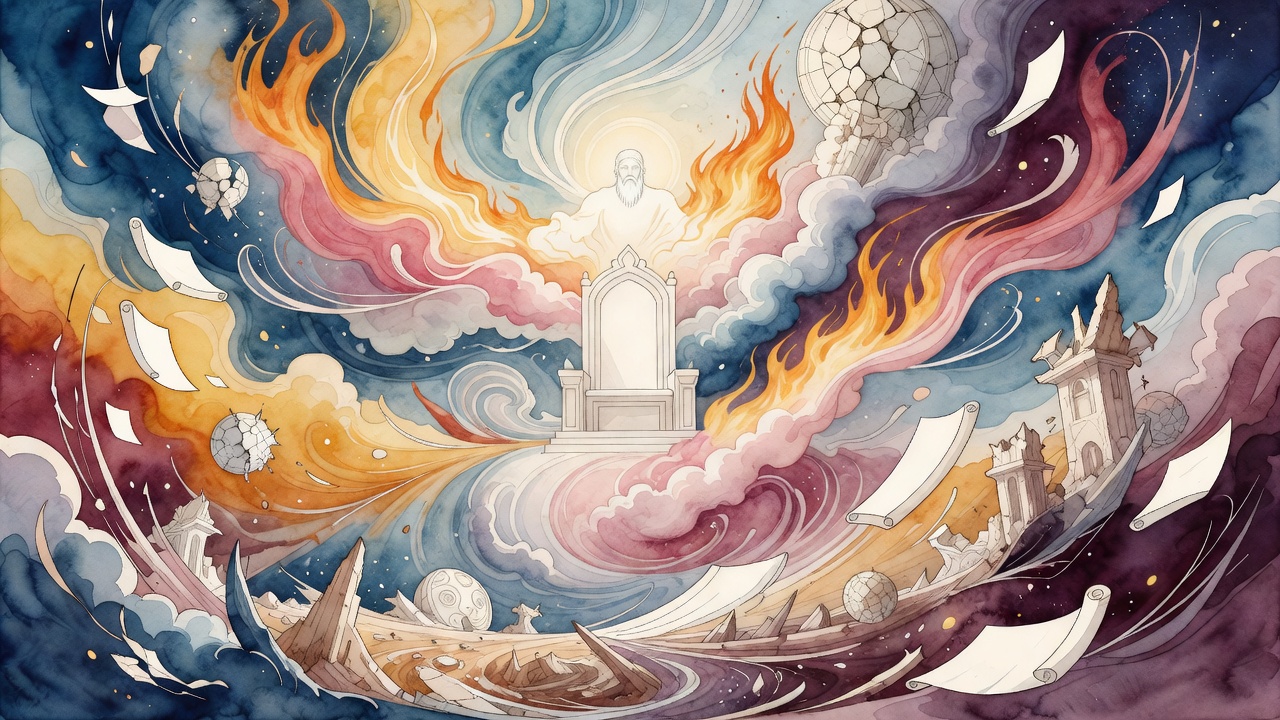
Before this world existed, God made worlds and destroyed them. Only when mercy entered the making did one world finally hold.
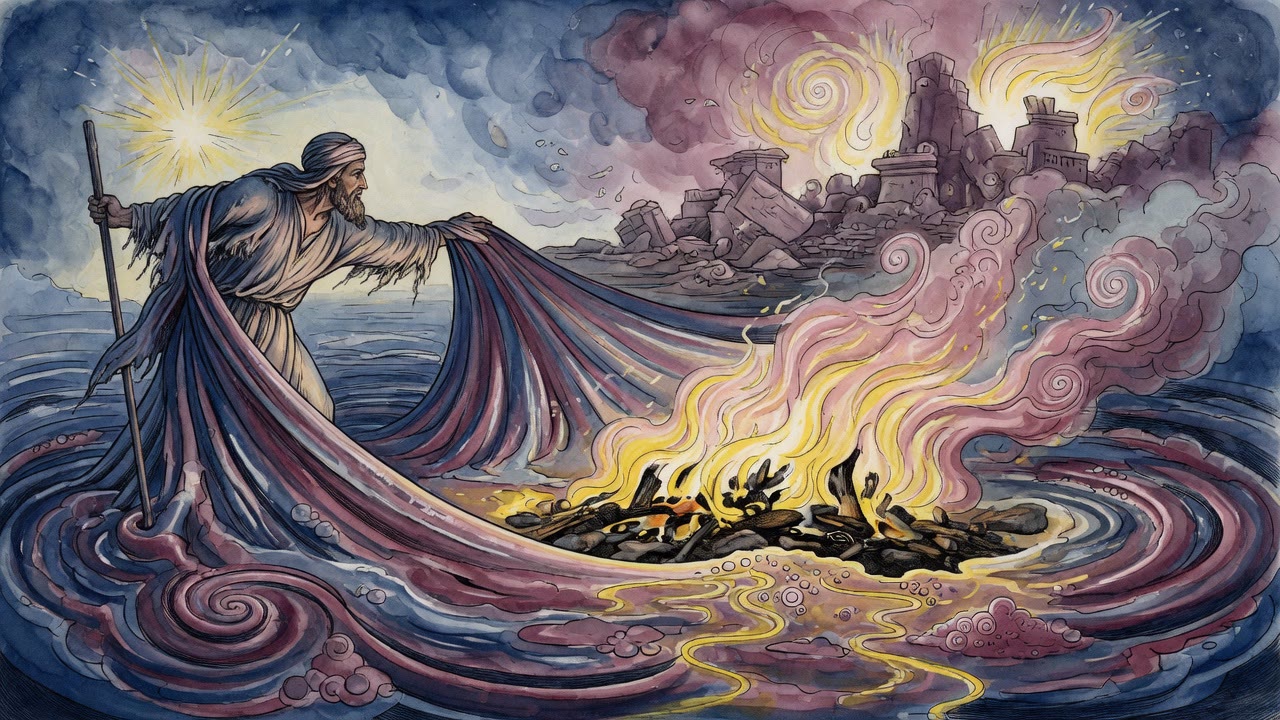
Ezra sat in a field and ate only flowers for seven days. A woman in ash became a city. Then the sea gave up a man.
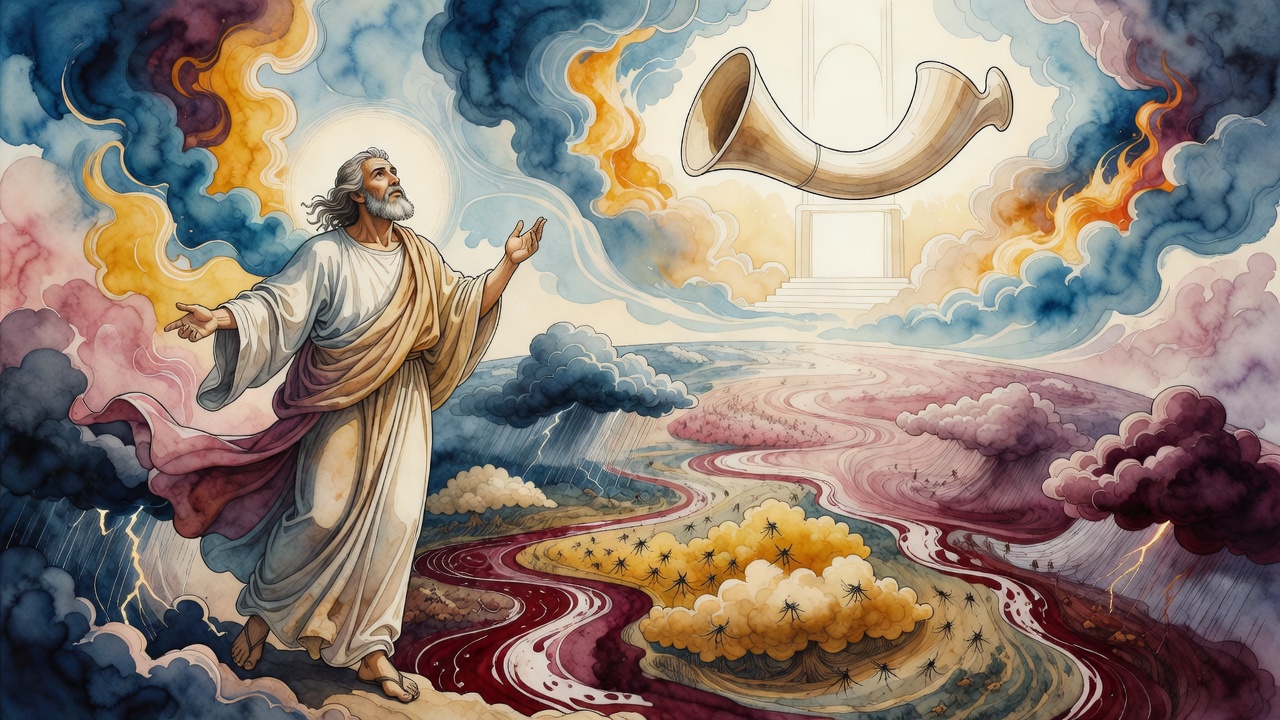
Lifted above the earth in vision, Abraham asks how long suffering will last and watches the age unwind in plagues, measures, and a heavenly trumpet.
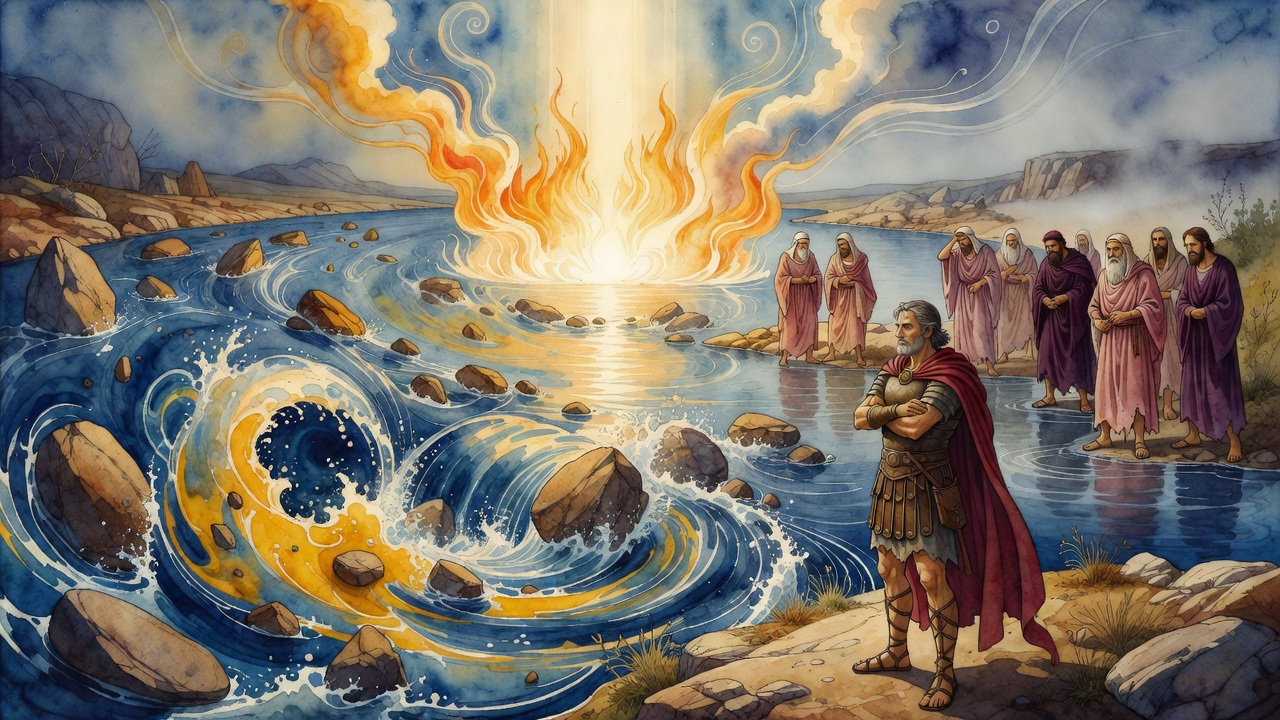
Babylon told the Levites to play the Temple songs for its idols. They cut off their own fingers instead, and that night a cloud came for them.
Nobody has ever woken in the morning and found his soul missing, or found his neighbor's soul in his hands. That deposit has never once been mixed up.
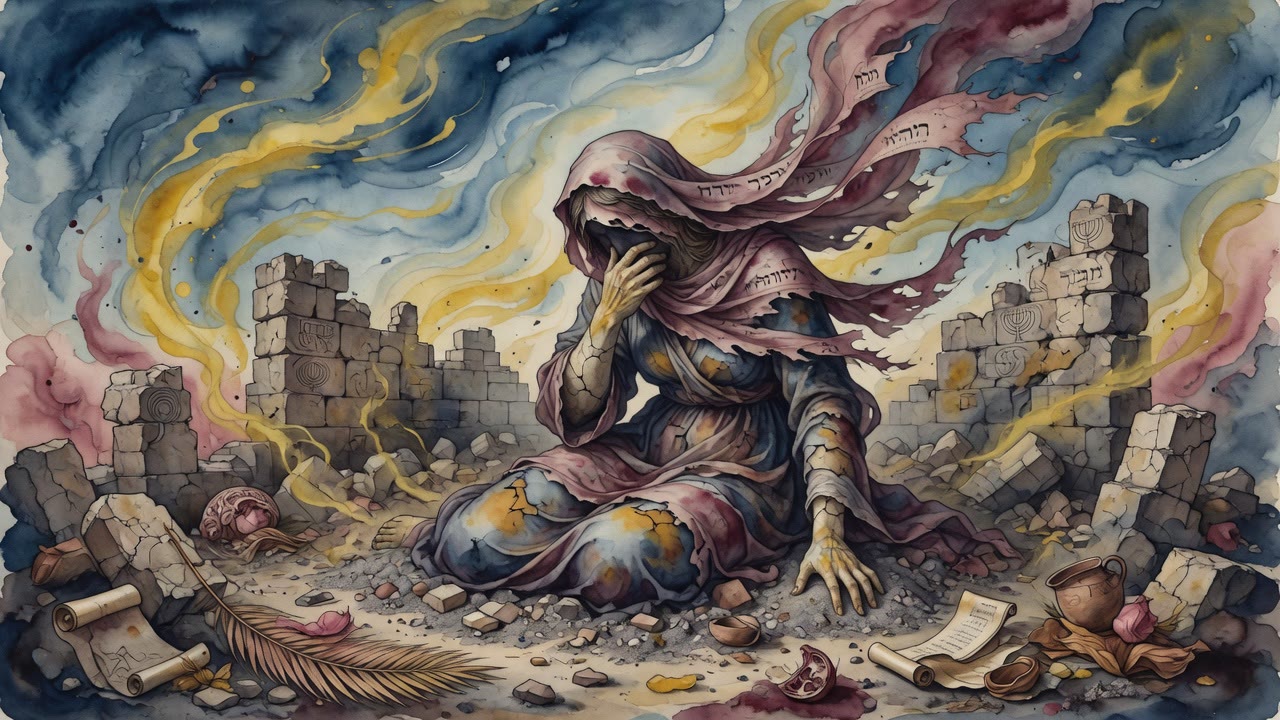
They heard Rome from a hundred and twenty mil and wept. Akiva laughed then too, long before a fox walked out of the Holy of Holies.
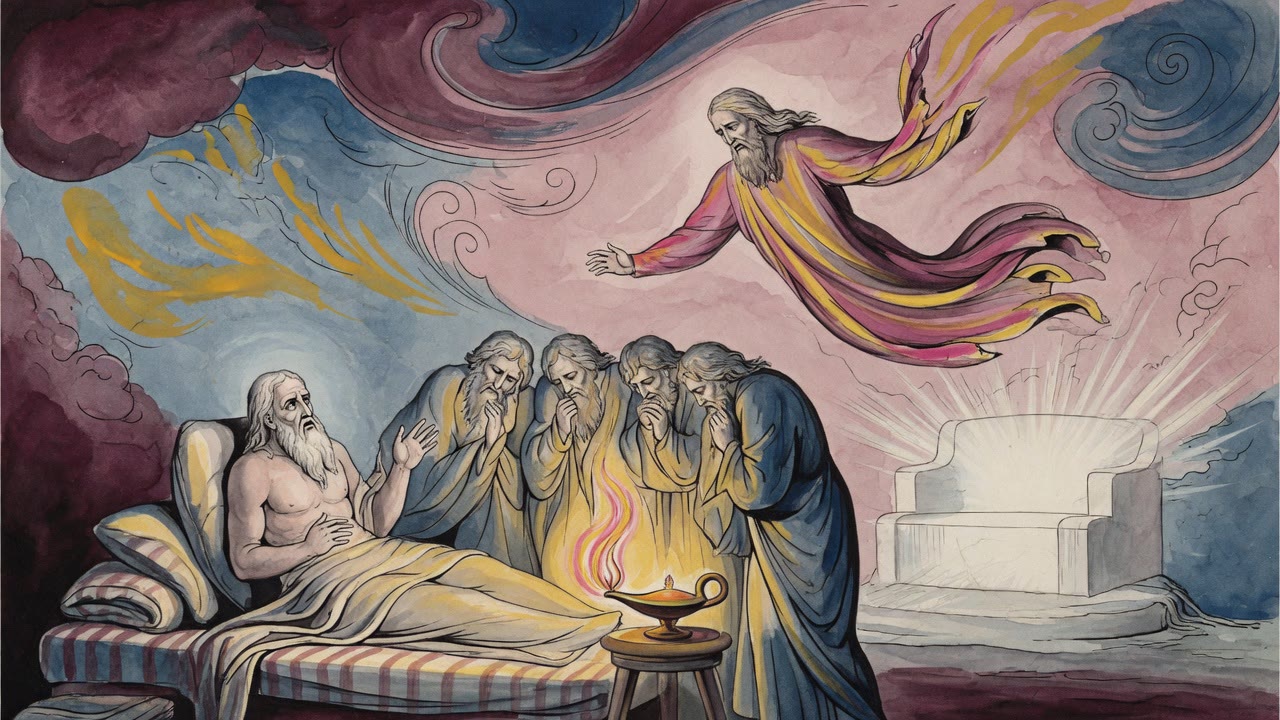
Rabbi Yehoshua found him among the wounded at Rome. One bandage was off. The rest stayed bound, in case the call came before night.
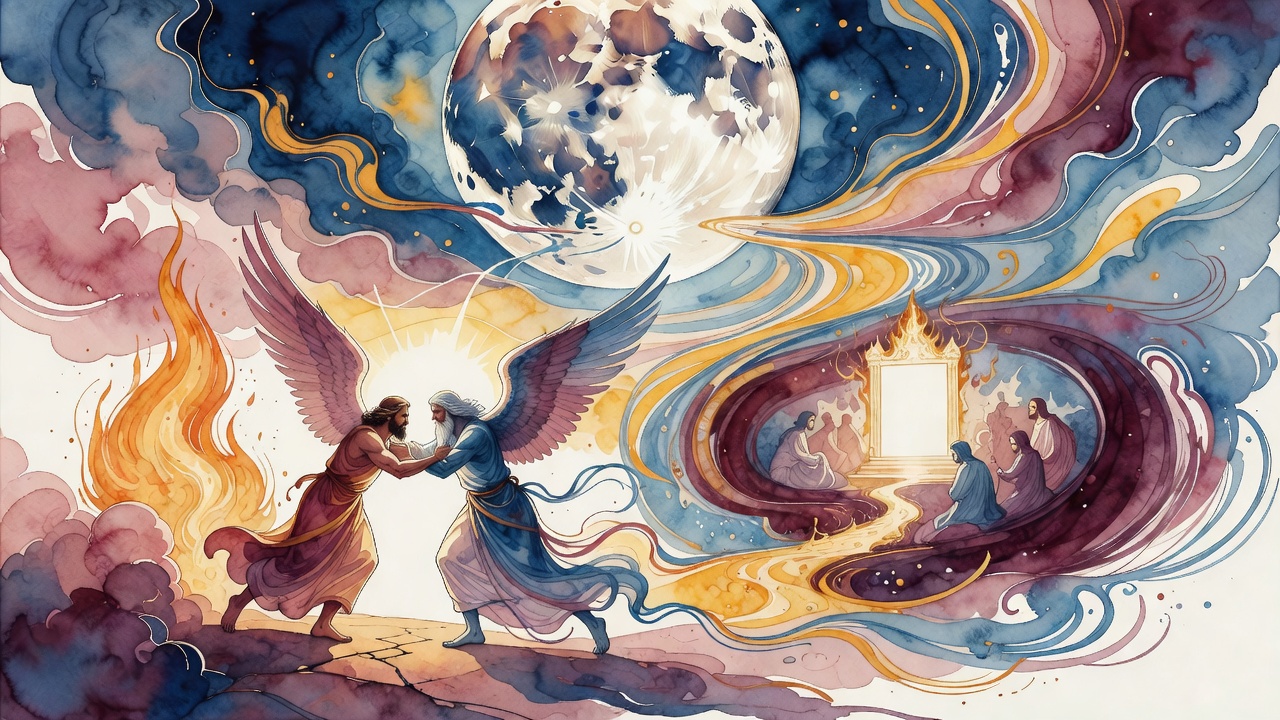
A moon punished and promised future glory, a wrestling match with an angel, a scandal that turned out to be a divine appointment. Heaven was running traffic.
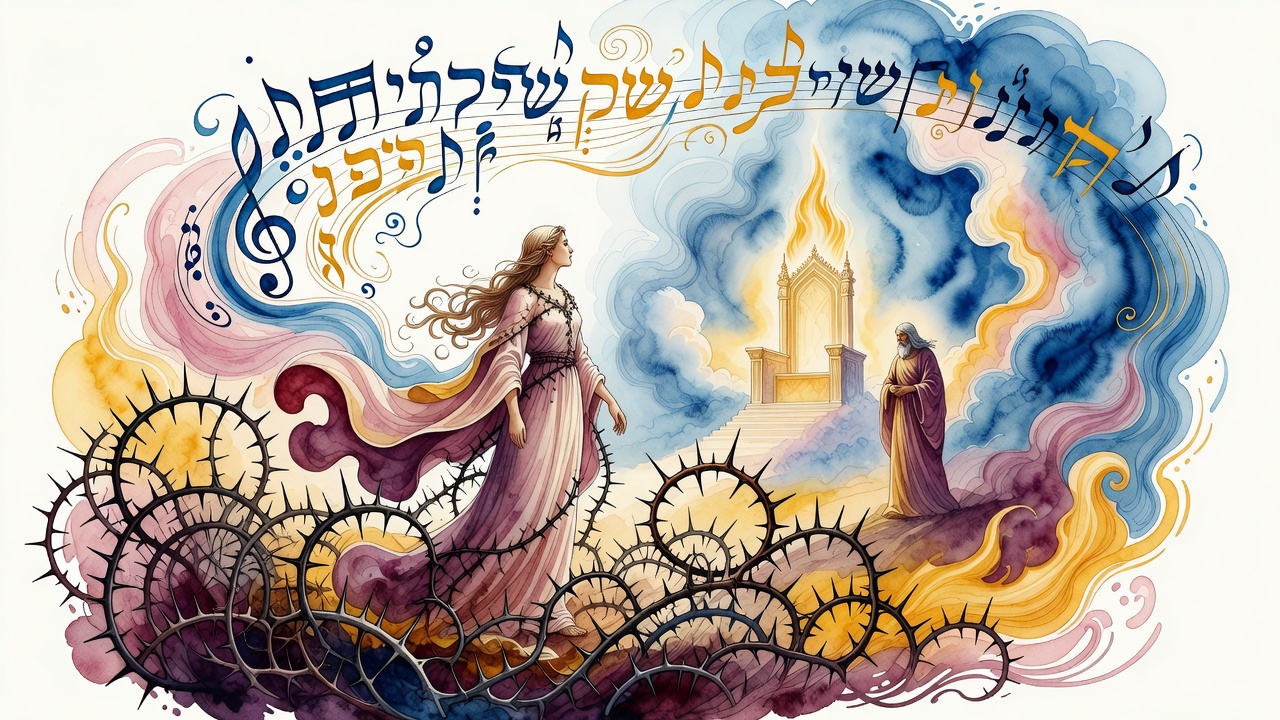
The Tikkunei Zohar teaches Jews to wait. The bride is in thorns. The cantillation marks carry secrets. The King Messiah stands just beyond the silence.
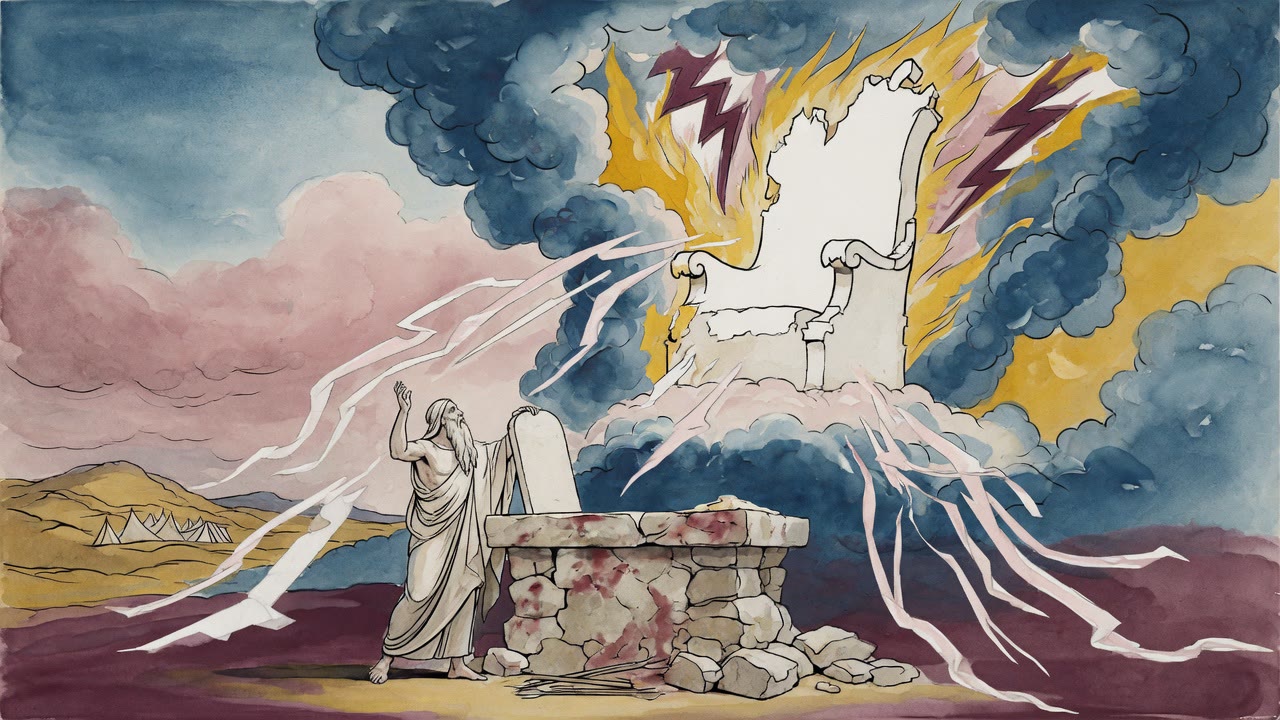
After Rephidim, Moses names shared trouble at the altar while God swears the divine name and throne stay incomplete until Amalek is erased.
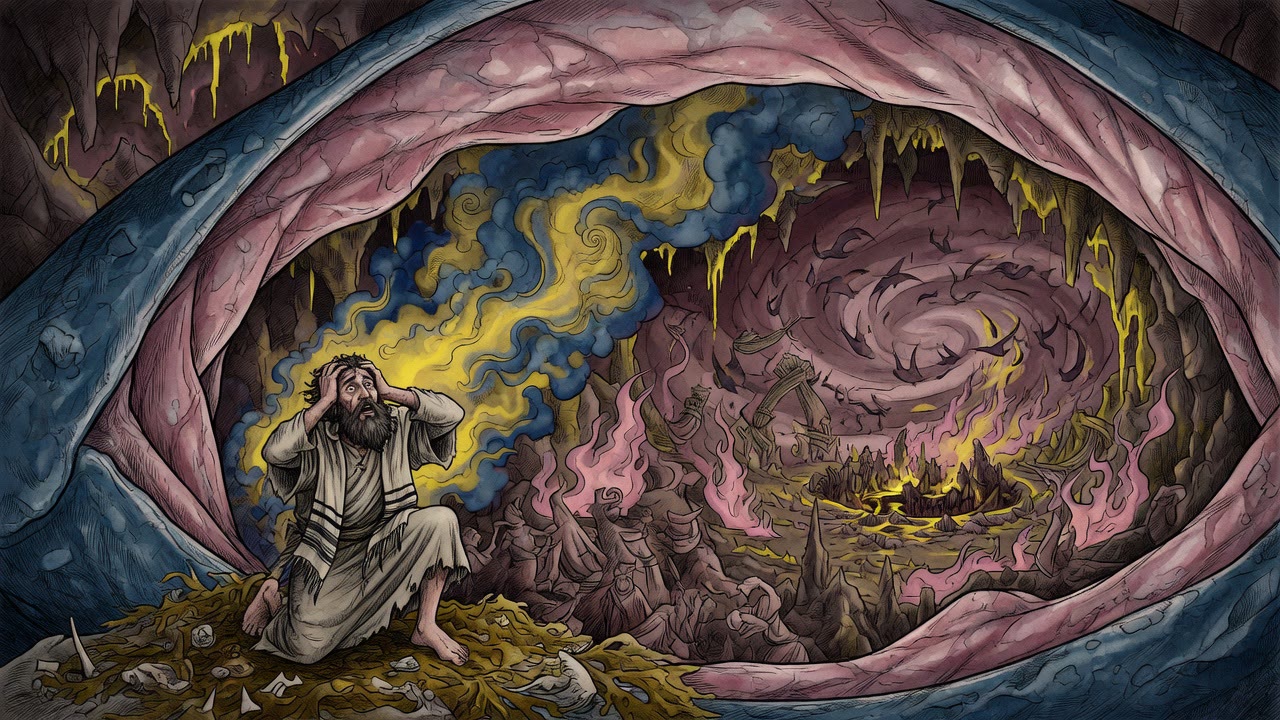
No fallen city could equal Jerusalem, so God sent no deputy into exile with Israel. Only the one who lit the fire could pay what was owed.
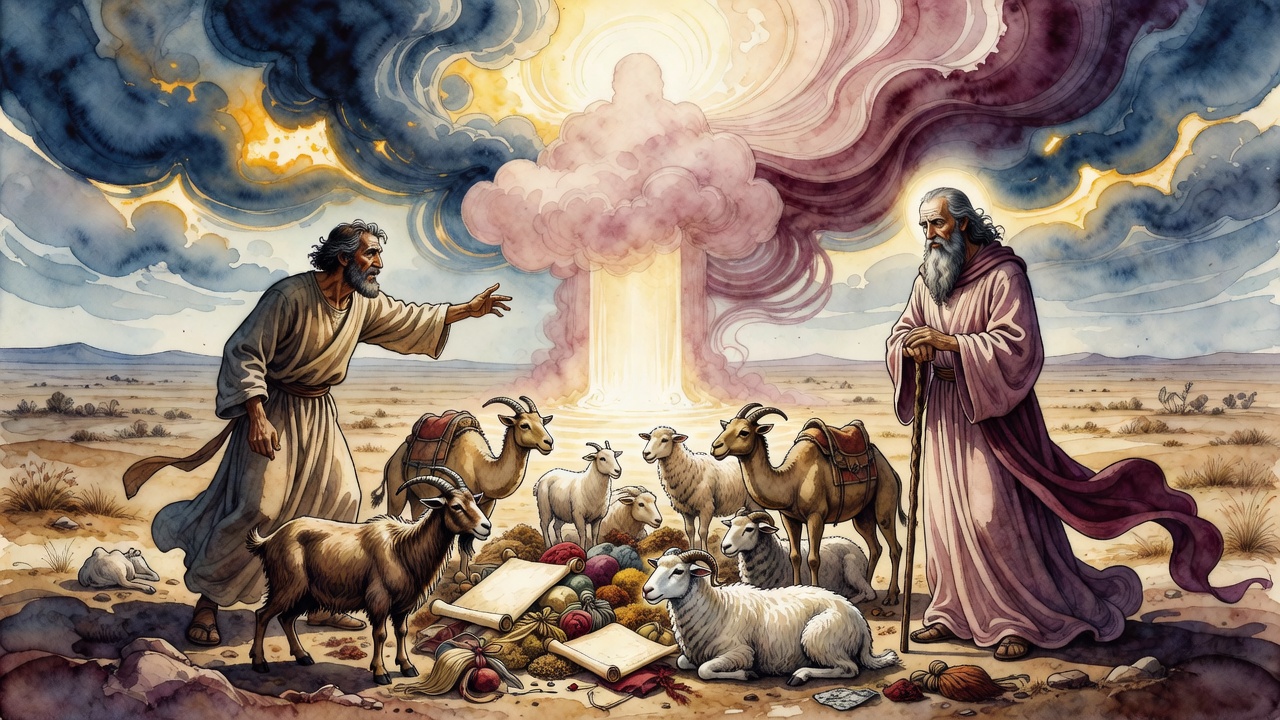
An unlearned man told a rabbi that Jacob's tribute to Esau was never really given away. It was lent, and it comes due in the days of the Messiah.
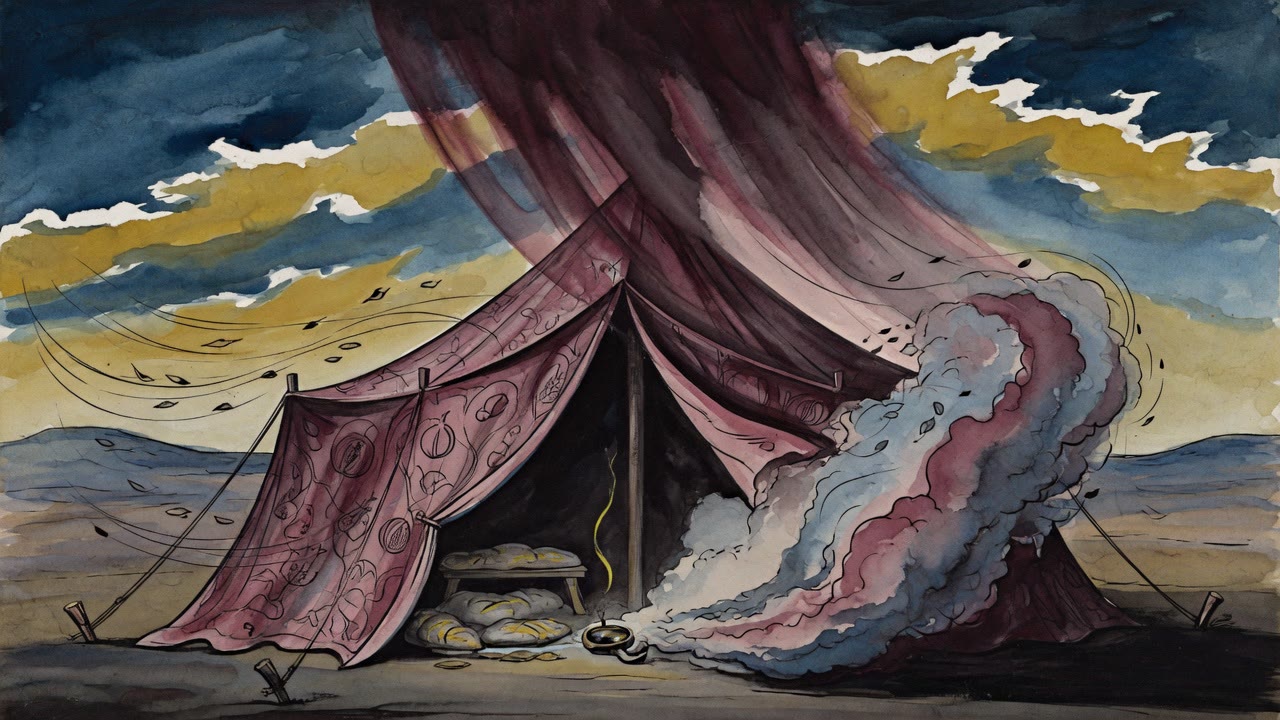
The knife came down on nothing. When Abraham looked up, an animal was fighting free of one thicket only to catch in the next, and it would not stop.
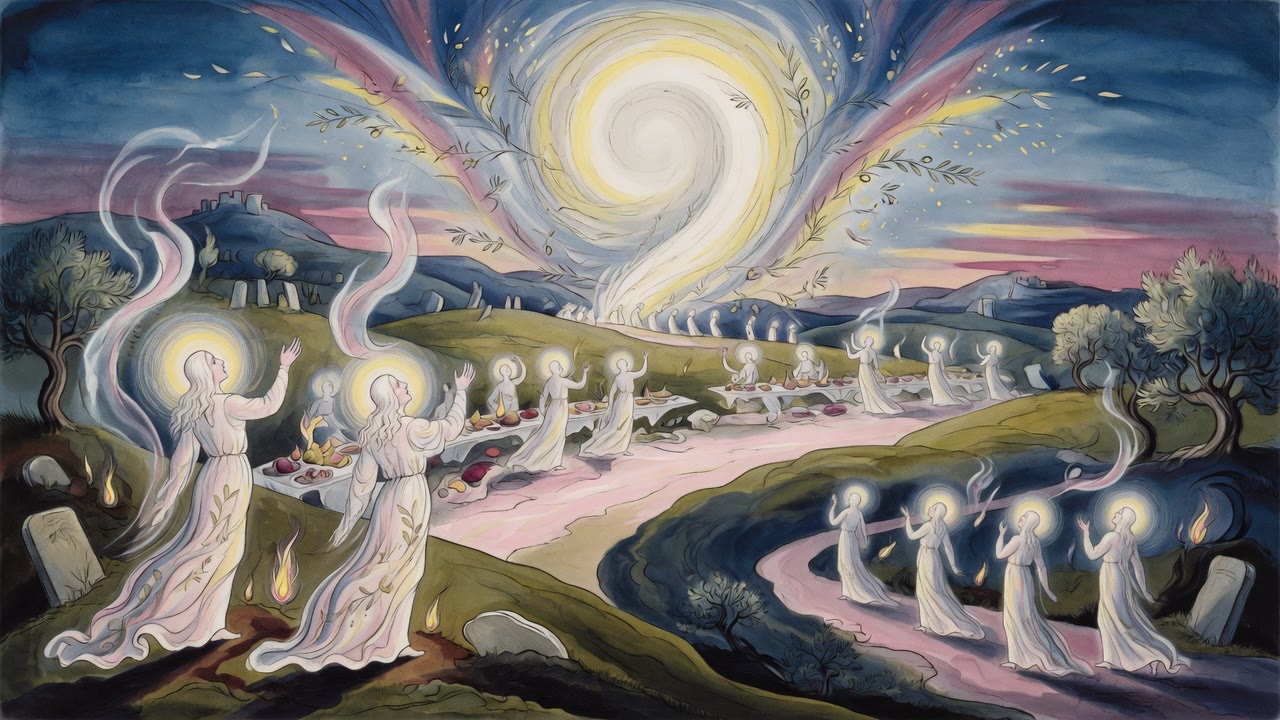
Two thousand scorpions crossed the backs of the sinners, each sting matched to a different sin. Higher up, angels bathed in a river of fire and came out new.
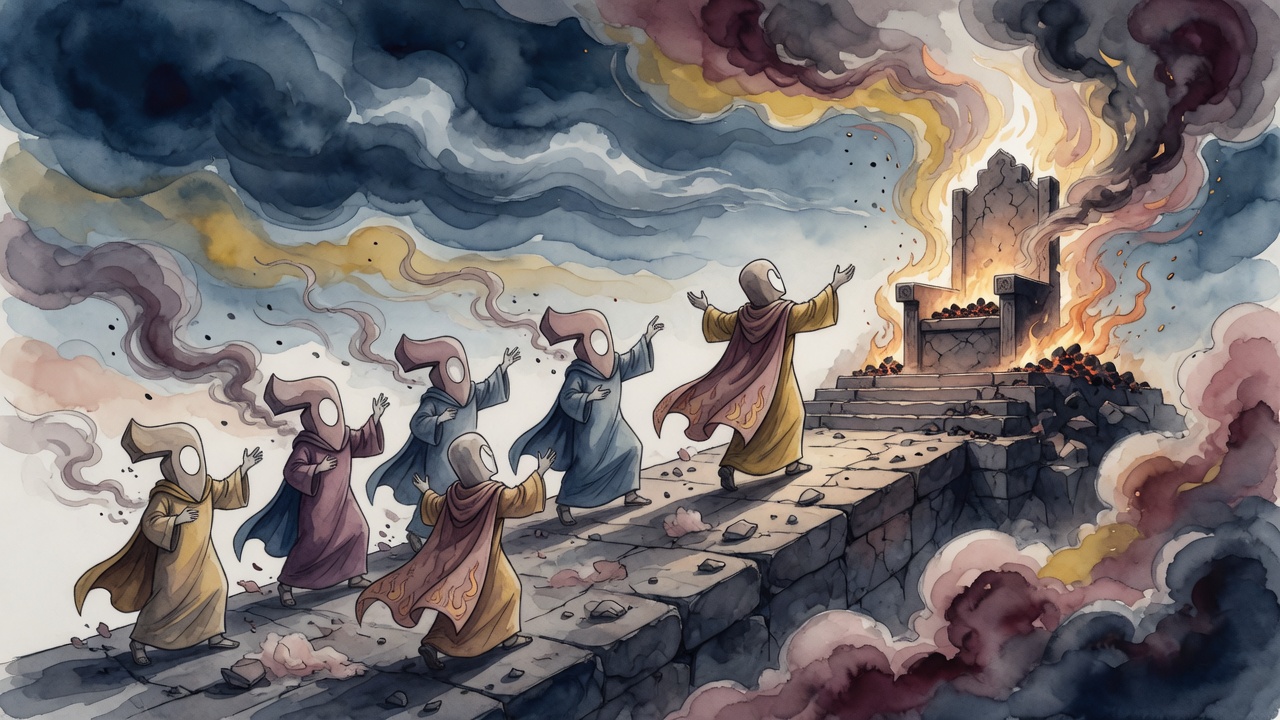
God burned the angels who doubted man, then folded a pure light beneath His Throne for the Messiah and a star to time the end.
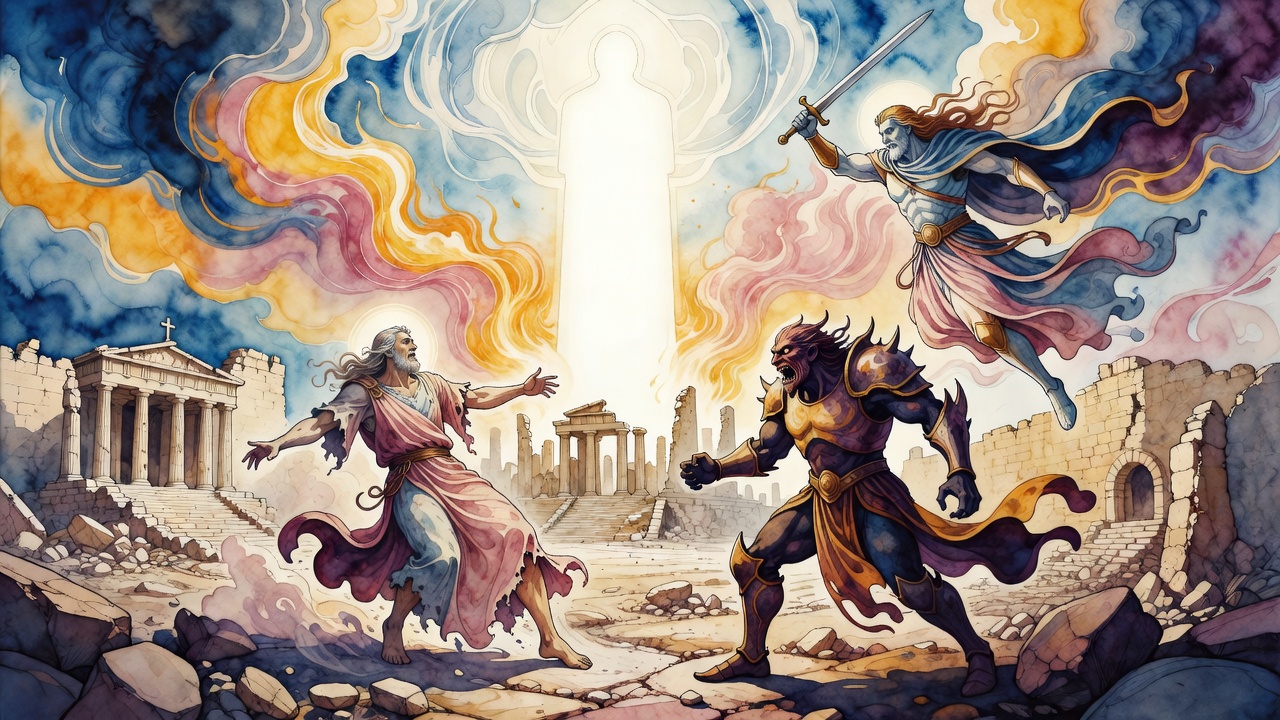
A warrior anointed from Ephraim rises to rebuild the Temple and falls, until the king from Judah descends girded for battle to slay the tyrant.
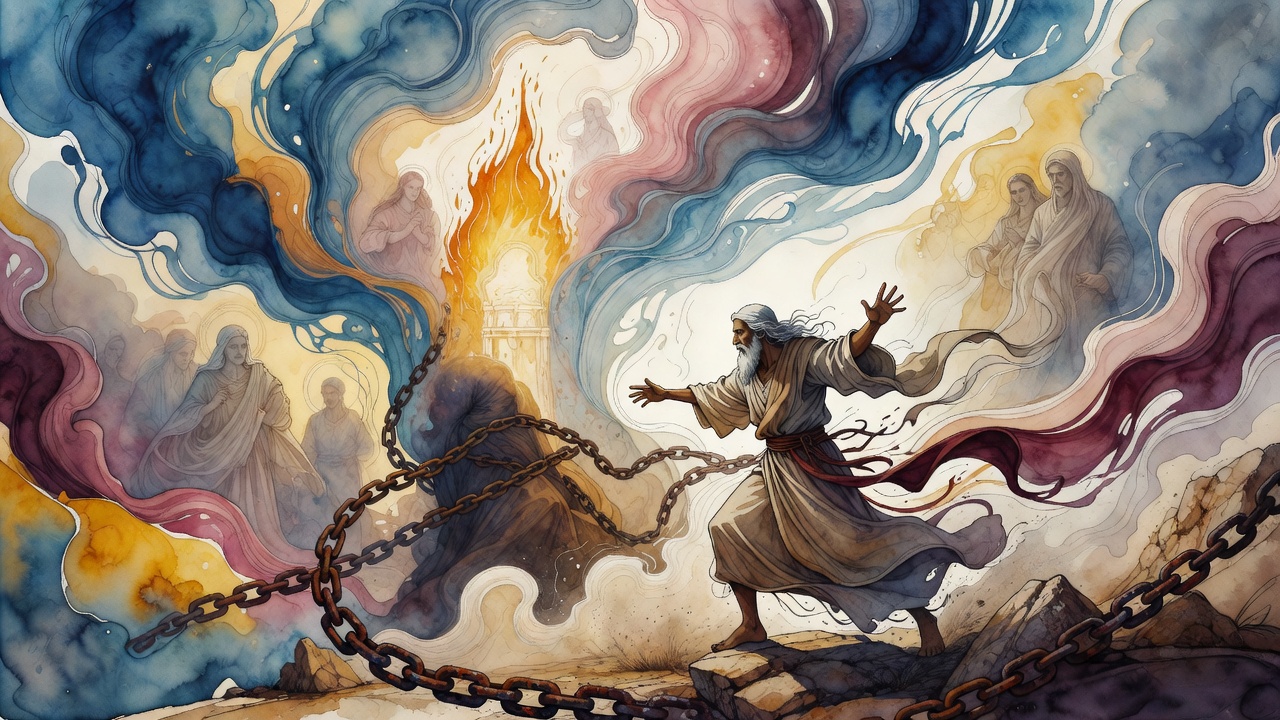
David's line runs through Lot's daughters and Moabite Ruth, so the redeemer is quarried from evil, and one mystic in Hebron set out to break his chains.
