God Intended Hezekiah to Be the Messiah and He Did Not Know It
The sun went backward for Hezekiah. The Assyrian army died overnight outside Jerusalem. God had arranged everything. Then Hezekiah failed to sing.
Table of Contents
 Click for full size
The Shadow Moves Backward
The prophet Isaiah came to Hezekiah with a death sentence. Set your house in order, for you shall die and not recover. Hezekiah turned his face to the wall and prayed. Before Isaiah had left the middle court of the palace, God spoke to him again: go back. Tell Hezekiah I have heard his prayer and seen his tears. He shall live. I will add fifteen years to his life, and I will deliver Jerusalem from the hand of the Assyrians.
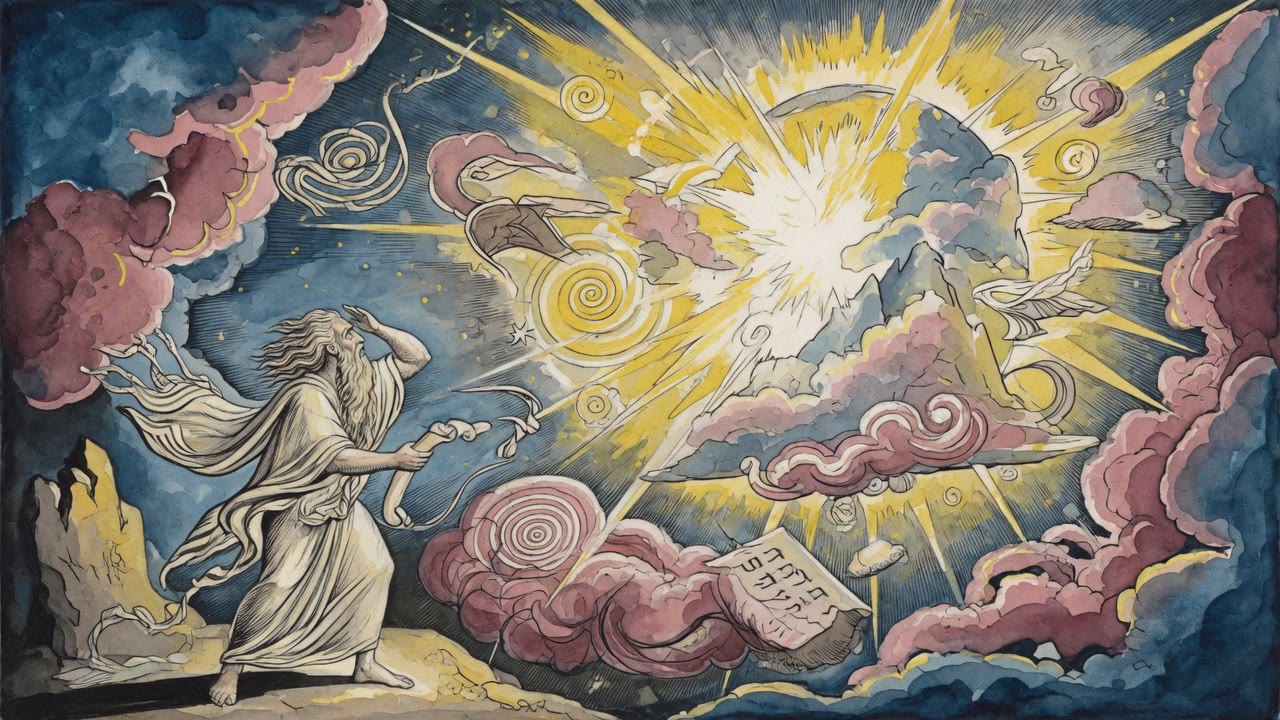
Then God offered a sign. The shadow on the sundial of Ahaz would move backward ten degrees. Not forward, not stay still: backward. Against the natural direction of time. Against the movement of the sun. The shadow retreated ten steps, and every astronomer in Babylon saw it happen, and delegations came from Babylon to find out what had occurred in Jerusalem that the sun itself had reversed its course.
The rabbis believed they knew what it meant. The sign was too large, too unprecedented, too cosmically significant to be merely personal. God does not reverse the sun to extend one man's life by fifteen years. The reversal of the sun meant the moment had arrived. This was it.
The Plan That Was in Place
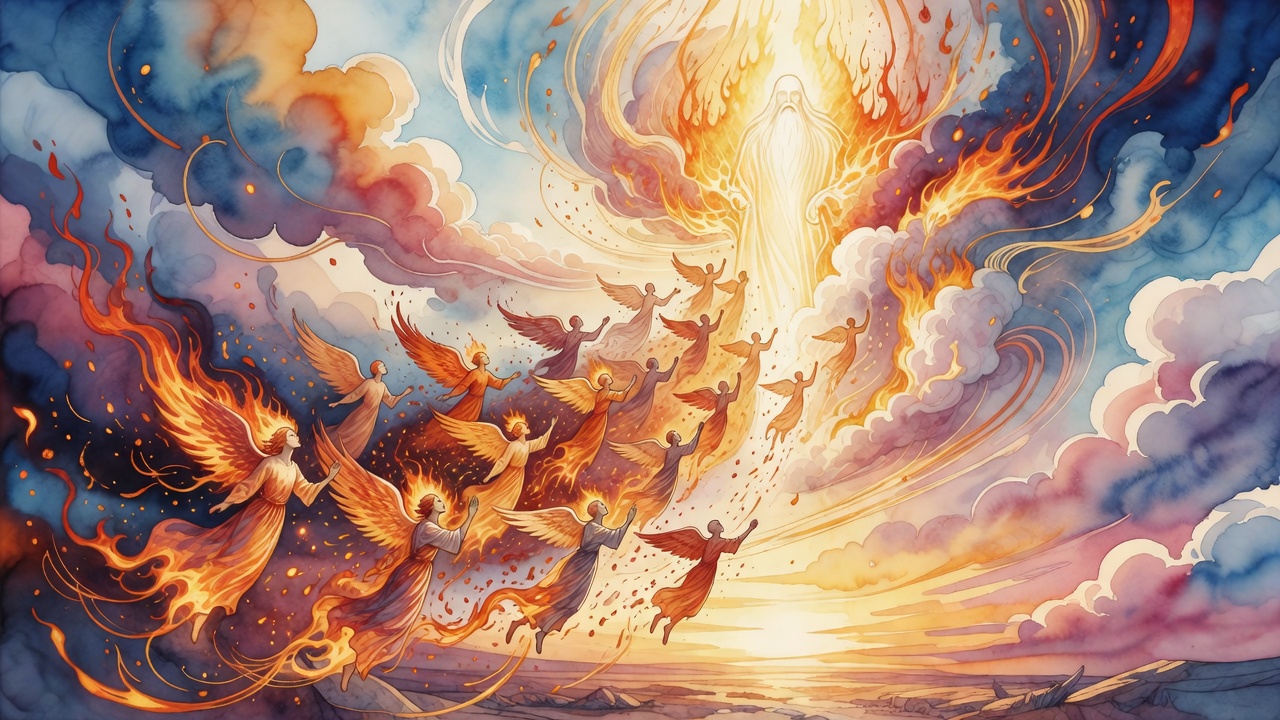
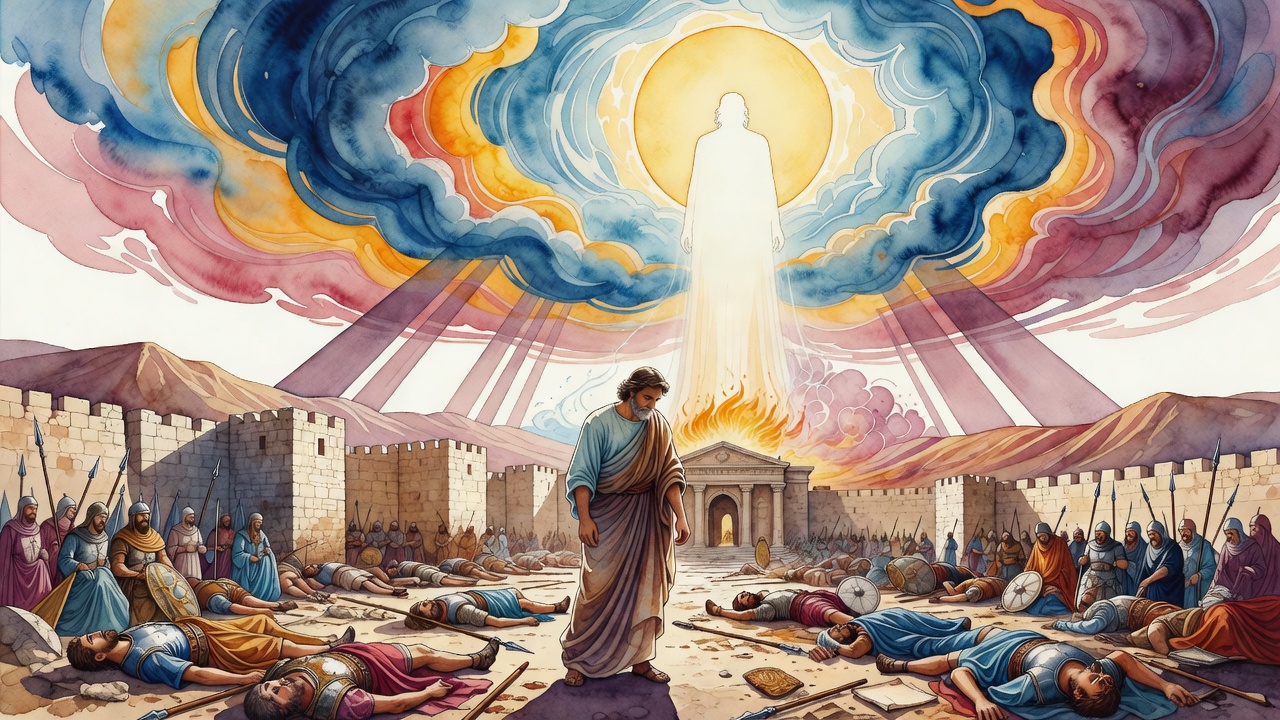
The Legends of the Jews preserves the tradition with startling directness. God intended to make Hezekiah the Messiah. Sennacherib, the Assyrian king who had besieged Jerusalem with a hundred and eighty-five thousand soldiers, was to be Gog and Magog, the final enemy of Israel whose destruction would inaugurate the messianic age. The angel who destroyed the Assyrian army overnight was not simply winning a military battle. He was executing the last battle, the one that comes at the end of exile and opens into the reign of peace.
The Talmud in tractate Sanhedrin records the conditions in place. Every person in Israel knew the laws of purity and impurity during Hezekiah's reign. Not the scholars. Everyone, from the greatest to the smallest, from Dan to Beersheba. This level of Torah knowledge had never existed before and would not exist again. The king himself was righteous, the schools were open, the people were prepared. Sennacherib's army lay dead outside the walls. Everything was arranged.
The Song That Did Not Come
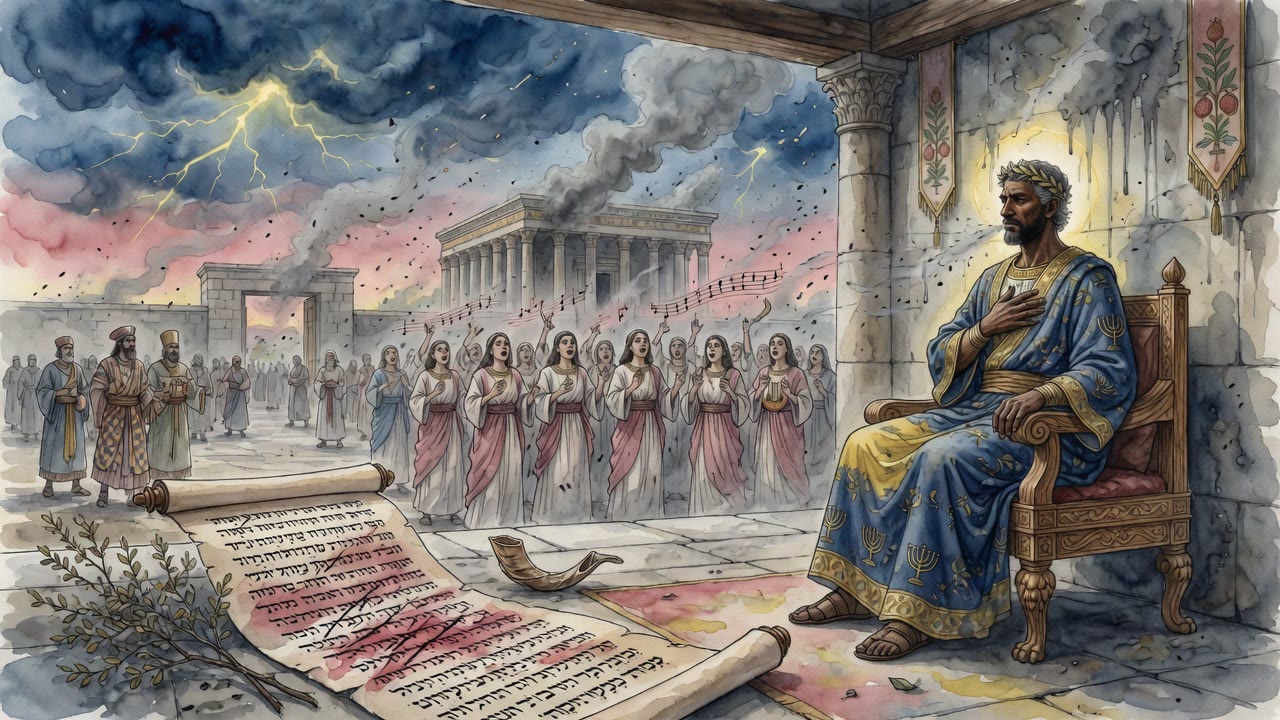
Hezekiah did not sing. The morning after a hundred and eighty-five thousand soldiers died in their camp without a battle being fought, the king of Judah did not compose a song of thanksgiving. David would have sung. Moses had sung at the sea. The tradition expected the moment to be met with a song, with the full acknowledgment that what had just happened was the end of something and the beginning of something else, the recognition that he was standing at the hinge of history and that the hinge required a song to turn on.
The Talmud records that the divine attribute of justice objected. David composed many songs and psalms in your honor, the attribute said, but you never said a single song in your honor. And because Hezekiah did not sing, did not rise to meet the moment, did not recognize what he was holding, the messianic appointment was withdrawn.
What He Did Instead
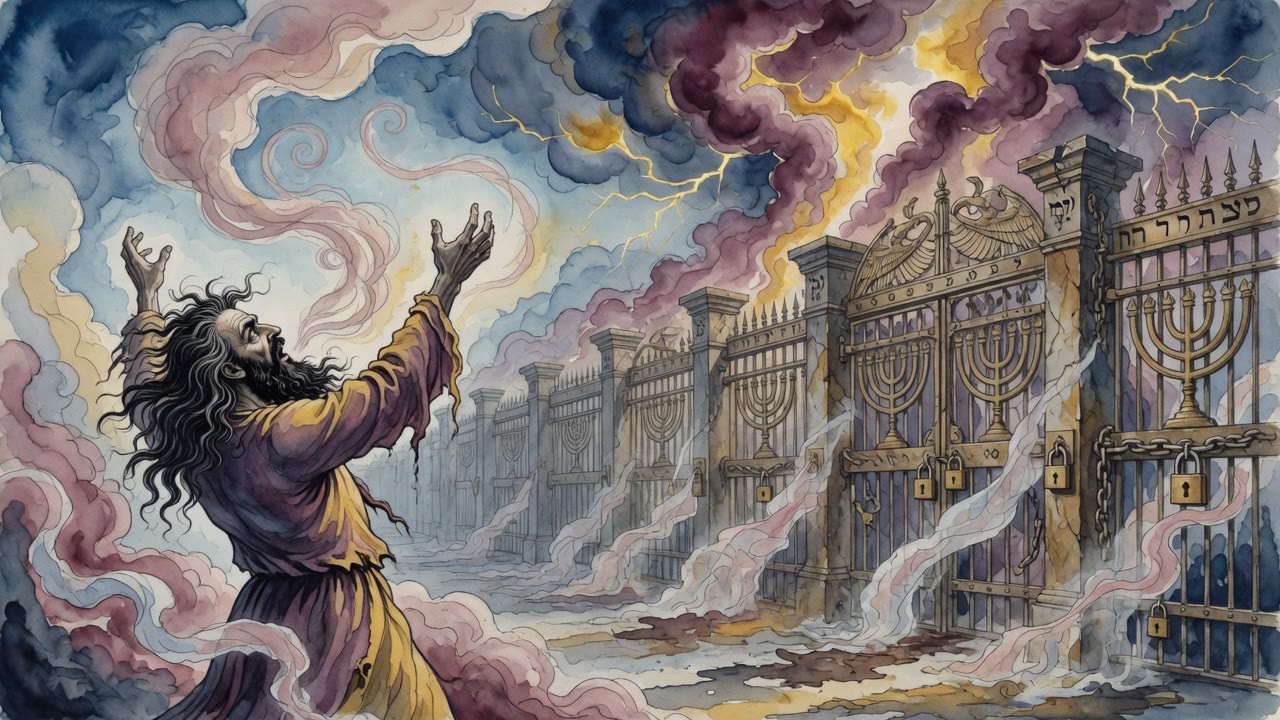
He showed the Babylonian ambassadors everything. They had come because of the sun going backward, and Hezekiah took them through the treasure house and the armory and the storehouses of spices and the precious oil. He showed them all of it. There was nothing in his house or in all his realm that Hezekiah did not show them. Isaiah came afterward and asked who these men were and what they had seen, and Hezekiah told him, and Isaiah delivered the prophecy that everything Hezekiah had shown them would one day be carried to Babylon. His descendants would serve as eunuchs in the palace of the Babylonian king.
Hezekiah's response was strange. He said: the word of God that you have spoken is good. He meant: there will be peace and truth in my days. The rabbis read this as the moment that sealed the judgment. Not the showing itself but the response: as long as the catastrophe comes after I am dead, it is good. The man who had been positioned as the Messiah spent his last act of recorded speech accepting a prophecy of exile for his children and calling it good because it did not apply to him.
What the Tradition Preserved
The mystical tradition on Hezekiah extends beyond his death. He was taken to heaven after he died and shown the world to come, and what he saw there is preserved in hints and fragments in the aggadic literature. He had been close enough to the messianic appointment that even in his failure the tradition could not let go of him entirely. He remained a figure of what almost arrived and did not. Isaiah's messianic chapters, composed in Hezekiah's time and possibly with Hezekiah in view, were not discarded when Hezekiah failed to step into them. They were kept, waiting.
← All myths