145 myths · Page 4 of 5
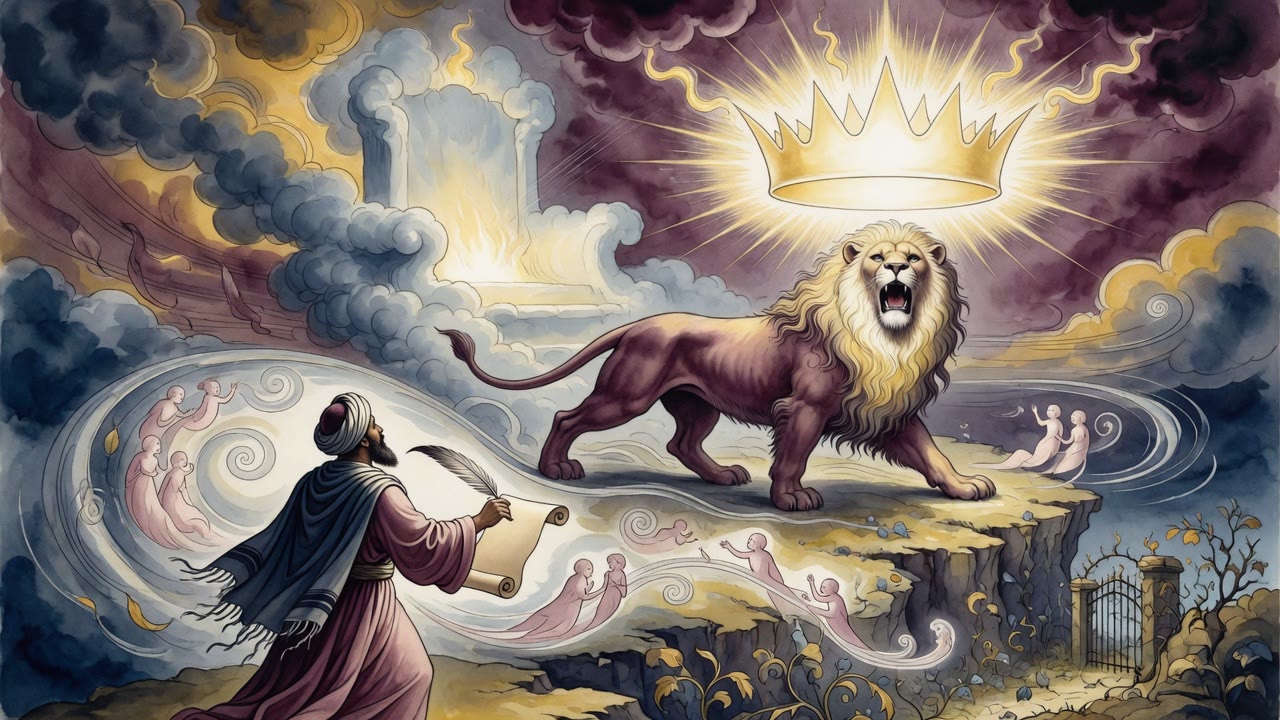
In 1665 a prophet wrote of a Messiah on a celestial lion, a Torah that begins with aleph (the first Hebrew letter), and souls who refuse Eden until he comes.
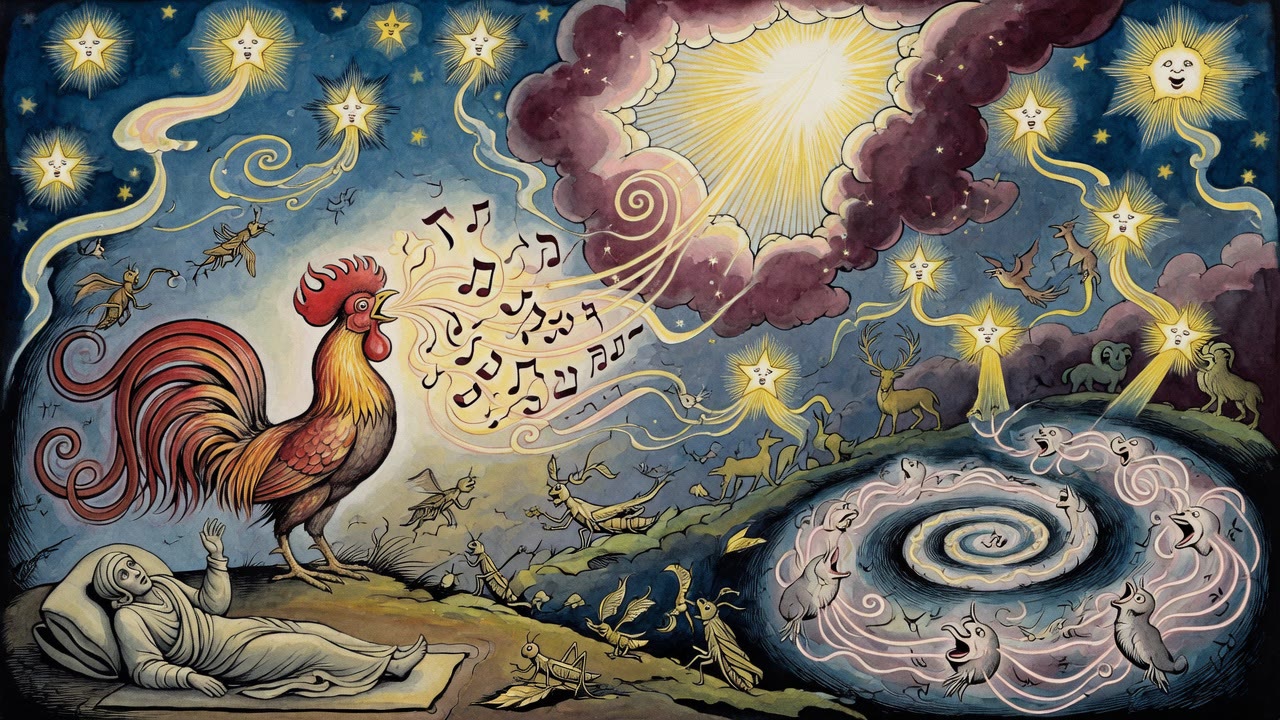
Creatures recite verses of strength and justice. A grounded vulture will one day announce redemption with a line from Zechariah.
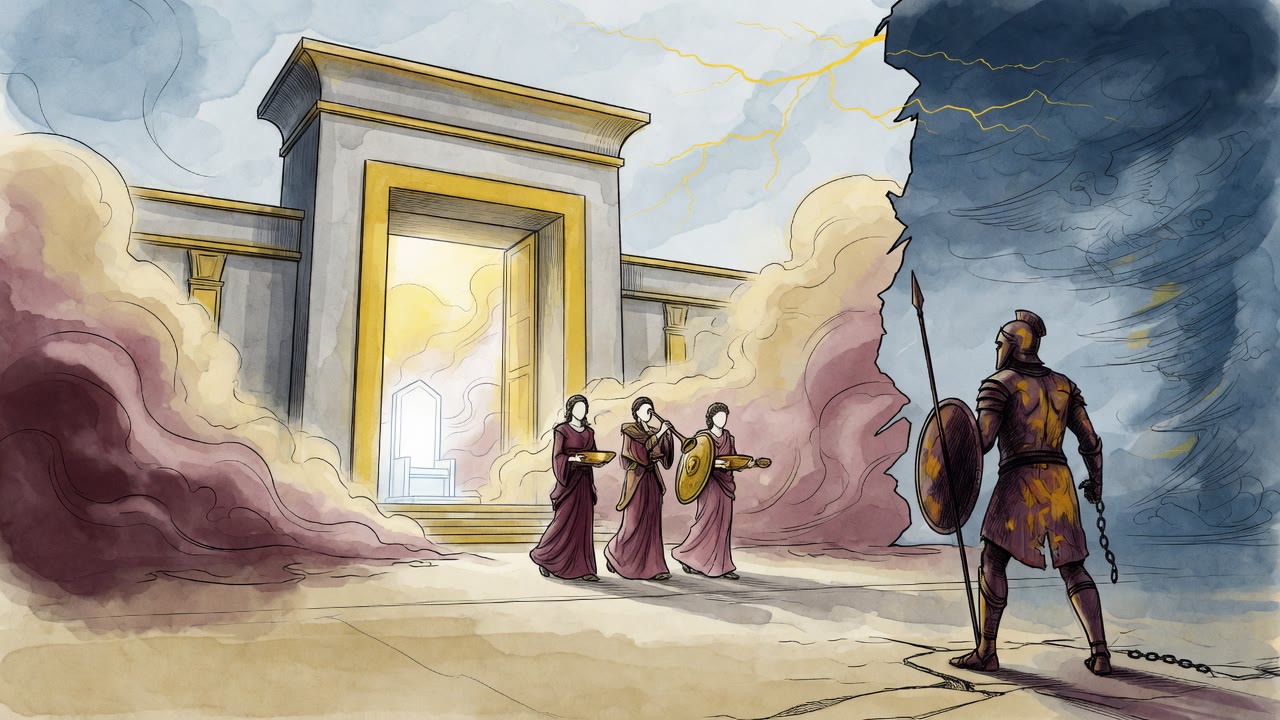
An overseer caught a smith's wrist before iron touched the Tabernacle. Gold could enter the sockets. Rome's metal stayed in the yard.
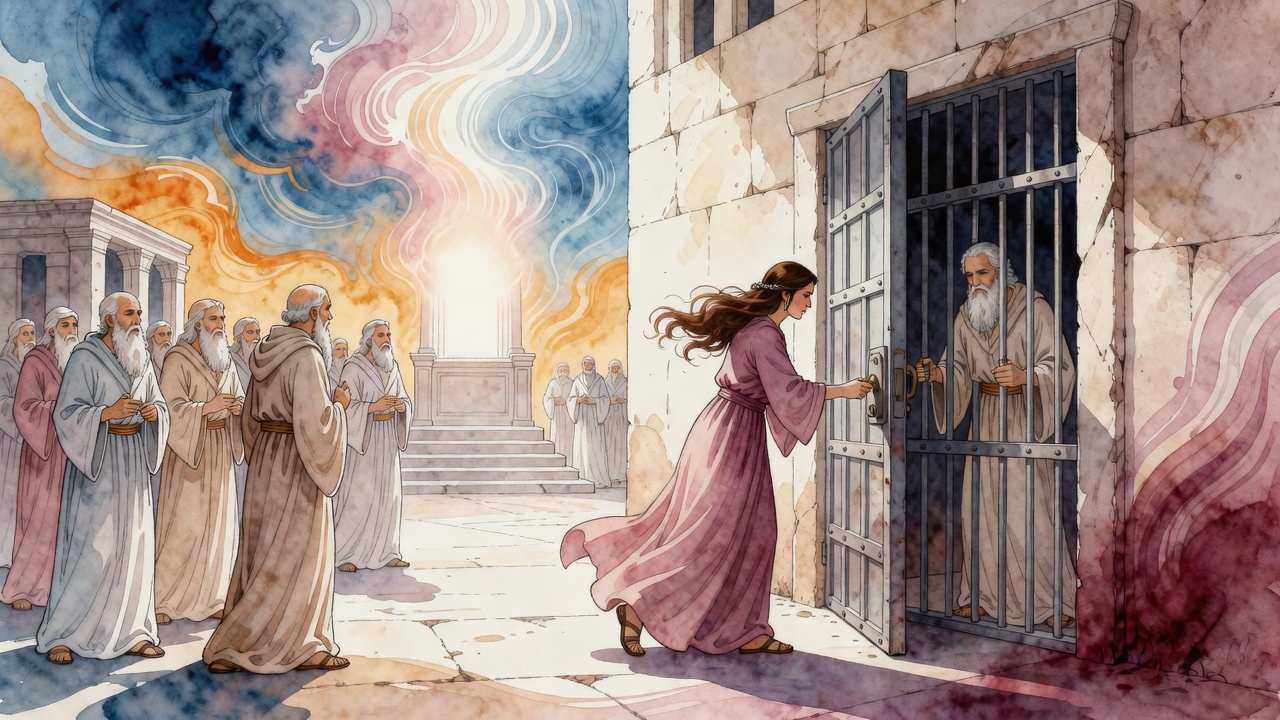
Jehoiachin sat in a Babylonian cell without his wife. If he died childless, David's house died with him. The sages had no army, only a path through the palace.
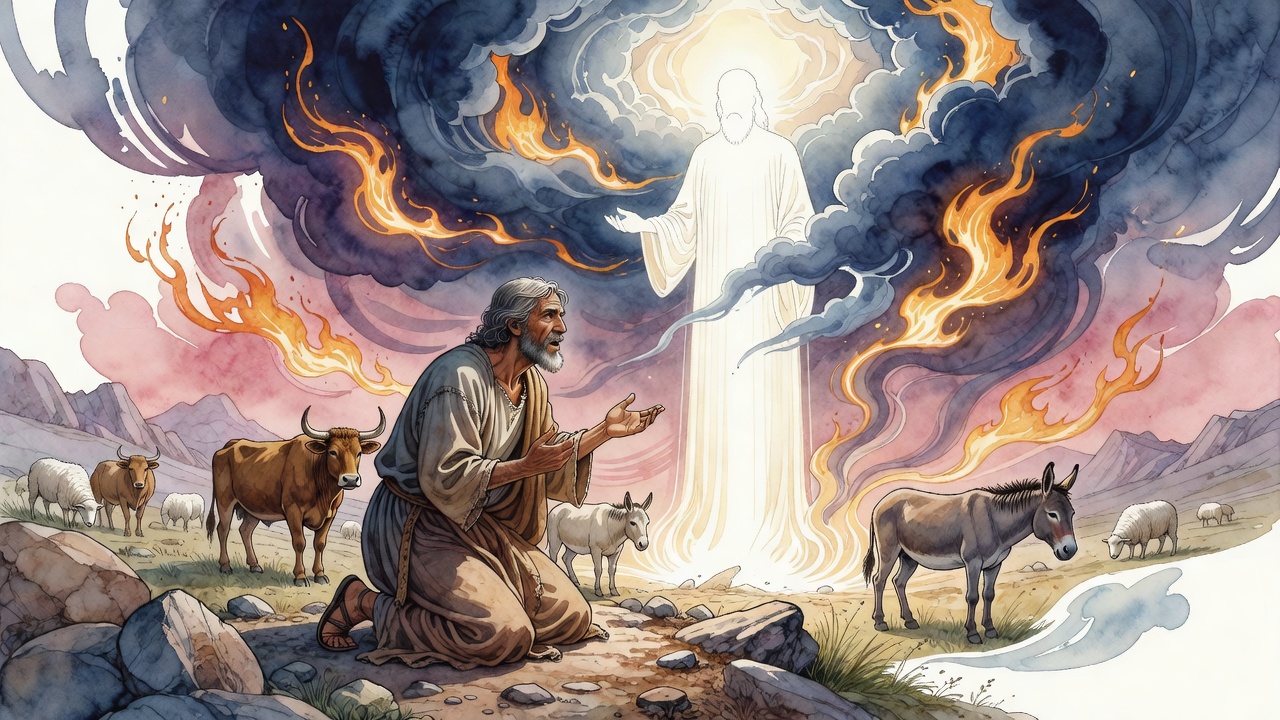
Twenty years earlier a frightened boy had asked for bread, a coat, and a road home. Now he was back, and four hundred men were riding toward him.
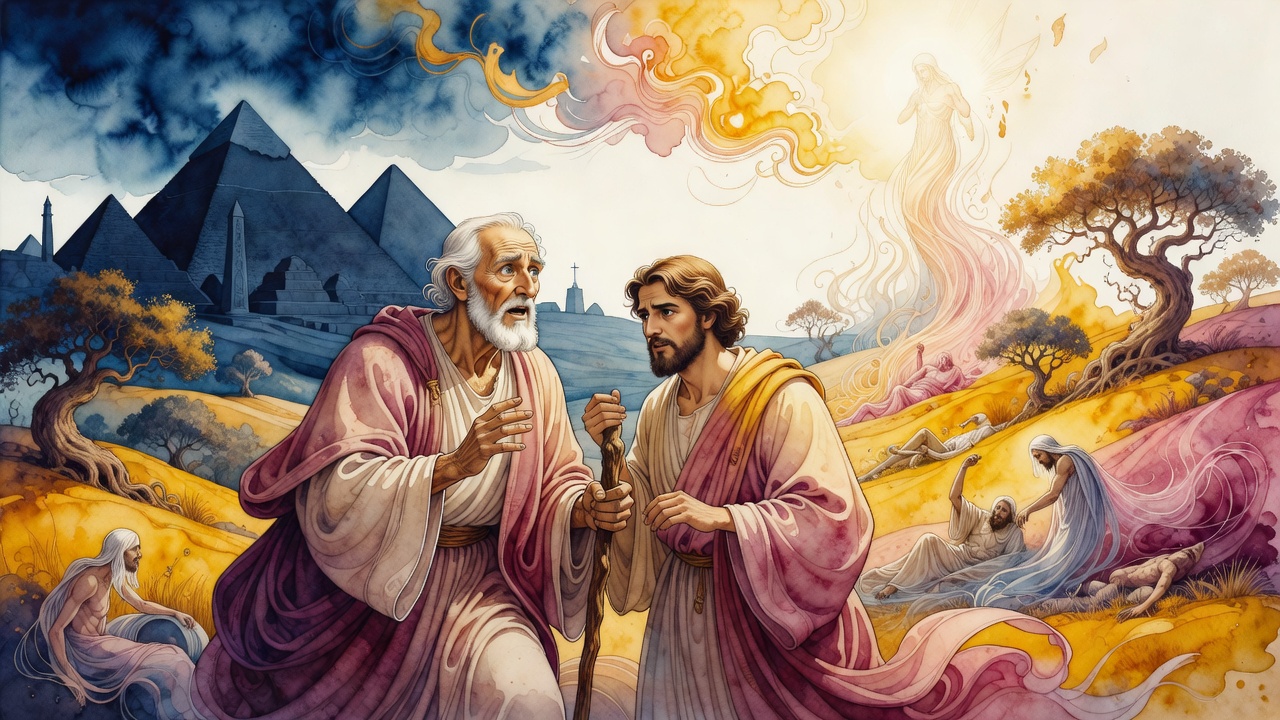
Jacob fears Egypt will worship his tomb. He asks Joseph for kindness and truth. The dead of the Land rise first when Messiah comes.
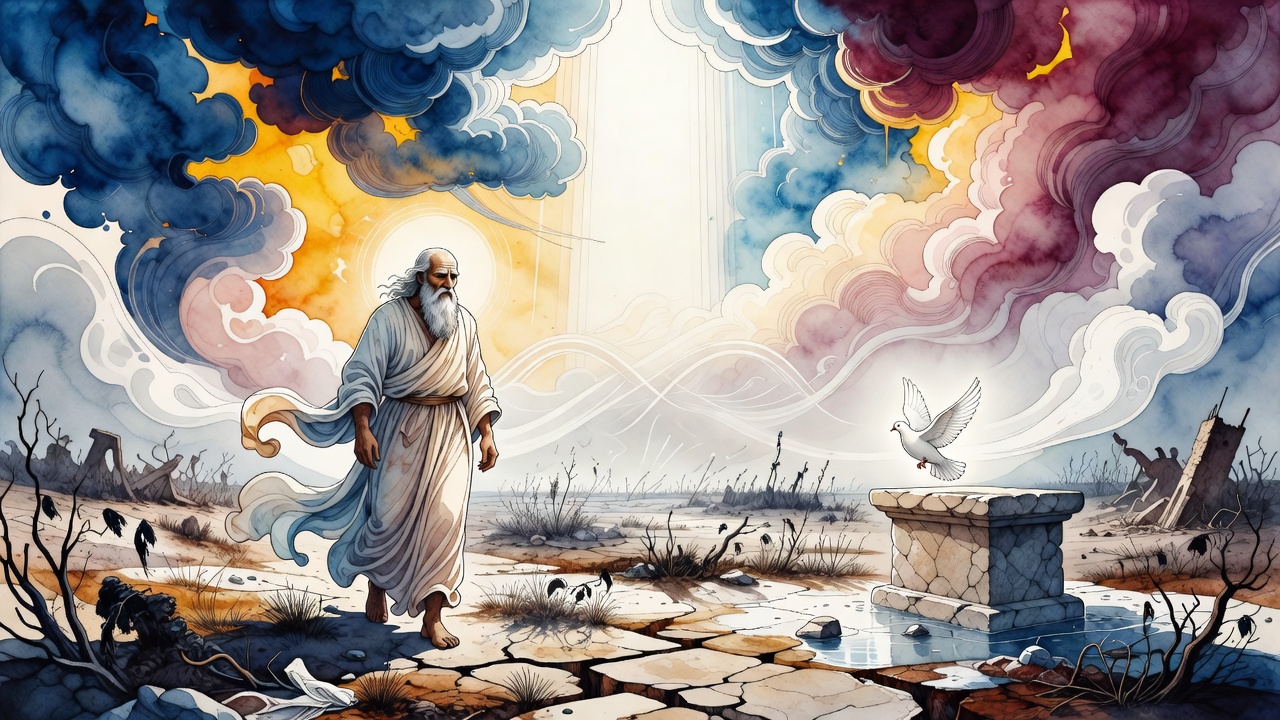
The neighbors laughed while he measured beams, and their children threw stones at the hull. The sky stayed blue long enough to make him look foolish.
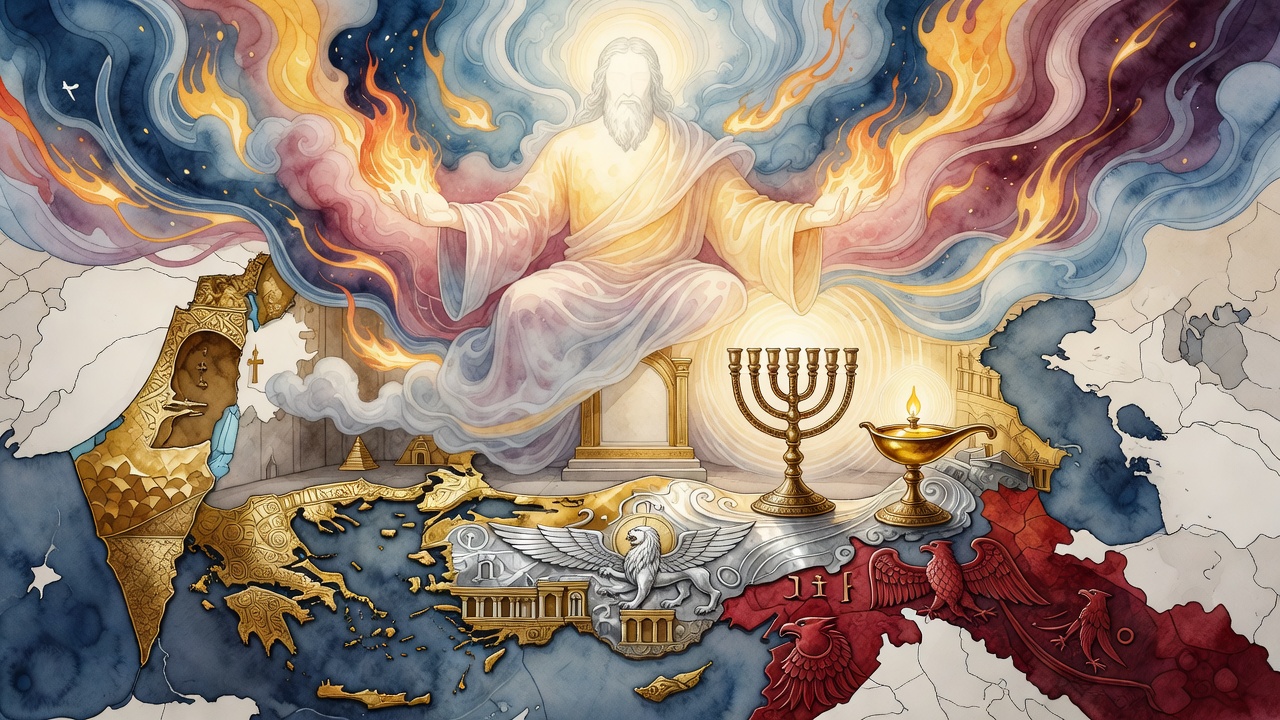
Gold, silver, brass, and red skins in the sanctuary map Babylon, Persia, Greece, and Rome, while oil for the lamp still promises a future light.
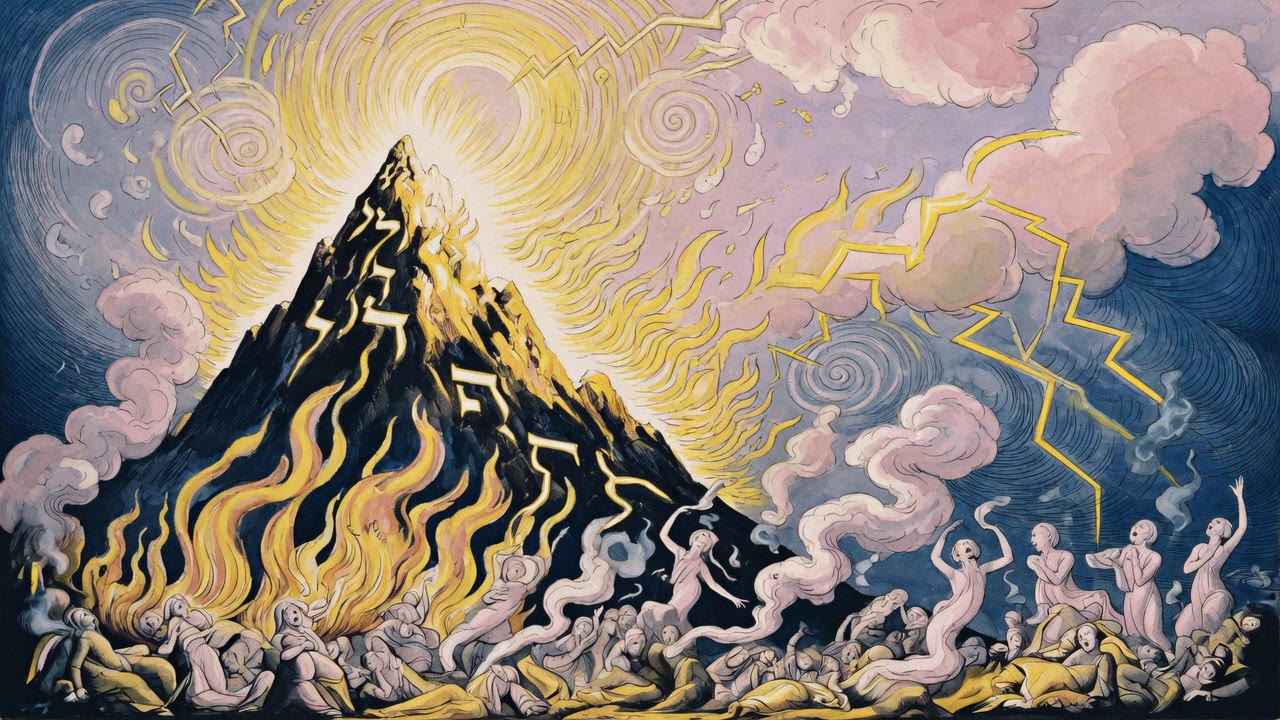
The Temple burned and God's presence went into exile too. She walked down into the dark shells to lift out the sparks trapped there.
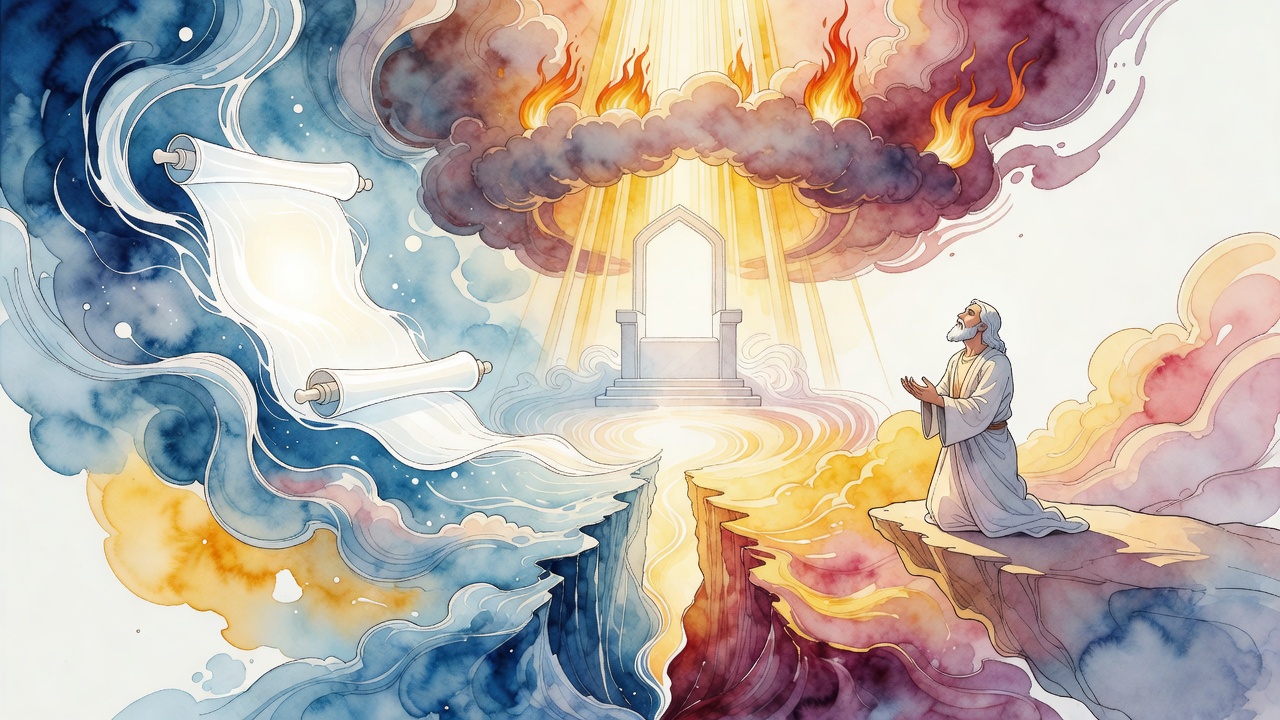
Torah stopped at the world's door and would not go in. Humans would fail, it said. God answered by naming a redeemer already appointed.
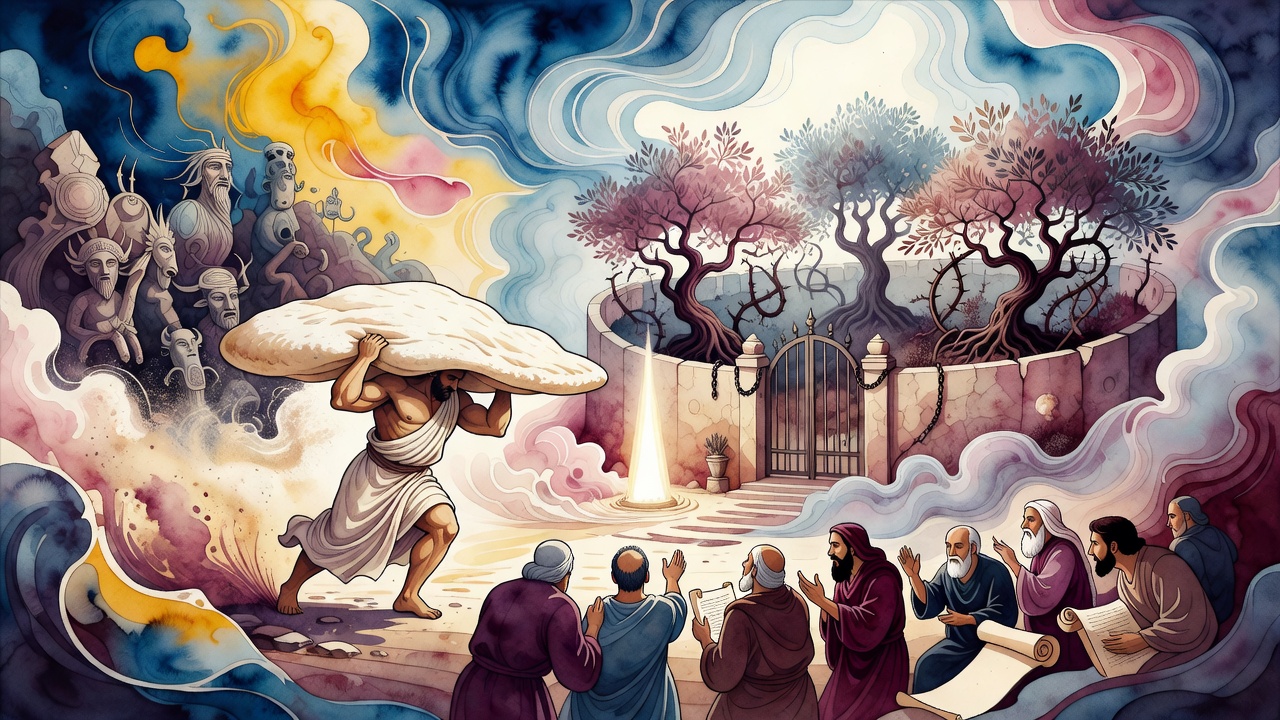
The cattle walked empty. Households swung wet dough onto their own backs. Egypt's gods left with them as lumps of metal.
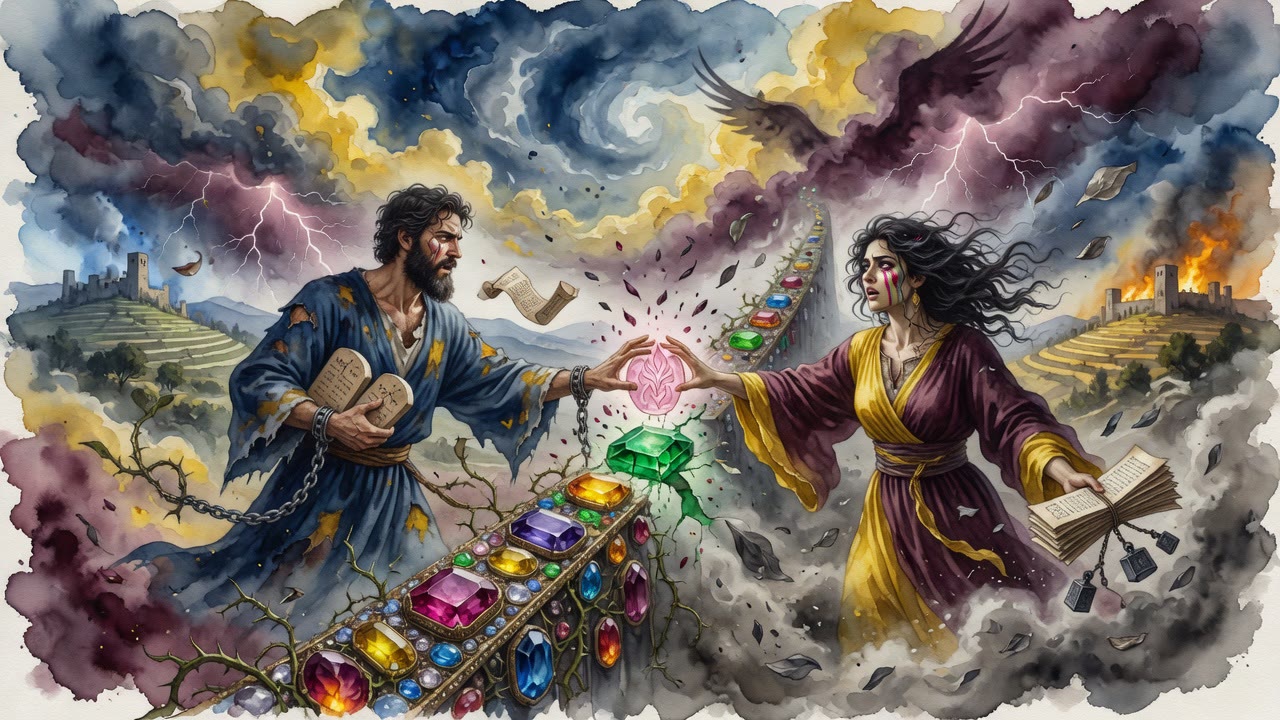
One man owed the other silver, so they walked to Jerusalem to find a judge. At the edge of the city they found gems lying loose on the ground.
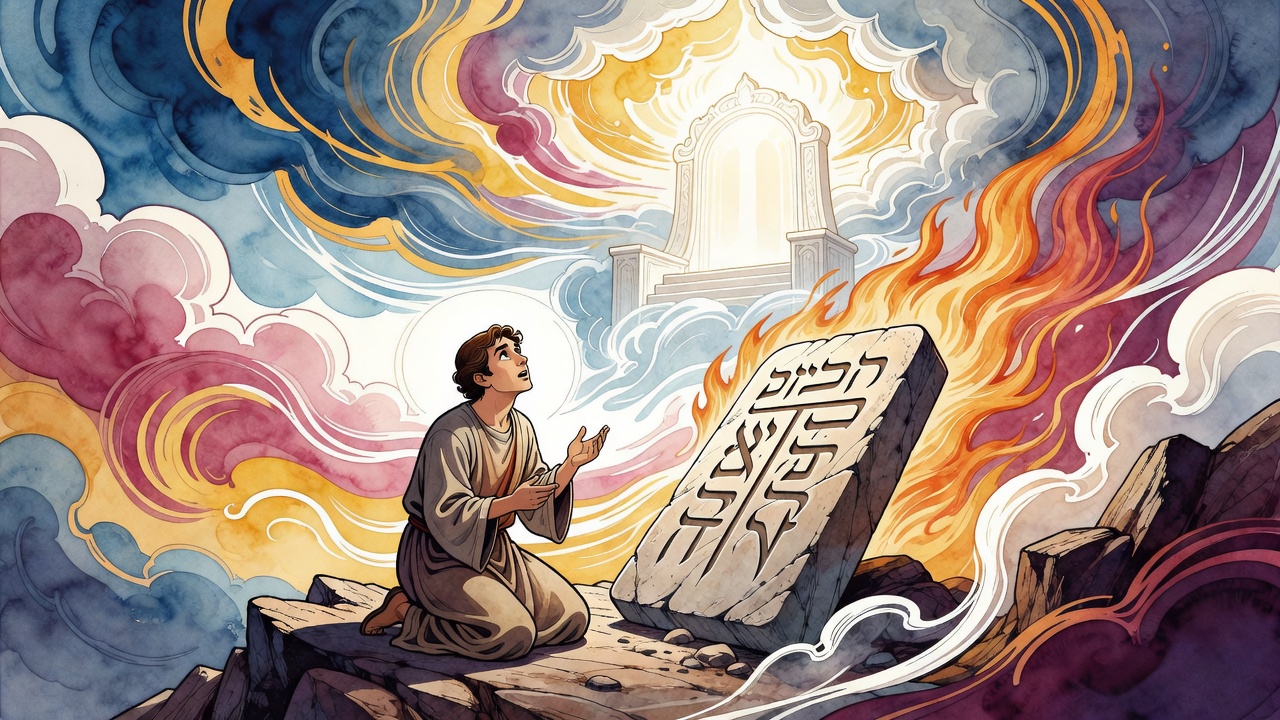
Levi set down the leather boxes and asked if he was painting gold onto the sun. A cracked wall on the walk home was stuffed with rags.
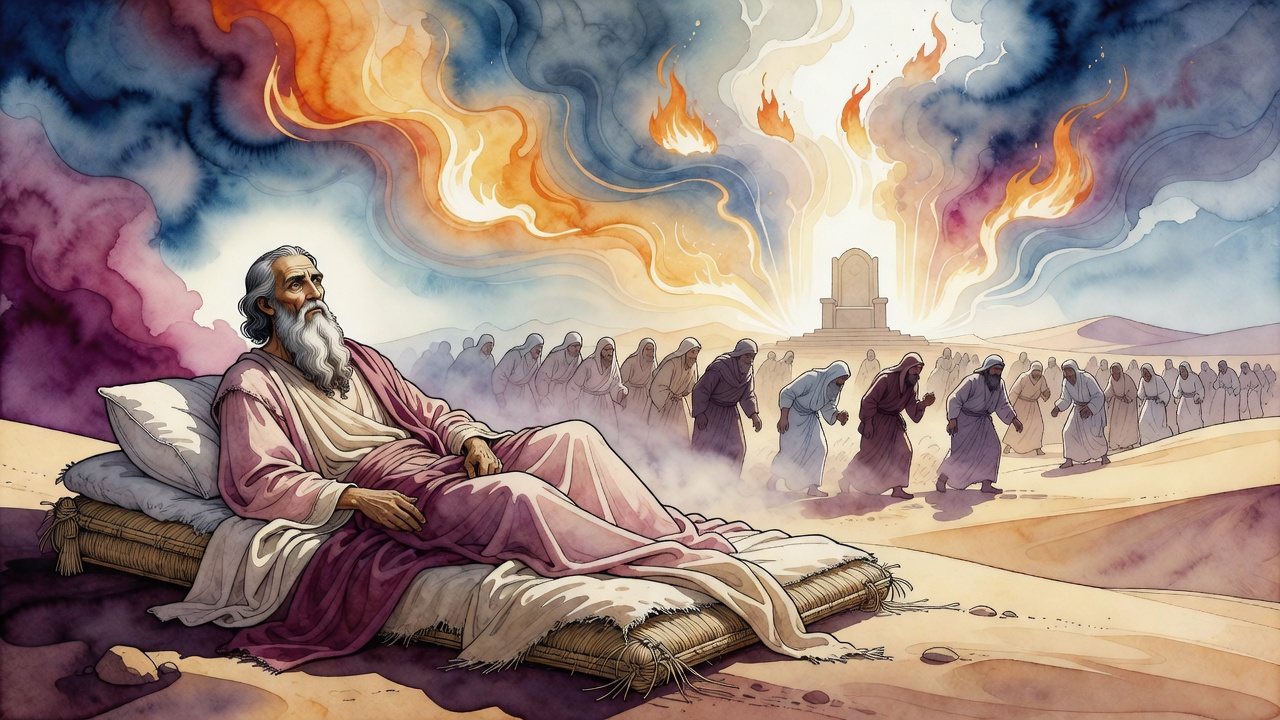
Grain filled Joseph's storehouses. On the bed in Goshen, Jacob watched roads of exile his grandsons would never walk. He did not tell them.
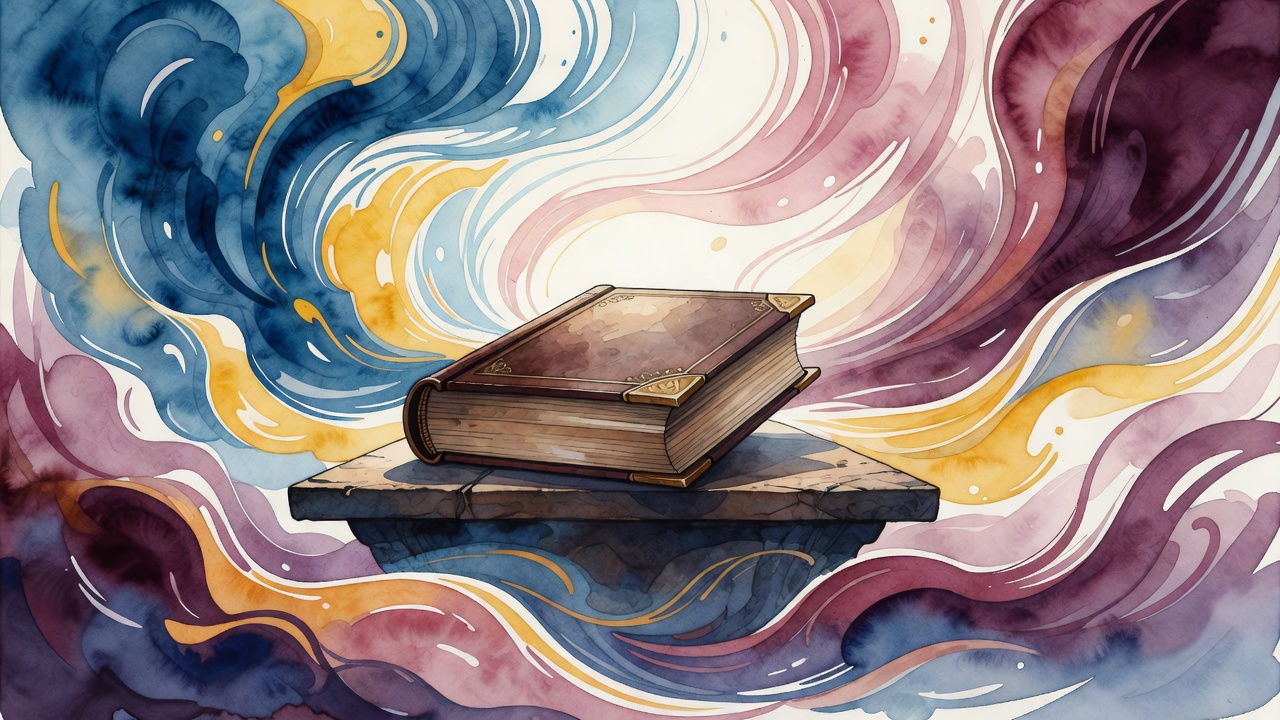
He woke with a rebuke already under his ribs. She said she had no strength to rise. The Zohar on the shelf had stayed shut for years.
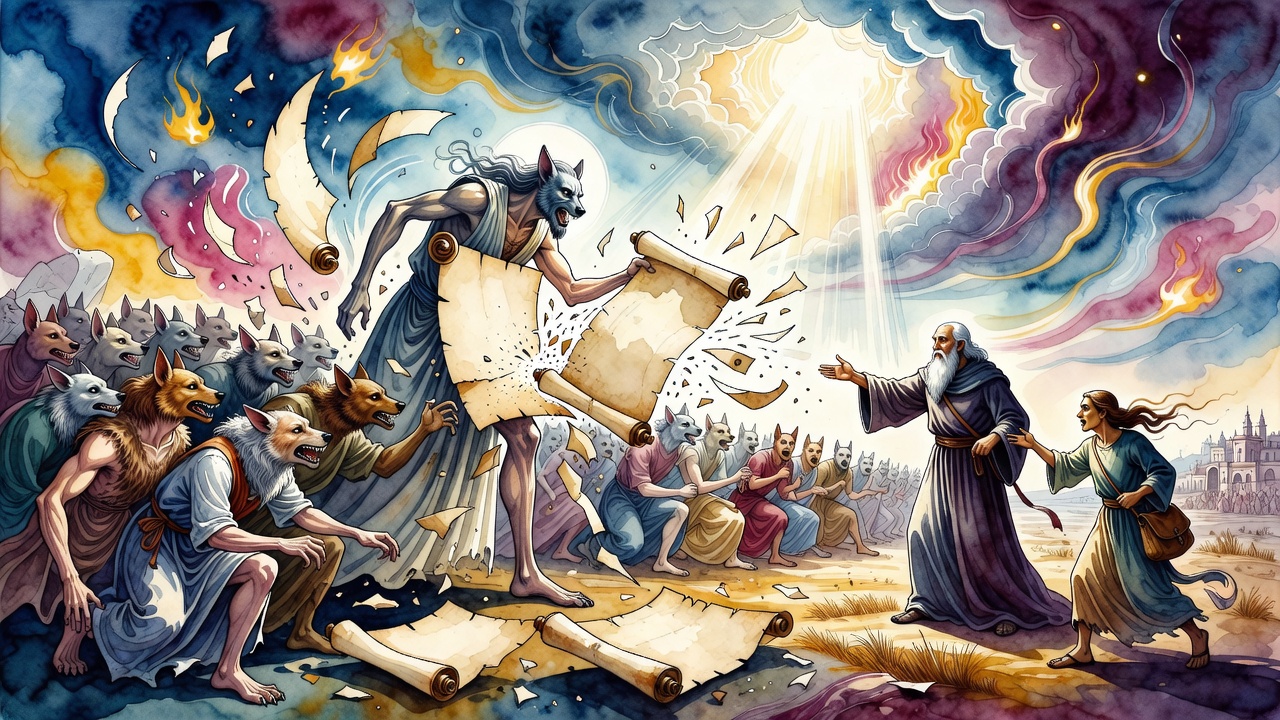
Shabbetai Tzvi gave up his claim to be the Messiah. His followers kept quoting the Zohar. A rabbi sent Moshe Chassid to Italy to set up a press against them.
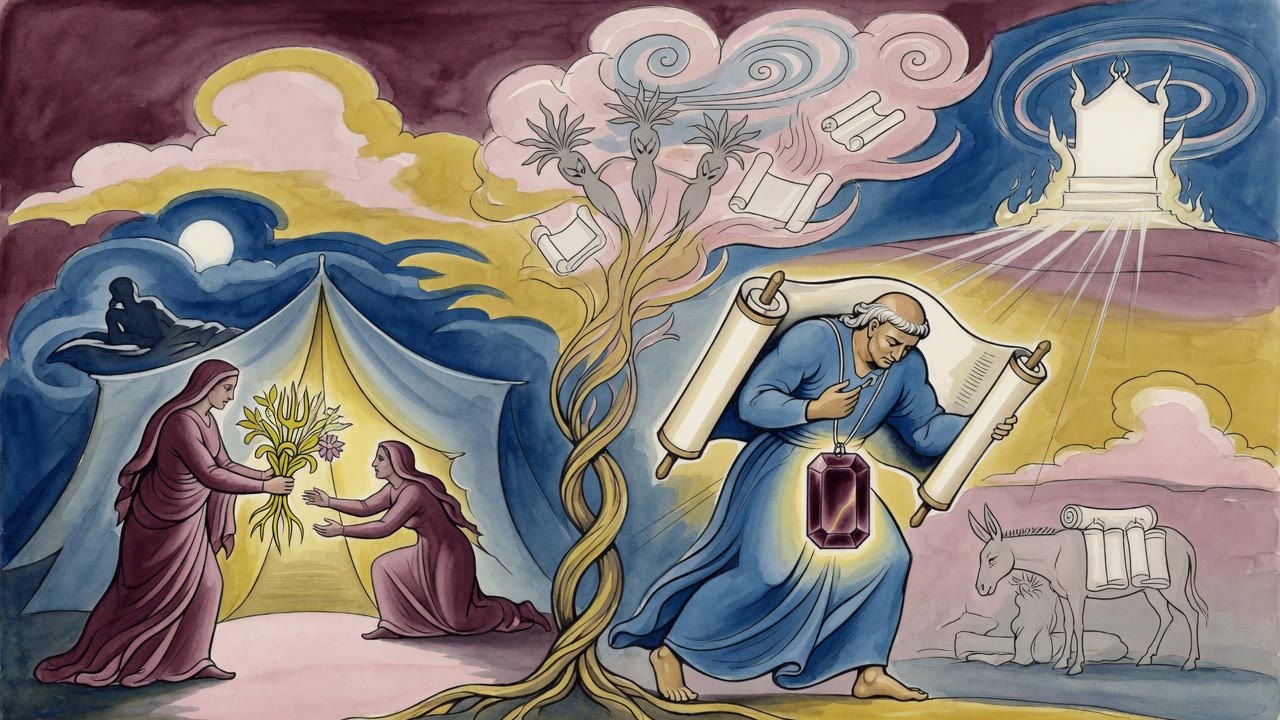
A guide who would not give his name asked the soul what it had loved most. It answered with one week: a coin given quietly, a page learned while tired.
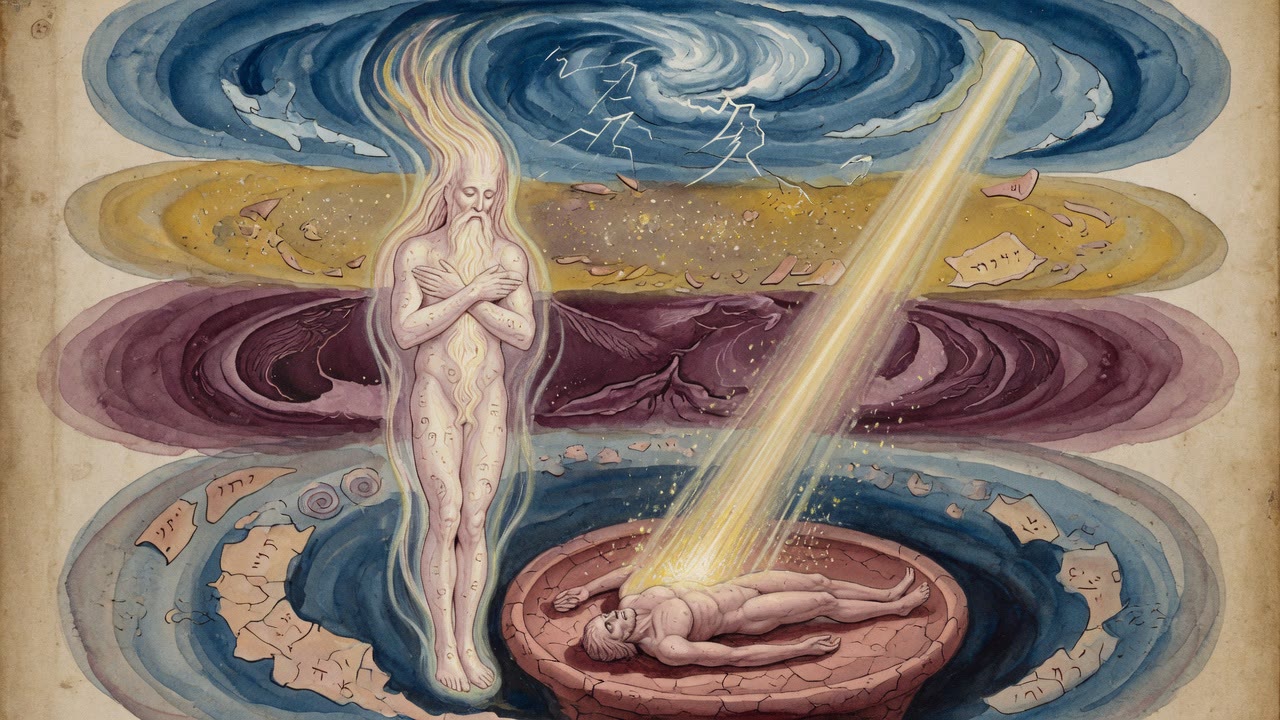
The fruit was still on Adam's teeth when the ladder under the worlds froze. Eve asked if he was cold. He said he was counting something that would not finish.
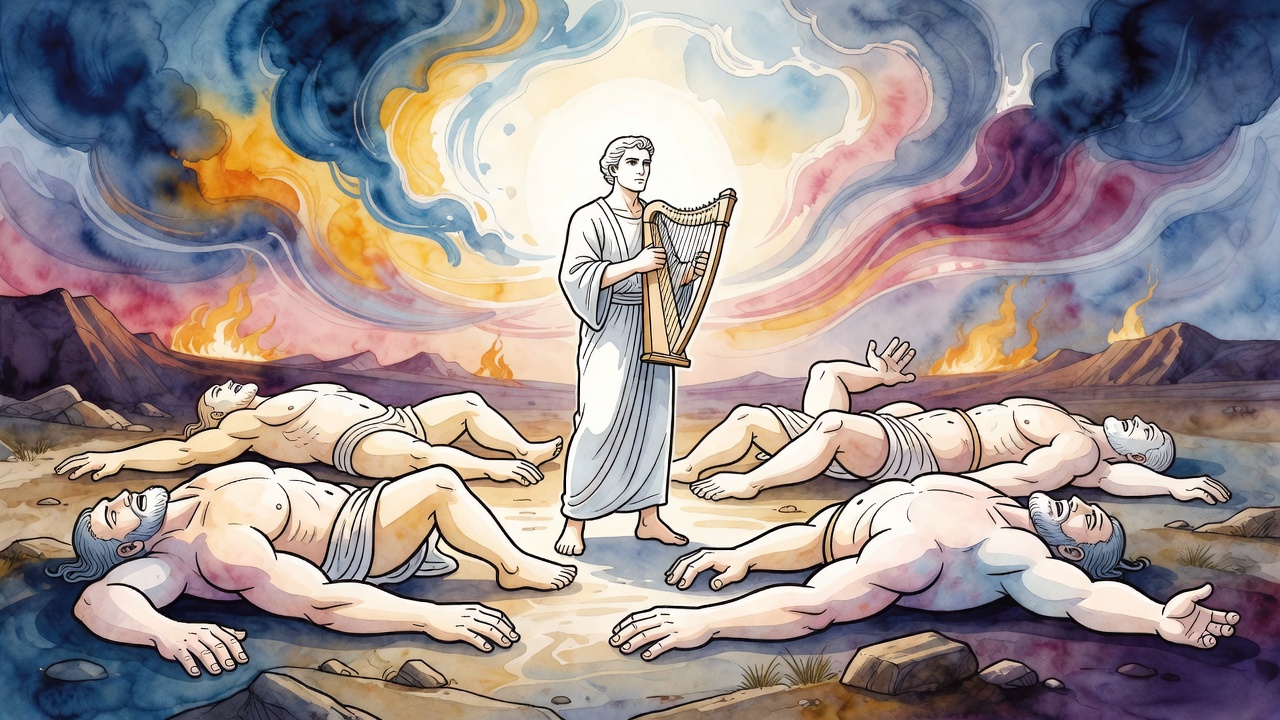
David went out with his men one more time and his strength gave out in the middle of the fighting. Afterward they made him swear never to come again.
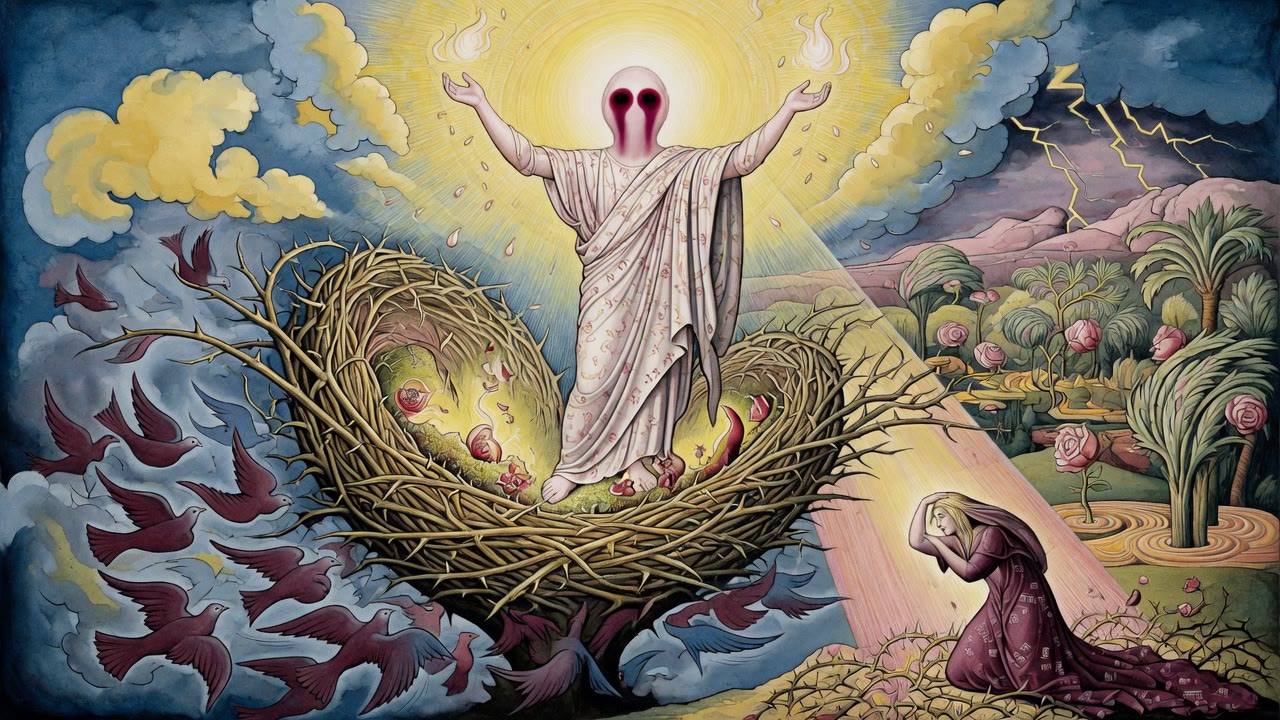
Each sixth day the Bird's Nest opens in Gan Eden (the Garden of Eden). The Messiah rises, eyes pure as wine, and Zion is redeemed before her trembling arrives.
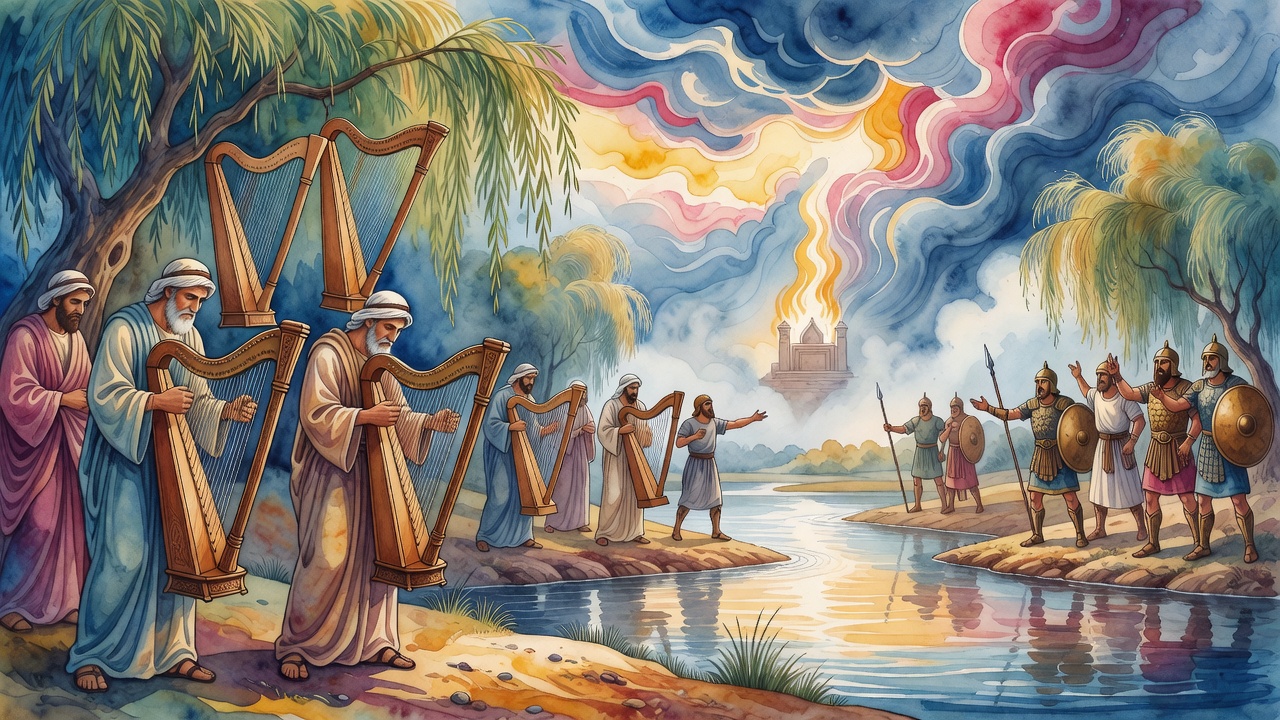
By the rivers of Babylon captors demand Temple songs for idols. Israel hangs its harps, chooses death over that music, and waits for Elijah's hand.
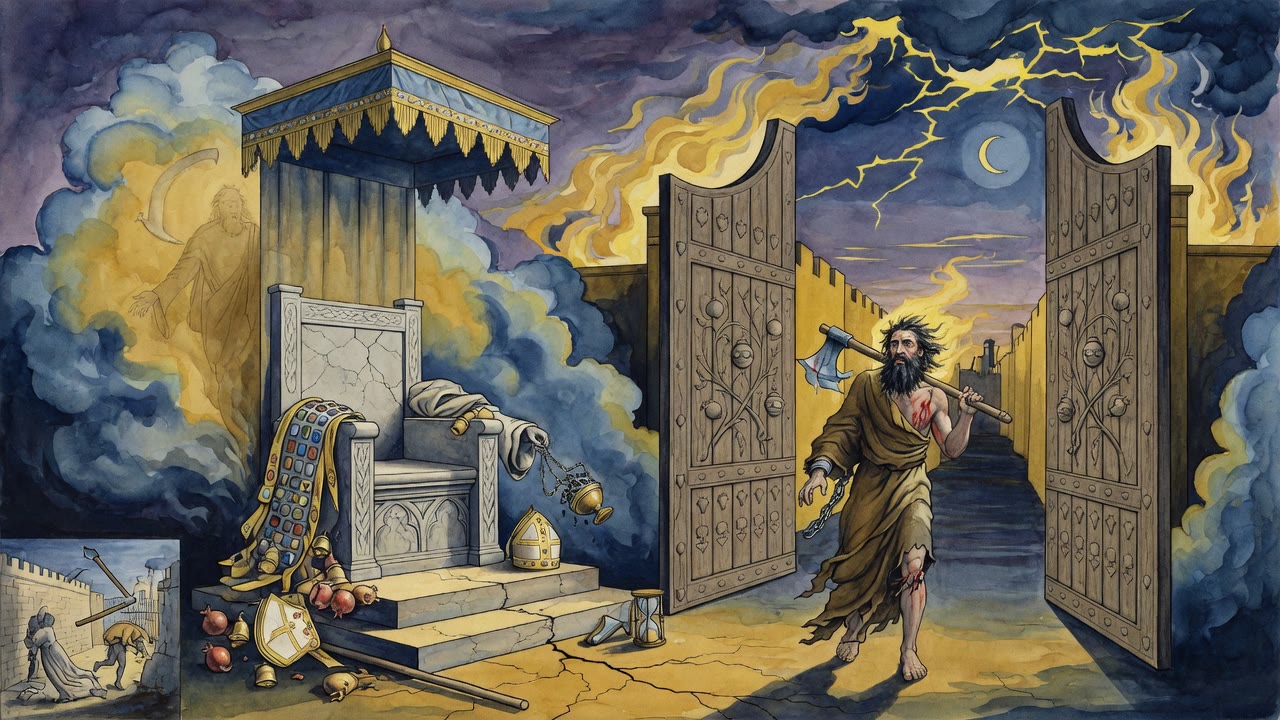
Balaam and Jethro had sat in Pharaoh's council together. From a hill above Moab, Balaam said what he thought of the man who walked out.
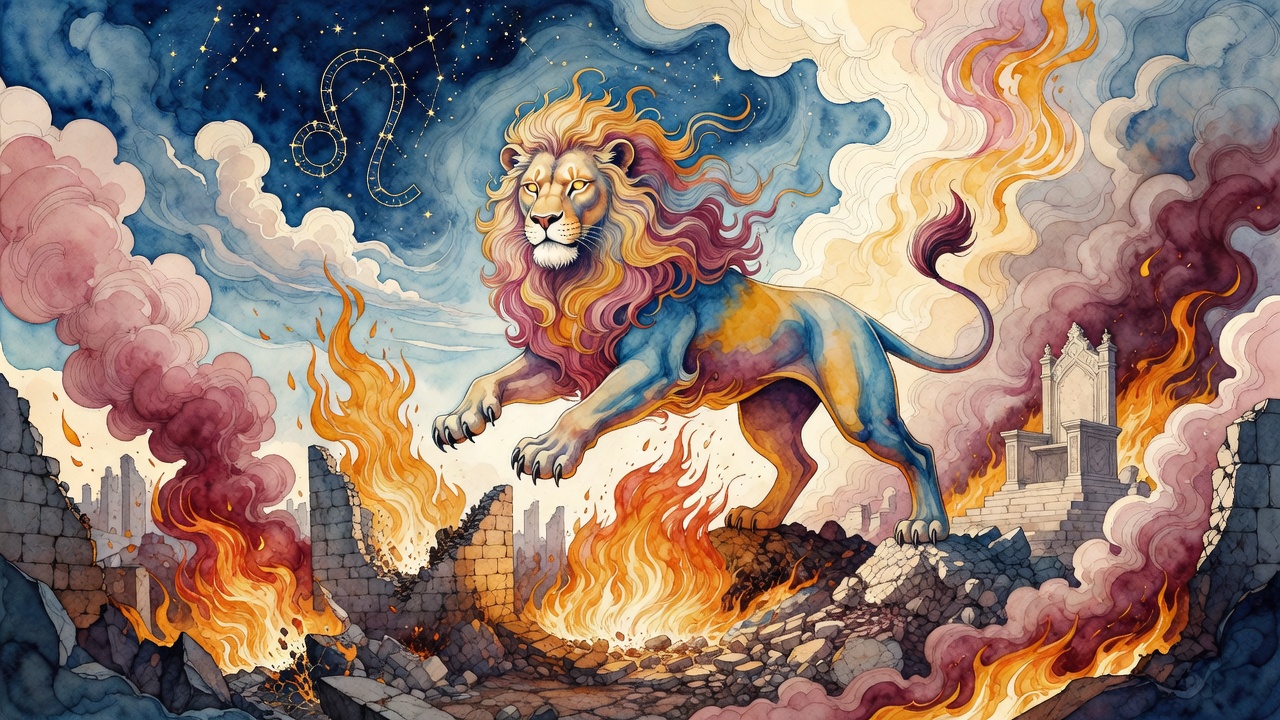
Smoke stained the Temple courts. Gold left on carts. Survivors walked east in chains while Av kept the lion in the sky.
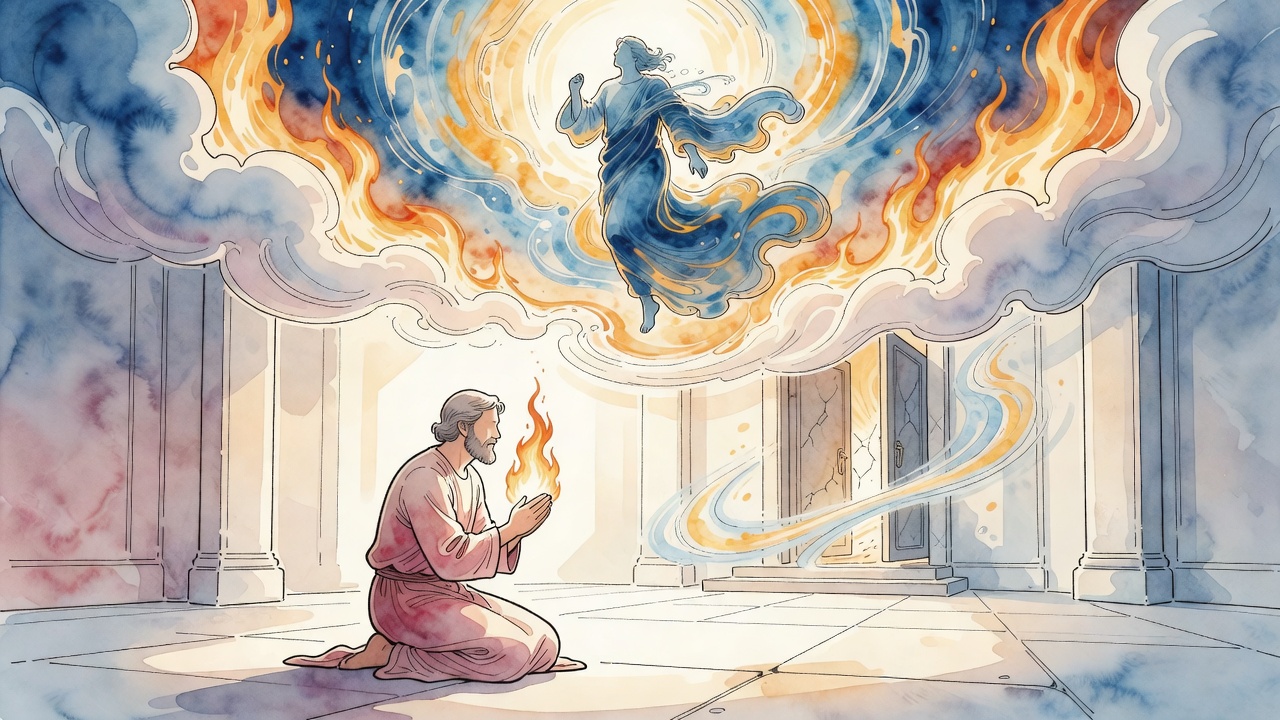
Rabbi Menachem finished the midnight tikkun, the repair rite, with a voice that cracked on the last psalm. He felt the empty chair beside him, almost occupied.
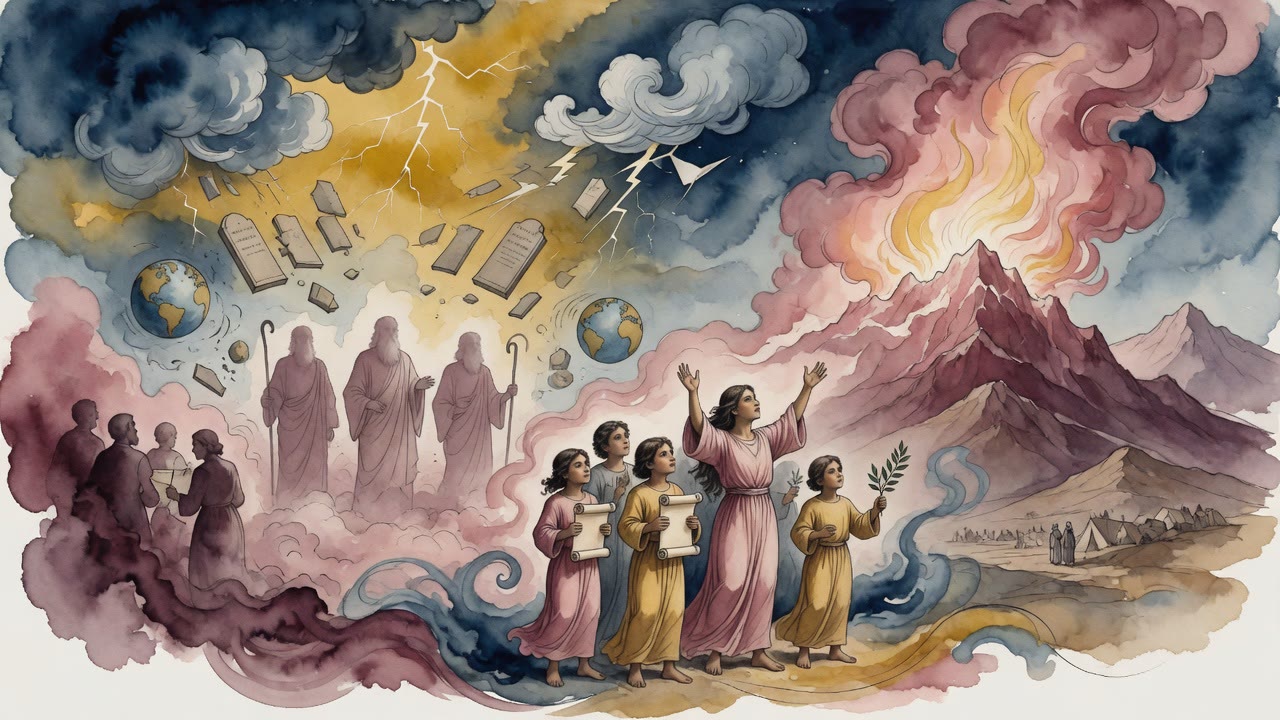
Yehudah HaNasi filled their cups so the silent boys would speak. They told him the Messiah waits until his own chair falls. He winced.

The moon goes dark after speaking out of turn, bargains hard with God for her stolen brightness, and will not rest until stars walk beside her.
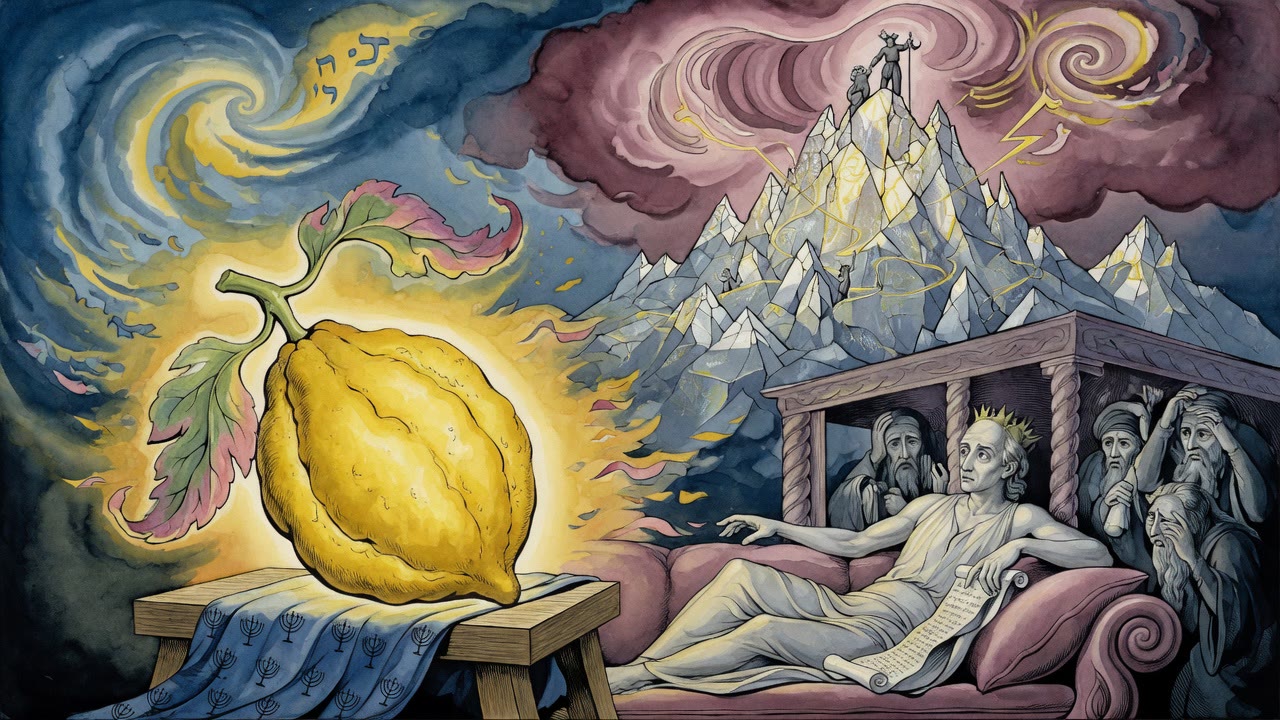
The only son sat in the attic with no taste in his prayers. His father turned the carriage around twice. A merchant at the inn sent them home.
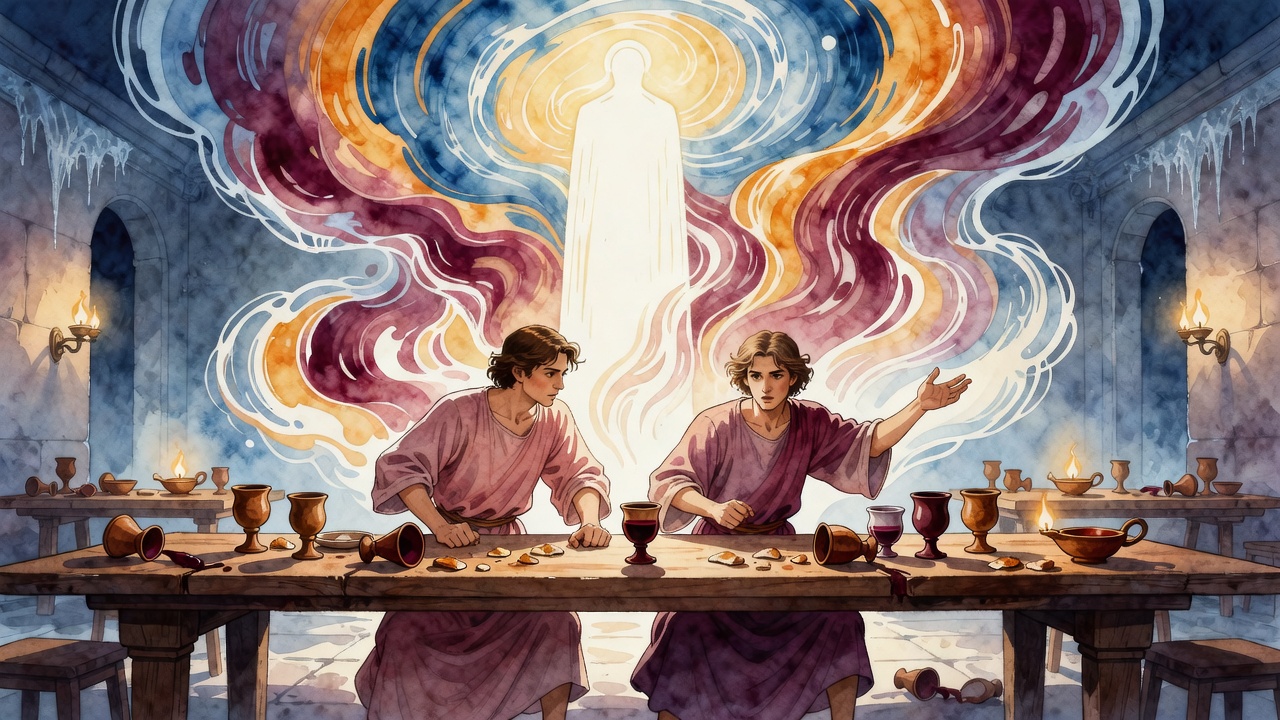
Drunk at Judah HaNasi's table, Chiya's sons said Messiah waits until both Davidic houses end, and the room went cold.
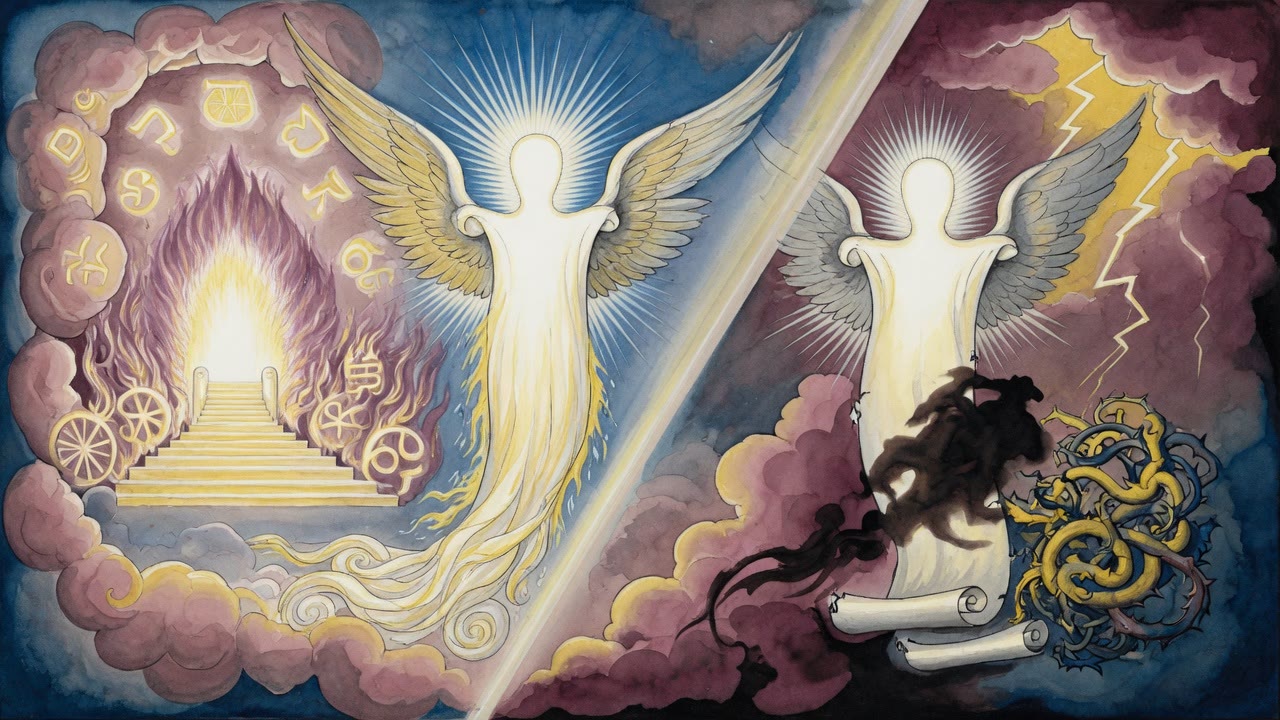
The letters went in one at a time to ask for the job of starting the world. Tsadi had righteousness in its name and a second word it could not drop.
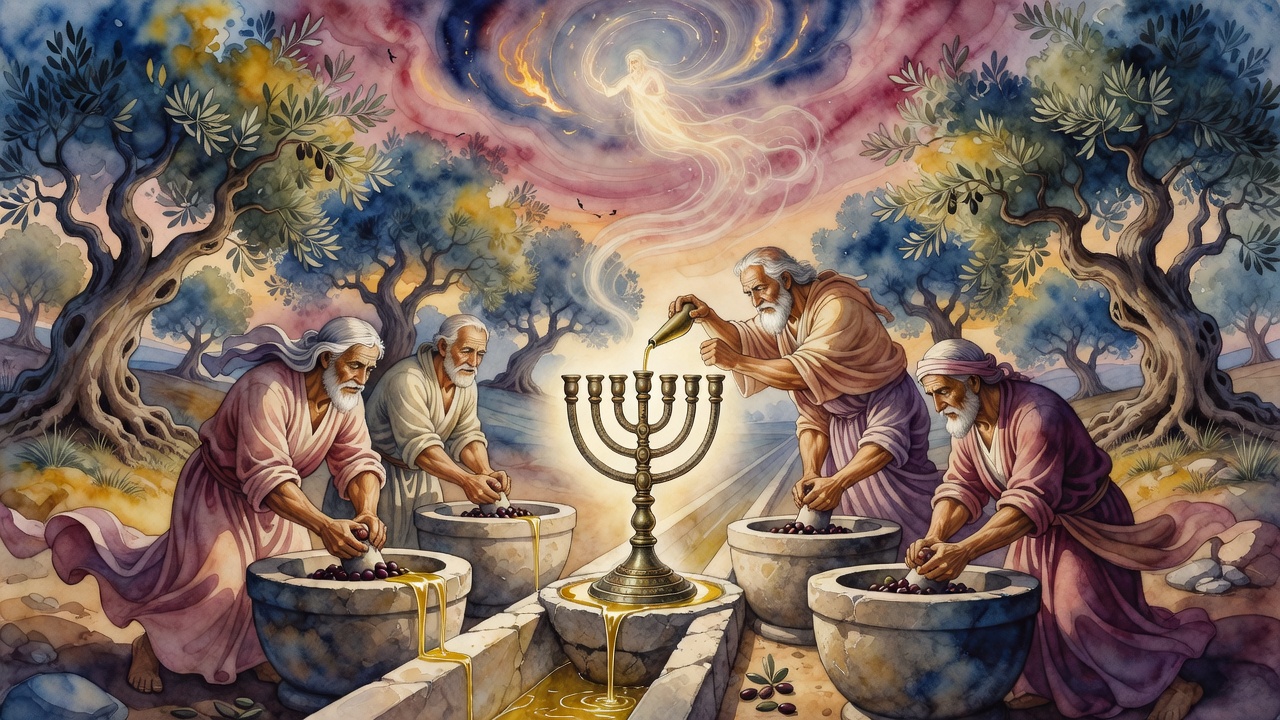
A boy poured second oil into a menorah jar. His father struck the flask aside. First press was for wicks, never for bread.
