Abraham Saw Ten Final Plagues and a Trumpet
Lifted above the earth in vision, Abraham asks how long suffering will last and watches the age unwind in plagues, measures, and a heavenly trumpet.
Table of Contents
Abraham came back from the height of the vision and stood on the earth and found he no longer understood what he had seen. He had been shown too much at once. He needed the angel to explain it piece by piece.
 Click for full size
The Apocalypse of Abraham gave him an answer, but the answer began with a question the patriarch already knew: how long?
The Oldest Question
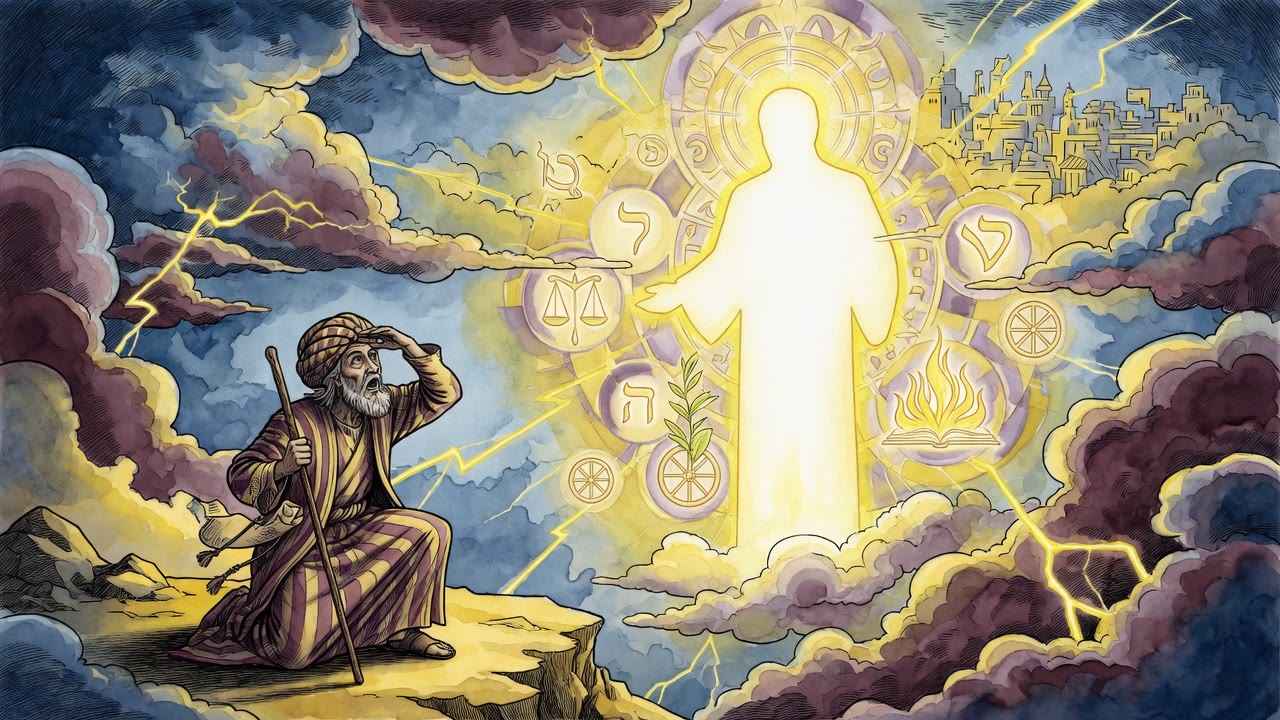
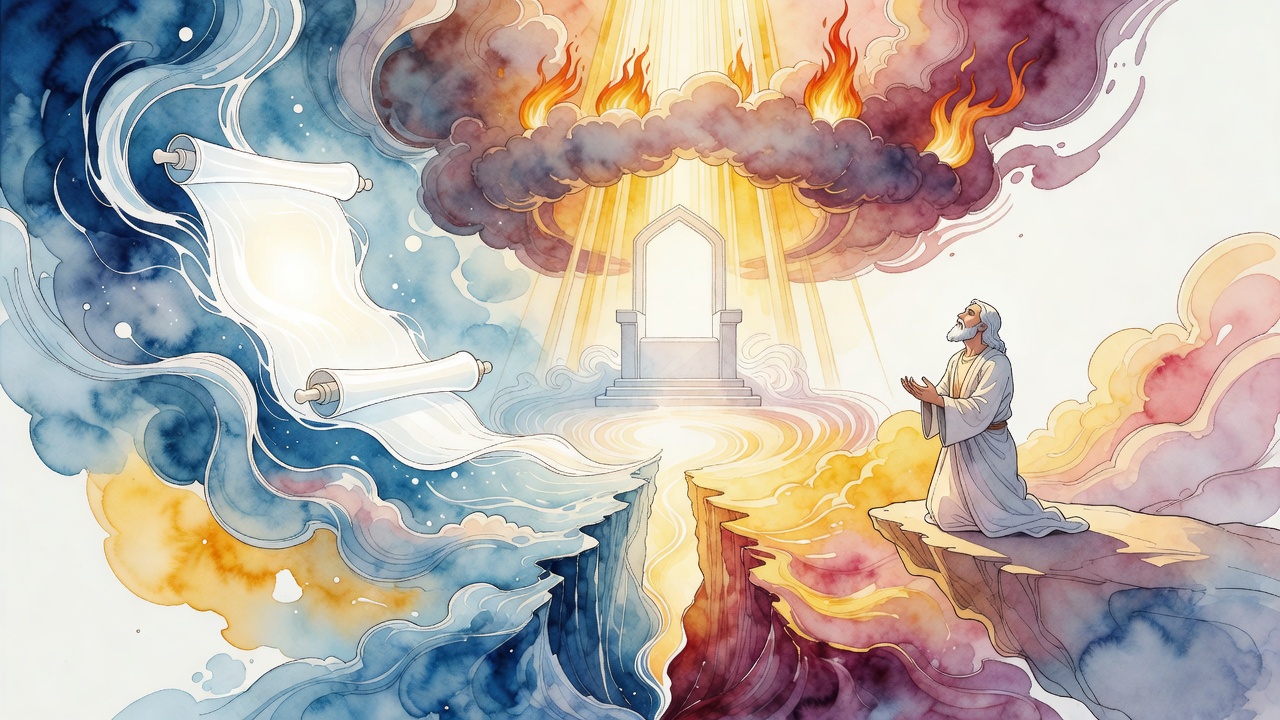
In Apocalypse of Abraham XXVIII, a Jewish apocalyptic text usually dated to the early centuries CE, Abraham stands before God after watching a vision of Israel's suffering across generations. He is the patriarch, beloved of God, called from his father's house, given covenant, given land, given descendants. None of that dissolves the grief he feels for what he has seen.
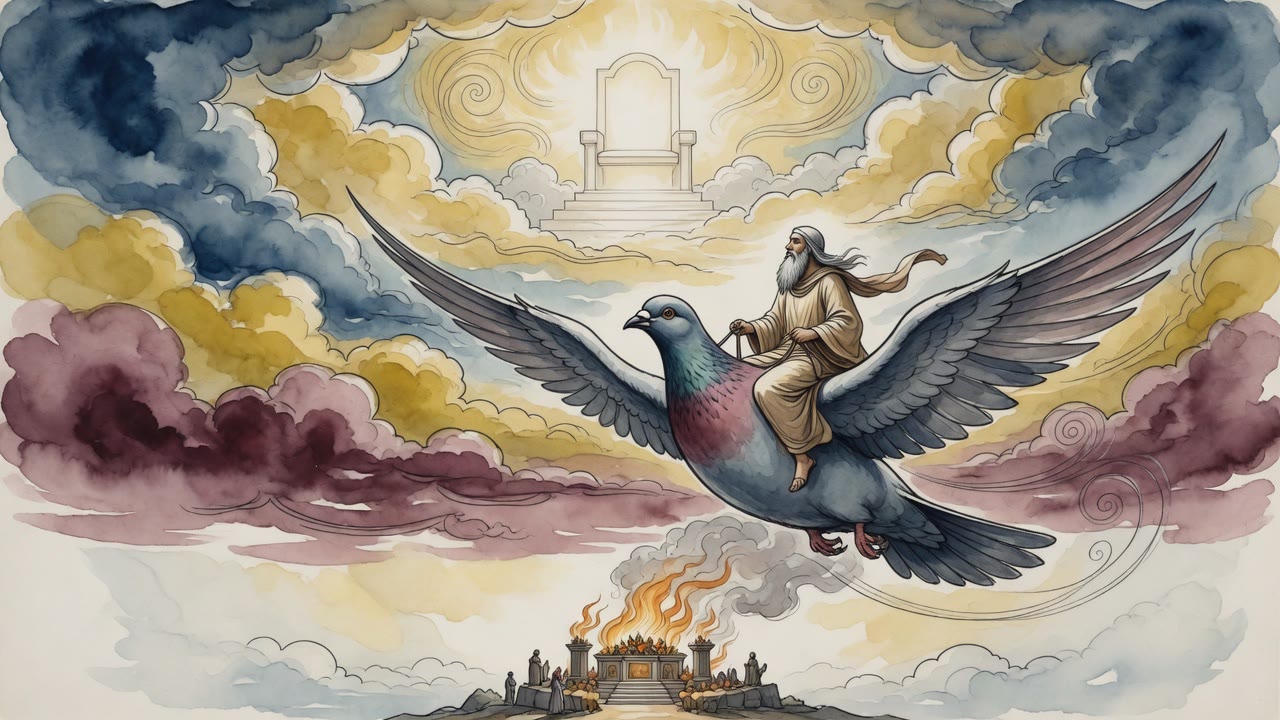
He cries out: O Mighty, Eternal One, hallowed by Your power, be favorable to my petition. As you have brought me up to your height, make known to me as much as I ask. Will what I have seen happen to them for long?
The question is not curiosity. It is pain seeking a boundary. Abraham has been shown enough of history to know that exile can stretch past what human beings are built to endure without losing hope. He wants a measure. Not because a measure removes the suffering, but because a suffering with a known end is different from a suffering that appears endless. The covenant can hold his protest. God does not rebuke him for asking.
Twelve Measures of an Age
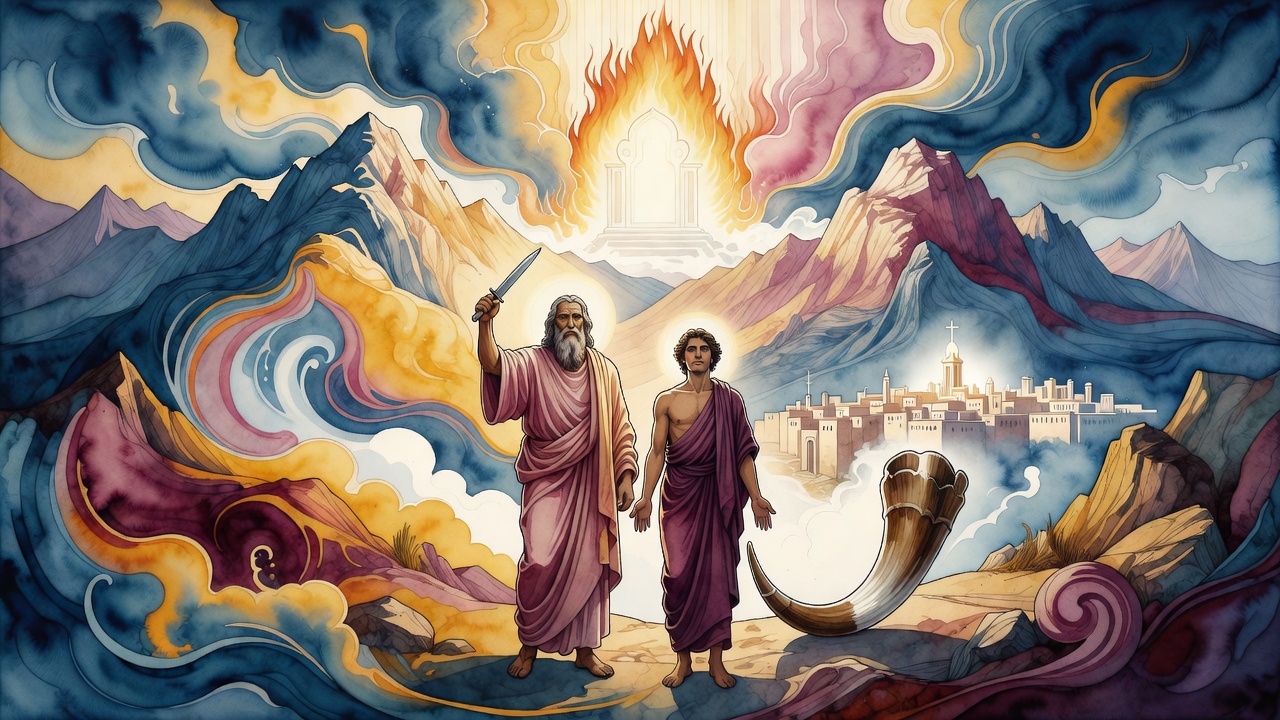
Apocalypse of Abraham XXIX answers with numbered time. God says: twelve years have I ordained of this ungodly age to rule among the nations and in your seed. The present age is the age of wickedness. Azazel holds a share of what would otherwise belong to God. But the age is bounded. It has a fixed duration measured in divine hours. Each hour of the divine age corresponds to a substantial period of human history, but the hours can be counted. The end is calculable, even if the calculation is not accessible to ordinary human arithmetic.
Apocalyptic numbering can seem obscure, but its emotional purpose is precise. Abraham is not given a calendar date. He is given a structure. The age has a shape with a beginning and an end. Wickedness is not the natural state of the world but a temporary governance that will expire. The measure given to Abraham is not comfort that bypasses grief but a frame that makes grief survivable. If it ends, then enduring it is worth something.
Ten Plagues at the Age's Passing
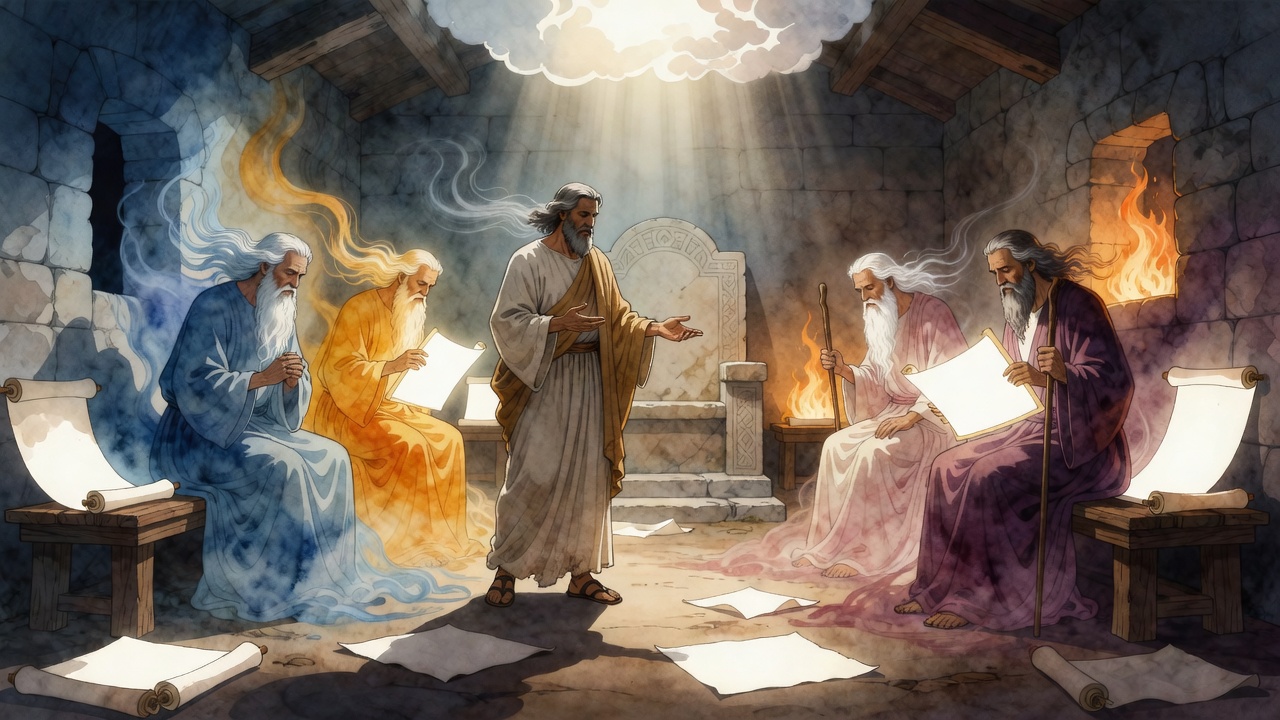
While God was still speaking, Abraham found himself back on the earth. The transition from vision to ground was abrupt, and what his soul longed to understand in his heart he no longer understood. He said so. He told God plainly: I am no longer in the glory in which I was while on high, and what my soul longed to understand I do not understand.
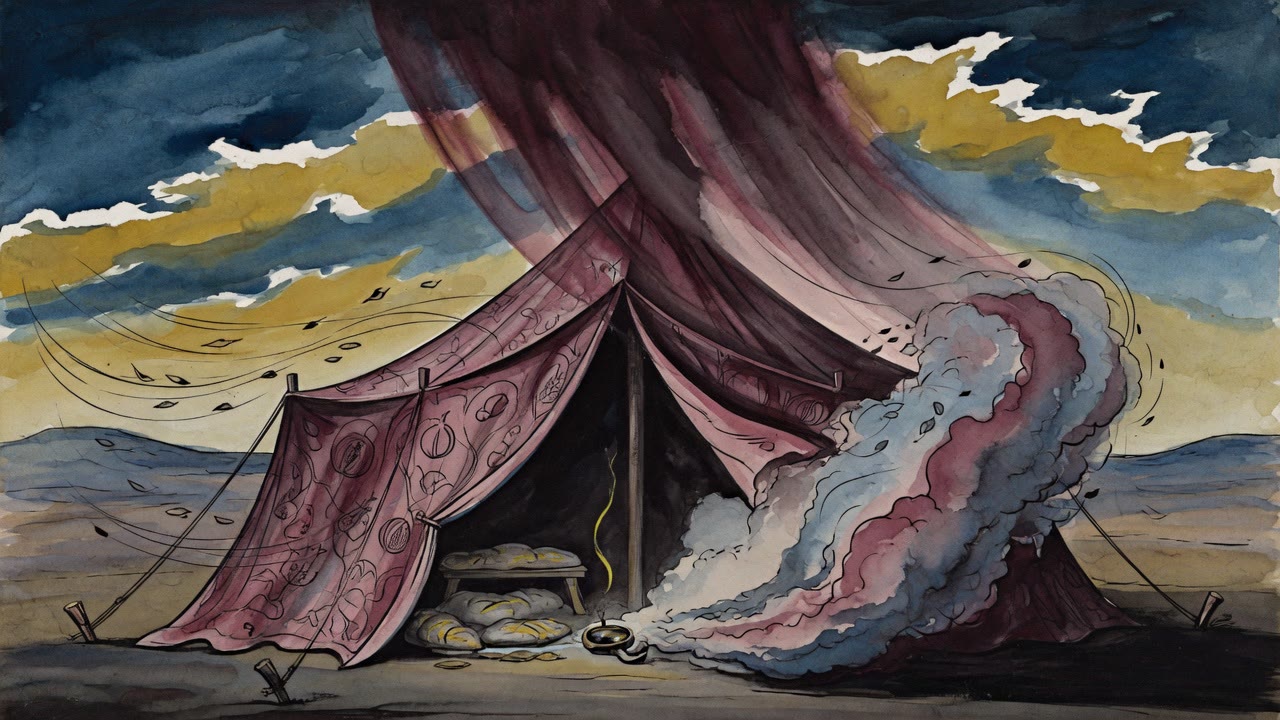
God answered: what is desired in your heart I will tell you. And God described ten plagues prepared for the nations at the passing of the twelfth hour of the earth. The ten plagues are the final convulsions of the dying age, mirror and amplification of Egypt's plagues, the same divine intervention that liberated Israel from one empire applied now to the end of all empire. The nations who ruled through wickedness would face what Pharaoh faced, at a scale appropriate to the culmination of history.
Abraham was permitted to know this not as spectator but as covenant partner. He had stood at the place of the covenant. He had been shown the future of his descendants. He was now being shown the limit of that future's darkness. After the ten plagues, something else begins.
The Trumpet and the Gathering
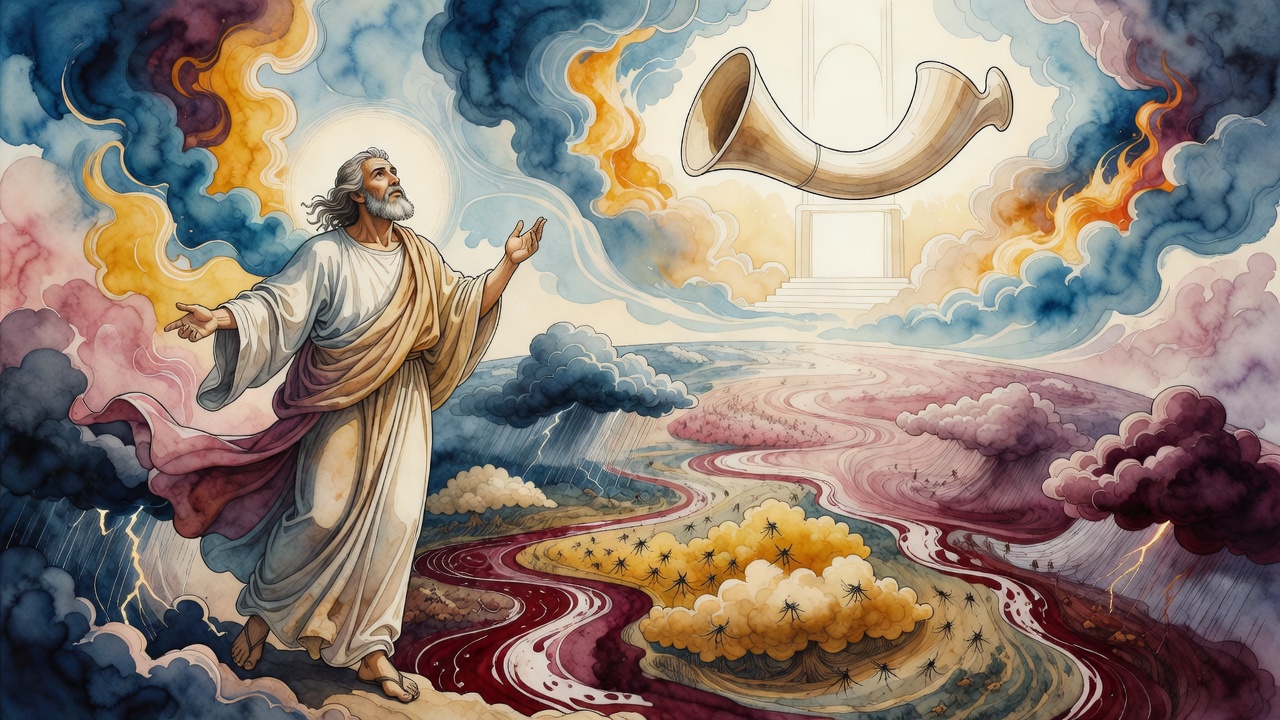
Apocalypse of Abraham XXXI reveals what comes after the plagues. God speaks: then I will sound the trumpet out of the air and will send my Elect One, having in him all my power, one measure. The Elect One carries a single measure of all the divine attributes. He is a human being in whom the qualities of God are concentrated into one measure, a figure who reflects in miniature what cannot be held in full by any creature.
The trumpet is the signal. What it gathers is Israel: the scattered people, those who have kept the covenant through the age of wickedness, assembled from wherever exile carried them. The gathering is not a reward for survival. It is the completion of what the covenant promised. Abraham was told his descendants would be as the stars. The gathering after the trumpet is the stars assembling.
Abraham, standing on the earth after his vision, holding knowledge he could not fully hold, became the ancestor of a people who would carry his question forward through every generation that asked: how long? And the text he was given as an answer was: long, but measured. Dark, but ending. The trumpet will sound.
← All myths