The Baal Shem Tov Asked the Messiah When He Would Come
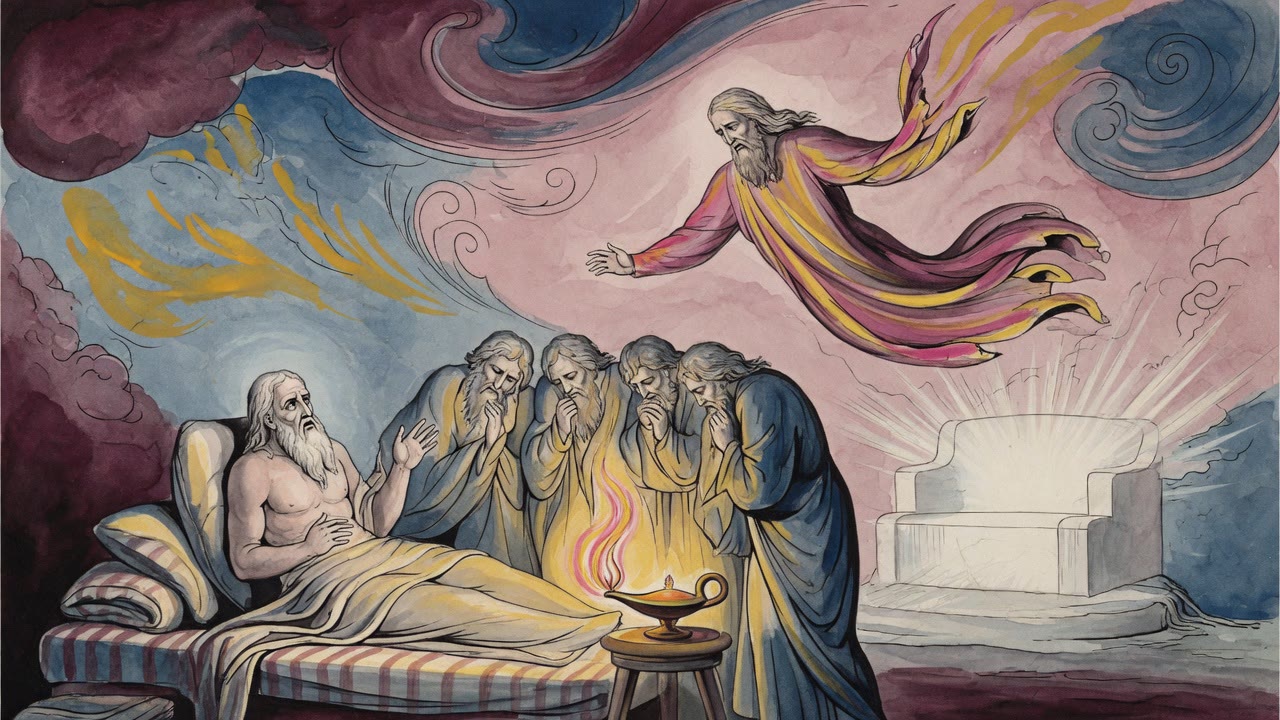
He once prayed so long his Hasidim drifted out one by one. The last man let the door slam behind him, and the ladder of letters collapsed.
Table of Contents
 Click for full size
The Ascent on Rosh Hashana
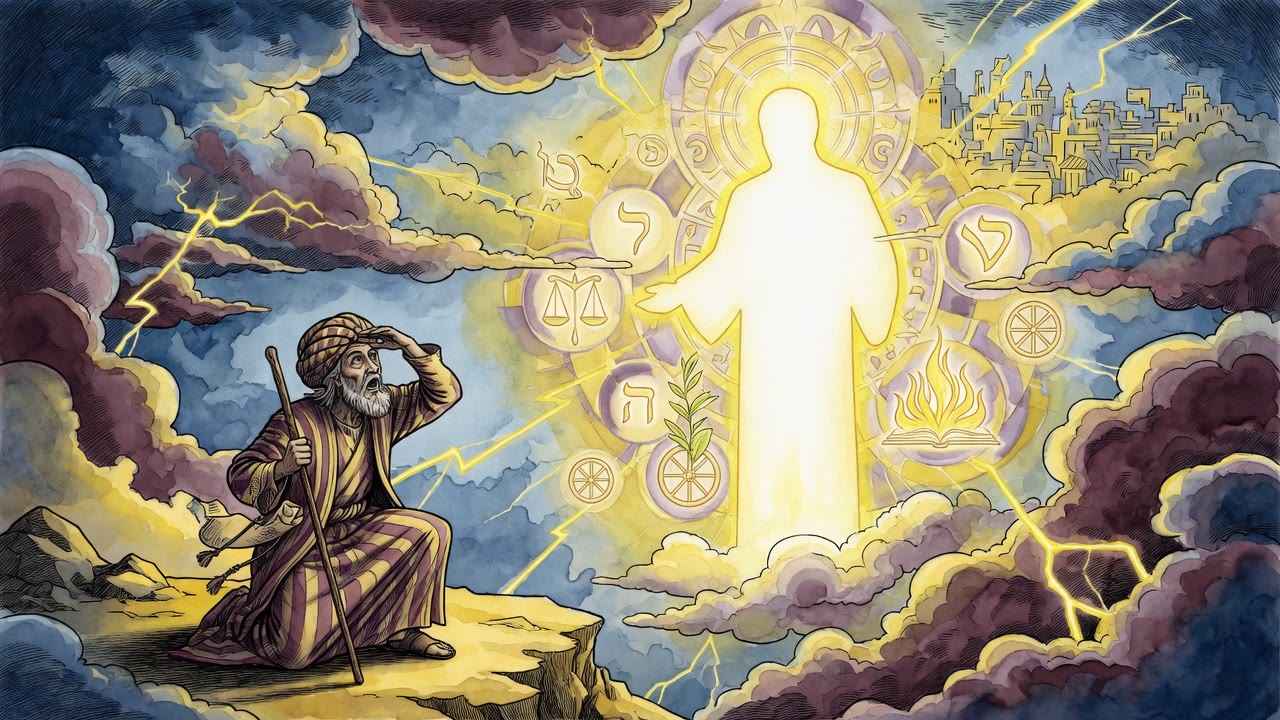
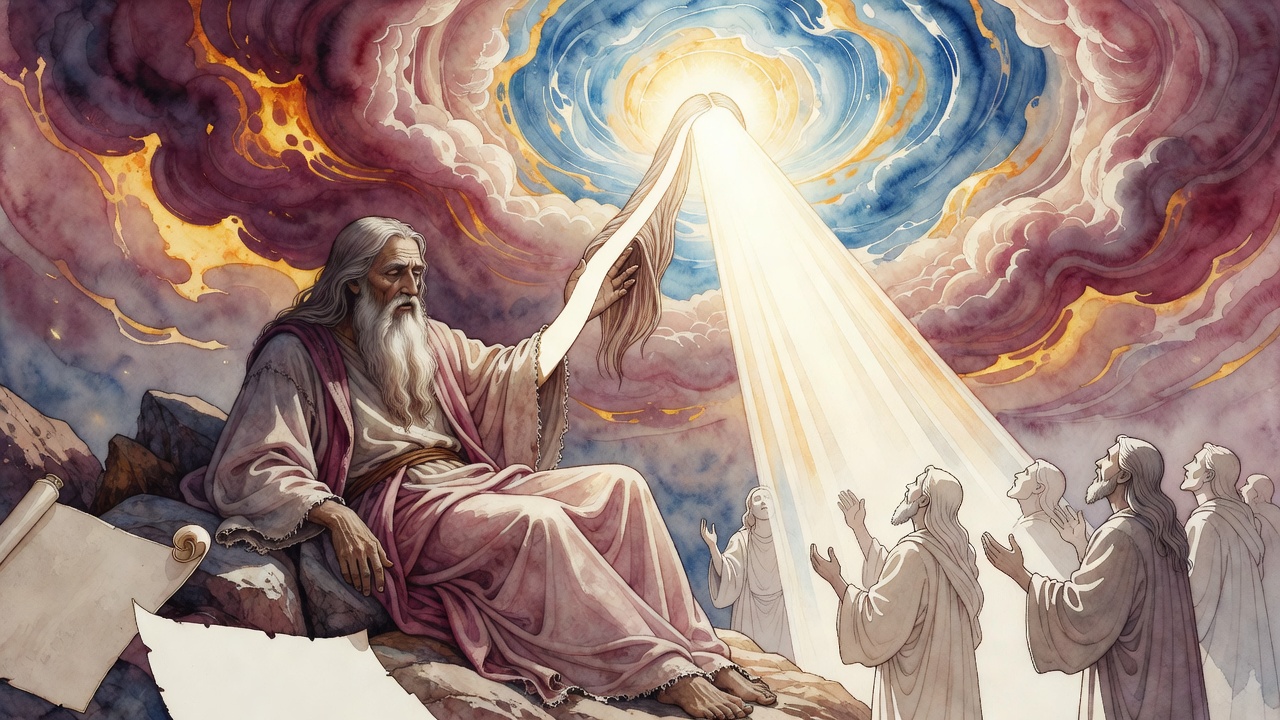
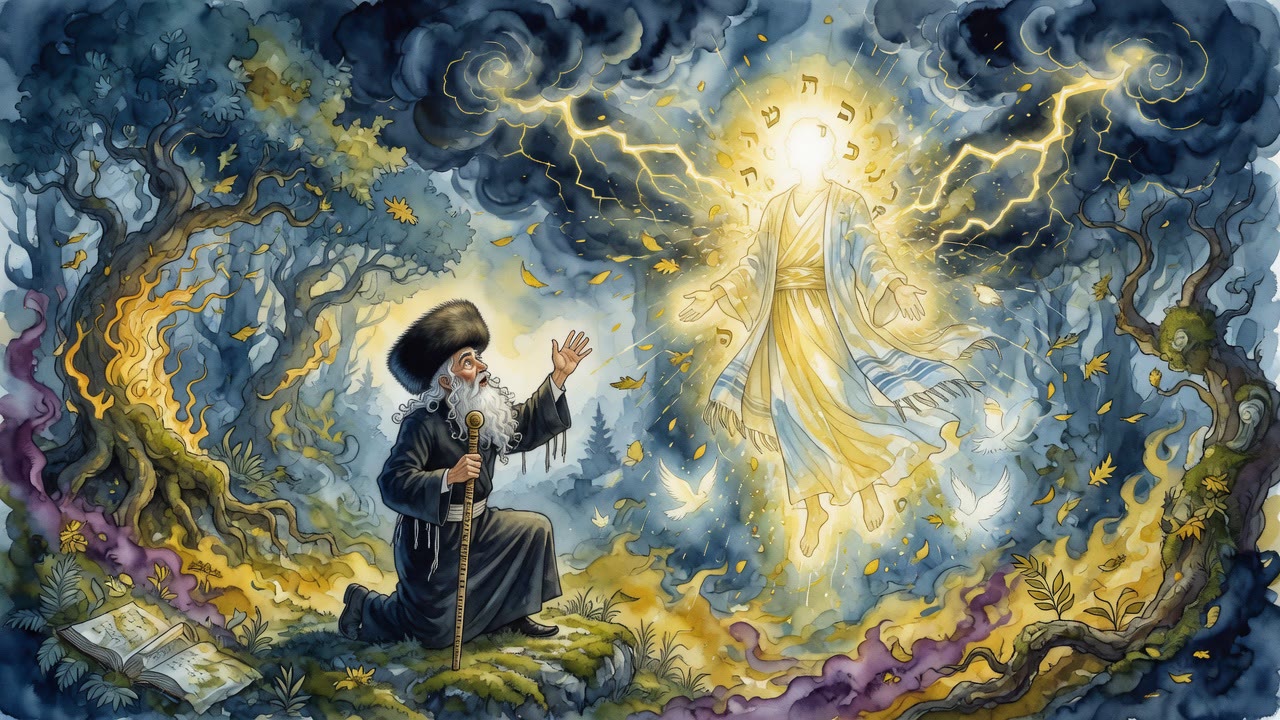
On the Jewish New Year of 5507, the year 1746 by the common calendar, the Baal Shem Tov performed an adjuration, pronounced the divine name, and went up. He had done this before, climbing through levels of heaven the way other men climbed stairs, but this time was different. This time the wonders he encountered were beyond anything he had previously seen. He moved through chambers he did not know existed and learned things that, as he later wrote to his brother-in-law, could not be expressed in words and could not be transmitted mouth to mouth.
He found his way to the palace of the Messiah. He went in.
The Question Every Exile Had Wanted to Ask
The Baal Shem Tov was not the first Jew to want to ask the Messiah when he would come. Every generation of exile had carried the question. Two thousand years of dispersion, pogroms, forced conversions, expulsions, the destruction of both Temples, and the question had never been answered by anything except silence and more waiting. He was standing in the palace of the one person who actually knew the answer. He asked.
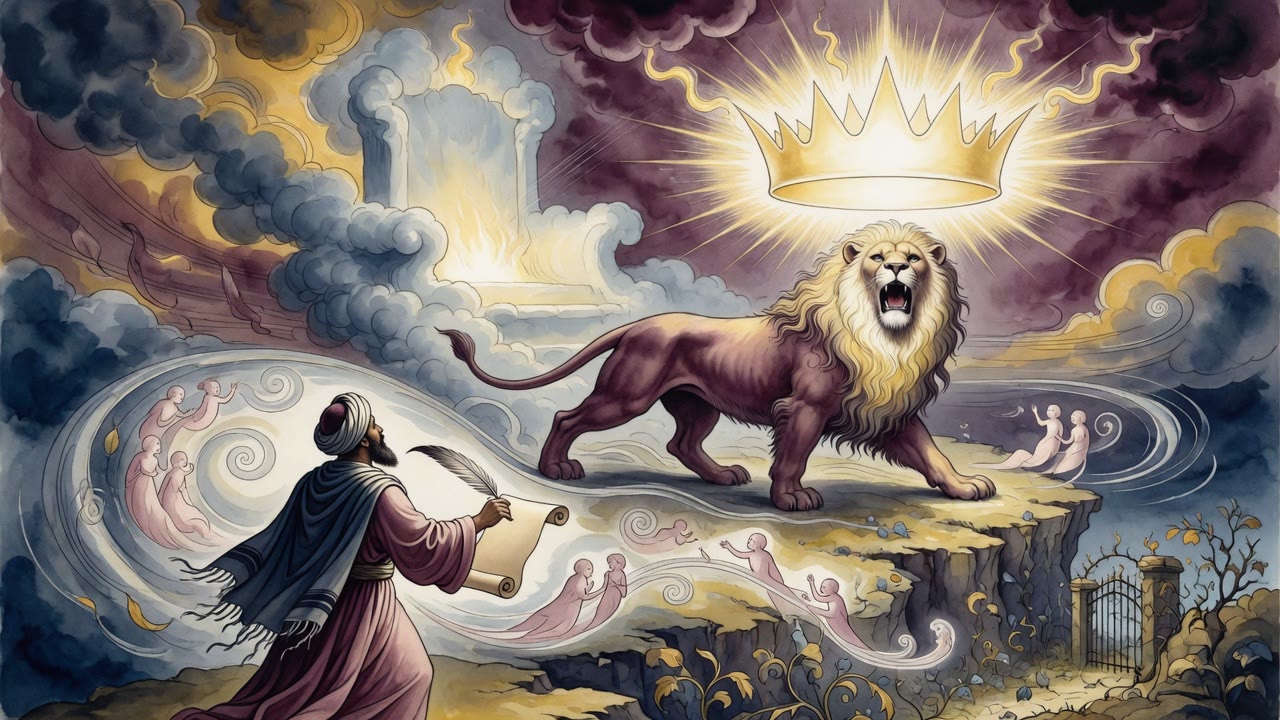
The Messiah told him: "when your wellsprings spread outward. When the teachings you have received flow out to the world beyond your own circle, when the interior paths to divine connection are accessible to people who cannot make the ascent themselves."
This was not a date. It was a condition. And the Baal Shem Tov understood it as a mission rather than a prophecy.
The Letters That Could Not Climb
There was another story about the Baal Shem Tov and the Messiah, and this one ended in failure. He was praying with his Hasidim, pouring his entire being into the words the way he always did, so intensely that the prayer took far longer than anyone else's. His followers waited, then grew restless, then drifted away one by one until he was the only one still standing.
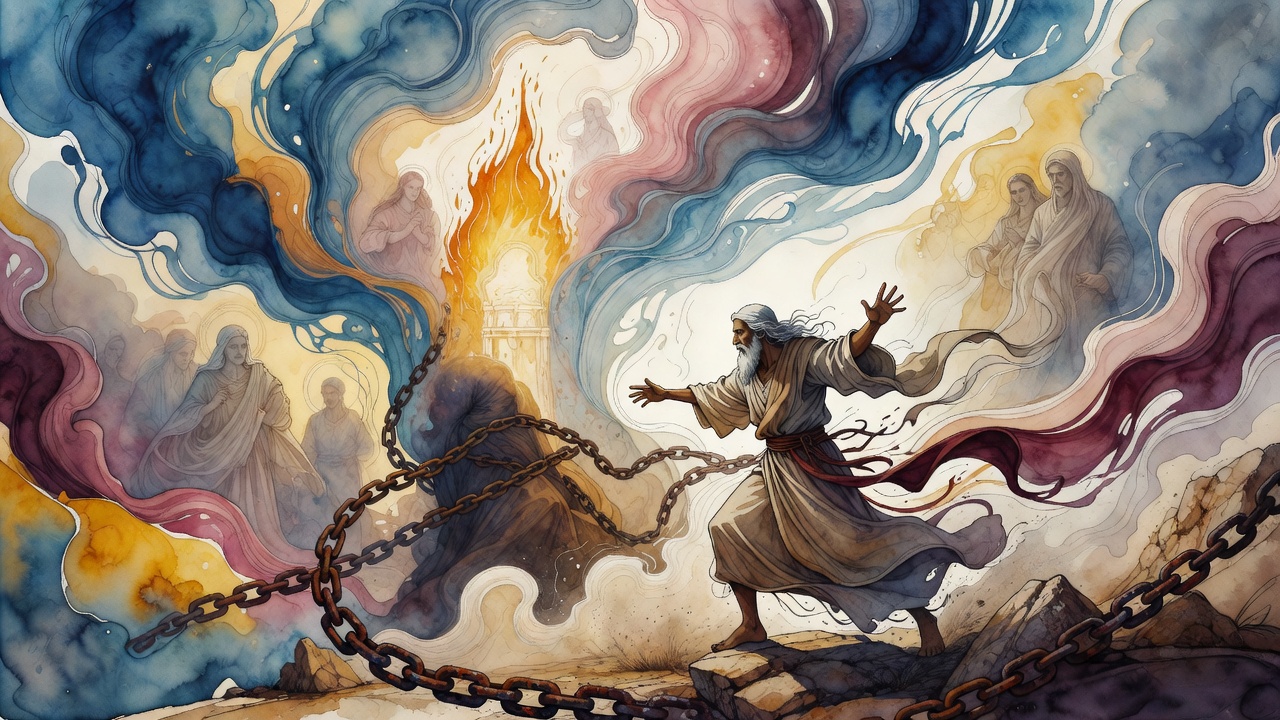
He was constructing a ladder. Each prayer built another rung, letter by letter, until the ladder was tall enough to reach heaven and force open the gates of redemption. He was almost there. And then the last follower to leave the room let the door slam behind him.
The ladder collapsed.
The Baal Shem Tov wept. He had been close enough to touch the end of exile, and a careless door had brought the whole structure down. The Messiah did not come. The age did not end. What he had learned in the palace, the condition about the wellsprings spreading outward, remained unfulfilled.
What the Letter Said
The Baal Shem Tov wrote to his brother-in-law Gershon of Kutow about the Rosh Hashana ascent. The letter was published in 1781 as part of Ben Porat Yosef, a collection of Hasidic teachings. In it, he described the wonders he had seen without being able to name them, described the conversation with the Messiah without quoting it in full, and described his grief at the gap between what he had glimpsed and what existed on earth.
He also described what he had seen in the hall of the heavenly court: accusers and defenders, the balance of merits and failures, the weight placed on moments that seem small from below. The Rosh Hashana he had spent in the divine court had not been a triumph. It had been an education in how far the world still was from what it was meant to become.
The condition the Messiah had stated was not a riddle. It was a description of what had not yet happened. The teachings the Baal Shem Tov had received, the pathways through prayer, the knowledge that God was present in every moment and every place, had so far reached a small circle of disciples in eastern Europe. The world beyond that circle had not yet been touched by them. Until that changed, the condition remained unmet. The Messiah waited in his palace the way he had always waited.
The wellsprings, he understood, would spread only as quickly as the living could carry them. He went back down and kept teaching.
← All myths