Angels Stand at Gehinnom's Gate Above Seven Named Compartments
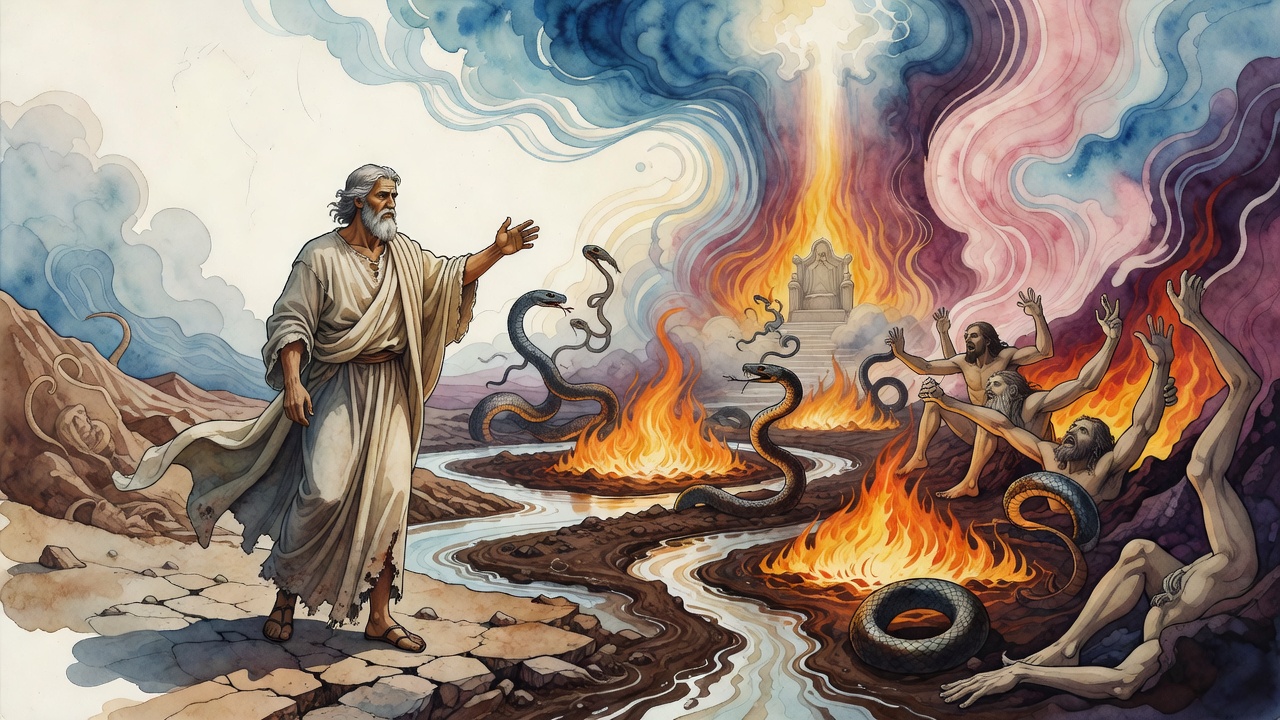
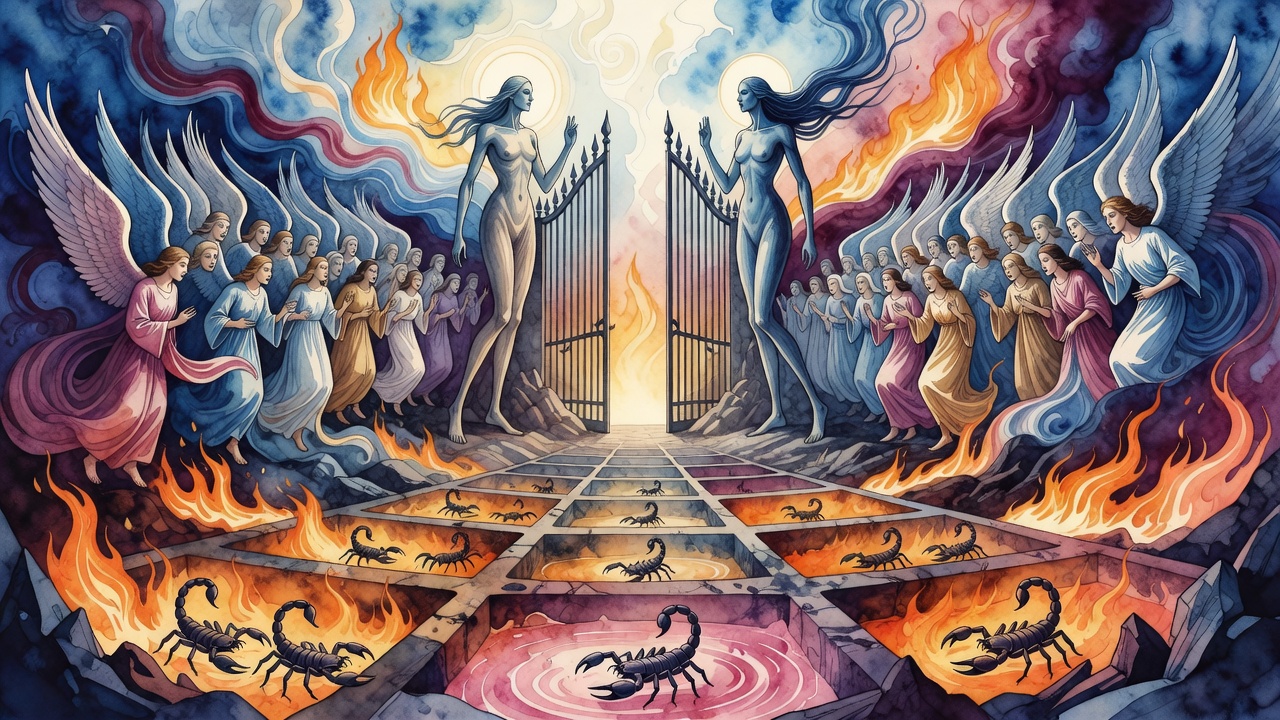
At the gates of Gehinnom (afterlife of judgment), two angel bands call out a single word forever, and beyond them lie seven named compartments of fire.
Table of Contents
 Click for full size
Come
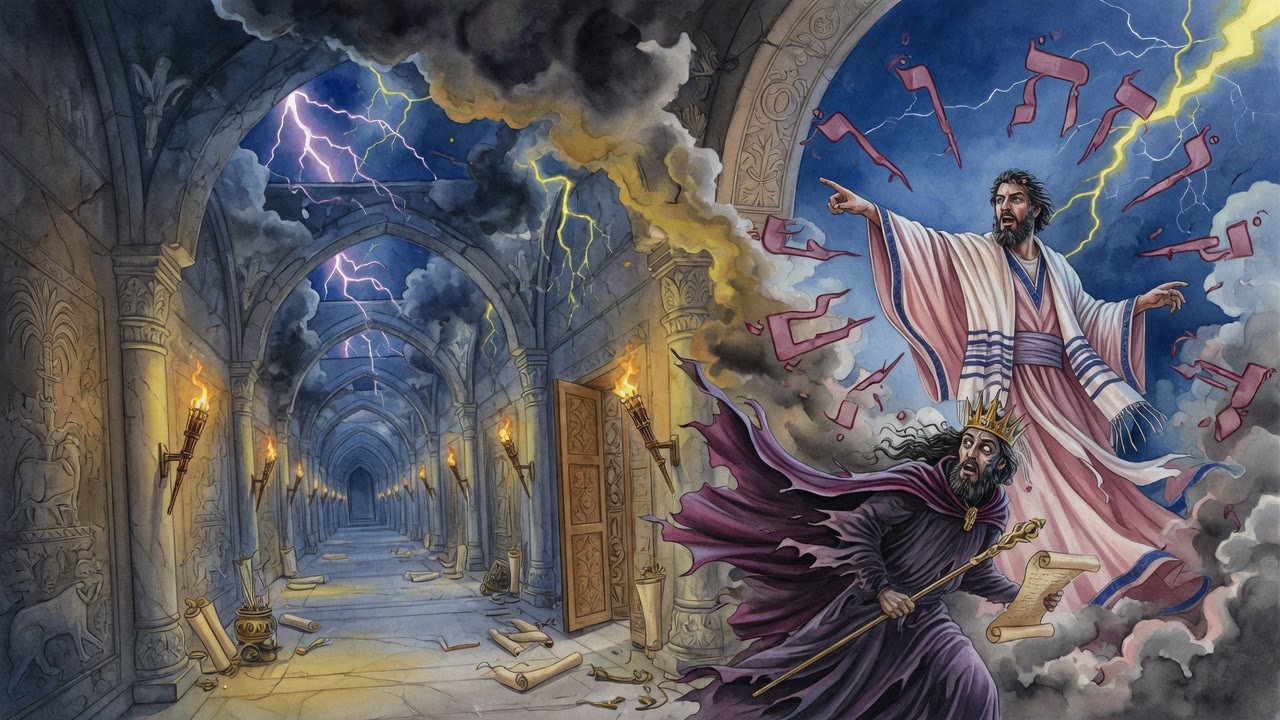
At the gate of Gehinnom, two bands of angels stand and say one word. They have always said it. They will say it until the world is repaired. The word is: "Come."
Not shouted in anger. Not whispered in grief. Called like an instruction to someone who has arrived where they were always going. The Chronicles of Jerahmeel, a twelfth-century Hebrew compilation, records that Rabbi Eliezer read this detail from a verse in Proverbs about the two daughters of the leech, who cry Give, give (Proverbs 30:15). The daughters of the leech never stop calling. Neither do the angel bands at Gehinnom 's (the realm of judgment after death) gate.
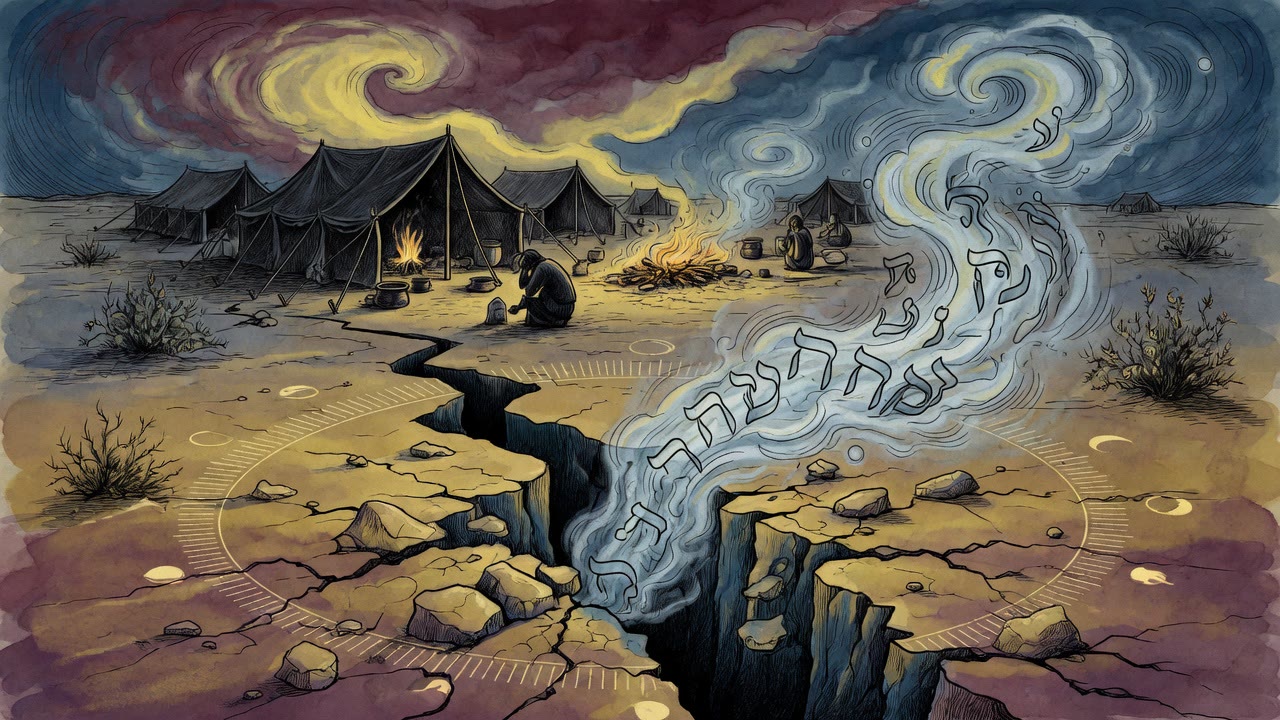
The name Gehinnom itself, Rabbi Eliezer explained, means Valley of Wailing. The sound of its screaming is said to travel from one end of the world to the other.
The Three Gates and Five Kinds of Fire
Gehinnom has three entrances. One opens at the sea. One opens in the wilderness. One opens in Jerusalem. Of these, the gate in Jerusalem is the most significant, because it opens on the Valley of Hinnom where the old abominations were practiced in the time before the prophets stopped them. The geography of judgment is not separate from the geography of history. It is embedded in it.
The fire inside Gehinnom is not one thing. The Chronicles of Jerahmeel distinguishes five kinds. There is fire that eats but does not drink. Fire that drinks but does not eat. Fire that eats and drinks both. Fire that neither eats nor drinks. And fire that eats the fire around it. This last category, fire that consumes fire, is the one reserved for the most severe cases. The ordinary fires of the world are not equivalent to it.
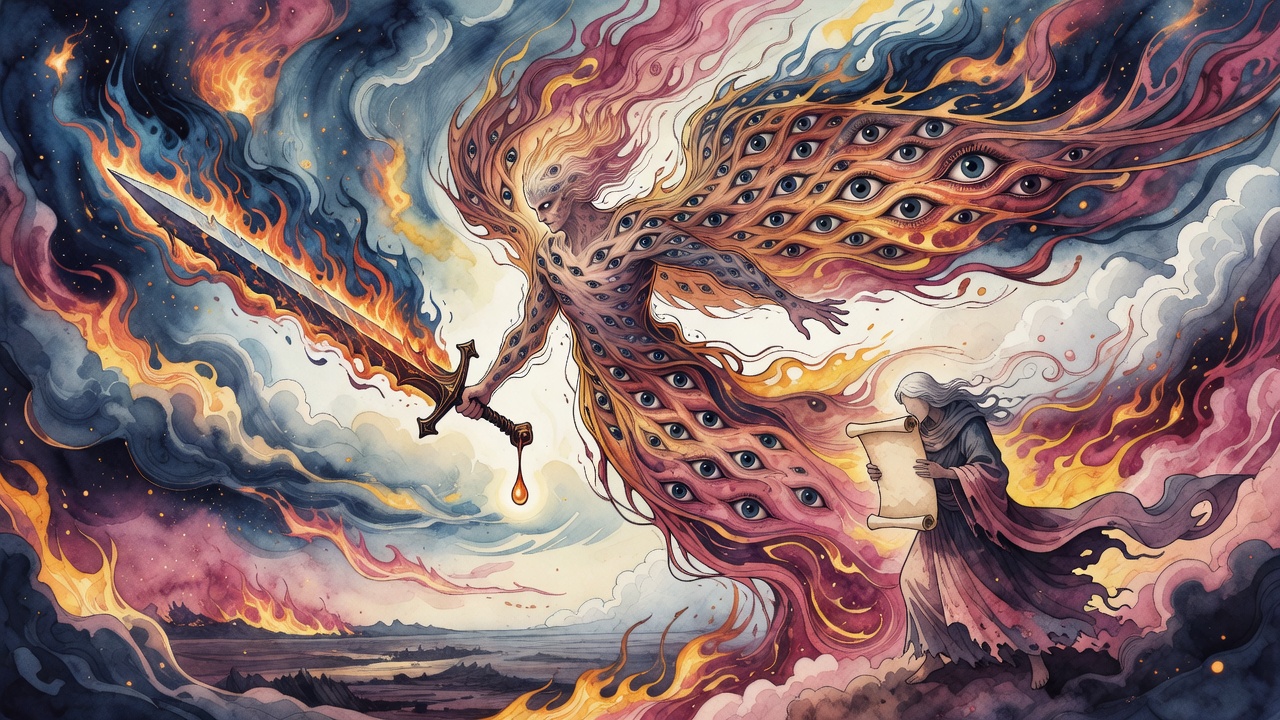
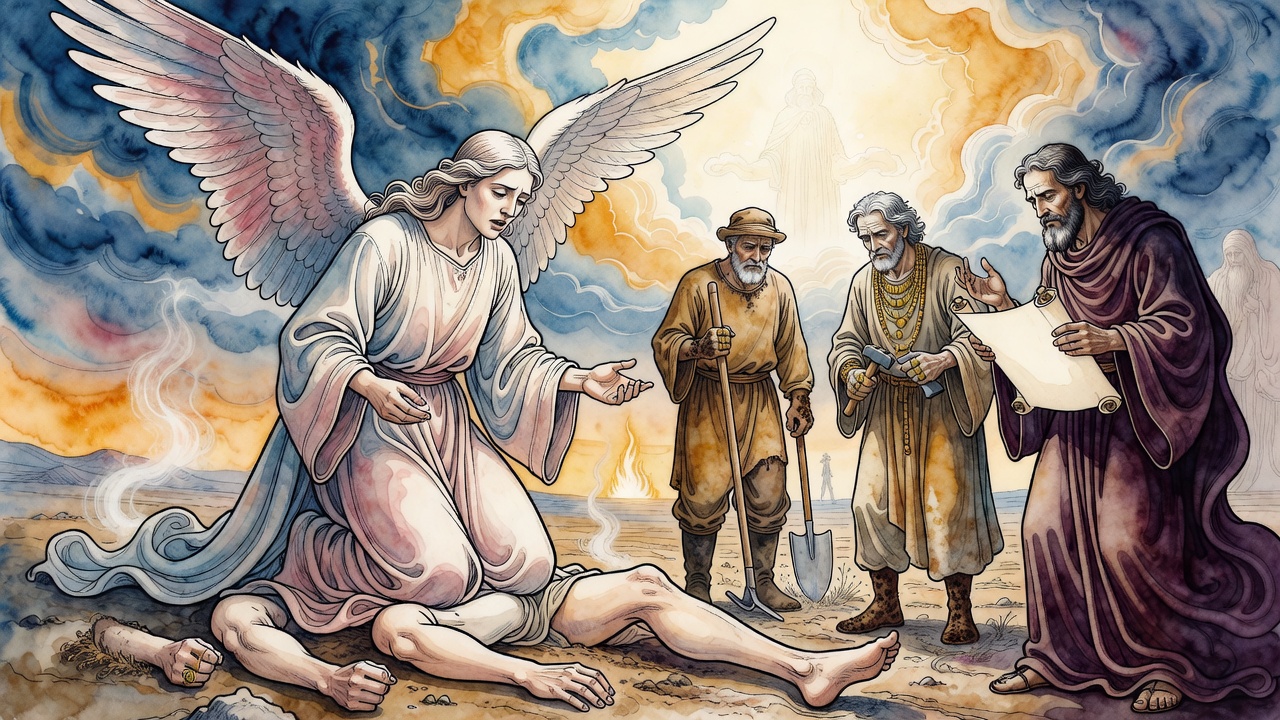
The Angel of Death who delivers souls to this place is covered in eyes. Every eye watches. None of them close. At the moment of death, three angels appear: the Angel of Death, a scribe, and a third assigned to accompany them. They say, "Arise, your end has come." The dying person protests. A person always protests. The Angel of Death shows the sword. The protest ends.
The Seven Named Compartments
Below the surface lie seven compartments, each named, each deeper than the last. Their names are Sheol, Abaddon, Dumah, She'ol Tachtit, and others rendered in darkness. Every compartment contains seven thousand crevices. Every crevice contains seven thousand scorpions. Every scorpion contains three hundred cavities. Every cavity holds seven thousand pouches of venom, each pouring six rivers of deadly poison. When a person touches this venom the body bursts apart. The angels of destruction collect the scattered pieces, reassemble the body, and the process resumes.
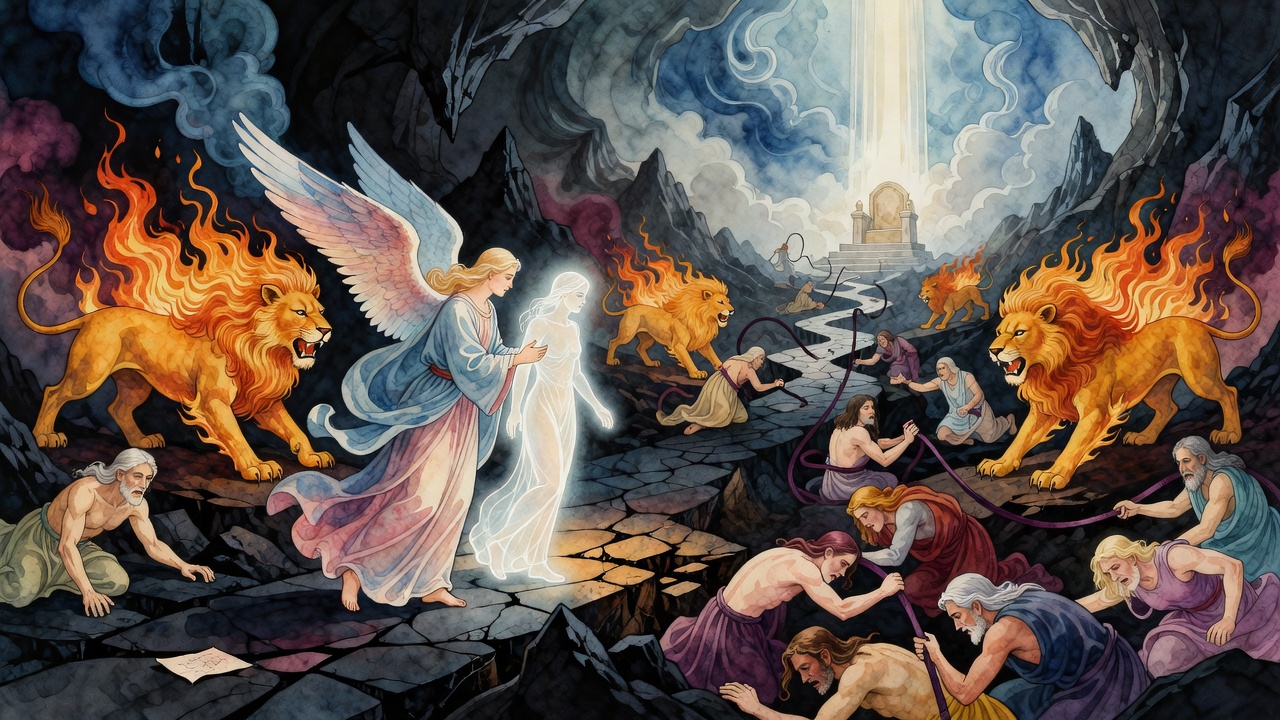
Rabbi Joshua ben Levi wanted to see this. He had already talked his way through the Angel of Death and entered Gan Eden (paradise, the garden of the righteous dead). He pressed further and asked to visit Gehinnom. The Messiah refused his request. "It is not fitting for the righteous to see it," the Messiah said. There are no righteous people in Gehinnom. Rabbi Joshua pressed until the angel Qipod agreed to escort him. What he found at the entrance to the seven chambers was the Messiah himself, sitting at Gehinnom's gate and weeping over the people inside.
The Messiah at the Gate of Fire
He was not inside. He sat at the edge, at the gate, and listened to the wailing that gave the place its name. Rabbi Joshua tried to report on this visit later and could not find words that matched what he had seen. The geography of Jewish afterlife in these texts is not a simple moral diagram with good people going up and bad people going down. It is a place where the Messiah weeps at the gate and where the screaming can be heard across the world.
All the while, the two angel bands at the outermost gate continue saying Come. They will not stop. The daughters of the leech never filled up and stopped asking. Neither will the gate.
← All myths