The Messiah Accepted Suffering Before Creation
The Accuser asked whose light waited under the Throne. God drew Ephraim forward. The Accuser fell on his face before a king who had no world yet.
Table of Contents
 Click for full size
The Light Under the Throne
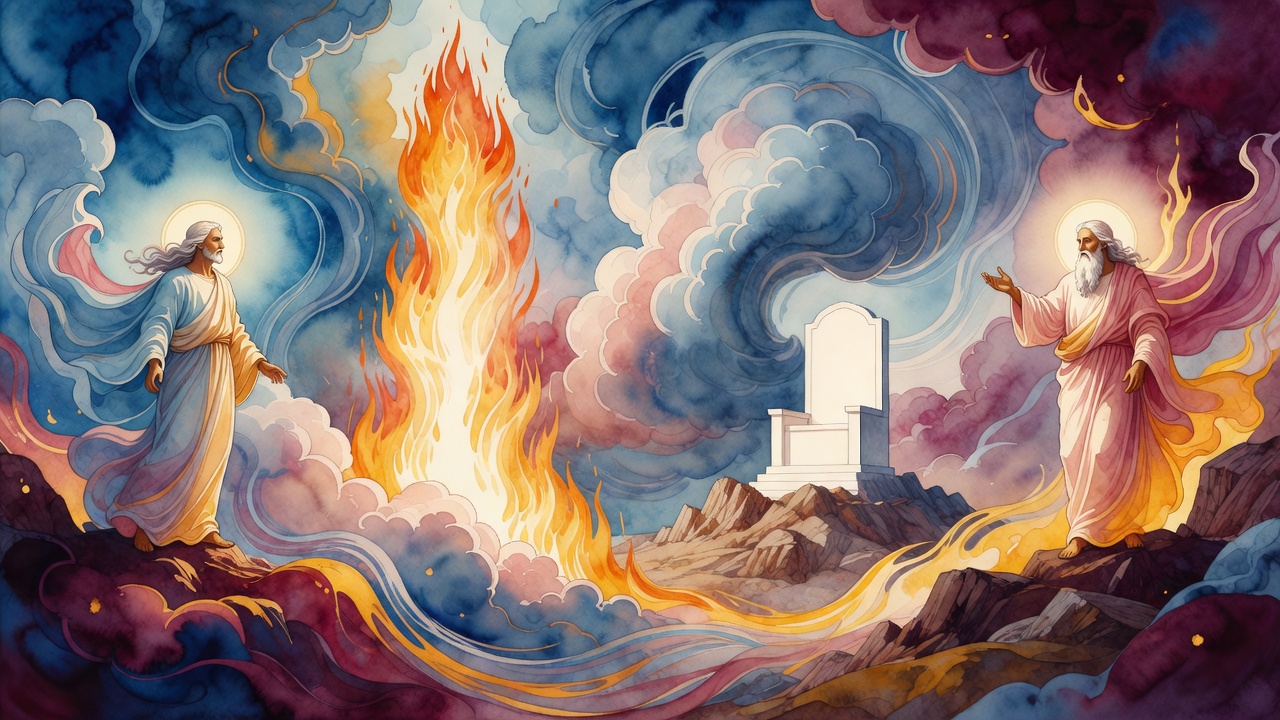
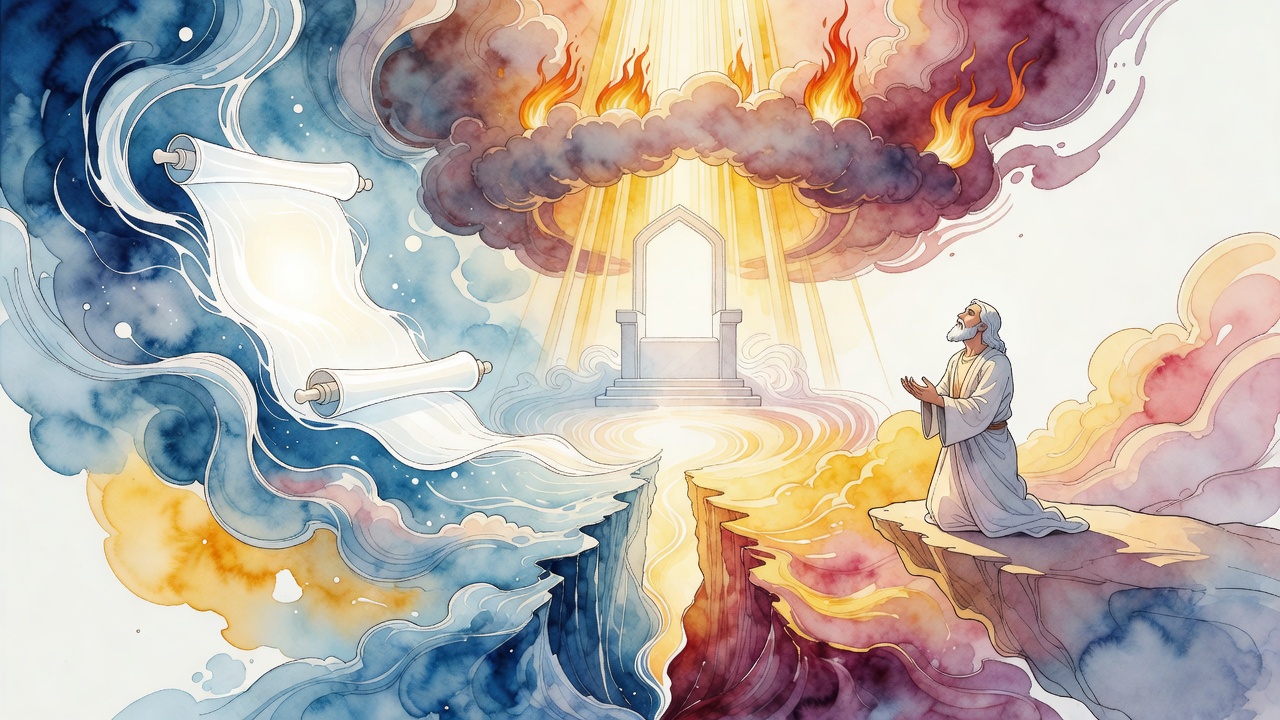
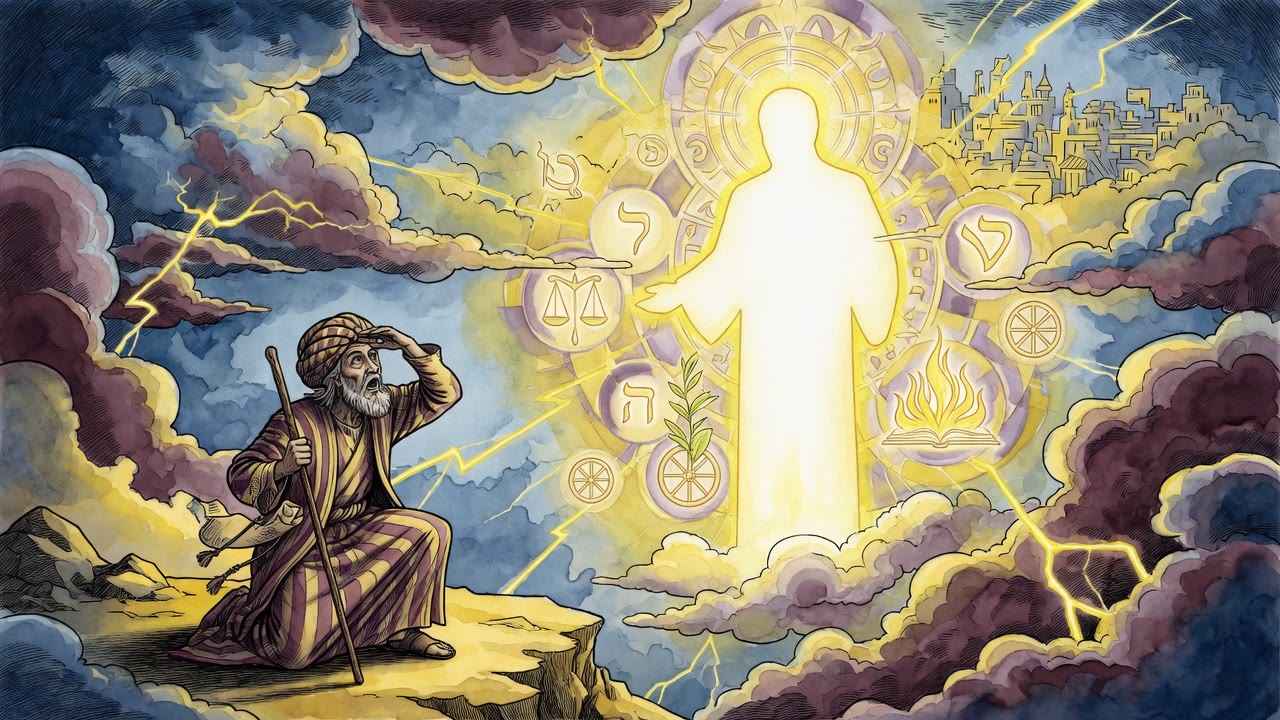
Before earth had a floor, before the sea had a border, a light waited under the Throne of Glory. It was not sunlight. Sunlight had not been assigned a path. It was not fire from an altar. No altar had been built.
Ha-Satan, the Accuser, stood in the heavenly court and smelled a future that did not yet have bodies. Israel's sins. Israel's exile. Israel's grief. Israel's dead. The ministers of the nations crowded near him, each one still only a shadow of a kingdom that would one day rise.
The Accuser asked for the name of the hidden light.
God answered that it belonged to the one who would turn the Accuser back in shame.
Ephraim Steps Out of the Light
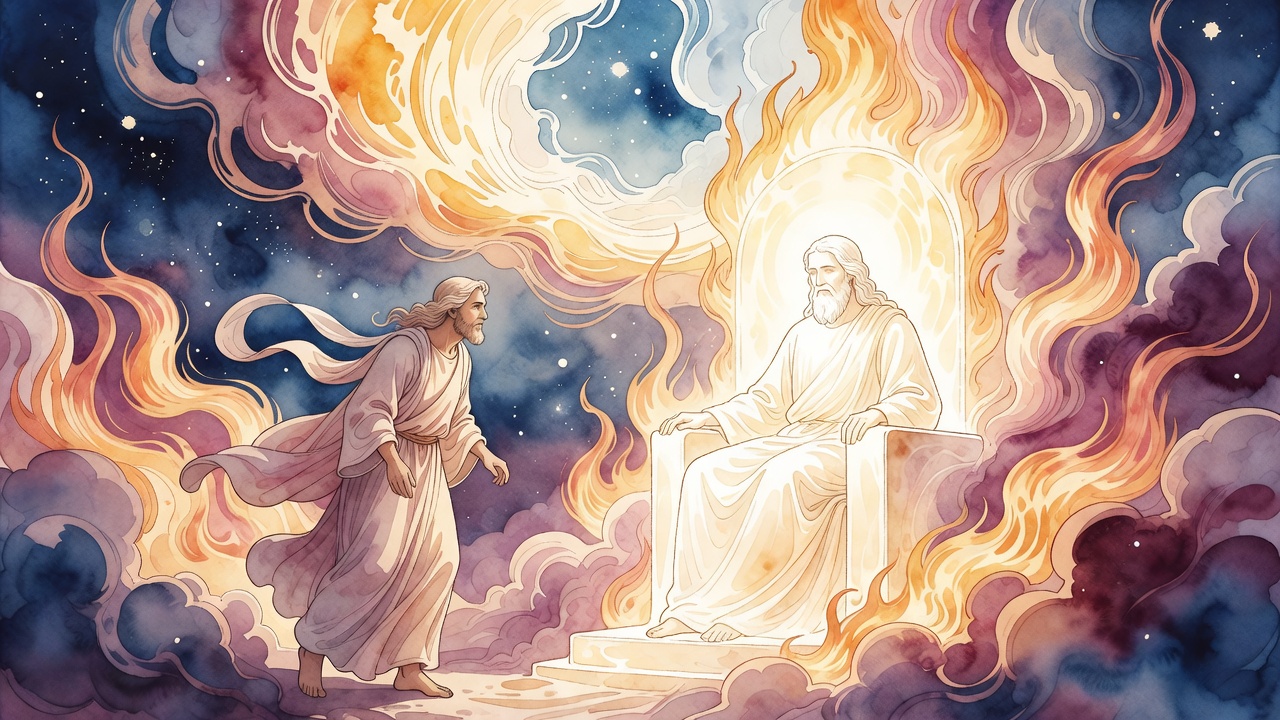
God drew the hidden one forward. King Messiah stood inside the light before the world stood under it. His name was Ephraim, the righteous Messiah. His name was also Yinnon, the one who raises the crushed.
The Accuser looked at him and fell on his face. The ministers of the nations shook. They had seen power. They had not seen a king who existed before the kingdom, a redeemer before ruin.
The earth itself trembled at the edge of creation. It said it was not stable. Blood, prayer, dust, graves, and return were already leaning on it. God gave it foundations before it could collapse under its own future. The Throne waited. Torah waited. Israel waited. The Temple waited. Repentance waited, because a world without a road back would not last a single human day. Gehinnom (גיהנם), the realm of judgment after death, waited too. Among those first things stood the name of King Messiah, spoken before the sun had any morning to measure.
The ministers asked who this was, that they should fall by his hand. God said he would lift his generation, light Israel's eyes, and save his people, and that no nation would stand against him.
The Iron Yoke
God did not hide the cost.
The souls were brought before Messiah: the living who would walk through exile, the dead buried in dust, the infants who would not finish a first cry, and the souls God had thought to create but had not yet sent. Their suffering was not mist. It pressed toward him with the weight of iron.
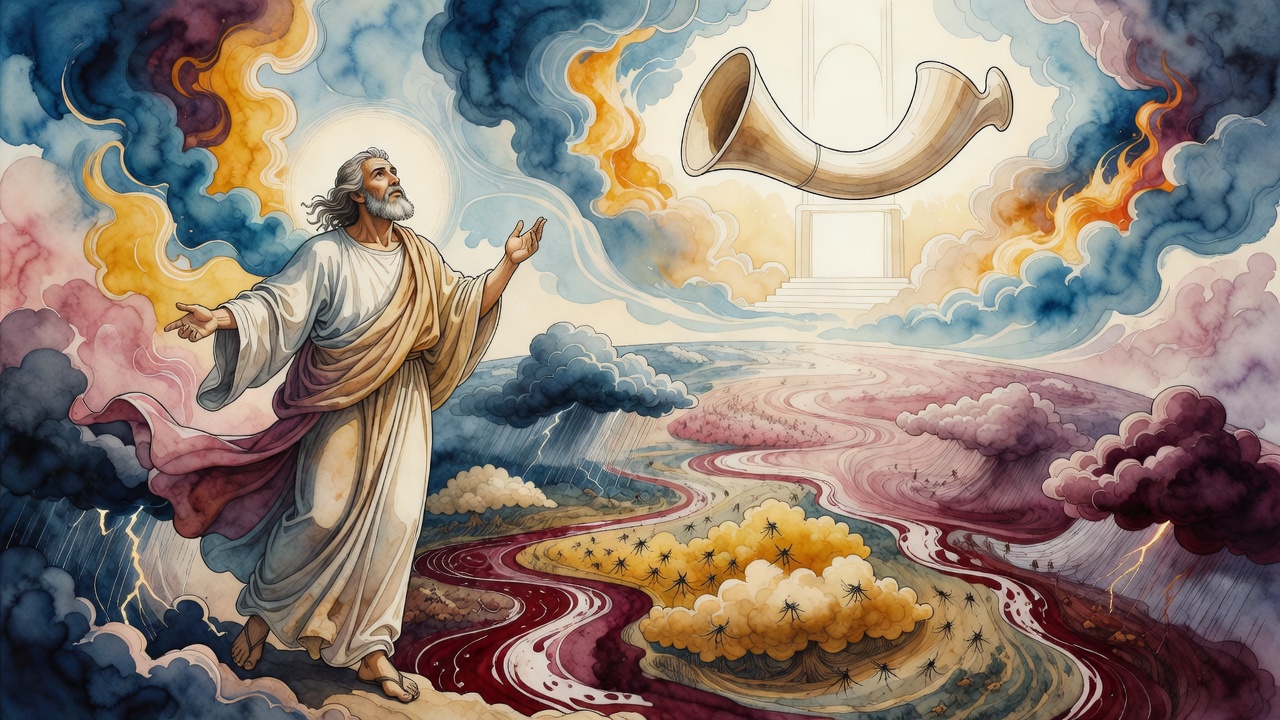
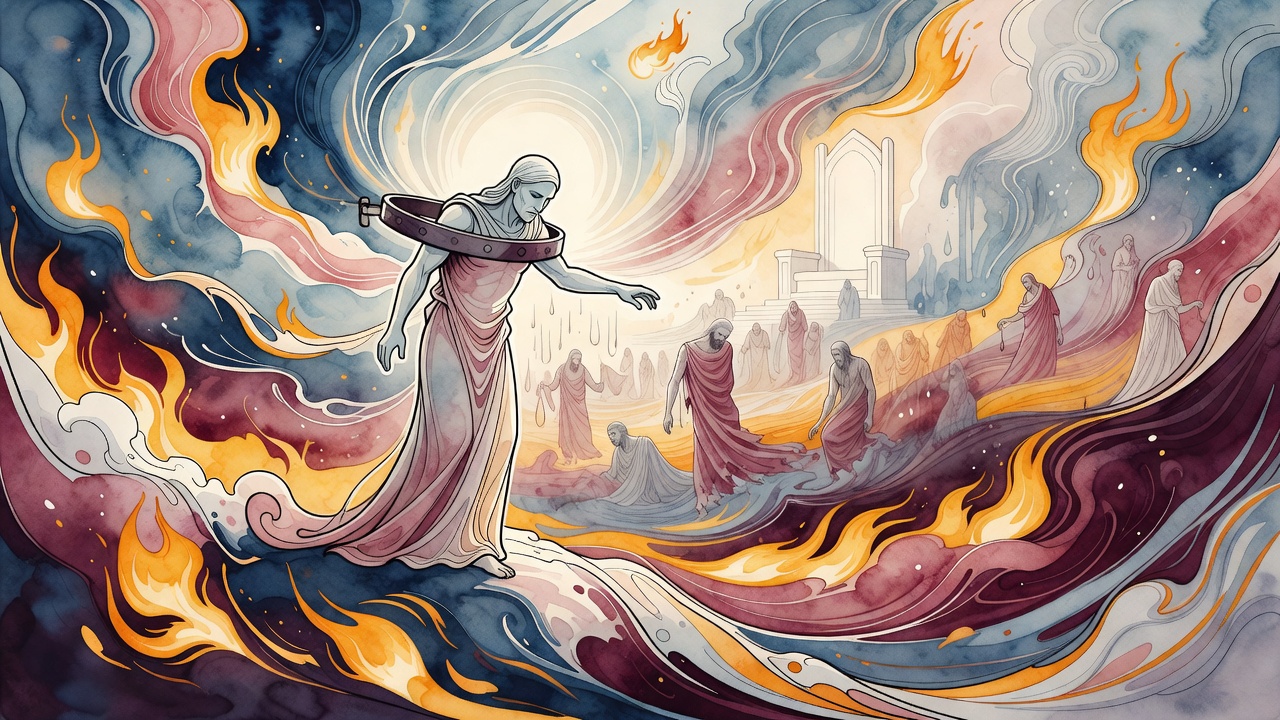
God showed him the yoke. It would be laid across his neck. It would bend him like a calf whose eyes have gone dim. It would choke his breath. His tongue would cling to the roof of his mouth. Israel's years would settle on him until even the righteous one carried the taste of ash.
"Perhaps that pain lasts many years," Messiah said.
"By your life and by the life of My head," God said, "a week of years I have decreed upon you. If your soul is too grieved, I will drive them out from now."
Ephraim accepted it with joy of soul and gladness of heart. He asked only that not one of Israel be lost: not the living, not the dead from Adam's days onward, not the stillborn, not the souls hidden in God's thought before birth. He did not ask for the iron to become light. He asked for the burden to become rescue.
Heaven did not soften the yoke. Consent made it heavier. The future now had a willing neck.
The Scales at the Ruin
When the Temple burned, the hidden promise did not burn with it.
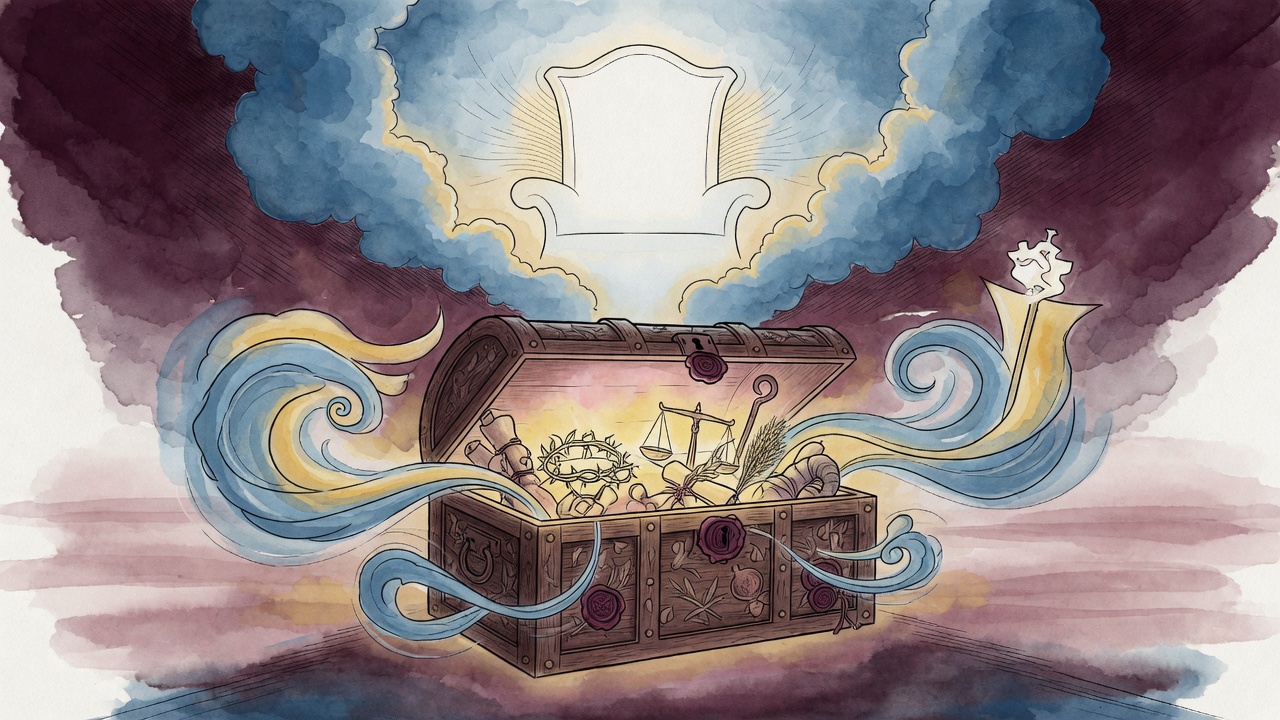
Jerusalem cracked under smoke. Stones blackened. Priests fell silent. Families searched the ash for names. At that hour Elijah was summoned with scales broad enough to weigh the fate of Israel.
On one side stood the captive Messiah with the souls of the dead. That pan sank. On the other side Elijah placed tears, torments, and the souls of the tzaddikim (צדיקים), the righteous whose lives had become weight before God.
The balance did not make the fire gentle. Nothing did. The scales showed that tears had measure. The dead were not misplaced. The captive redeemer stood with them until the account of grief could be answered.
Life Asked After the Killing
Another sorrow still waits. Messiah son of Joseph goes before the final kingly redemption and is killed. The mourning for him is not private. It spreads through the land like grief for an only child, house by house, tribe by tribe (Zechariah 12:10).
Messiah son of David sees that wound and asks God for life. He does not ask for nations as inheritance first. He asks to keep breathing.
"Life," God says. "Before you asked, David your father already prophesied it." Life he asked of You, You gave it to him (Psalms 21:5).
The final king does not erase Ephraim's suffering. He stands on the far side of it. A light still waits under the throne. The Accuser has already fallen. The yoke has already been accepted.
Ephraim does not turn away from the storm gathered over Israel's future. He lowers his neck.
← All myths