Bostanai Was the Last Rose of David's House
A Persian king dreamed of a rose garden soaked in innocent blood, saw one rose tree survive his blade, and woke to find the heir he could not kill.
Table of Contents
 Click for full size
The King Who Wanted to End the Line
The Persian king Hormuz understood hope as a threat. Jewish hope specifically, the stubborn hope that exile would not be permanent, that a descendant of David would one day return to a throne in Jerusalem. As long as someone in the world could claim David's blood, the Jews would keep waiting. Hormuz decided to remove the reason for waiting.
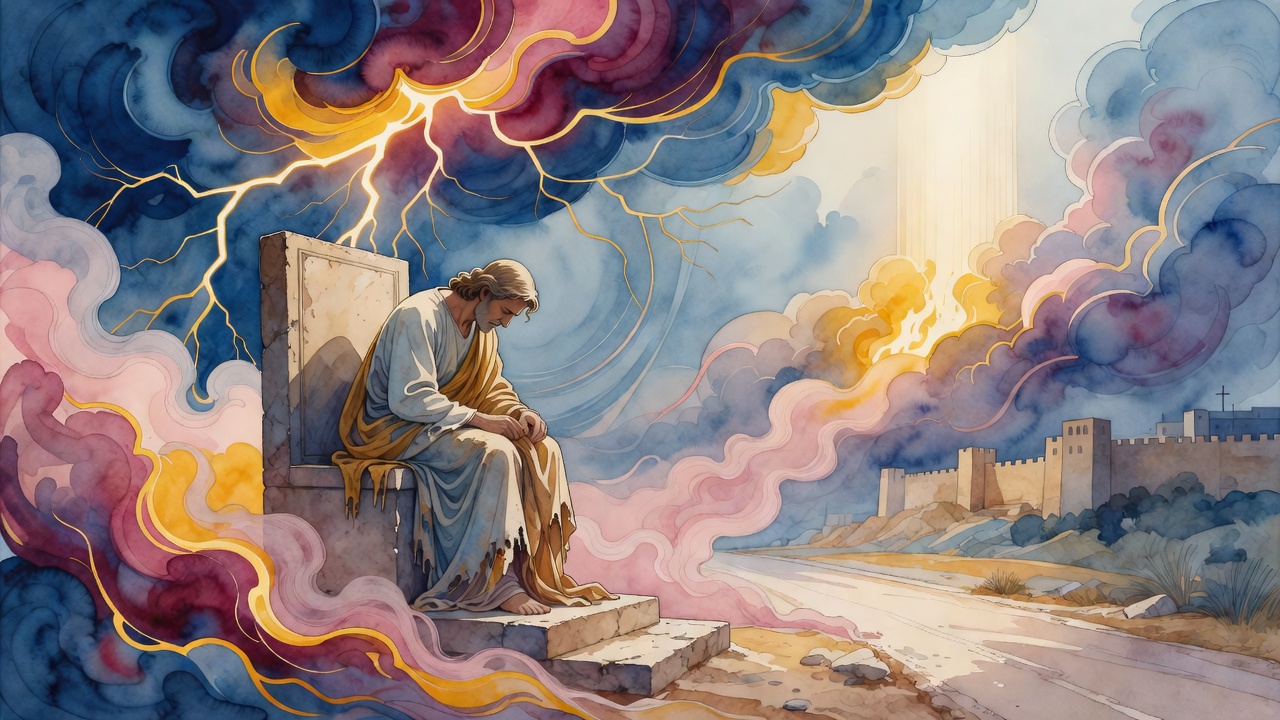
He ordered his men to find every known descendant of David's house and kill them. They did. The dynasty of exilarchs, the community leaders who traced their lineage to the royal house, was systematically hunted. The men who claimed David's blood died. Their sons died. The women who might give birth to another claimant were found and killed. When his men reported back, Hormuz believed the line was broken.
That night he dreamed.
The Rose Garden
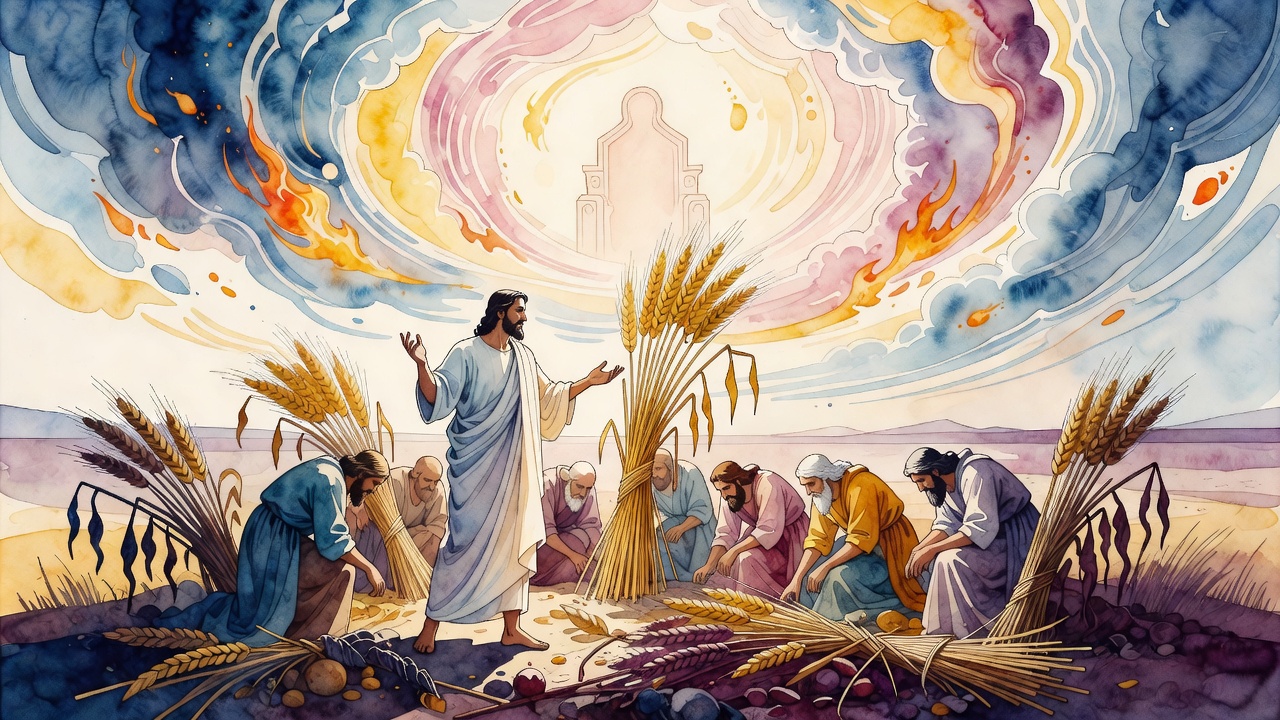
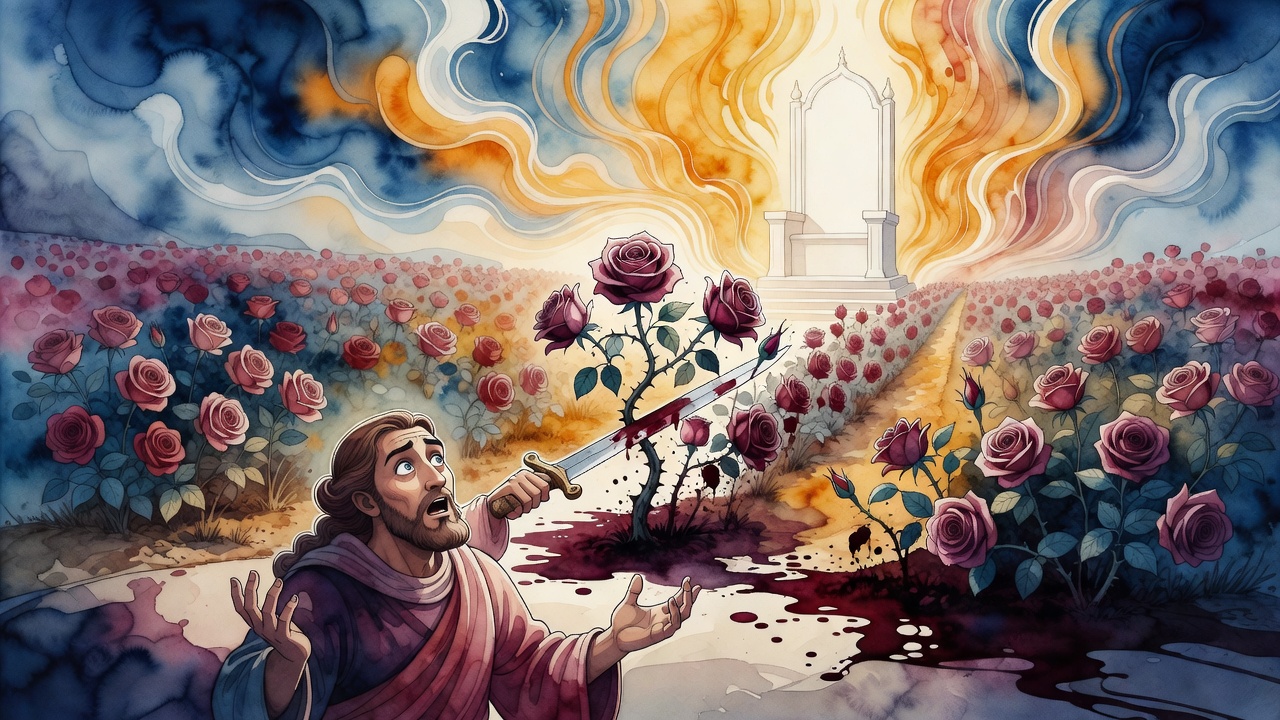
In the dream his rose garden was red. Not with natural color but with blood soaked into the ground from the roots. He walked through it and understood that the red color was the blood of the people he had ordered killed. He raised his sword and began cutting. He cut down every rose tree he could reach. The garden kept running red beneath him. He cut until his arms ached. Then he saw one rose tree he had not cut, standing where he had not yet walked.
He moved toward it and raised his sword. A man appeared in the dream and stopped his hand. "You must not cut this one," the man said. "This one you will not cut."
The king woke up certain that somewhere in his kingdom a child of David's house had survived.
The Infant in the Hiding Place
The Seder Olam Zutta, an early medieval chronicle of the exilarchate, gives the story institutional texture: the exilarchs of Babylonia who led the Jewish community in captivity traced their lineage through exactly this kind of survival story. The legend of Bostanai is its founding narrative.
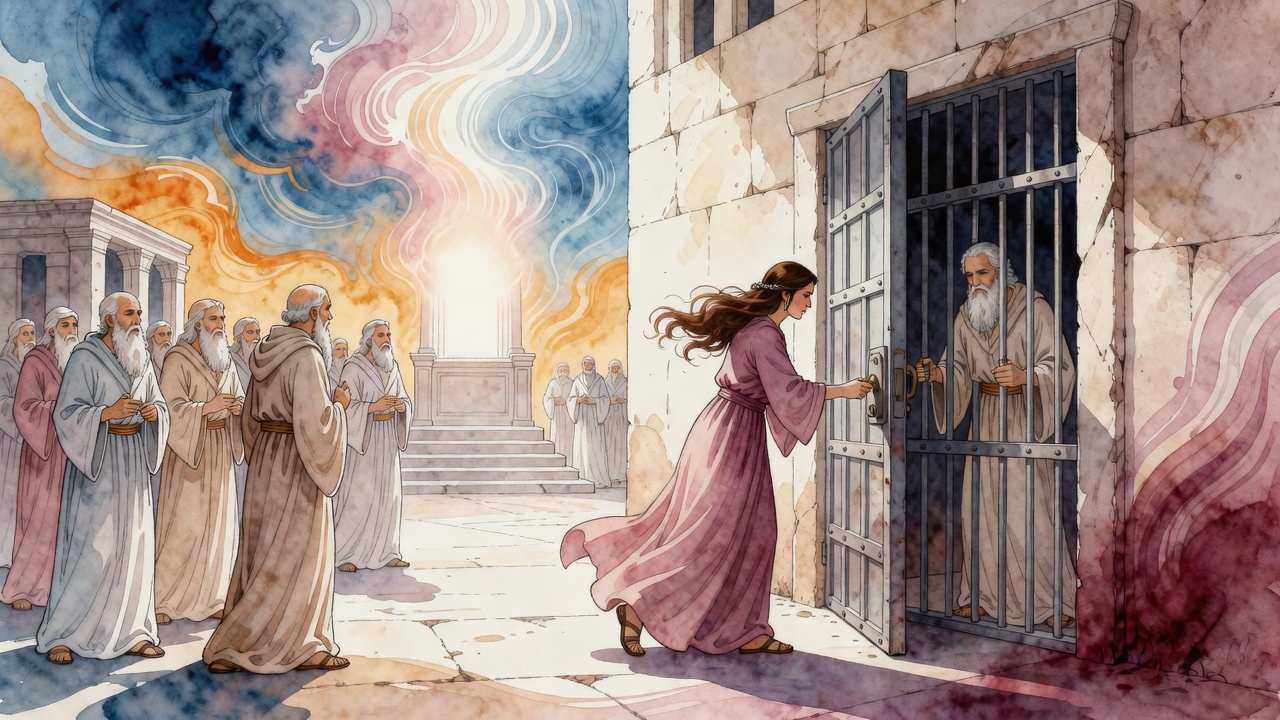
A woman had hidden her infant son in the weeks before the king's men came. She was a descendant of David's house and she knew what the order meant. She found a place the soldiers would not think to search and left the child there. He did not cry. He was not found. His name would eventually be Bostanai, from the Hebrew word for garden, because a dream about roses had saved his life before he could understand what a dream was.
Hormuz called his counselors after the dream. He told them what he had seen. His wisest advisor said: "Then there is an heir. Find him and bring him to court. Do not kill him. The dream is a warning, not a command. The dream means this child lives regardless of what you do."
The King Who Gave His Daughter
When Bostanai was found and brought to the Persian court, Hormuz looked at him and recognized something in the child's face. Or he was afraid. The Seder Olam Zutta records that the king gave Bostanai three gifts: his freedom, a place in the exilarchate, and one of his own daughters as a wife.
The man who had ordered the destruction of David's line gave his own flesh to continue it. The logic of the dream had overruled the logic of the edict. Bostanai became the exilarch, the head of the Jewish community in Babylonian exile, the living proof that the line of David had not been severed. The exilarchs who came after him traced their descent from this child who survived because a king dreamed of a rose garden and woke up afraid.
The Zohar and Pesikta Rabbati both place the Messiah's name and existence before creation itself, among the seven things God established before the world was made. The lineage that would eventually produce the Messiah was therefore not simply a matter of political continuity. It was built into the structure of what the world was for. Hormuz had raised his sword against something the universe had already decided would survive.
← All myths