195 myths · Page 4 of 7
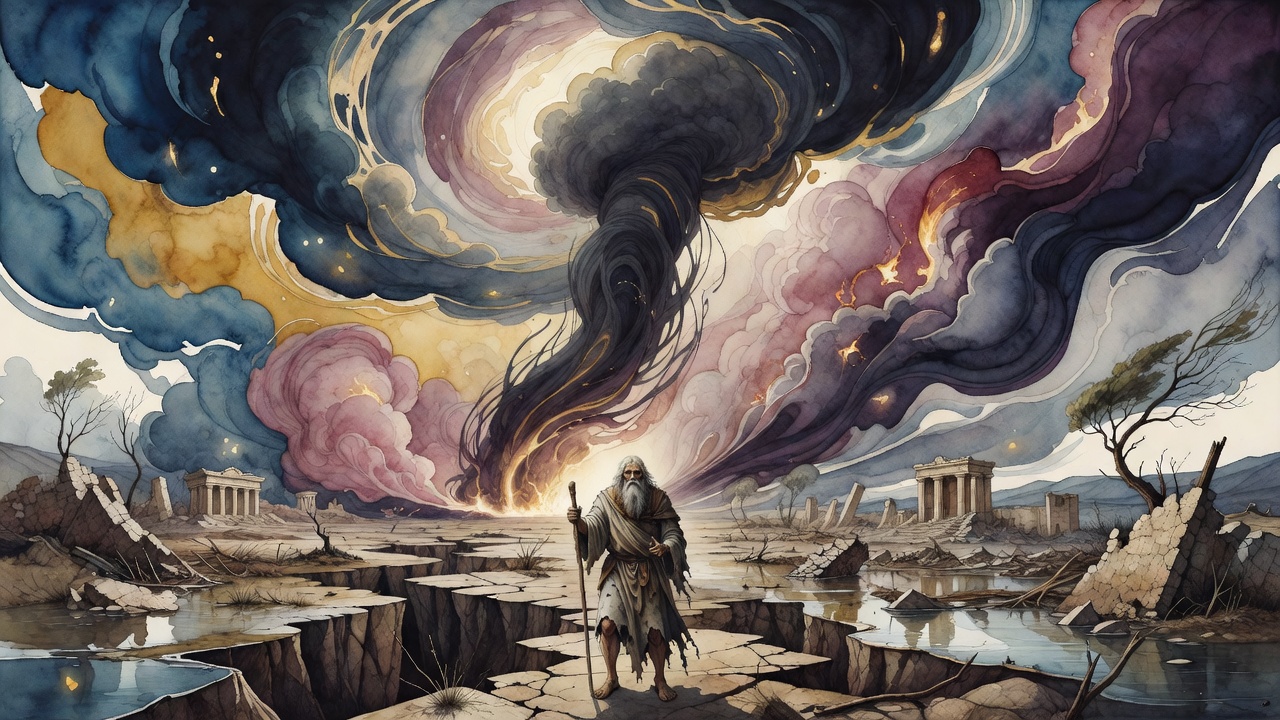
Noah stands at the edge of a ruined world while God names what broke it, injustice so thick it became the rod that struck creation down.
A Samaritan stopped him on the road with a question about the Flood, and the rabbi had nothing. The man holding his reins asked for permission to speak.
He rode for the king with a good horse under him and taunted his uncle about it. The answer that came back killed him before the day was out.
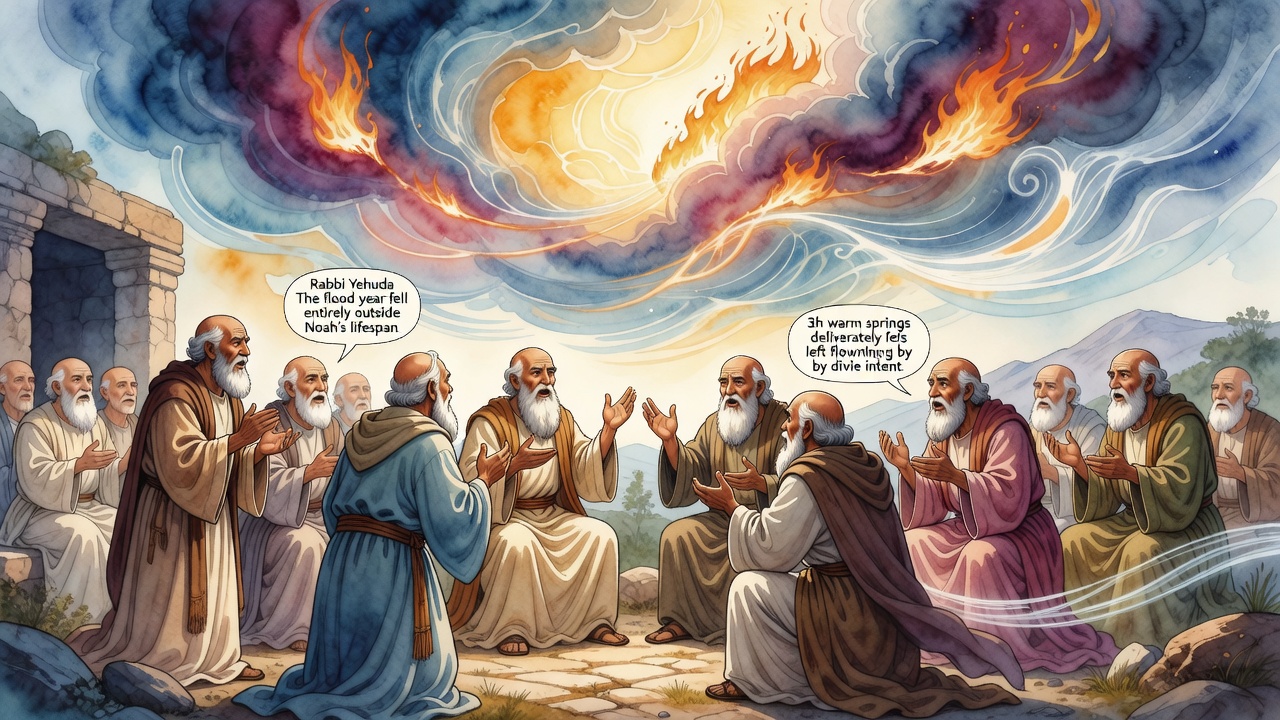
Noah stood in the doorway until the water reached his ankles. The year inside the box was taken off his life. Three hot springs never closed.
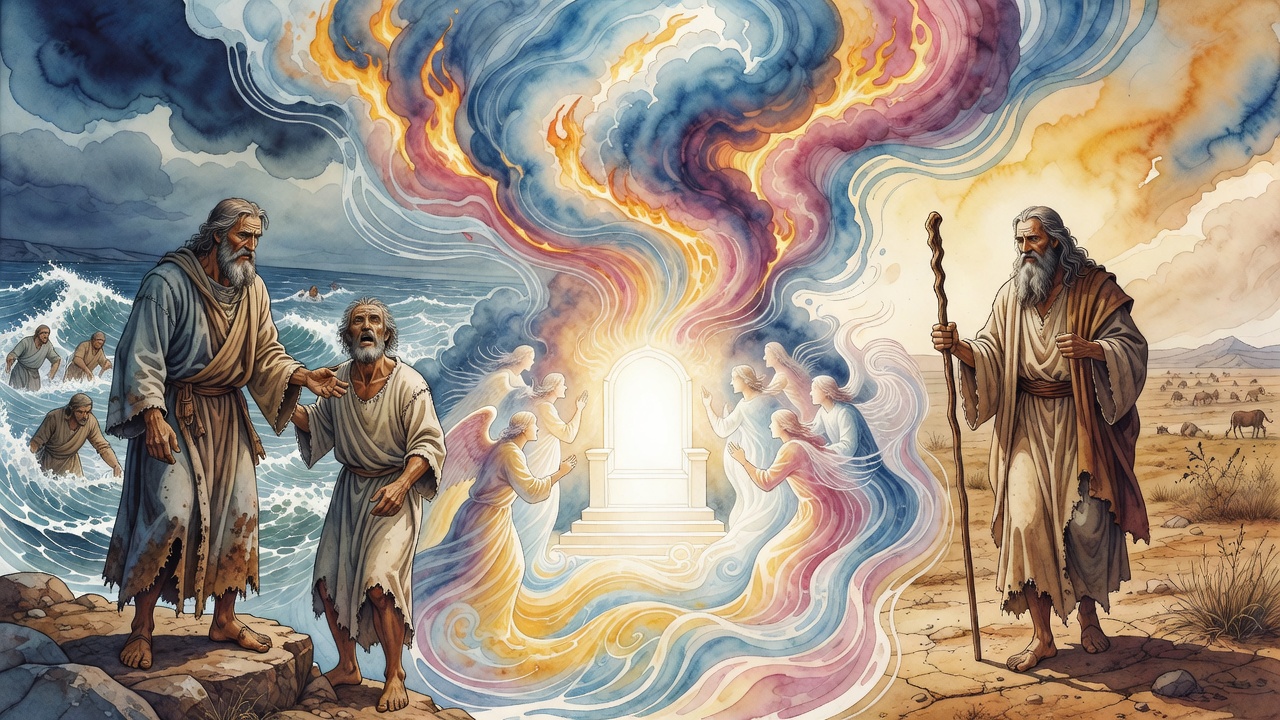
A man of that generation could cover the mouth of the deep with one foot. At the door of the ark his legs went out from under him.
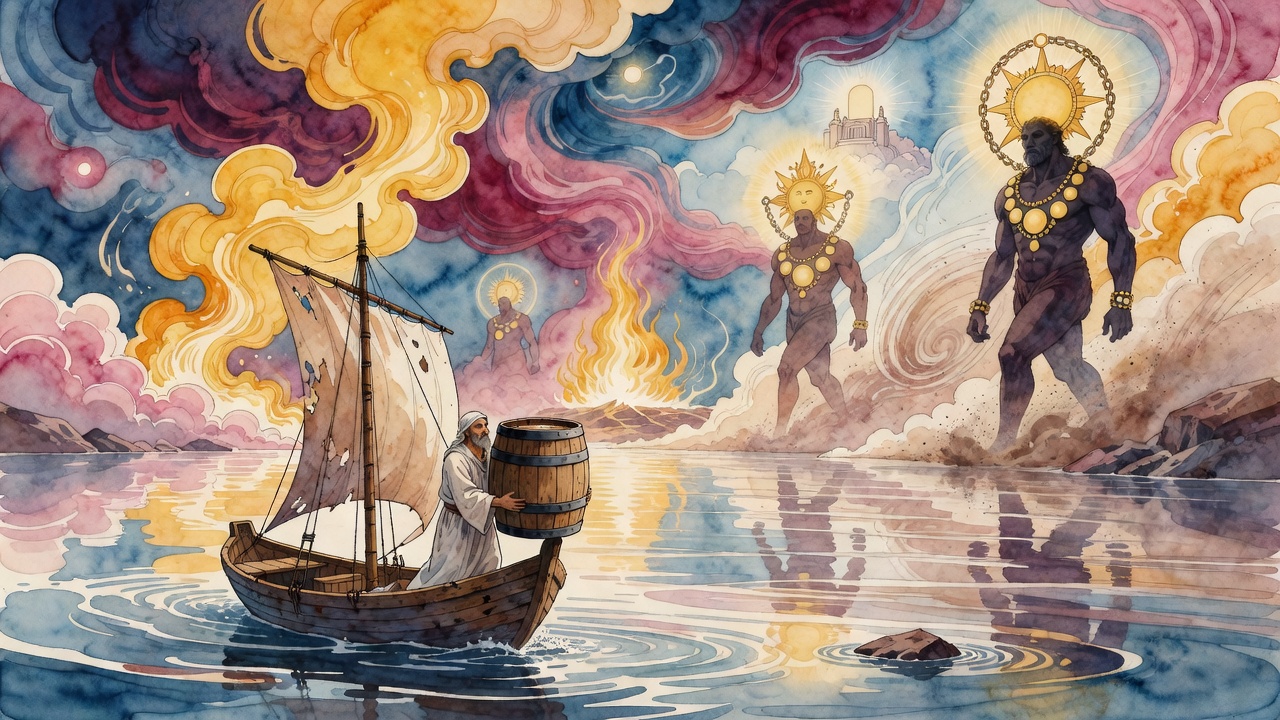
Rabbi Eliezer sails into dead water and carries a barrel of it to Hadrian. The Nefilim wore the sun like jewelry. The flood came down already boiling.
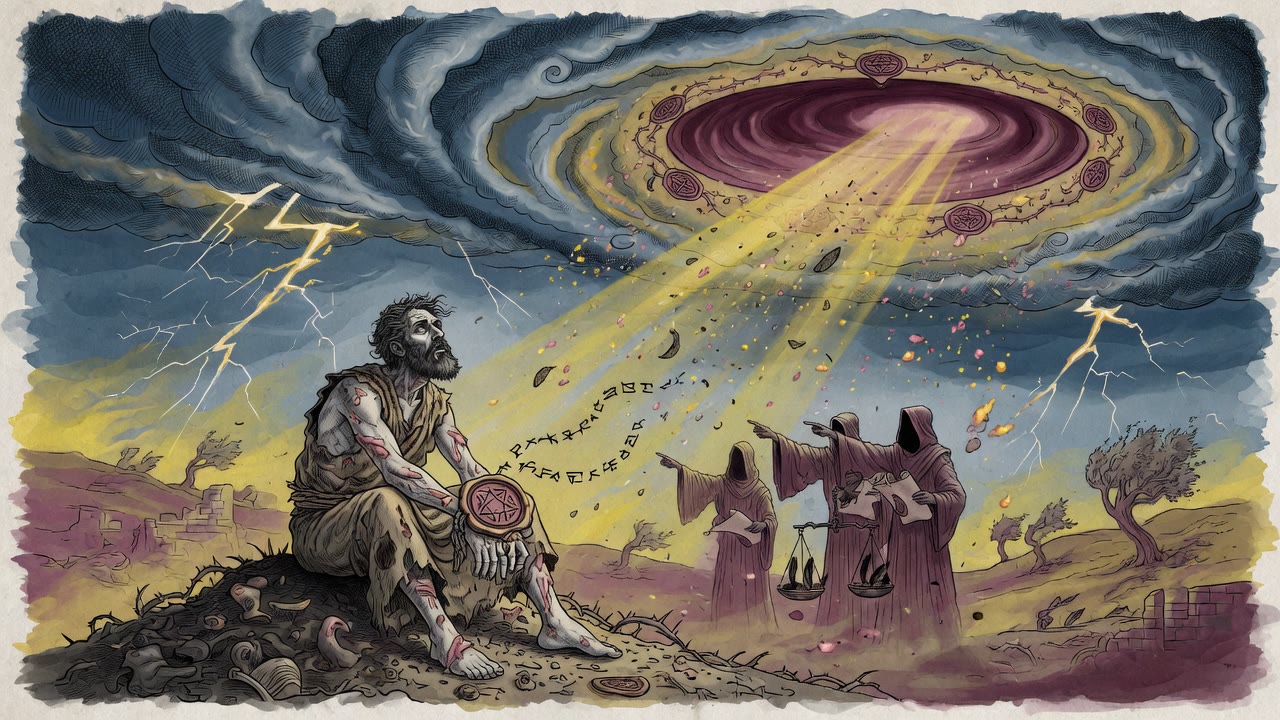
Adam did not land on our ground. He landed on a floor with no light in it at all, under a sword that never stopped turning, and had to climb.
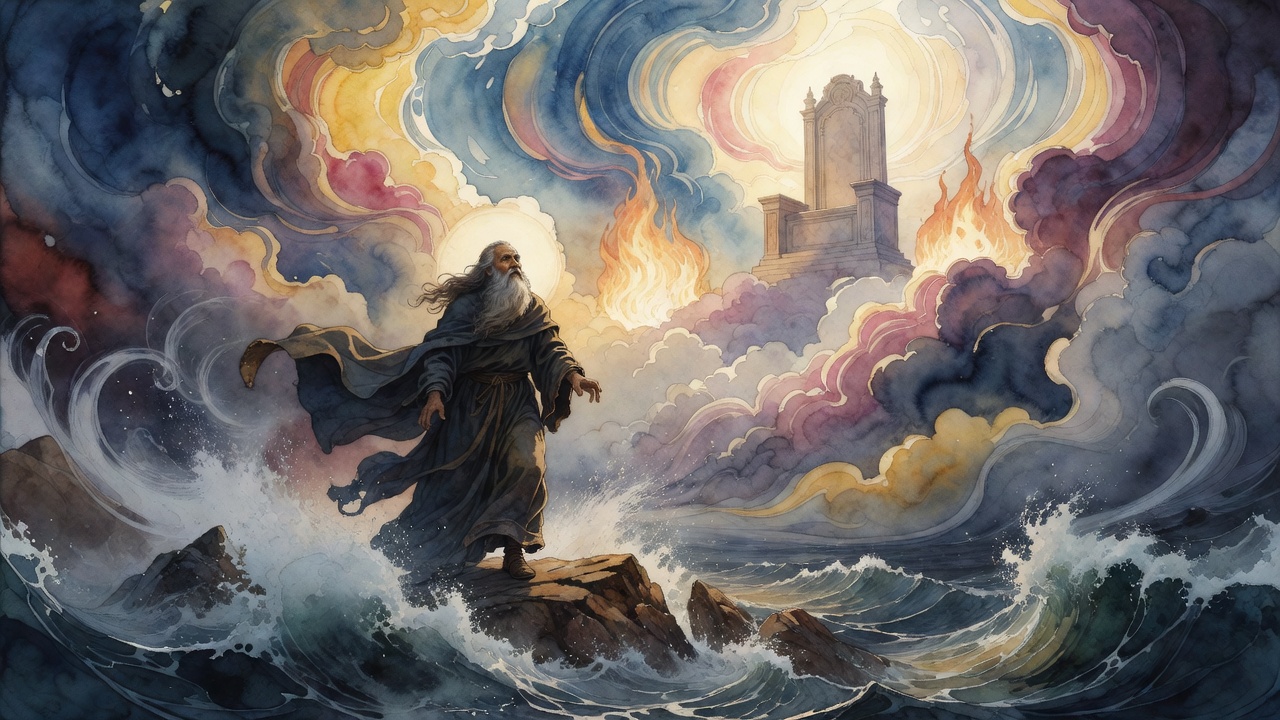
The earth was dry. The ark door stood ready. Noah would not step out until God named the going as God had named the rain.
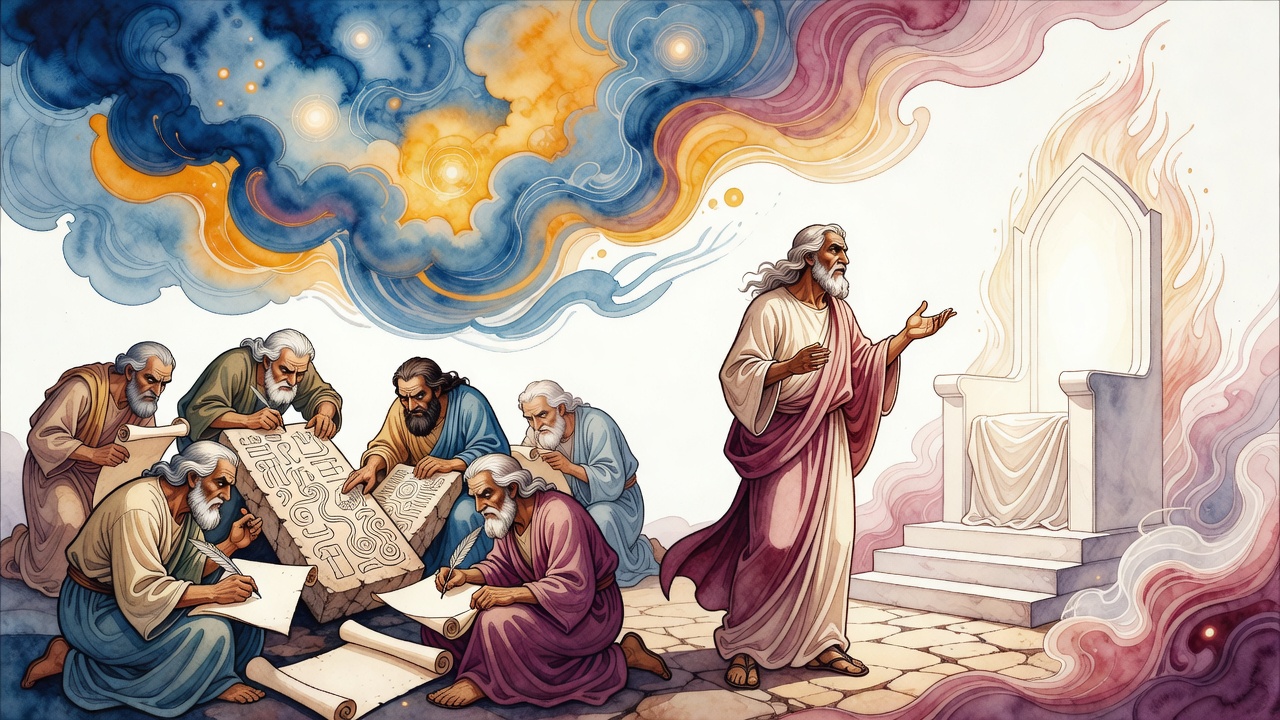
Pharaoh had his advisers go through every oath the God of the Hebrews had sworn, looking for a gap. They found one. They chose the river.
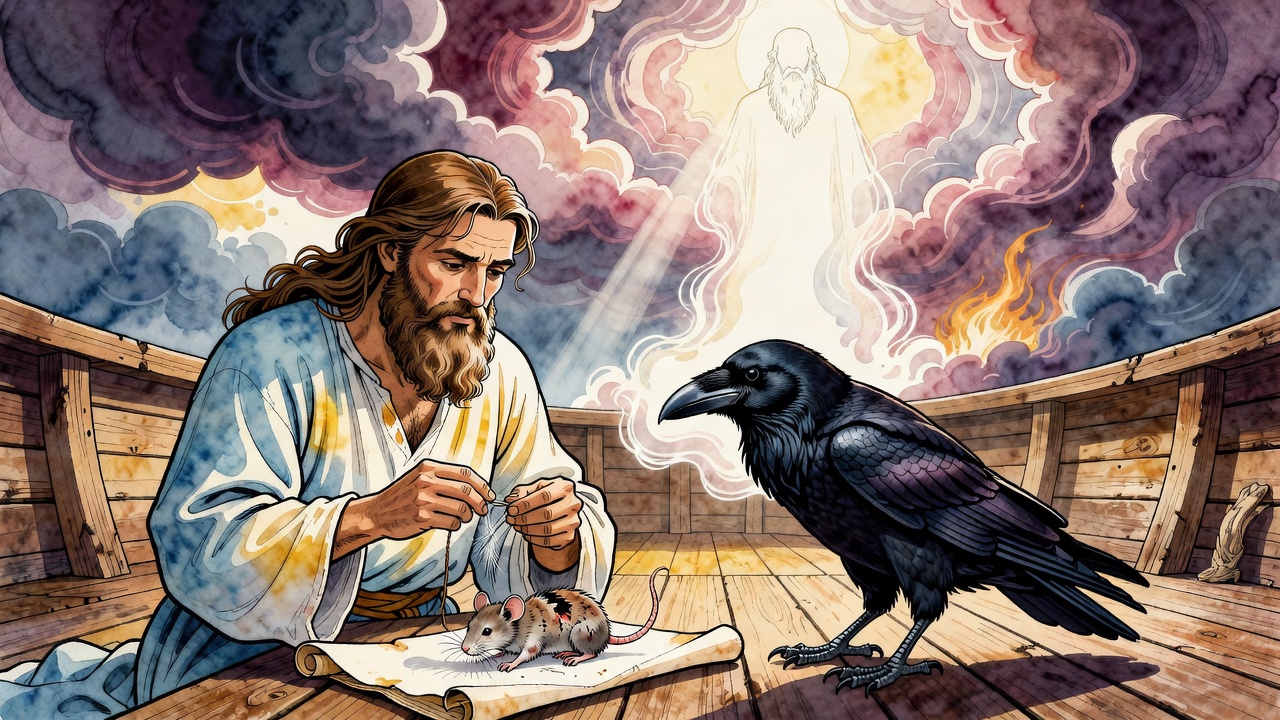
On the Ark, Noah sewed a cat-torn mouse back together with a hair and thread, then sentenced the lying raven to a stranger fate than death.
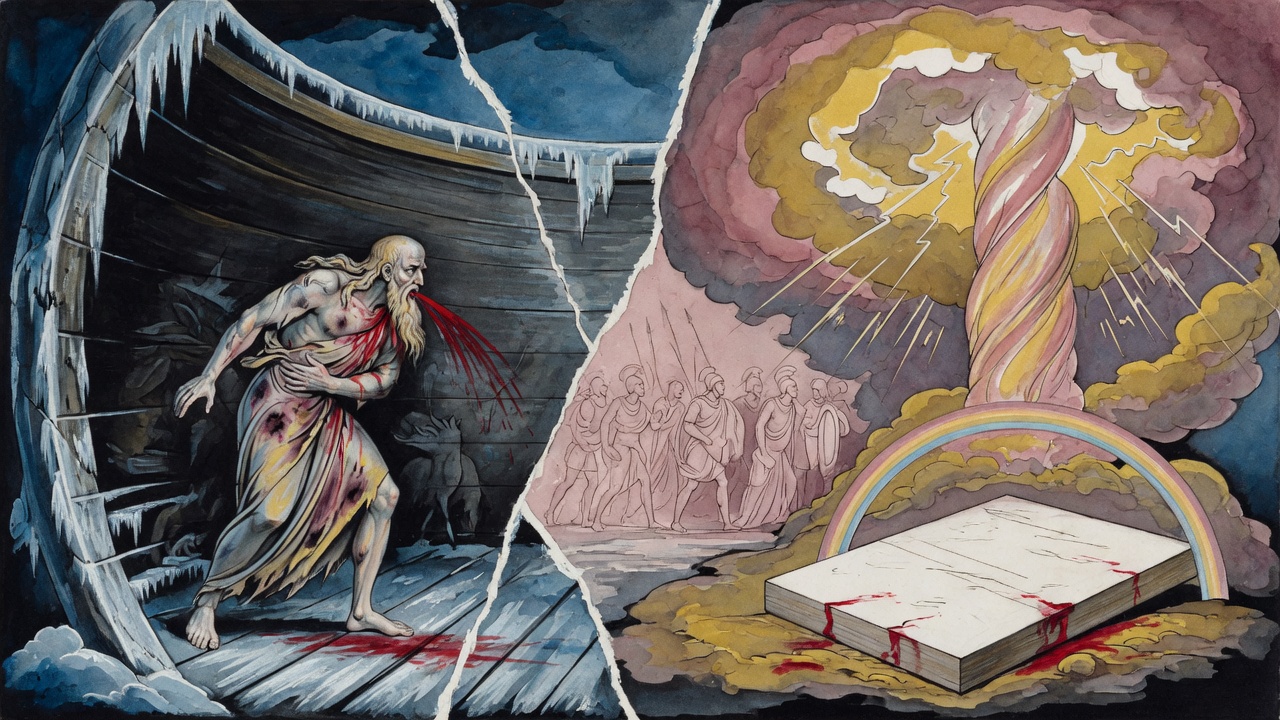
Bereshit Rabbah shows Noah spitting blood in the ark's darkness while cold ate through him, then turns to the covenant Rome's edicts could never undo.
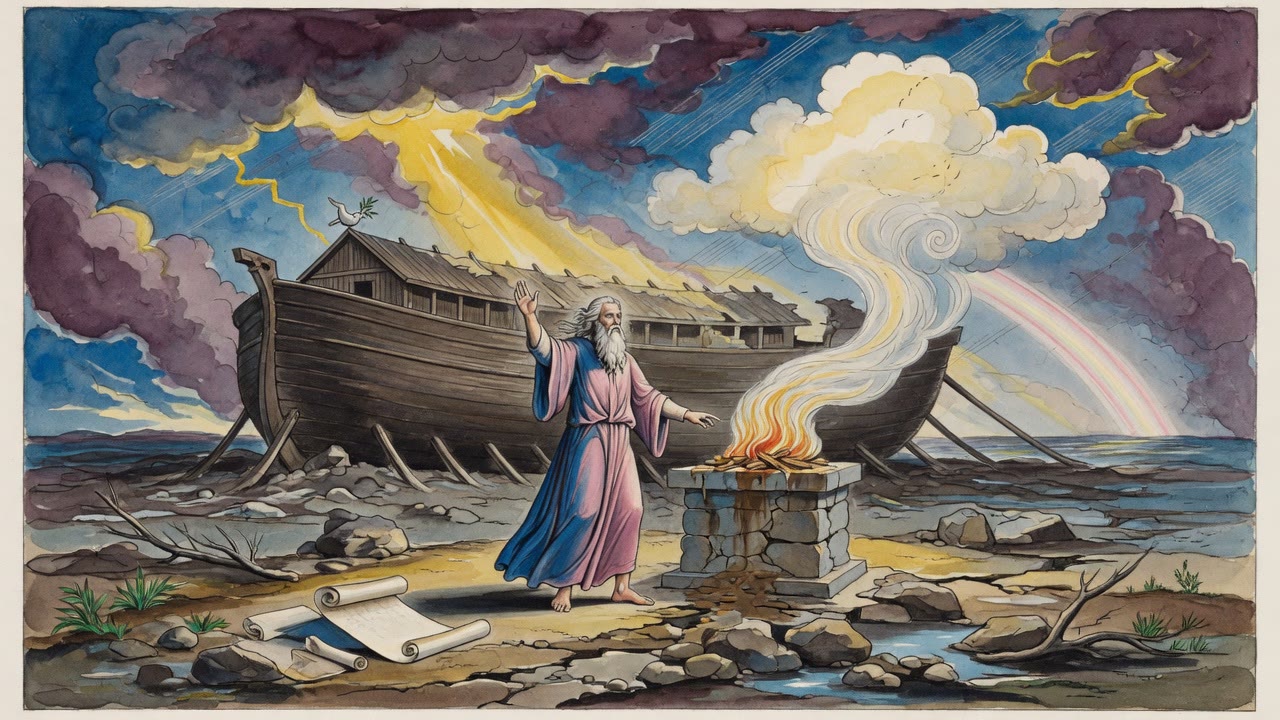
Noah saved spirits without bodies, lashed a reem the size of a mountain to the ark's side, and refused to leave until God swore the world would not flood again.
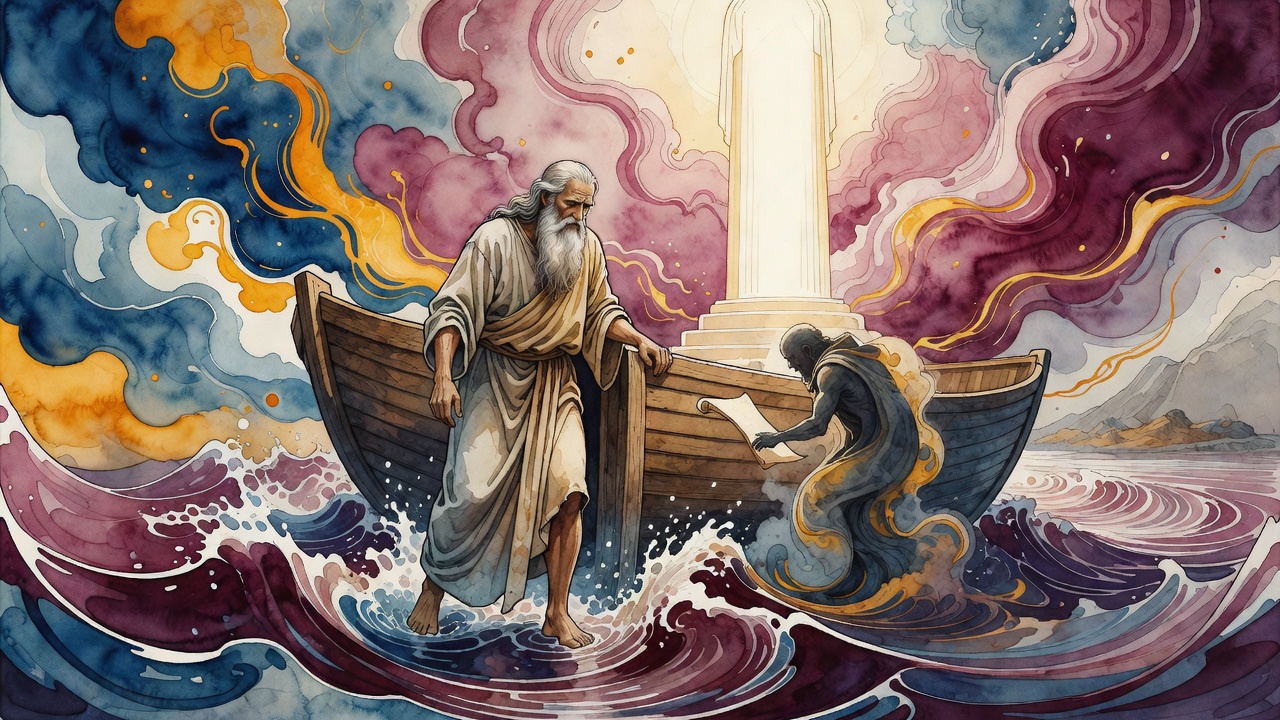
Rabbi Yohanan said Noah lacked faith and would not board until the flood reached his ankles, even as Falsehood waited at the door with a plan.
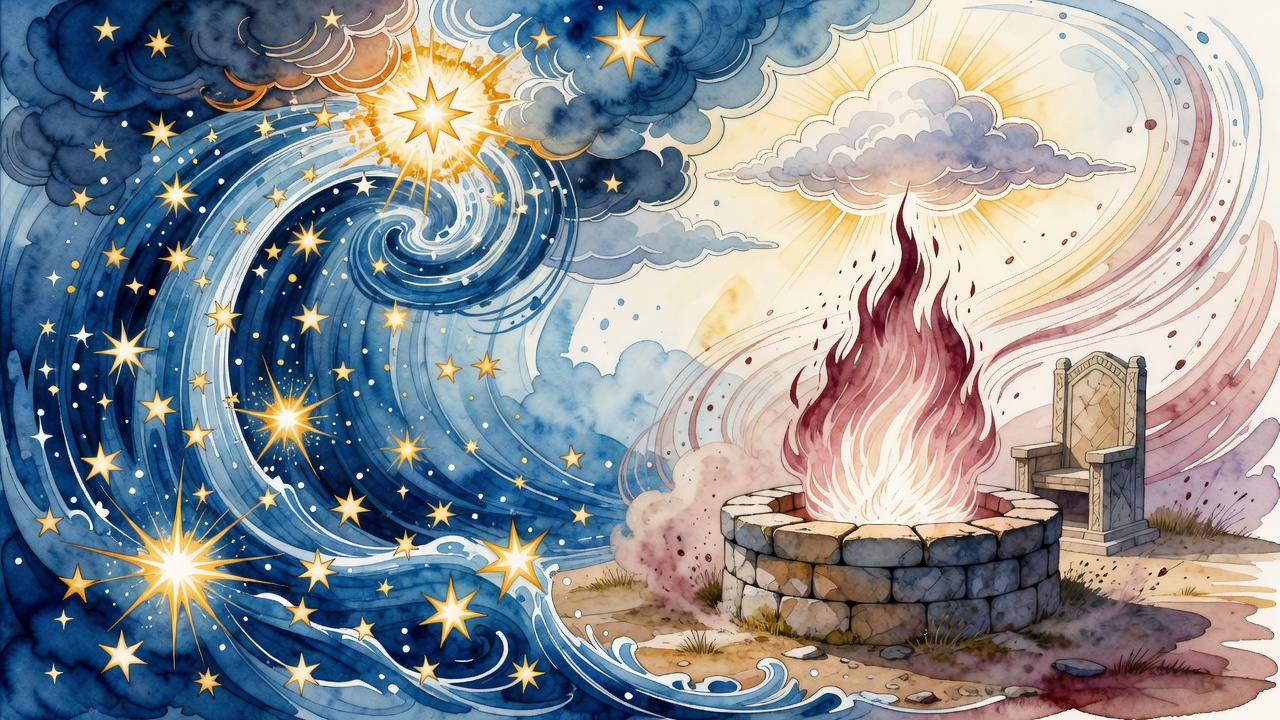
The same God who pulled stars from the sky to drown the world later swore an oath beside a well, and both acts bound heaven to earth.
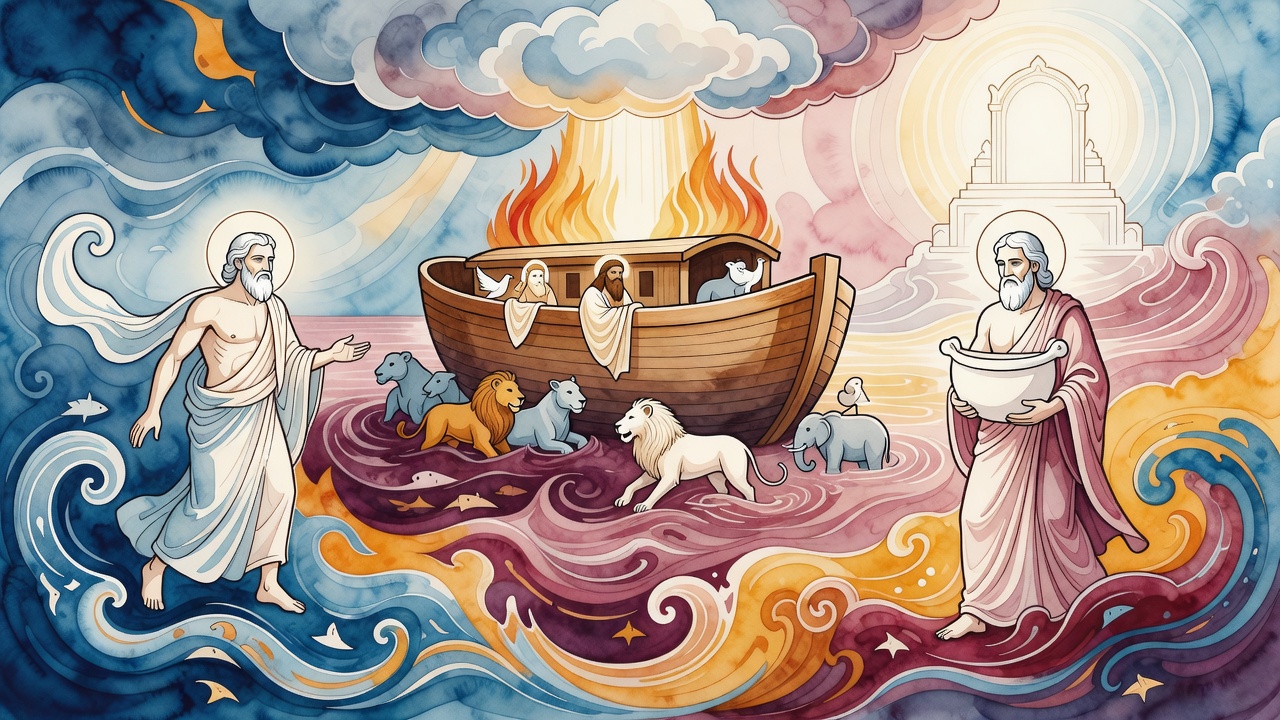
Zebulon's last words were about fish. Noah fed animals in the ark. Moses retrieved Joseph's bones. All three were carried by the same mercy they had shown.
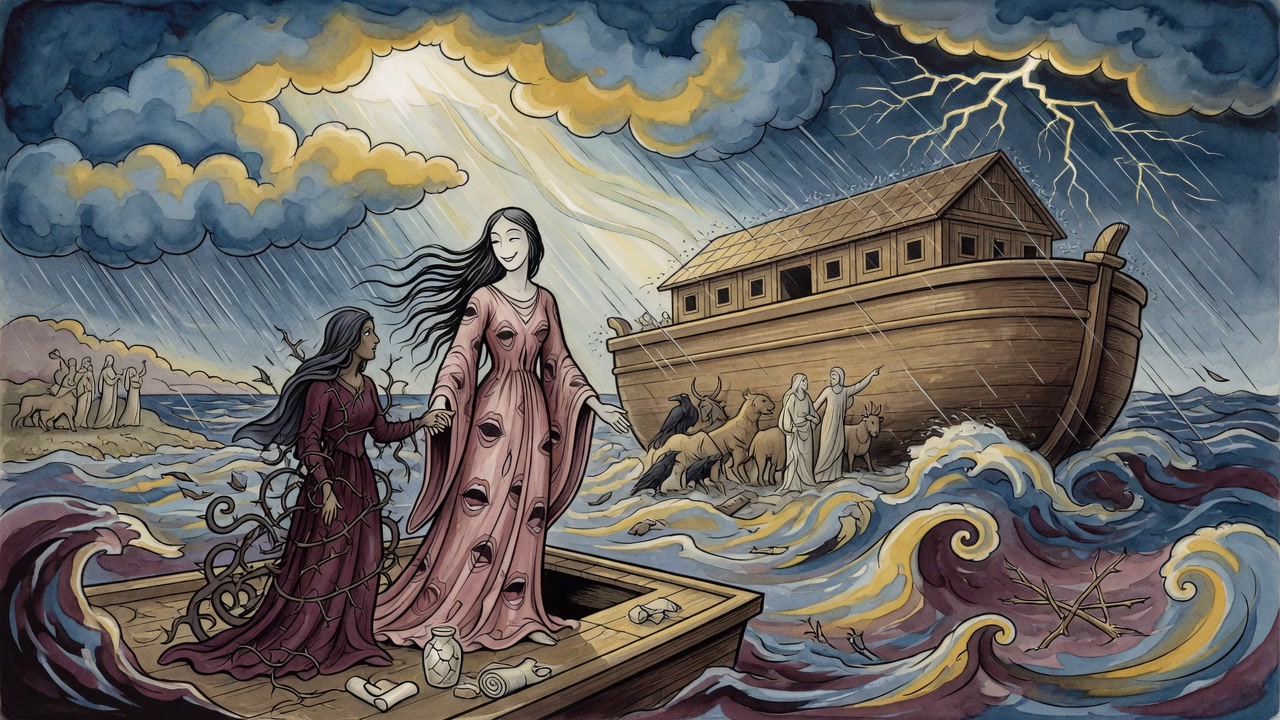
Refused at the ark for having no mate, Falsehood weds Wickedness to sneak aboard, and the flood meant to drown deceit carries the pair through.
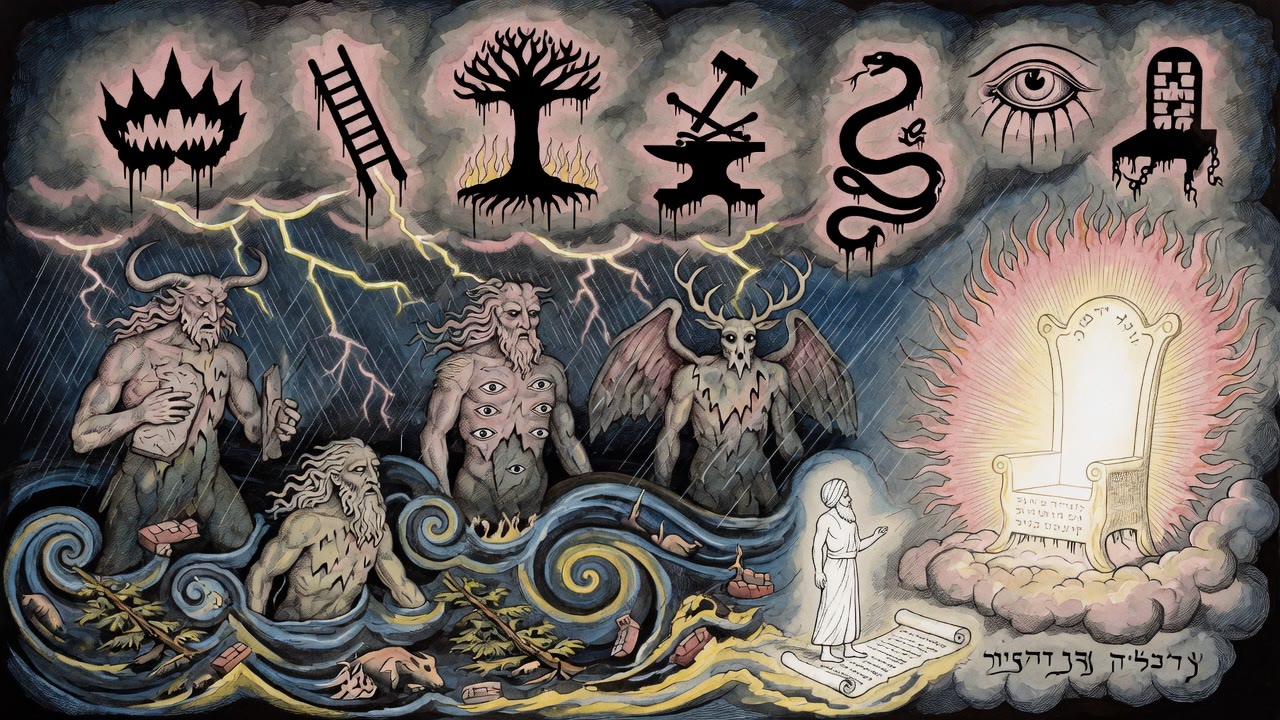
Before the waters rose, titans ruled a fertile earth. When the deep broke open, the giants jammed their feet into it and drowned defying God.
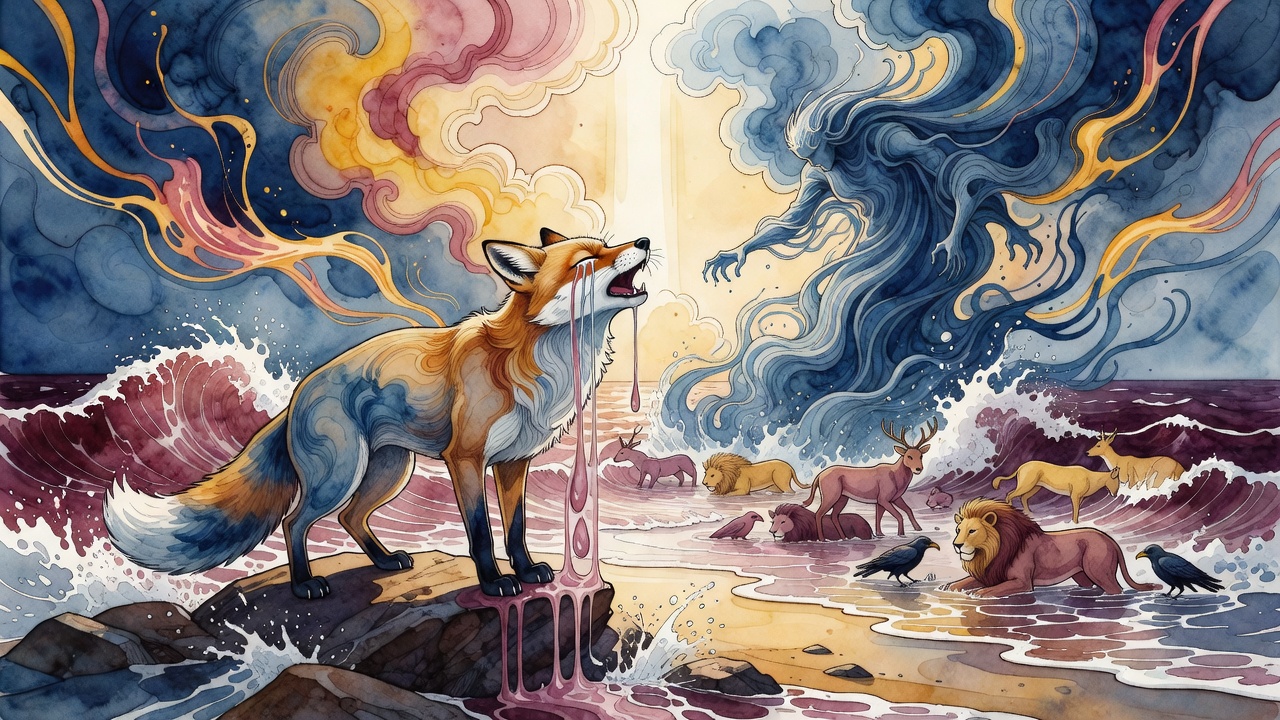
When the Angel of Death came to drown a pair of every beast, the fox alone refused to die, weeping over a mate he never had.
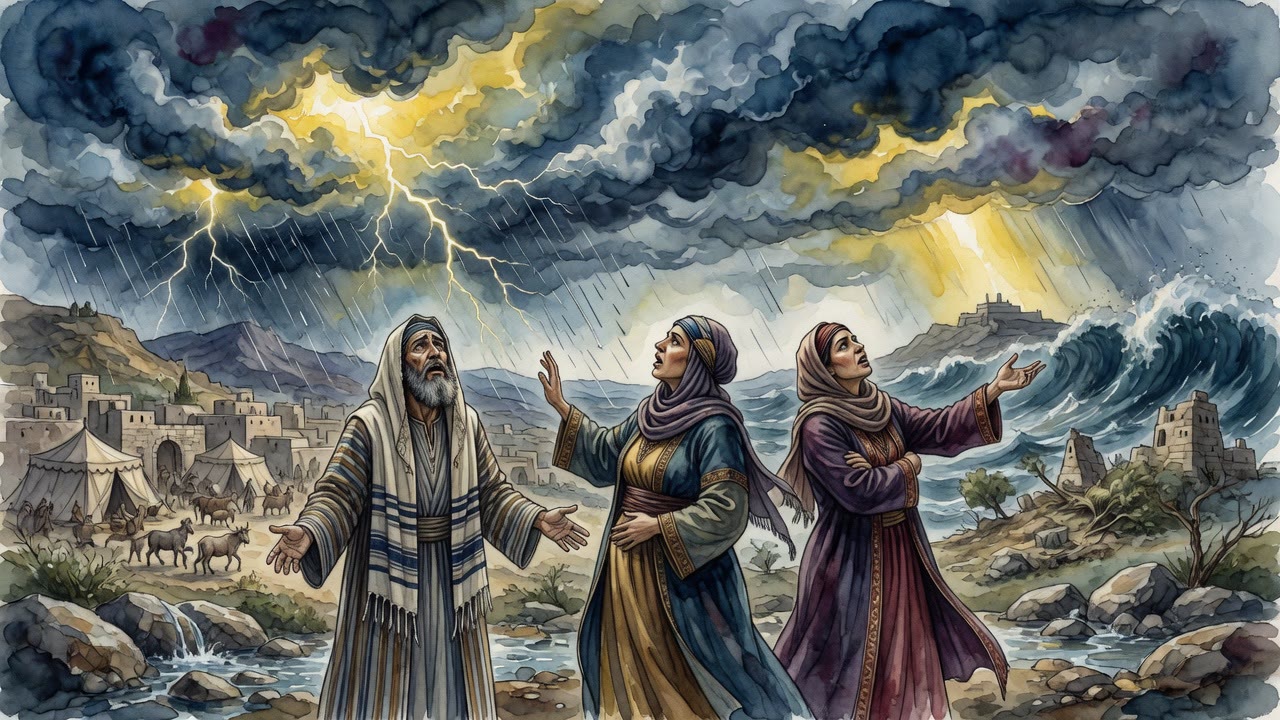
Lamech swore the boy in his arms would comfort a cursed world, but his wives had already decided no cradle was worth filling before the Flood.
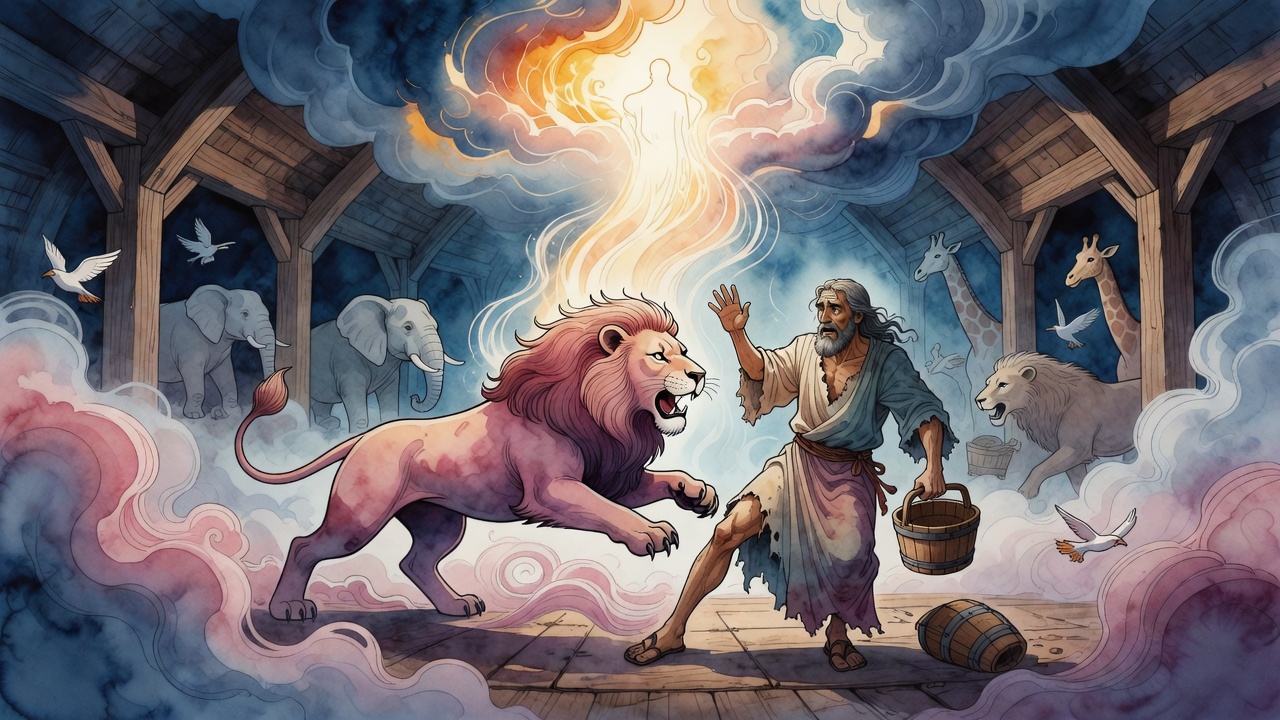
For twelve months Noah feeds every beast on its own clock, never sleeping, until the night he comes late and the lion mauls him in the dark.
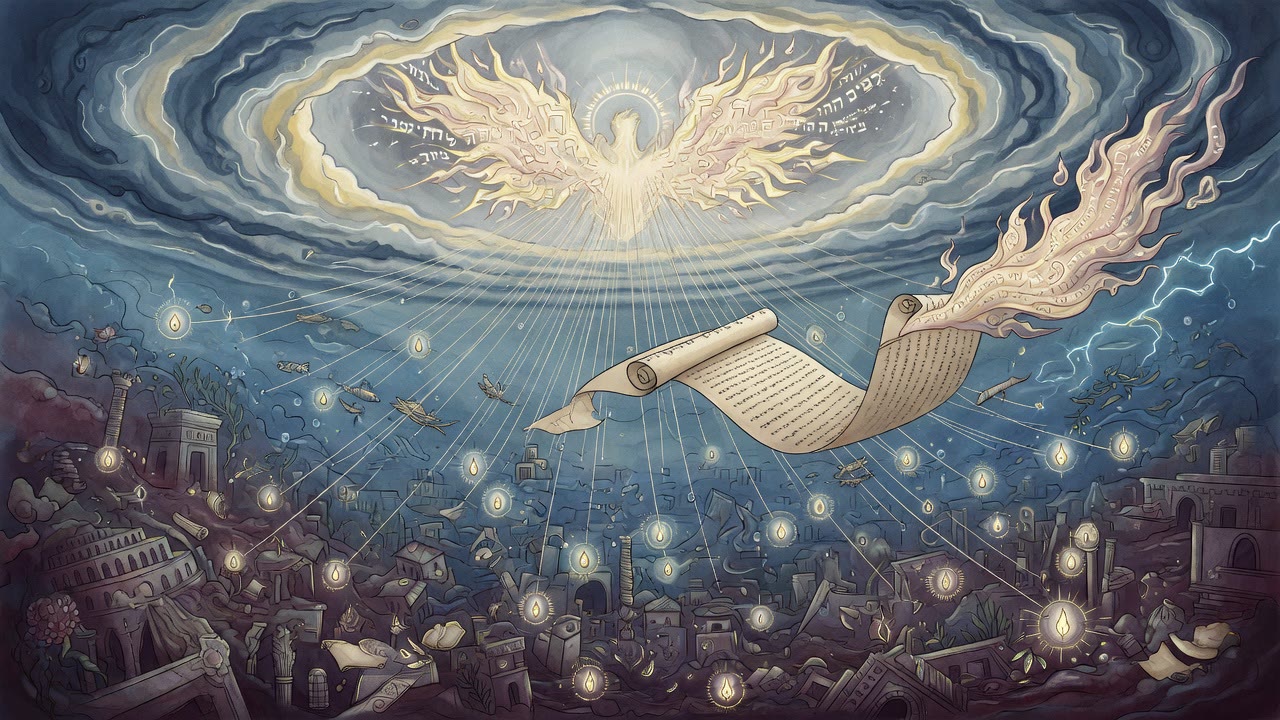
Noah outlived the rain by 350 years. Six centuries on, a census counted 714,100 men, the regrowth of a doomed world from a single felled tree.
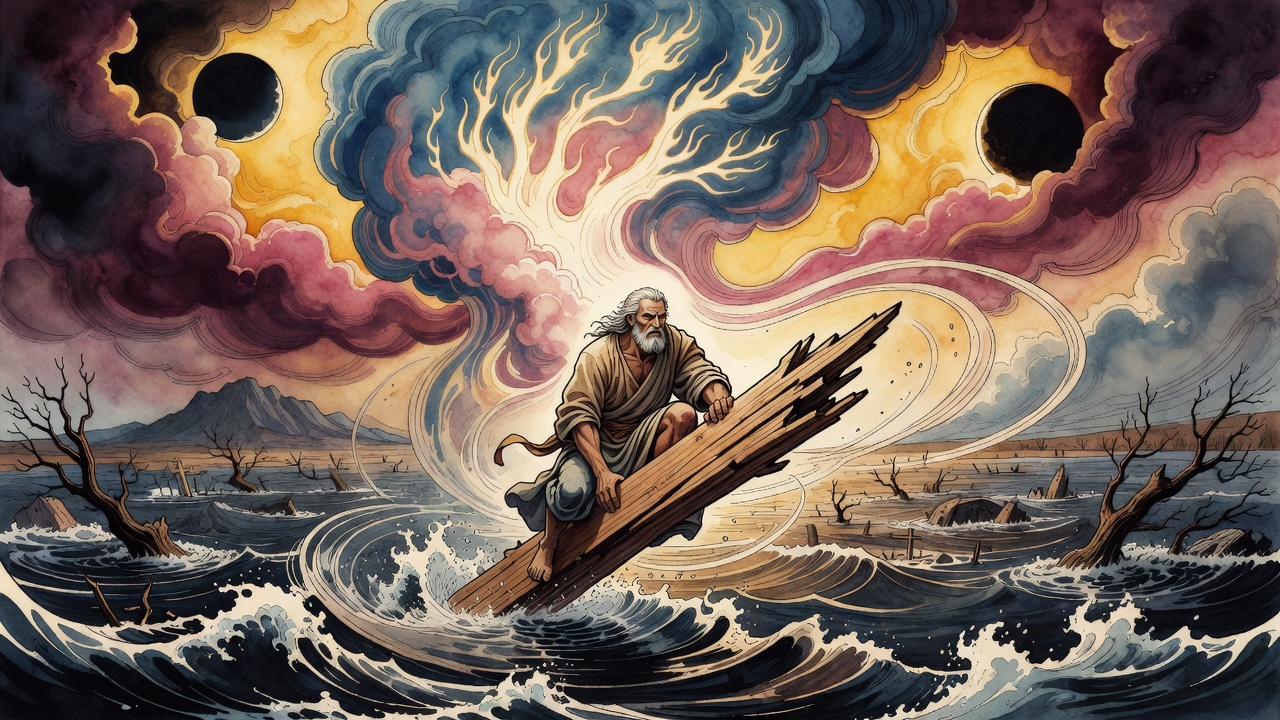
The sun and moon went dark for a year as the deep burst, and Noah rode a splinter of cedar across a drowned world toward Lubar.
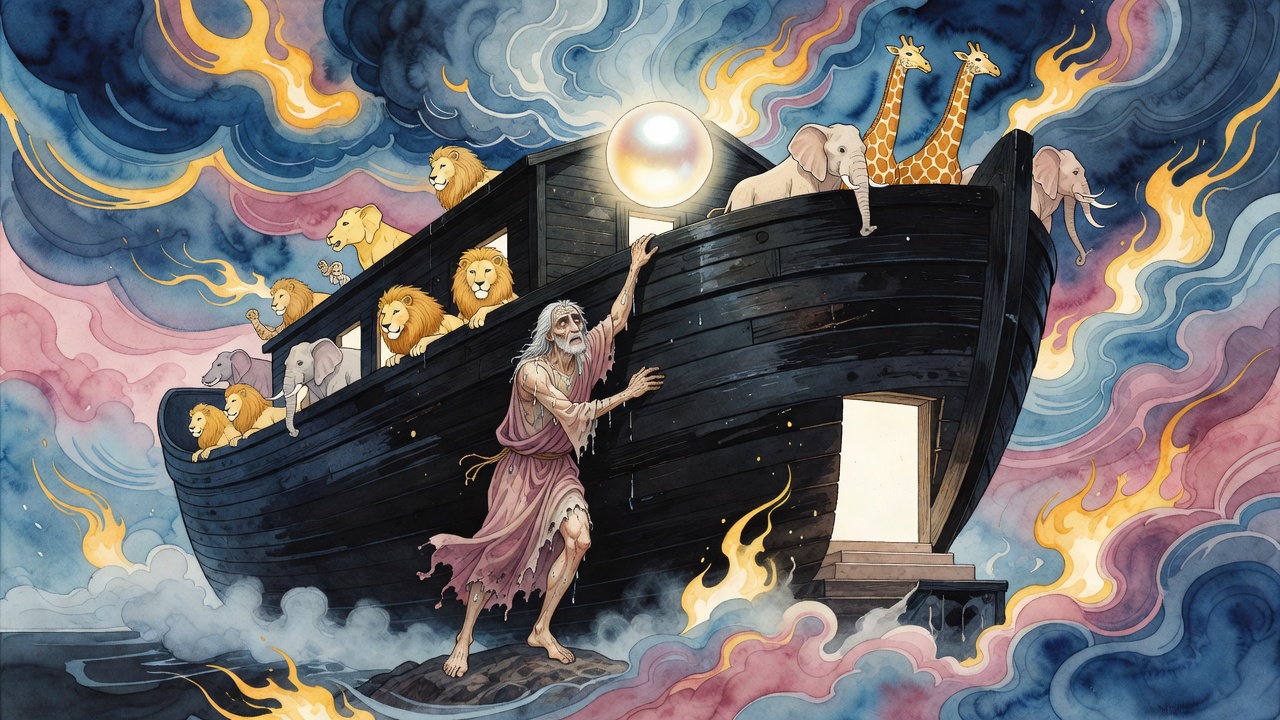
A single glowing pearl is Noah's only clock while he climbs a black ark for a year, feeding every beast on its own hour until the work nearly kills him.
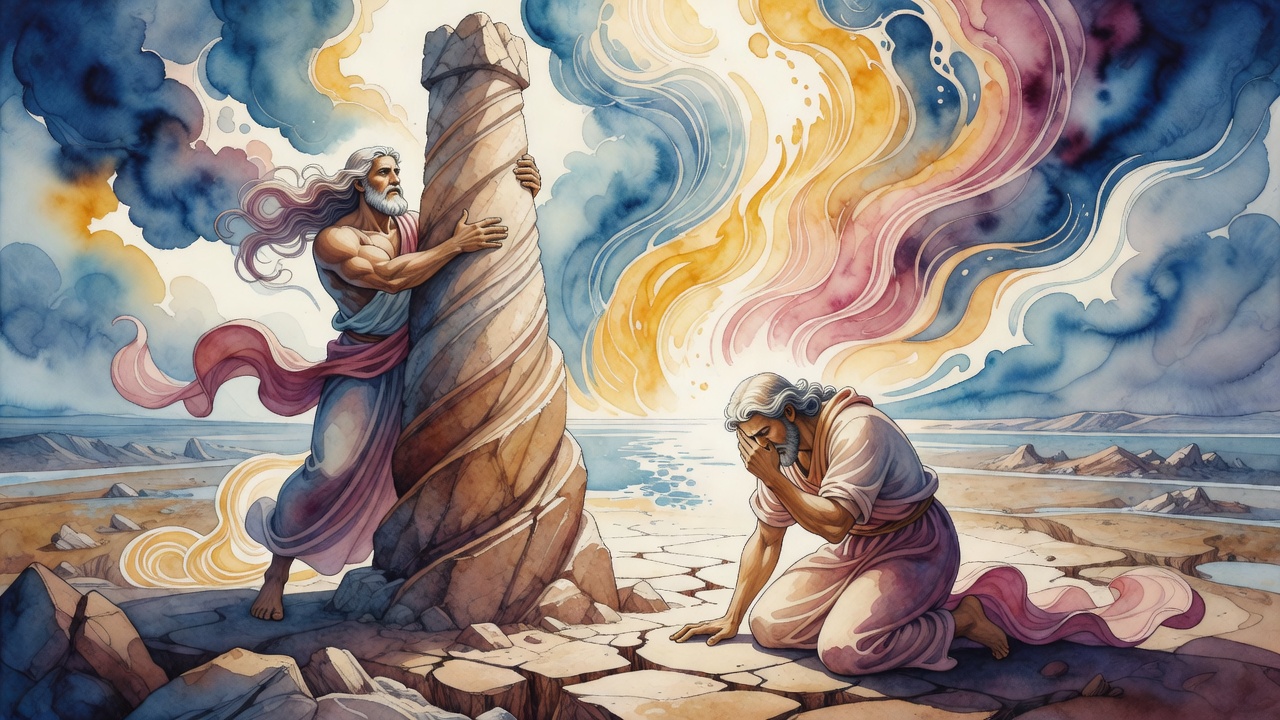
The flood left the earth blank, and the sons of the ark began writing on it, one prince raising a tower, one grandson earning a curse of his own.
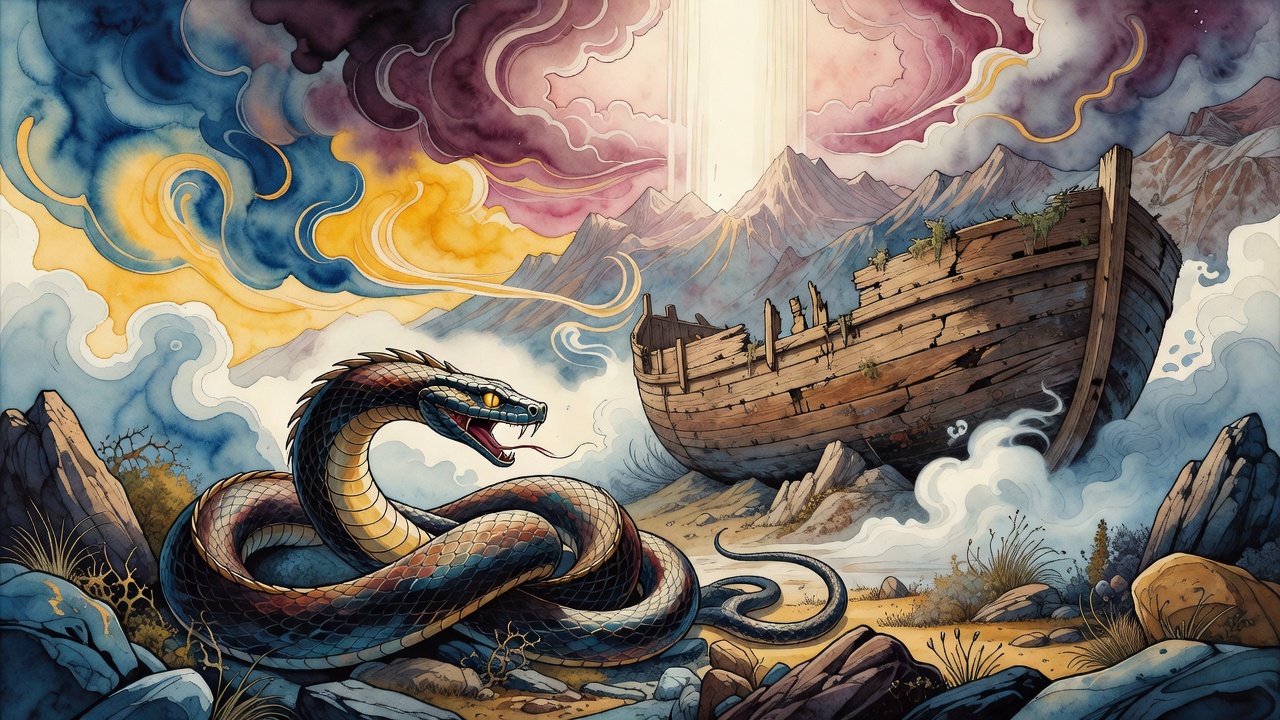
Every animal in the first garden shared one language, and the serpent used it. Long after, villagers in Armenia pried bitumen off the hull to wear as charms.
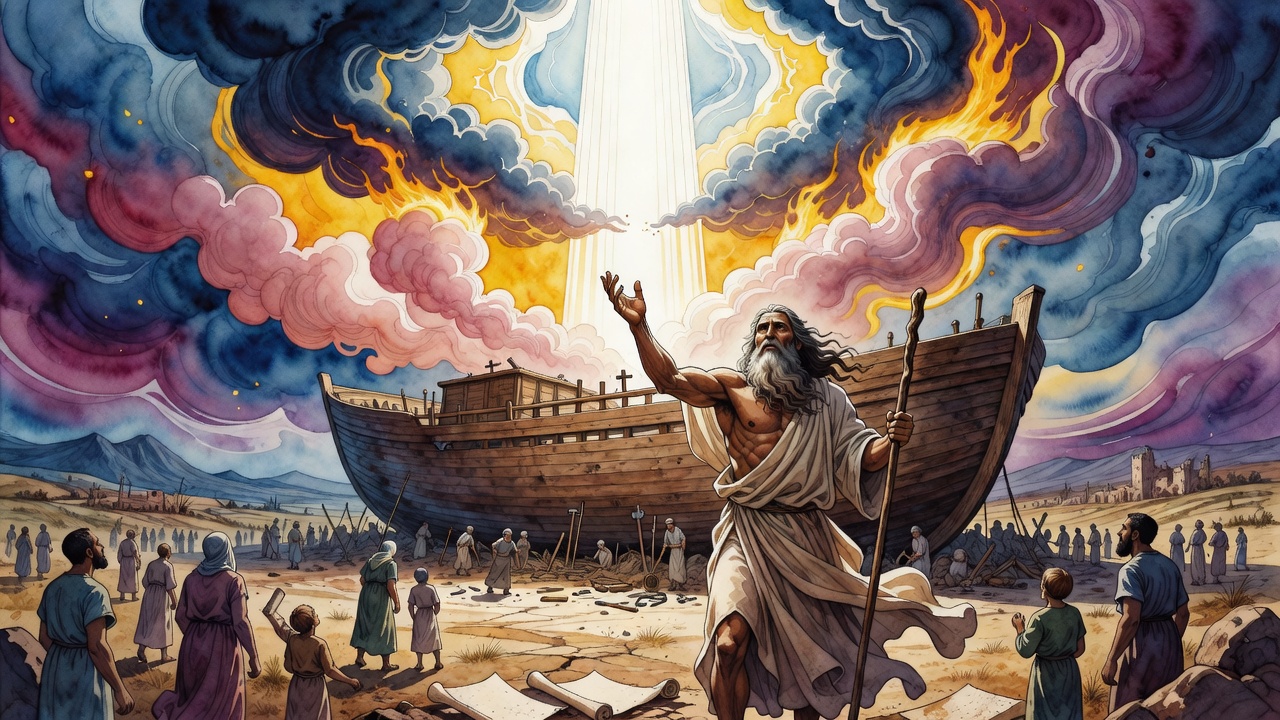
God showed Noah the blueprints himself, and the work took fifty-two years so a doomed generation might still turn while the floating city rose.
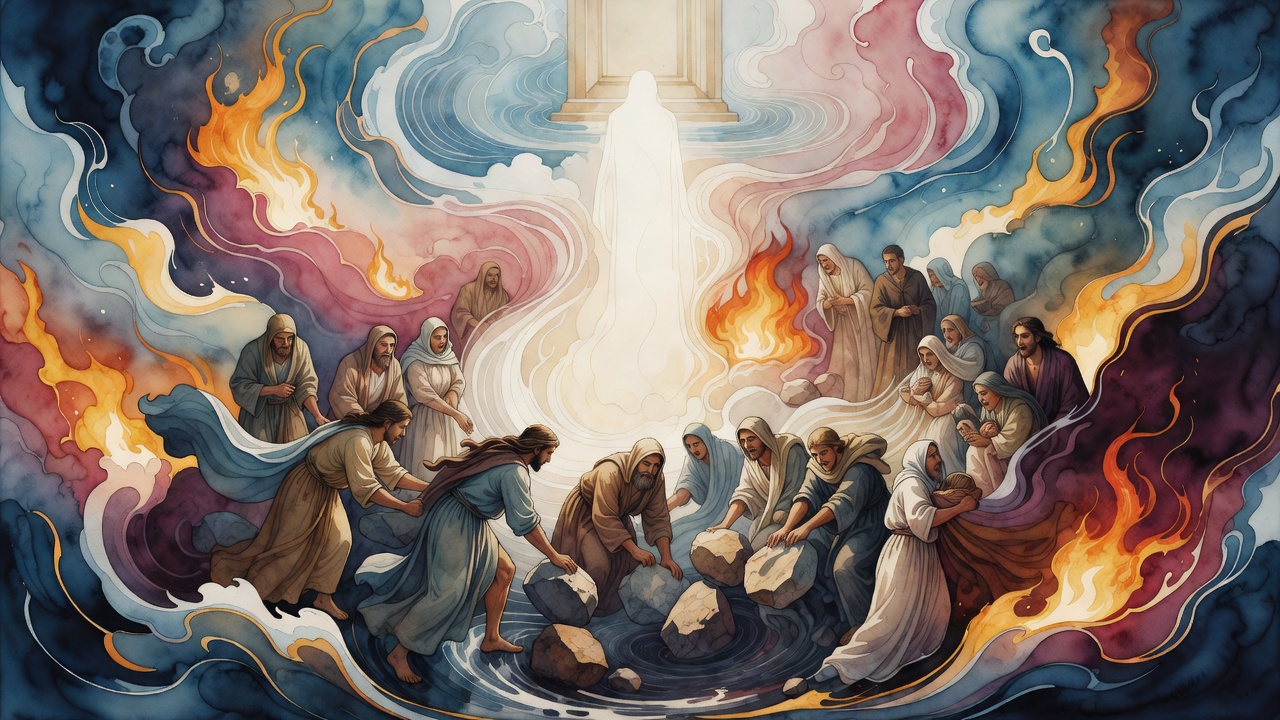
Abundance made them cruel. When the deep opened they stuffed infants into the geysers, tried to flip the ark, and met fire from above.
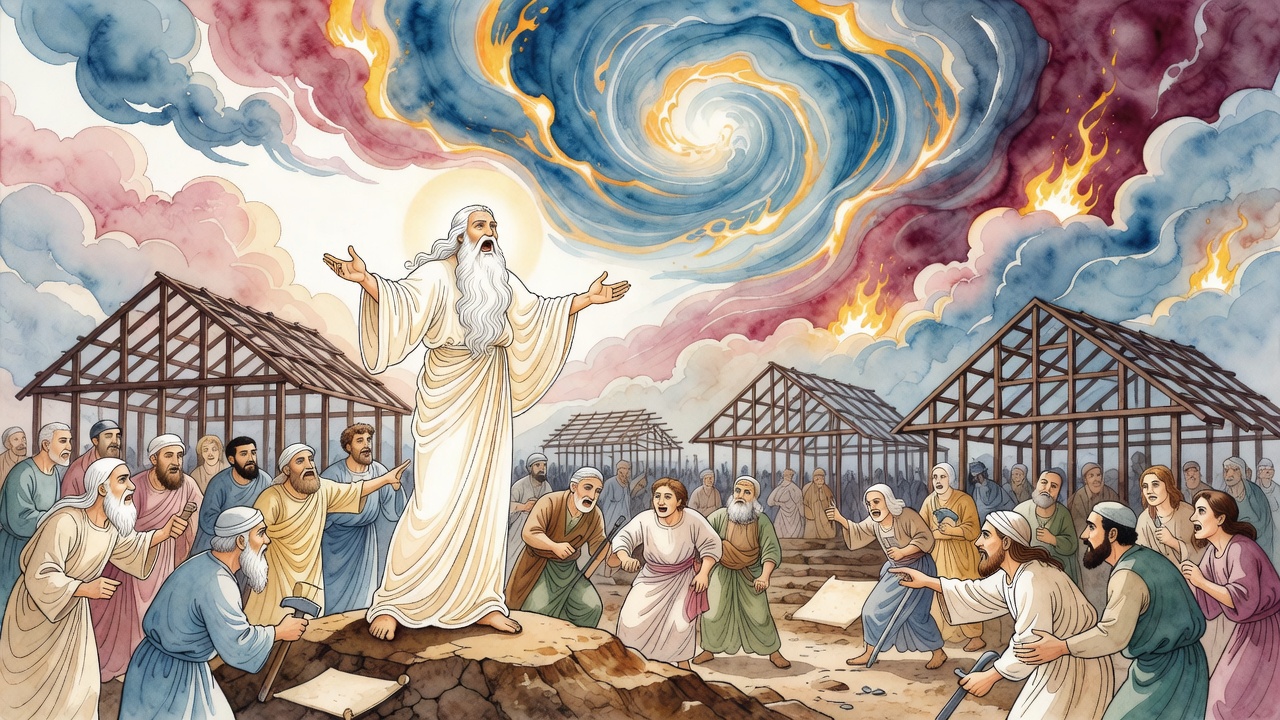
For one hundred twenty years Noah warned of water. The crowds mocked and boasted they would roof the earth with iron if fountains burst from below.
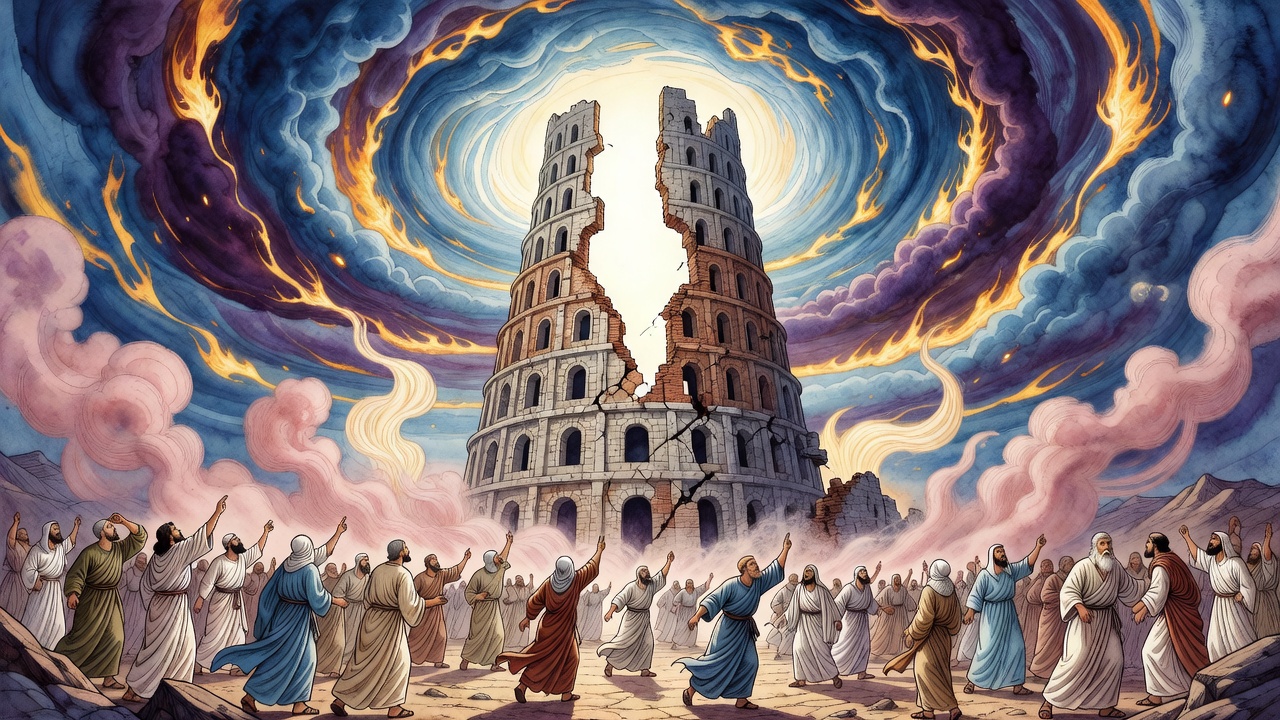
Babel's crews built high to avoid being scattered, and God scattered them with broken speech. Hebrew, the first tongue, shattered into seventy.
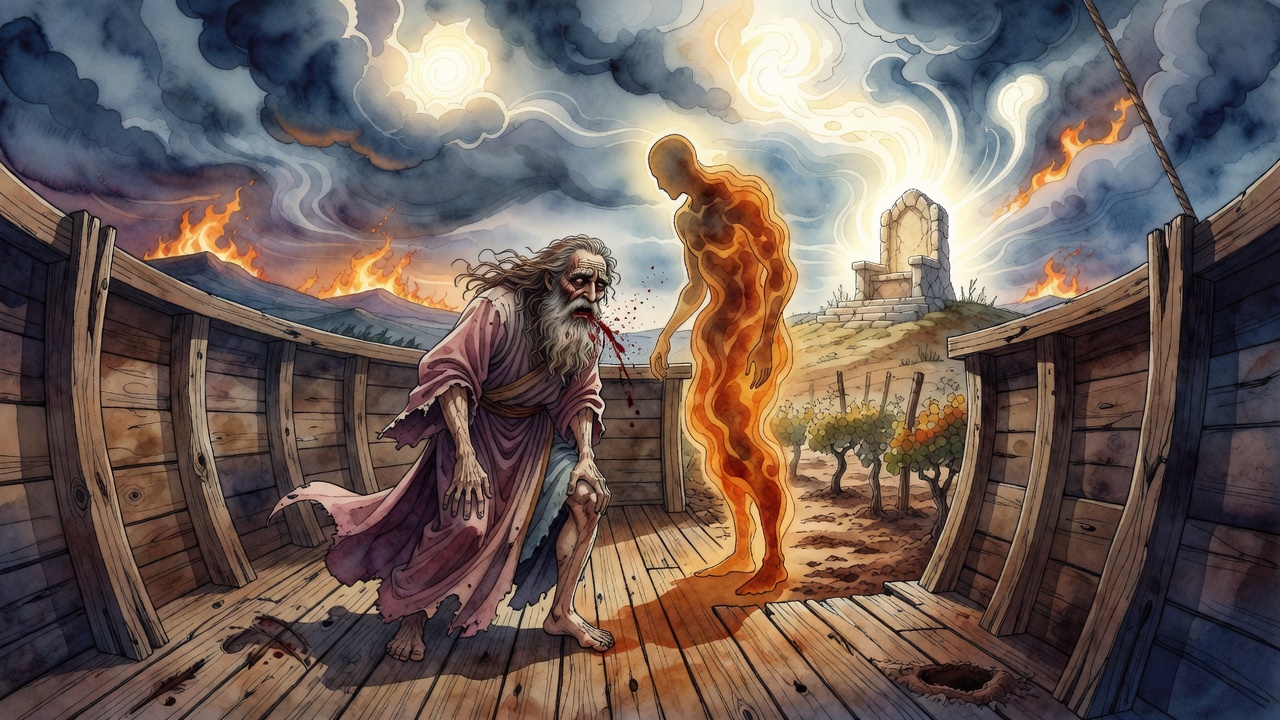
Twelve months without sleep, a lion's bite, and a prayer from the ark as prison. Noah left coughing blood, then partnered with Satan to plant a vineyard.
