Passover

240 texts · Page 3 of 5

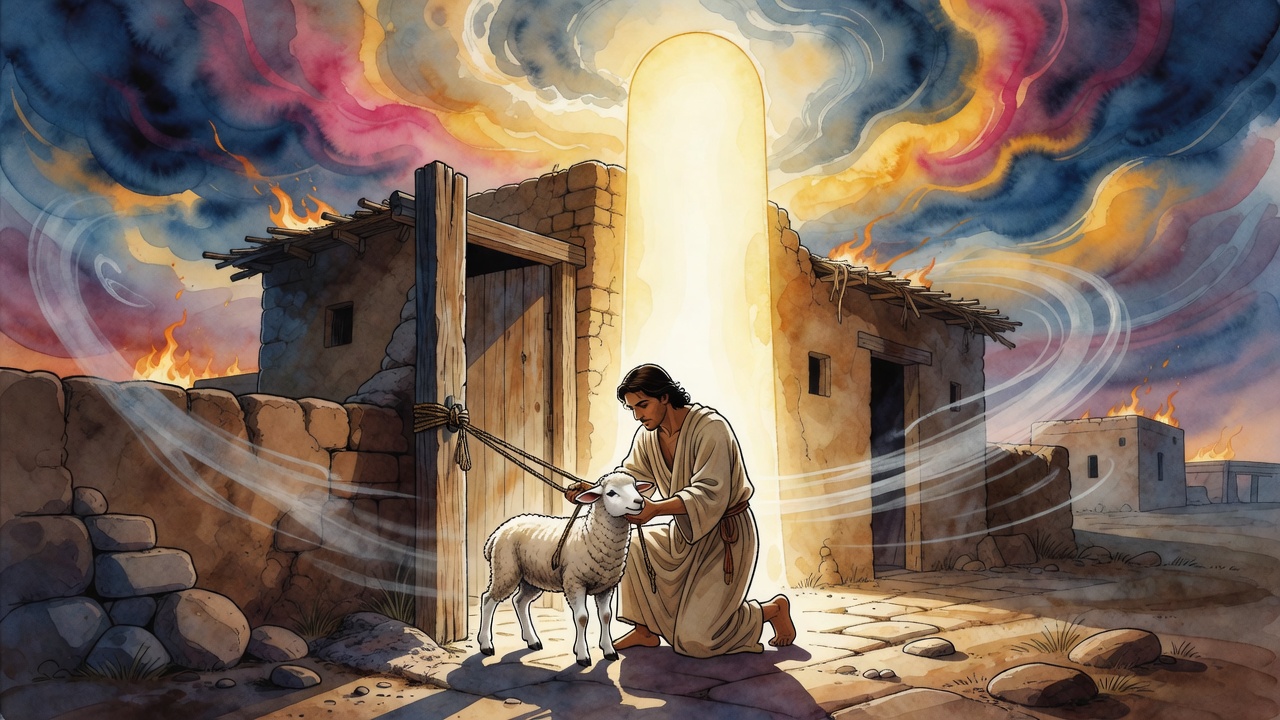
The Exodus from Egypt, the Passover sacrifice, the four cups of wine, and the retelling that keeps the memory alive each year.

(Exodus 15 — 1) "A horse and its rider He has cast into the

Mekhilta DeRabbi Yishmael Mekhilta DeRabbi Yishmael

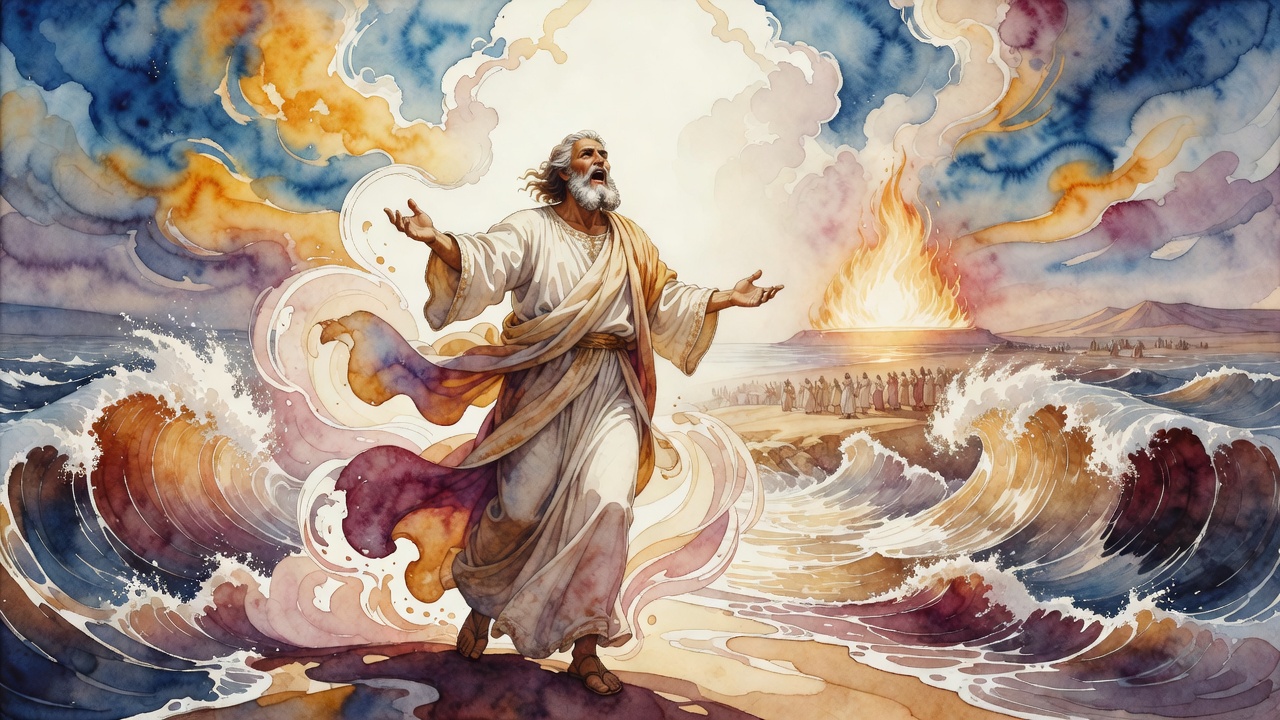
The Song of the Sea declares: "A horse and its rider He has cast into the sea" (Exodus 15:1). But this statement raises an immediate question. Was there really only one horse? The ...

(Exodus 15 — 4) "the chariots of Pharaoh and his host" — "As

Mekhilta DeRabbi Yishmael Mekhilta DeRabbi Yishmael

(Exodus 15:4) "the chariots of Pharaoh and his host": "As one measures, so is it meted out to him." They (the Egyptians [i.e., Pharaoh]) said (Ibid. 5:2) "Who is the L–rd that I sh...

(Exodus 15 — 5) "so that the depths should cover them" — Now

Mekhilta DeRabbi Yishmael Mekhilta DeRabbi Yishmael

The Song of the Sea declares: "The depths covered them" (Exodus 15:5). The Mekhilta asks an obvious but brilliant question: are there really depths at the bottom of the sea? The Is...

Jonah descended to one depth, viz

Mekhilta DeRabbi Yishmael Mekhilta DeRabbi Yishmael

The Mekhilta draws a striking comparison between the experience of the prophet Jonah in the belly of the great fish and the fate of the Egyptian army at the Red Sea — and the Egypt...

As one metes it out, so, is it meted out to him

Mekhilta DeRabbi Yishmael Mekhilta DeRabbi Yishmael

The Mekhilta DeRabbi Yishmael states a foundational principle of divine justice: "As one metes it out, so is it meted out to him." God's punishments are not random. They mirror the...

(Exodus 15 — 6) "Your right hand, O L–rd, is grand in power"

Mekhilta DeRabbi Yishmael Mekhilta DeRabbi Yishmael

The Mekhilta unpacks the declaration from (Exodus 15:6): "Your right hand, O Lord, is grand in power." The Hebrew phrase "nedari bakeach" is read as a compound — "na'eh" (comely) a...

(Exodus 15 — 6) "Your right hand, O L–rd, will break the

Mekhilta DeRabbi Yishmael Mekhilta DeRabbi Yishmael

The Mekhilta DeRabbi Yishmael draws attention to a single word in the Song at the Sea that transforms the entire verse from a description of the past into a prophecy of the future....

(Exodus 15 — 7) "And in the greatness of Your grandeur You

Mekhilta DeRabbi Yishmael Mekhilta DeRabbi Yishmael

The Mekhilta DeRabbi Yishmael interprets one of the most powerful lines in the Song at the Sea: "And in the greatness of Your grandeur You break those who rise up against You" (Exo...

It is not written (Exodus 15 — 7) "He has consumed them as

Mekhilta DeRabbi Yishmael Mekhilta DeRabbi Yishmael

The Mekhilta continues its grammatical investigation of the Song at the Sea and finds yet another future-tense verb. (Exodus 15:7) does not say "He has consumed them as stubble" — ...

(Exodus 15 — 8) "And with the breath of Your nostrils, the

Mekhilta DeRabbi Yishmael Mekhilta DeRabbi Yishmael

The Mekhilta reads (Exodus 15:8) — "And with the breath of Your nostrils, the waters ne'ermu" — as another demonstration of God's measure-for-measure justice. The Hebrew word "ne'e...

(Exodus 15 — 12) "You inclined Your right hand—the earth

Mekhilta DeRabbi Yishmael Mekhilta DeRabbi Yishmael

(Exodus 15:12) declares: "You inclined Your right hand — the earth swallowed them up." The Mekhilta reads this verse not primarily as a description of the Egyptians' death, but as ...

(Exodus 15 — 15) "Then the chiefs of Edom were confounded"

Mekhilta DeRabbi Yishmael Mekhilta DeRabbi Yishmael

When the Israelites crossed the Red Sea, the news sent shockwaves through the ancient world. The Mekhilta examines the verse "Then the chiefs of Edom were confounded" (Exodus 15:15...

(Exodus 15 — 16) "There fell upon them dread and terror"

Mekhilta DeRabbi Yishmael Mekhilta DeRabbi Yishmael

The Mekhilta makes a careful distinction in the verse "There fell upon them dread and terror" (Exodus 15:16). "Dread" fell upon the distant nations. "Terror" fell upon the near one...

(Exodus 15 — 22) "and they went in the desert for three days

Mekhilta DeRabbi Yishmael Mekhilta DeRabbi Yishmael

The Mekhilta examines the verse "And they went in the desert for three days without finding any water" (Exodus 15:22) and presents two conflicting interpretations. Rabbi Yehoshua t...

(Exodus 15 — 23) "And they came to Marah" — R

Mekhilta DeRabbi Yishmael Mekhilta DeRabbi Yishmael

The Mekhilta records a disagreement between two sages about the verse "And they came to Marah" (Exodus 15:23). Rabbi Yehoshua says that Israel came to three places at that time. Ra...

(Exodus 15 — 27) "And they came to Eilim, and there (they

Mekhilta DeRabbi Yishmael Mekhilta DeRabbi Yishmael

When the Israelites arrived at Eilim after their grueling desert journey, they found an oasis that defied all natural proportion. Twelve springs of water bubbled up from the earth,...

(Exodus 16 — 4) "And the L–rd said to Moses — Behold

Mekhilta DeRabbi Yishmael Mekhilta DeRabbi Yishmael

When God responded to the Israelites' hunger in the wilderness, He used a single Hebrew word that two rabbis read in completely different ways. (Exodus 16:4) records God telling Mo...

and it shall be on the sixth day that they shall prepare

Mekhilta DeRabbi Yishmael Mekhilta DeRabbi Yishmael

A seemingly technical legal teaching in the Mekhilta DeRabbi Yishmael reveals a deep argument about what made the manna special. The verse in (Exodus 16:5) states that on the sixth...

(Exodus 16 — 7) "and in the morning you will see" — From here

Mekhilta DeRabbi Yishmael Mekhilta DeRabbi Yishmael

When the Israelites grumbled in the wilderness about food, Moses and Aaron told them (Exodus 16:7): "And in the morning you will see the glory of the Lord." The Mekhilta de-Rabbi I...

(Exodus 16 — 12) "I have heard the cavilings of the children

Mekhilta DeRabbi Yishmael Mekhilta DeRabbi Yishmael

The Mekhilta DeRabbi Yishmael reveals a remarkable exchange between God and Moses concerning the Israelites' complaints in the wilderness. The verse states: "I have heard the cavil...

(Exodus 16 — 13) "and in the morning there was a layer of

Mekhilta DeRabbi Yishmael Mekhilta DeRabbi Yishmael

(Exodus 16:13) says simply that "in the morning there was a layer of dew." But the Mekhilta DeRabbi Yishmael saw in this plain statement a description of one of the most elaborate ...

(Exodus 16 — 15) "And the children of Israel saw it, and each

Mekhilta DeRabbi Yishmael Mekhilta DeRabbi Yishmael

When the manna first appeared in the wilderness, the Israelites had never seen anything like it. (Exodus 16:15) records their reaction: "And the children of Israel saw it, and each...

(Exodus 16 — 16) "This is the thing that the L–rd has commanded

Mekhilta DeRabbi Yishmael Mekhilta DeRabbi Yishmael

(Exodus 16:16) "This is the thing that the L–rd has commanded. Gather of it, each man, etc.": They said: Now Nachshon ben Aminadav and his household will go out and will gather a l...

(Exodus 16 — 19-20) "And Moses said to them — Let no man leave

Mekhilta DeRabbi Yishmael Mekhilta DeRabbi Yishmael

Moses gave the Israelites a simple instruction in (Exodus 16:19): do not leave any manna over until morning. What happened next exposed a fault line running through the entire nati...

(Exodus 16 — 22) "And it was, on the sixth day they gathered, etc

Mekhilta DeRabbi Yishmael Mekhilta DeRabbi Yishmael

On the sixth day of the week, something unprecedented happened with the manna. (Exodus 16:22) records that the Israelites gathered a double portion, two omers instead of the usual ...

(Exodus 16 — 26) "Six days shall you gather it, etc

Mekhilta DeRabbi Yishmael Mekhilta DeRabbi Yishmael

(Exodus 16:26) "Six days shall you gather it, etc.": We are hereby apprised that the manna does not descend on Sabbath. Whence do we derive (the same for) a festival? From (the sup...

(Exodus 16 — 31) "And it was like coriander seed, white

Mekhilta DeRabbi Yishmael Mekhilta DeRabbi Yishmael

The Israelites called it manna. It fell from heaven every morning, and the Torah describes it with a comparison that immediately puzzles the Mekhilta's rabbis: "And it was like cor...

Eliezer says — It was like "haggadah" (from "gad"), which

Mekhilta DeRabbi Yishmael Mekhilta DeRabbi Yishmael

The Mekhilta DeRabbi Yishmael preserves two interpretations of the manna's name, both attributed to tannaitic authorities, and both reveal how the rabbis found layers of meaning in...

(Exodus 16 — 33) "And Moses said to Aaron — Take one

Mekhilta DeRabbi Yishmael Mekhilta DeRabbi Yishmael

Moses told Aaron to take a "tzintzeneth" and fill it with manna to preserve for future generations (Exodus 16:33). But what exactly was a tzintzeneth? The word appears nowhere else...

(Exodus 17 — 4) "and Moses cried out to the L–rd" — We are

Mekhilta DeRabbi Yishmael Mekhilta DeRabbi Yishmael

(Exodus 17:4) "and Moses cried out to the L–rd": We are hereby apprised of the eminence of Moses. He did not say: Since they are quarreling with me I will not implore mercy for the...

(Exodus 17 — 5) "And the L–rd said to Moses — Pass over, etc

Mekhilta DeRabbi Yishmael Mekhilta DeRabbi Yishmael

When God told Moses, "Pass over before the people" (Exodus 17:5), the instruction sounds like a simple command to walk ahead of the crowd. But the Mekhilta hears at least three dif...

(Exodus 17 — 7) "And he called the name of the place Massah

Mekhilta DeRabbi Yishmael Mekhilta DeRabbi Yishmael

After the crisis at the rock, the place received two names: Massah, meaning "testing," and Merivah, meaning "quarreling" (Exodus 17:7). But who gave it those names? The Mekhilta re...

(Exodus 17 — 8) "And Amalek came" — This verse is recondite

Mekhilta DeRabbi Yishmael Mekhilta DeRabbi Yishmael

The verse is stark: "And Amalek came" (Exodus 17:8). No warning, no buildup — just the enemy arriving. But the Mekhilta insists the verse is "recondite," meaning it hides a deeper ...

(Exodus 17 — 14) "For erase shall I erase" — "erase"—in this

Mekhilta DeRabbi Yishmael Mekhilta DeRabbi Yishmael

God declared in (Exodus 17:14): "For erase shall I erase the remembrance of Amalek from under heaven." The sages of the Mekhilta noticed something peculiar about this verse. Why do...

(Exodus 17 — 16) "And he said — For (the) hand by the throne

Mekhilta DeRabbi Yishmael Mekhilta DeRabbi Yishmael

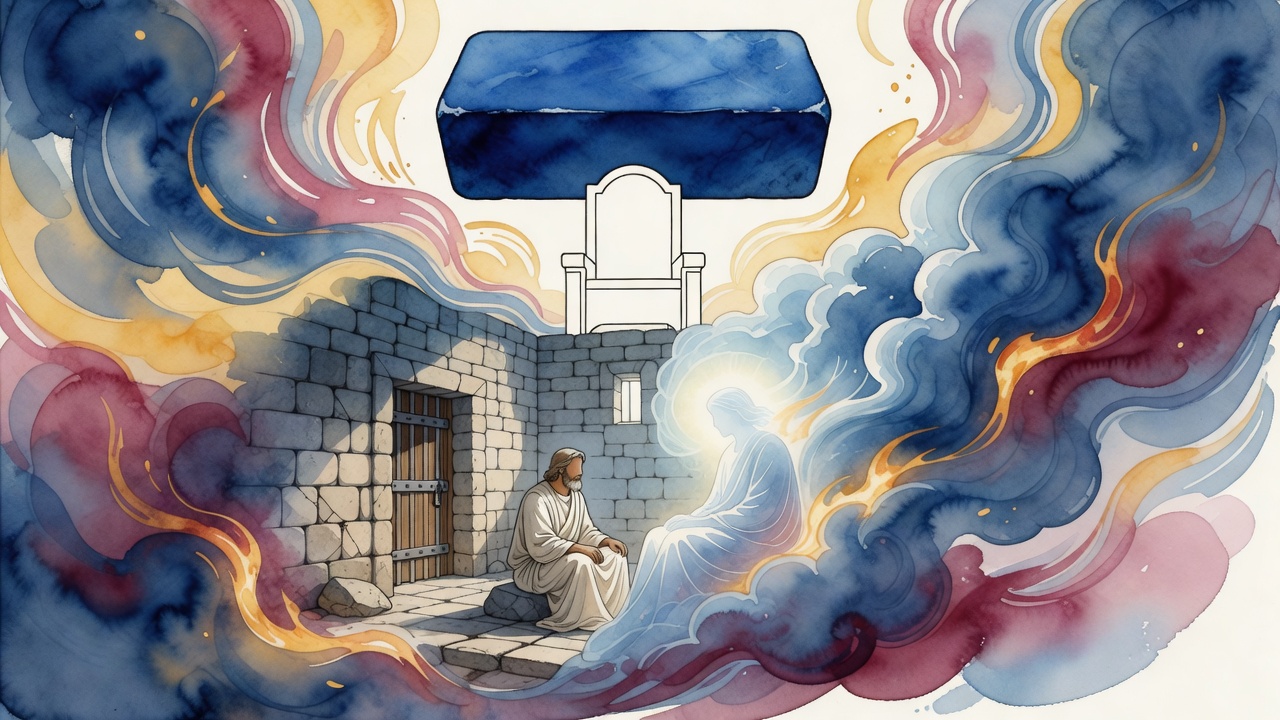
(Exodus 17:16) preserves a cryptic declaration: "For the hand is by the throne of Kah: the L-rd is at war with Amalek from generation to generation." The Mekhilta, through Rabbi Ye...

(Exodus 18 — 1) "the Cohein of Midian" — R

Mekhilta DeRabbi Yishmael Mekhilta DeRabbi Yishmael

What was Yithro's role in Midian before he joined Moses and the people of Israel? The verse calls him "the Cohein of Midian" (Exodus 18:1), and two rabbis disagreed about what "Coh...

(Exodus 18 — 4) "and the name of the second, 'Eliezer,' for

Mekhilta DeRabbi Yishmael Mekhilta DeRabbi Yishmael

(Exodus 18:4) "and the name of the second, 'Eliezer,' for (Moses said: 'The G–d of (Elokei) my father was my help (ezri), and He saved me from the 'sword of Pharaoh.'" R. Yehoshua ...

(Exodus 18 — 5) "and Yithro, Moses' father-in-law, and his

Mekhilta DeRabbi Yishmael Mekhilta DeRabbi Yishmael

A small textual puzzle in the book of Exodus reveals something important about Moses' family. The verse states (Exodus 18:5): "And Yithro, Moses' father-in-law, and his sons and hi...

(Exodus 18 — 7) "And Moses went out to his father-in-law"

Mekhilta DeRabbi Yishmael Mekhilta DeRabbi Yishmael

The Mekhilta DeRabbi Yishmael describes the extraordinary reception that Jethro received when he arrived at the Israelite camp in the wilderness. The verse states simply: "And Mose...

(Exodus 18 — 14) "And Moses' father-in-law saw" — What did he see

Mekhilta DeRabbi Yishmael Mekhilta DeRabbi Yishmael

Jethro arrived at the Israelite camp and immediately noticed something troubling. His son-in-law Moses sat from morning until evening while the entire nation stood in a line before...

(Exodus 18 — 18) "You will languish" — R

Mekhilta DeRabbi Yishmael Mekhilta DeRabbi Yishmael

Yithro warned Moses with a vivid and frightening prophecy (Exodus 18:18): "You will languish." The Hebrew word used here prompted two different interpretations from the rabbis, and...

(Exodus 19 — 1) "On this day they came to the desert of

Mekhilta DeRabbi Yishmael Mekhilta DeRabbi Yishmael

The Torah records the arrival at Sinai with a precise phrase (Exodus 19:1): "On this day they came to the desert of Sinai." The Mekhilta de-Rabbi Ishmael identifies the exact date ...

Lakish says — It is written (Exodus 2 — 25) "And G–d saw the

Mekhilta DeRabbi Yishmael Mekhilta DeRabbi Yishmael

R. Yehudah ben Lakish offered a poignant interpretation of the verse (Exodus 2:25): "And God saw the children of Israel, and God knew." The verse seems simple enough — God observed...

(Exodus 19 — 2) "And Israel encamped there" — Elsewhere it is

Mekhilta DeRabbi Yishmael Mekhilta DeRabbi Yishmael

Throughout the book of Exodus, whenever the Israelites traveled, the Torah uses the plural form — "they journeyed," "they encamped" — because the people moved in discord and settle...

(Exodus 19 — 3) "And Moses went up to G–d" — This was on the

Mekhilta DeRabbi Yishmael Mekhilta DeRabbi Yishmael

On the second day after the Israelites arrived at Sinai, Moses ascended the mountain to meet God (Exodus 19:3). The Mekhilta notes a crucial detail: God called out to Moses before ...

(Exodus 19 — 22) "And also the Cohanim, who draw near to the

Mekhilta DeRabbi Yishmael Mekhilta DeRabbi Yishmael

(Exodus 19:22) "And also the Cohanim, who draw near to the L–rd": We are hereby apprised that the Cohanim are not included in "the people" (above, 21). And thus is it written (Levi...

) "your man-servant and your maid-servant" — These are

Mekhilta DeRabbi Yishmael Mekhilta DeRabbi Yishmael

The Mekhilta DeRabbi Yishmael examines the Shabbat (the Sabbath) commandment's reference to "your man-servant and your maid-servant," asking a pointed question: which servants does...

) "You shall not steal" — (Exodus 21 — 14) "One who steals a

Mekhilta DeRabbi Yishmael Mekhilta DeRabbi Yishmael

The Mekhilta DeRabbi Yishmael identifies a critical distinction in the commandment "You shall not steal." The eighth of the Ten Commandments is not about stealing property. It is a...