310 myths · Page 8 of 11
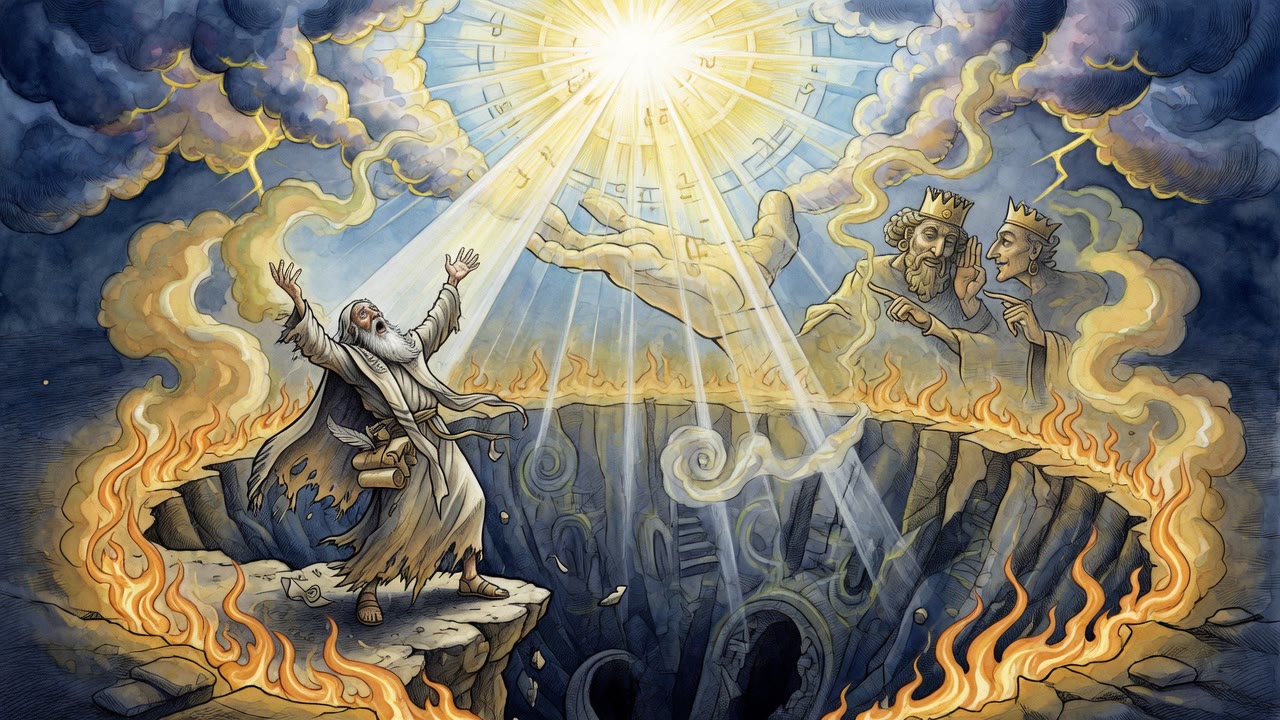
Cornered at the pit's edge, slandered into a king's ear and ringed by fire, an old scribe of Jerusalem cries out and God hauls him back to the living.
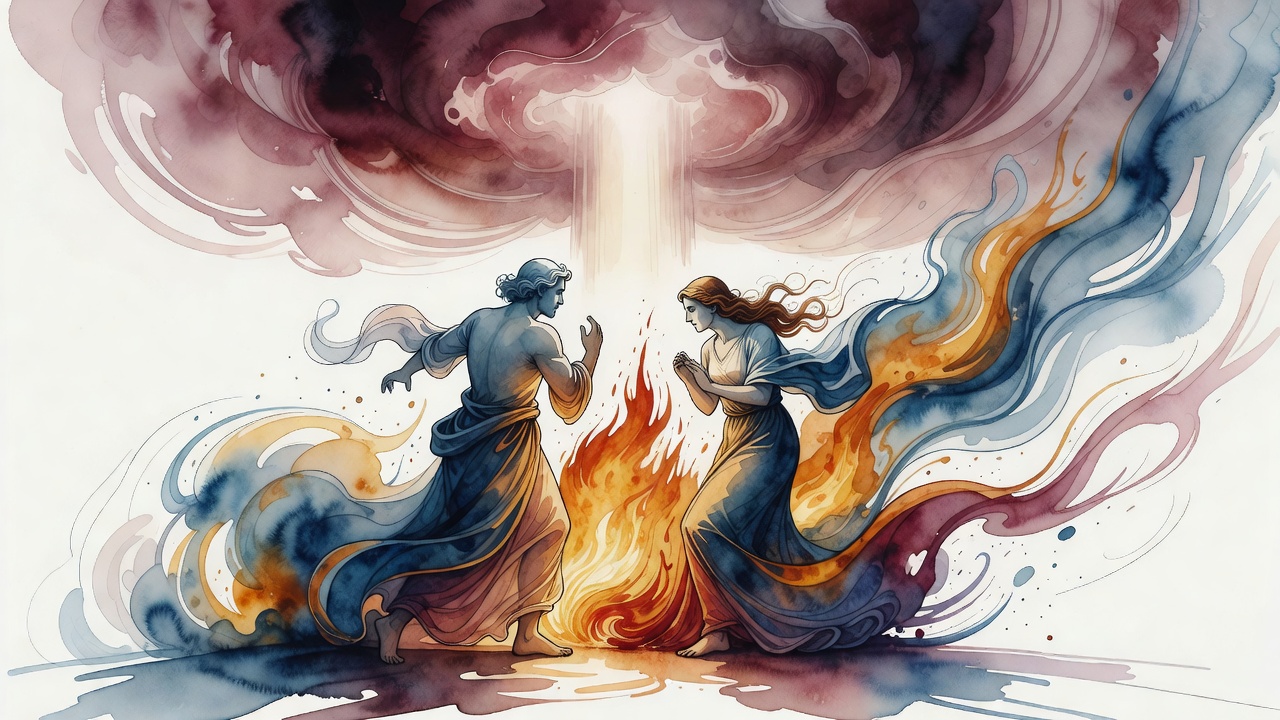
God set letters of His own name inside Adam and Eve. When they ate, the letters left, and the fire that remained threatened to burn them both.
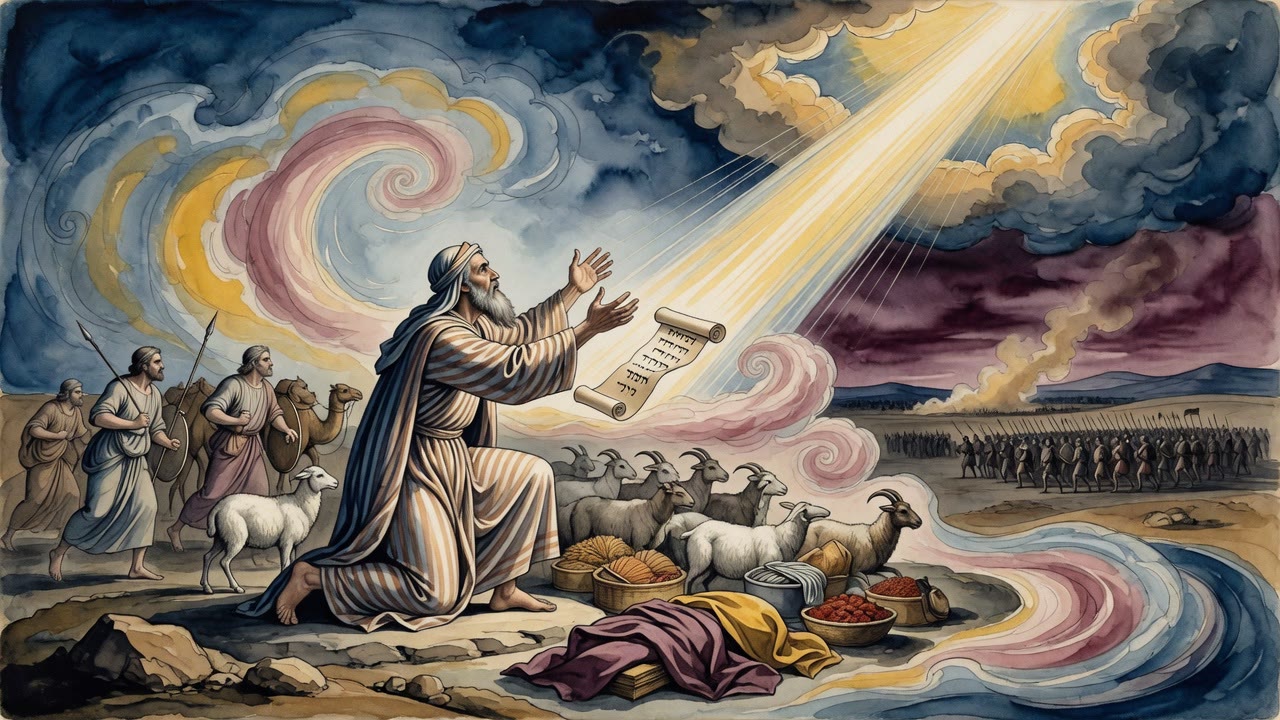
Before Esau's four hundred, Jacob prayed, sent gifts, and readied for war. He cited a future Torah law so God would not kill mothers with sons.
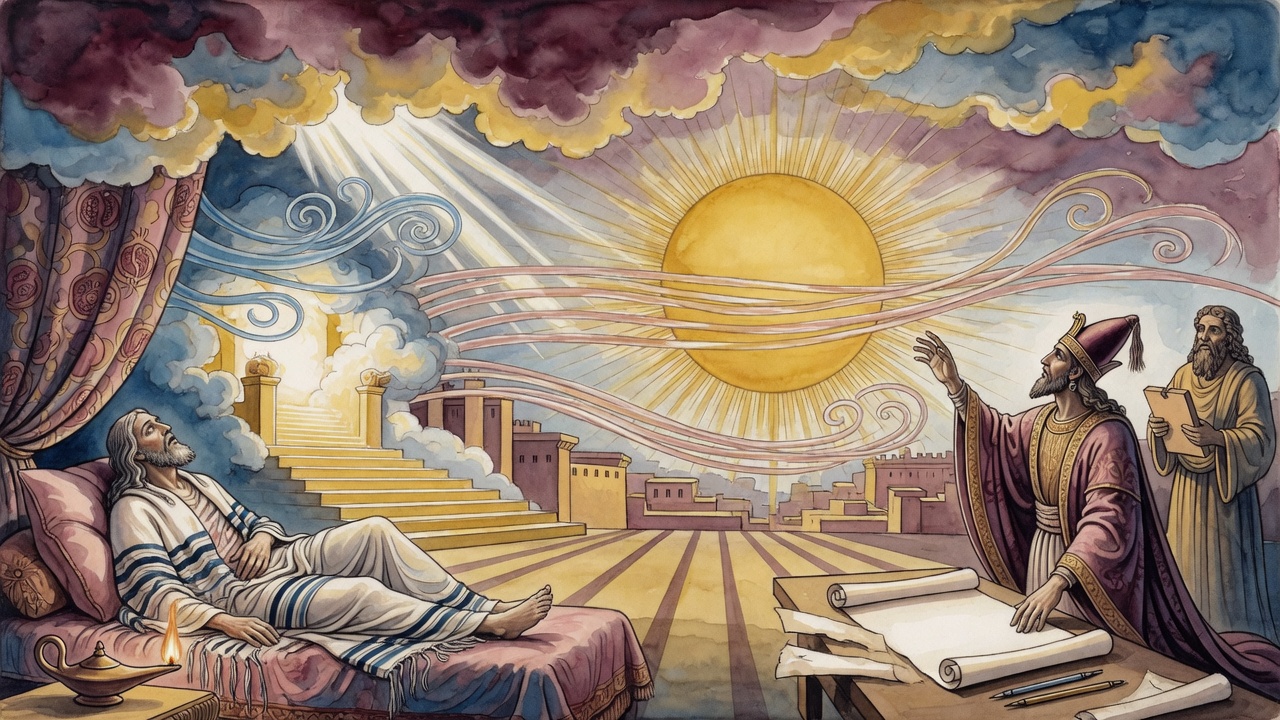
Hezekiah was dying when he asked God to let illness have an exit. In Babylon a prince woke from his noon nap and reached for the guards.
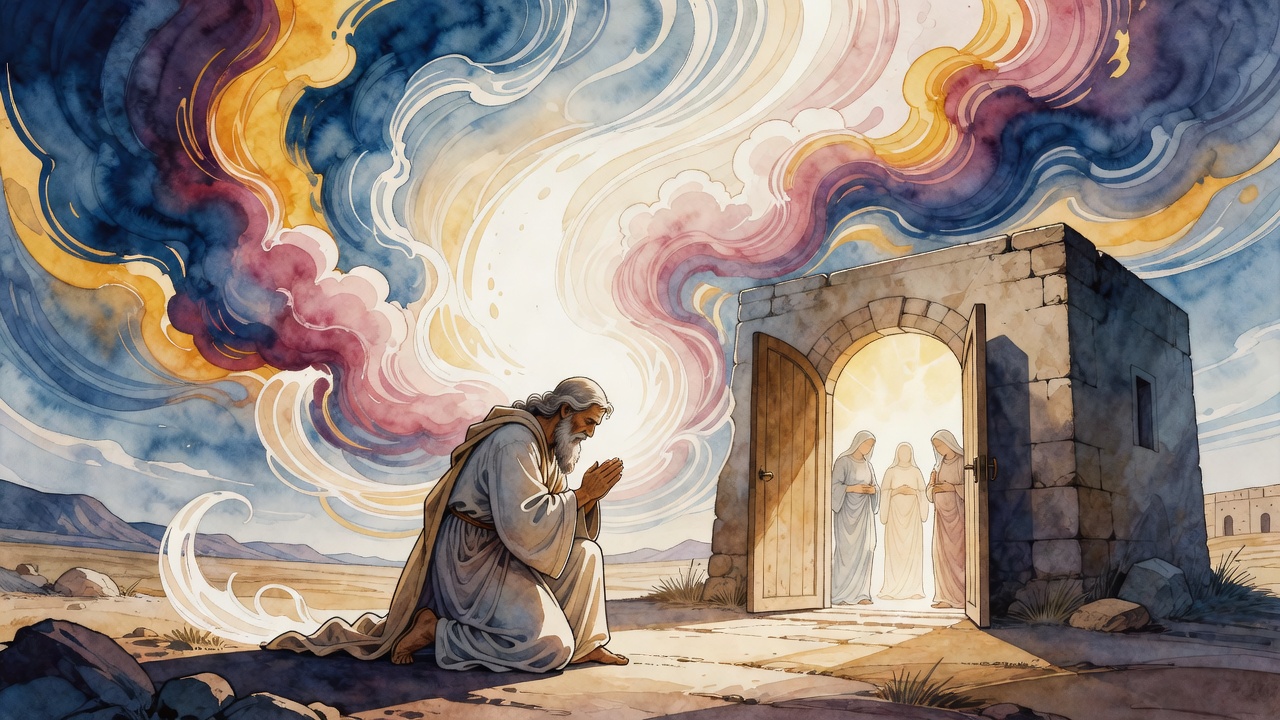
Gerar's king had taken Sarah, and every womb in his house shut. Abraham asked God to let them multiply instead. Abimelech's barren wife bore a child.
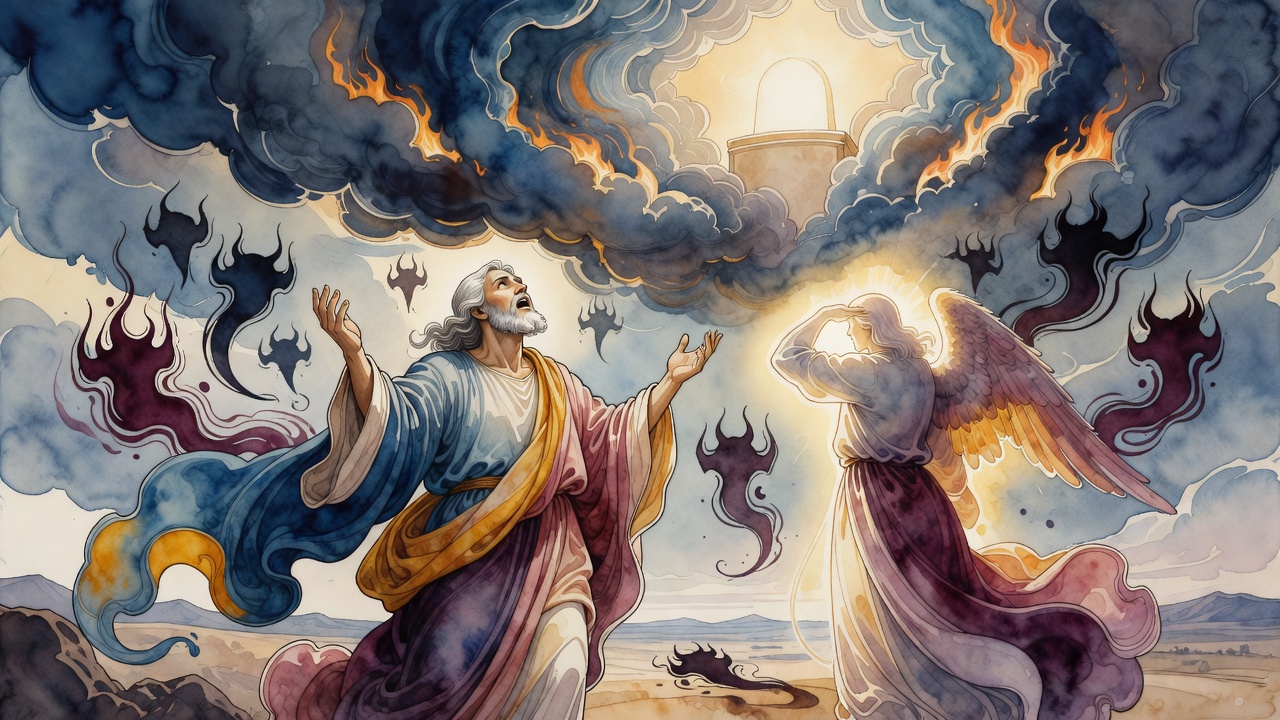
Ten deaths were written over Moses before the last. He prayed five hundred fifteen times, blinded Samael, and still God took him with a kiss beyond the land.
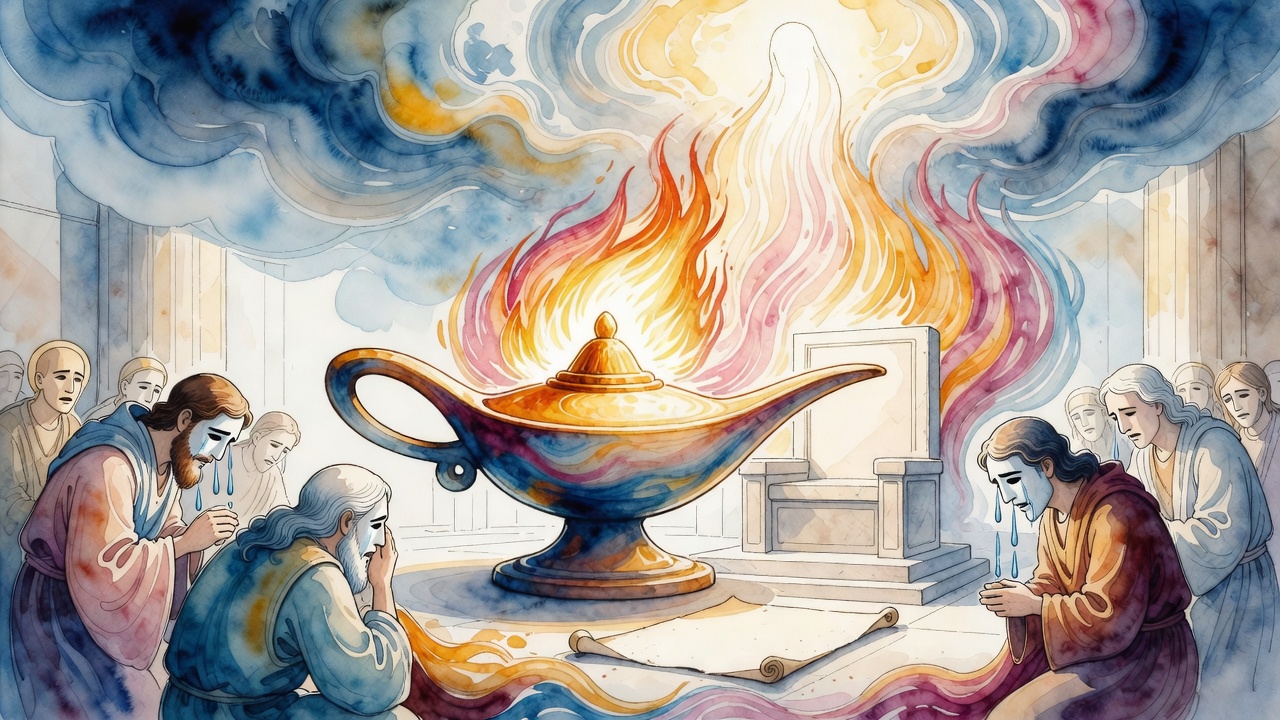
Priests wept over flasks too light in the hand. Rabbi Hanina walked to the lamp and found it blazing harder than all year.
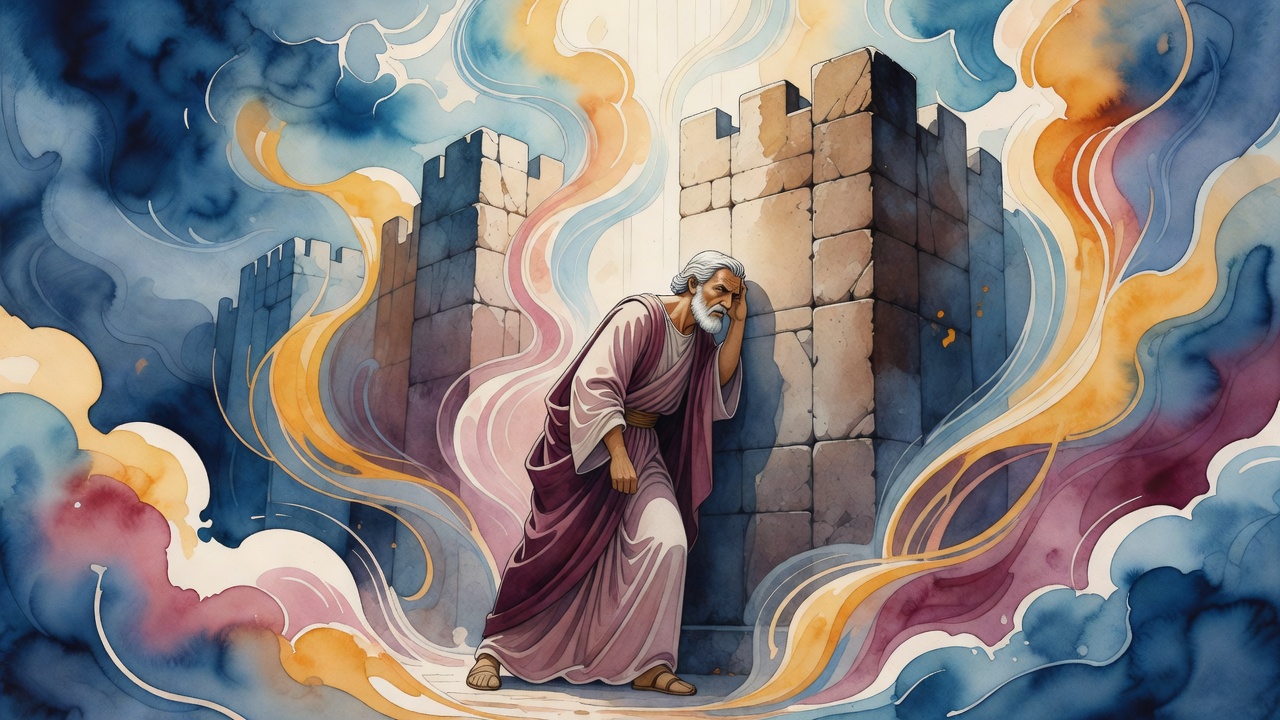
The king pressed his ear to the prison wall, expecting curses. Inside, the servants were still calling him their life.
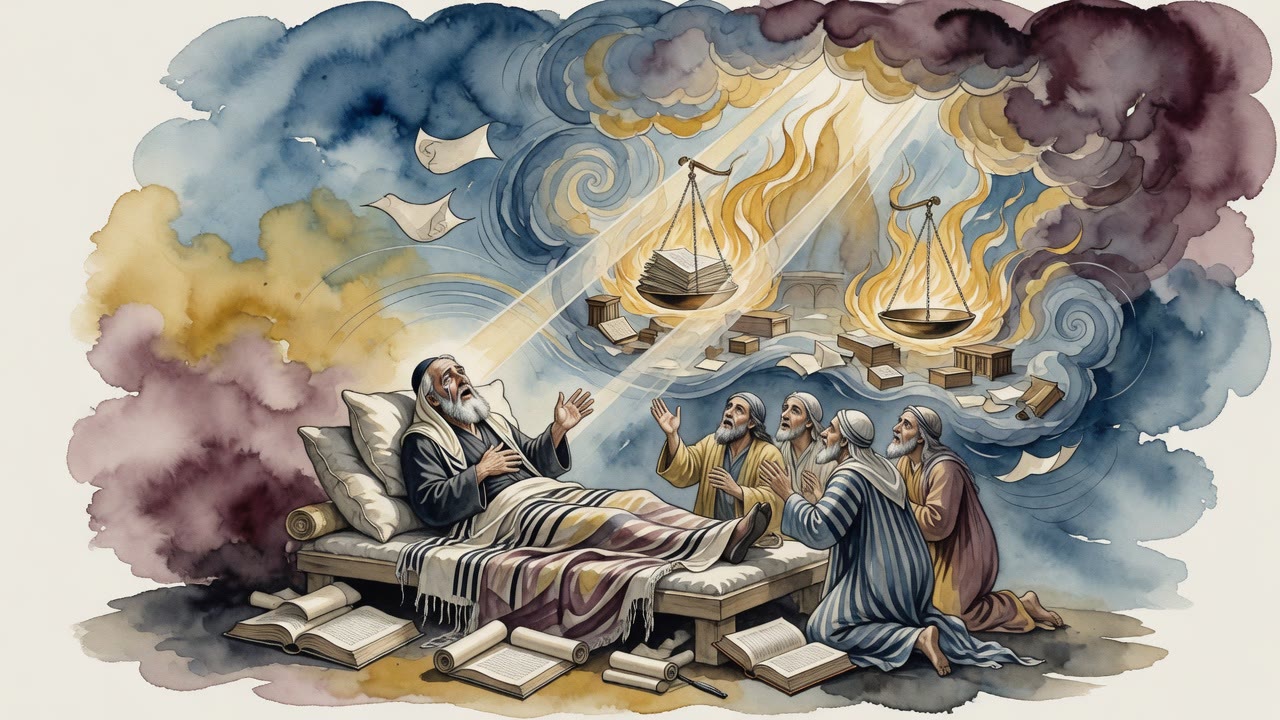
Hour by hour the pious divide a day between Shema (Hear O Israel), work, and rest, until wives call the king's exhausted servants home before Shabbat light.
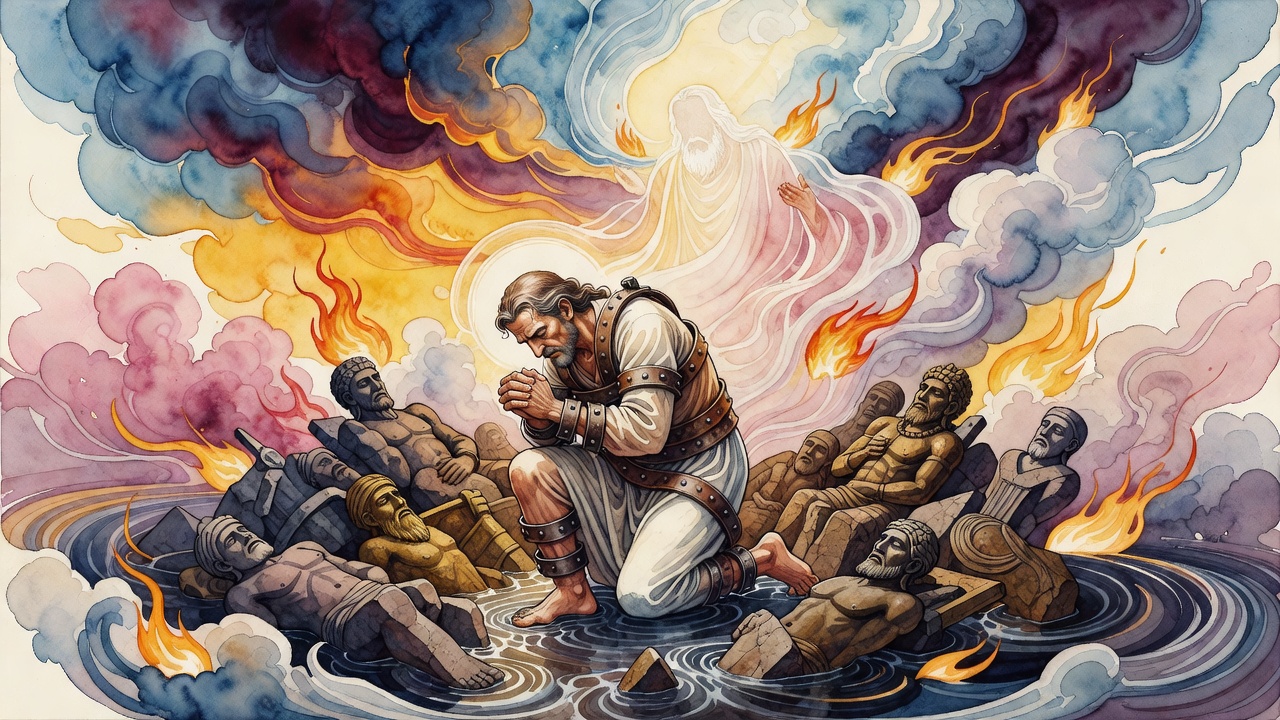
The king of Judah could not lift his head. Iron bit his neck in a foreign jail. He asked God not to let him die bent.
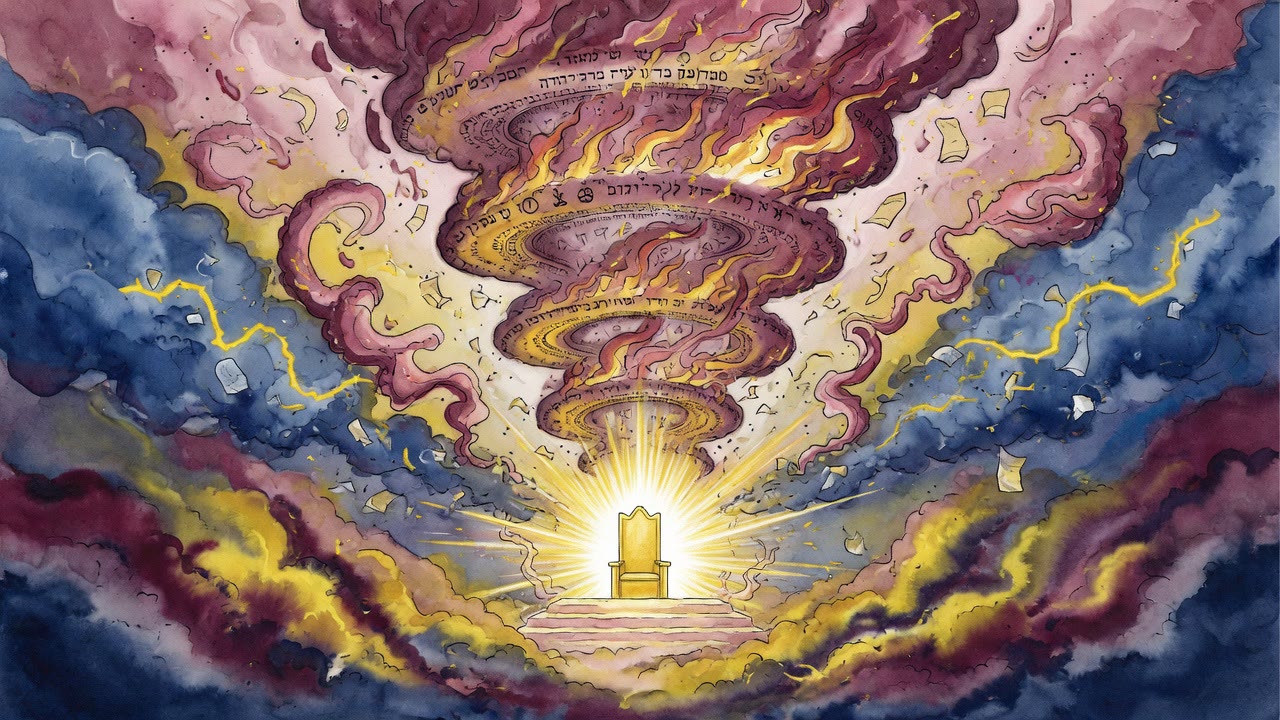
The throne's measures drown the mind in myriads of parasangs. Then a quieter voice says Israel's raw sigh is sweet and already heard.
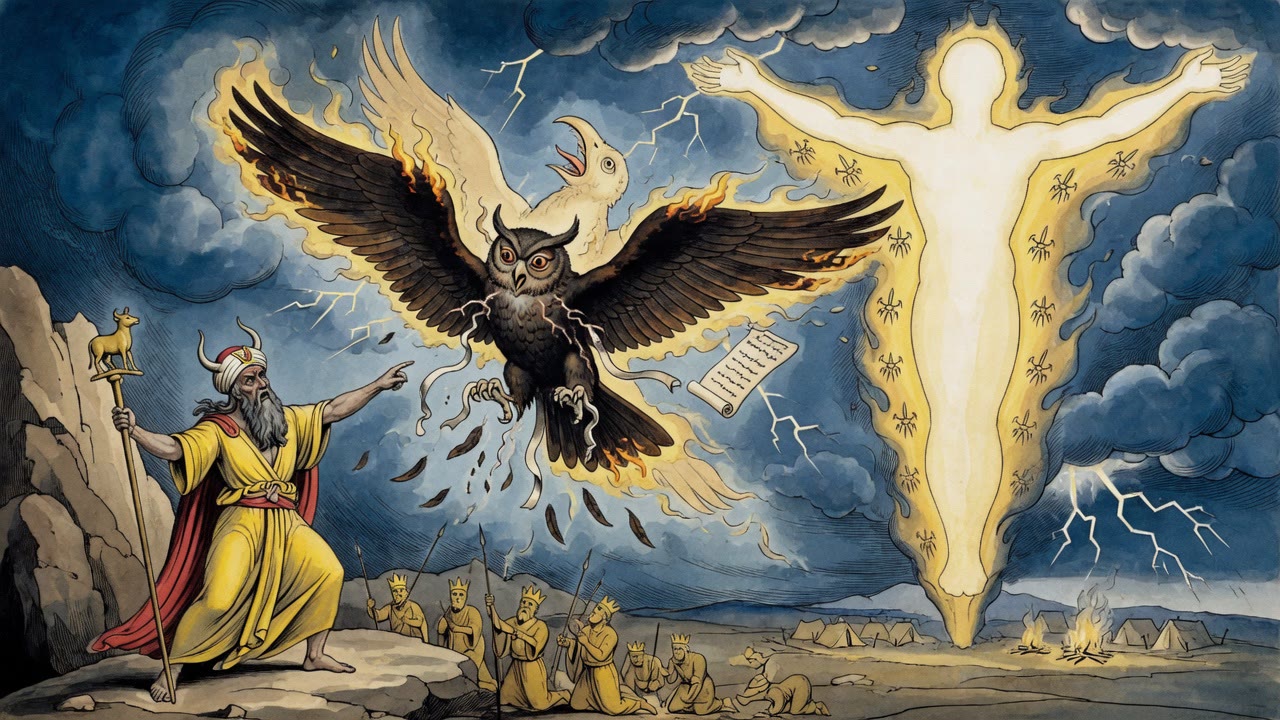
Balak's oracle-bird scorched as Israel rose. He hired Balaam because prayer, not numbers, was conquering kings he could not match.
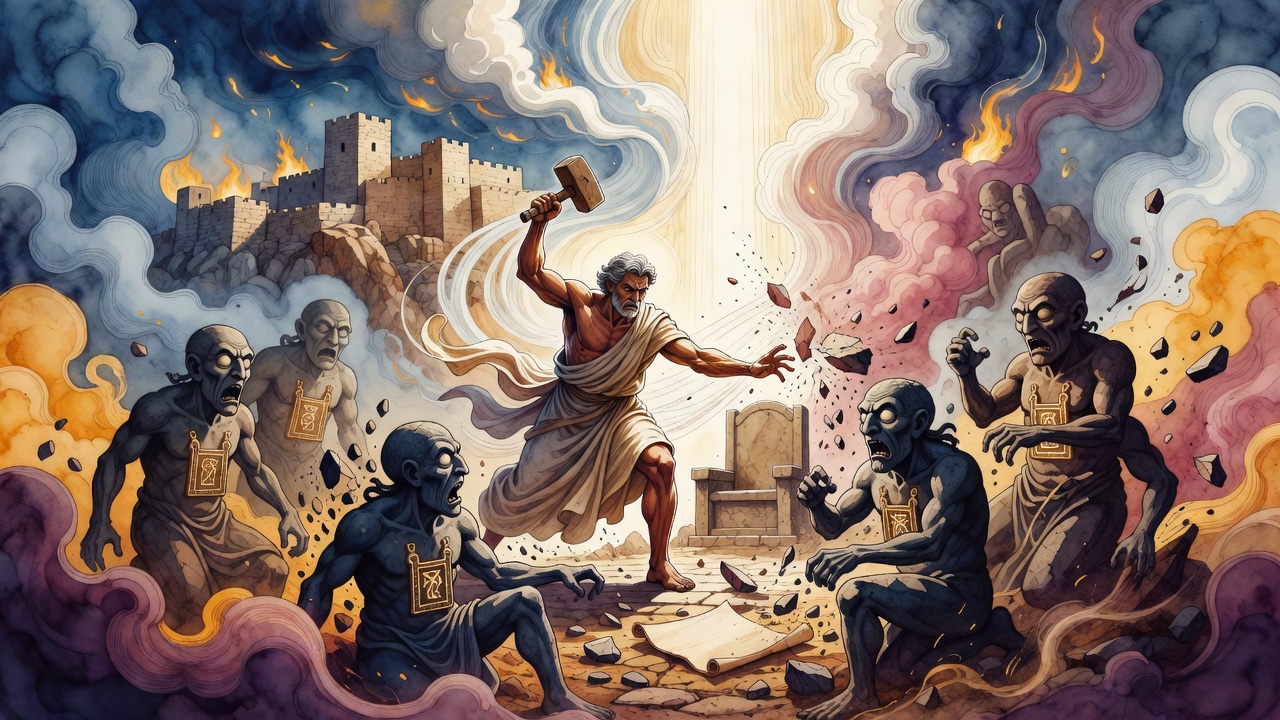
Jebusite idols wear Abraham's covenant mark as a lock on Jerusalem until David smashes the blind and lame gods and takes the stronghold.
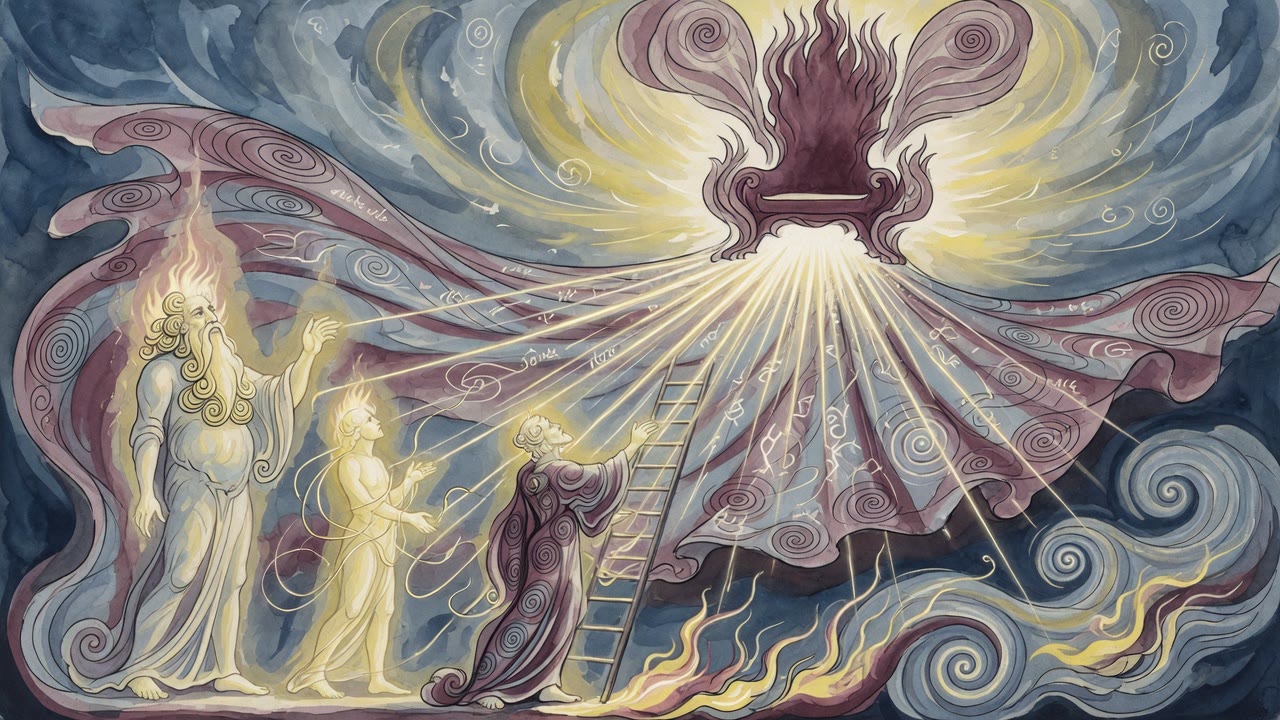
Moses came to the burning bush for a mission and left with a script. Abraham, Isaac, Jacob: the names God gave him there still open the standing prayer.
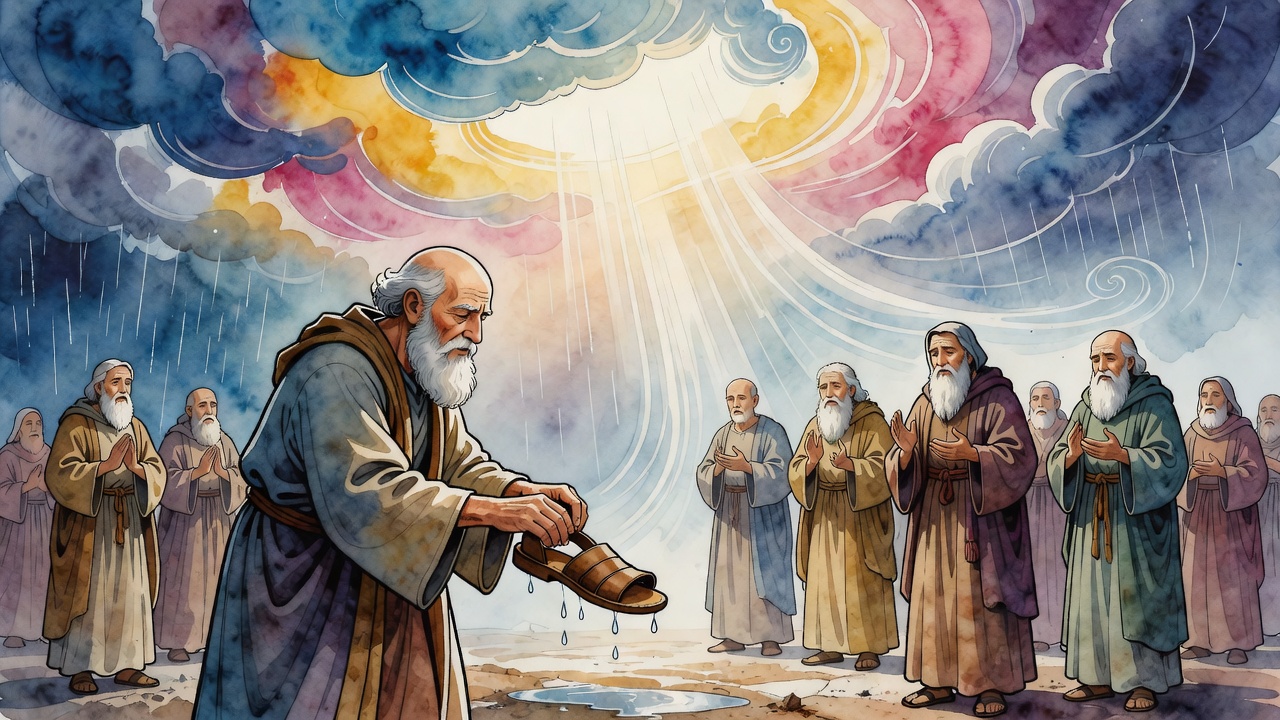
In a drought fast, Rav Yehuda barely began the rite of removing a shoe before the sky opened, while later sages cried and the clouds stayed shut.
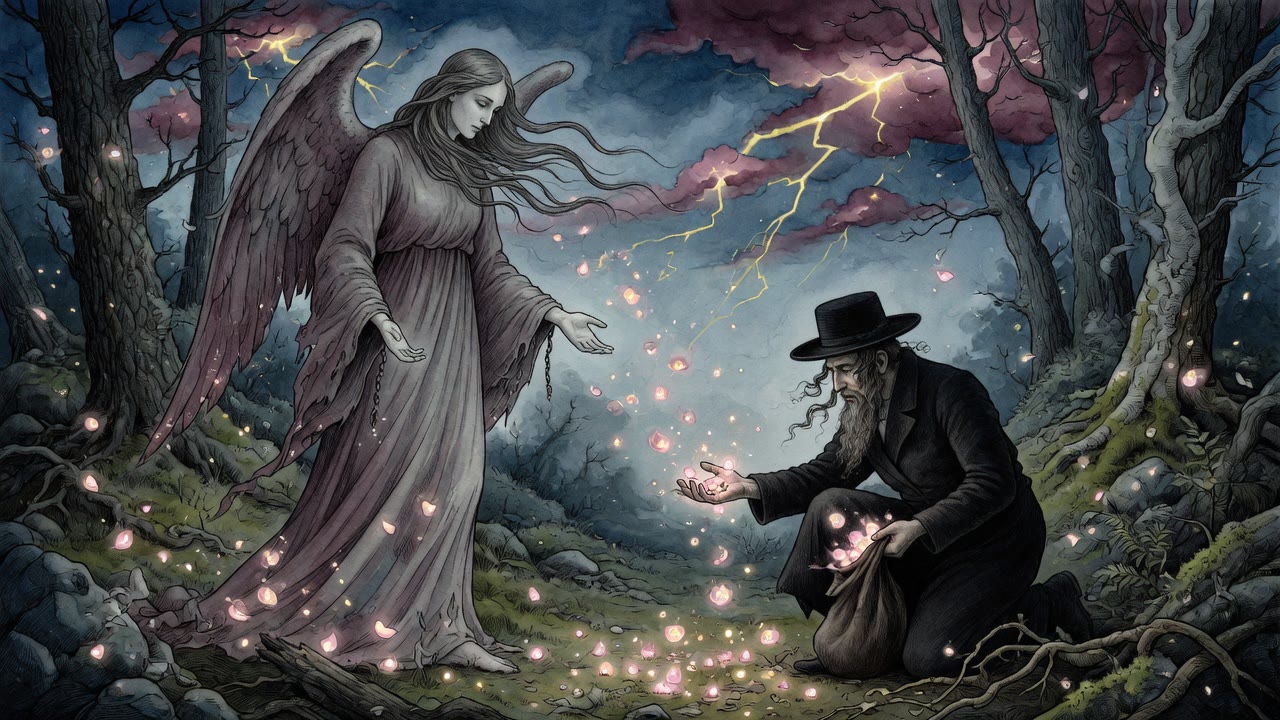
With wet flour stranded on a mountain road before Passover, the Baal Shem Tov weeps until Elijah answers, and fire later crowns his dancers.
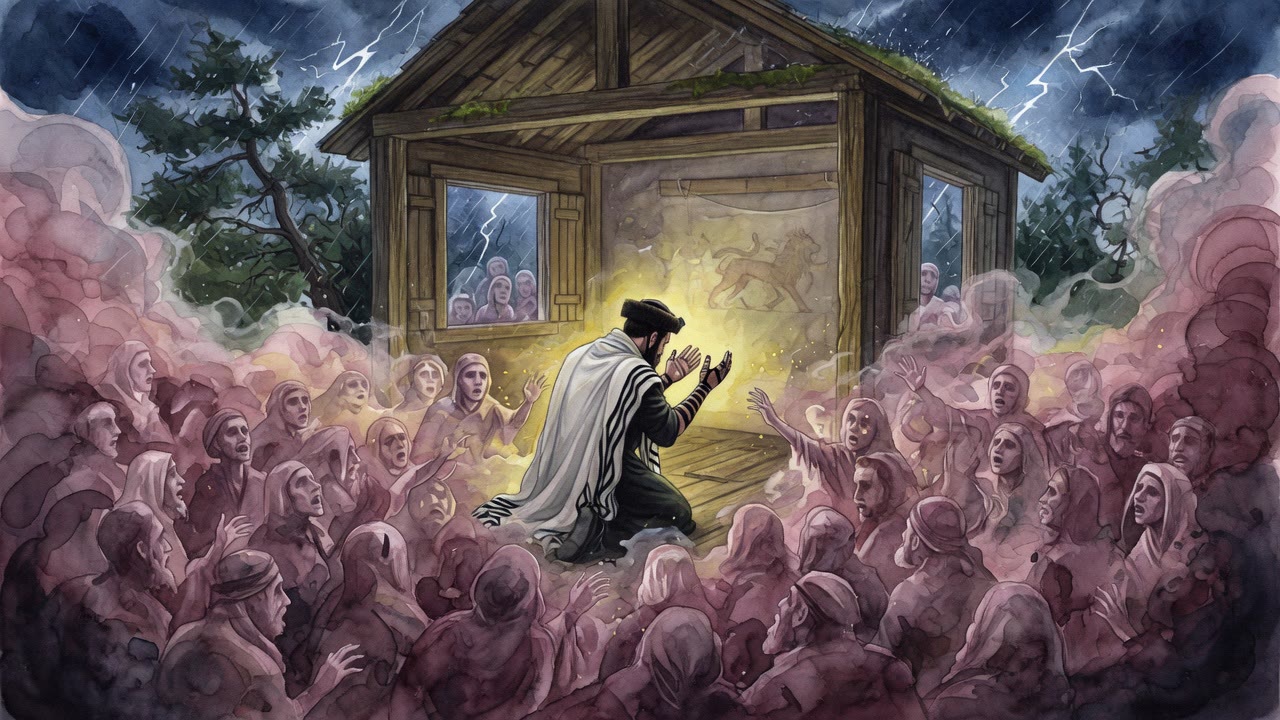
At Who revives the dead, thousands of souls press the Baal Shem Tov for repair, until Rabbi Gershon tries the gate and faints among the flock.
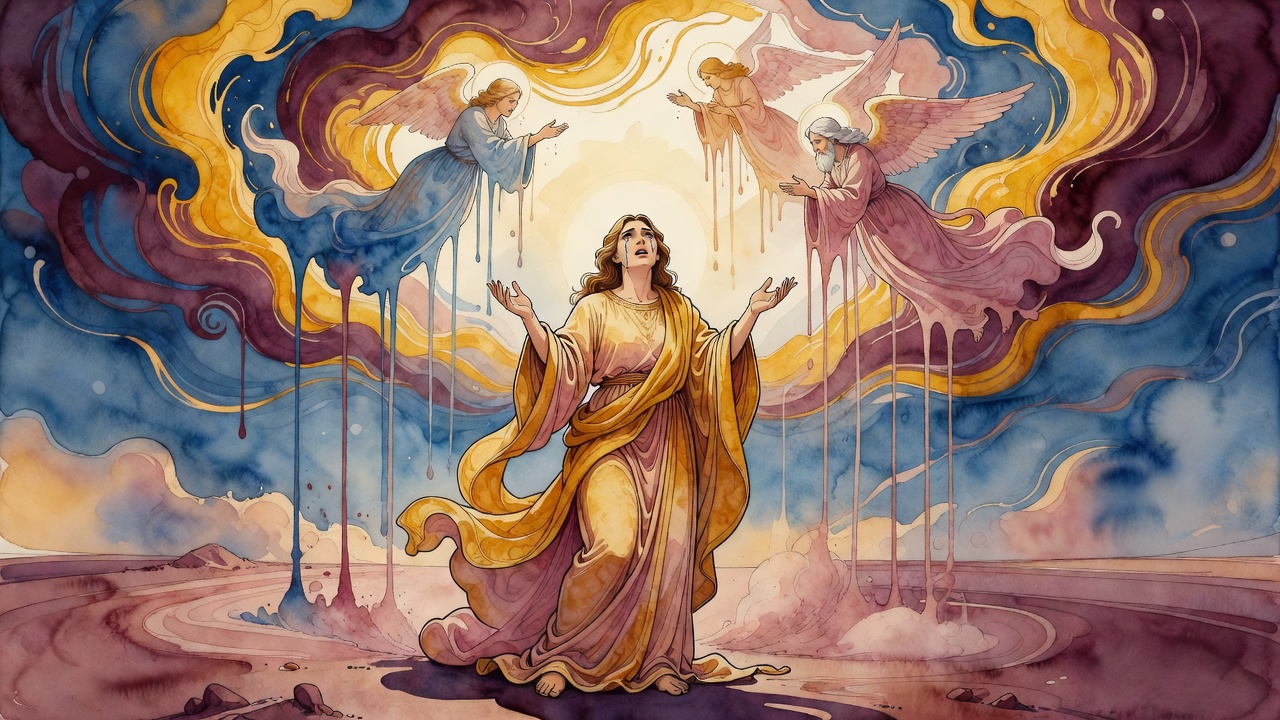
After three days of ash, Esther robes in Ophir gold, prays the patriarchs letter by letter, and the firmament opens so angels can cry for the world.
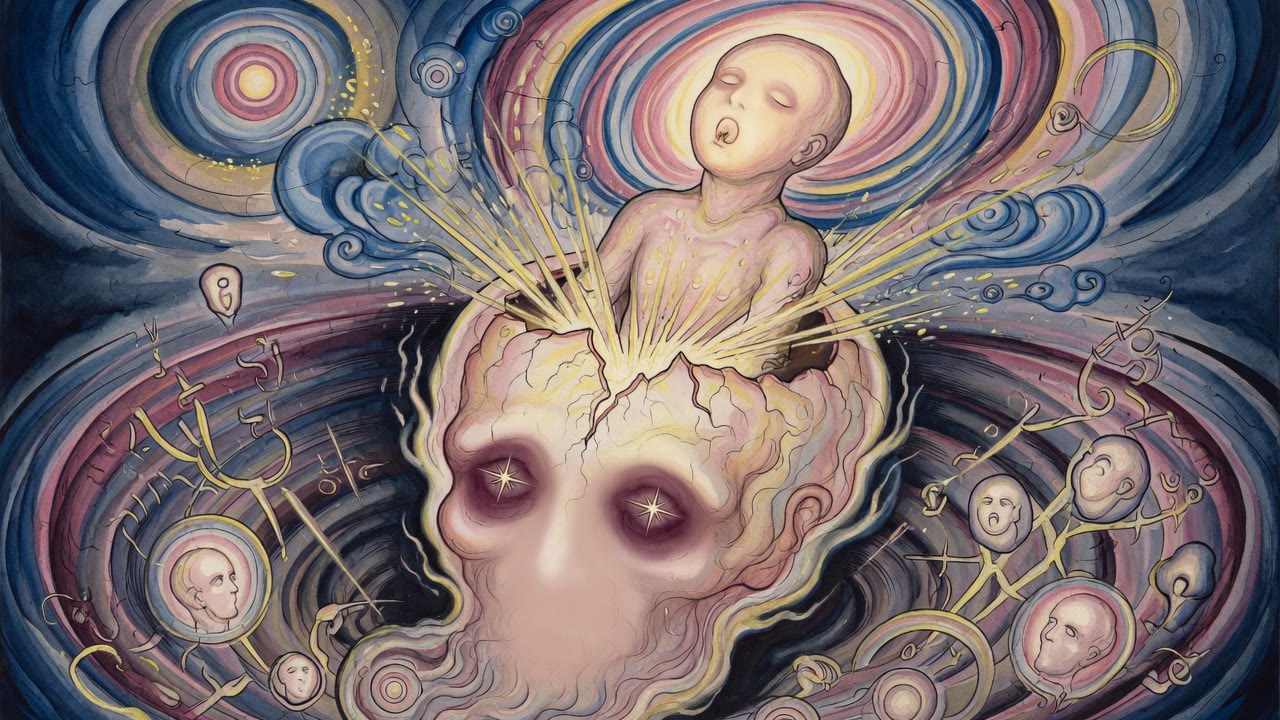
Joshua cuts Amalek's ranks below while Moses' arms fail on the hill, and Aaron and Hur hold them skyward until the enemy breaks at dusk.
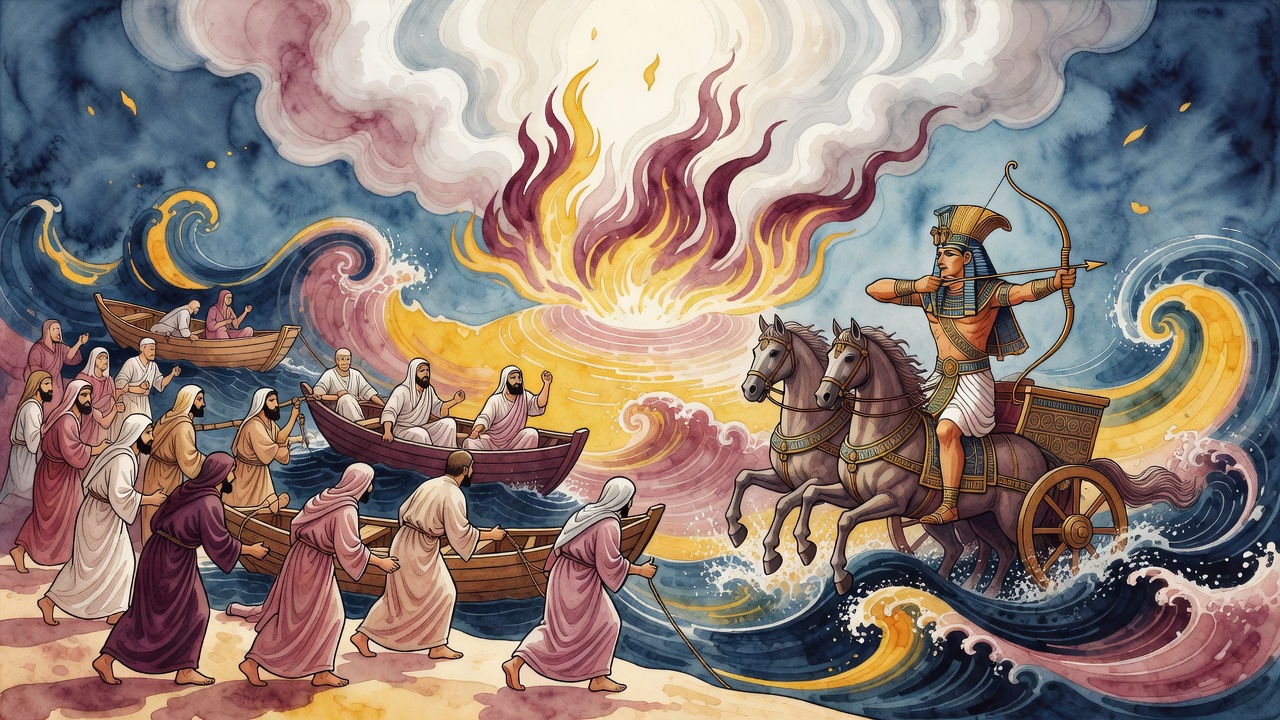
Israel took three days to reach the shore. Pharaoh burned that same road into one day of rage. At the sea the water was already waiting.
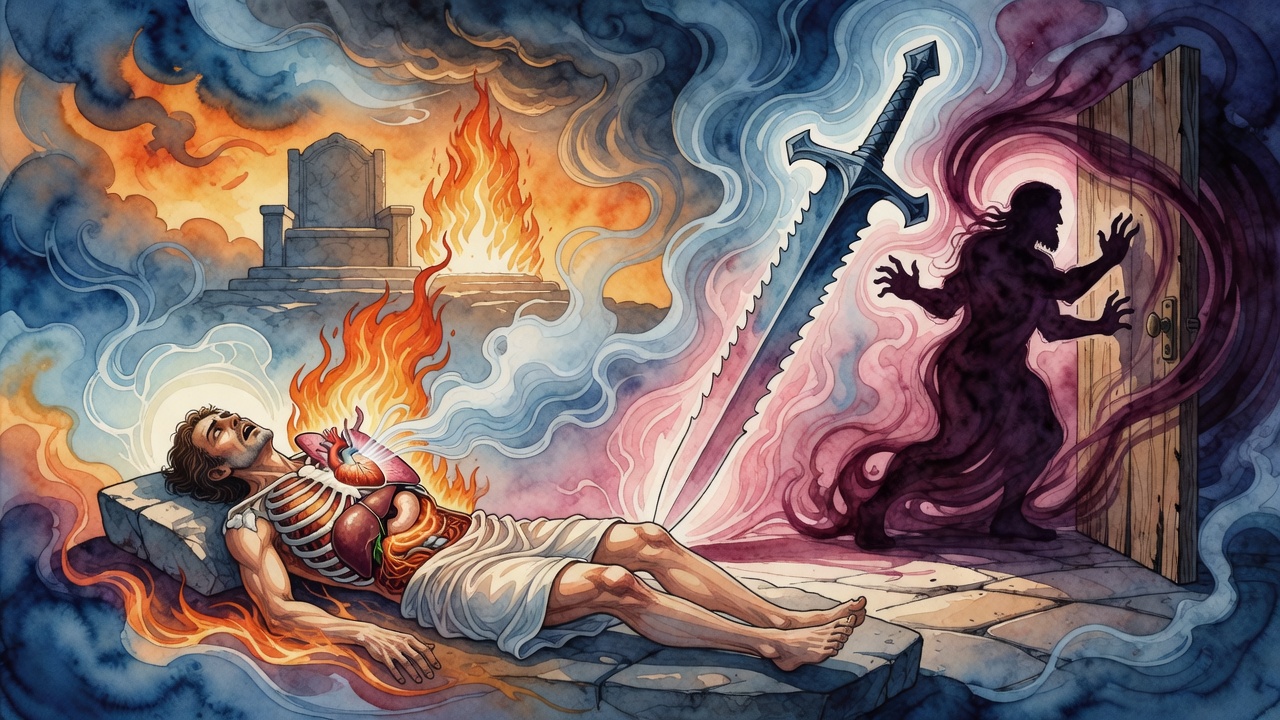
A dying man's liver lifts fire toward his heart while lungs beat cool air. Bitter marah becomes a sword, and pain-shaped prayer holds the door.
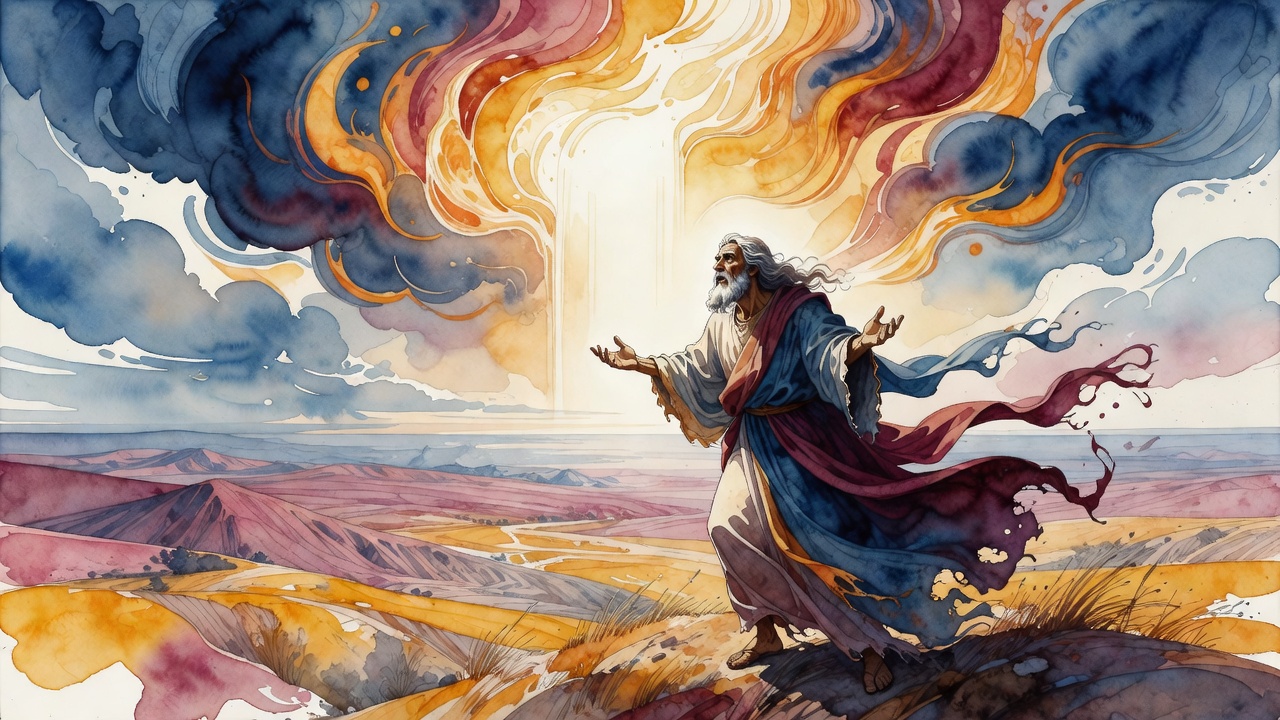
From the ridge Moses sees the whole land and the final day. He bargains to enter as a commoner or as a corpse. Heaven answers no.
He woke with a rebuke already under his ribs. She said she had no strength to rise. The Zohar on the shelf had stayed shut for years.
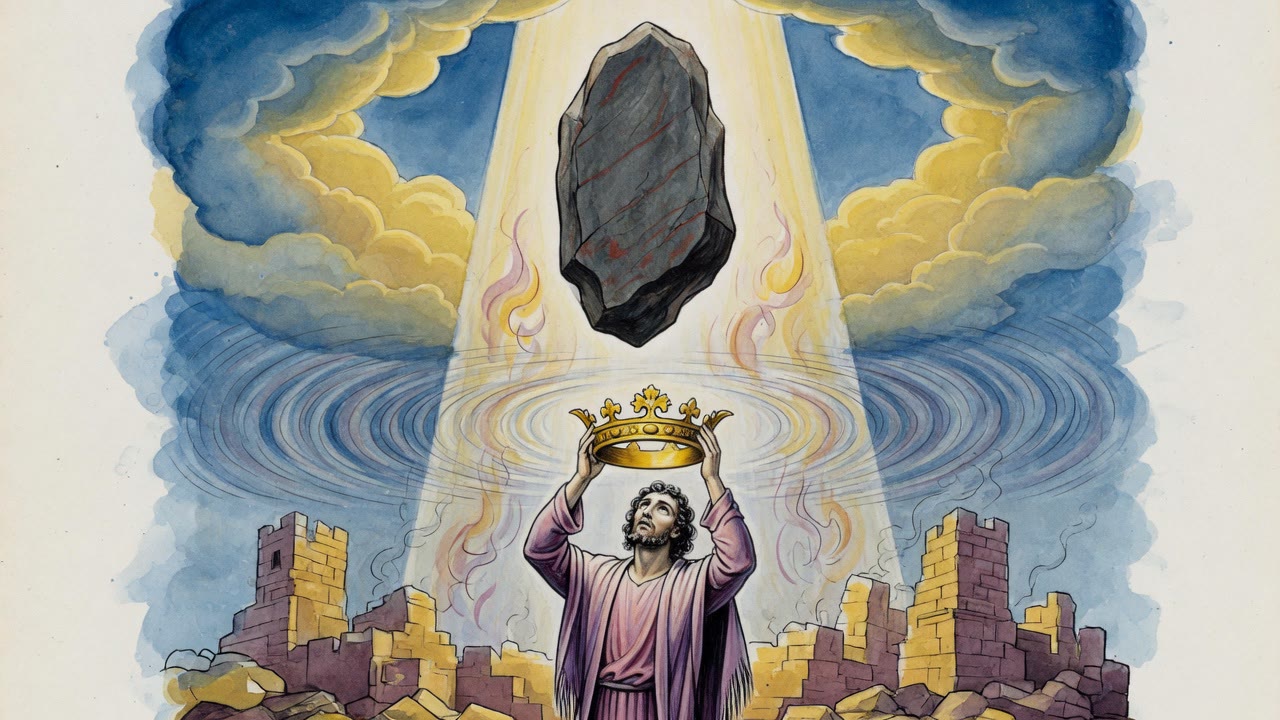
The Masters of the Mishnah cried out as if he had hurled rocks. No stone left his hand. The words finished their rows and the Throne shook.
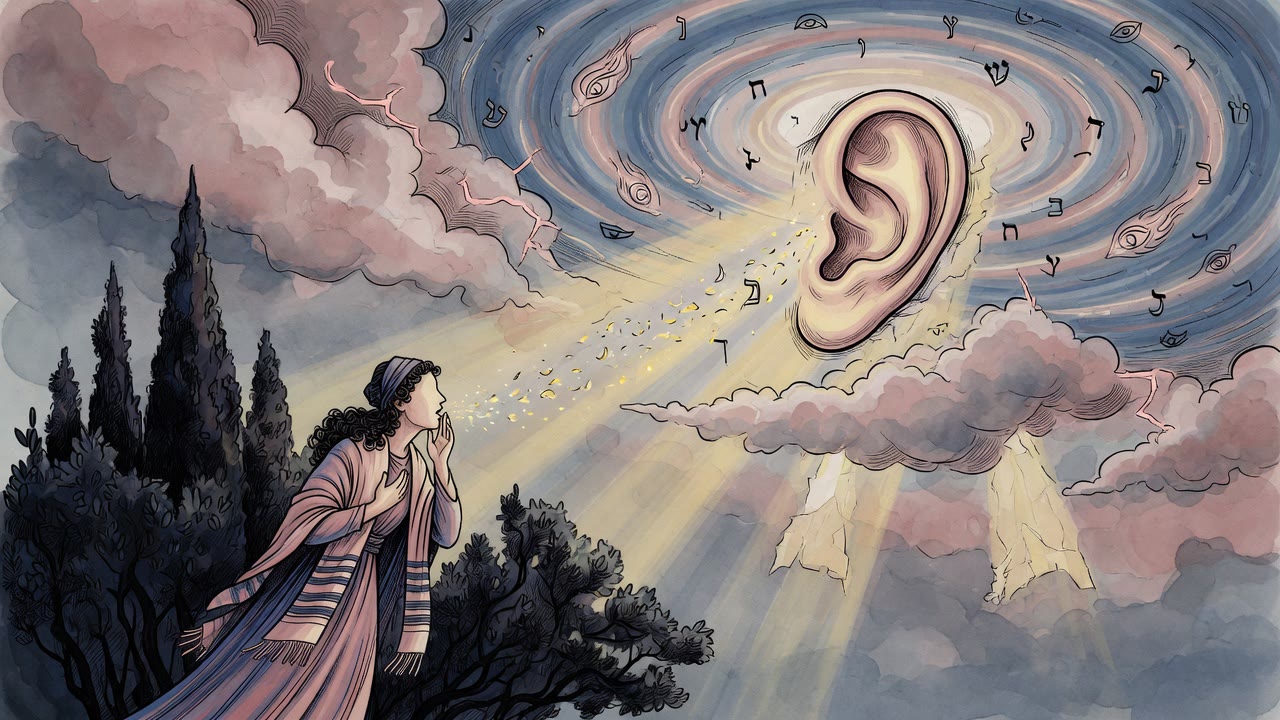
Miriam and Aaron spoke of Moses where no human ear could reach. Heaven heard. White skin, seven days outside, and six short words of healing followed.
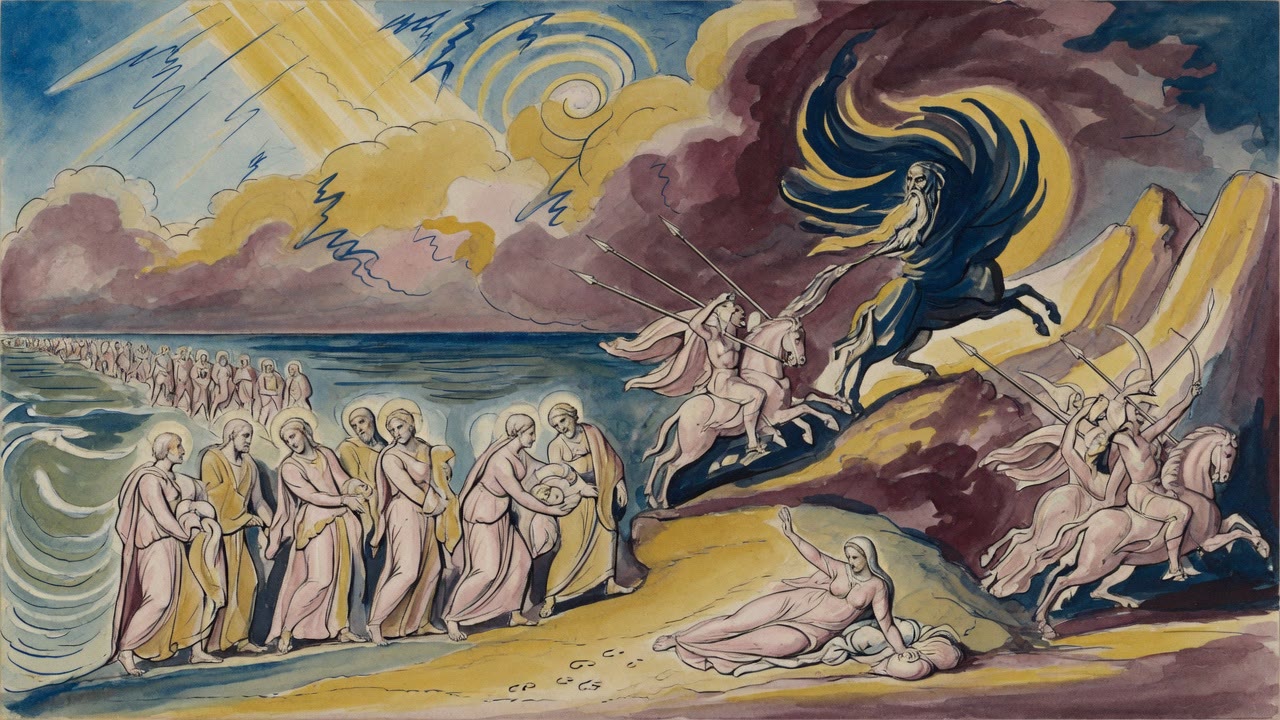
After Aaron died, Amalek dressed as Canaanites to dodge Israel's prayer. Israel named no foe. God still knew. The camp also learned thirst again.
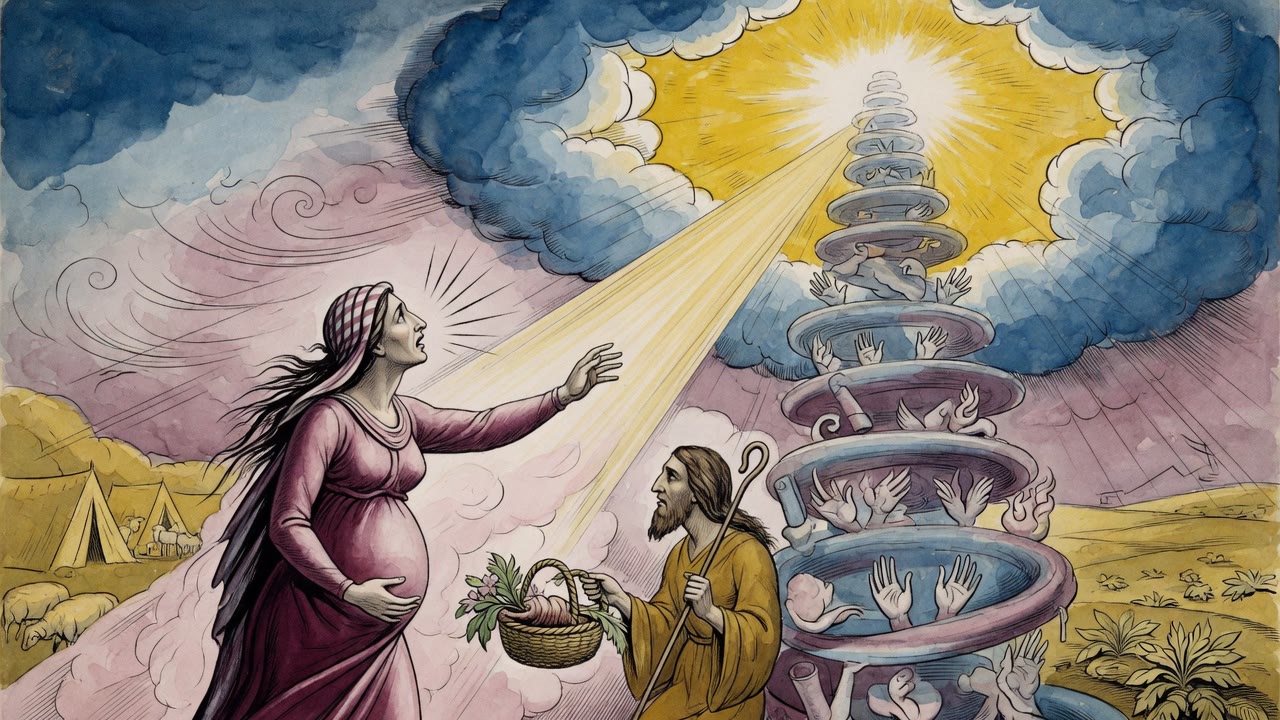
Jacob would not pray for his wife. The sister with every reason to gloat asked heaven to turn her own unborn son into a daughter instead.
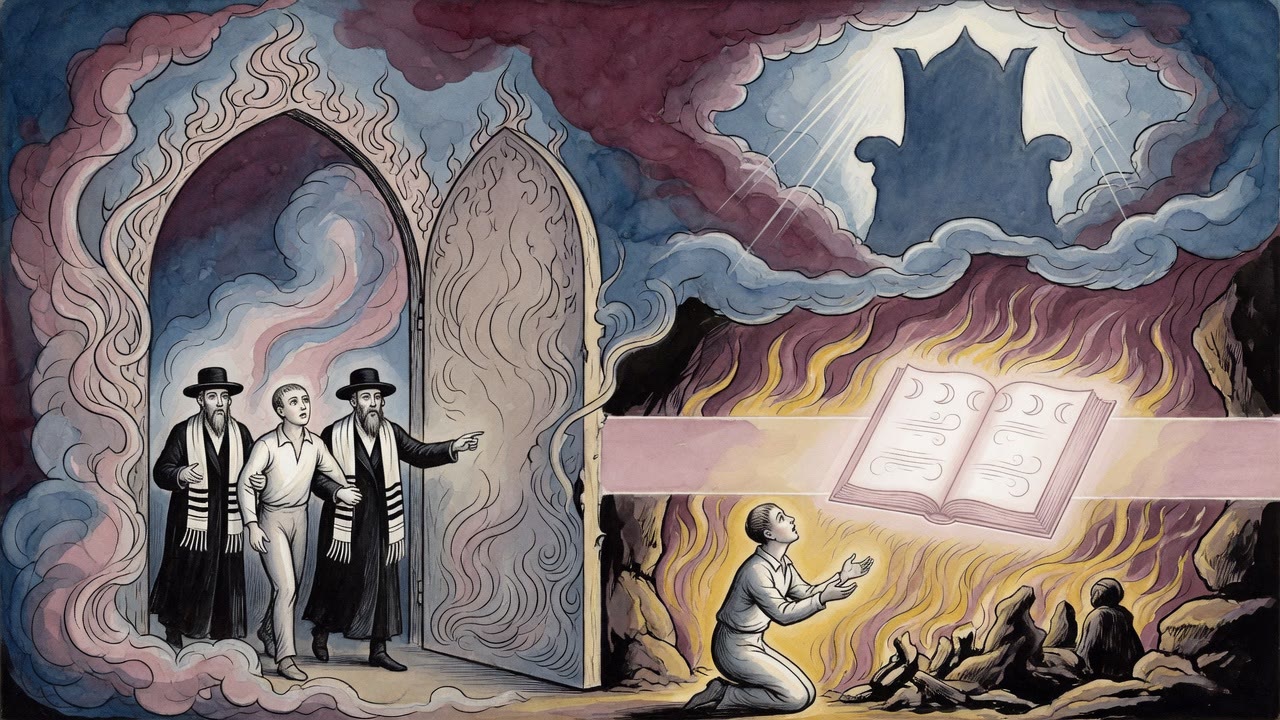
Two companions vanished at the gates. He hid under a tallit to slip out. He woke coughing, and the cough never left him.
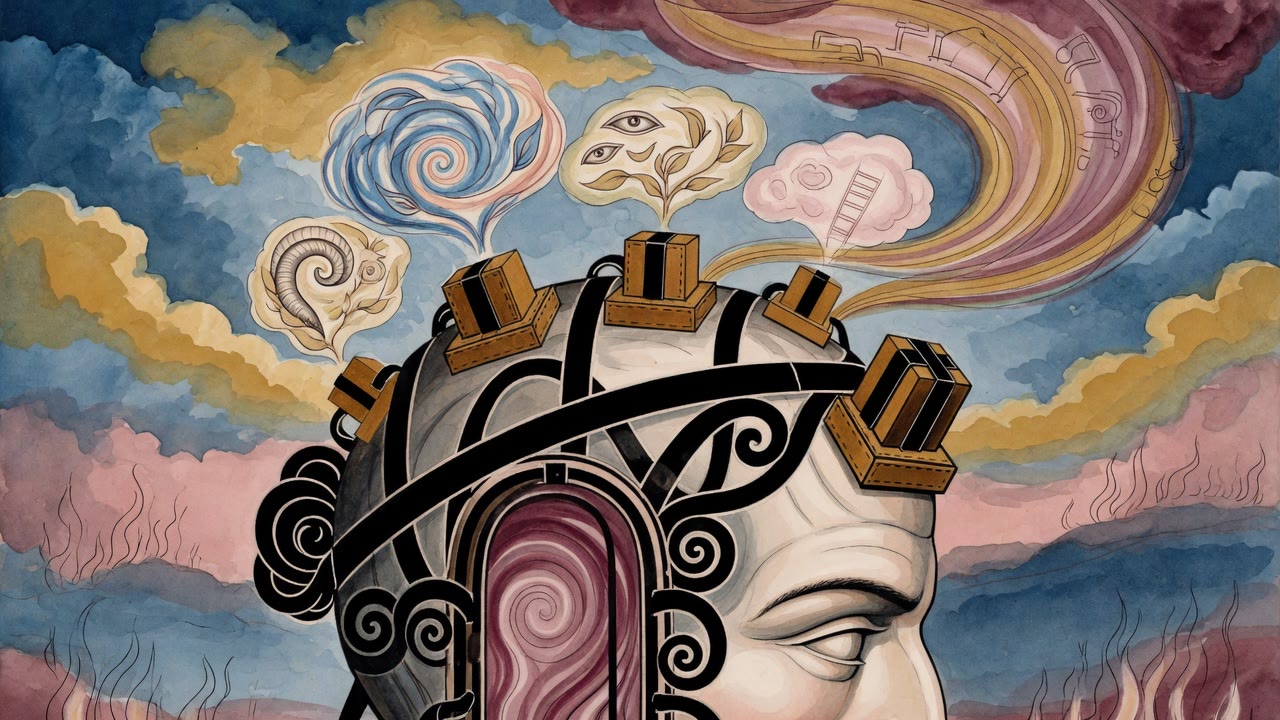
The leather was cold on his arm. He pulled until the knot sat at the skull. If it slipped, Leah's gate sat wrong all morning.
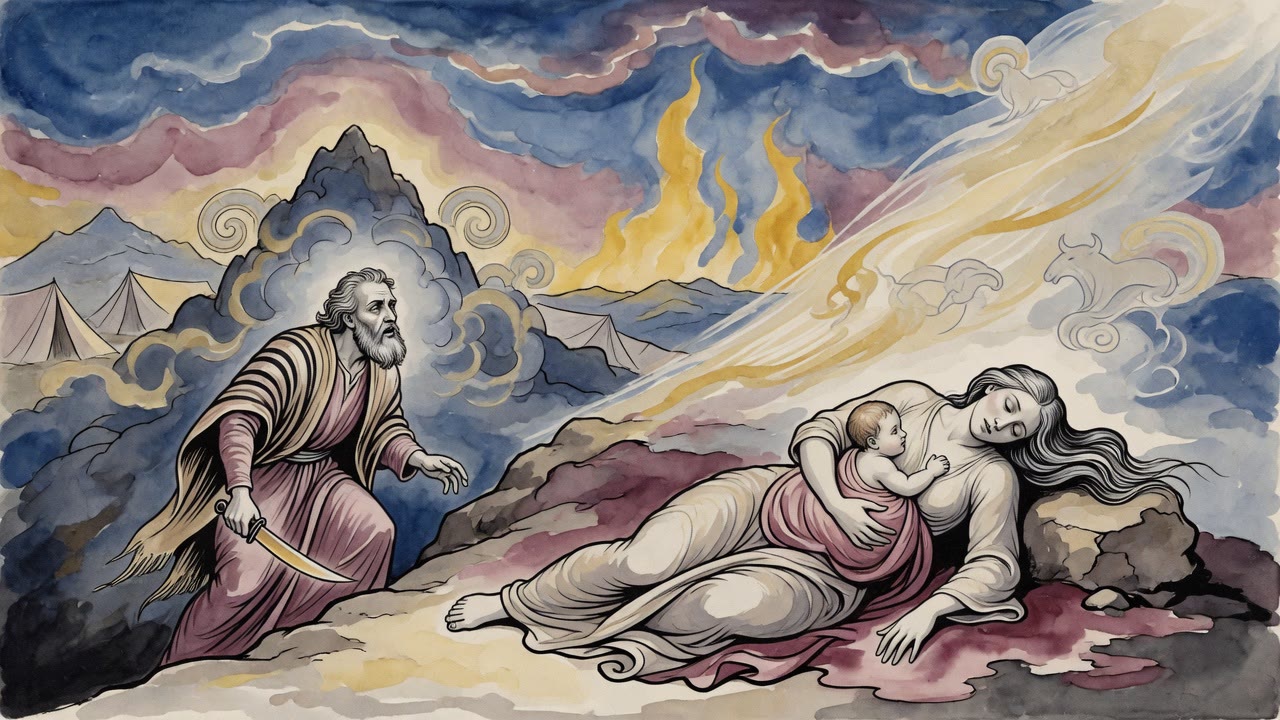
Only Sarah's age is counted year by year at death. Each of the hundred twenty-seven was full, even the barren decades the stars had written empty.
