32 texts
That’s the scene set in the Letter of Aristeas, a fascinating historical text. The king, overflowing with generosity, had just finished toasting his guests. But his generosity wasn...
The teacher says "Aleph" and expects the child to repeat it. That's how Torah education works—has worked for centuries. But Ben Sira isn't a normal child. He's a newborn prodigy wh...
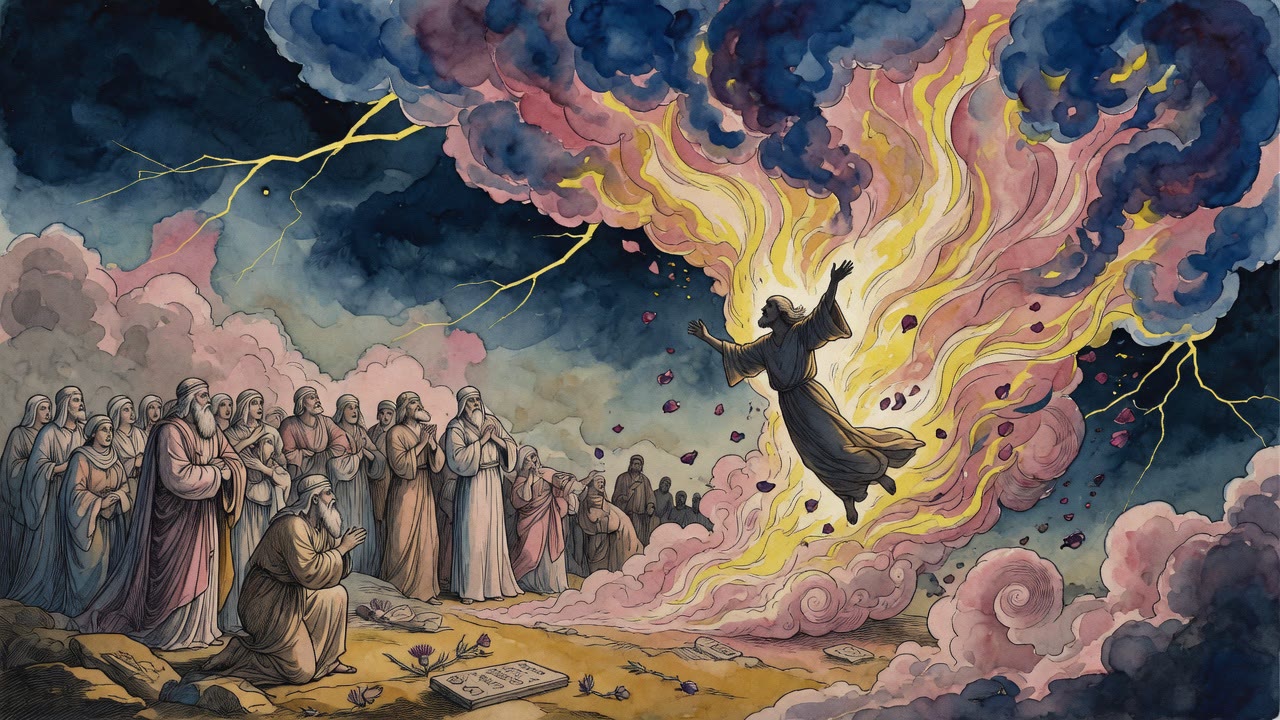
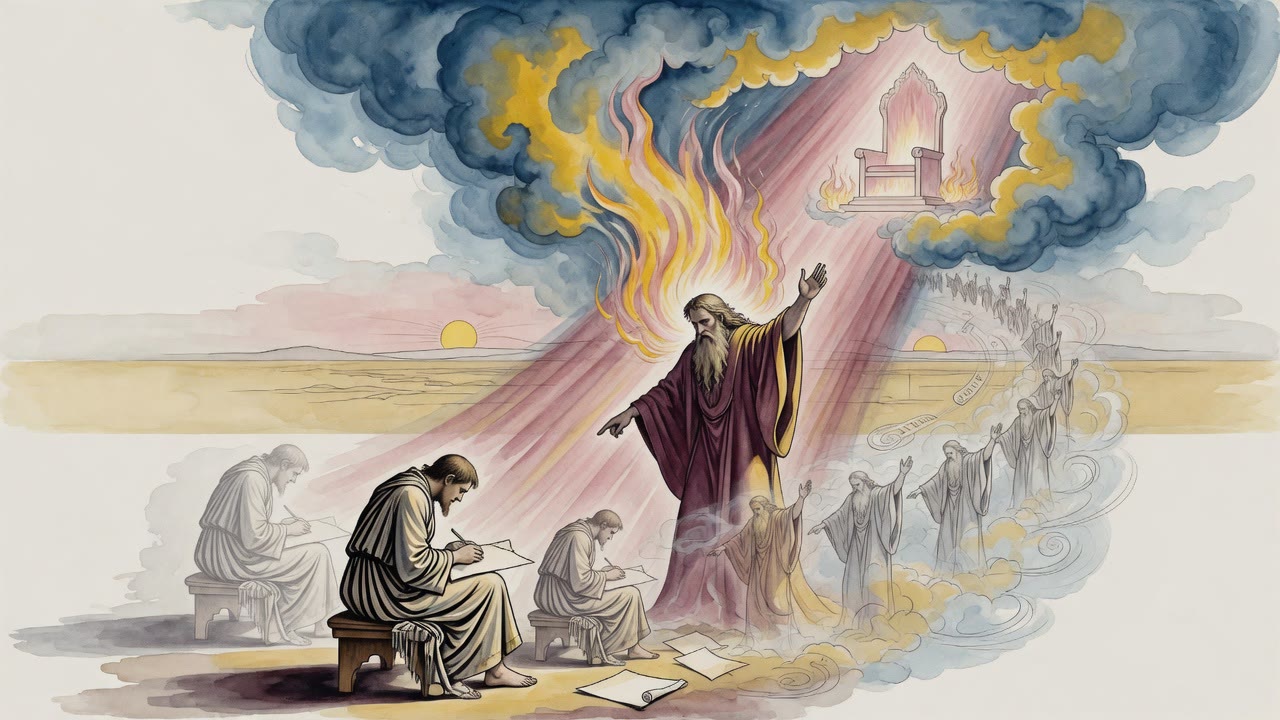
There was one final thing to do before Enoch could go home. God called one of the older angels — a terrible, menacing being, white as snow, with hands like ice and the appearance o...
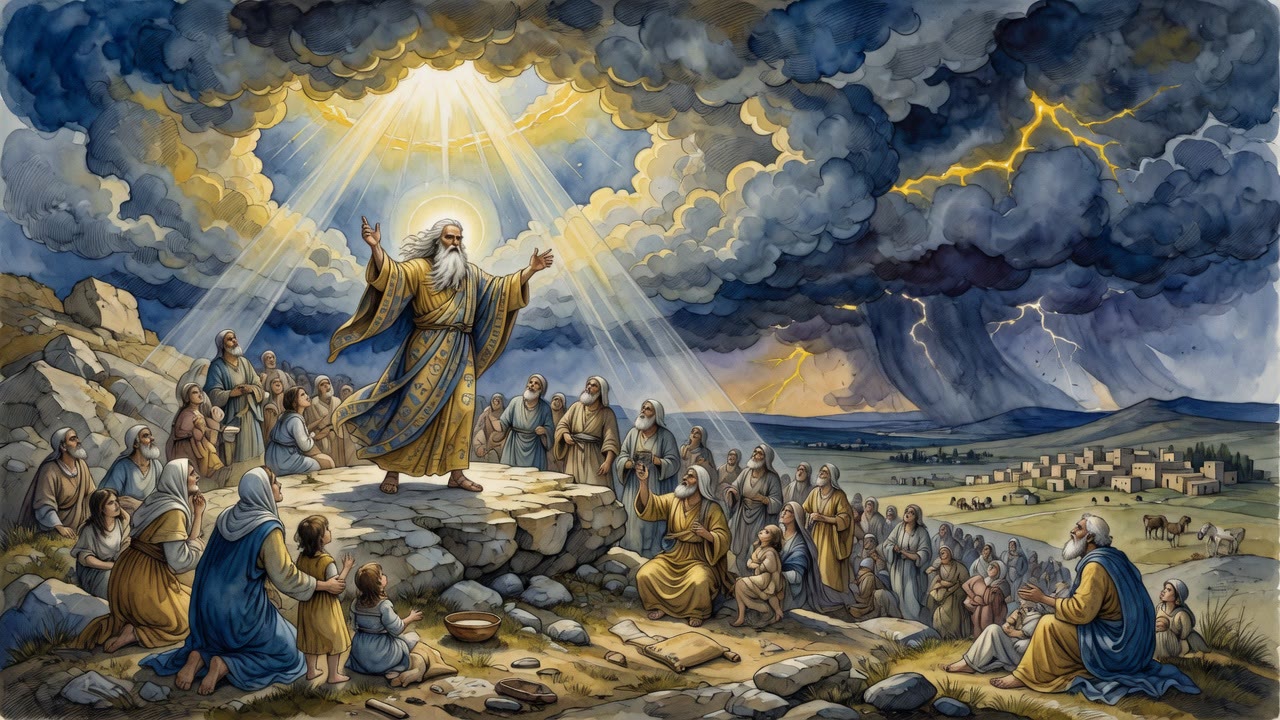
"My beloved children," Enoch said, "hear the admonition of your father — not from my lips, but from the lips of the Lord. Everything that is, was, and will be until the day of judg...
Enoch made his children swear — but not by heaven. Not by earth. Not by any created thing. "The Lord Himself said: There is no oath in Me, nor injustice — only truth," Enoch told t...
With his departure drawing near, Enoch delivered a series of blessings and curses — a final reckoning, sharp as a blade, that laid bare the difference between the righteous and the...
Methuselah came to his father and asked: "What is pleasing to your eyes, father? What can I prepare for you before you depart, that you may bless our homes and your sons and all th...
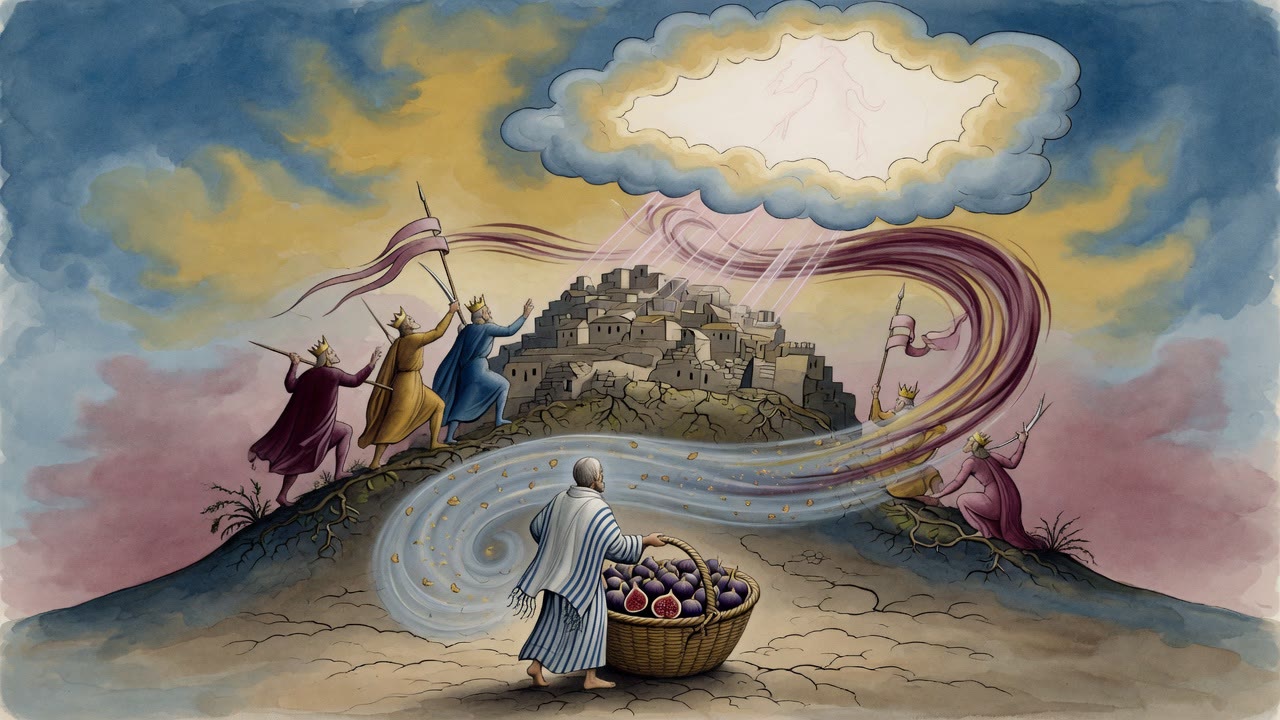
The story of Joshua and the Gibeonites is a powerful lesson in just that. Joshua, successor to Moses, found himself in a bit of a quandary. He'd made an alliance with the Gibeonite...
She wasn’t just a pretty face. She was a woman caught in an impossible situation, concealing her Jewish identity in the heart of the Persian court. But even a queen, it seems, can ...
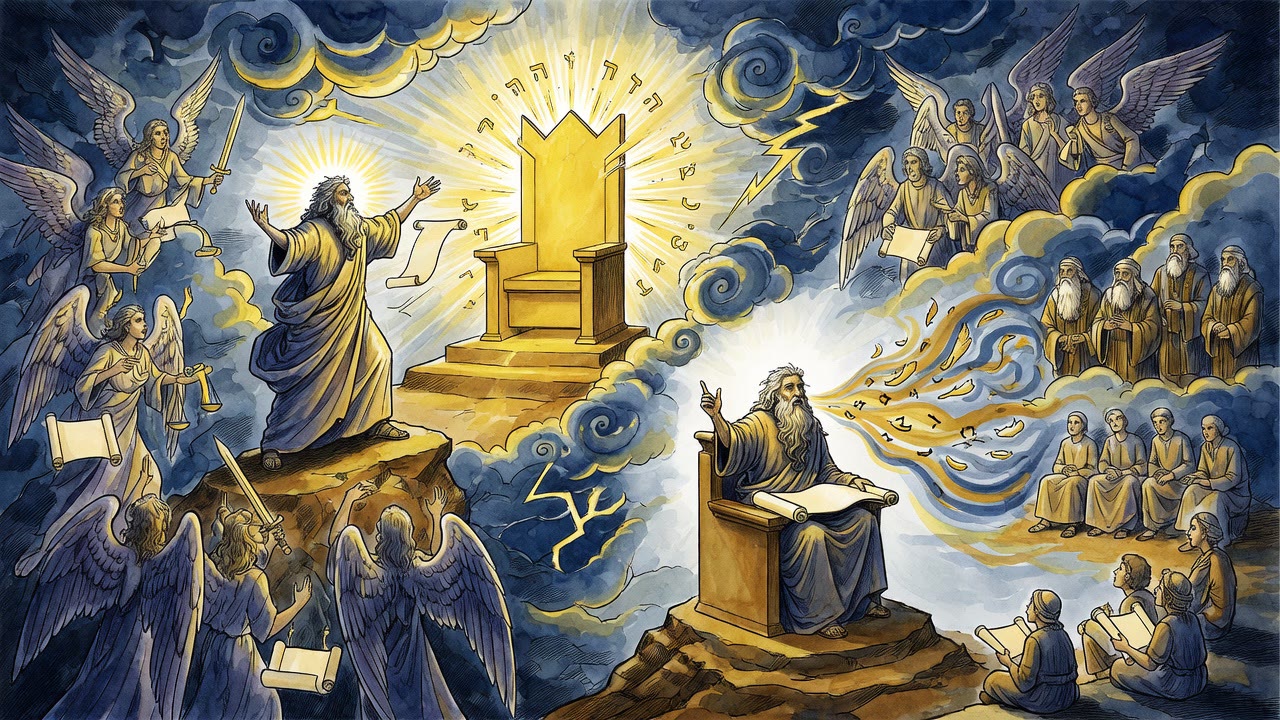
It involves angels, chariots, and a whole lot of horns. We're diving into Heikhalot (the heavenly palaces) Rabbati, a fascinating, and sometimes bewildering, text from the Heikhalo...
Jewish mysticism, particularly the Kabbalah, is full of these! It's like trying to grasp smoke, or maybe…decipher a dream. One of the trickiest areas involves understanding the str...
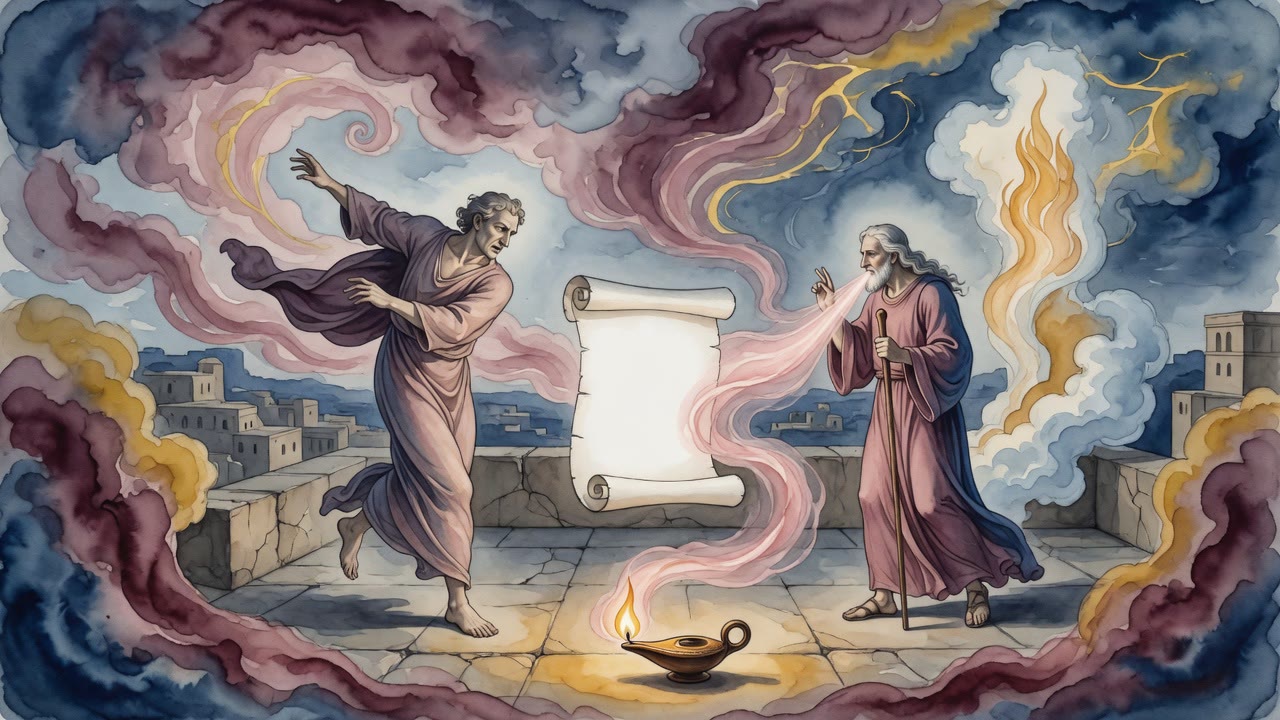
The Idra Zuta, meaning "The Lesser Assembly," is a profound and deeply mystical text within the Zohar, specifically dealing with the final moments and teachings of Rabbi Shimon bar...
Would you say that? There is a difference (between neveilah, [from which benefit may be derived] and chametz, [from which benefit may not be derived,], so that the resultant equati...
The Mekhilta de-Rabbi Ishmael continues its portrait of the extraordinary dialogue between Israel and the Holy Spirit with another matched pair of verses. When Israel proclaims (De...
The Mekhilta takes a single Hebrew word from the Song of the Sea — "ve'anvehu" — and shows how three different rabbis derive three entirely different meanings from it, each reveali...
"The foe said, etc.": How did Israel know what Pharaoh thought of them in Egypt? The Holy Spirit reposed upon them and they knew it. Pharaoh said: It really does not befit us to pu...
The Mekhilta DeRabbi Yishmael, a tannaitic commentary on Exodus compiled around the 3rd century CE, offers a remarkable teaching about the relationship between a student and a teac...
(Exodus 17:12) records a detail that the Mekhilta found deeply instructive: "And the hands of Moses became heavy." Why did his hands grow heavy during the battle with Amalek? The r...
The Talmudic sage known simply as Rebbi — Rabbi Yehuda HaNasi, the compiler of the Mishnah (the earliest code of rabbinic law) — raised a striking question about the greatness of M...
Rabbi Yishmael taught that the word "if" in the Torah generally means something is optional — except in three specific cases where "if" actually means "when," making the instructio...
The Mekhilta DeRabbi Yishmael preserves a legal teaching from Rabbi Nathan that resolves an apparent contradiction in the Torah's laws about monetary obligations. On the one hand, ...
Would you say that? There is a crucial difference (between a paid and an unpaid watcher), viz.: Since a paid watcher both derives benefit and gives benefit, and a hirer derives ben...
Our Rabbis have taught: "The night has four watches," so says Rabbi. R. Nathan says "Three." What is R. Nathan's reason? It is written (Judges 6:19) "And Gidon, and the hundred men...
Beruria, the brilliant wife of Rabbi Meir, was one of the sharpest minds in all of rabbinic literature. And one day, she corrected her husband on a point of theology that has echoe...
R. Joshua asked the students what R. Elazar b. Azaf yah taught. They replied that he taught that all without exception must attend school and service, for all that would attend wou...
Pinhas b.Jari's ass, when stolen by thieves, refused to eat for 3 days because the thieves’ provender had not been tithed. 236 f. 160b. Joshua b. Hananya owned to having been taugh...
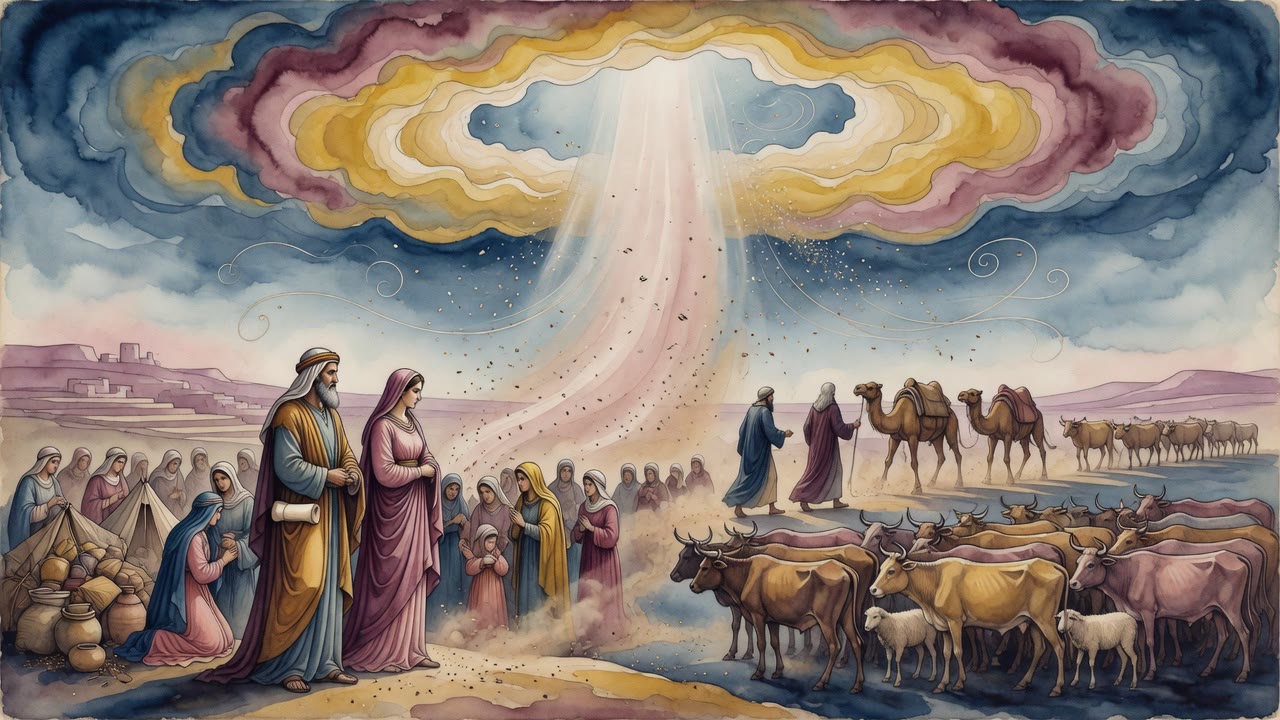
The rabbis taught a stark warning: reduce your tithes, and God will reduce your harvests. The Talmud and Midrash (rabbinic interpretive commentary) preserve the story of a family t...
Rabbi Akiba was walking through a cemetery when he encountered something terrible — a dead man, naked and blackened, carrying an enormous load of wood on his back. He was running a...
Bar Kappara was known for his wit, his learning, and his ability to make even the most solemn occasions lively. The Talmud (Nedarim 50b-51a) records what happened when he was invit...
King Solomon, the wisest of all kings, once taught a lesson about wealth and poverty using the simplest of demonstrations: two meals. The first meal was served in the house of a ri...
The story hinges on a seemingly simple phrase from Deuteronomy: "Ascend to this Mount HaAvarim, Mount Nevo" (Deuteronomy 32:48–49). But the context, as Bamidbar Rabbah unfolds it, ...
That feeling is at the heart of this story, a real-life exchange steeped in tradition and faith. It comes from a fascinating text called "The Wars of God," and it lays bare a disag...