496 myths · Page 14 of 17
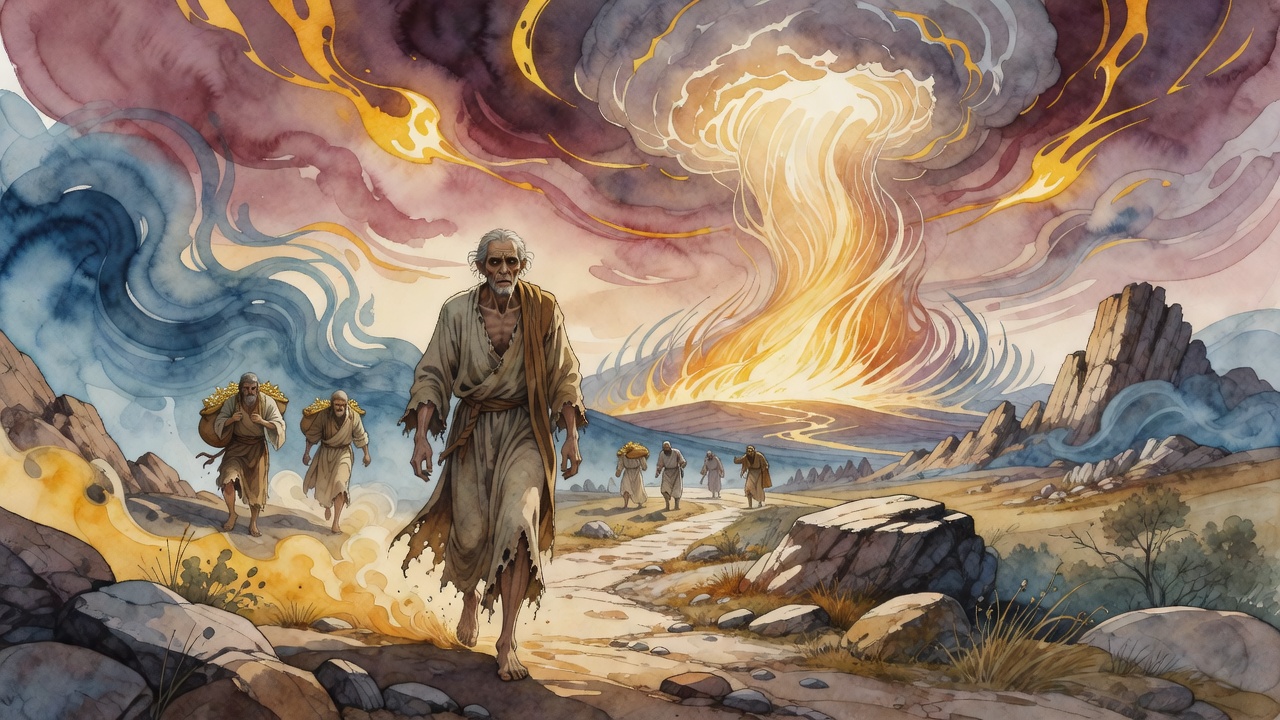
His brothers loaded the family silver and ran from the Romans. Eliezer walked the other way, to a study house in Jerusalem, and went hungry there for days.
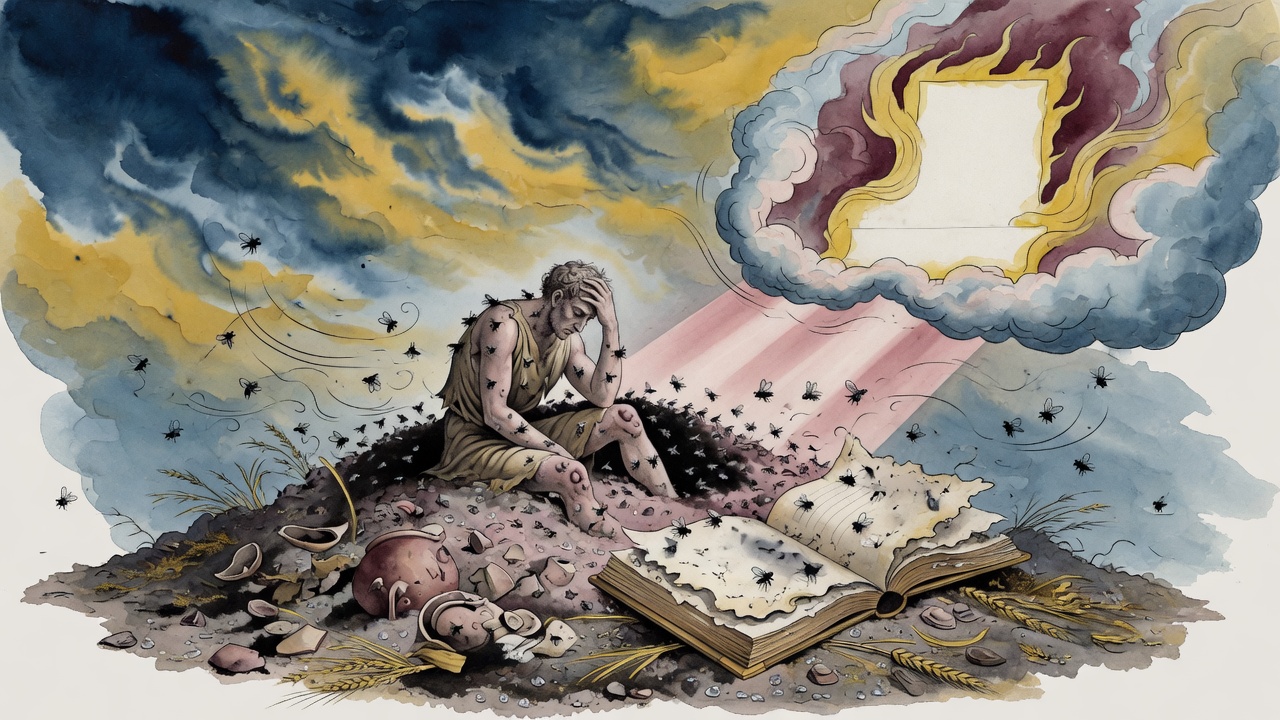
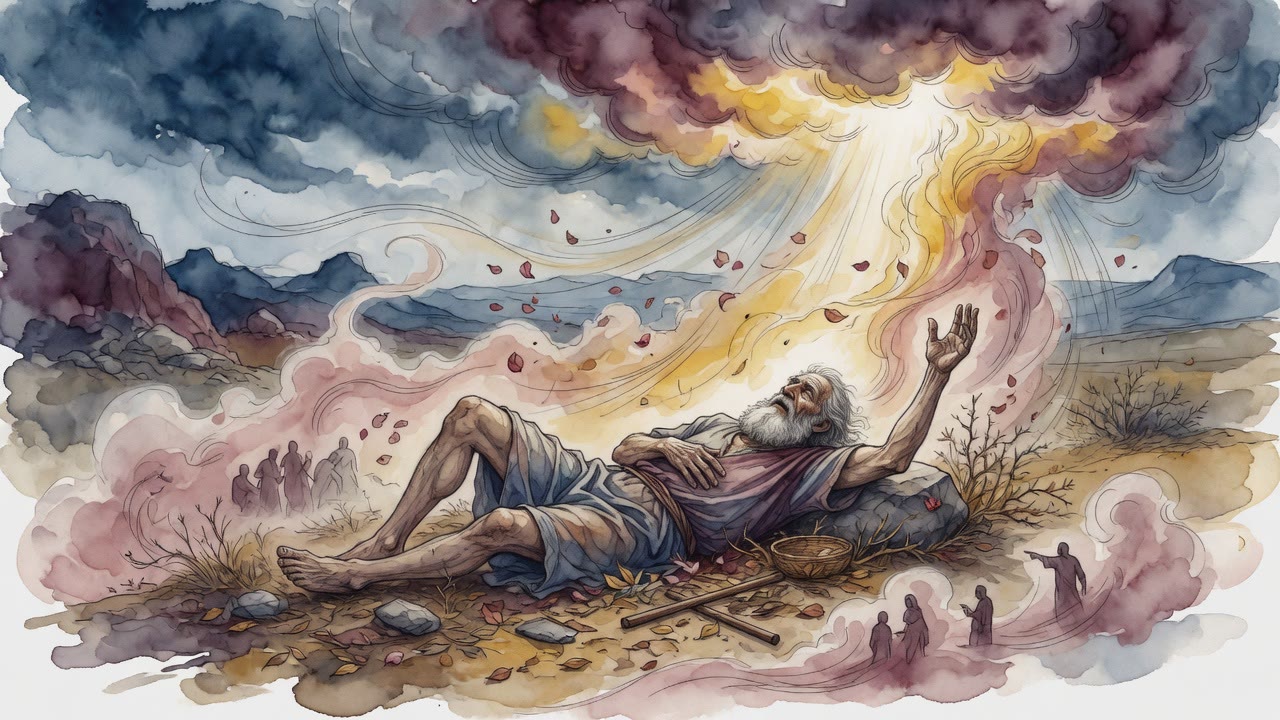
The boils ran from sole to crown. Wings landed in the raw places. Heaven had not closed the wager, and Job could not lift his hand.
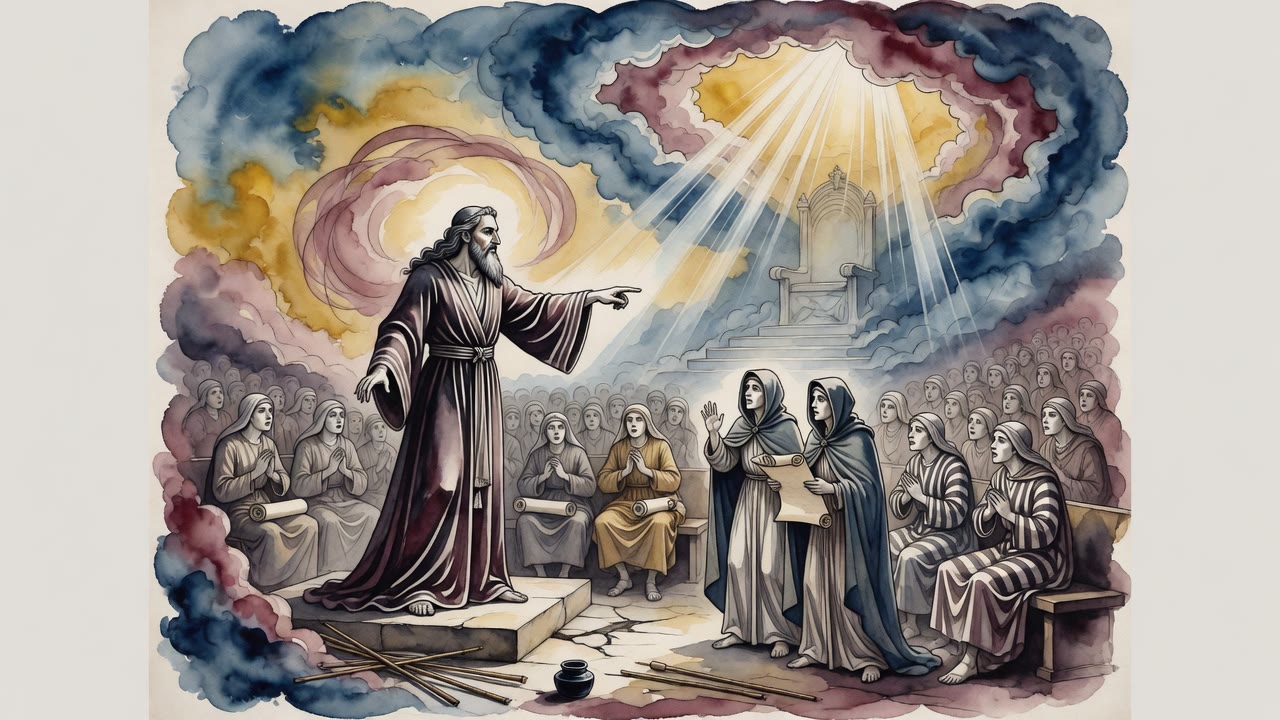
Two seats sat empty in the study hall, and no student had noticed. Toward evening the two appointed men came back and sat down among the ordinary disciples.
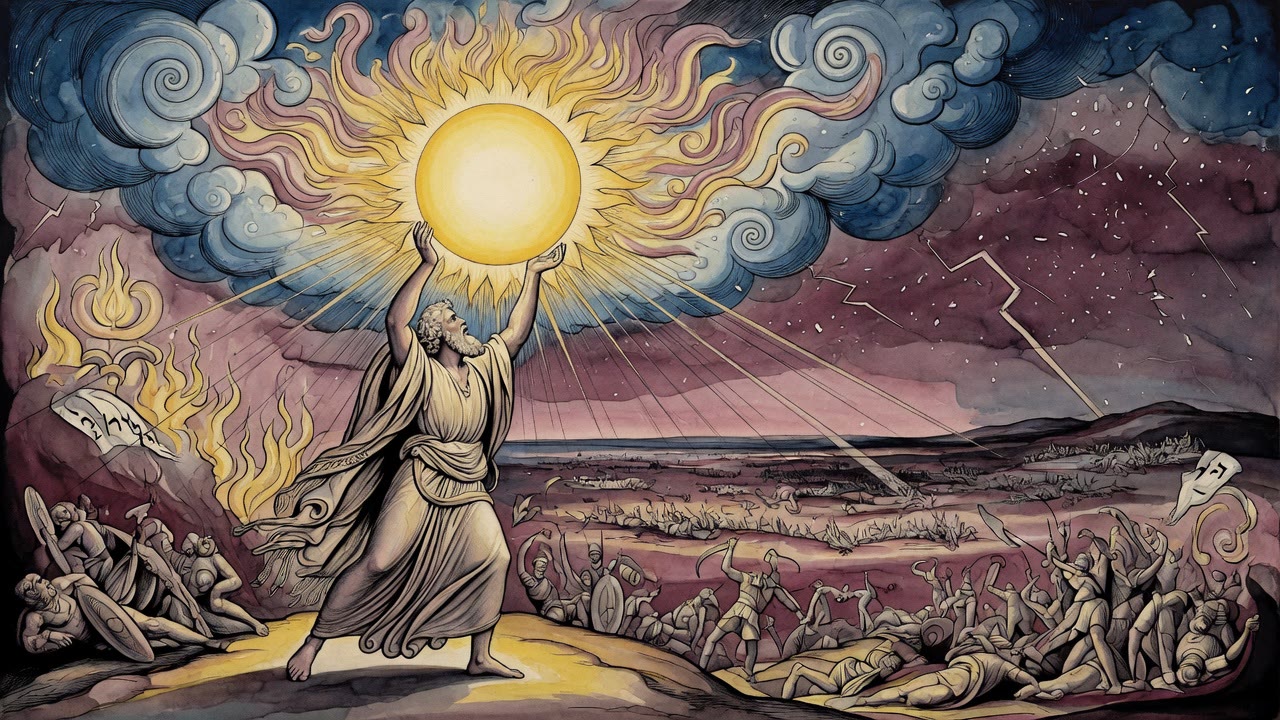
Joshua ordered sun and moon to stand, and the midrash says the righteous rule the lights, holding day open until Israel's battle was done.
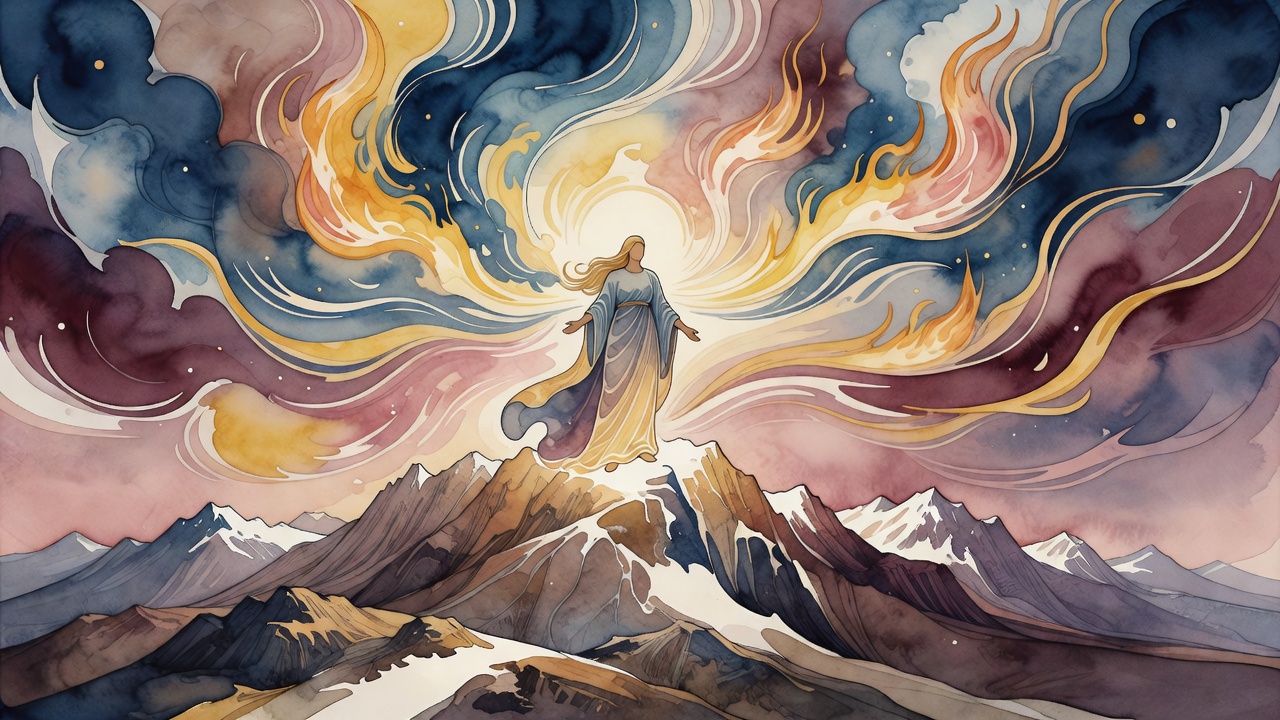
Forty-nine nights they counted, and children asked if today was the day. On the fiftieth morning the air on the mountain grew heavy.
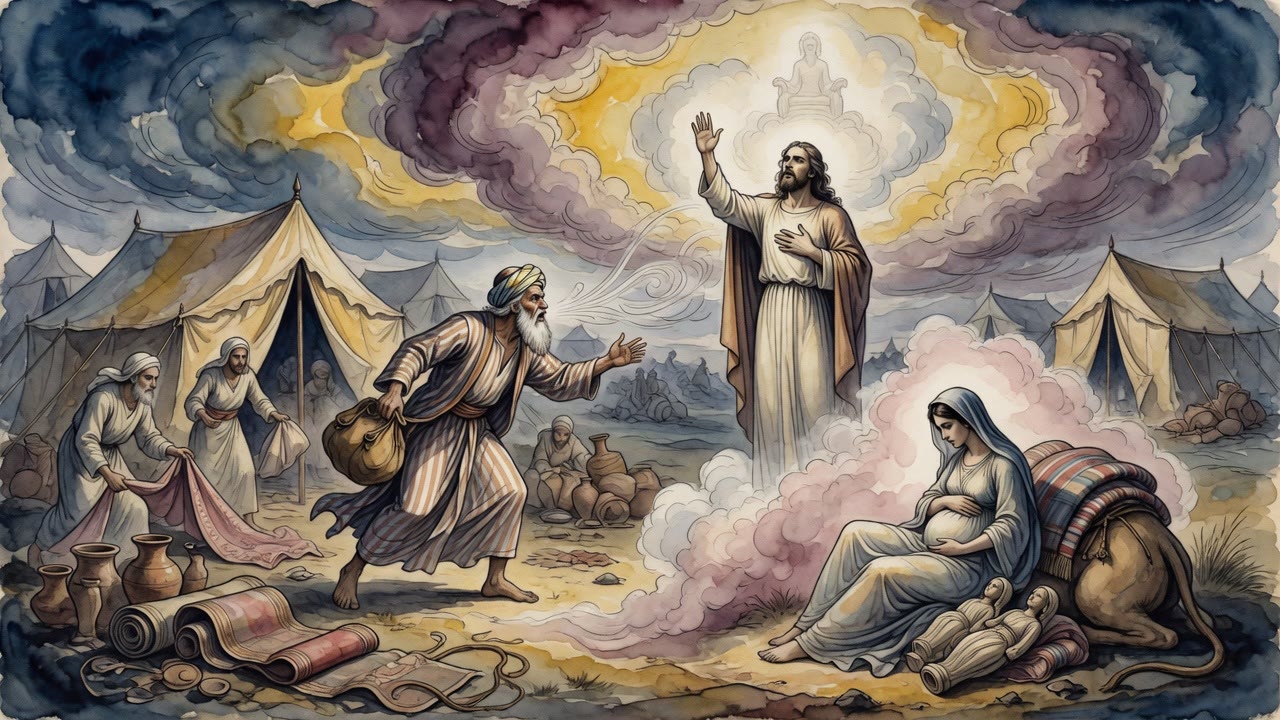
At the mountain Israel rushed to say we will do and we will hear, and the midrash names that rush a theft of the Higher Mind Heaven had not finished offering.
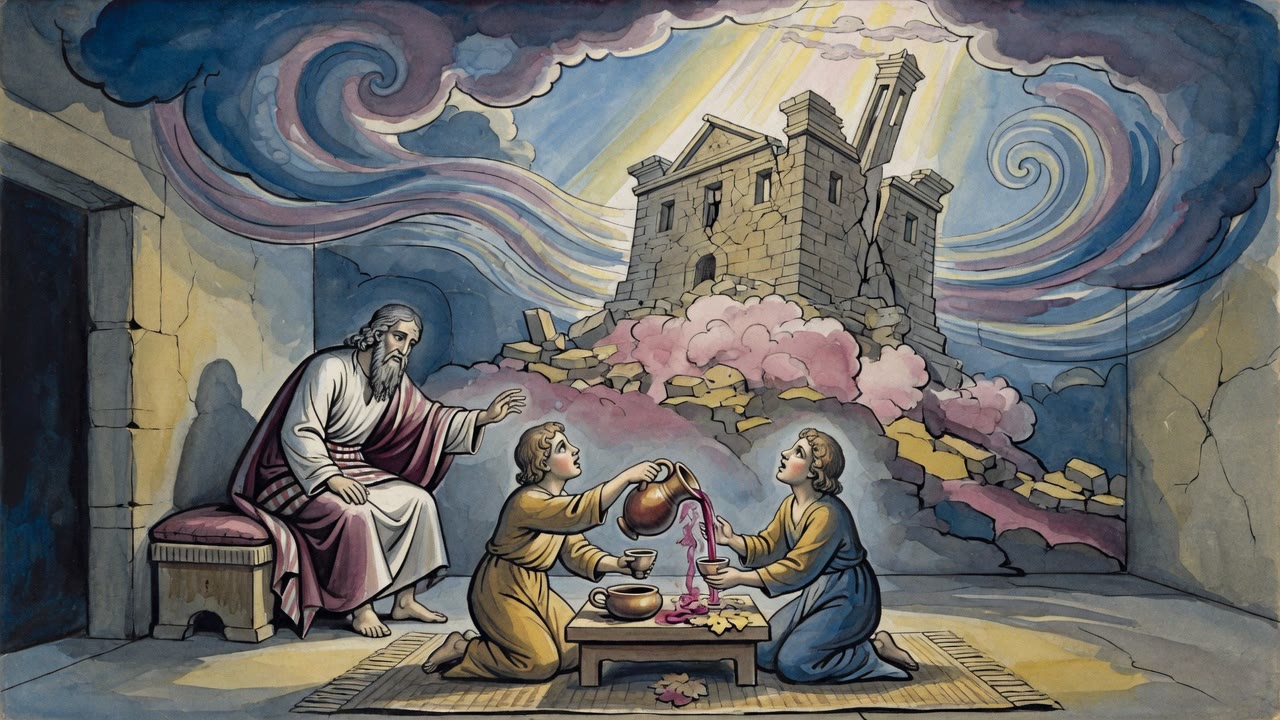
Heaven and earth failed as collateral. The patriarchs failed too. At Sinai God took Israel's children as bond for the Torah while nations refused the gift.
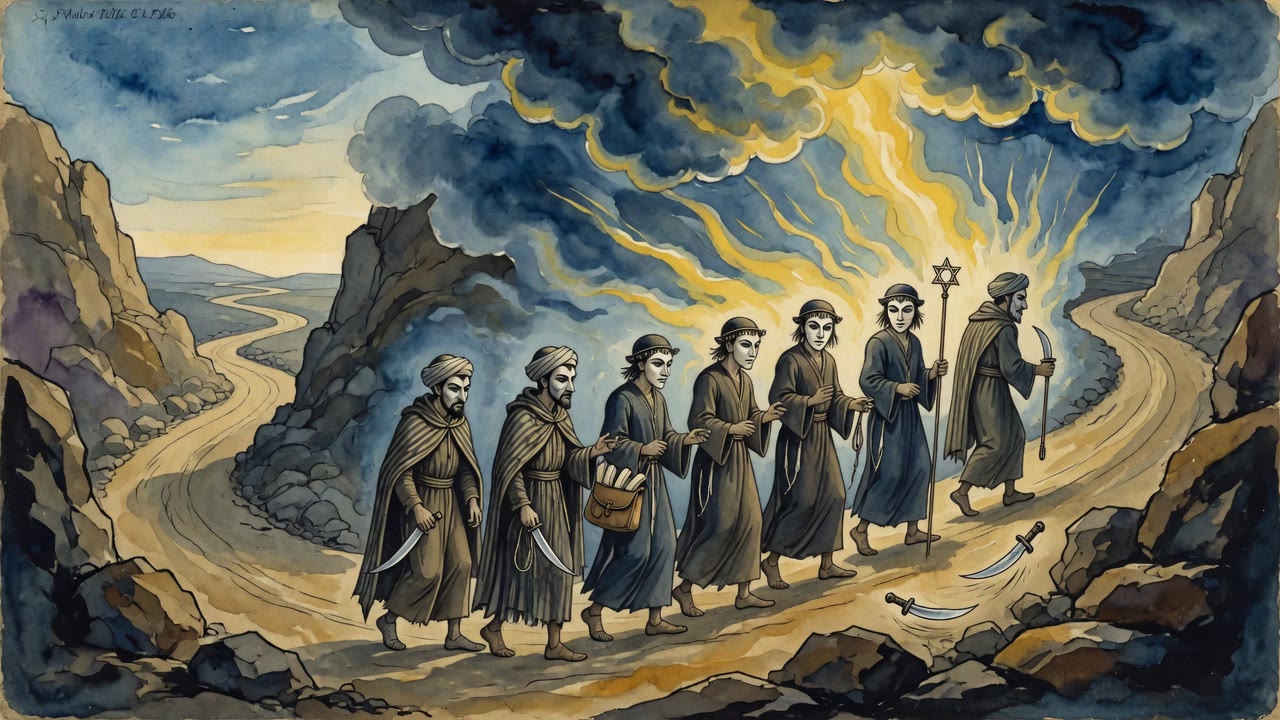
The guard left one small cup of water in the cell. Akiva poured half of it over his hands and ate his bread, then went thirsty the rest of the day.
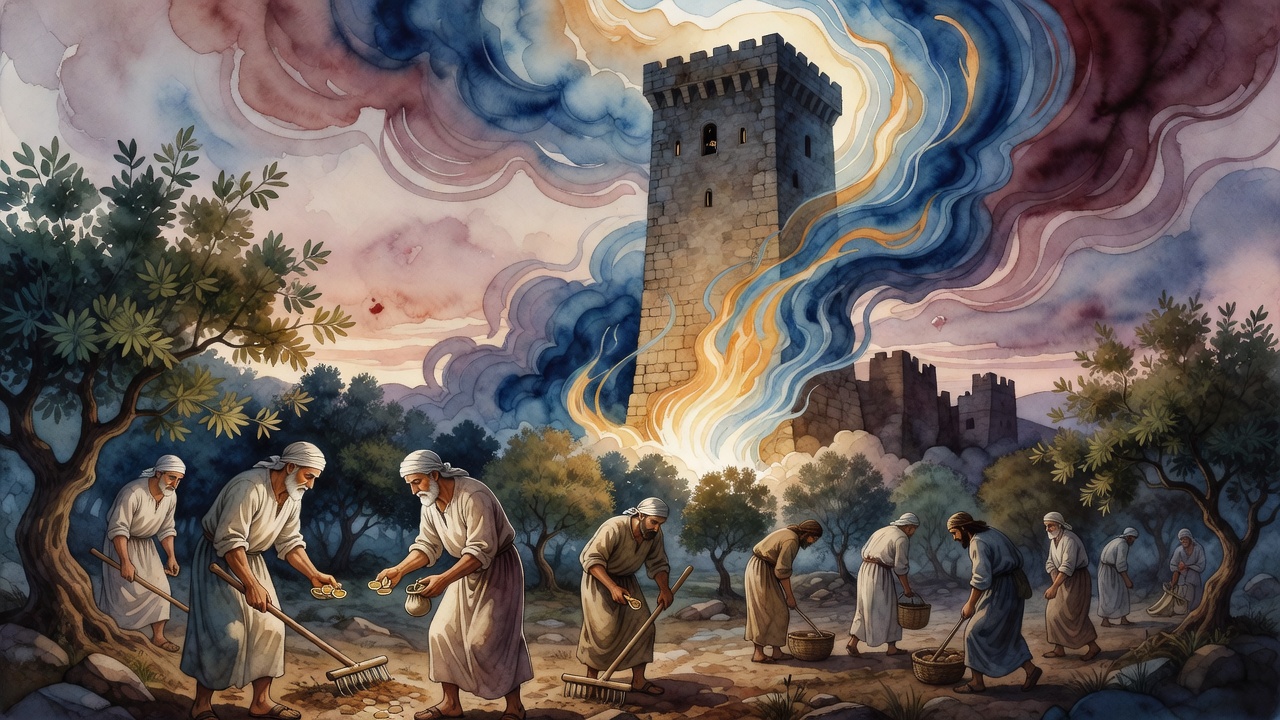
From the tower the king watched every hoe. None of the hired men looked up. At dusk he came down with a purse and a list of names.
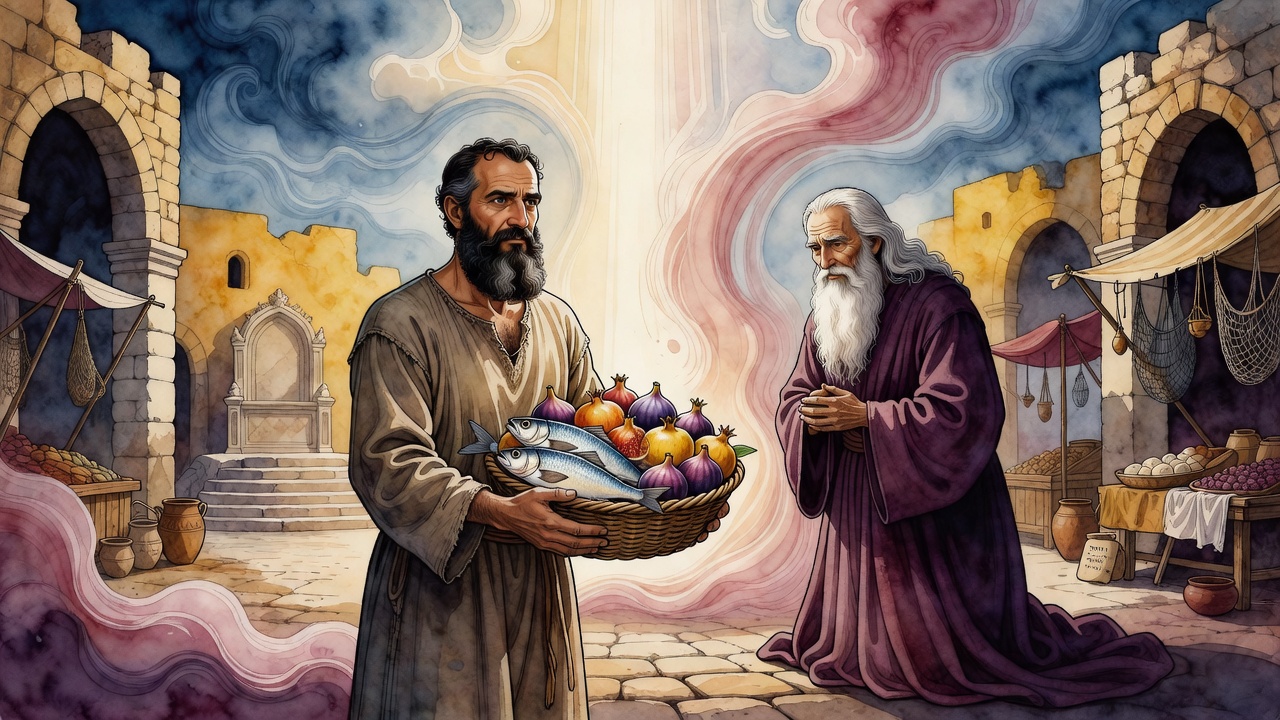
He set aside the best fish on Sunday and the good meat on Thursday, and ate none of it before Friday night. The neighbors laughed until he grew rich.
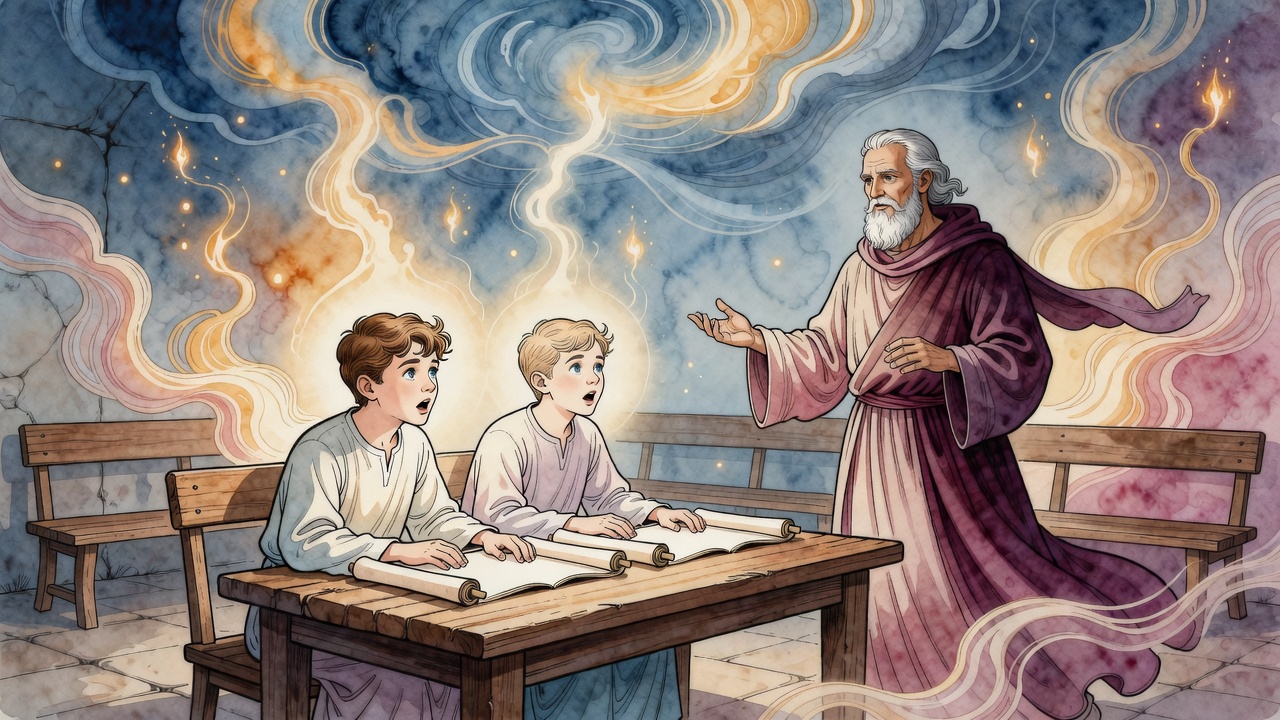
Every time the sages pushed open the door of the study house, the two men pushed in behind them. Heads nodded with the argument. Lips moved. No sound came.
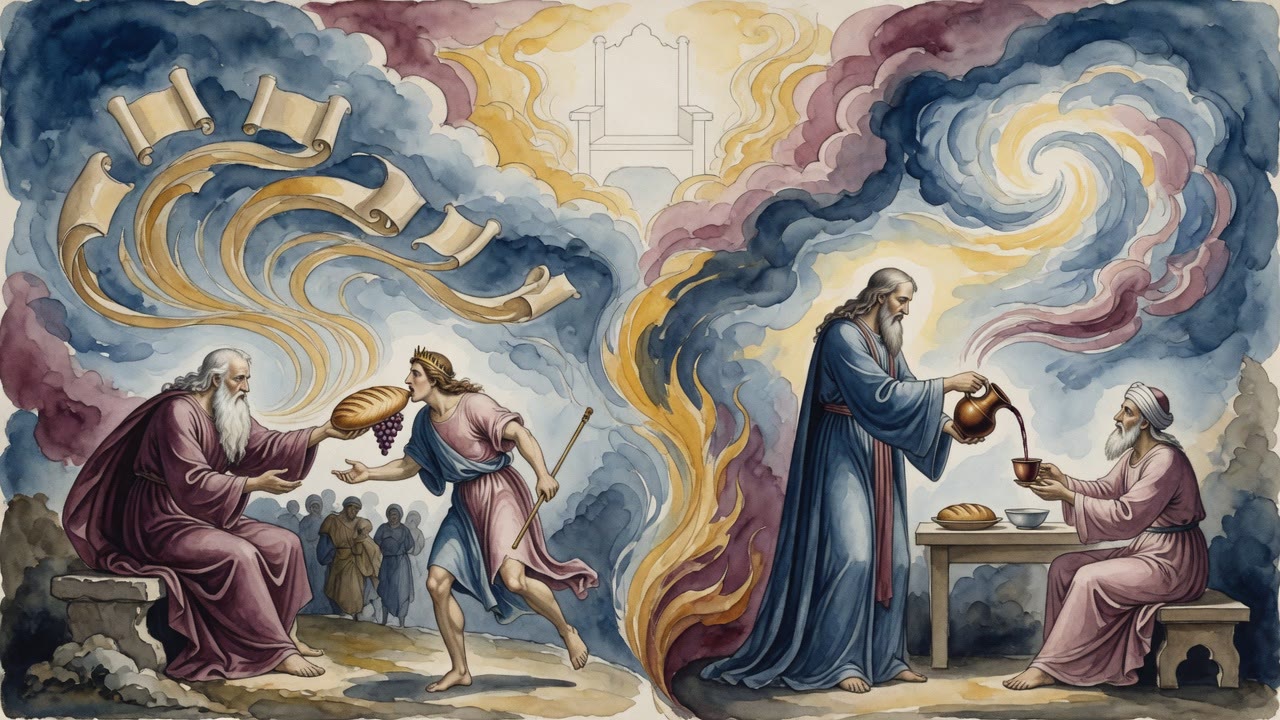
Old Barzillai fed fleeing David and earned five mentions like five Torah books, while Rabban Gamliel poured wine for Rabbi Yehoshua with his own hands.
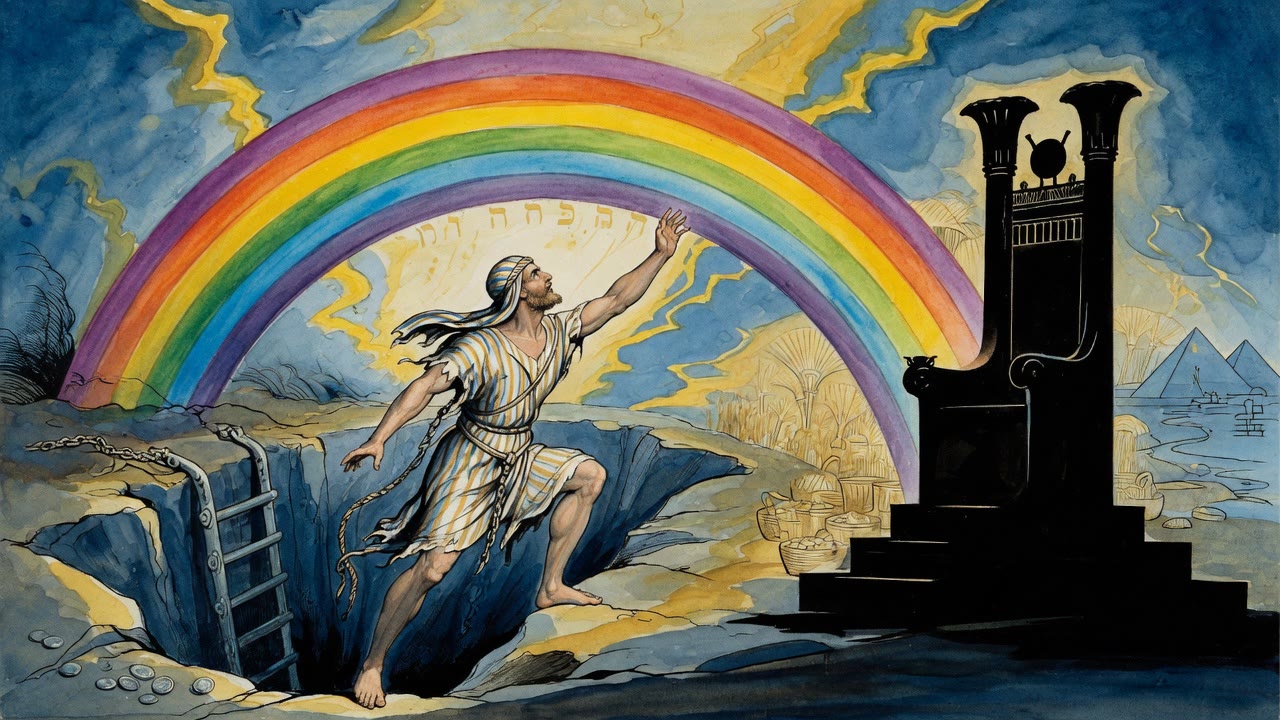
A heretic laughed at bones becoming dust. Ami told of a king who ordered a palace from empty air, then from mud.
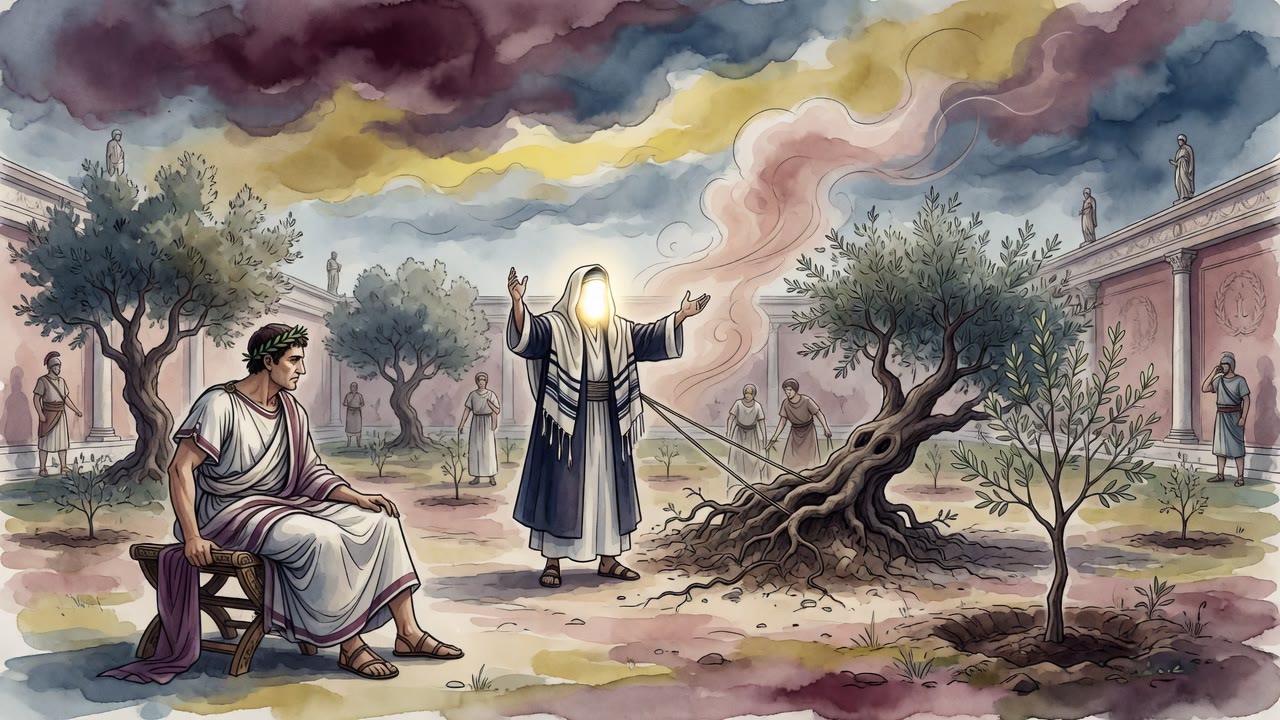
Palace corridors had listeners. Rabbi Yehudah ha-Nasi put his hands in the soil and let the emperor read the roots himself.
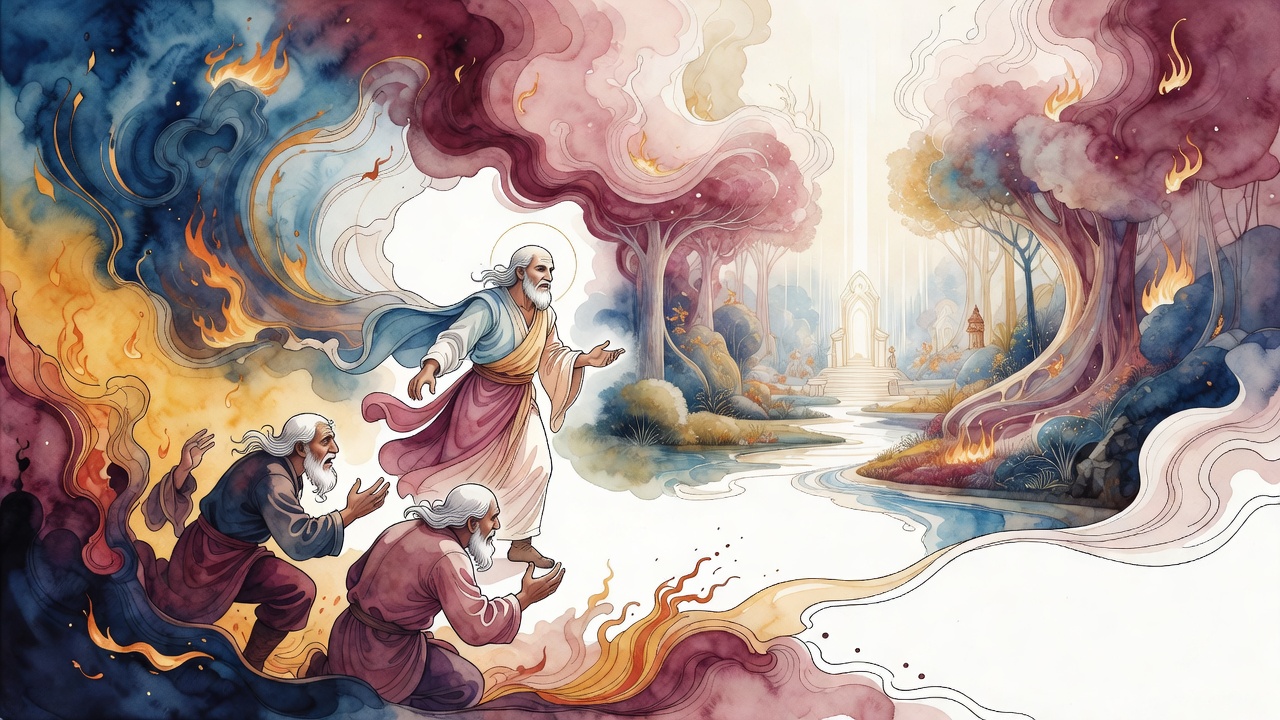
Dust rose off the road outside Tiberias. Three men waited in the brush for a cart. Resh Lakish held the rope. The others kept their knives.
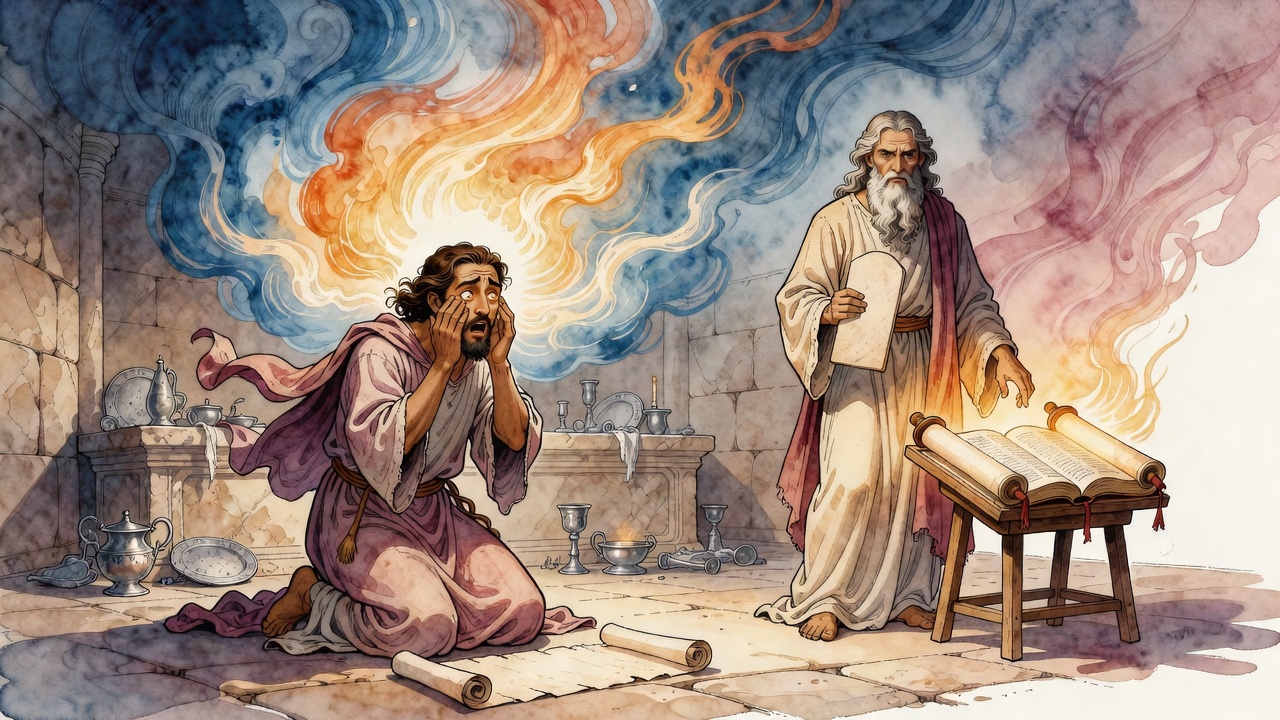
Men left money with him for safekeeping because he held a religious office. He spent it and woke up blind. His fellow priests blamed the idol.
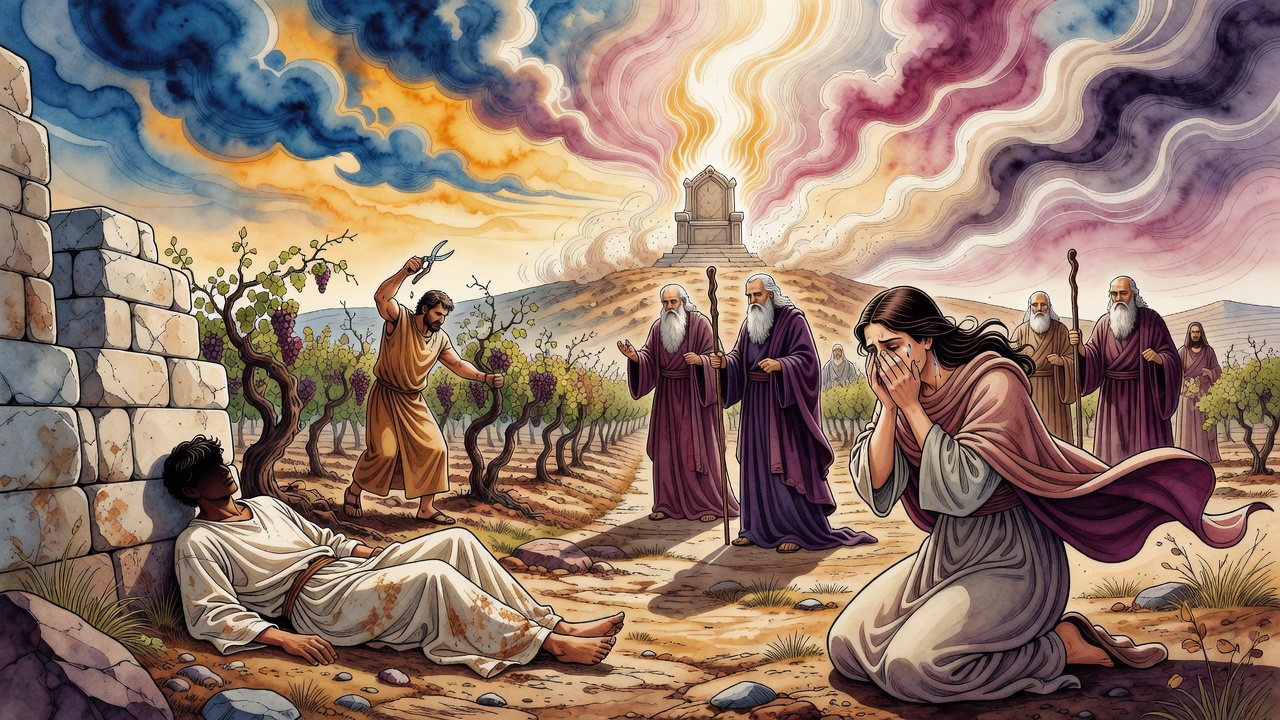
A young scholar died in his prime, his widow wept for fairness, and the sages answered with a vineyard worker paid a full day for two fierce hours.
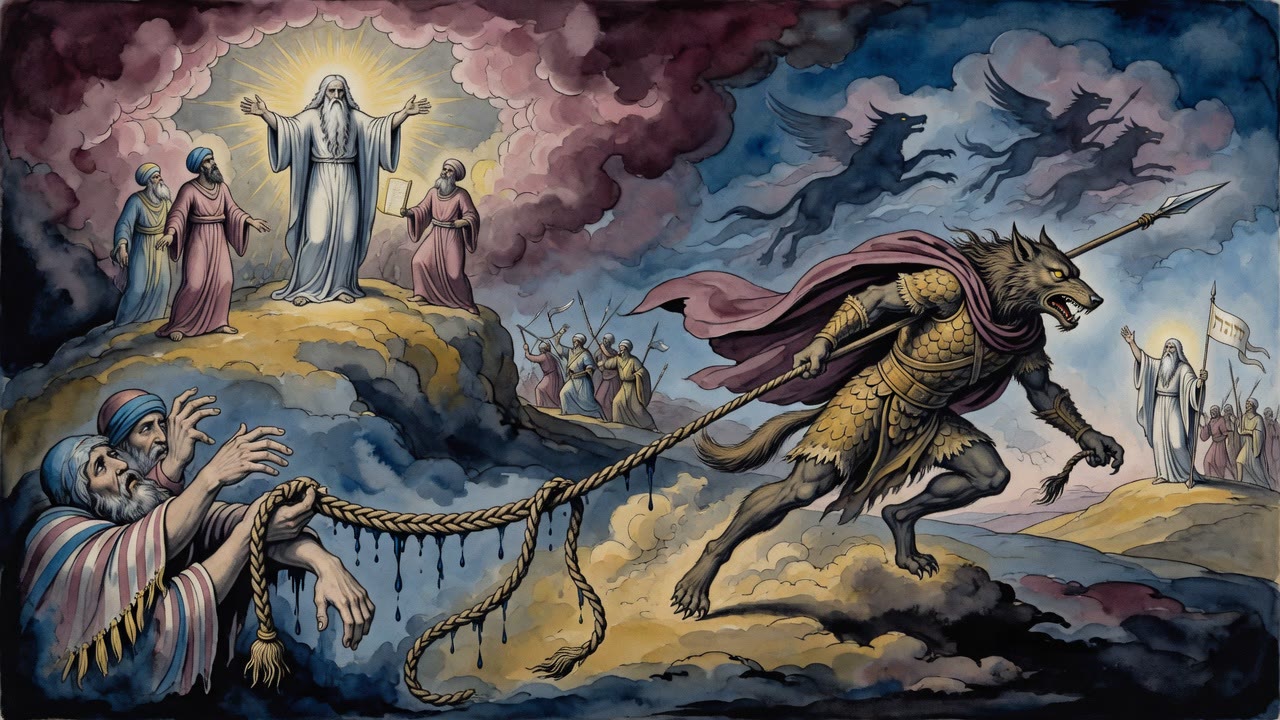
Scrolls lay closed in the tents at Rephidim. Then Amalek came in from the rear, and Moses had to have his arms held up until sundown.
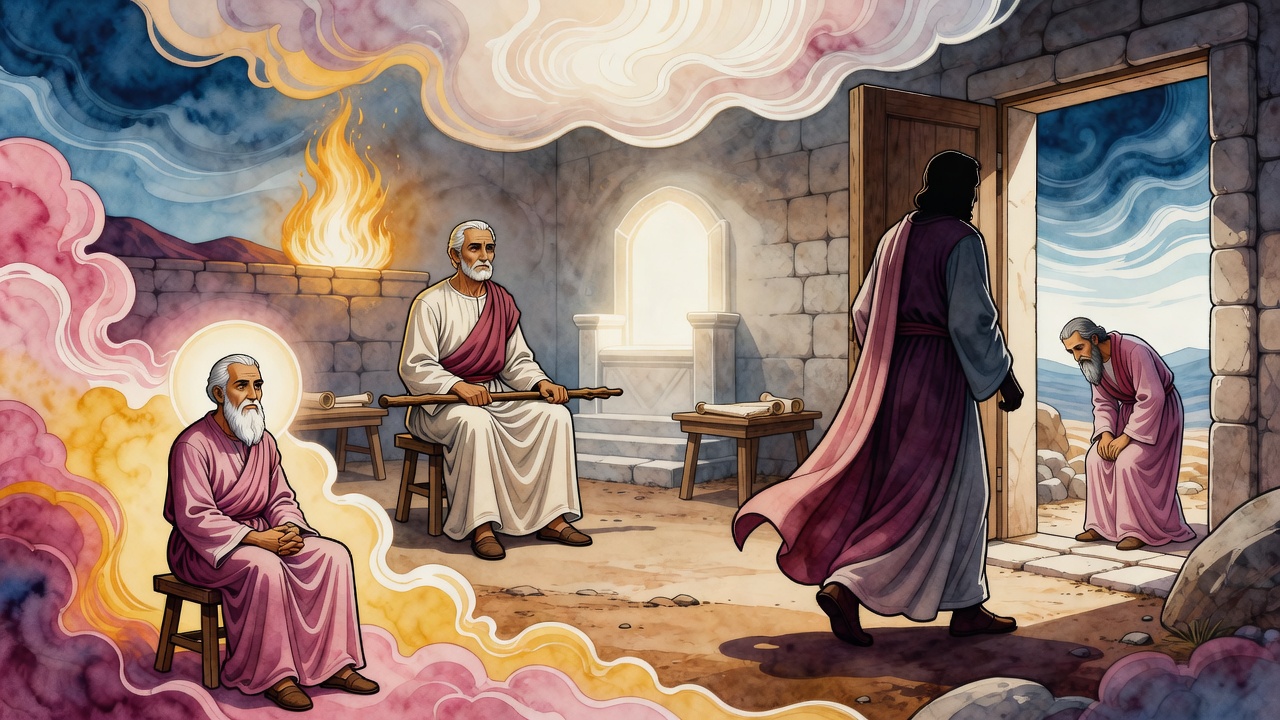
A schoolmaster kept his rod and his seat when a king walked in, then bowed outside class, while Rabbi Zeira refused to rise for bought honor.
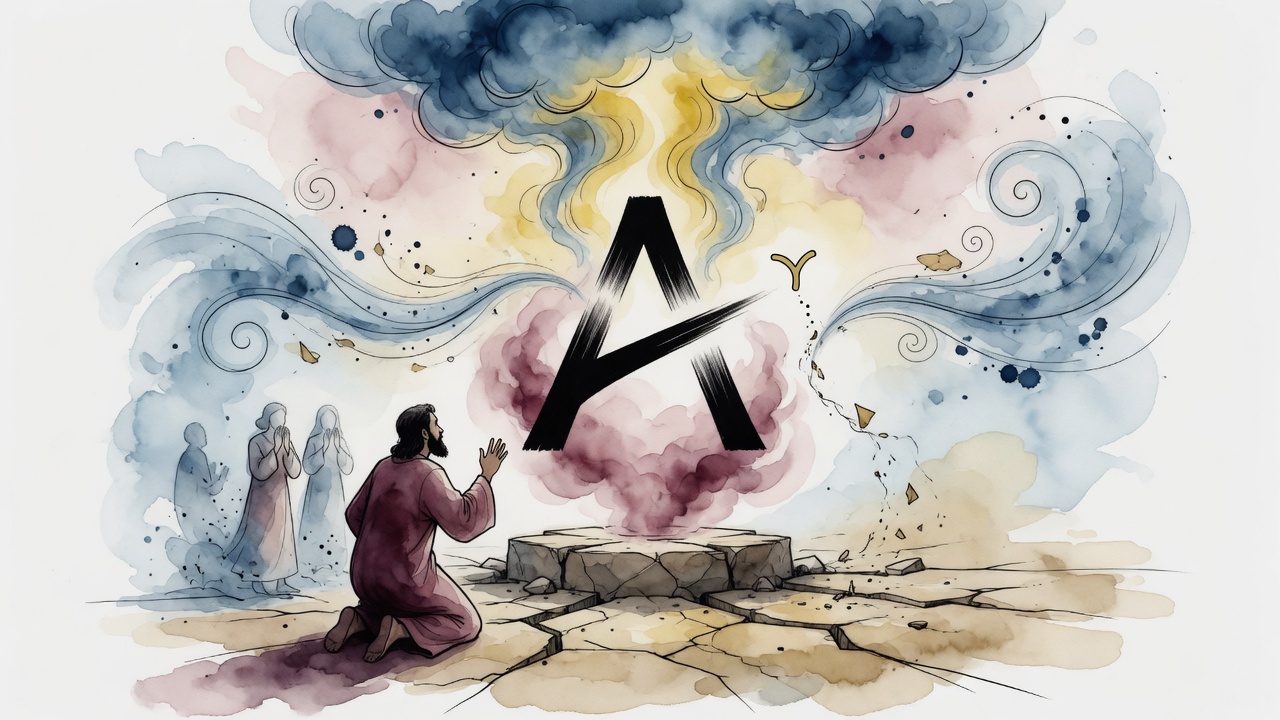
When creation would not stop expanding, God spoke one syllable, dai, and the heavens held still so a world of limits could live.
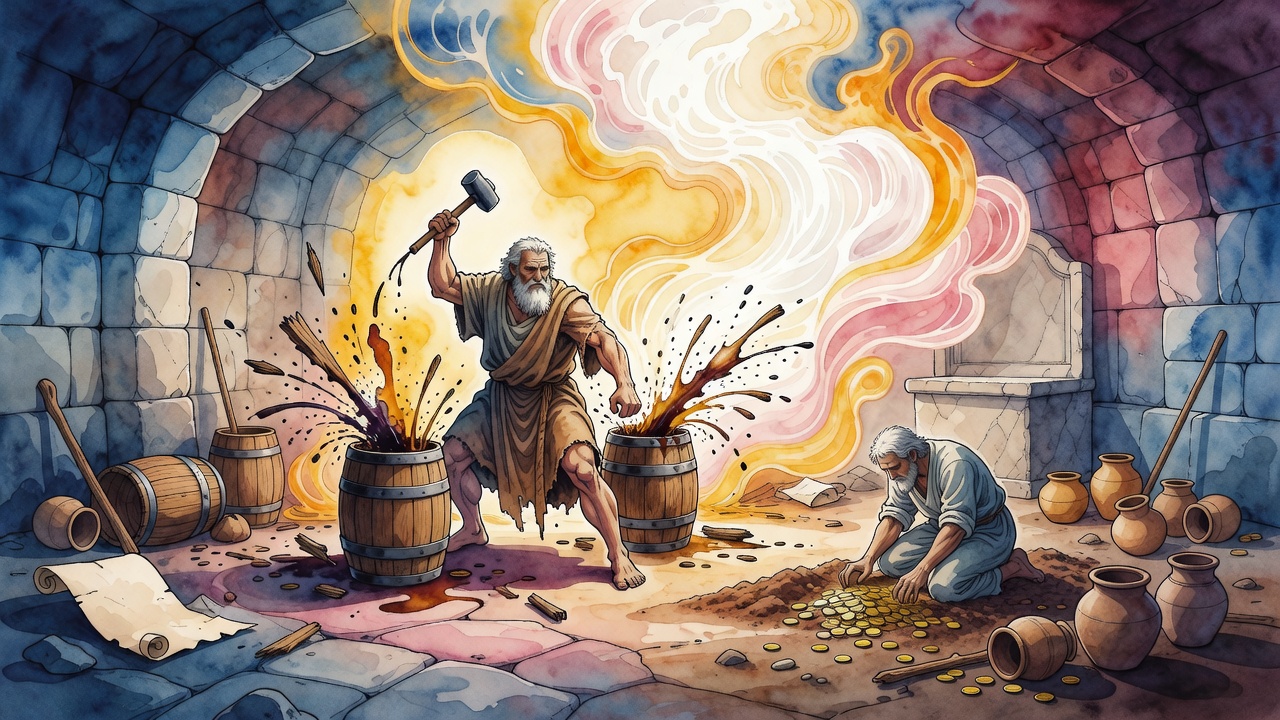
A harvest lord smashed his own casks rather than give the tithe, while another man buried gold in clay and returned to empty jars.
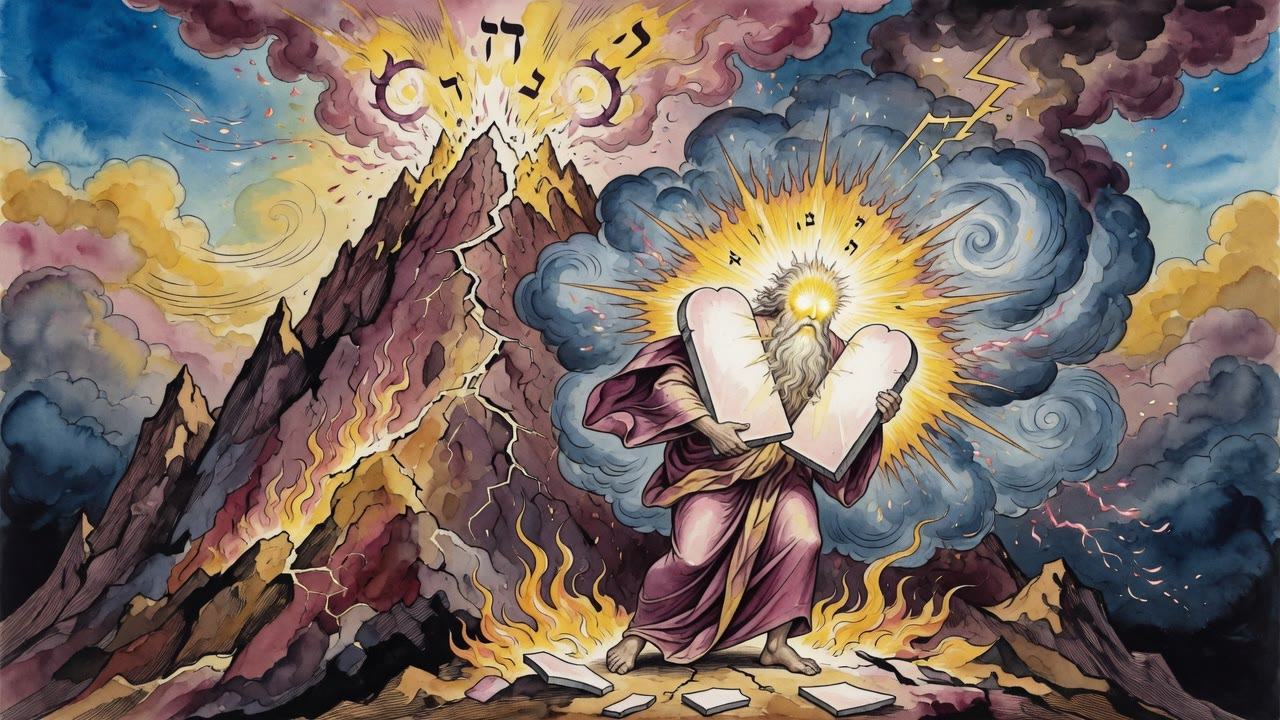
The first tablets left his face unmarked. He cut the second set with his own hands. The camp saw the light before he did.
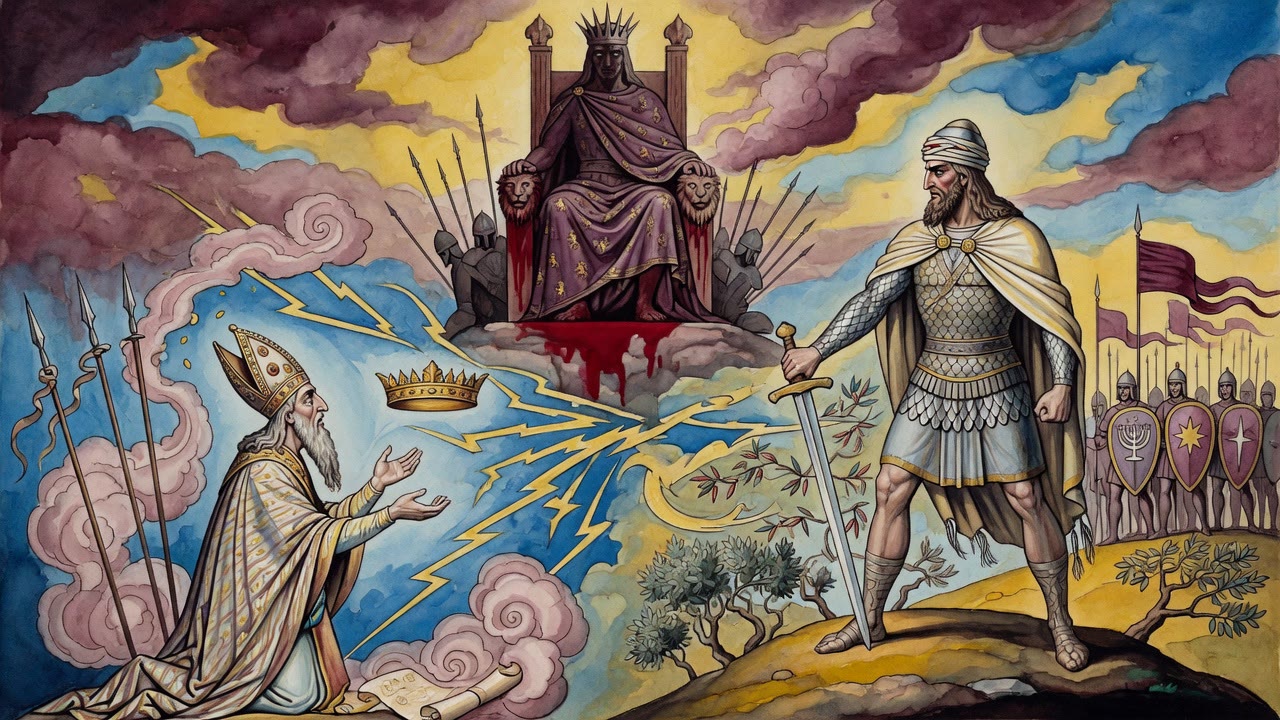
Turnus Rufus called charity mutiny against God's plan. Akiva answered with a father's hungry child, then priced each Torah word in gold.
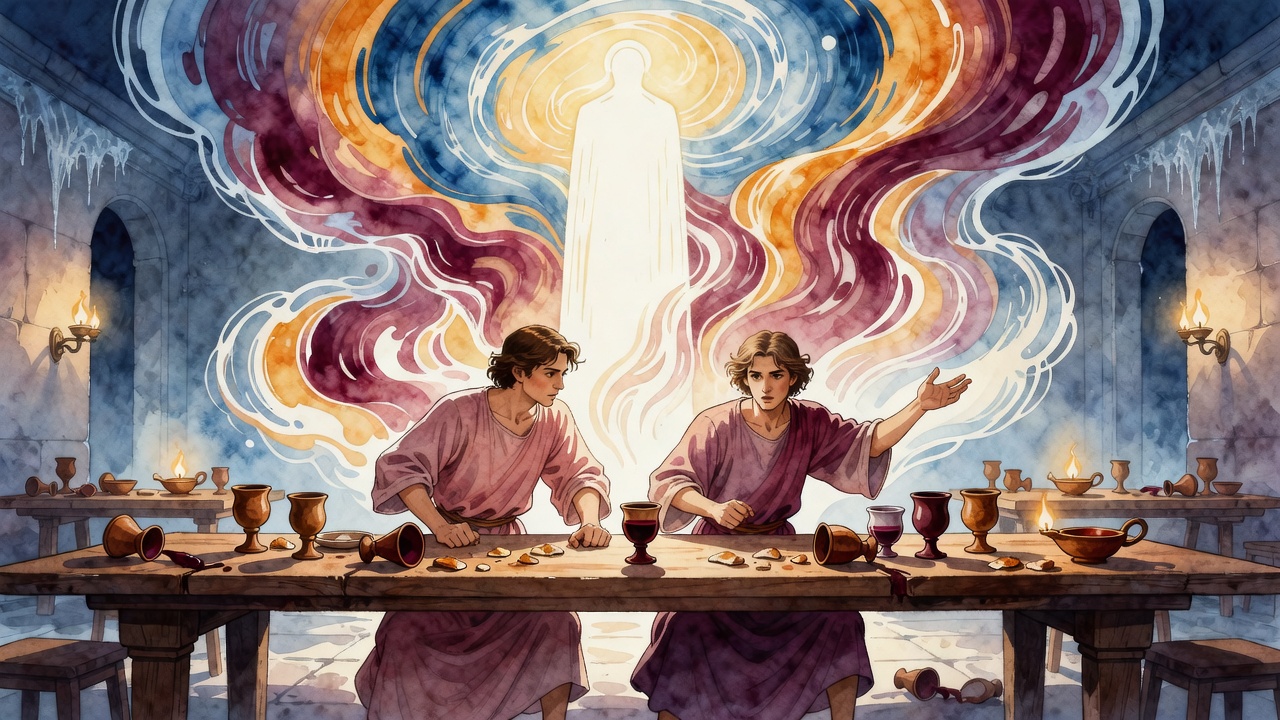
Drunk at Judah HaNasi's table, Chiya's sons said Messiah waits until both Davidic houses end, and the room went cold.
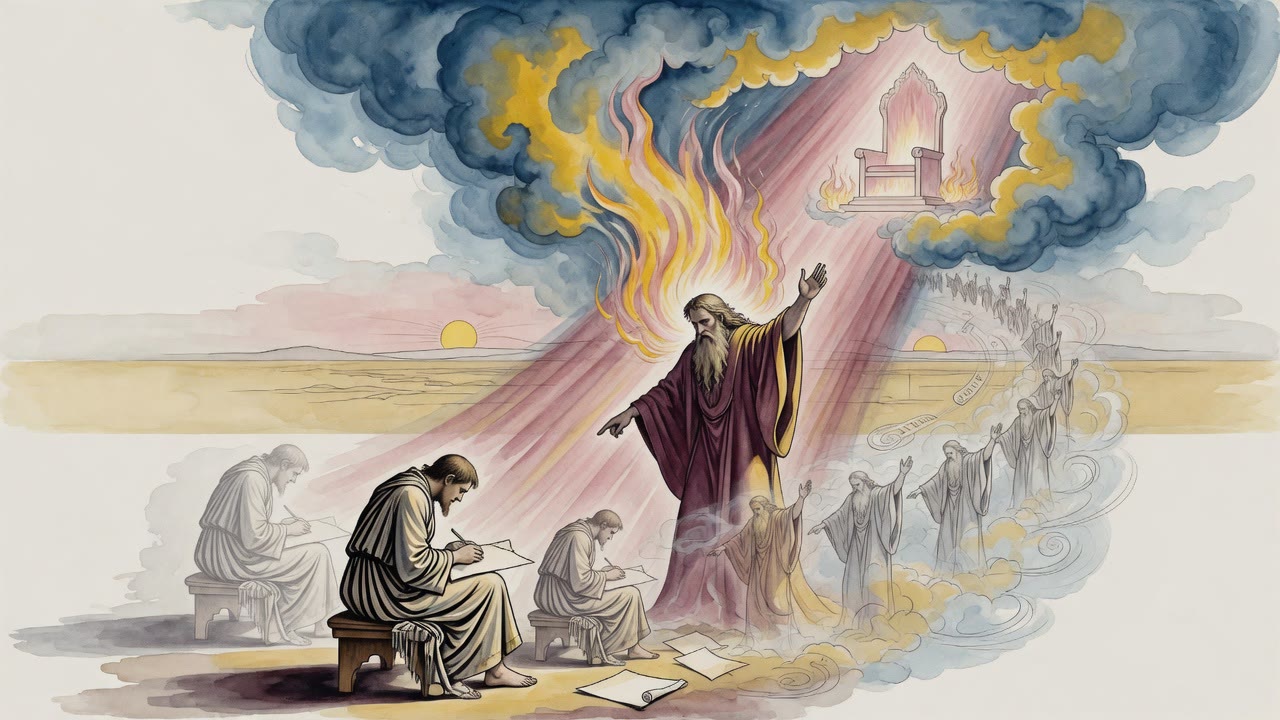
A slow student needed four hundred repetitions, then four hundred more. Heaven offered years; Perida chose eternity.
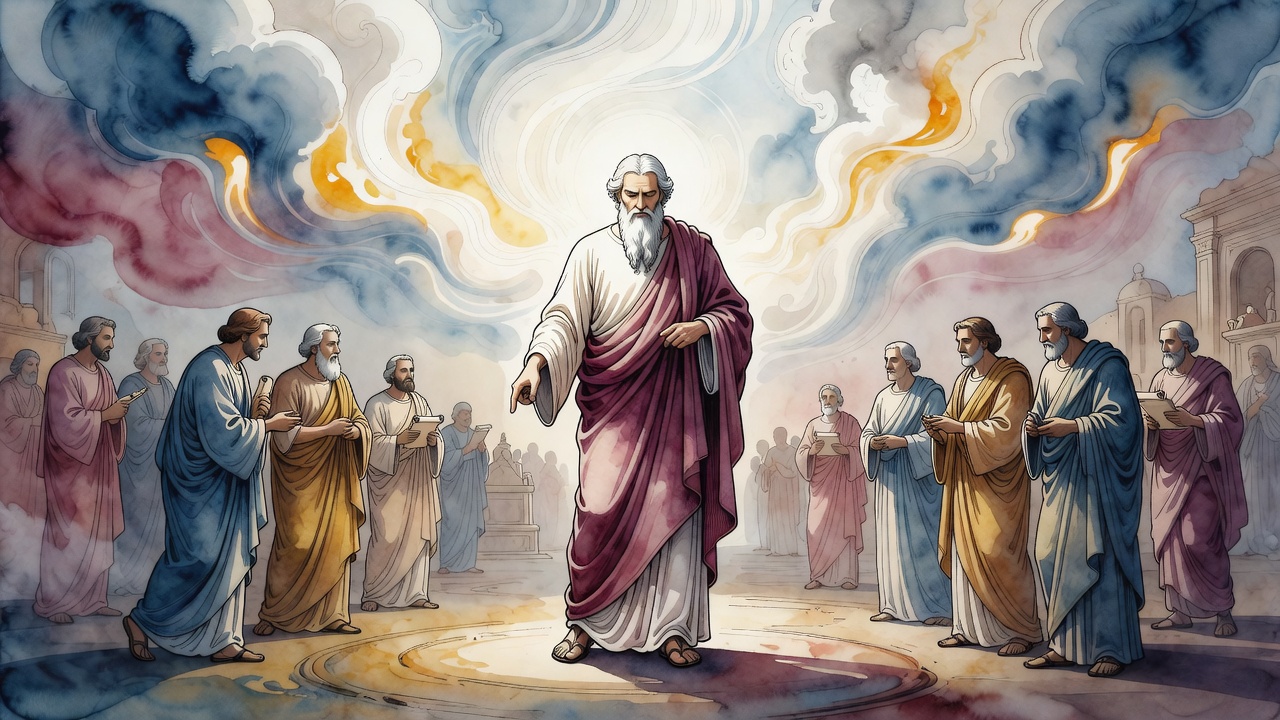
In Alexandria philosophers set riddles to trap a Jewish sage, and he pointed to the ground under his feet, then left their pride without a rope to measure him.
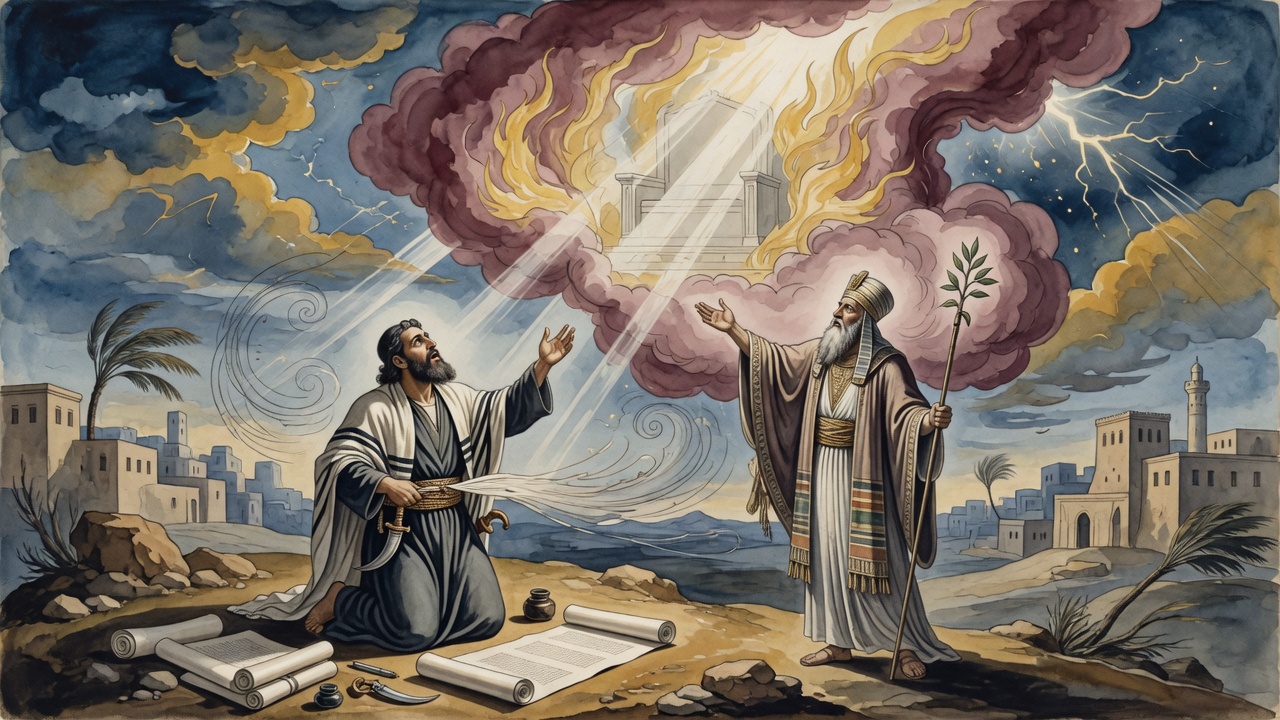
He tightened his belt in Yemen and would not dip the pen until a short poem had asked the Merciful One for room on the page.
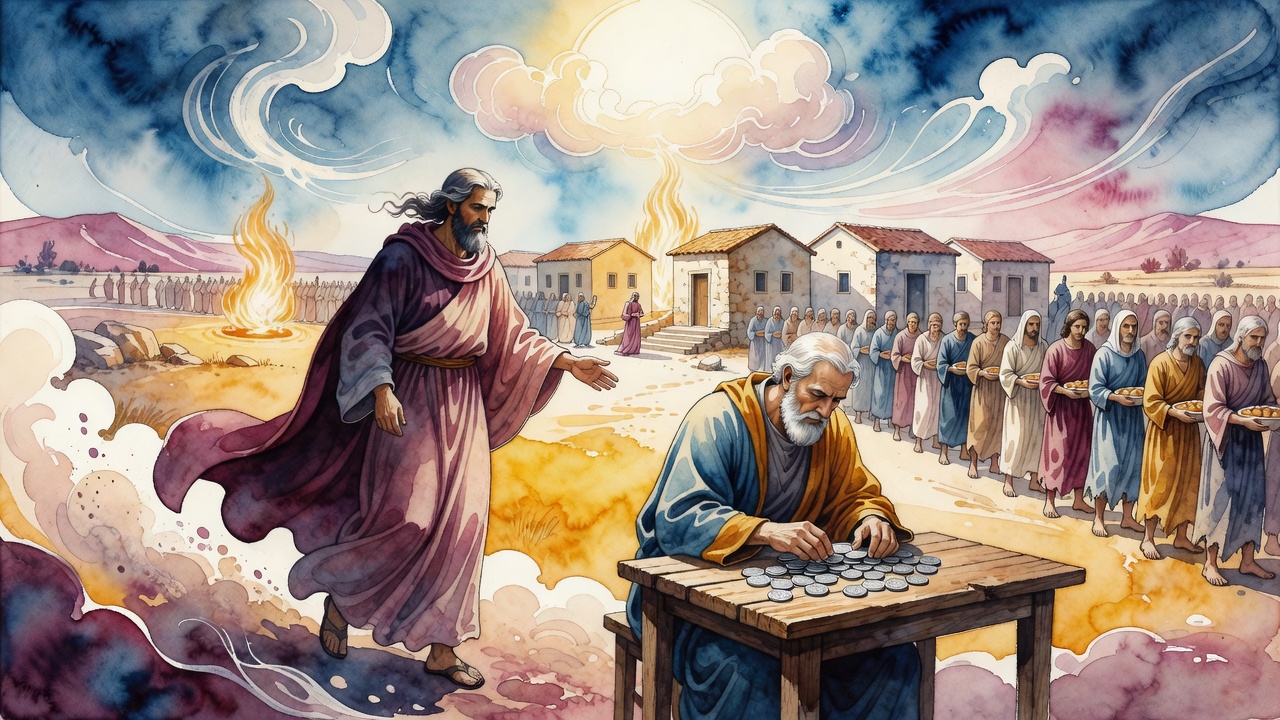
Tarfon counted coins for a safe investment. Akiva led him to schoolhouses and bread lines and named them a town.
They camped in the town square and asked neighbors to walk to Shiloh. Five houses followed. Next year ten. Heaven paid him with Samuel.
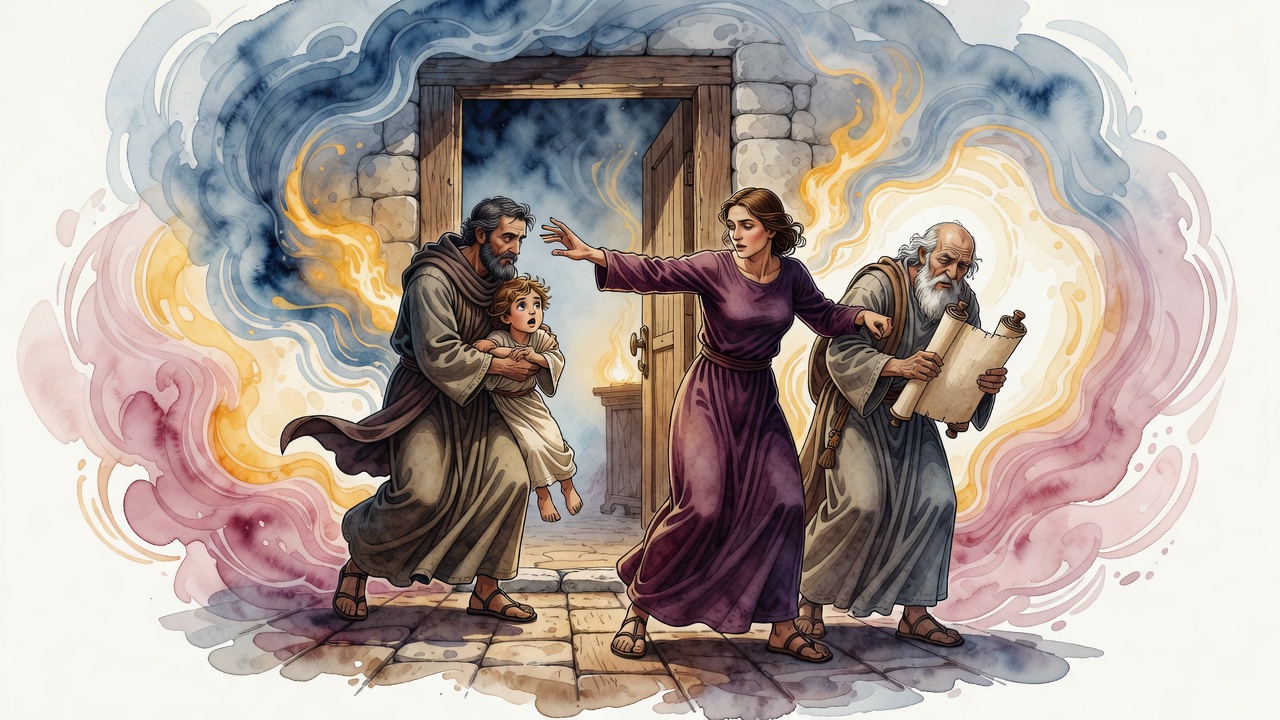
The mother blocked the doorway with her body. Take him to the study house, the father said. Better we both die, she answered.
