496 myths · Page 4 of 17
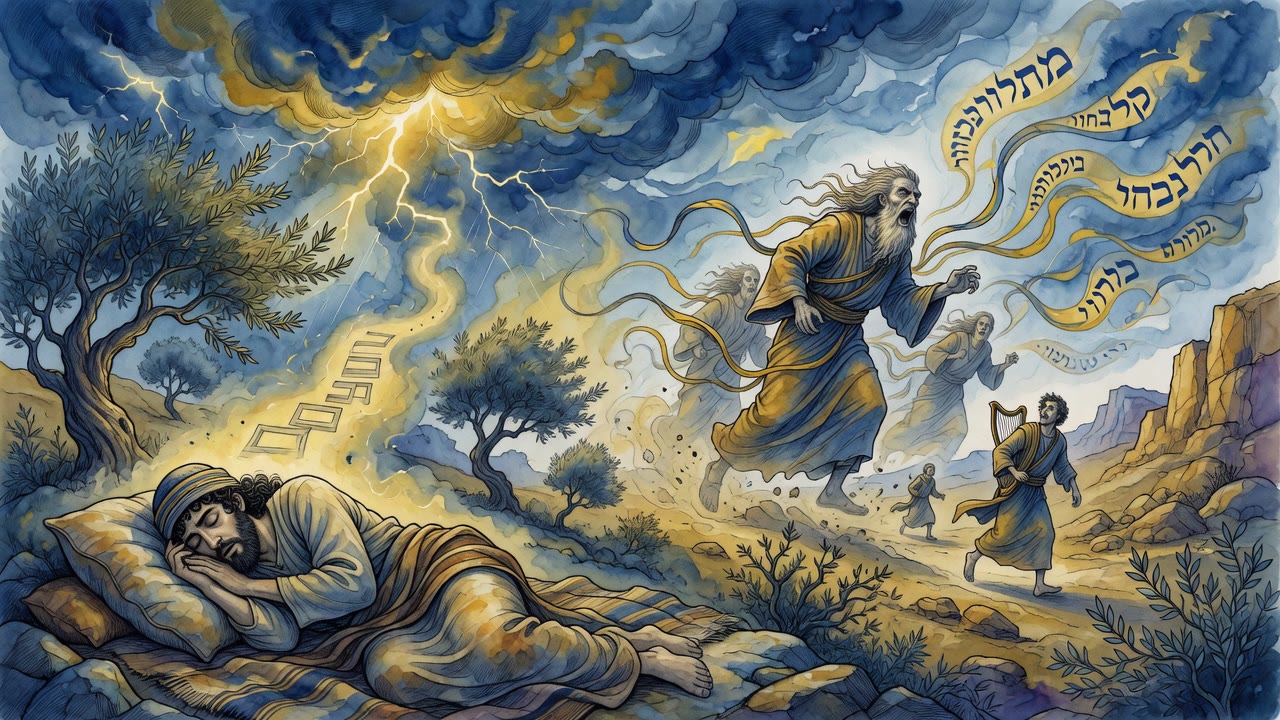
Doeg did not need a blade in Saul's hall. He told the king where David had gone, and the sentence kept traveling after the door shut.
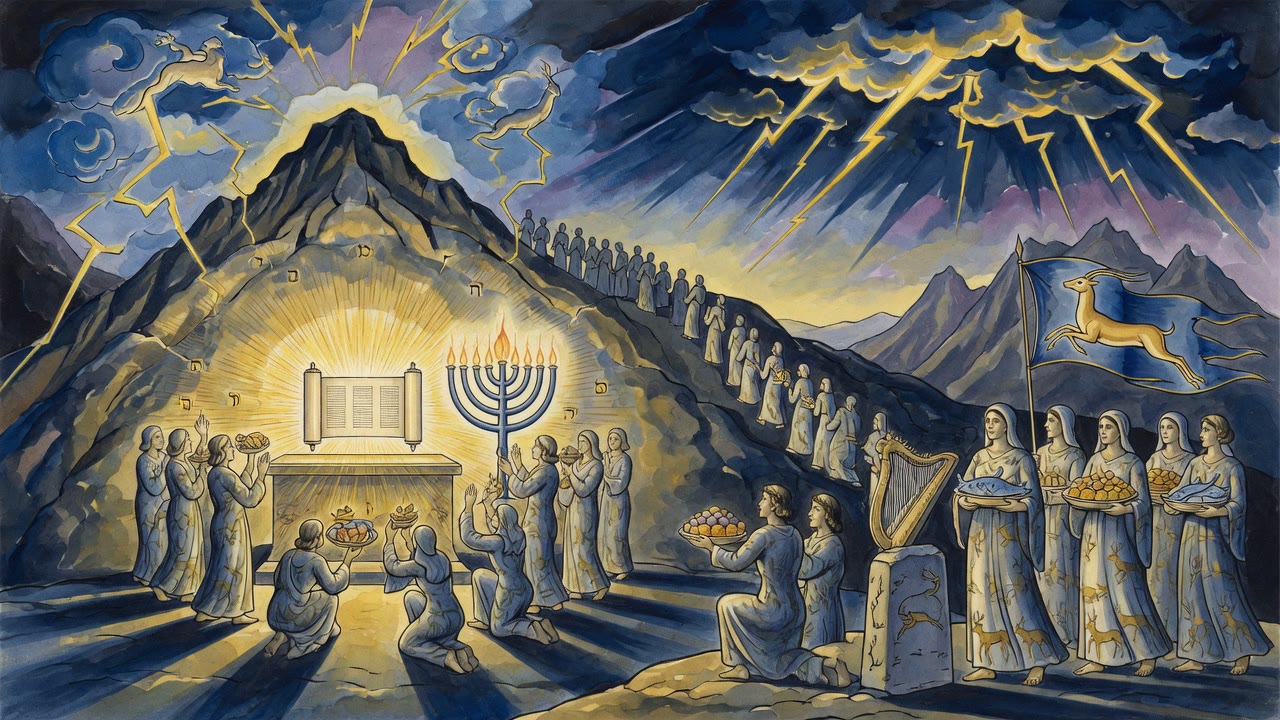
Twelve princes brought identical offerings on twelve straight days. Asher came eleventh, Naphtali last. The rabbis heard the words honey for me in his name.
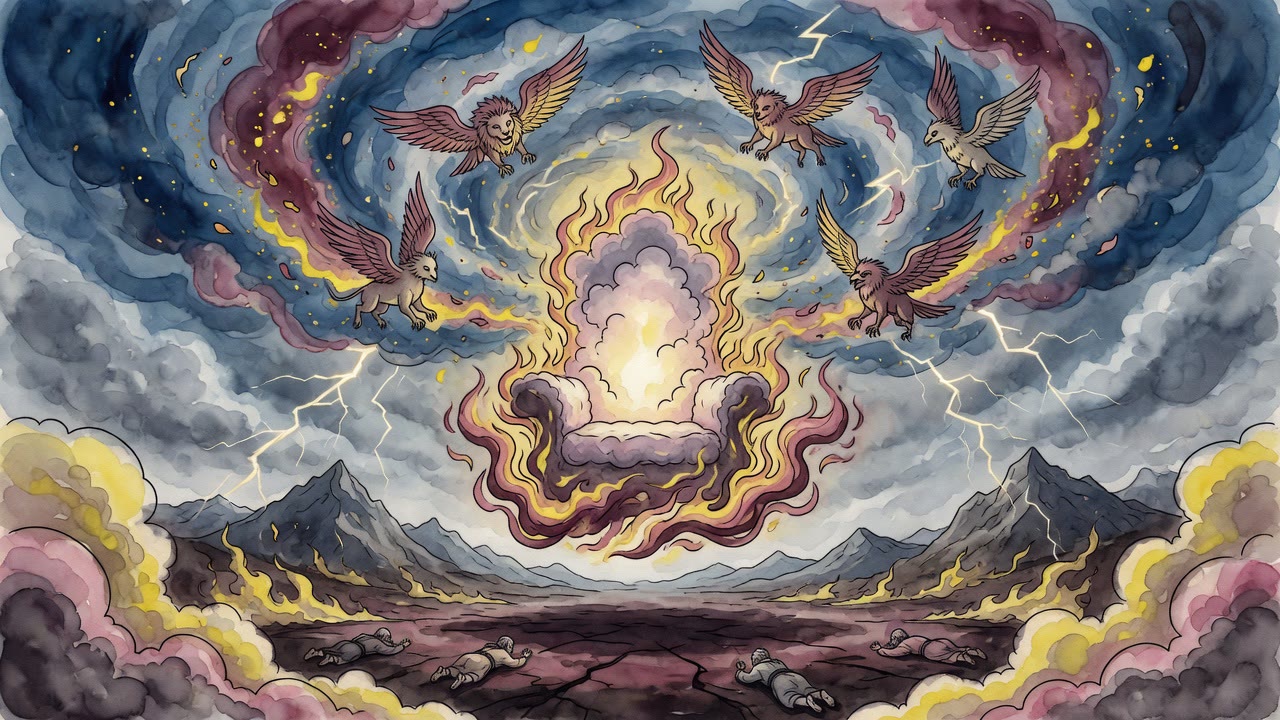
Benjamin was trapped, Joseph was hidden, and Judah stepped forward. The brothers had to answer for the sale they buried.
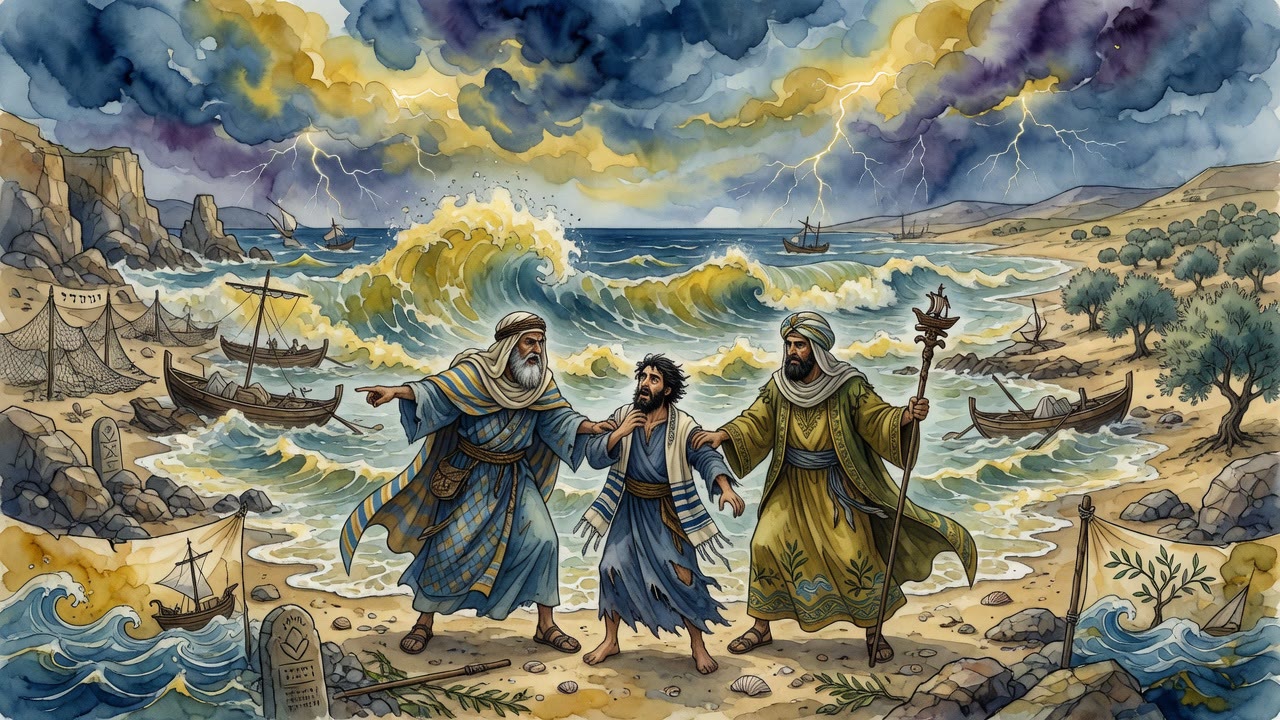
Two sela paid Rabbi Levi to hold the hall until the master arrived. He used the hour to put Jonah on Zebulun's shore.
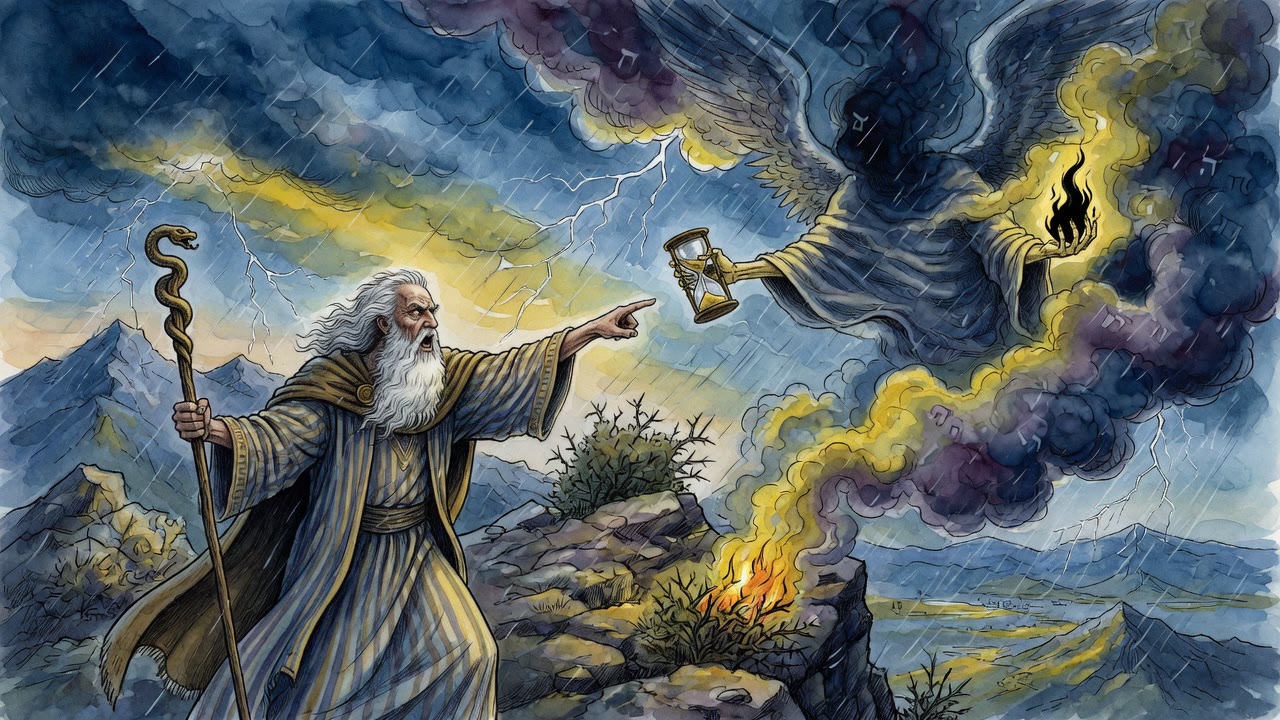
The Angel of Death came into the tent, and Moses spoke the Ineffable Name at him until he fled. On the third approach Moses met him with open hands.
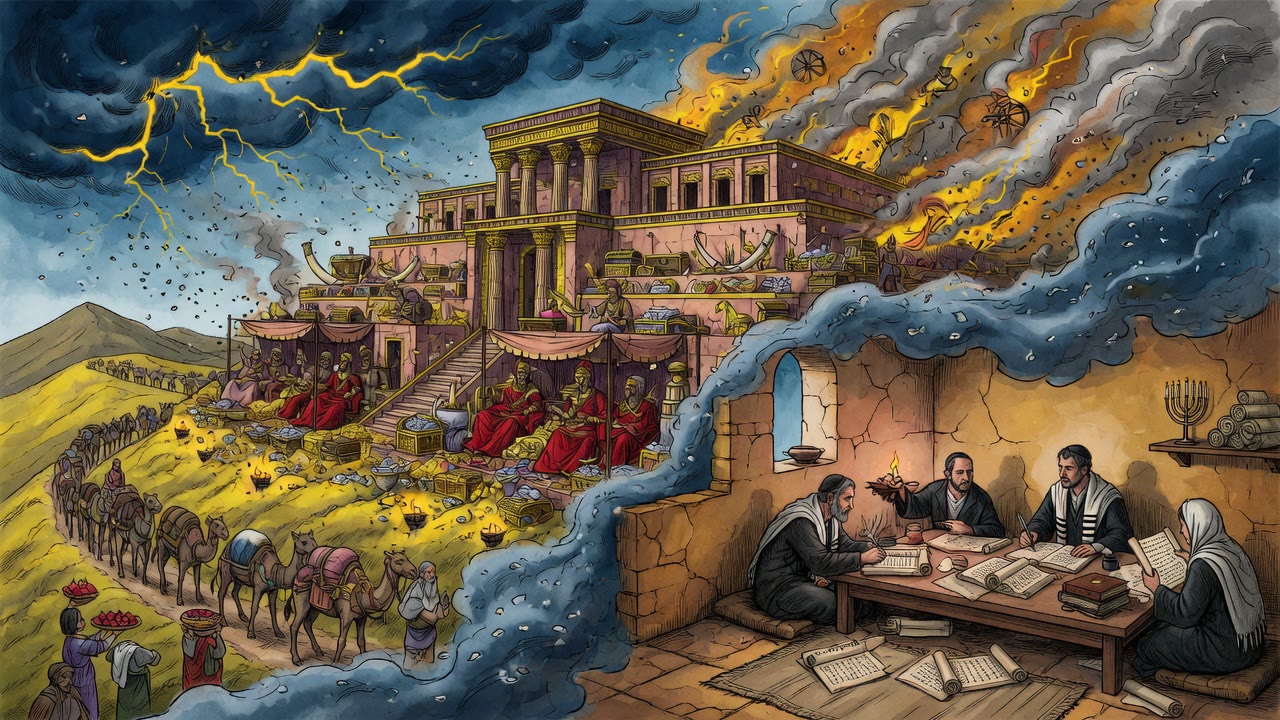
All the rivers run to the sea, Ecclesiastes says. The rabbis read that as Rome, and said the scholars would get the money in the end.
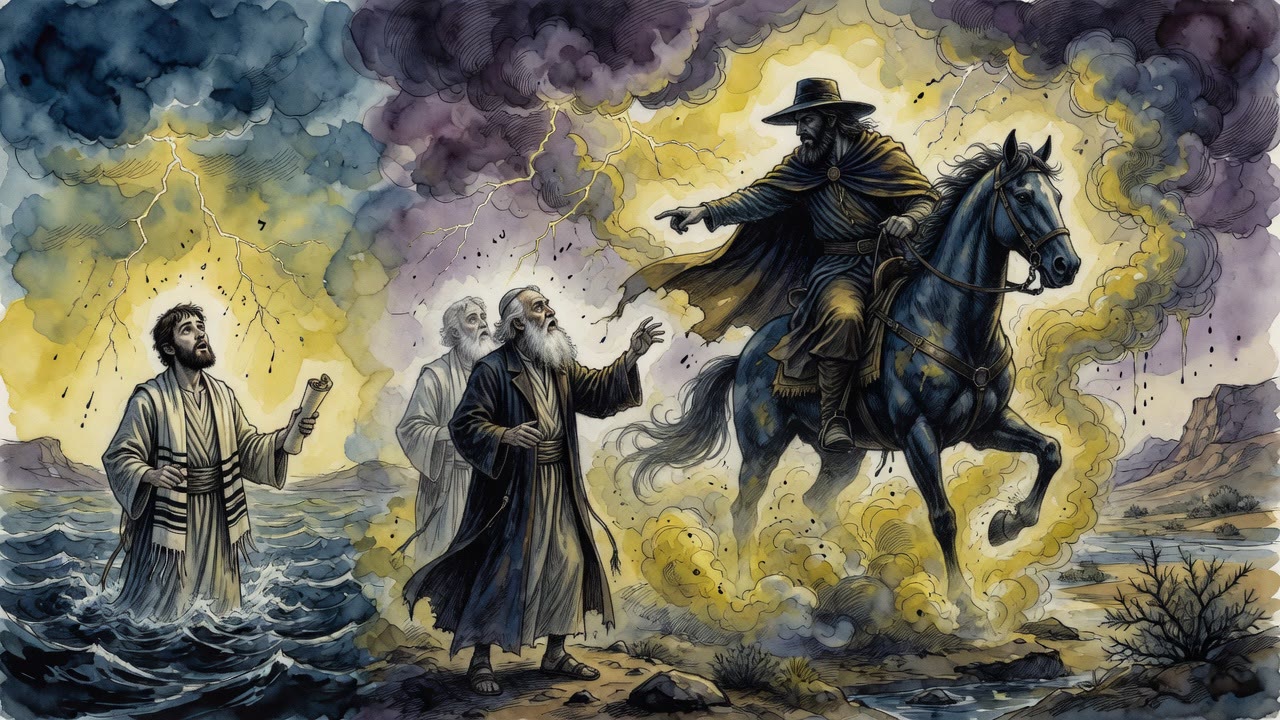
A Roman eunuch mocked Rabbi Akiva walking barefoot. Akiva replied and the man died. Kohelet Rabbah traces the same pattern to Joseph sold to Ishmaelites.
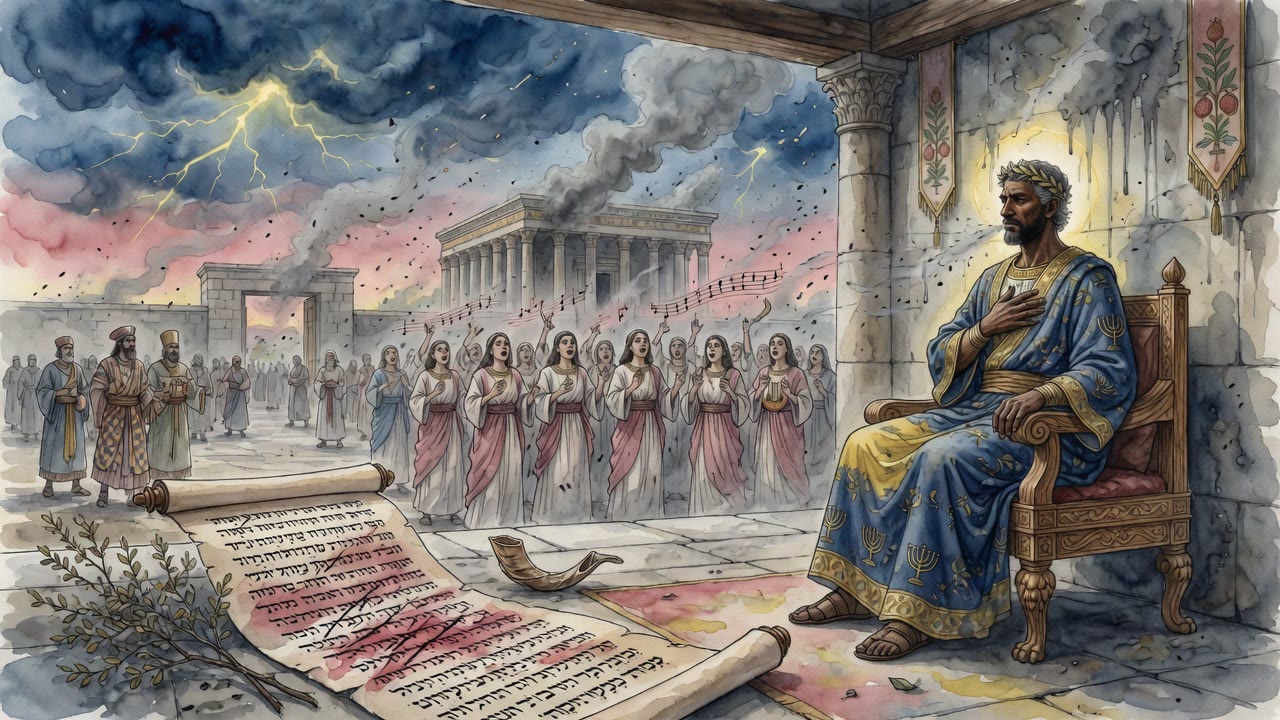
The camp outside Jerusalem did not wake. Isaiah asked the king for a song. Hezekiah kept his mouth shut and the study lamps burning.
A rabbi enters a Roman prison to test a captive child with a verse, and what the boy answers changes the course of a life.
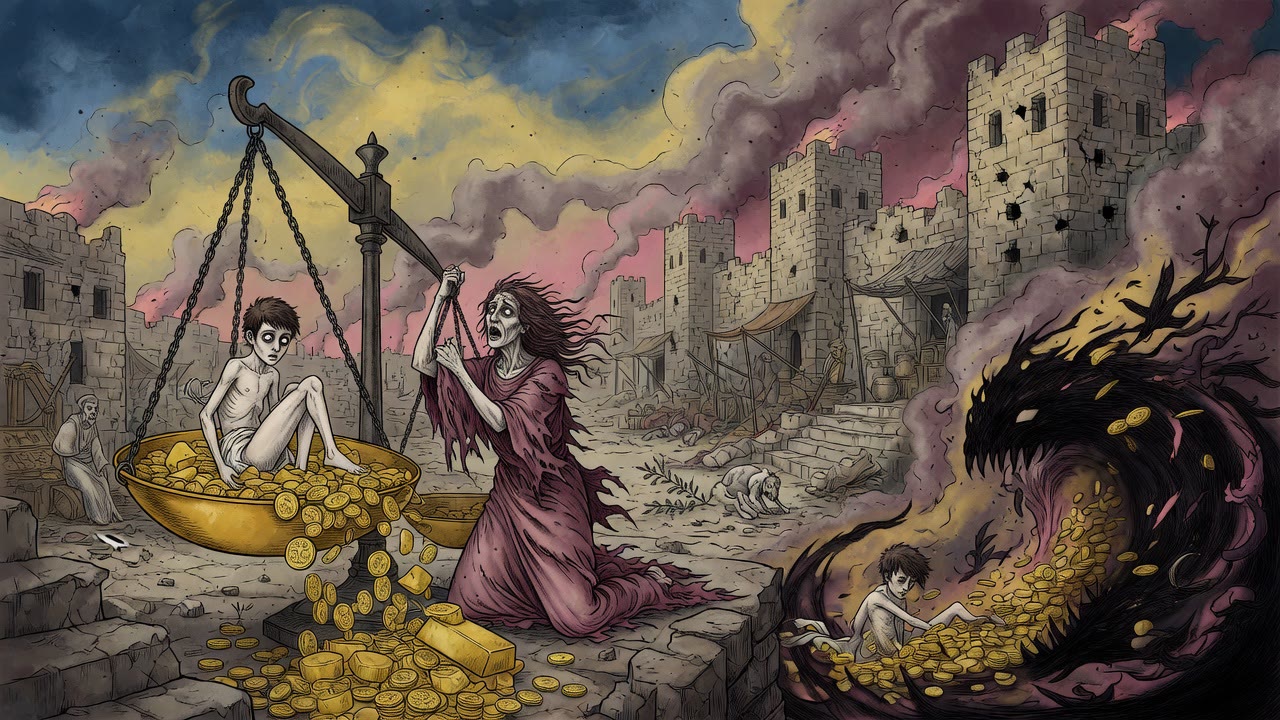
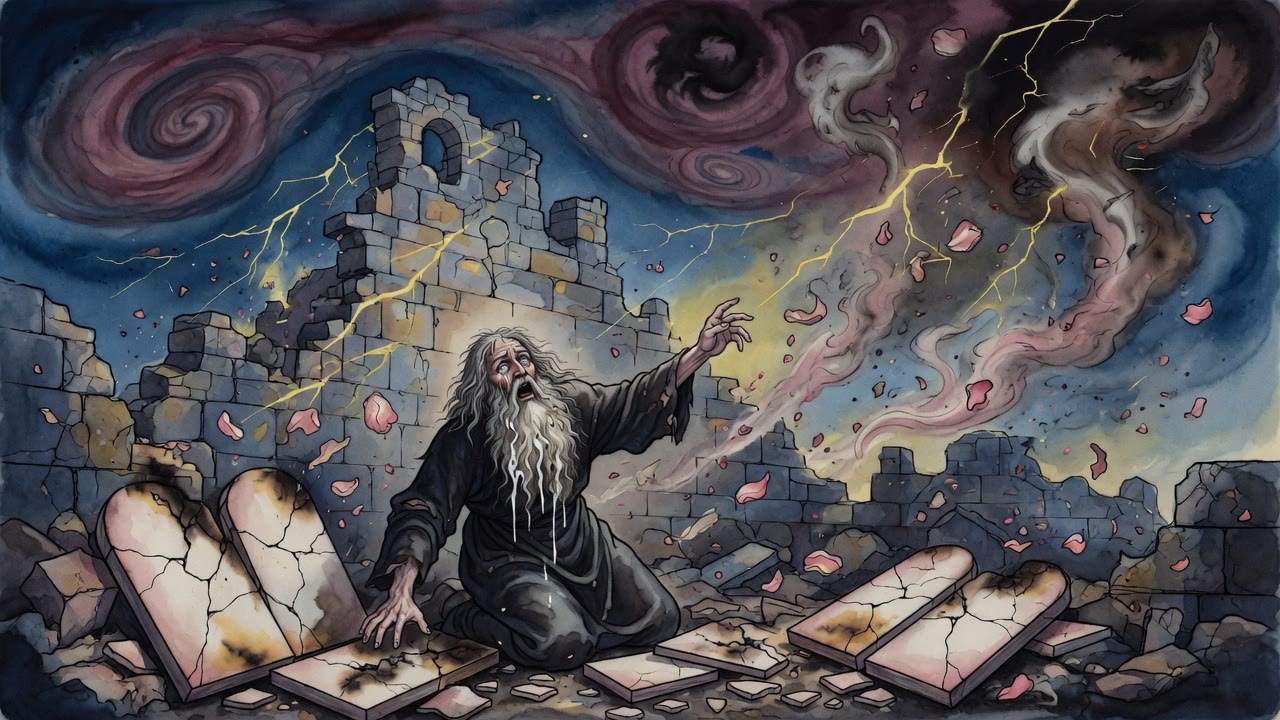
When Jerusalem fell, the rabbis counted ten severed horns: patriarchs, Torah, priesthood, prophecy, Temple, and Israel itself.
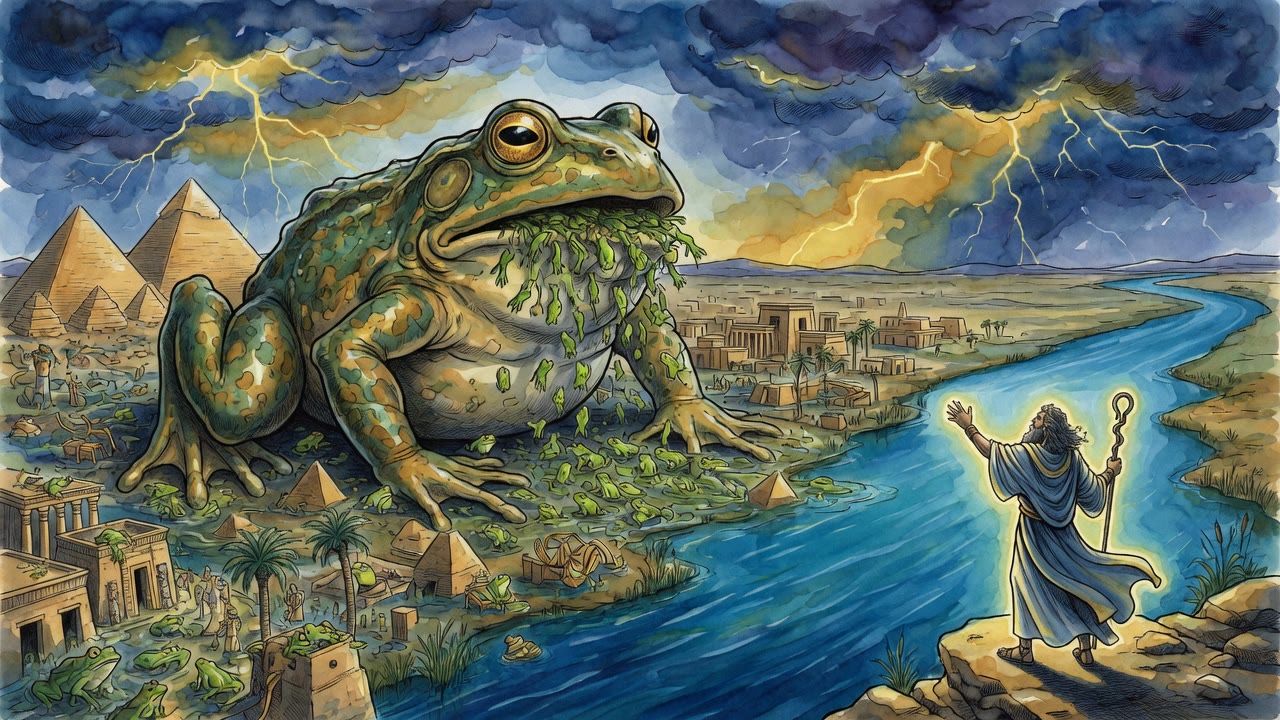
Rabbi Akiva imagined one frog multiplying through Egypt, while Moses stood back because the Nile had once saved his life.
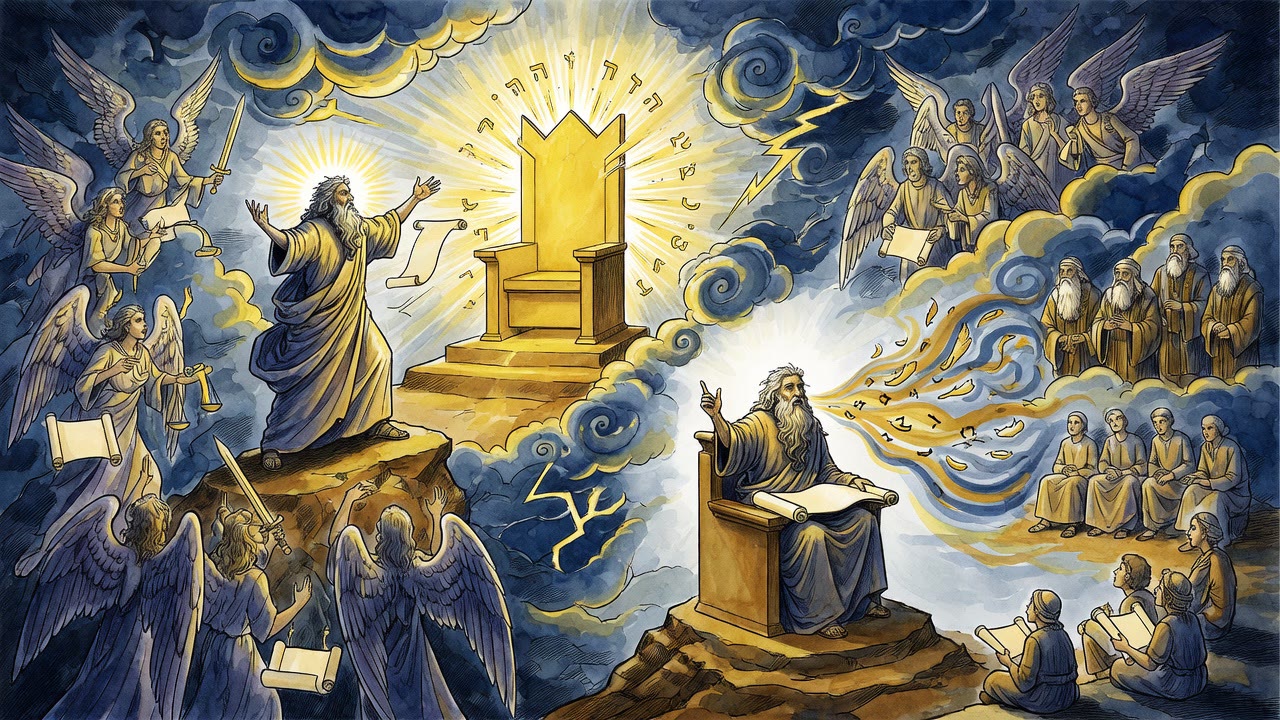
The angels closed on Moses at the Throne. He asked if their fathers had been slaves in Egypt. They had no reply, so they loaded him with gifts.
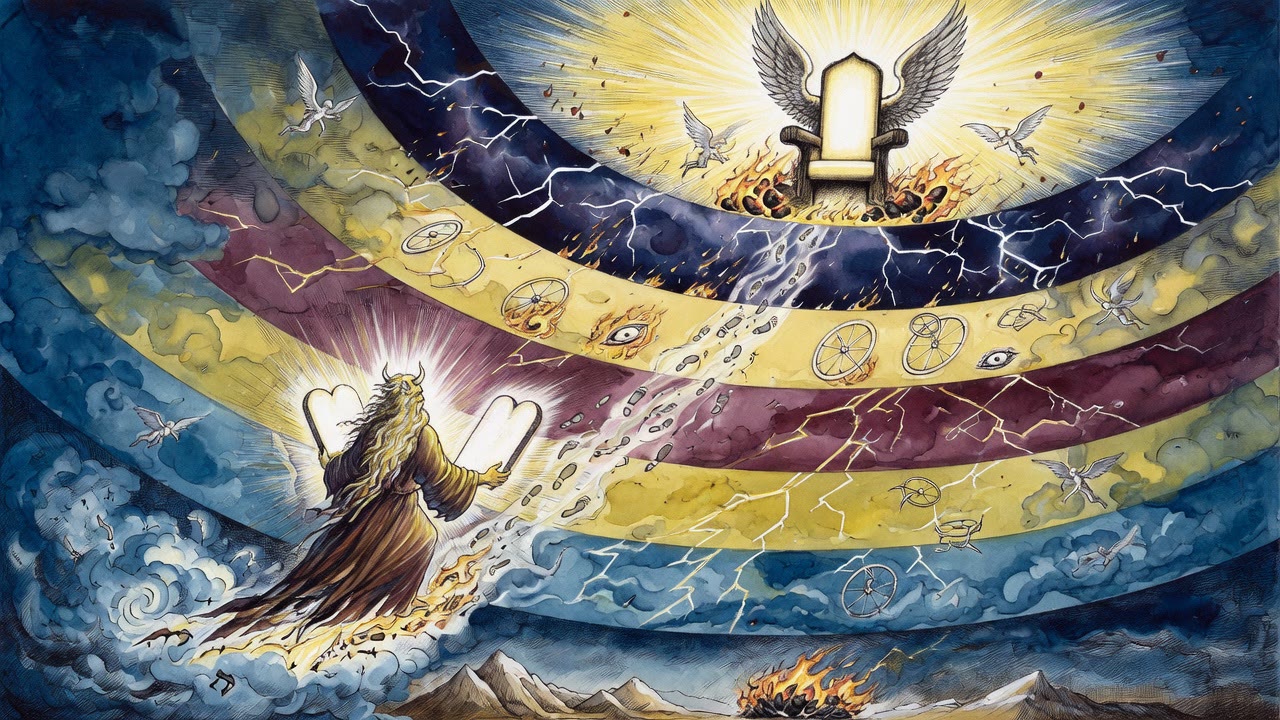
In the fifth heaven the angels were snow below and fire above, and the snow never melted. Higher up, Sandalfon was so vast that Moses lost his balance.
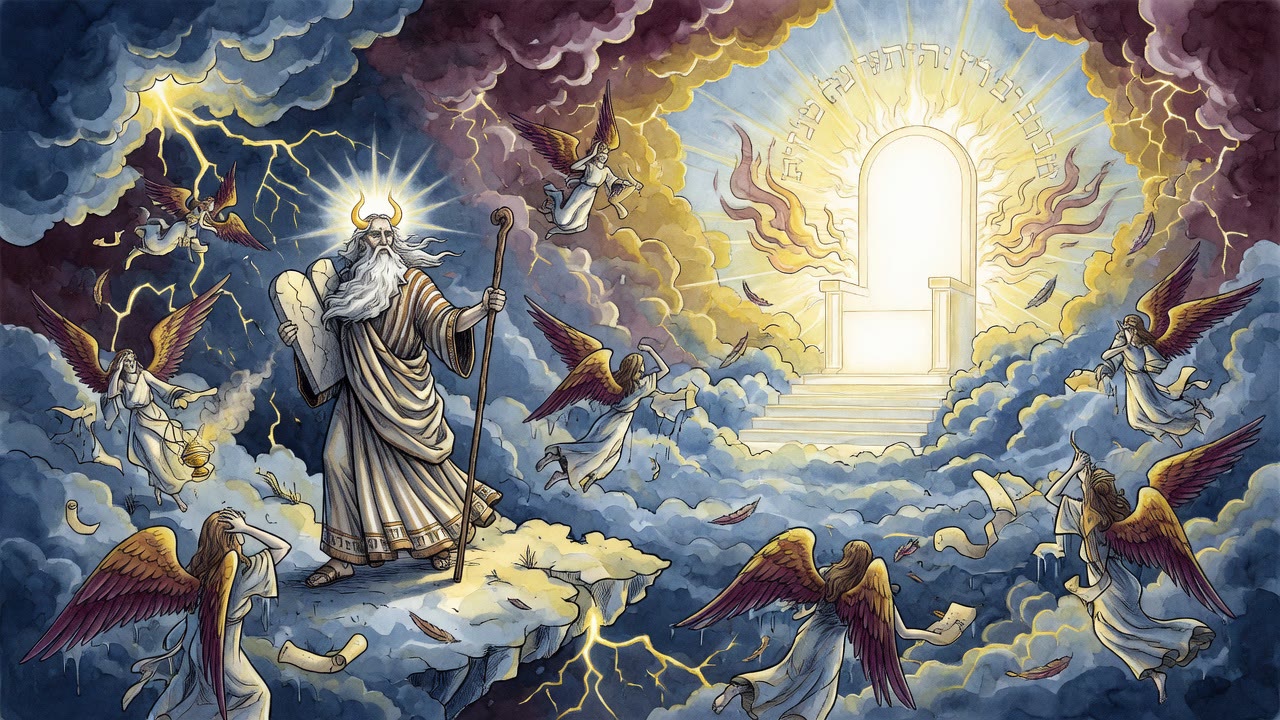
Thirty thousand angels escorted Moses through the heavens to receive the Torah. The escort was not an honor guard. It was crowd control.
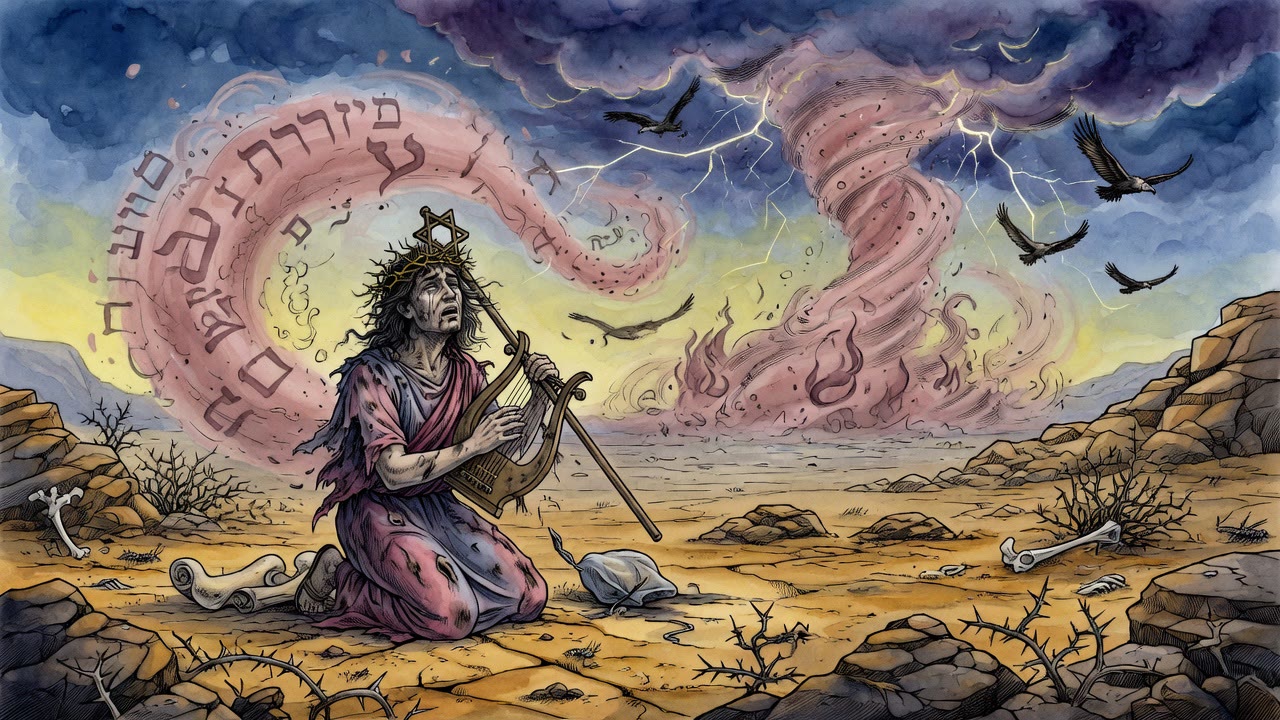
Absalom took the city and David went up the hill barefoot. Near the top he stopped walking, and the friend who caught him there offered him no comfort.
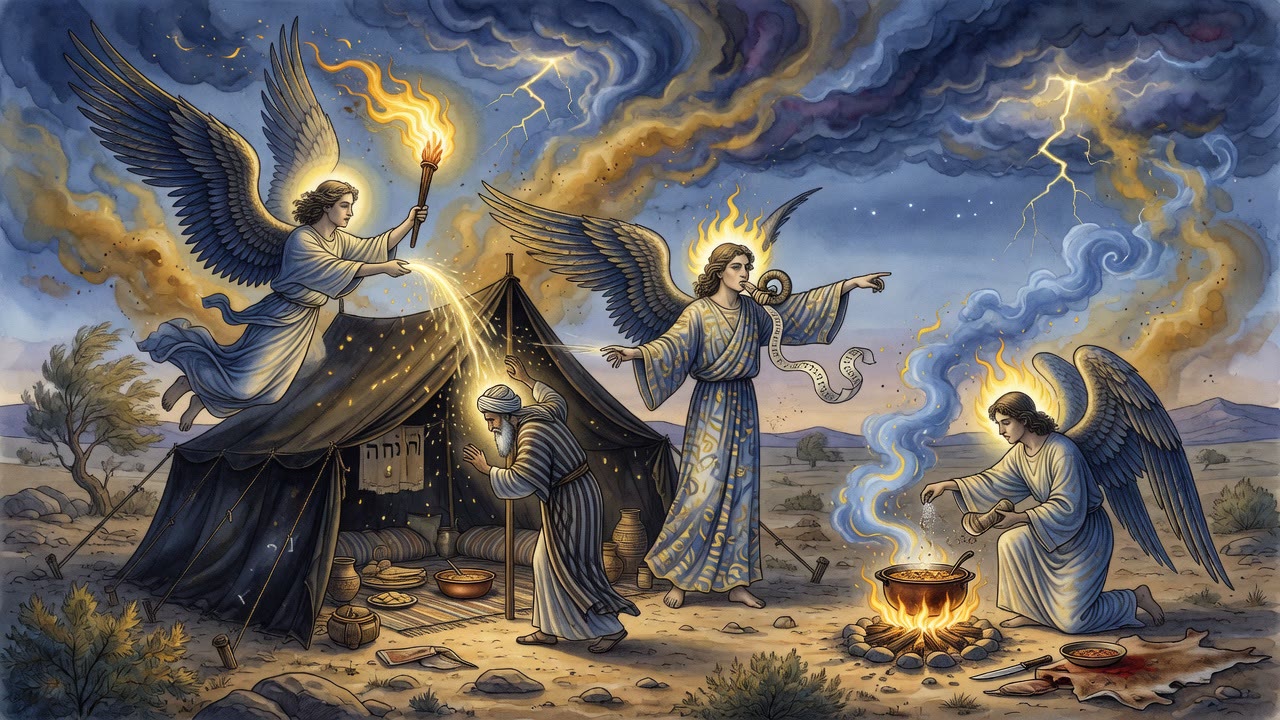
Abraham sat in the tent door three days after the knife, the air hot as Gehinnom. He still ran when the three men appeared on the road.
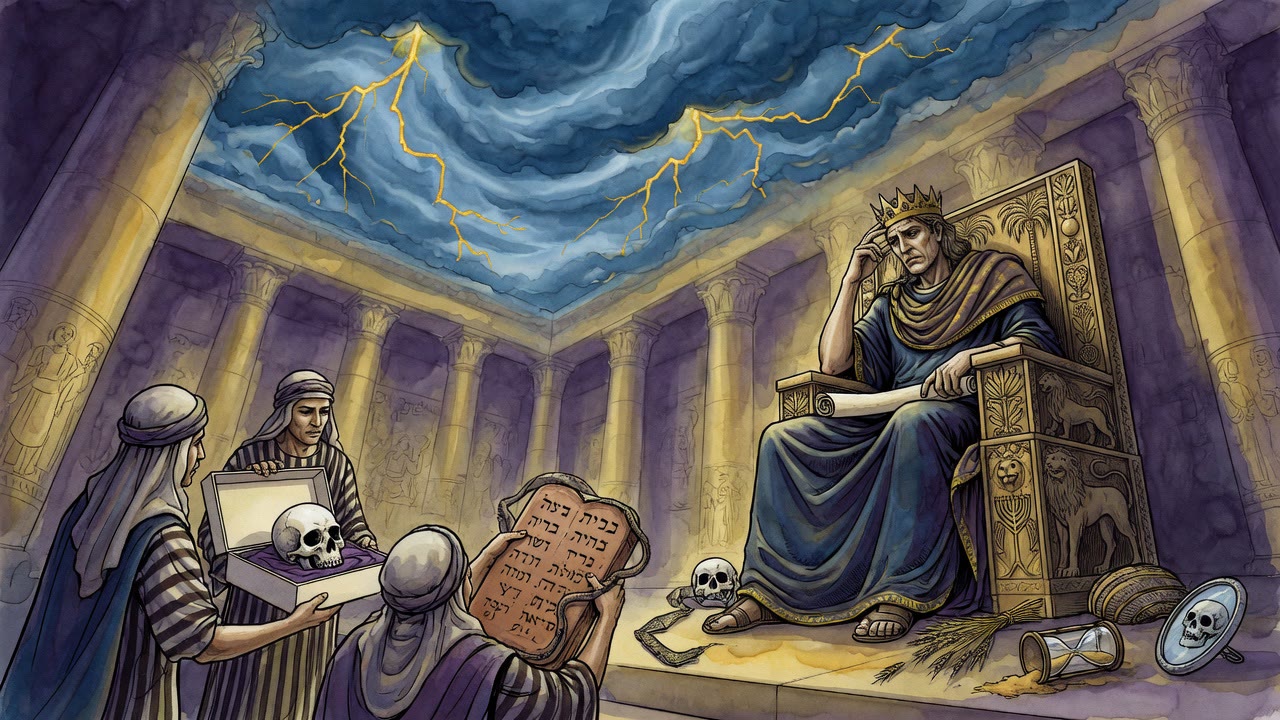
The first herald waited at the lowest step. Before Solomon's sandal landed, the man opened the king's law and spoke it into the air.
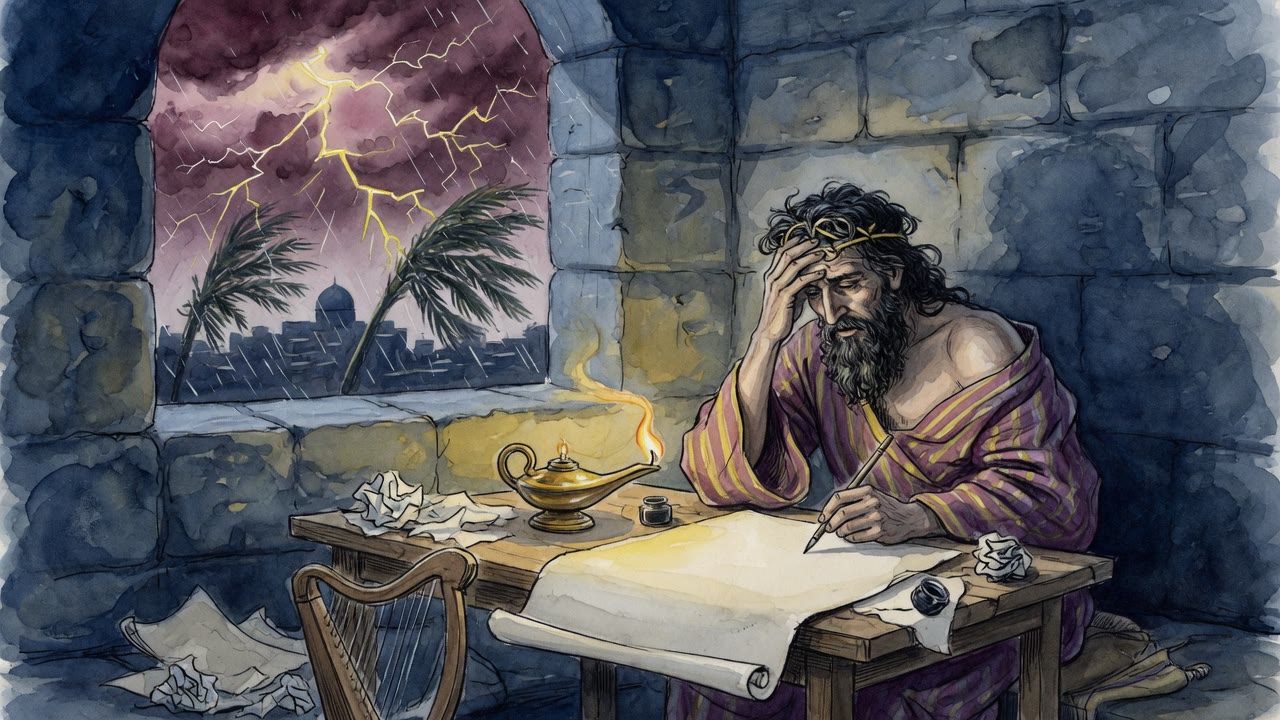
He held the whole army in place until the court finished reading old treaties. Then he went to war, and afterward he wrote that he was alone.
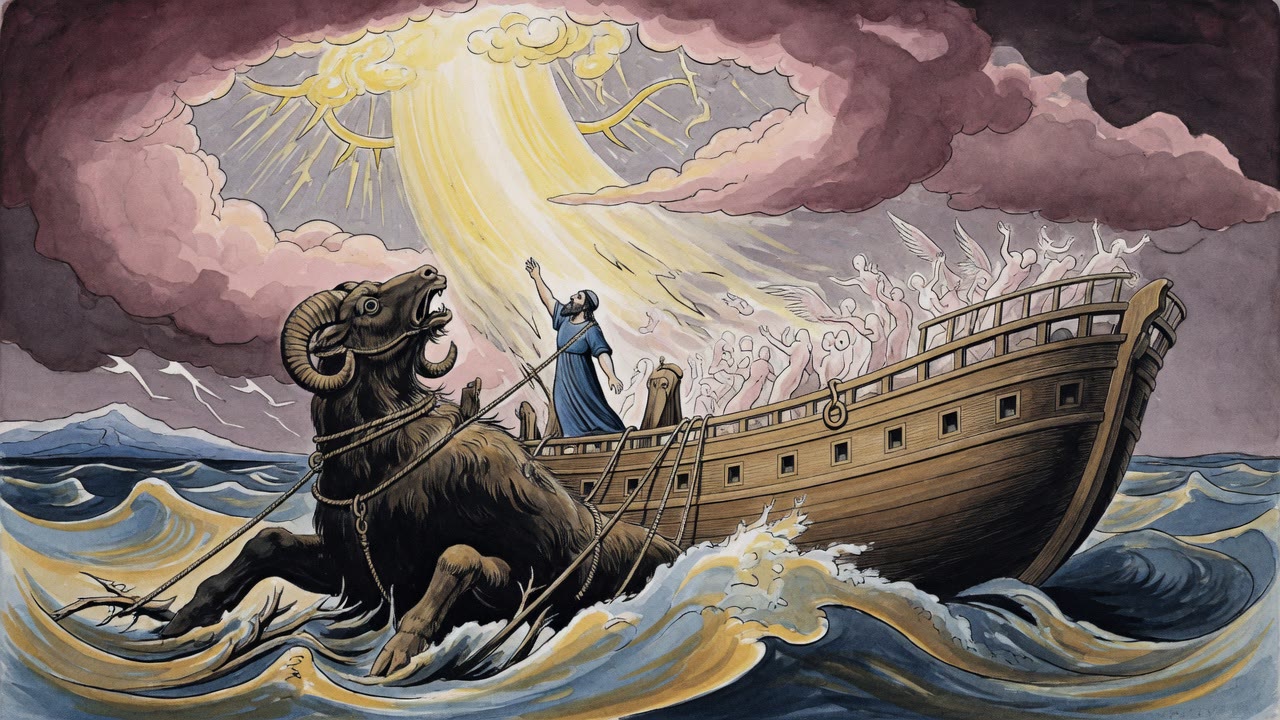
Mud stuck to Noah's heels. His sons already slept in separate tents. He named the old sins before anyone built a house.
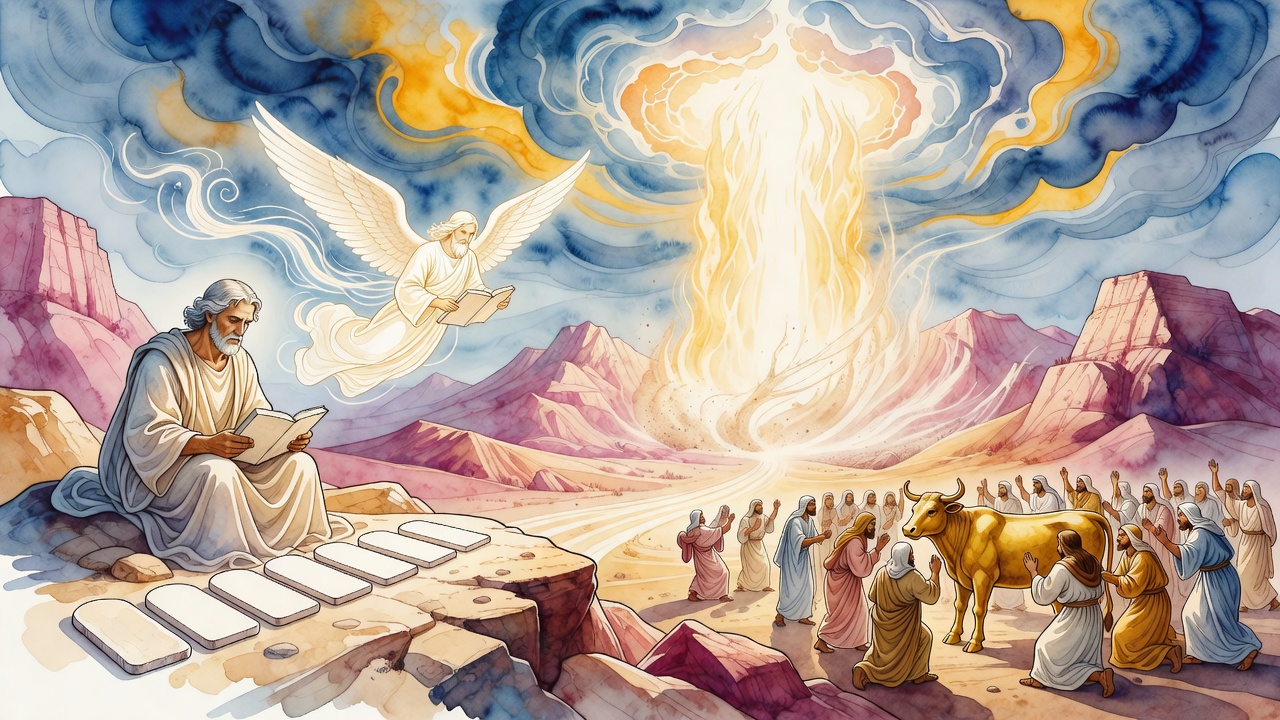
Jacob wanted to build a sanctuary at Bethel and make it permanent. The answer came back the same night, in a vision, from an angel holding seven tablets.
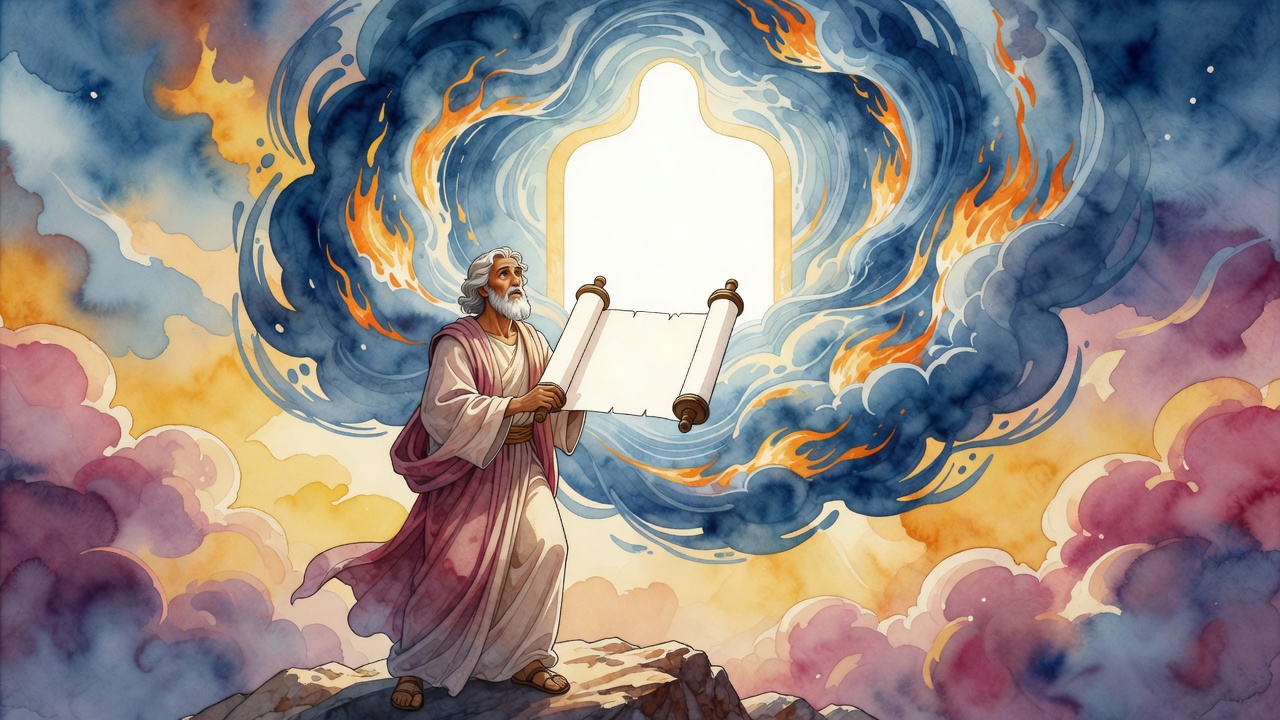
Moses sat eighteen rows back in a study house not yet built. He could not follow the lesson until a student named the law as his.
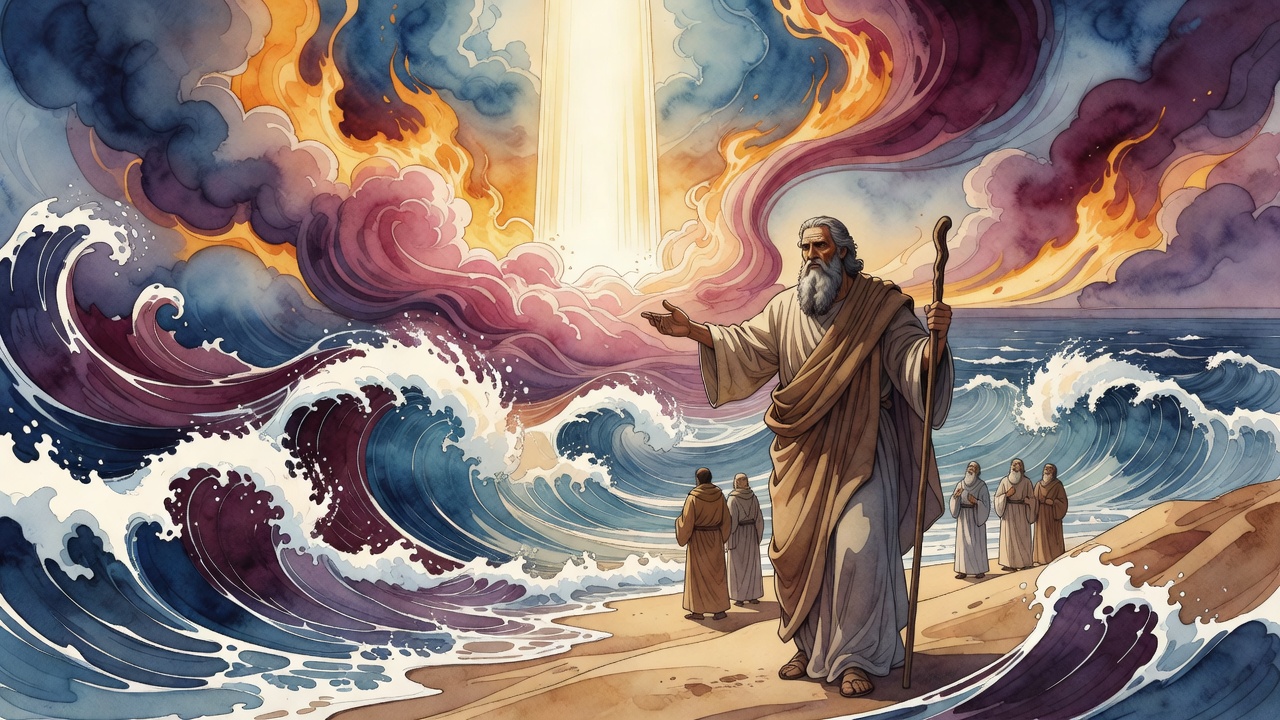
The water said it was three days older than Moses. He did not argue. He walked back to God with a complaint from the sea.
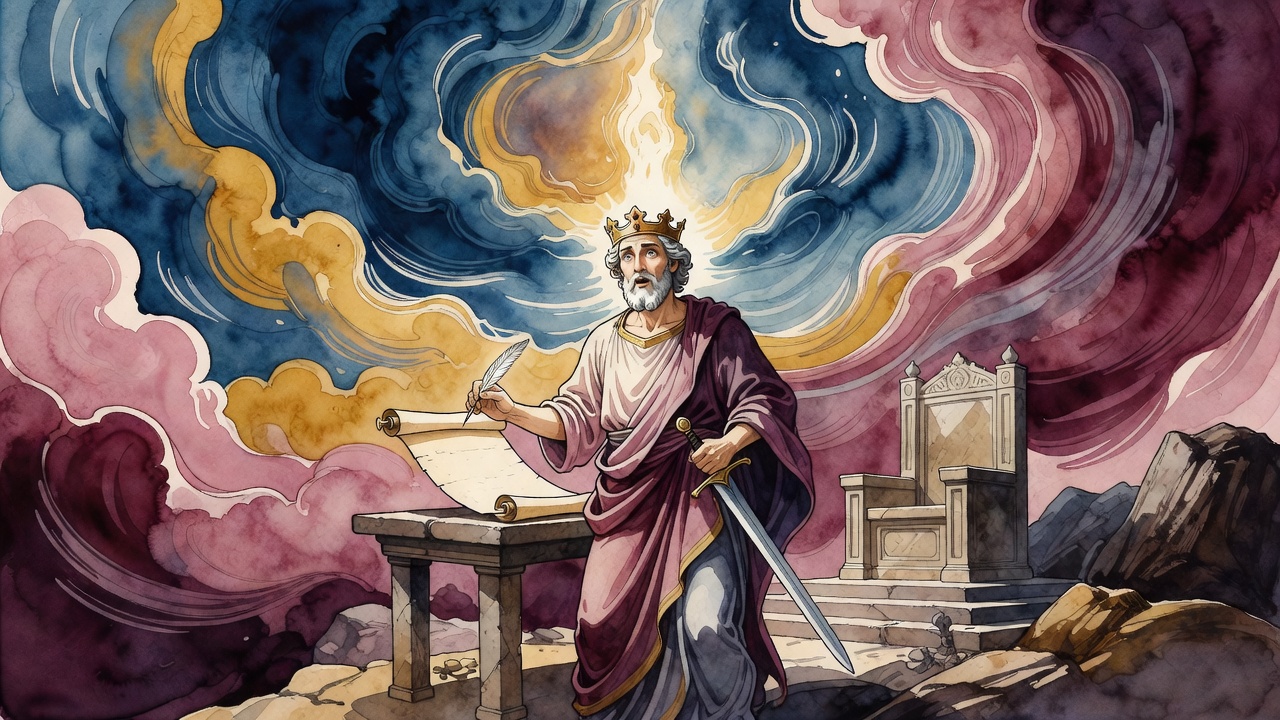
David had taken the crown of kingdom and filled rooms with silver. He sat down to Torah and said the scholars were worth more than both.
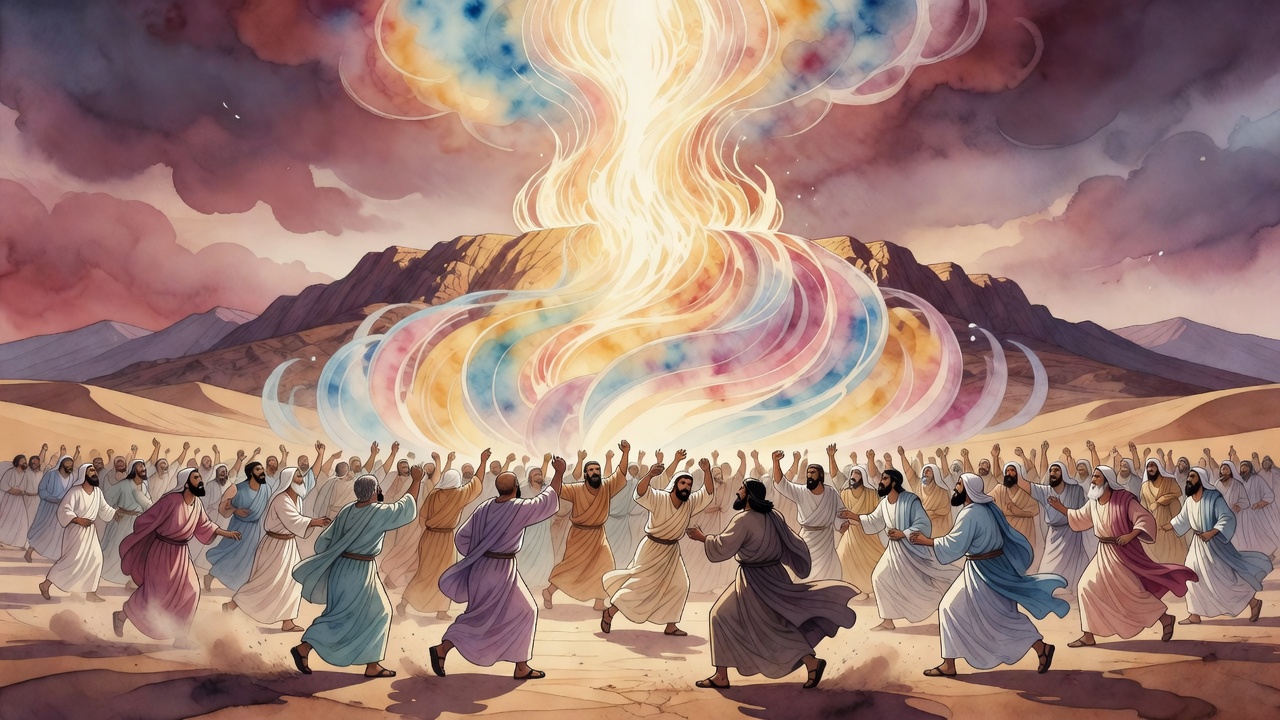
Each commandment at Sinai threw the entire nation backward twelve kilometers. Rabbi Akiva did the arithmetic: 240 kilometers walked in the body.
The plan came from a Hebrew fugitive. Every soldier had to raise a stork and starve it three days. The birds were loosed on the serpents guarding the city.
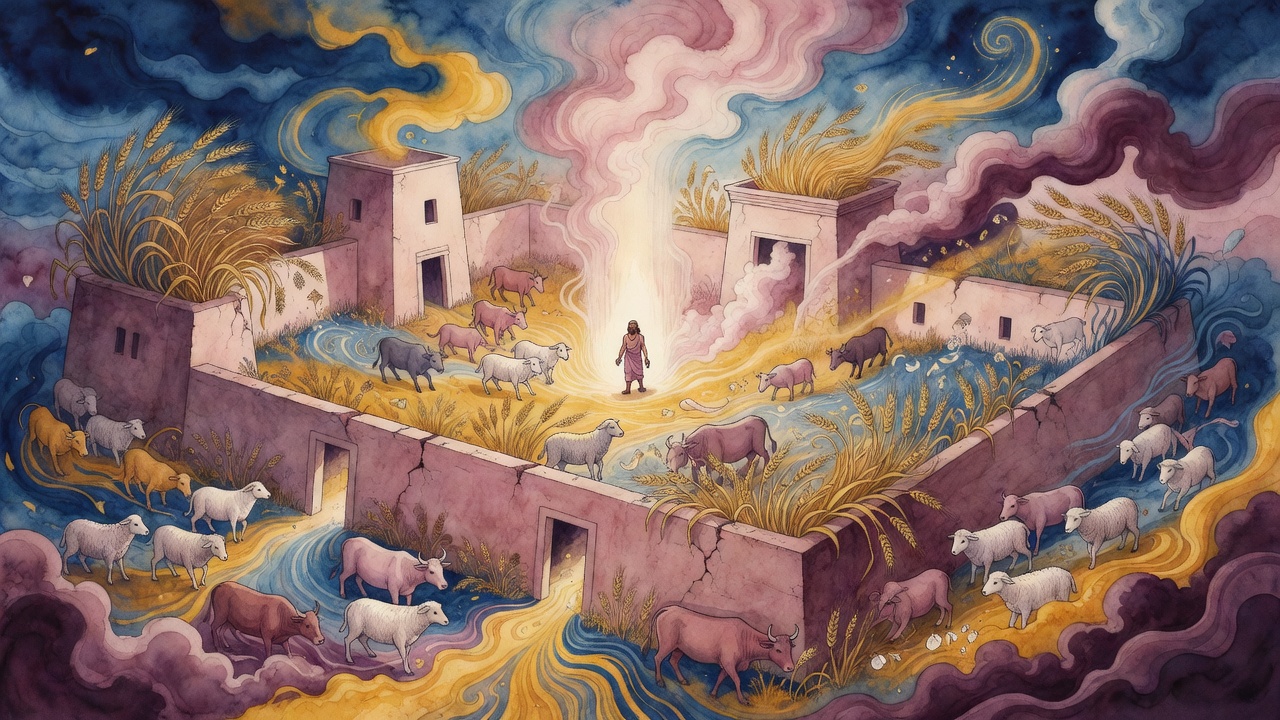
Potiphar asked for one wine, then another. The cup in Joseph's hand changed with the wish, and the master stopped counting his own stores.
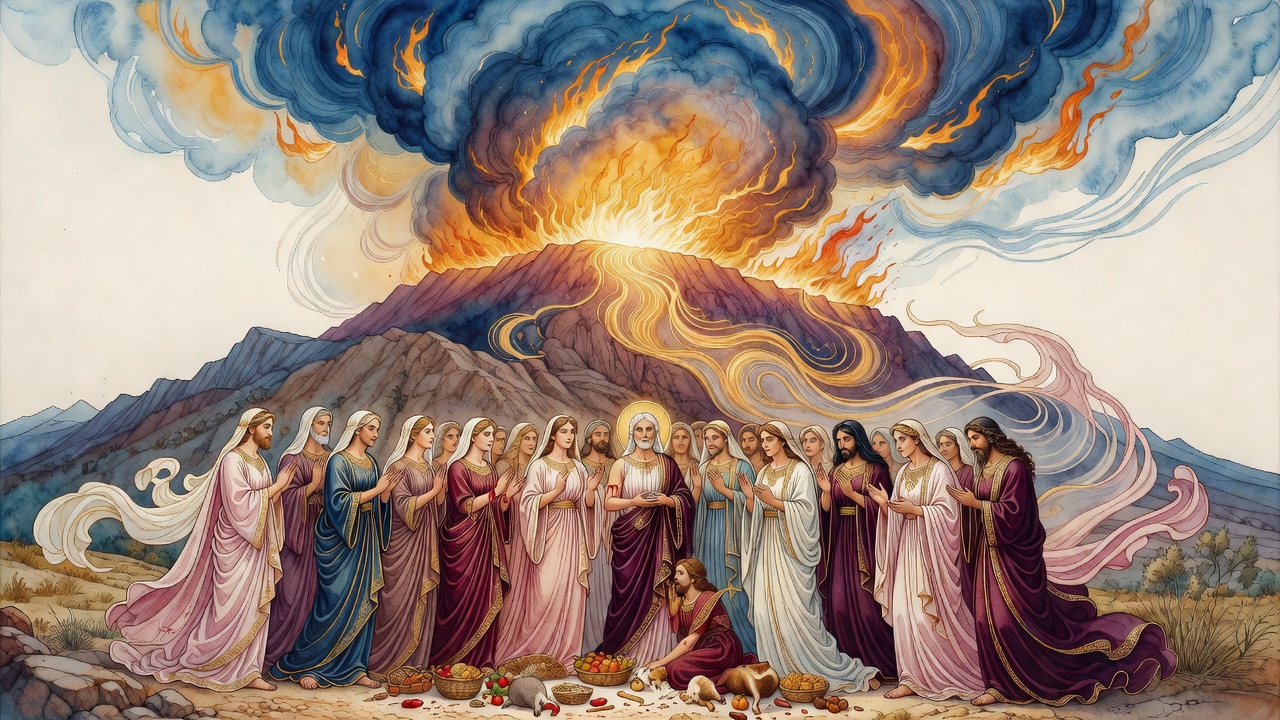
For two days the camp washed and beat its clothes clean. Some of the gold they wore came from Egypt, the rest from the sea after Pharaoh's army drowned.
The kings of the earth asked Balaam whether another flood was coming. He told them no, and every one of them went home relieved.
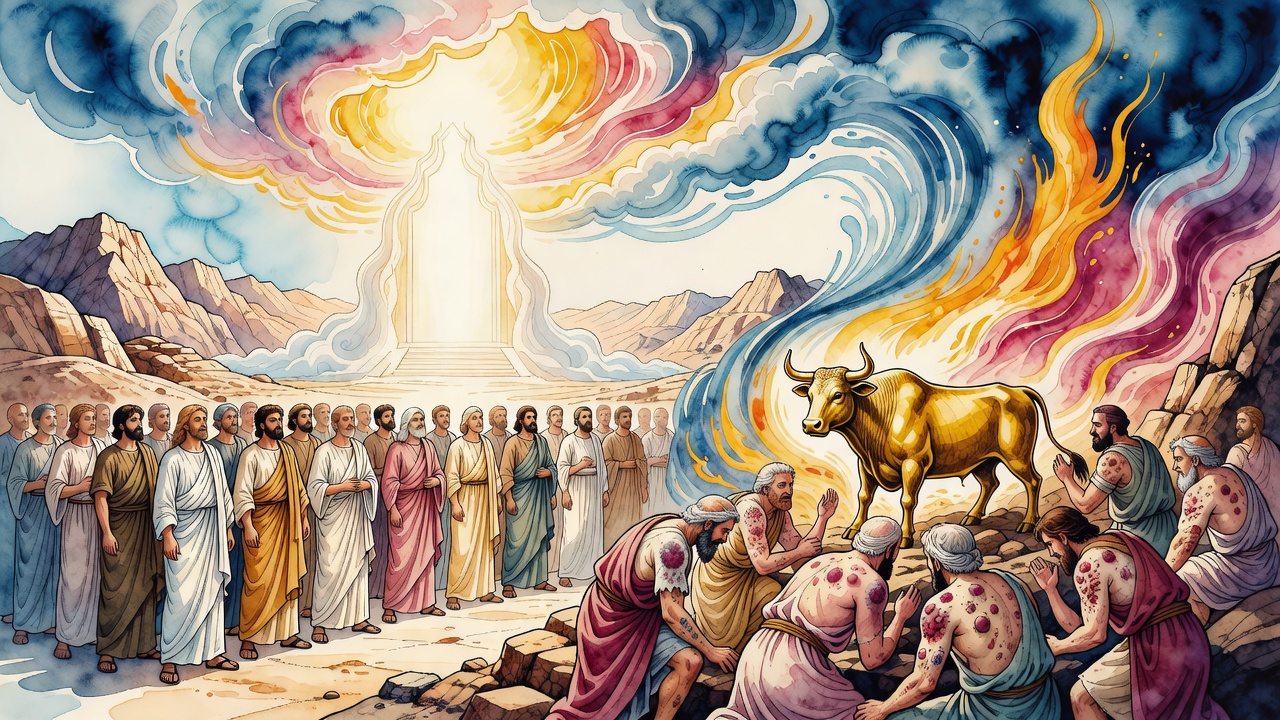
At Sinai, not one Israelite carried a wound or a blemish. For forty days it held. Then the golden calf broke the spell, and every illness returned at once.
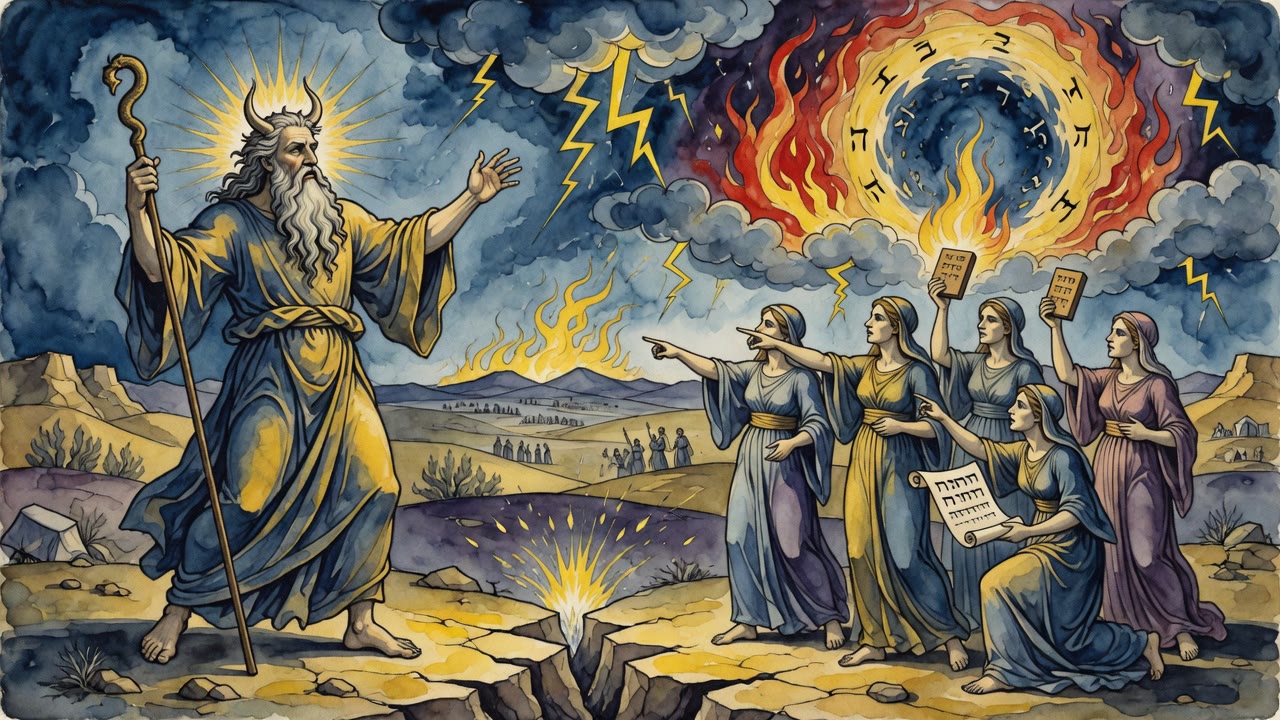
Before God chose the wilderness generation above all nations, five daughters of Zelophehad taught Moses a law he had never heard.
