87 texts · Page 1 of 2
Take the story of Lot, Abraham's nephew, and the destruction of Sodom. We all know the story. God, disgusted by the wickedness of Sodom and Gomorrah, decides to destroy them. But A...
And when tragedy struck, his friends showed up. But their arrival wasn't exactly a comfort. Instead, it opened up a whole new layer of… well, let's just say it was complicated. The...
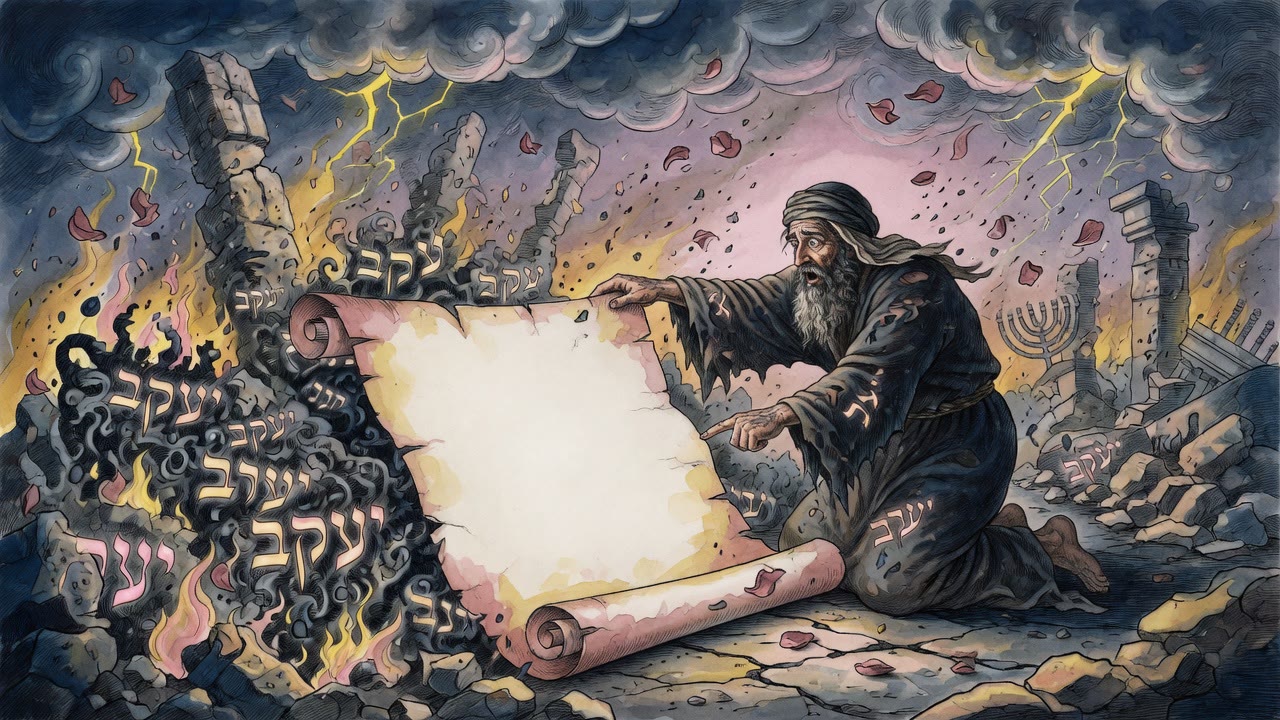
That was life for the prophet Jeremiah. Jeremiah's debut on the public stage happened during the reign of Josiah. He didn't mince words. He went right into the streets and declared...
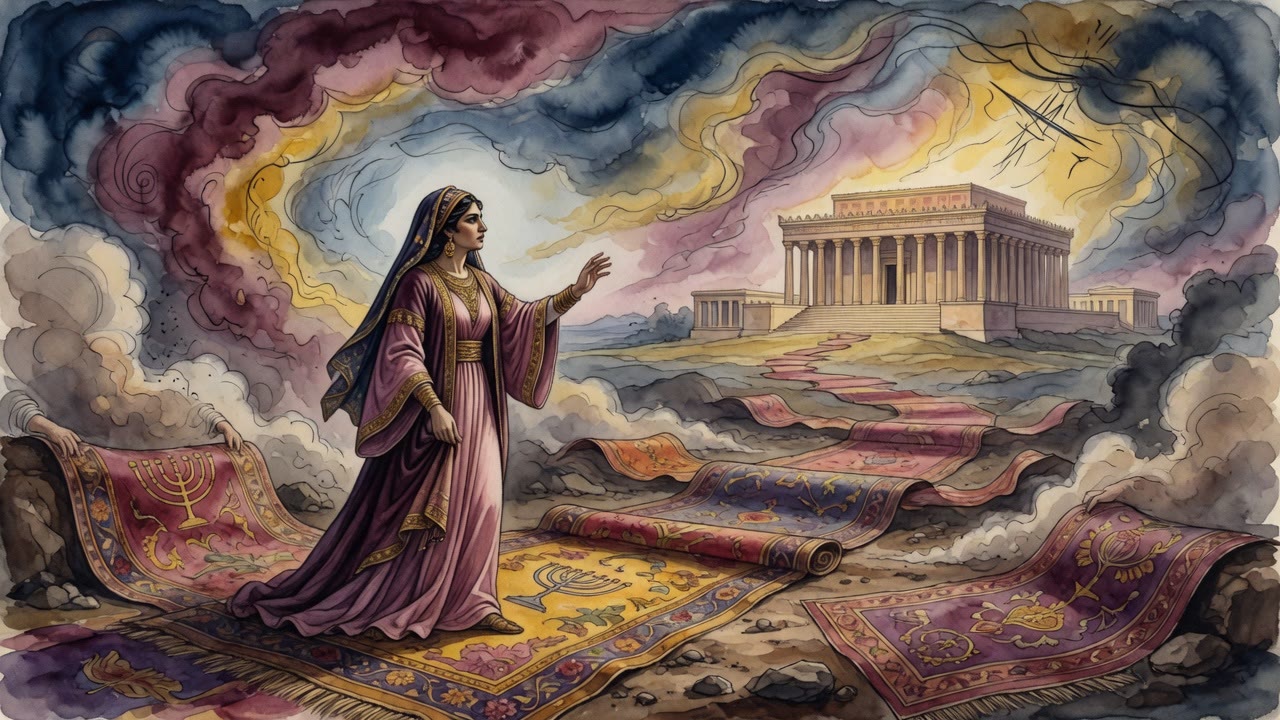
The Book of Esther, and the rich tapestry of legends surrounding it, offers some pretty intriguing answers. Think about Ahasuerus, the king in the story. He elevates Haman to a pos...
A father's rash vow cost him the only thing he loved. Jephthah, the illegitimate son of Gilead, was thrown out by his own half-brothers for being born to a foreign woman. He fled t...
The house of David tore itself apart from the inside. It started with a crime so vile that Josephus, writing in the first century CE, could barely contain his disgust—and it ended ...
Mariamne was everything Herod wanted and everything he feared. A Hasmonean princess of extraordinary beauty, she gave him legitimate connection to the dynasty he had overthrown. Jo...
Herod sent his sons to Rome for an education. They came home polished, handsome, and walking straight into the deadliest family feud in Jewish royal history. Alexander and Aristobu...
Antipater wanted the throne so badly he was willing to destroy every member of his own family to get it. And for a while, it worked. According to Josephus in Antiquities XVI, Antip...
Herod strangled his own sons. Both of them. On the same day. At Sebaste, the city where he had married their mother Mariamne twenty years earlier. According to Josephus in Antiquit...
Jewish mysticism grapples with this very tension. It's not enough, the ancient sages seem to be saying, to simply create. We also have to ensure the endurance of that creation. The...
Like you take one step forward, and then… well, you know. It's frustrating. But maybe, just maybe, that cycle of building and breaking is part of a bigger, more beautiful plan. The...
Not just your phone screen, but… everything? The world itself? It’s a question that’s haunted mystics for centuries, and the Kalach Pitchei Chokhmah, a profound Kabbalistic text, o...
It suggests that the shattering came first, and the mending… well, that’s still in progress. It's a story deeply woven into the very fabric of creation itself. The Kalach Pitchei C...
Kabbalah, Jewish mystical tradition, grapples with these questions in profound ways. And one text, Kalach Pitchei Chokhmah ("47 Doors of Wisdom"), offers a fascinating glimpse into...
The Kalach Pitchei Chokhmah, a profound Kabbalistic text whose name literally translates to "Hall of the Openings of Wisdom," grapples with just that. It explores a radical idea: t...
We're talking about the very structure of reality, how the divine light manifests, and yes, even how things break down. The text grapples with how the vessels that hold the divine ...
"Speak to the whole congregation of Israel": The speaking was on Rosh Chodesh; the taking (of the lamb), on the tenth; and the slaughtering, on the fourteenth. You say this, but pe...
Rabbi Acha bar Rabbi Oshiyah laid out the precise timeline of the first Passover. God spoke to Moses on the first of the month (Rosh Chodesh). The Israelites selected their lambs o...
Rabbi Yossi Haglili agreed with the established timeline of the first Passover: God spoke on the first of the month, the lamb was selected on the tenth, and the slaughtering occurr...
(Ibid. 3) "On the tenth day of this month, they shall take": This tells me that only the tenth day is kasher for taking. Whence do I derive (the same for) the fourteenth day? It fo...
What is the intent of "according to the count of souls"? From (Ibid.) "A man (according to his eating"), I might think only a man. Whence do I derive (the same for) a woman, a tumt...
R. Akiva says: One verse states "And you shall slaughter the Pesach (Passover) to the L–rd your G–d, sheep and cattle," and another, "From the sheep and from the goats shall you ta...
The Mekhilta takes a phrase from the Passover laws — "it shall be to you for a keeping" (Exodus 12:6) — and asks what seems like a technical question with surprising depth. Does "k...
"and slaughter the Pesach (Passover): It is a mitzvah to slaughter it as a Pesach offering. If he does not offer it as such, he transgresses the mitzvah. I might think that in the ...
The Mekhilta, the tannaitic midrash on Exodus, turns to one of the most severe prophecies in the Hebrew Bible: the destruction of Esau's descendants. The prophet Obadiah declares: ...
The Mekhilta, the tannaitic midrash on Exodus, extends its devastating logic about the plague of the firstborn to the animal kingdom. The verse states that God struck "every firstb...
The Mekhilta offers an alternate reading of the verse "You will bring them and You will plant them." The key word is "plant." God does not merely promise to place Israel in the lan...
The Mekhilta tells a parable. Robbers break into a king's palace. They despoil everything of value. They kill the king's courtiers — his loyal servants, the people who maintained h...
Rabbi Assi advanced a surprising claim: the slaughtering of sacrificial animals also took place on top of the altar, not merely beside it. This contradicted the common understandin...
"And you shall slaughter therein your burnt-offerings and your peace-offerings." This tells me only of burnt-offerings and peace-offerings. Whence do I derive (the same for) all of...
Rebbi says: If it is forbidden to derive benefit from the burnt bullocks and the burnt he-goats, which do not come to atone for the world (viz. (Leviticus 26:2)7), how much more so...
Variantly: Slaughtering is being likened to selling, and selling, to slaughtering. Just as selling is outside his (the owner's) domain, so, slaughtering (to make him liable for "fo...
The Mekhilta addresses whether the four-and-five payment applies to consecrated animals — those dedicated to the Temple. If someone steals a consecrated animal and slaughters it ou...
The Mekhilta pushes the meat-and-milk prohibition further. What about cooking an animal's flesh in its own milk? Not the mother's milk, not a sister's milk, but the milk the animal...
Sometimes, the answer is far more insidious, far more…internal. Let’s turn our gaze to the story of Sodom, a name that has become synonymous with wickedness. But what really happen...
Jewish tradition offers a beautiful, hopeful counterpoint to that feeling, especially when it comes to our connection to the land of Israel. to a teaching from R’ Yochanan, as reco...
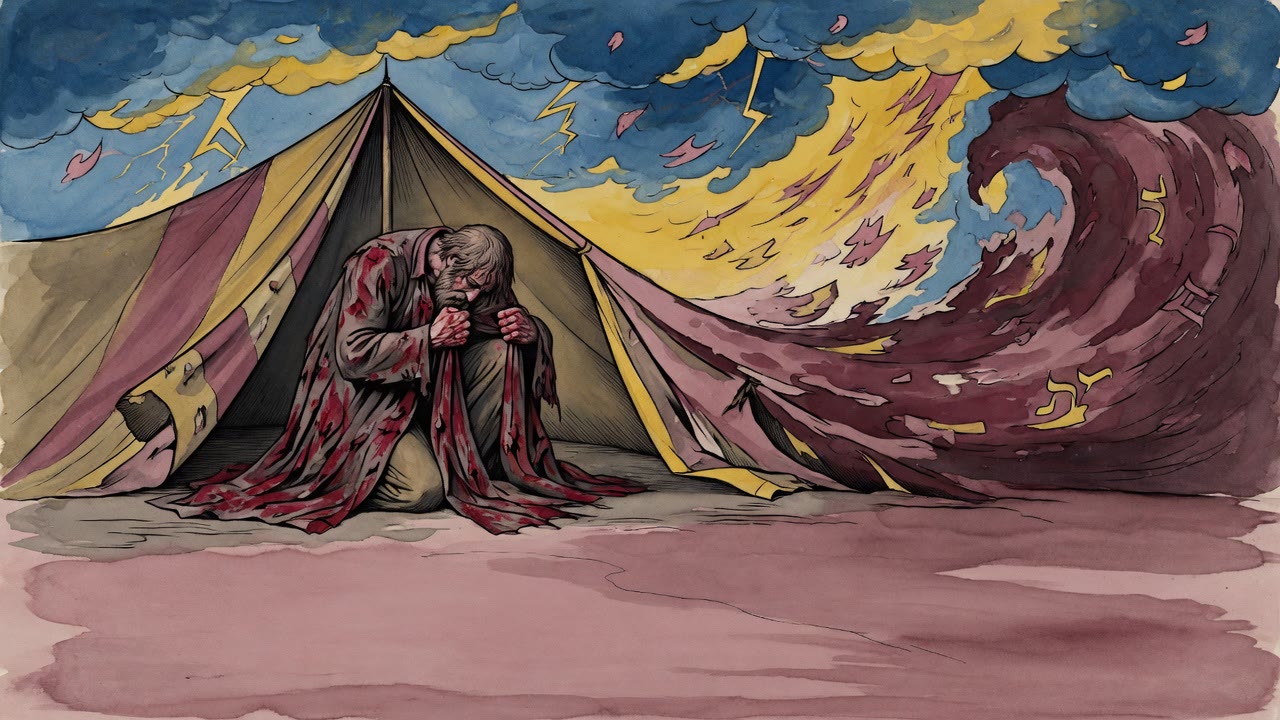
But instead of rejoicing, a wave of despair washed over them. "And you murmured in your tents..." That simple phrase from Sifrei Devarim (Deuteronomy) opens a window into a moment ...
Our ancient sages wrestled with similar questions about meat-eating, about derech eretz, the proper way to conduct ourselves in the world. The text we're looking at today, from Sif...
Where do we find that phrase? It’s in the Book of Deuteronomy, Sifrei Devarim to be precise. And it sparks a whole chain of reasoning about shechitah – ritual slaughter. The text d...
It's not just about hygiene, my friends. It's a fascinating glimpse into their spiritual world, and it all boils down to avoiding confusion. to Sifrei Devarim 75 to uncover this id...
Jewish law has some pretty specific things to say about what we can and can't eat, and why. And sometimes, the reasons aren't exactly spelled out. That's where texts like Sifrei De...
Jewish law, Halakha, is famous (or maybe infamous!) for diving deep into the nitty-gritty. And sometimes, it's in those tiny details that we find the bigger picture. Take, for exam...
The destruction of Jerusalem began with a dinner party. According to Gittin 55b, a man threw a banquet and sent his servant to invite his friend Kamtza. The servant brought Bar Kam...
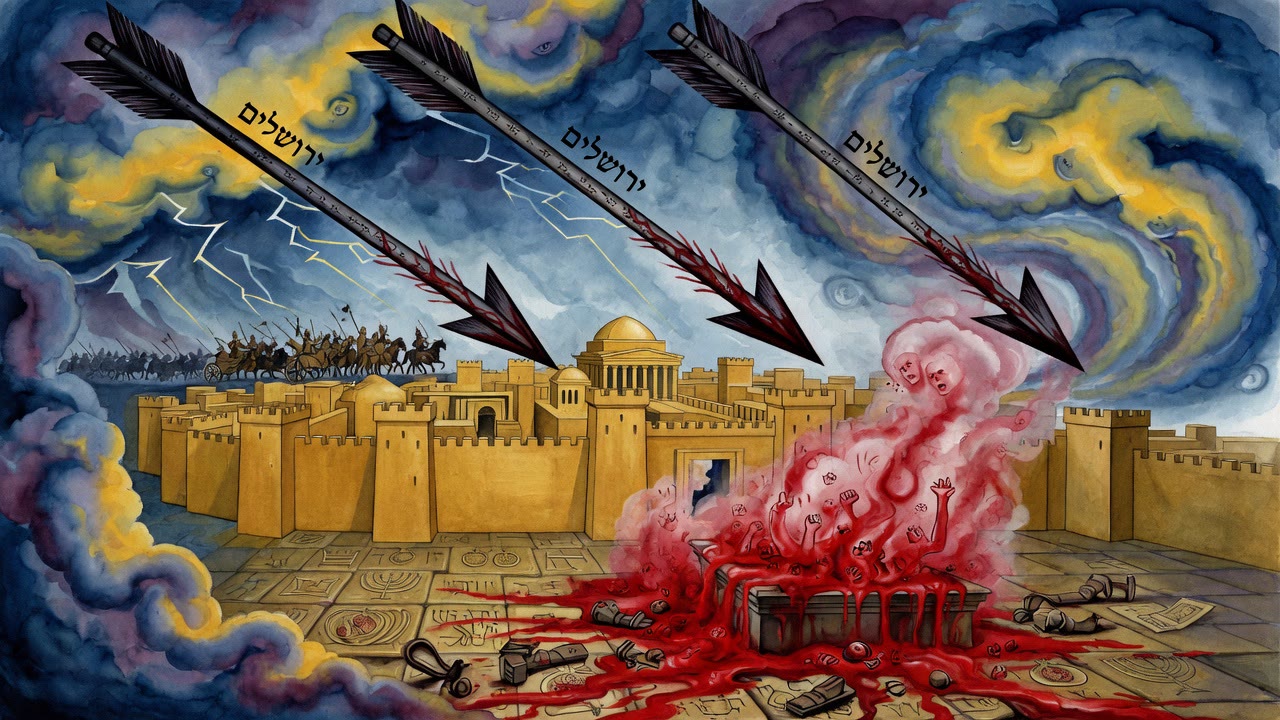
After Bar Kamtza's betrayal, the emperor sent Nero to conquer Jerusalem. According to Gittin 56a, Nero arrived and performed a series of divination tests. He shot arrows in every d...
After Vespasian became emperor, his son Titus completed the destruction of Jerusalem. According to Gittin 56b, Rabban Yohanan ben Zakkai's famous encounter with Vespasian included ...
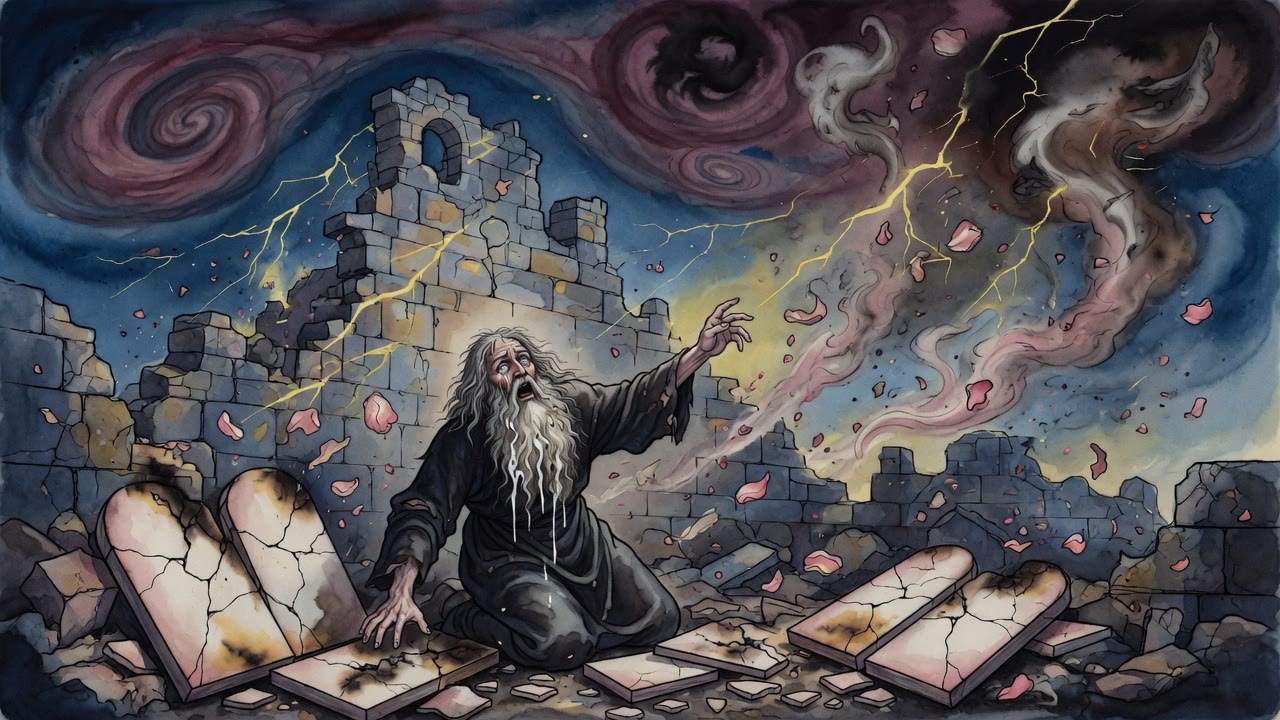
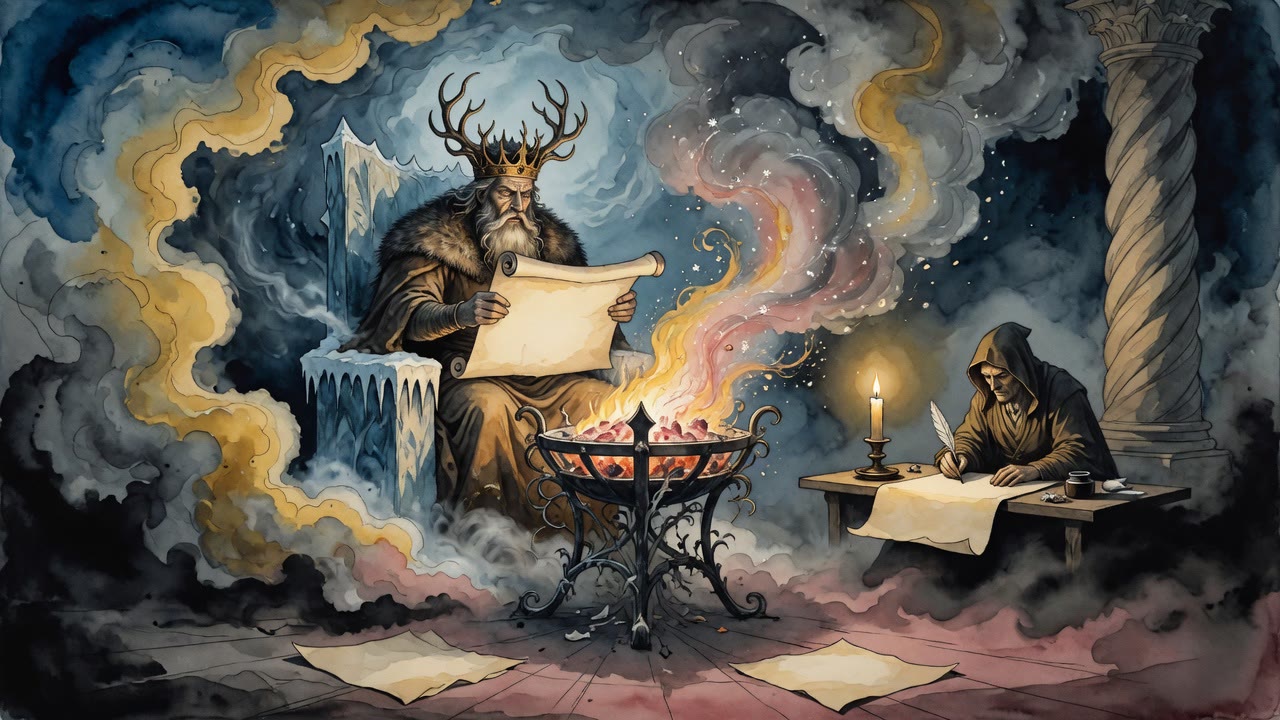
Titus entered the Holy of Holies after conquering Jerusalem and committed an act of deliberate sacrilege. According to Gittin 57a, he unrolled a Torah scroll on the altar, brought ...
After the destruction of the Temple, Nebuzaradan, captain of the Babylonian guard under Nebuchadnezzar, found blood bubbling up from the ground in Jerusalem. According to Gittin 57...