237 myths · Page 3 of 8
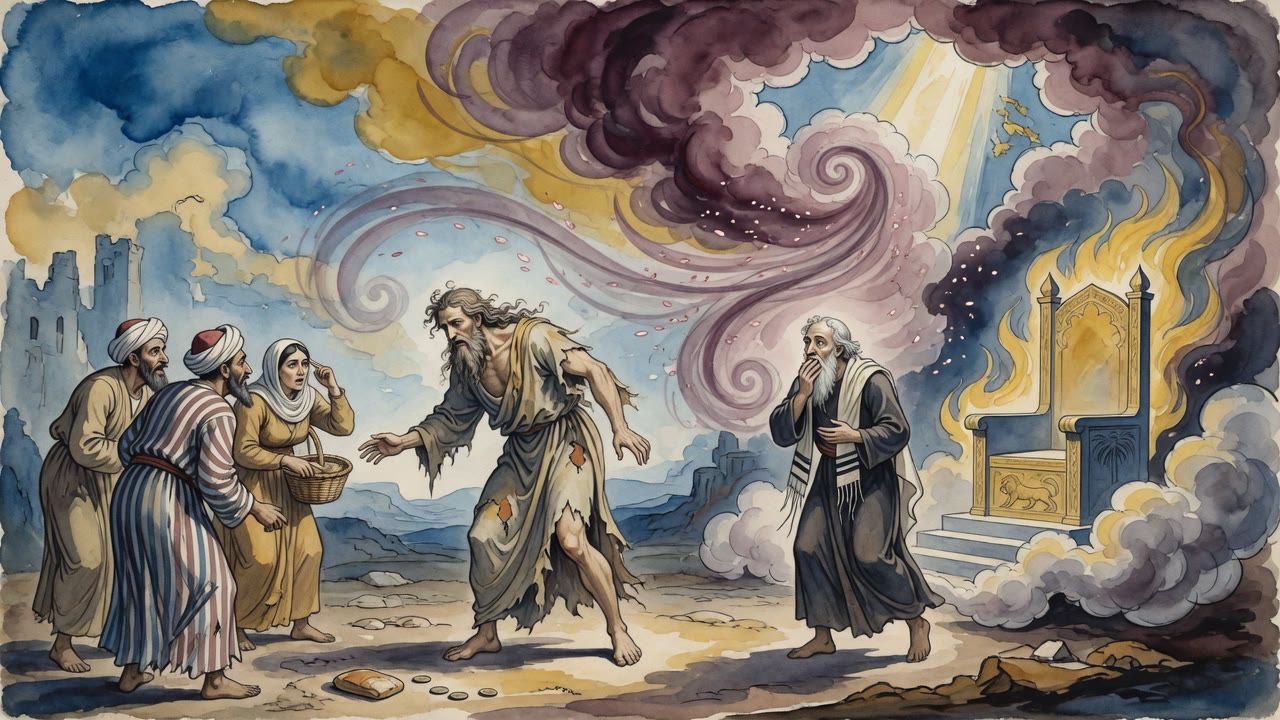
He held out his hand in a market that did not know him. The worst day was not the blank stares. It was the face that went pale.
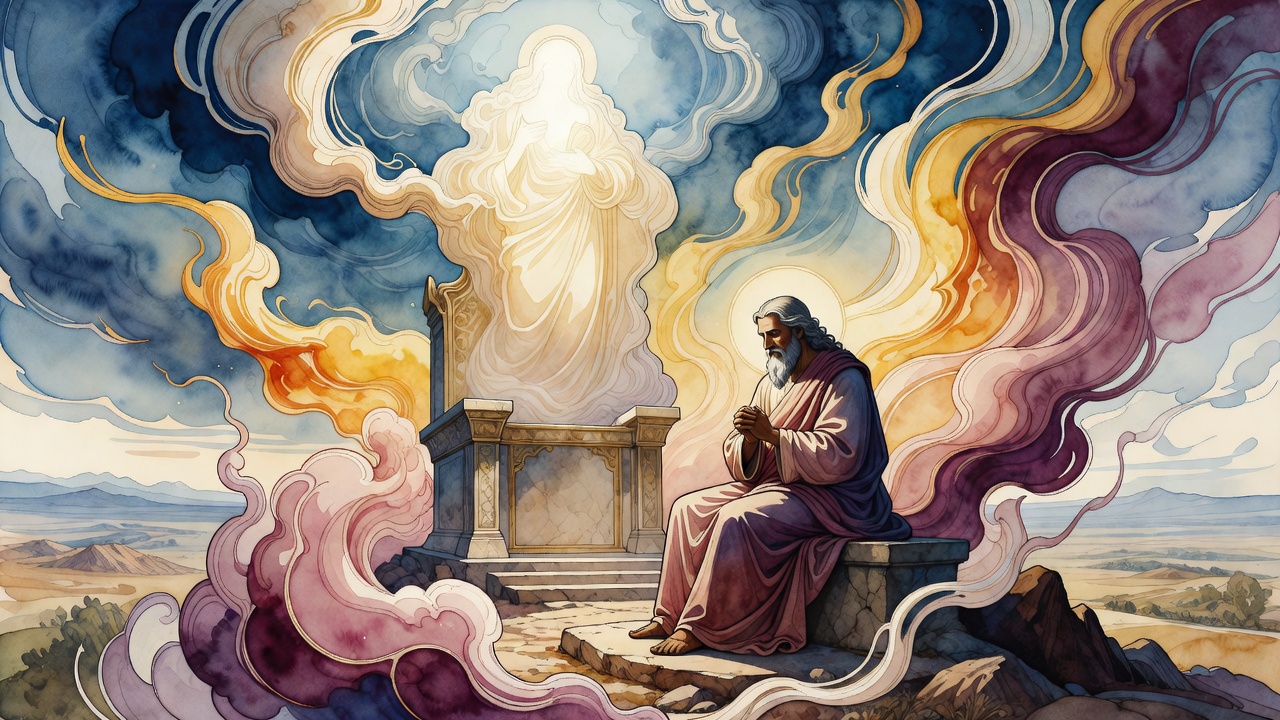
A voice at Gibeon said ask. Solomon named a listening heart. Two women came at dawn with one living child and no witness.
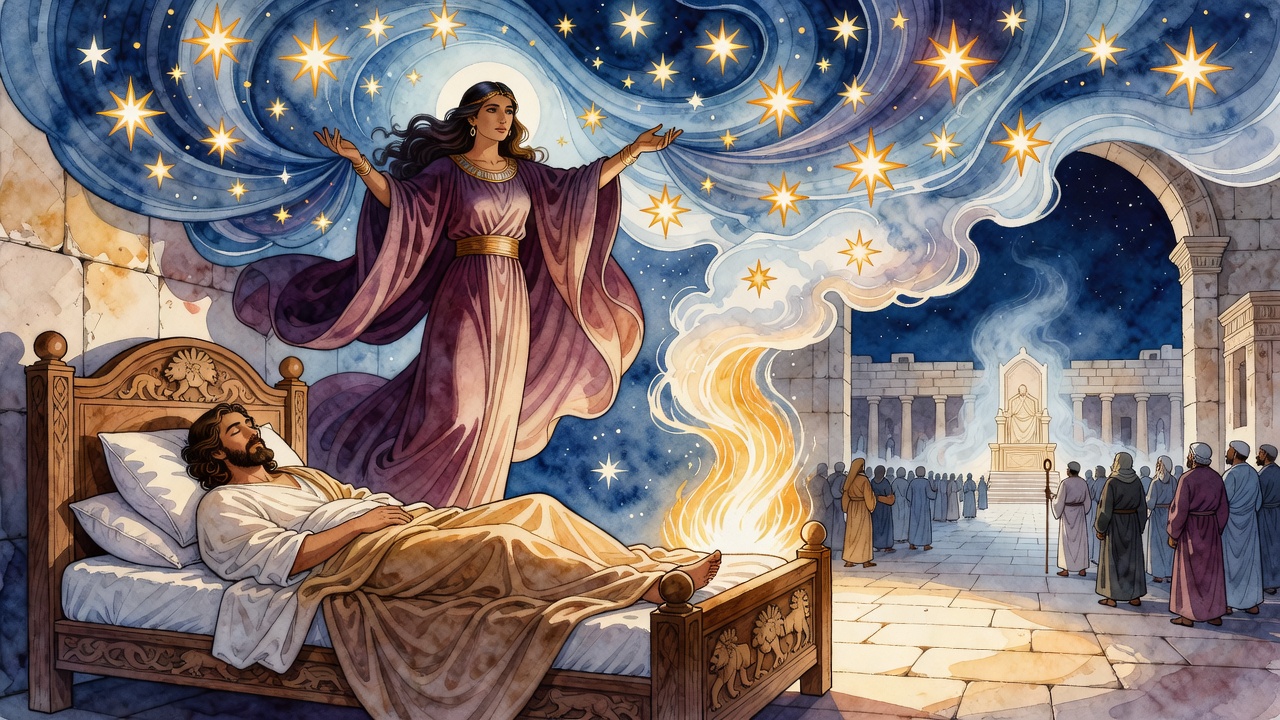
The morning lamb stood ready. Priests kept the fire. Israel waited in the court while the king slept under a sky someone had sewn.
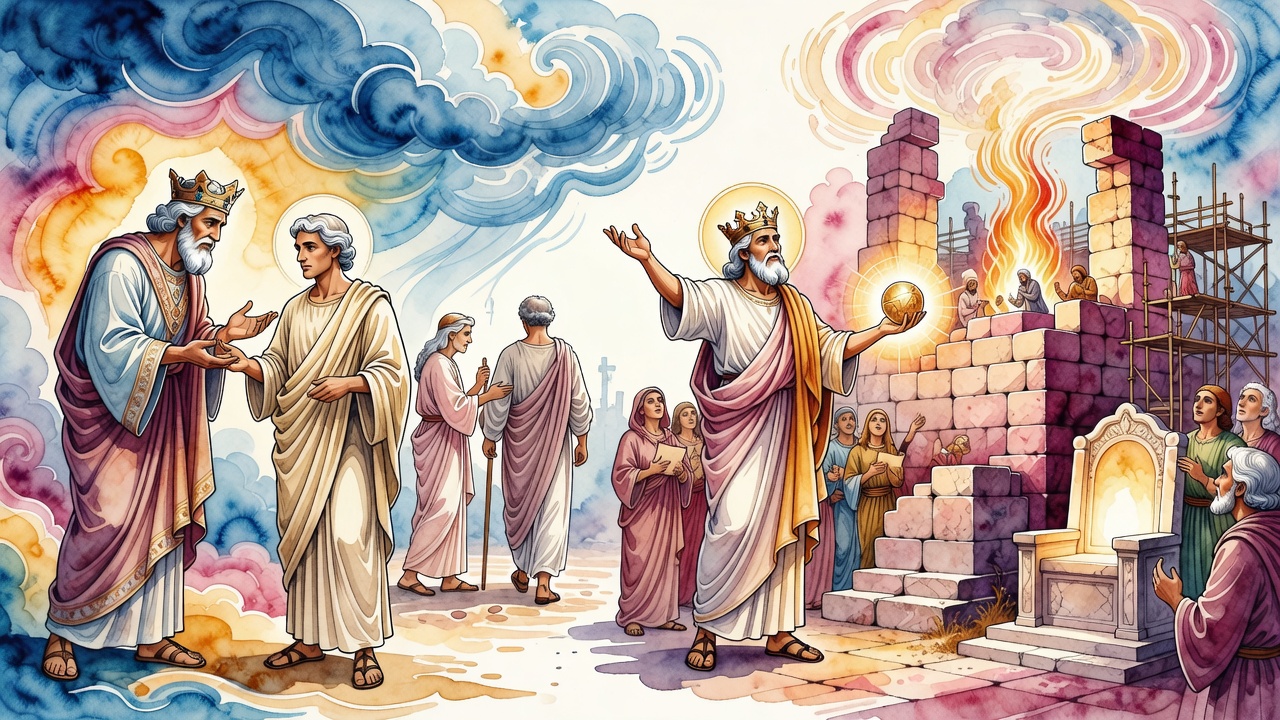
Darius asks Daniel how to govern. Daniel trains his replacement and retires. Zerubbabel wins a riddle contest and uses the prize to rebuild the Temple.
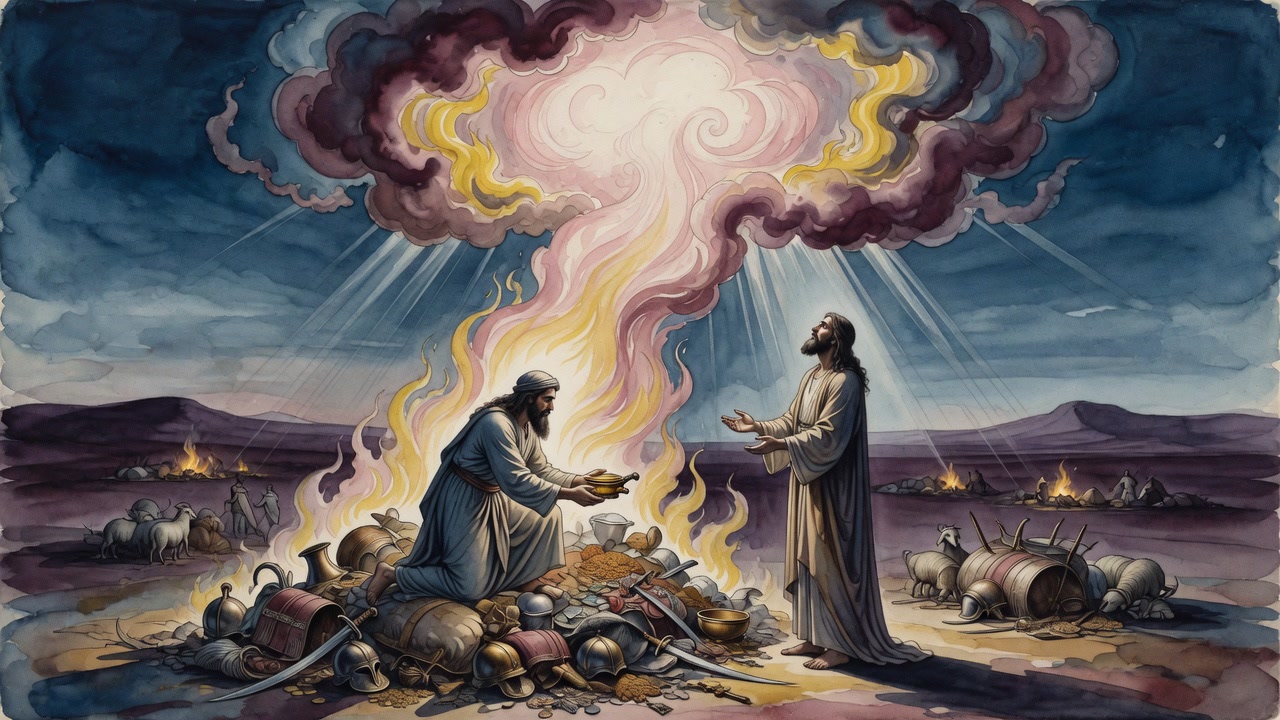
Adam held the sapphire to his eyes and a flame inside it became letters. Noah later sealed that same book in gold and carried it through the rain.
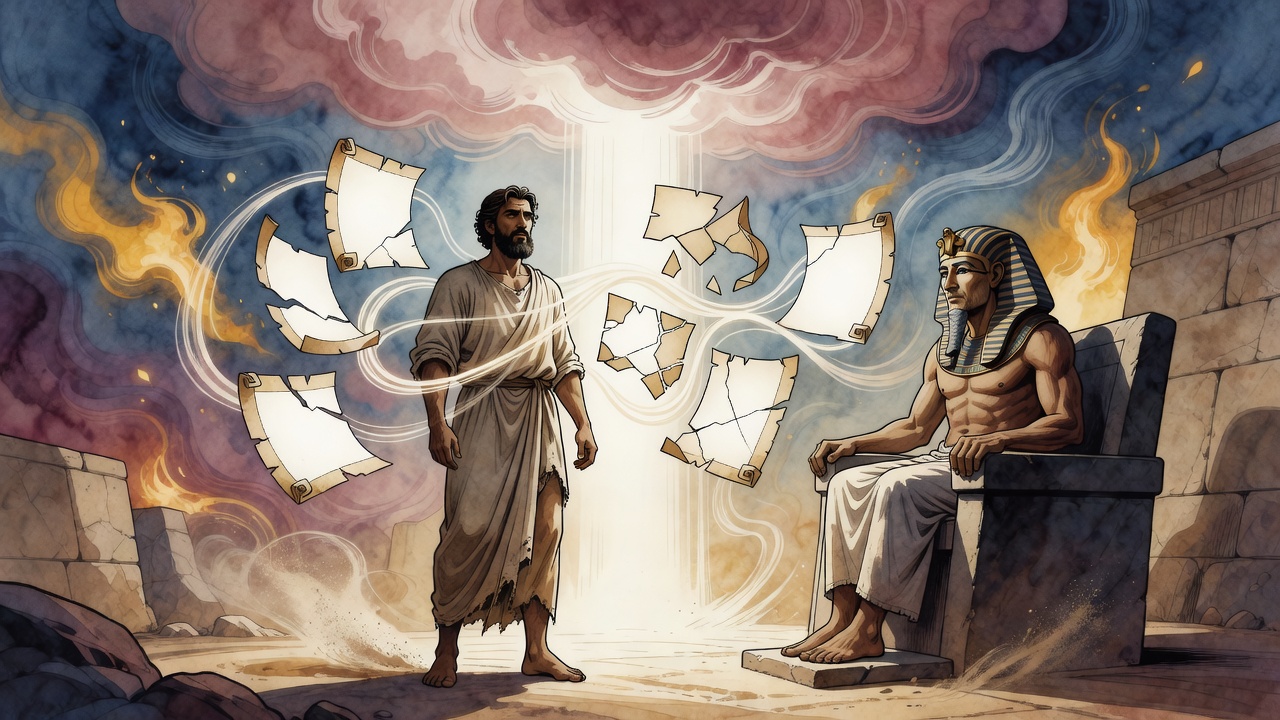
Pharaoh left gaps in the dream to test Joseph. The prisoner filled them because the same vision had reached him in the same night.
Korah's men stopped at the tent. On's wife sat in the doorway with her hair uncovered. Inside, her husband slept and did not hear them.
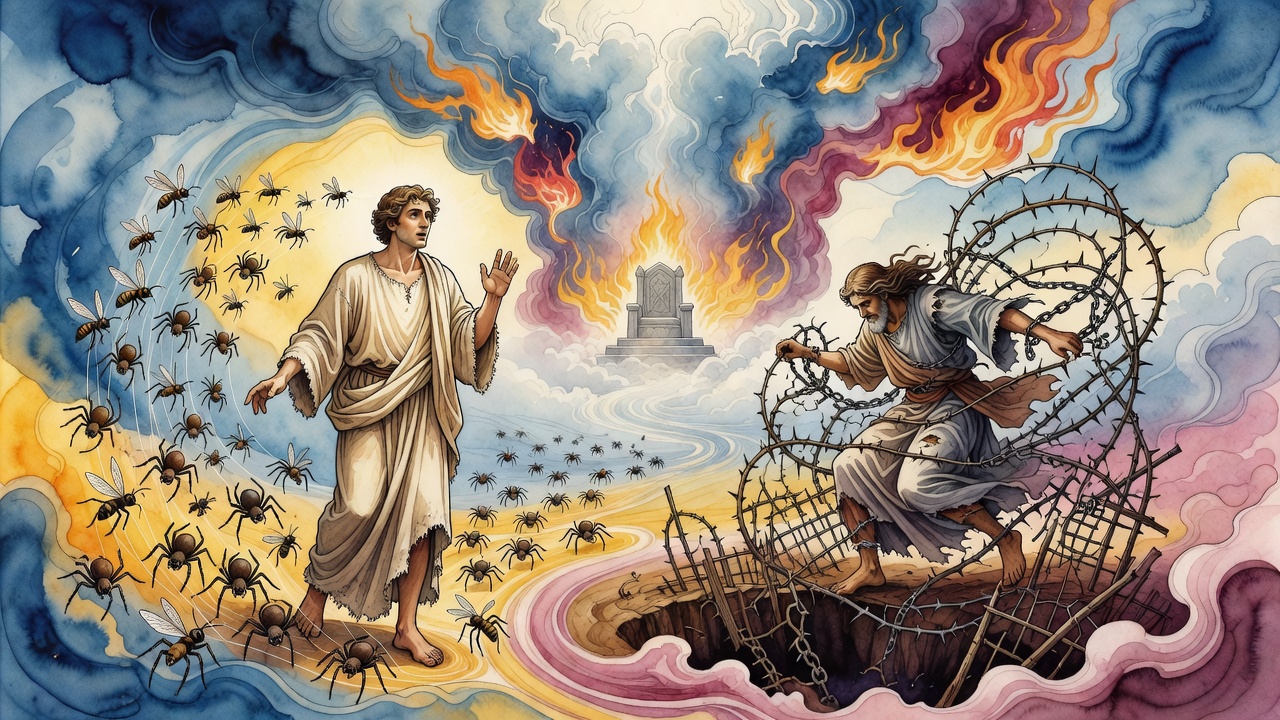
He watched a small body work dirt into a corner of the palace. Useless, he told the empty room. Saul's hunt had not yet driven him into stone.
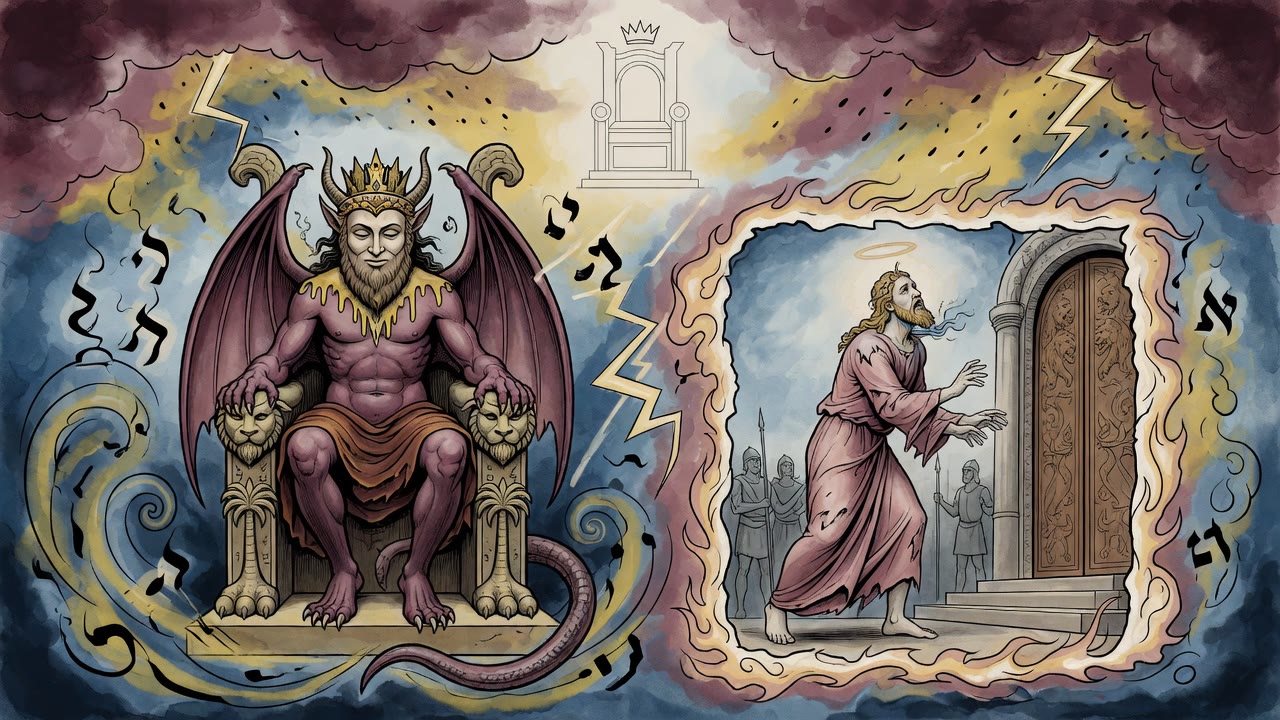
The beggar said he was king. They set a bowl of grits before him. In Jerusalem a man with hidden feet still sat on Solomon's throne.
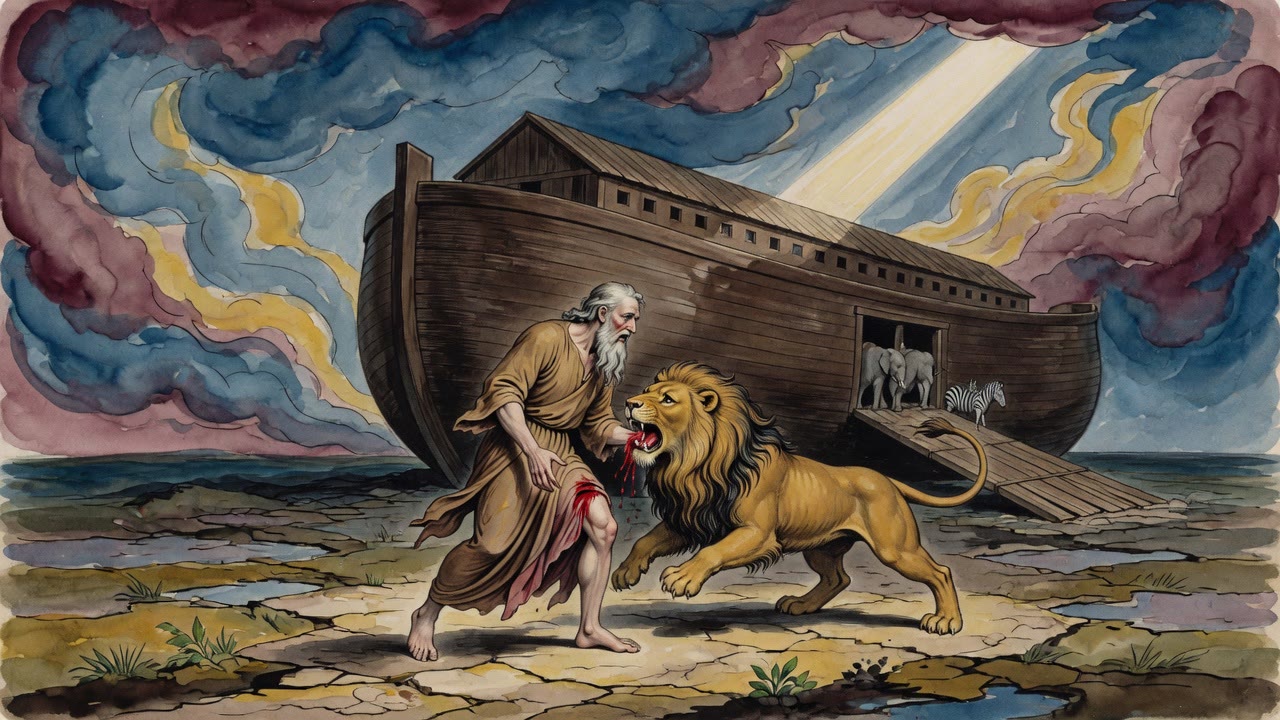
Forty thousand men left the carpet when the king said there was none like him. The wind would not lift them until he used the word on himself.
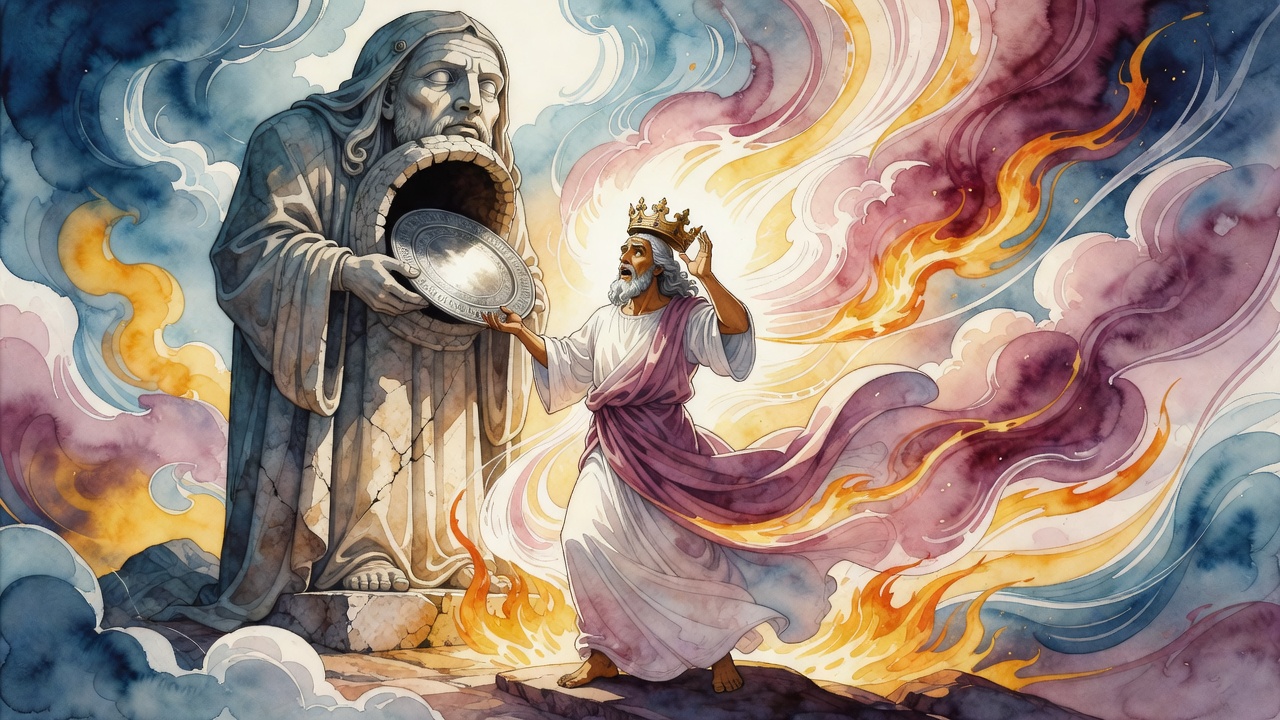
Solomon found a silver plate in a statue's throat, but its dead king's warning only made sense after his own crown was taken away.
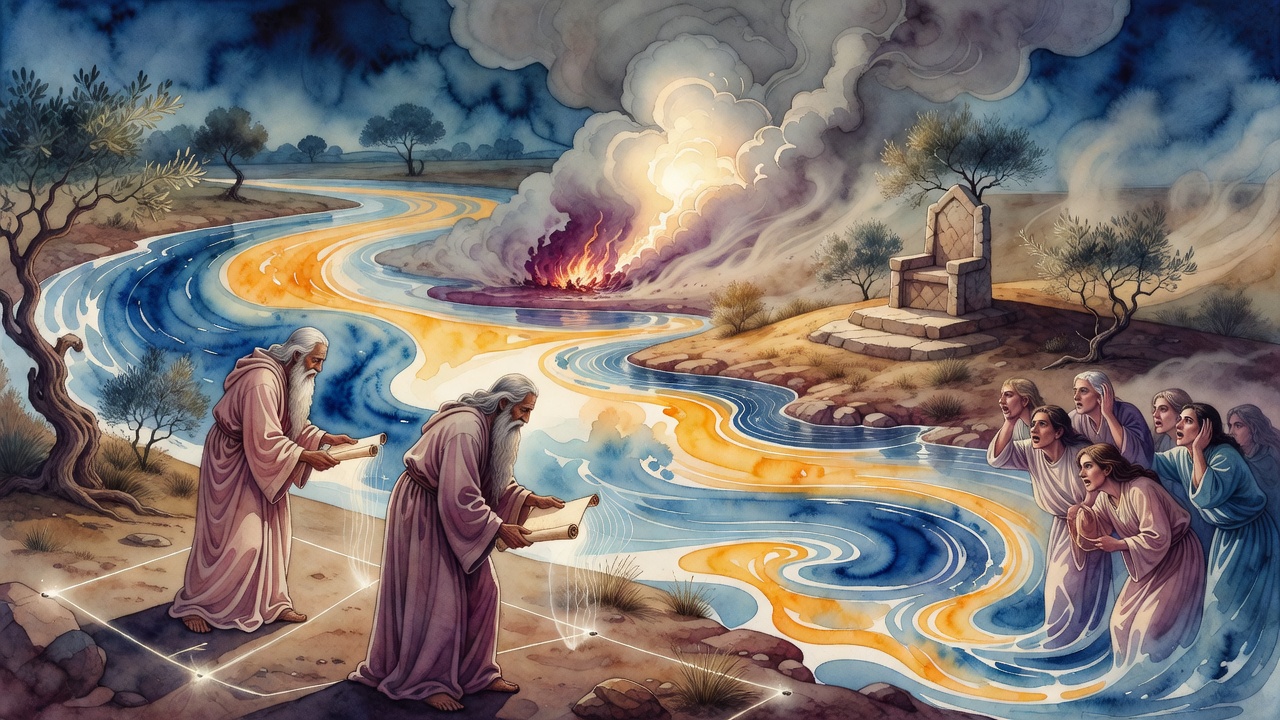
Two sages measured Eden with verses and field units, while the mystics heard a hidden river carrying wisdom into the garden.
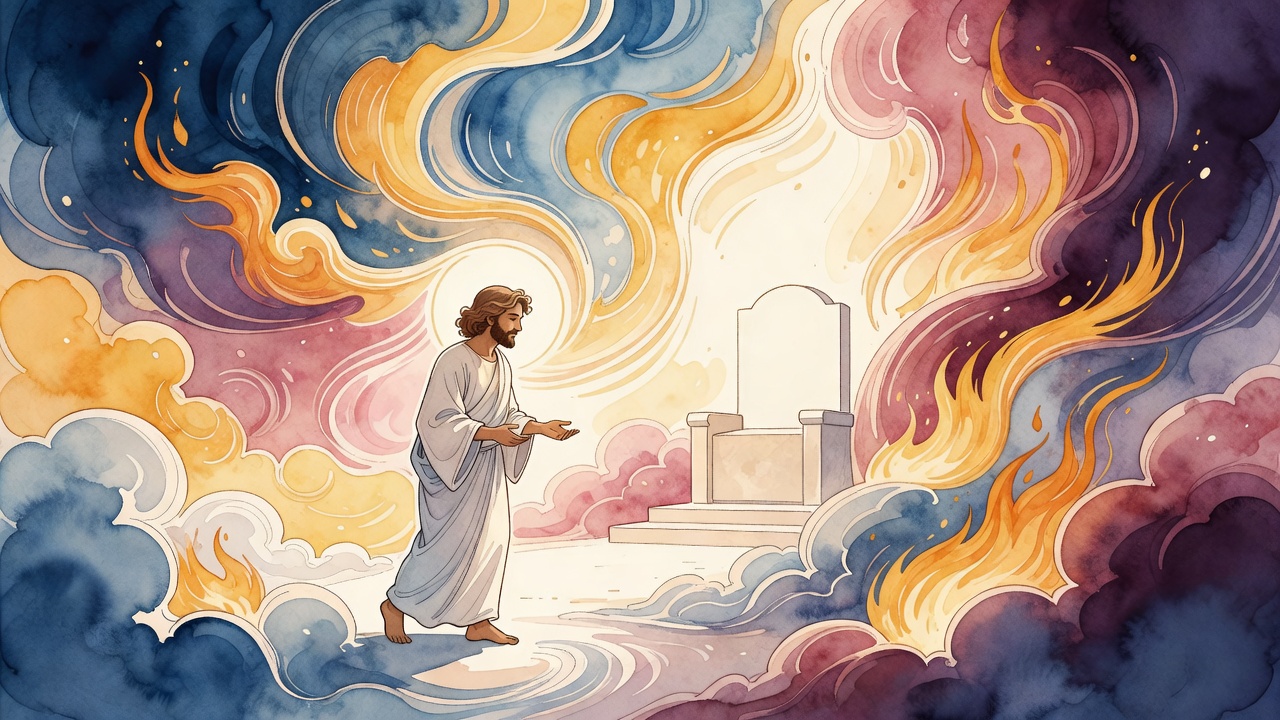
Solomon enters Proverbs without pretending wisdom was born in him; he was young, simple, and given prudence before God rejoiced.
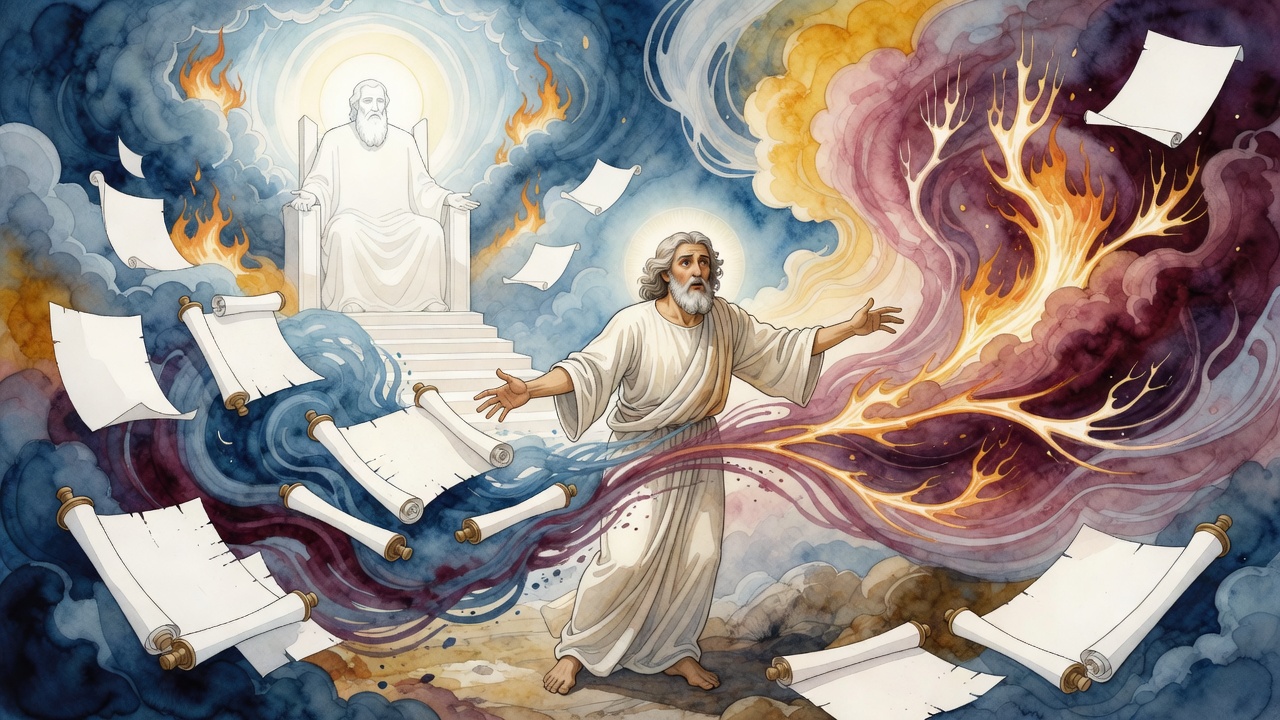
The scribes waited. Solomon reached for a verse he had known at dawn. By night the next word was gone, and the crown answered nothing.
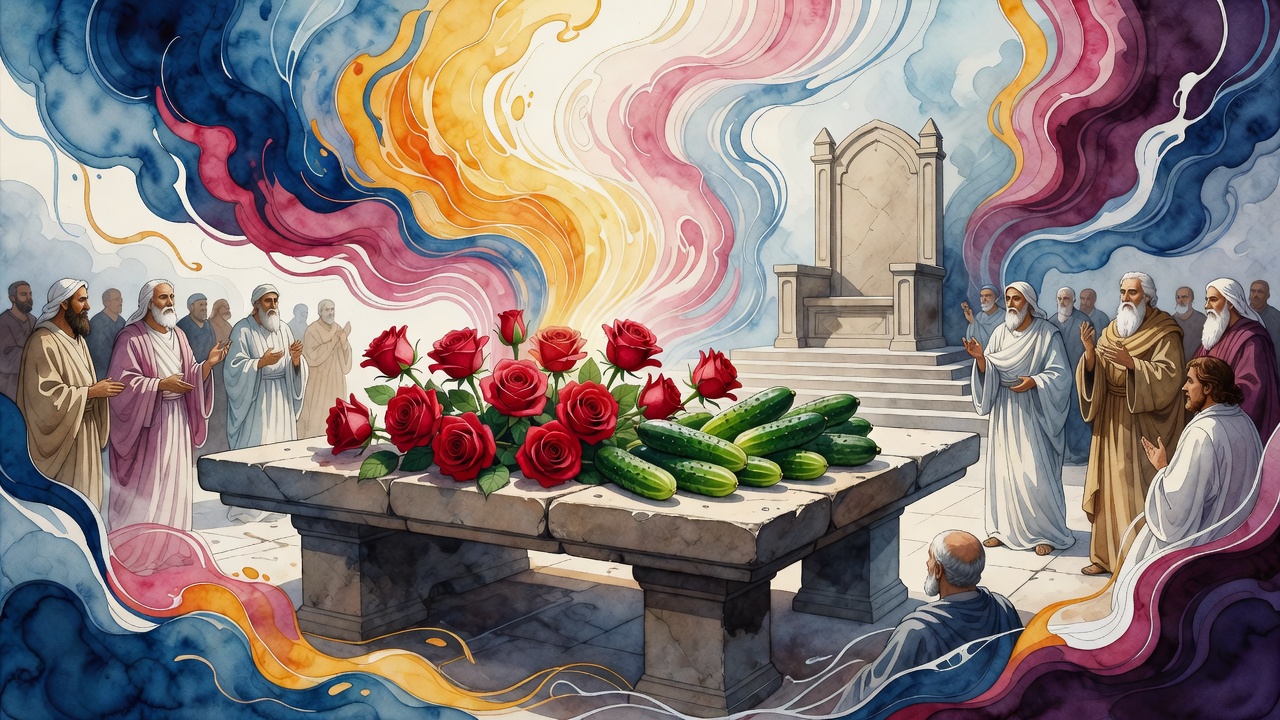
Below deck the crew talked as if the hold were empty. Two kav of gold dinars still lay under the merchant's hand.
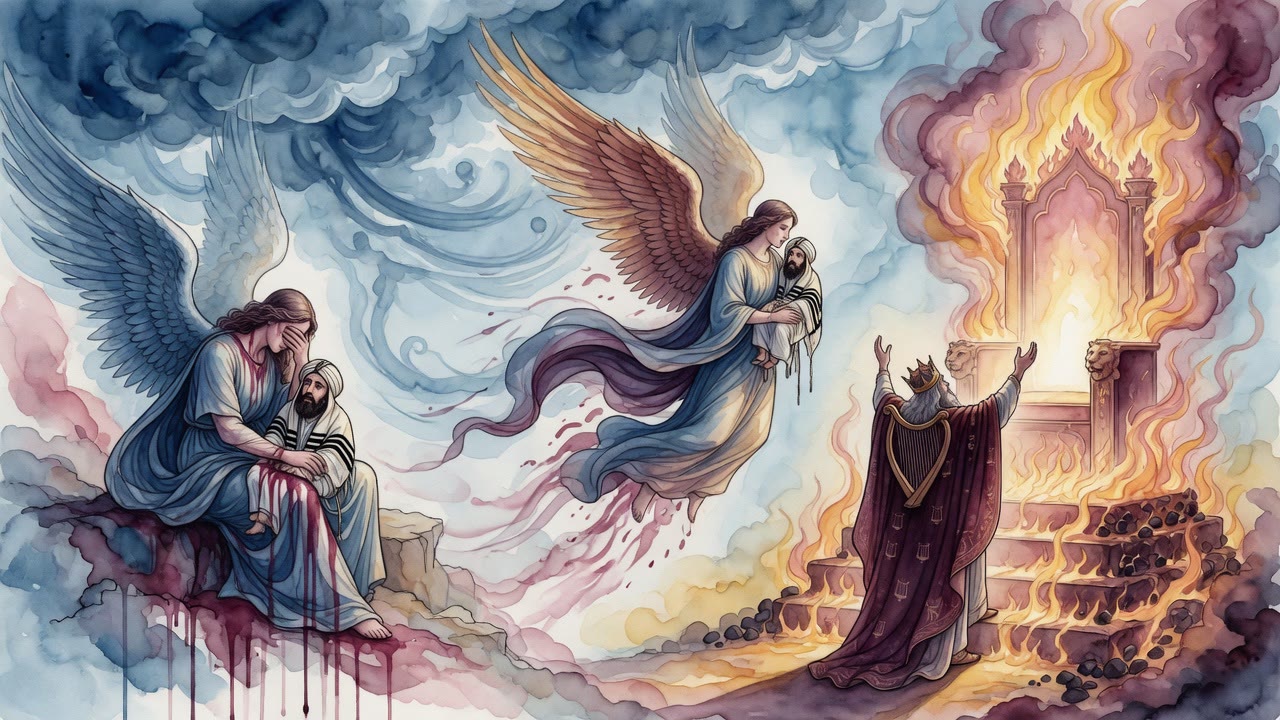
The Watchers came down to instruct humanity. Among all the people alive in those ancient days, only one student mastered every lesson they brought.
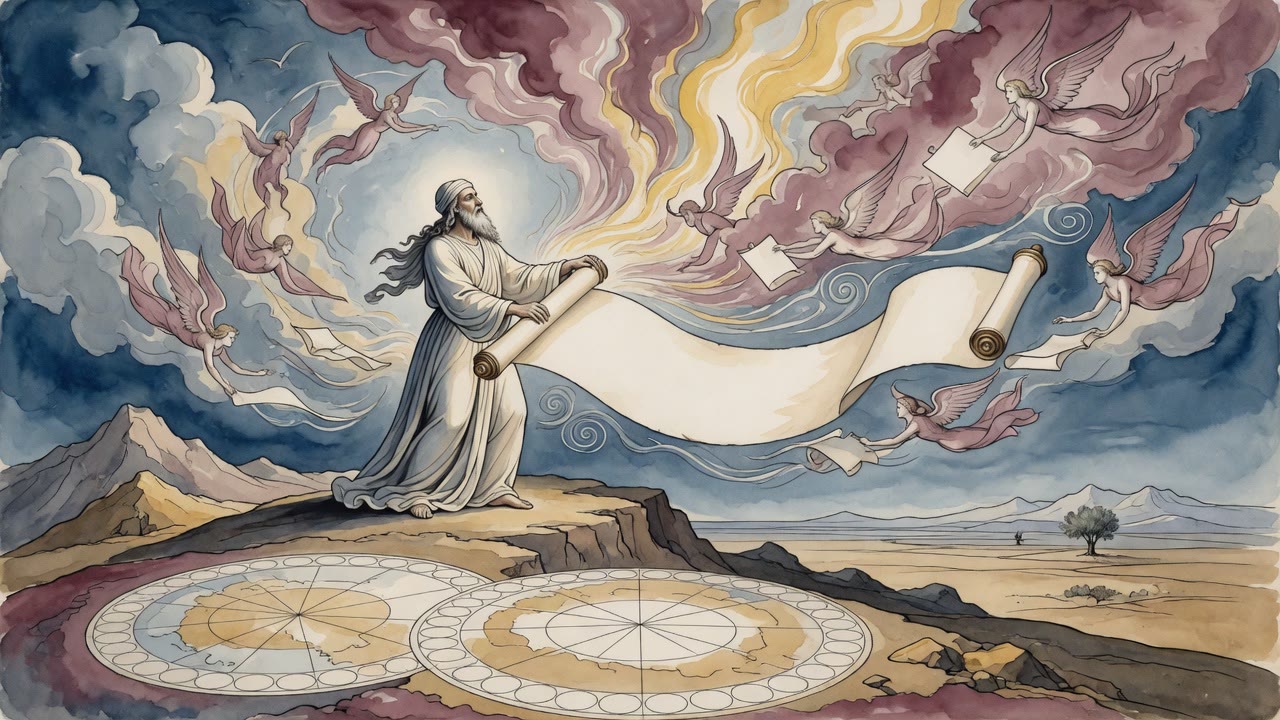
Enoch did not invent the calendar. He received it from the angels and wrote it down. He mapped every week and jubilee before a single nation existed to use it.
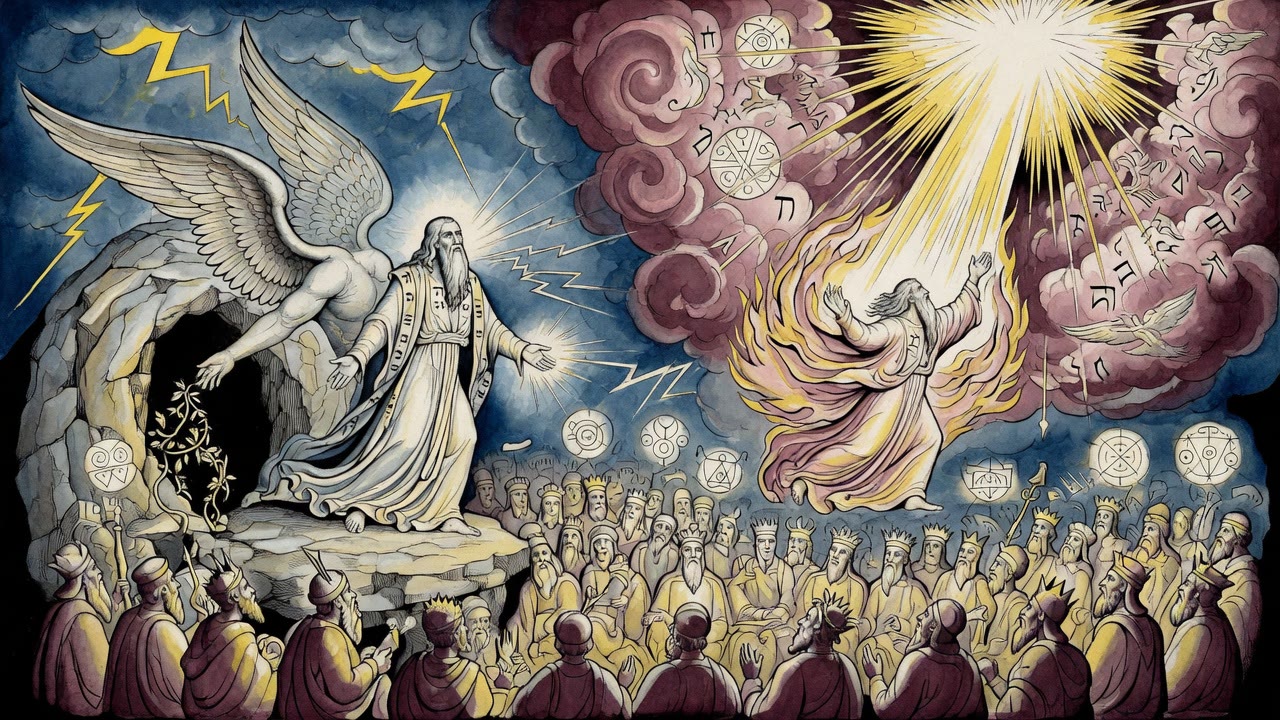
An angel pulled Enoch from seclusion to rule the earth. He taught 130 kings for 243 years. When God called him back, eight hundred thousand men watched him go.
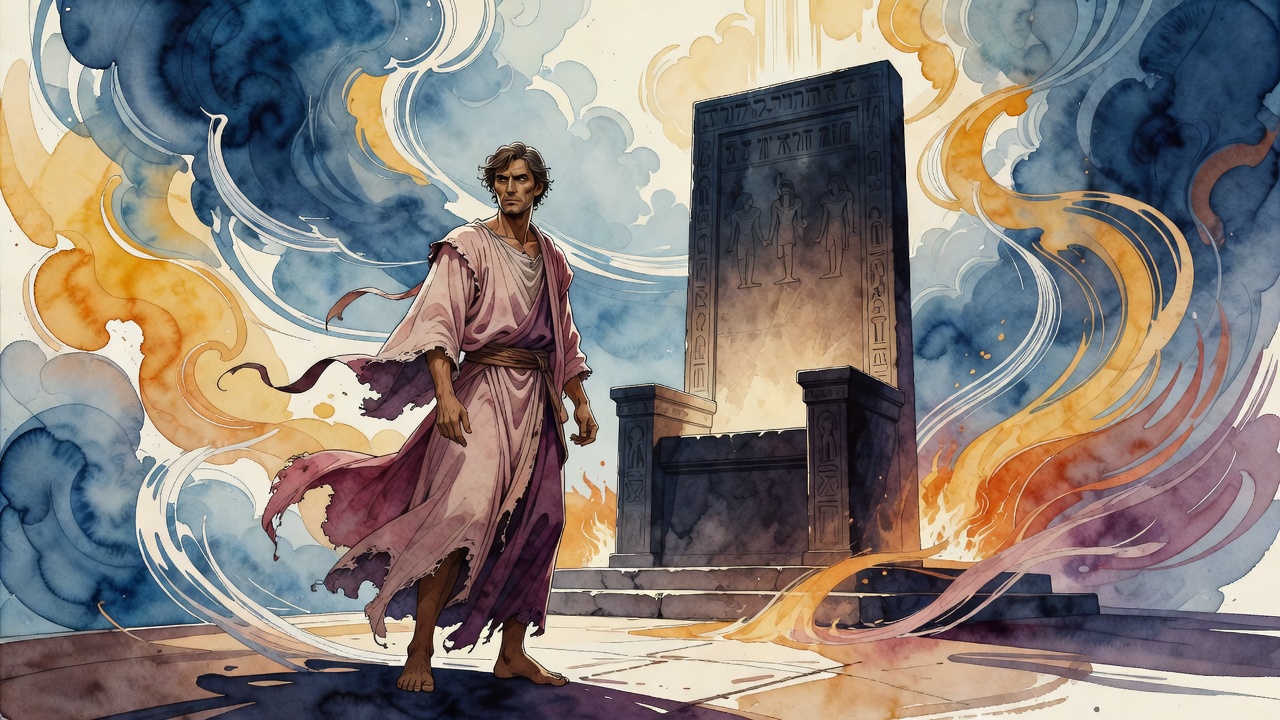
He arrived from Shinar with empty hands. Eight months later he paid the king in gold and a charger, and Egypt learned a new royal name.
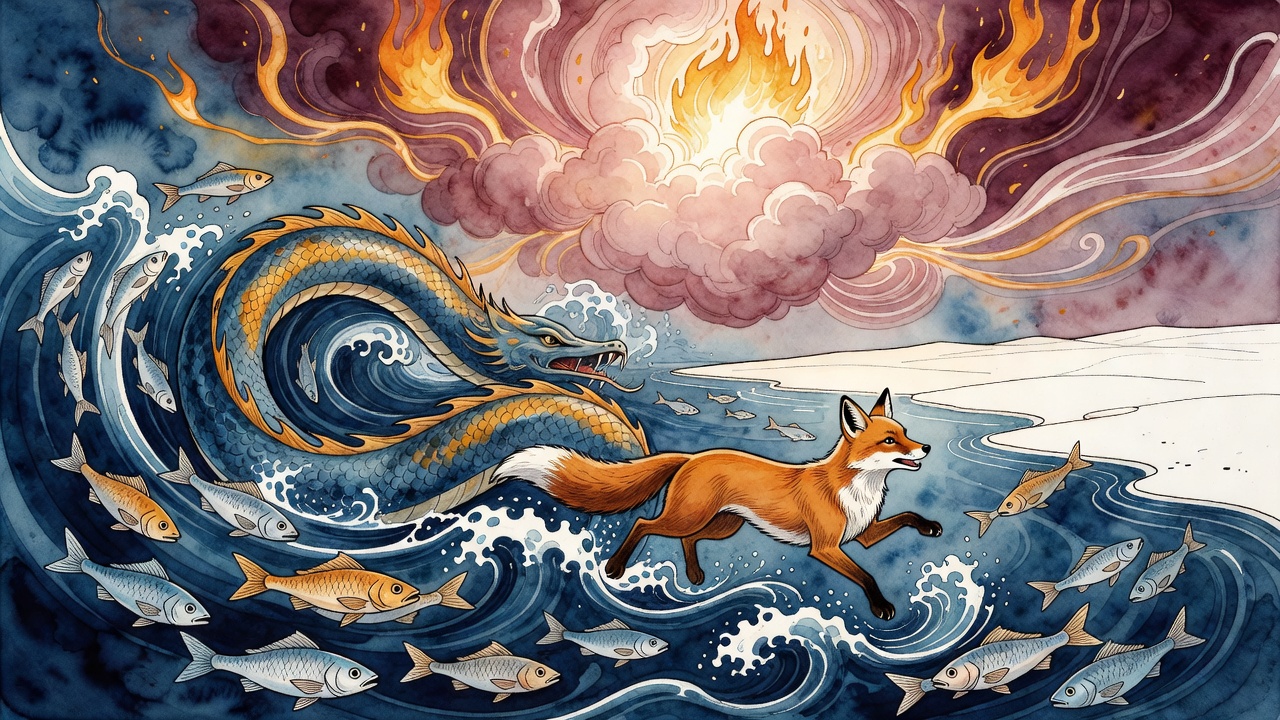
Leviathan sent fish to bring the fox to the deep. The fox descended, then claimed its heart was still on shore and walked free.
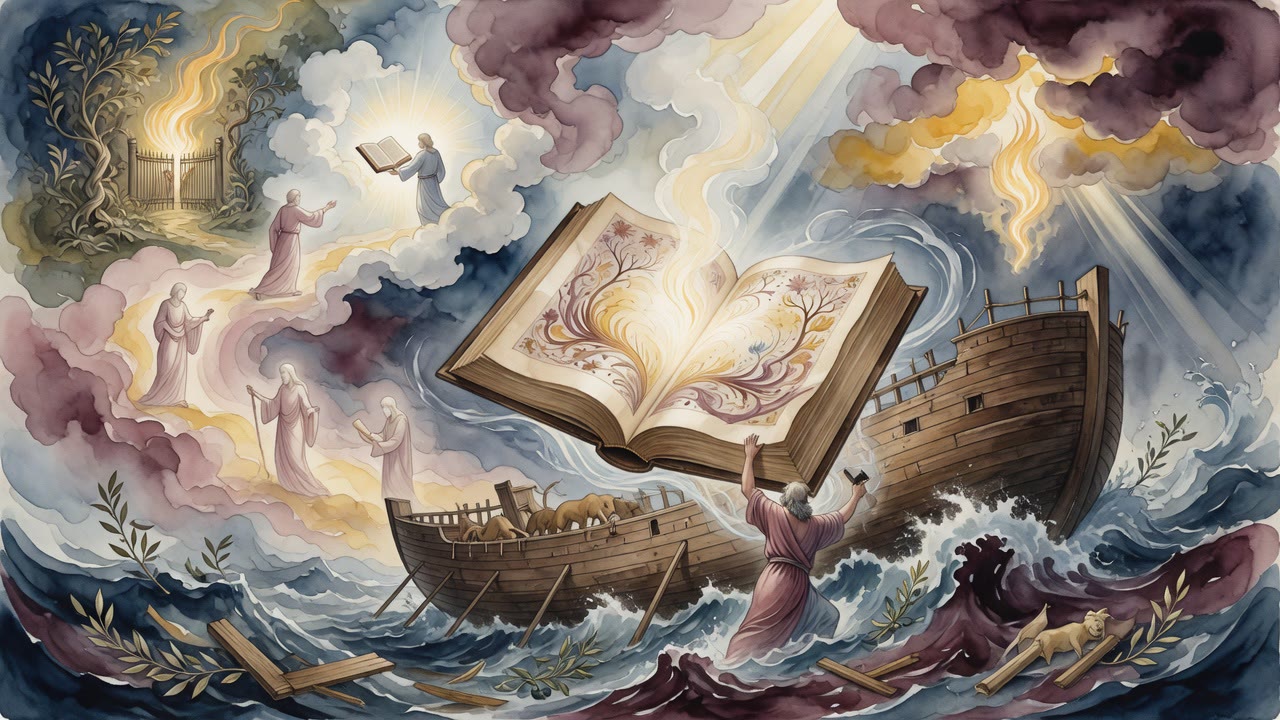
God gave Adam a book before leaving Eden. It passed through every righteous hand until Noah used it to build the ark. A book of secrets crossed the flood.
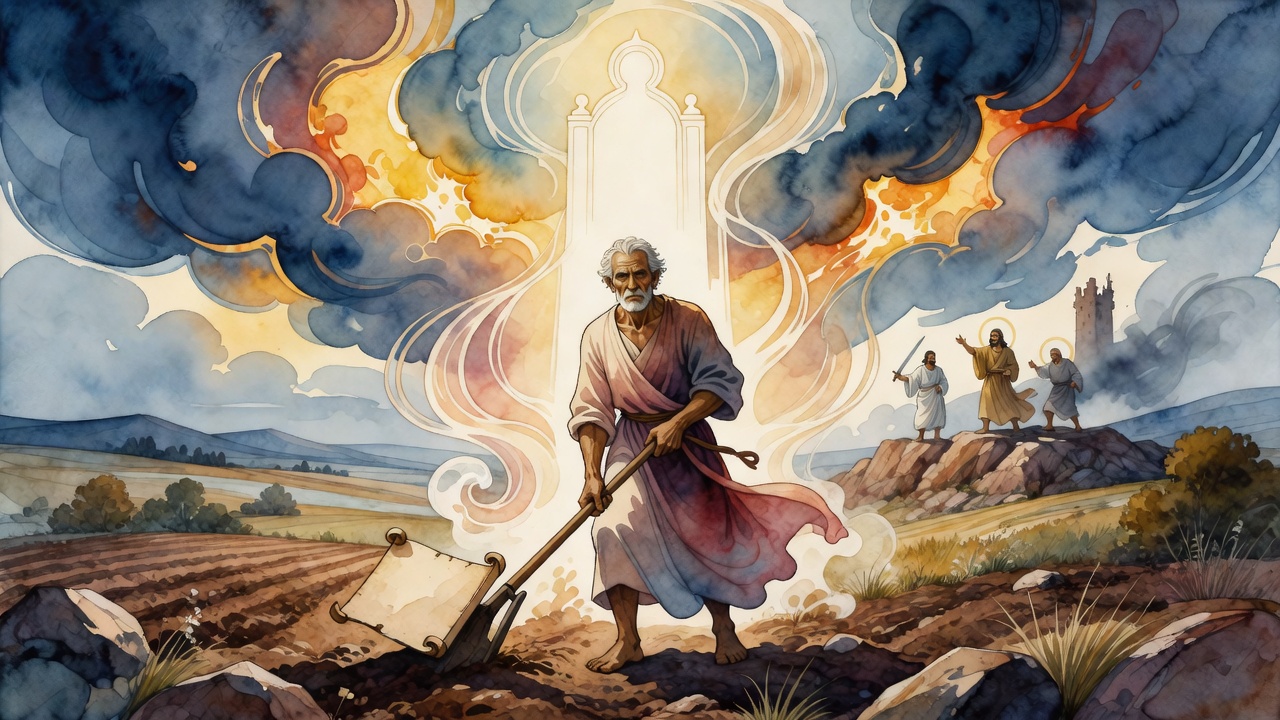
While his brothers sought power, Issachar farmed. He did not marry until he was thirty, too worn out by the fields for desire to find him at night.
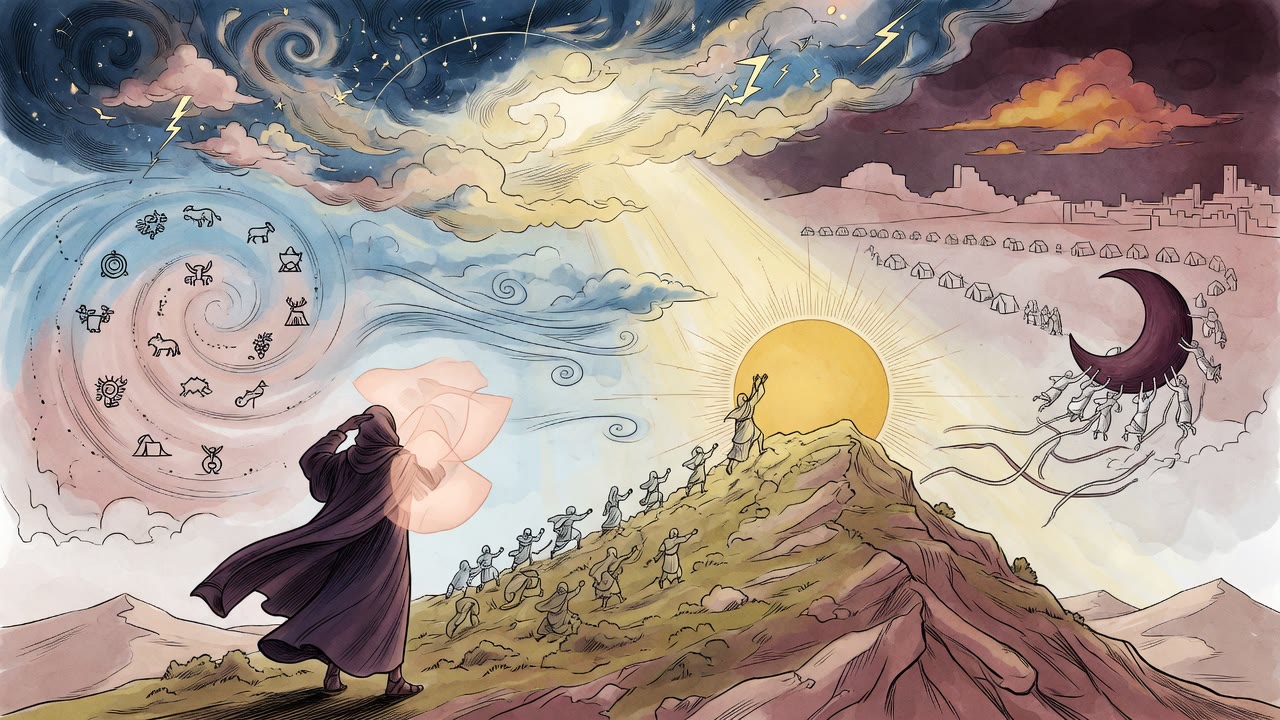
At 132, Naphtali told his children he was leaving no silver and no gold. What he left instead was one commandment he called the easiest thing in the world.
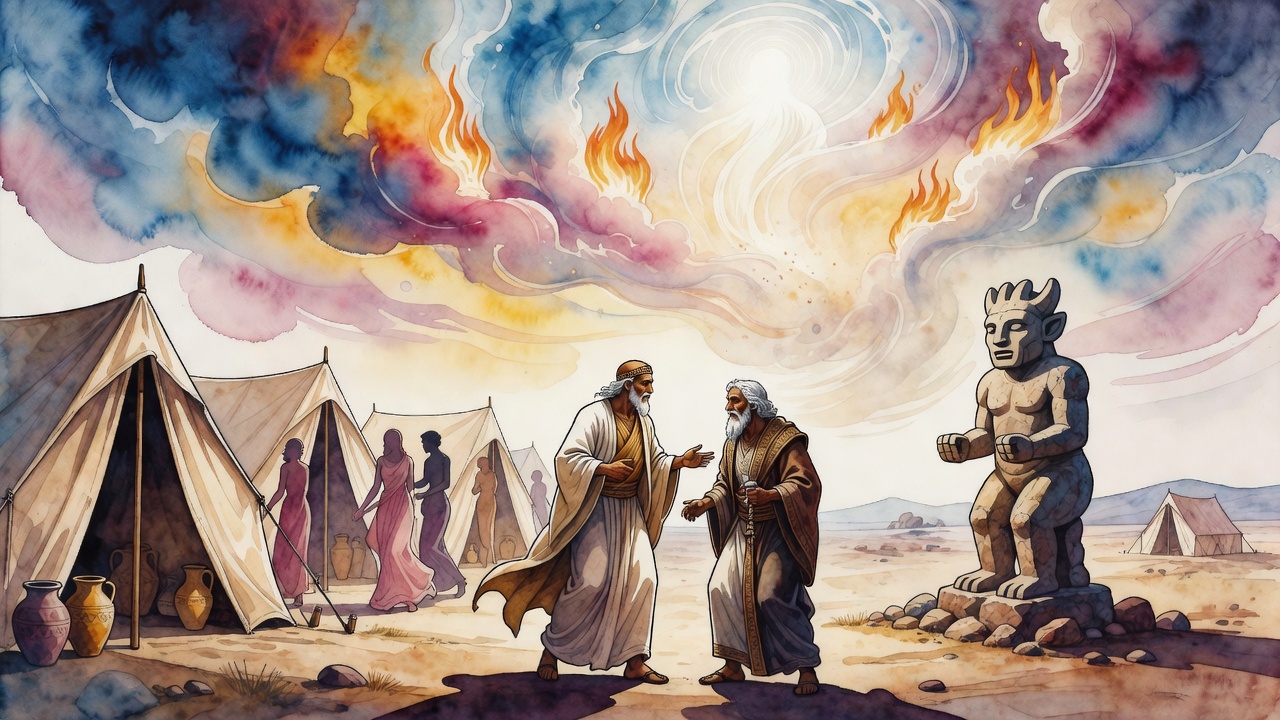
Curses had failed, so Moabite women sold cheap linen at their tent doors. Inside there was wine, and under the linen an idol was waiting.
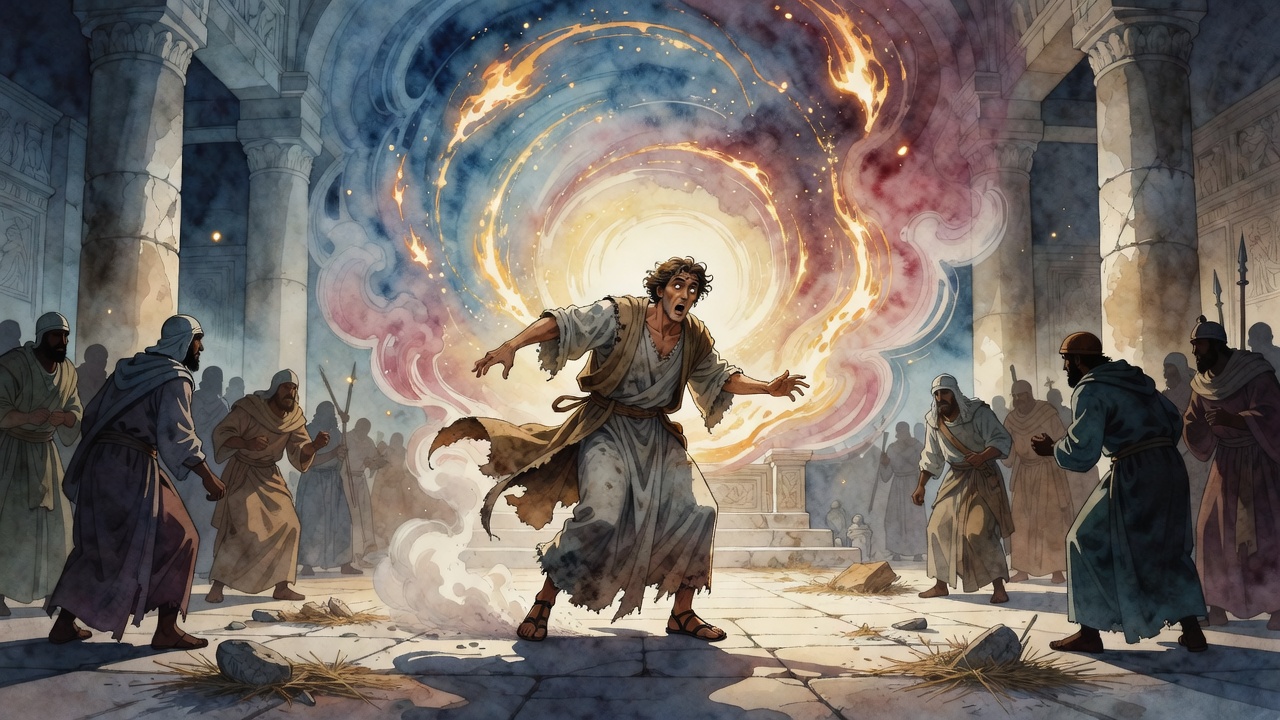
Goliath's brothers stood as bodyguards in Gath and asked for David's head. King Achish pointed at the madmen already living in his house.
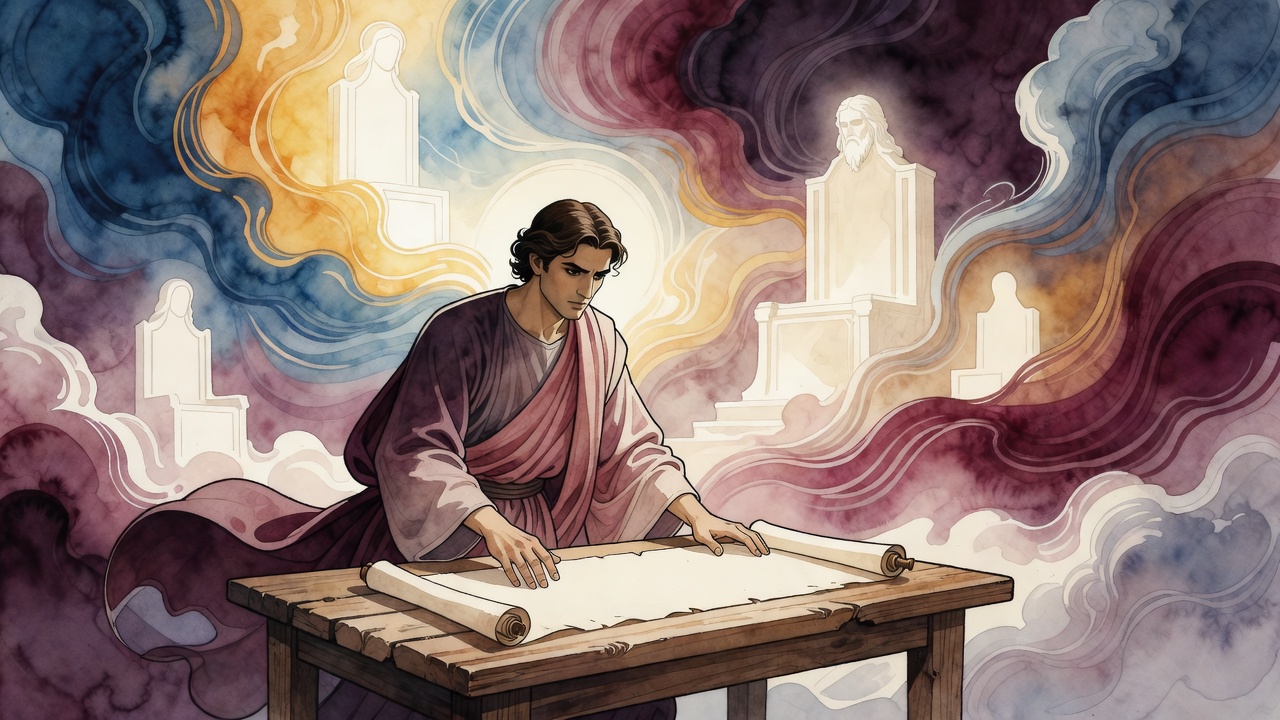
Absalom spent years building his plot against his father. It began not with weapons but with a letter bearing the king's own seal.
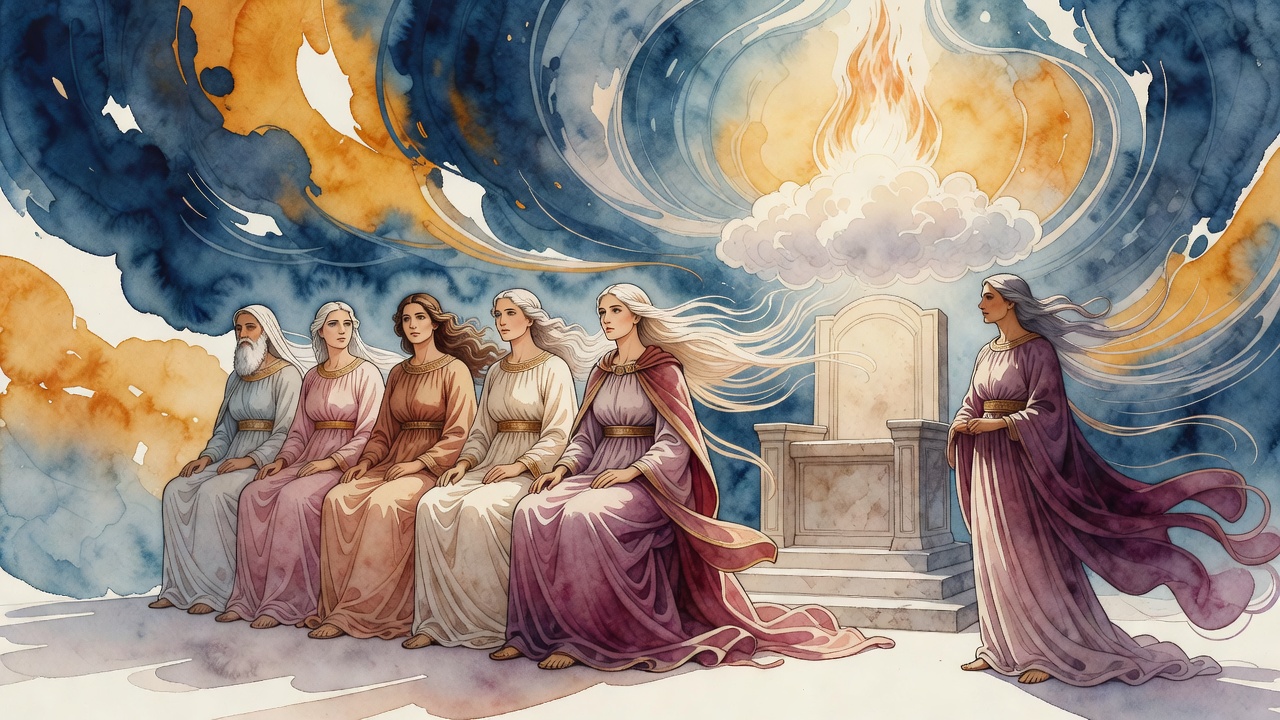
David rode out with four hundred armed men to wipe out one household. A woman met the column in the dark holding a lamp and a legal question.
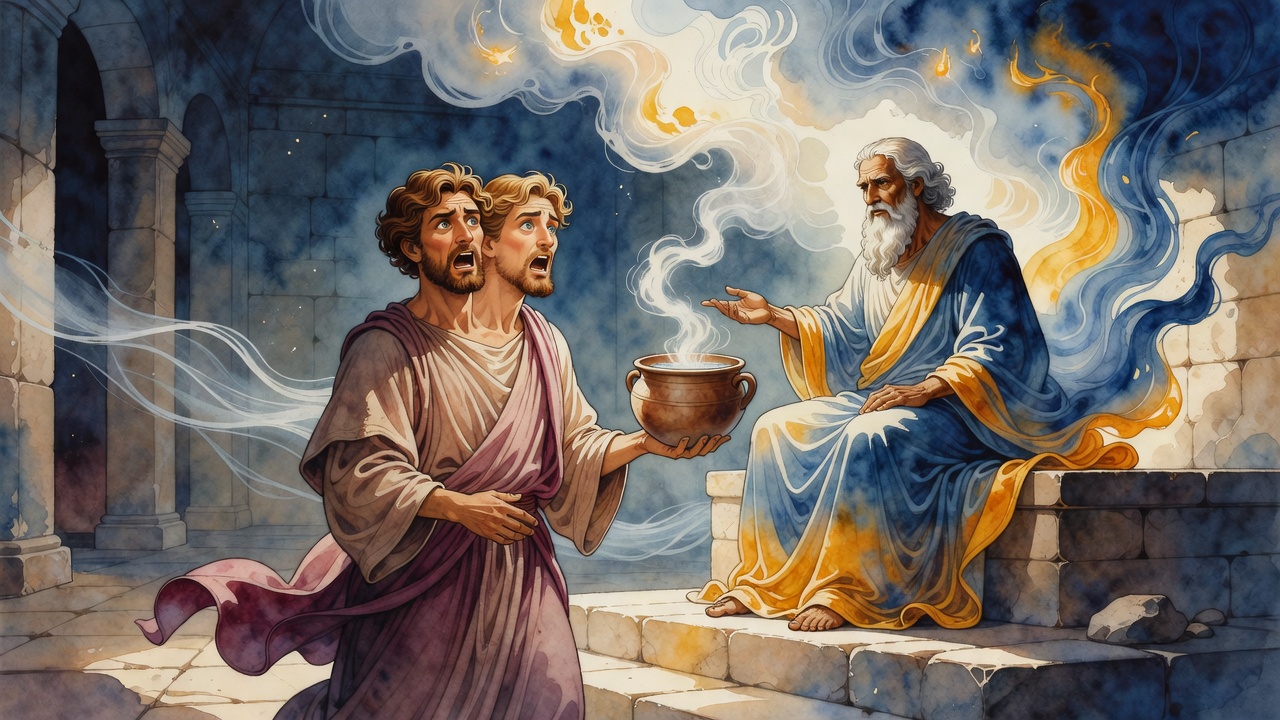
Ashmedai brought a Cainite up from under the earth to confuse the king. Years later the two-headed son wanted two shares. Both mouths screamed as one.
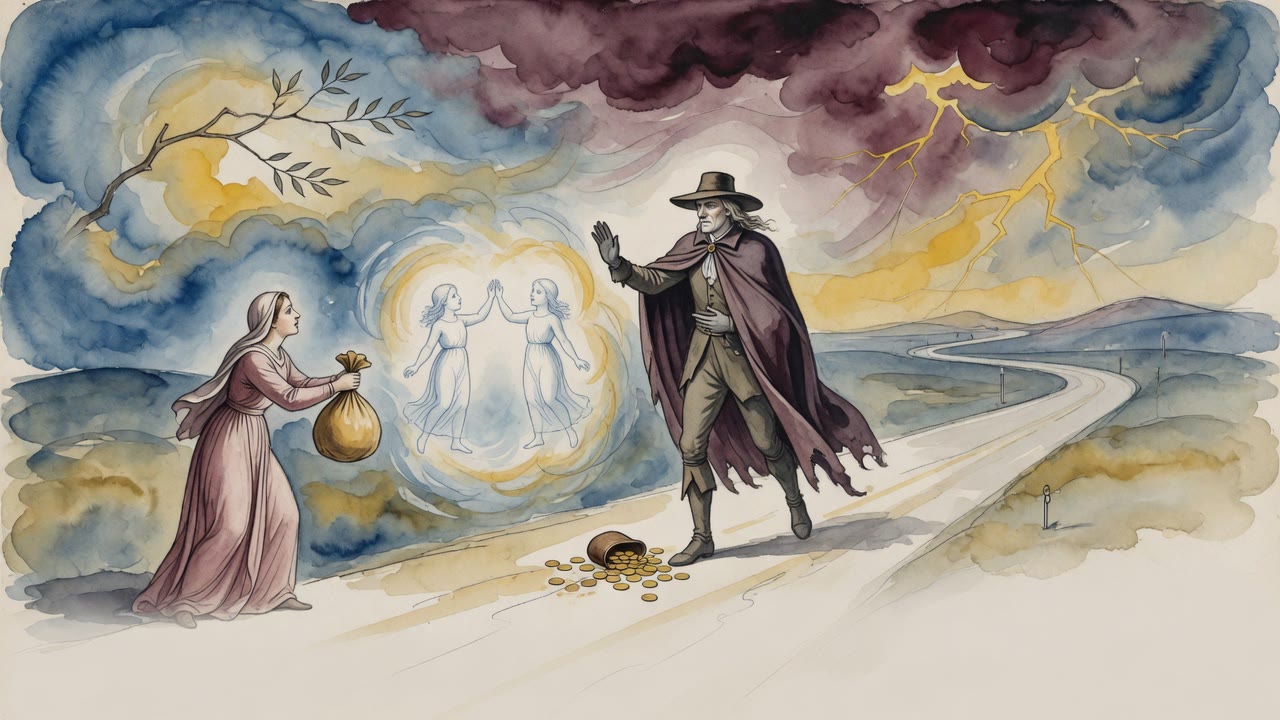
Two children swore they would never marry without each other's blessing. Years later, she came with gold to buy her release. He refused to take a coin.
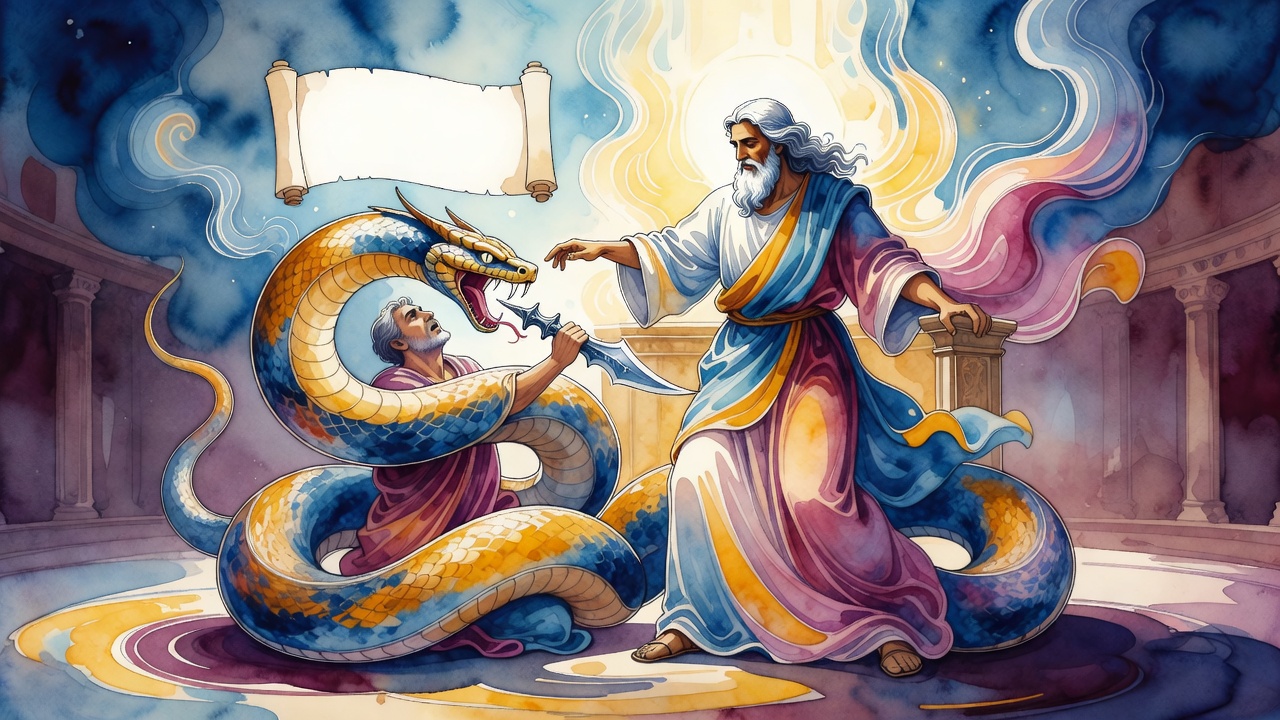
The serpent still had the man's neck when it quoted scripture. Solomon told it to get down. Then he told the man to finish the verse.
