Baruch Asked What Bodies Wear After Resurrection
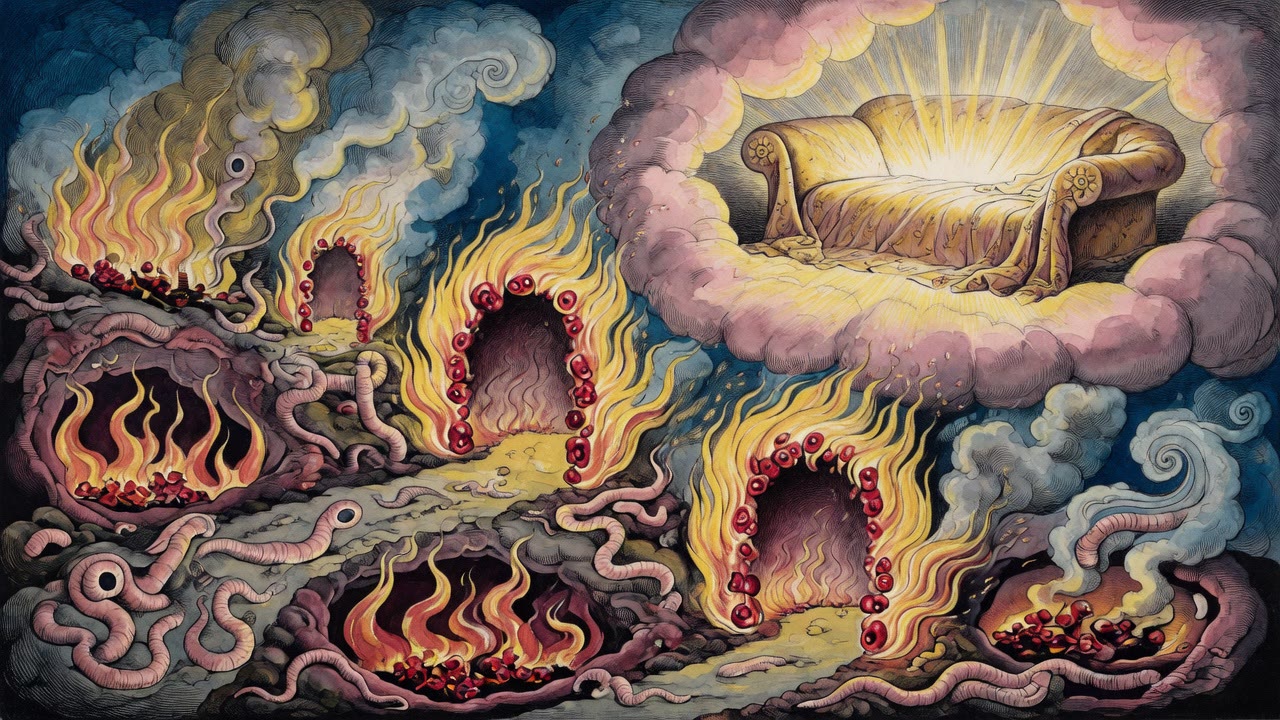
Jerusalem was still smoking. Baruch asked what shape the dead would wear. God said the earth would give them back as it had taken them.
Table of Contents
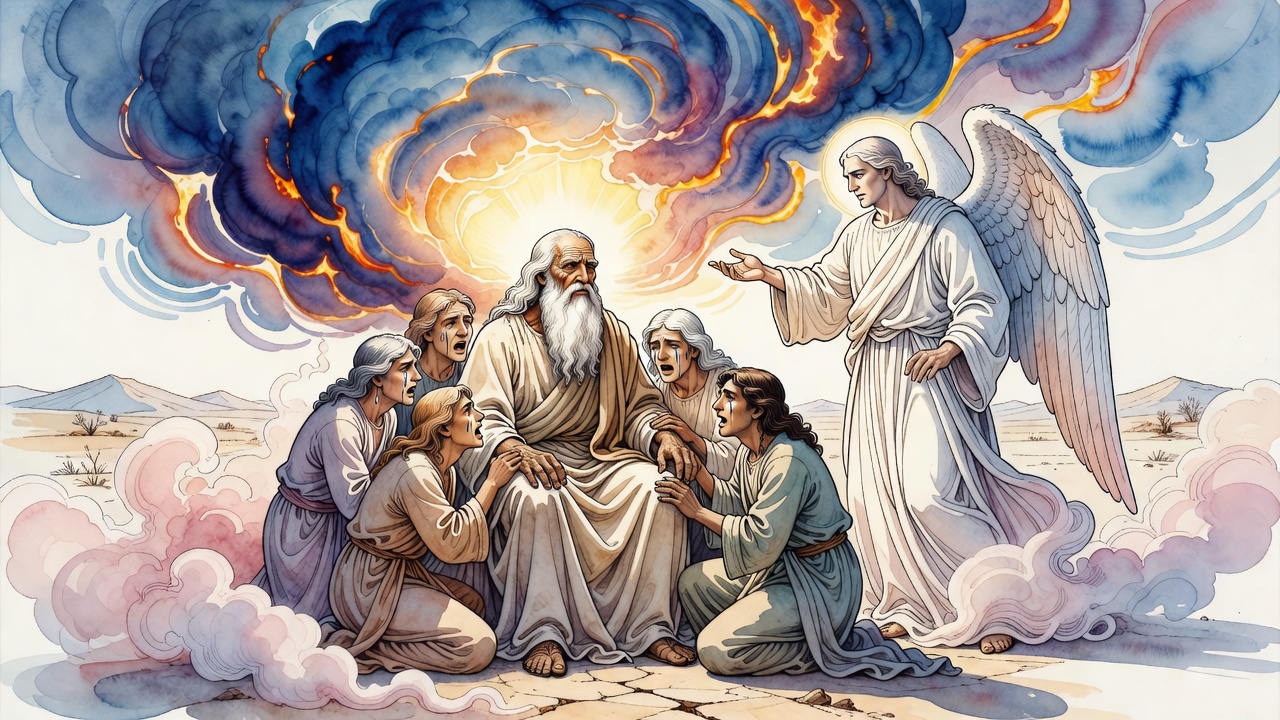
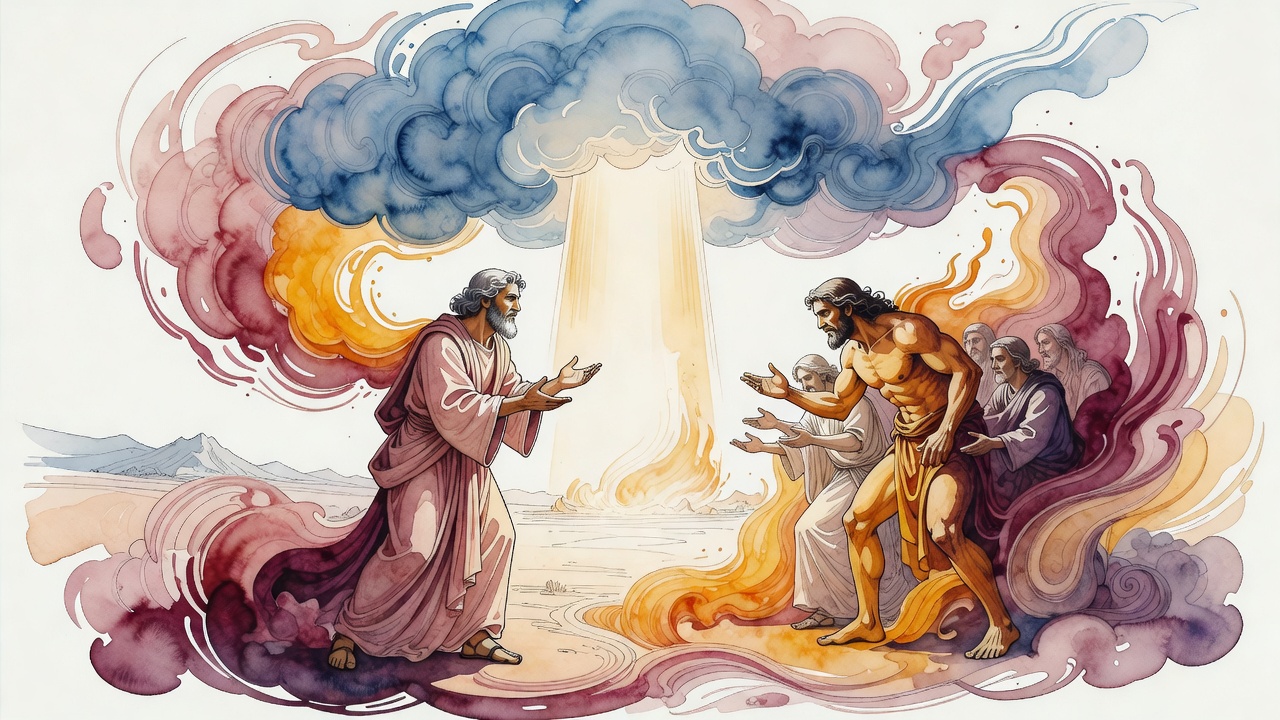
Baruch stood where the graves began and Jerusalem ended. Smoke still hung in the lanes. He did not ask first what happens to the soul. He asked what happens to the body.
 Click for full size
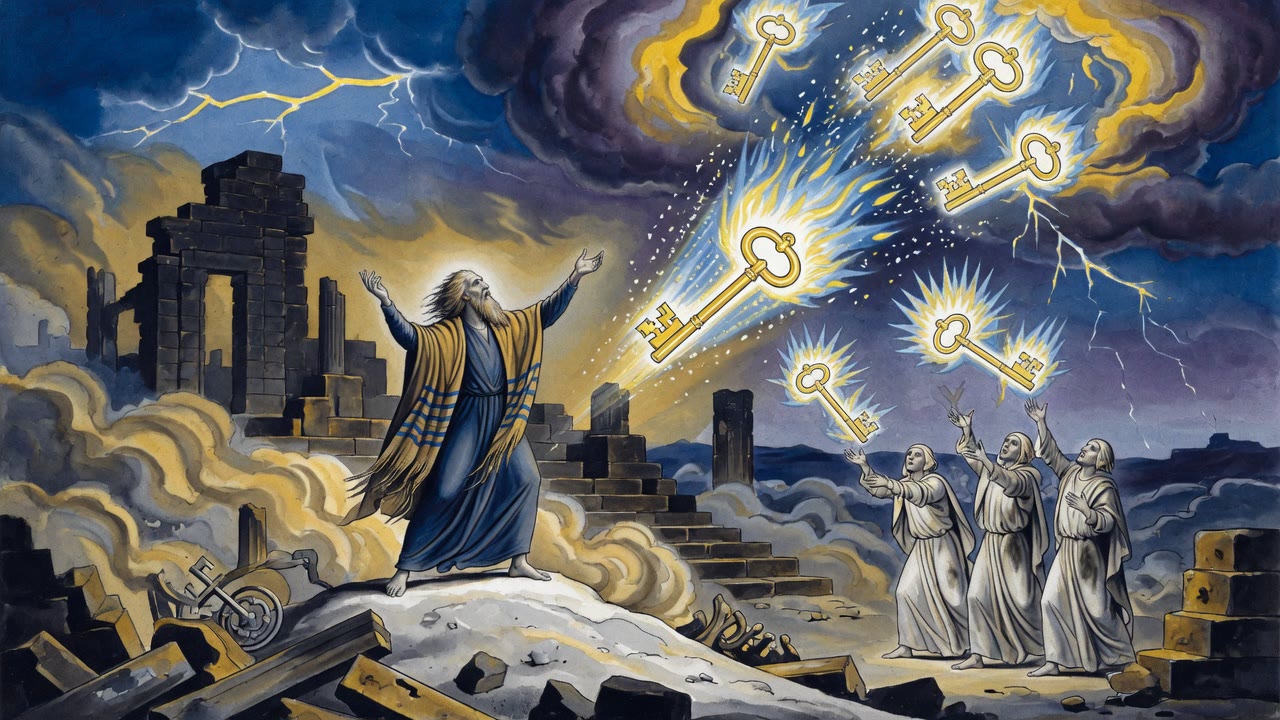
He had already prayed. He praised the One who summons the ages and they stand, who commands flames and they change into spirits. Then the prayer turned raw. "For in a little time are we born, and in a little time do we return. We did not say to our parents, 'Beget us.' Nor did we send word to Sheol (שאול), the shadowy house of the dead, saying, 'Receive us.' What is our strength that we should bear Your wrath?" He pleaded for the people. "Destroy not the hope of our people. Cut not short the times of our aid. We have received one law from One."
God heard him. The answer did not soften. "You have prayed simply, O Baruch, and all your words have been heard. But My judgment exacts its own, and My law exacts its rights."
In What Shape Will They Exist
Baruch cried out against the first pair. "O Adam, what have you done to all those born from you? What will be said to Eve, who listened to the serpent? All this multitude is going to corruption!" Then he asked the question the graves had put in his mouth.
"In what shape will those who live in Your day exist? Will they resume the form of the present body, these limbs involved in evil? Or will You change what has been in the world, as You will change the world itself?"
The answer was precise. The earth would restore the dead exactly as it had received them. No new face first. No cleaned wound first. The living had to recognize the returned dead with their own eyes. A man crushed in the siege would stand crushed. An old woman would stand old. A child who had died a child would stand a child. Recognition first. Then, after the appointed day, the change.
Glory after the Witnesses Have Looked
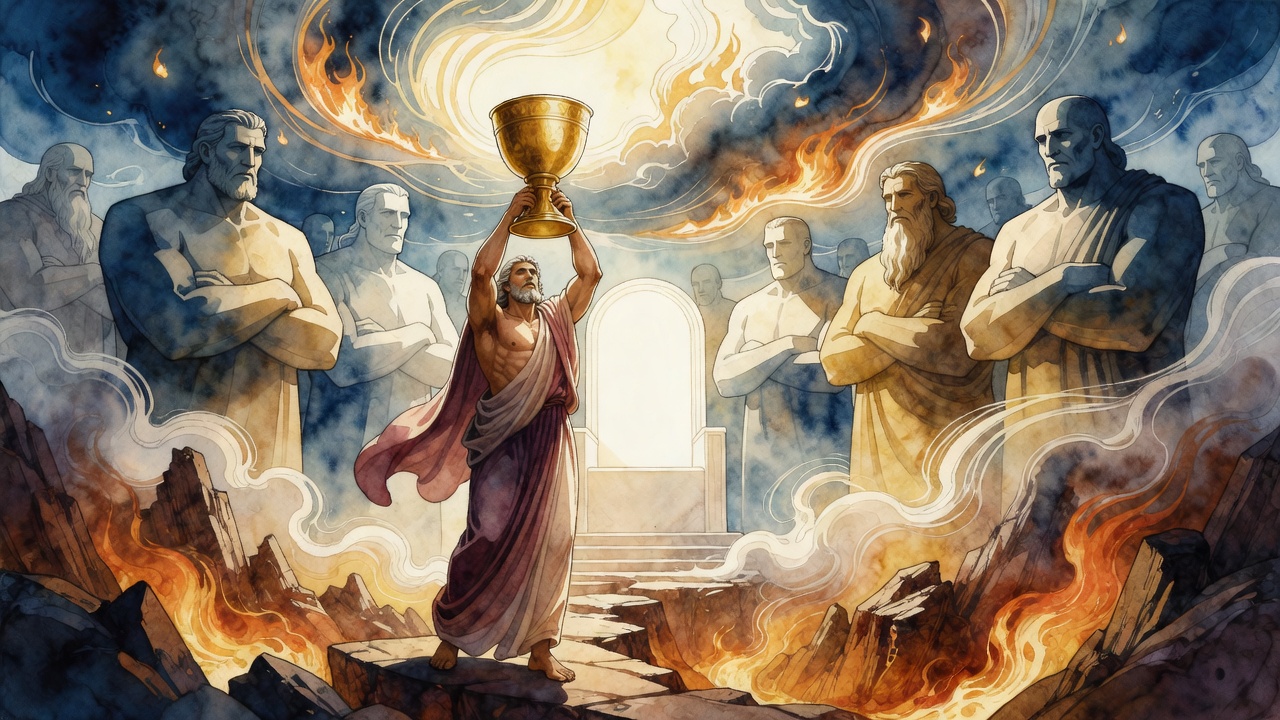
When the looking was done, the forms would not stay. The aspect of the condemned would grow worse than it already was. Their appearance would twist as torment took hold. The righteous would go the other way. The form of their faces would turn into light. "They shall be made like unto the angels. Made equal to the stars. They shall be changed into every form they desire, from beauty into loveliness, from light into the splendor of glory."
Paradise would open its extents. They would see the living creatures beneath the throne and the armies of angels held by a word, waiting for their hour. Time would no longer age them. The wicked, seeing all this, would waste away, knowing they had stopped their ears against wisdom and chosen a time full of lamentations. Baruch's grief hardened into a charge. "Rejoice in the suffering you now endure. Make ready your soul for what is reserved for you."
The wounded body had to stand in the light before anyone was allowed to shine. Justice would not be done in secret under a new skin.
The Valley Where Bones Found Their Matches
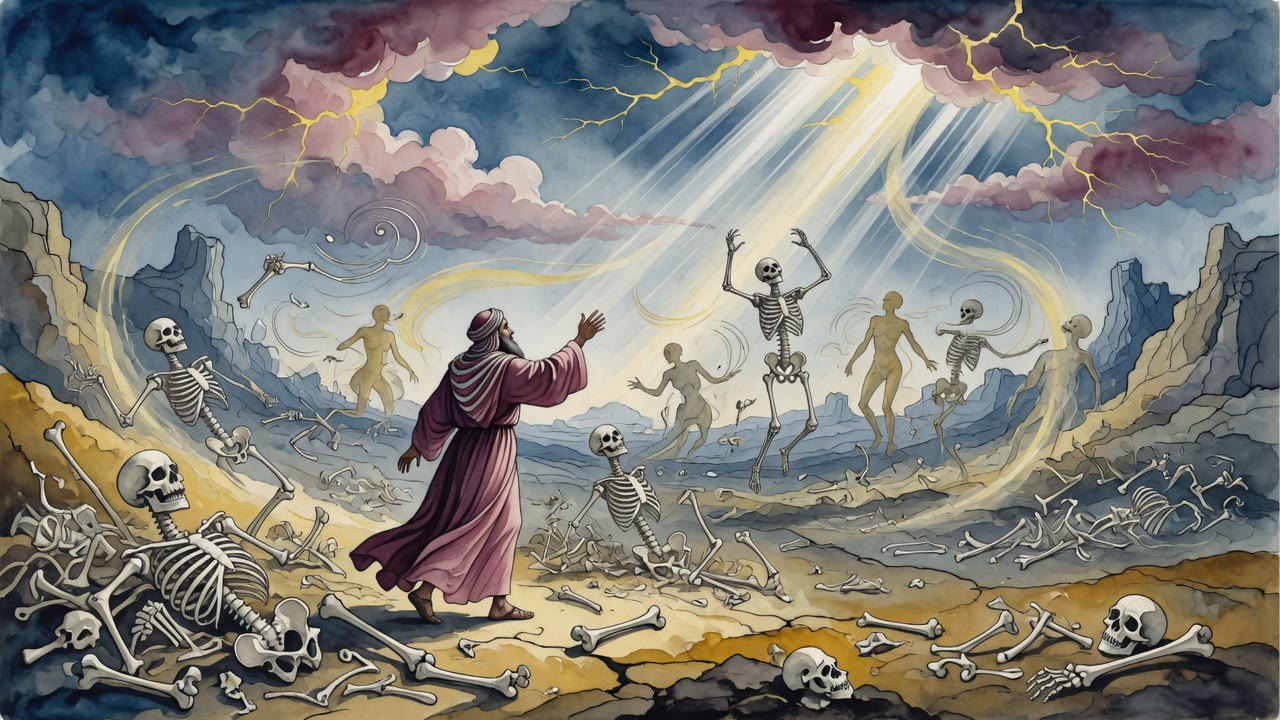
Long before Baruch, Ezekiel was set down in a valley of bones, many and very dry (Ezekiel 37:1-14). God asked him whether those bones could live. Ezekiel would not guess. "O Lord God, only You know."
He was told to prophesy. He did. There was a rattling. Bone came to matching bone. Sinews appeared, then flesh, then skin. Bodies stood in the valley and still did not breathe. God sent him at the breath. "Come, O breath, from the four winds, and breathe into these slain, that they may live again." The Hebrew for that breath is ruach (רוח), wind and spirit in one word. The rebuilt bodies took it in and stood on their feet, an army where there had been a floor of bone.
The order mattered. Sinew before flesh. Flesh before skin. Skin before breath. The body that received the breath was the same body that had lived and died in the valley. Baruch's question already had that sequence in it. Resurrection was not an escape from flesh. It was flesh called back, then changed.
Seven Blasts over the Graves
Another telling puts a ram's horn in God's own mouth. The Great Shofar is the second horn of the ram Abraham offered in place of Isaac on Moriah. The first horn had already sounded at Sinai. This one is kept for the end.
God blows seven times. The first blast shakes the world. The second scatters dust and cracks the graves. The third calls the bones together. The fourth stretches the limbs toward one another. The fifth draws skin over them. The sixth sends the spirits rushing home. The seventh raises them on their feet. In one version God mixes dust of the earth with dust of the dead, adds skin and sinew and bone, and the angel in charge of souls pours them back in. Then the risen walk into a house of study, a Beit Midrash, and sit down as if the lesson had only paused.
Baruch had asked what bodies wear. The graves would open in the clothes they were buried in. Glory would come after the living had looked, and after the looking, some faces would turn to light and some would not.
← All myths