Caligula Tried to Put His Statue in the Temple
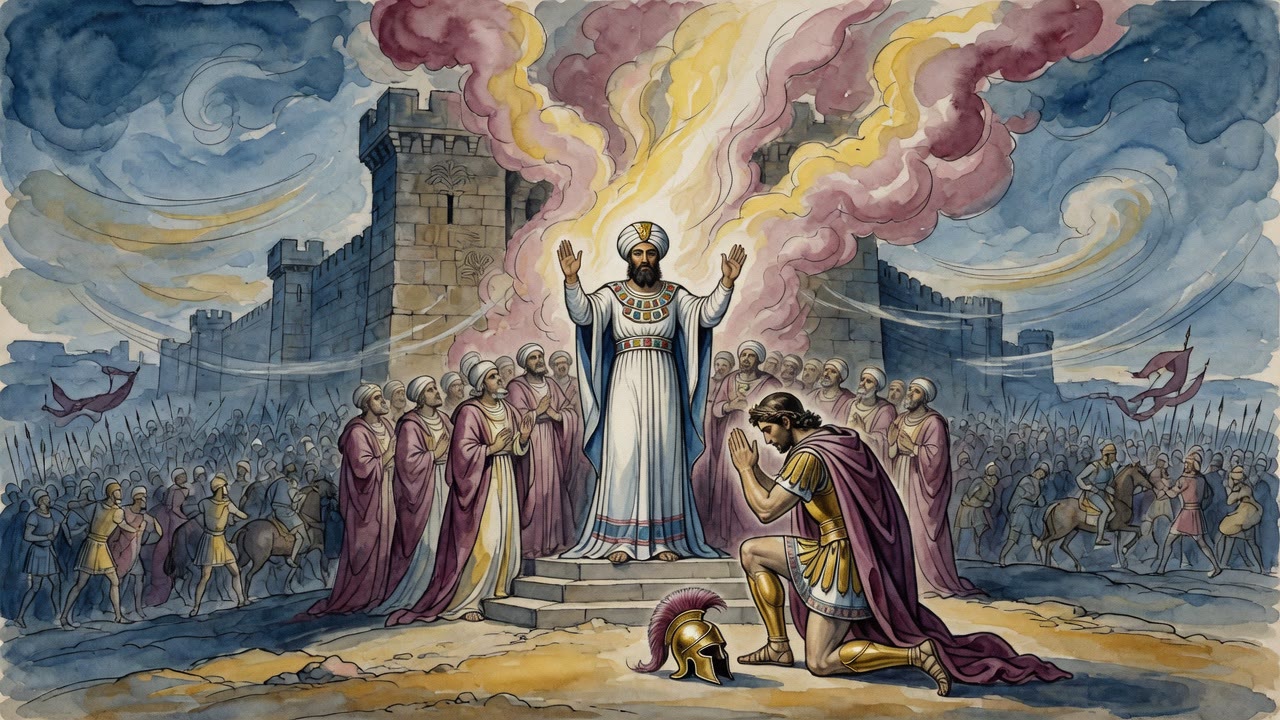
Pilate set Caesar's portraits over Jerusalem in the dark. The crowd walked to Caesarea, lay down in front of him and bared their necks.
Table of Contents
 Click for full size
The Faces That Came In at Night
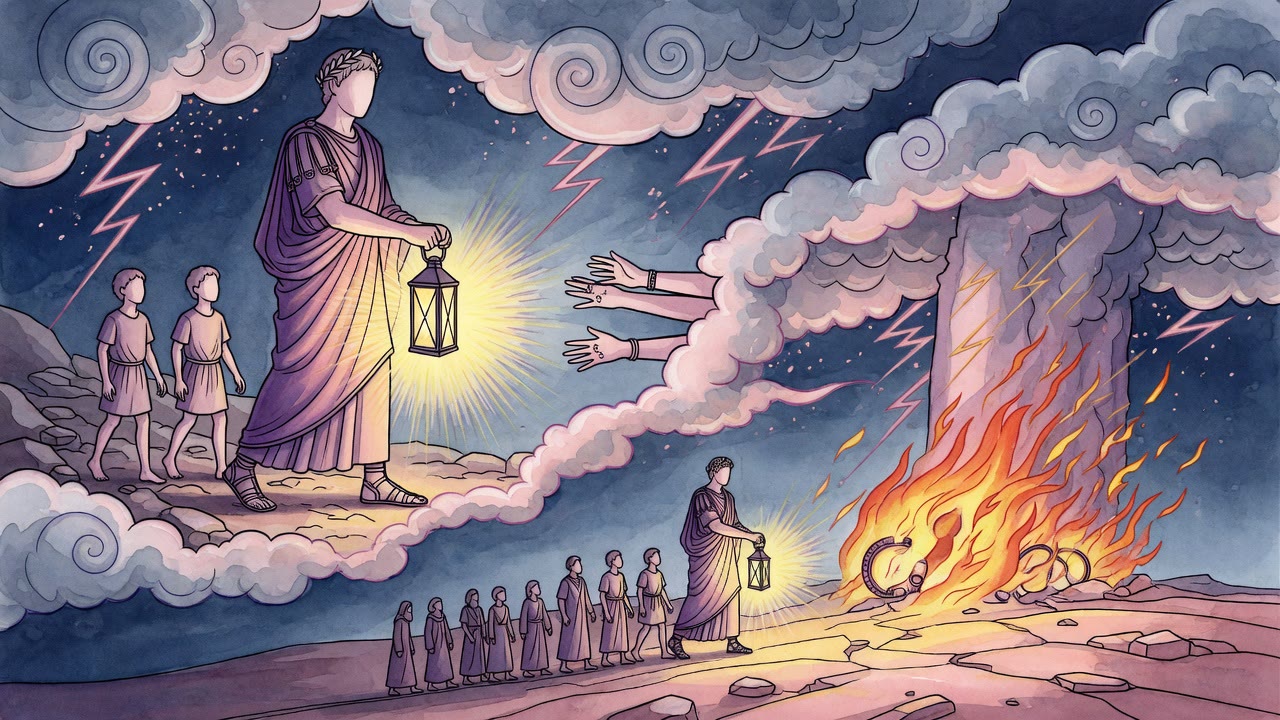
Pilate moved the army up from Caesarea to winter in Jerusalem, and he brought the ensigns with him. Every standard carried a small portrait of Caesar in metal. Governors before him had left those ornaments behind at the coast, because the law of the country forbade the making of images at all, and no procurator had wanted the argument. Pilate marched at night. When the city woke, the emperor's face was already standing over the Temple mount.
The people walked down to Caesarea and asked him to take the images away. He would not. They asked again the next day, and the next, for five days. On the sixth he had a judgment seat set up in the open place of the city, with the soldiers arranged where the crowd could not see them, and when the petitioners started again he gave the signal. The troops closed around them three deep. Pilate told them that anyone still standing there when he finished speaking would be killed.
They lay down on the ground and pulled their collars open and offered him their necks. Nobody ran. Pilate looked at several thousand men waiting to be cut, and sent the images back to Caesarea.
The Water and the Daggers
He learned from it. When he decided to bring water to Jerusalem from two hundred furlongs away, he paid for the aqueduct out of the Temple treasury, and the crowd came at him again, tens of thousands of them, shouting in the street.
This time the soldiers were already inside the crowd. Pilate had dressed a great number of them in ordinary clothes and sent them in with daggers under their garments, and when he gave the signal they used clubs and blades on whoever was nearest. They struck harder than he had ordered. The men shouting and the men standing quietly were beaten down together, and none of them had come armed. The gesture that had worked at Caesarea did not work twice.
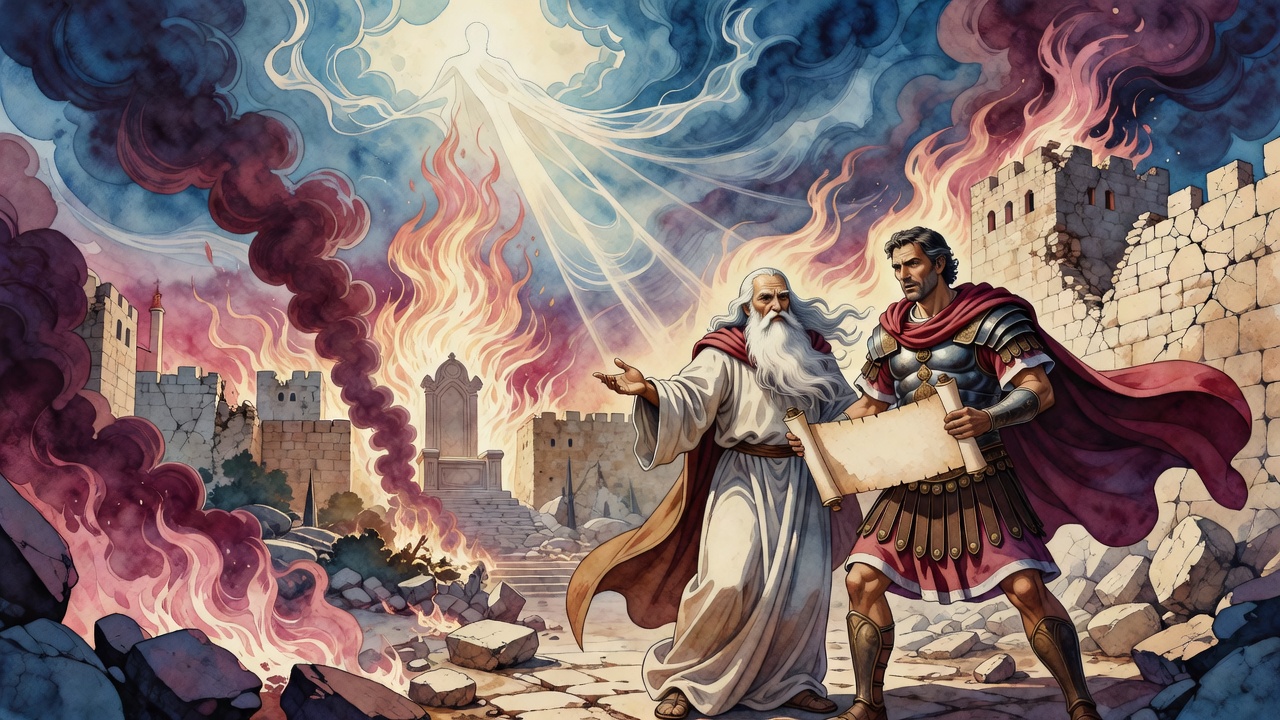
Other Romans read the country better. When Vitellius came south with two legions to fight the king of Arabia, the leading men met him on the road and asked him not to march ensigns full of images through their land, and he turned the whole column onto the great plain and went up to Jerusalem with only his friends. While he was there he gave back the high priest's vestments, which Rome had been keeping in a sealed stone chamber with a guard captain lighting a lamp beside them every day.
The Emperor Who Called Himself a God
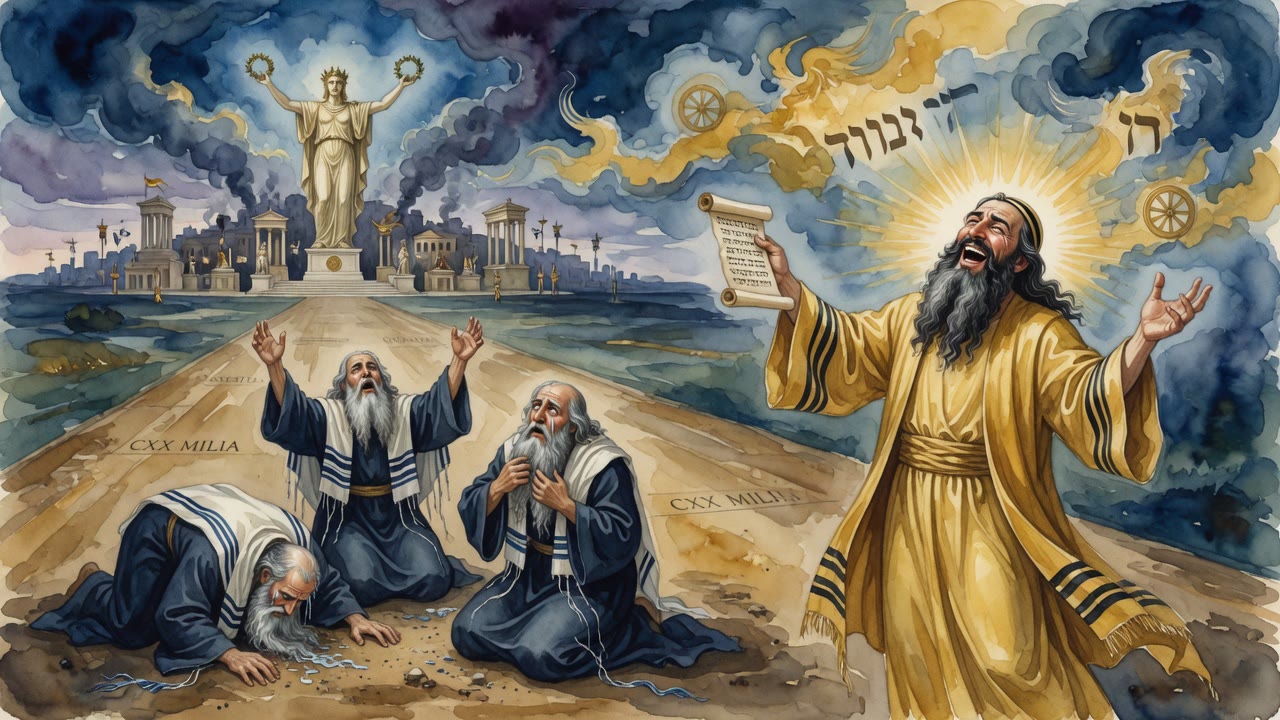
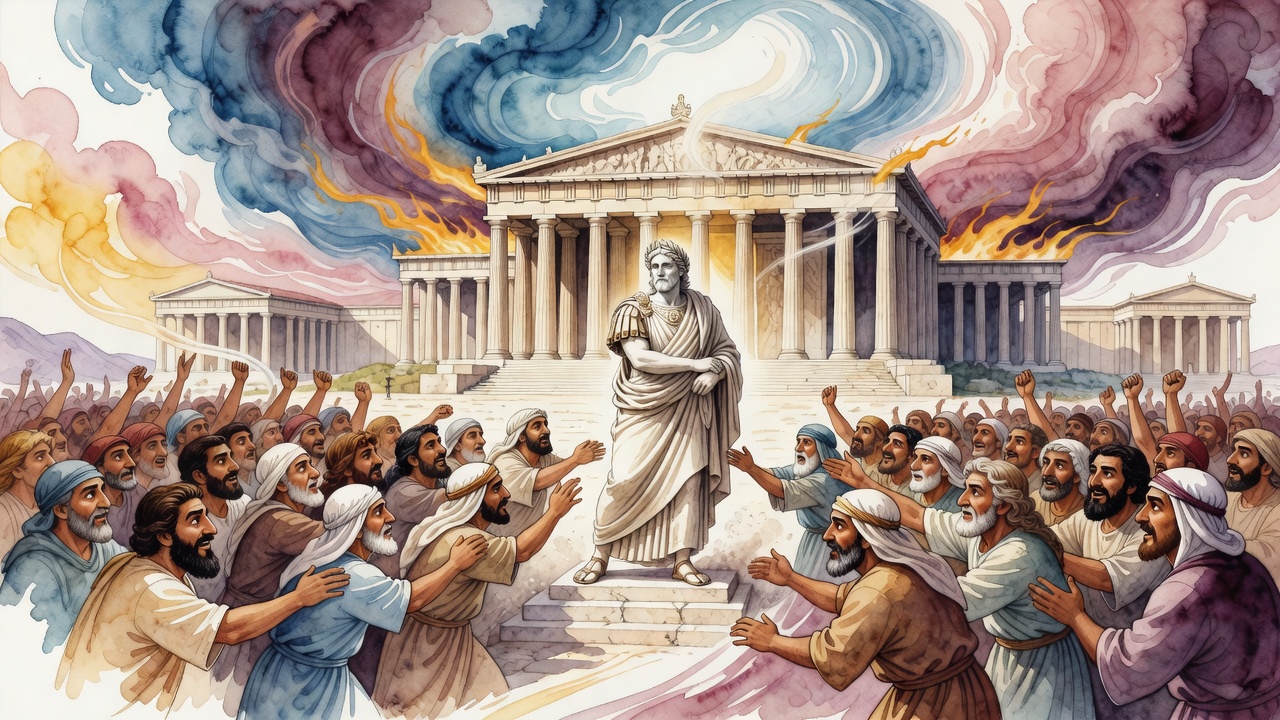
Caius, whom Rome called Caligula, went to the Capitol and announced that he was the brother of Jupiter. When a daughter was born to him he carried the infant up and set her on the knees of the statue and said the child had two fathers, and left the city to work out which father was greater. He stripped the Greek temples of their carvings and had the pieces sent to his gardens. He wanted the great Zeus of Olympia brought to Rome and gave up only because the architects said the workmanship would not survive the road. And he ordered a statue of himself set up inside the Temple at Jerusalem, in the house of a God who had no face anywhere.
The man who killed him was a tribune named Cherea. Caius had put him in charge of collecting the taxes and then mocked him for going slowly, because Cherea pitied the people he was squeezing. Every day Cherea came for the watchword, and every day the emperor handed him a woman's word to carry back to the guard, and the other tribunes waited for it so they could laugh. On the last day of the shows Cherea asked for the watchword again, in a narrow passage behind the theater. Caius gave him another of them. Cherea drew and struck him between the shoulder and the neck, and the breastbone stopped the blade. Caius did not shout. He did not call for anyone. He groaned and stumbled forward, and Cornelius Sabinus forced him down onto his knees, and the rest closed in, and Aquila gave the stroke that finished it.
The Chain Agrippa Hung Over the Treasury
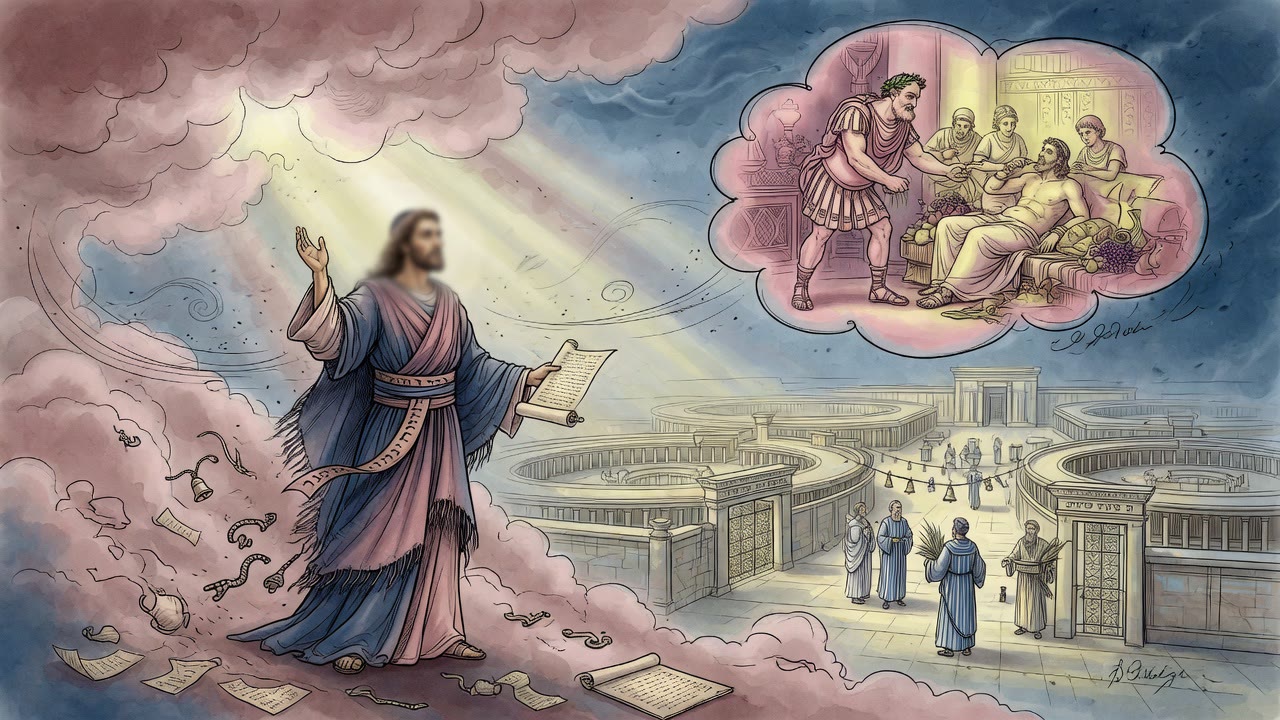
Agrippa had once worn an iron chain in a Roman prison. Caius, in a generous mood, had given him a golden one made to the same weight. When Claudius sent him home to rule, Agrippa went up to Jerusalem, offered everything the law required of him, paid to have the heads of poor Nazirites shorn, and hung the gold chain up inside the Temple precinct, over the treasury, where anyone could see it. He wanted it on the wall as the record of a man bound for a small cause and unbound again, so nobody would mistake his crown for something he had earned.
Not long after, the young men of Doris carried a statue of Caesar into the Jewish synagogue there and set it up. Agrippa went straight to Petronius, the president of Syria, who sent a centurion to collect the offenders and wrote to the magistrates that the emperor's face sat more conveniently in the emperor's own temple than in somebody else's meeting house.
The Owl on the Rope at Caesarea
Three years later Agrippa held games at Caesarea. On the second morning he came into the theater in a garment woven entirely of silver, and the early sun caught it, and the light coming off him was hard to look at. His flatterers began calling out from around the seats that he was a god, that they had reverenced him until now as a man and would do better from here on. He did not stop them.
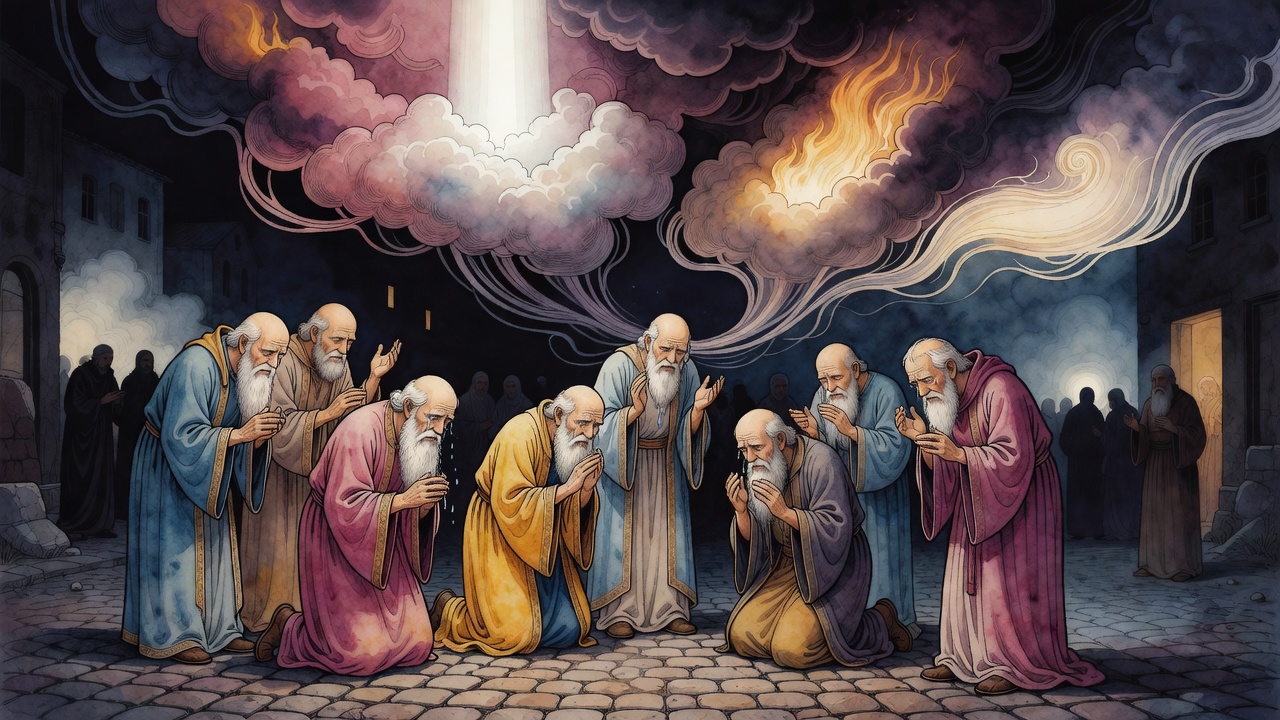
Then he looked up and saw an owl sitting on a rope over his head, and a pain started in his belly. He turned to his friends. "I, whom you call a god, am commanded to depart this life," he said, "and I am bound to take what is allotted me." They carried him into the palace. The whole city put on sackcloth and lay down in the open with their wives and children, begging for him. He lasted five days. From the high chamber where they had laid him he could see them stretched out on the ground below his window, and he wept at them, and then he died.
← All myths