Enoch Commanded the Torah to Methuselah Before Moses Was Born
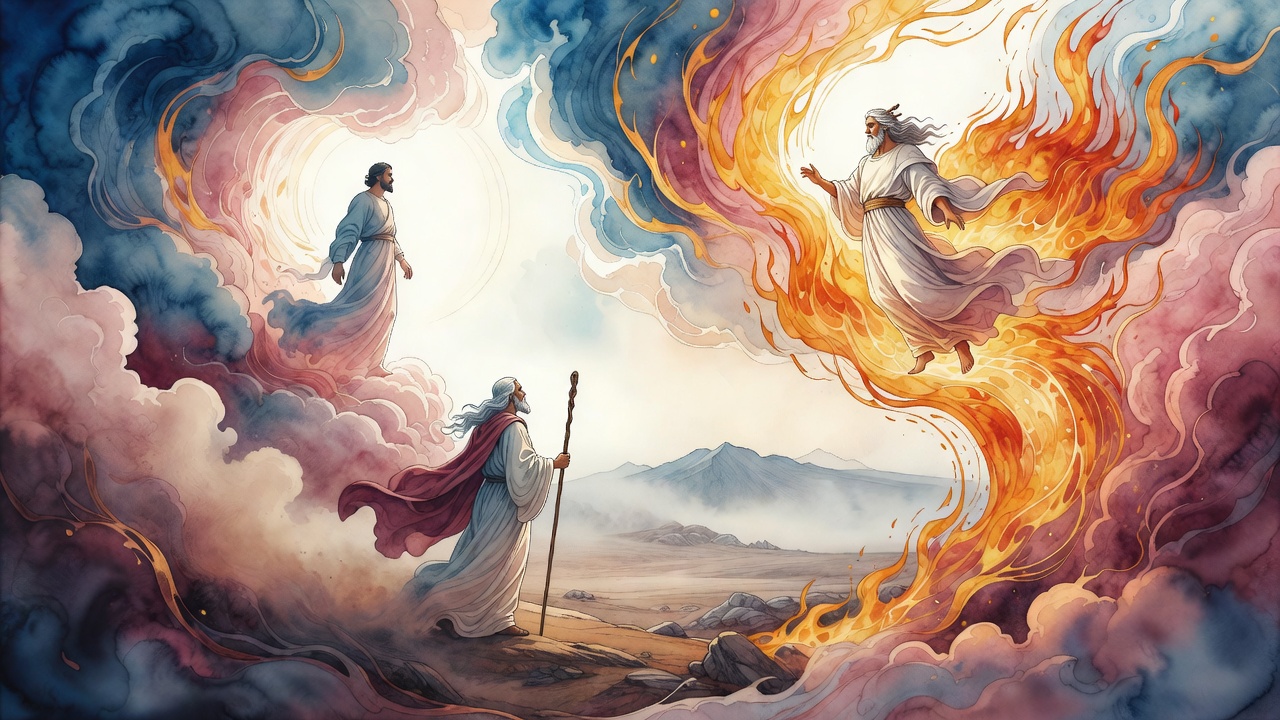
The angels showed Enoch the year. He wrote it down. Before he vanished he pressed the book into Methuselah's hands and told him not to trust memory.
Table of Contents
"Enoch, Enoch," the angel said. "Make yourself ready."
 Click for full size
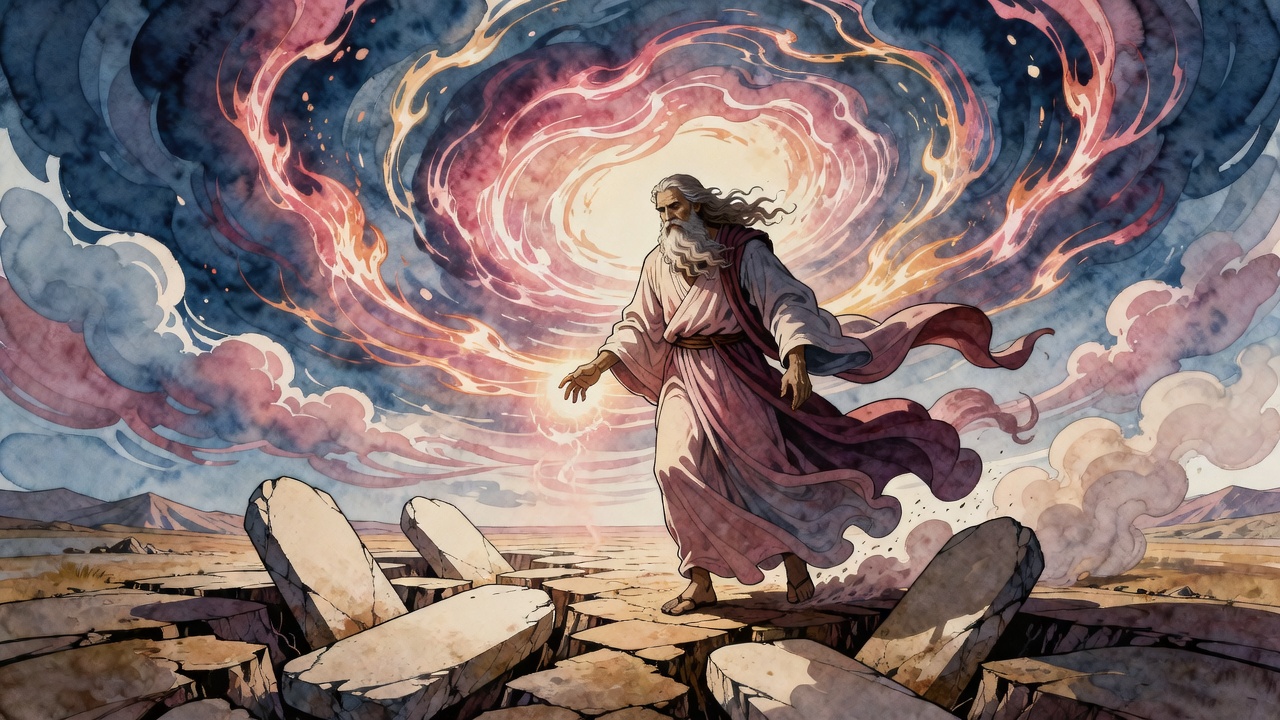
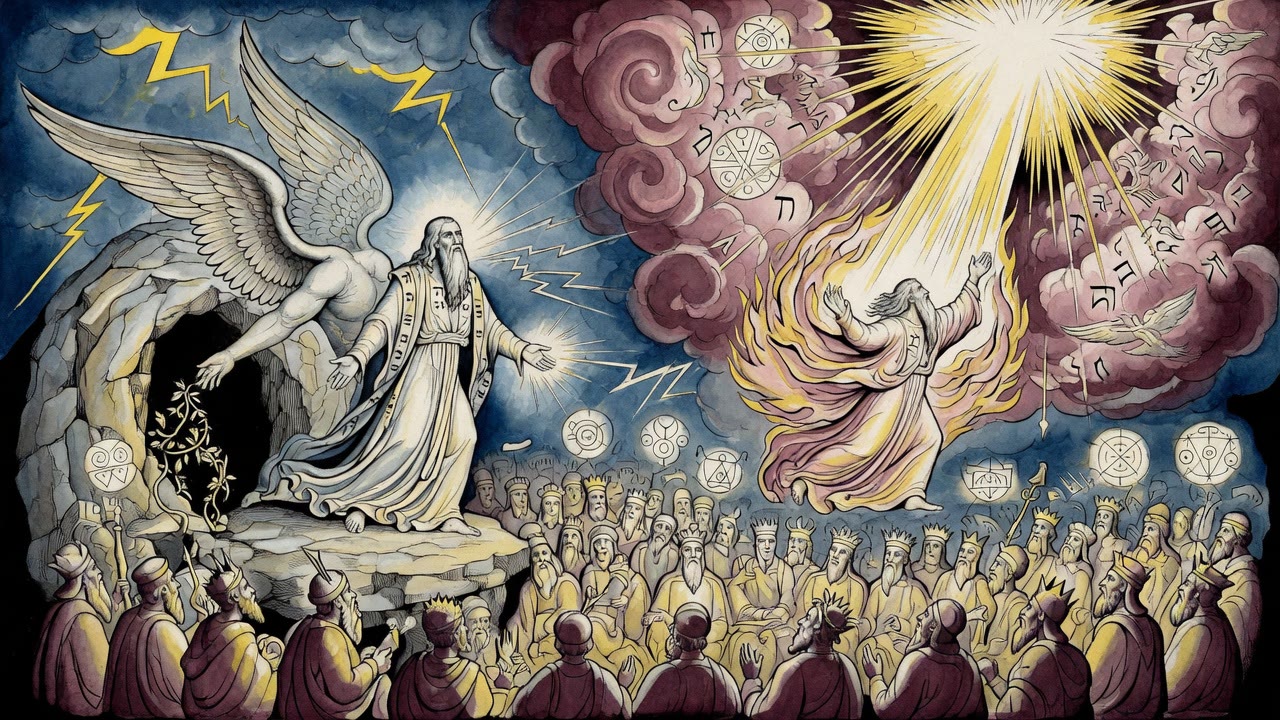
Enoch had been in hiding a long time. He came out because the call would not wait. The angel told him to assume dominion over men, to teach them the ways they should walk so they might walk in the ways of God. Enoch sent messengers far and wide. "Ye who desire to know the ways of God, come to Enoch." They came.
An Angel Called Him Out of Hiding
A vast crowd gathered. Kings and princes, one hundred and thirty of them, submitted to his rule and asked him how to walk. For two hundred and forty-three years, peace held while Enoch taught. It was a golden stretch of years, and it ended the year Adam died. Seth, Enosh, Enoch, and Methuselah buried the first man with honors. Then Enoch, still human, wanted God more than the crowd.
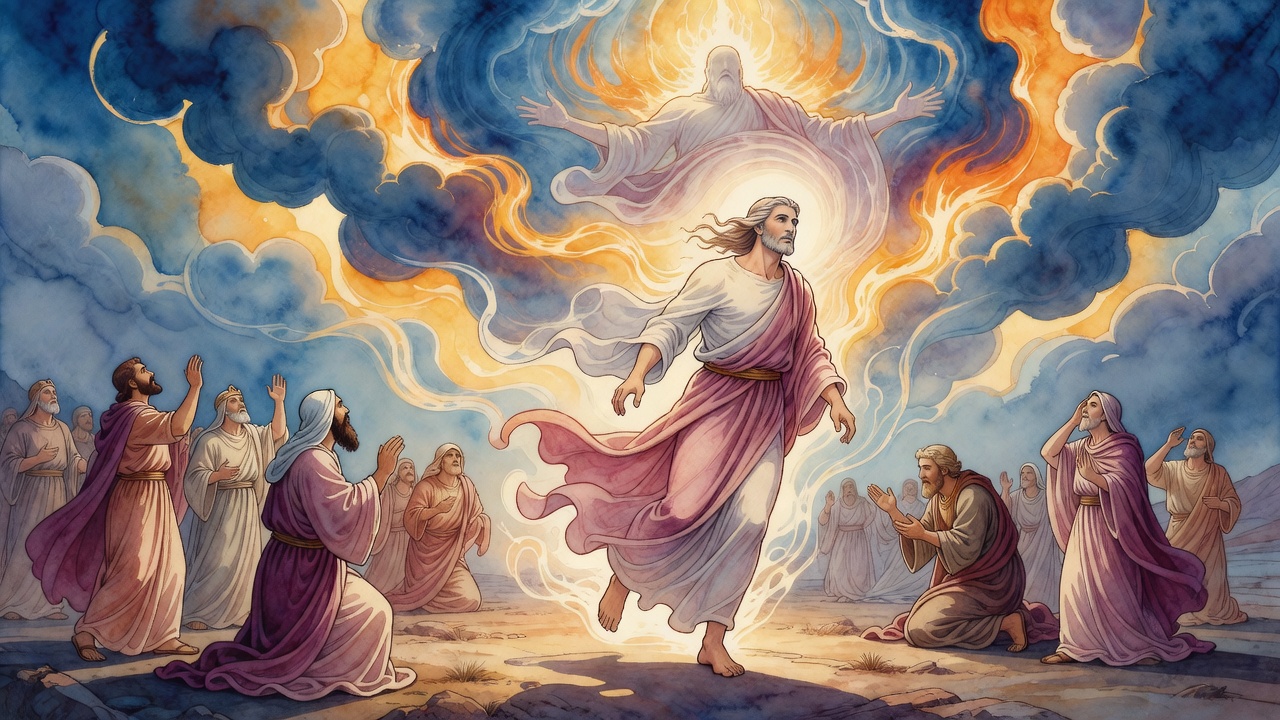
He did not vanish overnight. He stepped back in stages: three days in prayer, returning on the fourth to instruct, then once a week, then once a month, then once a year. Kings and commoners still longed to see him, but during the retreats they dared not approach, because an awful majesty sat on his face and they feared for their lives if they looked too long. They brought their requests on the one day he appeared, and they went down on their faces and cried, "Long live the king."
Kings Bowed, Then He Stepped Back
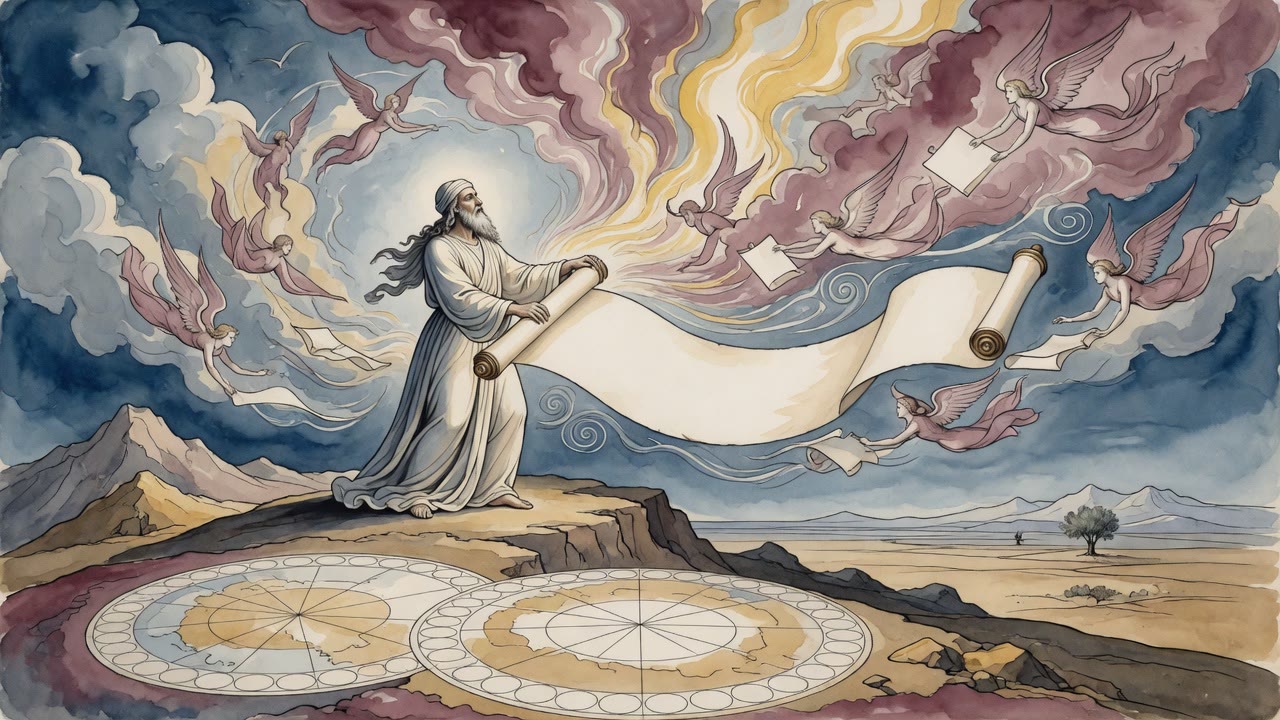
The angels had already been his other school. He lived among them for six jubilees of years, nearly three centuries, seeing what could be seen on the earth and in the heavens. He saw what the stars did and why. He saw the paths of the sun. He saw the calendar the Lord had fixed in the year, the sabbaths and the feasts and the jubilees, each one locked into time before any nation had existed to keep them.
He was the first among men born on earth who learned writing. That was the tool. He received from the angels the map of the year, and he meant it for his descendants, not for a private shelf. A father can speak to a son, and the son may remember, but the grandson may not, because a word spoken into a living mouth depends on memory staying honest. Writing changes the arithmetic. A word written down sits in the house like a second witness that does not forget and does not die when the speaker dies.
Enoch understood this. He did not keep the knowledge as a private light. He made it portable so it would survive him, because he knew he would be taken.
He Pressed the Book on Methuselah
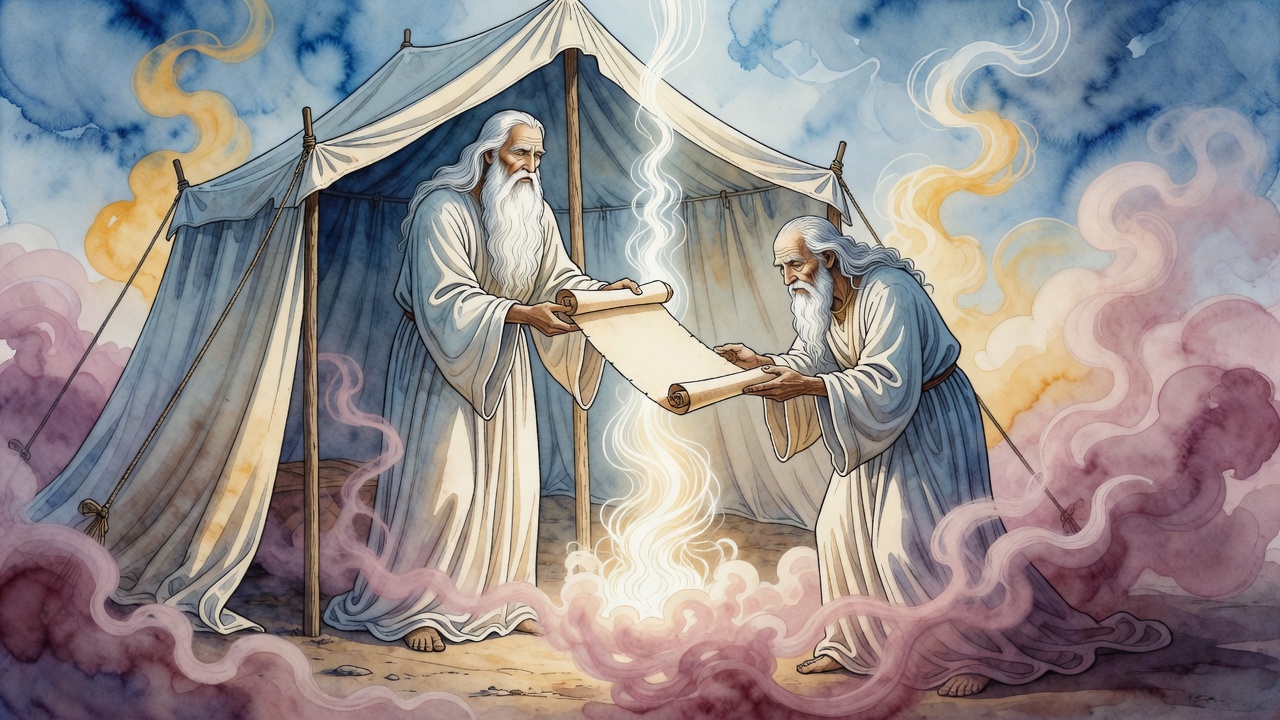
Before God took him at three hundred and sixty-five years, before the line that says Enoch walked with God and was not, he called Methuselah into the tent.
The book lay on the table: weeks of jubilees, years of each, sabbaths of the years, the map of the year as God had designed it, and the warning too. He had written what would happen if the children of men left the path. He had written the flood while the sky was still dry.
He put the book into Methuselah's hands and held them closed over the binding until the younger man felt the weight.
"Maintain this," Enoch said. "Give this book from my hand to your children, and to the descendants of your children, forever, until the day of judgment. Do not trust memory, because memory dies and ink does not."
Methuselah's fingers whitened on the cover. The command was older than Sinai, because Moses had not been born and the book already existed.
The Chain Ran Through the Water
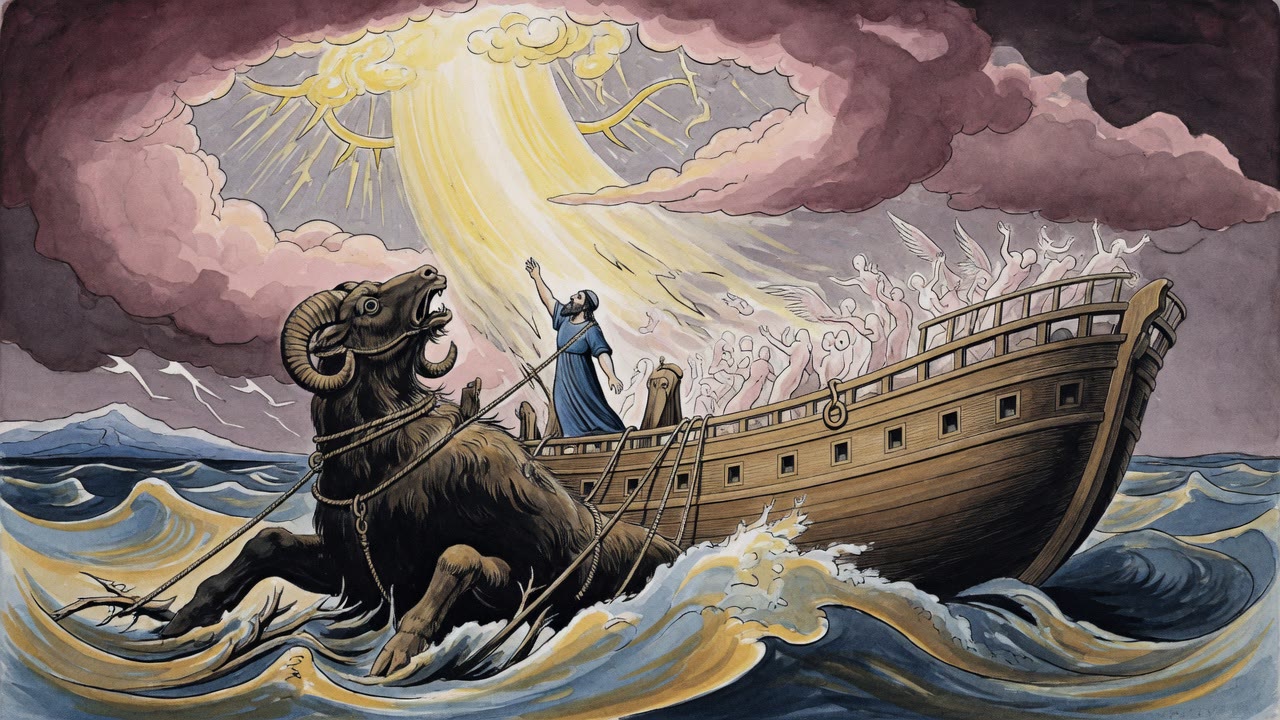
Methuselah kept the instruction. He gave the books to Lamech his son. Lamech gave them to Noah. The chain ran through the flood because someone had to carry more than animals.
When the rain began, Noah did not only load pairs. He loaded the written record of everything Enoch had learned from the angels in six jubilees. The ark took on water at the seams. The boards groaned. Noah pressed his palm to the wood and felt the river testing it. Behind him, in a dry wrap, the books waited in the dark.
The world that had refused the path went under, but the books did not.
Noah Taught What the Flood Did Not Eat
When the ark settled on the mountain and the world began again, Noah opened what Enoch had sealed. He taught his sons. He warned them against the sins that had brought the water: sexual immorality, impurity, the general wickedness that had made the earth scream. He rebuked them for living apart already, for jealousies already sprouting, because he feared that after he was gone the petty fights would become blood, and blood would bring another annihilation.
He also passed a law about fruit trees. For three years the fruit was not to be used, and in the fourth it was reserved, with a portion offered, so they would learn patience, respect for the land, and honor for the One who had kept them alive.
"For thus did Enoch, your ancestor, exhort his son Methuselah," Noah said, "and Methuselah his son Lamech, and Lamech delivered all unto me as his father had bidden him, and now I do exhort you, my children, as Enoch exhorted his son."
The mountain was wet and the world was empty, but the book was open in a living mouth again. Sinai was still centuries away, though the teaching was already in human hands.
← All myths