Enoch Came Out of Hiding and Ruled a Hundred and Thirty Kings
An angel pulled Enoch from seclusion to rule the earth. He taught 130 kings for 243 years. When God called him back, eight hundred thousand men watched him go.
Table of Contents
 Click for full size
The Man Who Preferred Solitude
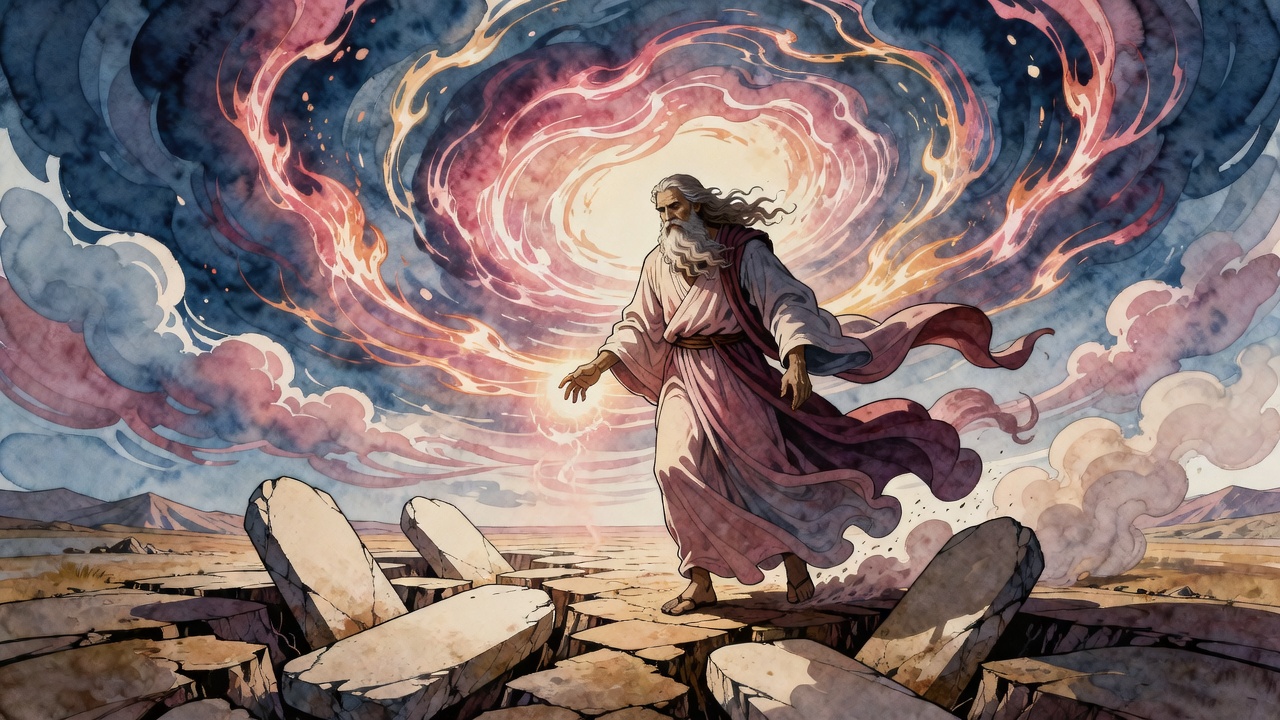
Enoch had been hiding. Not from enemies or from the law, but from the noise and disorder of human society, which he found incompatible with the sustained attention his studies required. He had withdrawn into silence the way some men build walls around a garden: not from contempt for what lay outside, but from the need to protect what was growing within. He prayed. He studied. He watched the heavens. The world left him alone and he preferred it that way.
The angel found him anyway.
The Command to Rule
The voice came from outside his house, from a direction he could not have anticipated. It said his name twice, the way urgent commands always begin. Then it told him what was required: make yourself ready, assume dominion over men, teach them the ways in which they shall walk, that they may walk in the ways of God.
No preparation was offered. No transition period. Just the name spoken twice and the instruction to lead a world that had been getting along without him, badly, for the length of his seclusion. He obeyed. He sent messengers out in every direction with a summons: whoever desires to know the ways of God and righteous conduct, come to Enoch. The response was not what he had expected. They came by the thousands. Kings and princes, a hundred and thirty of them, submitted to his rule. They came not because they were forced but because they were hungry for what he carried.
Two Hundred and Forty-Three Years of Teaching
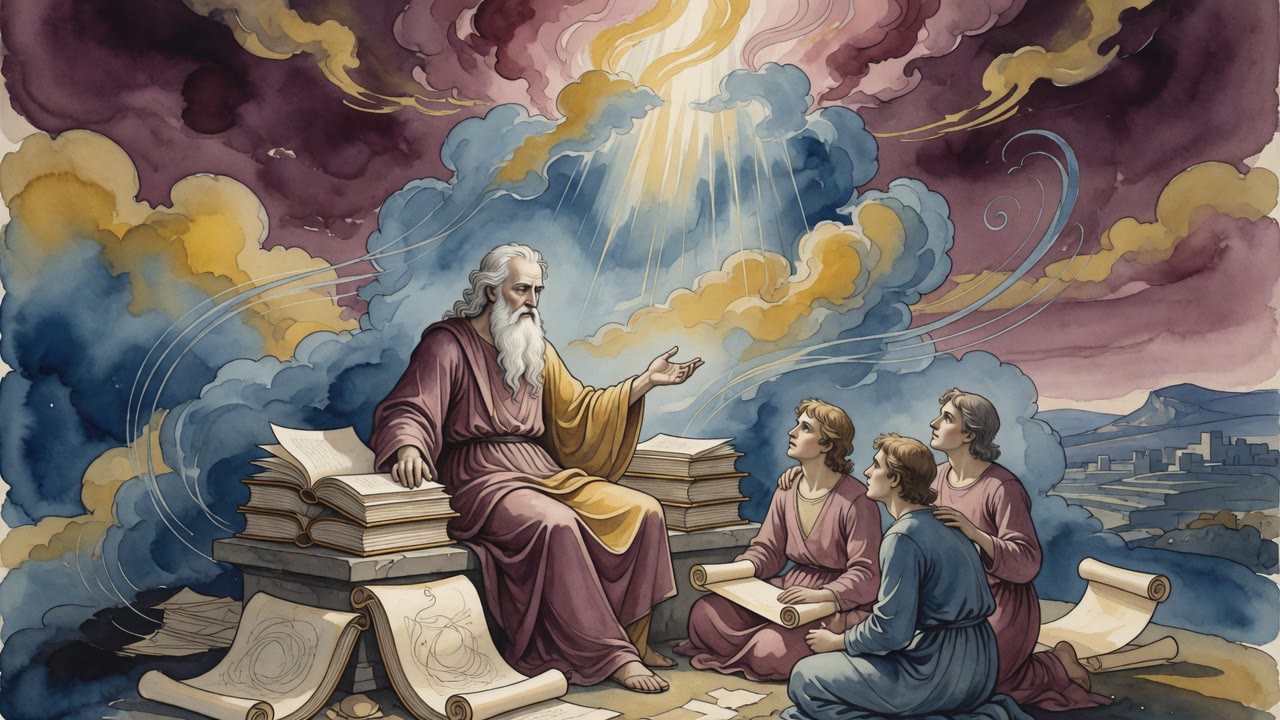
For two hundred and forty-three years Enoch held the center. He taught justice, he adjudicated disputes, he kept peace between kingdoms that had been fighting each other since long before his emergence from retreat. He spent extended periods in seclusion even during his reign, returning to his house to pray, withdrawing from the public life he had been called into, and then returning to it again. He could not fully give up what he had been before the summons. He was a man between two worlds: the interior world of divine study and the exterior world of human administration.
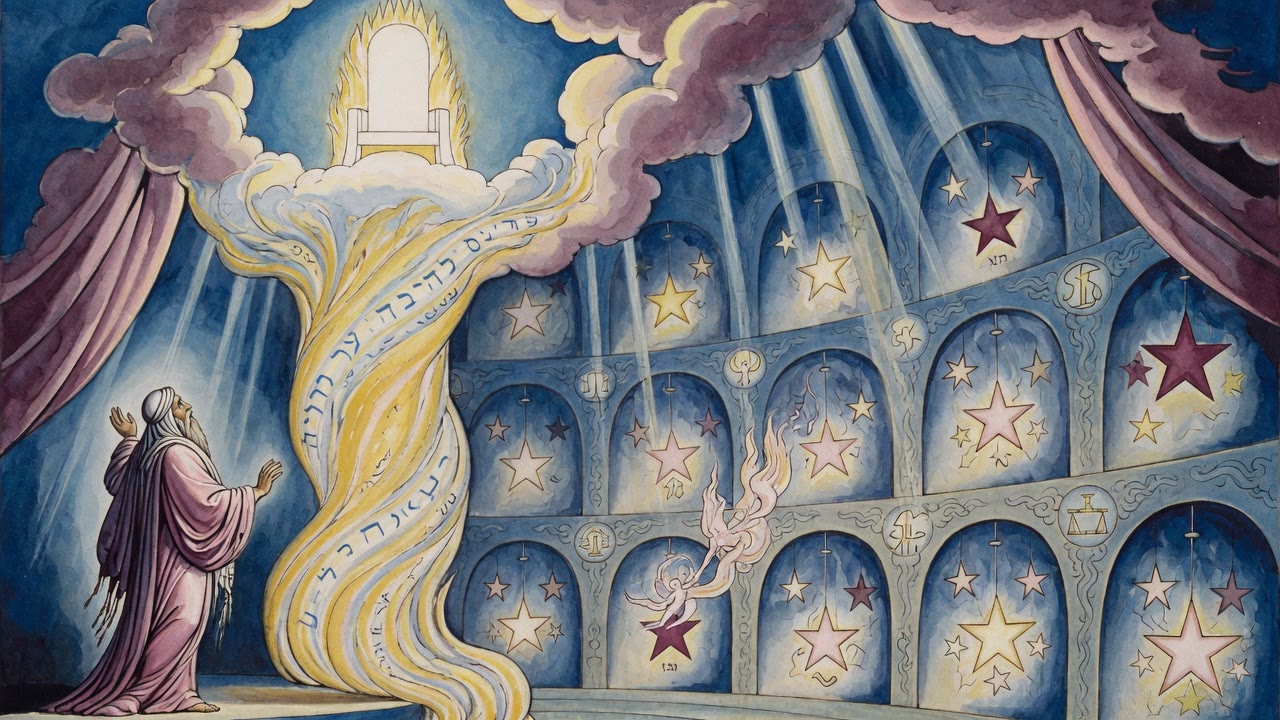
He walked with God. The phrase in Genesis is simple and the tradition built mountains on it. Enoch walked with God the way a man walks with a companion he trusts entirely, staying close, adjusting his pace, going where the companion leads. During the years of his reign the Watchers descended, the great angels who had been assigned to observe and instruct humanity. They found Enoch already doing what they had come to do. He had become something like them, a bridge between the divine order and the human one.
Eight Hundred Thousand Men Who Could Not Stop Him
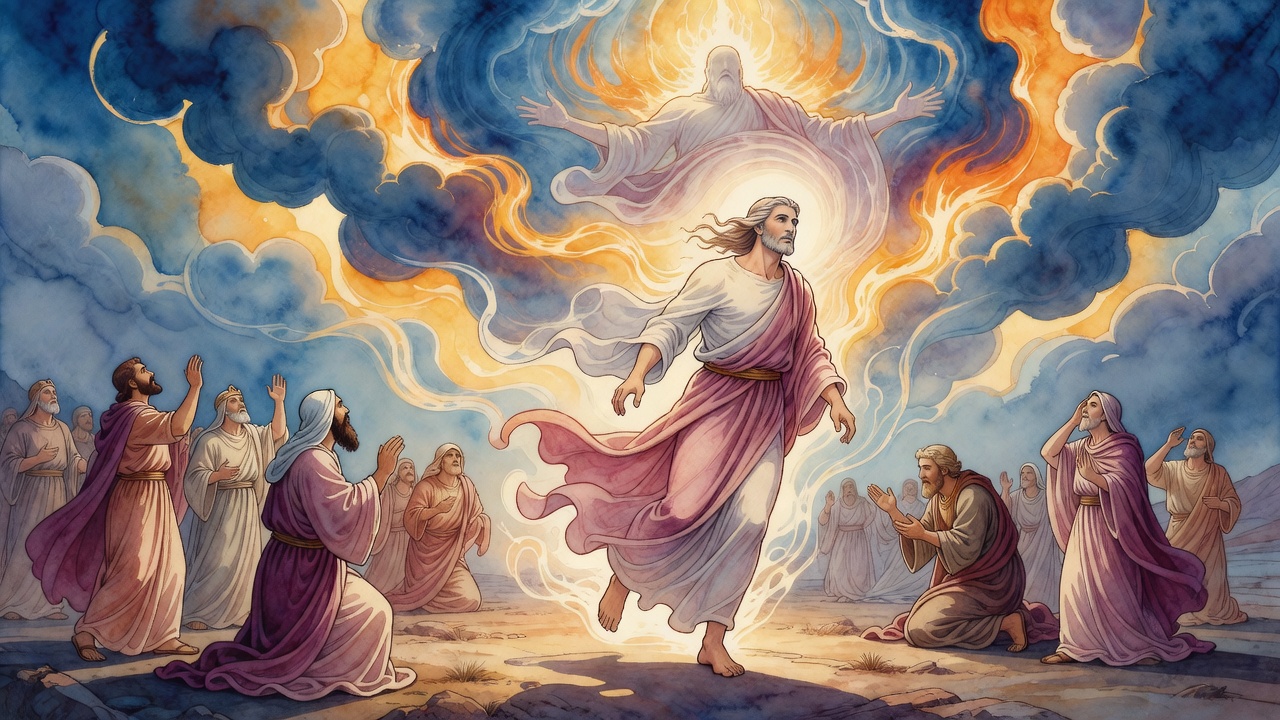
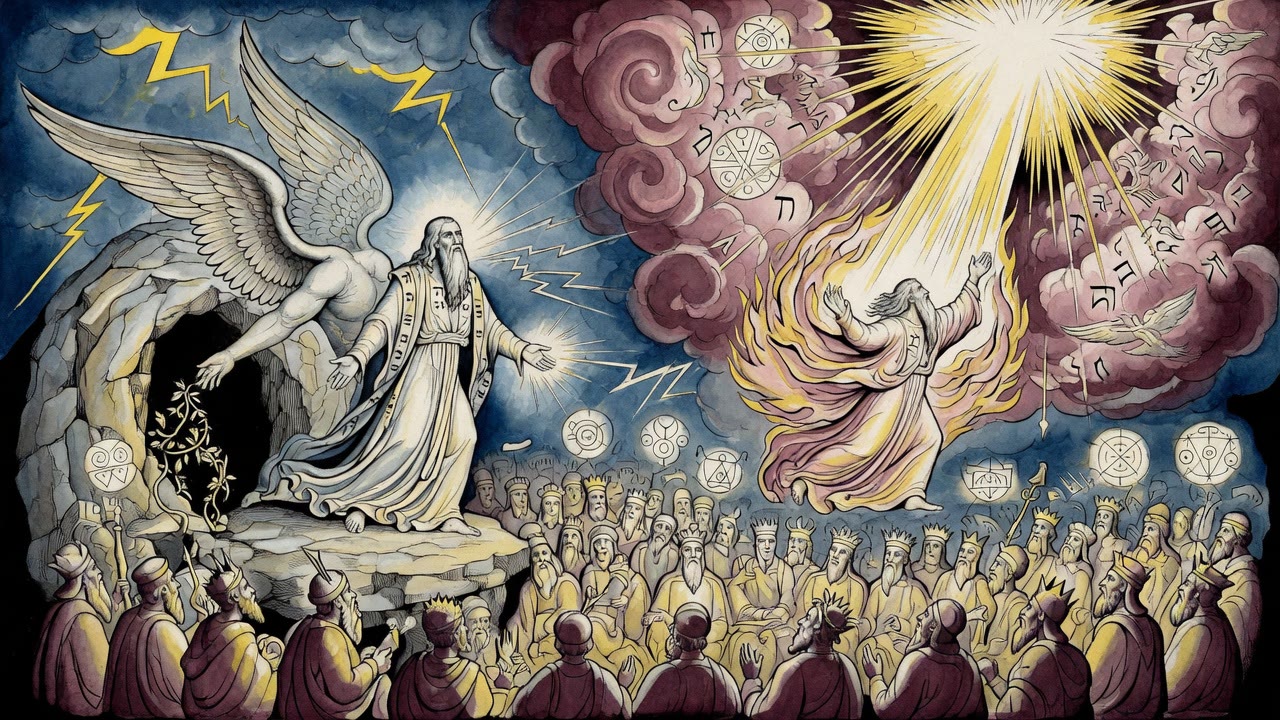
When the end came, a divine voice summoned him. The word reached his people and they would not accept it. Eight hundred thousand men gathered around him, pressing close, refusing to let him go. They had lived under his rule long enough to understand what losing him would mean. The generations before Noah were already inclining toward the wickedness that would eventually bring the flood. Enoch had been the counterweight. Without him, what held?
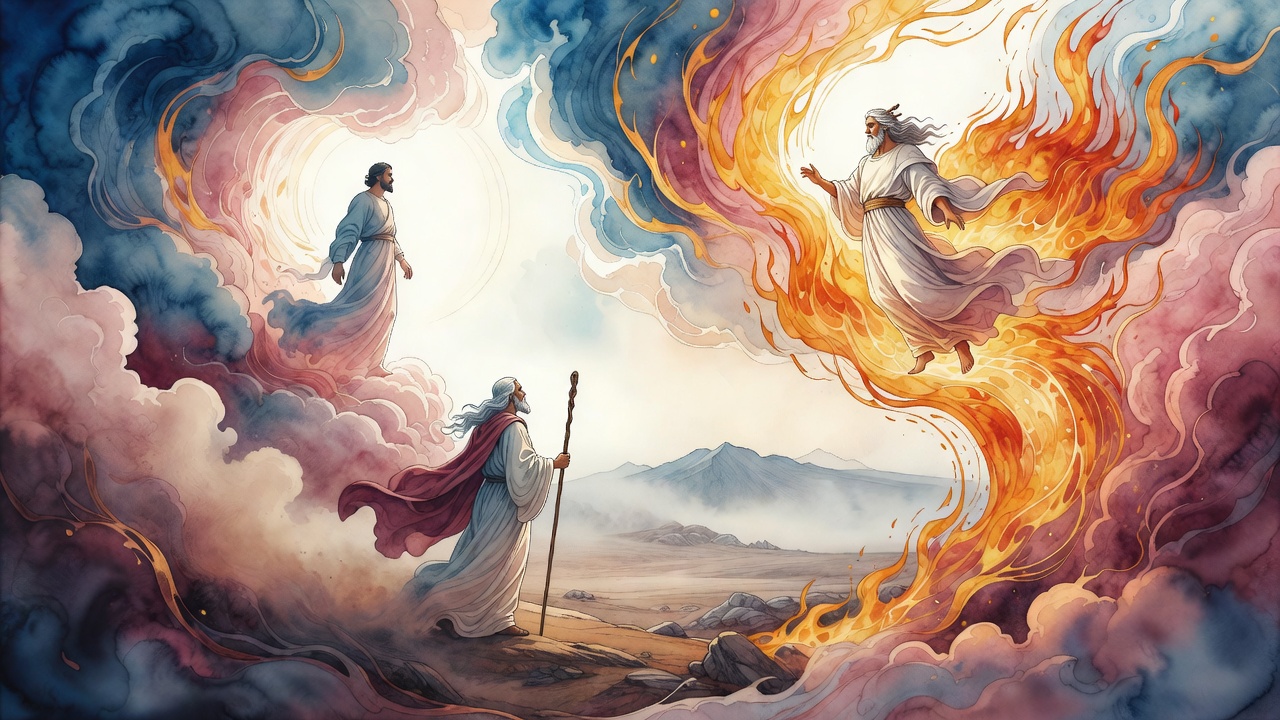
He told them he could not disobey. The voice had come and he had to go where it directed. He addressed them one last time, blessing some, rebuking others, making arrangements for what he was leaving behind. Then the divine chariot came for him, or the angels carried him, or he simply walked forward into the place where God was and did not come back. The eight hundred thousand men stood where he had been and the space he had occupied was empty.
← All myths