Enoch Was the First Human the Angels Chose to Teach
The Watchers came down to instruct humanity. Among all the people alive in those ancient days, only one student mastered every lesson they brought.
Table of Contents
 Click for full size
When the Angels Came to Teach
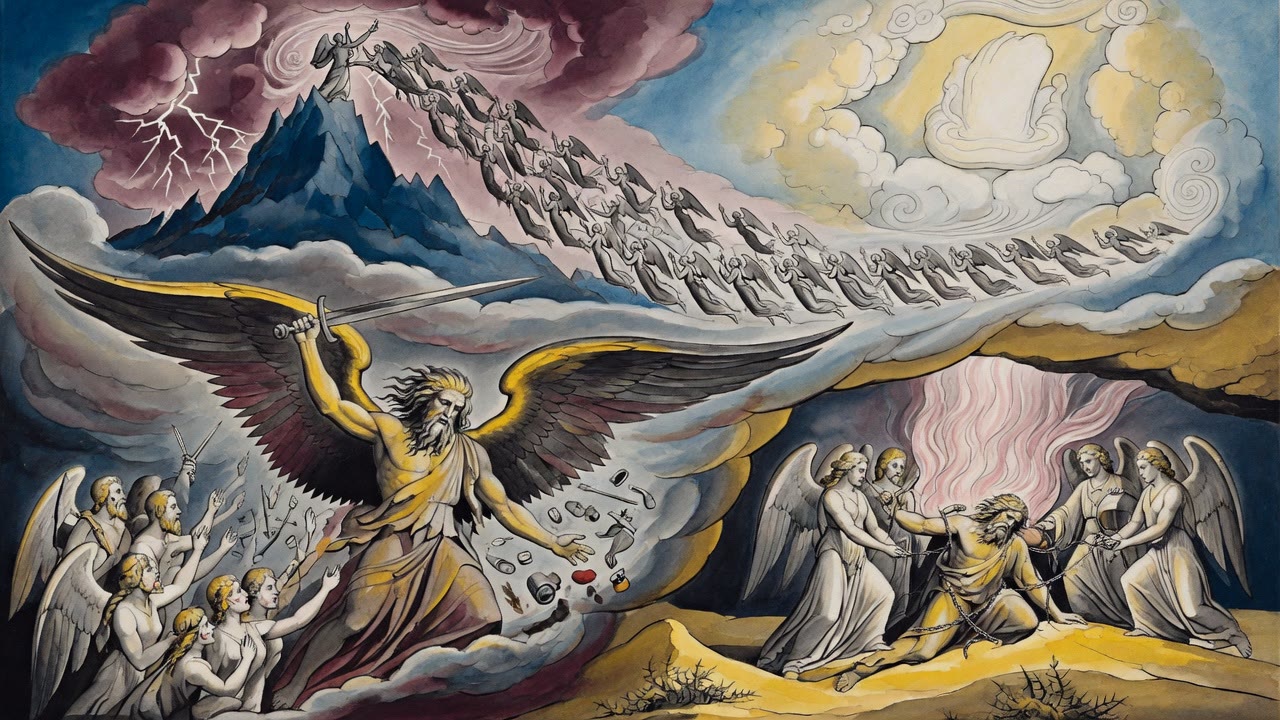
In the days of Jared, father of Enoch, the angels of the Lord descended to earth. They were called the Watchers, and their purpose, at the beginning, was instruction. They came to teach the children of men judgment and uprightness. They came to show human beings how to live rightly in a world that was still finding its shape. This was not a catastrophe in the making. It was supposed to be a gift.
And then Jared's son was born. They called him Enoch.
The First Who Could Write
The Book of Jubilees, written in Hebrew in the second century BCE, says something no other ancient text says so directly: Enoch was the first among all the children of men born on earth who learned writing and knowledge and wisdom. Not the first to be righteous. The first to write. The first to know in the sense of knowing that can be fixed in marks and transmitted beyond the life of the person who carries it.
Before him, human wisdom lived only in the voice. A father told a son. A mother showed a daughter. The knowledge was only as permanent as the bodies that held it. Enoch changed this. The angels had come to teach, and in Enoch they finally had a student who could receive everything they brought and put it into a form that would outlast him.
What He Learned From Them
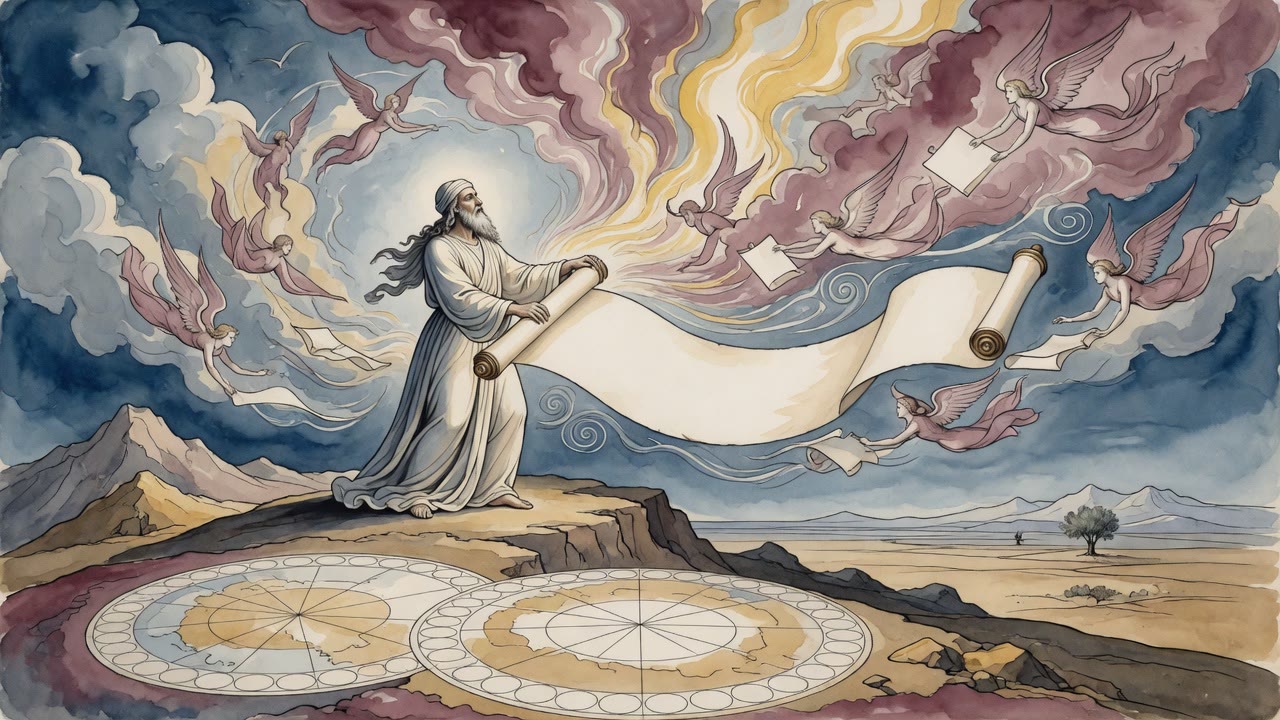
What the Watchers taught Enoch was not ordinary knowledge. They taught him the movements of the sun and moon. The structure of the seasons. The calendar that organized time into weeks and sabbaticals and jubilee cycles. The names of the angels who governed each portion of the sky. The signs that marked each month and the order in which they turned. They showed him the heavens as a system, a precise and ordered architecture that had been running since creation and that human beings could learn to read.
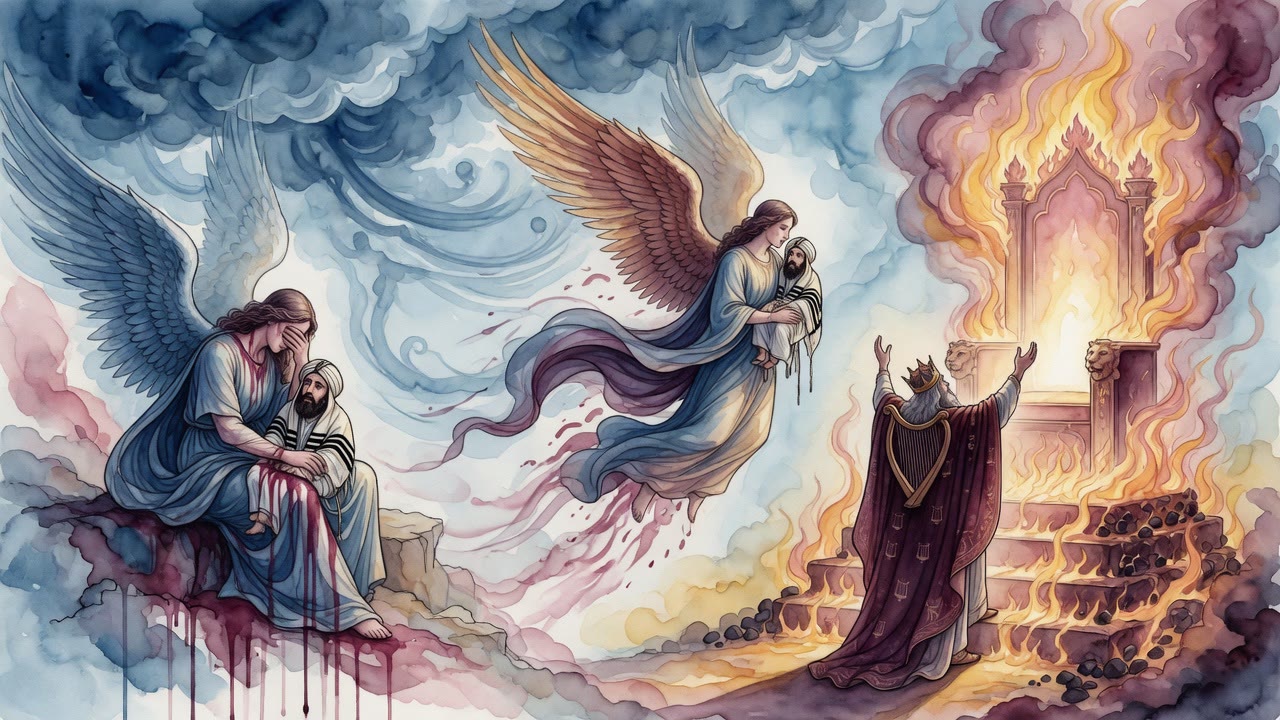
Enoch sat with them for years. He recorded everything. He asked questions and received answers that no one alive had heard before because no one alive had been close enough to the Watchers to ask. He was not passive. The Book of Jubilees describes him as actively seeking the knowledge, going out to be with the angels as they descended, going with them on their circuits of the earth, learning as he moved.
What Went Wrong After Enoch
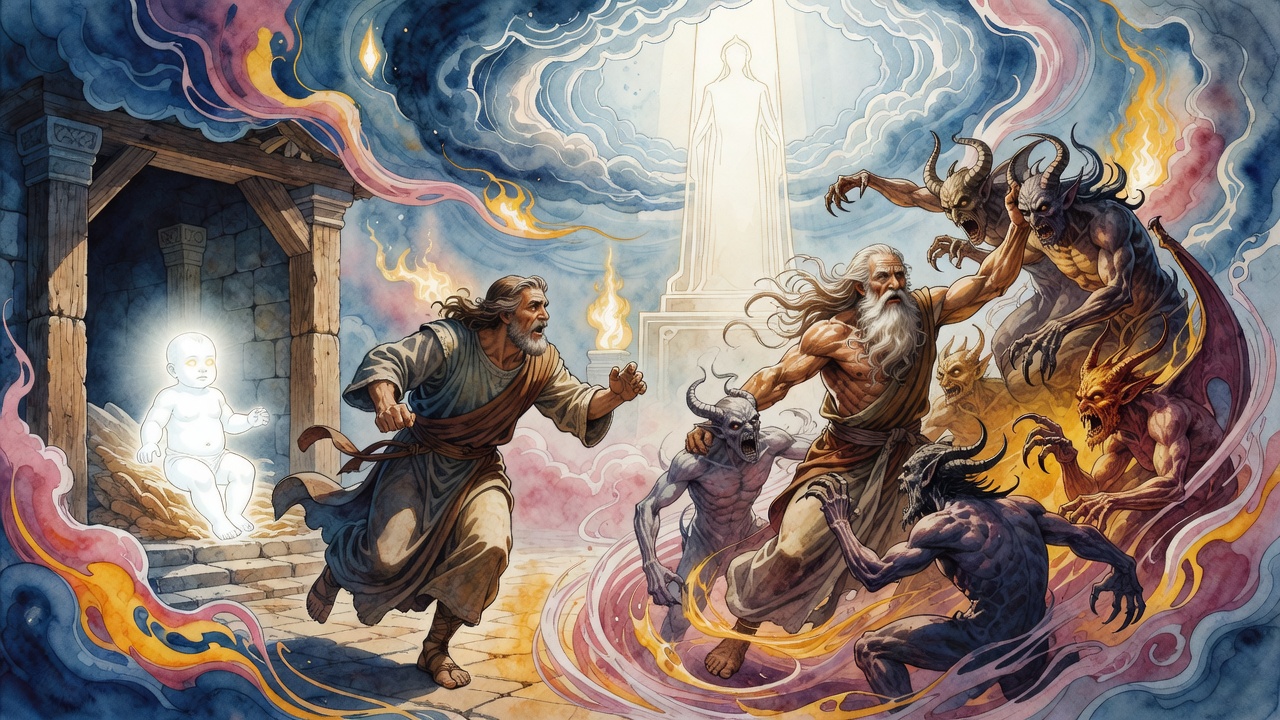
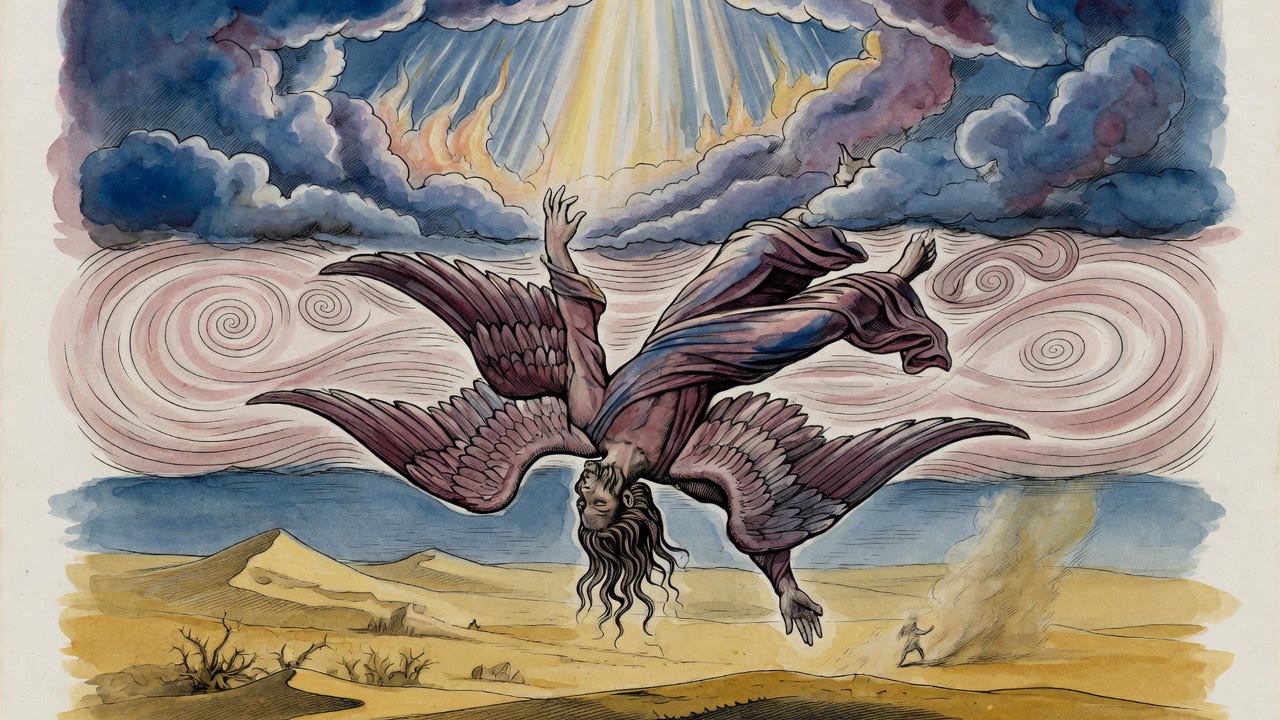
The Watchers did not stop at astronomy and calendar. In the days of Jared, some of them saw the daughters of men and were moved by desire. They took wives. They taught their wives and children things they had not been commissioned to teach: sorcery, enchantments, the cutting of roots, the knowledge of how to manipulate what should not be manipulated. The good gift of instruction became a flood of forbidden knowledge that would eventually contribute to the generation that God decided had to be destroyed.
Enoch stood between the two phases of the Watchers' time on earth. He received the legitimate knowledge, the calendar and the cosmic order, before the transgression overwhelmed the mission. He was the one student who walked away with everything that was supposed to be given and none of what was not.
Why He Was Taken
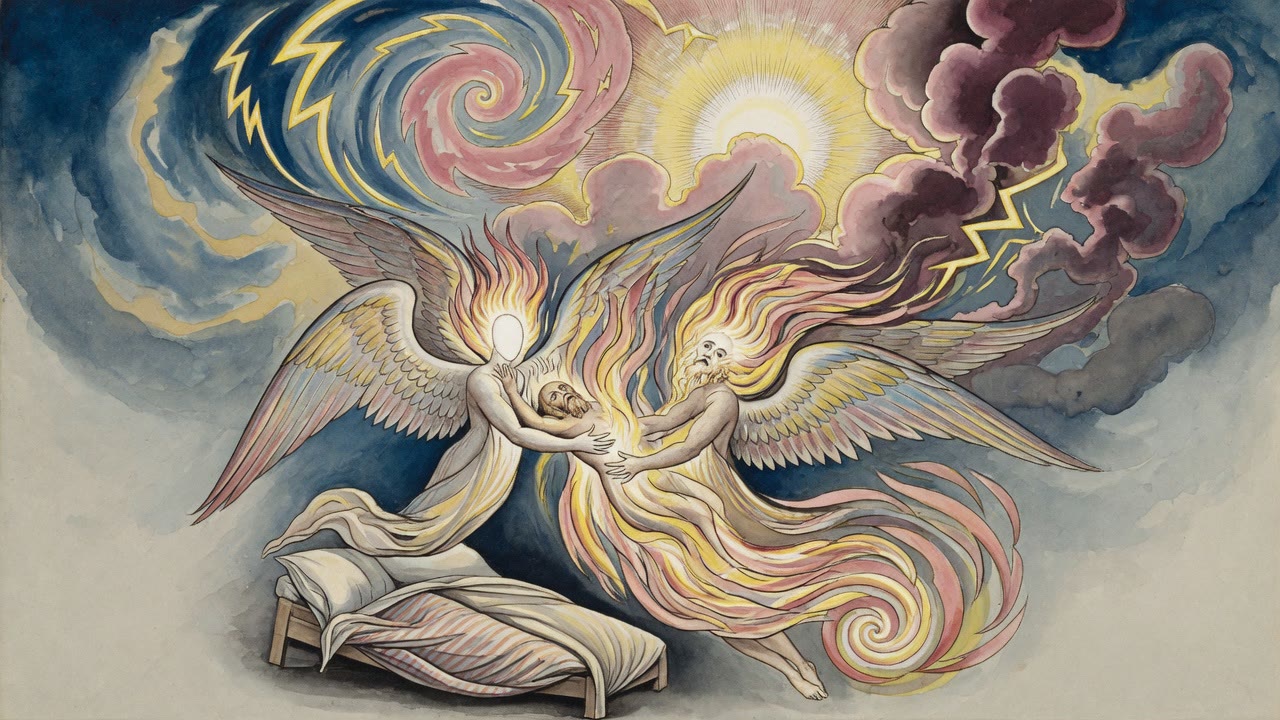
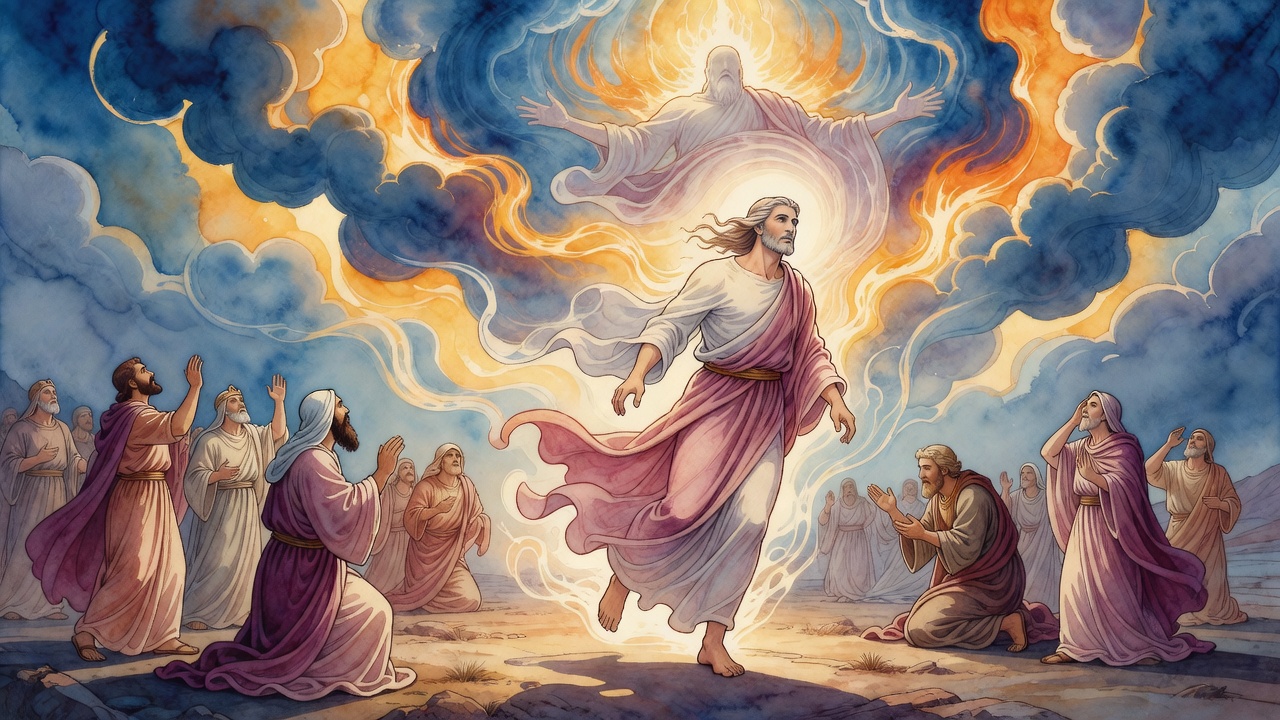
When God decided that Enoch had received everything there was to receive and written everything down, the translation came. He walked with God and was not, because God took him. He was seven generations from Adam and the only person of his generation who, in the tradition's account, left the world without dying. The man who had been the first to write was not allowed to be lost the way the others were lost. What he knew was too important to go into the ground with him.
← All myths