Enoch Wrote the Calendar Before Anyone Knew Time Existed
Enoch did not invent the calendar. He received it from the angels and wrote it down. He mapped every week and jubilee before a single nation existed to use it.
Table of Contents
 Click for full size
The Most Ambitious Document a Human Could Attempt
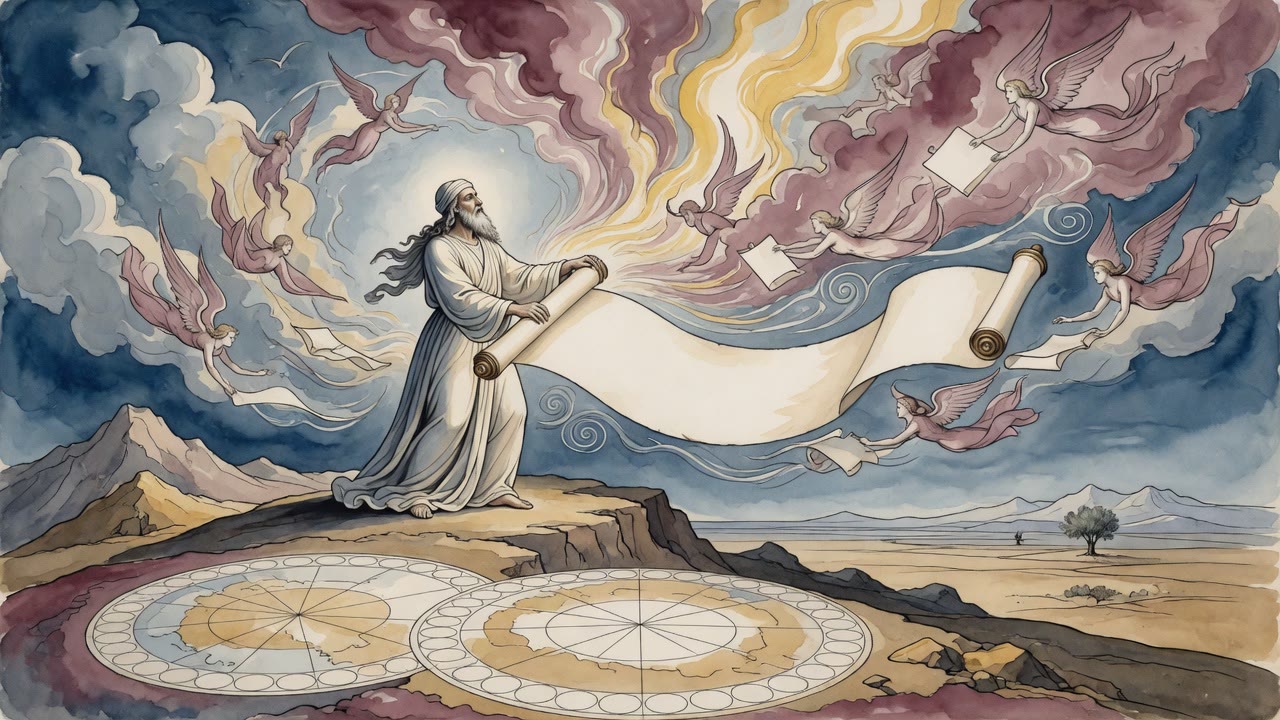
Seventh from Adam, before any law had been given, before Sinai, before a nation existed to receive a covenant, Enoch sat down and wrote. What he wrote was not a story or a prayer or a genealogy. He wrote the calendar of heaven: the seasons, the Sabbaths, the months, the jubilee years, all of it set in order for the children of men so they would never lose track of time again.
He was the first to write a testimony, the Book of Jubilees says, and he testified to the sons of men among the generations of the earth, and recounted the weeks of the jubilees, and made known to them the days of the years, and set in order the months and recounted the Sabbaths of the years as the angels made them known to him.
The Calendar Received From the Watchers
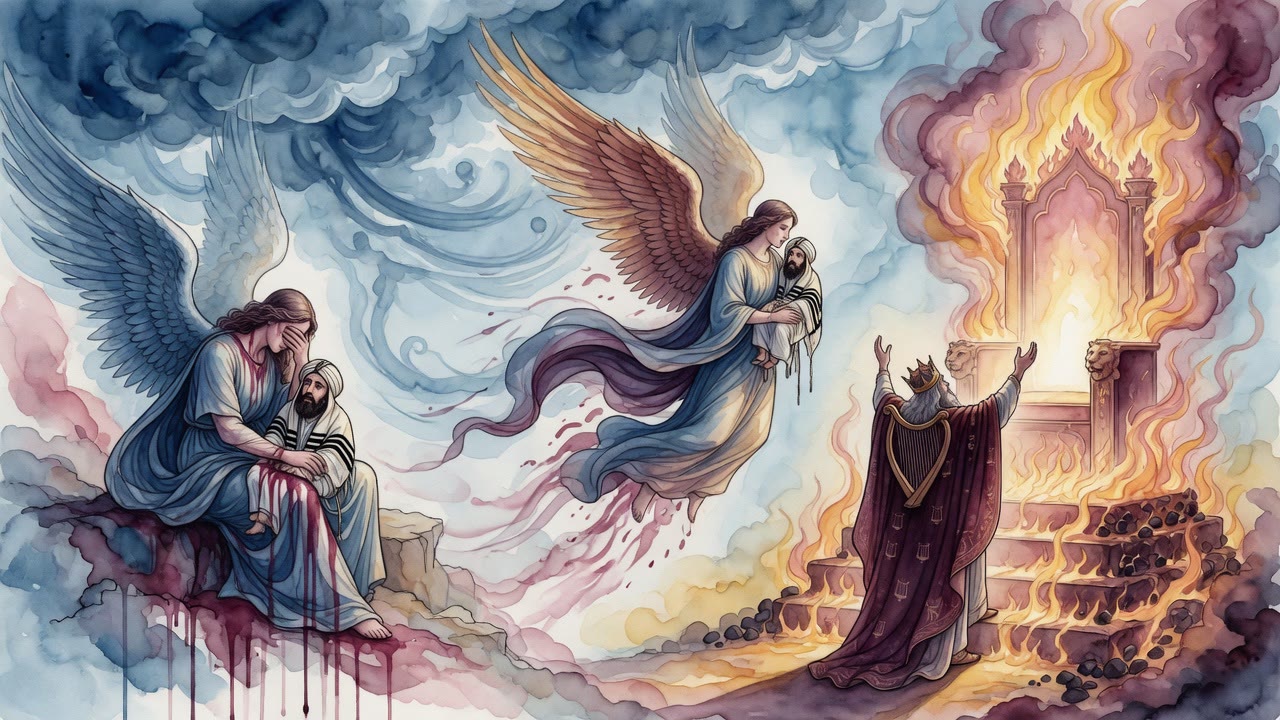
That last phrase is the key: as the angels made them known to him. Enoch did not invent the calendar. He received it. Before they transgressed, before desire overran the original mission and the Watchers took wives and spilled forbidden knowledge into the world, they had shown Enoch the structure of time itself. The signs of heaven according to the order of their months. The jubilee years. The sabbatical years. The festivals that belonged to each season. He wrote all of it down before anything went wrong.
This is the detail that matters most. Enoch's knowledge is pre-transgression knowledge. It was given cleanly, in the period before the Watchers broke, and it was preserved in Enoch's writing before any contamination reached it. What he recorded is not forbidden knowledge. It is the sacred architecture of time as God designed it, transmitted through angels before they fell and preserved by a human being who understood what he had been given.
The Two Radiant Angels
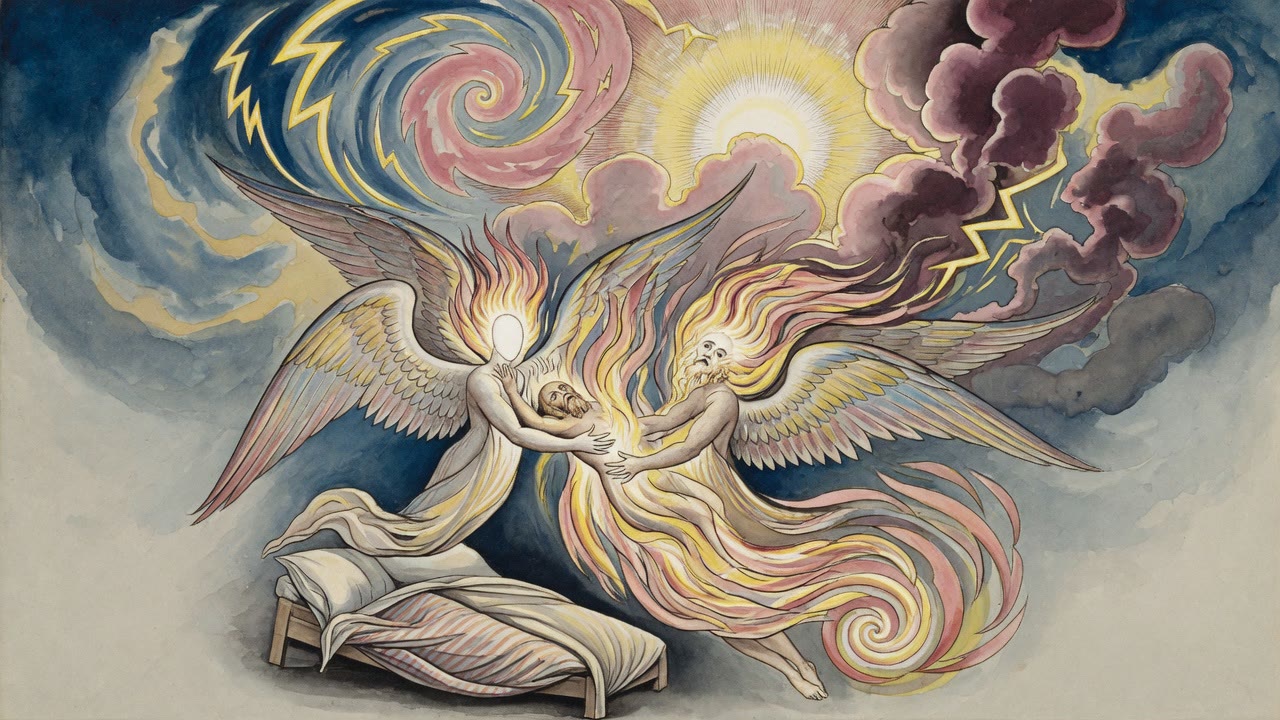
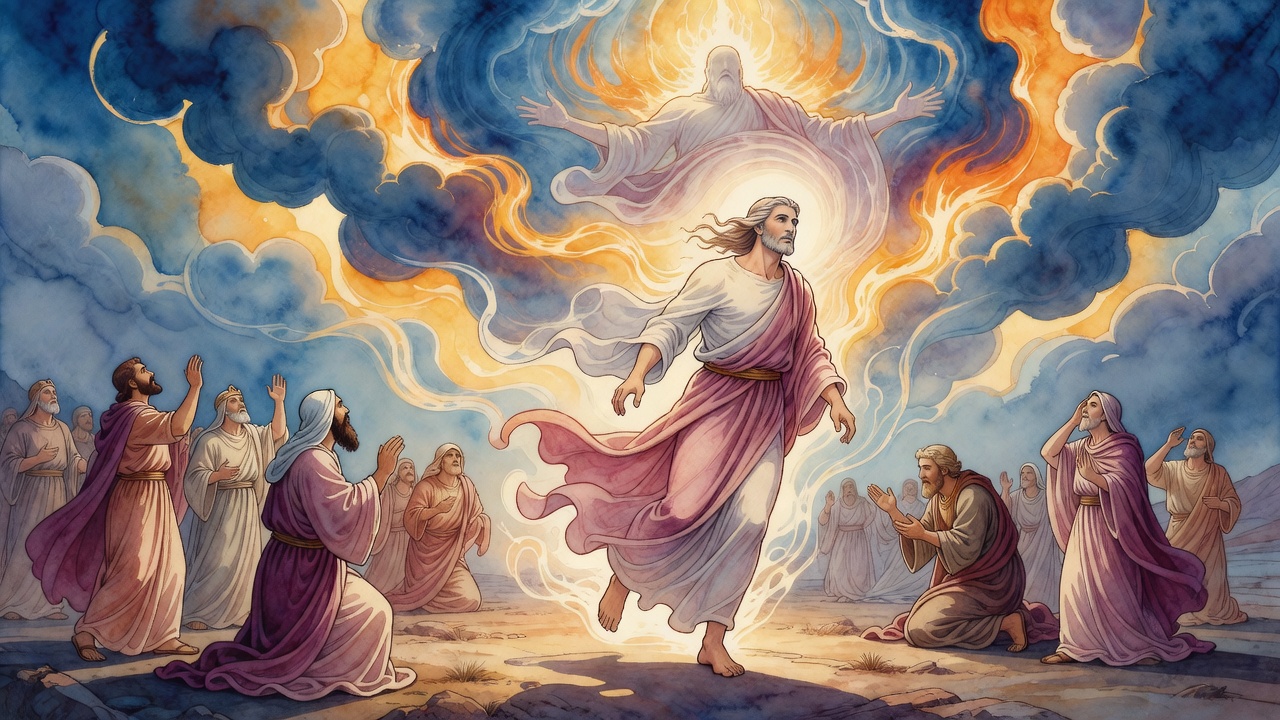
The Second Book of Enoch, preserved in Old Church Slavonic and generally dated to the first century CE though drawing on older traditions, opens with a scene: Enoch is asleep and two radiant figures appear to him. They tell him he must ascend with them. He does not argue. He wakes his sons and tells them he does not know where he is going or what he will see, and he asks them to face the Lord all their lives and bring their offerings before him with fear. Then he goes.
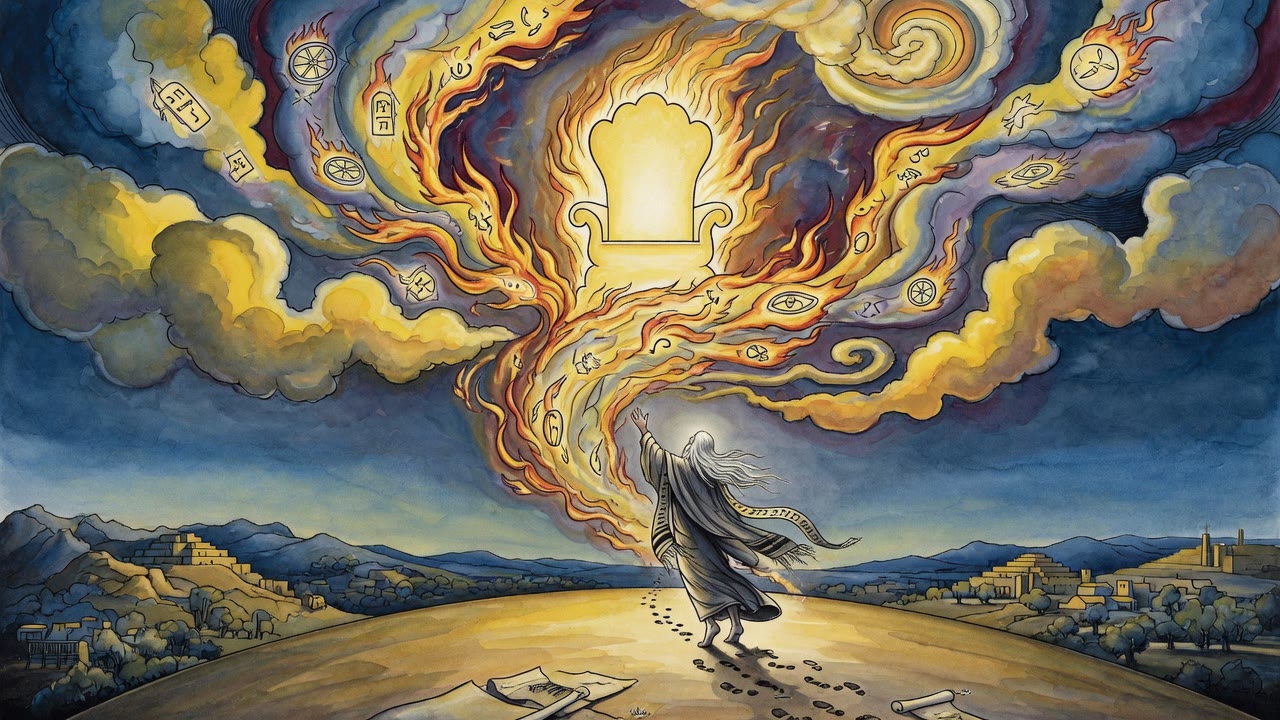
What follows is the most detailed cosmological tour in the early Jewish literature: the ten heavens, the treasury of snow, the treasury of dew, the angels who govern the movements of the sun and moon, the place where the souls of the righteous wait, the place where the rebels are held. Enoch sees the throne and prostrates himself before it. He receives the instruction to write, and he writes, and the books he writes contain everything he has seen. He is then returned to earth for thirty days to share what he knows with his sons before the final translation.
What the Calendar Was For
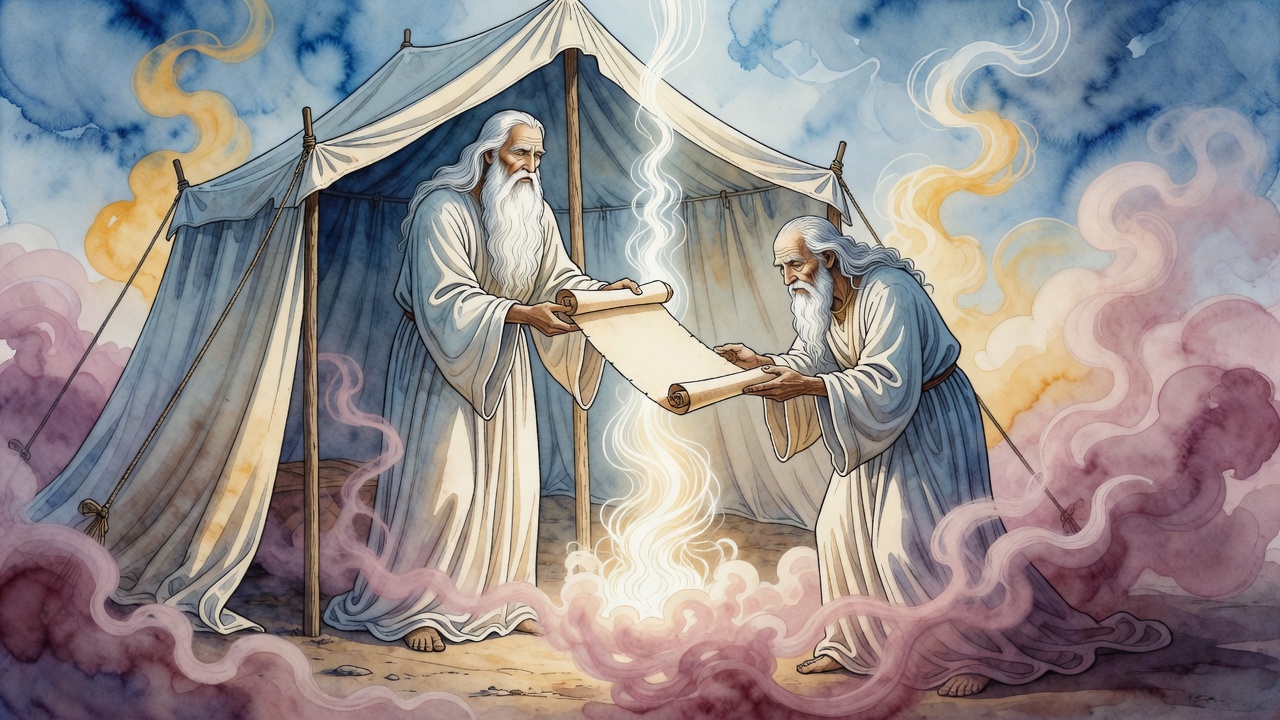
The calendar Enoch wrote was not an astronomical curiosity. It was the structure that would make all subsequent worship possible. Without knowing the months and the sabbatical years and the jubilee cycles, there was no way to observe Passover on the right day or the Day of Atonement at the right time or the sabbatical release at the right year. Enoch's writing was the foundation on which every later covenant observance was built.
He wrote it before Moses received the law. He wrote it before there was a Tabernacle to observe the calendar in. He wrote it seven generations after the first human beings and committed it to the earth, where it waited through the flood, through the wanderings of the patriarchs, through the slavery in Egypt, until the generation was ready to receive a law that presupposed the calendar he had already fixed.
← All myths