The Heavenly Court That Broke Lupinus Caesar
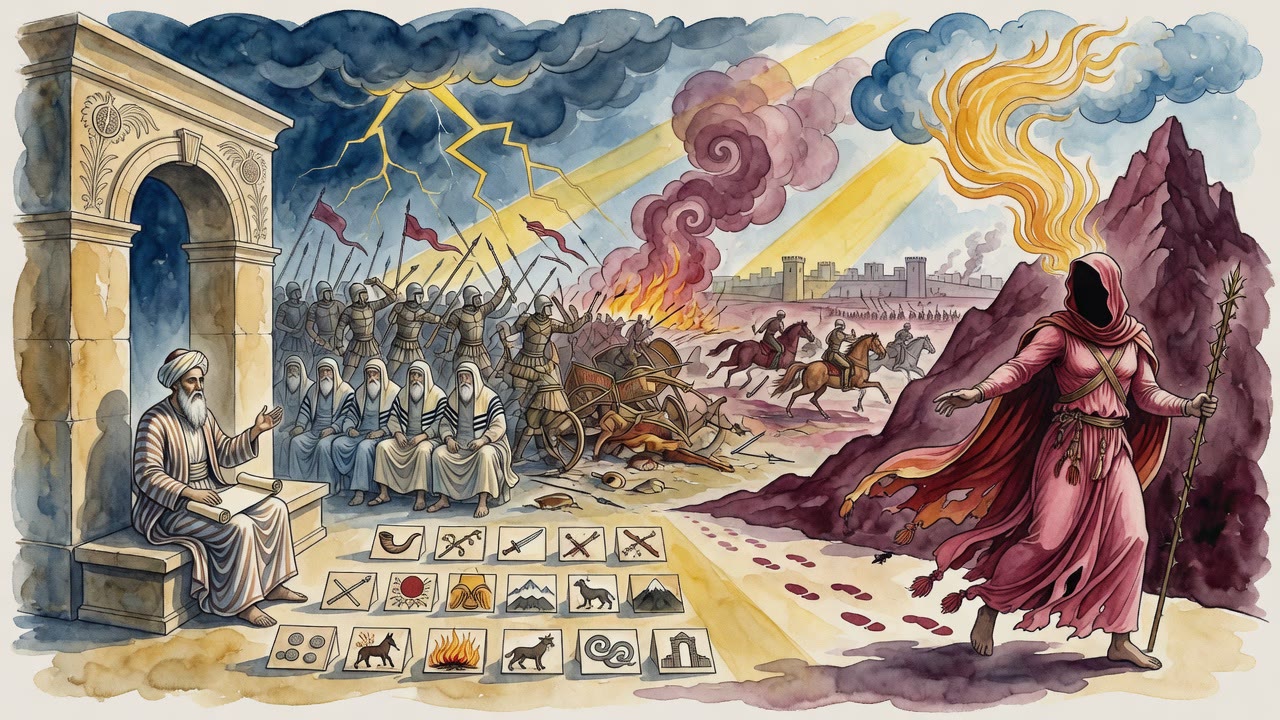
Rome commands armies but cannot command the record kept above, where Lupinus Caesar is summoned, named, and judged before he knows it.
Table of Contents
 Click for full size
The Emperor Who Sat in Judgment Below
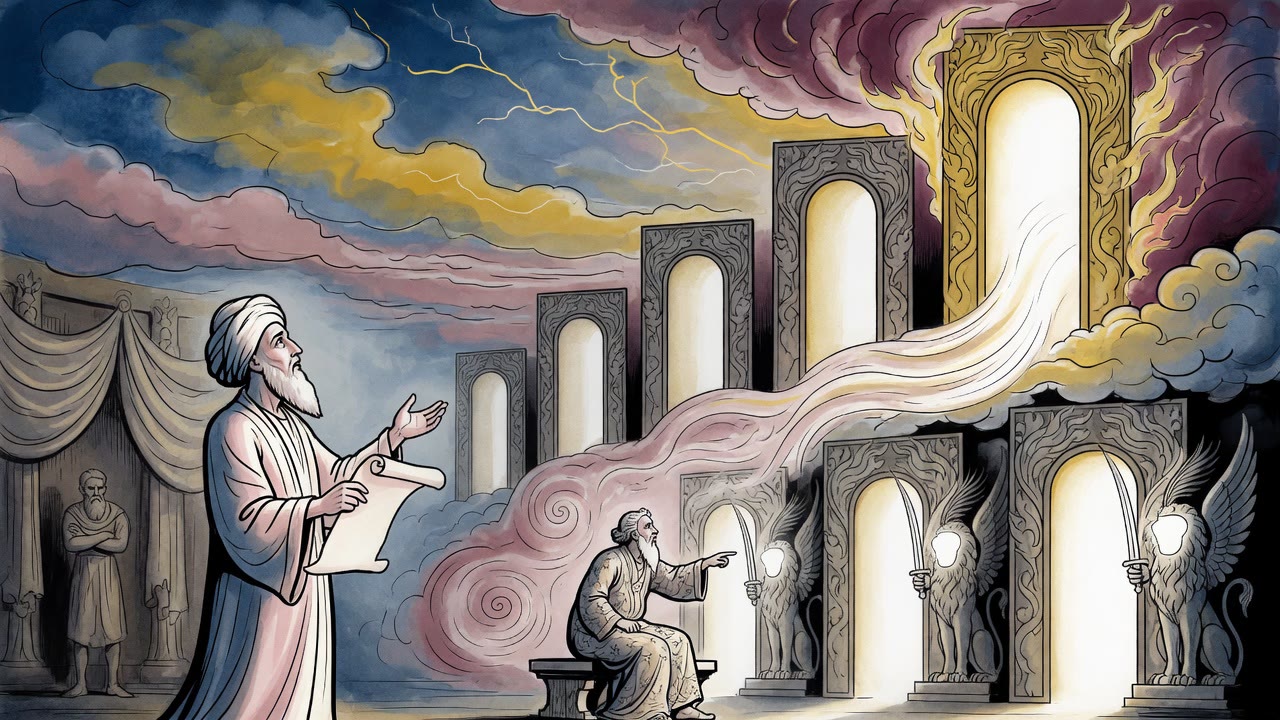
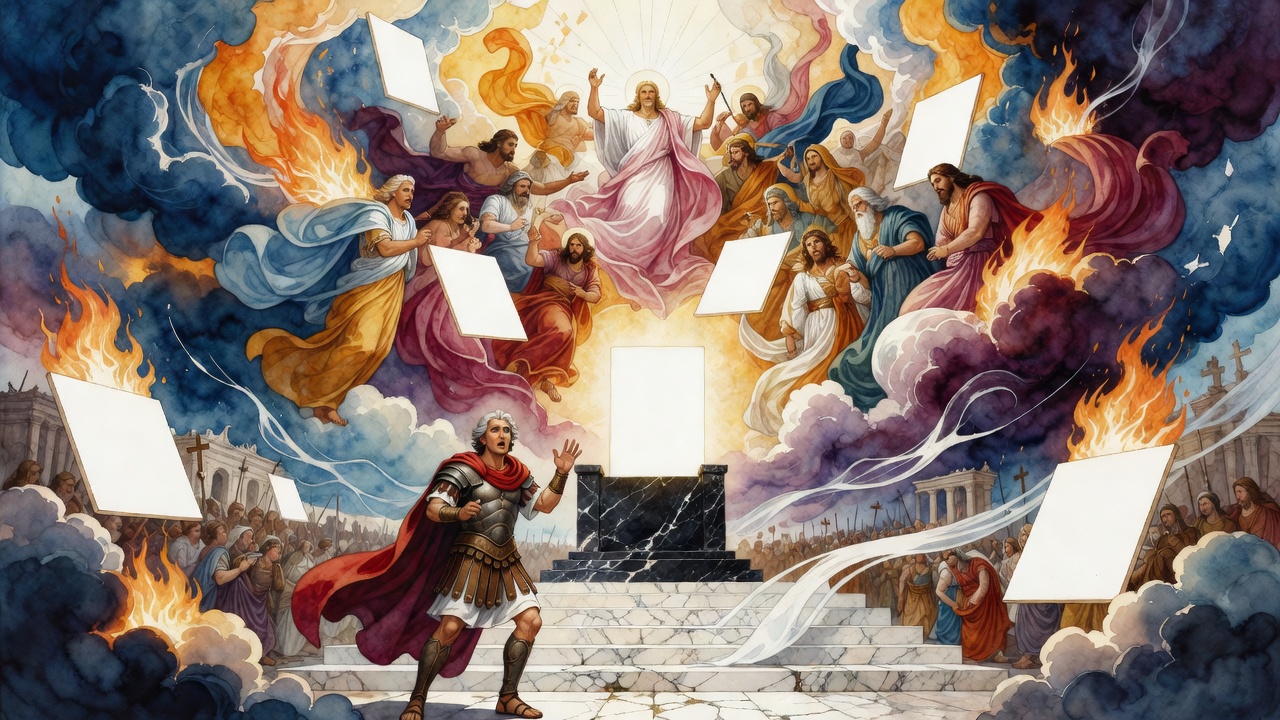
Lupinus Caesar held court the way emperors hold court: with soldiers at the door, with scribes recording verdicts, with the understanding that his word was the final word in any room he occupied. He was not accustomed to being summoned.
But in the vision given to Rabbi Ishmael, there is a court above the seventh heaven that does not ask permission from any court below. It does not negotiate with Rome. It does not send a delegation or offer terms. It issues decrees, commands angels of punishment, and enforces its judgments without waiting for the emperor to recognize its authority.
This is what makes the Heikhalot tradition so specific about the mechanics of heavenly power. The mystics who composed it were living under empire. They knew exactly what a court that ignores you looks like. What they imagined above was its precise inversion: a court that sees everything, that names names correctly, and that cannot be bribed, charmed, or escaped through wealth or legions.
The Kingdom Became Contemptible
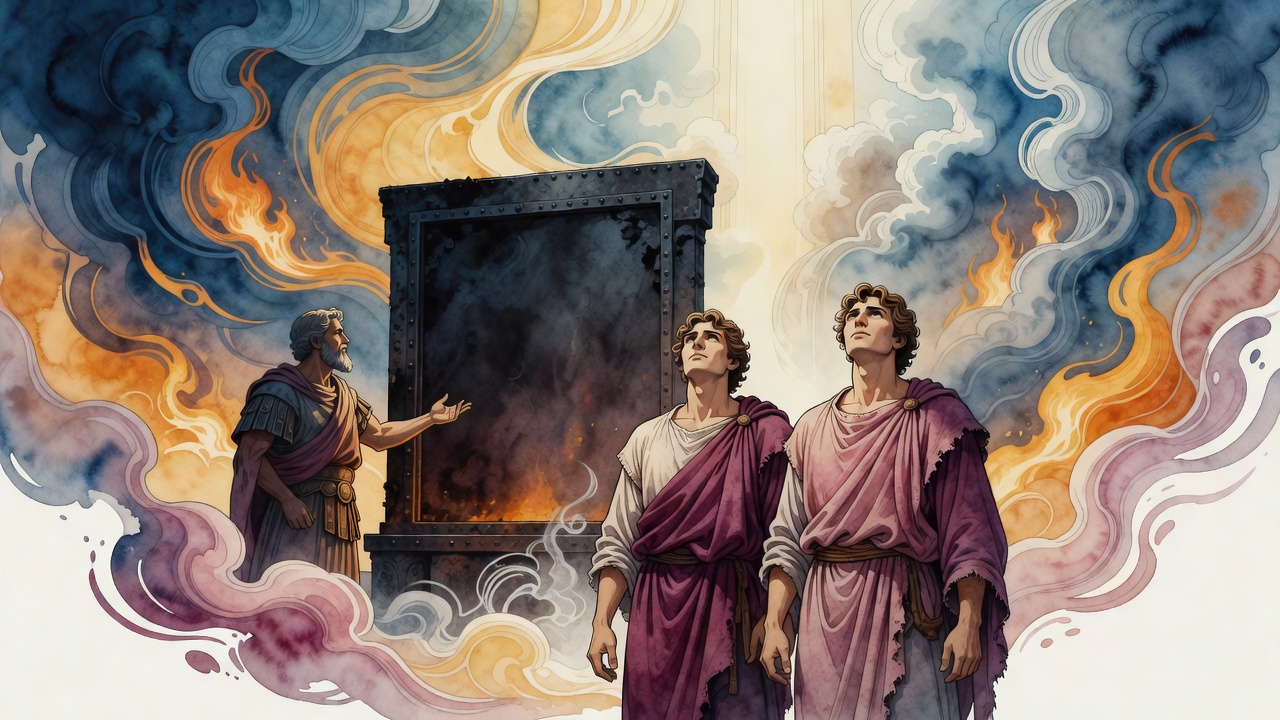
The heavenly decree goes out. The kingdom of Lupinus Caesar, its territory, its treasury, its soldiers, its pride, is made contemptible before the watching angels. This is not military defeat. It is exposure. The thing that looked powerful from the outside is revealed as hollow from above.
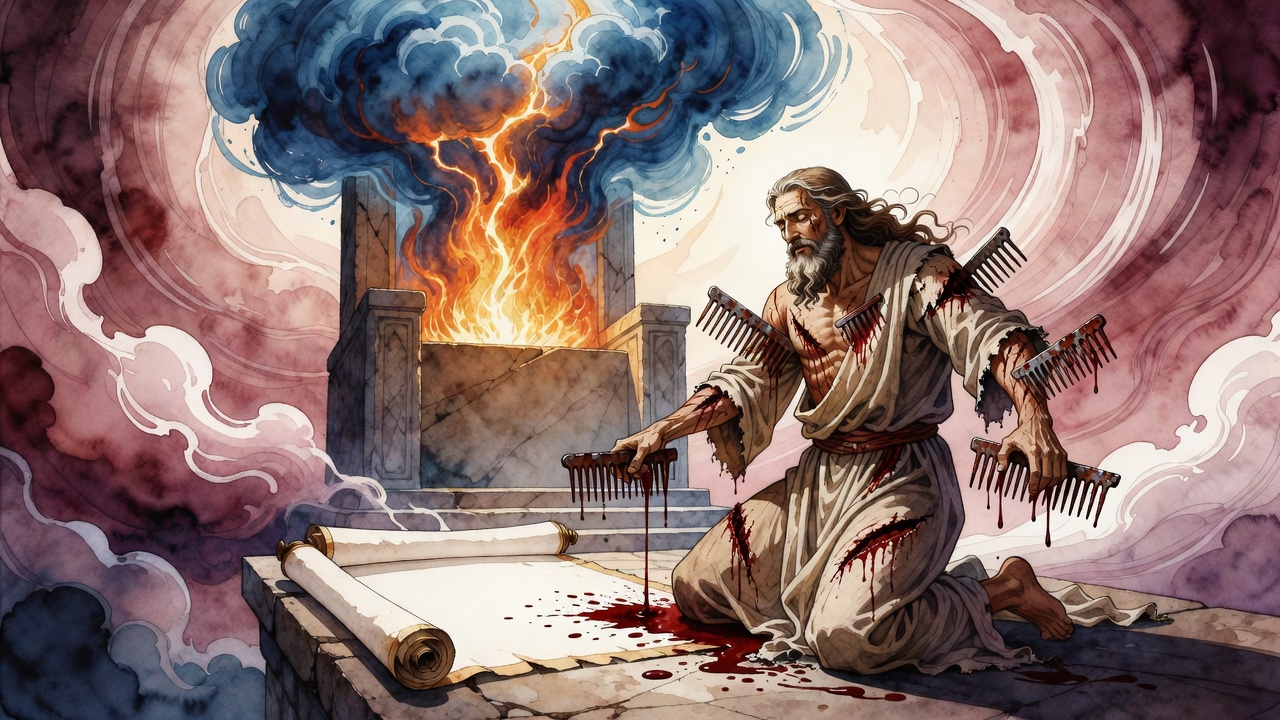
Rome could conquer a city. It could not conquer the record kept above it. Every decree that Rome issued against Israel, every execution and exile and desecration, was being written elsewhere by a different hand. The Heikhalot texts insist on this with a kind of cold precision. The heavenly court has jurisdiction that no empire can revoke.
Surya Revealed What Was Written
The Prince of the Presence, Surya, stands before the divine throne and speaks Israel's fate. The vision does not offer false comfort. Israel is in exile. The Temple is destroyed. The language of the heavenly court acknowledges the pain before it announces the reversal.
That sequence matters. A vision that skipped straight to consolation would be cheap. The Heikhalot mystics had no interest in cheap consolation. They wanted the pain named correctly first, before the decree of reversal was issued. Only then did the announcement carry weight.
Surya speaks about the land, about return, about what has been promised. The announcement comes from above the seventh heaven, which means it outranks everything that Rome has issued. Roman decrees are written in Latin on bronze and posted at city gates. The decree about Israel is written before the throne of God and carried by an angel whose name means the Prince of the Presence.
A Decree From the Seventh Heaven Against Rome
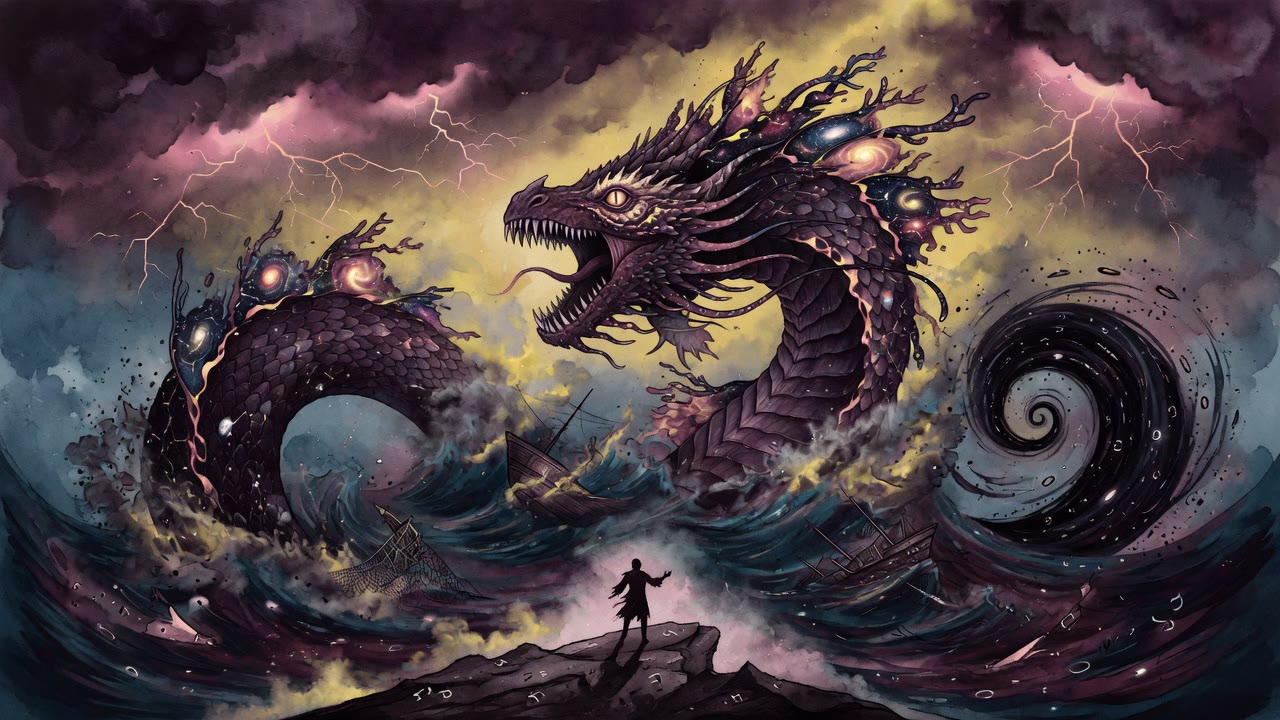
The final decree in the cycle comes from the topmost heaven. It names Rome by its actions against Israel. It does not spare the details. The violence is acknowledged, catalogued, placed before judgment. Then the sentence is given.
The sentence is not immediately visible in the world below. Empires fall on their own schedules, and Rome did not collapse the morning after the vision. But the Heikhalot tradition was not writing a newspaper. It was writing a cosmology. In that cosmology, a decree once issued from the seventh heaven is already accomplished, even if the ground below takes centuries to show it.
Rabbi Ishmael returned from his vision and kept teaching. The court above had already spoken. What remained was time.
← All myths