How a Dead Man's Stone Image Became a God
Ninus carved his dead father Bel in stone. Prayers to the statue earned royal pardon. That is how idol worship spread across the world.
Table of Contents
 Click for full size
A King Who Could Not Bury His Father
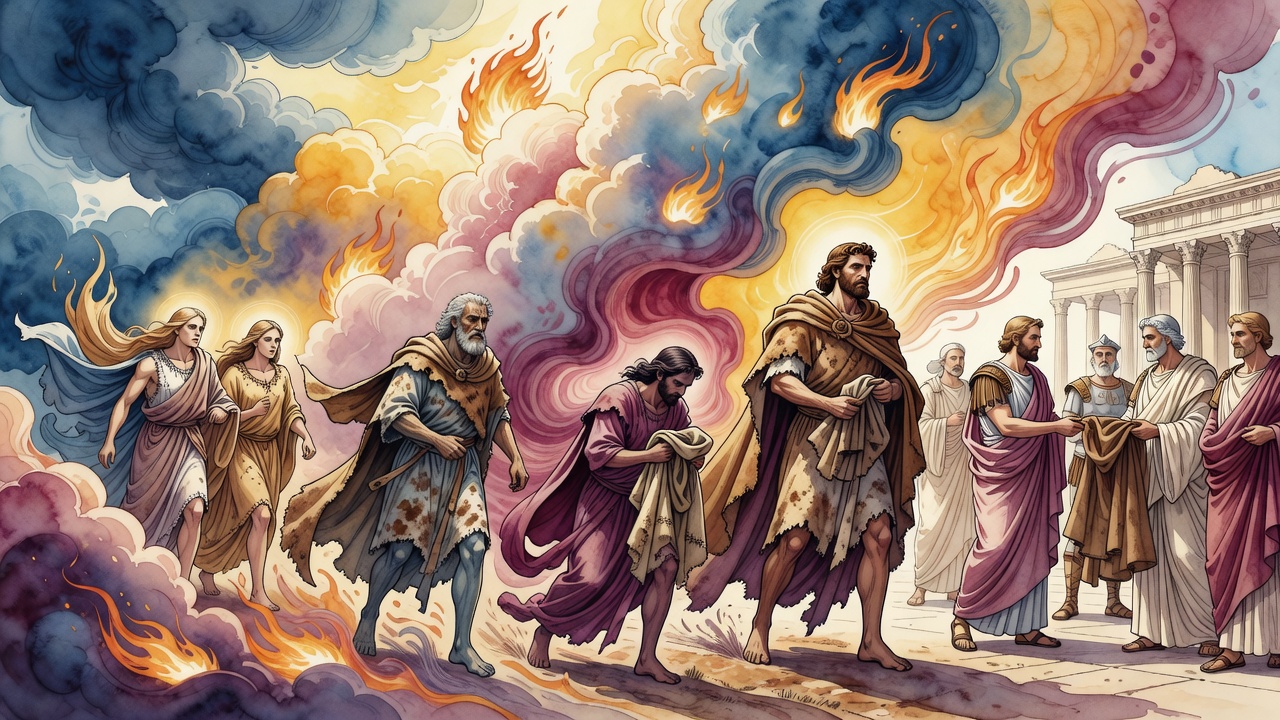
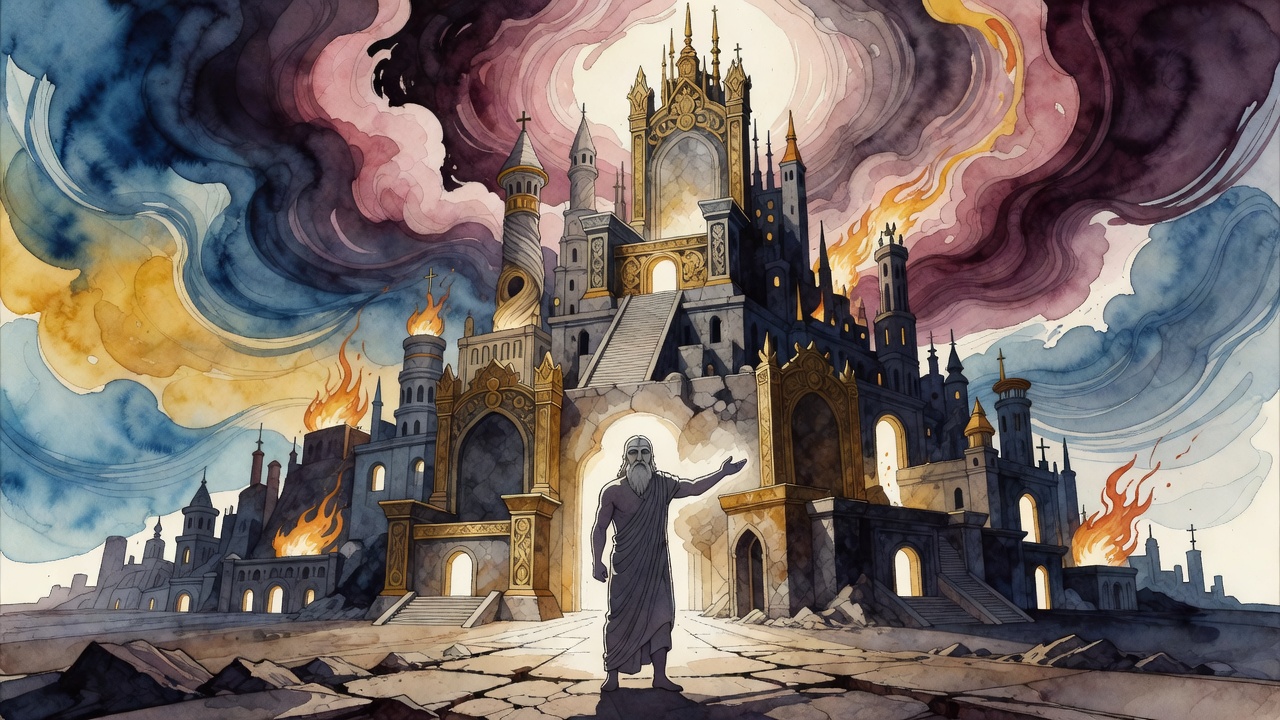
Ninus had armies, a capital city measured by a thirty-day walk, and the power to burn books when knowledge threatened his throne. None of it helped when Bel died. His father was gone and grief did not answer to authority. So Ninus carved Bel's image in stone, gave the statue his father's name, and set it up where people could come before it.
What happened next was not what he had planned.
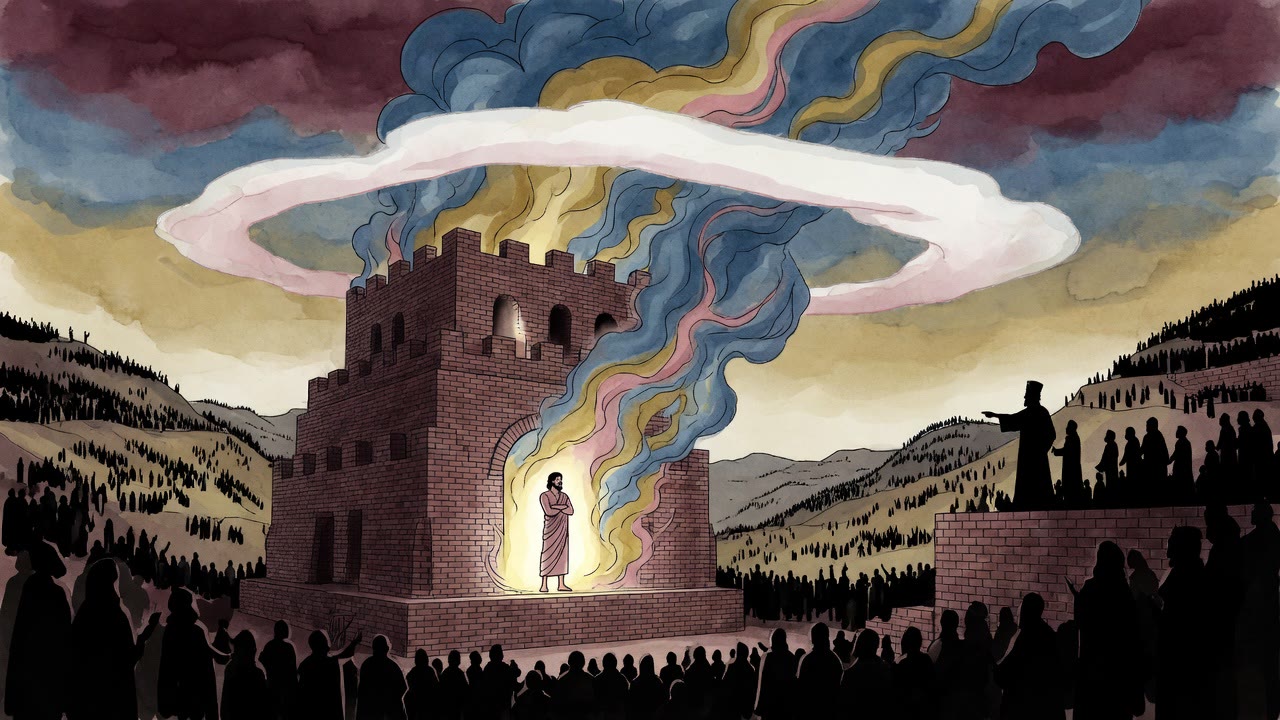
A man who had committed a crime against the crown came before the statue and begged in Bel's name. Ninus pardoned him. Another man came. Ninus pardoned him too. Word spread: the statue of Bel could intercede. The dead father could protect the living from the living king. People began coming to the stone image not to mourn a king they had never met but to plead for mercy from a man who was still alive. The statue became a tool of politics dressed in the clothes of grief.
The Statue That Forgave
The logical extension was short and fast. If the image of Bel had power to protect, then the image of Bel had power. If it had power, it could be prayed to. If it could be prayed to, it was, in the practical sense, a god. Ninus had not intended to create a religion. He had intended to keep his father's face in the world. But the distinction collapsed under the weight of the pardons.
The family line already carried the marks of what would come. The chronicle traces Nimrod to Babylon, Bel to Nimrod, Ninus to Bel. Each generation reached for more of the world and held it more tightly. Nimrod was a hunter before God. Bel was the first to be worshipped by a city. Ninus was the first to make worship into a system, a practice that could be taught and transmitted, a permanent institution built on a dead man's likeness and a living king's willingness to honor the petitions made before it.
What Abraham Saw in the Workshop
Abraham came into this world in its shadow. His father Terah made images and sold them in the street, and the young Abraham worked in the stall and watched customers carry home the gods they would honor that evening. He had been inside the manufacturing process for religion and he knew what it was made of. It was made of stone and wood and the grief of a king for his father and the political convenience of a pardon.
The idols in Terah's workshop were younger than the men who bought them. Abraham asked each customer his age and then pointed to the idol and asked the man to consider what he was about to worship. The god in his hands had not seen a single night. The man holding it had seen thirty years, or fifty, or more. Was this the direction worship was supposed to run?
The System That Outlasted Ninus
The system Ninus created did not die with him. Once the first pardon had been given in Bel's name, the expectation was established. Successive kings honored it because to stop honoring it would be to admit that the statue had never had power, which would retroactively undo every pardon that had already been issued and delegitimize every act of mercy they had committed in Bel's name. The idol was now load-bearing. It held up the political structure of every pardon Ninus and his successors had ever granted, and dismantling it would bring the structure down.
This is how the chronicle presents the spread of idol worship: not as deliberate religious innovation but as institutional calcification. One grief-stricken king carves his father's face, discovers that petitions made in front of it are convenient to grant, and the convenience hardens into a system, and the system outlasts the king, and by the time Abraham is born in the shadow of Nimrod's city, the system is several generations old and has the durability of anything that has never been seriously challenged.
← All myths