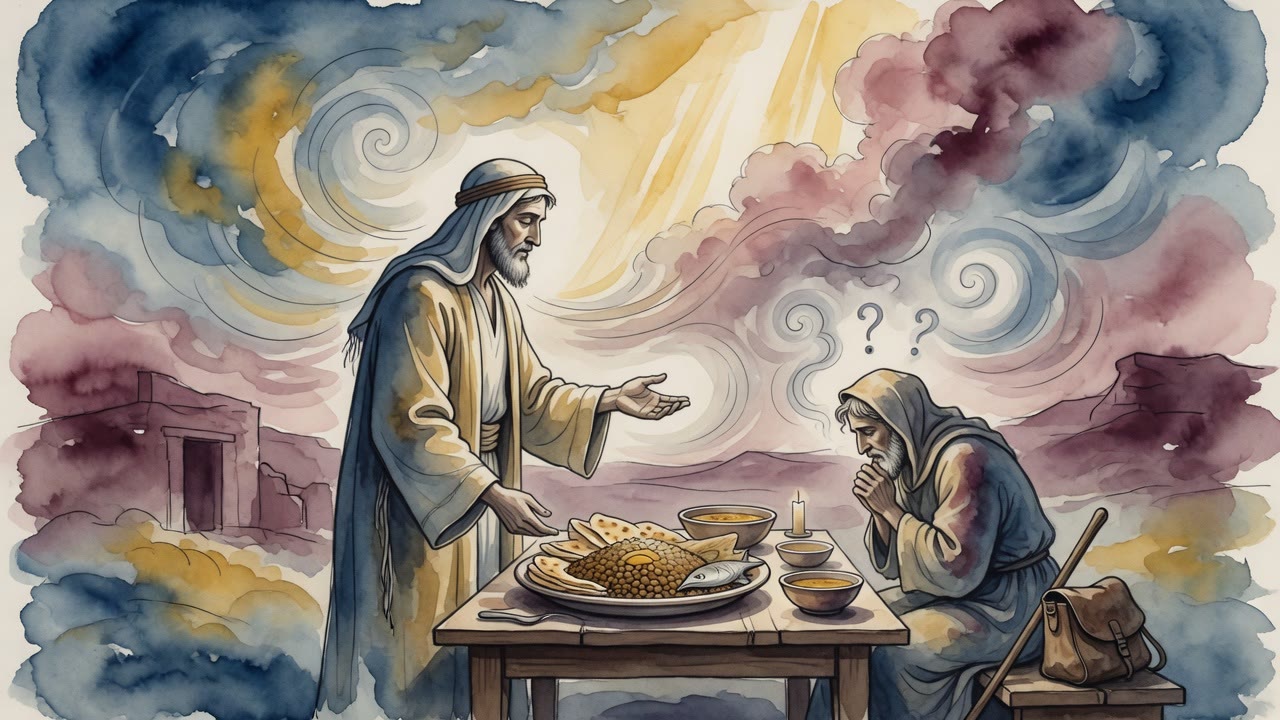
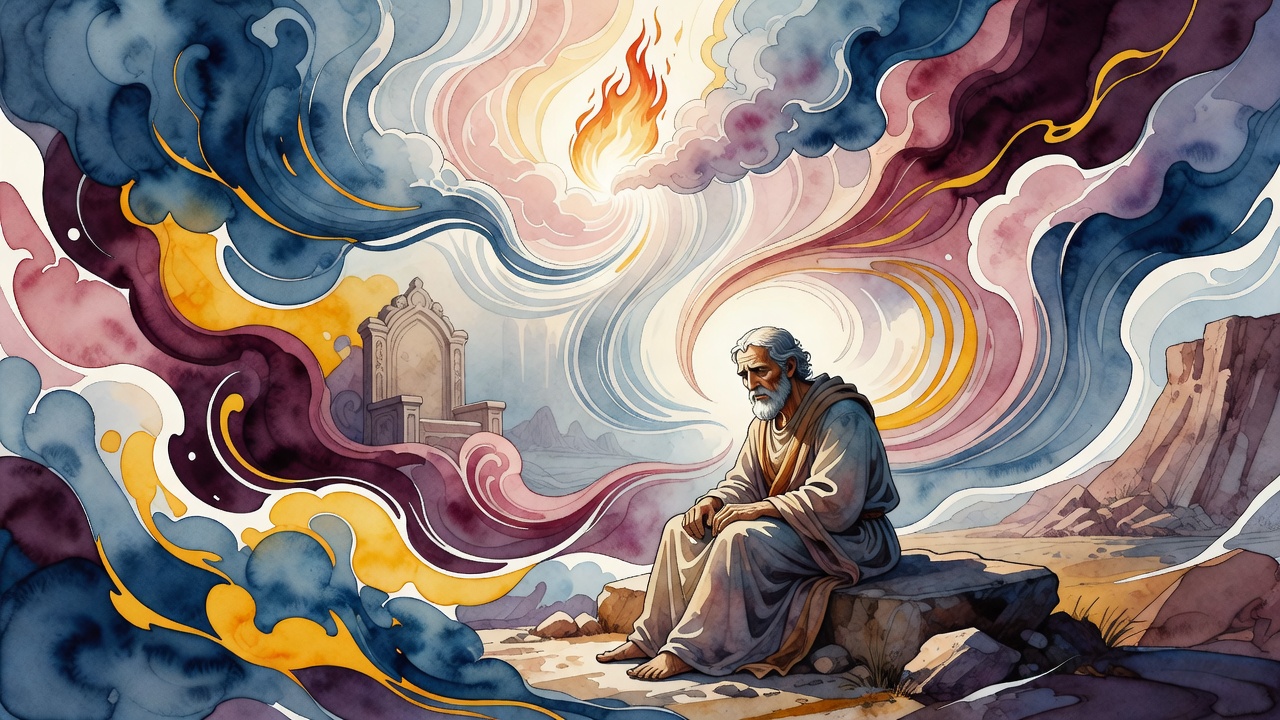
Jabesh-Gilead Walked All Night to Take Saul Off the Wall
The men of Jabesh-Gilead still had their right eyes because of Saul. When his body went up on the wall at Beth-shan, they came for it.
Table of Contents
Nahash the Ammonite camped outside Jabesh-Gilead and sent in his terms. Surrender, and he would put out the right eye of every man in the town.
 Click for full size
He had done it to the other cities east of the Jordan and he had a reason. A man in the line holds his shield across his left side, and his left eye goes behind it. Take his right eye and he can still farm, still father children, still pay tribute, and never stand in a battle line again. Nahash was not in a rage. He was manufacturing a permanent condition.
He wanted something else from those towns as well. He made them bring out their Torah scrolls so he could cut one line out of each of them, the line that says no Ammonite may enter the assembly of the Lord. He handed the scrolls back with the hole in them.
Seven Days to Find an Army
The elders of Jabesh asked for seven days to send for help, and Nahash, who did not believe anyone was coming, gave it to them.
The messengers went out city by city with the terms, and in every city the people heard the terms and wept. That was the whole response. A town would fill with crying and the messengers would move on to the next town and it would happen again.
Saul Came In From the Field
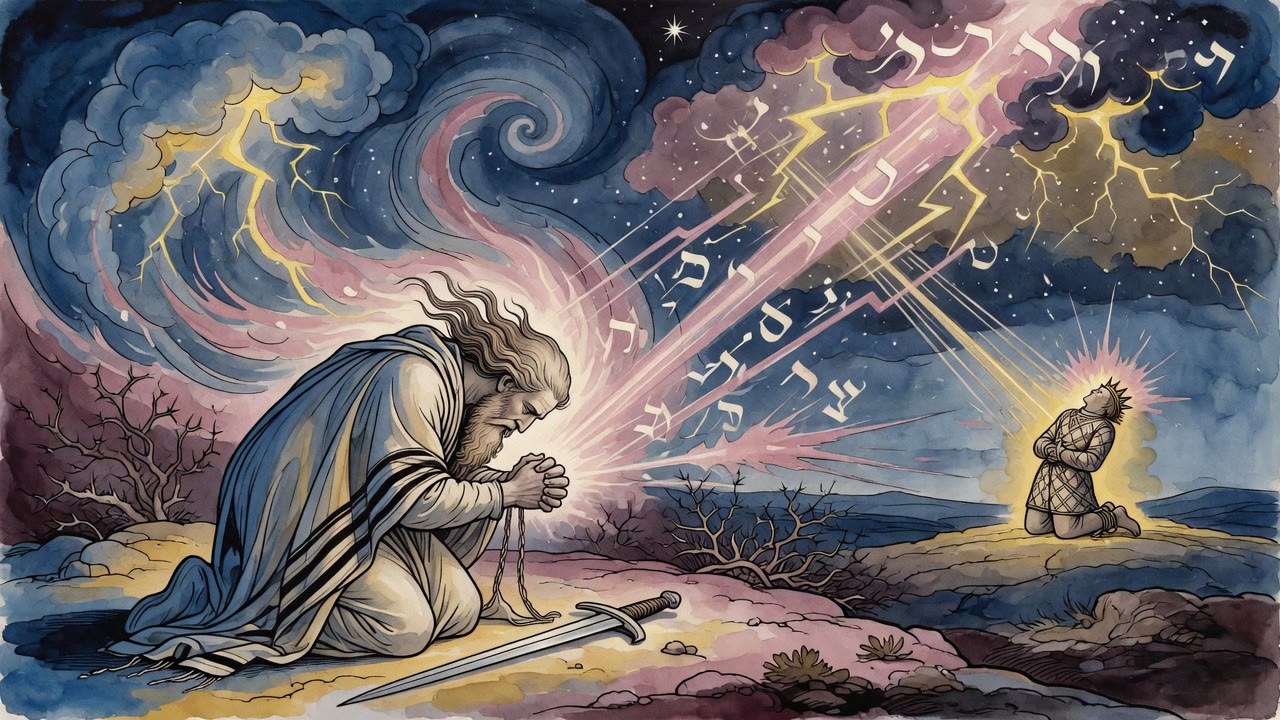
Saul was behind his oxen when the news reached his town. He came in at the end of the day and found the streets full of people in tears and asked what had happened, and when they told him a divine fury came over him.
He killed his oxen where they stood, cut them into pieces, and sent the pieces out through Israel with a message that whoever did not come armed to the Jordan by morning would find his own cattle handled the same way. They came. He counted them at Bezek, seven hundred thousand men, and seventy thousand more out of Judah.
He had sent word ahead to Jabesh, and he had put a time on it. He would break the siege before sunrise, so that the sun coming up would find the thing already done.
He crossed the Jordan and marched the whole night. He split the army into three columns and came at the Ammonite camp from three sides in the dark, before anyone in it was awake enough to form a line, and Nahash died in the fighting with his men scattering around him.
Afterward the crowd turned on the men who had said Saul would never amount to a king, and asked for them by name. Saul would not have it. Nobody in Israel dies today, he said. Go and eat.
The Wall at Beth-shan
He lost the last battle on Mount Gilboa and his sons went down with him. The Philistines came through the field afterward and found the bodies.
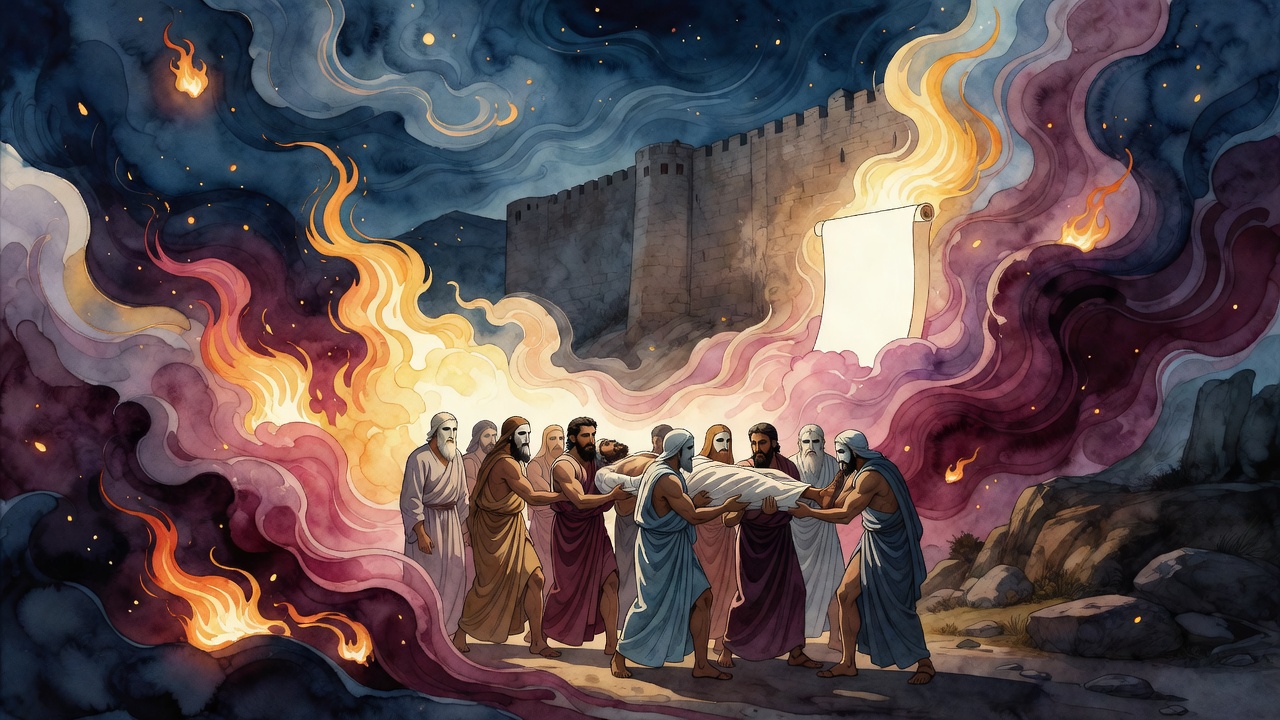
They stripped his armor and put it in the house of their gods. They sent the announcement around their temples so every city would hear it the same week. Then they took the body of the king of Israel to Beth-shan and fastened it to the city wall, high up, where the road ran, so that everyone crossing that valley for as long as it lasted would look up and see what was left of him.
All the Valiant Men Arose
In Jabesh-Gilead they heard about the wall.
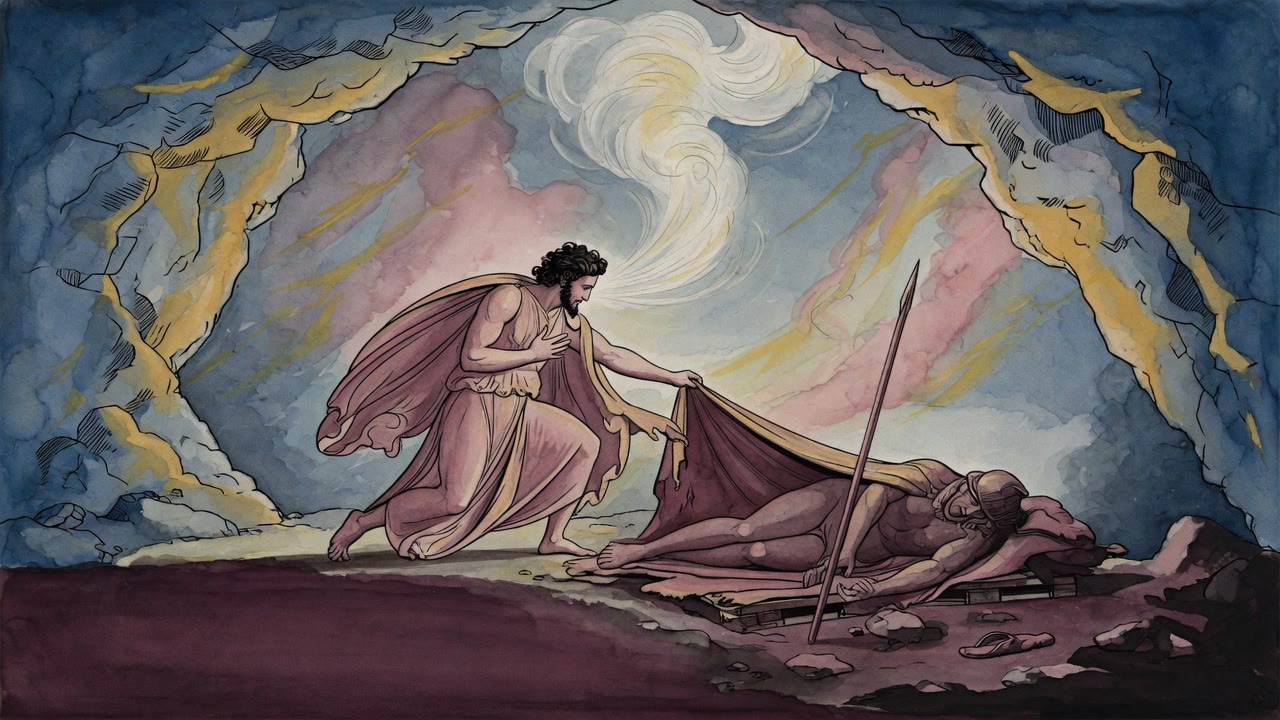
The men of that town asked each other one question. Are we not obligated to the man who took us out of the hands of the Ammonites? Then all the fighting men of the city got up, went out at dusk, and walked through the night to Beth-shan, which was the second night march in that story and the only one nobody ordered.
They took him down off the wall, and his sons with him, and carried the bodies home. They burned them, and buried the bones under the tamarisk tree in Jabesh, and fasted seven days.
There was nothing in it for them. A dead king cannot lift a siege or remember a favor or say anything at all about what you did with his body, which is exactly why the rabbis gave that night walk its own name. Chesed shel emet, true kindness, the kind performed for someone who has no way to pay it back.
David Carried the Coffin Through Every Tribe
When David heard, he sent messengers to Jabesh to bless them for what they had done to their lord.
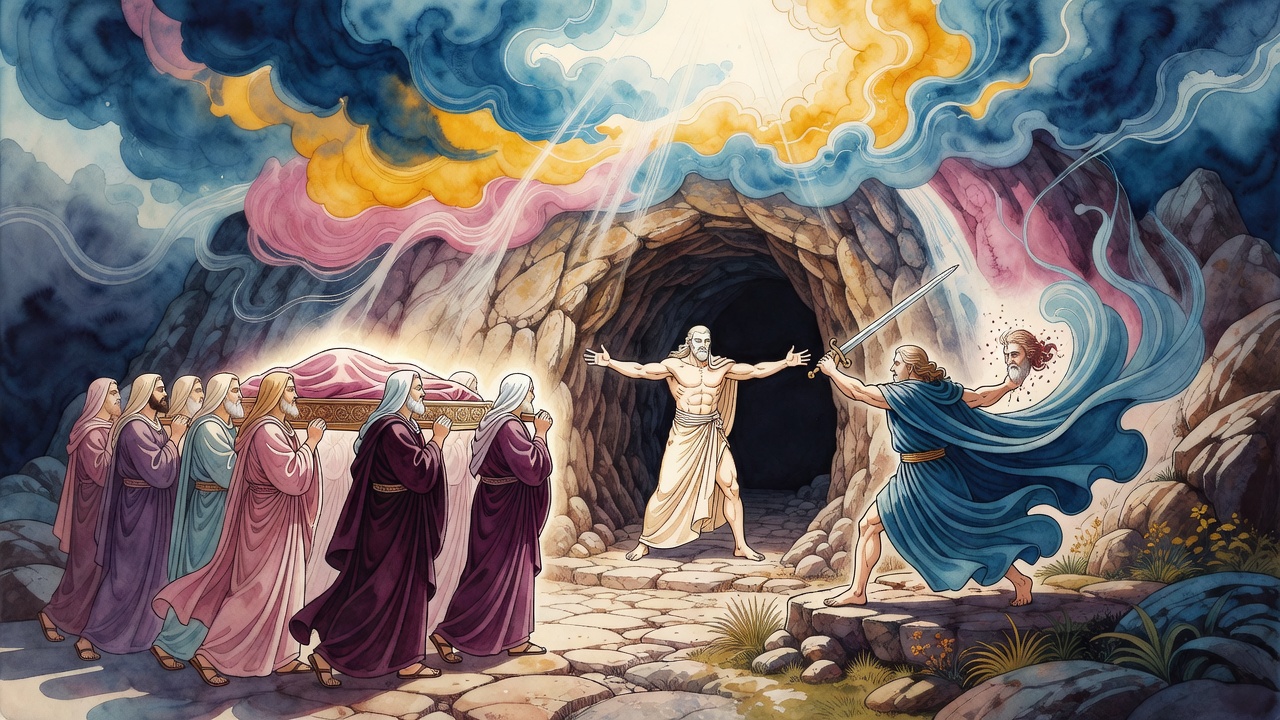
Later he crossed the Jordan himself with the elders and the nobles of Israel and went to Jabesh to bring the bones home. They found them under the tamarisk, and no worm had touched a single one of them. They put them into a coffin and started back.
David did not take the shortest road. He had the coffin carried into the territory of one tribe and then the next and then the next, through every border in the country, and in each one the people came out to meet it, men and their wives and their sons and their daughters, and did for Saul what the men of Jabesh had done, so that no tribe in Israel would be left holding an unpaid obligation to a dead king. Only then did the coffin go into the ground in Benjamin, in his father's country, near Jerusalem.
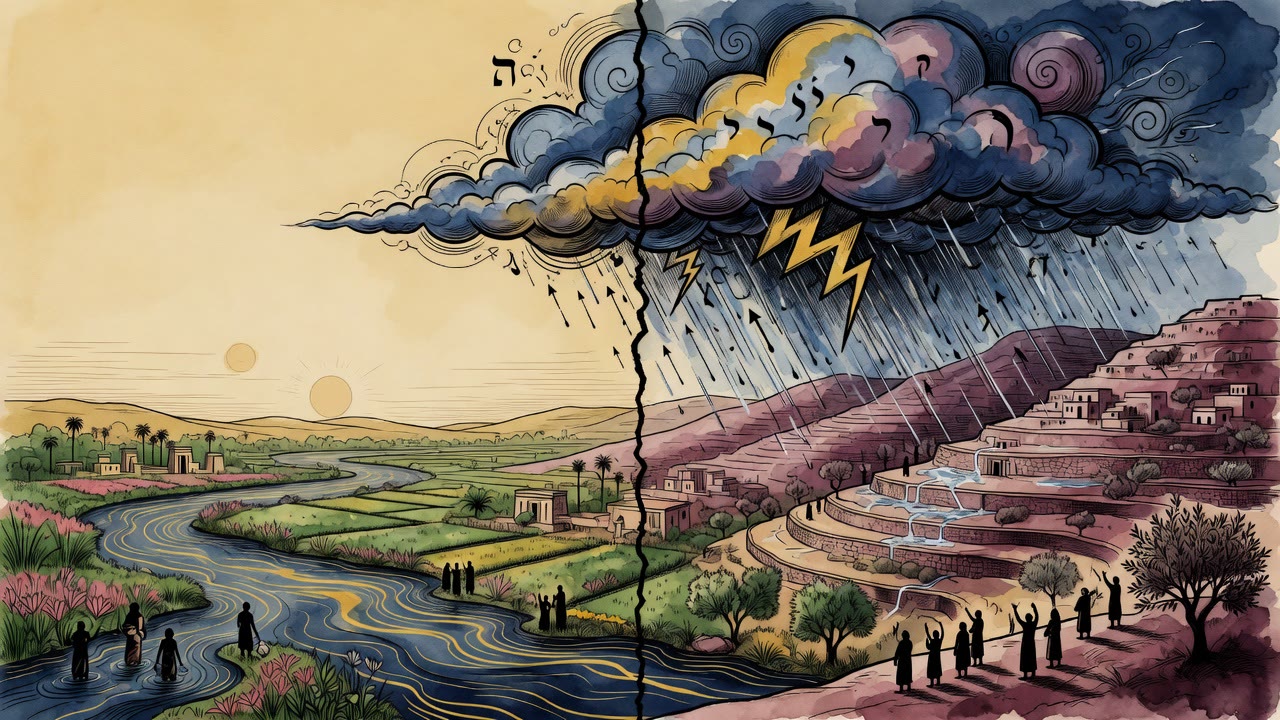
And when God saw that the whole nation had done it, the compassion came back, and the rain came with it, and fell on a land that had not had any for a long time.
← All myths