Moses Learned God's Secret Name and the Angels Panicked
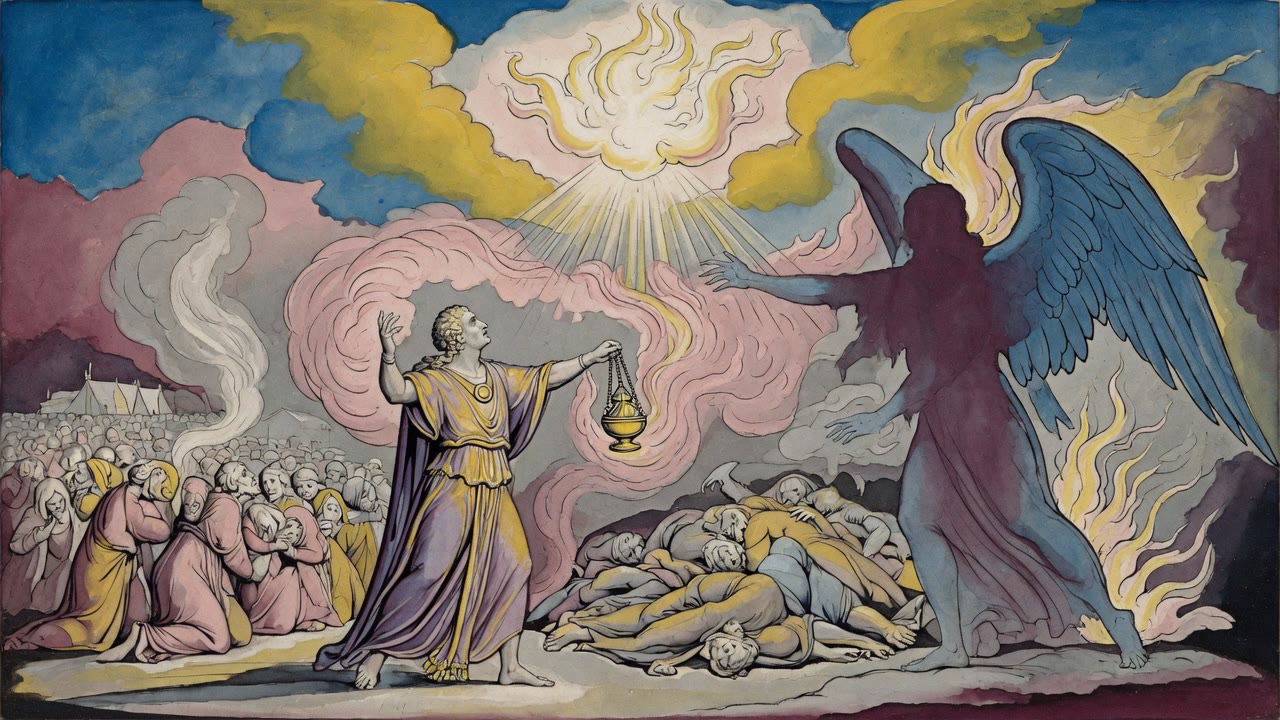
God taught Moses the Ineffable Name. When the angels understood what a human being now carried, they turned on him. Moses spoke the name. The angels froze.
Table of Contents
 Click for full size
What the Angels Would Not Accept
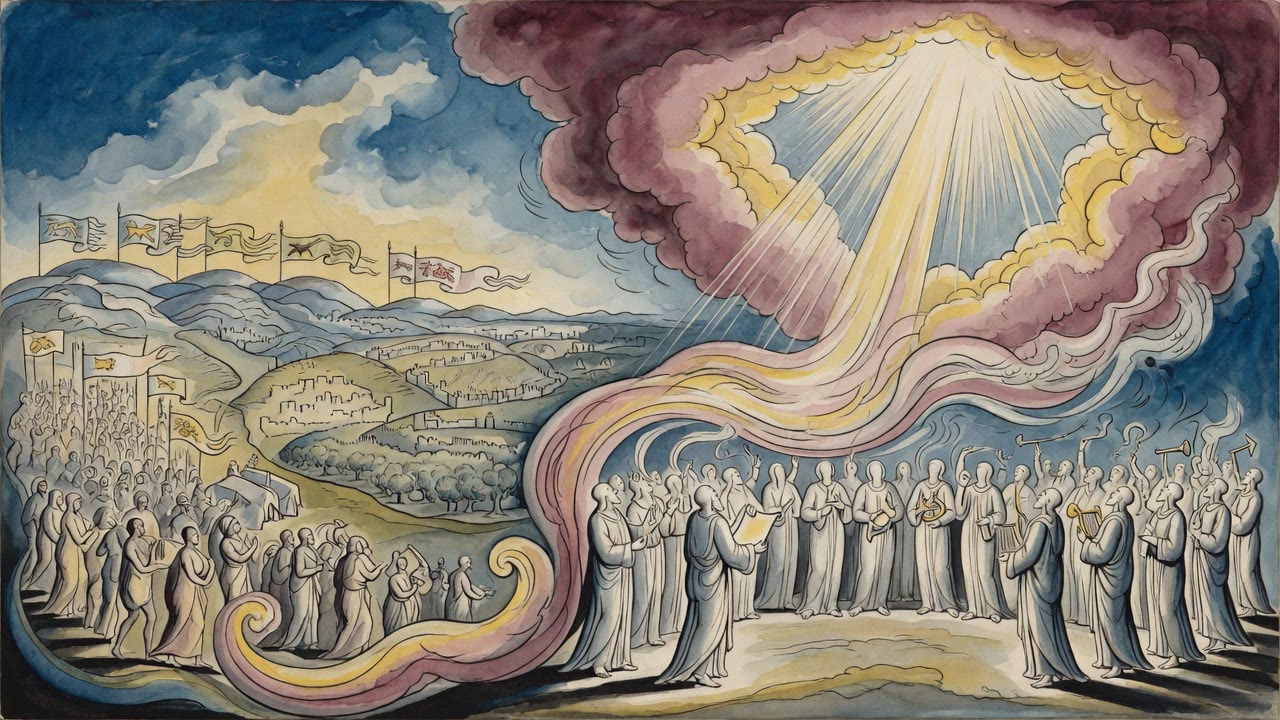
The angels had tolerated Moses going up to heaven to receive the Torah. They had objected loudly, argued that the sacred was being handed to a creature made of dust and mortal breath, insisted that heavenly law belonged in heaven. God overruled them and Moses came down with the tablets. The angels stepped aside.
What they could not accept was the next thing God did. God taught Moses the Ineffable Name.
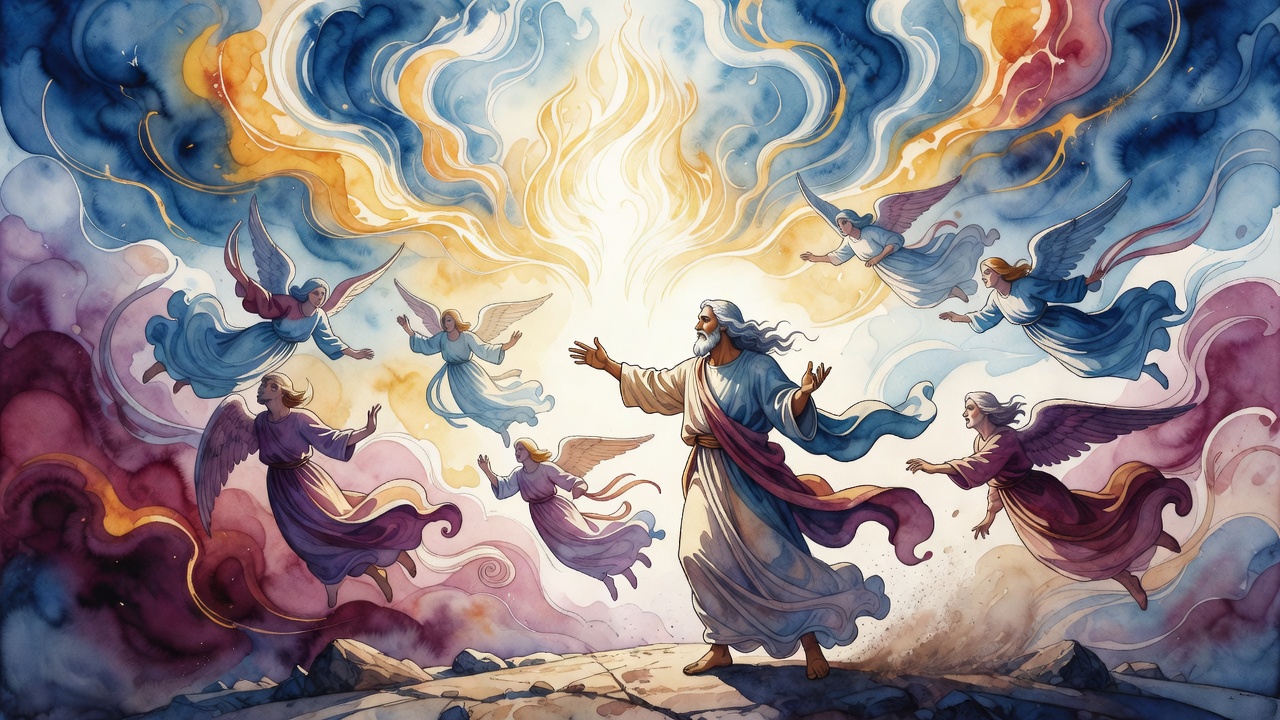
The celestial beings surrounding the divine throne understood immediately what had just happened. A human being was standing in their presence with a name in his memory that, if spoken with full knowledge and intention, was a key to divine power itself. The greatest name in any language. The name that organized the cosmos. They were seized with terror, and the terror turned into intention: they wanted to destroy Moses before he descended to earth carrying what he now knew.
The Name Spoken Once
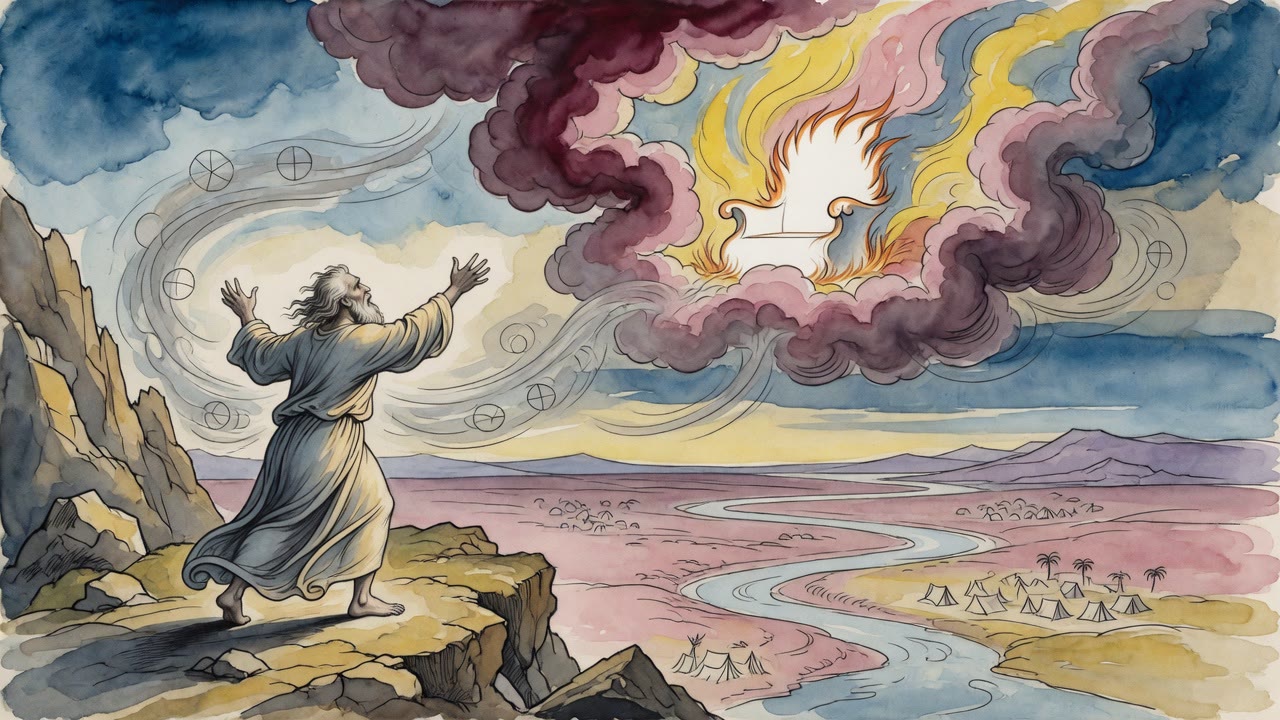
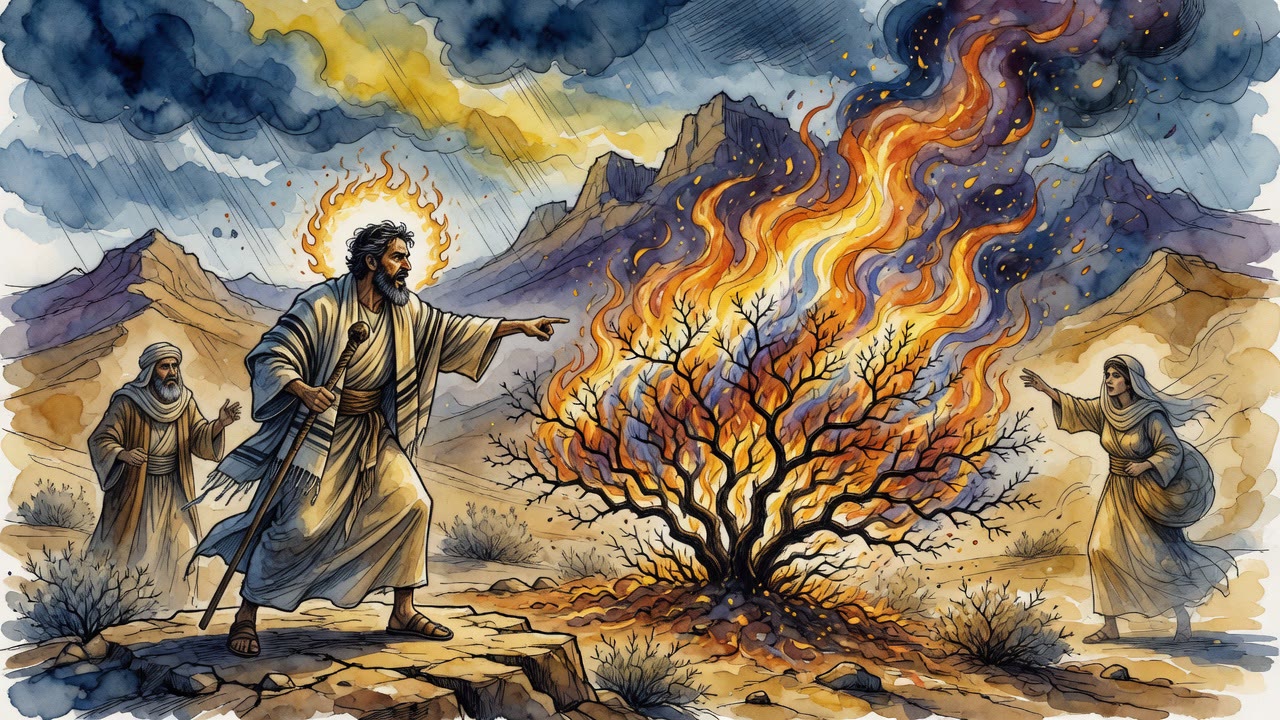
Moses spoke the name. The Legends of the Jews, compiled by Louis Ginzberg from earlier rabbinic sources, preserves the scene with a specificity that resists abstraction. When the name left Moses's mouth, the angels froze. Whatever they had been about to do, they could not do it. He walked past them and descended to earth.
This is not the Moses of the popular image, the man selected by God, empowered by God, protected at every turn by the same authority that had parted the sea. This Moses had acquired power he then had to defend against the very celestial beings who operated in God's presence. The Ineffable Name was not a gift freely given and safely received. It was a weapon Moses had to use immediately upon receiving it, against the angelic court, on his way back down the mountain. He had been up there arguing for the Torah against angel objections, and now he was arguing against angel violence with a name he had just learned.
The Stranger Who Longed for Home
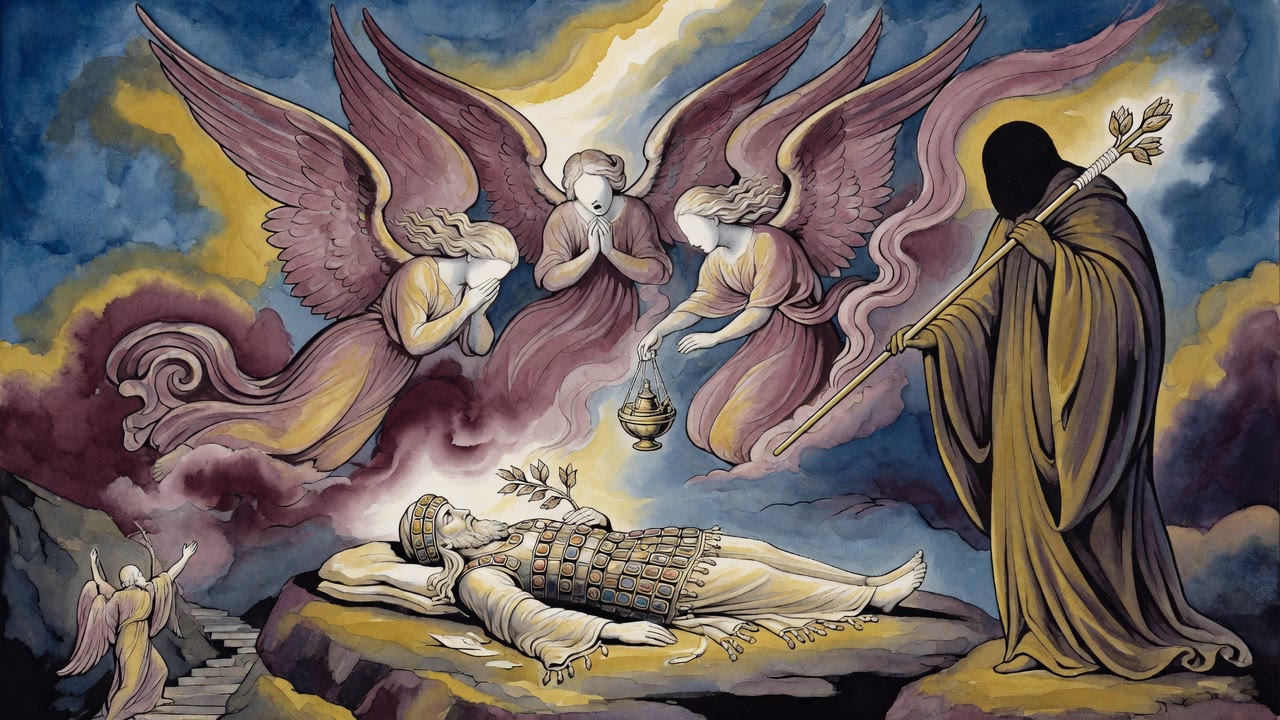
Moses had been a stranger everywhere. Born Hebrew, raised Egyptian, exiled to Midian, returned to Egypt, then forty years as a leader who belonged fully to neither the people he led nor the land he would never enter. The Legends of the Jews describes this in a passage that cuts against the triumphant reading of Moses as Israel's liberator: he was a man who was permanently between worlds, never fully at home in any of them.
The Ineffable Name was one more thing that separated him. No other human being had ever carried it. He knew something that placed him outside the ordinary range of human experience, closer to the celestial in terms of knowledge, still mortal in terms of body. He had argued for the Torah with the angels and been given it. He had argued for Israel with God and been heard. He argued for his own entry into the land and lost. The Name gave him power he carried until his death and could not fully use because there was no situation left that required it.
What Moses Was Still Waiting For
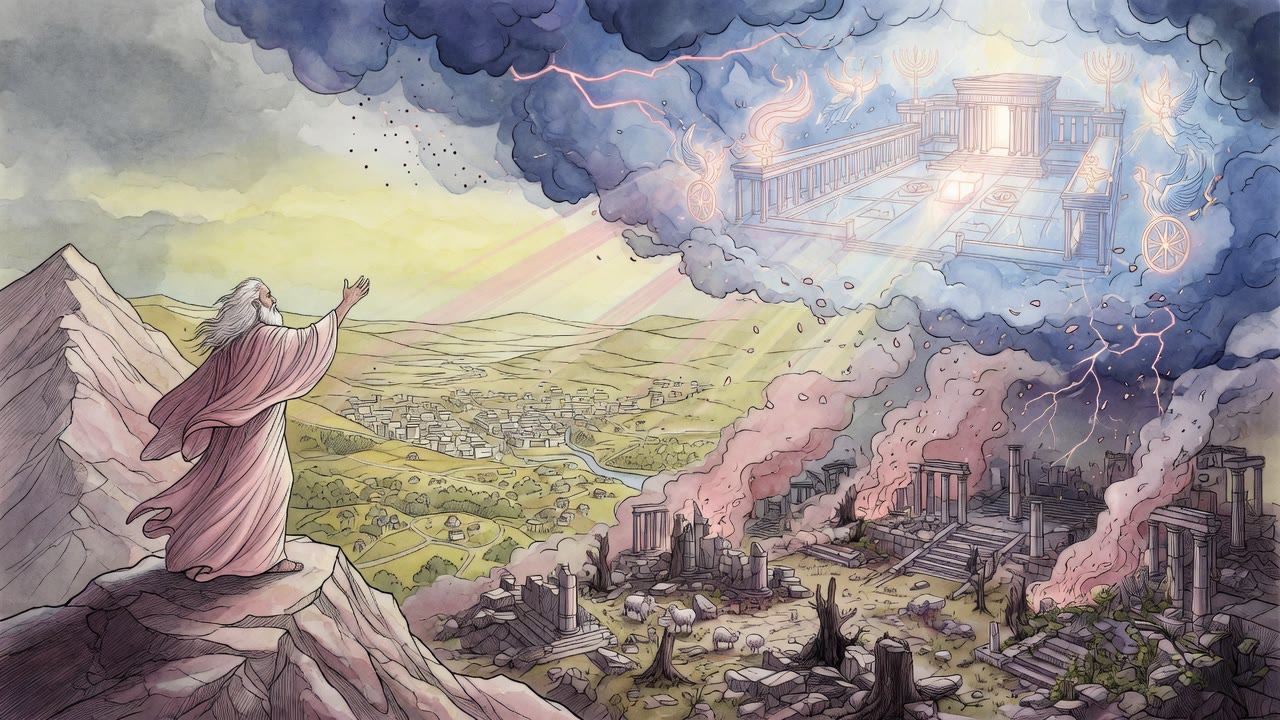
The tradition preserves an account of Moses waiting for the Messiah. Not passively, but as a participant in the messianic drama, a figure who had been told that the final redemption would complete what the Exodus had begun. Moses had brought Israel out of the first exile. The last exile required someone else, but Moses was invested in its resolution in a way that outlasted his own death.
The Midrash's account of the Messiah of Levites connects Moses to this future: the tribe of Levi, whose inheritance was the priesthood and the service rather than a portion of the land, was the tribe through which both Moses and the messianic figure would come. Moses, who had died outside the land, was waiting at the edge of the story that was still unfinished.
← All myths