Moses Prayed 515 Times to Cross the Jordan and God Said No
Moses prays 515 times at the Jordan's edge, draws a circle in the dust, and prays until heaven trembles. God finally says: enough, do not continue.
Table of Contents
 Click for full size
The Circle in the Dust
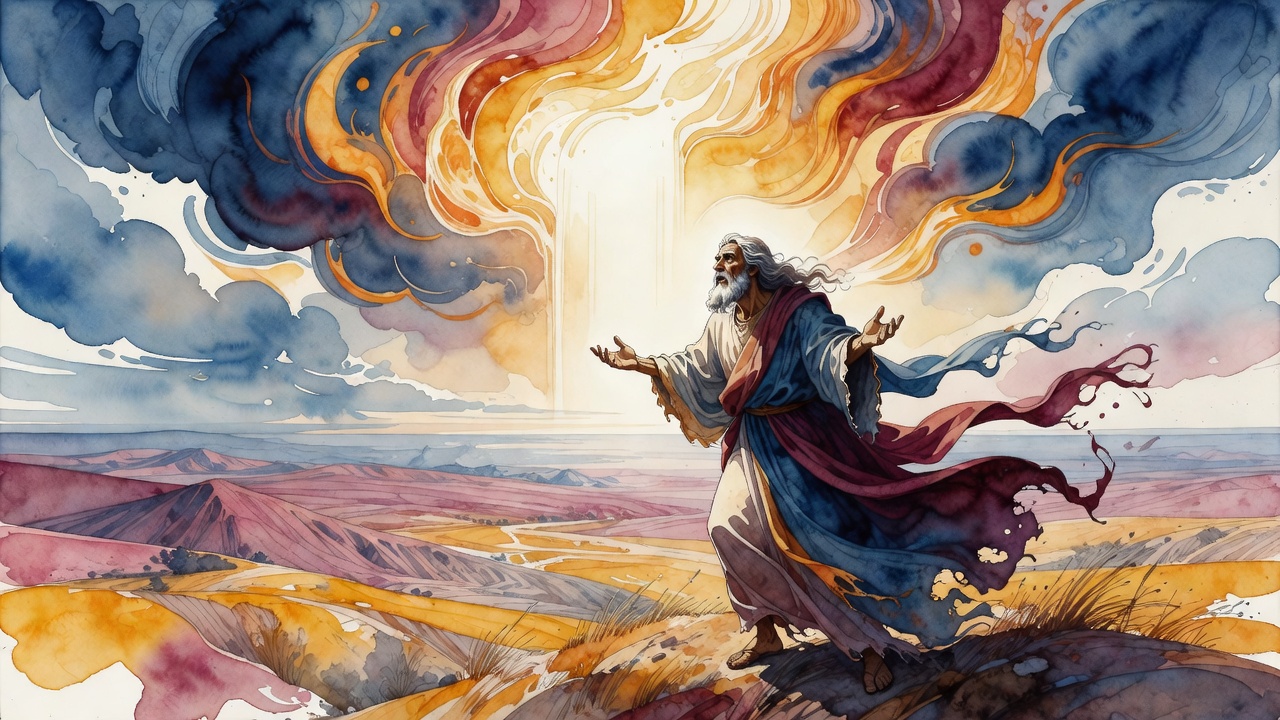
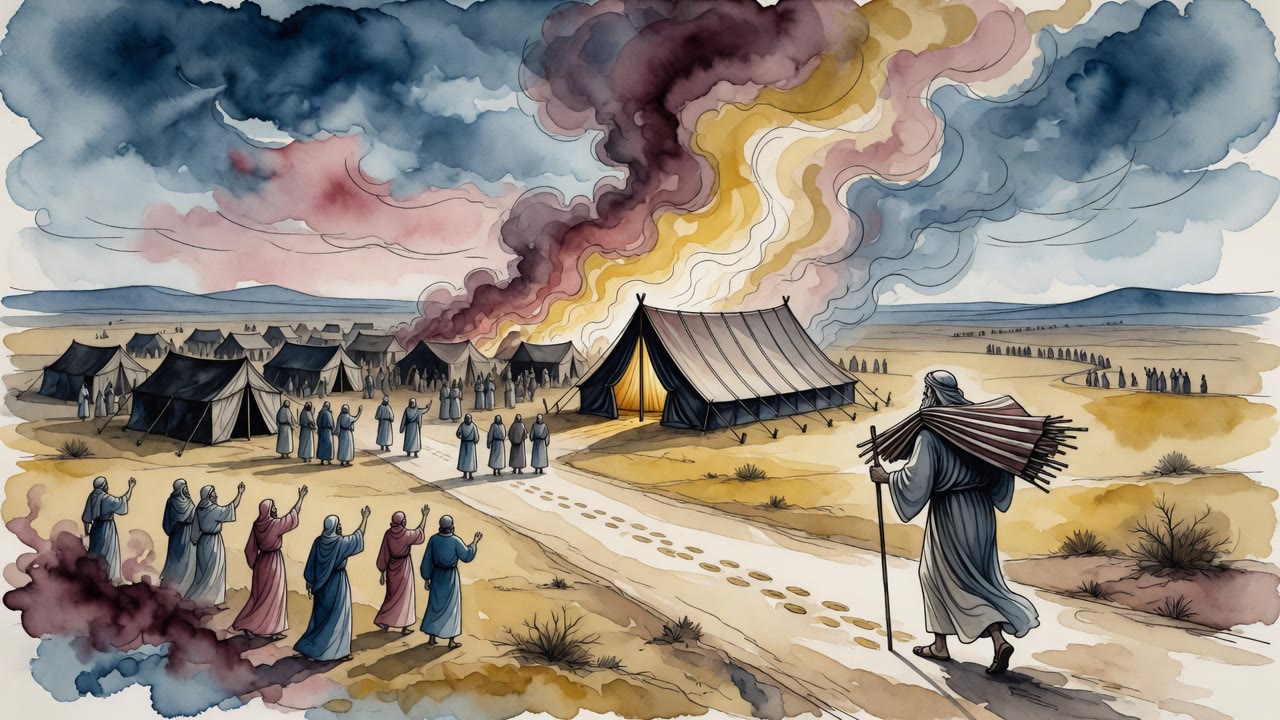
Moses had not taken the decree as final. He stood at the edge of the land he had carried in his mouth for forty years and put on sackcloth, covered himself with ashes, drew a circle around himself in the ground, and declared that he would not move until the judgment was suspended. The force of what he was doing shook heaven and earth. The tradition says the prayers trembled the foundations. Creation itself felt Moses pressing against the decree and the decree not yielding.
Five hundred and fifteen times. Not five hundred, which would be round and approximate. Five hundred and fifteen, because the tradition found that exact number in the numerical value of the letters of the word va'etchanan, the word the Torah uses for Moses's plea at Deuteronomy 3:23. Each letter carried a prayer. The plea itself became the ledger. Moses had not merely asked once; he had inscribed every prayer into the very word the Torah chose to record his asking.
Why That Moment Was the Moment
Sifrei Devarim asks why Moses chose then to escalate his prayers. The answer is the strategic logic of petition. A province wanting to petition its king for relief from taxes waits for the best possible moment. When two of the king's enemies have just fallen before that province, the province moves. The king is in a favorable mood, the province has demonstrated value, the timing is right. Moses was doing the same. Sihon and Og had just fallen. The victories were fresh. The land was no longer distant rumor but a visible fact across the Jordan. Moses pressed now because now was when the door seemed most open.
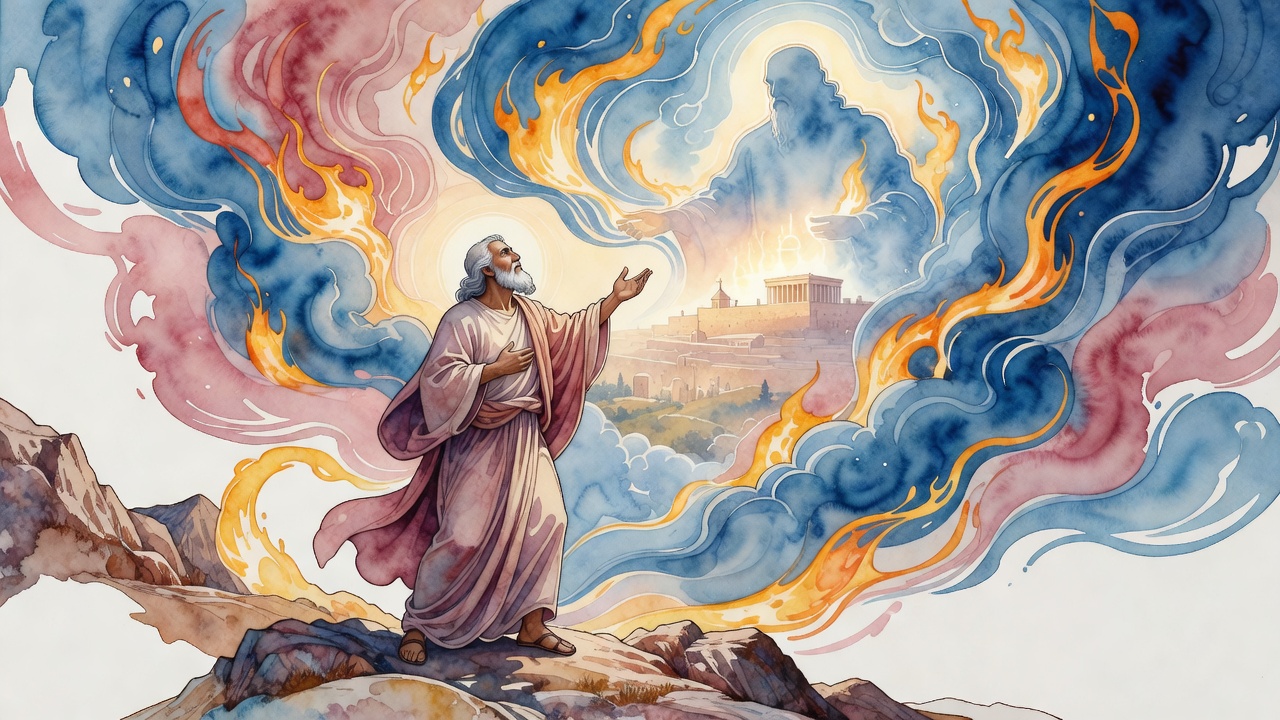
Mekhilta DeRabbi Yishmael parses the exact word Moses used in his plea: na, a term of imploration that the rabbis identified as the language of someone with no leverage. Not a demand. Not a legal argument. A person who knows they have run out of grounds and can only ask. Let me pass over and see the good land. The Mekhilta opens each element: the good land means the land itself, this good mountain means Jerusalem, the Levanon means the Temple. Moses was not asking to tour the countryside. He was asking to live to see the completion of everything he had worked for.
What God Said After the 515th Prayer
Legends of the Jews records God's response at the point when the prayers had reached their limit. God had registered two vows: one that Moses would die, one that Israel would not perish. Both could not be fulfilled simultaneously if Moses entered the land, because Moses's merit was so great it would protect Israel indefinitely and the natural consequences of Israel's actions would never arrive. God told Moses directly: I cannot cancel both vows. Which one do you want me to keep? Moses said: let Israel live. Let Israel enter the land. And then the decree for Moses stood and could not be moved.
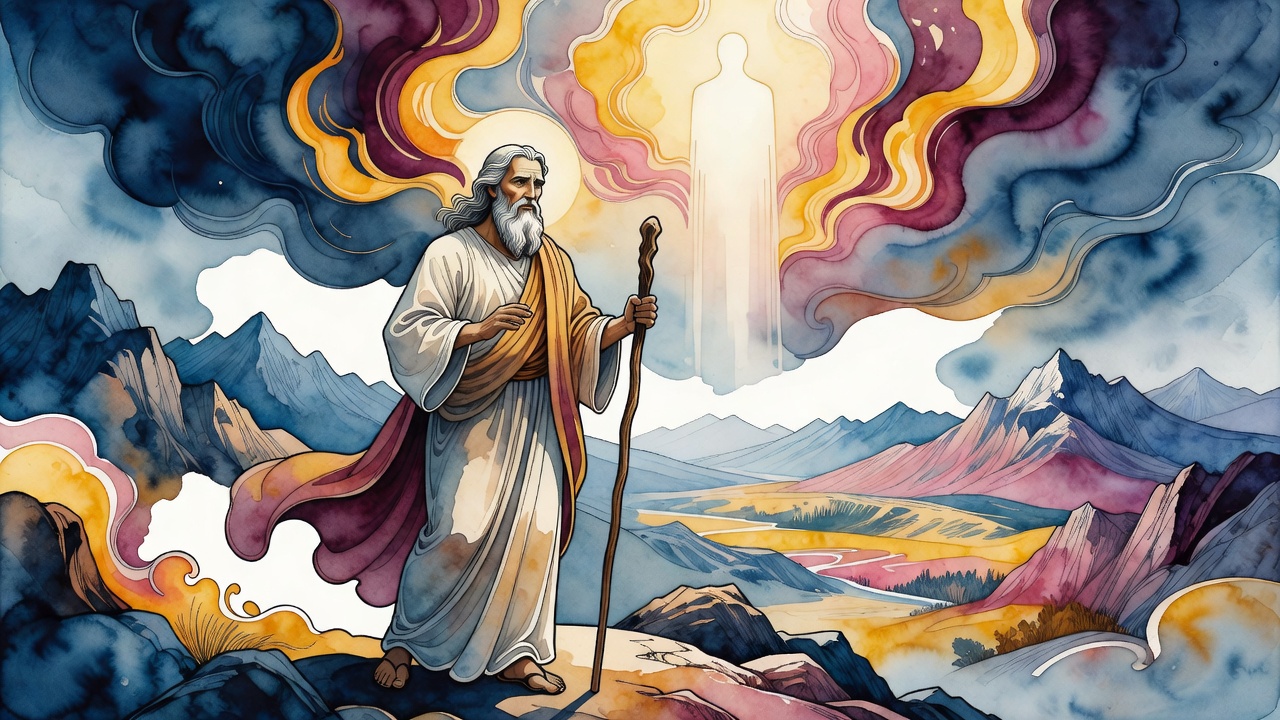
Legends of the Jews describes God finally saying: enough. Stop your prayers. Do not continue. The word the tradition uses for this command is the same word Moses would later use at the shore of the sea when Israel cried out in fear: enough, be still. The Torah's language passed between teacher and Creator. At the sea Moses silenced a fearful people. At the border God silenced the praying prophet.
What God Showed Him Instead
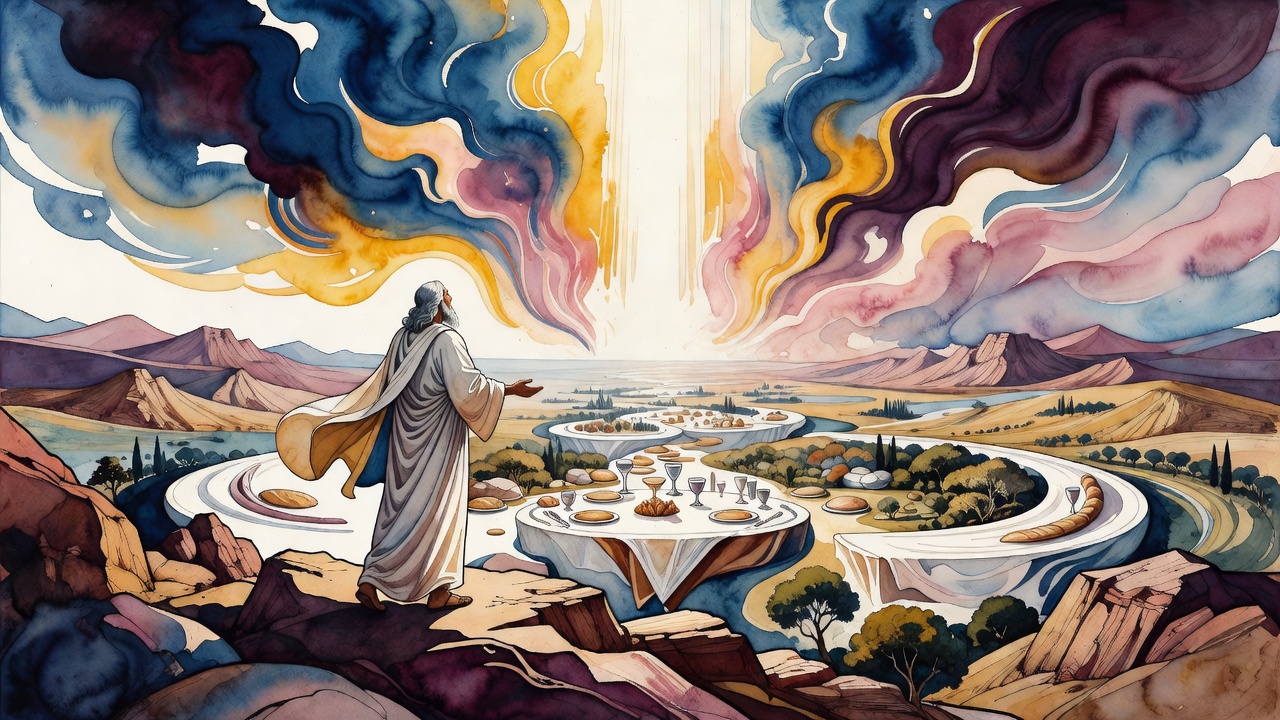
Sifrei Bamidbar preserves what God gave Moses as a partial answer. Since Moses could not cross the Jordan, God showed him the land. Rabbi Akiva said God showed him all the recesses of the land as if it were a set table, a comprehensive panorama of the inheritance Moses would not enter. Rabbi Eliezer went further: God empowered Moses's eyes to see from one end of the world to the other. Not just the land God had promised but the entire scope of creation, everything that had been and everything that would come.
Moses saw the land laid out before him from the top of Nebo. He saw every valley and city and river and coastline. He saw the settlement of the tribes and the building of the Temple and the exile and the return. He saw all of it from the mountain he would die on. The tradition does not pretend this was the same as entering. It was a consolation, not a fulfillment. Moses had asked to cross and was shown the other side. The decree held.
← All myths