Naphtali Left His Children No Silver, No Gold, Only One Command
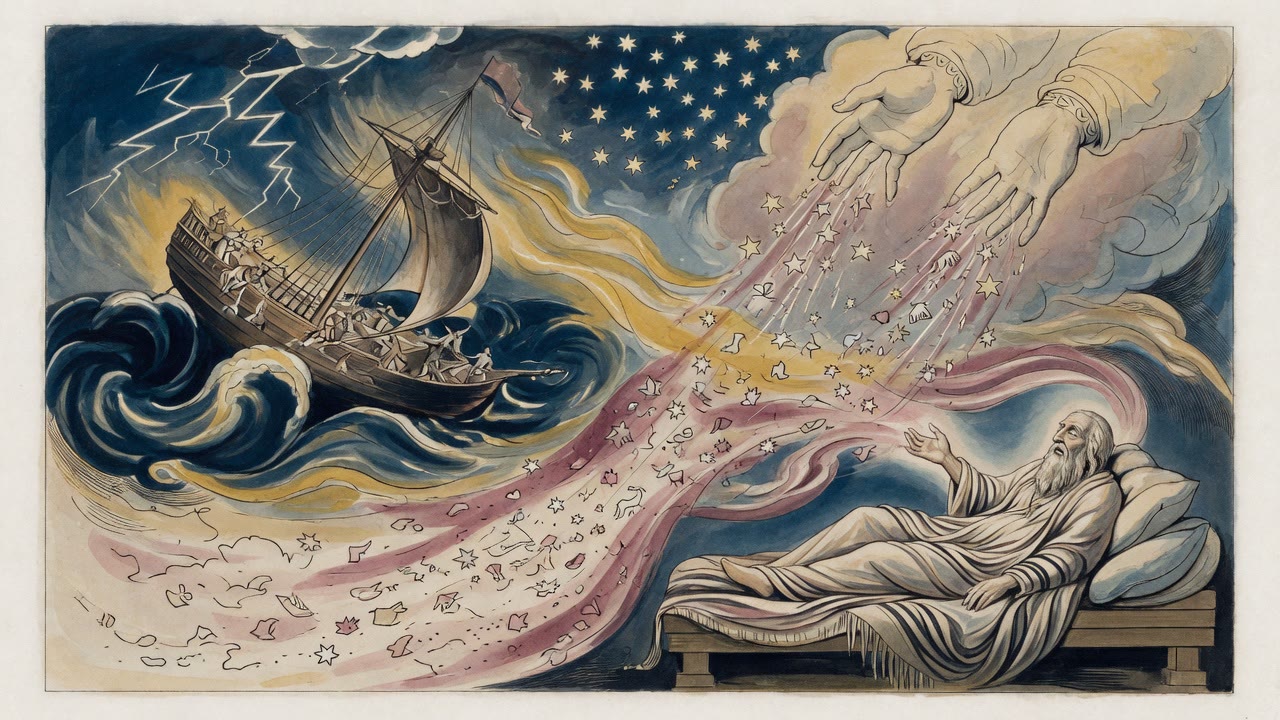
At 132, Naphtali told his children he was leaving no silver and no gold. What he left instead was one commandment he called the easiest thing in the world.
Table of Contents
 Click for full size
What He Would Not Leave Them
When Naphtali gathered his children he told them first what they should not expect. He would not divide his silver among them. He would not divide his gold. He would not specify which possession went to which son or how the flocks should be allocated or who was entitled to what. He was done measuring property. He had one hundred and thirty-two years of perspective on what property was actually worth, and the conclusion he had reached was that it was not the thing to talk about in the time left to him.
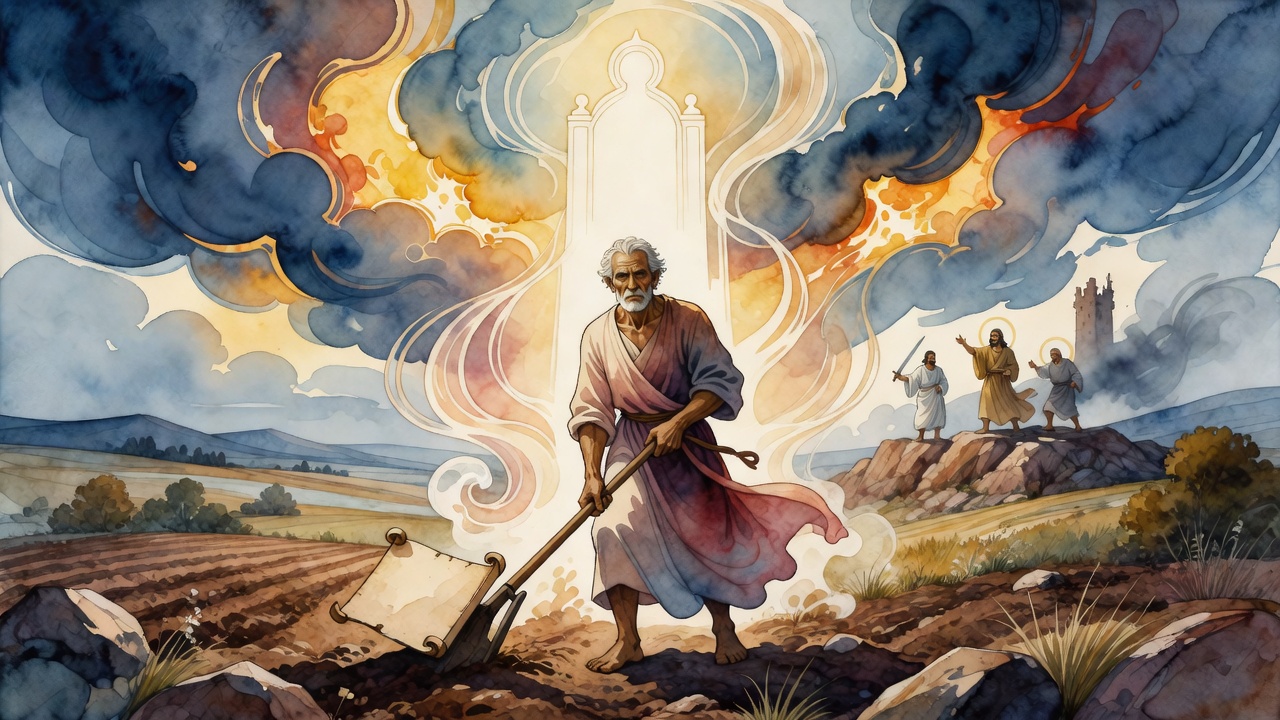
What he had for them instead was a commandment. One. He called it not a hard matter, not a thing they could not do, but the easiest thing in the world: fear God, serve Him, follow after Him.
Why God Requires Service
His sons asked the question immediately. If the Maker of heaven and earth created everything that exists, what does He lack that our service could supply? Why does the infinite require anything from creatures who can hold nothing of their own for more than a human lifetime?
Naphtali answered without hesitation. He does not lack anything. Every creature lacks Him. He did not create the world from want. He created it so that human beings would recognize where they actually stood in relation to what sustained them, and so that none of them would treat a neighbor in ways they would refuse to be treated themselves. The service is not for God's benefit. It is for the benefit of the person doing it, who, in the act of serving something greater than themselves, becomes capable of treating the people around them as though those people also matter.
This is the theology of creation that a dying man at one hundred and thirty-two years old considered the most important thing he knew: not a claim about God's power, which needed no arguing, but a claim about what creation was for and what the fear of God actually accomplished in a human life. It oriented the person who practiced it outward rather than inward, toward others rather than toward the accumulation of what could be measured and divided.
Walk According to Nature
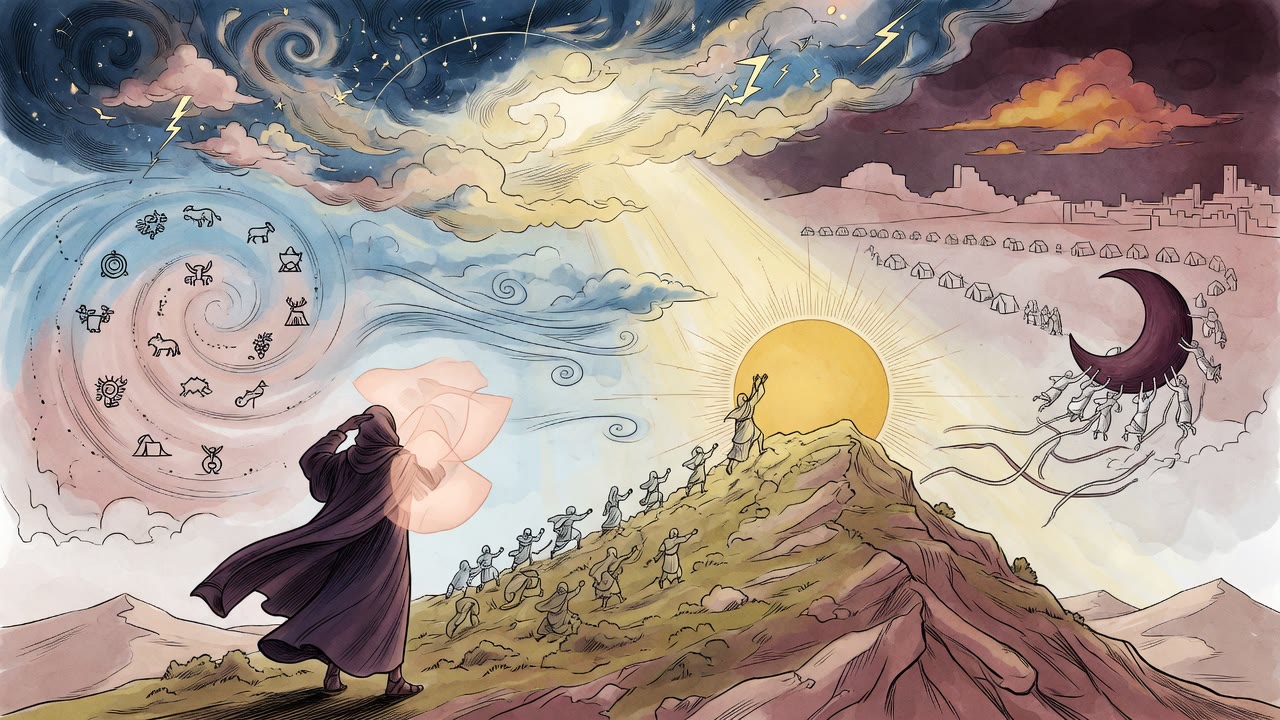
He told them to look at the sky. He told them to look at the earth, the sea, the patterns in everything God had made. The sun, the moon, the stars did not change places or run ahead of their appointed times. The earth, the water, the firmament moved in the order they had been given. Even the spirits of a human body moved in a set way, at a set pace, within limits that the body's maker had established.
The person who pressed against those limits, who tried to do in the darkness what should only be done in the light, who moved the members of the body in ways they were not made to move, broke something that required more than a fast to repair. This was not a speech about ritual purity. It was a speech about the grammar of the world, which had a logic to it, and about what happened to a person who spent their life arguing with that grammar instead of reading it.
He told them to observe the times. He told them to use each hour for its proper work, the daylight for labor and the night for rest, and not to allow either one to colonize the other beyond its purpose. A simple instruction. The kind of instruction that sounds obvious until you notice how rarely people actually follow it, and how much of the damage in an ordinary human life comes from doing the wrong thing at the wrong time and calling it productivity or necessity.
The Burial Request
When the commandment had been given and the speech was done, Naphtali asked his children for one thing: bury him in Hebron. He wanted to lie in the cave of Machpelah, beside his grandfather Abraham, his grandmother Sarah, his grandparents Isaac and Rebekah, his parents Jacob and Leah. He wanted the company of the people who had come before him in the long chain of the covenant, who had each received the same instruction, under different names and in different settings, and had spent their lives trying to follow it.
He had said that God needs nothing from any creature. He had said the one commandment was the easiest thing in the world. And then he had asked to be placed in the ground next to the people who had been given the same easy commandment and had found, across the full span of their lives, that it was not easy at all and that the attempt to follow it was the only work that mattered.
← All myths