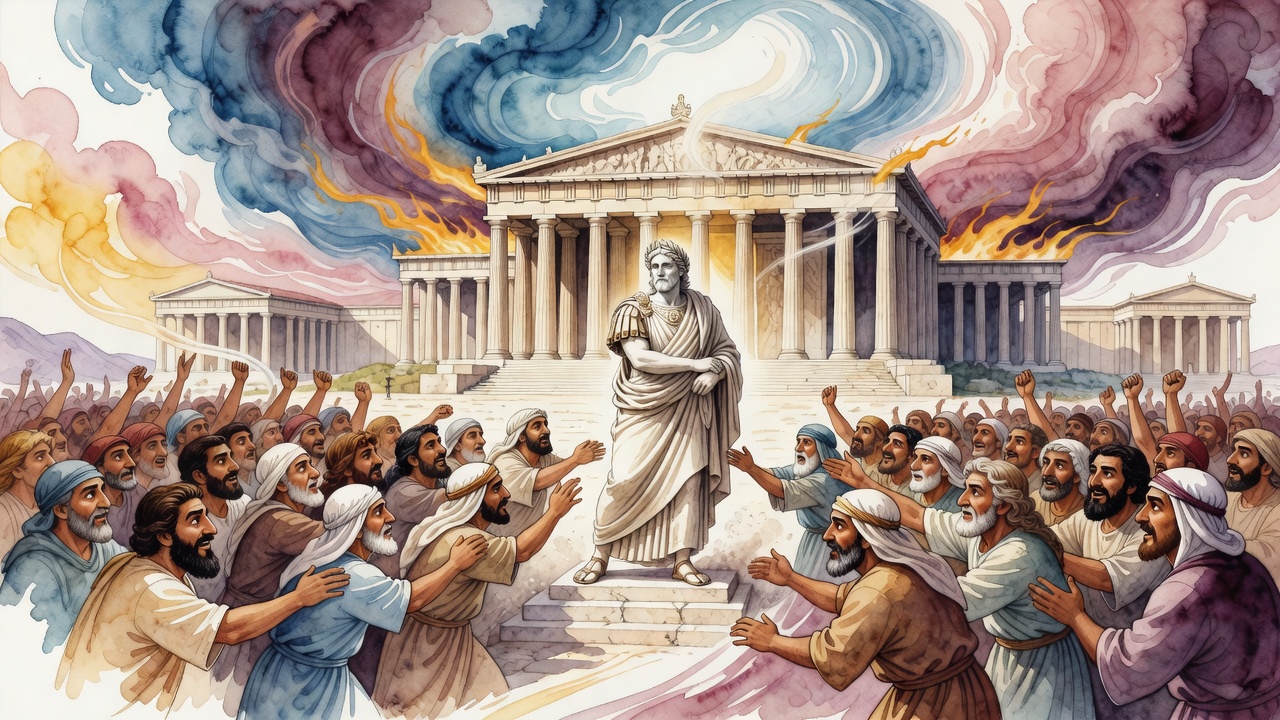
Pompey Walked Into the Holy of Holies and Took Nothing
Two Hasmonean brothers each asked Rome to settle which of them should rule. The Romans built their siege ramp on Sabbaths, when nobody threw.
Table of Contents
 Click for full size
The Brother Who Wanted to Be Left Alone
Hyrcanus was the older son and the high priest, and what he wanted was to be left alone. He did not care for public business. When his younger brother Aristobulus took the government away from him he handed it over and went home, and that would have been the end of it.
Antipater would not let it be the end of it. He was an Idumean, he was rich, and he had decided that a weak high priest was worth more to him than a strong king. He came to Hyrcanus day after day, saying the same things in different arrangements, until the mild man agreed to slip out of Jerusalem, run to Aretas the Arabian, and come back with somebody else's army.
Aretas came with fifty thousand men and beat Aristobulus in the open field. Deserters crossed over. Aristobulus fell back into Jerusalem, and then into the Temple itself, and shut the gates. Nobody stayed with him but the priests. The rest of the country was outside the walls helping to besiege them.
The Man They Dragged Out to Curse
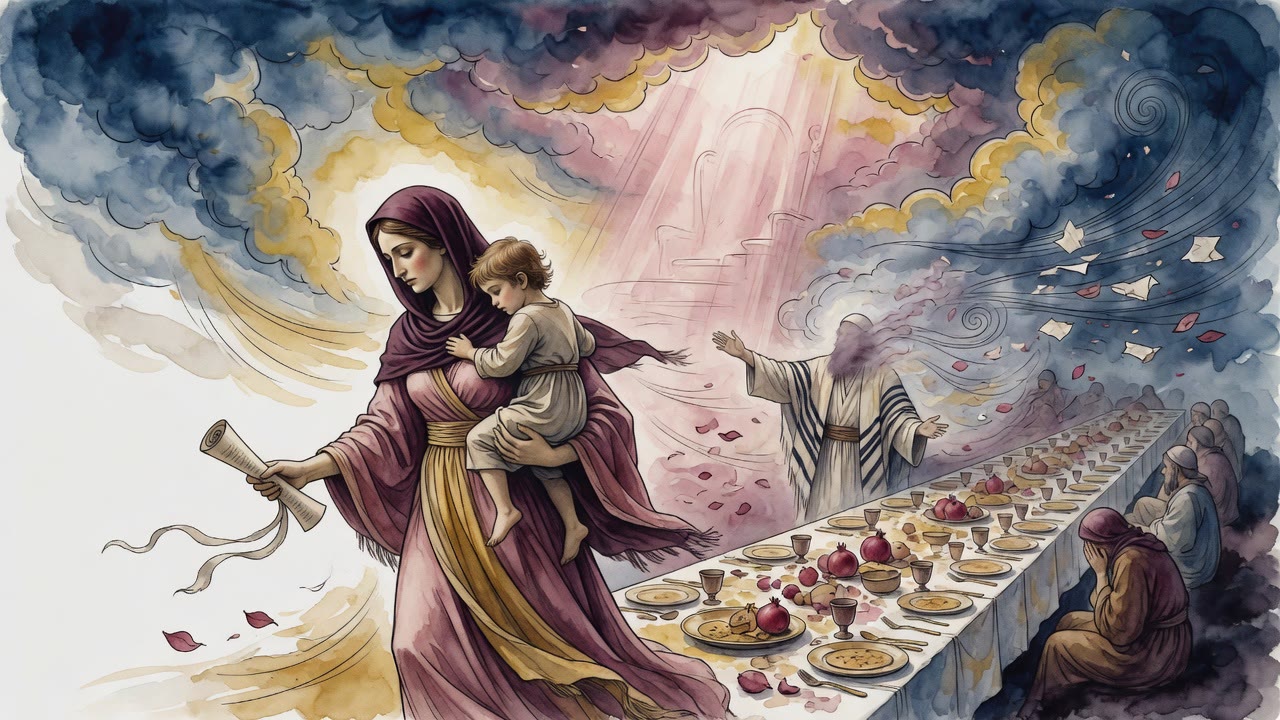
Passover came while the siege was running, so the leading families packed and left for Egypt rather than keep the feast in a city where Jews were shooting at Jews.
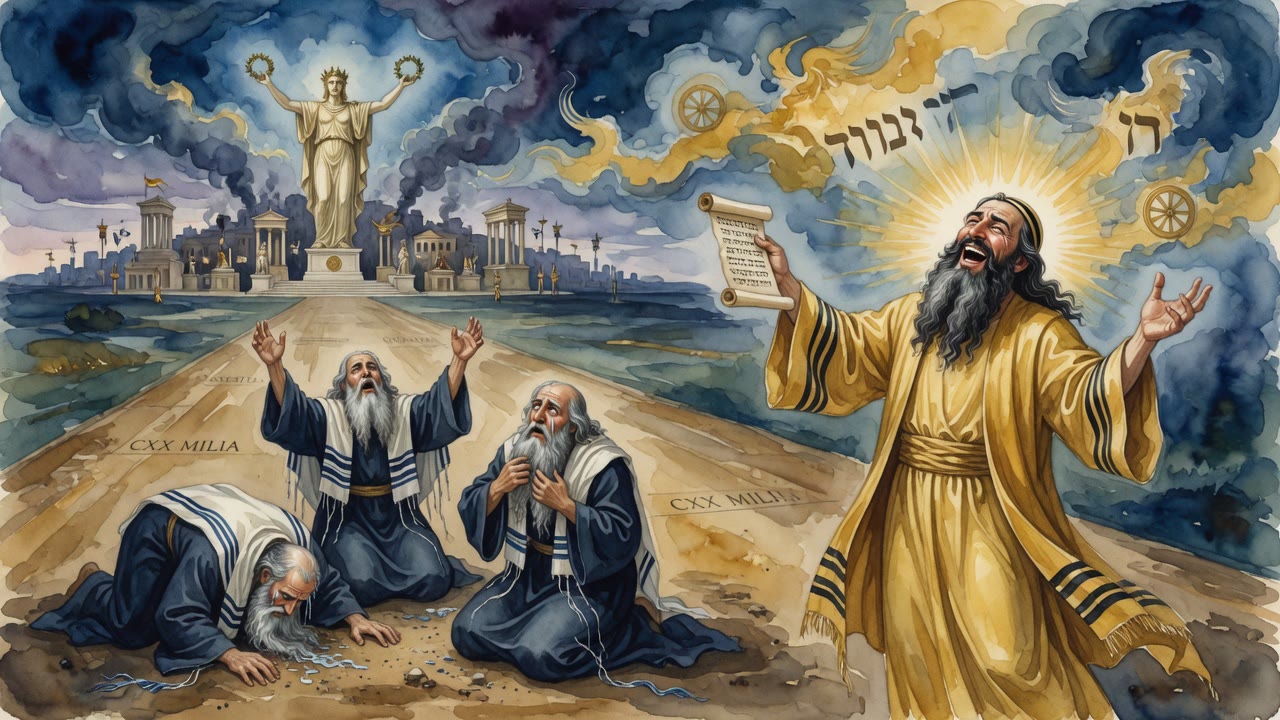
There was a man called Onias, righteous and loved by God, who years before had prayed during a drought and had the rain sent for him. He had gone into hiding as soon as the fighting started, because he could see it would last. They found him and brought him to the camp. Since his prayers had once worked on the sky, they said, let him pray now, and put a curse on Aristobulus and the men in the sanctuary.
He refused. He gave them reasons. They pressed until refusing was no longer available to him, and then he stood up in the middle of the crowd and prayed out loud.
"O God, King of the whole world, since the men standing here with me are your people, and the men shut up in there are your priests, I ask you not to listen to these against those, and not to bring about what those are praying against these."
The men around him picked up stones and killed him where he stood.
The Baskets Lowered Over the Wall
Inside, the priests had a practical problem. Passover requires animals and they had none, and the men who had them were on the other side of the wall. So they made an arrangement. Send us cattle for the sacrifices, and name your price.
The price came back: one thousand drachmae a head. The priests agreed without arguing. They counted out the money and let it down over the wall in baskets, and the men below took it and walked away and sent nothing up. There was no Passover offering in the Temple that year.
The priests prayed about it, and the answer arrived on the weather. A wind came through the whole country and stripped the crop off it, and wheat went to eleven drachmae for a measure that had been worth a fraction of that, and the men who had sold the sacrifices starved with everyone else.
The Bank Rome Built on Saturdays
Both brothers sent to Pompey. Both delegations arrived with arguments and gifts, each of them asking the Roman to certify which Hasmonean was the rightful one. Aristobulus agreed to submit, then went back up to his fortress, then came down again, three times, until Pompey stopped negotiating and marched.
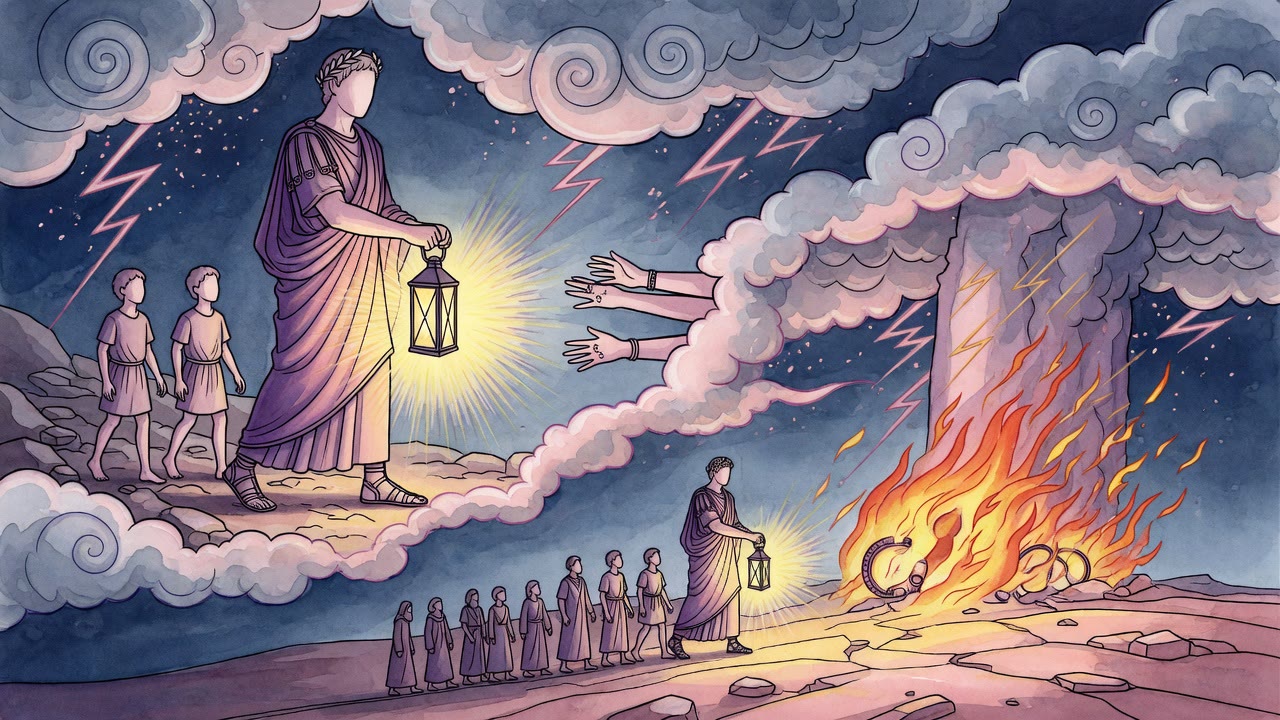
Jerusalem split down the middle. Hyrcanus's people opened the gates and handed over the city and the palace. Aristobulus's people cut the bridge to the Temple mount and prepared to hold it. Pompey pitched his camp on the north side and started raising a bank, and he found out something useful within the first week: the law of the country allows a man to defend himself if he is attacked on the seventh day, and does not allow him to interfere with anything else. So on Sabbaths the Romans stopped shooting altogether and simply built, all day, in full view, while the men on the wall watched them get closer and did nothing.
It took three months. The rams came up from Tyre. The great tower shook and went over and Cornelius Faustus was first through the breach. Twelve thousand Jews died that day and the Romans lost almost nobody, and a fair number of the dead had been killed by other Jews, or had thrown themselves off the precipices, or set fire to their own houses rather than watch.
Through all three months the priests had kept the service. Twice a day, morning and the ninth hour, they had offered on the altar with stones coming down into the court. When the soldiers came over the wall and into the courts they were in the middle of it, and they did not run. They were cut down at the altar with their hands still working.
The Room and the Man Who Took Nothing
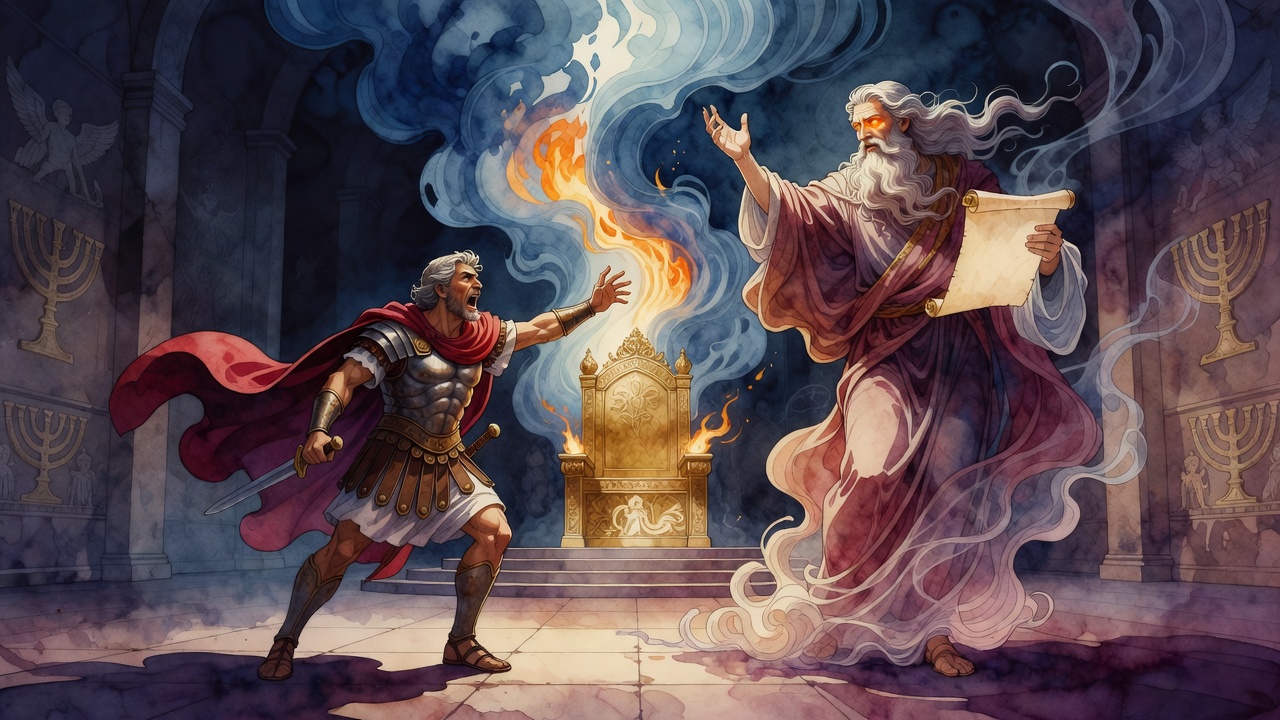
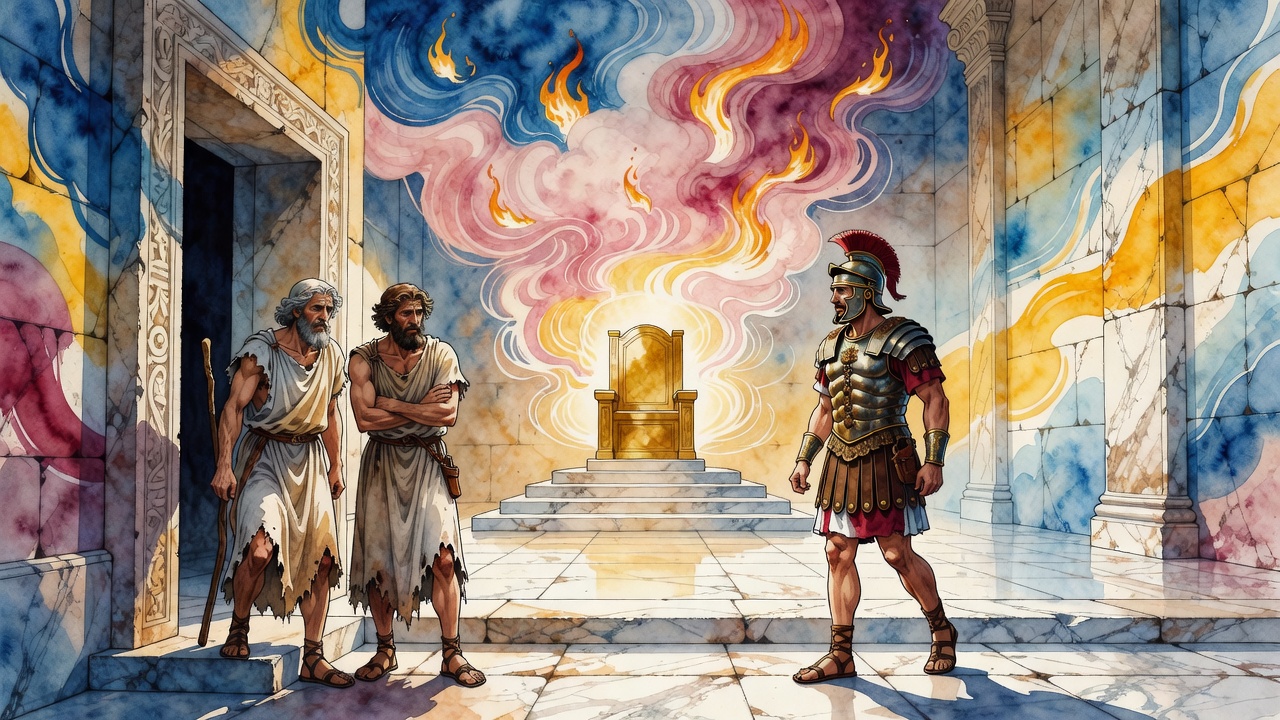
Then Pompey entered the holy of holies, and a number of his officers went in behind him, into the part of the house that no one but the high priest is ever supposed to see.
He looked at the golden table, the lampstand, the pouring vessels, a great weight of spices, and two thousand talents of sacred money sitting in the treasury. He could have loaded all of it. He touched none of it. The next morning he gave orders to the men in charge of the Temple to cleanse it and bring the offerings the law required, and he put Hyrcanus back in the high priesthood, and had the men who had started the war executed, and made Jerusalem pay tribute to Rome.
The one who came out of it whole was Antipater, who had never held an office, never led an army, and never let go of Hyrcanus. Rome now needed a local man who could be relied on. He had a son.
← All myths