Every Prayer Rises and Becomes a Fiery Crown in Heaven
Palace texts and Tikkunei Zohar track each prayer from the mouth through gates of fire to the Shekhinah, the Divine Presence. The poor break every gate.
Table of Contents
 Click for full size
The Words Left the Mouth and Did Not Stop
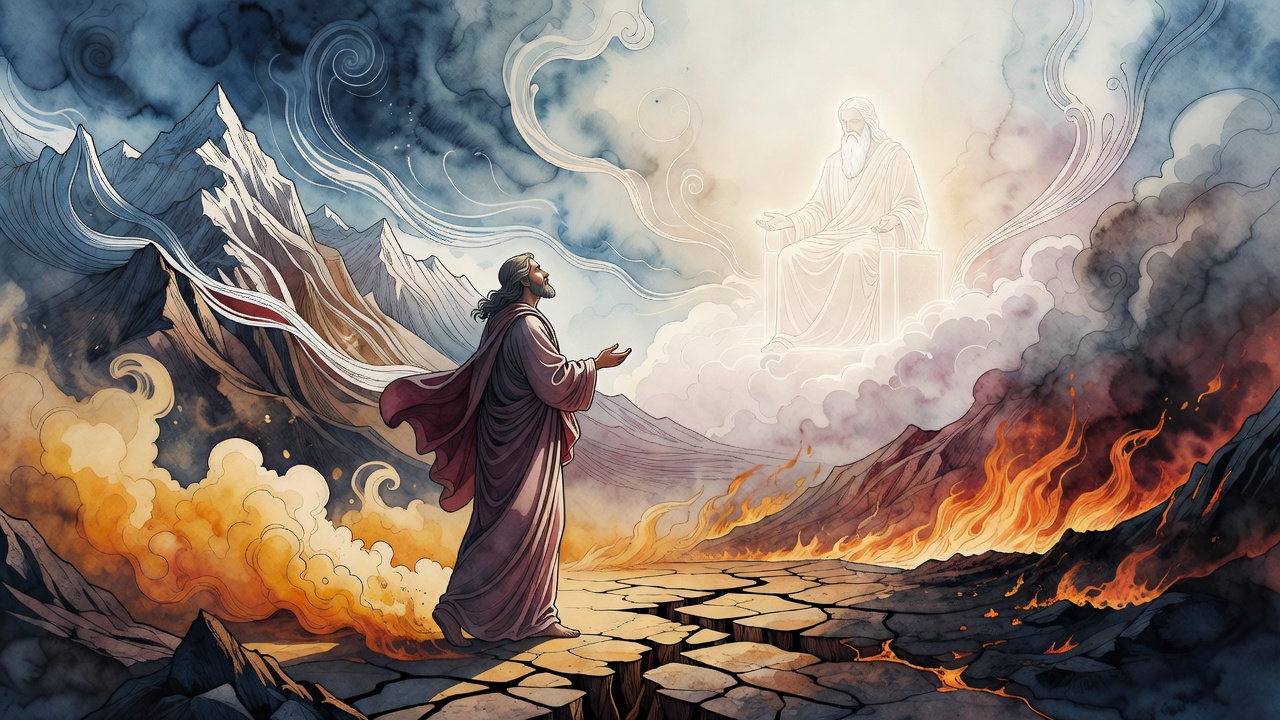
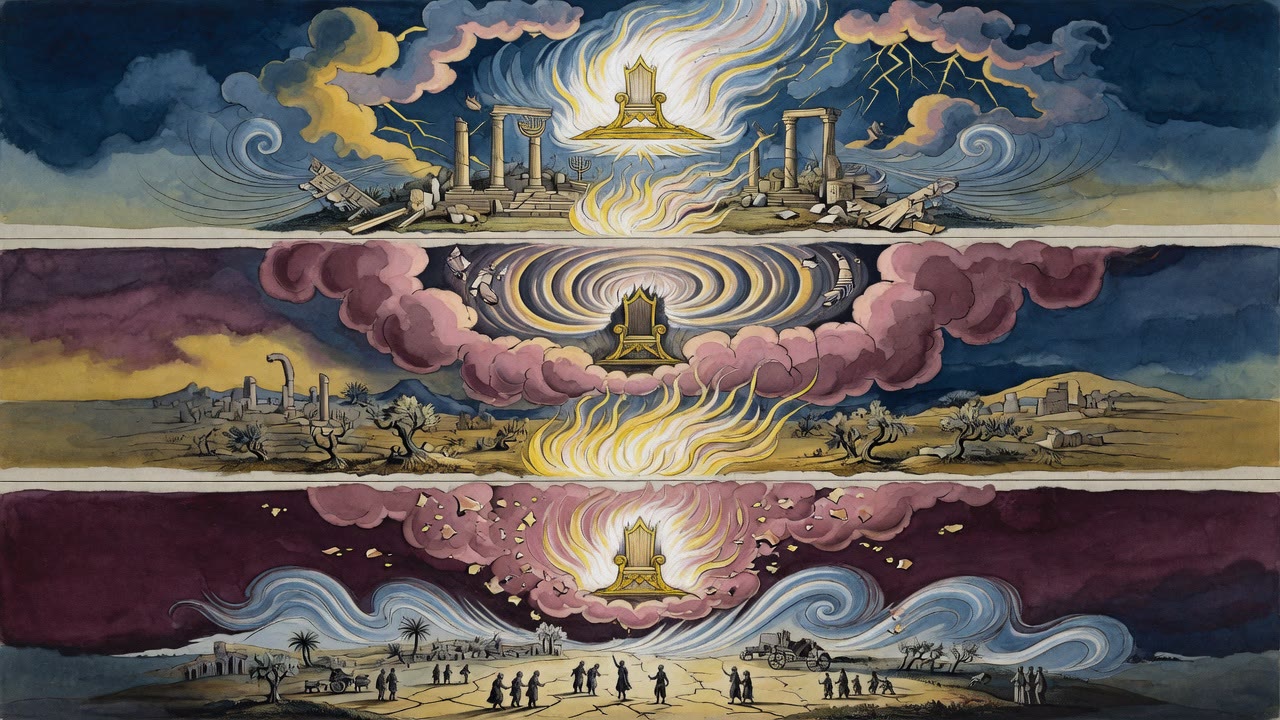
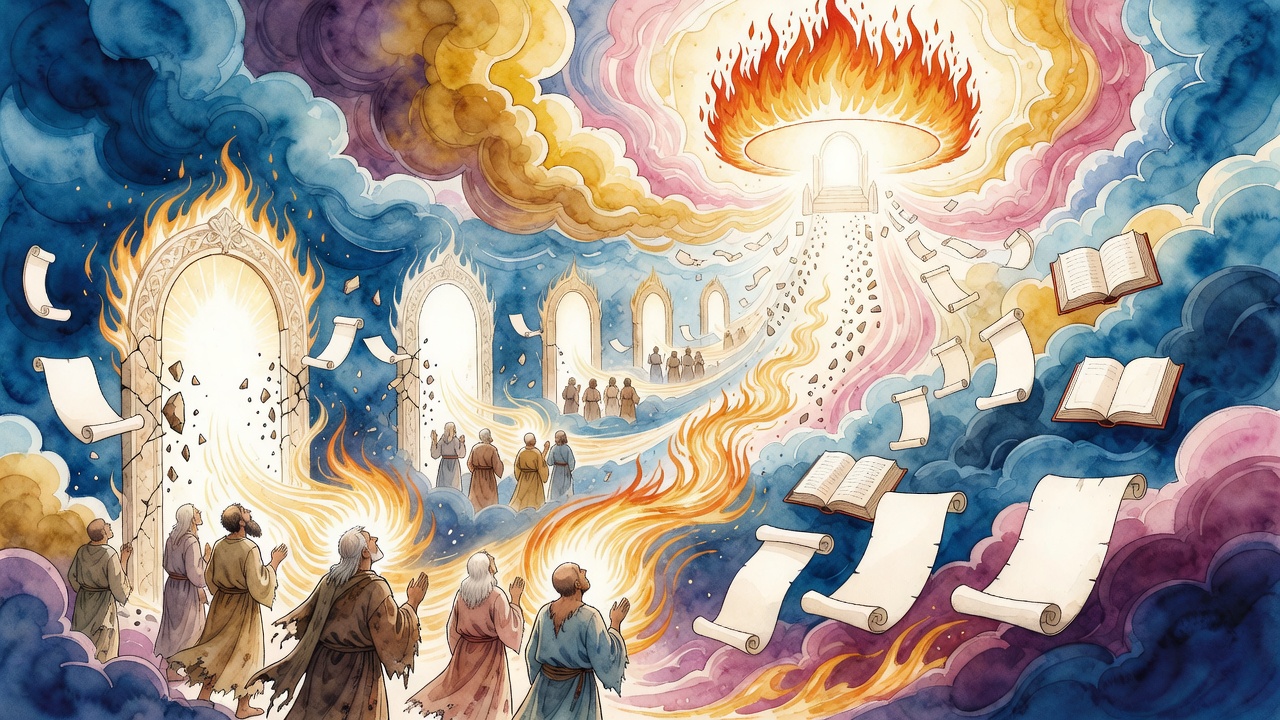
A prayer said in earnest does not stay in the room where it was spoken. It rises. In the palace texts of early Jewish mysticism, the architecture of heaven has gates, and prayer works its way through each one, changing as it goes. It enters the first gate as words and passes the last gate as something else entirely: mountains of fire, hills of flame, crowns before God.
Sound becomes substance. Devotion becomes architecture. What a person offers at their most articulate is more solid above than stone is below.
This is the first reversal the tradition offers: prayer is not the weak thing, the reaching gesture that may or may not be noticed. It is the durable thing, more permanent than the room it was said in.
The Living Creatures Lowered Their Wings
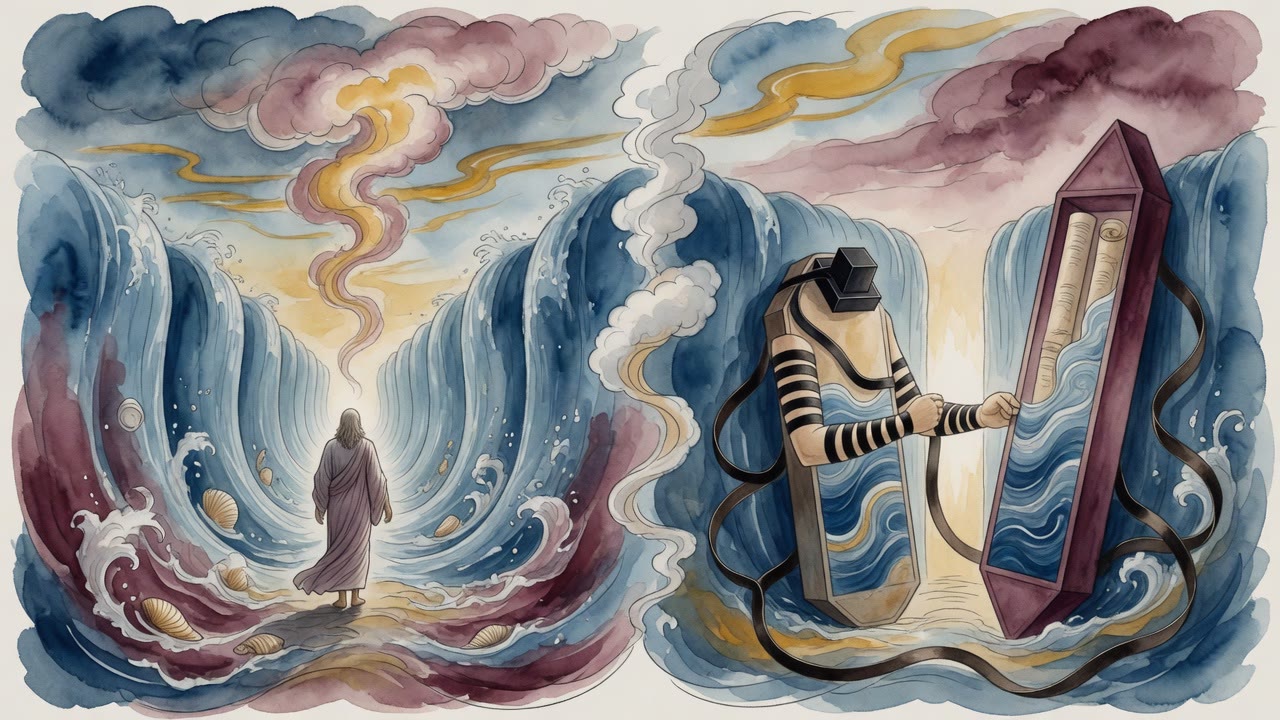
When Israel recites the Shema, declaring the oneness of God, something moves in the upper world. The holy living creatures, the celestial beings who bear the throne, lower their wings. The wings of the tzitzit fringes a person wears, the wings of the tefillin (small boxes of scripture worn in prayer) that rest on the head, and the wings of the heavenly creatures respond to each other across the distance between earth and heaven.
The image is layered and physical. The person praying has fringes on their garment and boxes of scripture on their arm and head. The heavenly creatures have wings. When the declaration rises, the wings on earth and the wings in heaven move together. Something is touching something across the gap between the human body and the celestial court.
This is not metaphor for a feeling of connection. It is a claim about what prayer literally does in the structure of the world.
The Shekhinah Adorned Herself for Prayer
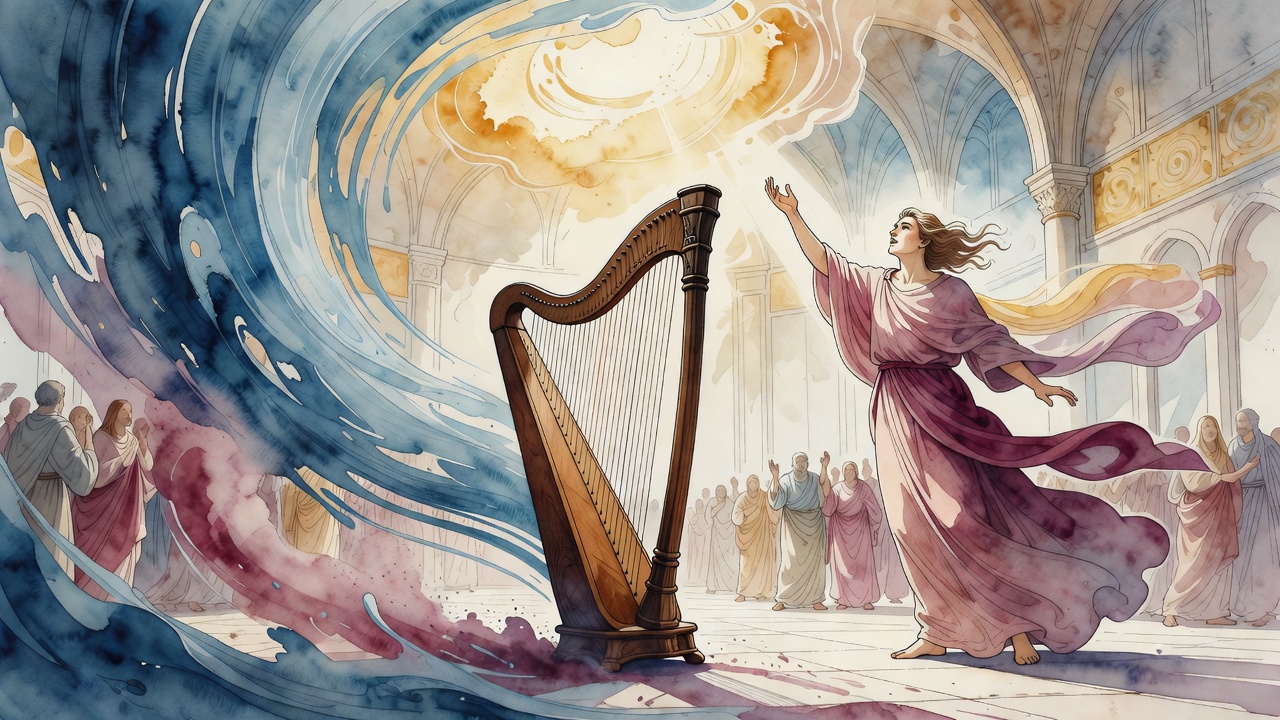
As prayers rose through the heavenly gates, the Shekhinah (God's indwelling presence) prepared herself to receive them. She adorned herself with the crown of prayer, wearing what the community had sent up to her. Each word of genuine petition became something she wore when she entered before God to represent the voice of Israel.
The image makes the Shekhinah a kind of intermediary who is also a recipient. She is not just a channel through which prayer passes. She takes what is offered and wears it into the presence of God. The quality of human prayer changes what she carries into the innermost place.
That raises the stakes on every sentence spoken in a synagogue. Not because God will not hear the weak effort, but because the weak effort adorns the one who represents Israel in heaven in proportion to what it was when it left the mouth.
The Poor Broke Through Every Gate
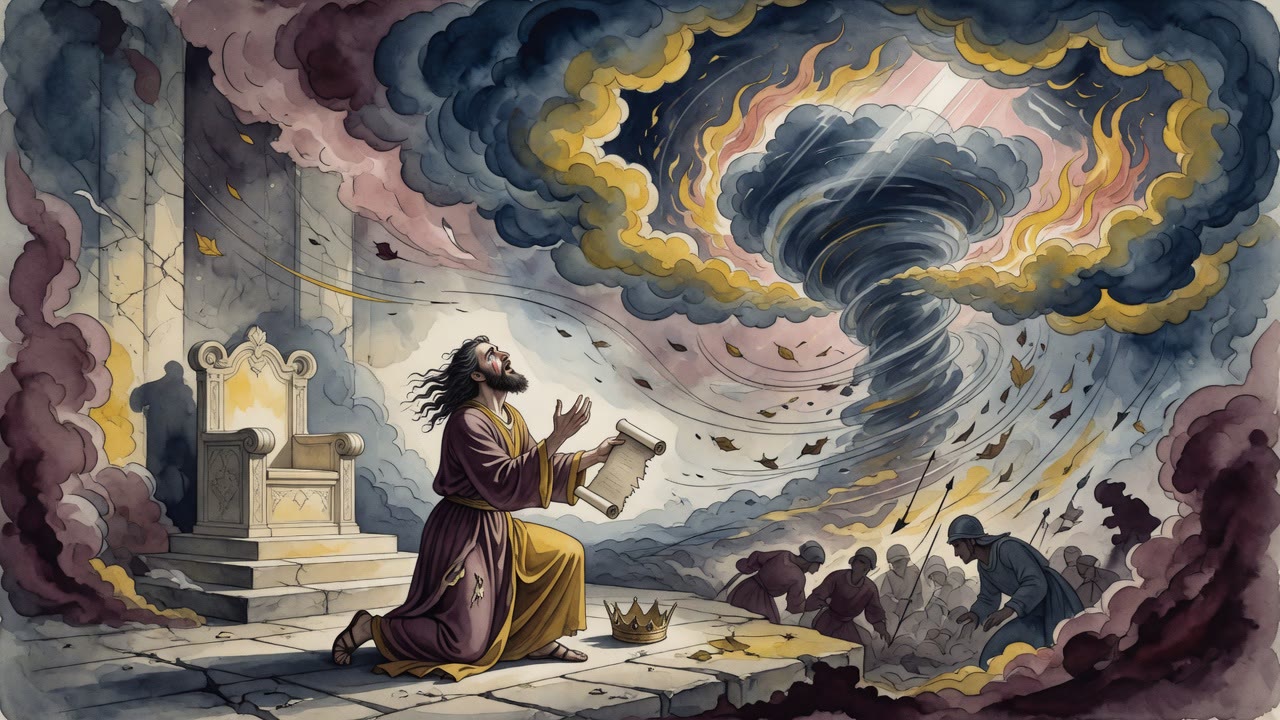
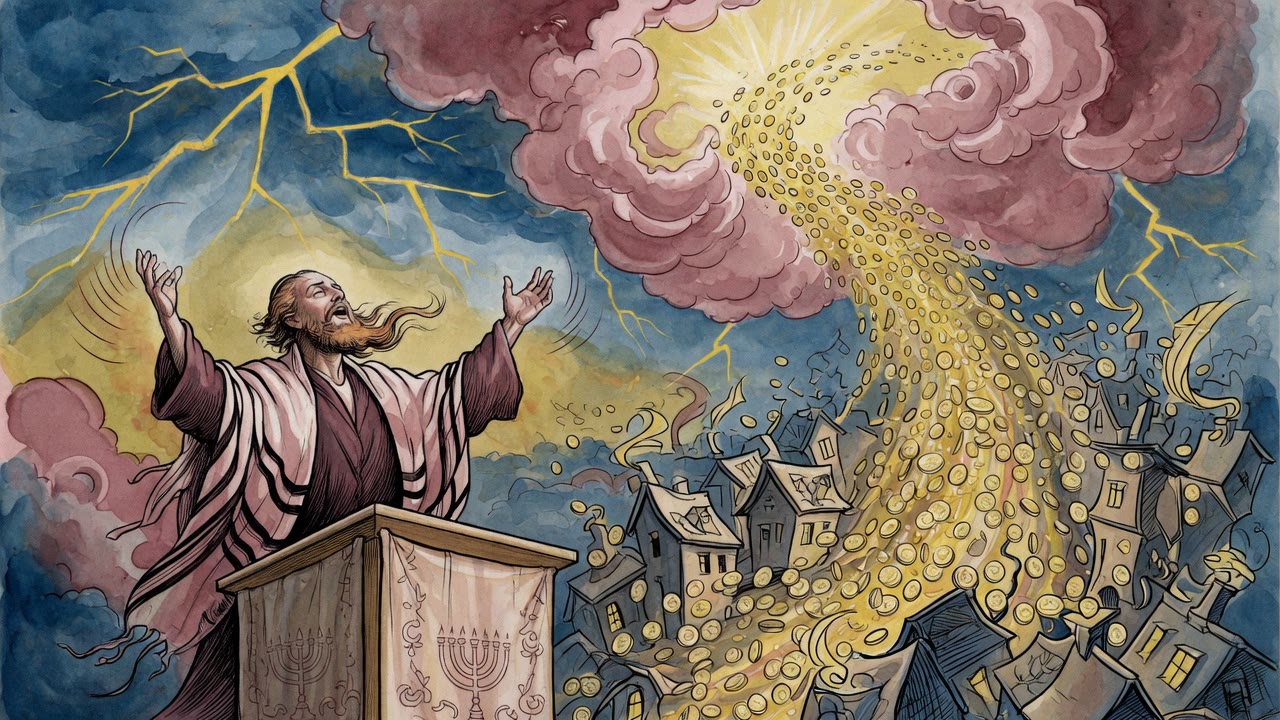
Then the tradition makes a specific exception. The prayers of the poor pierce every gate. When other prayers are turned back by the keeper of a gate, when the force of a congregation's recitation is not enough to push through to the next level, the prayer of someone who has nothing left to lose except their words moves through every barrier.
The poor person does not have the merit of the scholar, the status of the community leader, the accumulated righteousness of decades of careful practice. What they have is need so complete and dependence so total that the prayer comes out without the layers of self-consideration that sometimes muffle it. It arrives before God with nothing between the speaker and the petition.
That is why it breaks through every gate. Not because poverty grants access, but because full need produces a particular clarity that the gates cannot hold back.
← All myths