Radweriel Opens the Book of Records in Heaven
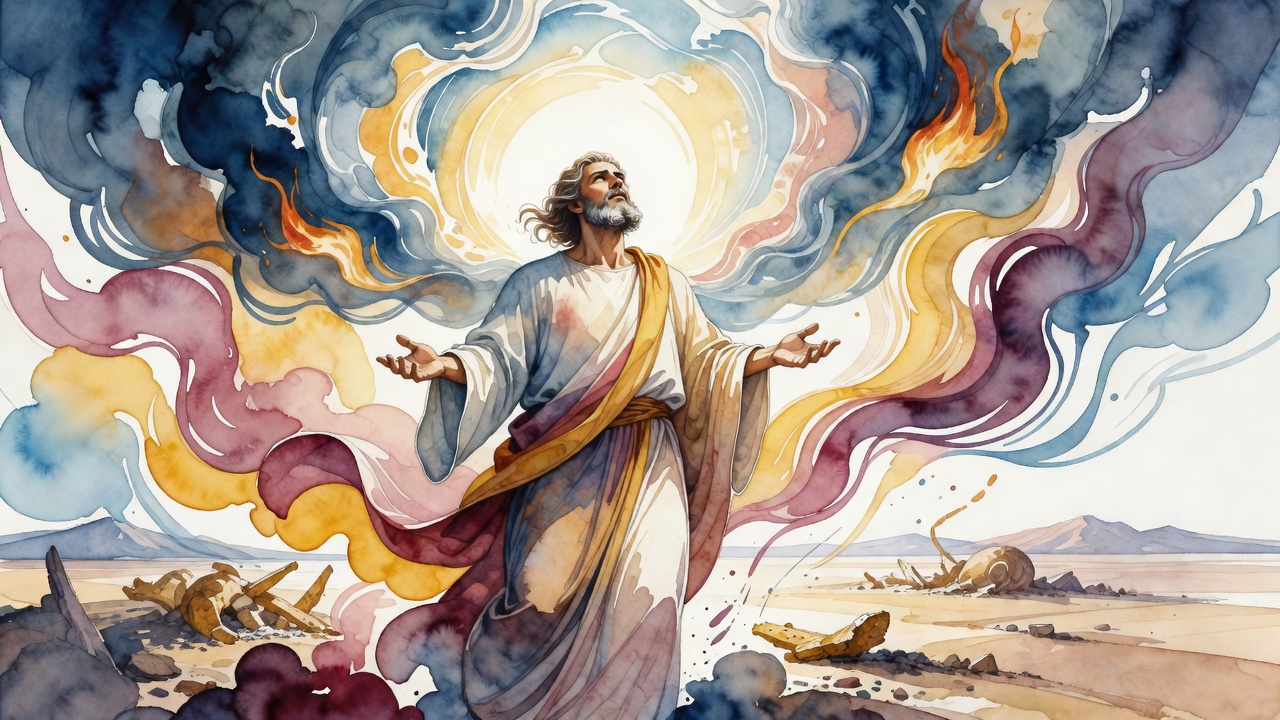
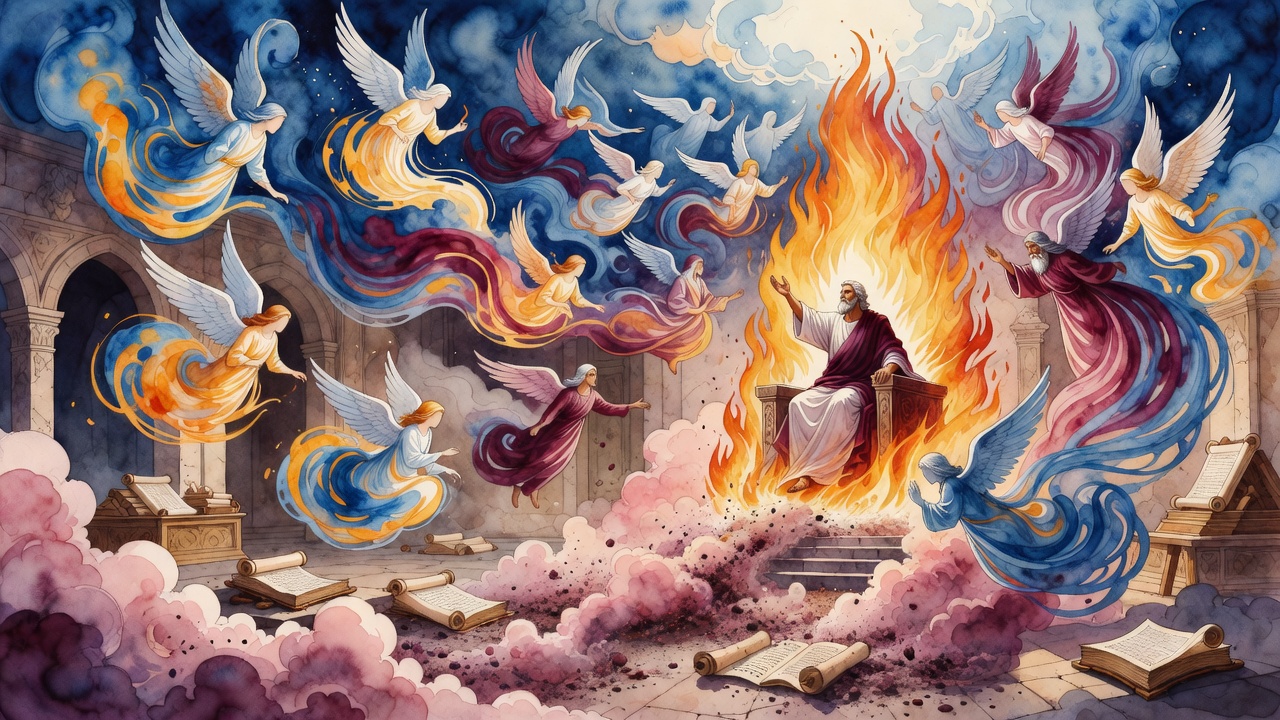
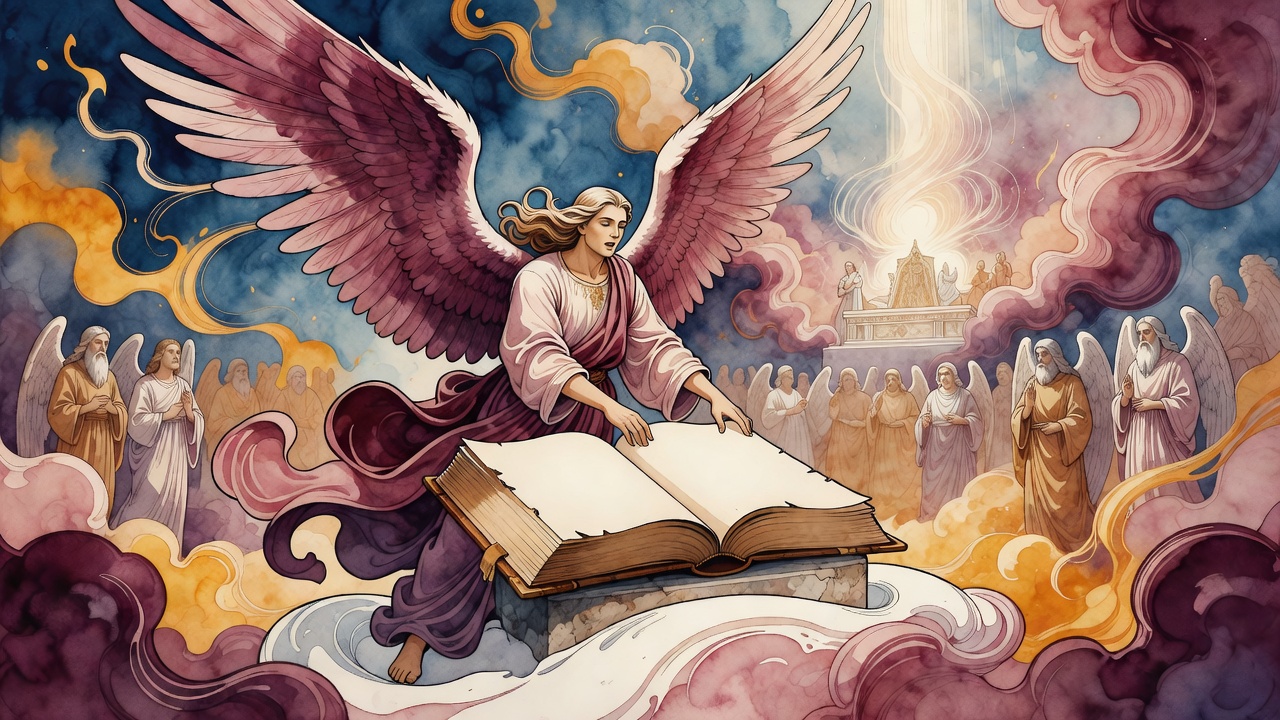
Radweriel carried a sealed case into the highest court. He broke the seal. Every deed anyone had ever done sat in that book, waiting to be read.
Table of Contents
 Click for full size
The Case With the Seal
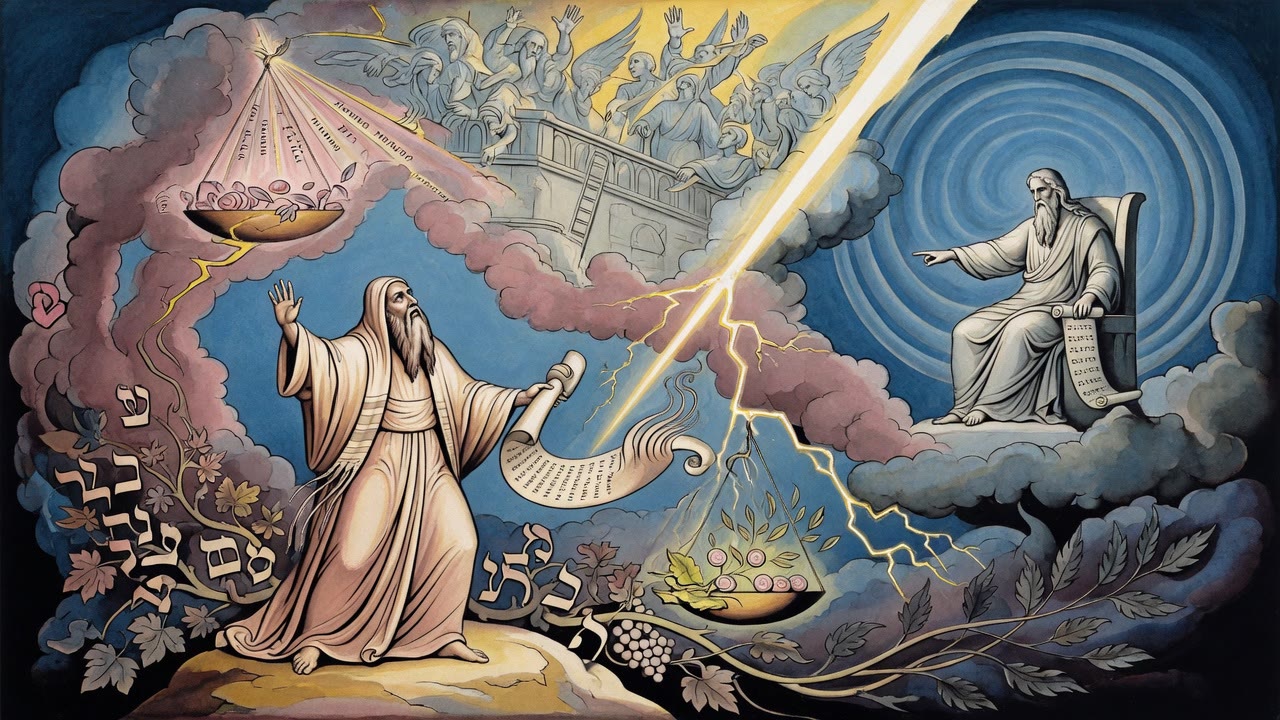
Radweriel walked to the place where the record is kept. He took the case in both hands. He carried it before God and broke the seal. When he opens the Book of Records, he draws it out and hands it to the scribes.
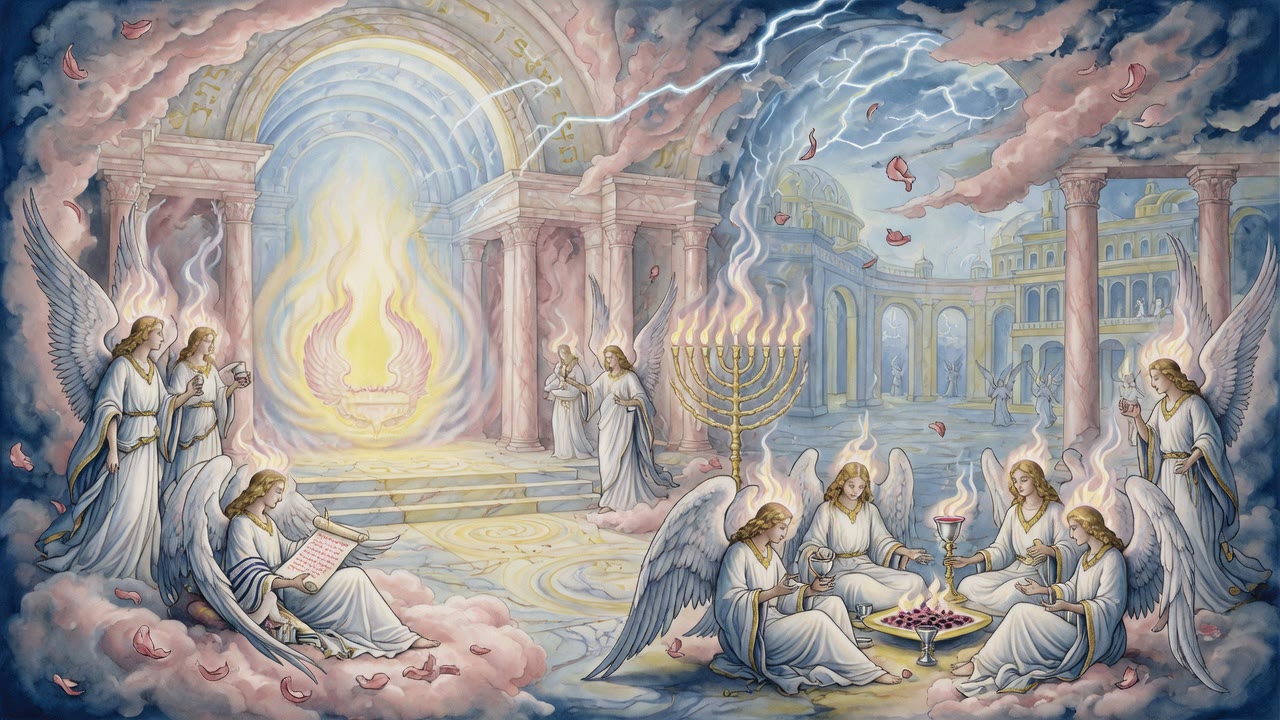
The scribes of heaven took it and read it aloud in the Great Court of Justice, the highest chamber, before the whole household of heaven.
Nothing in it was missing. Every deed, every word, every act a human being had ever done sat on those pages. Radweriel's office was not comfort. It was not protection. It was retrieval. The book had to arrive on time, and it had to open.
He knows the shelf. He knows the weight of the case. When the court sits, he does not argue and he does not delay. He walks, he breaks, he hands the record across.
The Court That Sees Every Sheep
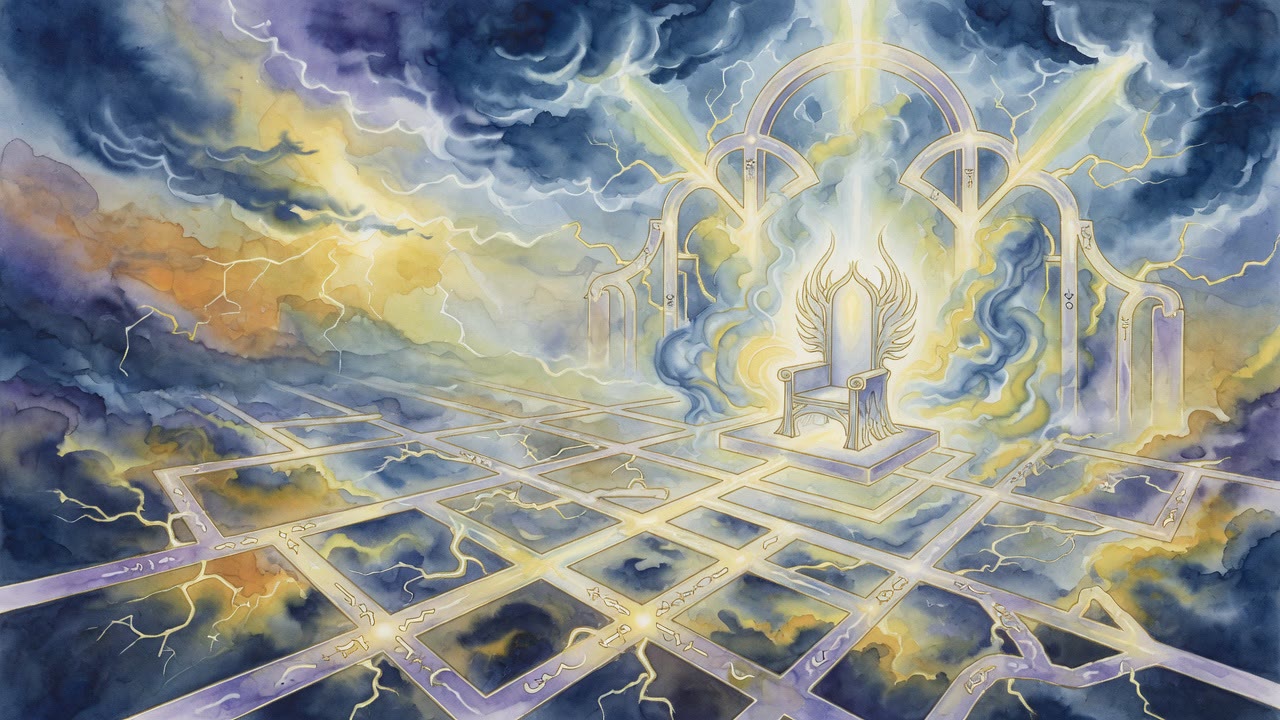
On Rosh Hashanah God takes the seat of judgment. Books lie open before the throne. All of creation passes in front of Him like a flock of sheep, each one seen, none lost in the crowd. Those of the covenant on one side. The nations on the other. The court reads what is written about each.
There is a Book of the Living and a Book of the Dead. A ledger has been open since Adam. A hand writes without pause. Some say the hand belongs to an angel. Some say the hand belongs to God. By Rosh Hashanah the year's record is complete. By Yom Kippur the judgment is sealed.
Radweriel does not plead for anyone. He does not blot a line. He brings the evidence and sets it down. What the Judge does with it is not his work. He is the officer who carries in the files and leaves them on the table.
Blot Me Out of Your Book
After the Golden Calf, Moses climbed the mountain again. The people had just made the worst turn of their short freedom. He stood before God and made the offer that still sounds like a wound.
"If You will not forgive them," he said, "blot me out of Your book."
He was not asking to be forgotten as a kindness. He was asking to share the sentence. If the people went down, he would go with them, written out of the record of the living.
God answered that the book does not work that way. "Whoever has sinned against Me, him will I blot out of My book." Moses's name stayed. The guilty would carry their own guilt. Moses walked down the mountain still written in. The people he had tried to trade himself for still had to stand in their own line.
To be erased from that book was not only death. It was to be dropped from divine recognition, as if the life had never been entered.
The King Who Could Not Sleep
On earth the same logic has a smaller shadow. King Ahasuerus could not sleep. He called for the royal chronicles to be read aloud in the night. The clerk reading the scroll hit the entry in which Mordecai had uncovered a plot to kill him.
The deed had been written down. The king had forgotten it. The record had not. That night the forgotten entry saved Mordecai, and Haman's rise began to crack on a page nobody had meant to open.
Radweriel's book has no nights off. No clerk dozes. No page goes missing. When the seal breaks in the highest court, the voice that reads is reading everything. The angel who carries it is the guarantee that accountability is not a figure of speech.
Moses could not edit his way out. Ahasuerus could not sleep his way out. The case still arrives. The seal still breaks. The names stay on the page until the Judge says otherwise.
← All myths