Samael the Defective Knife Who Could Not Find Moses
He asked the sea for Moses. He asked Gehinnom. He asked Sheol. Each place had heard the man and had never held him at all.
Table of Contents
 Click for full size
He Asked the Sea
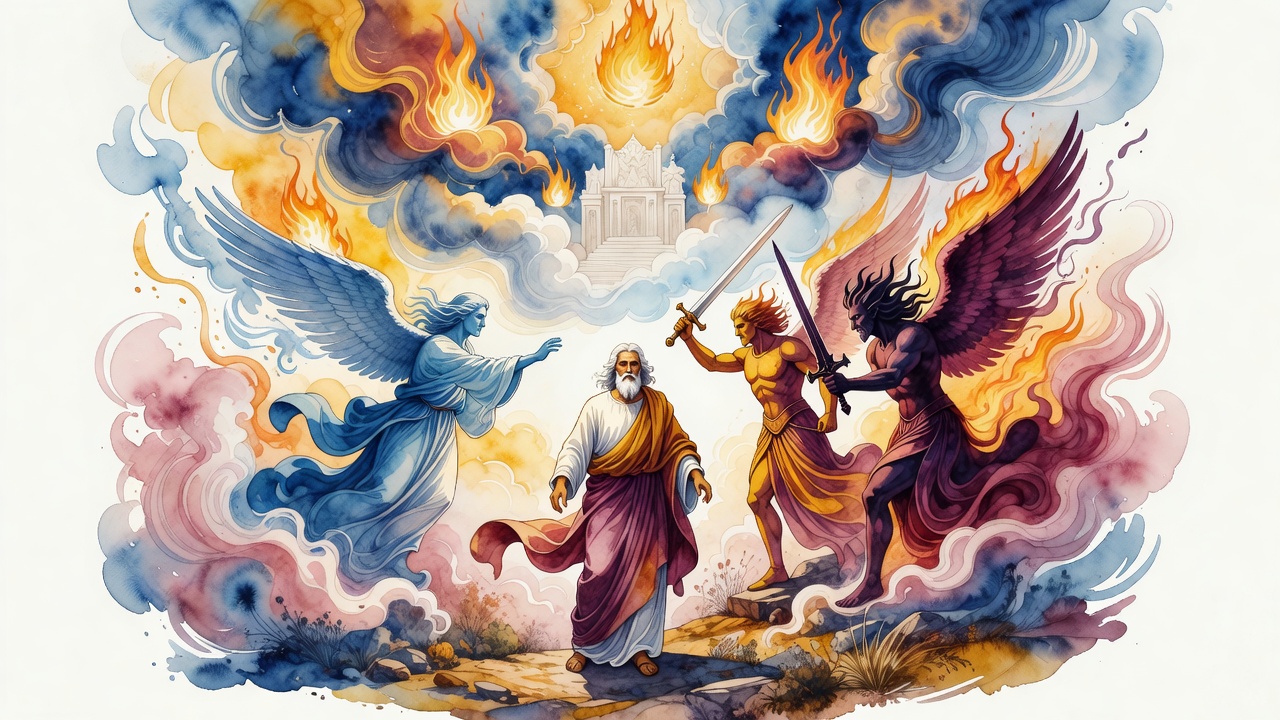
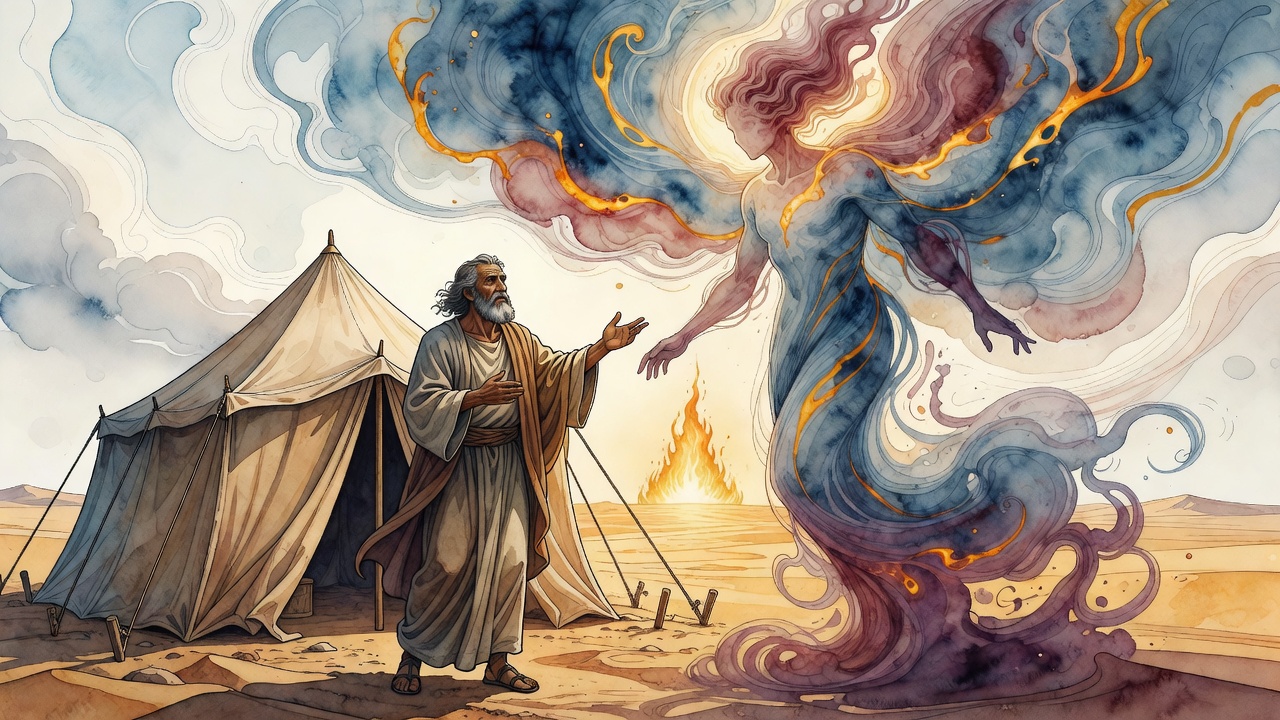
Samael came looking for Moses and could not find him anywhere.
Moses was not hiding. He was not fighting. The places where Samael had the right to go were simply empty of that soul.
Samael thought first of the water. God had once told Moses to lift a rod and split the sea, so perhaps the man was still there, standing in the old miracle as if a road of dry ground could hide a soul.
He went to the sea. He stood over it and put the question into the water.
"Is Moses here?"
The sea said, "He is not here, and I have not seen him since the day he clove me into twelve parts and the twelve tribes passed through me."
Samael turned from the water. The sea had been cut once by that man and had never taken him back. There was no body in it now.
Gehinnom Had Only Heard a Cry
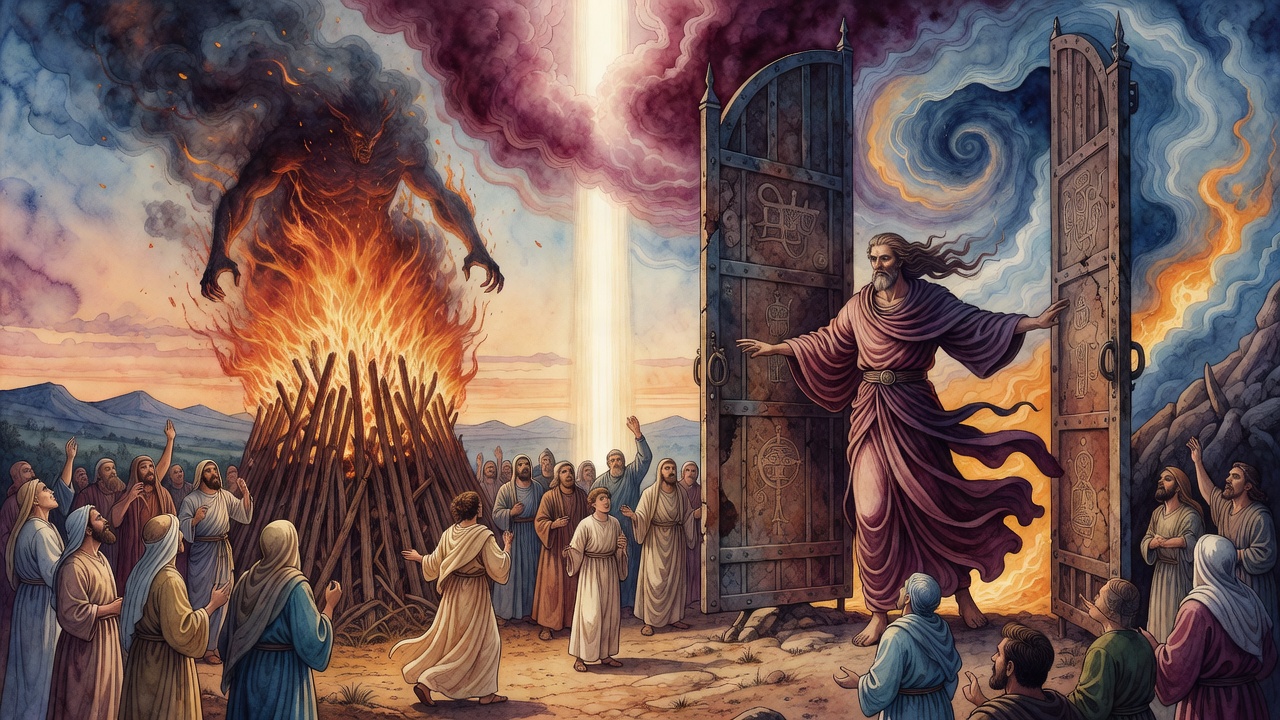
He went down into Gehinnom (גיהנם), the fires of judgment.
"Have you seen Moses, the son of Amram?"
Gehinnom said, "With my ears I have heard the cry, but I have not seen him."
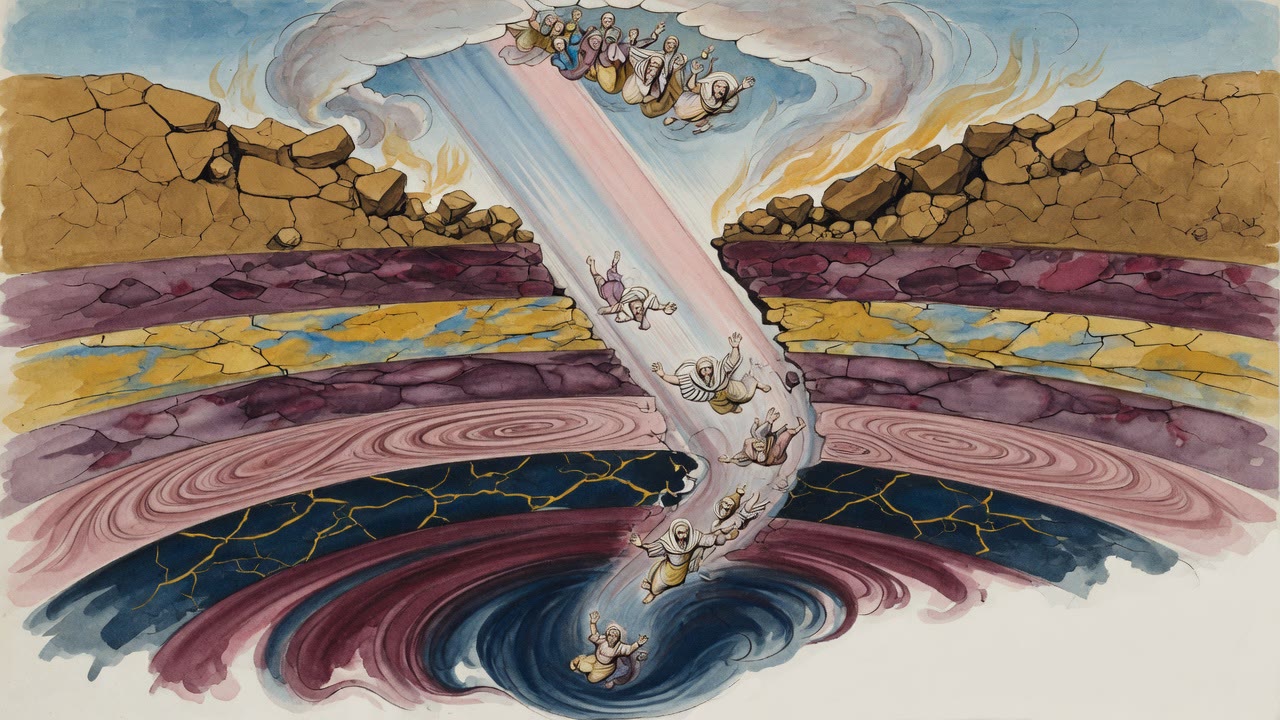
He went to Sheol, and to Abaddon, and to Tit-ha-Yawen, the thick mud. To each he put the same question.
They answered, "Through Pharaoh, king of Egypt, we heard his call, but we have not seen him."
The knife was working. It just had nothing to cut. Samael serves. He is the edge God uses, and the cut is never clean. A defective knife leaves a carcass, meat that cannot be eaten because the slaughter was wrong. That is his work. He does not do it as a rebel. He does it as a tool with a flaw built into the blade. He went from water to fire with that blade still hungry.
Dumah Guarded an Empty Court
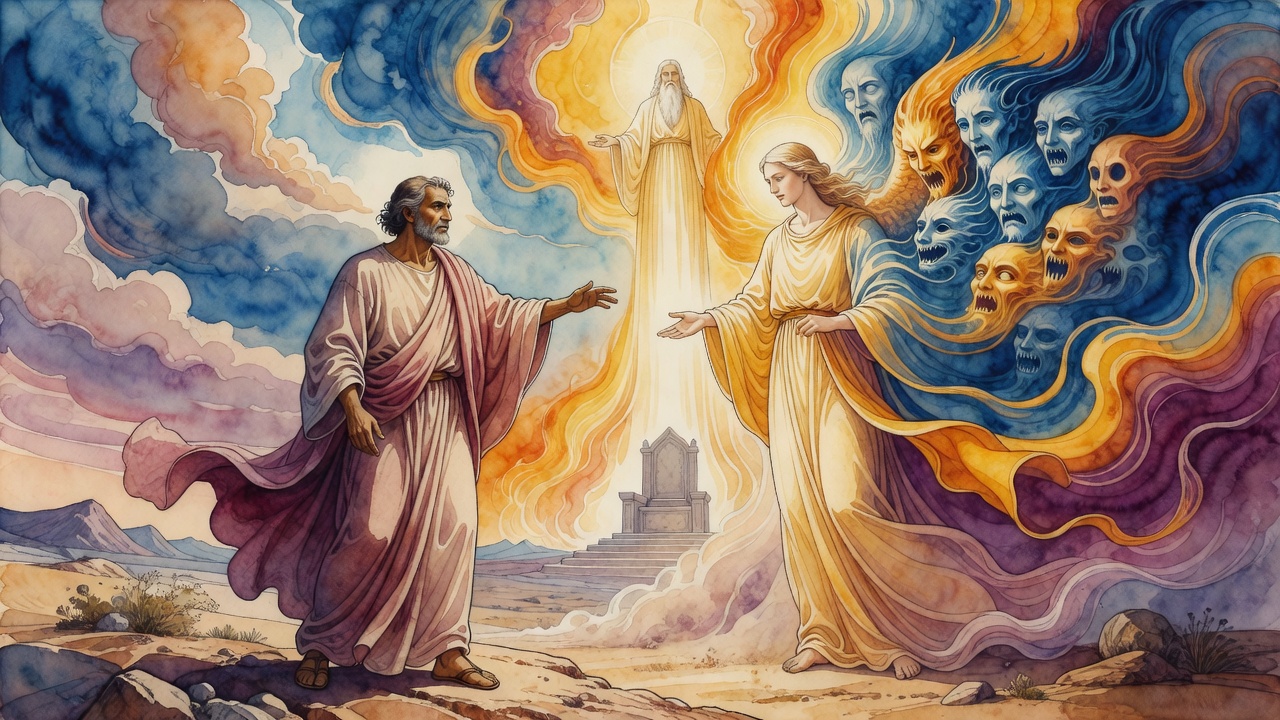
He went to the Court of the Dead, where the angel Dumah guards the souls of the deceased.
"Have you seen the son of Amram?"
Dumah said, "I heard the words of lamentation for him in heaven, but I have not seen him."
The other angels gave him the same answer. They told him to go ask the mortals, who might know where Moses had gone.
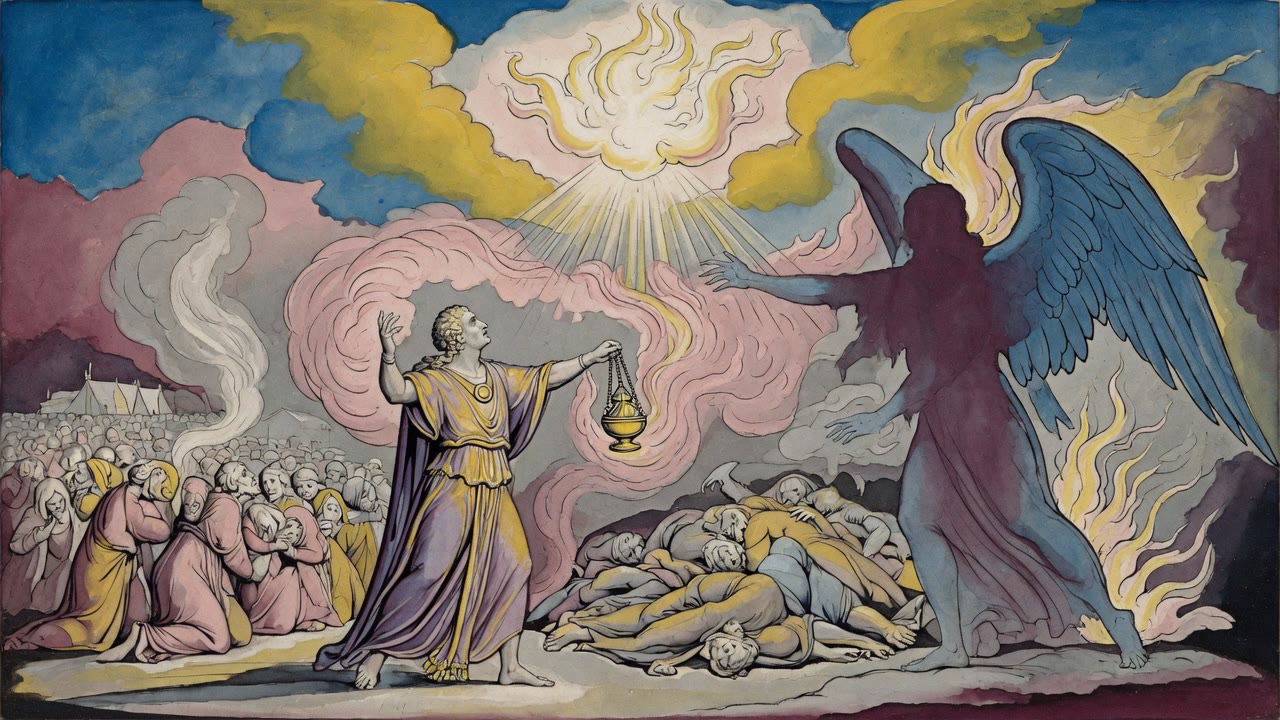
Heaven was already mourning. The body was not in the court Samael ran. Dumah keeps the dead. He had no Moses to keep. Samael stood in that empty court and asked again, as if a second asking could produce a body. Dumah did not give him one. The poison in Samael is the poison of death, and it is inside the work God gave him, not outside it. This time the work had been done by another hand, and the court knew it before he arrived.
The Mortals Sent Him Off
He went to the mortals.
"Where is Moses?"
They said, "Our teacher Moses is not like human beings. He is the peer of the angels of ministry. He ascended into heaven and dwelt there like an angel. He gathered the wind in his fists. God took his soul in the place of His sanctity. What claim do you have on the son of Amram?"
God had already buried him. God had taken the soul of Moses with a kiss, before Samael arrived at the boundary. The man had passed through a gate the defective knife did not guard. Those who go through Samael become carcasses, and a verse says those carcasses will arise. Moses had not gone through that cut. There was nothing on the block.
Samael serves. He did not get this one. God had kissed the man and closed the gate. Samael turned from the mortals with the same answer he had gotten from the sea, and from the fire, and from the mud, and from Dumah. Heard of. Never held. He went back with the defective knife still clean. The blade went home unused.
← All myths