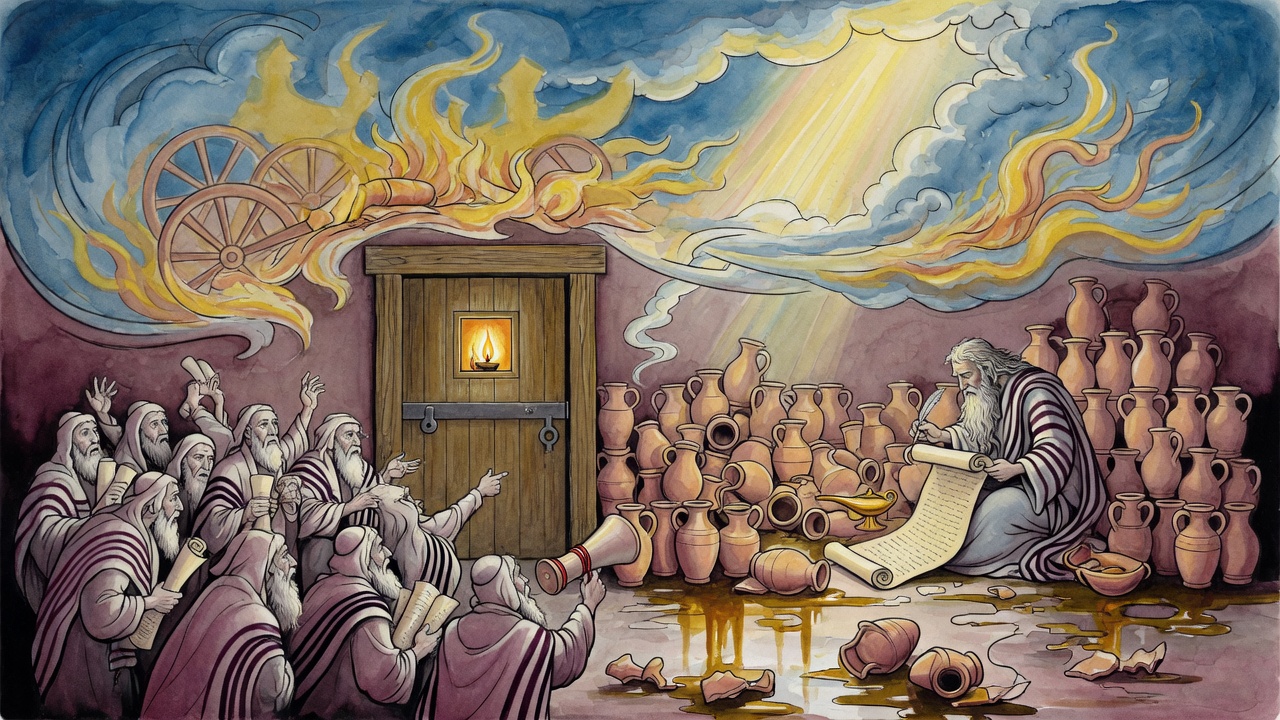
Samuel Rose at Endor and Offered Saul a Way to Die
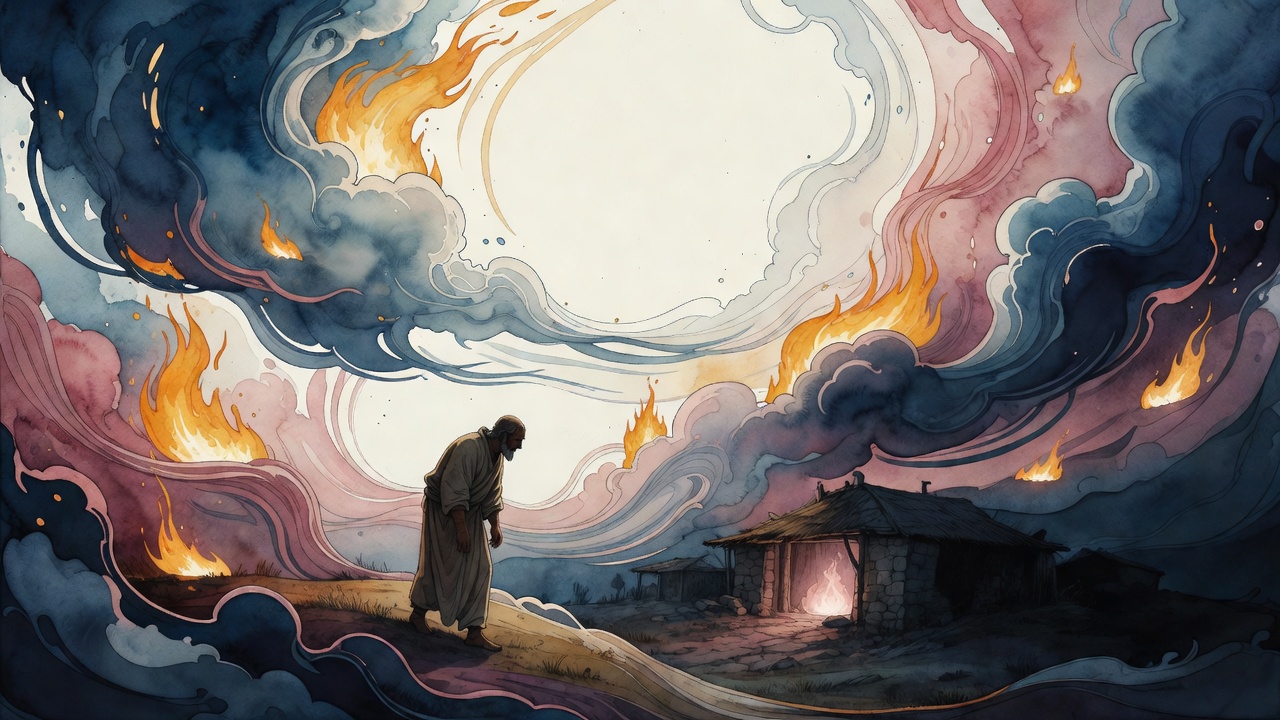
Saul took off the crown and walked to Endor at night. The woman called a name she did not know, and an old man in a mantle rose.
Table of Contents
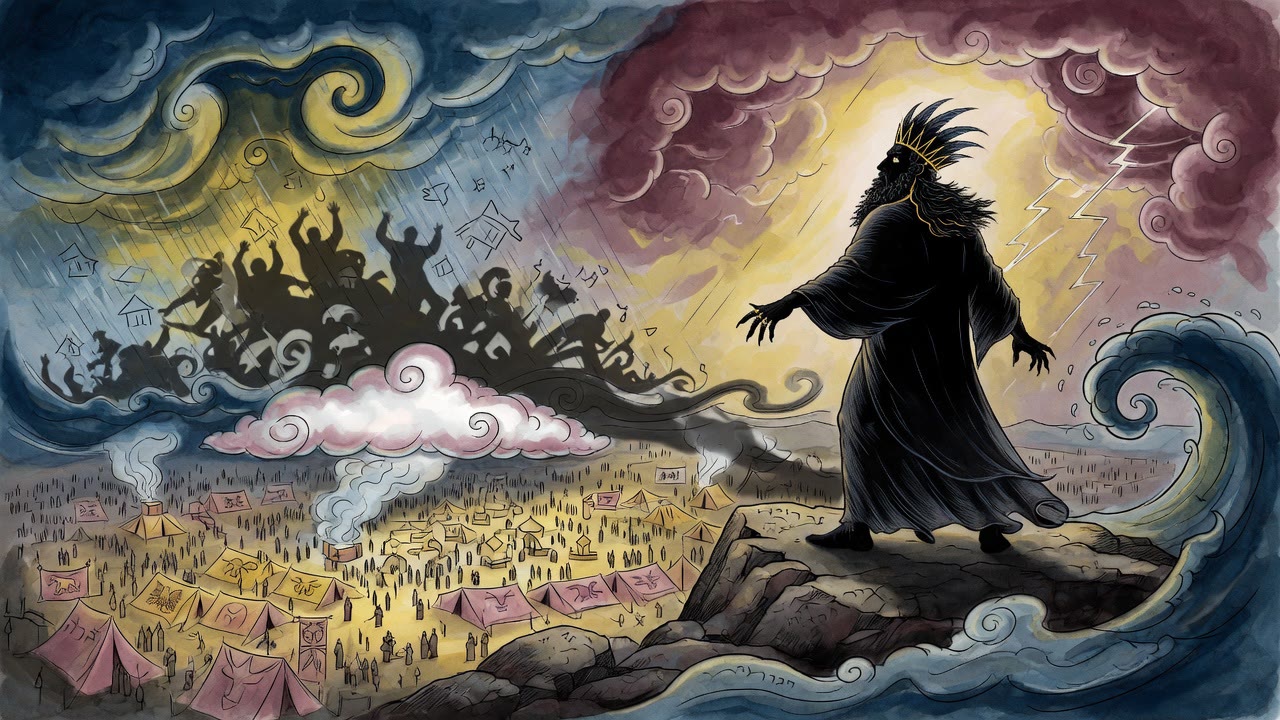
The Philistines had brought their whole confederacy up to Shunem. Saul set his camp on Mount Gilboa opposite them and counted the fires. There were more of them than there were of him.
 Click for full size
The King Who Got No Answer
He asked God what the battle would do. He asked through the prophets and got nothing back. He waited for a dream and did not get one. The silence was new, and it frightened him more than the count of the fires, because a man who has been answered his whole life knows the sound of the answering stopping.
Years earlier he had cleared the country of fortune-tellers and necromancers and everyone who worked that trade, and he had left the prophets alone. Now he told his servants to find him a woman who called up the dead. One of them knew of one at Endor, unknown to anyone in the camp.
Saul took off the royal clothes. He took two servants he trusted and went across the ridge at night.
The Woman Who Did Not Know the Name
She said no. She told the stranger in her doorway that she had never insulted the king who banned her craft, that she had done nobody any harm, and that he was standing there trying to trap her into a crime she could be executed for.
He swore an oath. Nobody would ever know she had done it. Nothing she said would leave the room. No harm would come to her from it.
She asked whom he wanted. He said Samuel. The name meant nothing to her. She had no idea who the prophet was. She did the work anyway, and called him up out of the place where the dead are kept.
The Mantle Came Up First
Something came up, and she started screaming.
She had done this before, for other people, and whatever usually happened had not happened this time. She turned on her guest with a certainty that had arrived from somewhere else in the room. "Are you not King Saul?"
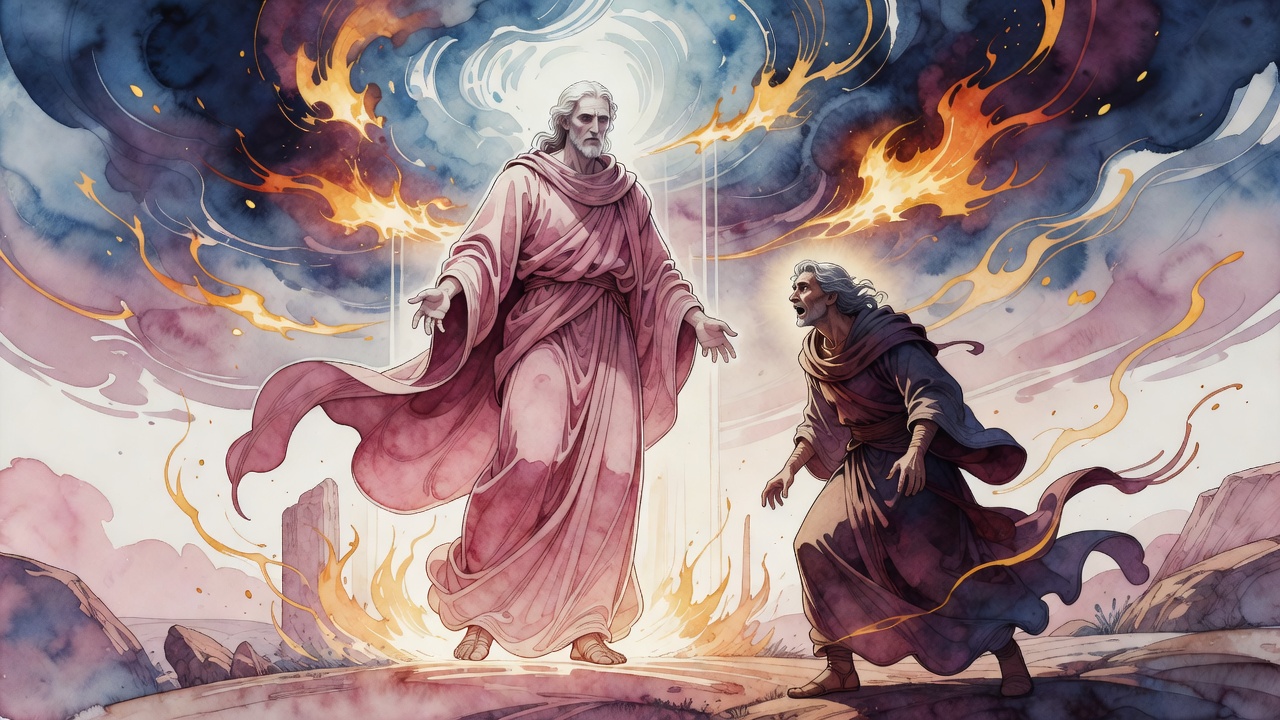
He admitted it and asked her what had frightened her. She said a figure was coming up out of the ground and the shape of it was like a god. He asked her what it looked like, what it was wearing, how old it was. An old man, she said. A glorious old man in a priest's mantle.
Saul knew the mantle. He had grabbed a fistful of it once and torn it, and been told that the kingdom had come away from him in exactly that manner. He went down on the floor of the woman's house and pressed his face to it.
Tomorrow You Will Be With Me
"Why have you disturbed me? Why have you had me brought up?"
Saul told him everything at once. His enemies were on top of him. He did not know what to do. God had left him and would not answer through prophets or through dreams, and Samuel had always taken care of him.
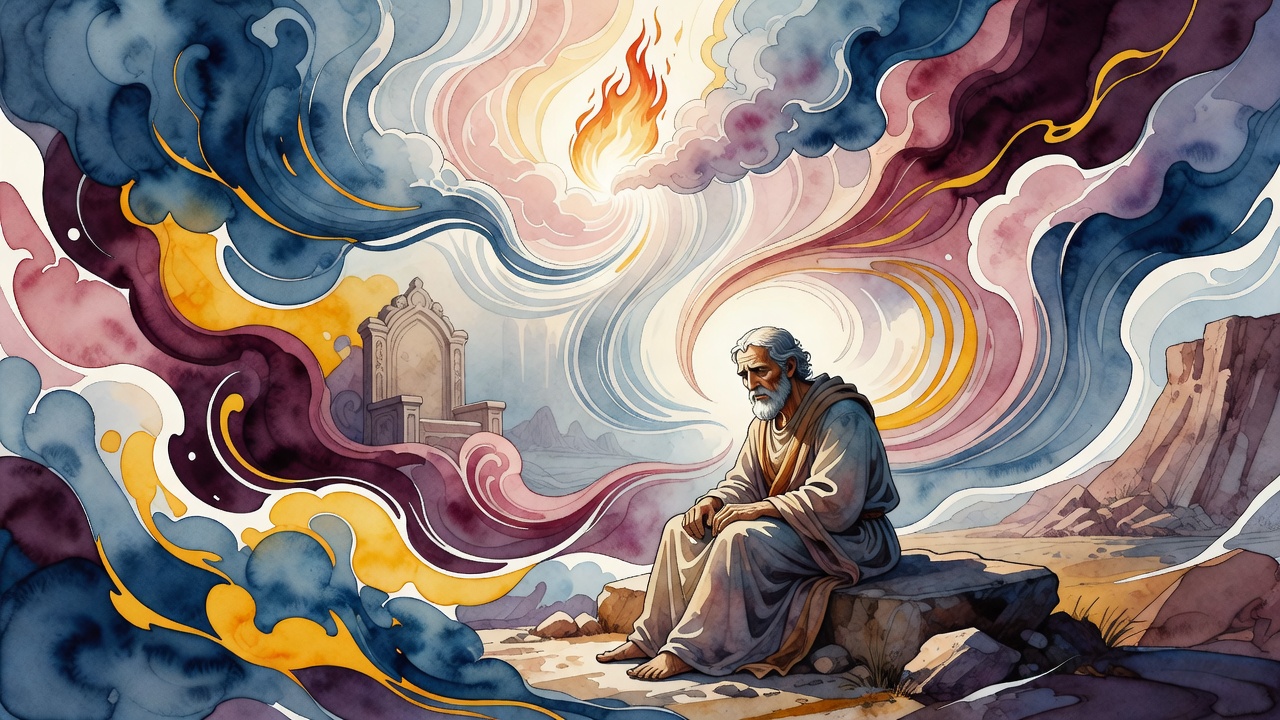
"There is no point asking me about the future when God has left you." The old man gave him the sentence flat. David is to be king and will finish this war well. You lose your kingdom and your life, because you did not obey God about the Amalekites, and I told you so while I was alive. Your people will be handed to their enemies. Tomorrow you and your sons fall in the battle.
Then came the last of it. "And you will be with me."
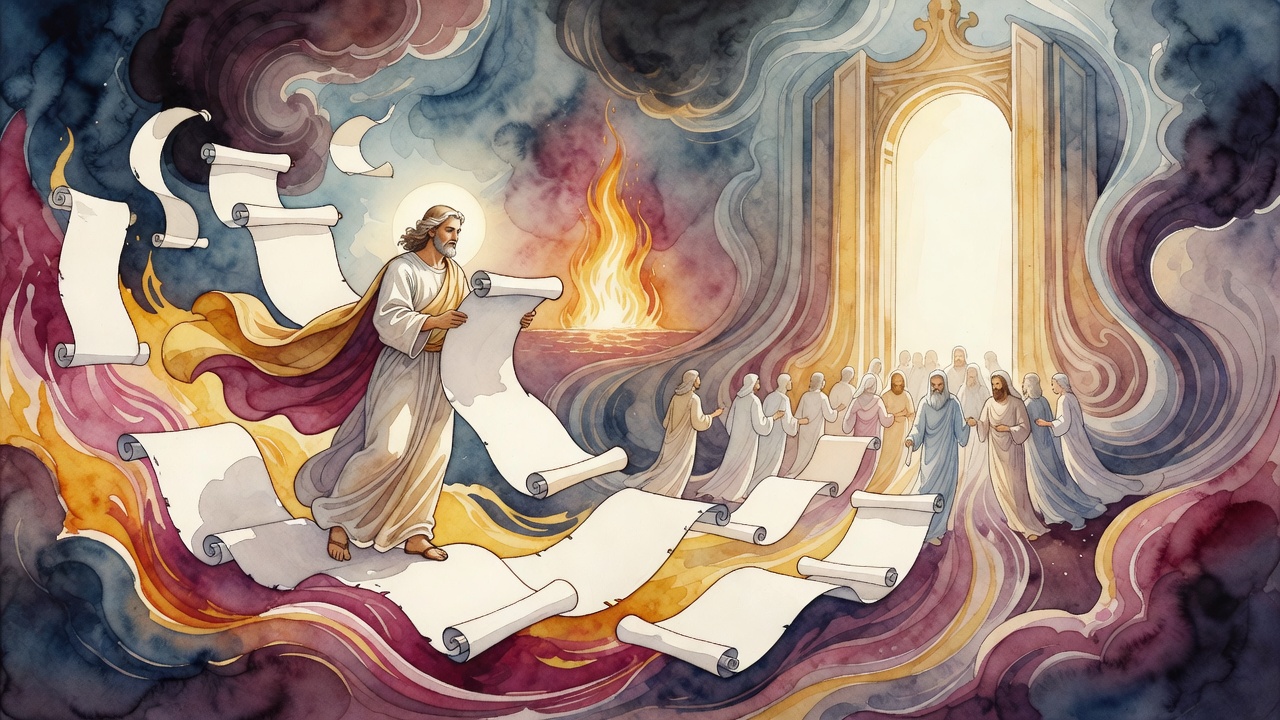
Samuel was still prophesying. Other prophets had spoken while they lived and then gone quiet. He had spoken while he lived, and now, after death, he was still at the work. The offer inside the sentence was plain if a man could hear it: take my advice, walk into the battle, fall by the sword, and the death itself will be your atonement, and your portion will be where I am. Not the grave. The division of heaven where Samuel keeps his place.
Saul could not get a word out. He had eaten nothing for a day and a night, and he went down full length on the floor and stayed there.
The Only Calf She Owned
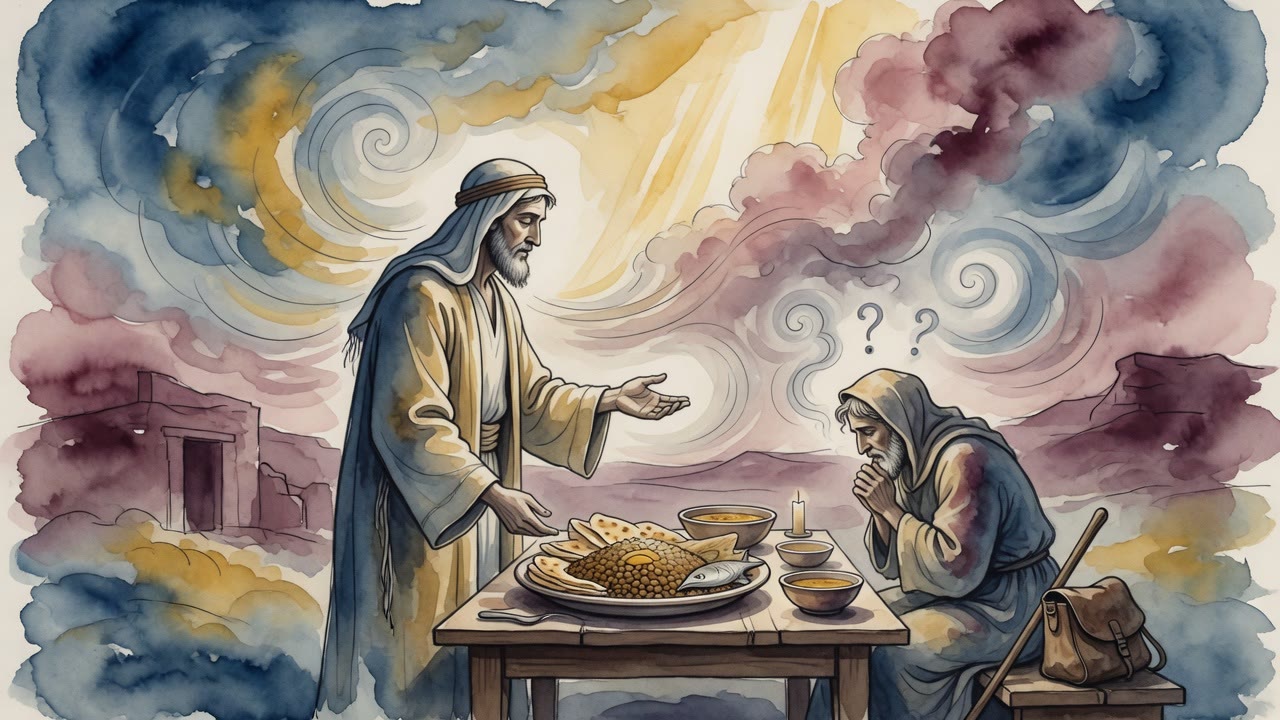
The woman would not let him leave like that. She had broken a law she could die for, at his insistence, for a man she had never met, and now she stood over him and argued with him about supper until he gave in.
She owned one calf. She had raised it herself by hand, and it was the only property she had in the world, and she lived on the work of her own hands. She killed it, cooked it, and put the meat in front of the king and his two servants.
She expected nothing back. There was nothing to expect. She had just heard the man be told that he would be dead by the following evening.
Saul ate, and got up, and walked back to his camp while it was still dark.
He did not run. He knew what the next day would do to him, and he took his sons into the line with him, Jonathan and Abinadab and Malchisua, and they made the enemy come to them until they were surrounded. The sons went down first. Saul took so many wounds he could not stand, and he told his armor-bearer to run him through, and the armor-bearer would not do it. He set his own sword point against himself and threw his weight on it and it would not go in. He turned to a young man standing nearby and asked him who he was. An Amalekite. Of all the men on that mountain, an Amalekite. Saul asked him to push the sword through, and he did, and then he took the bracelet off the king's arm and the crown off his head and ran.
The Philistines hung the bodies on the wall at Bethshan. The men of Jabesh-Gilead walked all night to get them down, and buried them, and did not eat for seven days.
← All myths