Shem Son of Noah Ran a Torah Academy Before Sinai
Centuries before Moses received the Torah on Sinai, Shem son of Noah kept a house of study in Canaan. The patriarchs went there to learn.
Table of Contents
 Click for full size
The Man Who Survived the Flood and Kept Teaching
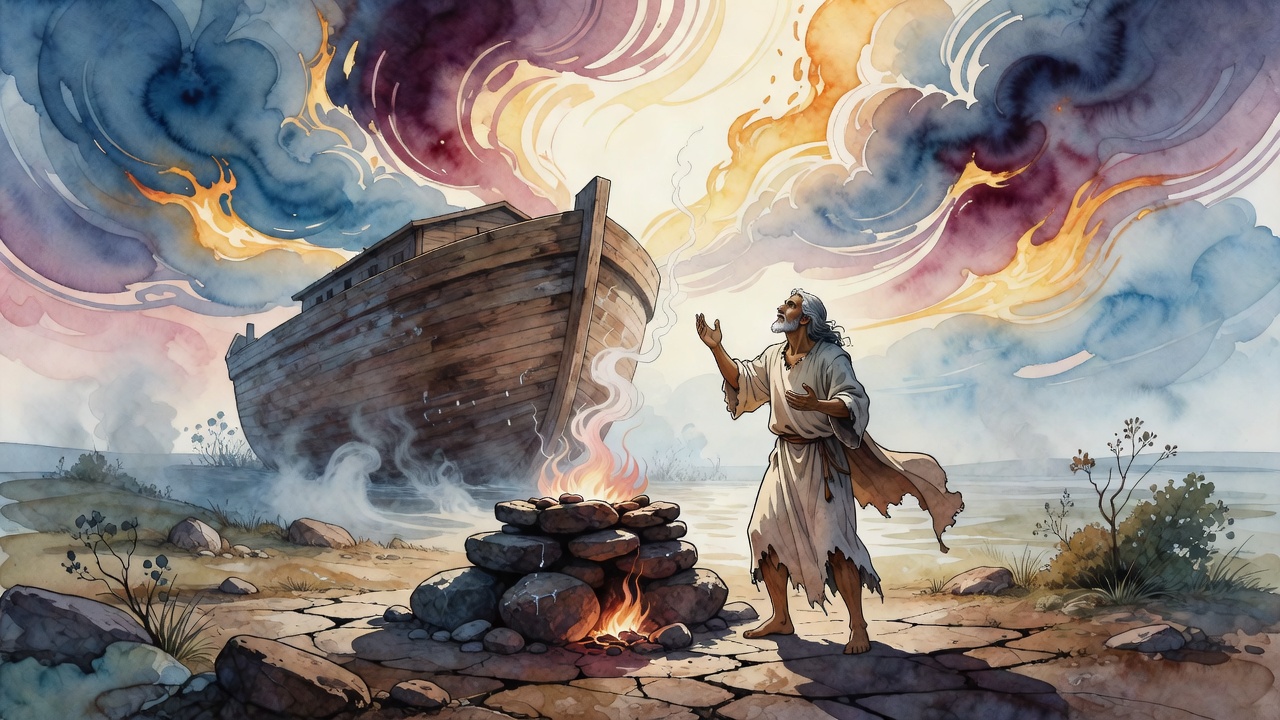
Shem outlived the world that drowned. He was on the ark with his father and his brothers, and he came down onto dry ground carrying everything that had survived the water. That included more than animals and his immediate family. It included the knowledge his father had transmitted and his grandfather before that, a chain of learning that the flood had not broken because it had been carried on people rather than written on surfaces.
He built a city near his father on the mountain and established his household. Then he and his descendant Eber opened a house of study.
The Bet ha-Midrash of Shem and Eber sits at the edge of the patriarchal stories like a fixed landmark. When someone in those stories needs instruction that cannot be given by ordinary human wisdom, they go to Shem. He has been alive long enough to remember things that no one else alive can remember. He has been a student of what God requires since before the nations were divided, before the tower at Babel, before the land was parceled out to the descendants of Noah's sons.
Where the Patriarchs Went to Study
After Sarah died, Isaac did not go directly to prayer and mourning and then back to ordinary life. He went to Shem's academy. He spent three years there in consolation, studying in the house of the man who had known the world before the patriarchs' world existed.
Rebekah climbed to the same academy when the children inside her were fighting so violently she thought she would not survive the pregnancy. She went there because she needed an answer that no physician and no ordinary prophet could give her. Shem gave her the prophecy: two nations, the whole world unable to contain them together, one rising as the other falls.
The academy appears again when Jacob fled his brother and stopped at Beersheba. The tradition records him studying there, drawing from the same well of inherited wisdom, learning what Abraham had known and what Isaac had reinforced in those three years of grief after Sarah's death.
The Question of the Torah Before Sinai
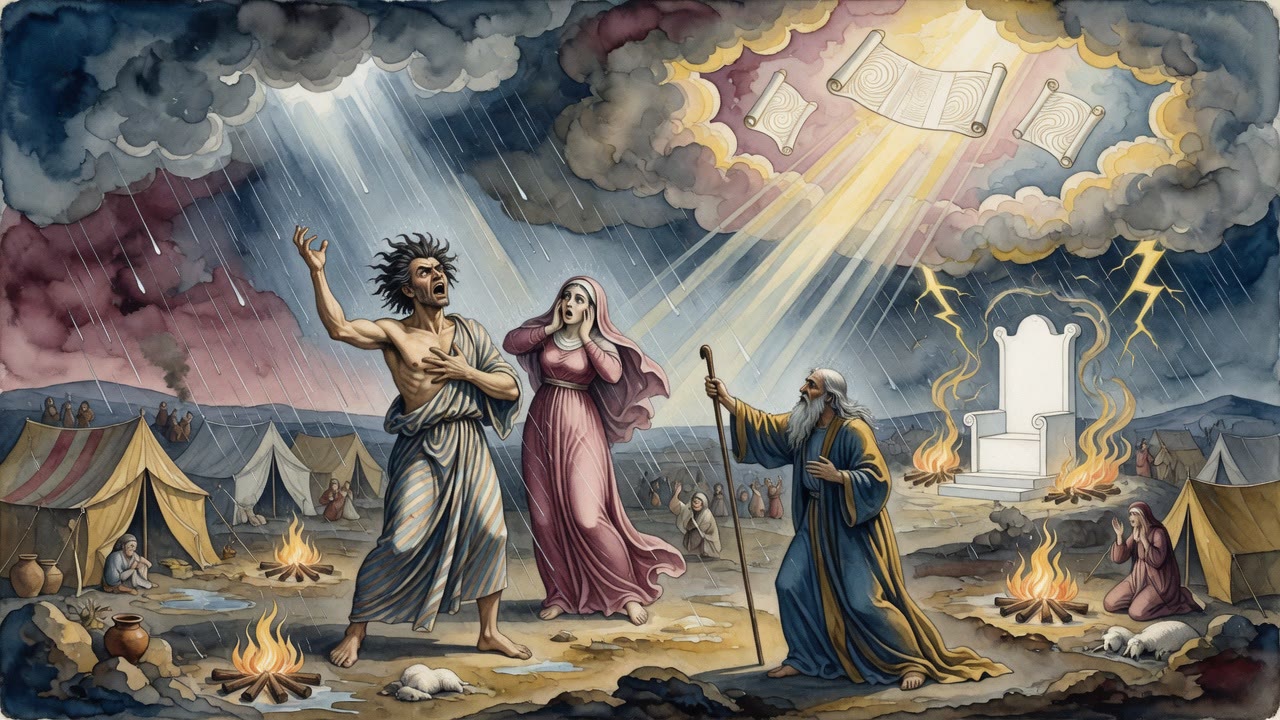
The rabbis were not troubled by the paradox of the patriarchs keeping Torah before Torah was given at Sinai. They explained it through Shem. The knowledge was already in the world. It had been transmitted from Adam, through the generations, surviving the flood in the persons of the people on the ark. Shem was its living archive. The patriarchs did not discover it independently. They received it from the oldest teacher available to them, the man who had been a student of the world before the world they knew had been built.
The Mountain That Was Already Holy
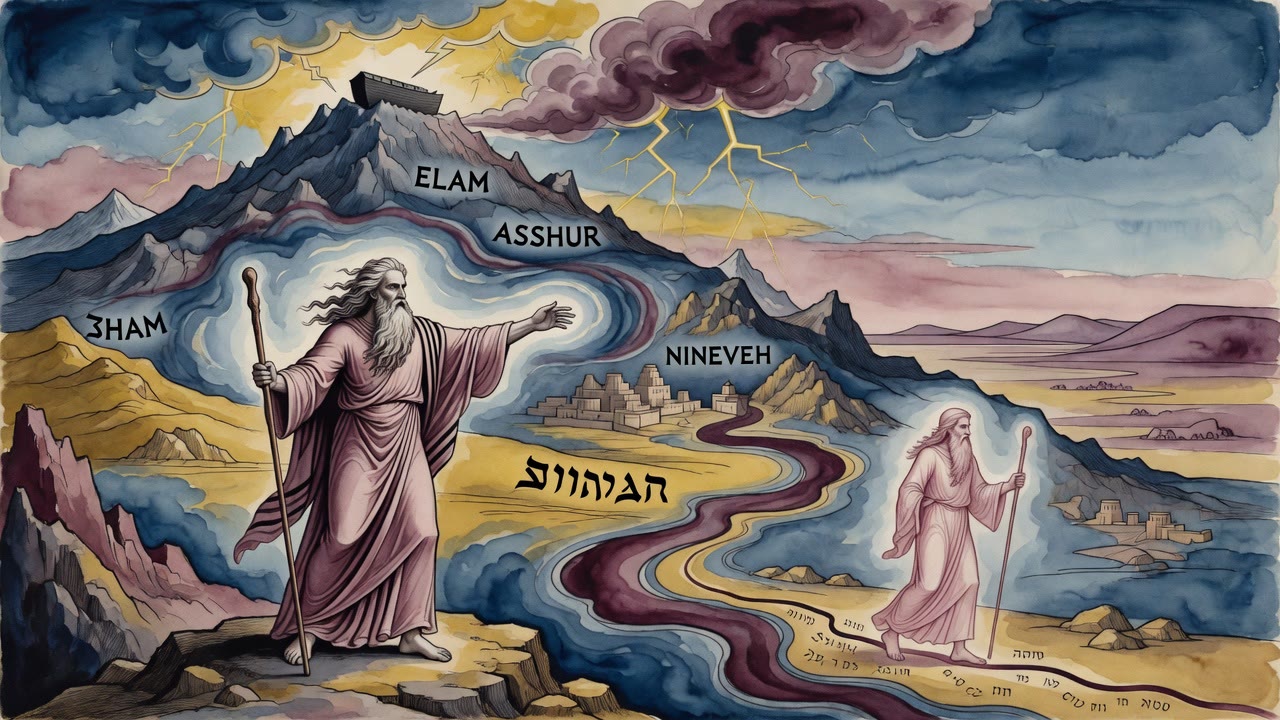
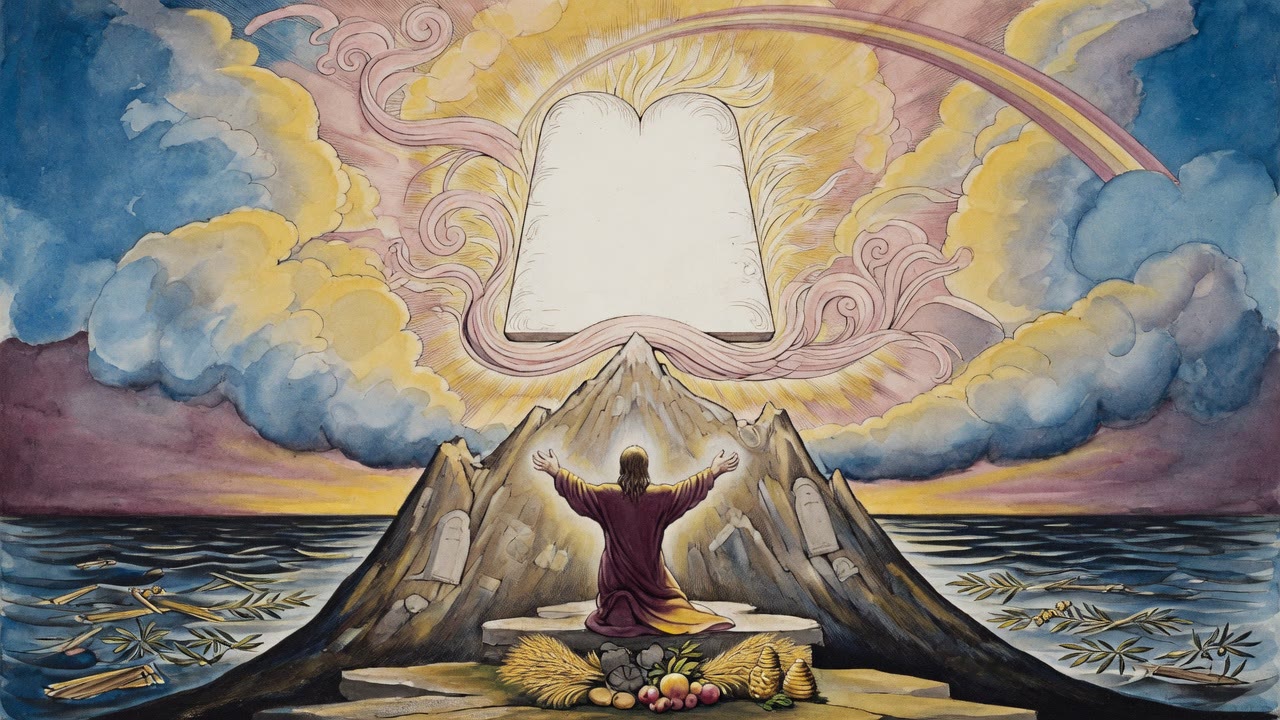
The Book of Jubilees, preserving a detail about Shem's inheritance, records that Noah divided the world among his sons and gave Shem the mountain lands, including what would become Sinai and Zion. He did not inherit empty geography. He inherited the places where heaven and earth would later meet, the places the Torah would be given at and the Temple would be built on. He was already living in proximity to the sacred center of the world's future when he opened his house of study. The patriarchs were not traveling far from home to reach him. They were going to the place that was already the axis of their inheritance.
← All myths