The Mercy That Carried Them Across the Water
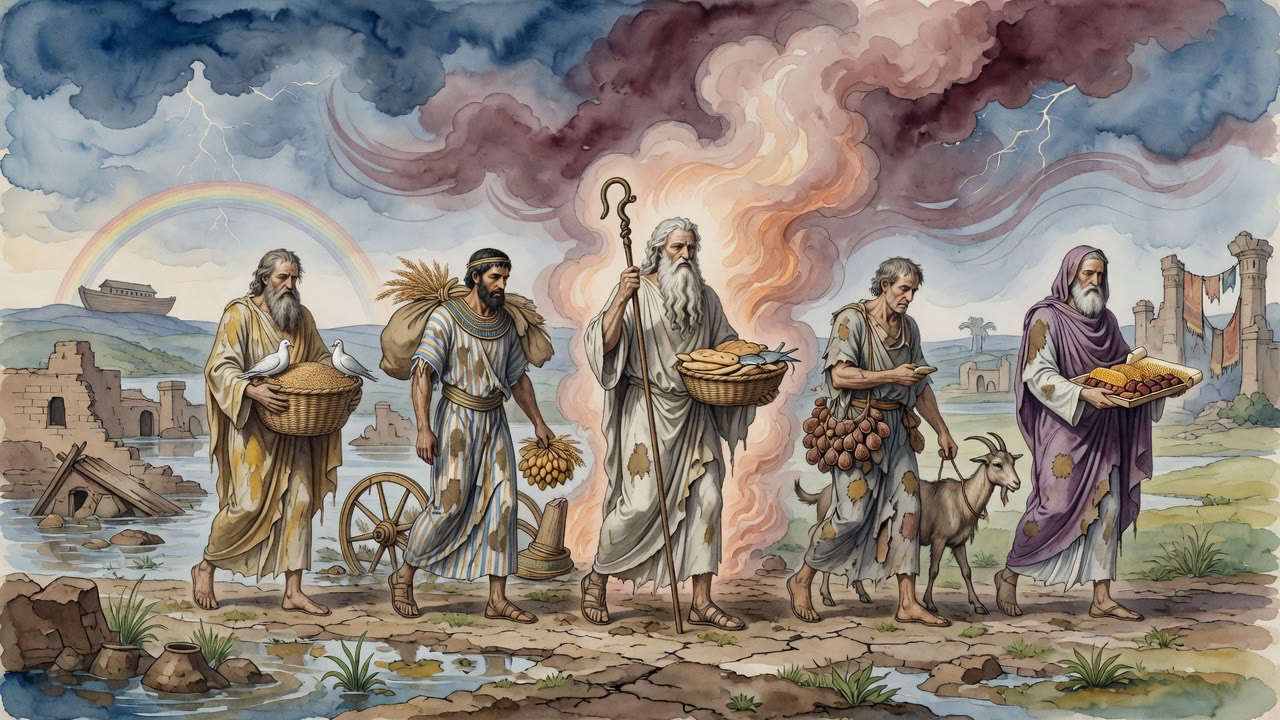
Zebulon's last words were about fish. Noah fed animals in the ark. Moses retrieved Joseph's bones. All three were carried by the same mercy they had shown.
Table of Contents
 Click for full size
The Dying Man and the Fish
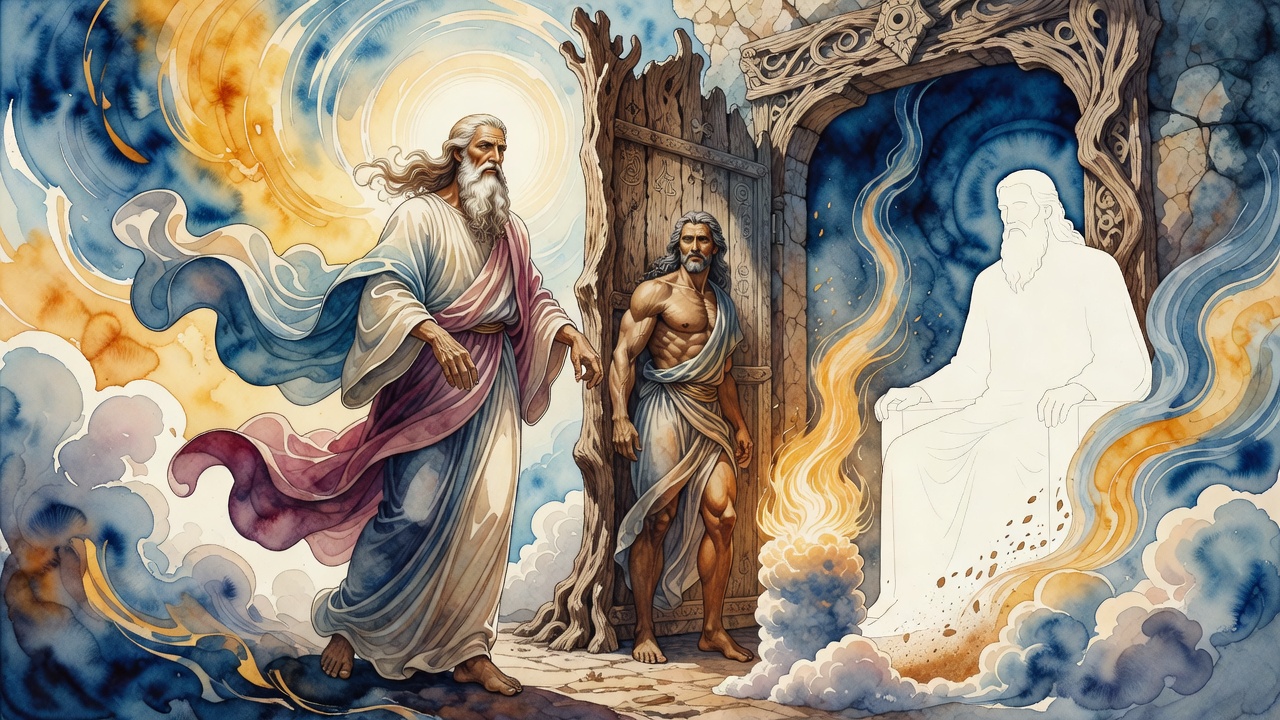
At the age of 114, Zebulon propped himself up on his deathbed to give his sons one final instruction, and it was not about inheritance or land or the promises made to Abraham. It was about fish.
For decades, Zebulon had spent his life on the water. He was the merchant of the twelve tribes, the one who traded while his brother Issachar studied. He put out to sea before the sun came up, sailed through storms, fed his family and his brother's family on what he caught and sold. And when the merchant who had lived on boats all his life lay dying, what he wanted to leave his sons was not fishing technique. It was a story about what happened to his brother Joseph.
He had failed Joseph. He had stood there when his brothers stripped the coat and threw the boy into the pit, and he had said nothing out loud. He had wept privately. He had whispered objections that no one was listening to. But he had let the lie travel to their father Jacob unchallenged, and he had carried that failure for the rest of his life. His deathbed speech, gathered in Legends of the Jews from the ancient Jewish text known as the Testaments of the Twelve Patriarchs, begins with a confession and then makes a single demand of his sons. Be merciful. Show compassion to everyone. Spare even your enemies. Because the measure of mercy you give is the measure of water that will hold you up when you need to cross.
The Ark Full of Strangers
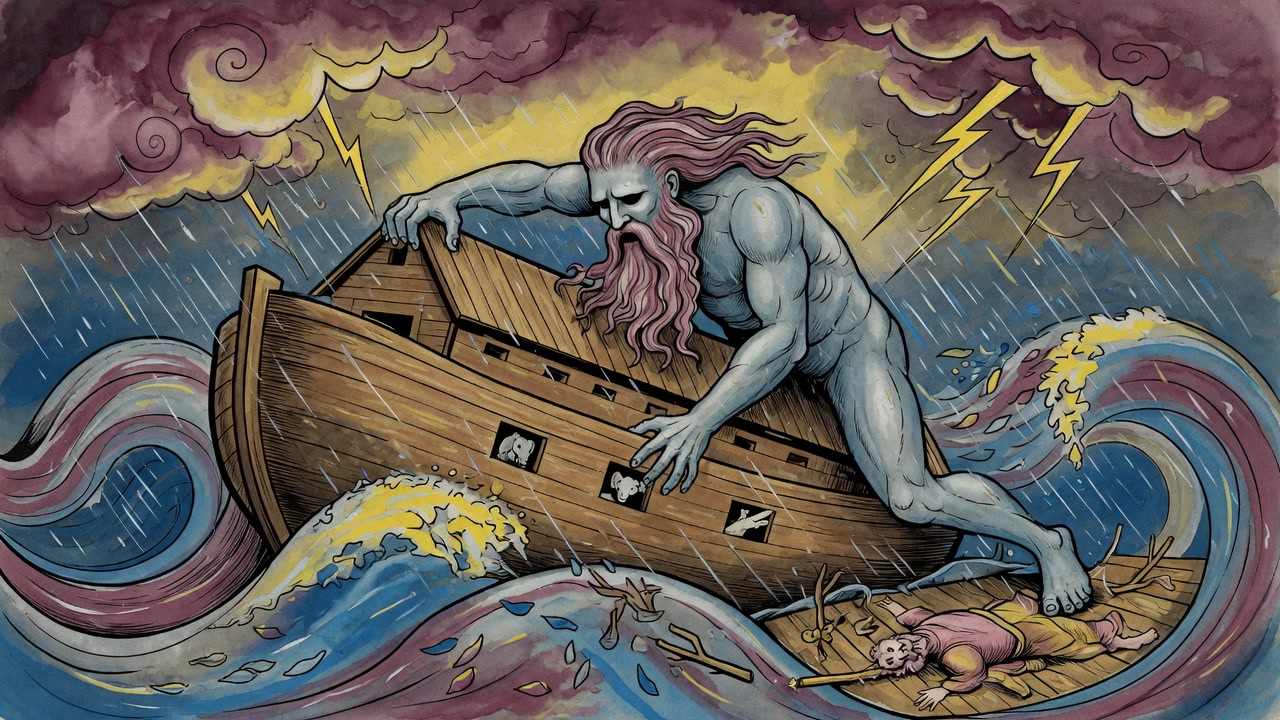
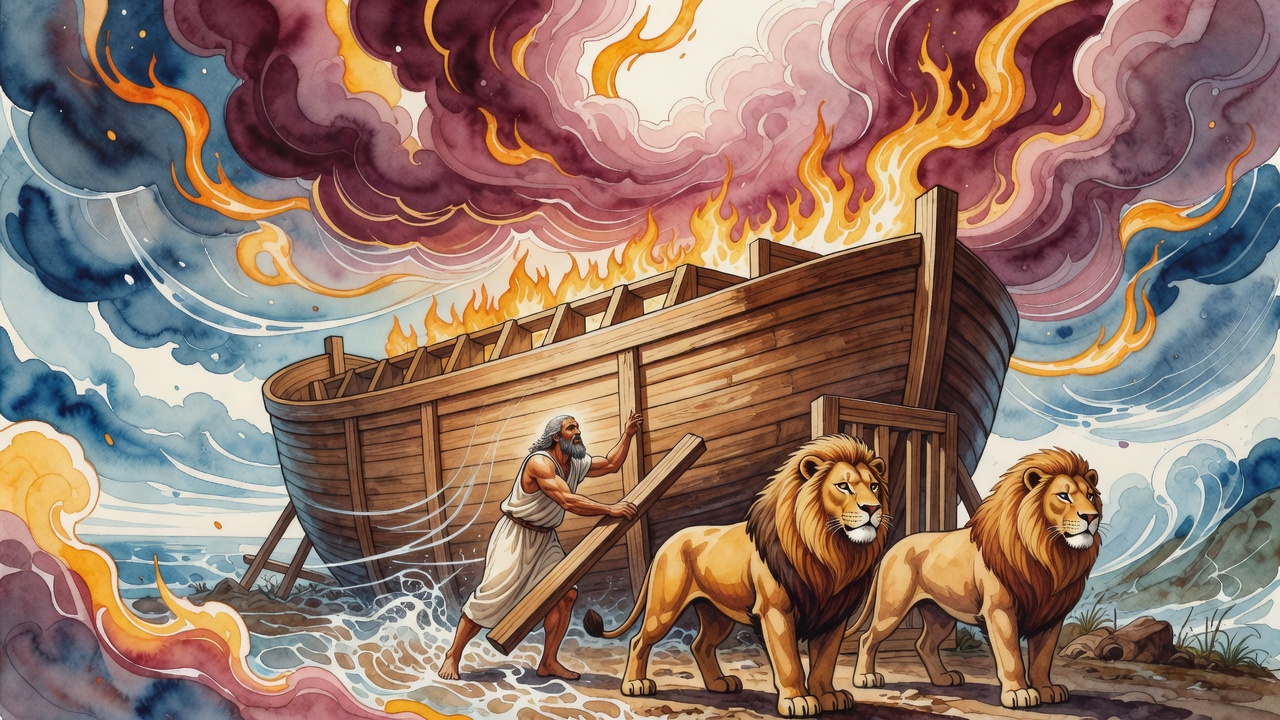
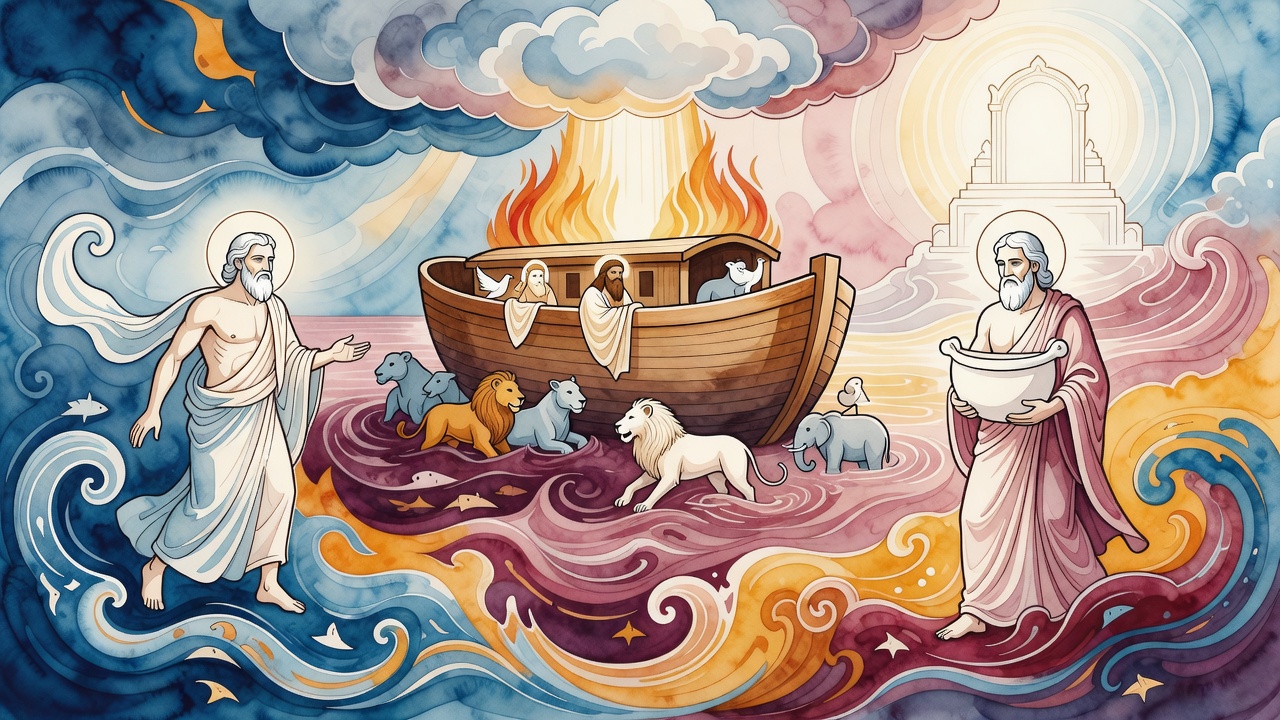
The second story about water and mercy is older and larger. Noah spent a hundred years building a box for his family and every creature God told him to save. That is the broad outline. The detail the tradition preserves is what Noah did inside the ark for a full year while the water covered every living thing.
He did not sleep. He did not sit. He and his family moved through the dark hold of the ark around the clock, feeding each animal at its appointed time, because the digestion of a lion requires a different hour than the digestion of a sparrow, and the needs of the creatures in Noah's care were as various as creation itself. Noah learned the schedule during the voyage. He learned who ate at midnight and who ate at dawn and who could not sleep if they were hungry and who would panic if their neighbor got fed first. The hold smelled of wet straw and animal breath, and the rain never stopped drumming on the roof above the strangers he kept alive.
The Mercy That Cost Him Blood
He bled for this knowledge. There is a tradition that a lion bit his hand in the dark because he was late with the feeding, and his hand hurt for the rest of his life. He had groped toward the wrong stall at the wrong hour, his arms full of fodder, and the great cat took him for a threat or a meal and closed its jaws on flesh before he could pull away. The mercy that carried him and his family over the flood cost him actual blood. It was not the easy compassion of a man who has enough. It was the mercy of a man who had one ark and one chance and gave everything in him to the creatures that shared the box with him whether he felt like it or not, his torn hand throbbing as he turned back into the dark to finish the rounds that no one but he would walk.
The Bones Moses Would Not Leave Behind
The third story is the smallest of the three and the most specific. When Israel left Egypt in the middle of the night, every free person moved with a purpose that admitted no delays. Wealth was flowing in from Egyptian neighbors who pressed gold and silver on the departing slaves. Children had to be carried. Livestock had to be organized. The whole machinery of a two-million-person departure was in motion.
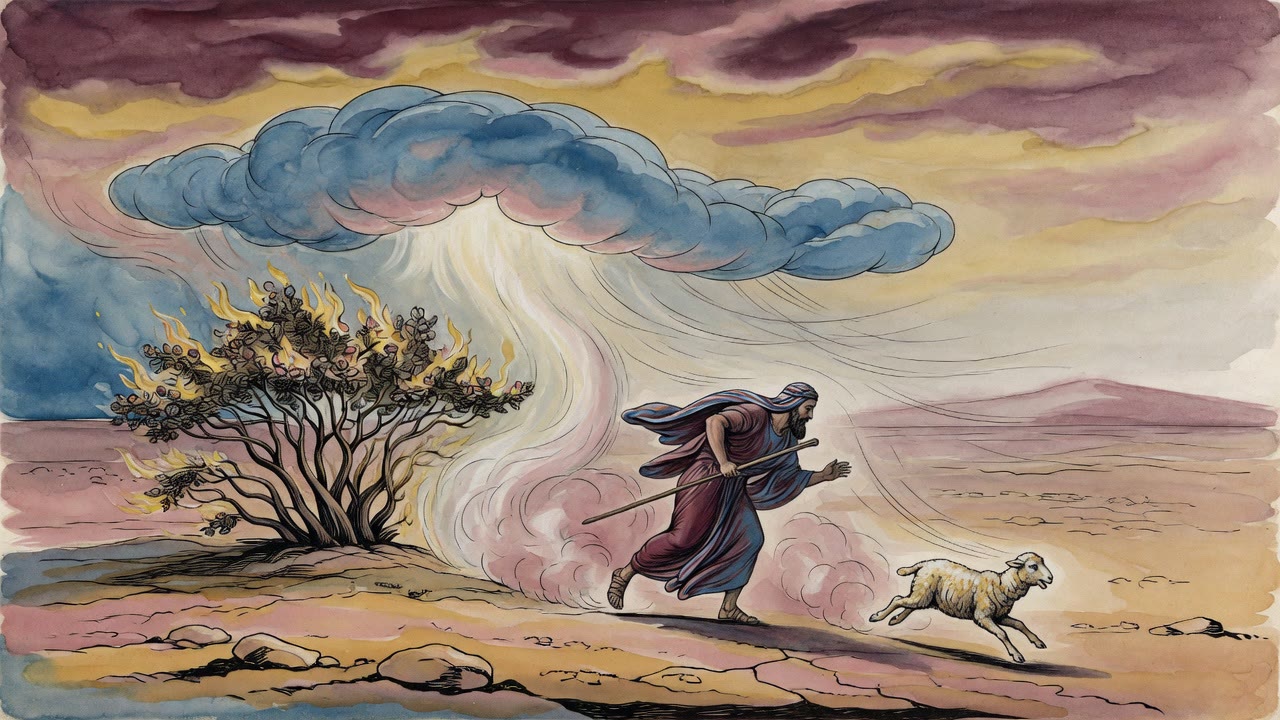
Moses went to find the bones of Joseph.
Joseph had extracted an oath from his brothers before he died. When God remembers you, he told them, you will carry my bones up out of Egypt. Zebulon had been one of those brothers. Zebulon had, in his deathbed speech, confessed to failing Joseph when it mattered most. Now Moses, three generations later, was honoring what the brothers had promised. He searched the city until he found the casket, a lead box that the Egyptians had sunk in the Nile to bind Joseph's bones to Egypt's soil forever. He stood at the river's edge while everyone else streamed toward freedom, and he lifted the heavy lead out of the water and carried it through the desert for forty years.
The mercy Moses showed Joseph, the honoring of an old promise to a dead man when everyone else was busy escaping, was the same category of act as Zebulon's fish and Noah's midnight feeding schedule. It was mercy directed toward something that could not immediately repay it. The bones could not thank him. The fish Zebulon shared with poor fishermen could not guarantee his safety at sea. The lion Noah fed at midnight had no loyalty to offer in return. All three men gave without transaction, and all three crossed their water.
← All myths