3,636 related texts · Page 1 of 76
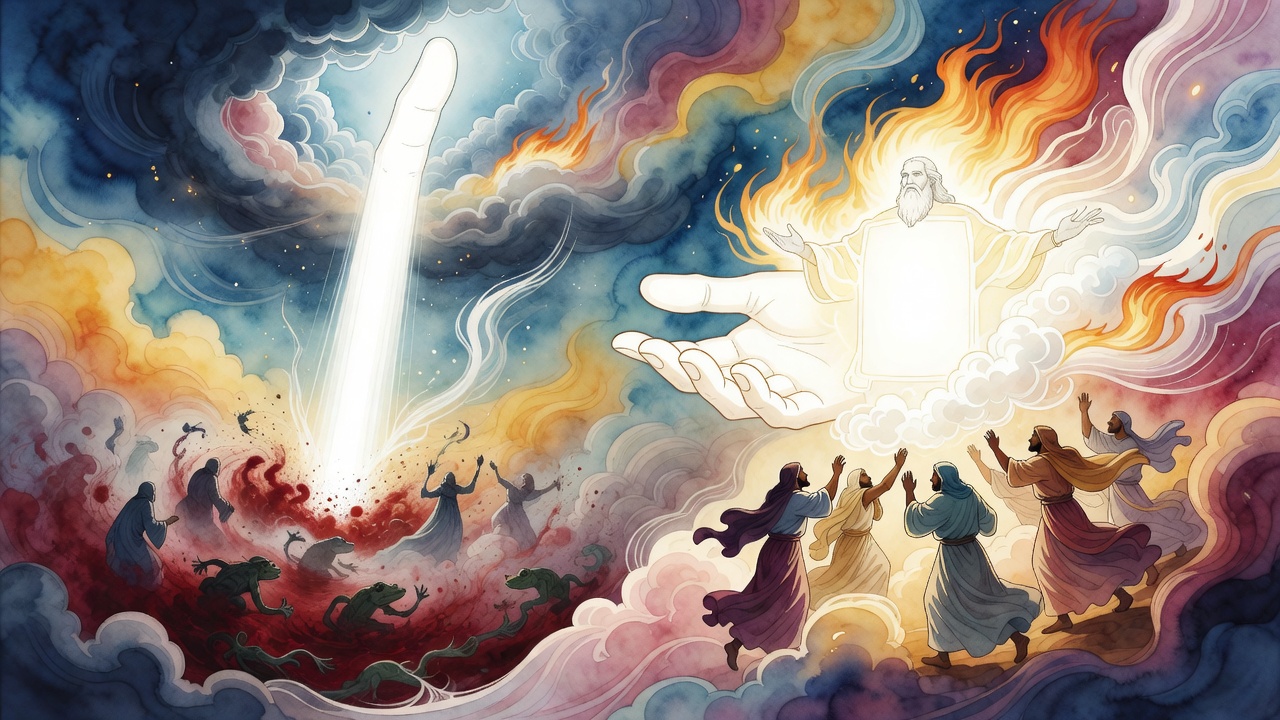
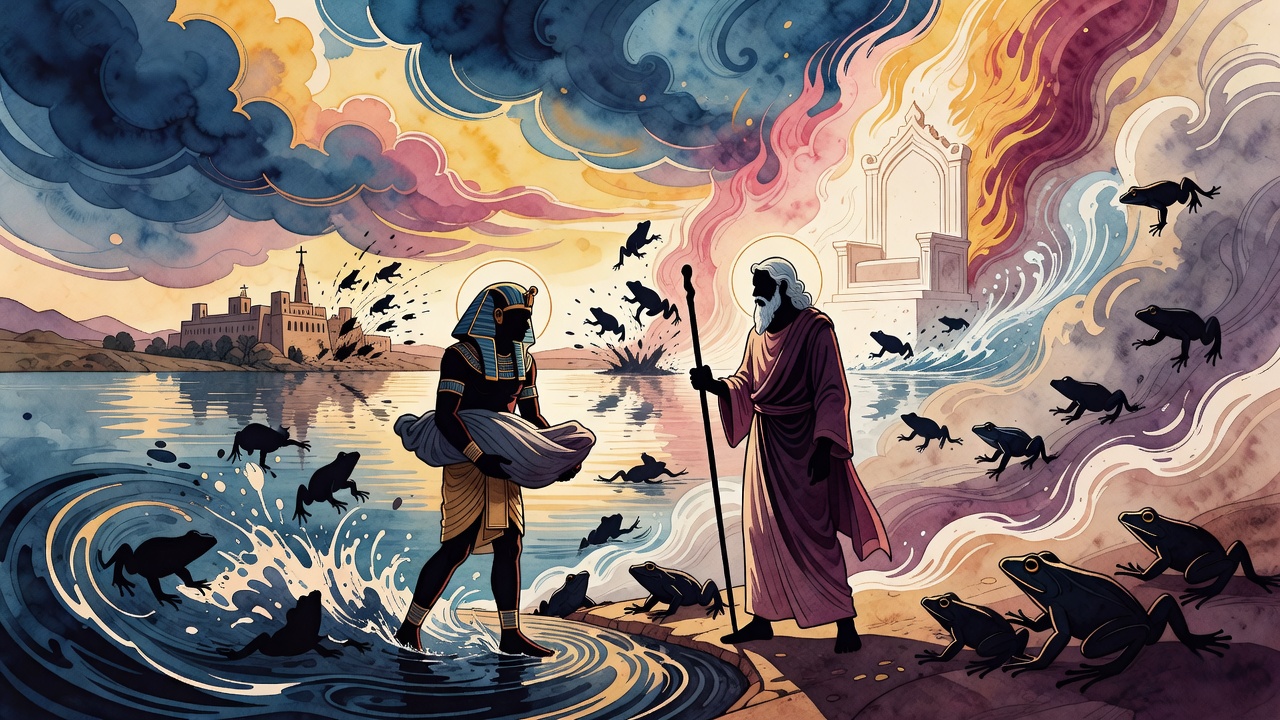
It's not just about freedom from slavery; it's about the cosmic battle between belief and denial, played out through plagues and miracles. to the second plague, the plague of the f...
The Legends of the Jews, that monumental work by Louis Ginzberg, gives us some fascinating insights. Ginzberg compiles centuries of Jewish tradition to paint a richer picture than ...
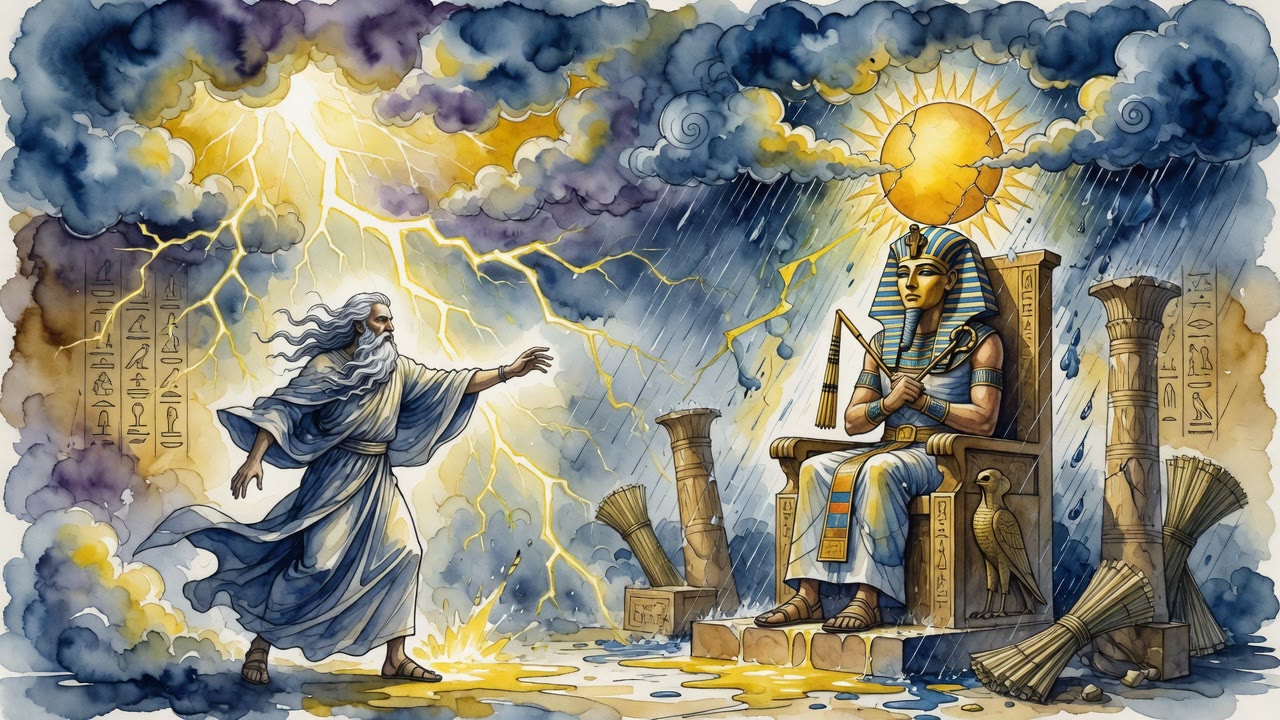
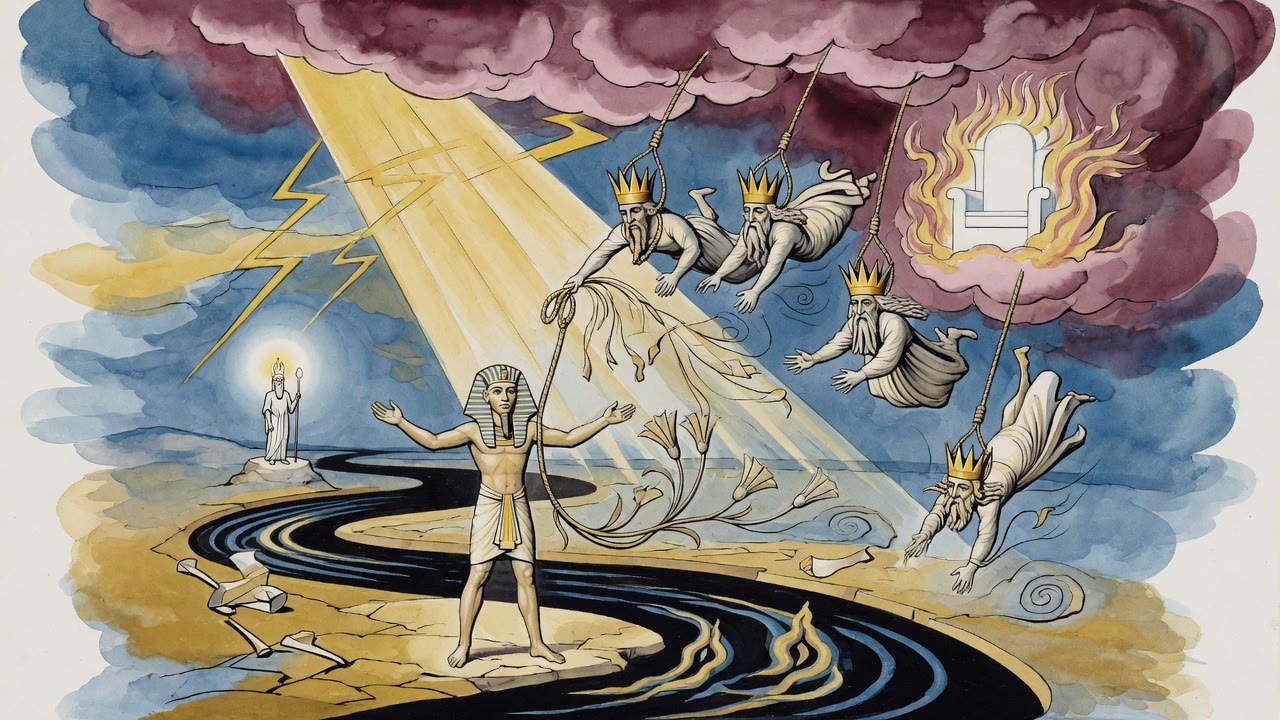
It's not just a random trick. It's a direct confrontation, a symbolic smackdown, if you will. : Pharaoh saw himself as a god, the supreme ruler of Egypt, unshakeable and all-powerf...
Pharaoh, puffed up with his own power, demanded proof. "Who will believe you," he sneered, "when you claim to be God's ambassadors, if you can't even perform wonders that convince ...
We all know the story: Pharaoh, terrified by the growing number of Israelites, orders all newborn Hebrew boys to be cast into the Nile. A desperate act of cruelty. But what was goi...
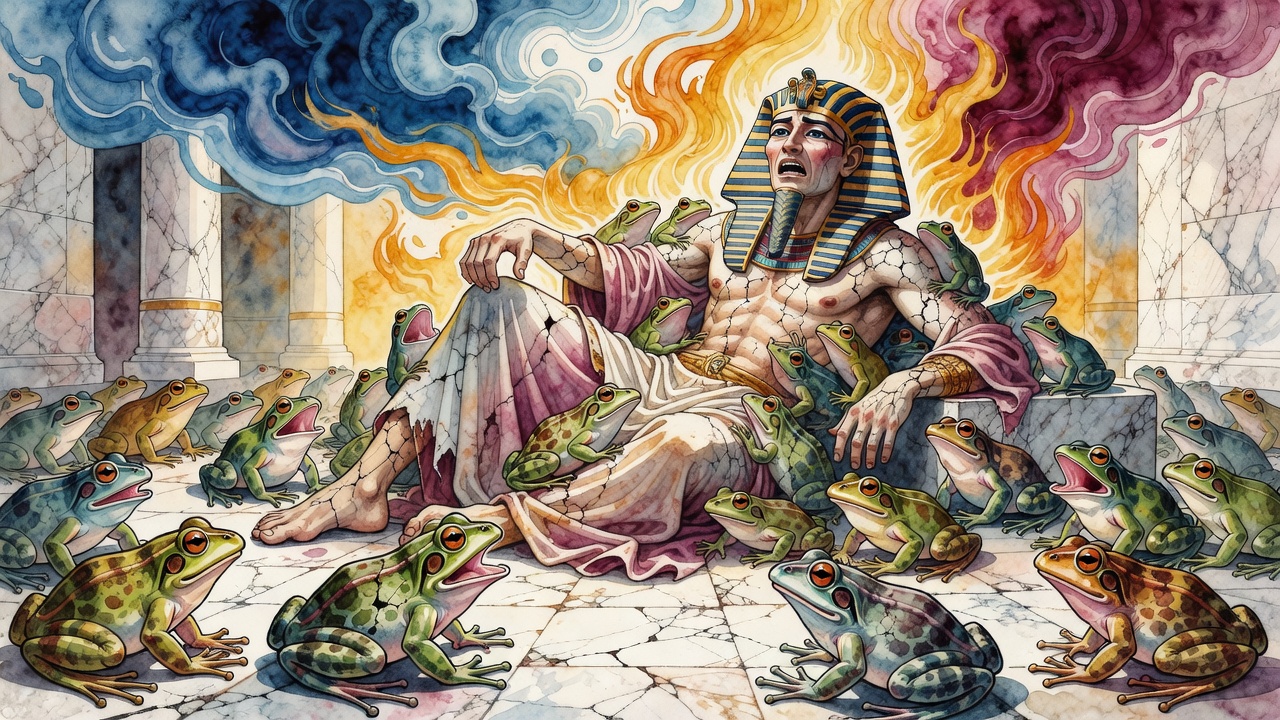
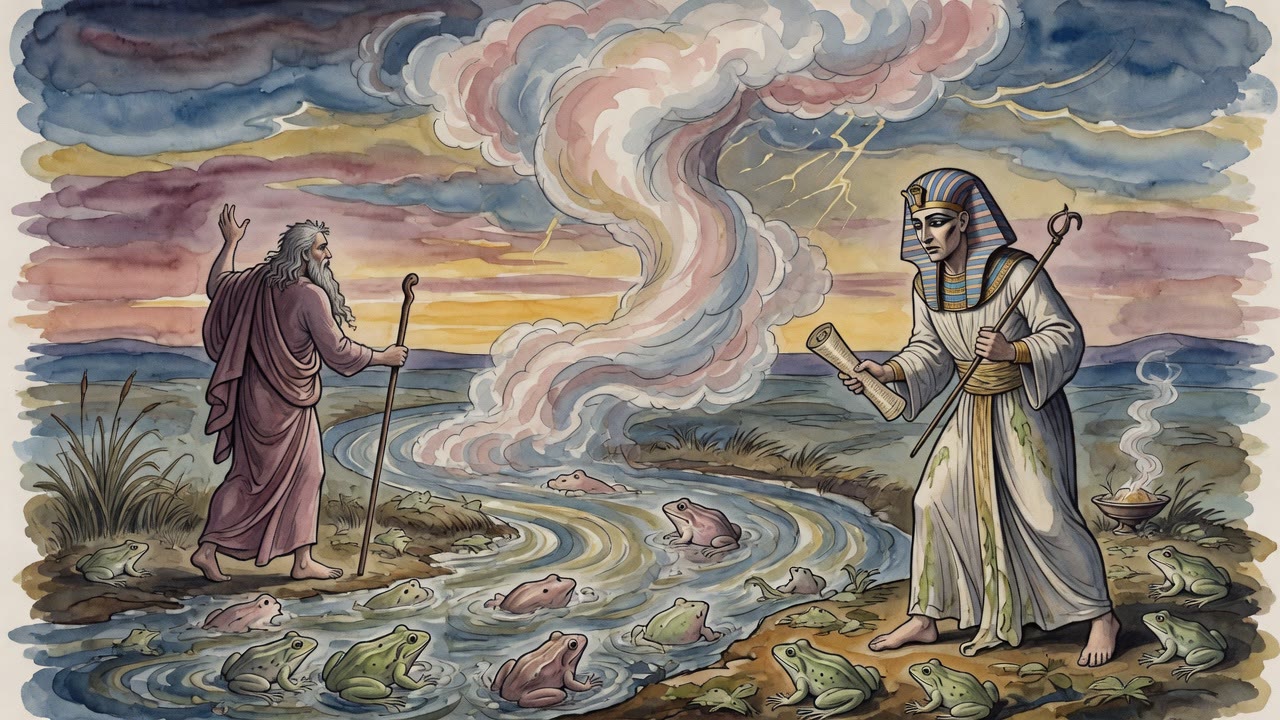
It's easy to think of them as just escalating horrors, but sometimes the sequence itself holds a clue. Let's look at the plague of the frogs, the second of the ten, and see what we...
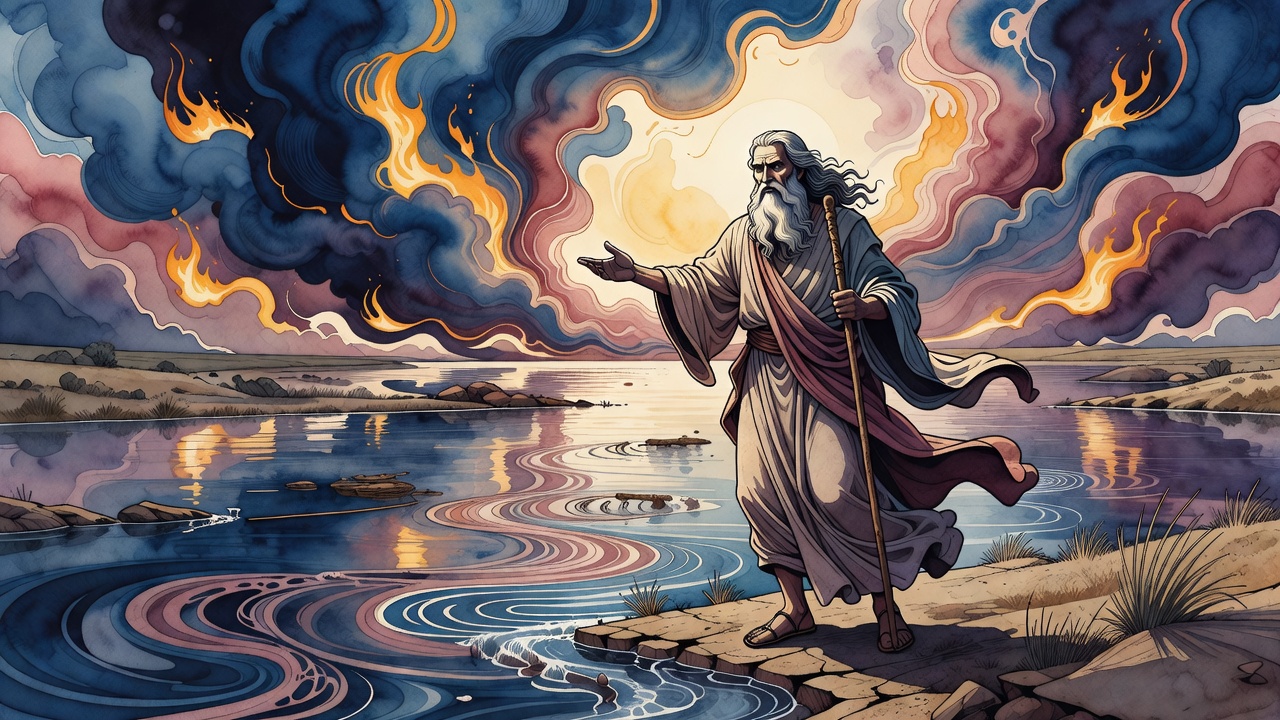
The Torah is full of these kinds of startling transformations, and the story of Moses' rod is a perfect example. It’s more than just a cool magic trick; it’s a lesson about power, ...
Really trapped. Centuries of slavery, your identity almost erased. Then, a glimmer of hope appears: MOSES. But even after plagues and miracles, freedom seems just out of reach. Wha...
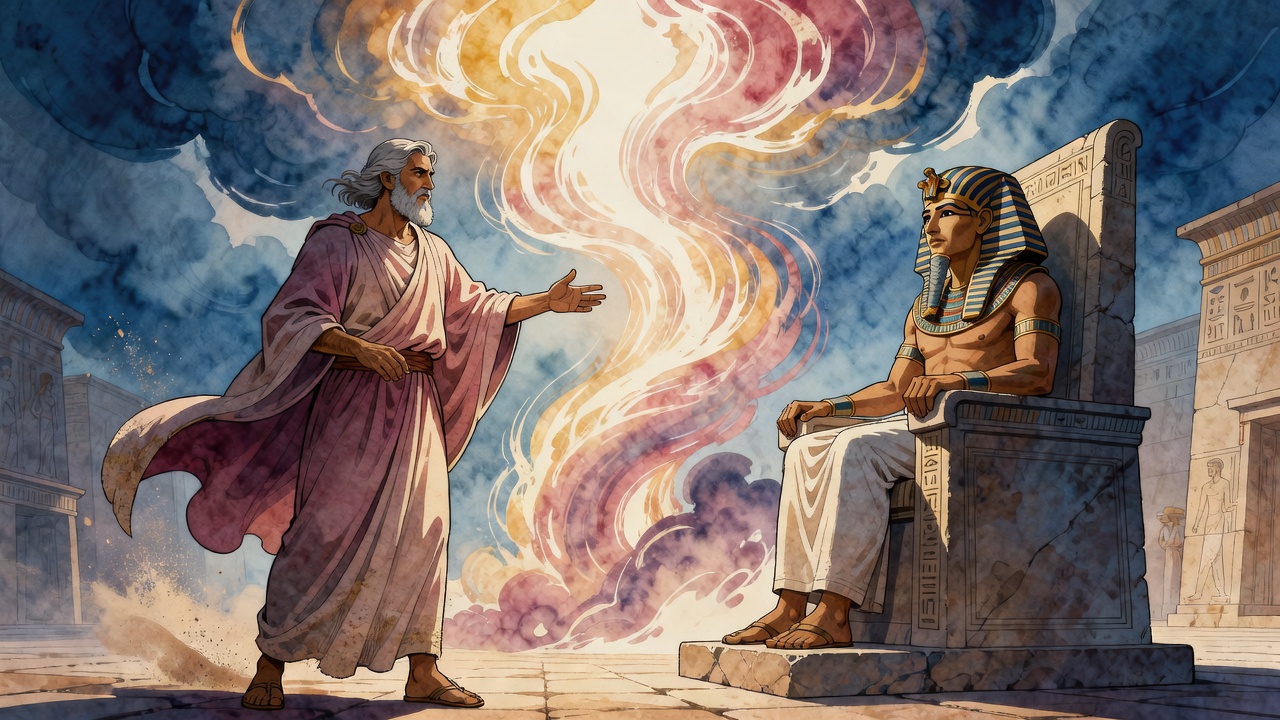
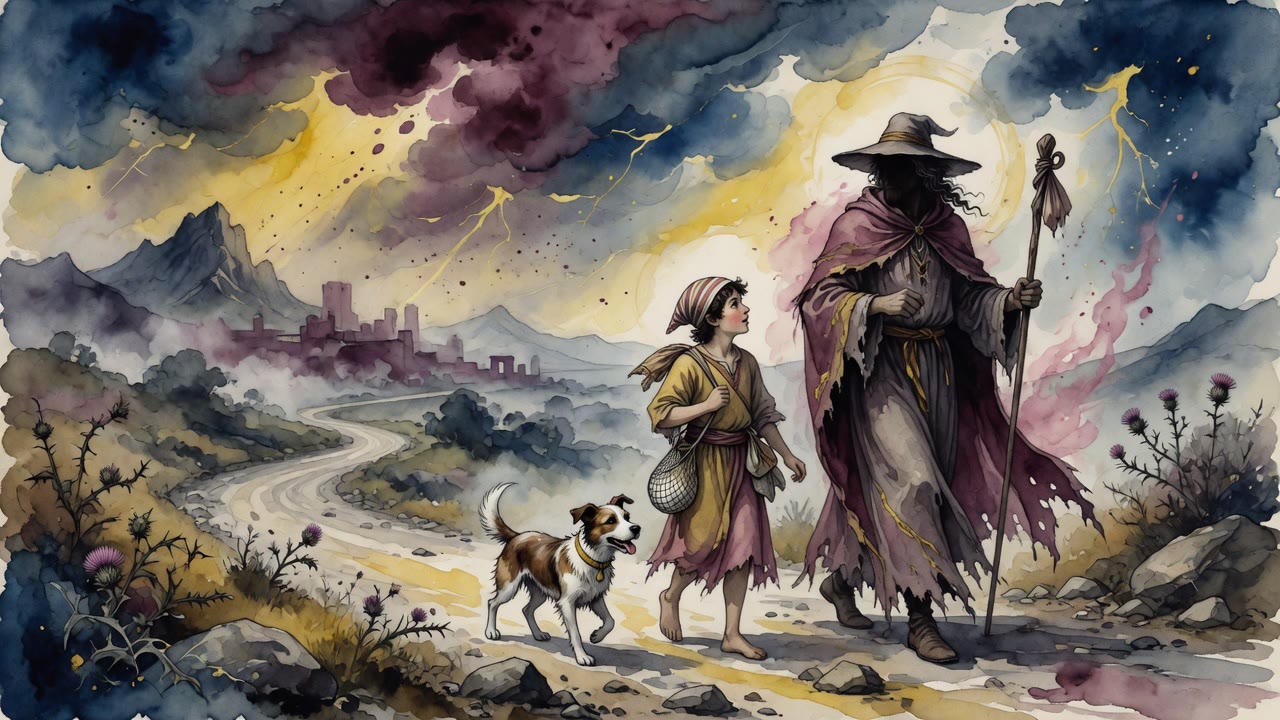
But let’s zoom in on that very first encounter, the one that set the whole thing in motion. It begins with Moses and Aaron, standing before Pharaoh, delivering a message that must ...
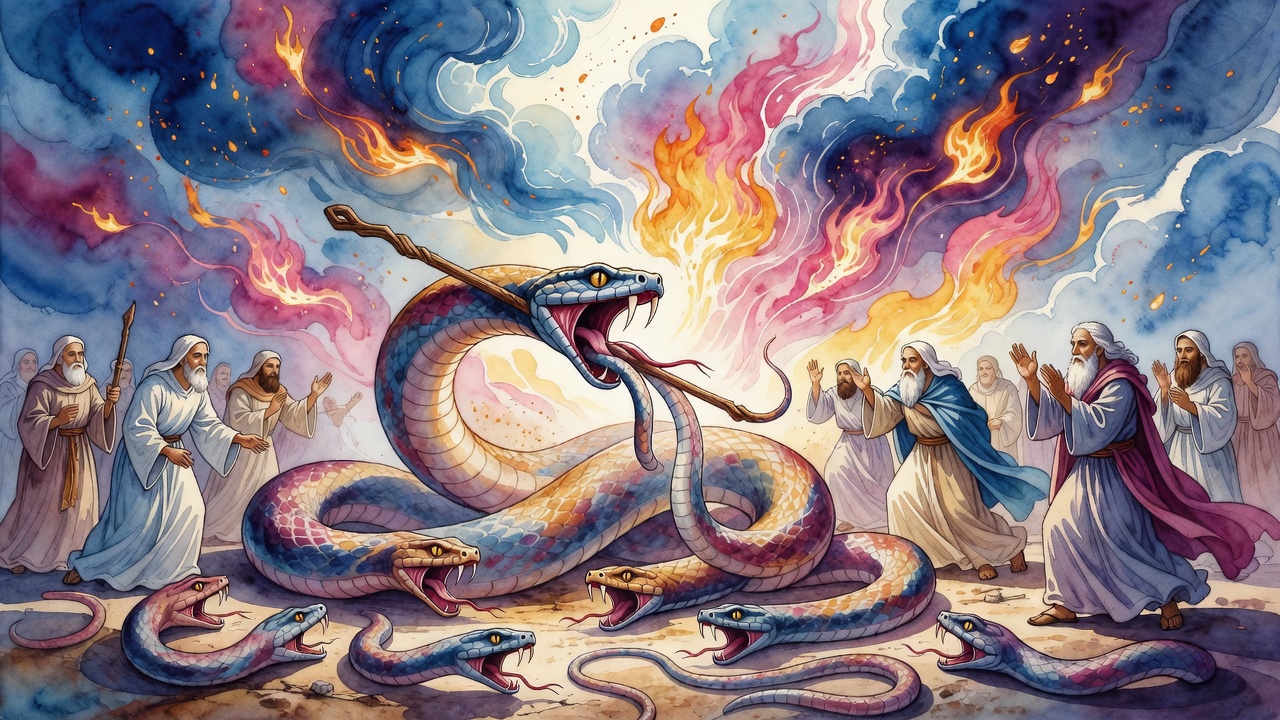
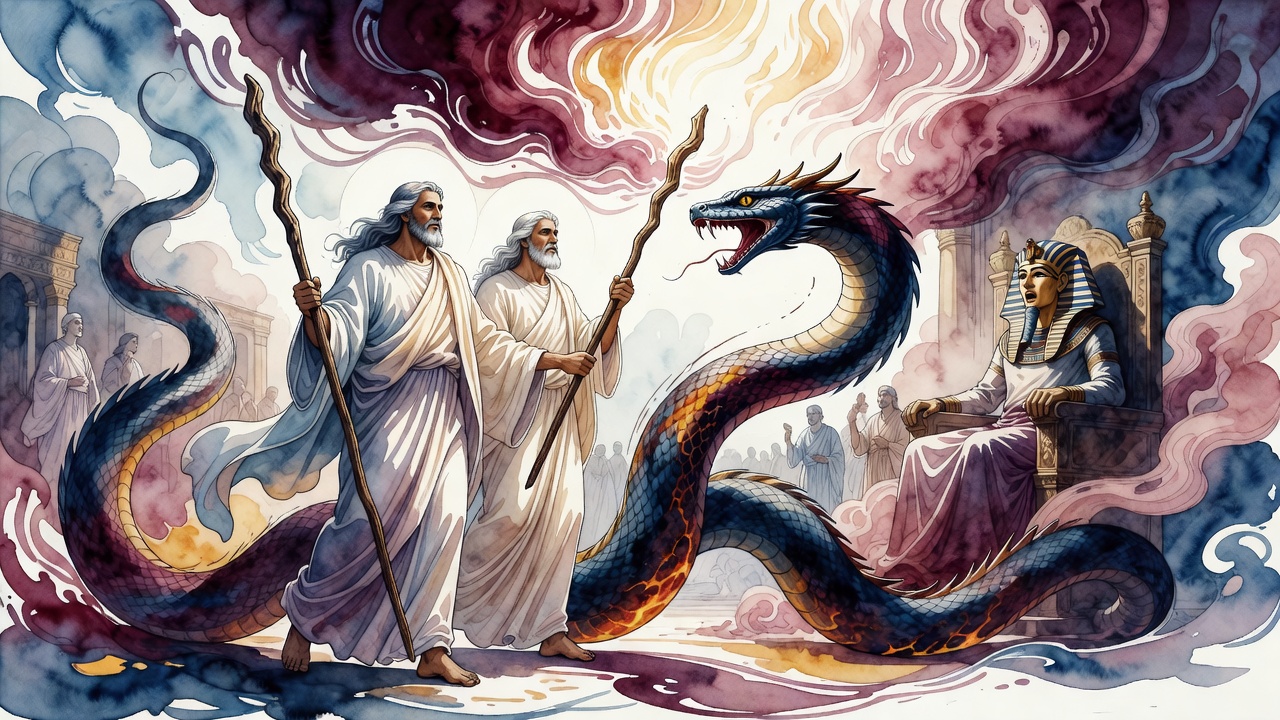
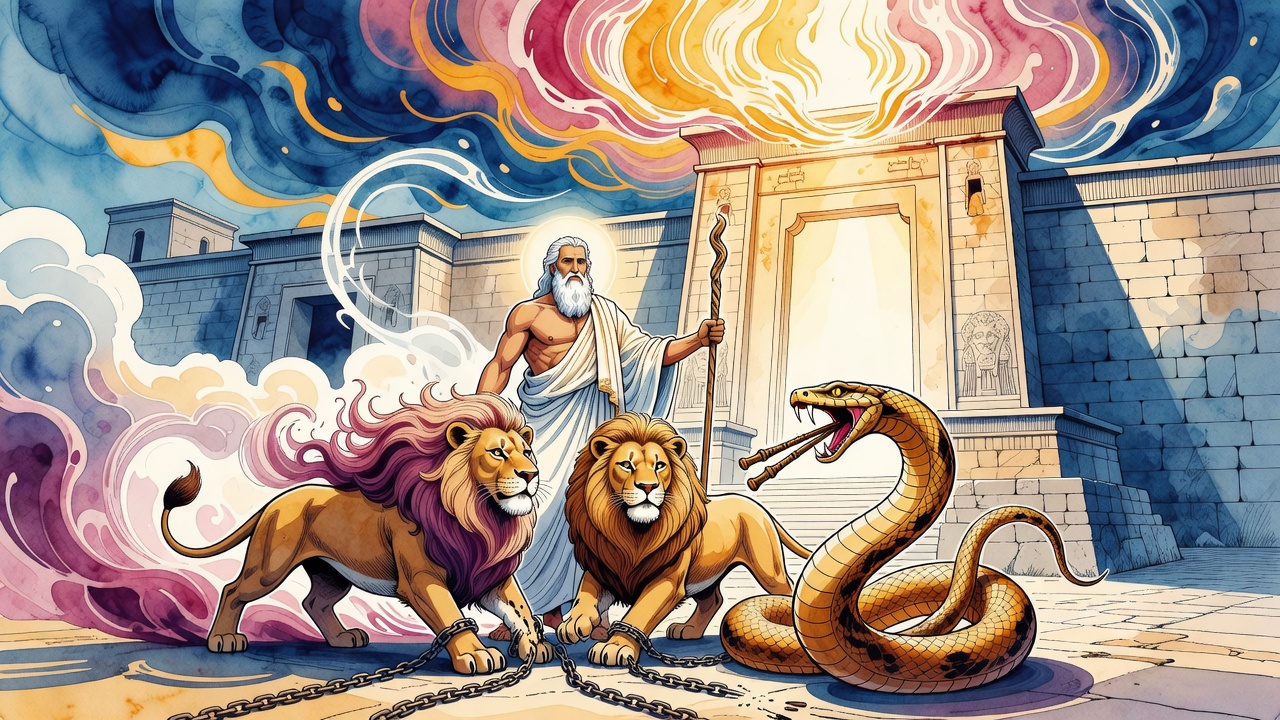
When the Hebrew Bible says Aaron threw down his staff before Pharaoh and it became a serpent (Exodus 7:10), the Targum Jonathan makes a far more terrifying claim. The rod did not b...
It's all there in the book of Exodus, chapter 7, verse 9: "When Pharaoh will speak to you, saying: Provide a wonder for you; then you shall say to Aaron: Take your staff, and cast ...
We find ourselves in Shemot Rabbah, a treasure trove of rabbinic interpretations on the Book of Exodus. The verse in question is (Exodus 8:12): “The Lord said to Moses: Say to Aaro...
It wasn’t just a random act of divine anger. According to Jewish tradition, there was a method to the madness, a specific reason why certain plagues were assigned to certain people...
Pharaoh's daughter did not accidentally find Moses. According to Sotah 12b, she came to the river to immerse herself—not for bathing, but to wash away the spiritual impurity of her...
The Torah speaks "to Moses and to Aaron" — in that order. Moses first, Aaron second. A natural reading would assume this reflects a hierarchy: Moses is the greater, Aaron the lesse...
We know the broad strokes: they demanded freedom for the Israelites. But what about the nitty-gritty of that confrontation? What exactly did they say, and how did Pharaoh react? Th...
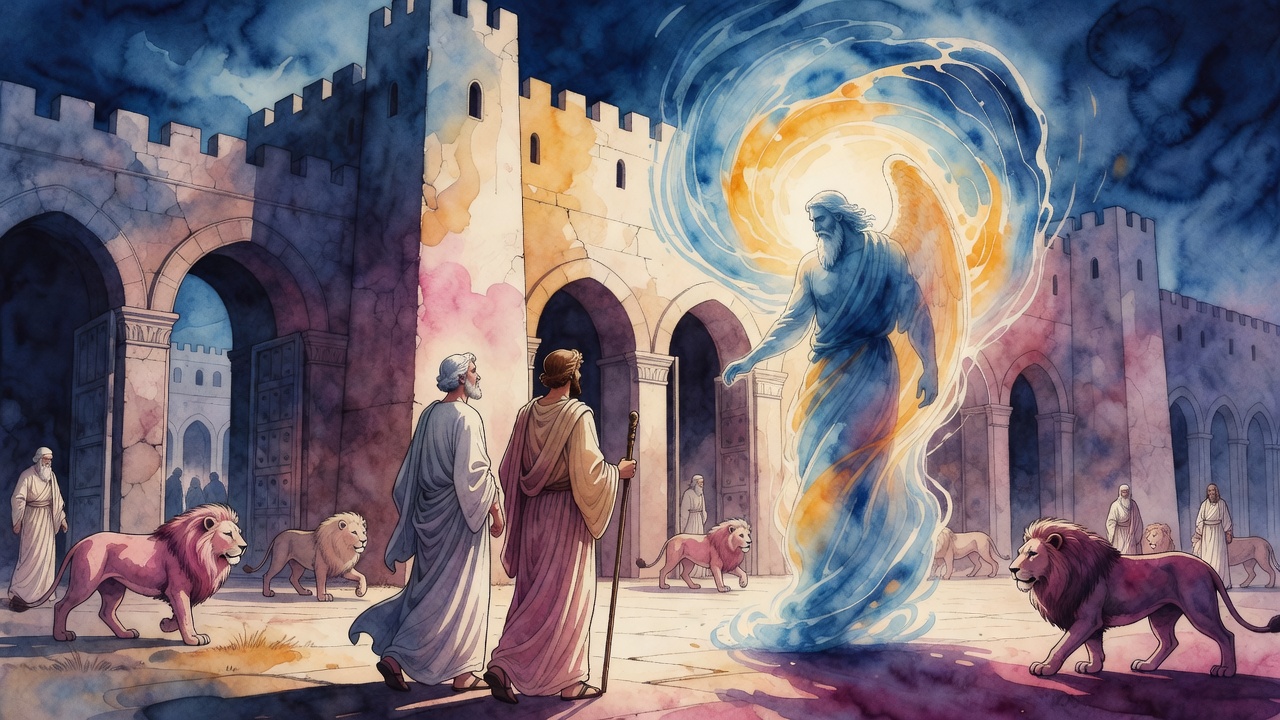
That feeling isn't new. It goes all the way back to Moses and Aaron facing down Pharaoh in the book of Exodus. : They’re walking into the lion's den, asking the most powerful ruler...
It's not just about suffering, is it? It's about a clash of wills, a battle of divine power, and ultimately, liberation. But have you ever stopped to consider the why behind how th...
Think of that friend who finally starts exercising after a doctor's warning, or the colleague who suddenly becomes a team player when their job is on the line. Well, Pharaoh, in th...
It's not just a story from a book; it was a moment of cosmic significance. Imagine the scene: Pharaoh's birthday. A huge deal. He's not just any king, remember – according to Legen...
Can you picture it? Not just some dusty throne room, but a bustling hub of Egyptian power. The scene is almost comical – seventy secretaries, scribbling away, managing Pharaoh's co...
We often picture Moses and Aaron striding confidently into Pharaoh's court, ready to unleash divine power. But according to tradition, there was a crucial pep talk from God Himself...
The passage begins with a rather grand statement from Exodus: "See, I have set you as god to Pharaoh; and Aaron your brother will be your prophet” (Exodus 7:1). But what does it re...
Some folks sneak around, waiting for the perfect moment to pounce. Others? They give you a heads-up, a warning shot across the bow. That difference, believe it or not, is at the he...
The ancient Rabbis certainly thought about that feeling, and they found it in a surprising place: the showdown between Moses and Pharaoh's magicians. The verse in (Exodus 7:12) tel...
The Torah tells us, "The magicians of Egypt did so with their spells; and Pharaoh's heart hardened, and he did not heed them, as the Lord had spoken” (Exodus 7:22). But what does "...
Because true magic, the kind wielded by prophets and emanating from the Divine, is something else entirely. Consider the story of the Egyptian magicians and their fateful encounter...
(Exodus 12:1) "And the L–rd spoke to Moses and to Aaron in the land of Egypt, saying": I might think that both Aaron and Moses were being addressed; it is, therefore, written (Exod...
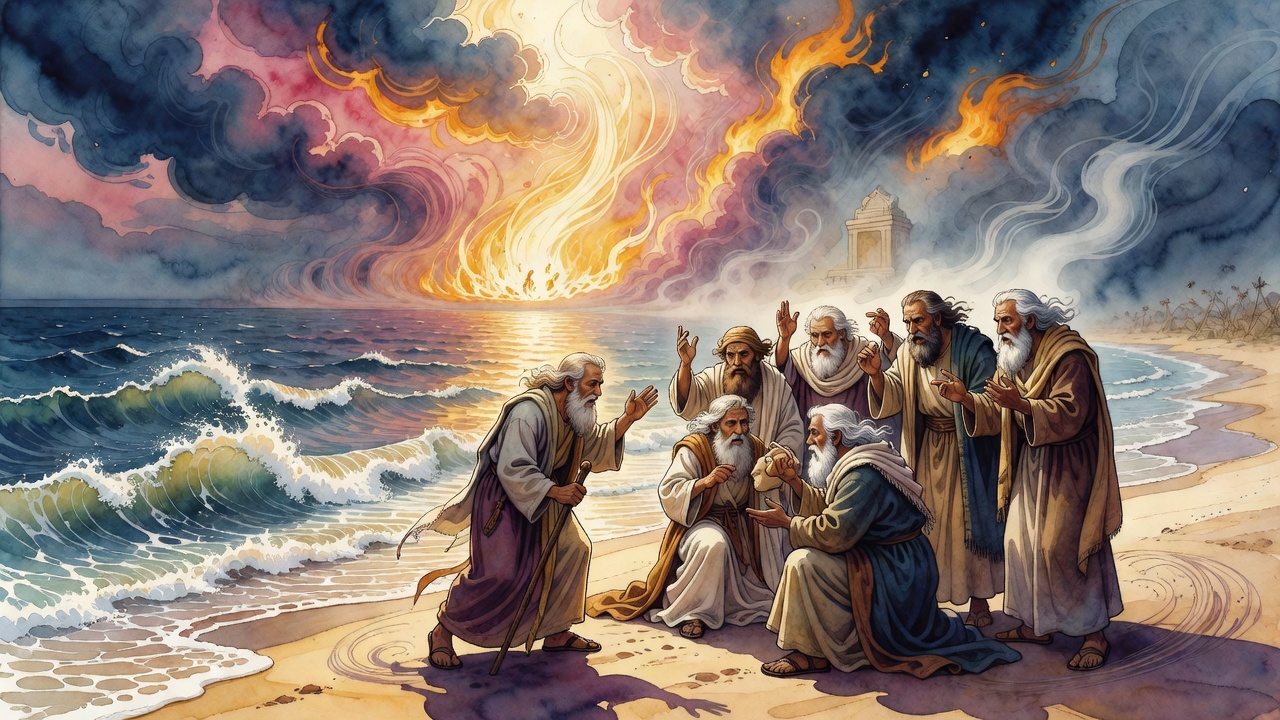
The Song at the Sea praises God not only for His power but for His patience. The Mekhilta de-Rabbi Ishmael highlights a detail that the Israelites themselves recognized as they san...
We all know the story: Moses and Aaron plead with Pharaoh, Pharaoh refuses, plagues ensue. But what about the details? The little human moments tucked away in the grand narrative? ...
That's kind of what went down between Moses and the Egyptian magicians, according to Pirkei DeRabbi Eliezer, a fascinating early medieval text that delves into biblical narratives....
The Torah tells us, "The Lord said to Moses: When you go back to Egypt, see all the wonders that I have placed in your hand and perform them before Pharaoh; but I will harden his h...
And his reaction to Moses and Aaron's miracles in Egypt, as described in Shemot Rabbah, is a masterclass in insecure overcompensation. We all know the story: Moses and Aaron come b...
We read the story of the plagues, and it can feel like a foregone conclusion, like Pharaoh was just cartoonishly stubborn. But there were moments... moments where the pressure was ...
It's easy to see them as just divine punishment, but the rabbis found layers of meaning, justice, and even hidden miracles within each one. Let's look at the plague of boils as des...
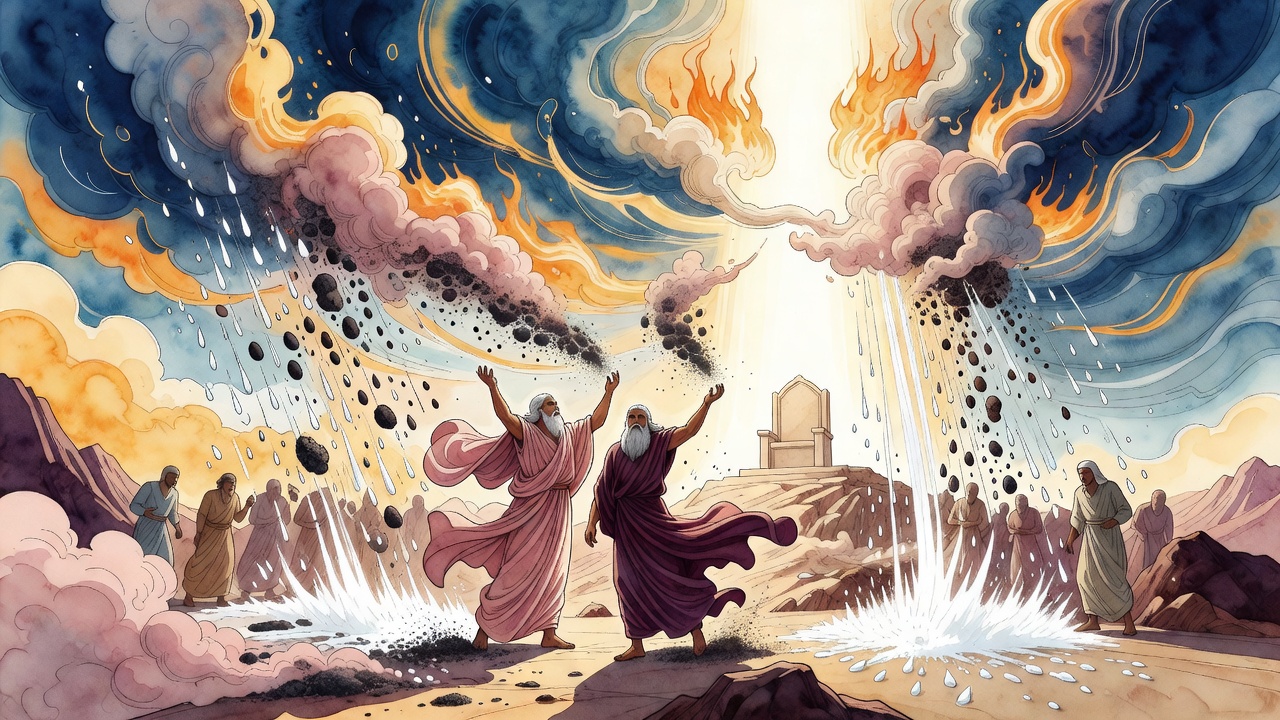
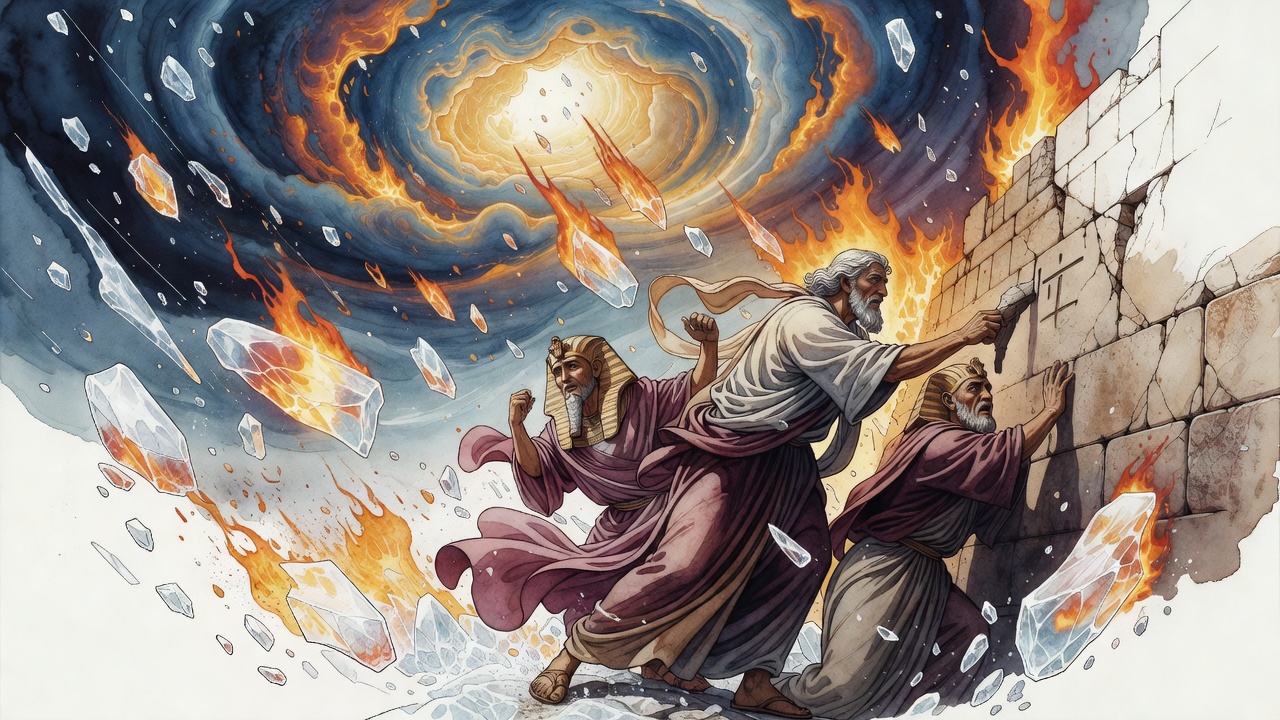
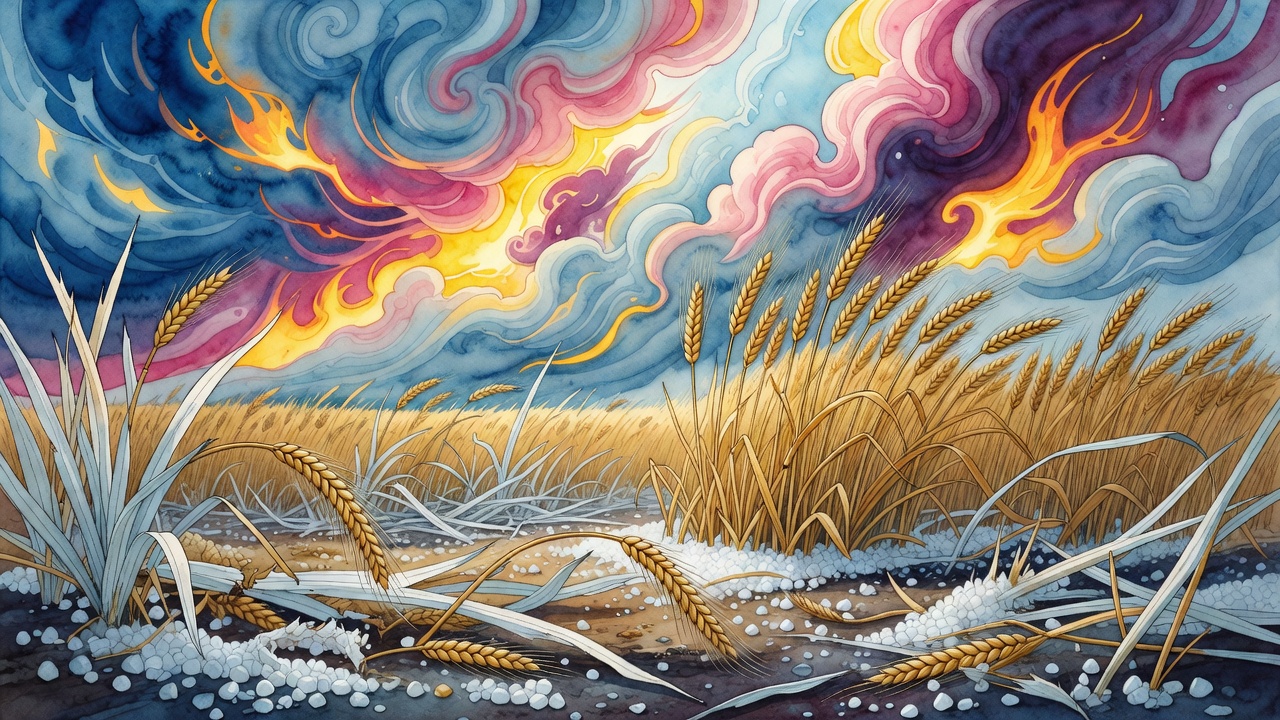
The Book of Exodus tells us, "Moses extended his staff toward the heavens and the Lord sent thunder and hail, and fire ran down to the ground, and the Lord rained hail upon the lan...
According to Ginzberg's retelling in Legends of the Jews, the day Moses and Aaron made their grand entrance was actually Pharaoh's birthday. Can you imagine the pomp and circumstan...
When Moses and Aaron walked into Pharaoh's palace to demand the release of the Israelite slaves, they were not entering a building. They were entering a fortress designed to intimi...
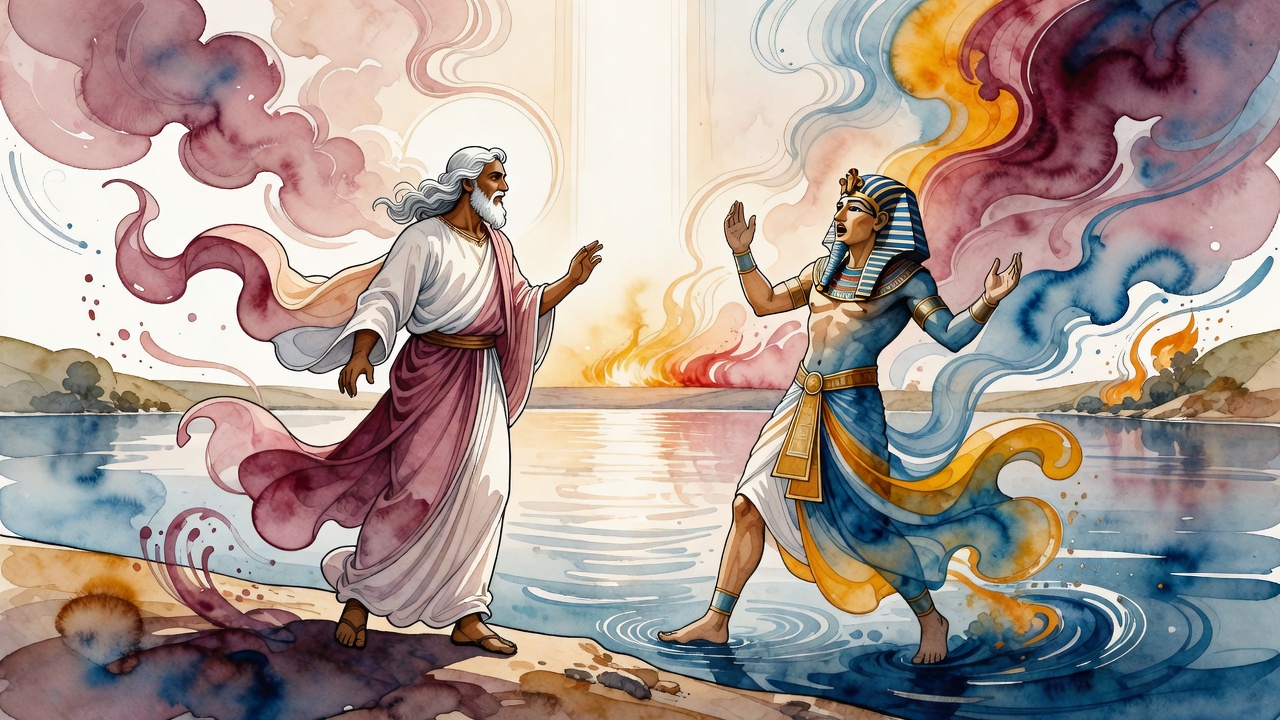
It all started with a walk by the river. Pharaoh, had a little… problem. He fancied himself a god. Not just any god, mind you, but the god of Egypt. The problem? Gods aren't suppos...
Moses, the man who stood toe-to-toe with Pharaoh, the man who witnessed unimaginable plagues unleashed upon Egypt, still maintained a certain level of deference. It's almost counte...
Rabbi Yossi HaGlili presents one of the most famous calculations in rabbinic literature. He asks: how do we know that the Egyptians were struck with ten plagues in Egypt and fifty ...
That feeling…that’s almost the heart of the story of Hallelujah. But what is Hallelujah, really? It's more than just a word; it's an expression, a moment in time. Midrash Tehillim,...
The story begins with Moses, standing before God, asking for a sign, a mofet, to prove his divine mission. "Sovereign of all worlds!" he pleads, "Give me a wonder or a sign!" And G...
The Torah tells us that Moses was born, hidden, found by Pharaoh's daughter, and eventually fled to Midian. Targum Jonathan fills in the gaps with miracles, secret identities, and ...
The Targum Jonathan on Exodus 8 contains one of the most remarkable theological additions in all of ancient Aramaic literature: the reason Moses personally refused to bring the pla...
It might seem trivial, but sometimes, the order of things speaks volumes. Think about when Moses and Aaron first approach Pharaoh. The verse in (Exodus 7:10) tells us, "Moses and A...
It sounds almost…silly. But when you dig into the Midrash, these plagues become far more than just annoying inconveniences. They become targeted, almost surgical strikes against th...
The scene: Moses is tasked with confronting Pharaoh yet again. God tells Moses, "Rise early in the morning, and stand before Pharaoh, and say to him: So said the Lord, God of the H...