61 myths · Page 2 of 2
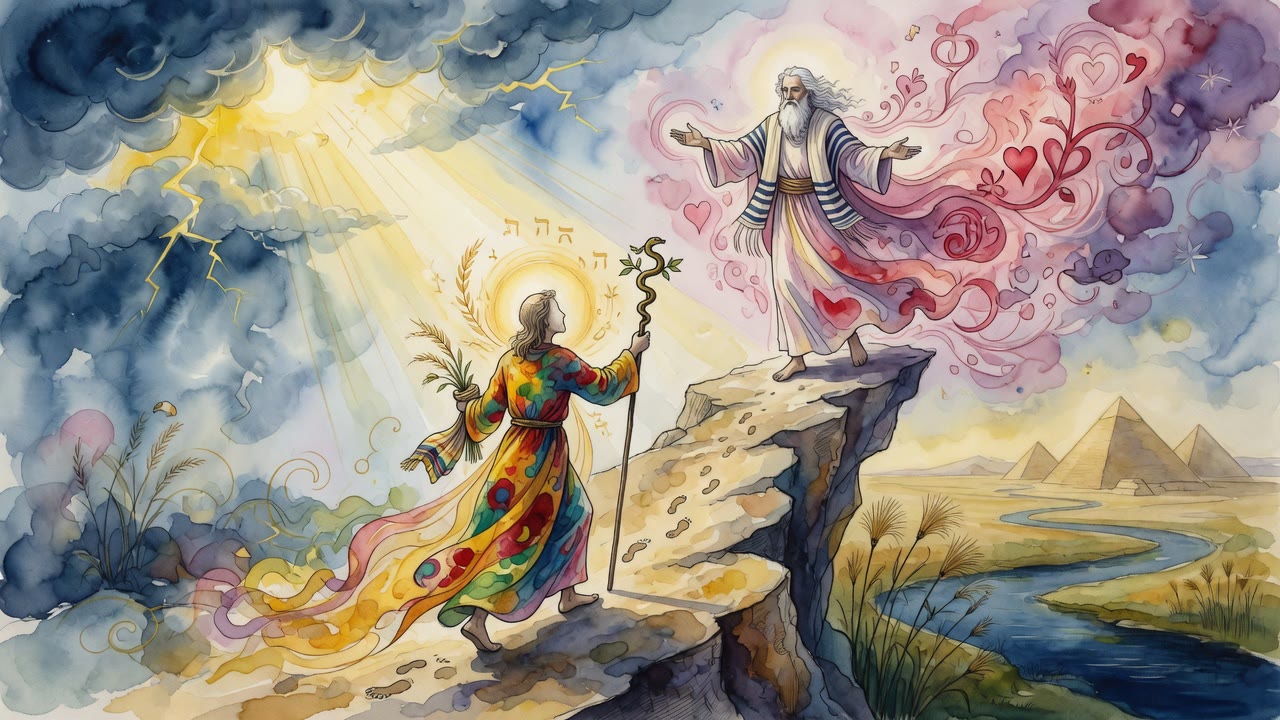
Jacob would not leave Canaan. He knew the old promise: his seed would be strangers in a land not theirs. Then word came that his son ran Egypt's grain.
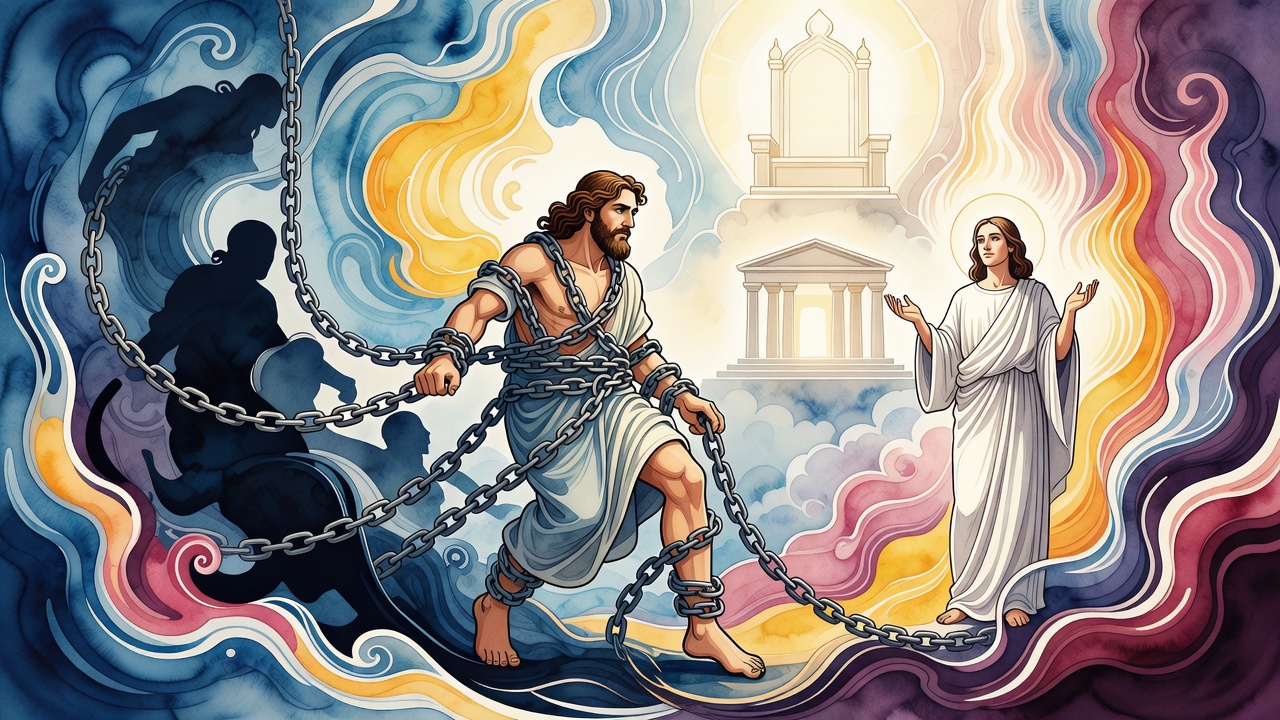
Joseph carried groundless reports about his brothers to Jacob. The words turned on him in slavery, while Benjamin's clean hands earned the Temple site.
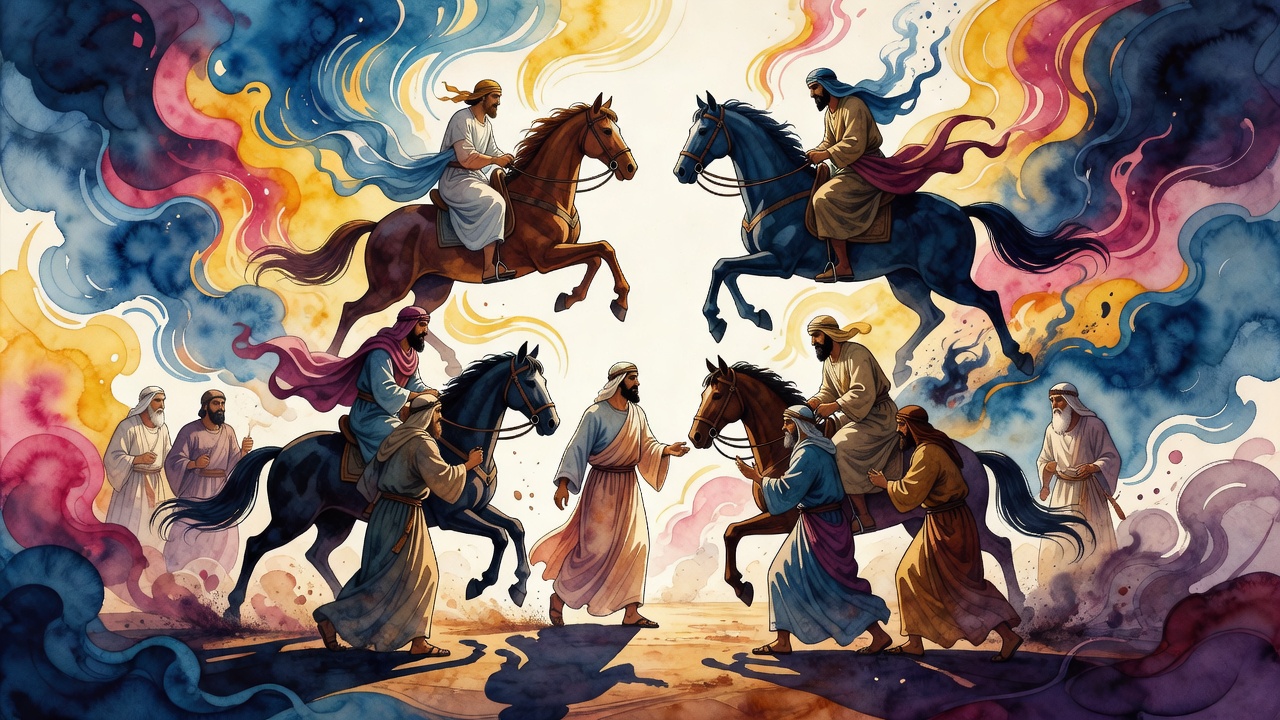
Judah talked his brothers into selling Joseph and let his father identify the bloody coat. God told him what the price would be, and it was children.
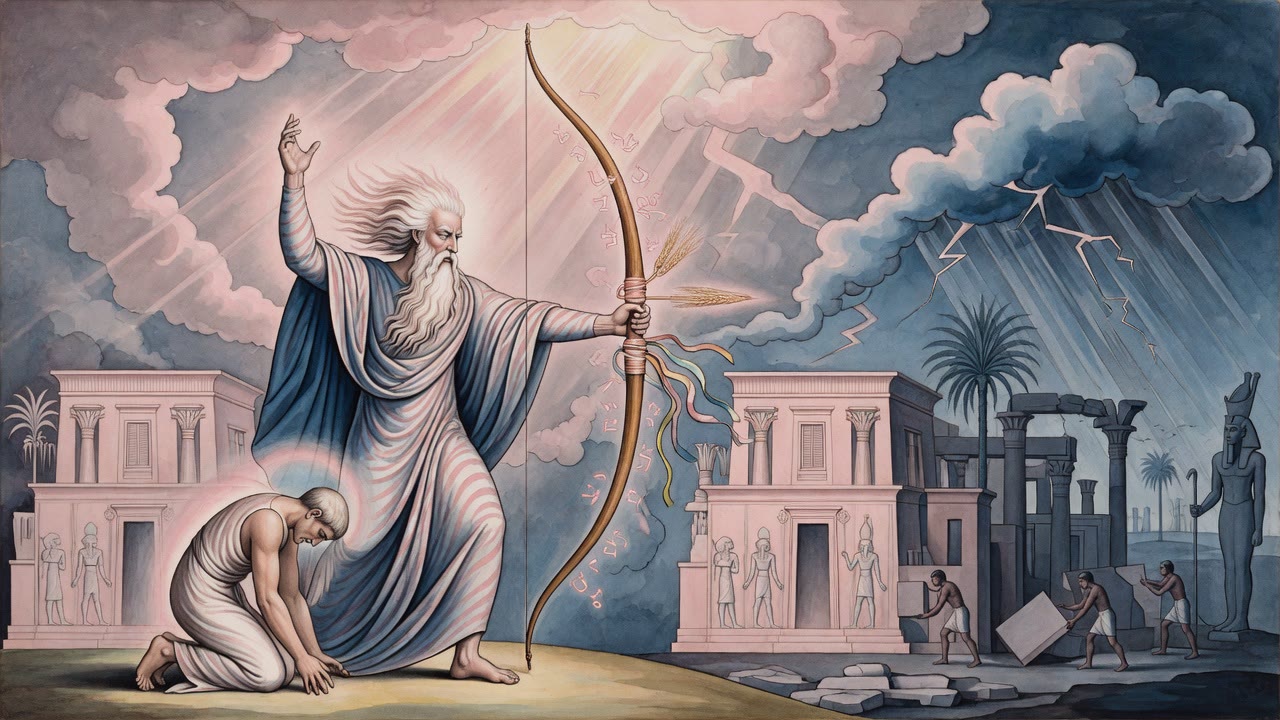
The steward opened the sacks from the eldest down. When the cup came up in Benjamin's sack, the brothers struck him and called him a thief.
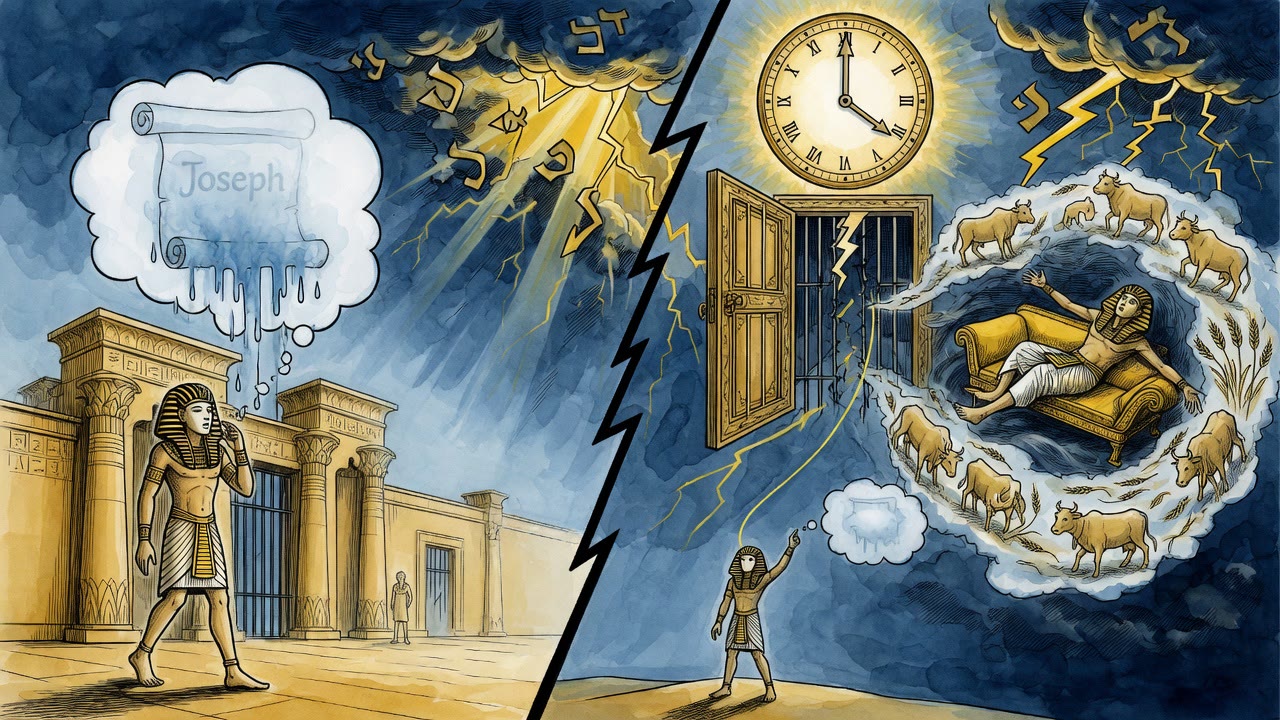
Birds were already at the top basket. The baker waited for a kind reading. Joseph gave him three days, then a map of servitude the man would never live to see.
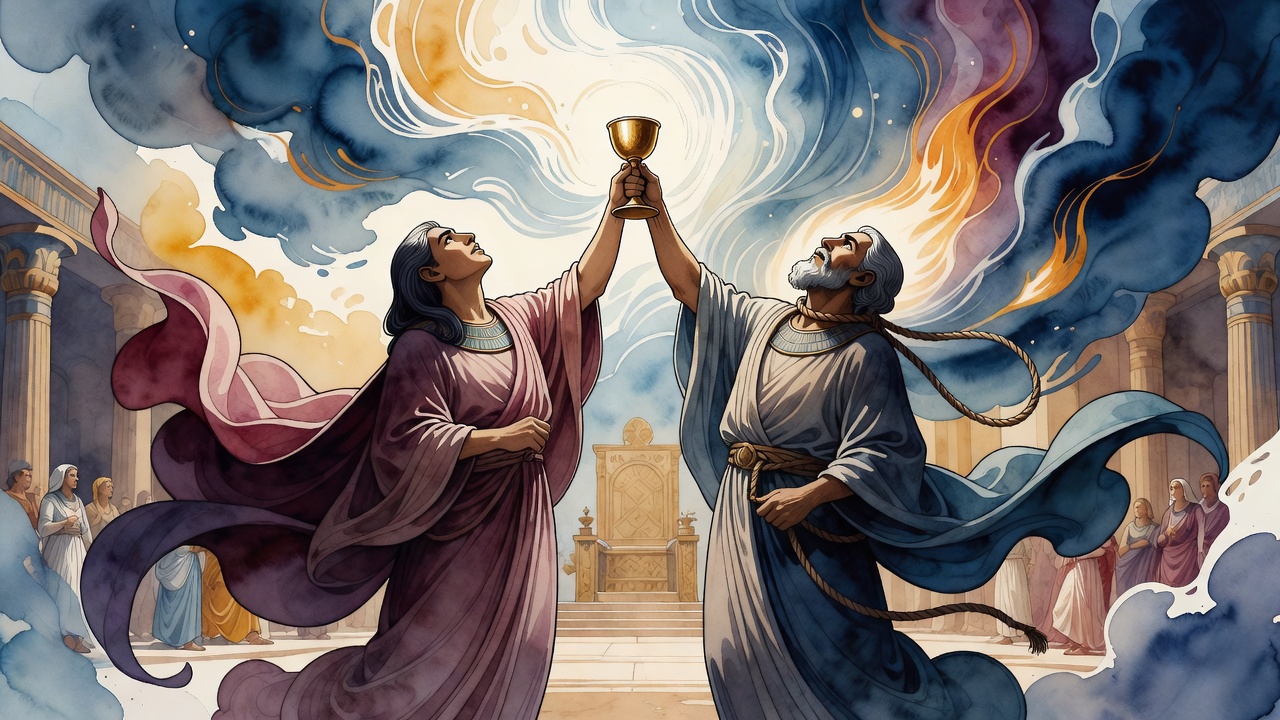
In the prison Joseph named two endings. Three days later the cupbearer poured again, and the baker hung where the kitchen staff could see.
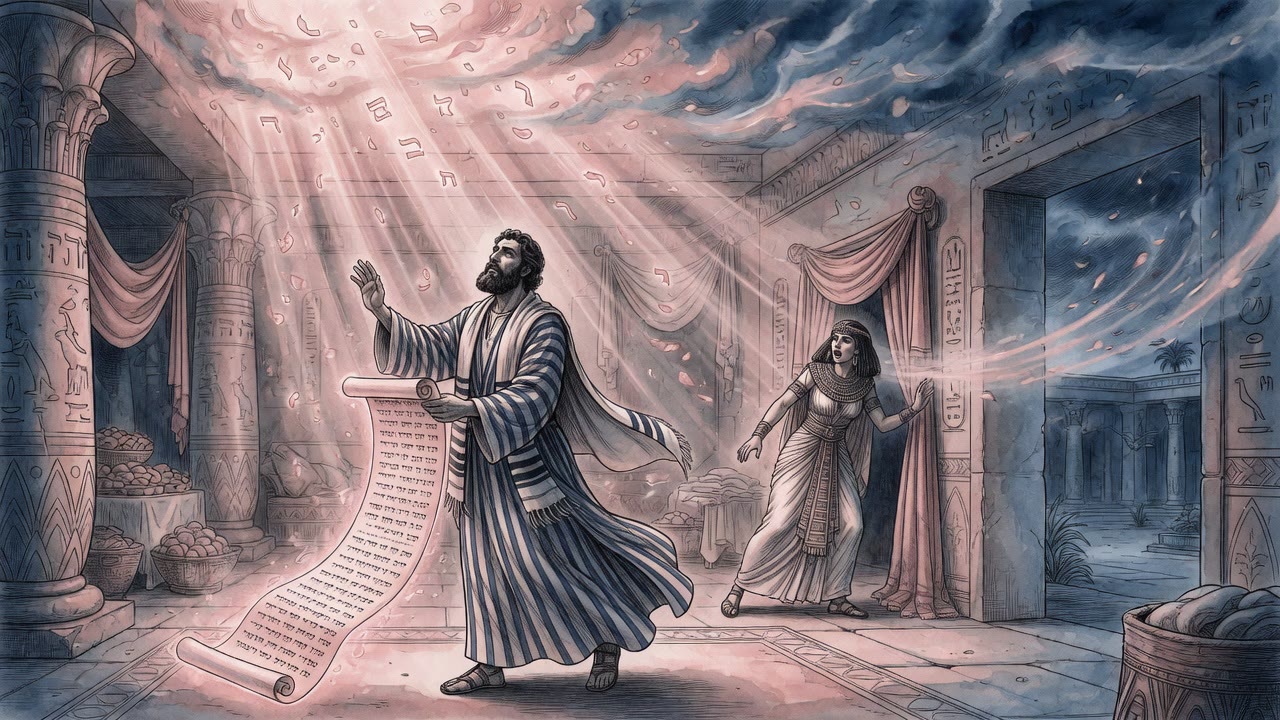
Grain jars, door bolts, accounts, the order of the servants: an Egyptian officer's whole house hung on a slave his brothers had sold.
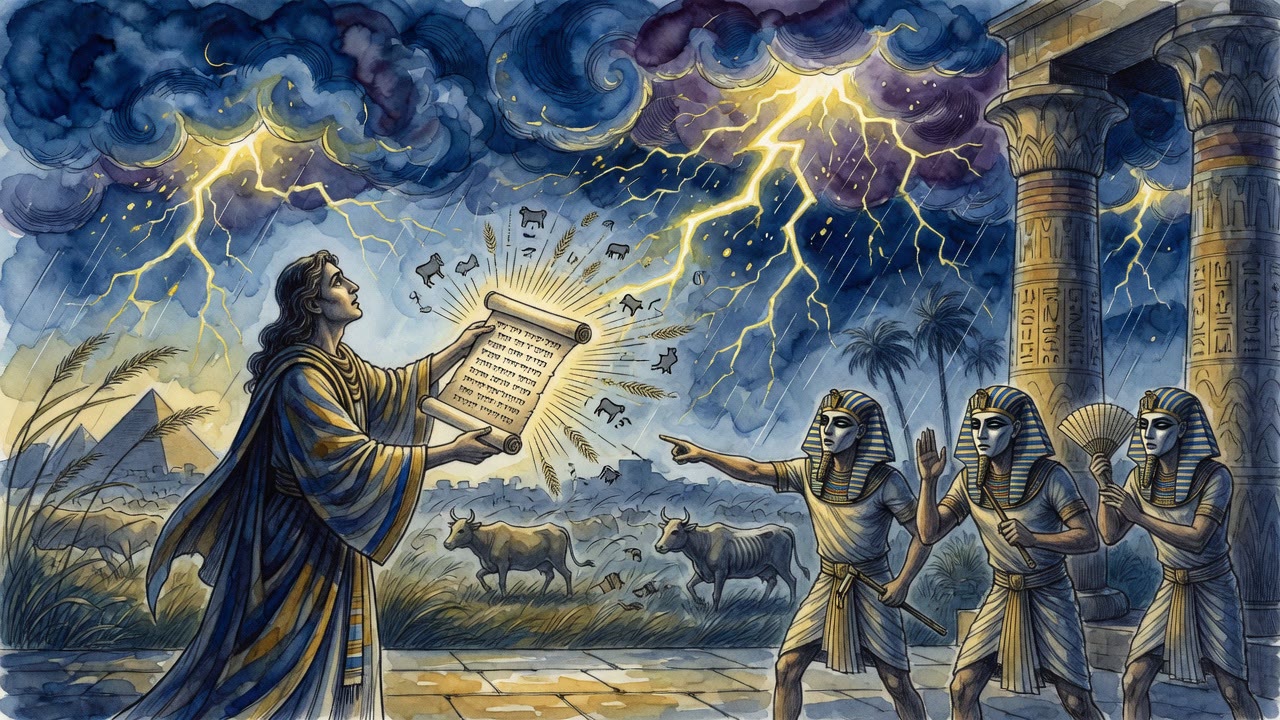
Joseph told Jacob his brothers ate meat torn from live animals and chased Canaanite women. In Egypt, Potiphar's wife accused him of the same thing.
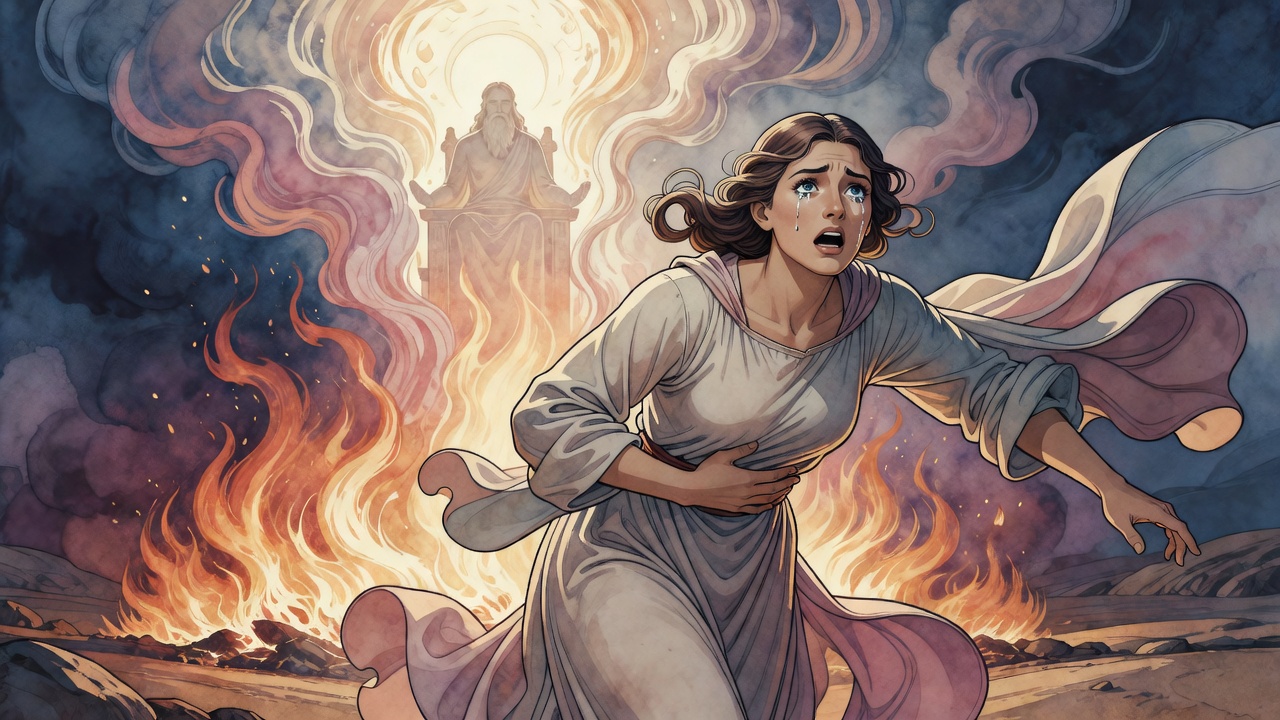
Dragged toward the fire as a priest's daughter, Tamar strikes her womb and cries that she carries kings and redeemers, not shame.
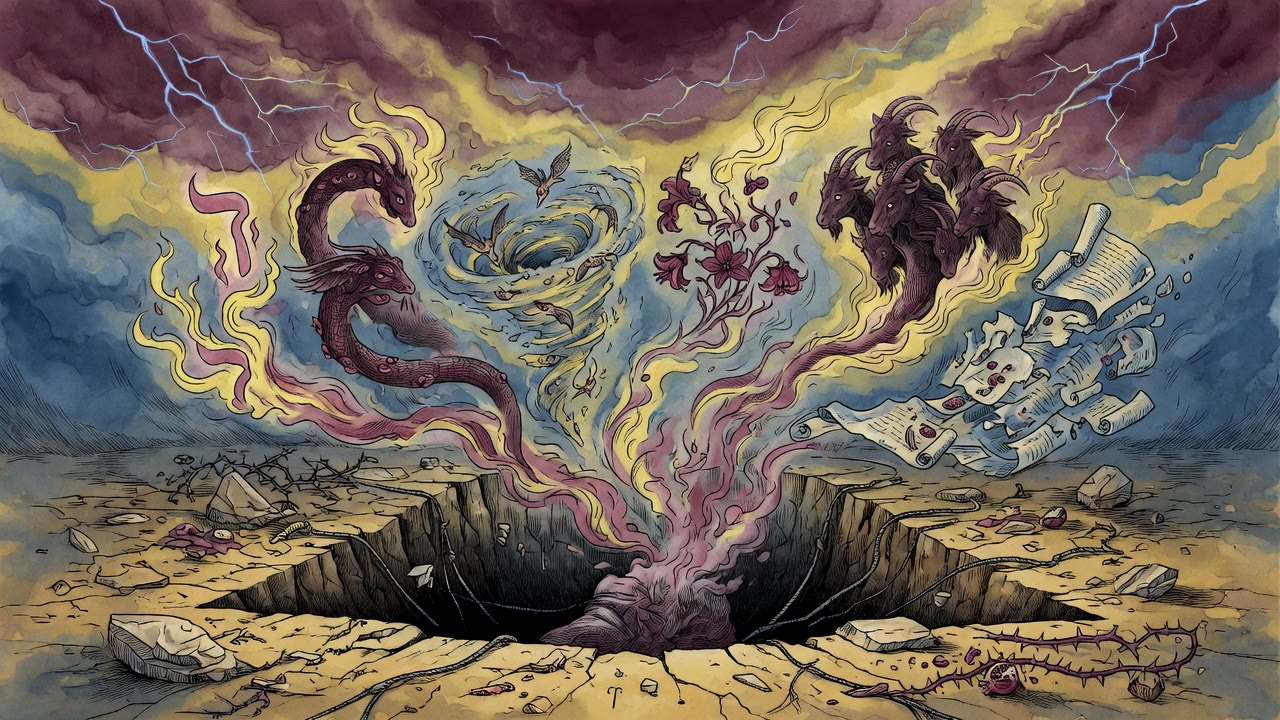
Years later Reuben told his sons what he had hidden. He had wanted Joseph dead. A sickness held his liver eleven months, one for each month of the hatred.
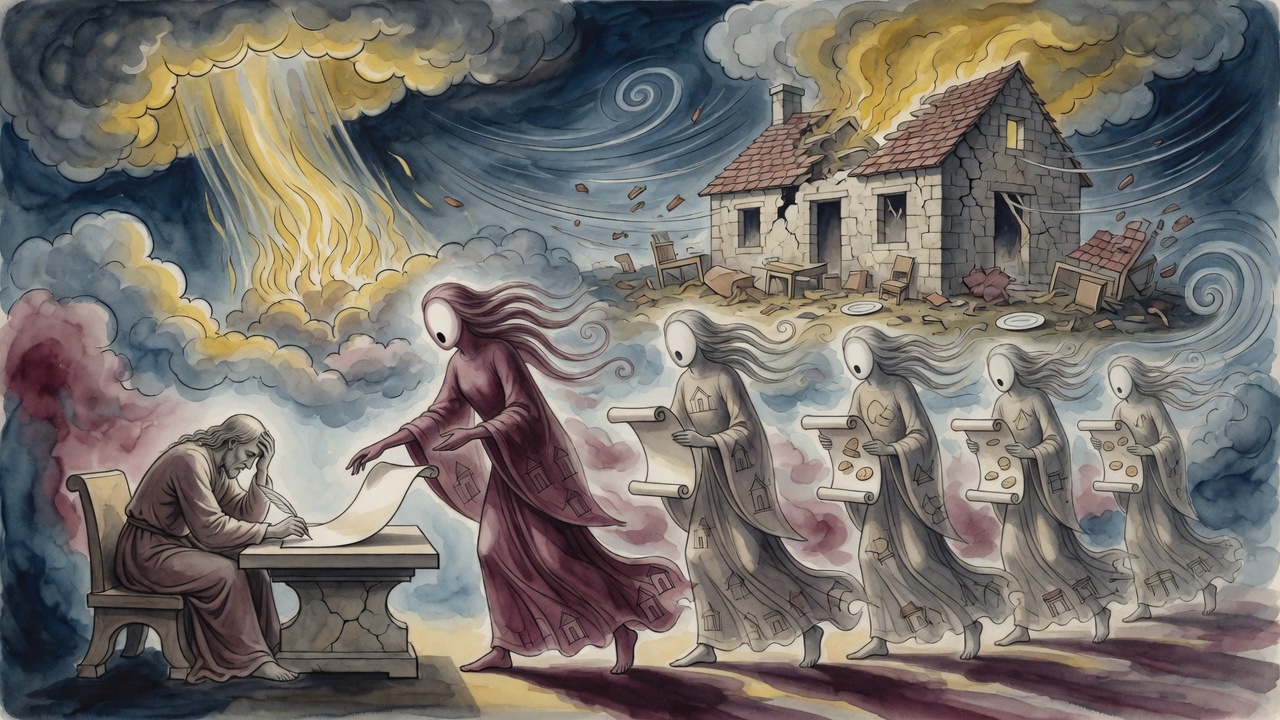
Joseph held the foundation of life-force in Egypt while a great fish of decrees closed its jaw, and prophecy poured into him from sun, moon, and stars.
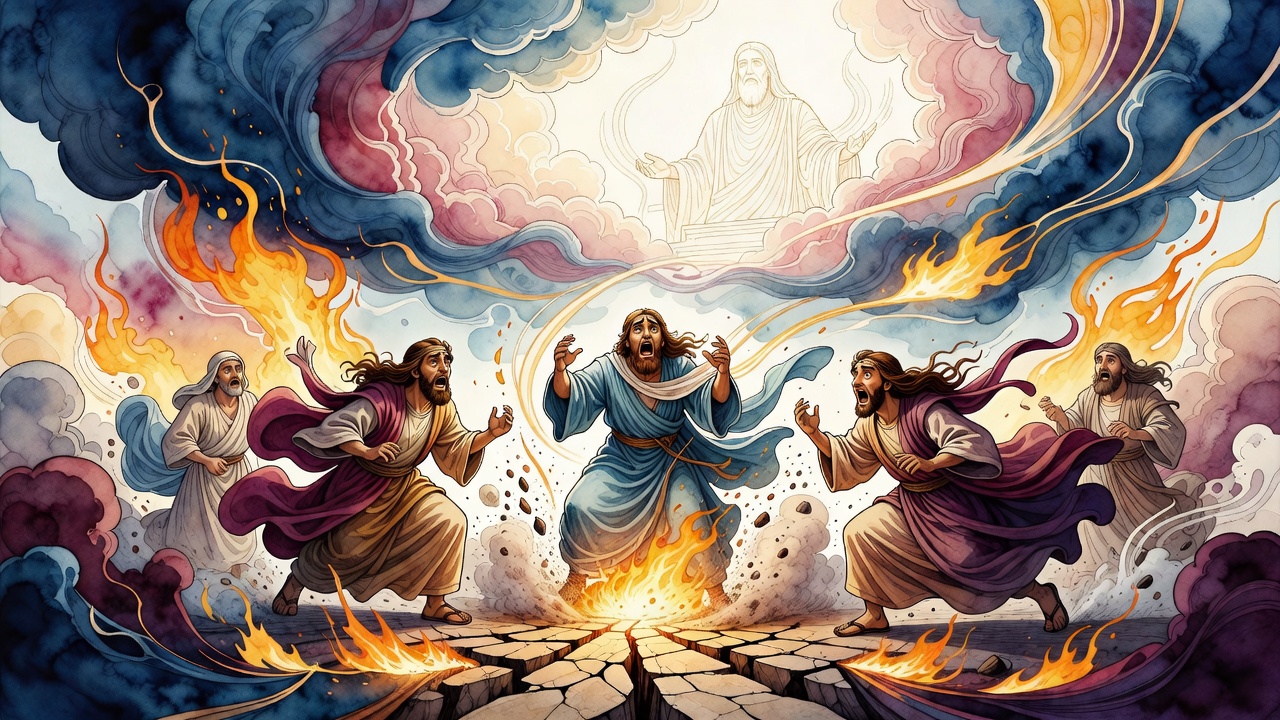
The Midianite traders thought they had bought easy money, until Simon roared and the ground shook, leaving them desperate to be rid of the boy.
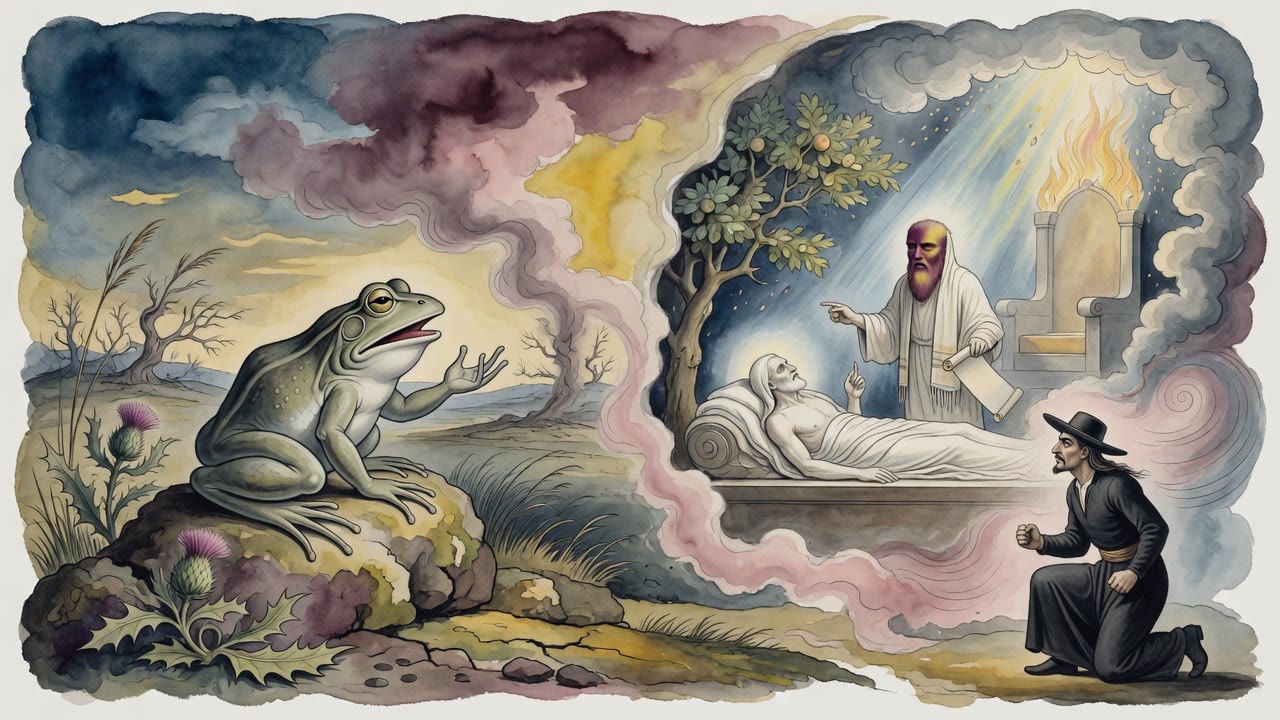
The Ari taught that a man who dies childless is sent back down, and that a second soul can ride inside a life that never learns its name.
