470 myths · Page 4 of 16
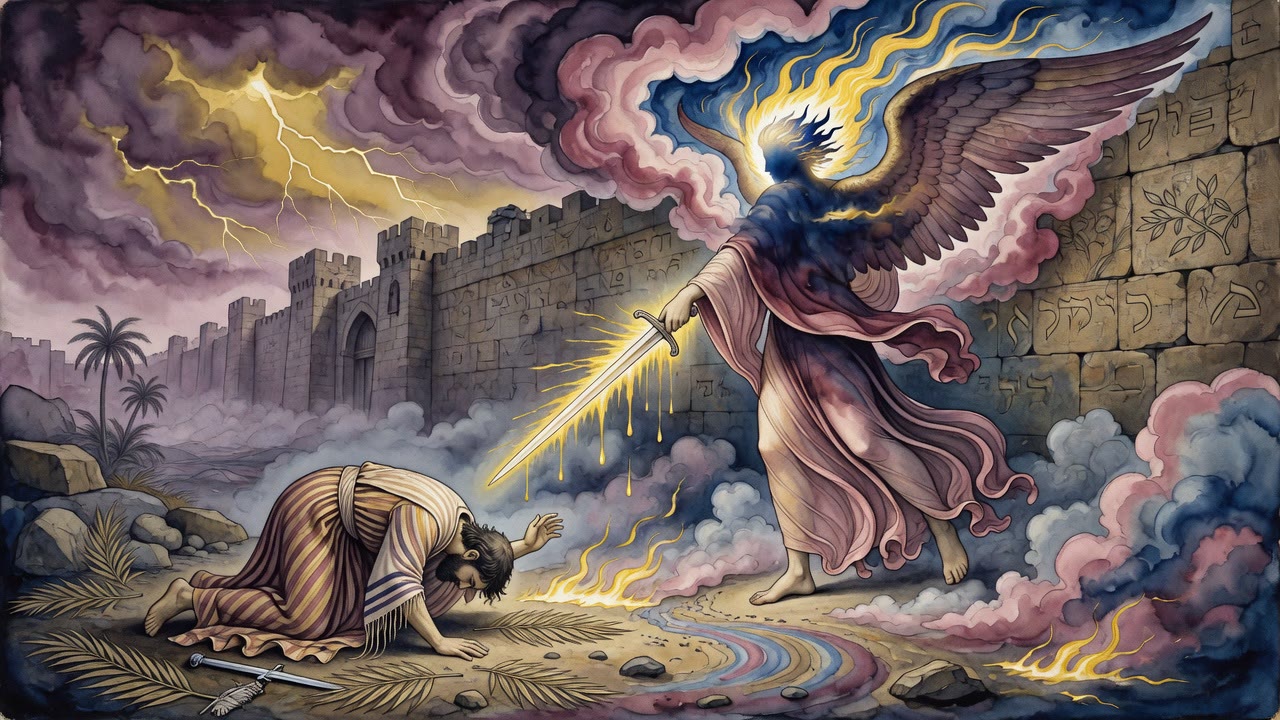
The drawn sword outside Jericho carried an old refusal. Moses had turned away the angel, but Joshua bowed low enough to receive him.
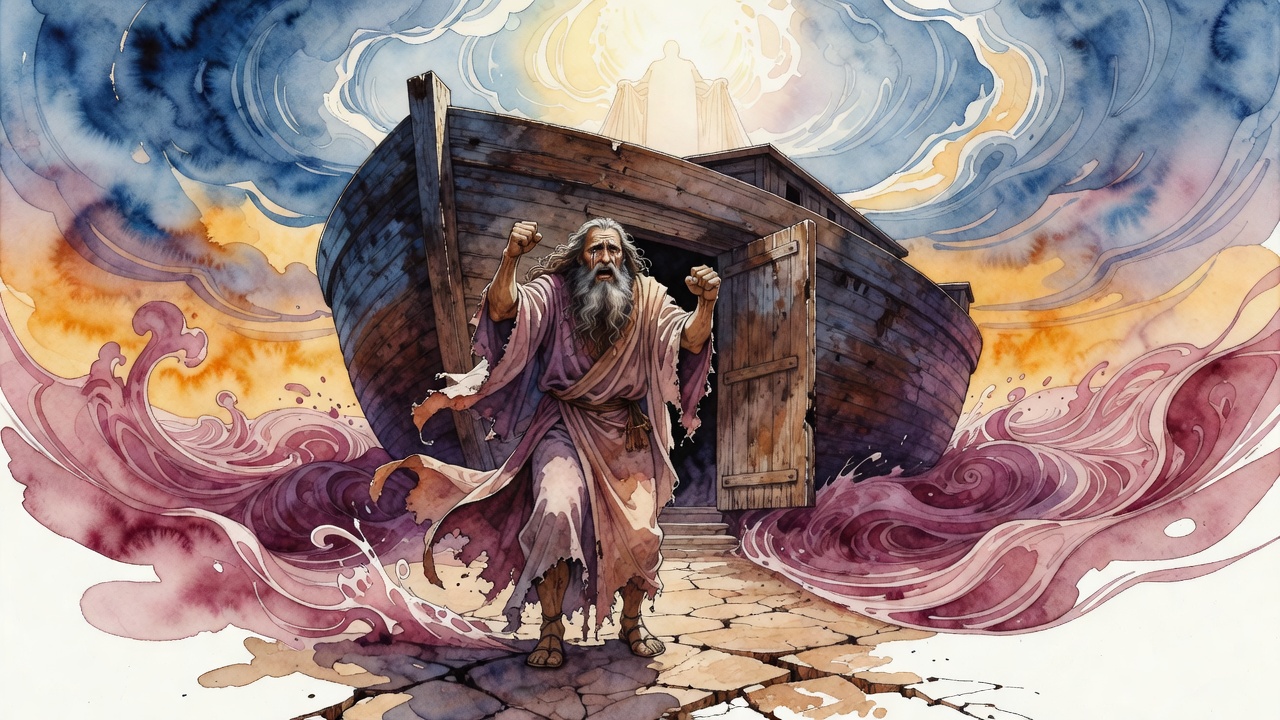
The flood ended, but Noah would not open the ark until God swore. On dry ground, his grief turned into an accusation against heaven.
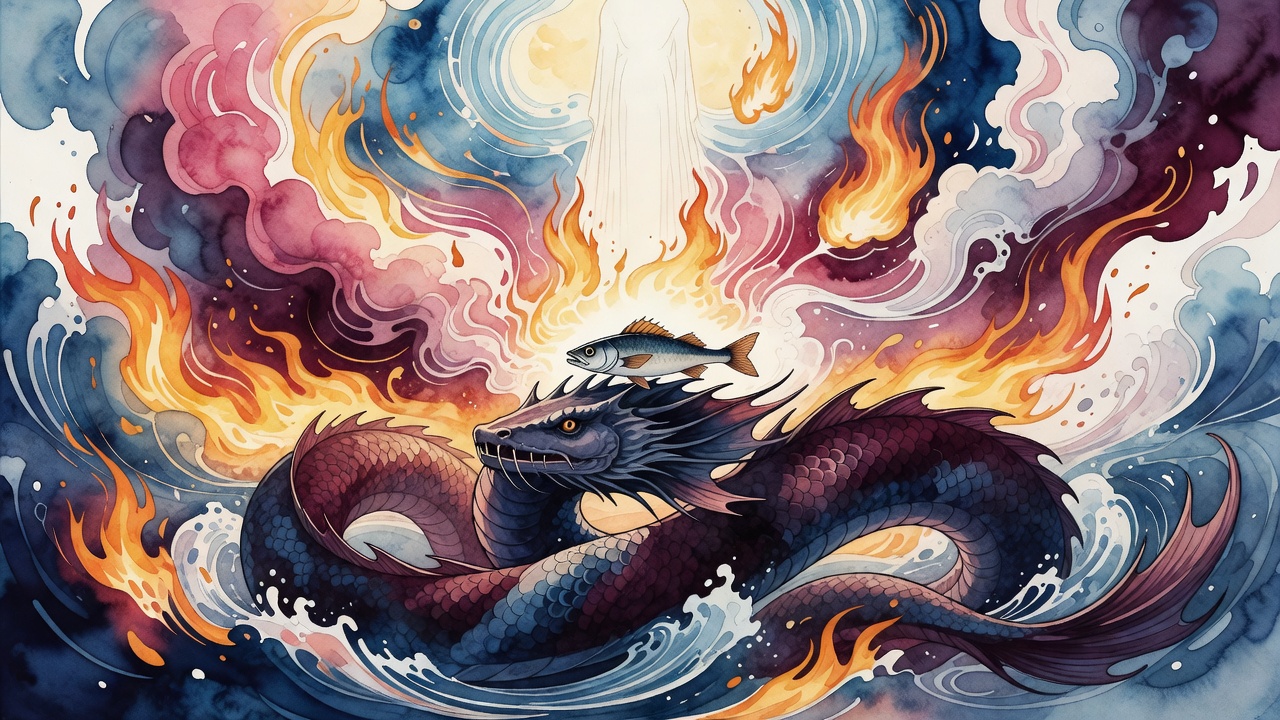
God made the sea from fire and water, then set one tiny fish over Leviathan so creation would not drown beneath its own power.
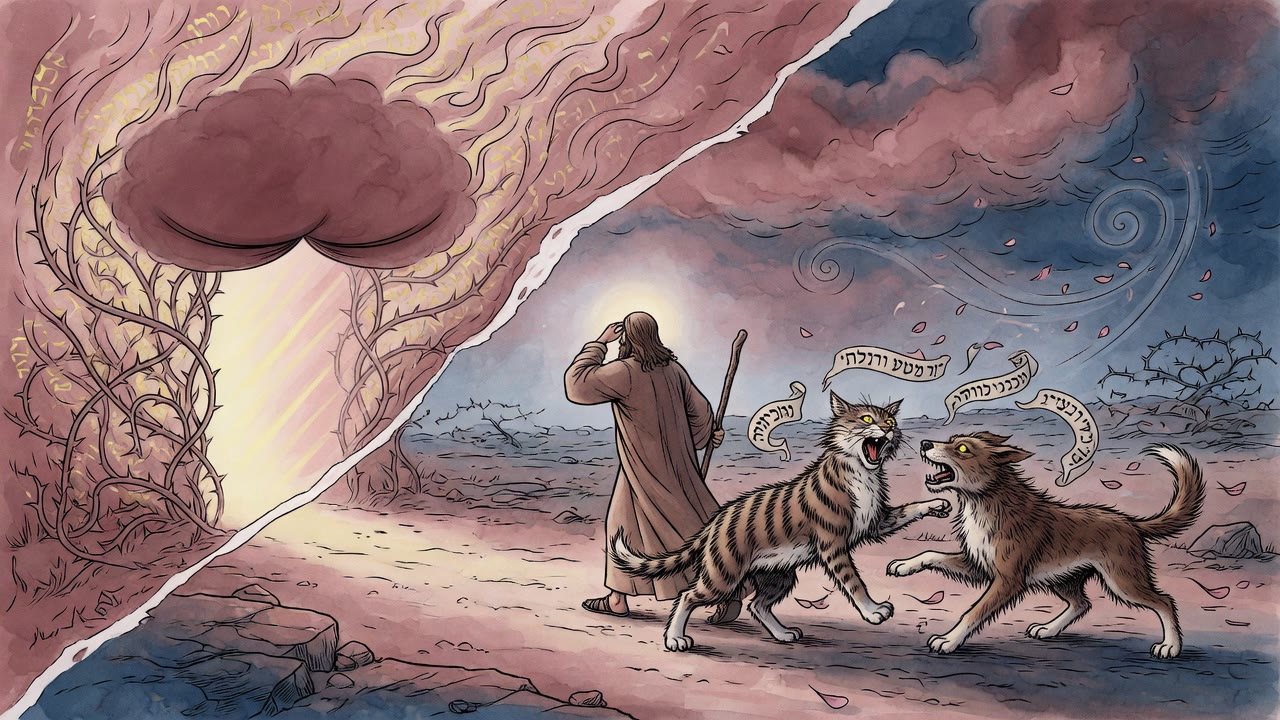
They put their paws together and swore never to share a house. The dog starved his way to Adam's door. The cat was already inside.
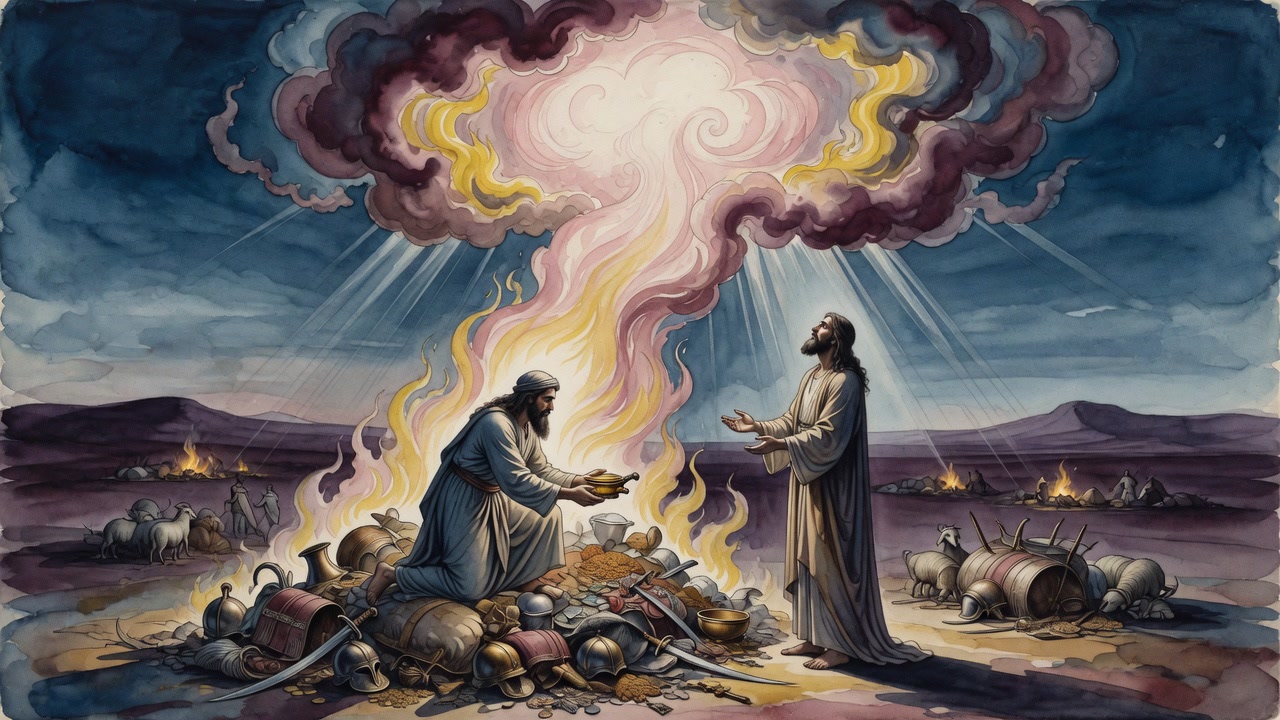
Adam held the sapphire to his eyes and a flame inside it became letters. Noah later sealed that same book in gold and carried it through the rain.
He woke among the sheep with empty hands. A brass shield lay in the grass on the walk home. He hid the rest of the gift for a hundred years.
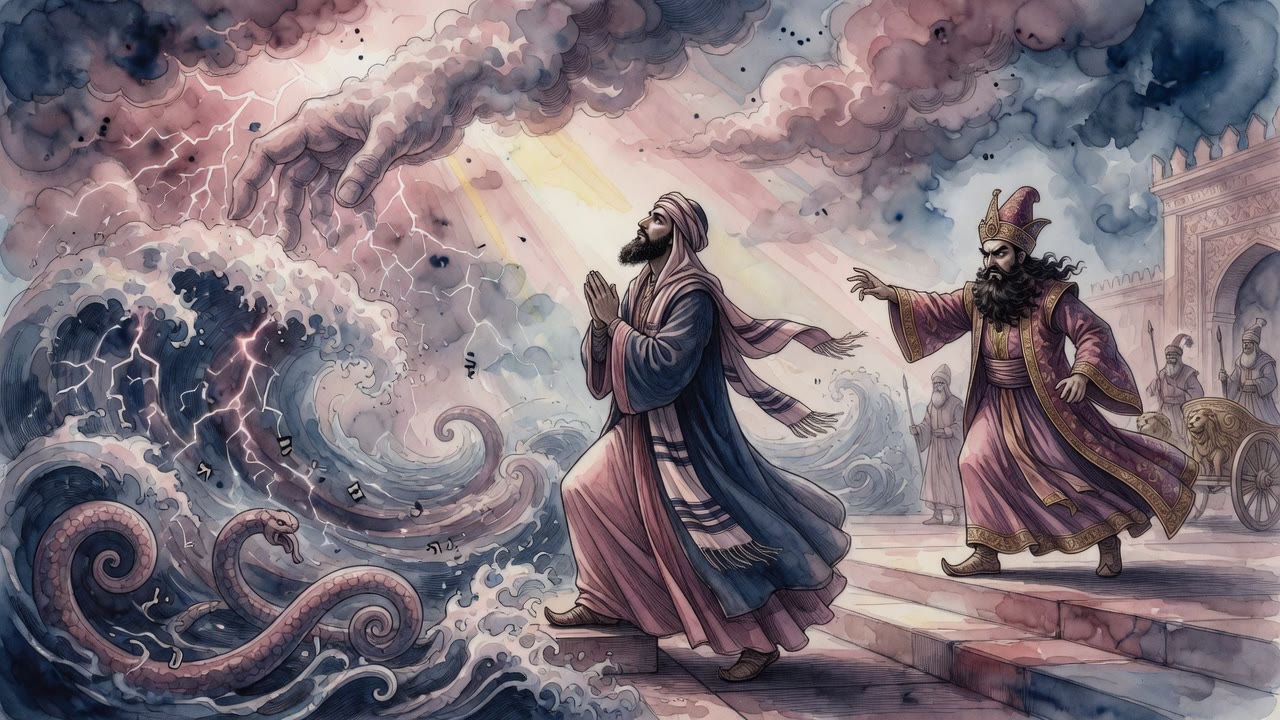
Mordecai's refusal to bow widened into a vision of God binding sea, sky, and stars, until Haman had to honor him in public.
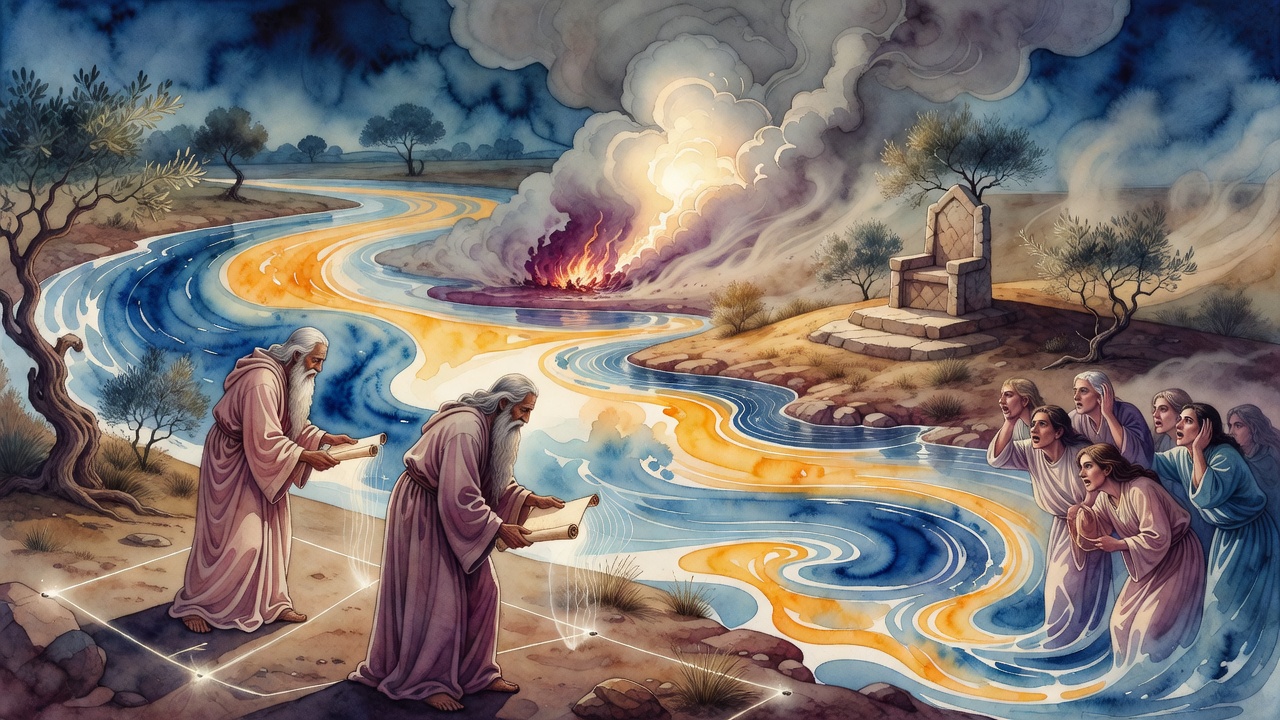
Two sages measured Eden with verses and field units, while the mystics heard a hidden river carrying wisdom into the garden.
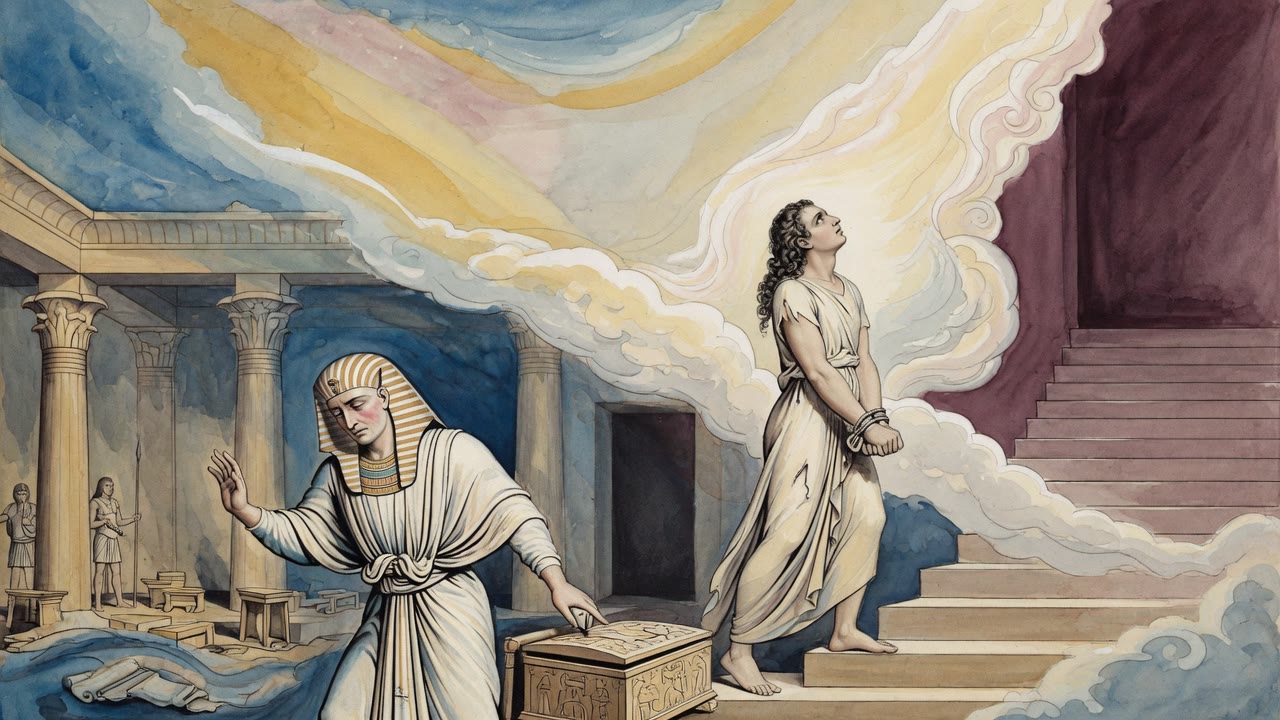
Three days after the sea split, Israel met water it could not drink and learned that confession can sweeten a bitter world.
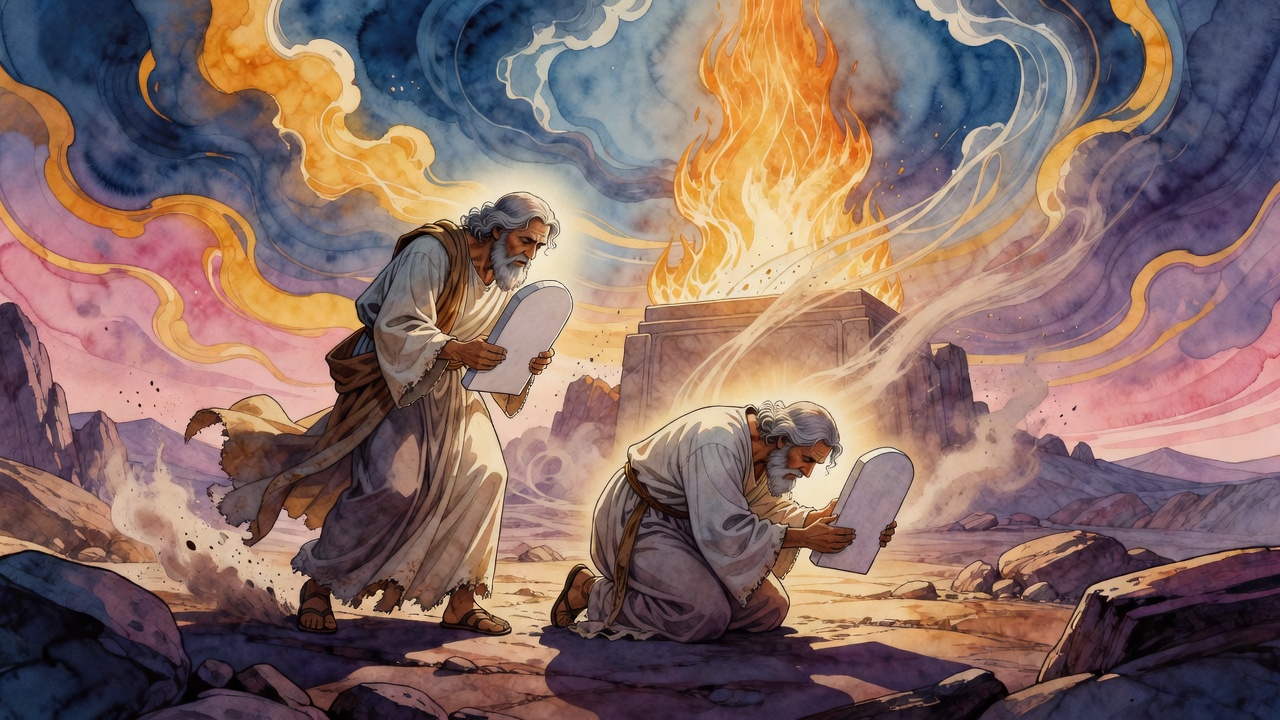
The quill stopped at Let us make. Below the mountain a calf had gone quiet. Moses shook, then asked whose people these were.
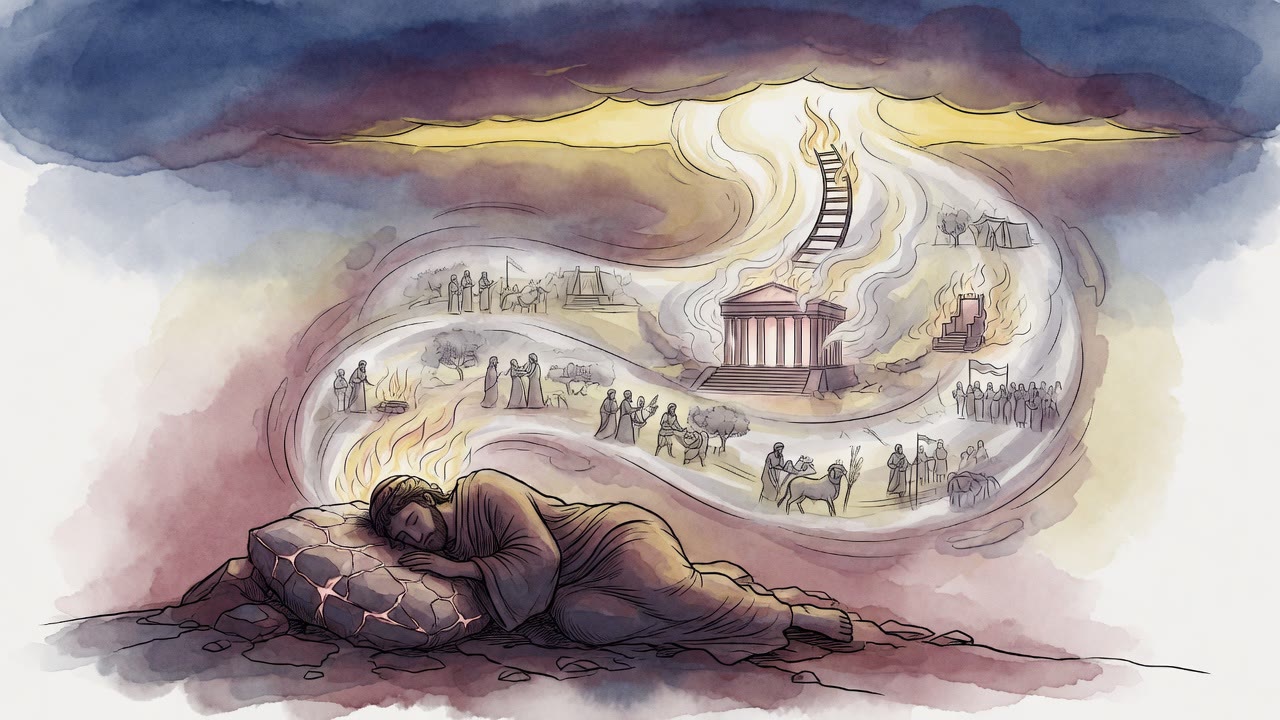
The sun dropped before its hour. Stones fought for his skull. God made them one pillow, and Jacob slept at a gate he had not asked for.
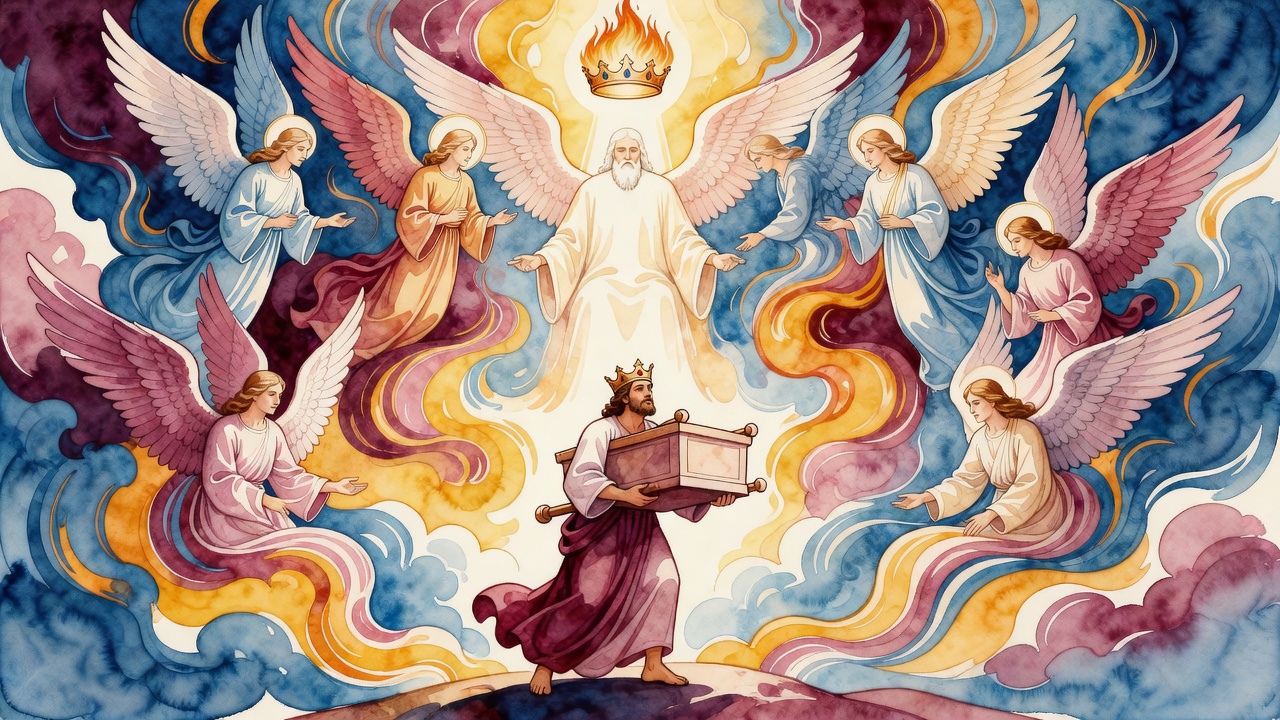
The oxen stumbled on the road to Jerusalem. Uzzah put out a hand, and the king who had sung before angels learned what a wagon could not hold.
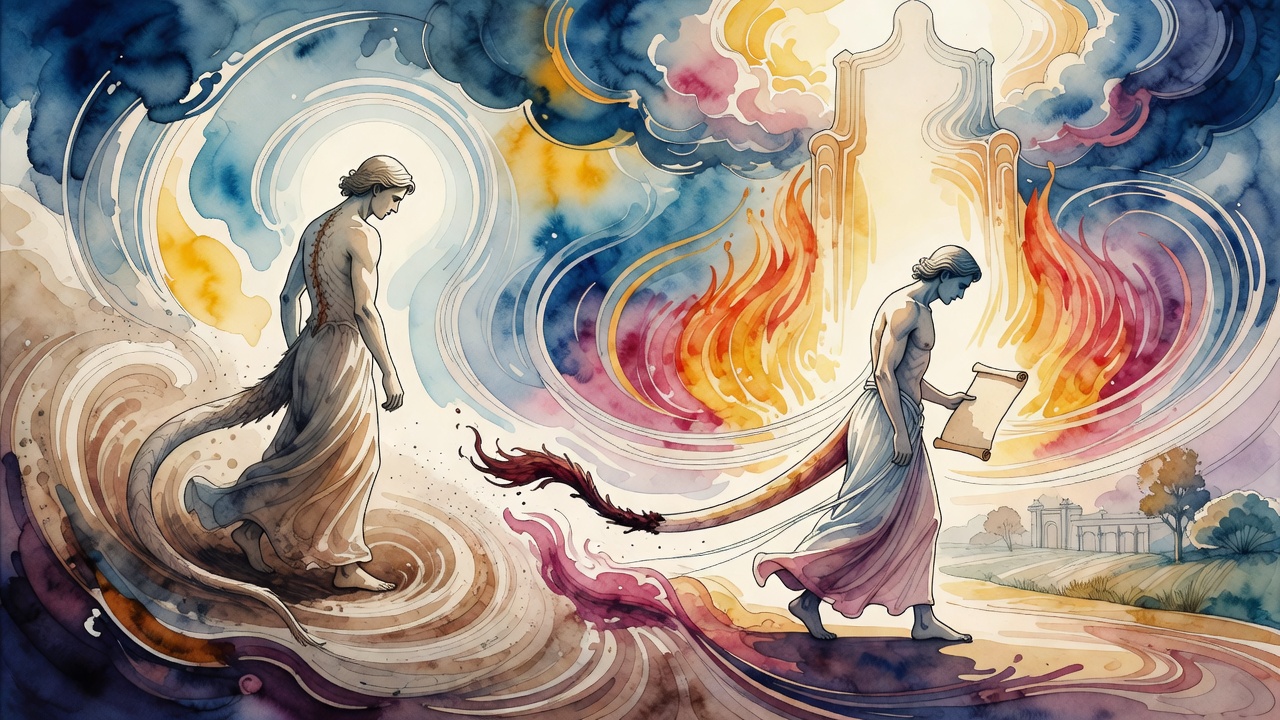
Adam stood among the beasts with a tail still on him. God cut it away for dignity. At the Garden gate a written bill of divorce came next.
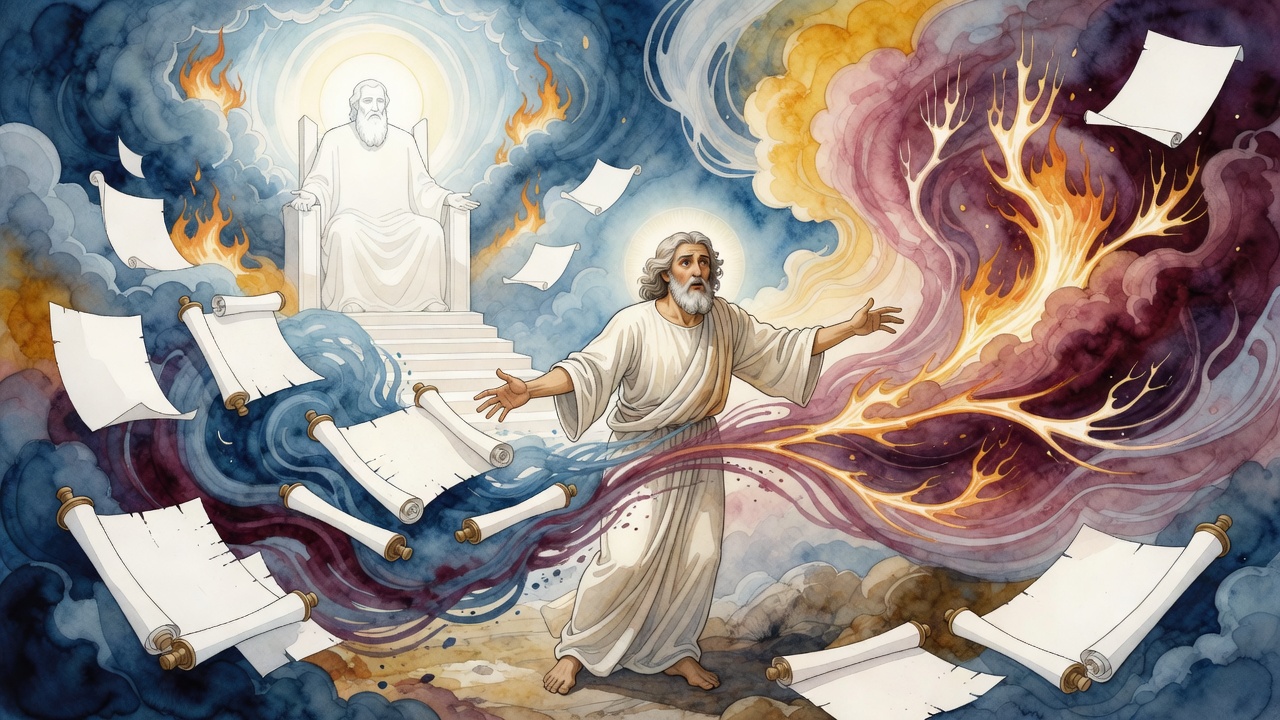
The scribes waited. Solomon reached for a verse he had known at dawn. By night the next word was gone, and the crown answered nothing.
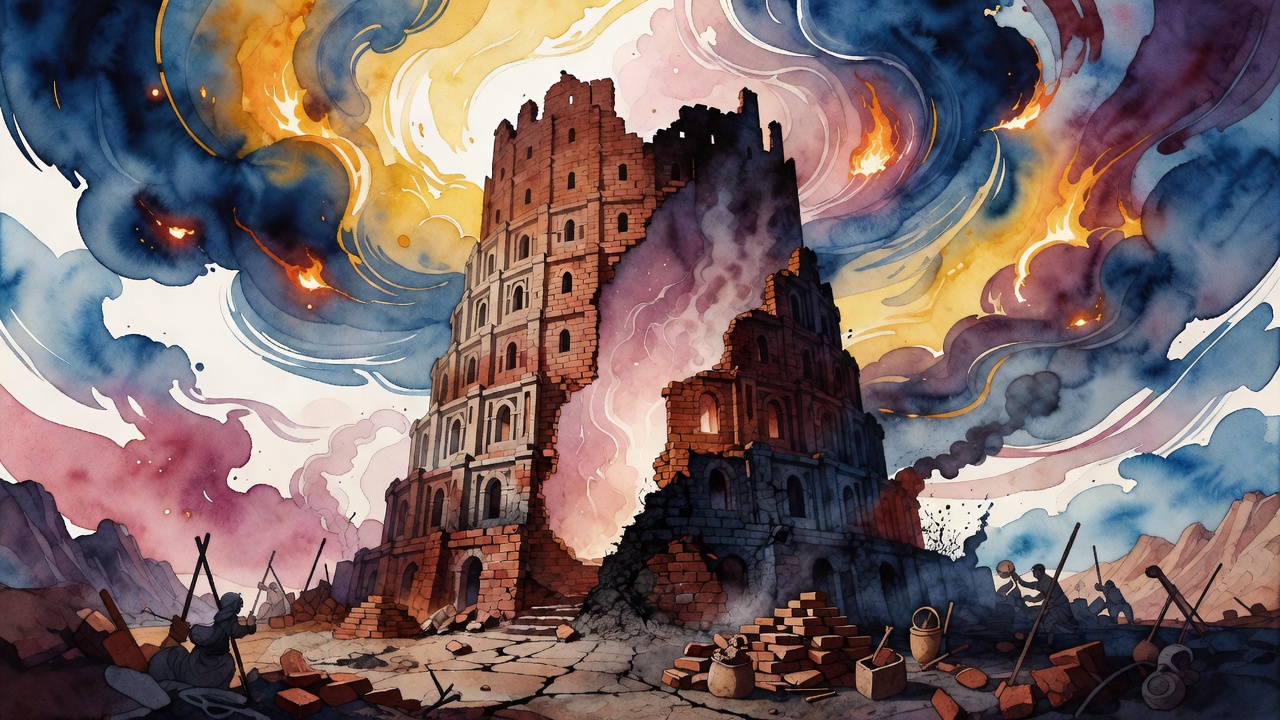
There was no stone on the plain of Shinar. They pulled bricks from the kiln so hot they stung. A name mattered more than the city under it.
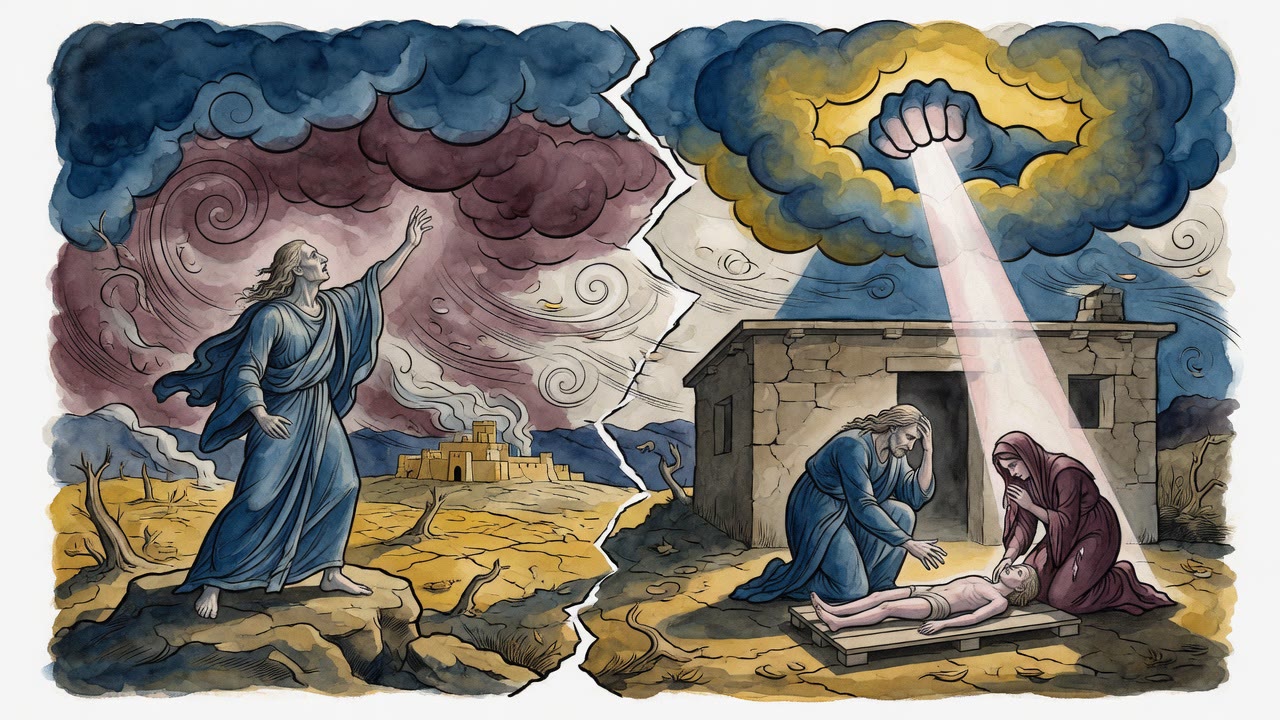
Ahab hunted the prophet through dry ravines. Elijah would not return while the king still stood unbent. Heaven answered with soil.
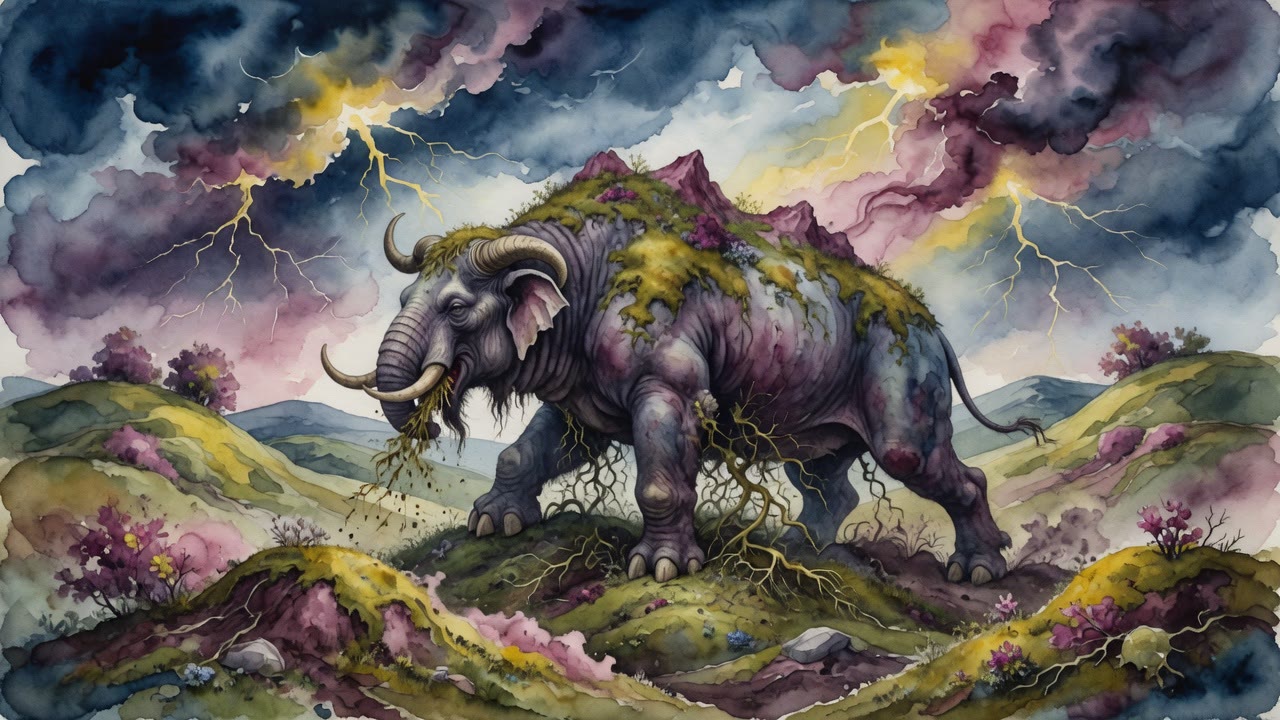
On the sixth day, Behemoth rose from the earth, ate a thousand hills each day, drank from the Jordan, and waited for its appointed end.
God reached for dust while a warning already named Adam's anger. After the fruit, Adam pointed at Eve and would not confess.
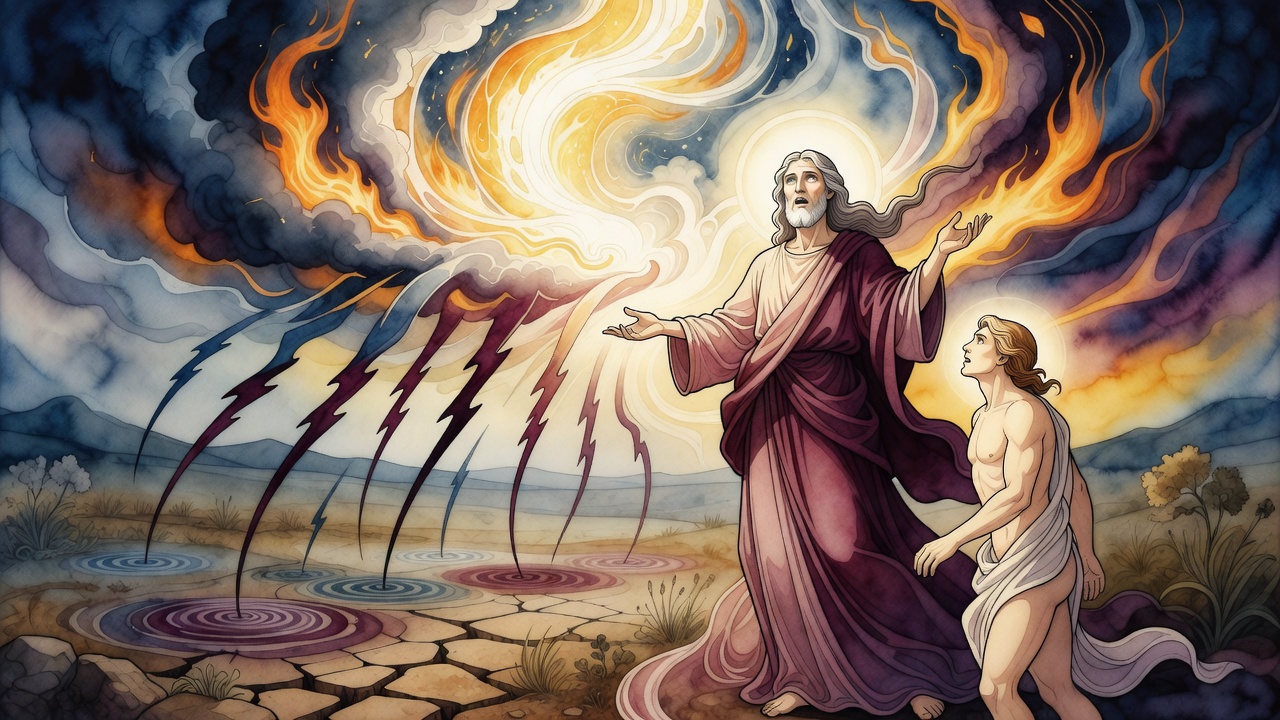
Before Adam was cursed and expelled, Shabbat stepped forward and argued against the first death. Then nine curses fell, and the silent earth received one too.
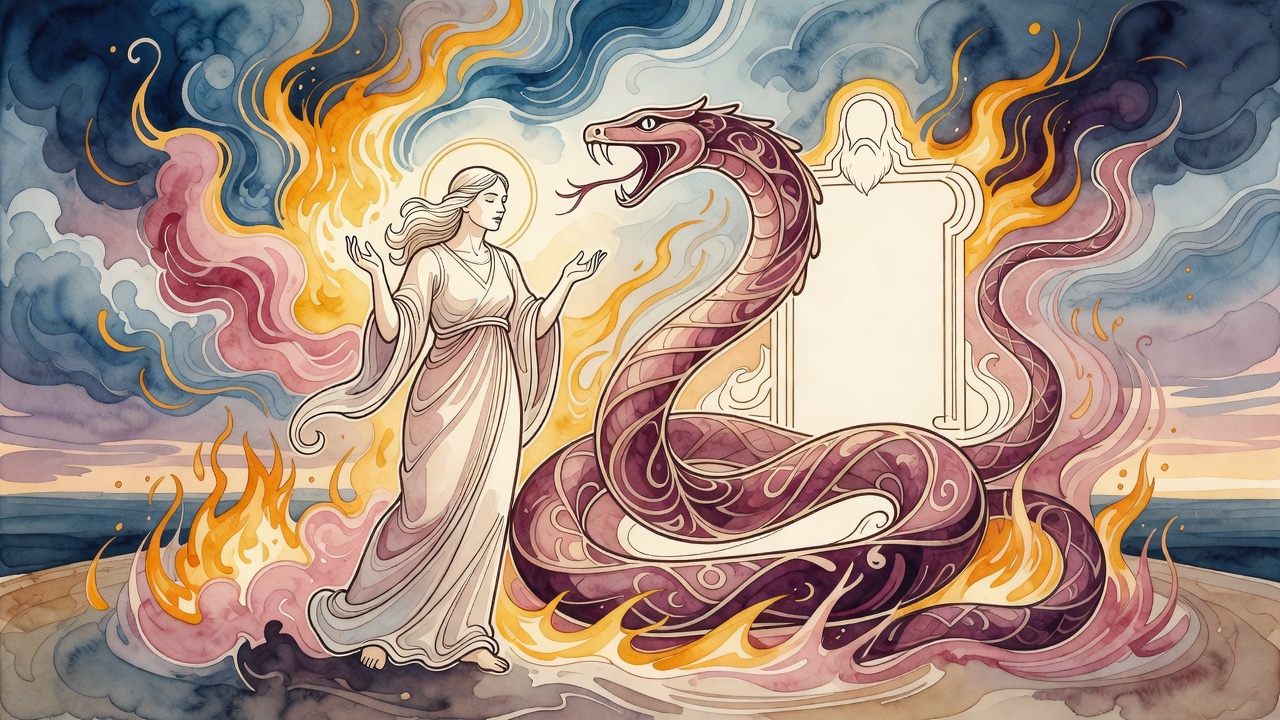
Adam's first Sabbath Eve began with expulsion at twilight. Hours before, the serpent wrapped one truth inside its lie and Eve could not find the seam.
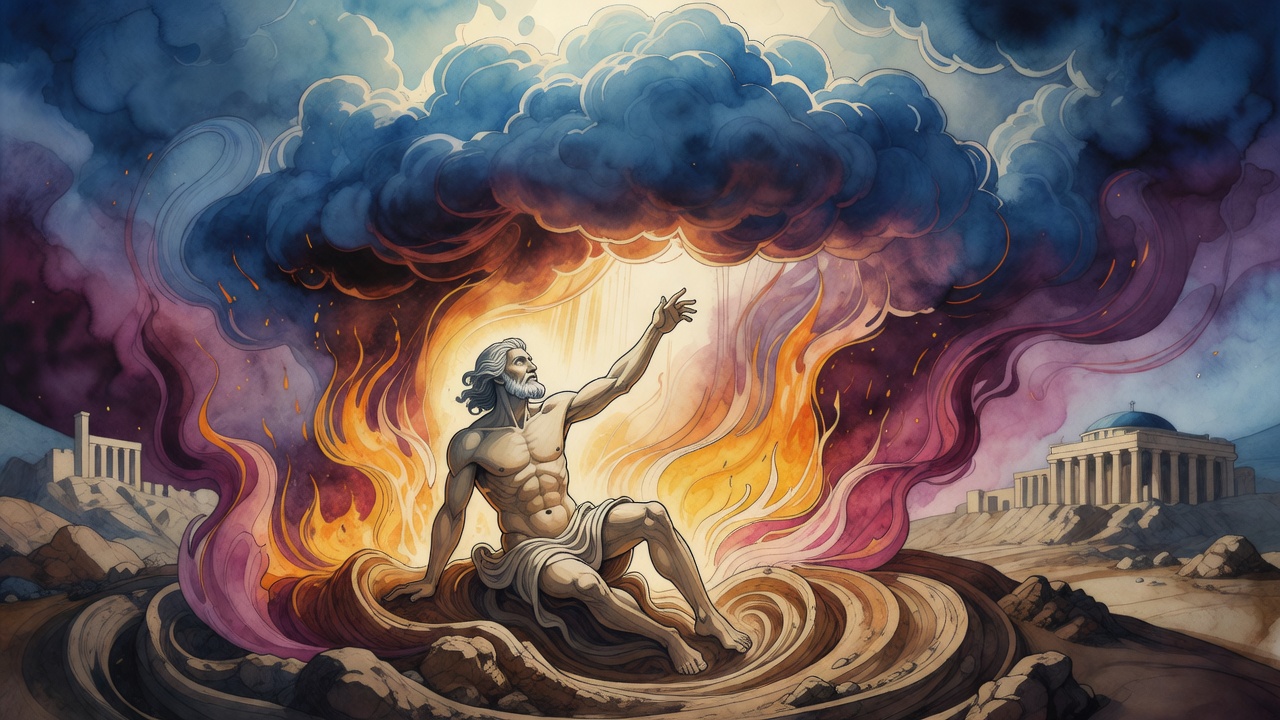
God scooped the dust for the first man out of the one patch of ground where his children would later come to be forgiven, and said, if only he stands.
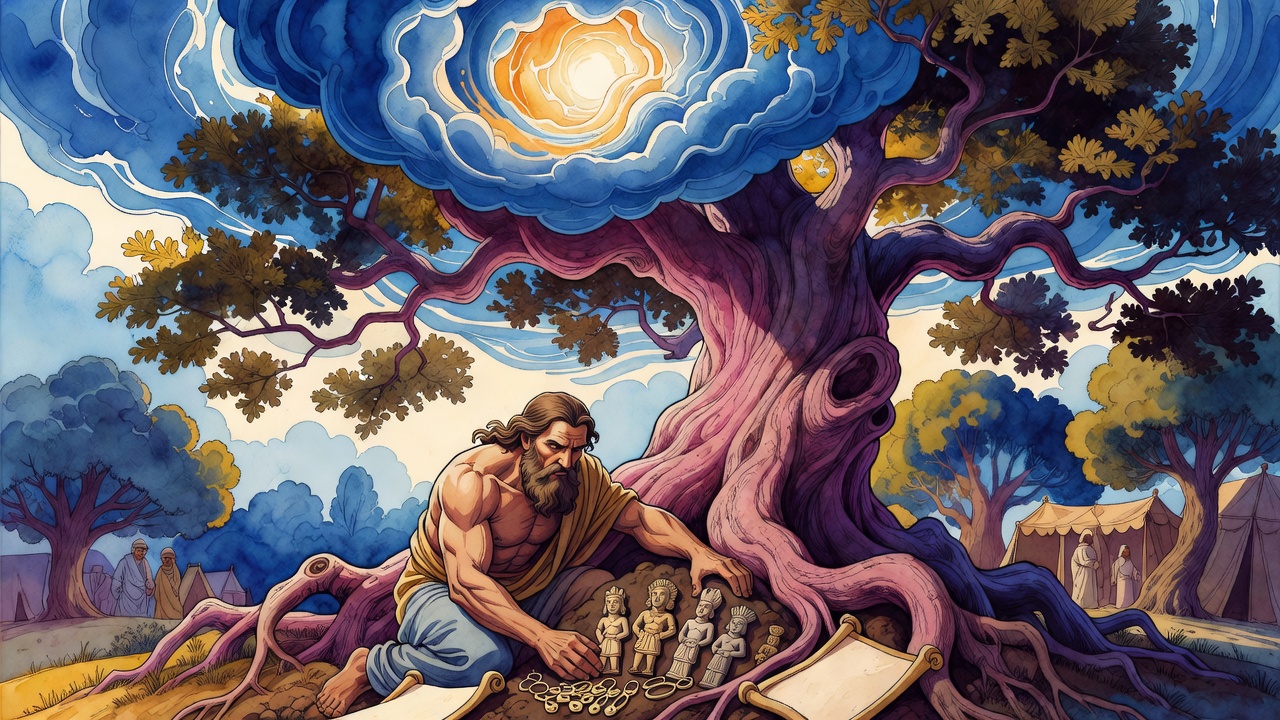
They were still bloody from Shechem. Jacob stopped the whole camp on the road. No one would walk toward Beth-El with a god in a sleeve.
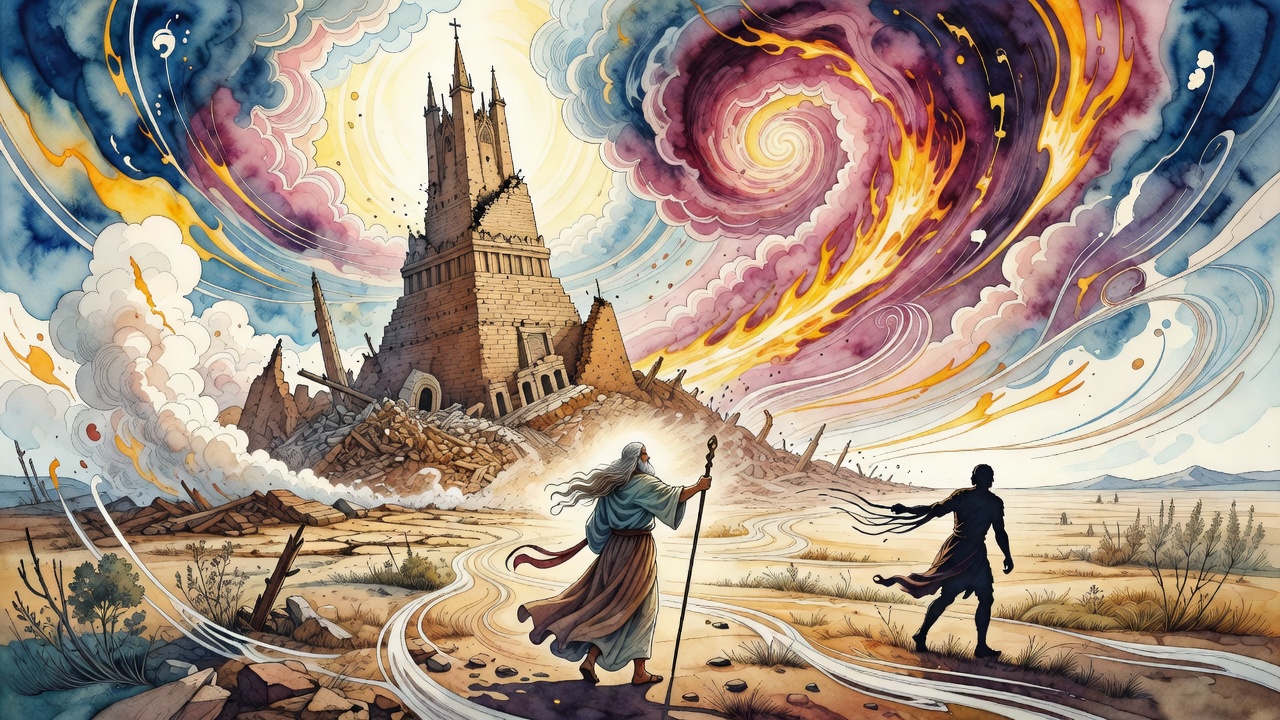
God's wind destroyed the tower. Noah named the rubble Overthrow and divided the earth. Then Canaan marched north into Shem's portion and refused every warning.
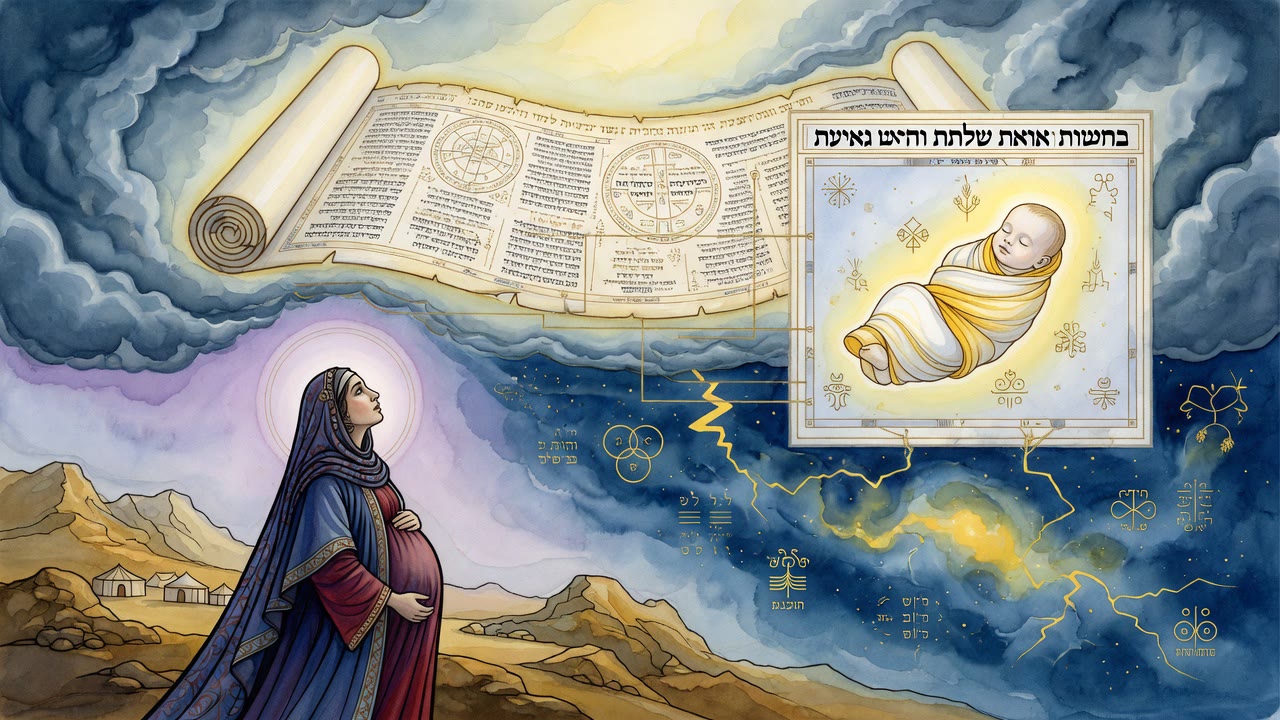
Rachel died in the night on the road to Bethlehem. She named the boy Ben Oni with her last breath. Jacob renamed him and built a pillar over her grave.
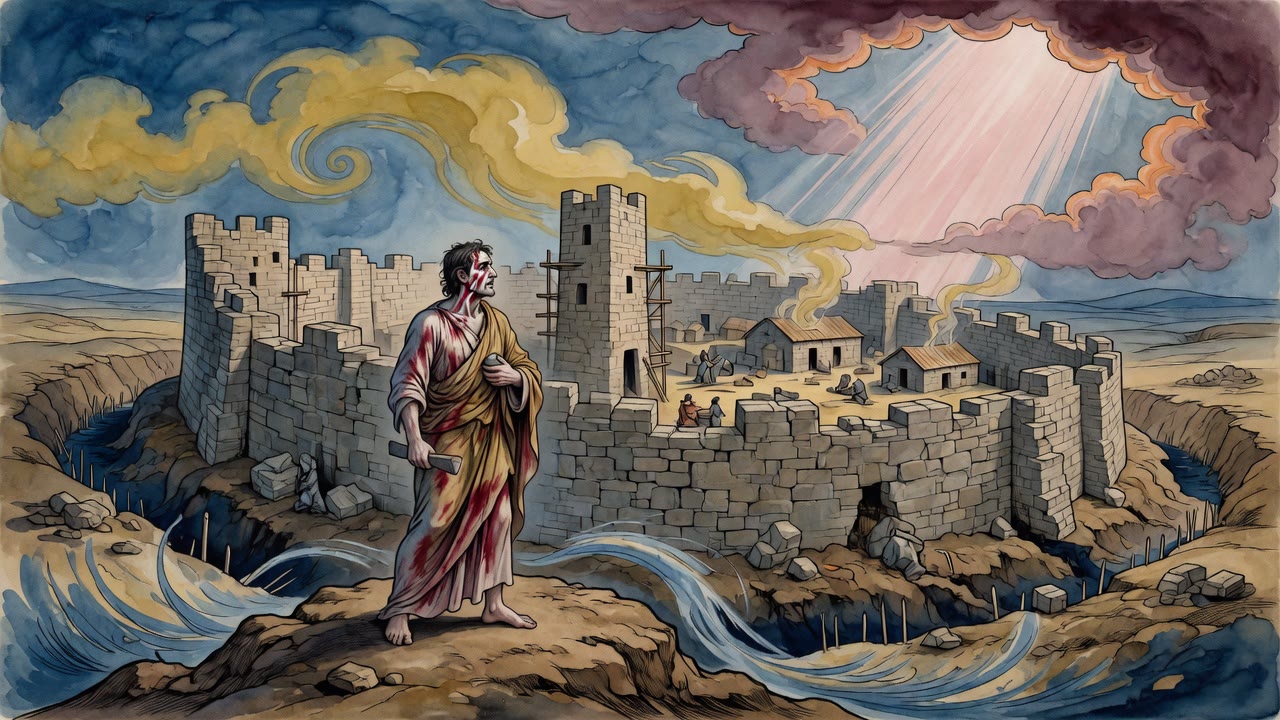
God told him the beasts would not take him. Cain still raised the first wall on earth and filled it with people he later robbed.
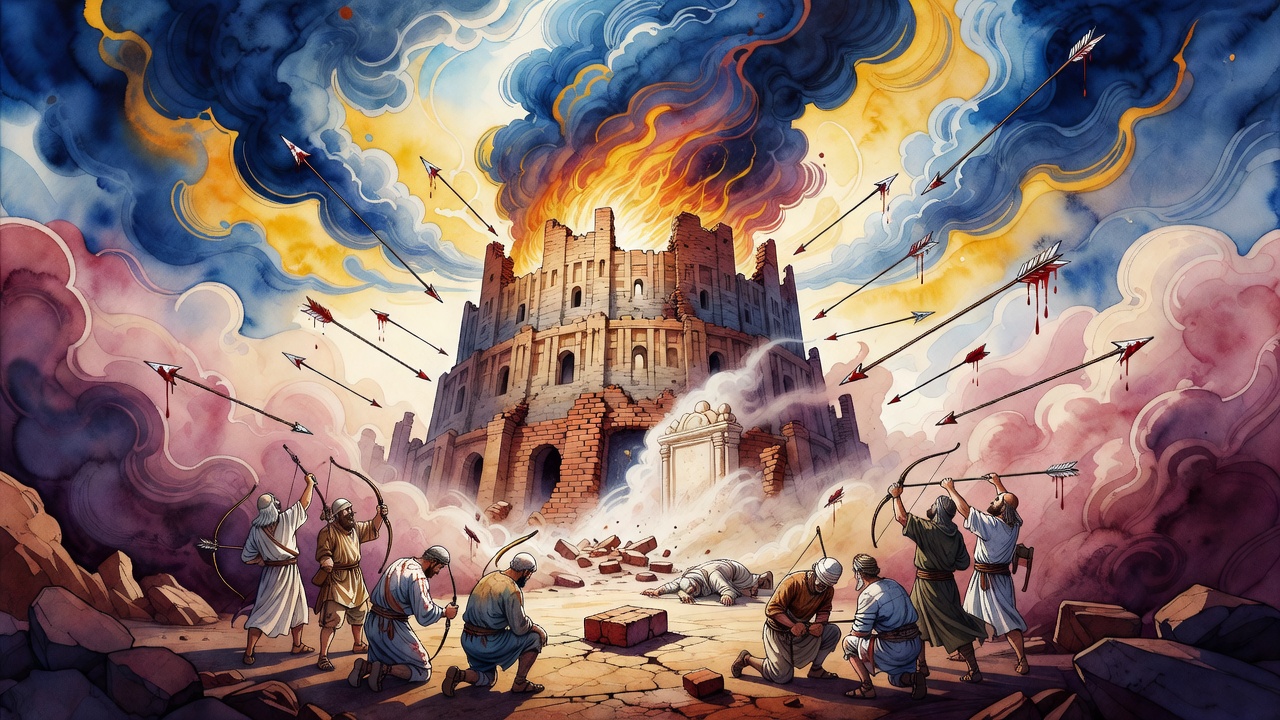
A brick slipped from the top of Nimrod's tower and they mourned it for a year. A man fell from the same height, and the line did not stop.
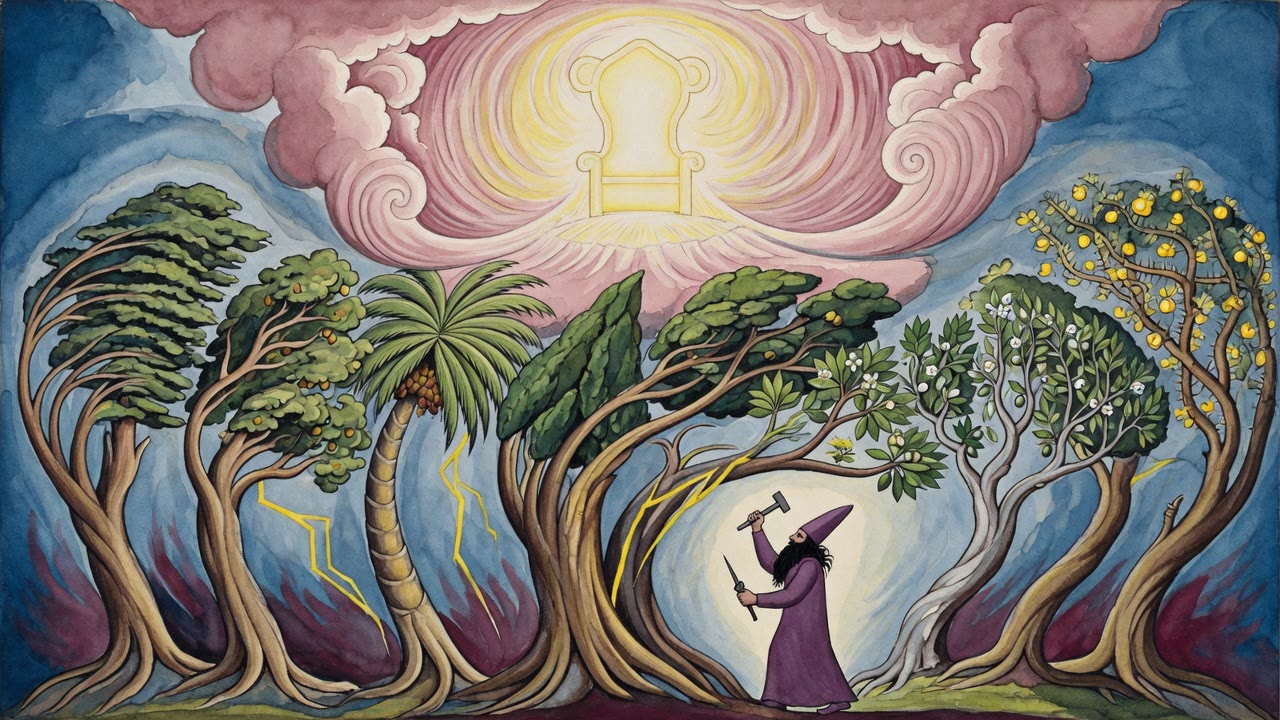
Haman told the king that God was asleep. That same night every tree in creation stepped forward, arguing over who would hang him.
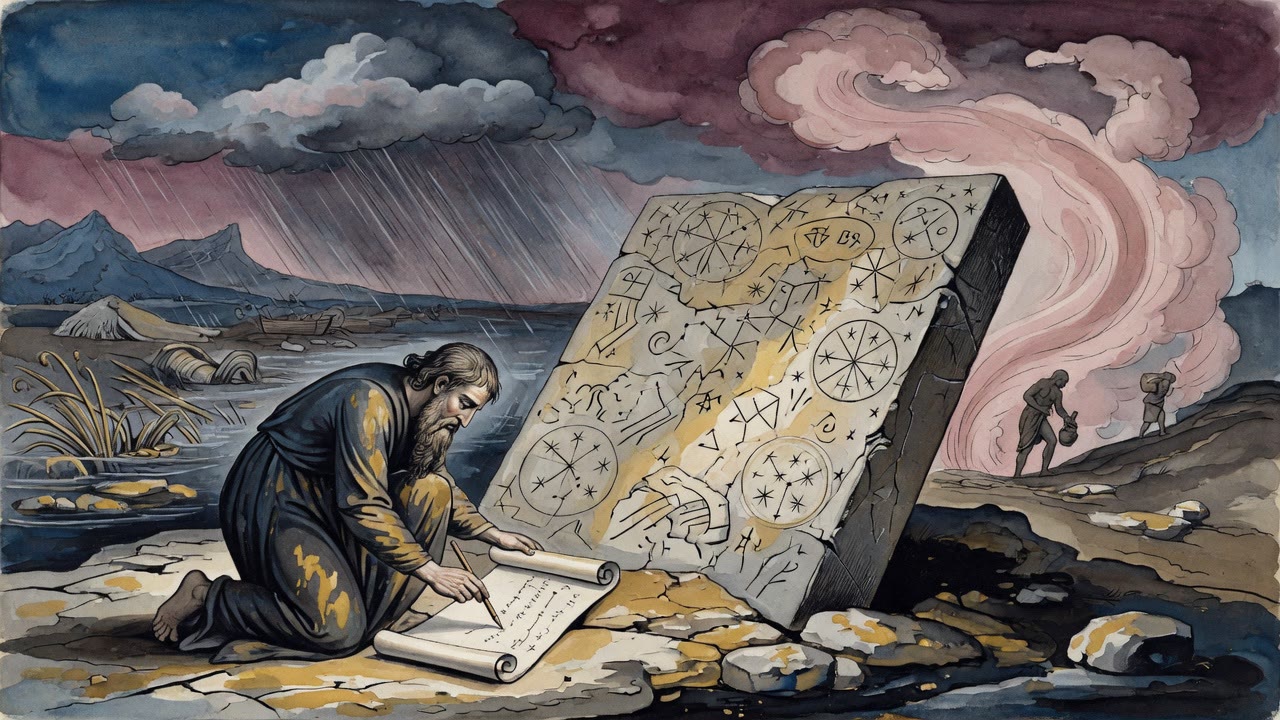
Two tall men stood over Enoch's bed. They put a reed in his hand in heaven, and he wrote for thirty days without stopping.
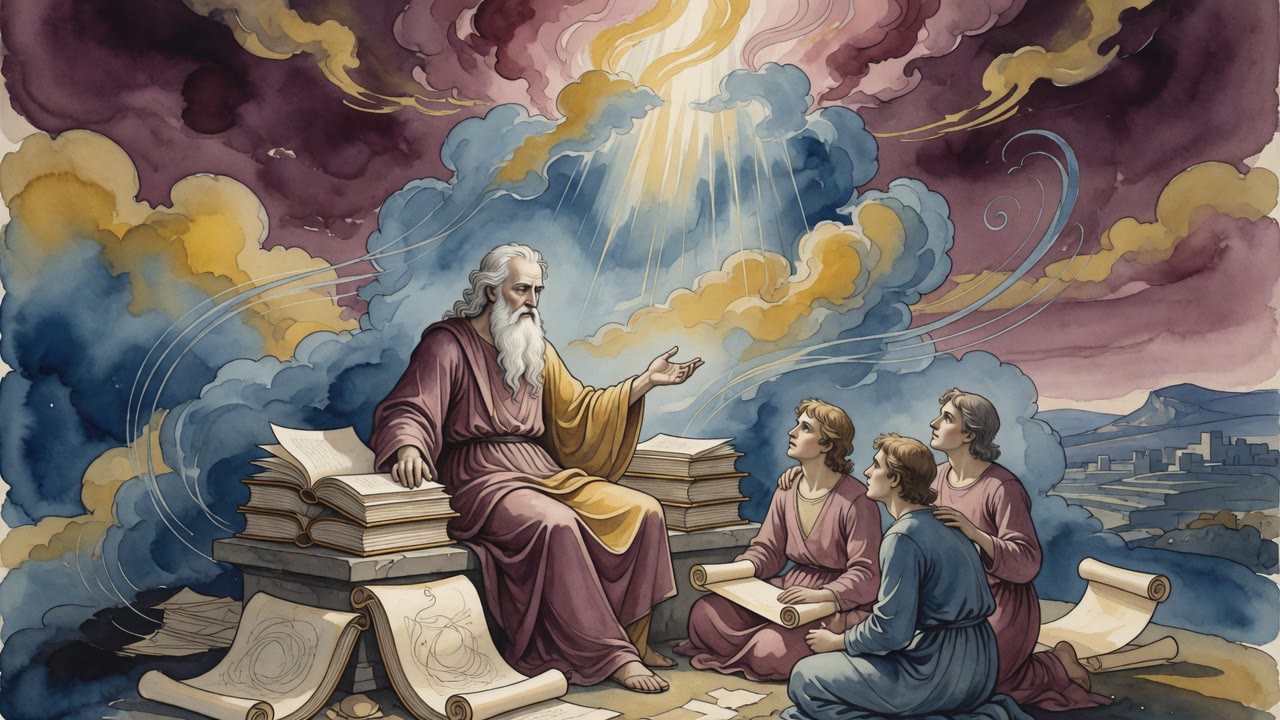
Returned from ten heavens, Enoch has one final night with his sons. He explains time, his 366 books, and what the calendar means for those he leaves behind.
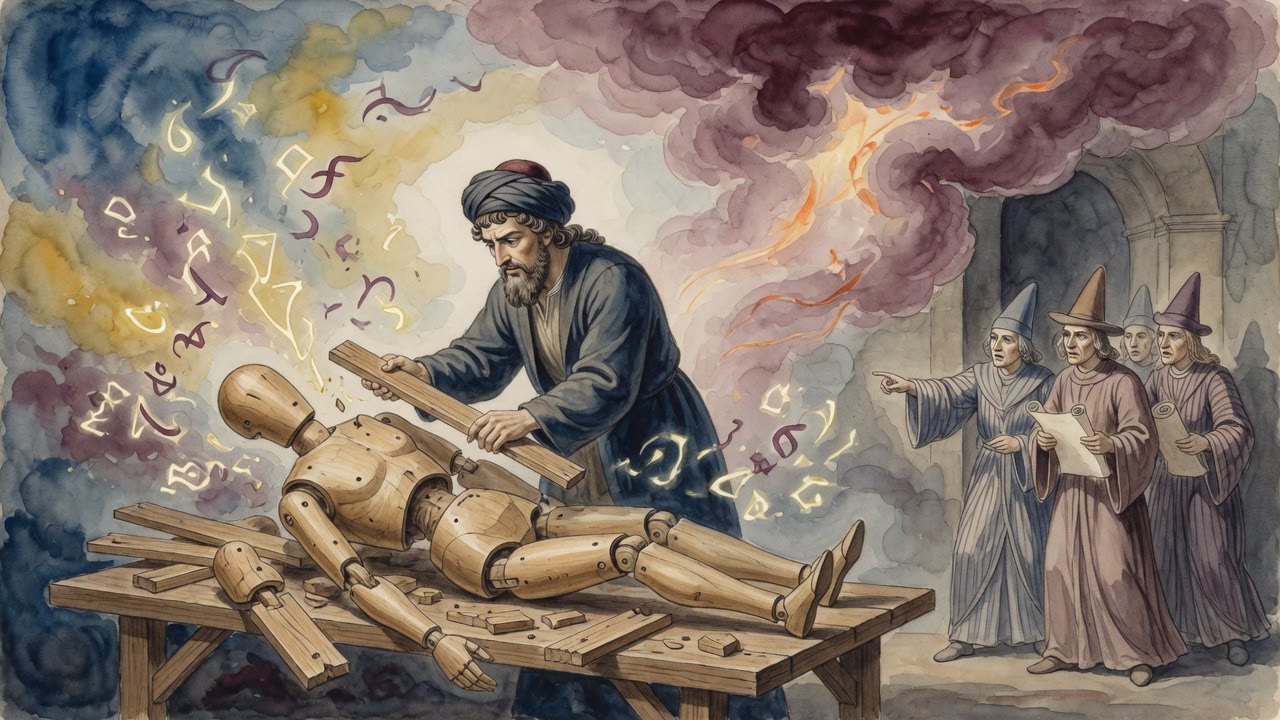
Solomon ibn Gabirol shaped a female servant from wood and letter combinations. When authorities came to investigate, he disassembled her before their eyes.
