244 myths · Page 4 of 9
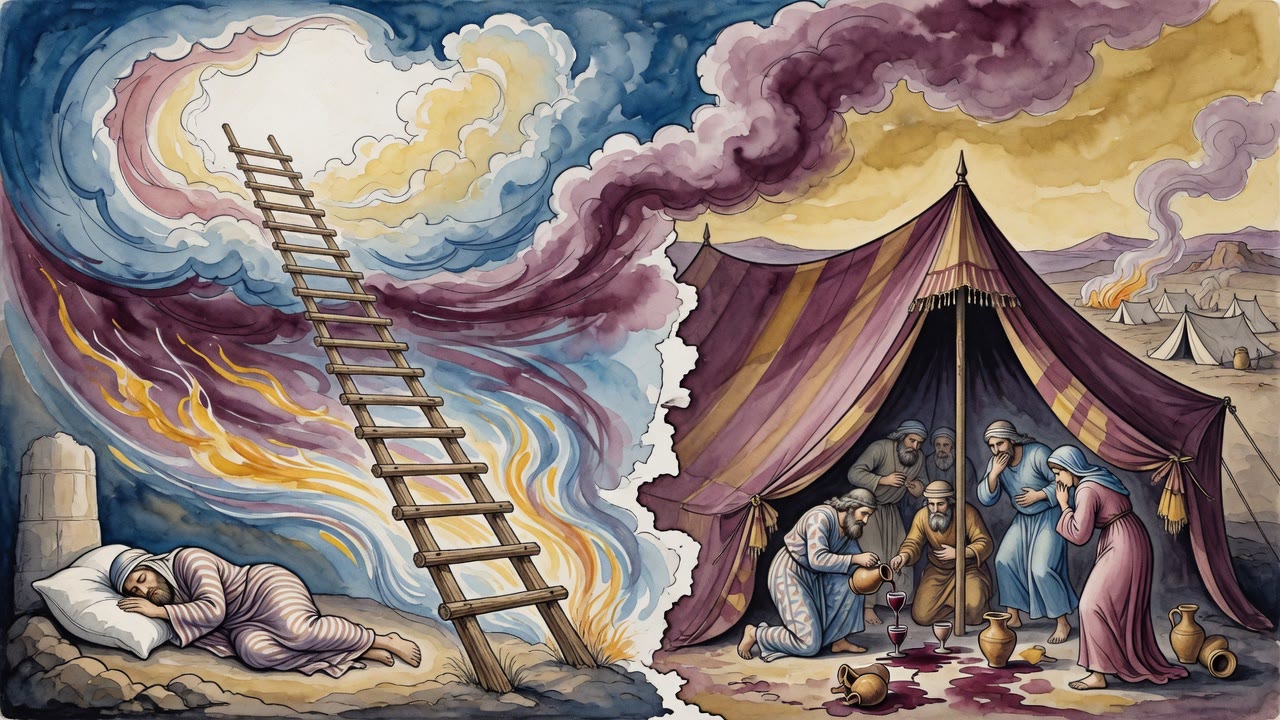
God contracted the daylight to strand Jacob at Mount Moriah. In his sleep the stones quarreled, fused into one, and all of Israel history unrolled before him.
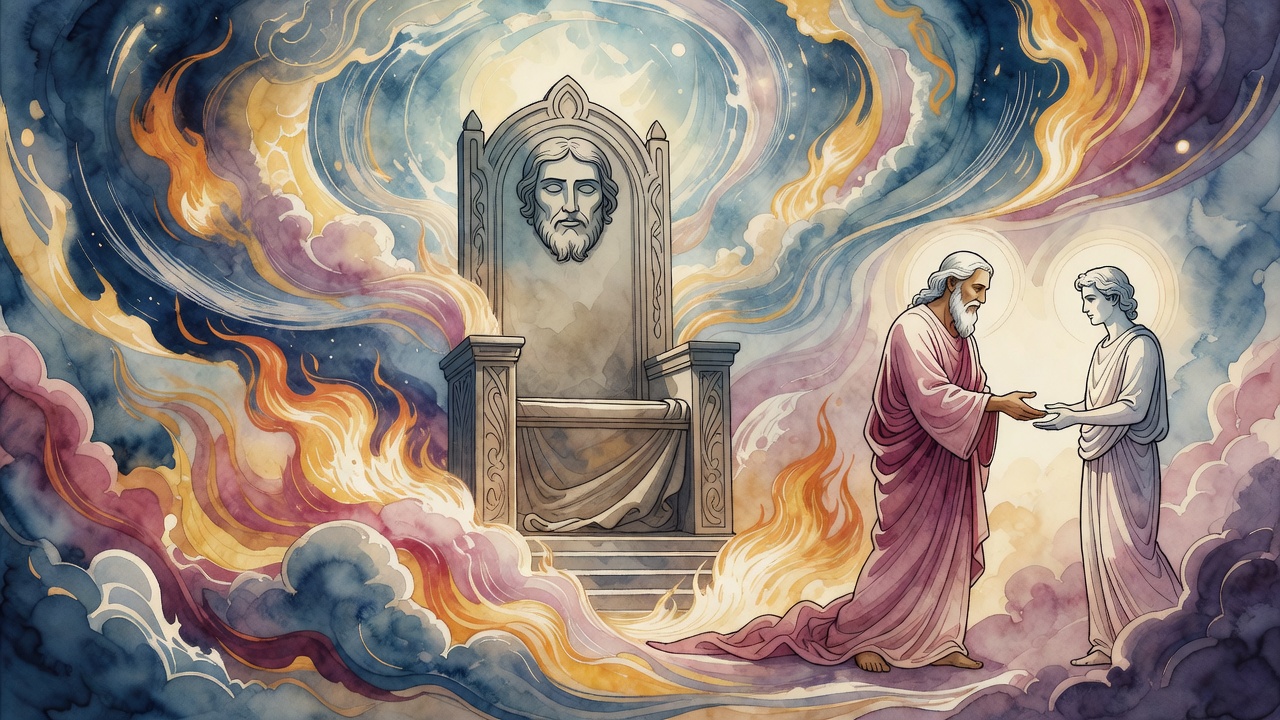
In Adam's vision of the generations, one soul had no years beside its name. Adam had a thousand of his own. He died at nine hundred and thirty.
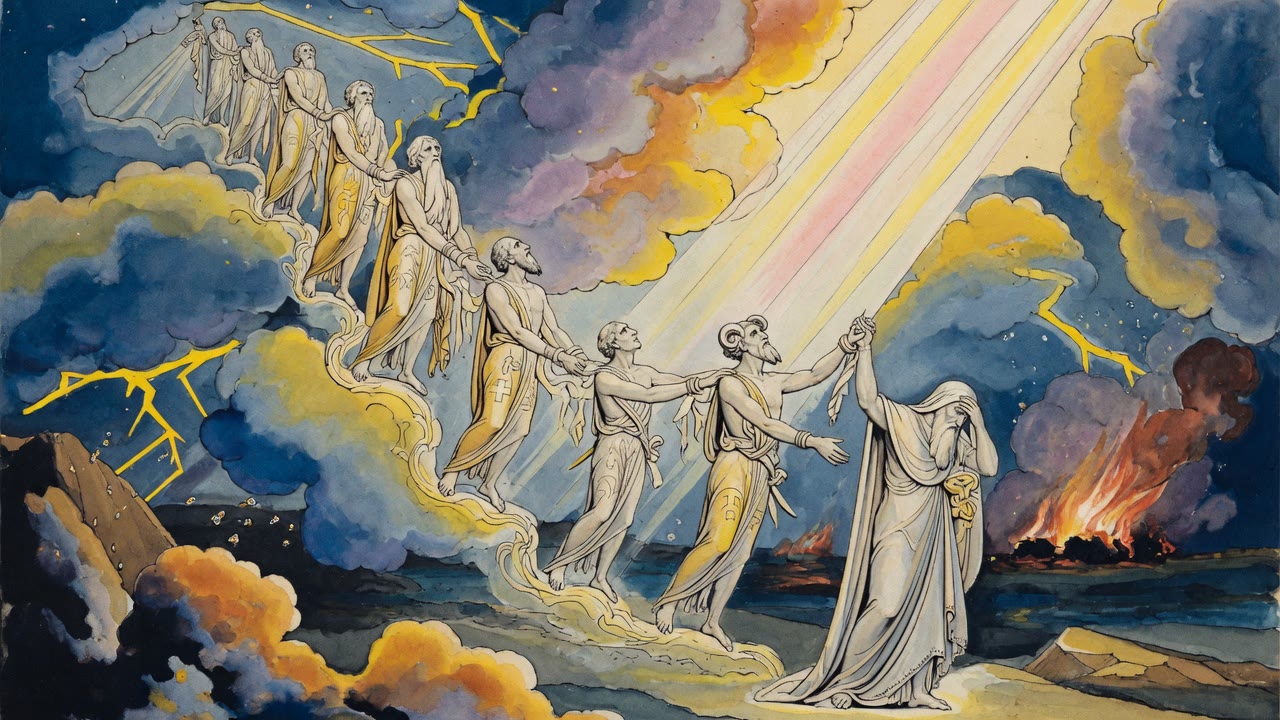
Lot chose Sodom and seemed to step out of the covenant. The rabbis found a hidden thread running from his fall all the way to King David.
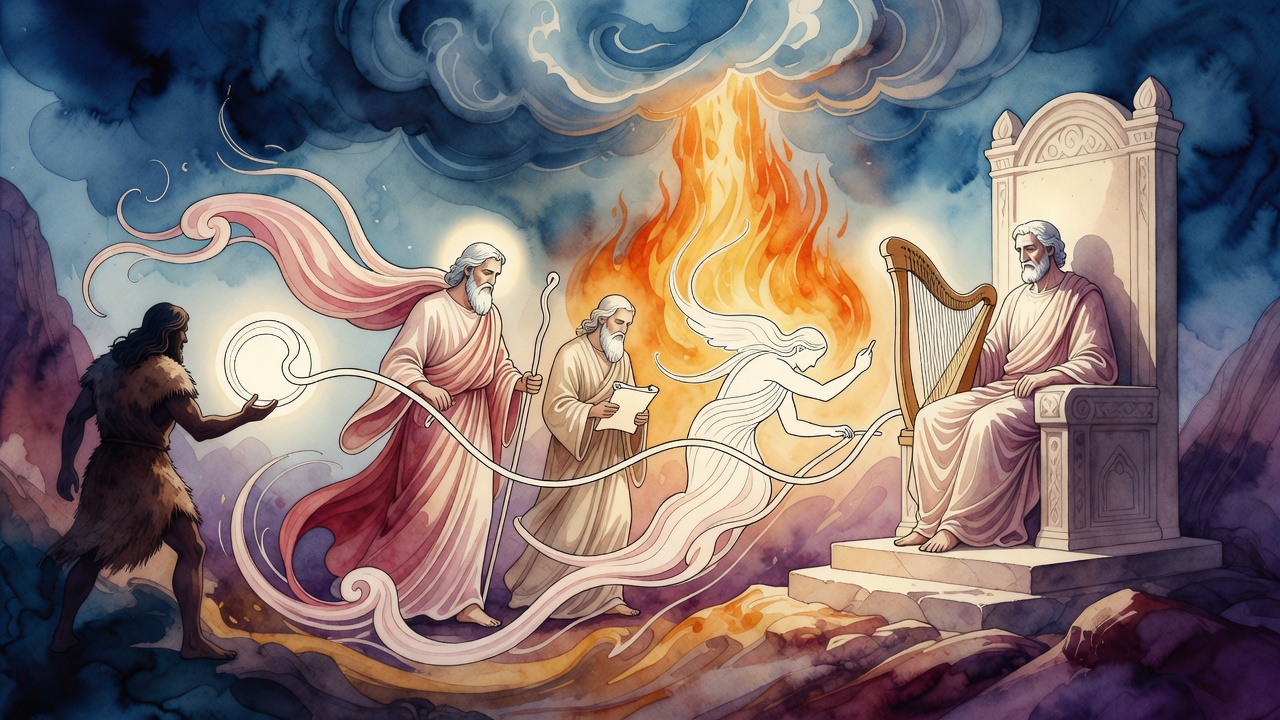
Abraham called Rebecca to his bed and named the grandson to watch. Years later a hunter kept tying deer that would not stay tied.
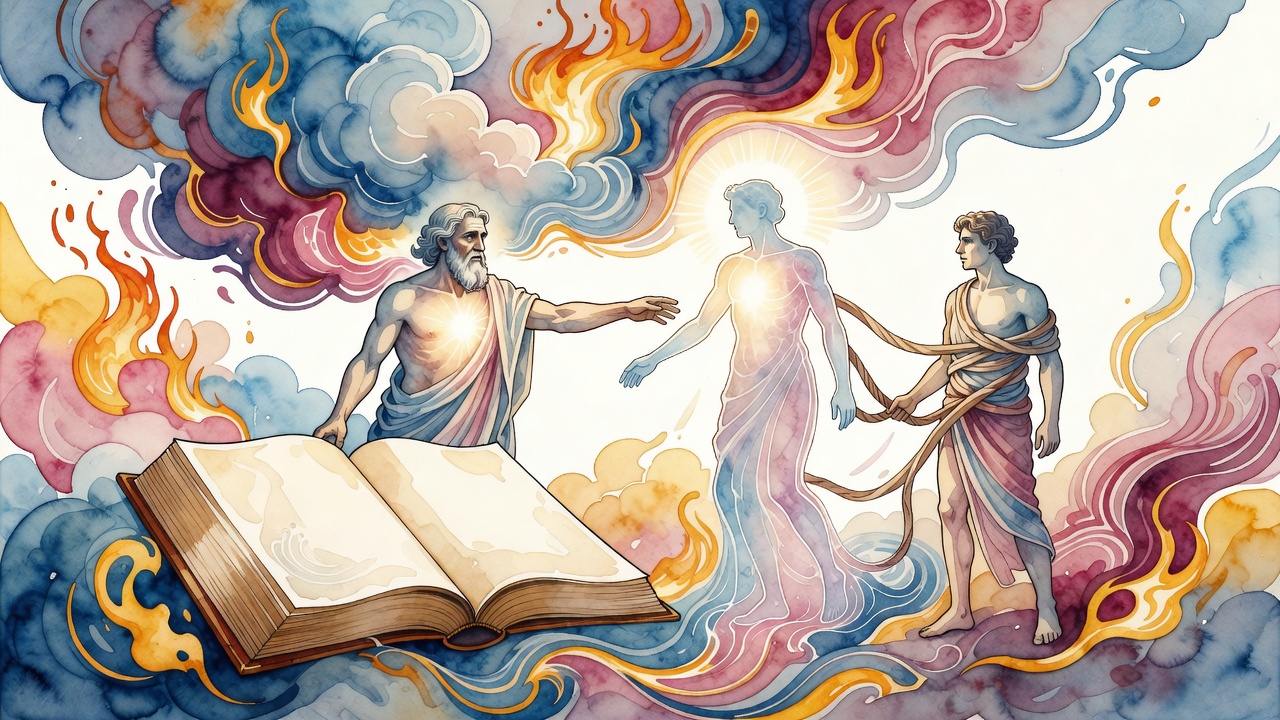
Adam found David's soul in the book of generations with almost no lifespan assigned to it and gave seventy of his own years away.
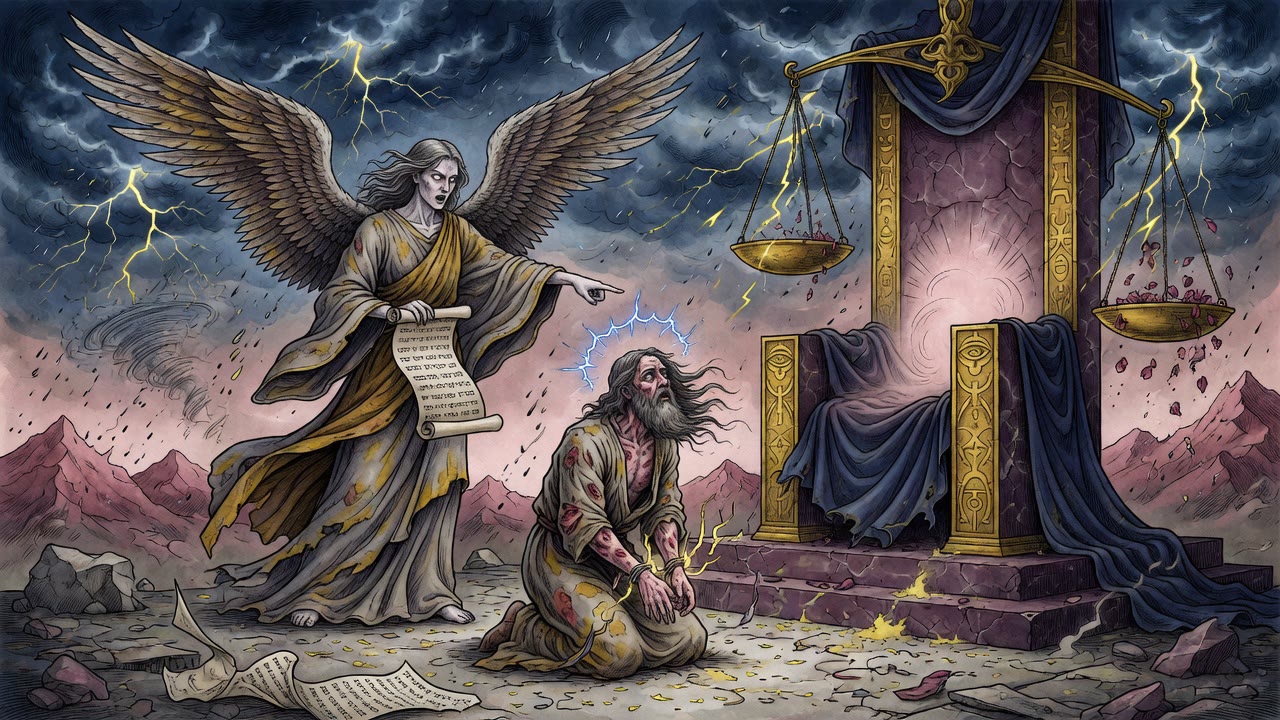
Jacob would not release the stranger until the sky paled. Job, married into that house, demanded a hearing. Solomon set both faces on a lamp of gold.
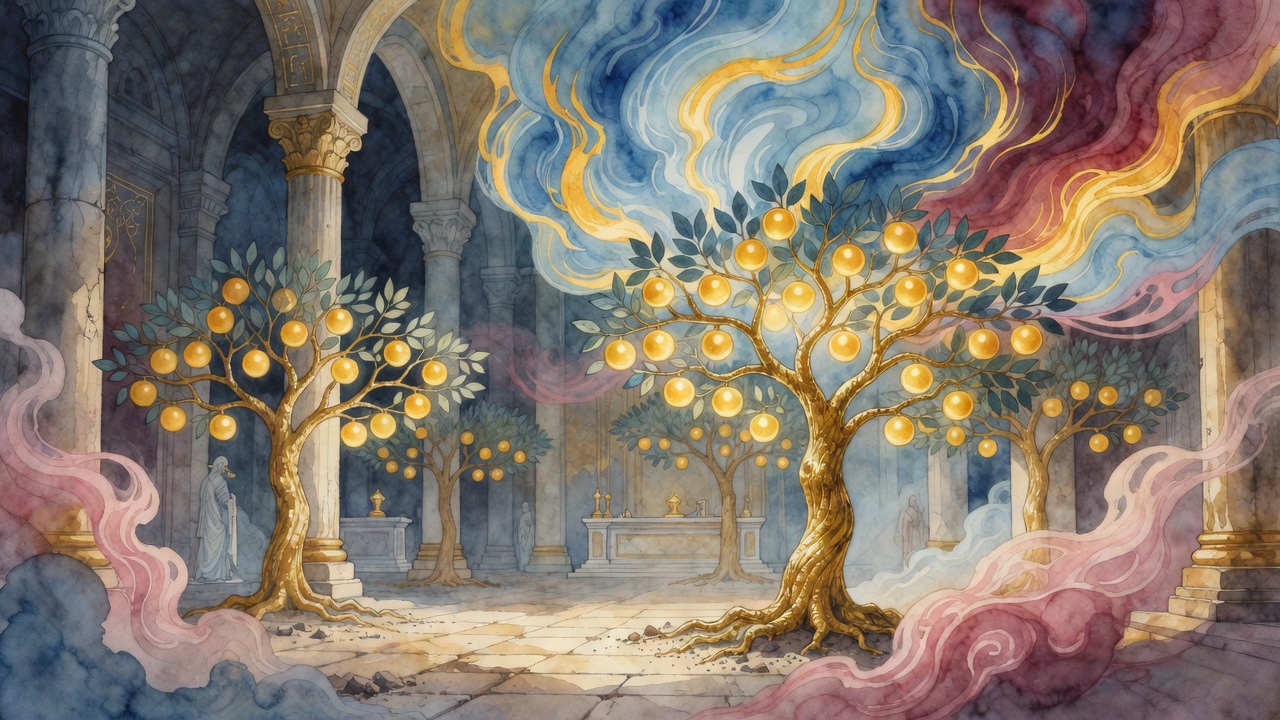
The Torah never asked for trees inside the Temple. Solomon planted them in gold anyway, and they bore fruit until Babylon burned the Temple down.
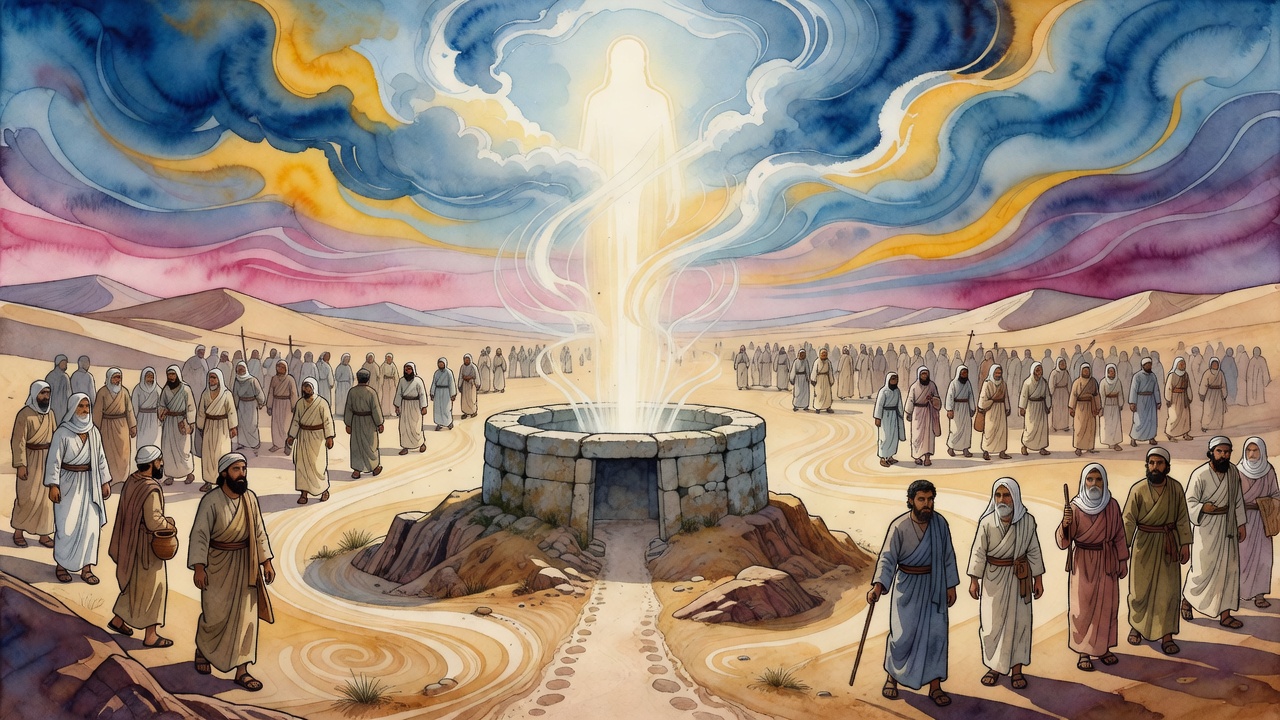
A well followed Israel forty years in the desert. The Talmud named whose merit sustained it. The morning after Miriam died the people found nothing to drink.
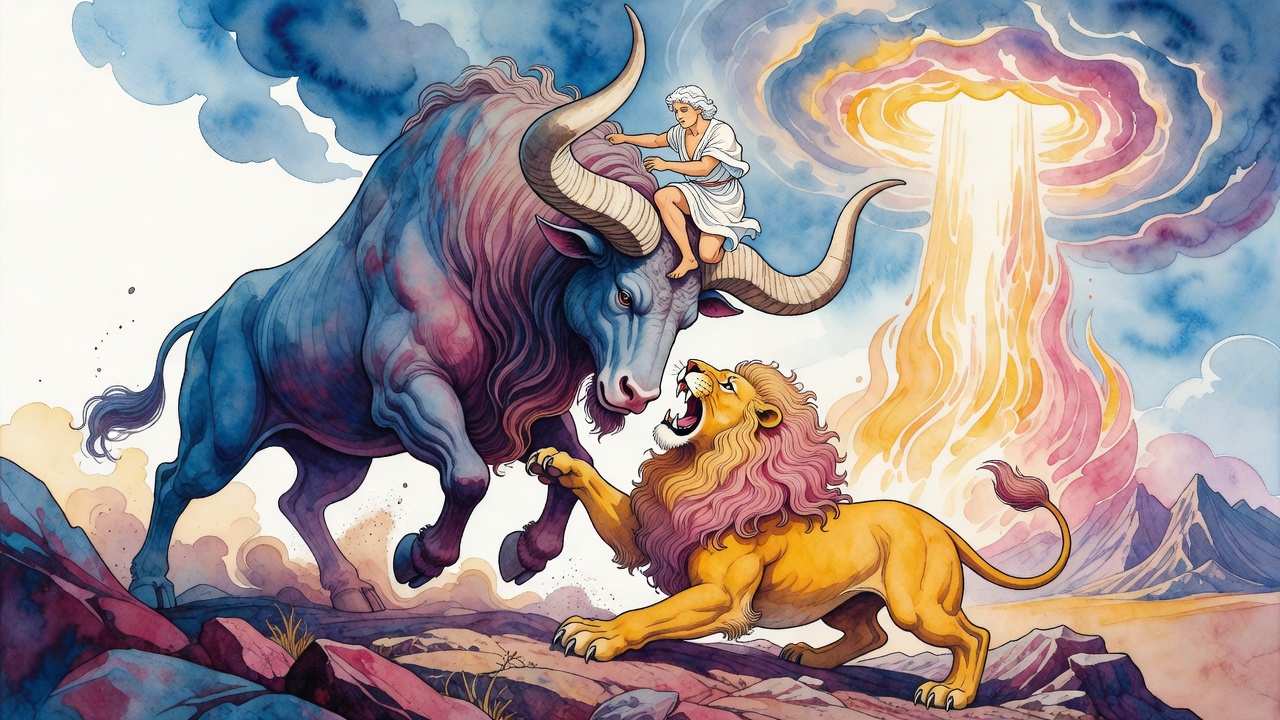
The hill had no flowers and no rocks. The tree at the top was horn. David sat at its foot to see what would happen if he stayed.
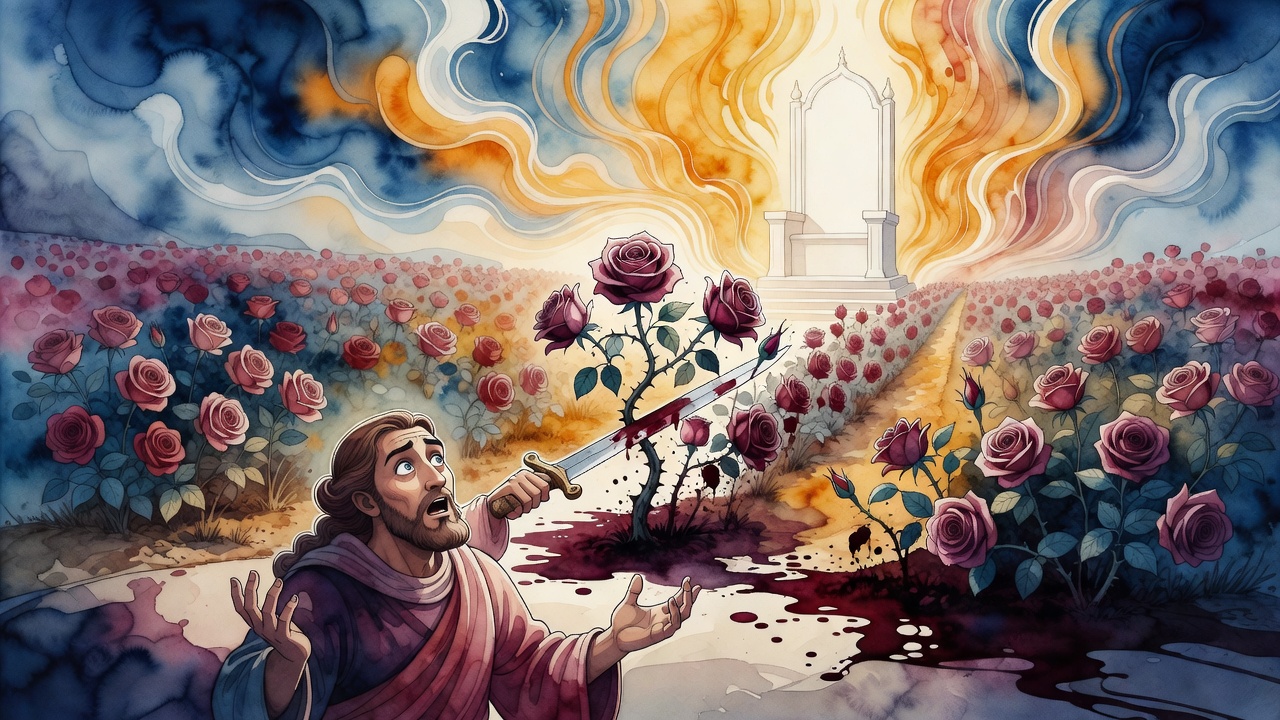
A Persian king dreamed of a rose garden soaked in innocent blood, saw one rose tree survive his blade, and woke to find the heir he could not kill.
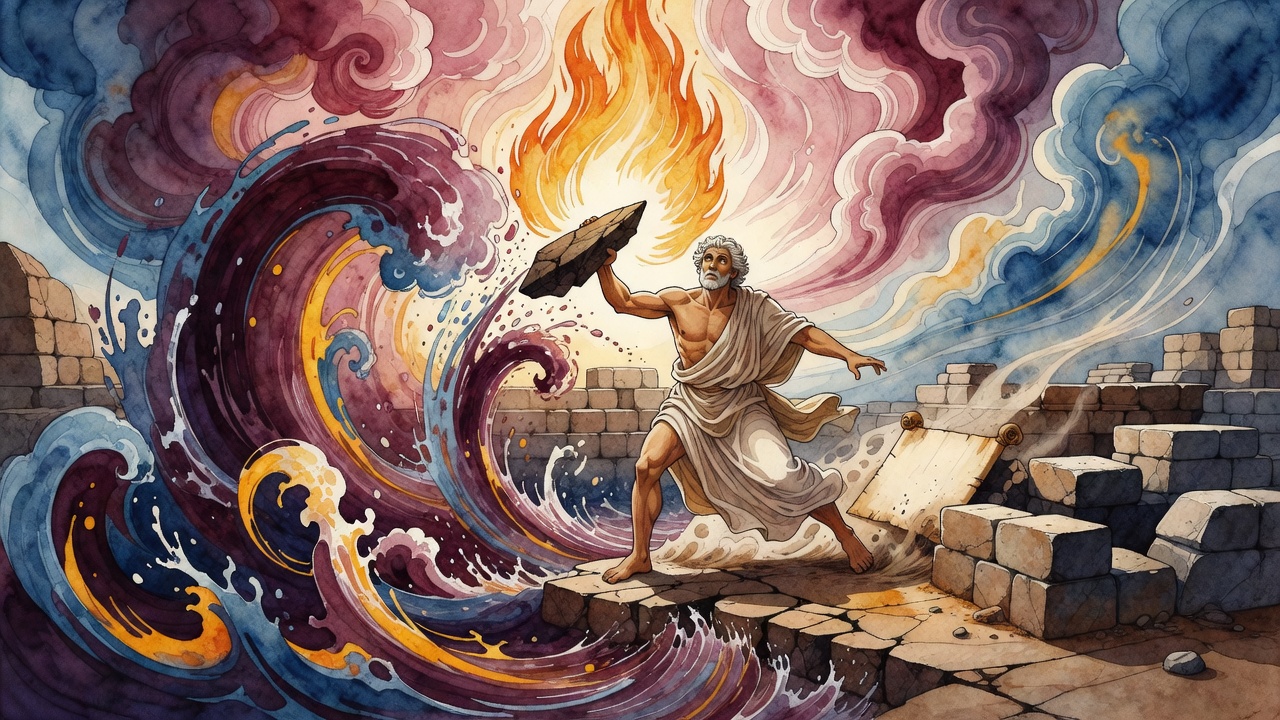
While digging the Temple foundations, David struck a shard that sealed the abyss, and when he lifted it, the waters of the deep began to rise toward the world.
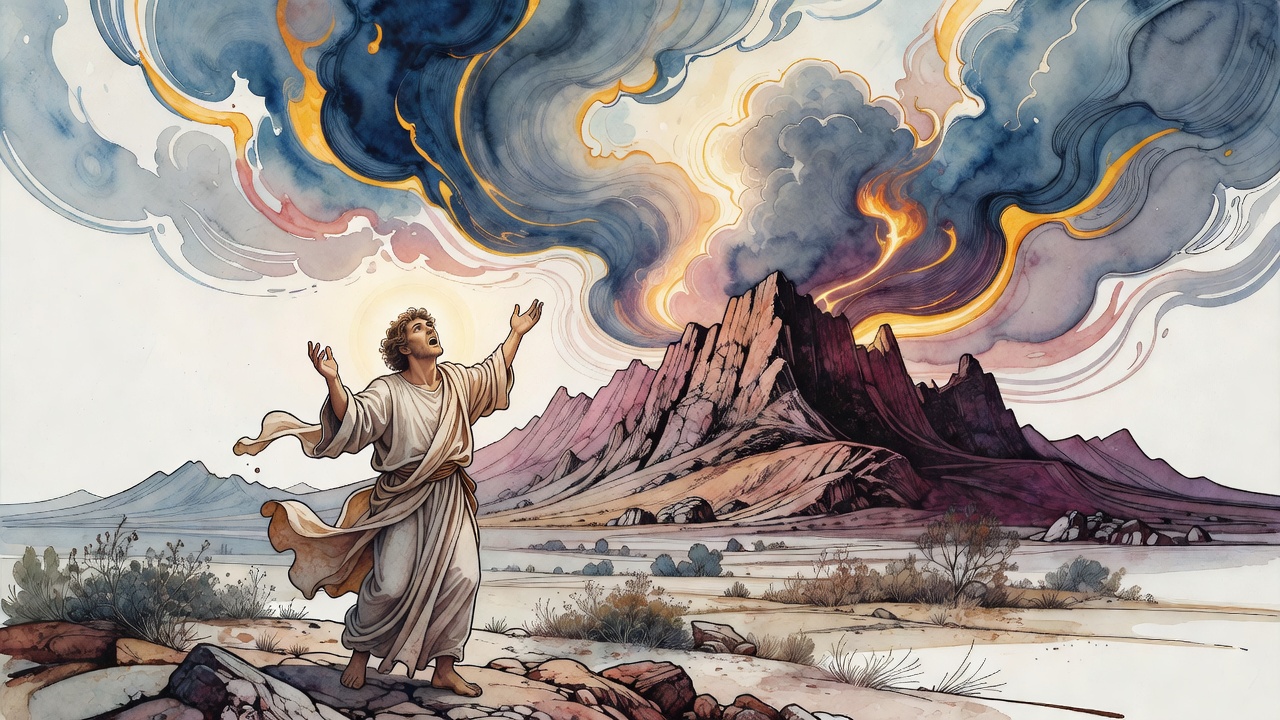
David wanted his own name in the blessing beside Abraham's. God told him what Abraham had gone through to get it there. David said, test me too.
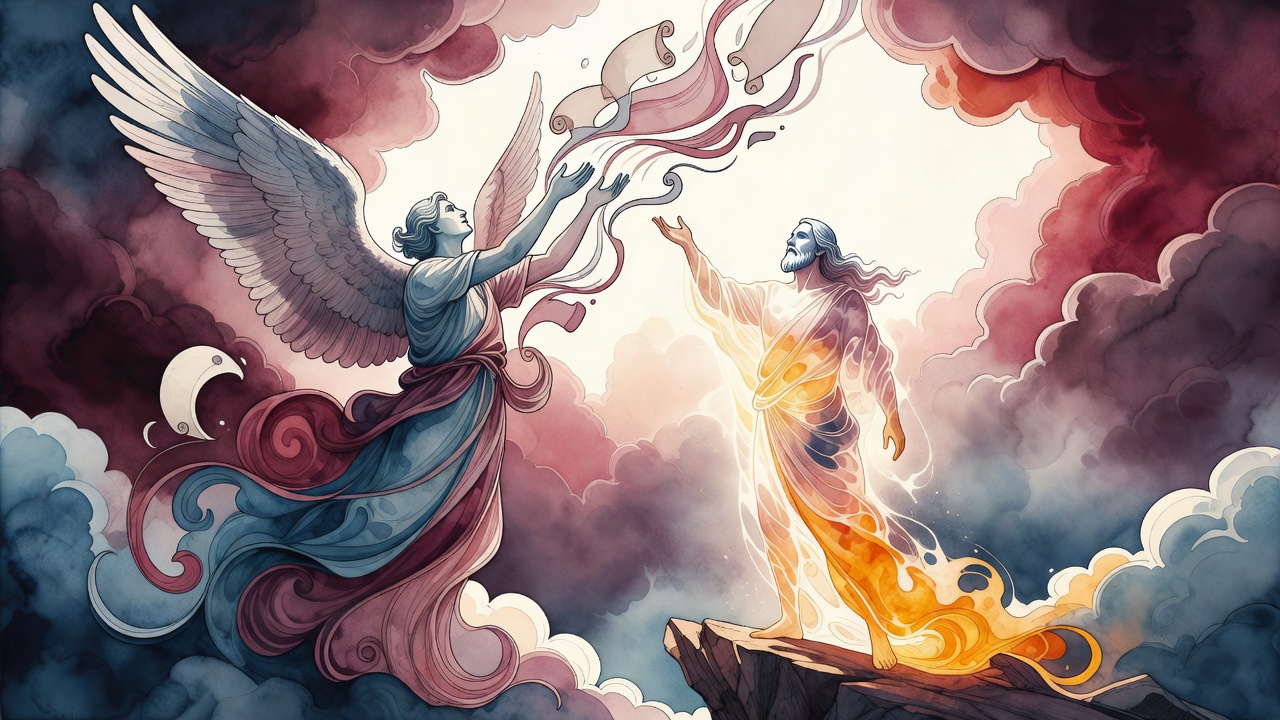
Solomon warned that a bird of heaven carries the voice. The midrash says that bird is an angel, and Saul's curse reached heaven as soon as he said it.
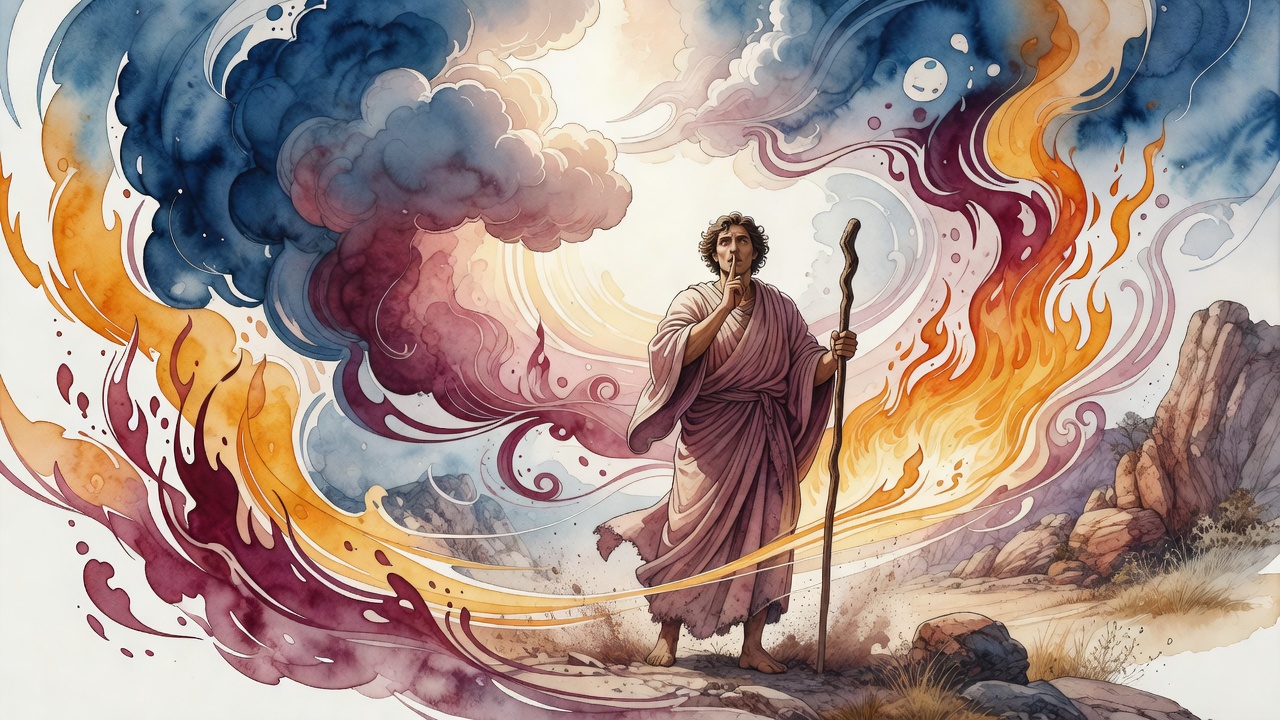
Saul's men watched the house all night and waited for morning. By then David was over the sill and gone, and there was goat's hair on the pillow.
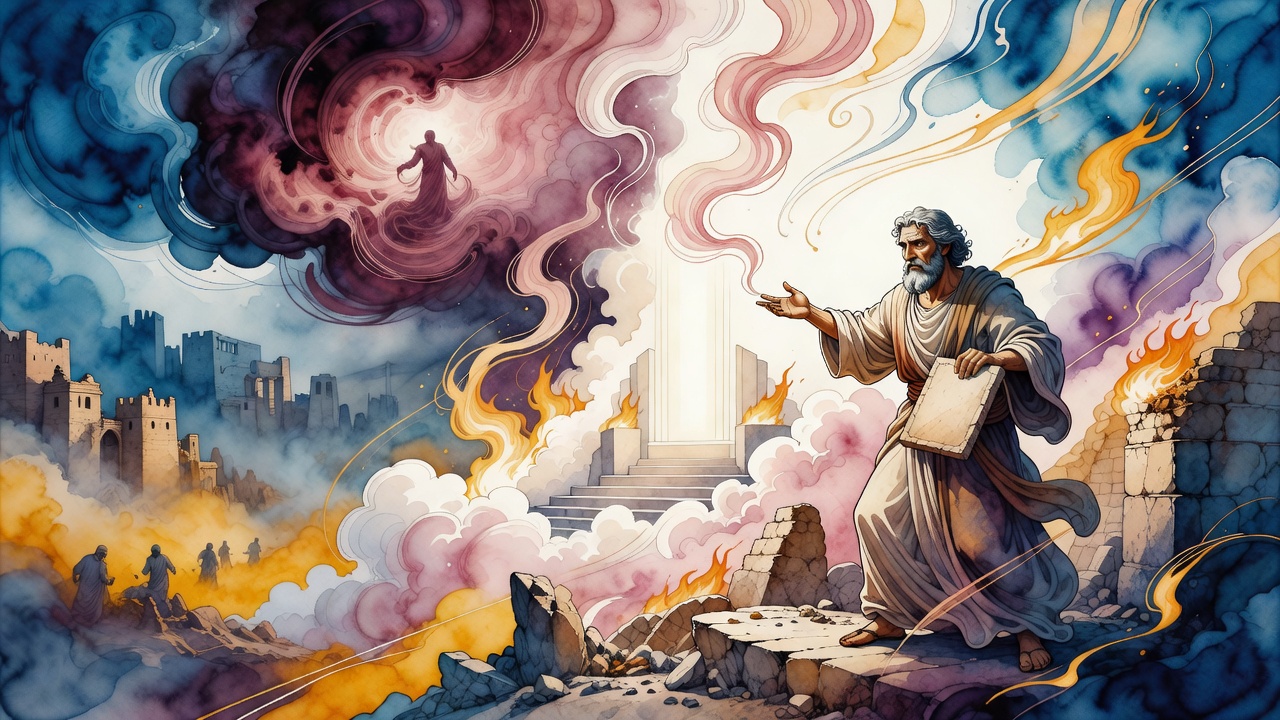
The guards would not let the column stop walking. The first ground the exiles were allowed to sit on was the bank of the Euphrates.
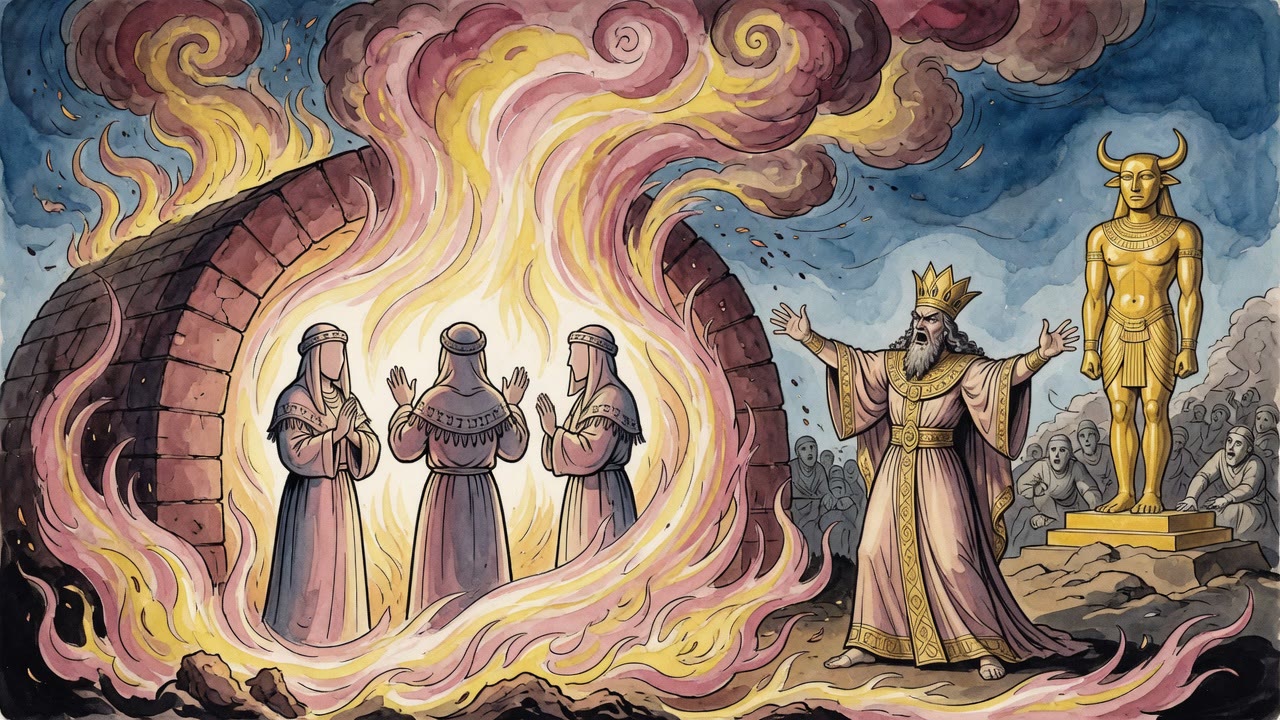
A congregation told God there was nobody righteous left alive to lean on. God answered by naming three men who went into a fire in Babylon.
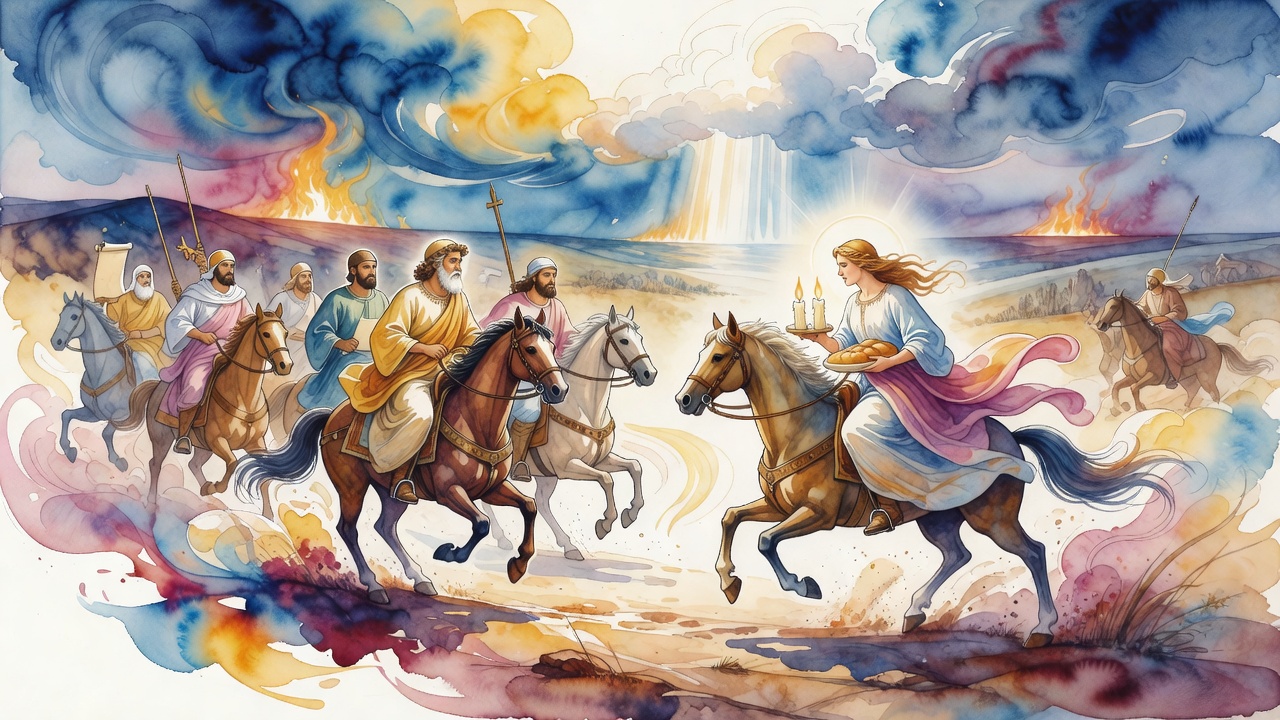
David rides toward Nabal with four hundred men and blood in mind, and Abigail rides toward him with bread and the truth about burning candles.
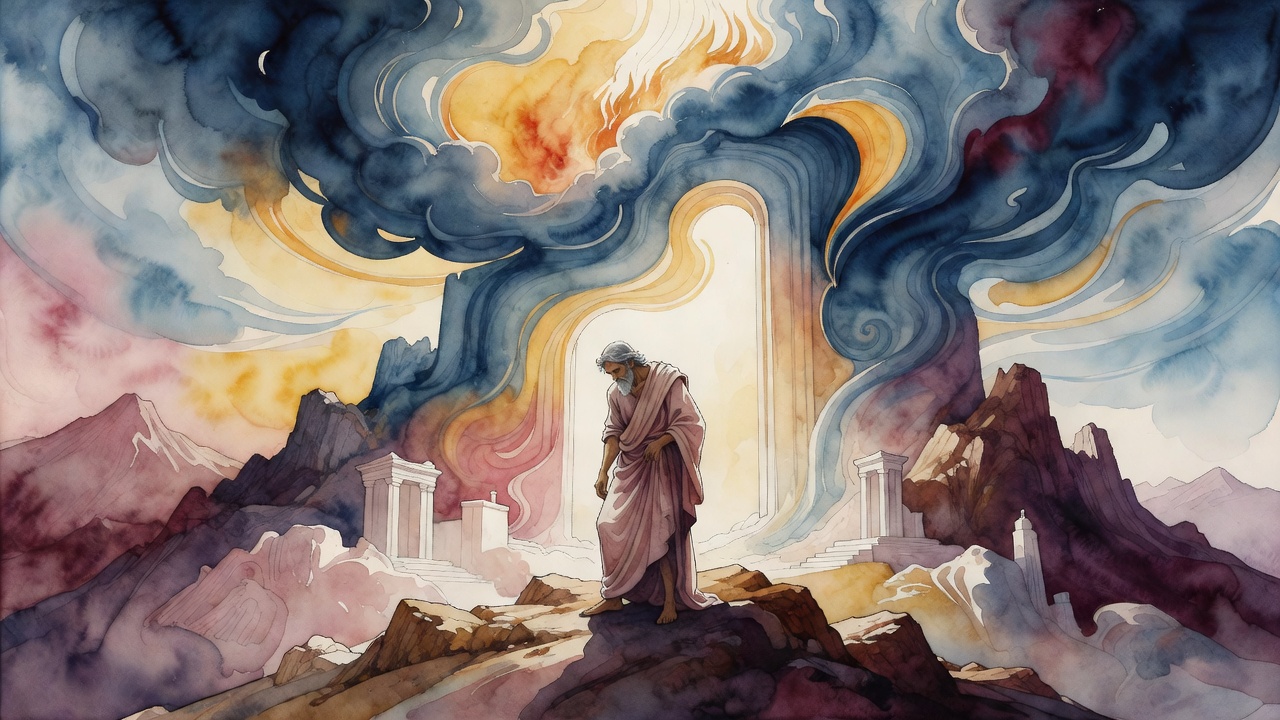
Adam settles on Mount Moriah after Eden because the gate he can no longer enter is close, and the place of return becomes the place of the Temple.
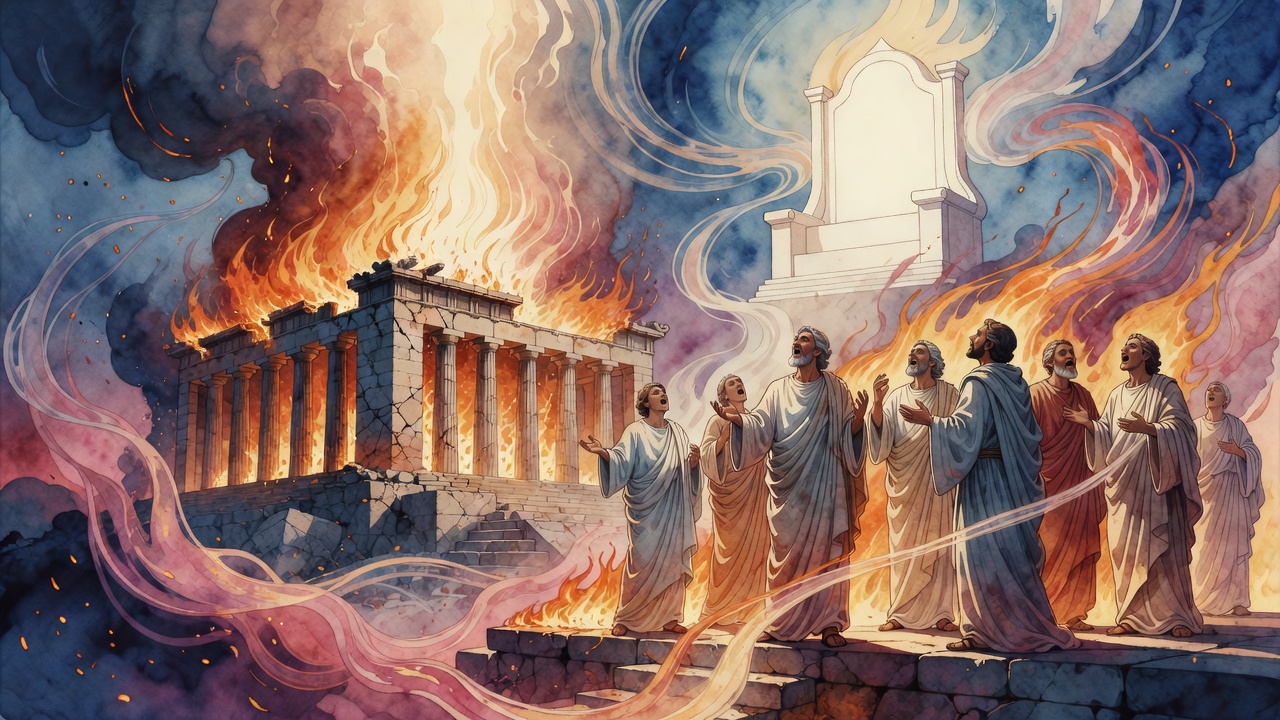
The Levites still had a verse in their mouths when the fire took the courtyard. David later asked not to be measured that closely.
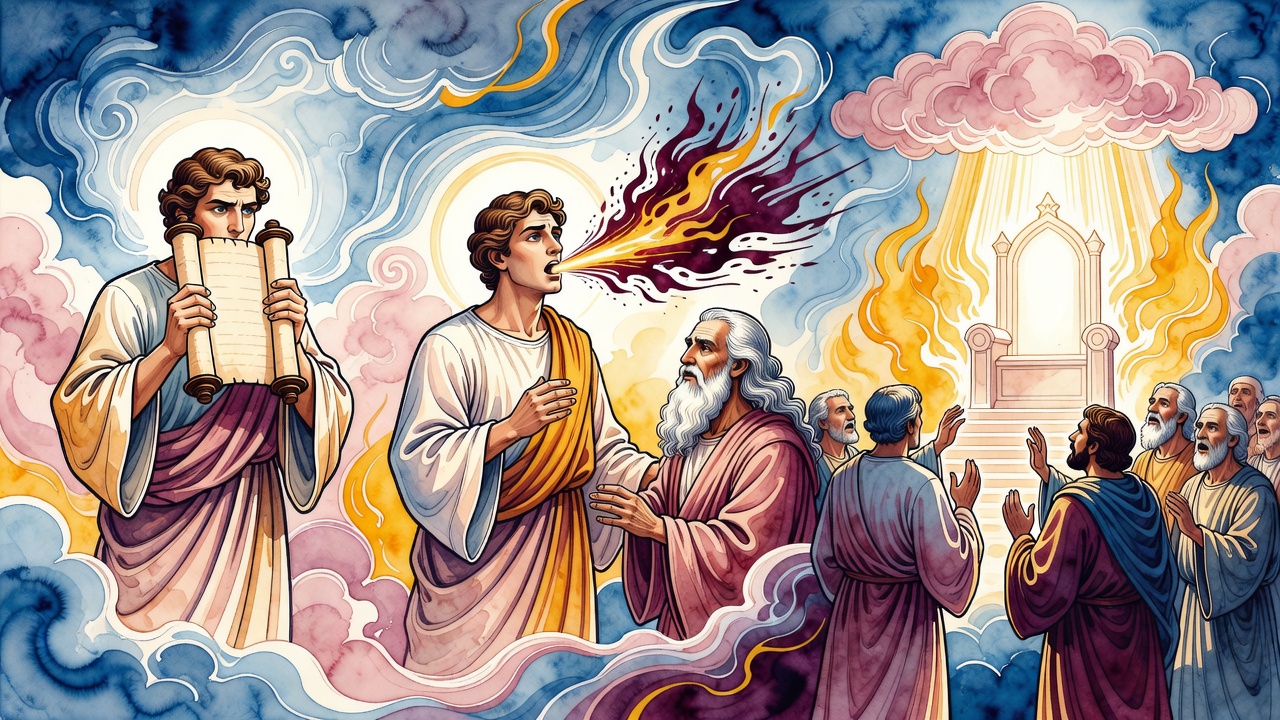
Saul confessed in the same words David used. Then he asked to be honored before the elders, and tore Samuel's robe grabbing after him.
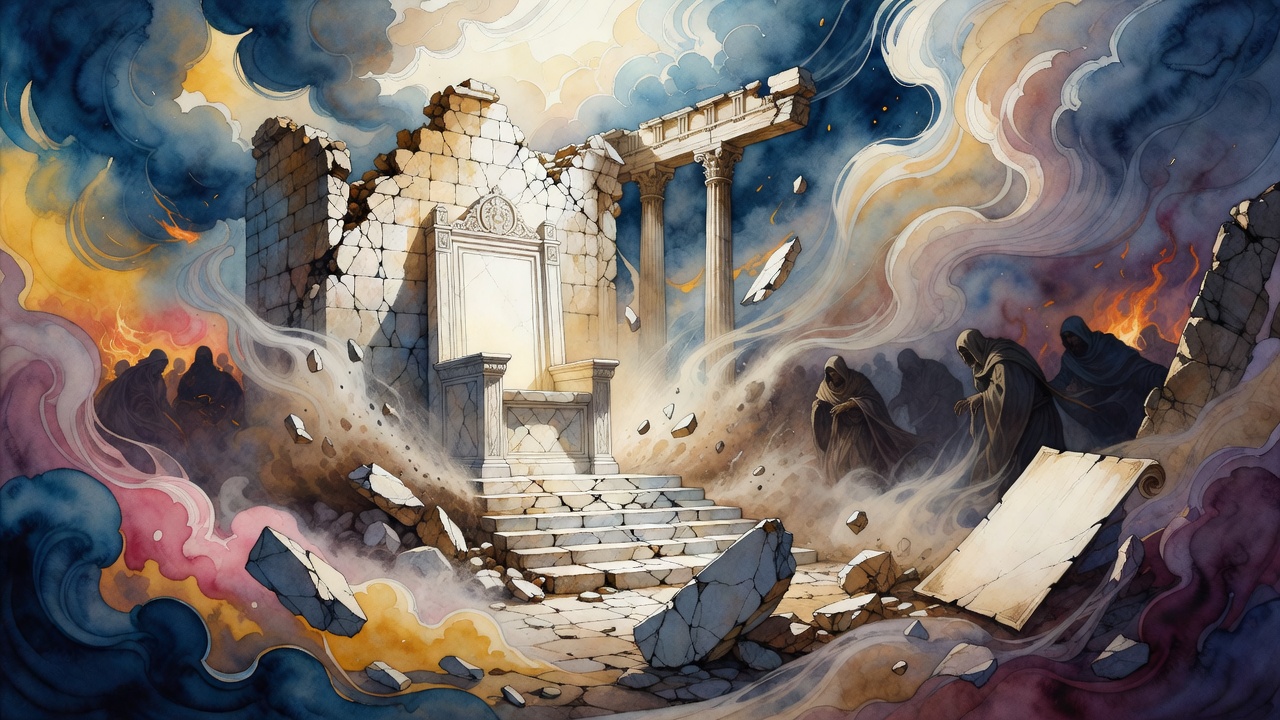
Nobody has ever woken in the morning and found his soul missing, or found his neighbor's soul in his hands. That deposit has never once been mixed up.
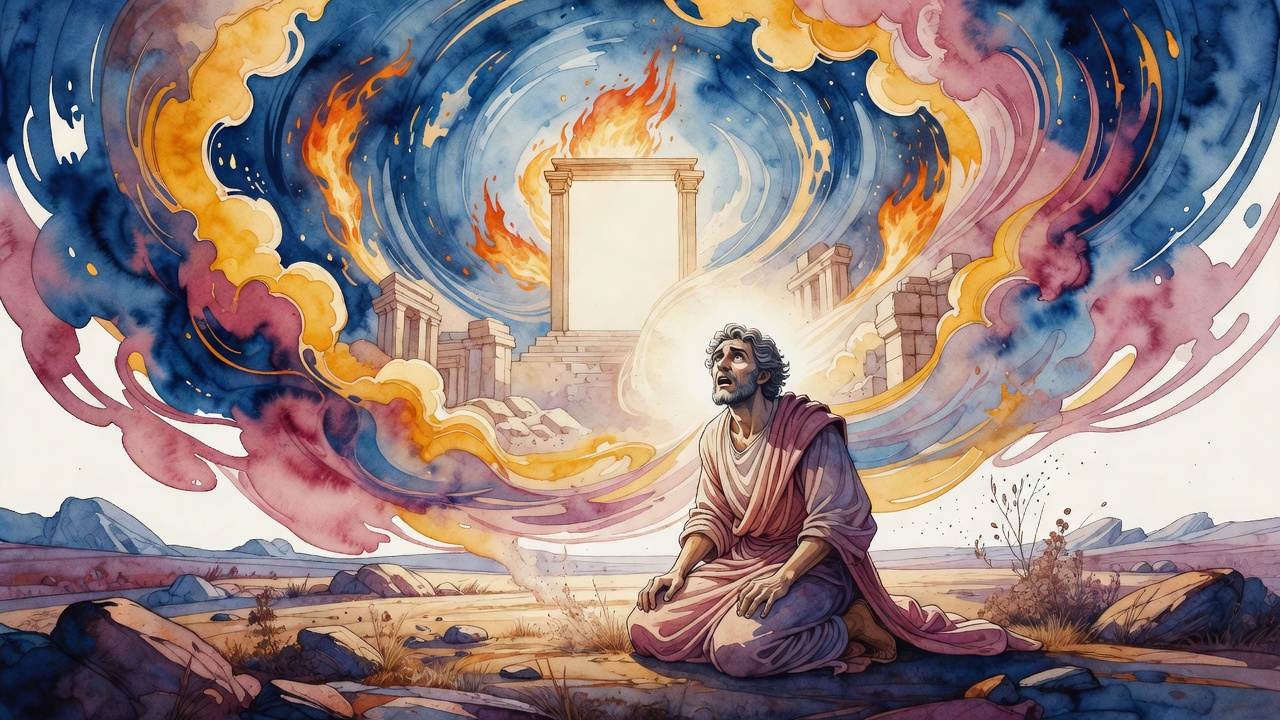
David cannot build the Temple but cannot stop wanting it, and God credits the longing as if stone had already been laid on stone.
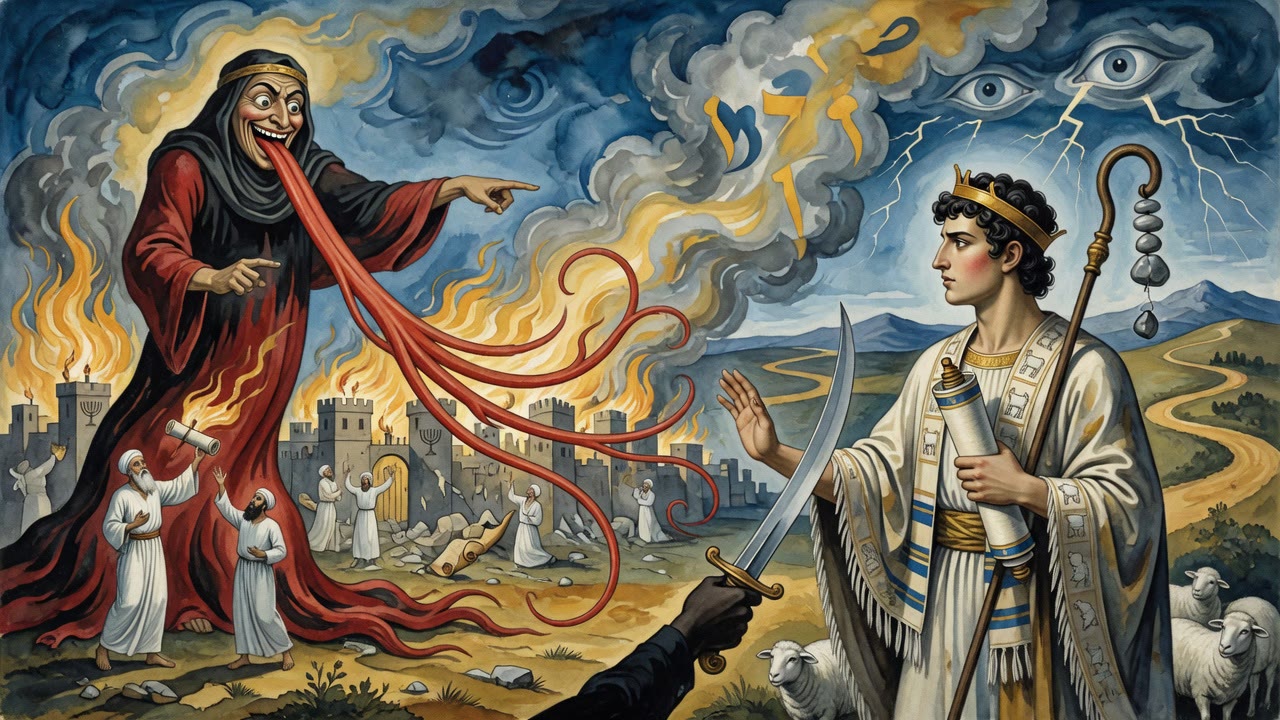
Doeg uses his tongue to destroy a city of priests, but David, trained as a shepherd, guards Torah and refuses to act in anger.
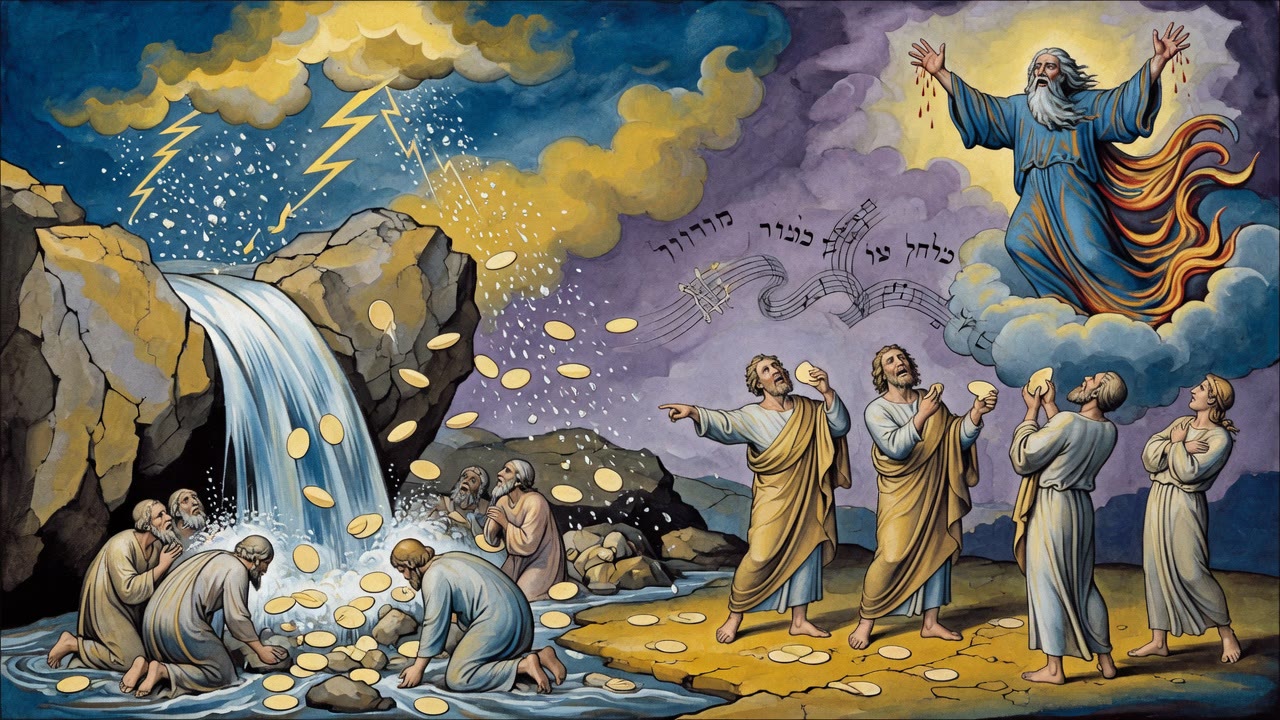
Israel drinks from a gushing rock and eats bread from heaven, then mocks the miracle before learning what a new song costs.
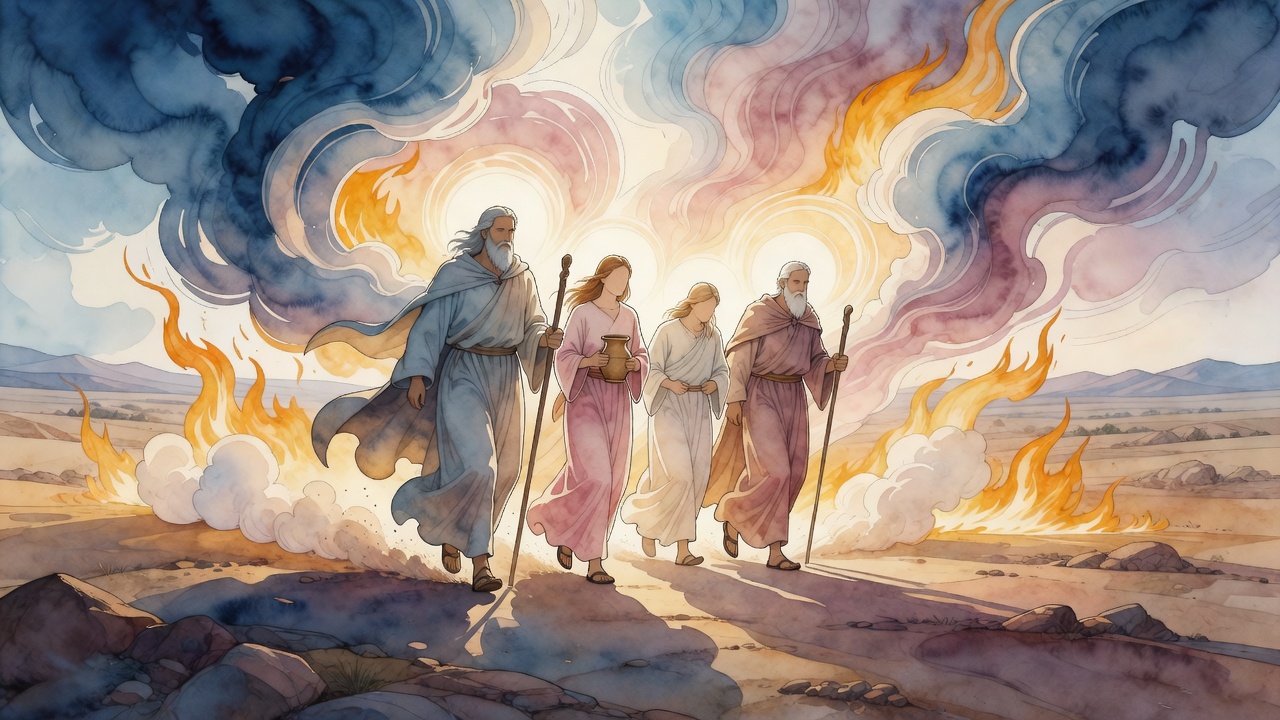
Abraham was seventy-five when he walked away from his father's house toward a land he had not seen. Isaac sowed in a famine year and reaped a hundredfold.
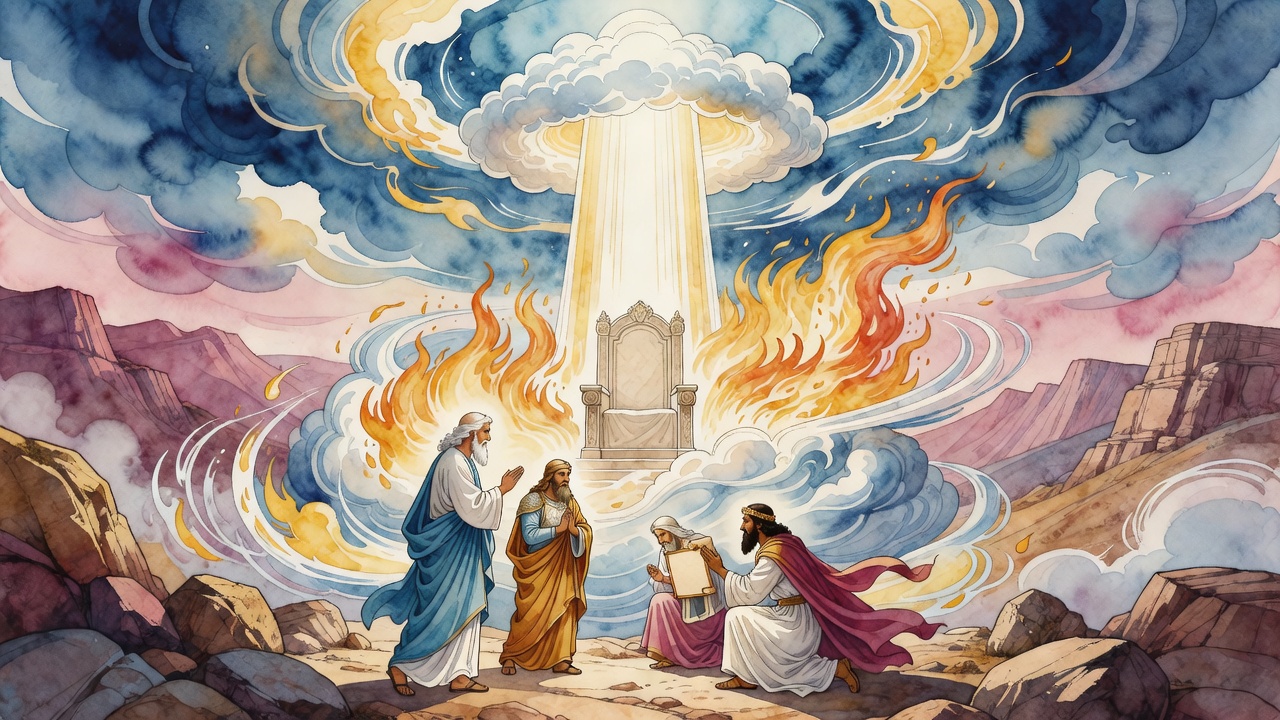
Shemot Rabbah places Moses, David, and Solomon before a God who lifts and lowers like a wheel, then demands that Torah and mercy govern the throne.
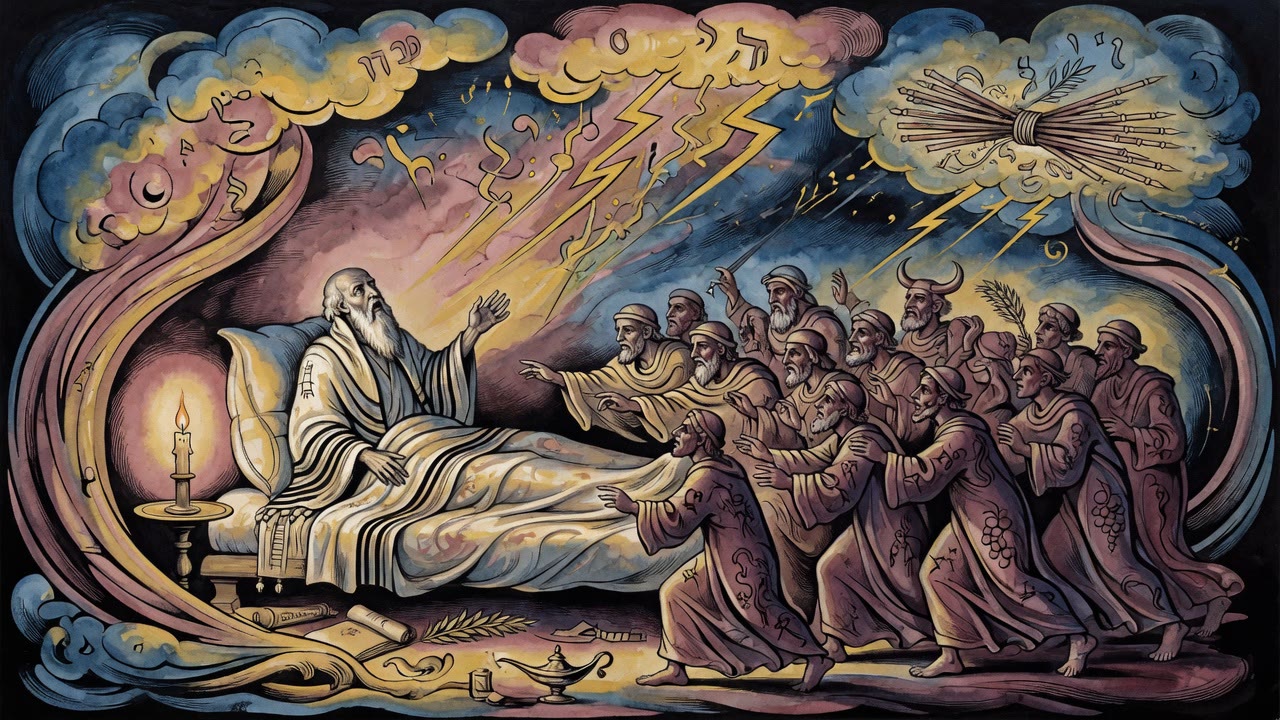
His wife looked at the ring and told him to suck it. Thirty days of mourning would cancel the edict. He died with the Shema in his mouth.
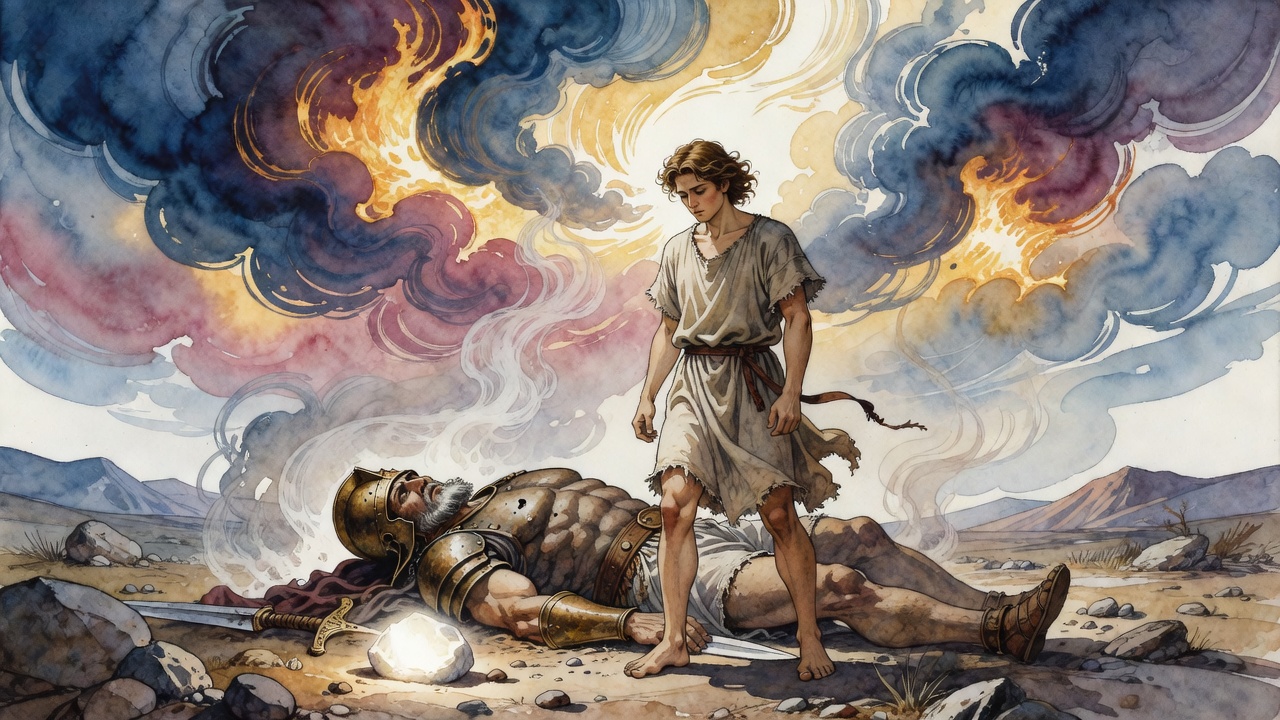
Goliath fell on his face. A blow to the forehead should send a man backward. The boy who threw never claimed the arm.
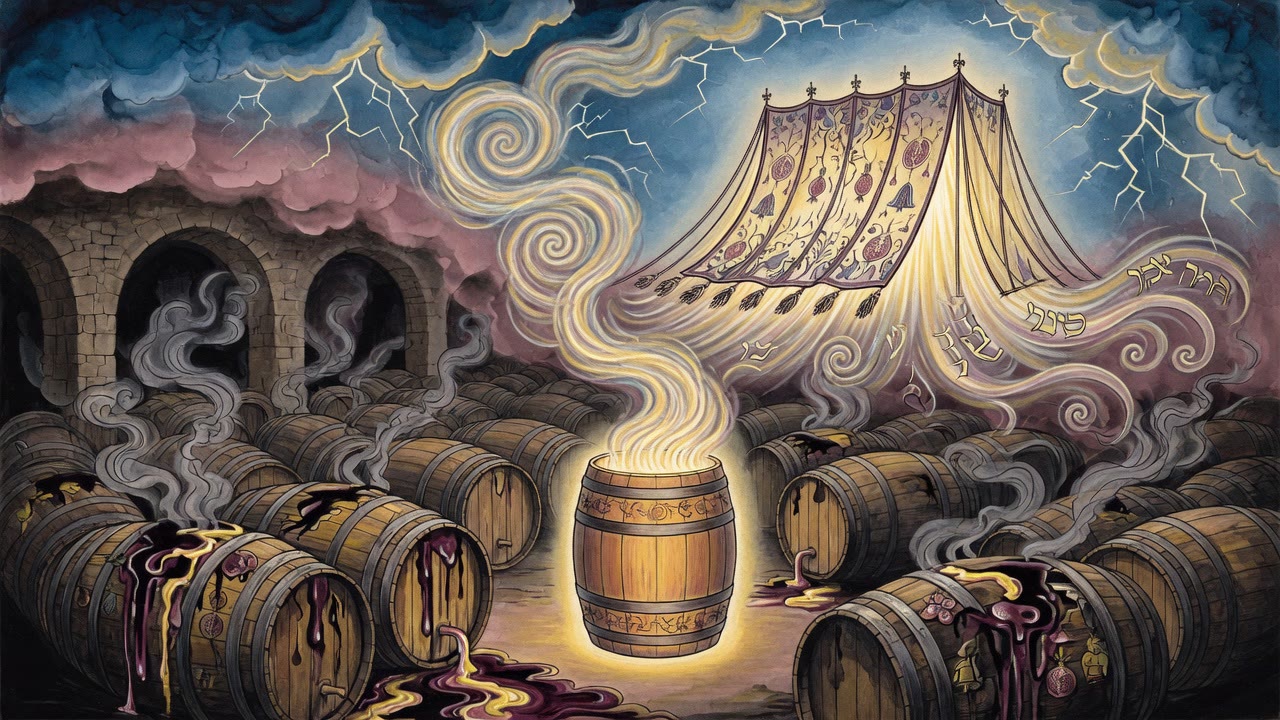
David looked down the line of kings coming out of him. When he reached the one who burned his own sons, he stopped calling himself a king.
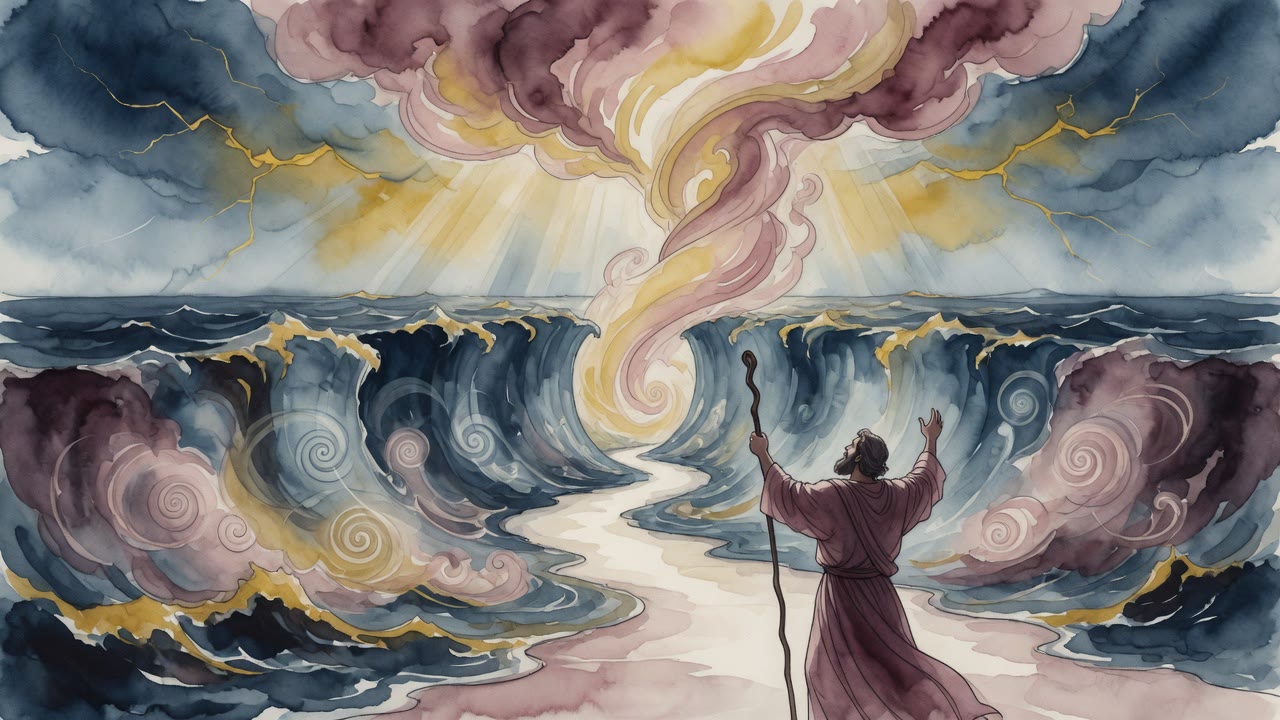
Before Moses lifts his staff at the sea, the sea already knows. God built a condition into creation the day the waters were gathered, and this is the day.
