244 myths · Page 3 of 9
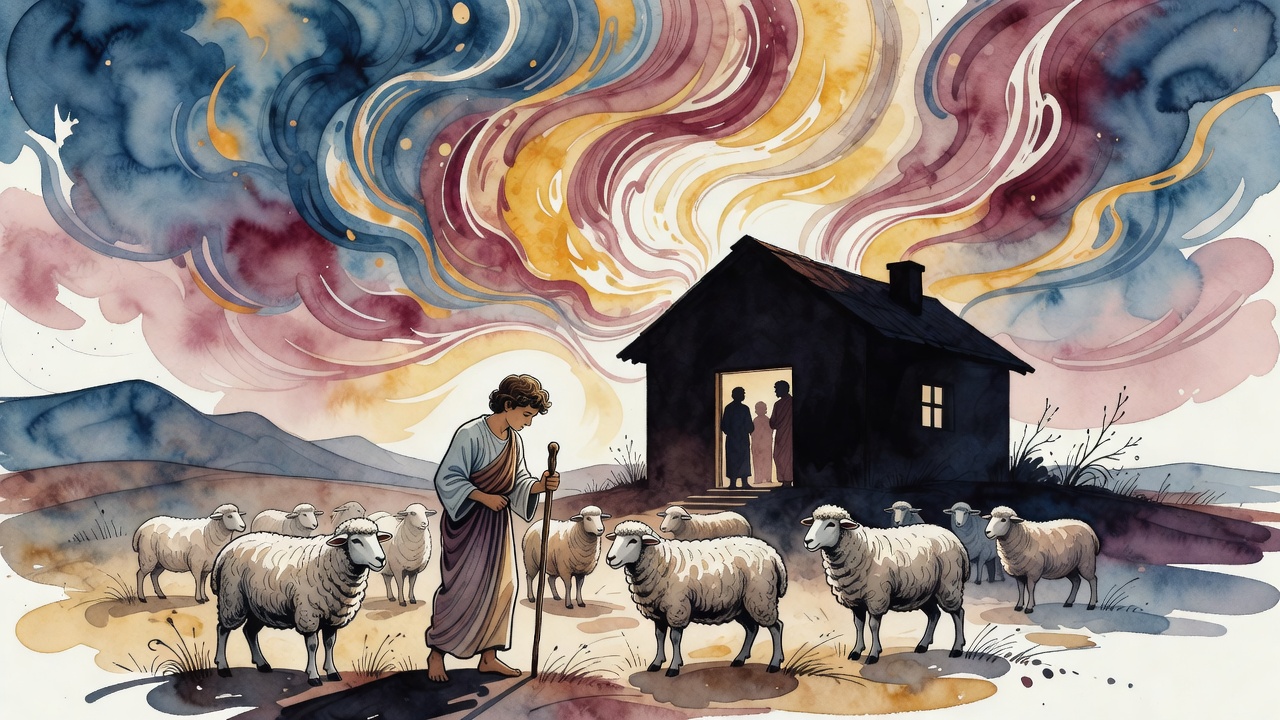
Jesse thought he was sinning with a slave that night. The boy born from it was sent to the hills, because nobody at the table would say whose he was.
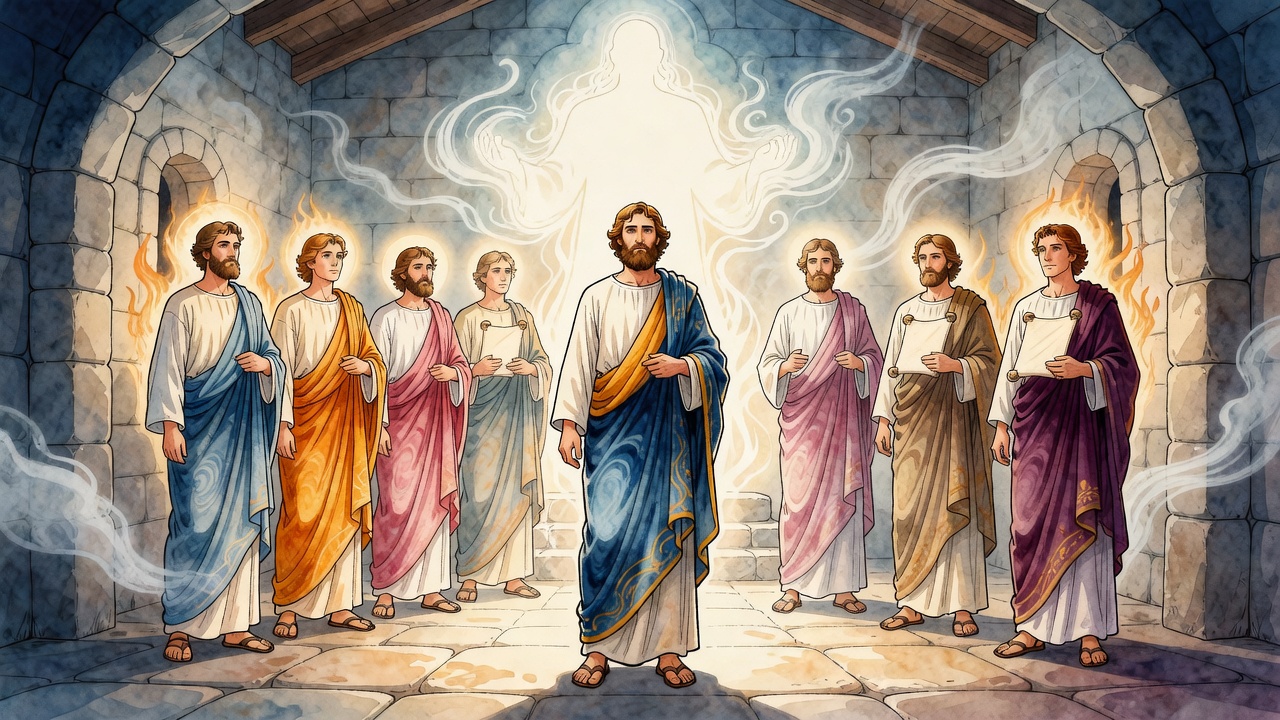
Samuel lifted the horn for Jesse's eldest. God said no. Seven sons later the oil still sat in the horn, and the shepherd had not been called.
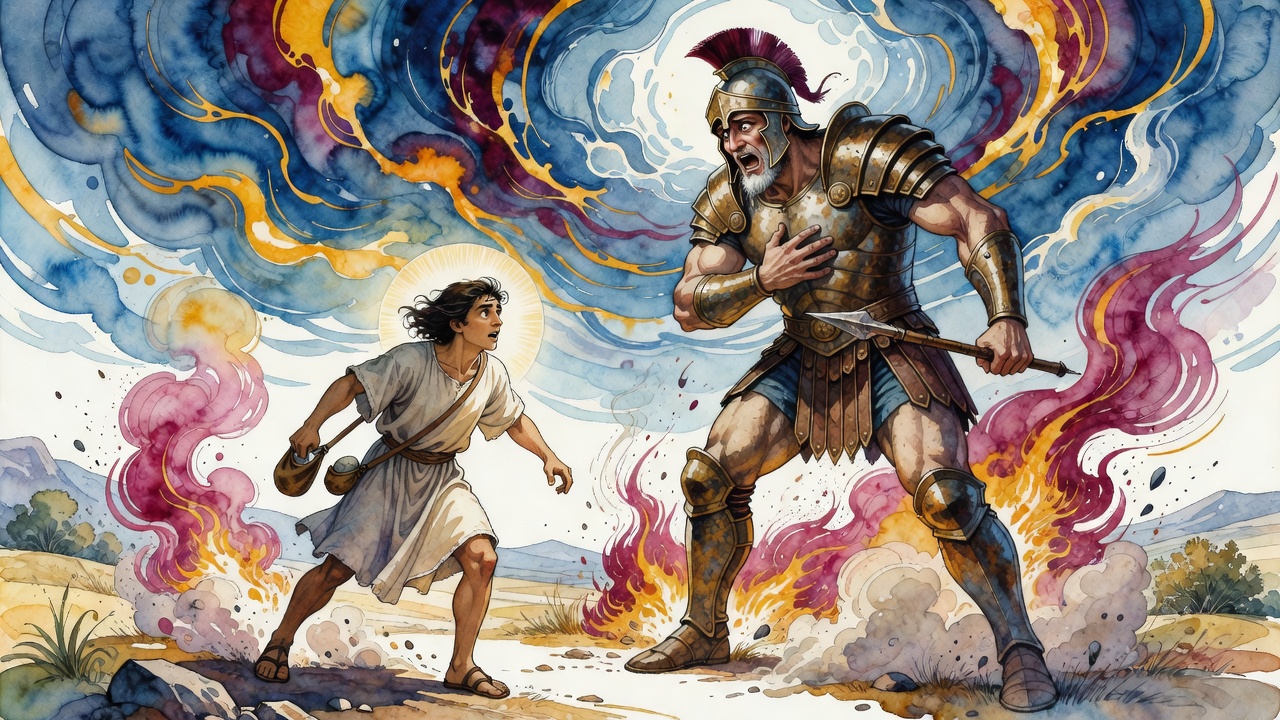
Before the stone left David's sling, something older and stranger had already struck Goliath. The giant felt it the moment David walked toward him.
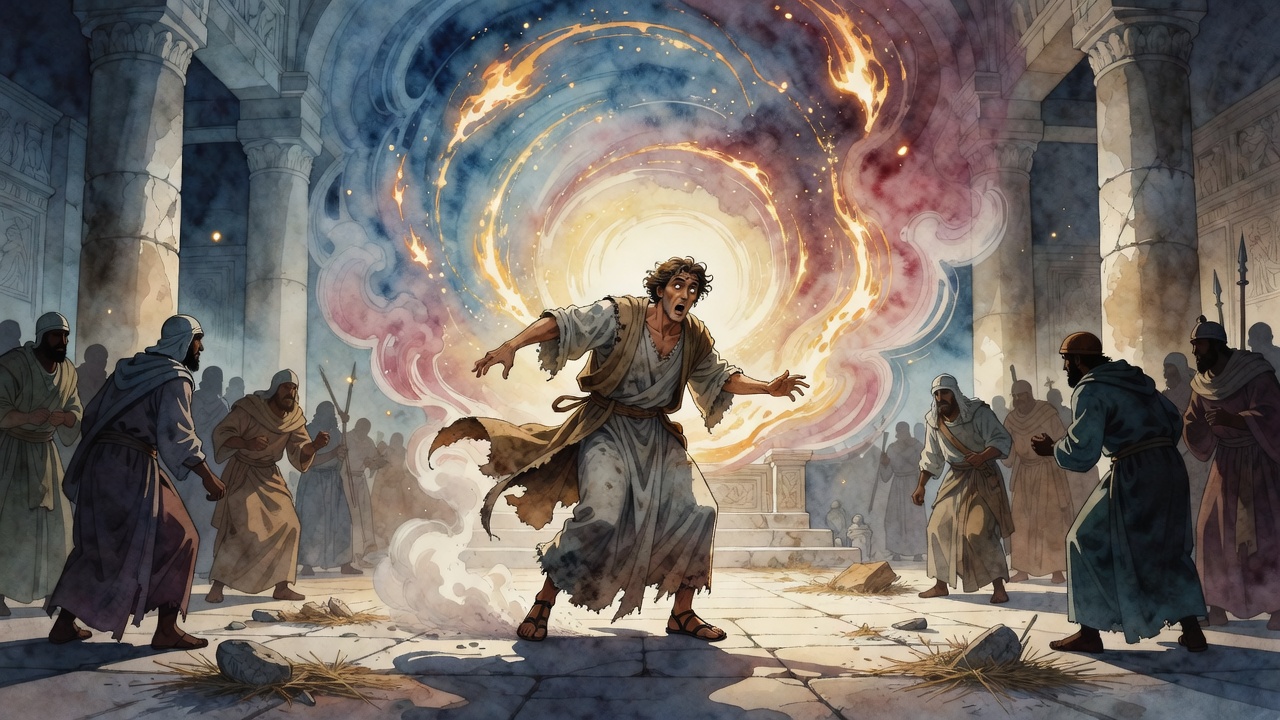
Goliath's brothers stood as bodyguards in Gath and asked for David's head. King Achish pointed at the madmen already living in his house.
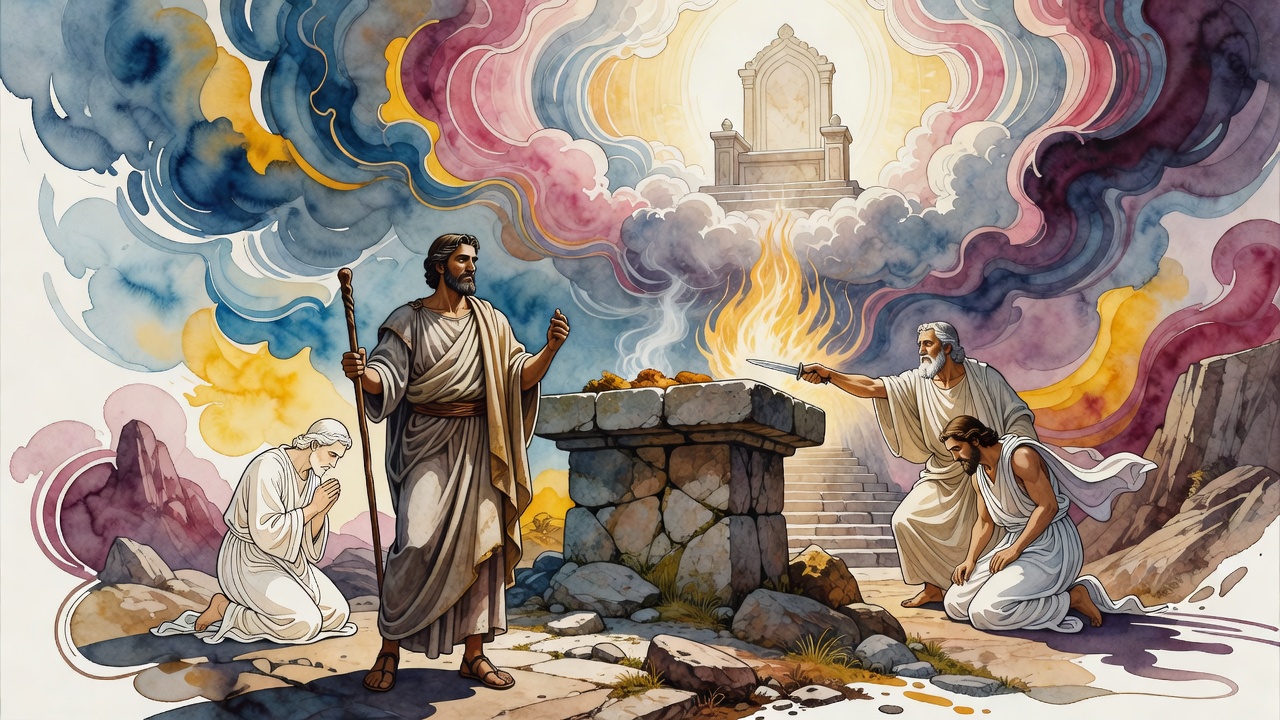
When David claimed Jerusalem, he was not discovering a place. Adam had prayed there. Noah had built an altar. Abraham had nearly lost his son there.
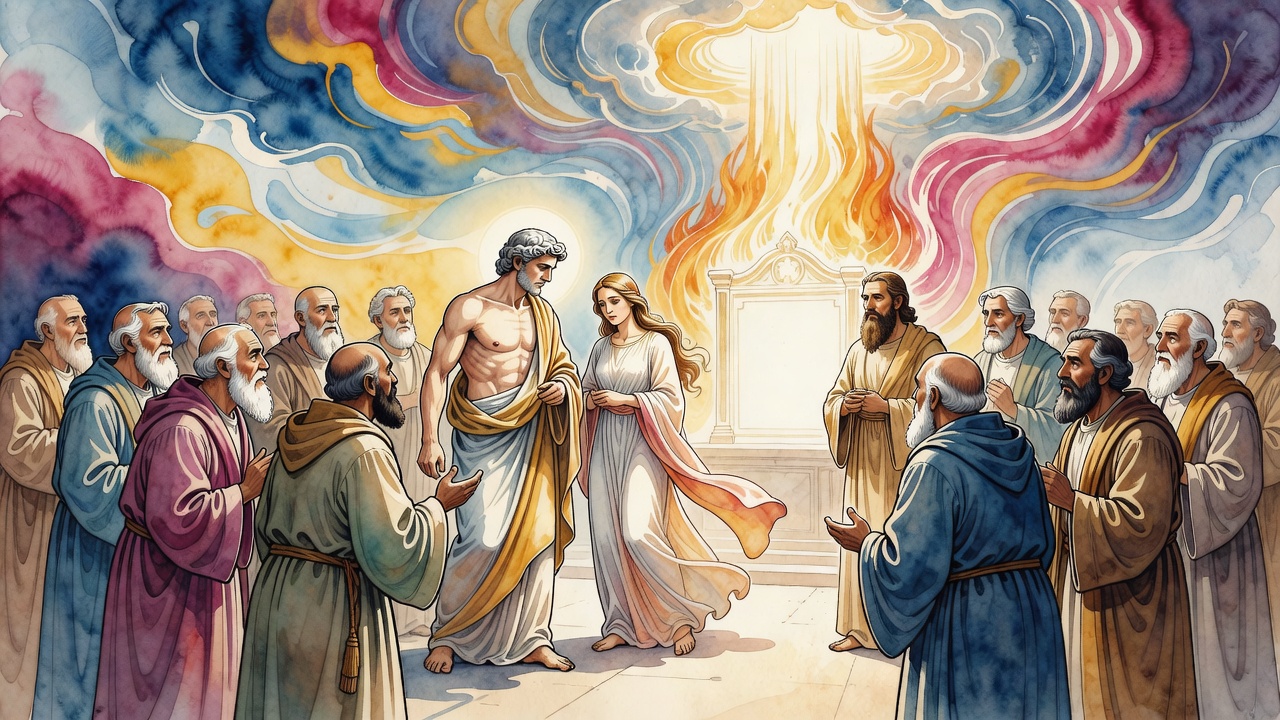
David's sin with Bathsheba was real. The rabbis did not look away. But they also asked why God would allow the most righteous king to fall this far.
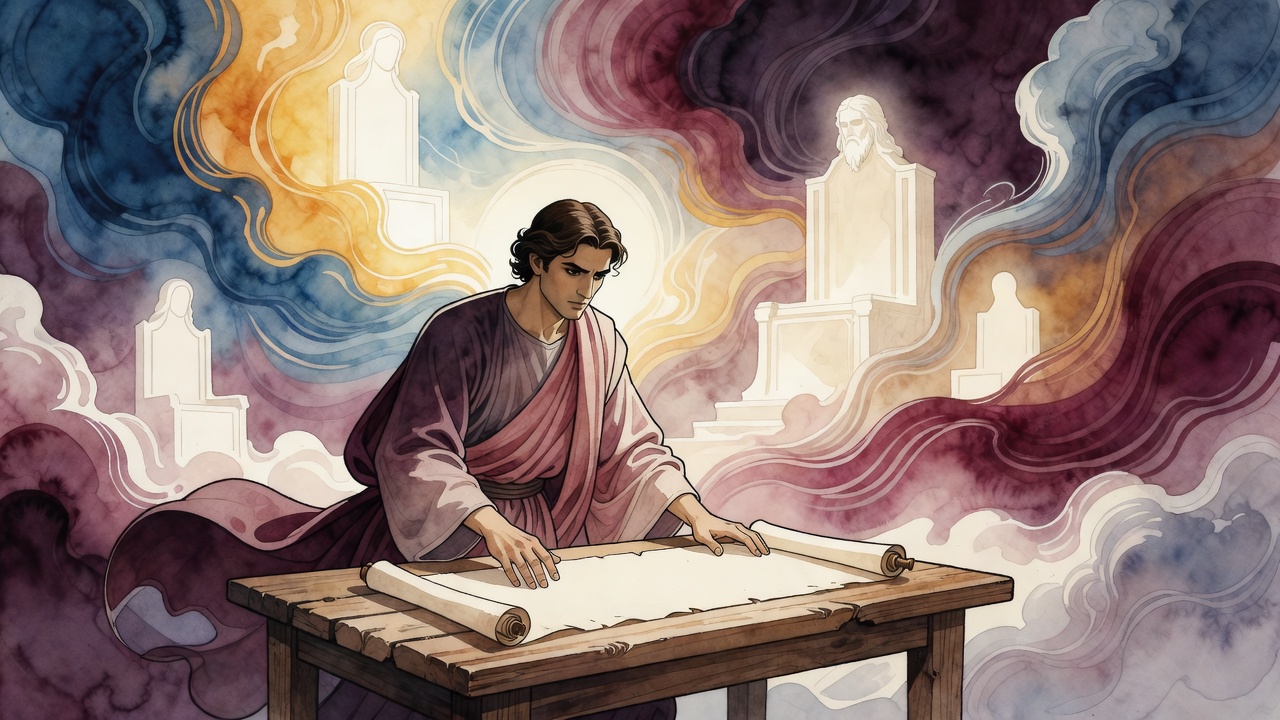
Absalom spent years building his plot against his father. It began not with weapons but with a letter bearing the king's own seal.
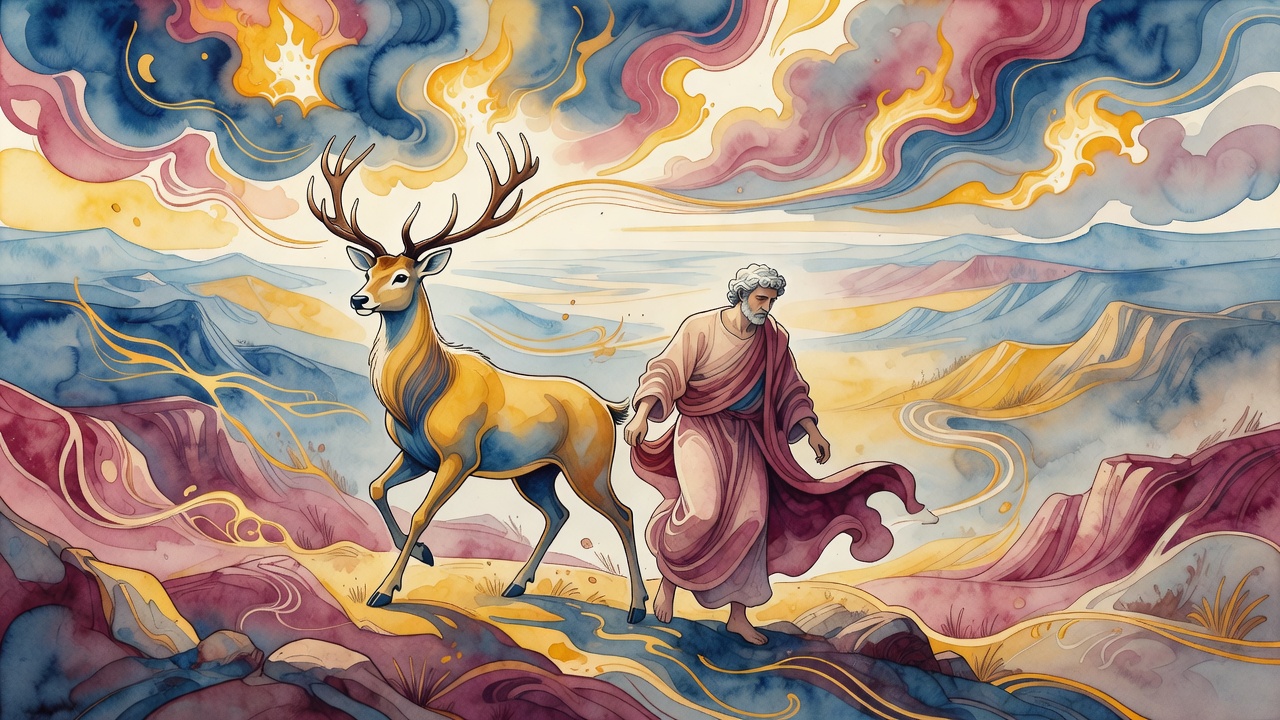
David followed a deer into country he did not know. Ishbi, Goliath's brother, threw him into a winepress and waited for the crush.
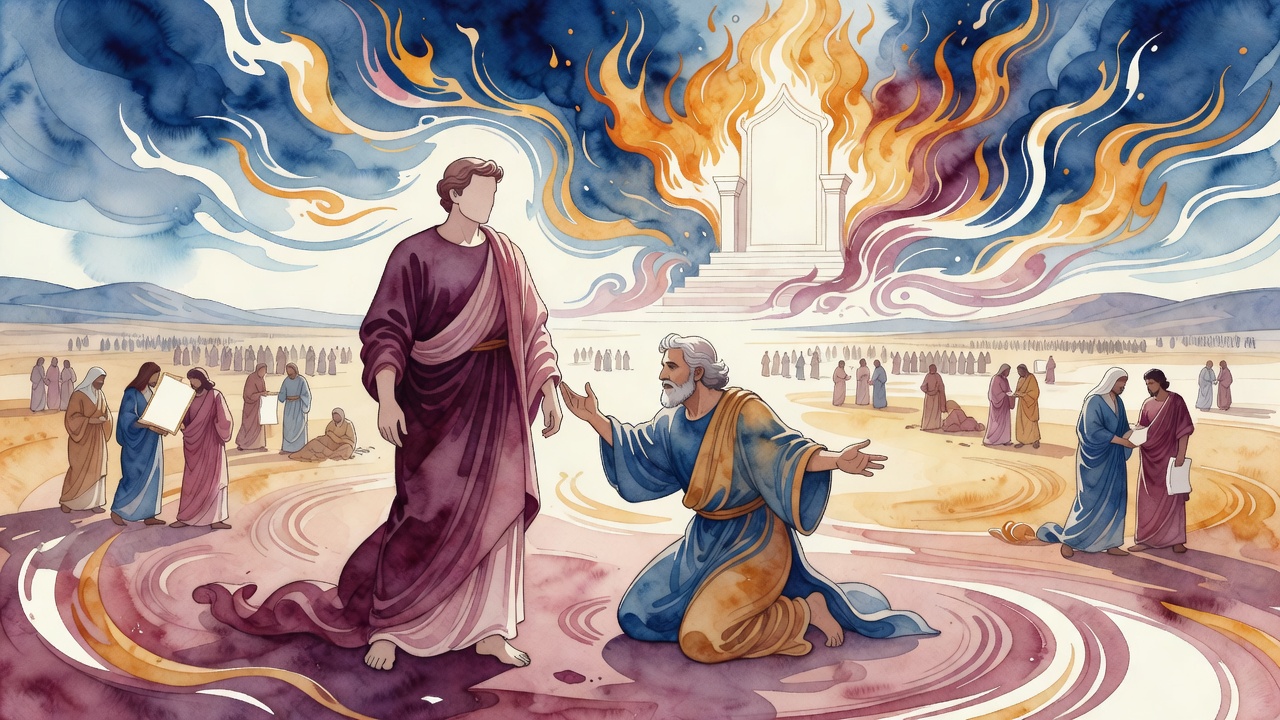
Joab told a father of five to hide two sons in the house. He spent nine months on a count he could have finished in weeks.
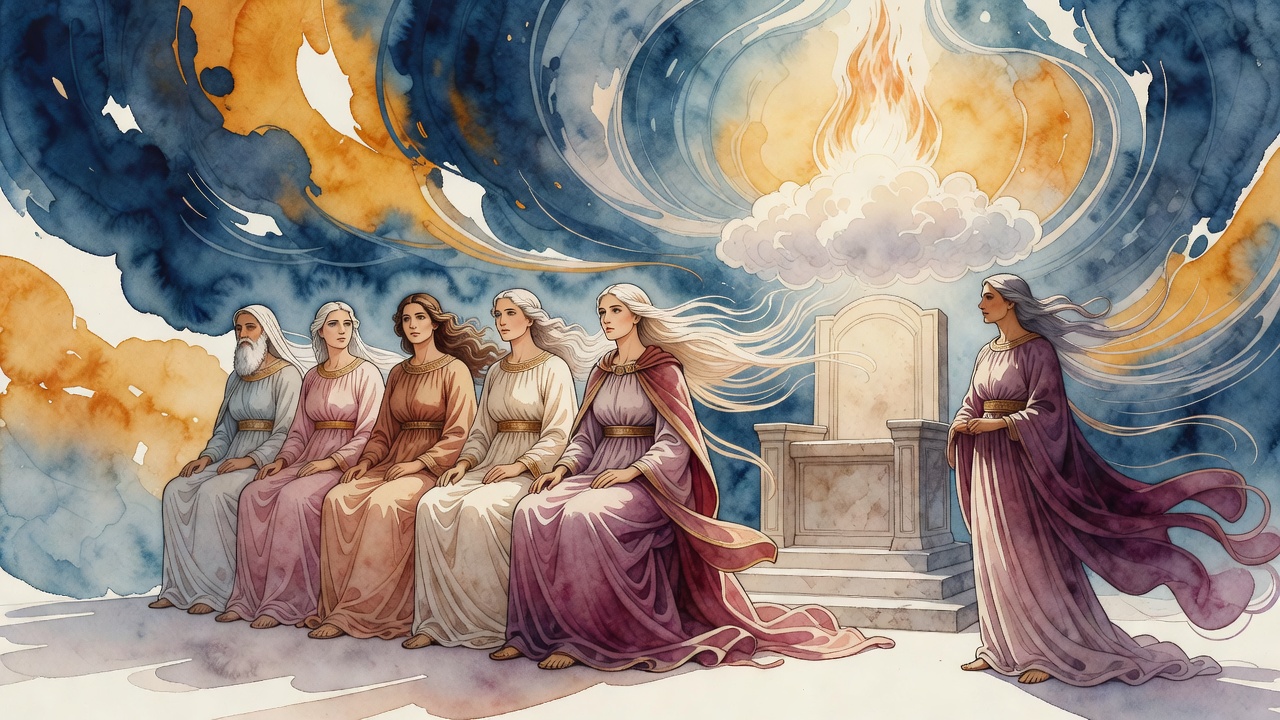
David rode out with four hundred armed men to wipe out one household. A woman met the column in the dark holding a lamp and a legal question.
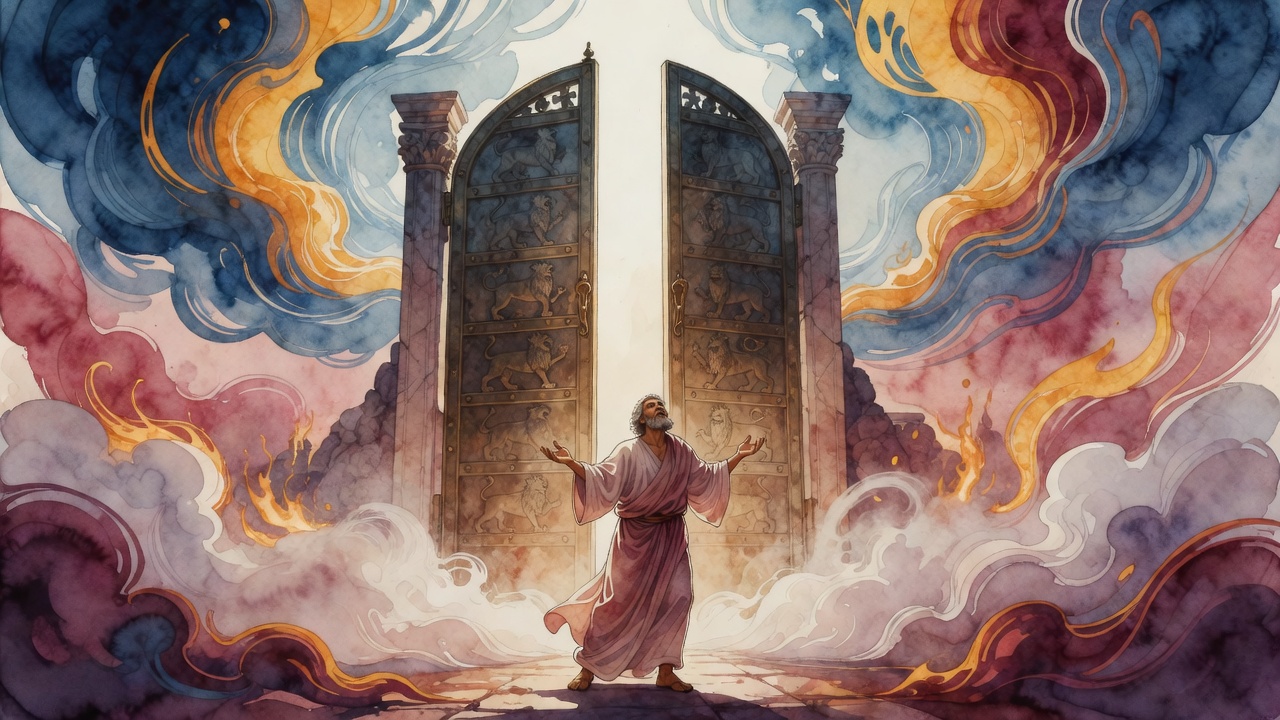
The Temple was complete, the Ark was ready, and the gates refused to open. Solomon prayed until he understood whose name had to be spoken.
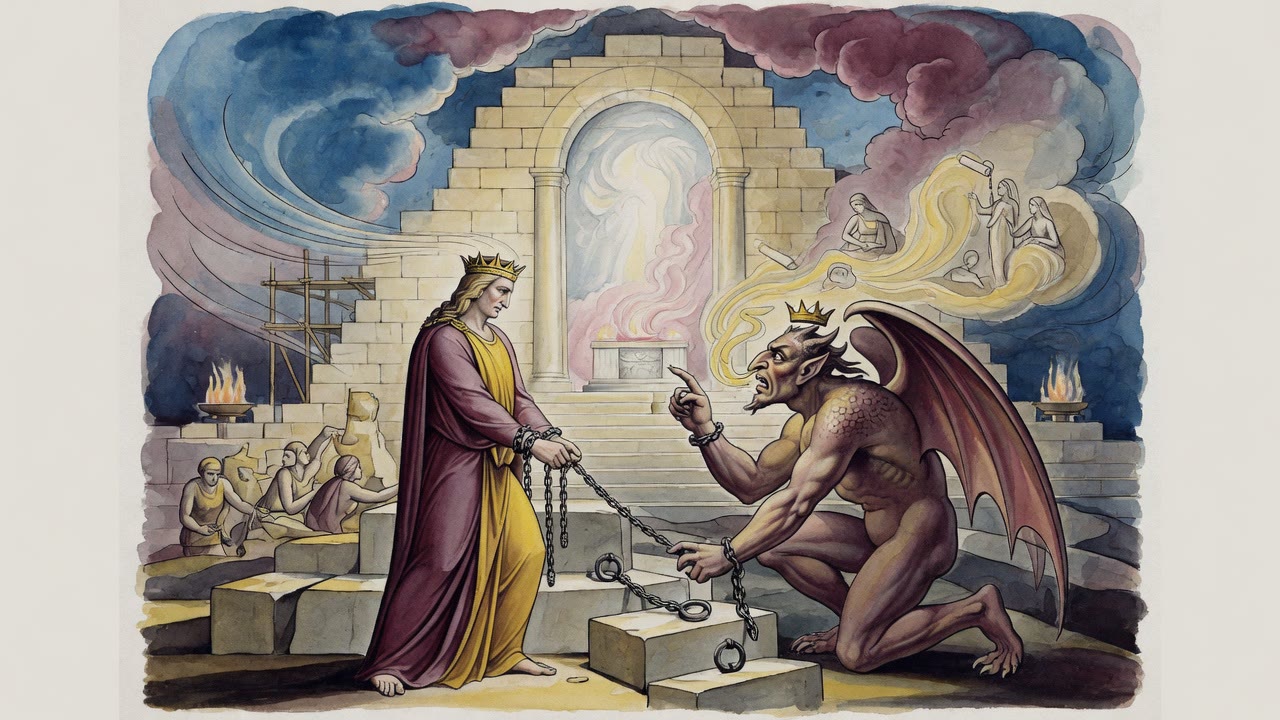
Asmodeus wore Solomon's face and ruled his throne. Solomon wandered for three years telling people his name while they laughed.
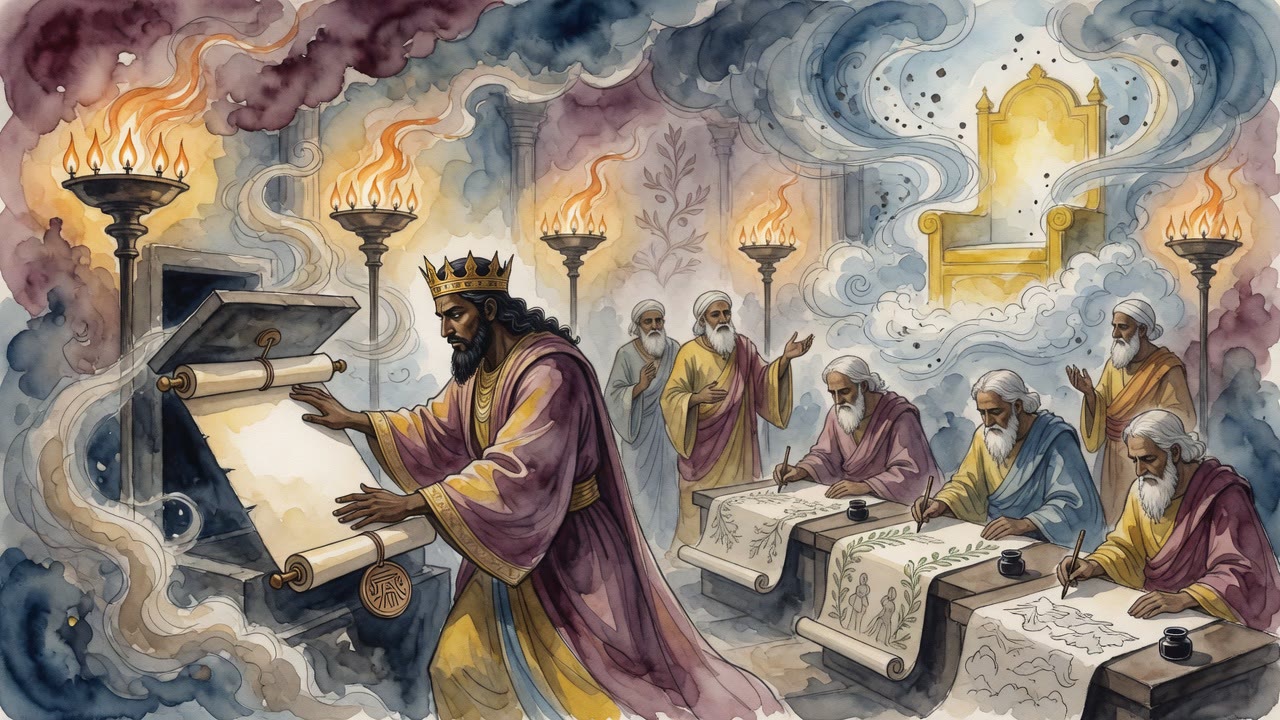
Hezekiah directed his scribes to copy Isaiah, Proverbs, and the Song of Songs. Then he buried a book of cures, and the rabbis praised both decisions.
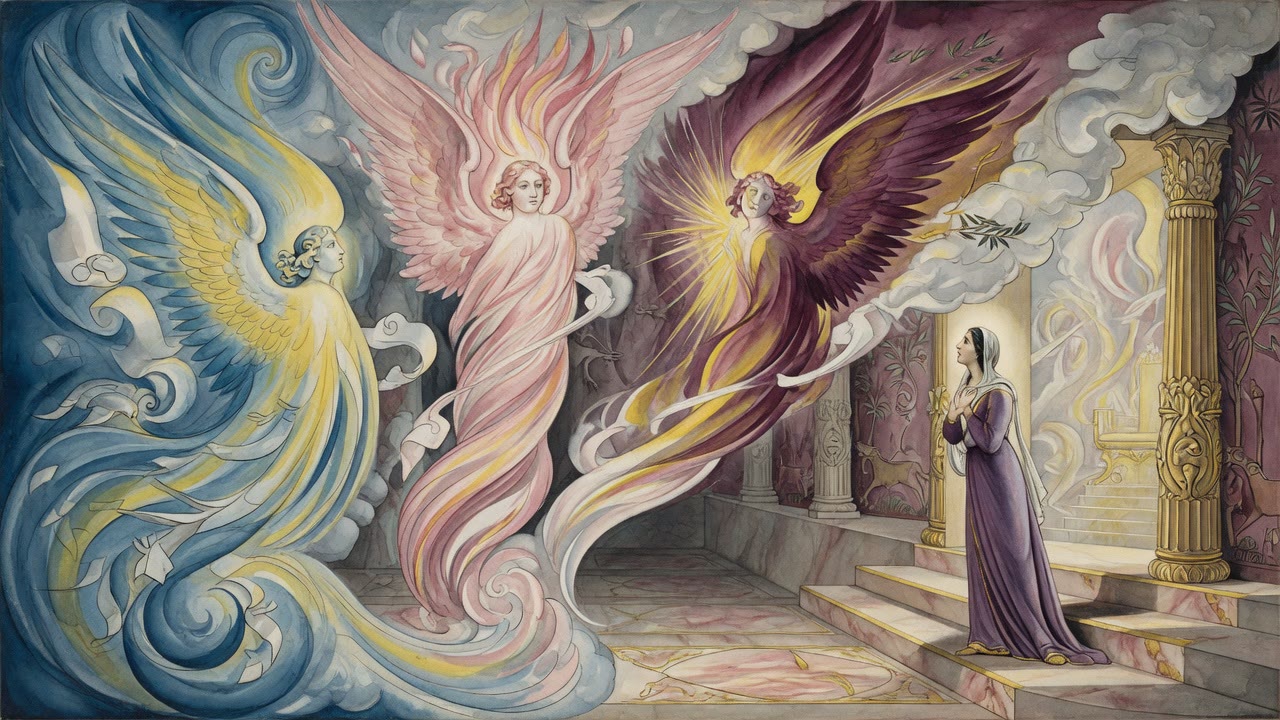
Haman's sons were already dividing her jewels. Esther stood in the fourth chamber and could not take another step toward the throne.
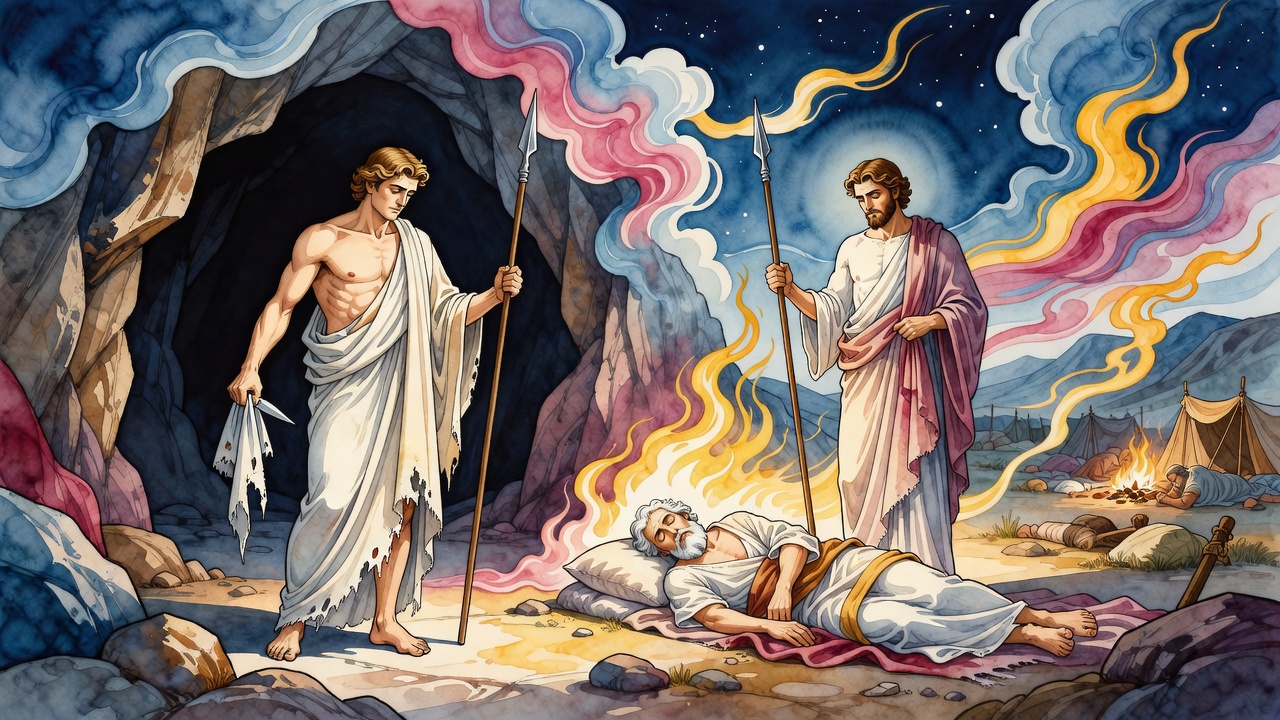
Doeg watched the bread change hands at Nob. Saul's men would not touch the priests. Doeg took a few of his own kind and did it.
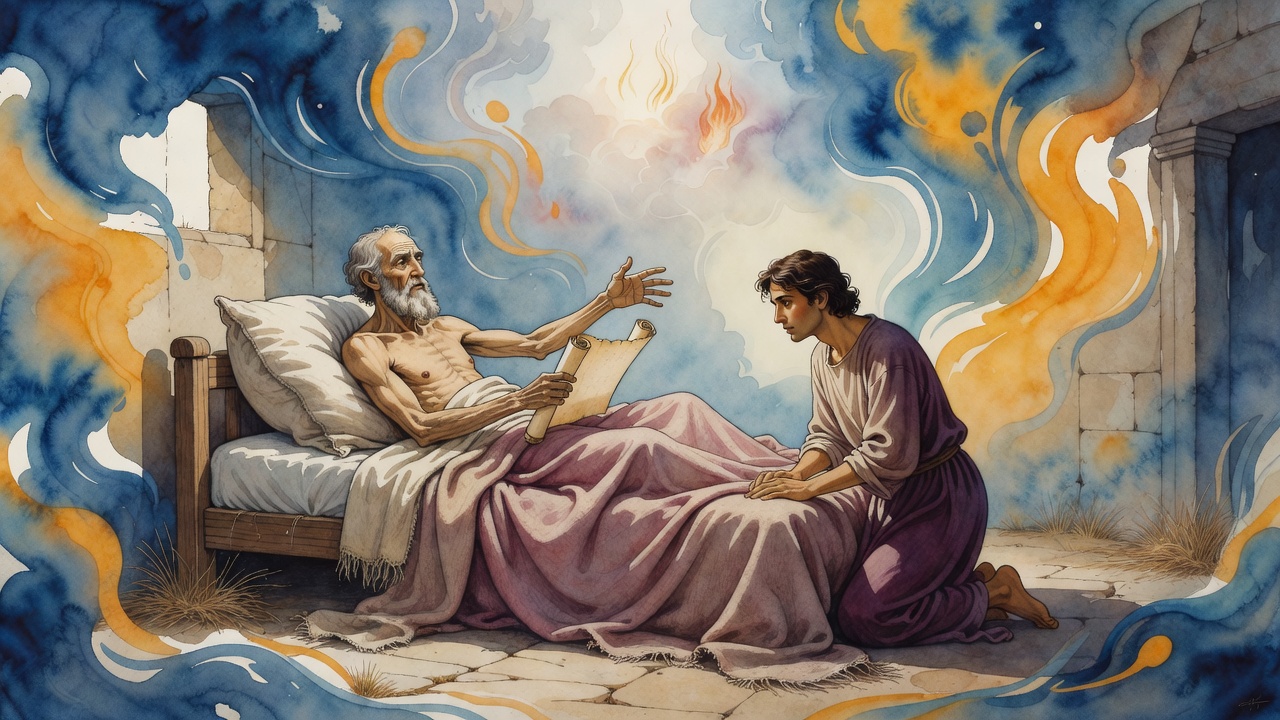
They piled clothes on the old king and he stayed cold. He sent for Solomon and named the men his own sword had never reached.
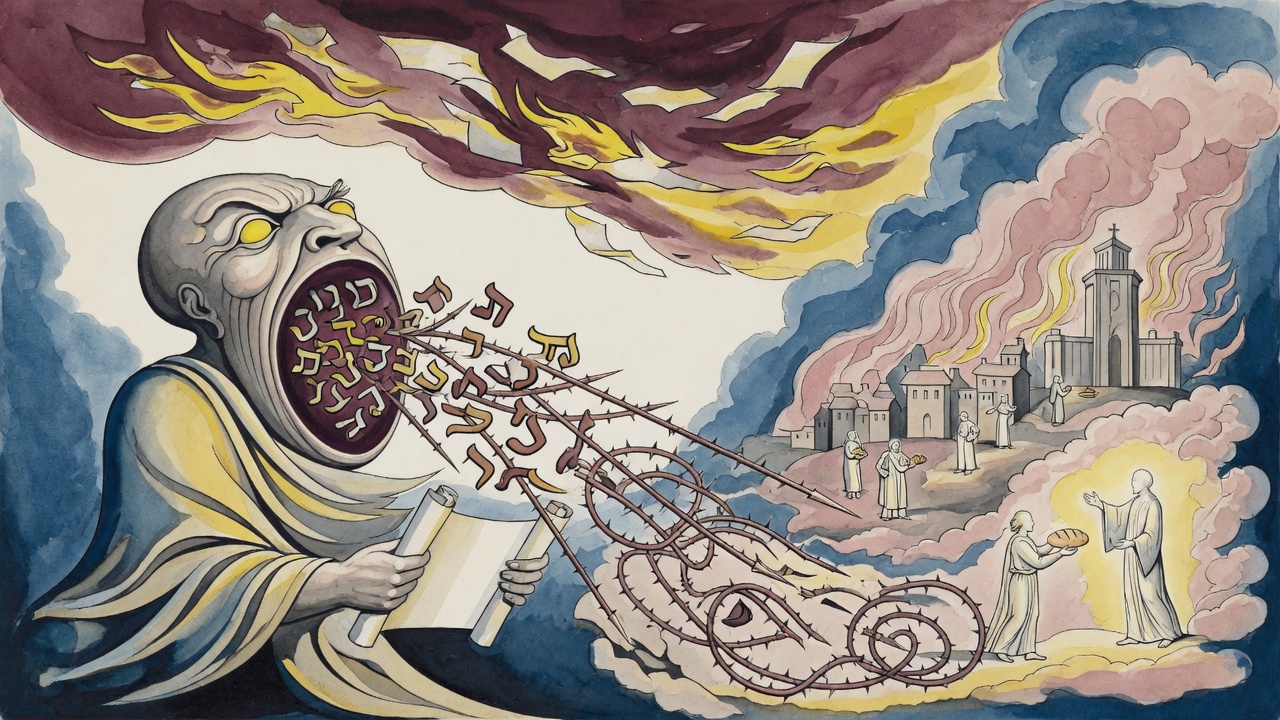
Ahimelech handed David the showbread and Goliath's sword. Doeg stood detained in the sanctuary, counting every letter of what he saw.
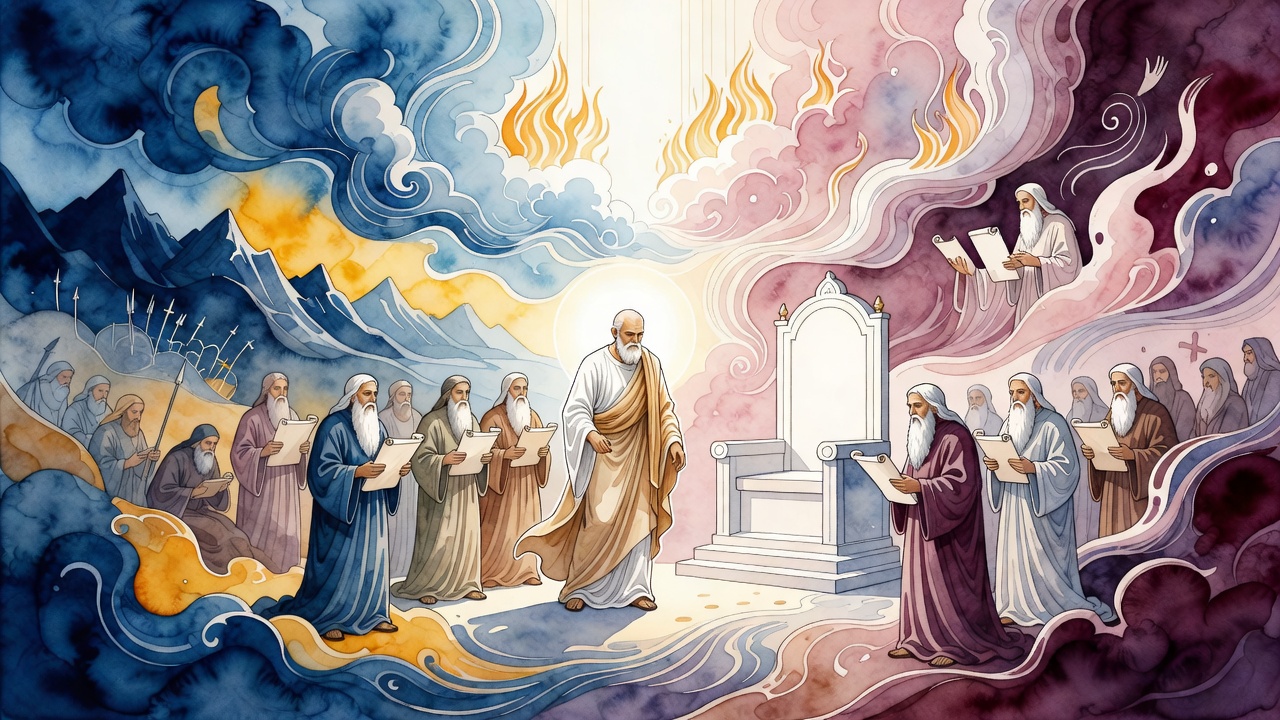
David hid at Adullam and decided the anointing had been a cheat. Samuel had poured oil on his head for nothing, and Saul was still coming.
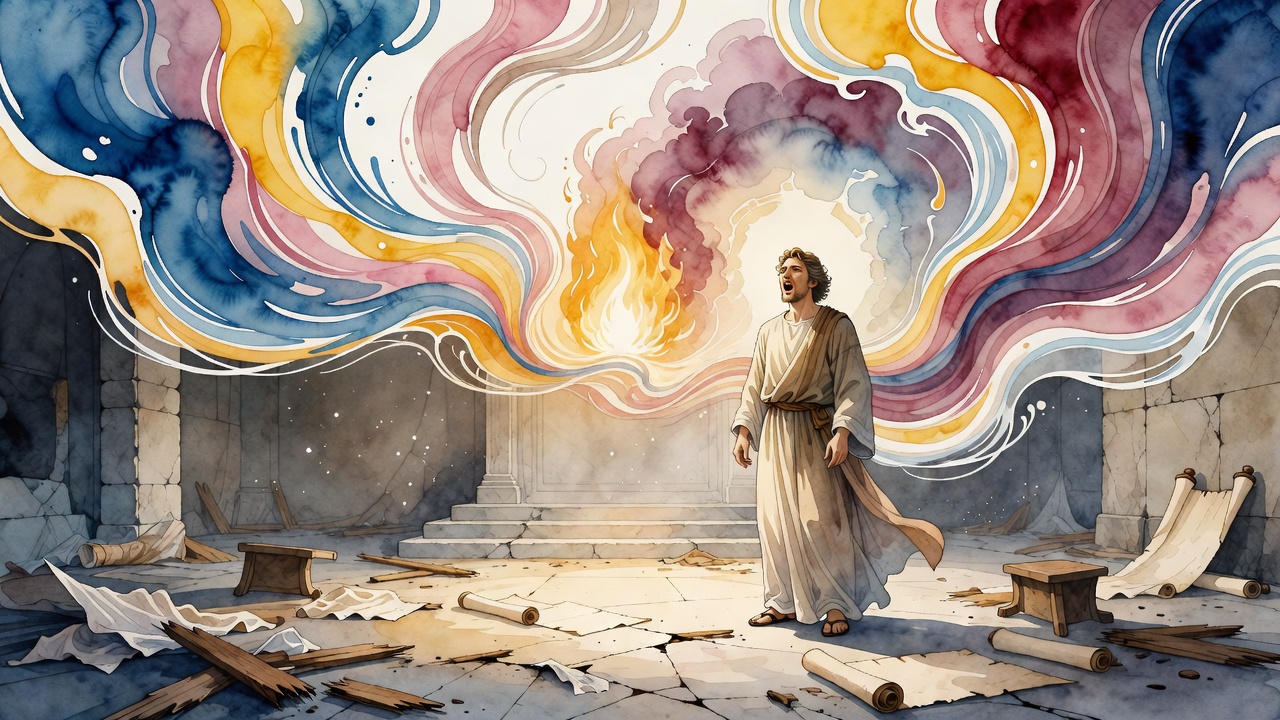
He had killed eight hundred men in one engagement. The Torah promised a thousand to a man who kept it. David wanted to know about the gap.
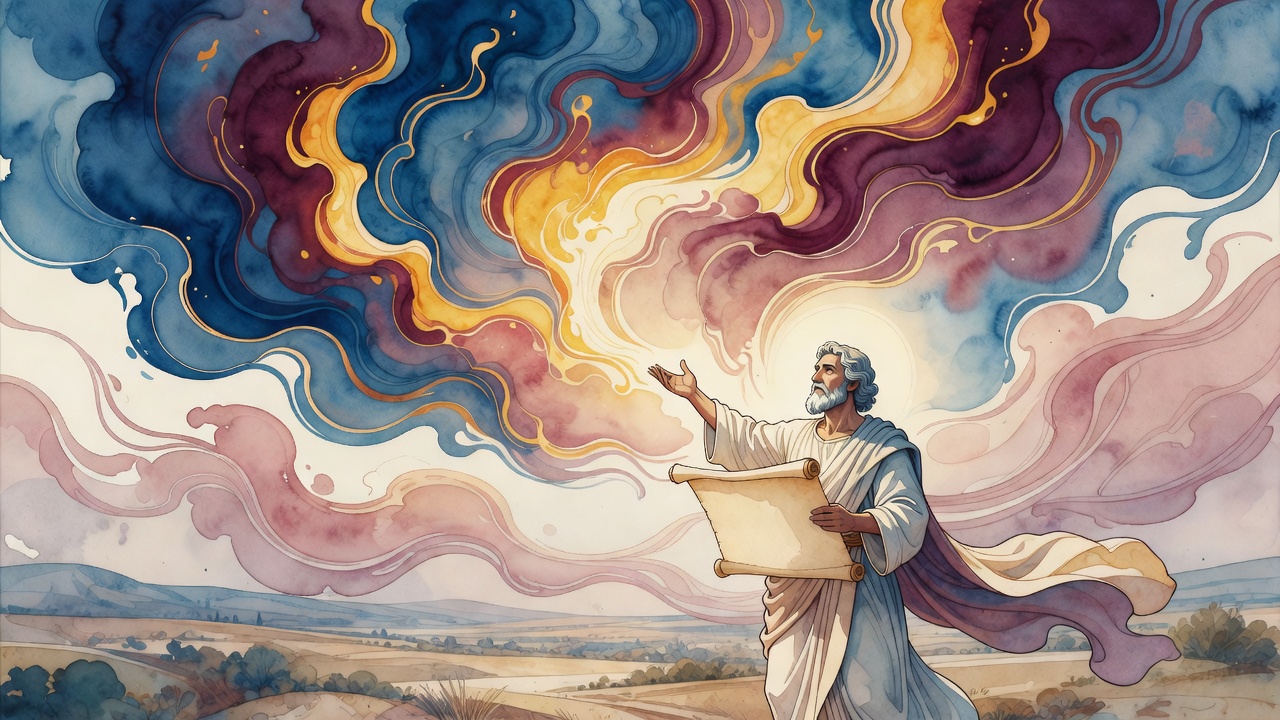
Psalm 106 holds a petition small enough to miss: remember me, O Lord. Midrash Tehillim gives God one answer. Your words are living with me, my child.
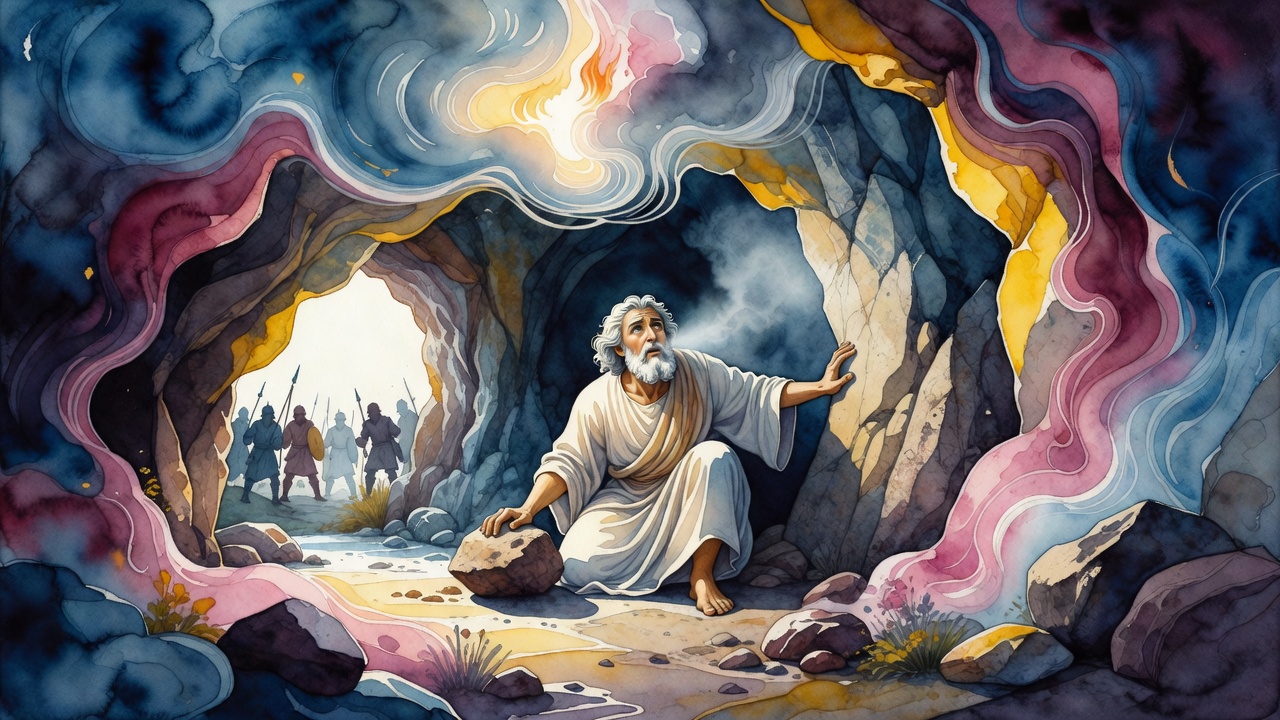
Saul's soldiers were outside. Inside, David had rock, breath, and a voice. He cried out twice, once for rescue and once against killing his own people.
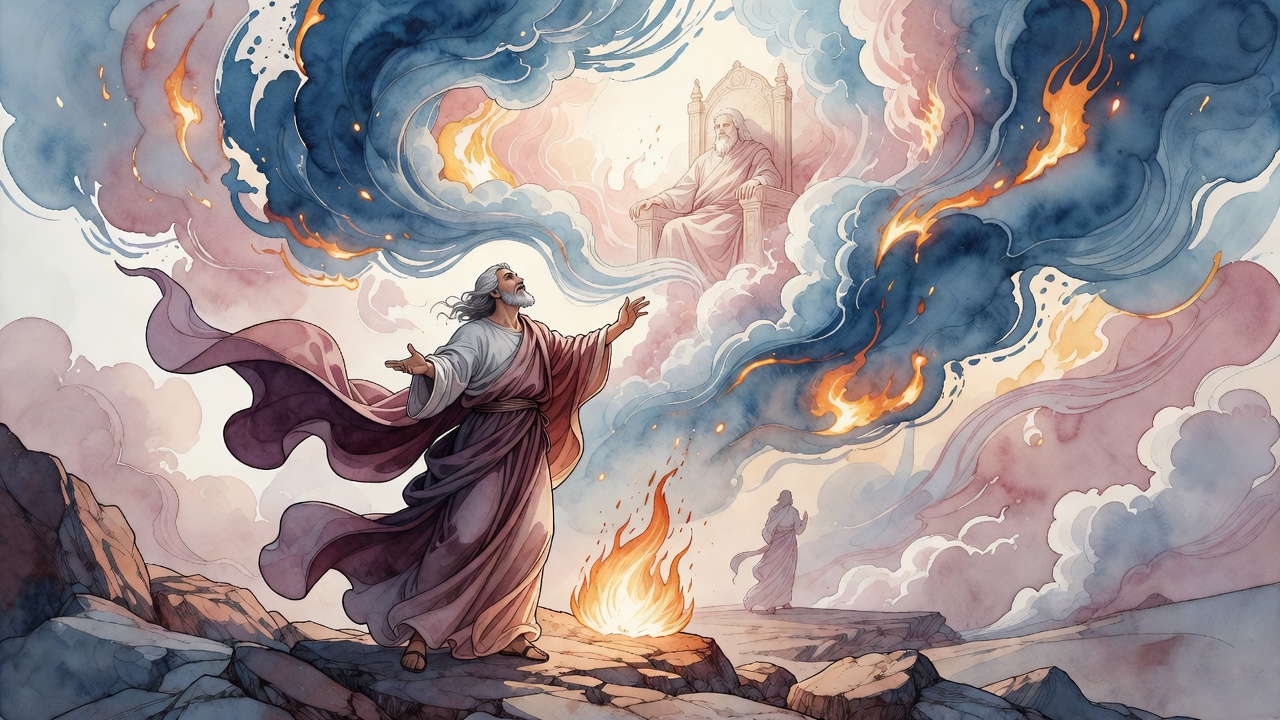
Three hundred years before Josiah was born, a prophet called him by name. The king who arrived had been expected all along.
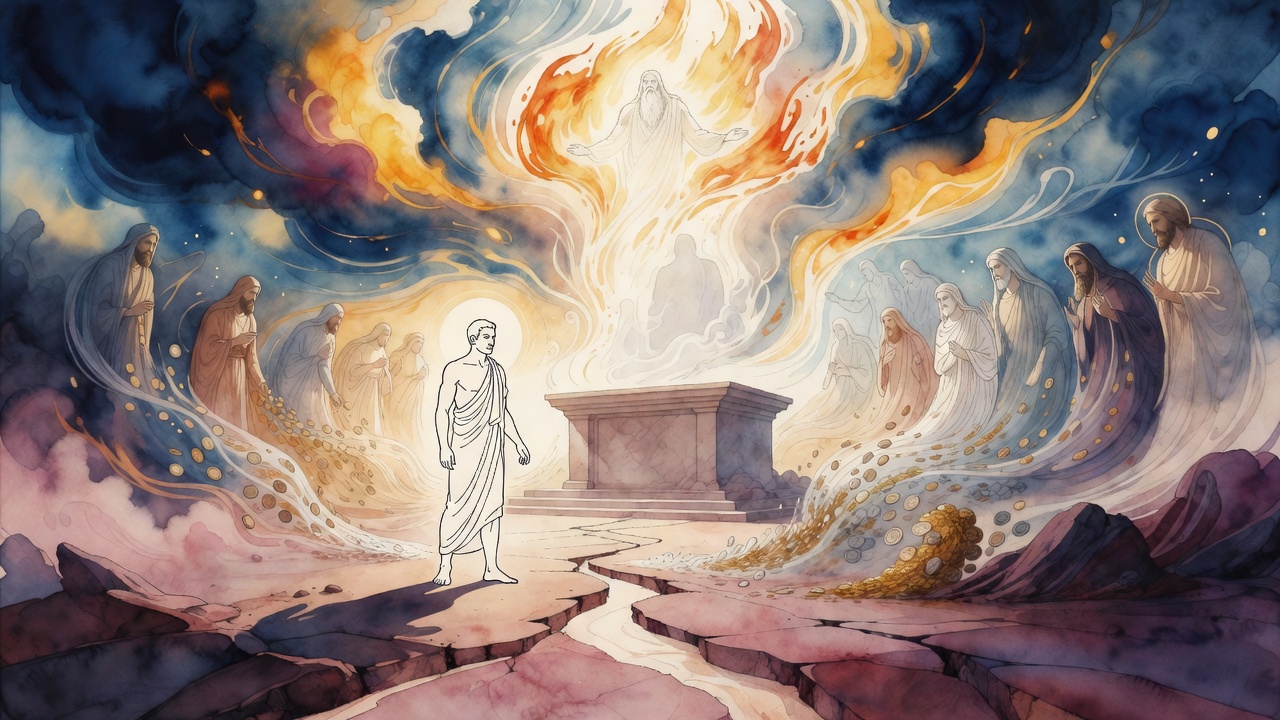
Rachel named him son of my sorrow and died that night. Years later his tribe held the soil where the Temple altar stood.
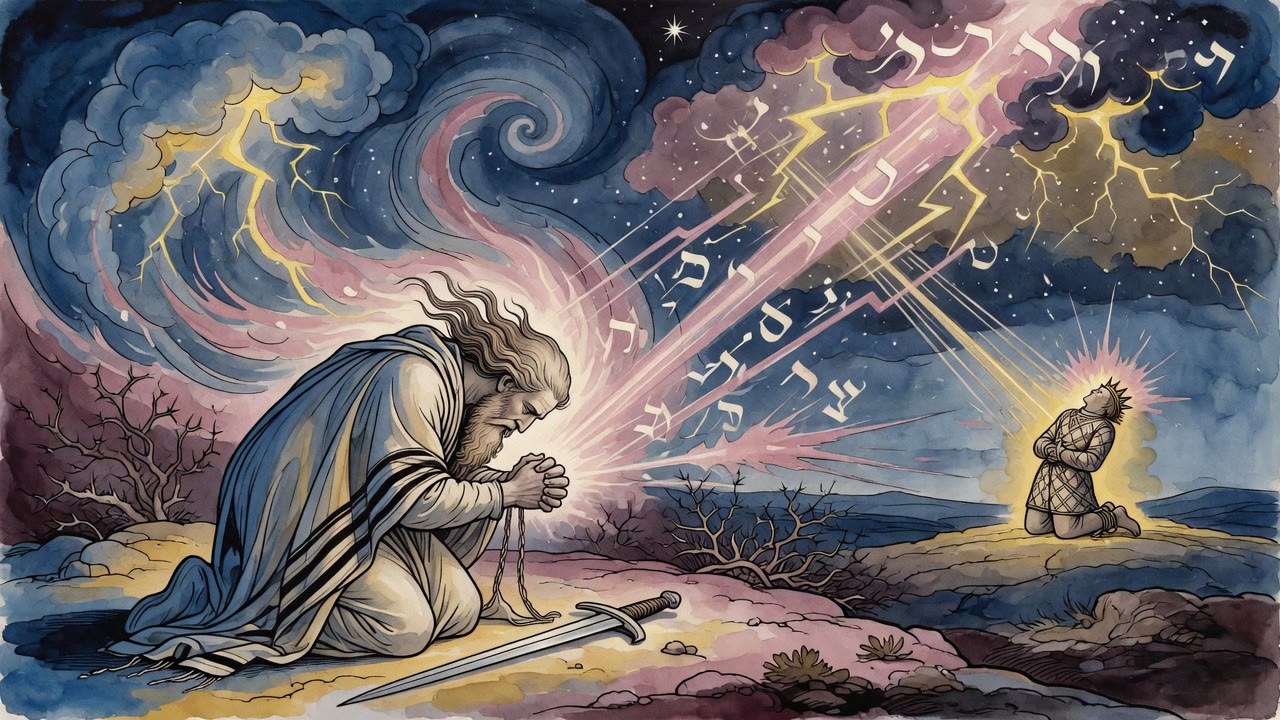
David slipped into the camp at night and took the spear and the water jug from beside Saul's head. At dawn he called across the valley, holding both up.
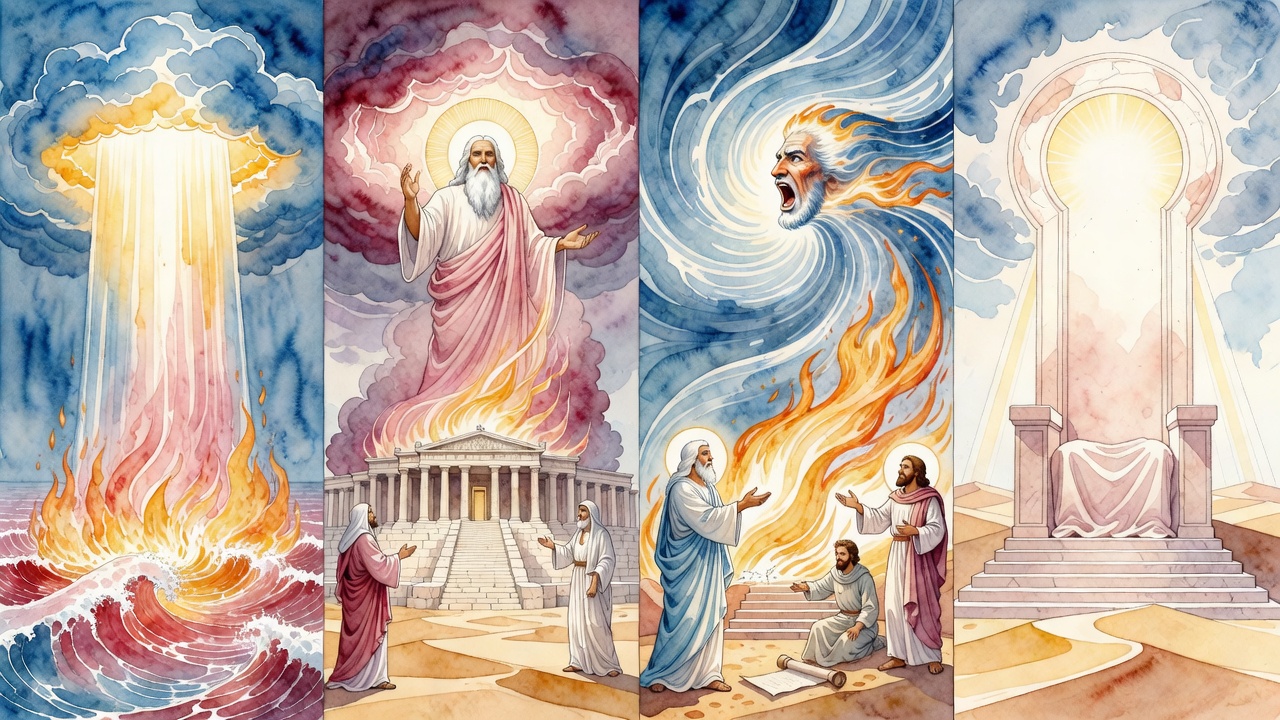
Slaves cried from the brickfields of Egypt. A shepherd appeared among the cherubim. The last fire filled a house so thick the priests could not stand.
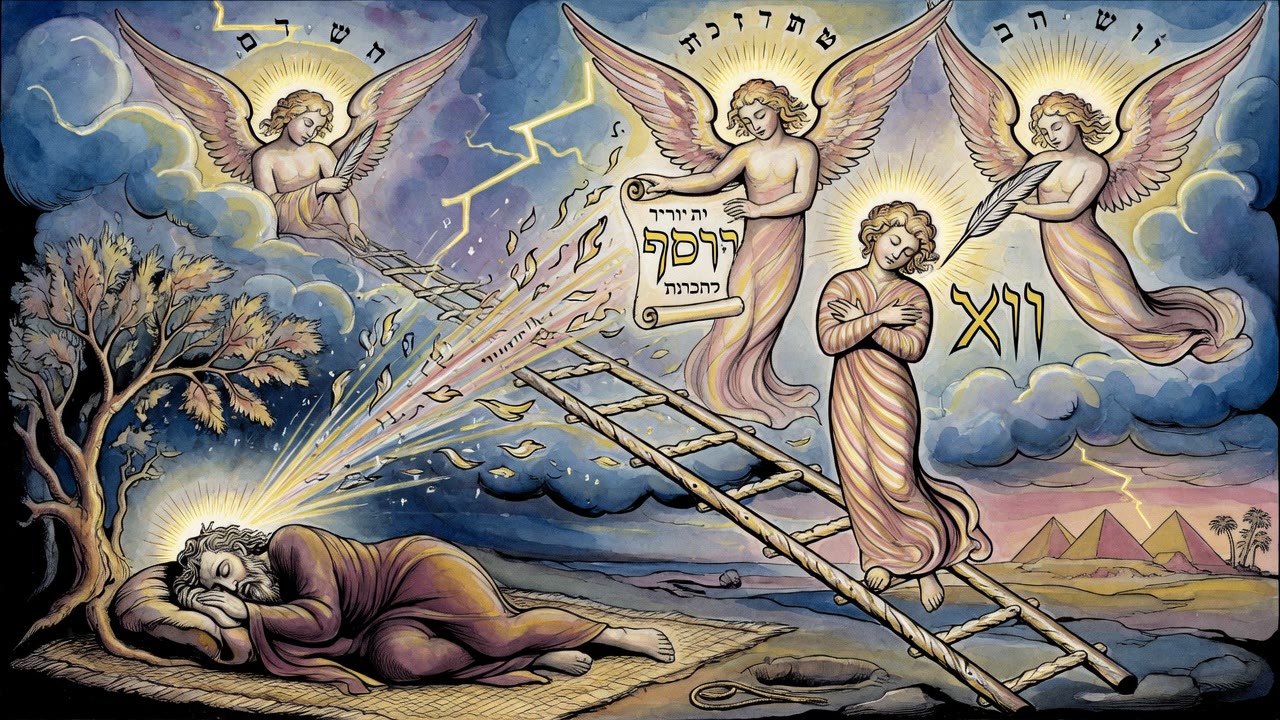
From Mount Nebo, God showed Moses two moments the plain below had witnessed: the cities consumed by fire and the dynasty that would make the same ground holy.
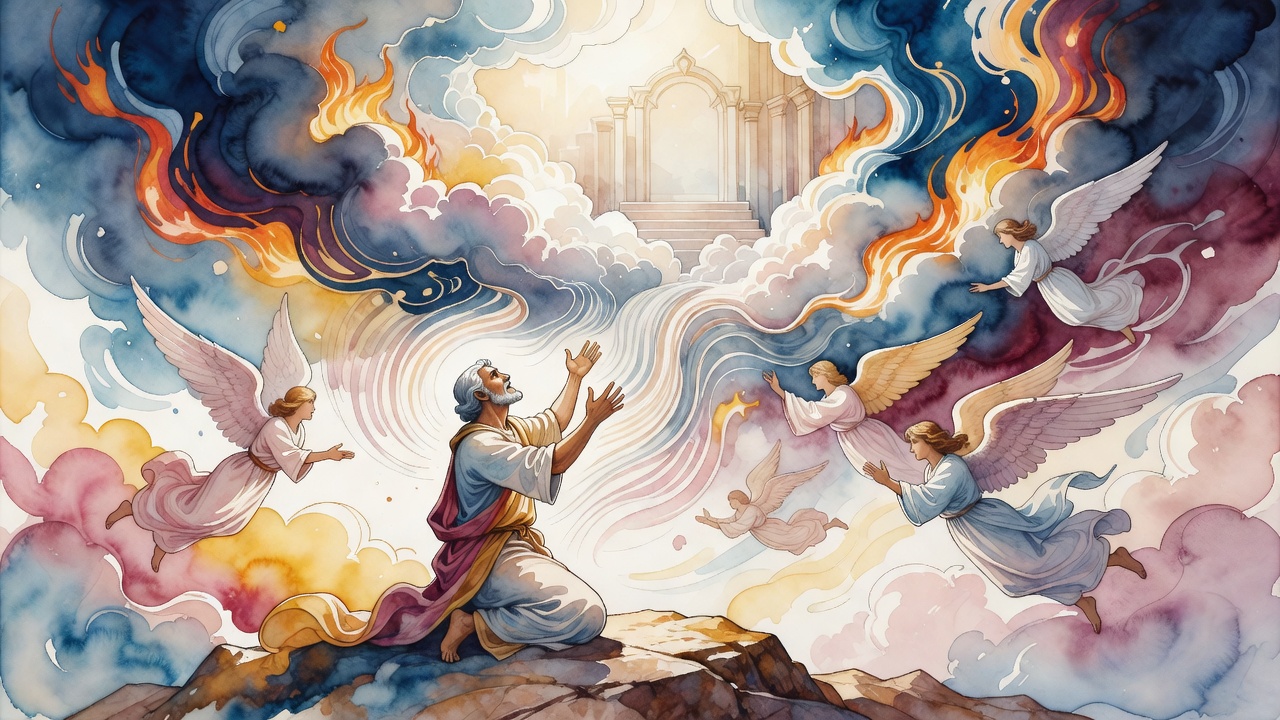
David's prayers were not petitions. The ancient rabbis said they physically altered the heavenly court and pulled angels into the world when he needed them.
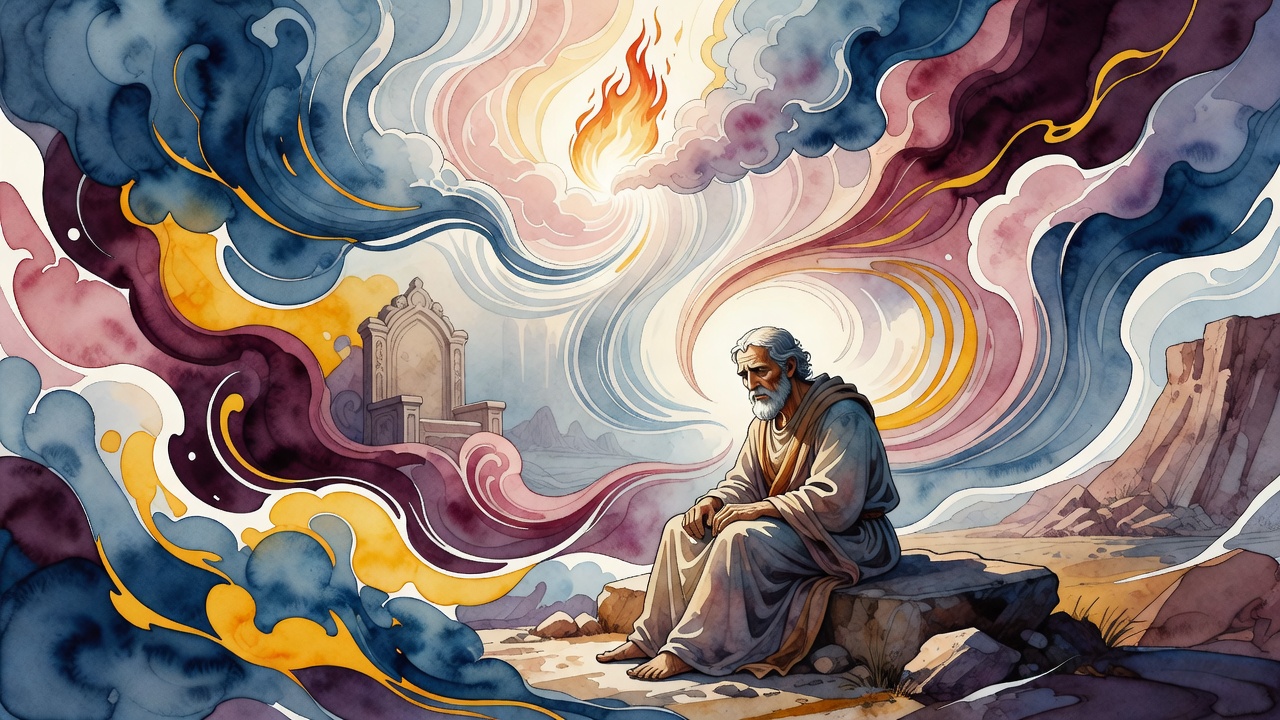
Samuel mourned for Saul until the day Samuel himself died. He had made the king and he watched what the king became. The grief was his own making.
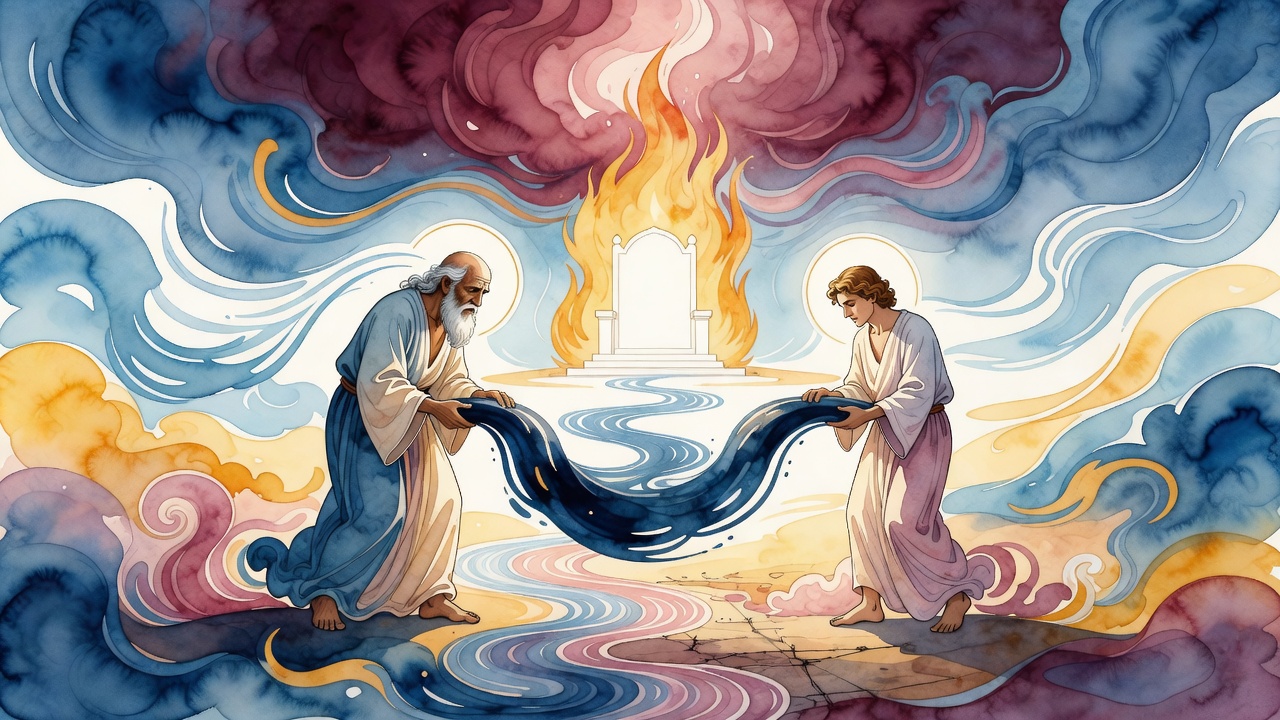
An angel killed four of David's sons and the prophet Gad, then wiped the sword clean on David's clothes. His limbs shook for the rest of his life.
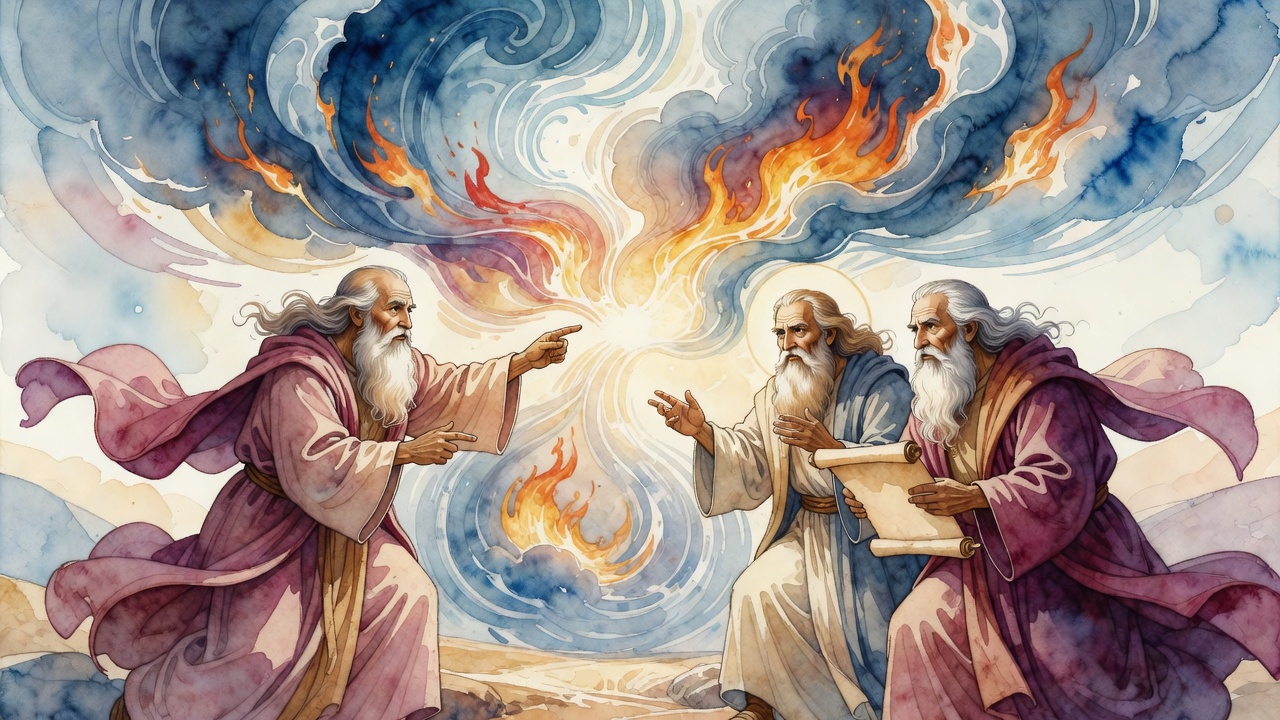
Numbers lists the rebel as Korah son of Yitzhar son of Kehat son of Levi, and stops there. The next name in that line should have been Jacob.
