244 myths · Page 7 of 9
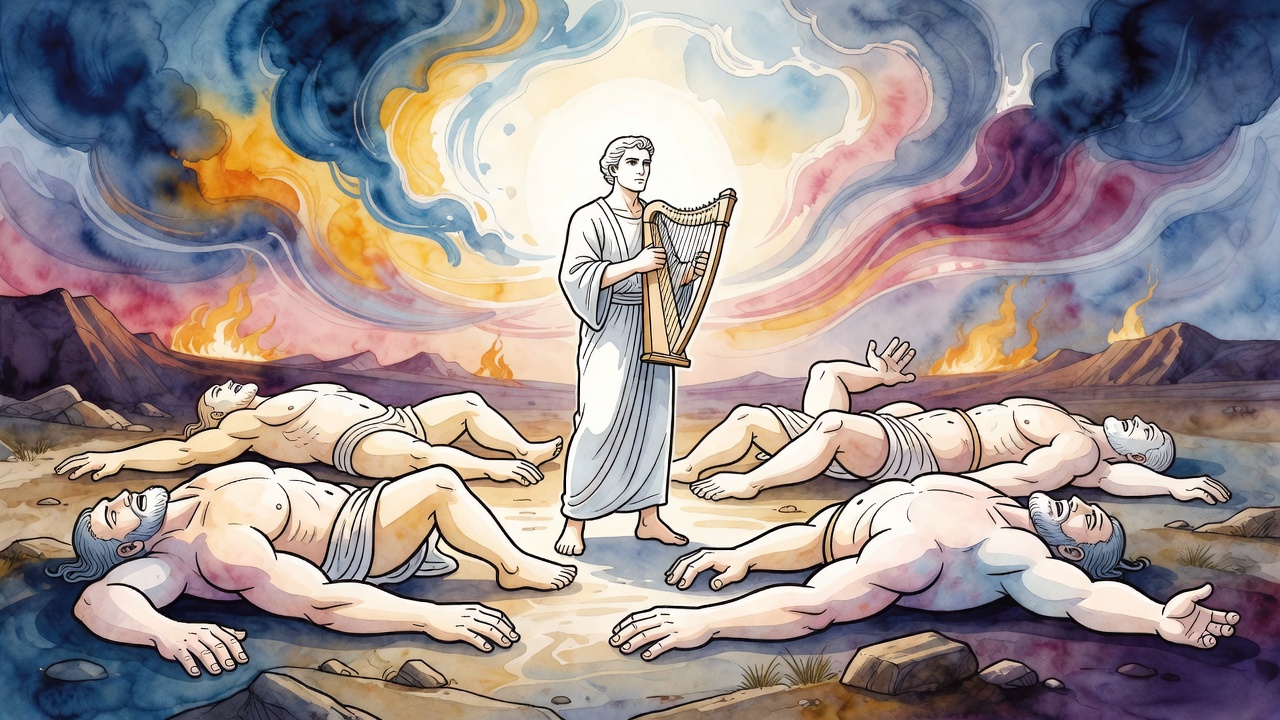
David went out with his men one more time and his strength gave out in the middle of the fighting. Afterward they made him swear never to come again.
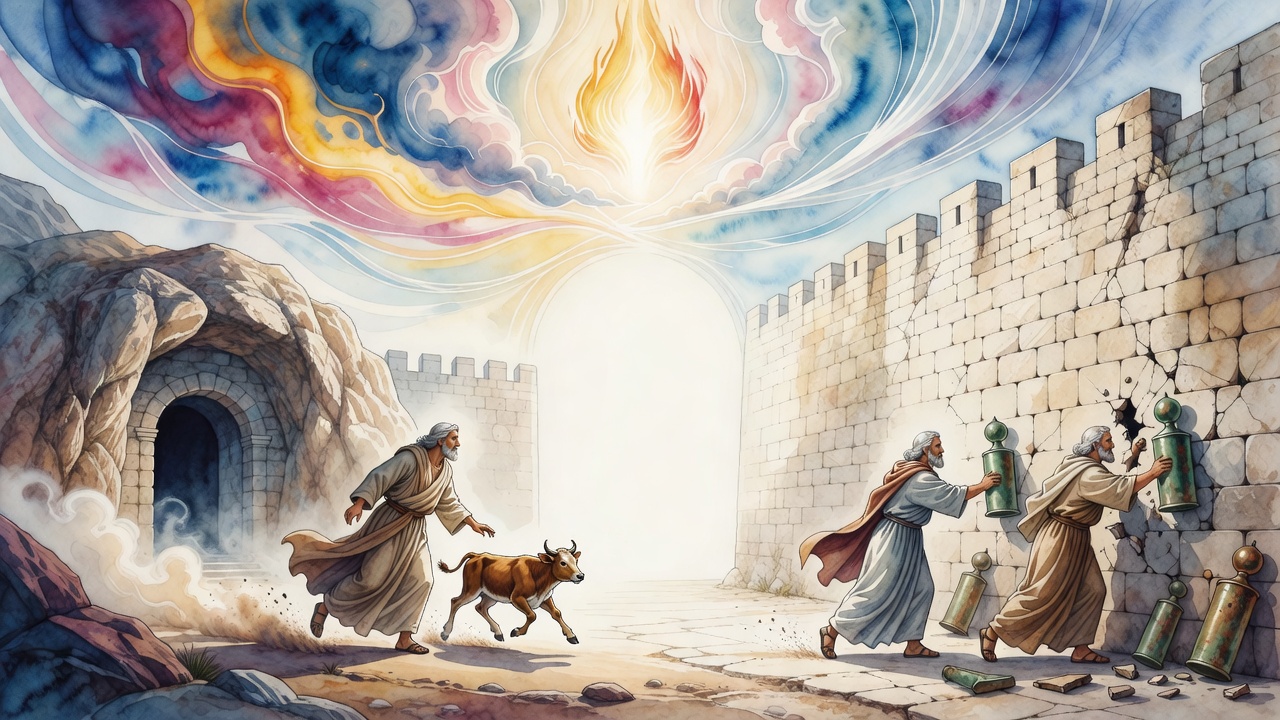
Inside the Cave of Machpelah, Abraham found Adam and Eve lying on their beds, lamps still burning. He wanted the ground. The Jebusites wanted an oath.
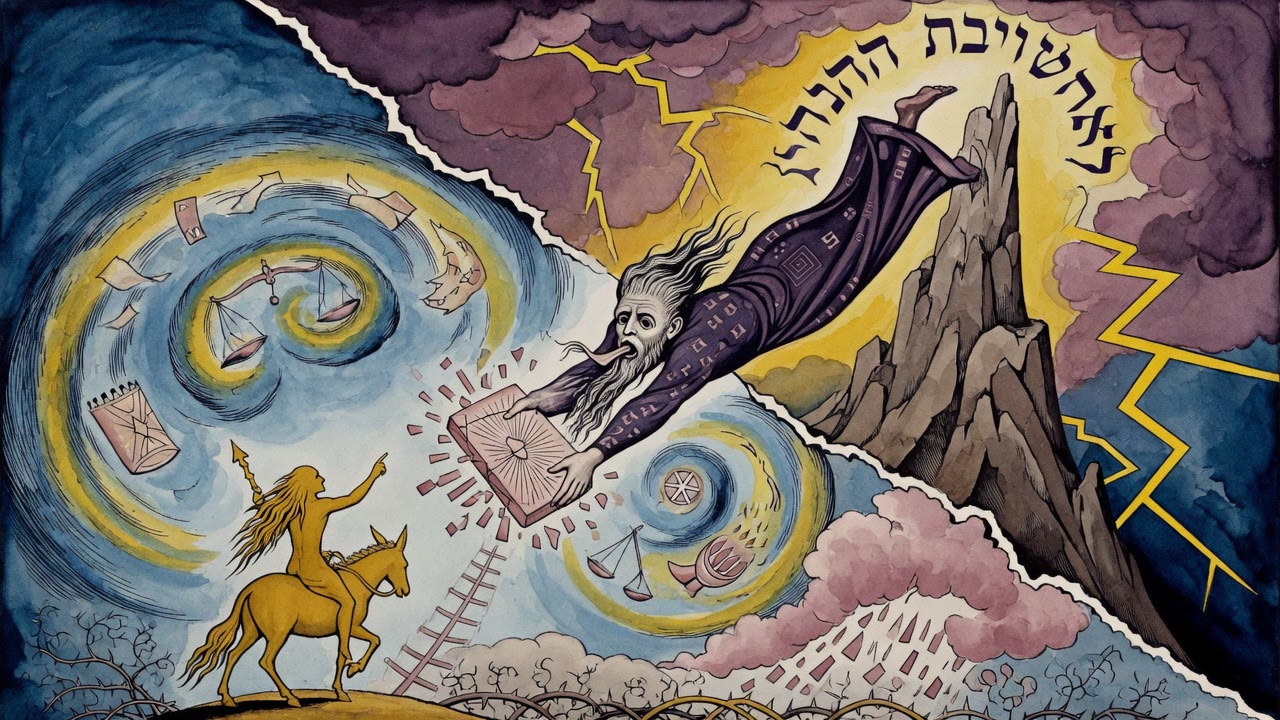
Ahithophel offered Absalom a night raid of twelve thousand against weary David. Prayer, delay, and judgment unmade the counselor's perfect plan.
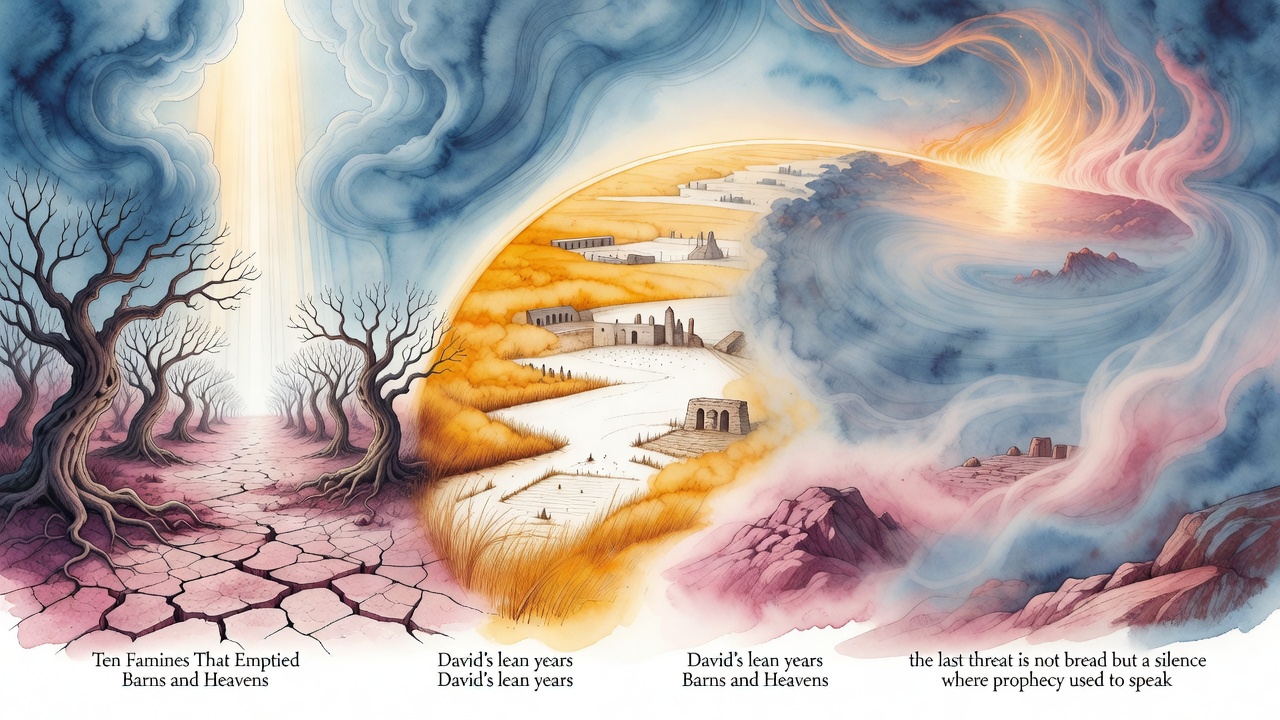
From Eden's cursed ground to David's lean years, the midrash counts ten famines. The last threat is not bread but a silence where prophecy used to speak.
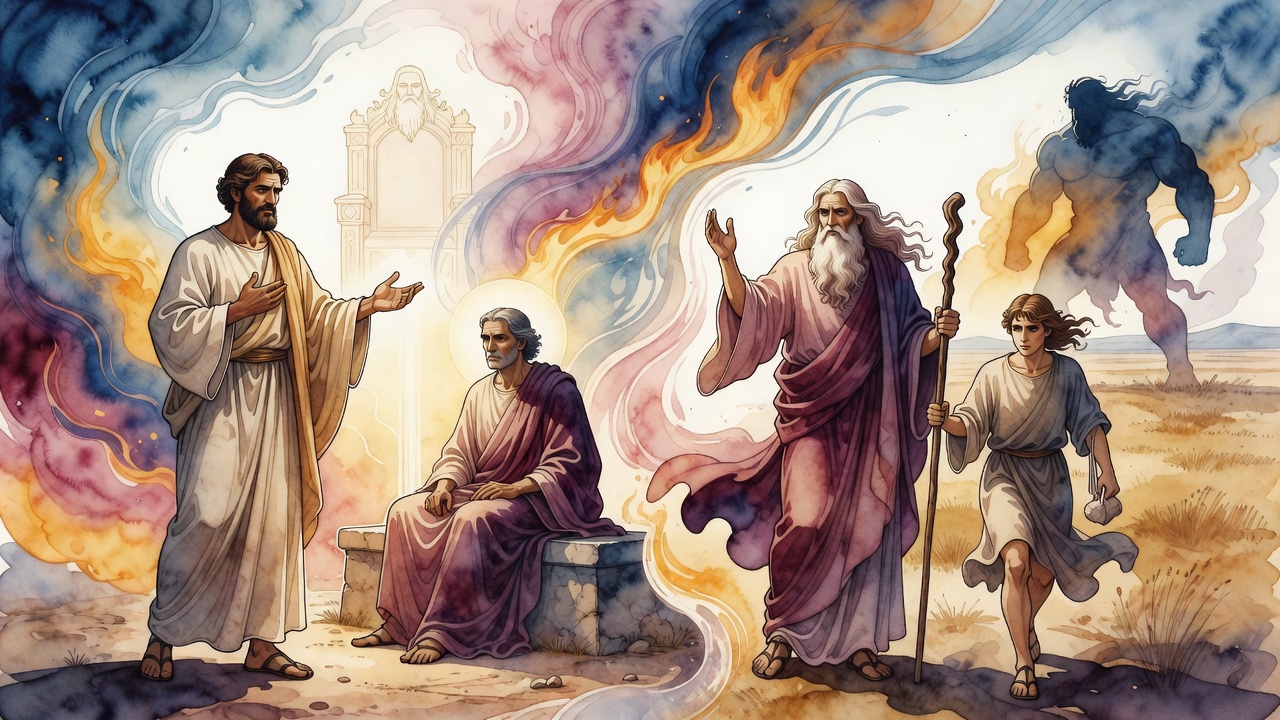
Judah offered his body for Benjamin in a foreign court. Years later Jesse looked at his youngest and said the old pledge was due.
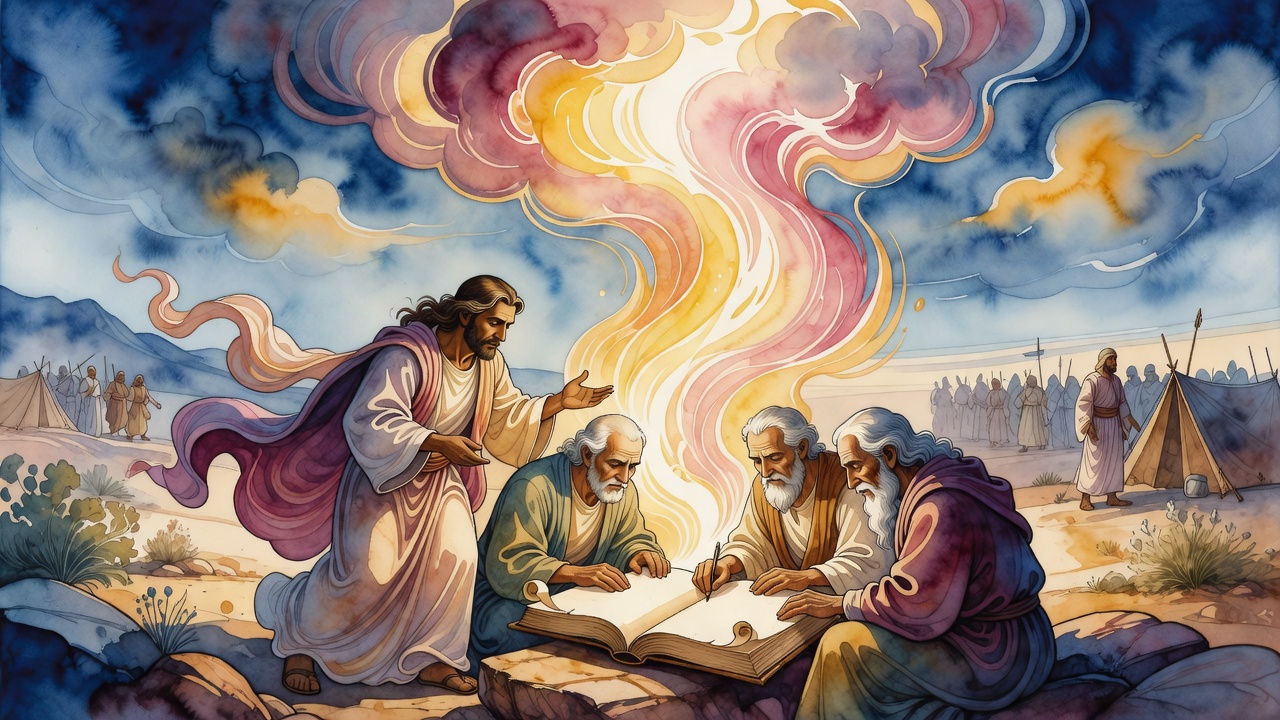
The rabbis had just opened a tractate when Amasa came for Judah. David's three days were almost gone. He left the room without a single man.
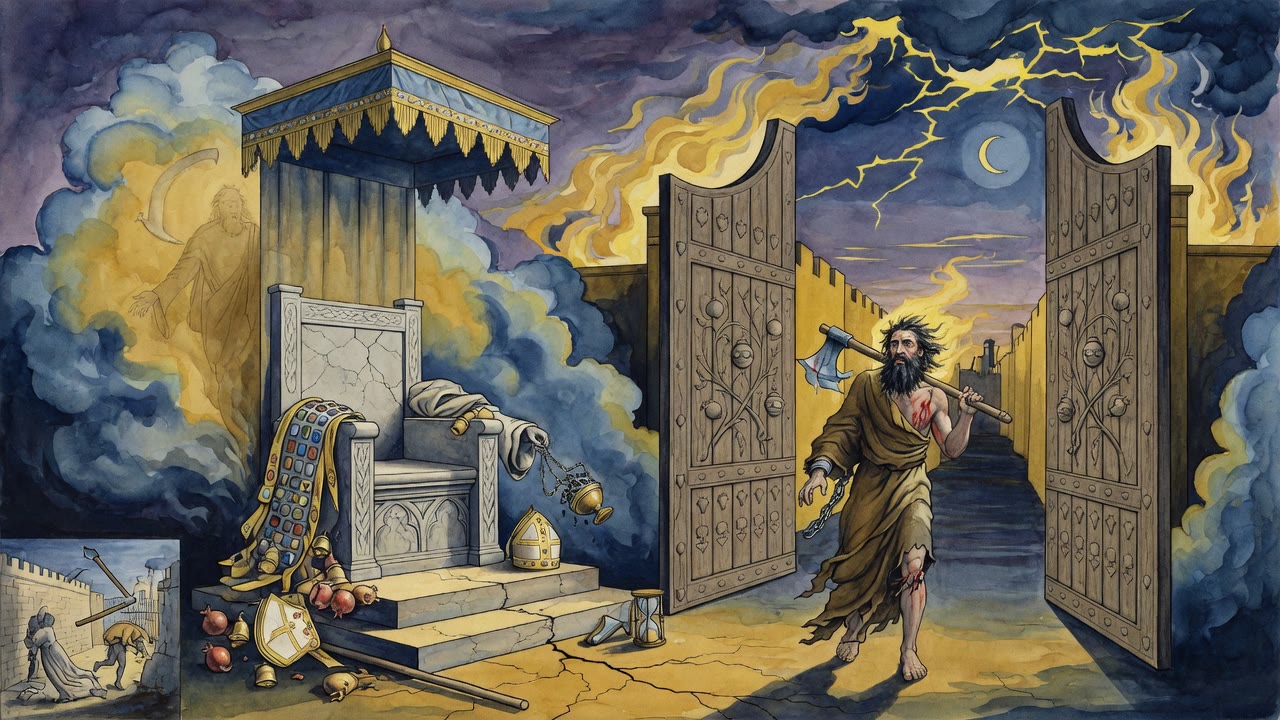
Balaam and Jethro had sat in Pharaoh's council together. From a hill above Moab, Balaam said what he thought of the man who walked out.
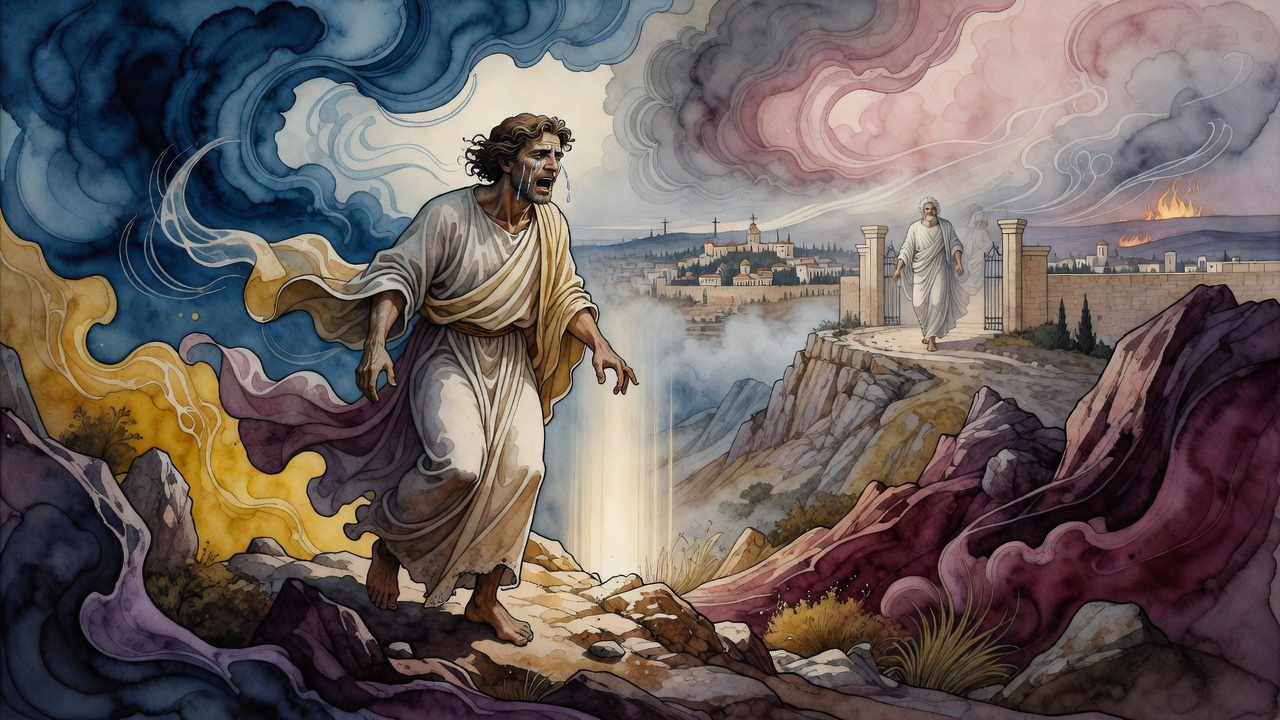
On the Mount of Olives David climbs barefoot, tears on his face, a psalm in his mouth. Absalom takes the city, and measure for measure walks with the king.
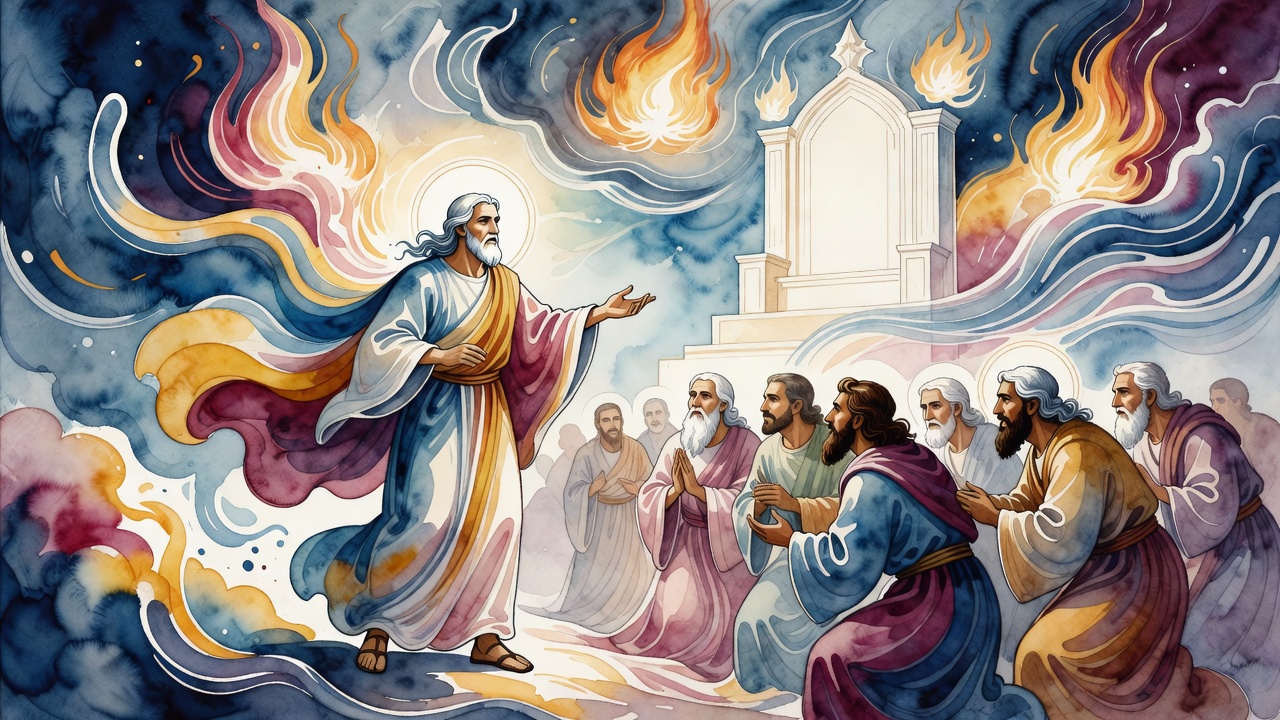
They asked on Shabbat whether to run from Rome. He would not say flee. He named Jacob, Moses, and David, and left them to hear it.
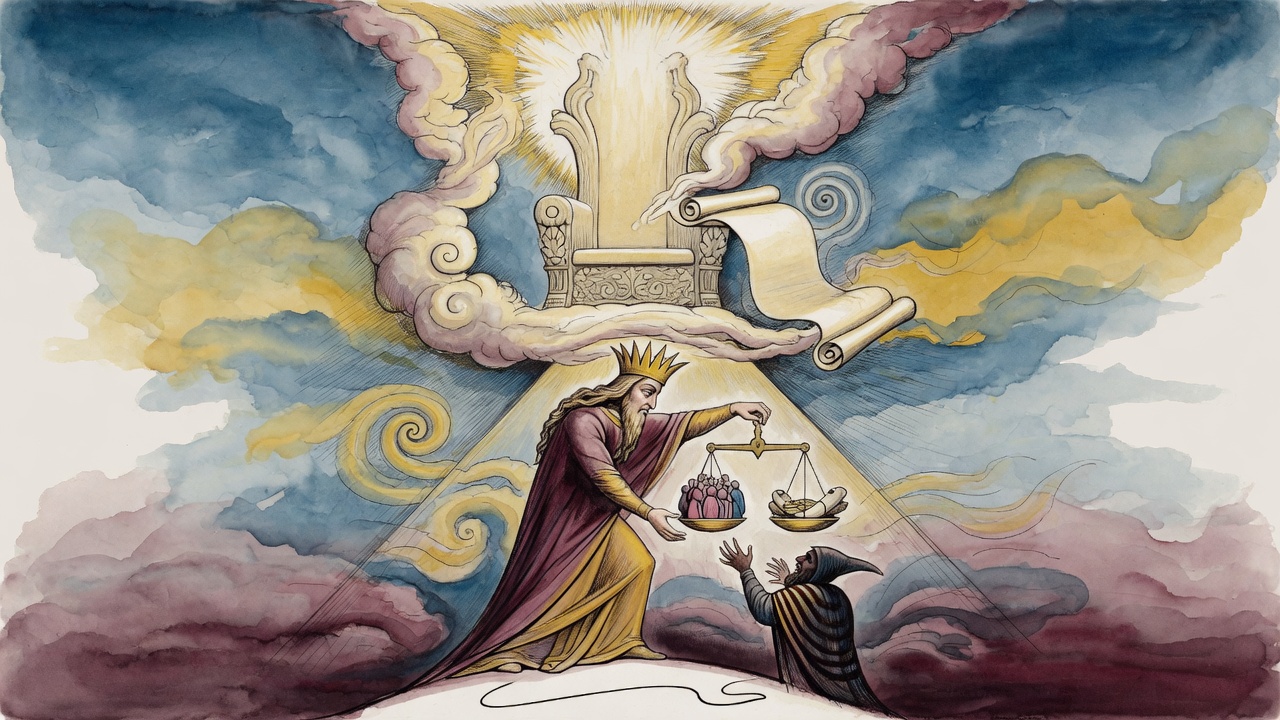
Four men received portents. Jacob and Moses missed theirs. David and Mordecai felt theirs. Mordecai paces the harem courtyard, waiting for the blow.
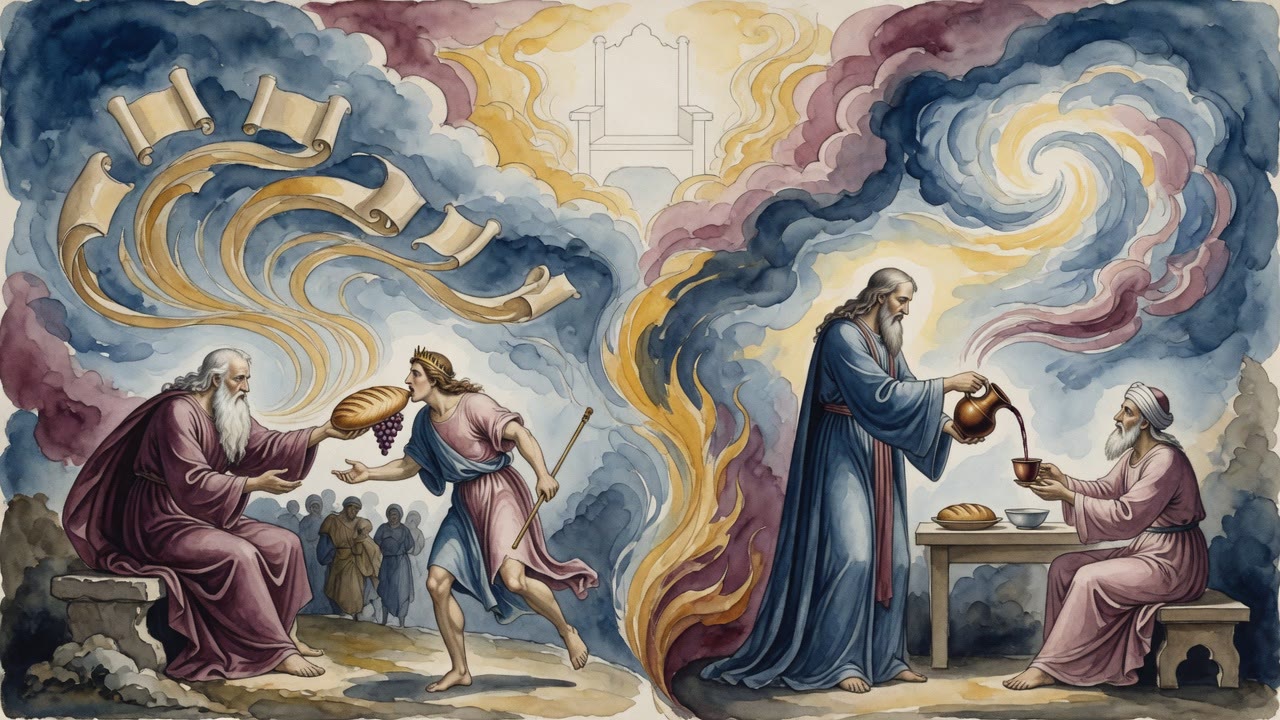
Old Barzillai fed fleeing David and earned five mentions like five Torah books, while Rabban Gamliel poured wine for Rabbi Yehoshua with his own hands.
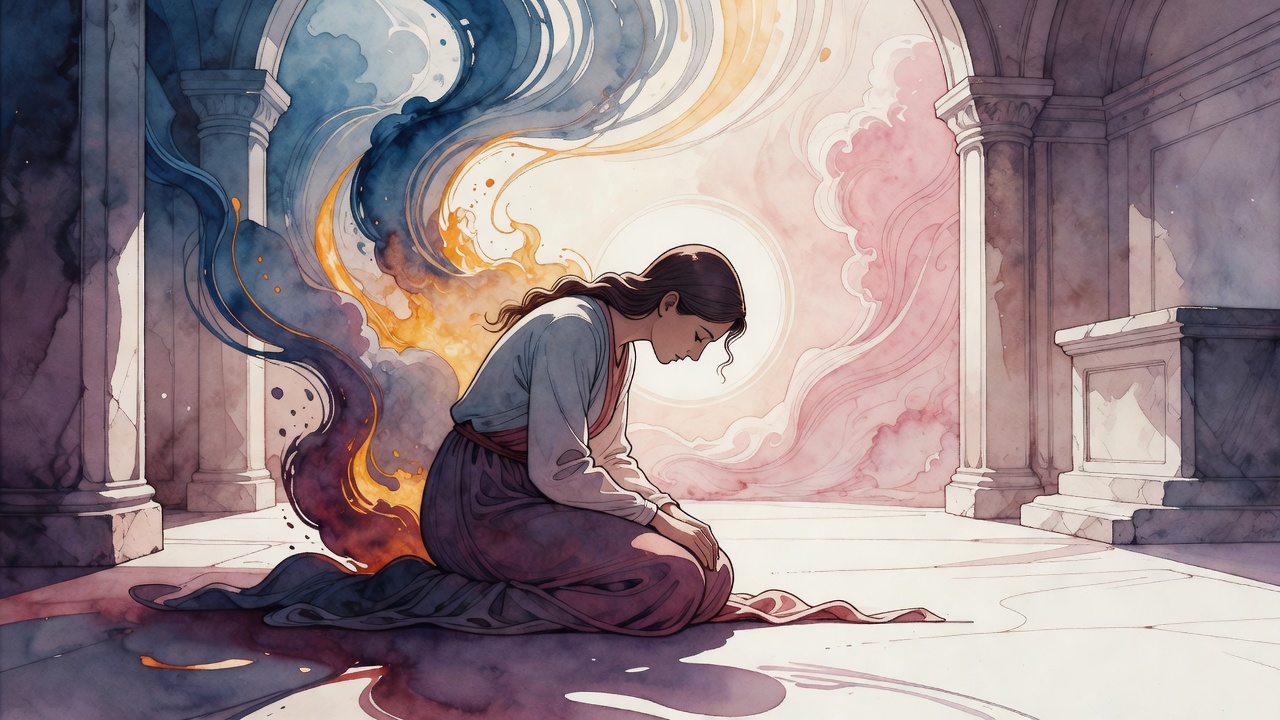
In the sanctuary at Shiloh, Hannah's lips move without sound while her bitterness rises, teaching Israel how a heavy head opens heaven.
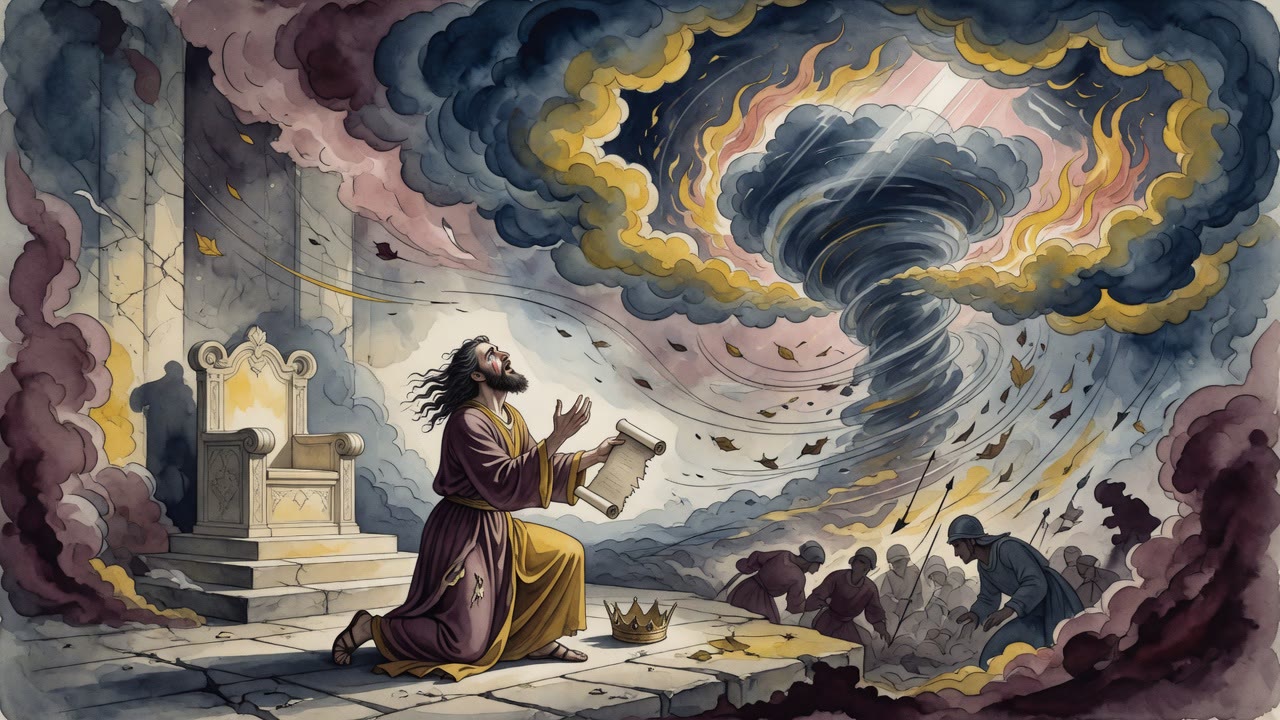
From the ends of the earth David turned his whole body into praise, while Israel waited for a light no borrowed lamp could keep lit.
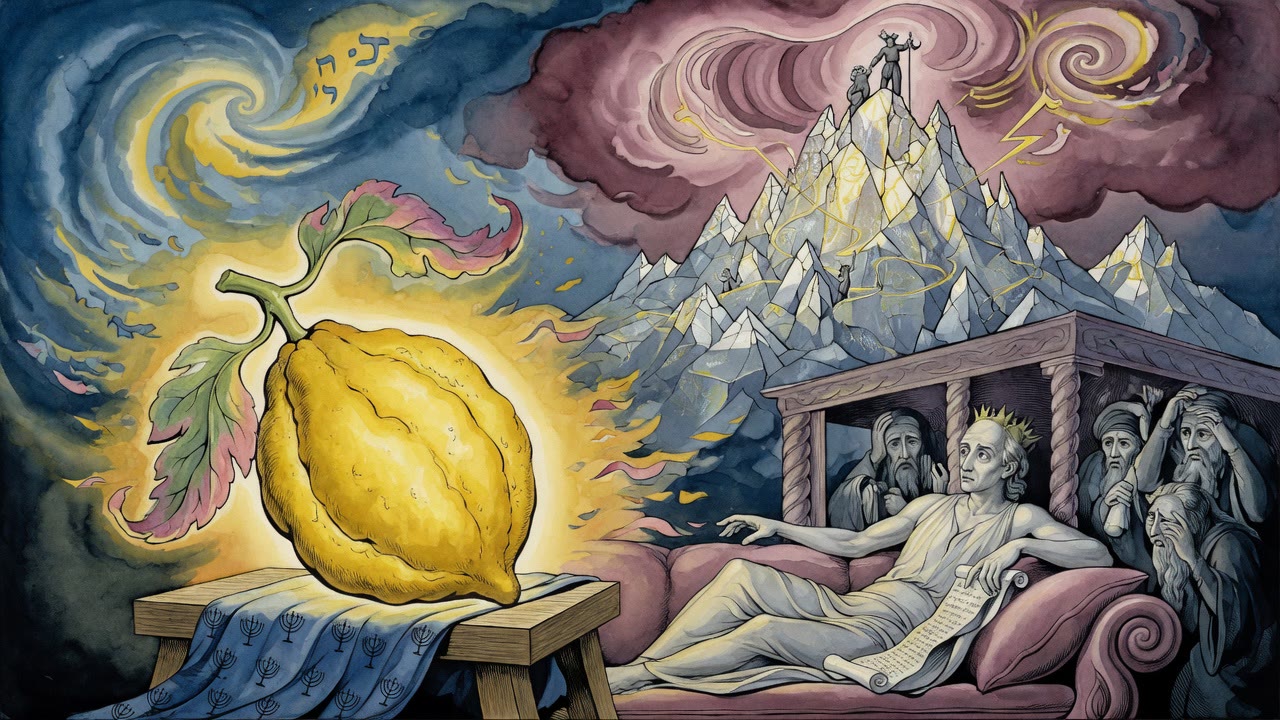
The only son sat in the attic with no taste in his prayers. His father turned the carriage around twice. A merchant at the inn sent them home.
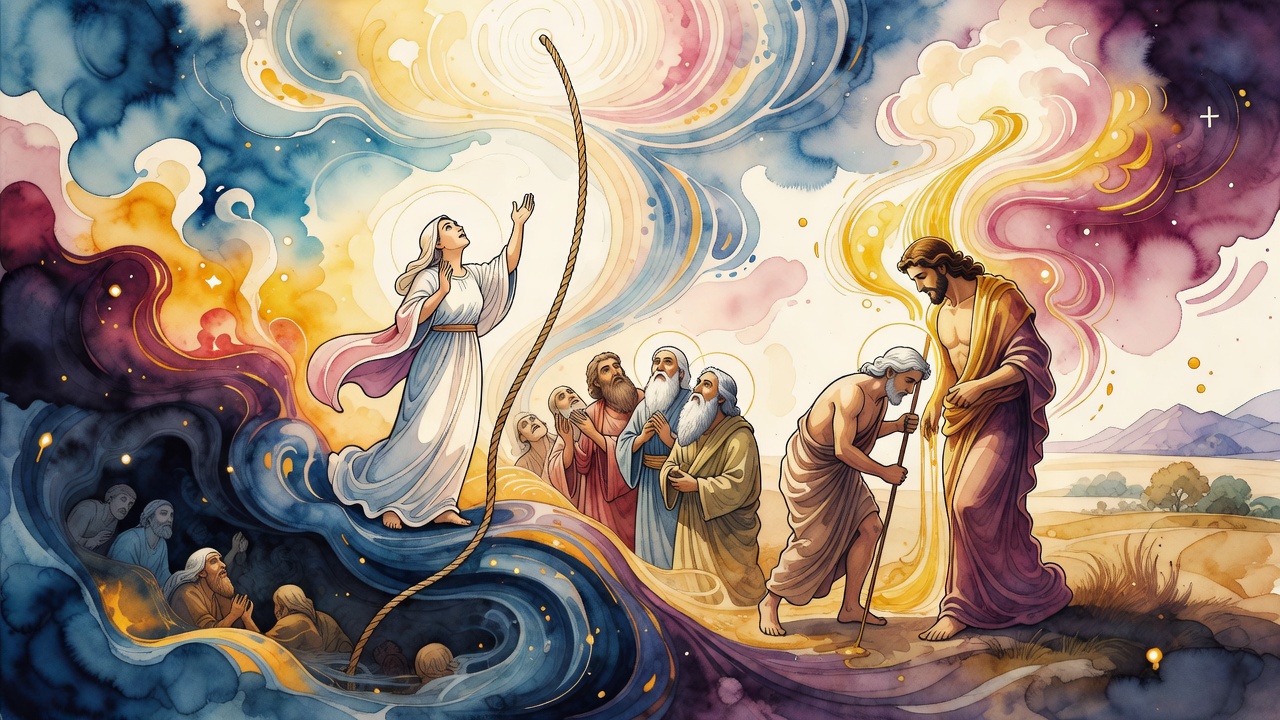
The earth had closed over Korah and Rabbi Akiva ruled that they were never coming up. Then a woman at Shiloh stood and sang about a son.
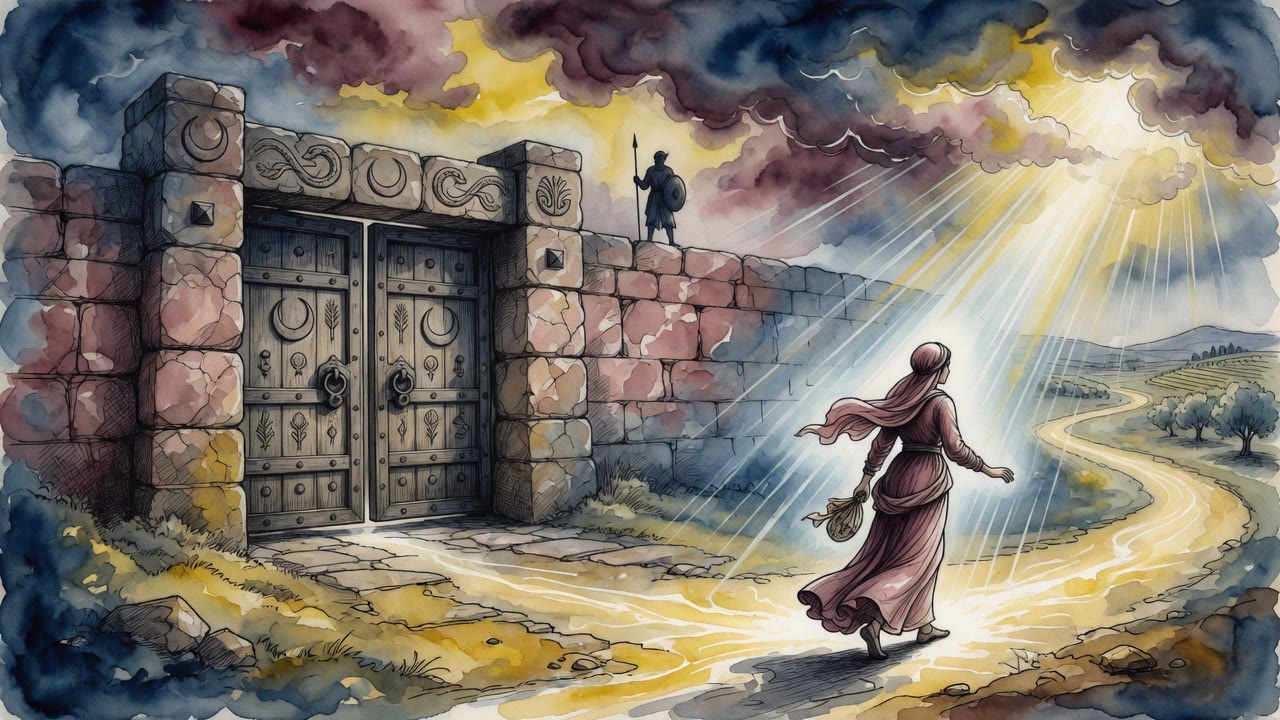
Israel walked past Ammon with open hands and past Moab with the weapons showing. Moab did not send an army. It pulled everything indoors.
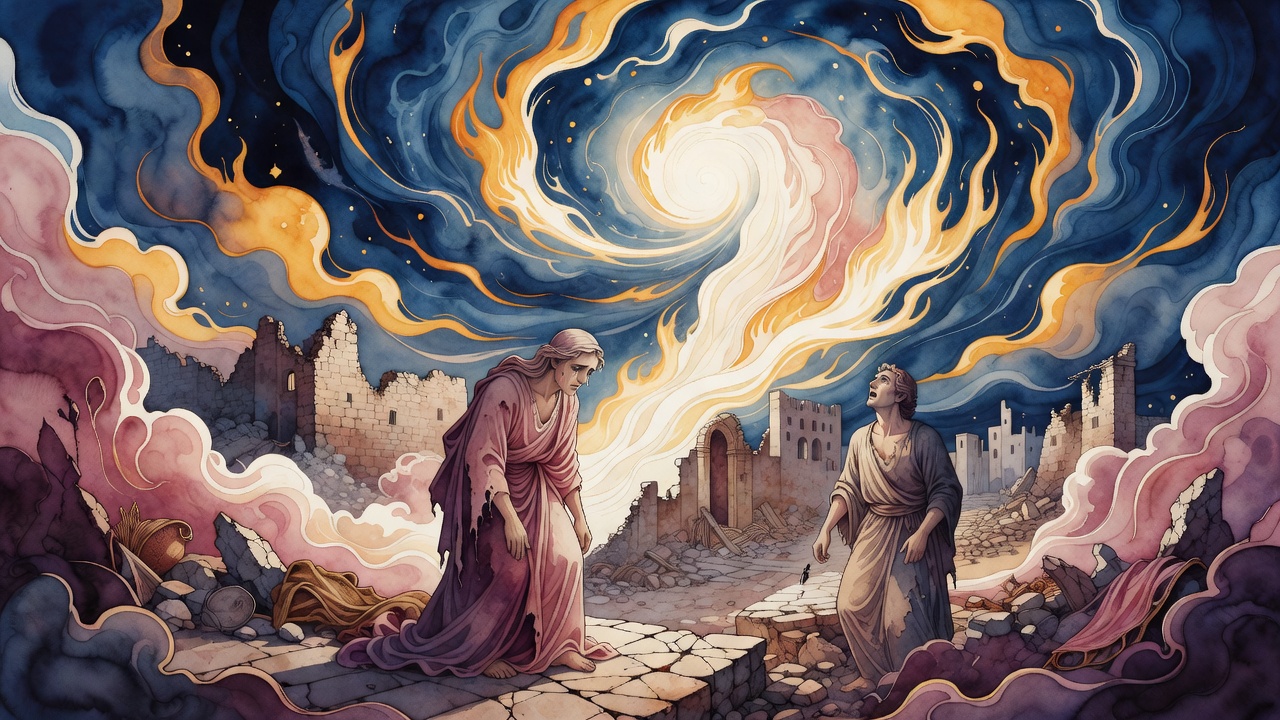
Zion weeps in the night while God weeps day and night. David asks how long, and the ruined city remembers her old delights.
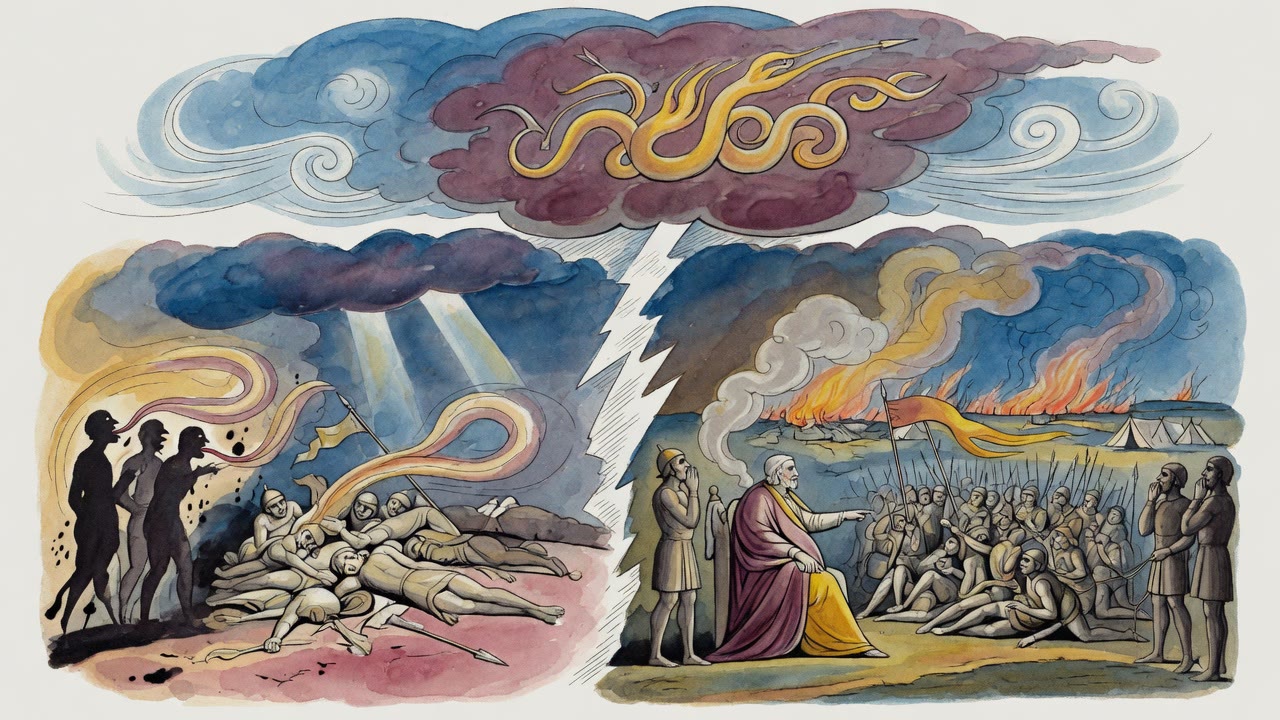
David's children could parse forty-nine faces of purity. They marched out and fell because a mouth in their own camp had already opened.
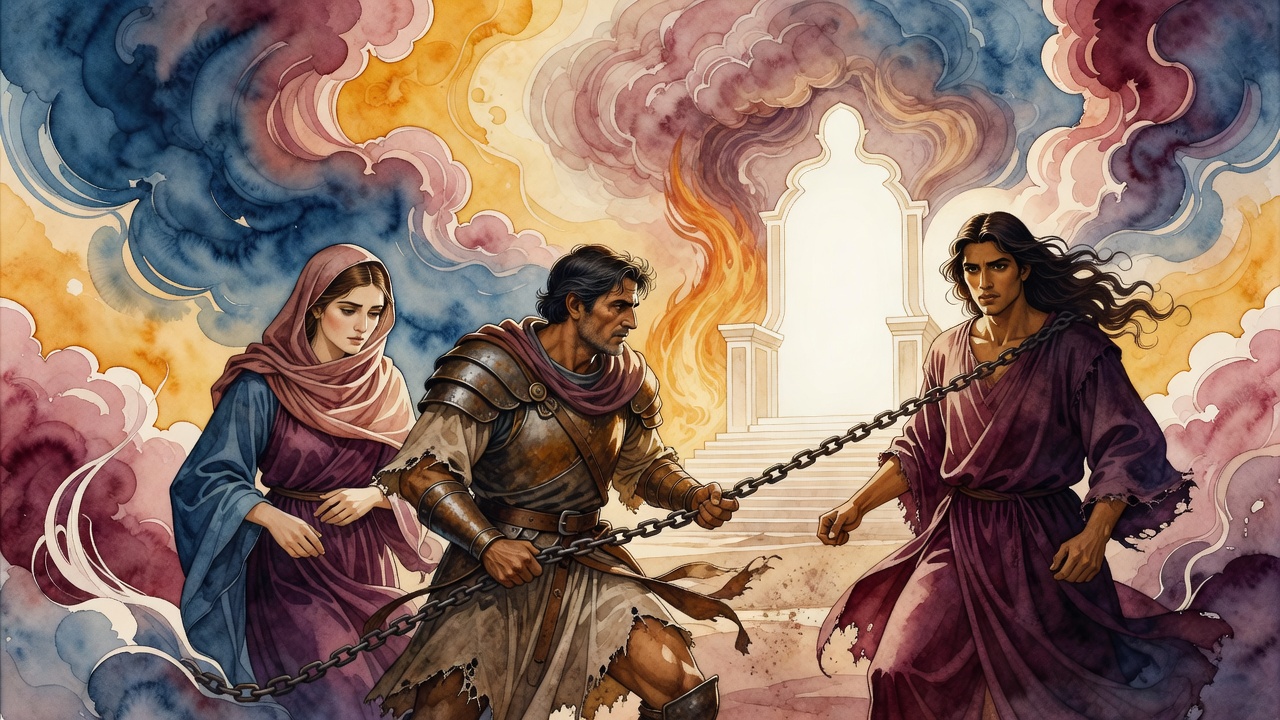
Maacah was the daughter of Talmai, king of Geshur, and David wanted her while he was out at war. Her son was Absalom, who split the kingdom in two.
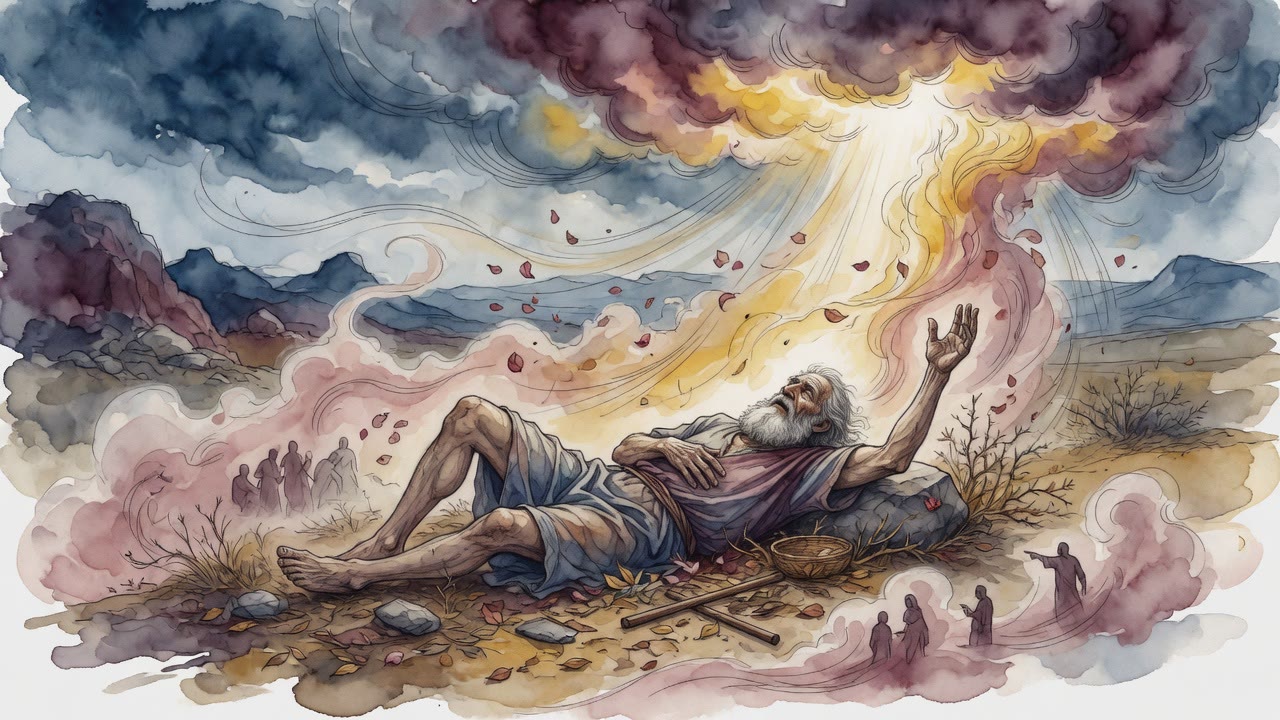
They camped in the town square and asked neighbors to walk to Shiloh. Five houses followed. Next year ten. Heaven paid him with Samuel.
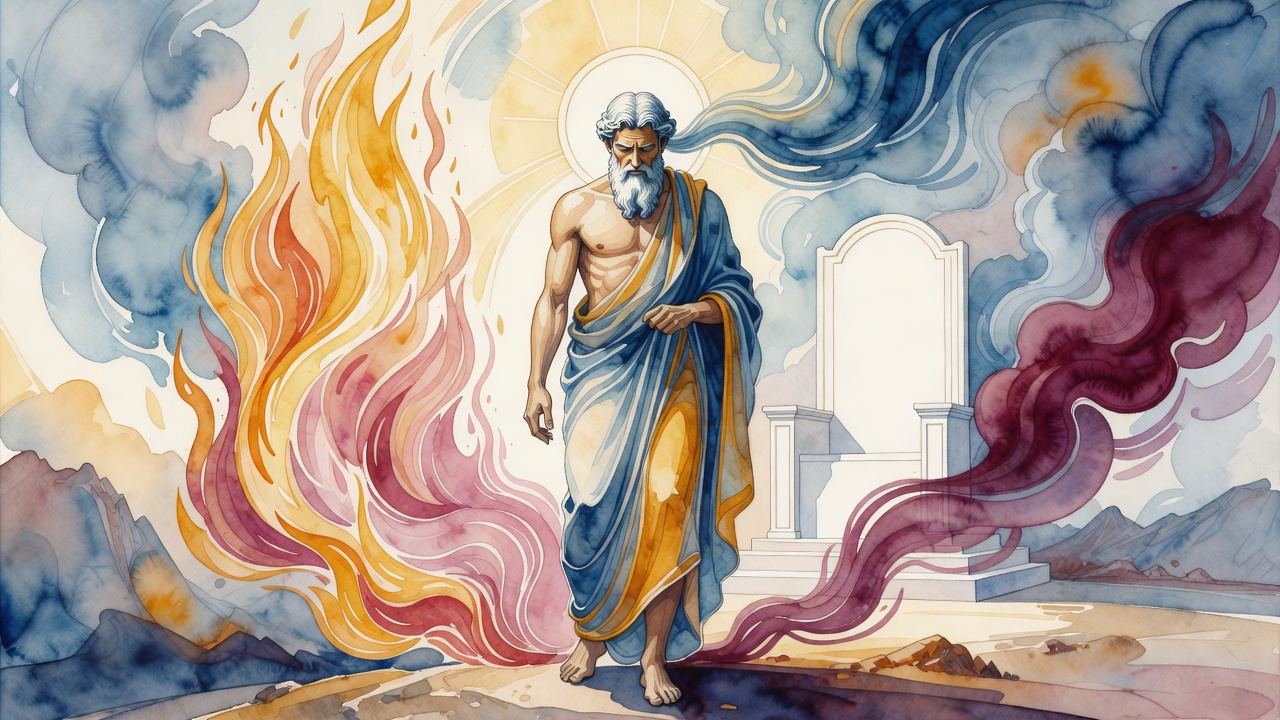
Insults filled David's ears and he kept his mouth shut. He dared call that silence godly, then begged to be judged only beside the wicked.
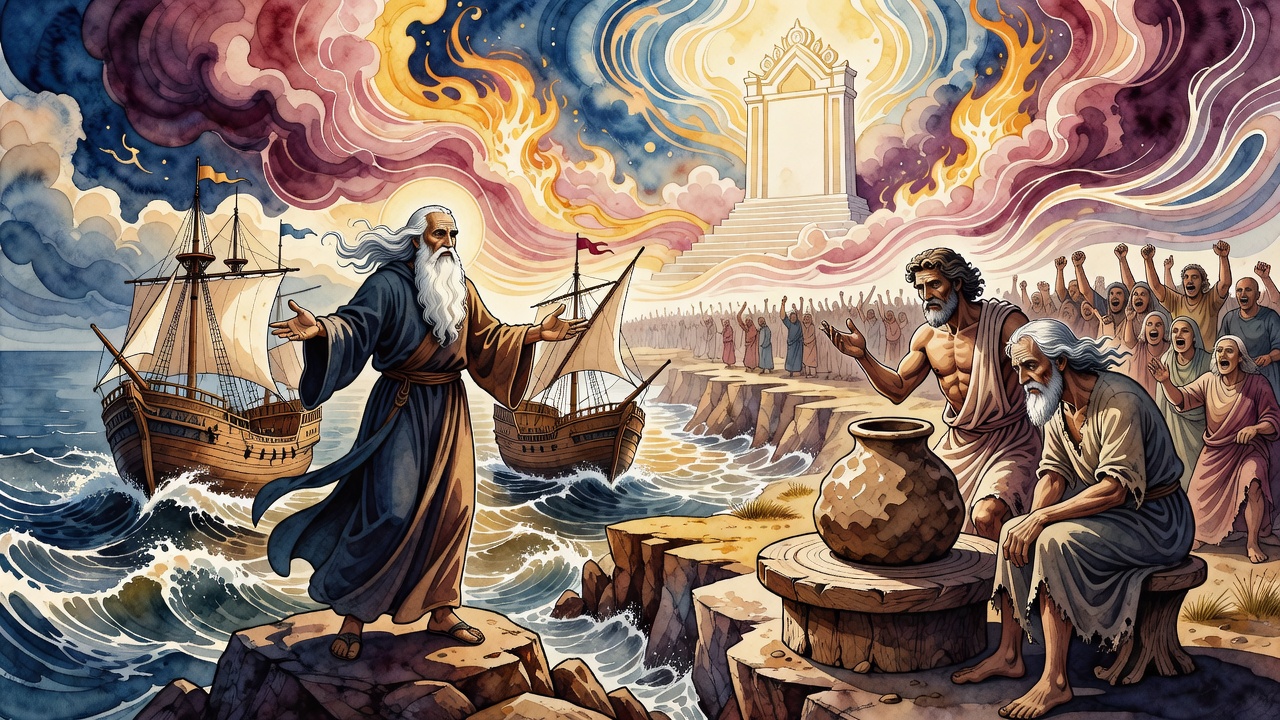
Rabbi Levi sets two cargo ships on the sea, and David answers Job that a human life is clay waiting for the potter's fill.
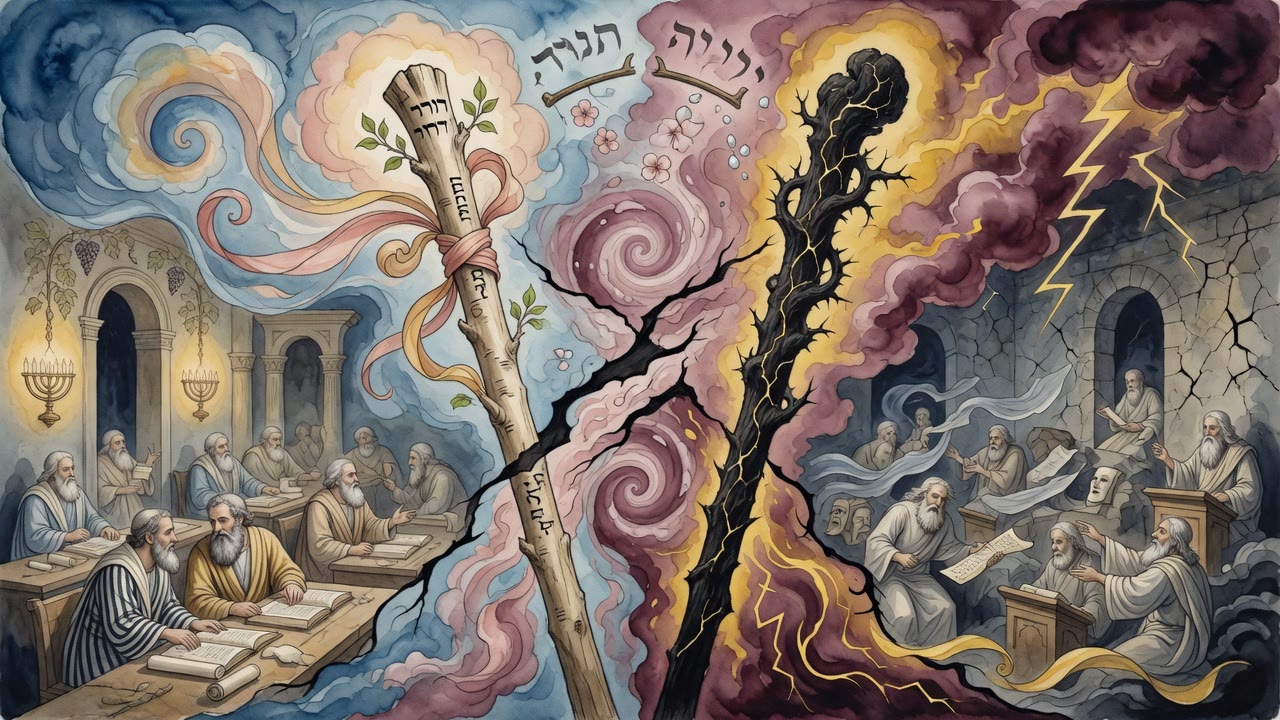
Rabbi Oshaia pressed two names onto wood in a prophet's hands. One hall yielded for honor. One broke arguments until bone showed.
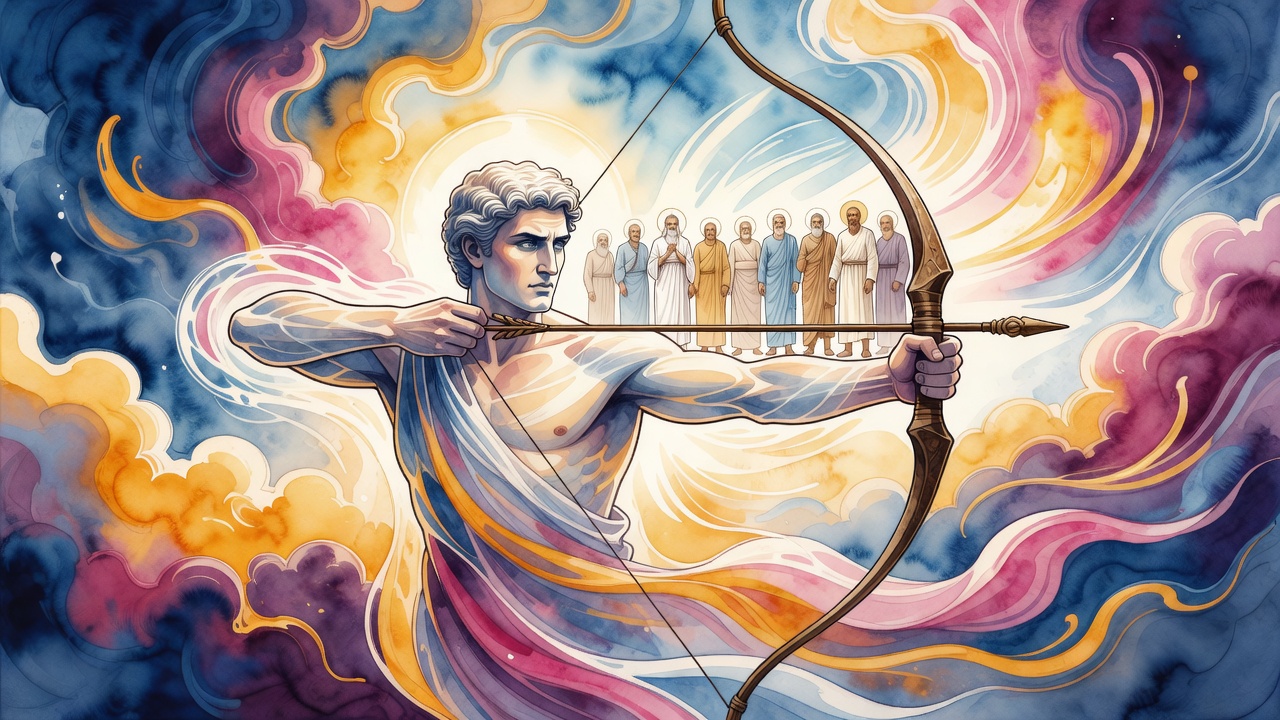
He loosed the arrow and the camp heard a king who could shoot. David heard a ledger of names standing behind the shot.
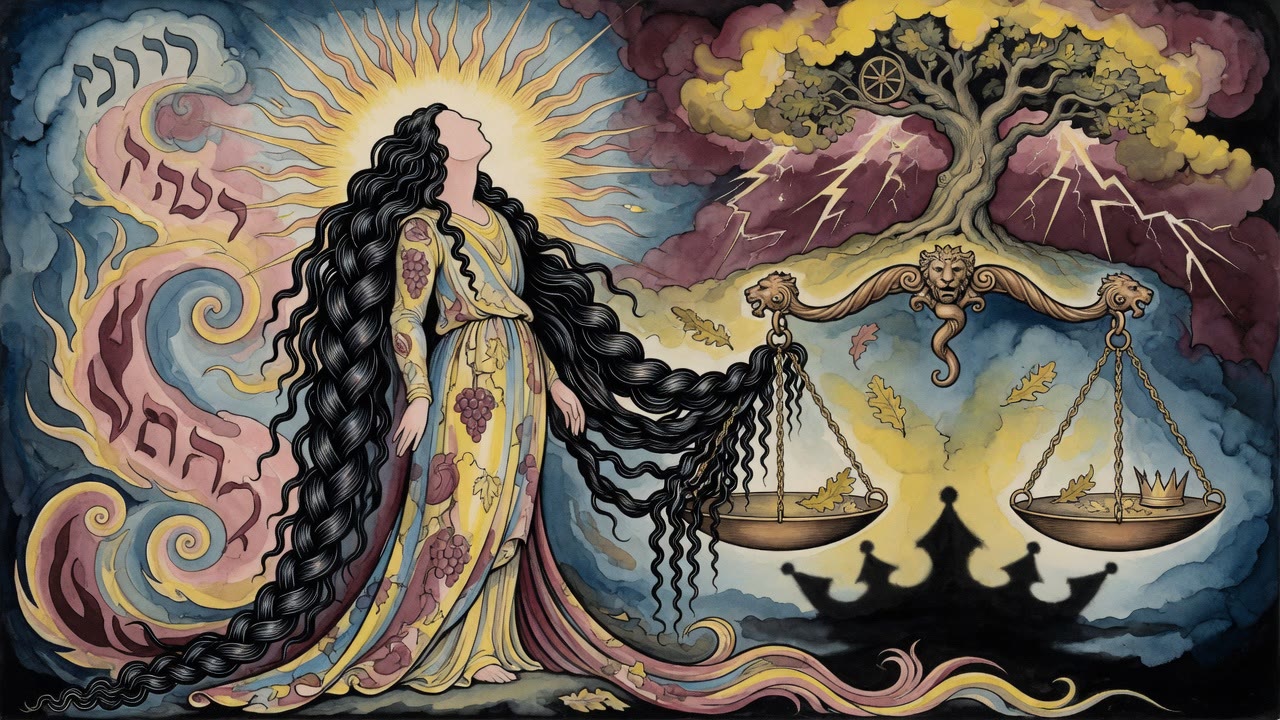
Scripture gives David forty years of rule, then six extra months. The sages said the missing half year was flight, grief, and a crown hanging in the air.
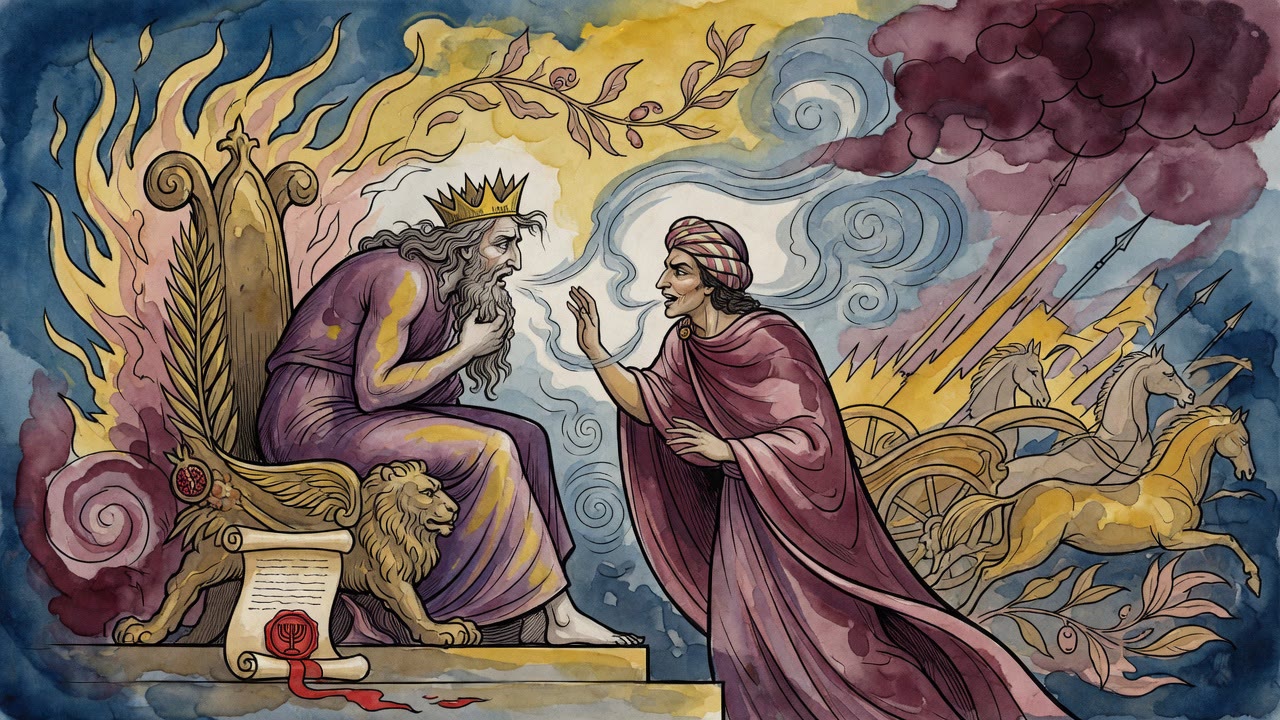
Messengers told David that all his sons were dead. He tore his clothes and fell to the floor. Jonadab said only Amnon, before any rider confirmed it.
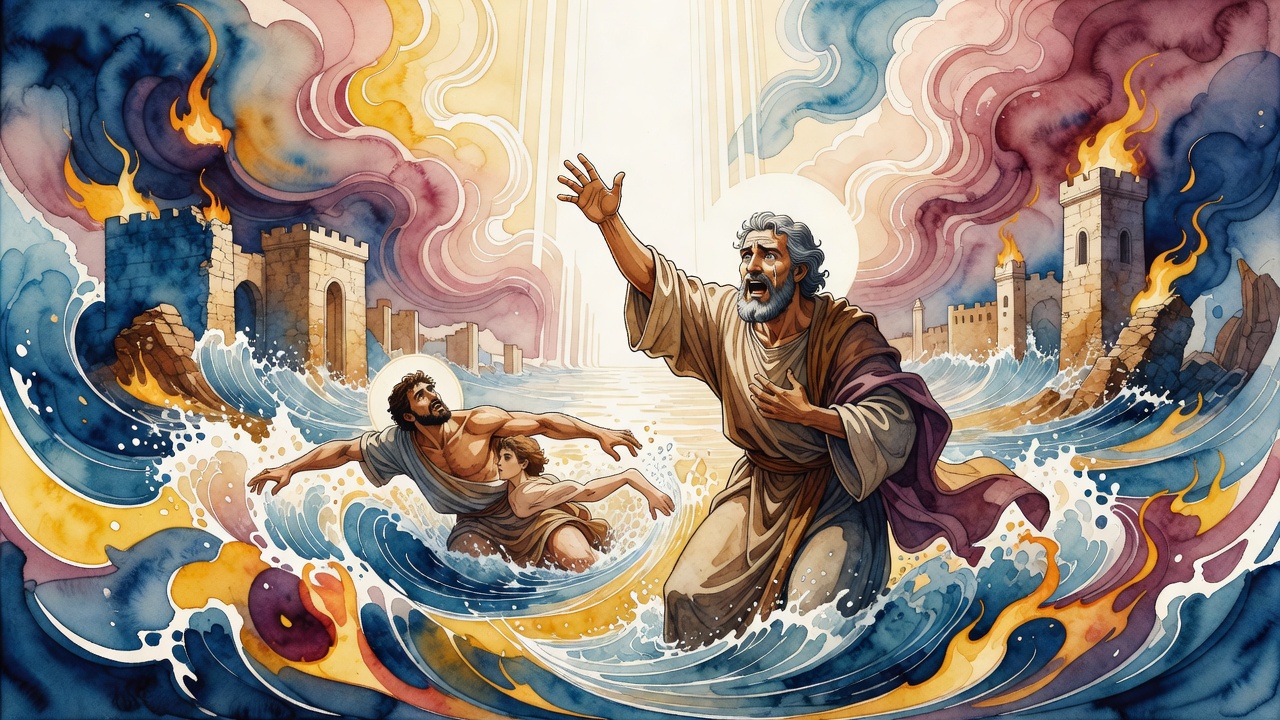
A strong man carried his son into the river and the current took the boy. David watched four kingdoms rise with that same undertow.
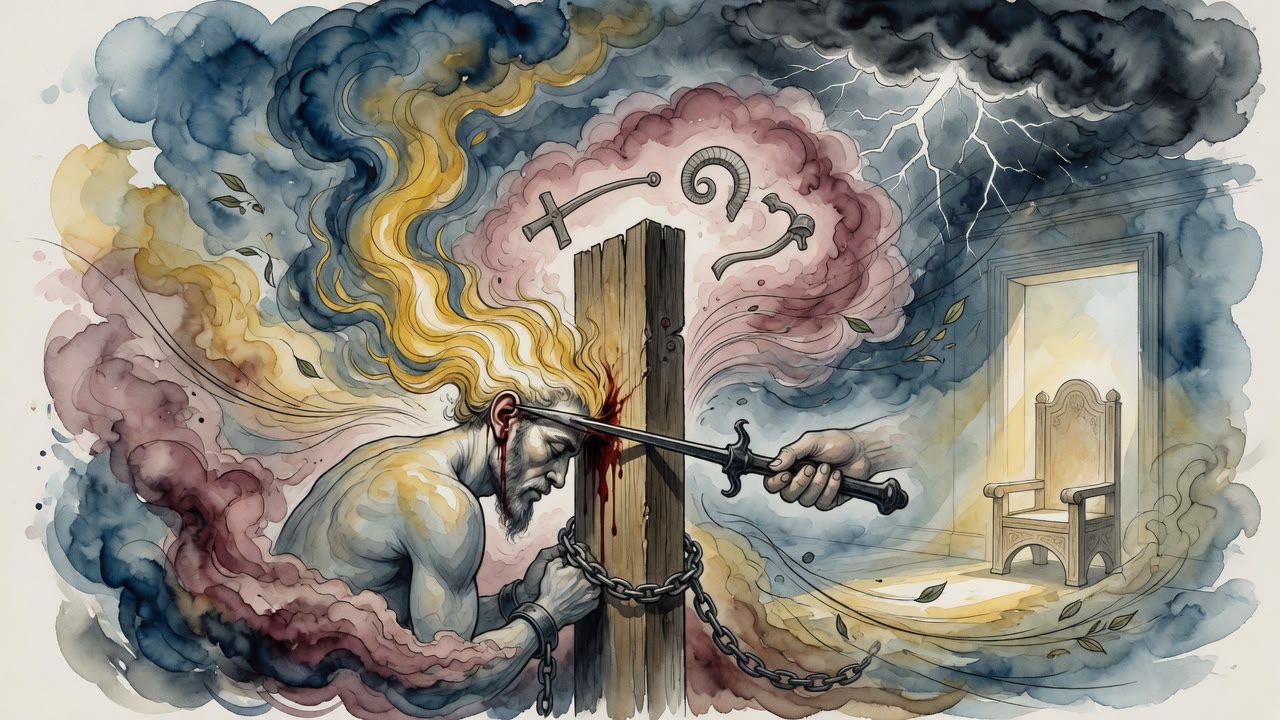
At midnight on Shavuot the heavens split for a breath. David set five books of song against five of Torah while his feet sought the study house.
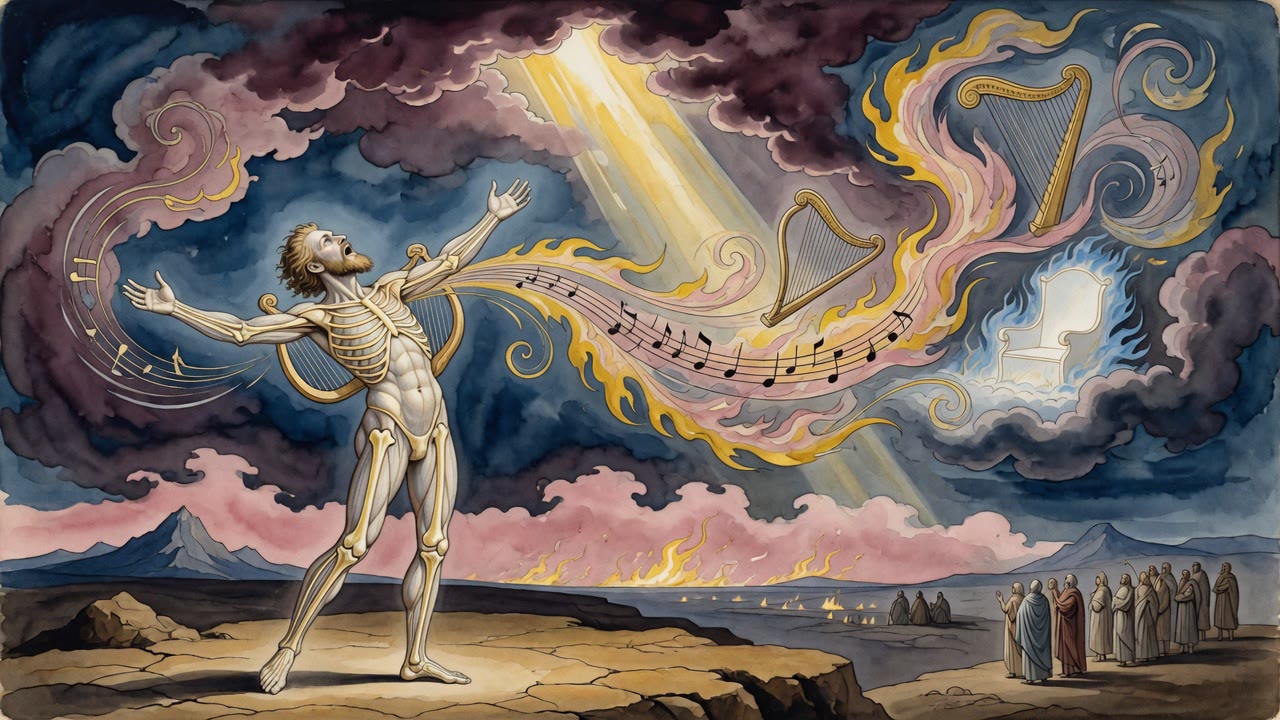
King David asked God to plead his cause against oppressors while admitting his own faults. Strength came when judgment, not flattery, answered him.
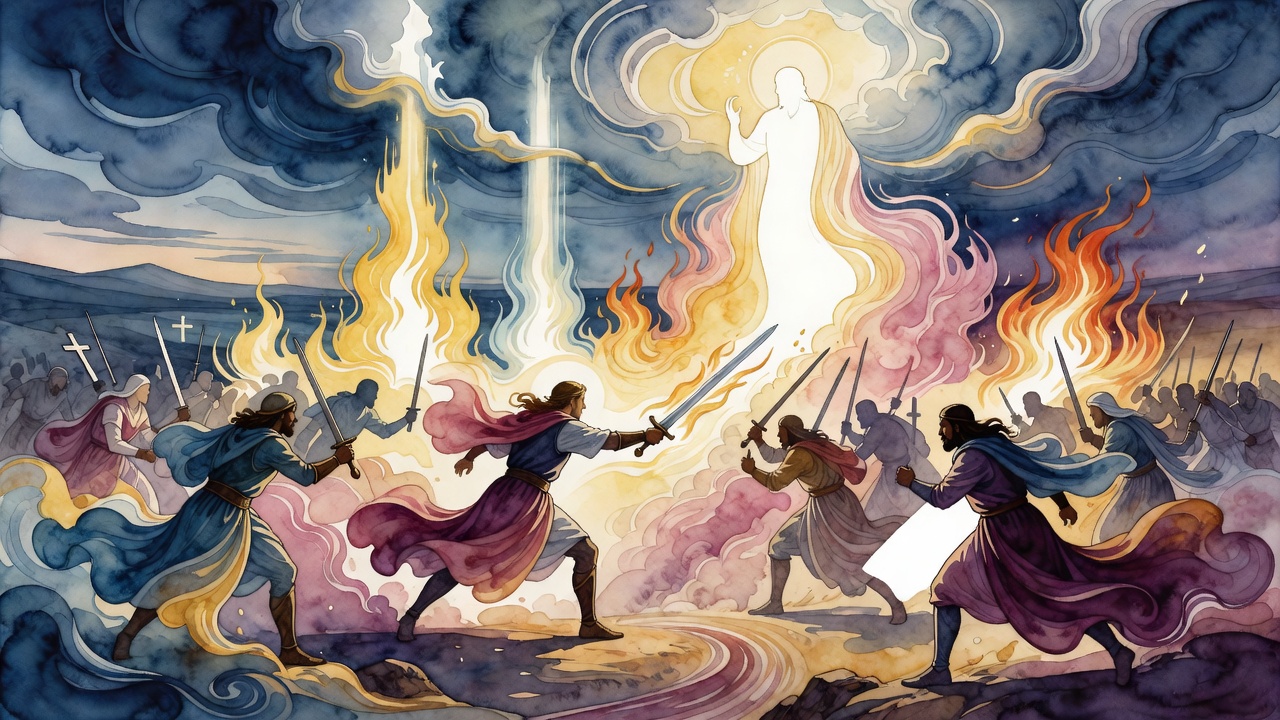
The camp at Ziklag was wrecked. David could not see the necks in front of him. He asked heaven to light his lamp, and it did.
