224 myths · Page 7 of 8
The myrtle has sweet fragrance and bitter taste. The rabbis read Esther's double name as prophecy: sweetness for Mordecai, bitterness for Haman.
Before casting the lot, Haman interrogated each sign of the zodiac. Every constellation gave him the same answer: do not touch Israel.
Haman told the king's advisors the God who split the sea was senile now. His evidence was the ruins of the Temple and the silence of heaven.
Haman offered ten thousand talents to buy the Jews. Ahasuerus waved it off. That refusal, not virtue, was the legal hinge on which the entire rescue turned.
As Haman approached, Mordecai stopped three schoolchildren and asked what they had studied. Each verse they quoted pointed toward the same rescue.
When the decree went out, Mordecai did not weep quietly. He pressed the covenant like a creditor, demanding God answer for the oath sworn to the patriarchs.
Esther had the king's ear and said nothing. She invited Haman to dinner instead. Then she invited him again. The sages debated her strategy for centuries.
Haman had the king's ring, a signed decree, and ten sons. Every person in the empire bowed when he passed. Except the man at the gate.
The king lay awake convinced he was being poisoned. When that fear passed, a worse one took its place. His paranoia would save the Jewish people.
The king asked what a deserving man should receive. Haman assumed the question was about him and answered in detail. He was wrong.
Haman found Mordecai deep in Torah study and told him to rise. Then he confessed that Mordecai's prayers had defeated his ten thousand talents of silver.
Watching from a window as Haman led the honored man through the street, his daughter grabbed a chamber pot to throw on Mordecai. She had the wrong man.
After leading Mordecai through the streets, Haman came home in mourning. His wife and advisors did not comfort him. They delivered a verdict.
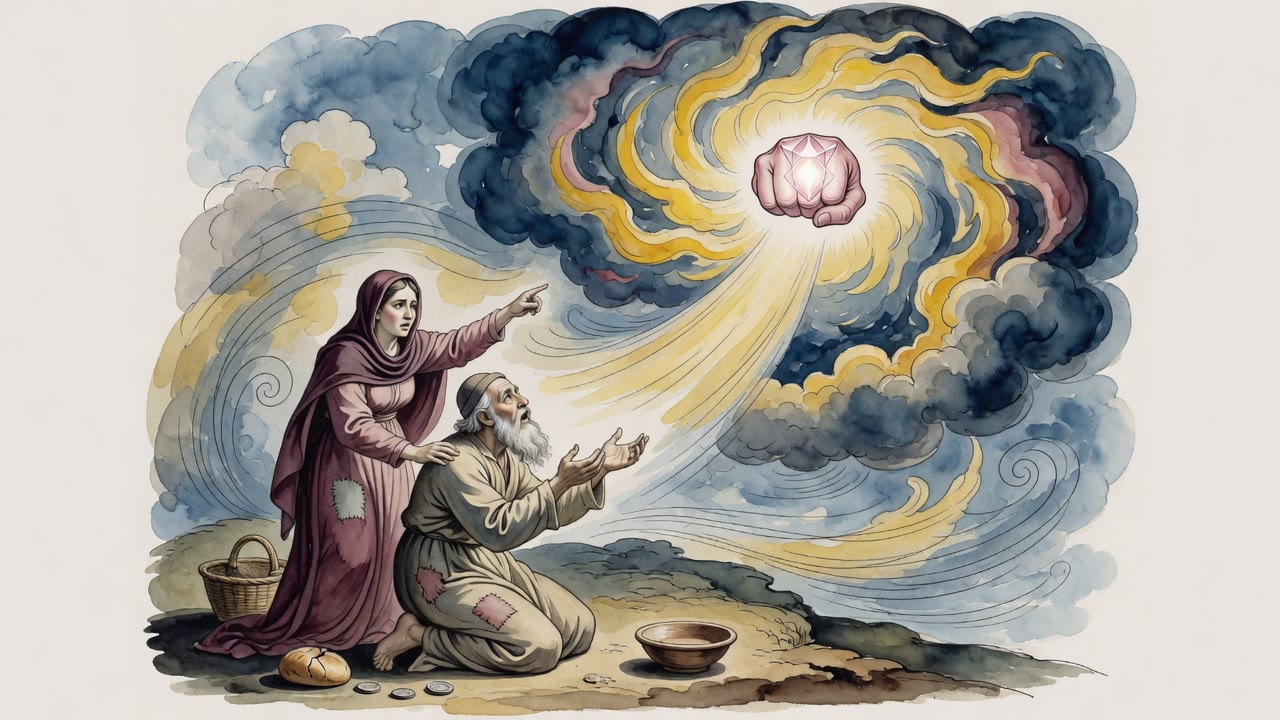
When Esther pointed at the enemy who had condemned her people, her arm began moving toward the king. An angel corrected the aim.
Haman built a fifty-cubit gallows for Mordechai. The Tikkunei Zohar reveals heaven had prepared it for Haman all along.
Vashti refused a drunken king, but she had already forced Jewish women to work on Shabbat. When her punishment came, the rabbis said it fit.
Stolen Temple gold, a king's drunken boast, and a gallows that turned on its builder. The Purim story rewards the wicked exactly as they deserve.
Nebuchadnezzar fed a sworn king barley and grazed him before the nations, so God drove the emperor onto all fours in his own field.
Darius locked Daniel in prison over missing Temple vessels. By nightfall, an angel had taken the king's sight, and only Daniel could restore it.
Daniel saves a condemned woman by cross-examining her false accusers with one question. Decades later, he faces the same kind of execution himself.
Susanna was already walking toward her execution when a young man stepped out of the crowd and said he was innocent of her blood.
Susanna was condemned to die on the word of two corrupt judges. Daniel asked each man one question. The answers were different. The verdict reversed.
Two elders condemned a righteous woman with false testimony. A young man with no standing interrupted and asked each elder which tree they had stood under.
Daniel the tailor read a verse from Ecclesiastes and saw the faces of children banned from Israel for sins they never committed. His grief forced God to answer.
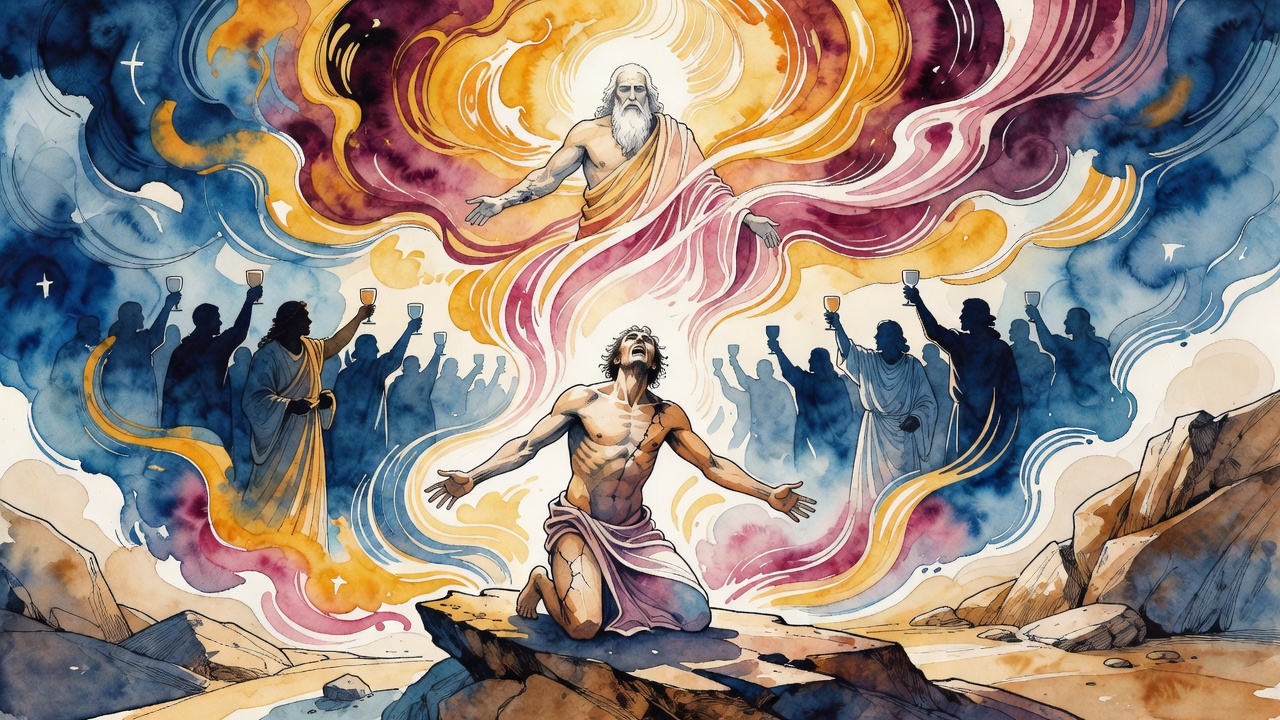
Thirty years after Babylon burned Jerusalem, Ezra could not sleep. He put God on trial, demanded an answer, and the angel who responded refused to give him one.
Jacob held God's own promise yet trembled before Esau. His fear unlocked a question the sages carried all the way to Ezra's silent exile return.
Two great lights, one crown. When the moon is shrunk to the lesser lamp she storms the court for justice, and heaven ends up owing her a debt.
Two great sages disagree over which empire seven Persian princes served, and the answer hinges on a feast and a refusal.
When Babylon burned Jerusalem, the rabbis said the real fire was aimed at Israel, not at the empire that lit the torch.
Titus defiled the Holy of Holies, stabbed the curtain, and sailed home victorious, but God sent a gnat into his nose that gnawed at his brain for thirty years.