1,432 texts · Page 12 of 30
It’s a window into a deeper, more mystical understanding of our relationship with the Divine. to a fascinating passage from the Tikkunei (spiritual repair) Zohar, specifically Tikk...
Jewish tradition is full of stories about overcoming impossible odds, and today, we're diving into one of those stories, found within the mystical depths of the Tikkunei (spiritual...
The Tikkunei (spiritual repair) Zohar, a truly fascinating part of the Zohar itself, touches on this very feeling. Specifically, Tikkunei Zohar 116 uses imagery from the story of N...
The passage speaks of the "wings of the Shekhinah (the Divine Presence)" as being the "covering of the blood" of a beast or bird. Now, before you get squeamish, remember that in Je...
Jewish mysticism suggests that feeling might be more literal than you think. The Tikkunei (spiritual repair) Zohar, a central text of Kabbalah (Jewish mysticism), explores the hidd...
The Tikkunei (spiritual repair) Zohar, a core text of Kabbalah, suggests that those feelings might be more profound than we realize. It connects our personal actions to the cosmic ...
Jewish mysticism, especially the Zohar, often grapples with this feeling when discussing the Shekhinah (the Divine Presence). What exactly is the Shekhinah? It's the divine feminin...
The Tikkunei (spiritual repair) Zohar, a central text of Kabbalah, the Jewish mystical tradition, invites us to do just that. To look beyond the obvious, especially when things see...
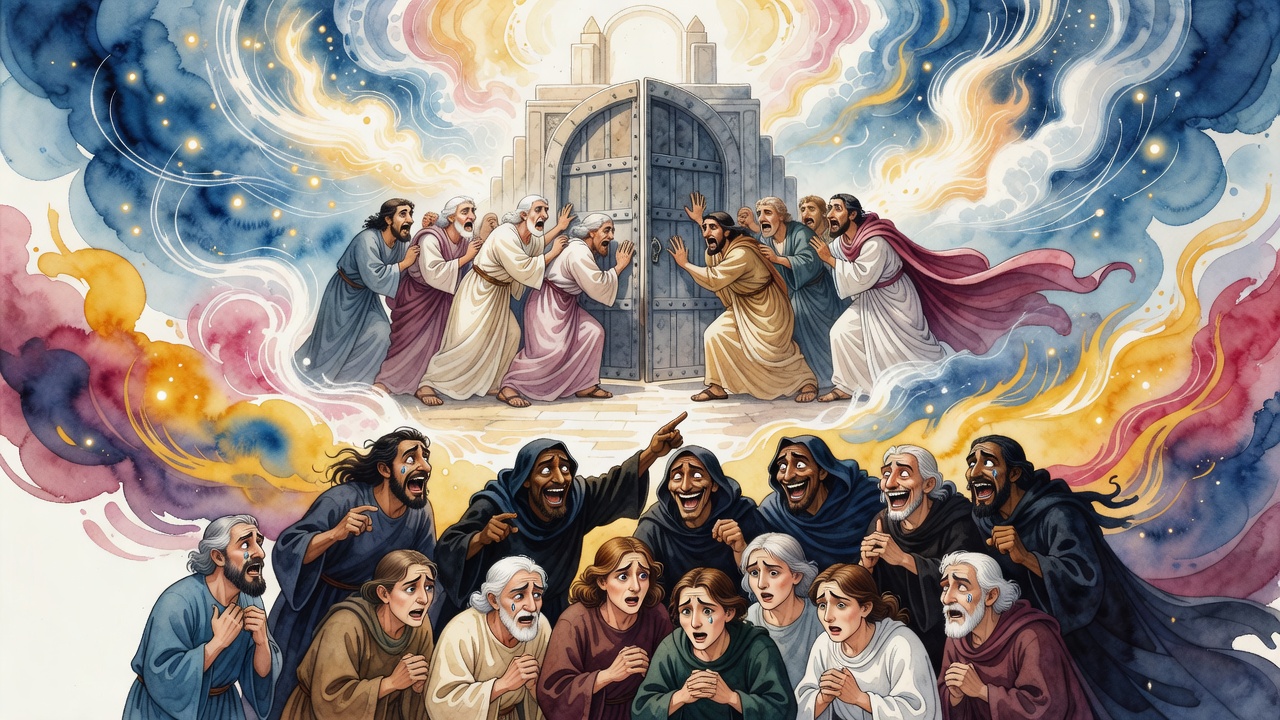
When this happens, the Tikkunei Zohar quotes (Deuteronomy 32:20), "And He said: ‘I shall conceal My face from them…’" It’s a stark image, isn't it? A deliberate hiding. Why? That's...
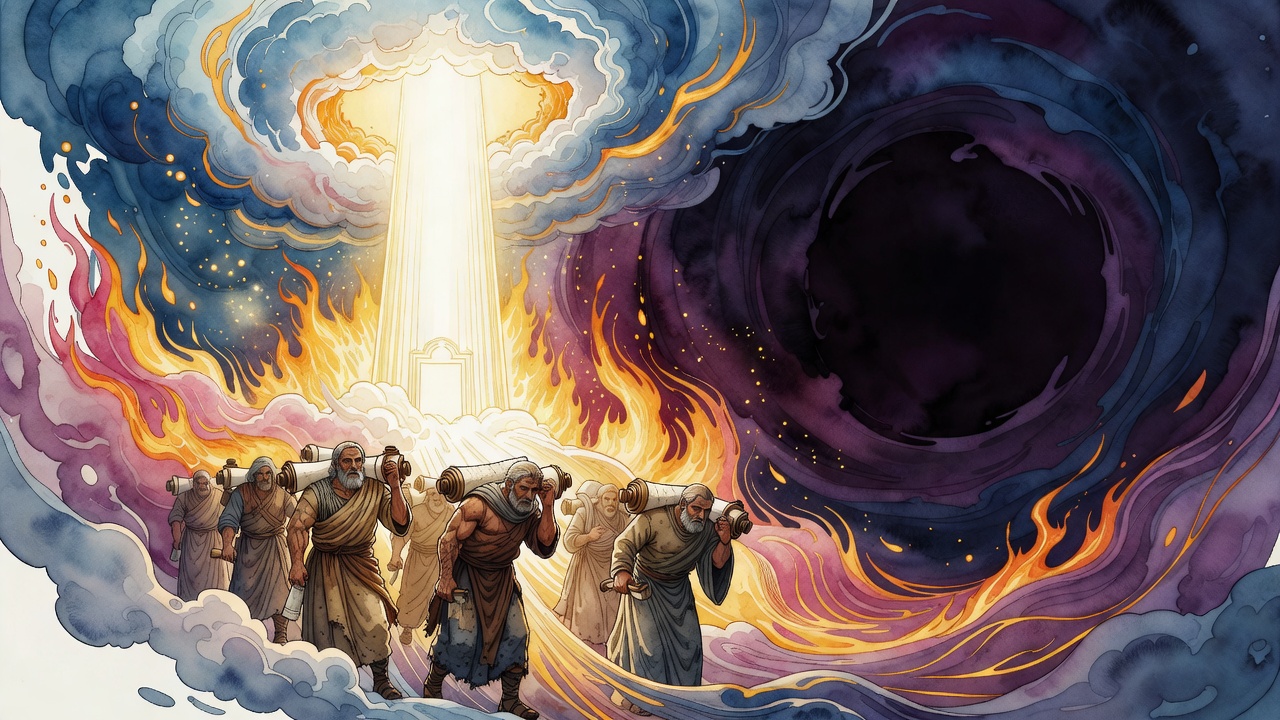
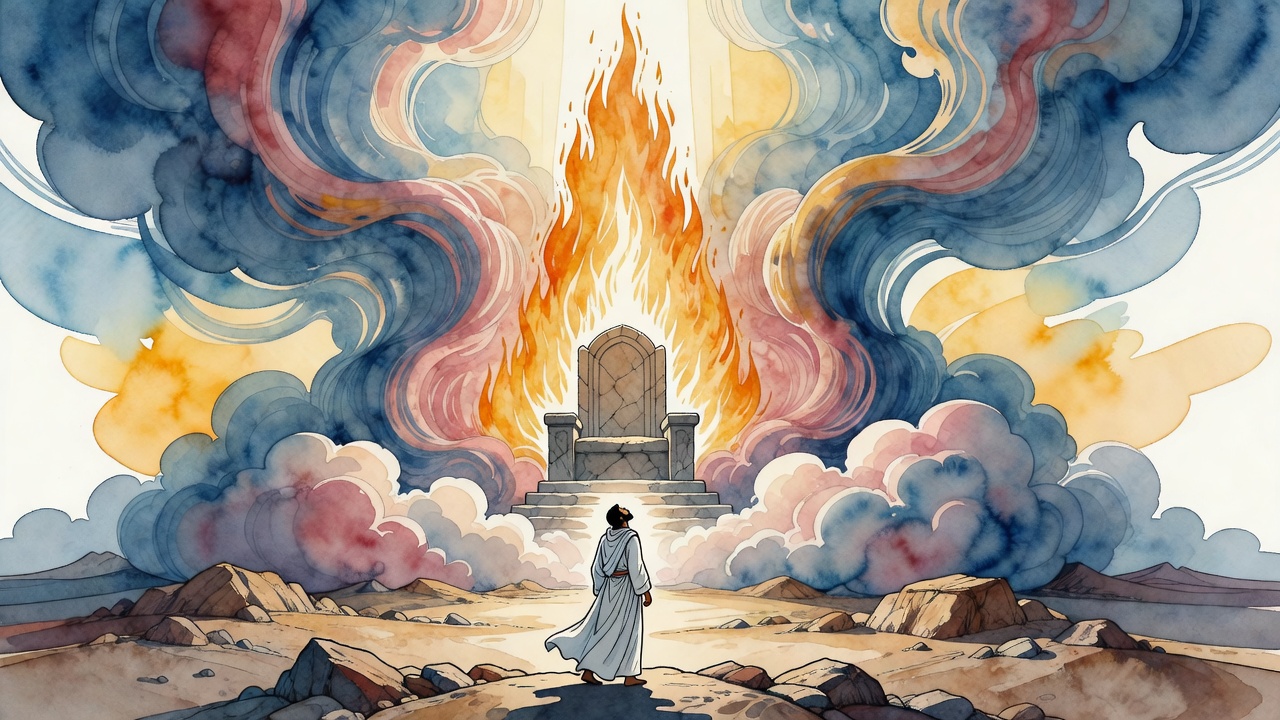
It describes a time when God, so to speak, is "in the darkness," enclothed in tohu and bohu – "chaos and void," and ḥoshekh and tehom – "darkness and abyss." Imagine the universe b...
The answer, according to the Tikkunei (spiritual repair) Zohar, might surprise you. The Tikkunei Zohar, a central text of Kabbalah (Jewish mysticism), unveils a profound vision of ...
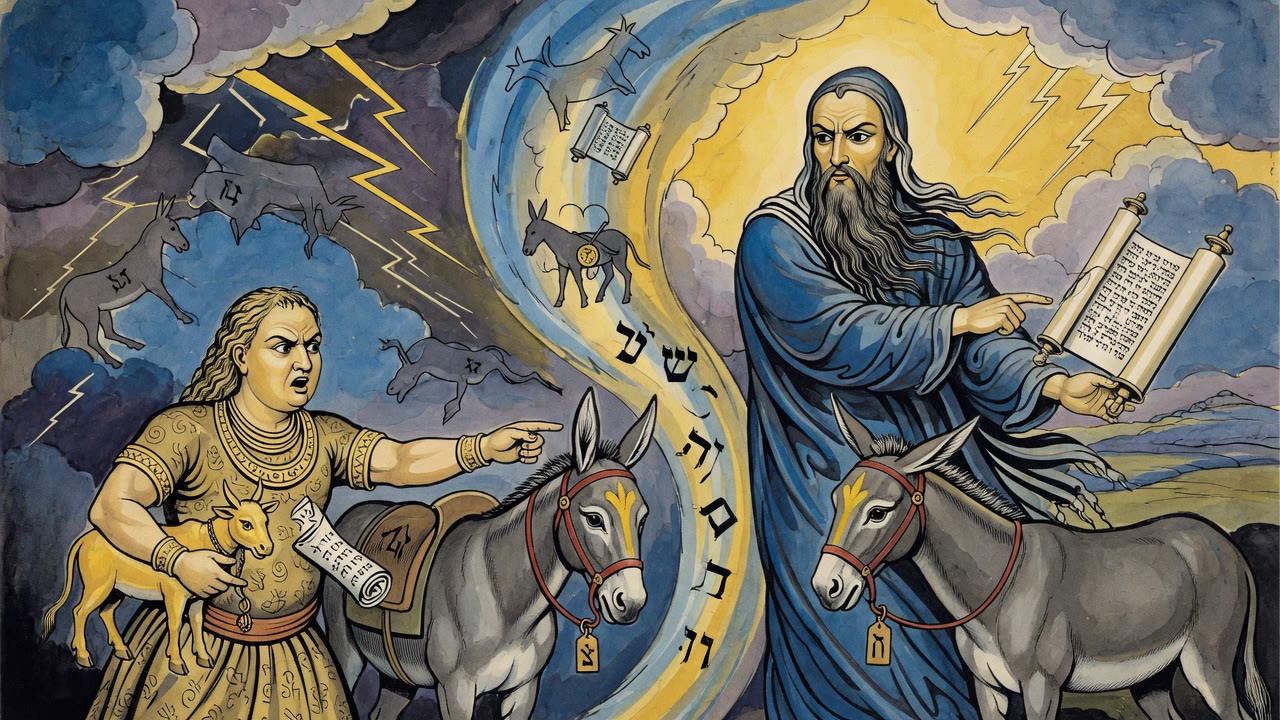
The Torah tells us (Exodus 22:30) that if an offering is treifah, basically unfit, then "you shall throw it to the dog." Okay, makes sense. But the Tikkunei (spiritual repair) Zoha...
The mystics understood that feeling deeply. They saw it as a reflection of something profound happening in the spiritual realms, a cosmic ebb and flow of souls and divine presence....
To a fascinating passage from the Tikkunei (spiritual repair) Zohar, specifically Tikkun 289, where the human eye becomes a microcosm of the divine. The Tikkunei Zohar, a later exp...
A king had six sons and one daughter. The daughter was his favorite—he cherished her, played with her, kept her close. One day, in a moment of anger, terrible words escaped his mou...
An emperor and a king—both childless—met by chance at an inn. Neither recognized the other at first, but each noticed royal mannerisms in his companion. They confessed their identi...
A queen and her bondmaid gave birth on the same night. The midwife—curious about what would happen, or perhaps driven by something darker she could not name—switched the babies. Th...
"Jacob settled in the land where his father sojourned" (Genesis 37:1). Rabbi Levi Yitzchak of Berditchev opens his commentary on the Joseph story by explaining why Jacob lived in a...
The confrontation between Judah and Joseph in Egypt was not simply a family dispute. Rabbi Levi Yitzchak of Berditchev reads it as a cosmic collision between two forms of kingship....
"And Jacob settled in the land where his father dwelled" (Genesis 37:1). Rebbe Elimelech of Lizhensk opens his commentary on Parashat Vayeshev not with Joseph's coat or his brother...
"And Judah approached him" (Genesis 44:18). The verse says Judah "approached him"—but does not specify whom. Rebbe Elimelech of Lizhensk takes the ambiguity and runs with it: the t...
"And these are the names of the children of Israel who came to Egypt" (Exodus 1:1). Rebbe Elimelech of Lizhensk opens his commentary on Parashat Shemot with a strange claim: a pers...
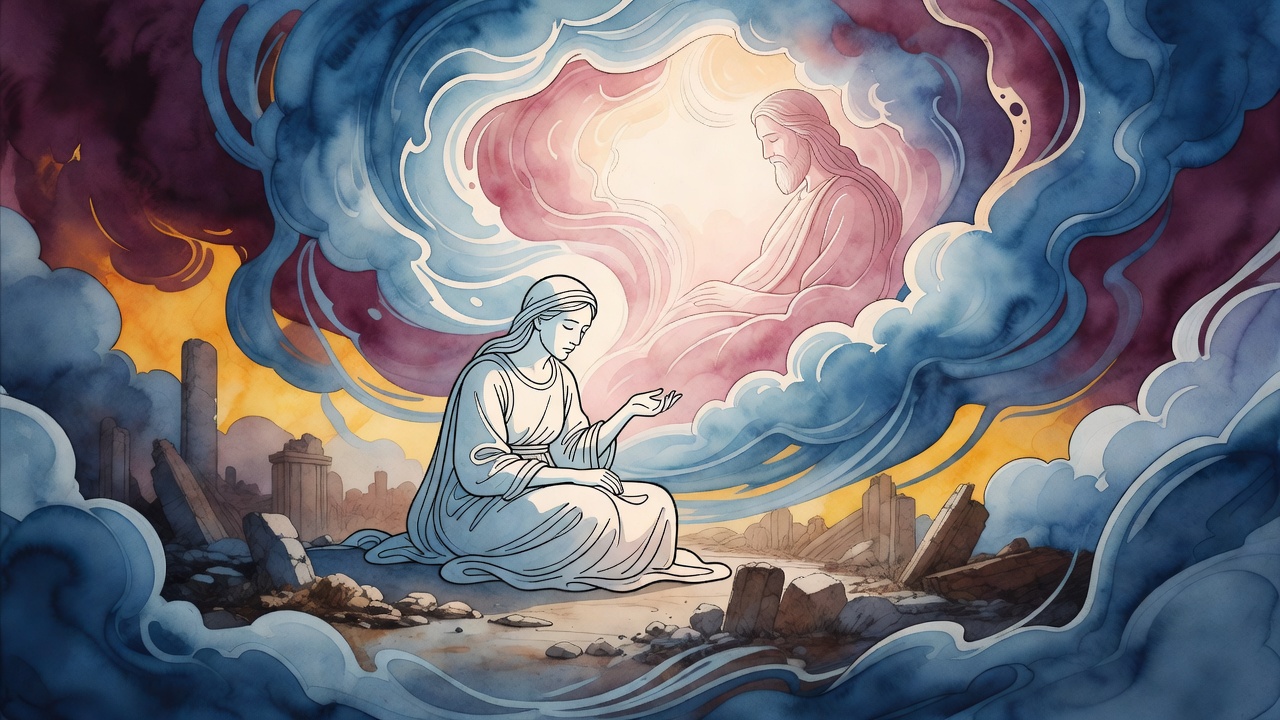
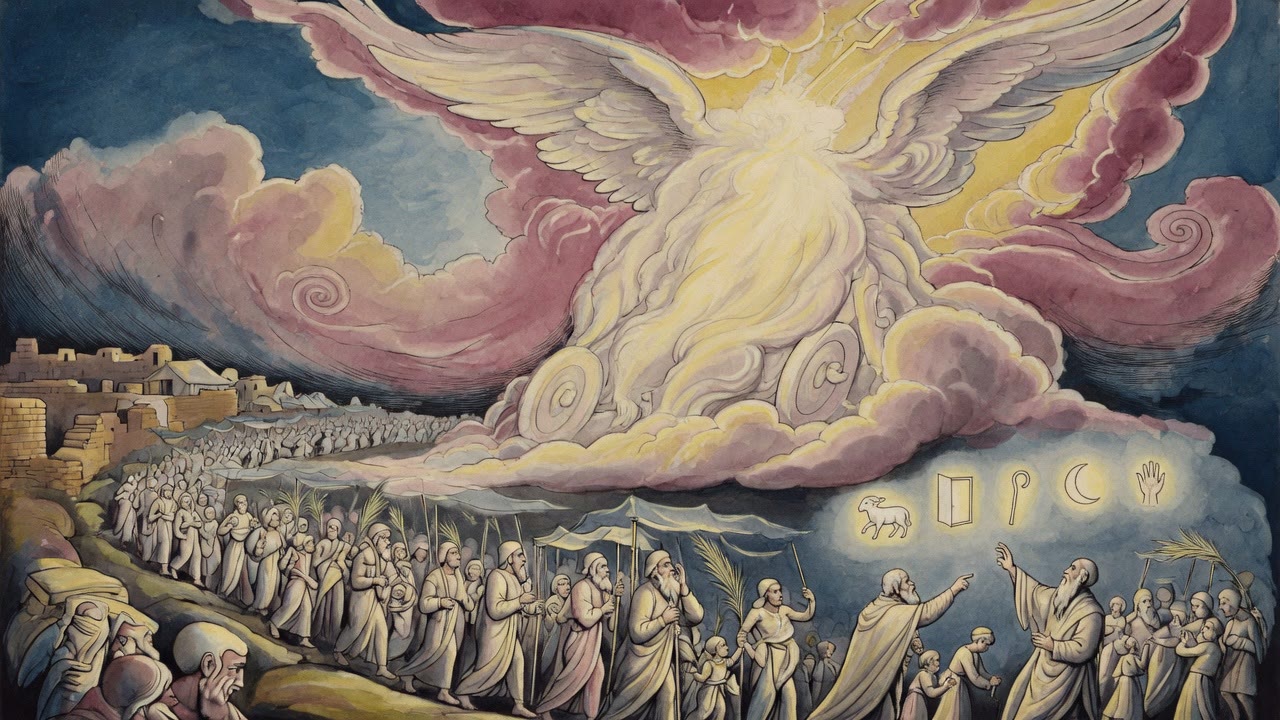
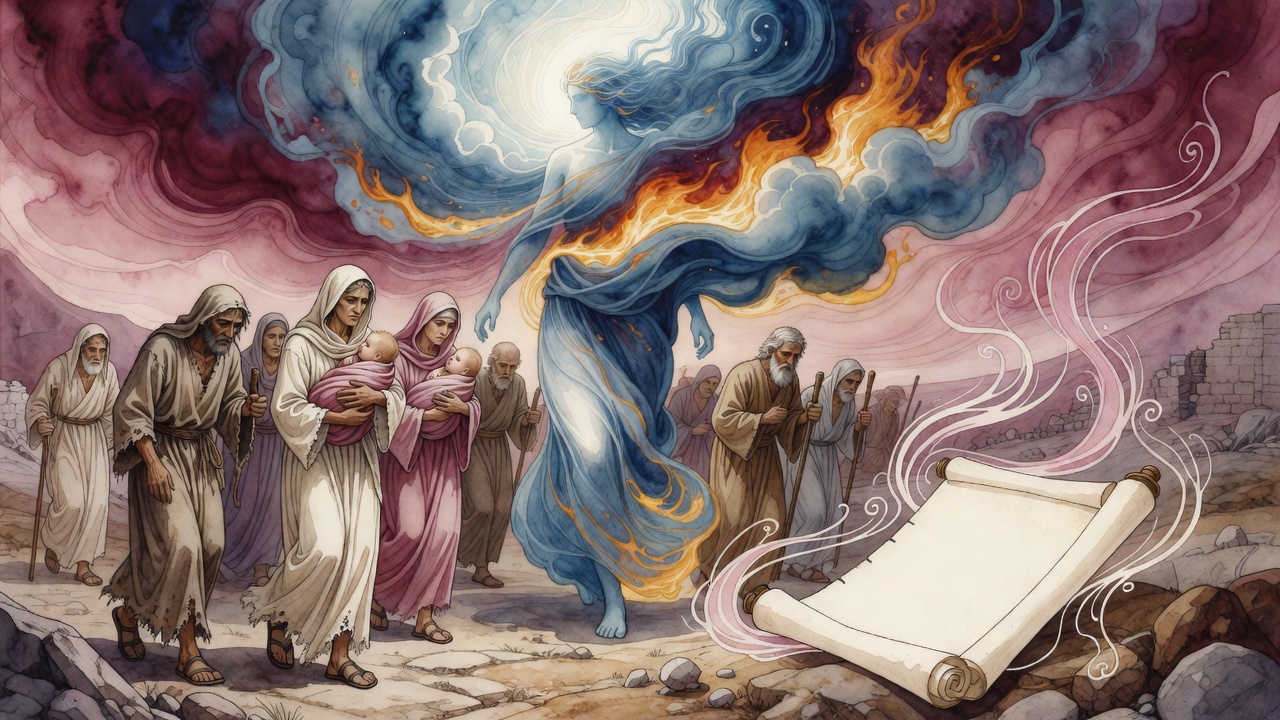
Jewish tradition has a powerful way of visualizing that feeling, especially when it comes to exile and redemption. It involves the Shekhinah (the Divine Presence). The Shekhinah (ש...
The opening of the book of Ezekiel contains a grammatical oddity that the Mekhilta refuses to ignore. The phrase "the word of the Lord was, was" (hayoh hayah) uses the verb twice, ...
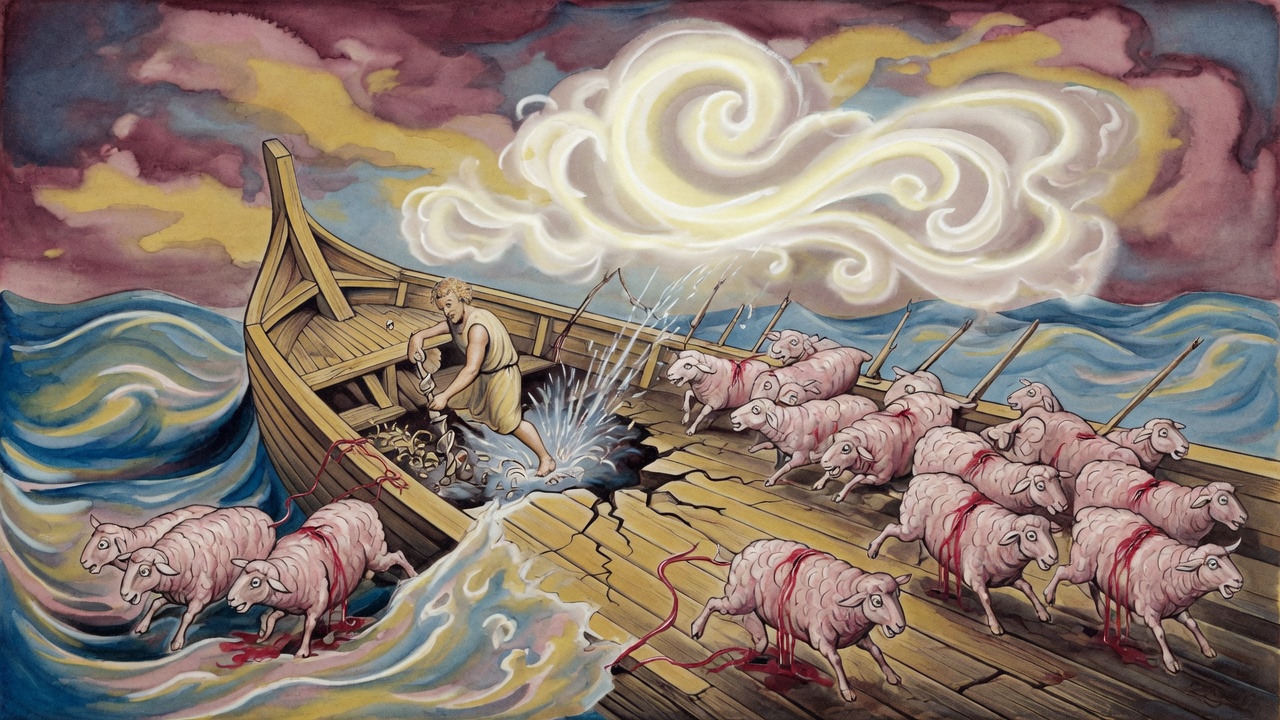
Know that the Shechinah is not revealed outside the land. For it is written (Jonah 1:3) "And Jonah rose to flee to Tarshish, etc." Now can one flee from the L–rd? Is it not written...
R. Yochanan said: Jonah went (on that voyage) only to cast himself into the sea, as it is written (Jonah 1:12) "And he said to them: Lift me up and cast me into the sea." All this ...
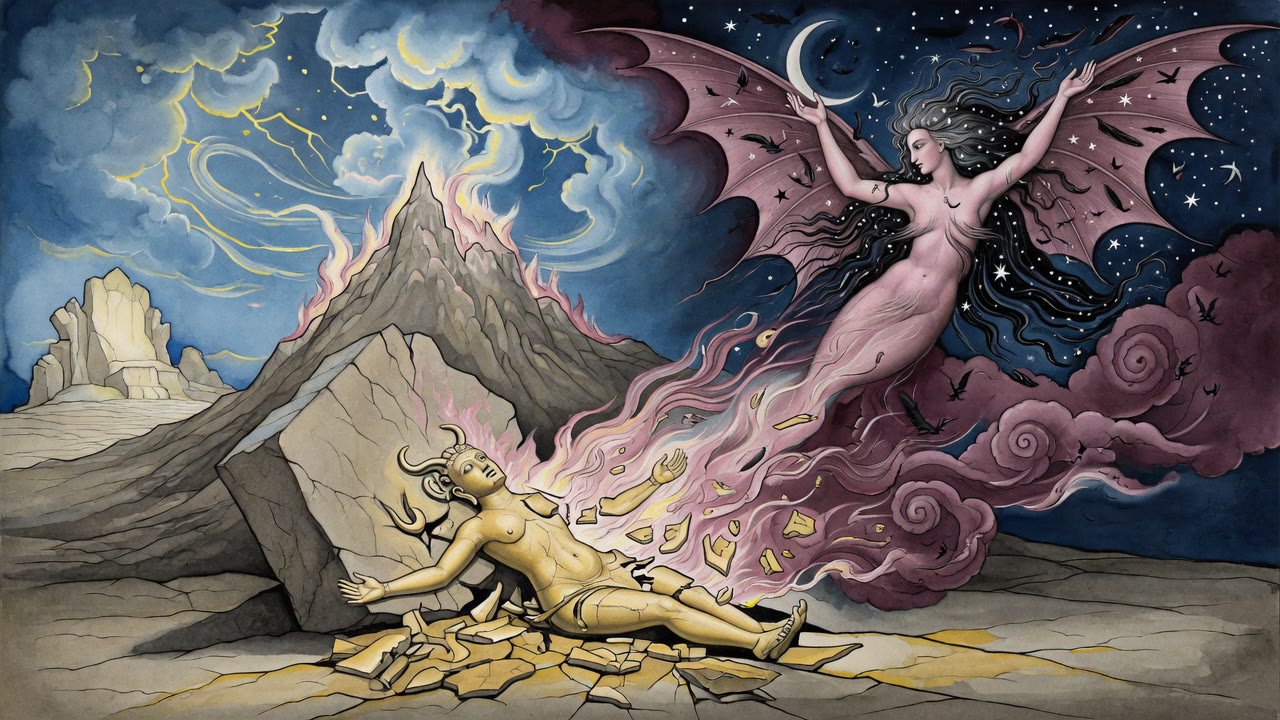
Rabbi Nathan counts the destruction with a mathematician's precision and arrives at a devastating tally. The gods of Egypt were not merely destroyed — they were destroyed four time...
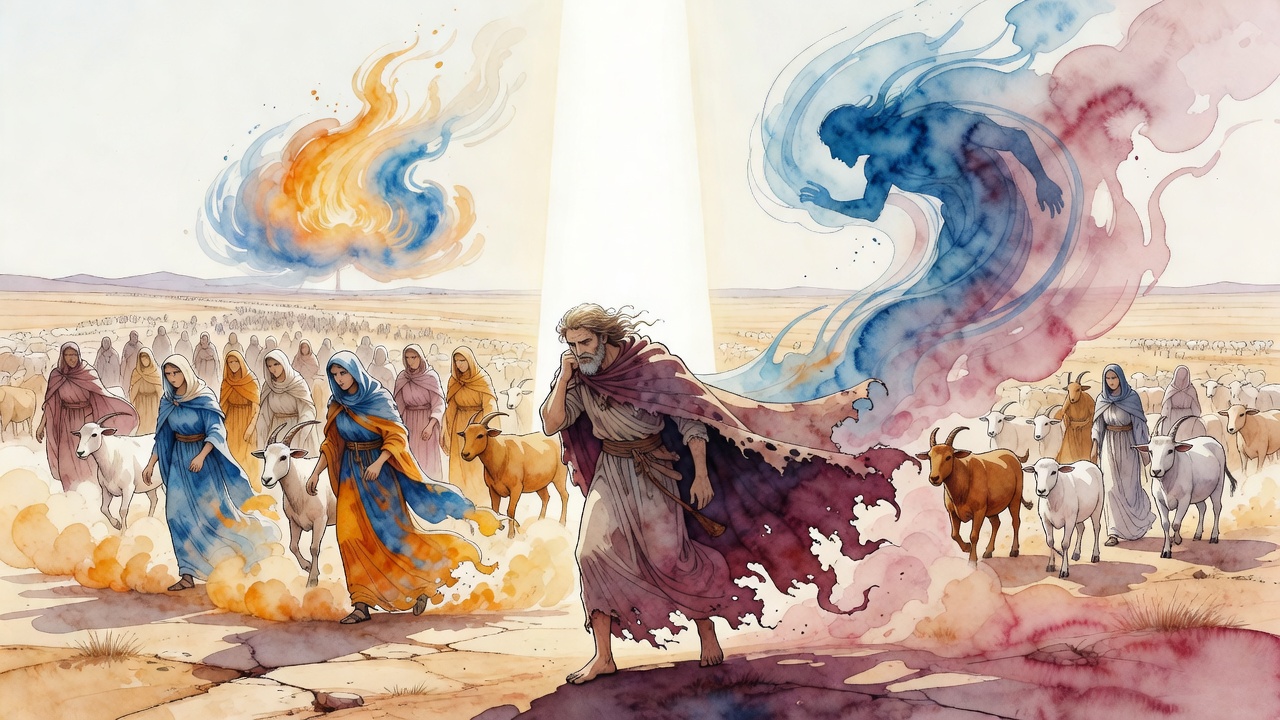
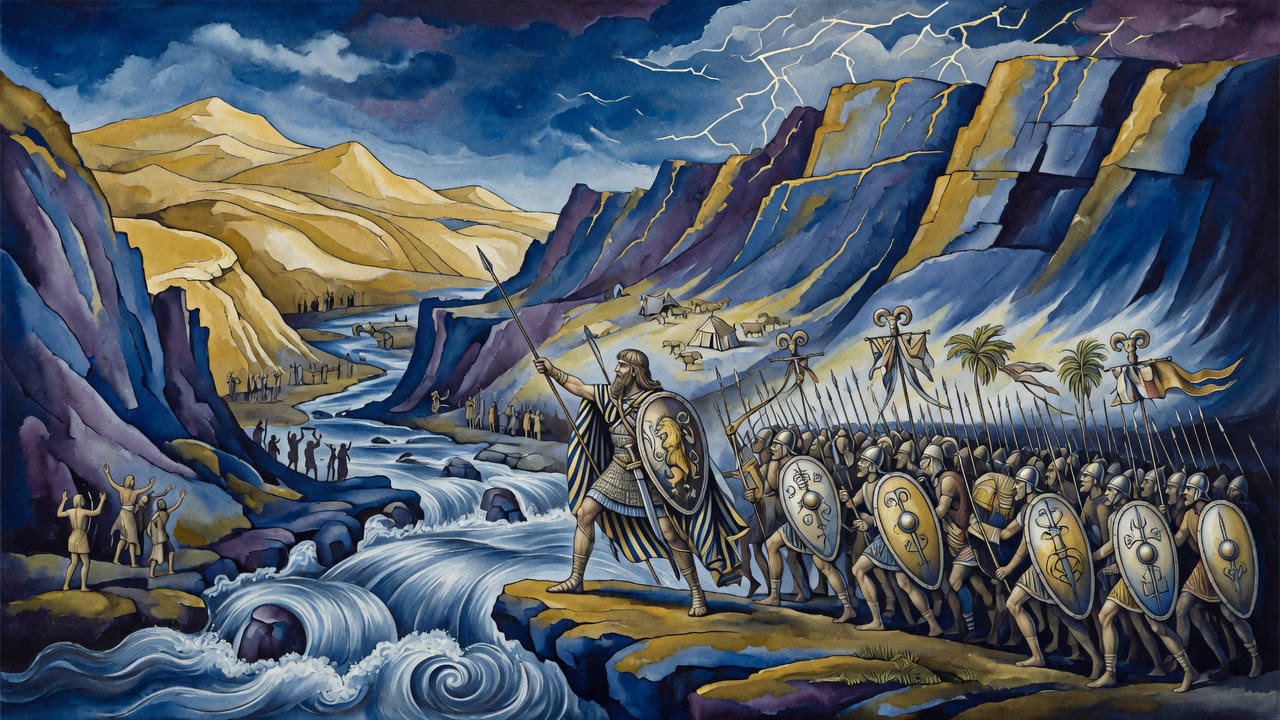
God never let Israel go into exile alone. The Mekhilta DeRabbi Yishmael, a halakhic midrash (rabbinic interpretive commentary) from approximately the 3rd century CE, tracks the She...
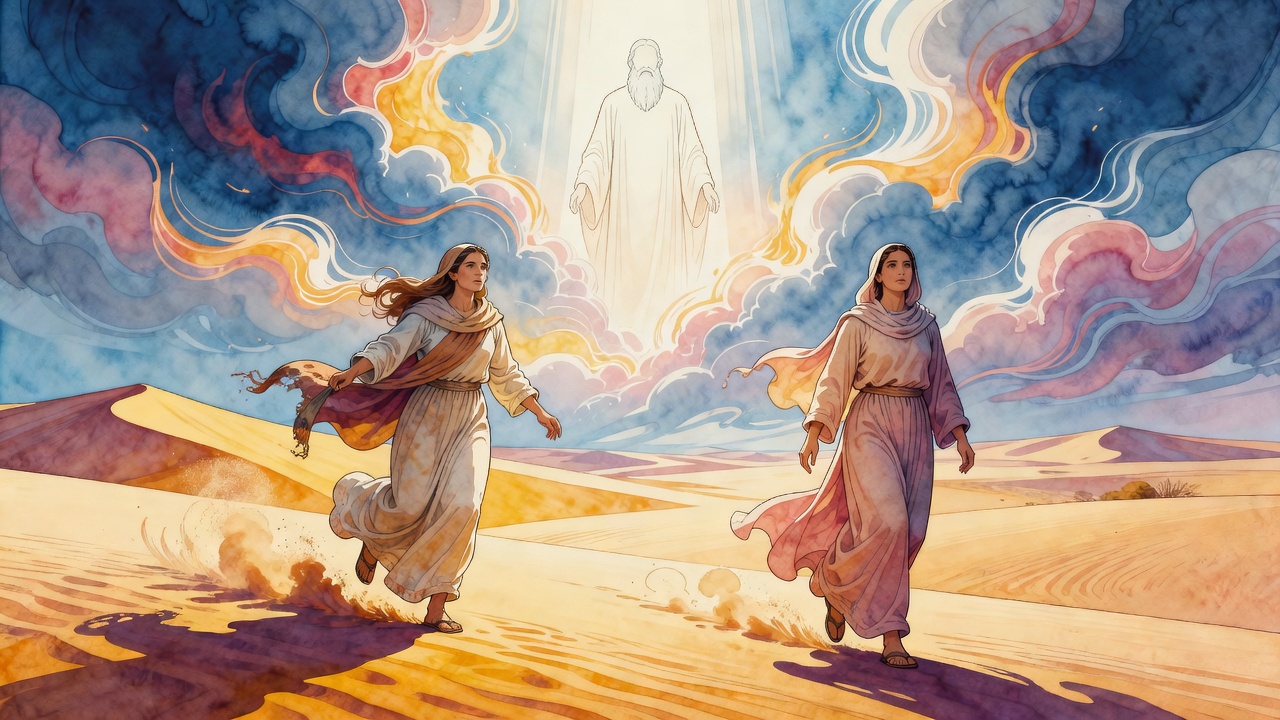
God did not simply send Israel home from exile — He walked back with them. The Mekhilta DeRabbi Yishmael, a 3rd-century CE halakhic midrash (rabbinic interpretive commentary), make...
R. Acha says: The Holy One Blessed be He said: If not for your outcry, I would have destroyed them for the idolatry in their midst, viz. (Zechariah 10:11) "And tzarah crossed the s...
The Holy One Blessed be He heals all who enter the world, viz. (Exodus 15:26) "for I am the L–rd who heals you", (Jeremiah 17:14) "Heal me, O L–rd, and I will be healed. Save me, a...
The Mekhilta makes a declaration that connects the Exodus to the future redemption of Israel. The exiles will be gathered in only as a reward for faith. Not for Torah study alone, ...
Variantly: "Moses and the children of Israel": We are hereby apprised that Moses chanted the song opposite all of Israel (i.e., that his voice was over and against those of all of ...
The ninth (song): (II Chronicles 20:21) "And he (Yehoshafat) took counsel with the people, and he set up singes to the L–rd and lauders of (His) majestic holiness. When they went o...
The Mekhilta unpacks the declaration from (Exodus 15:6): "Your right hand, O Lord, is grand in power." The Hebrew phrase "nedari bakeach" is read as a compound — "na'eh" (comely) a...
Thus do you find with the men of the tower (of Bavel), that You gave them a grace period for repentance and they did not repent. As it is written (Ibid. 11:6) "Behold, they are one...
Thus do you find with the men of Sodom, that You gave them a grace period for repentance and they did not repent. As it is written (Genesis 18:20-21) "And the L–rd said: The outcry...
The Song at the Sea praises God not only for His power but for His patience. The Mekhilta de-Rabbi Ishmael highlights a detail that the Israelites themselves recognized as they san...
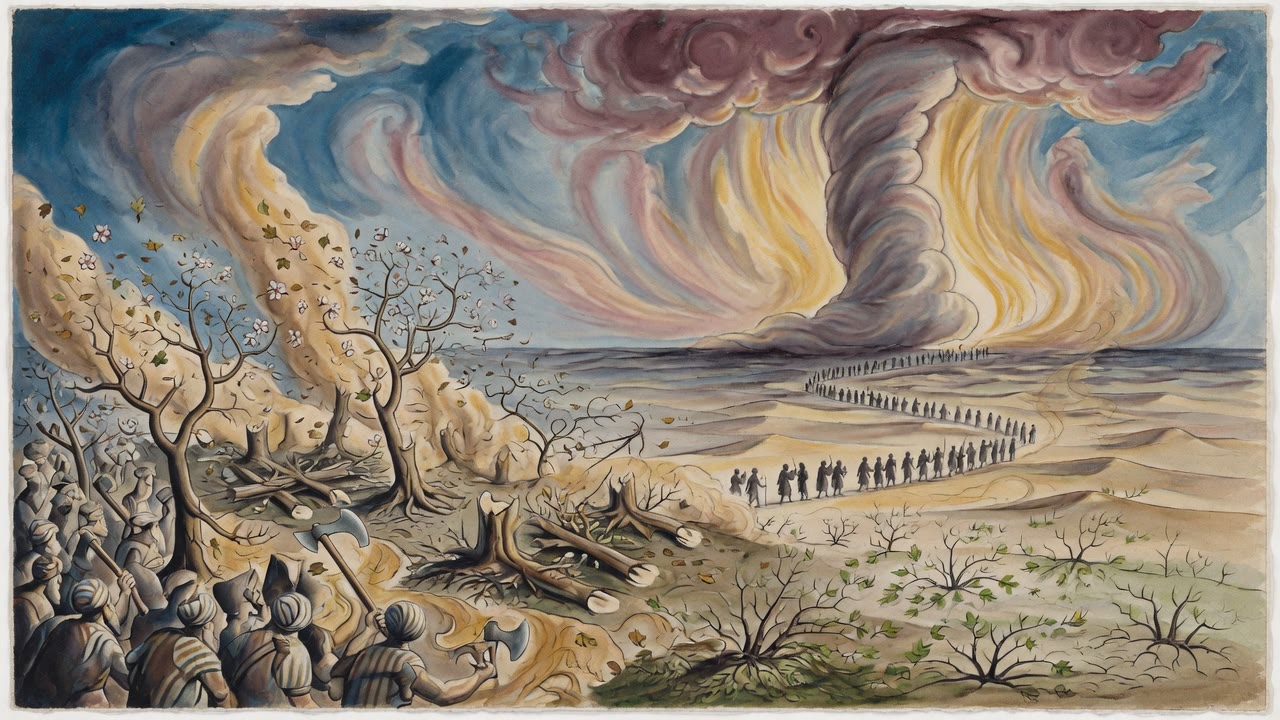
All woods, when they burn, their sound is not heard; but stubble, when it burns, it crackles and is heard. Thus did the sound of Egypt, in its destruction, make itself heard. All w...
The Mekhilta offers an alternate reading of the verse "You will bring them and You will plant them." The key word is "plant." God does not merely promise to place Israel in the lan...
Others say: "Refidim" is acronymic for "rifyon yadayim" ("weakness of hands"). Because the hands of Israel had weakened in Torah study, the foe came upon them, this transpiring onl...
What was Yithro's role in Midian before he joined Moses and the people of Israel? The verse calls him "the Cohein of Midian" (Exodus 18:1), and two rabbis disagreed about what "Coh...
All this, until they entered Eretz Yisrael. Whence do I derive the same for (the period) after they entered Eretz Yisrael? From (I Kings 6:1) "In the four hundred and eightieth yea...
The Mekhilta examines one of the most consequential legal distinctions in the Torah: the difference between intentional killing and accidental death. The text lays out three vivid ...
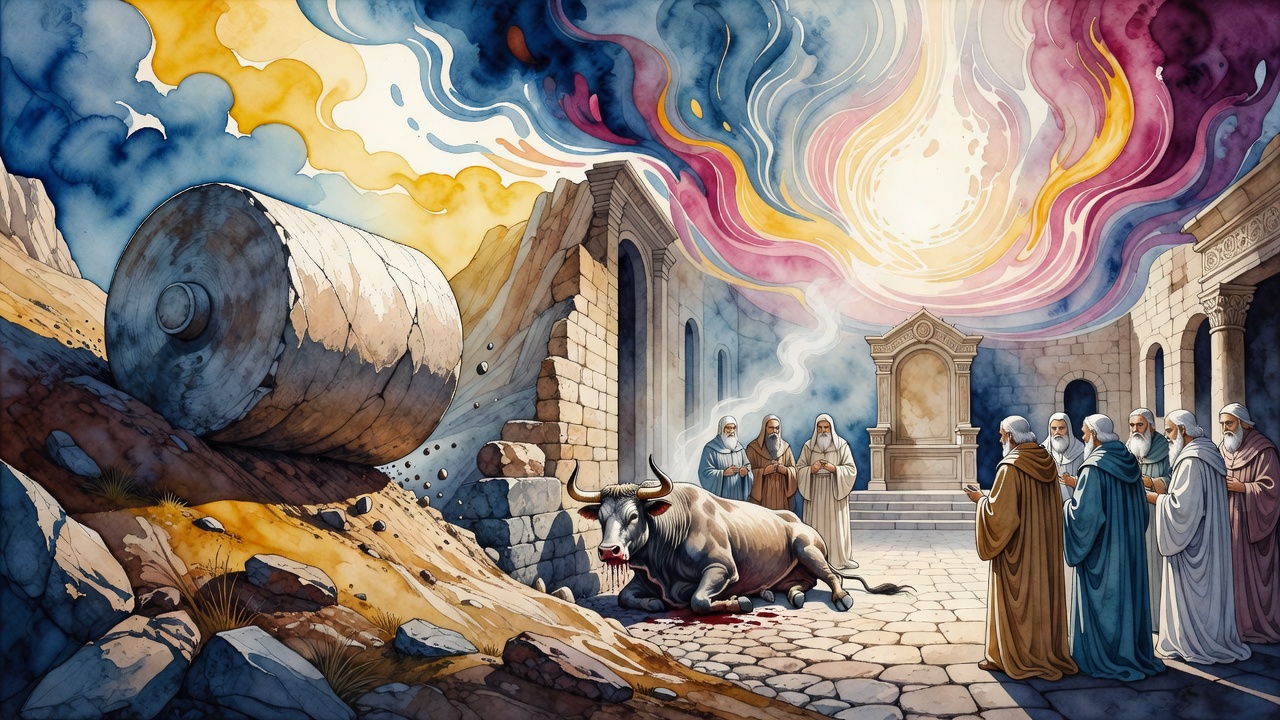
The Mekhilta presents a series of vivid scenarios involving accidental death, each illustrating the same legal principle. A man pulls a heavy roller up to a rooftop, and it slips f...
The Torah contains a dramatic command about a murderer who has taken refuge at the altar: "From My very altar shall you take him to die" (Exodus 21:14). Even the holiest place in t...
"the eye of his man-servant": I might think (that he goes free) even if it developed a leucoma; it is, therefore, written "and he destroy it." Only a blow that causes destruction (...
"only to the L–rd alone": Because others say: If the Israelites had not joined the name of the Holy One Blessed be He, with that of idolatry (i.e., the golden calf), they would hav...