151 texts · Page 2 of 4
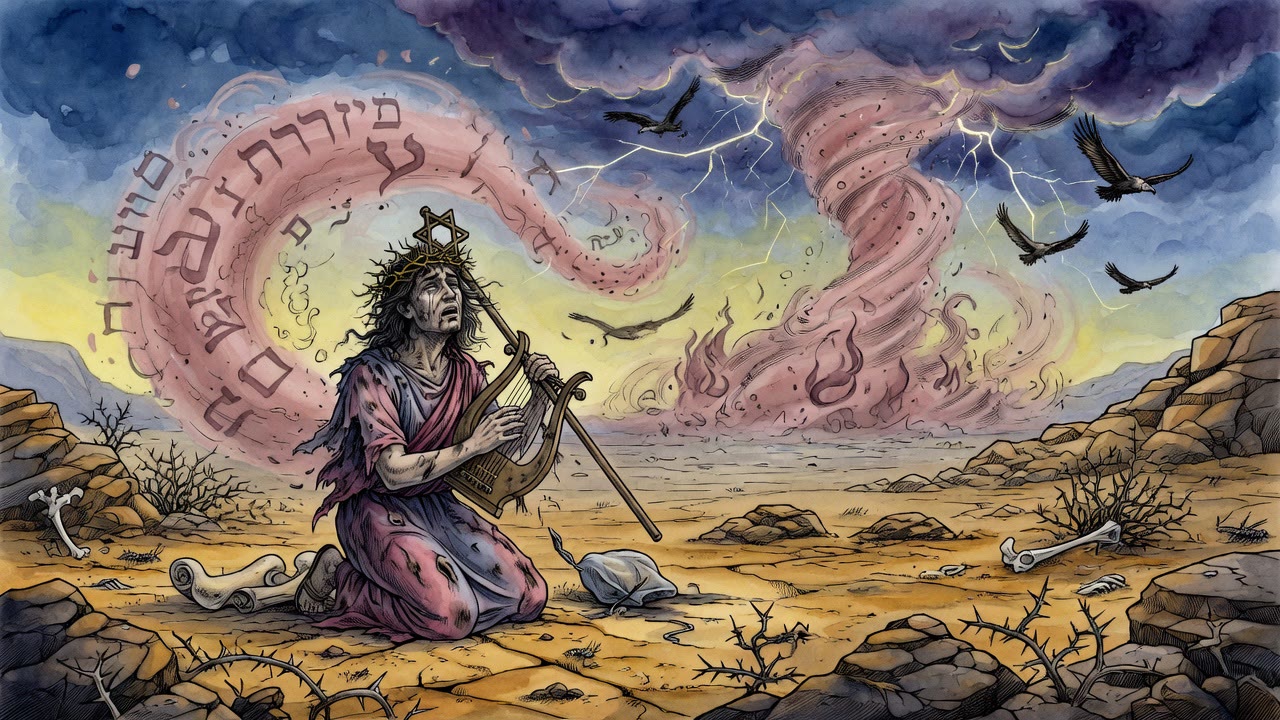
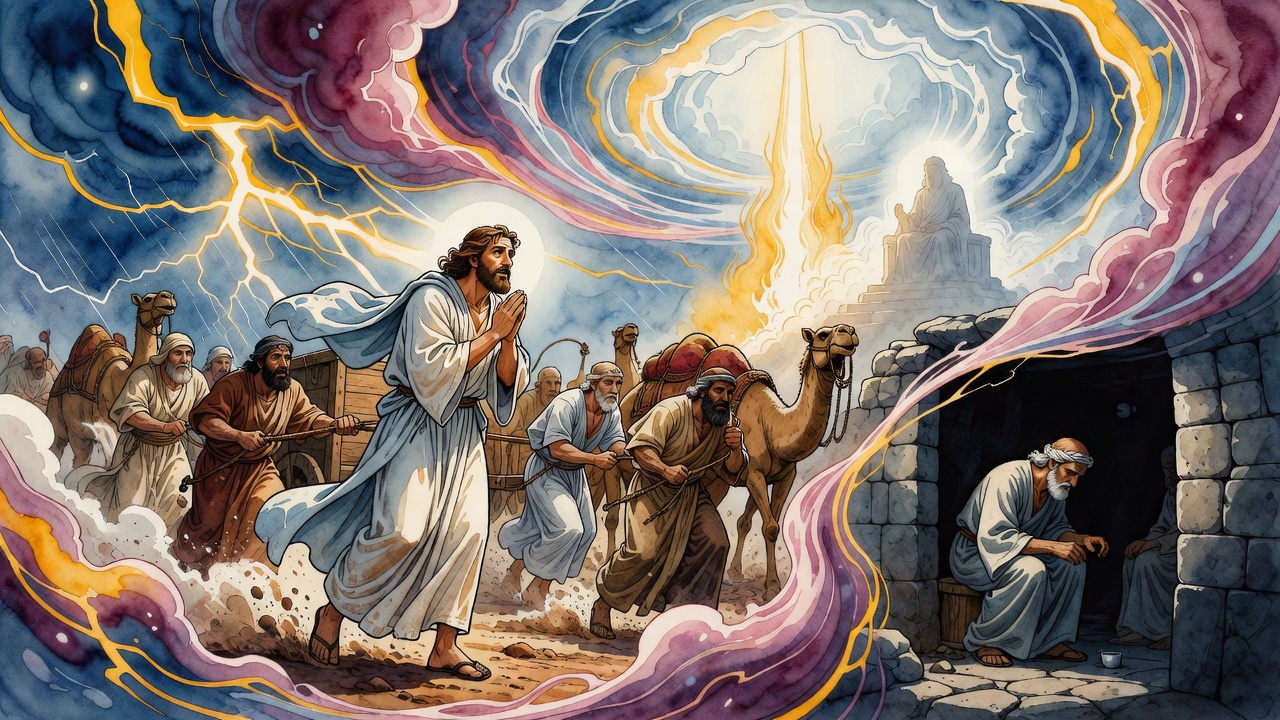
His story, filled with unimaginable trials, continues to resonate through the ages. After the initial shock of Job's catastrophic losses, his so-called friends arrive to "comfort" ...
Here he was, fresh from witnessing the most incredible miracles, leading his people out of slavery, and what did he get in return? Gripes, complaints, and a profound lack of faith....
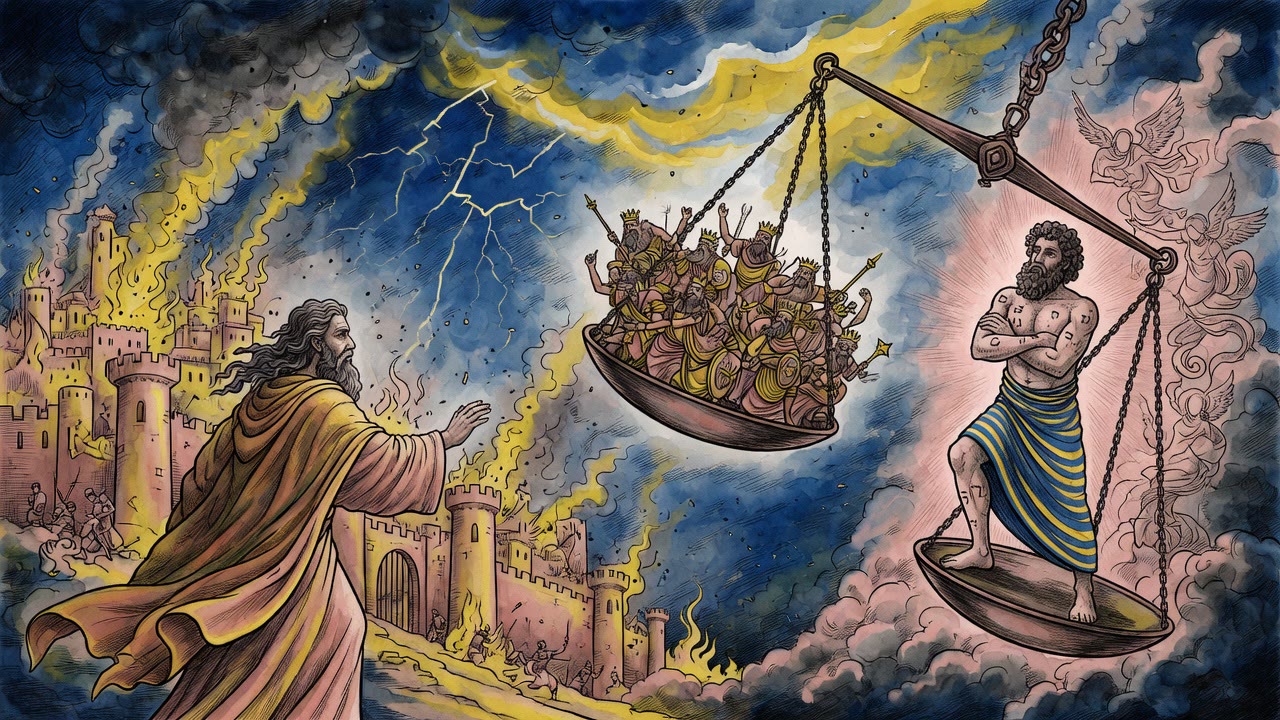
The story goes that, except for Joshua and Caleb, the spies sent to scout out the land of Canaan – the land we now know as Israel – were determined to dissuade the Israelites from ...
It wasn't just divine intervention; sometimes, it took a little bit of clever strategy and a whole lot of faith. We pick up the story after the fall of Heshbon. Israel now possesse...
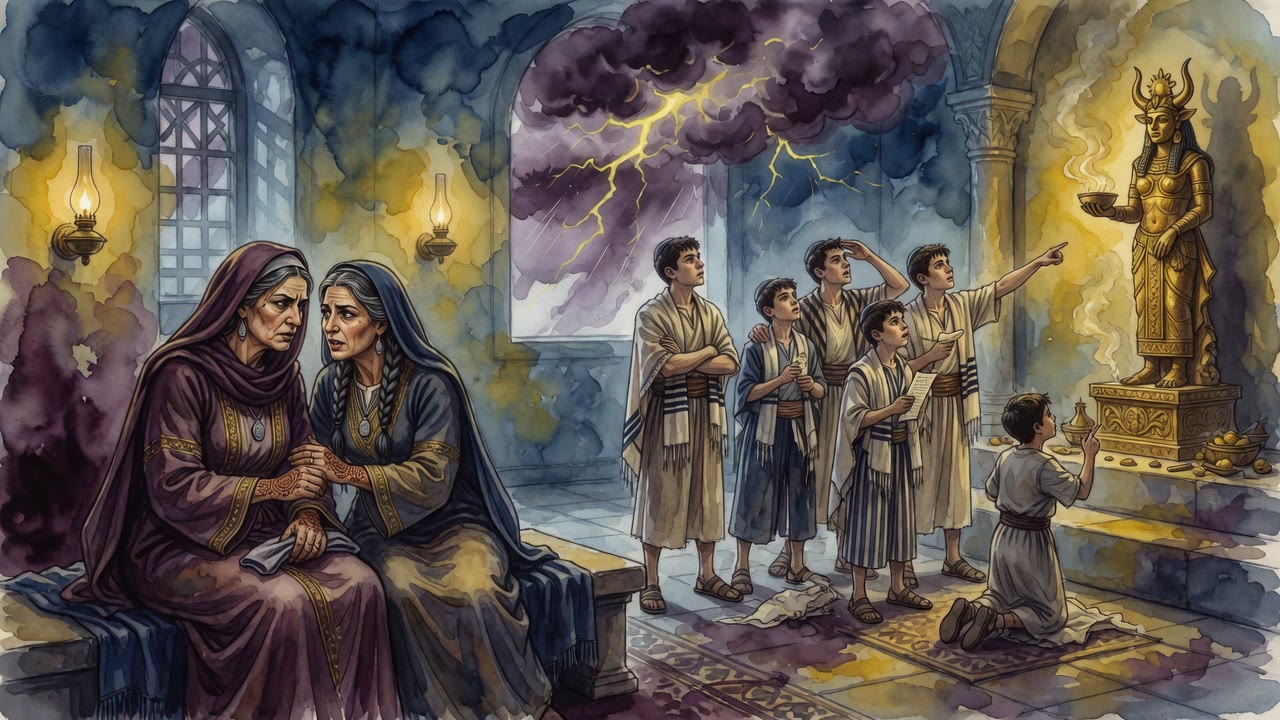
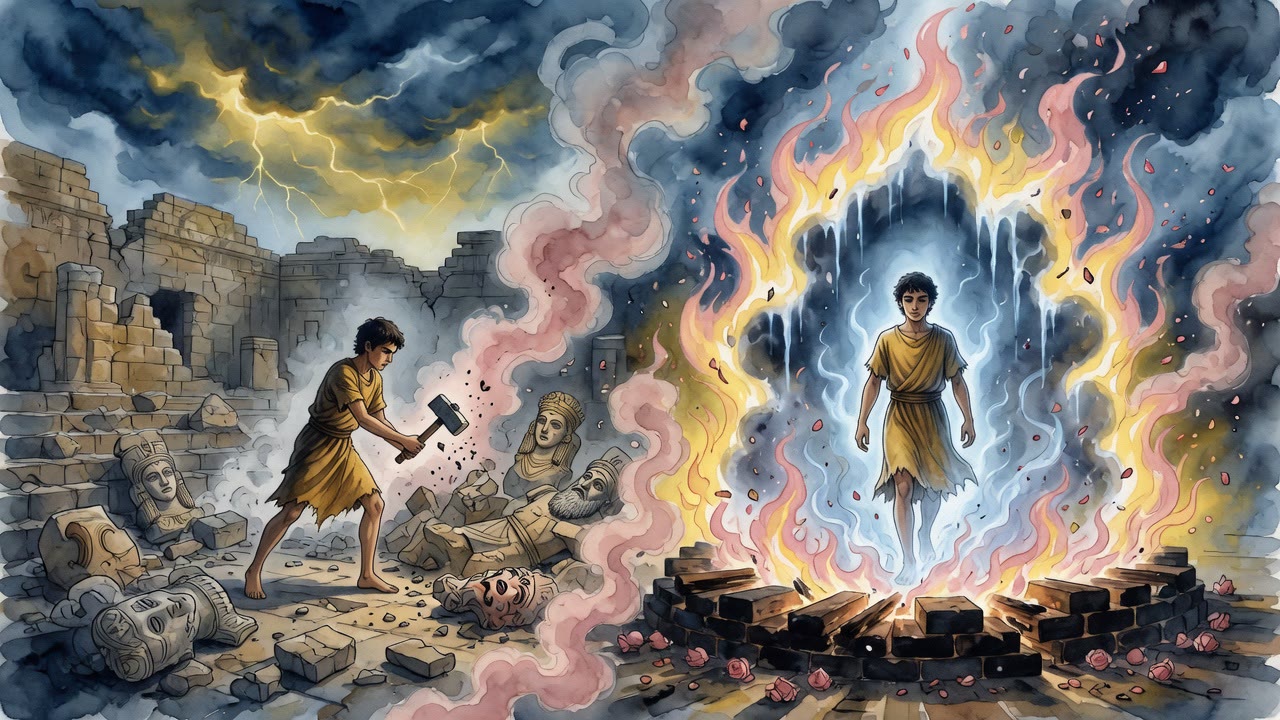
That's exactly what happened to Hananiah, Mishael, and Azariah. Talk about pressure! Now, you might think that Ezekiel, the prophet who was with them, would be trying to talk them ...
That kind of trust is at the heart of our story today, a story from the Book of Esther, but seen through the lens of the Legends of the Jews. It's a tale of intrigue, divine interv...
That's the situation the Jewish people faced in antiquity, and it's what prompted Flavius Josephus to write his powerful work, Against Apion. You see, back in the day, not everyone...
Flavius Josephus, a 1st-century Romano-Jewish historian, knew that feeling all too well. In his work, Against Apion, he defends Judaism against its detractors, and in this section,...
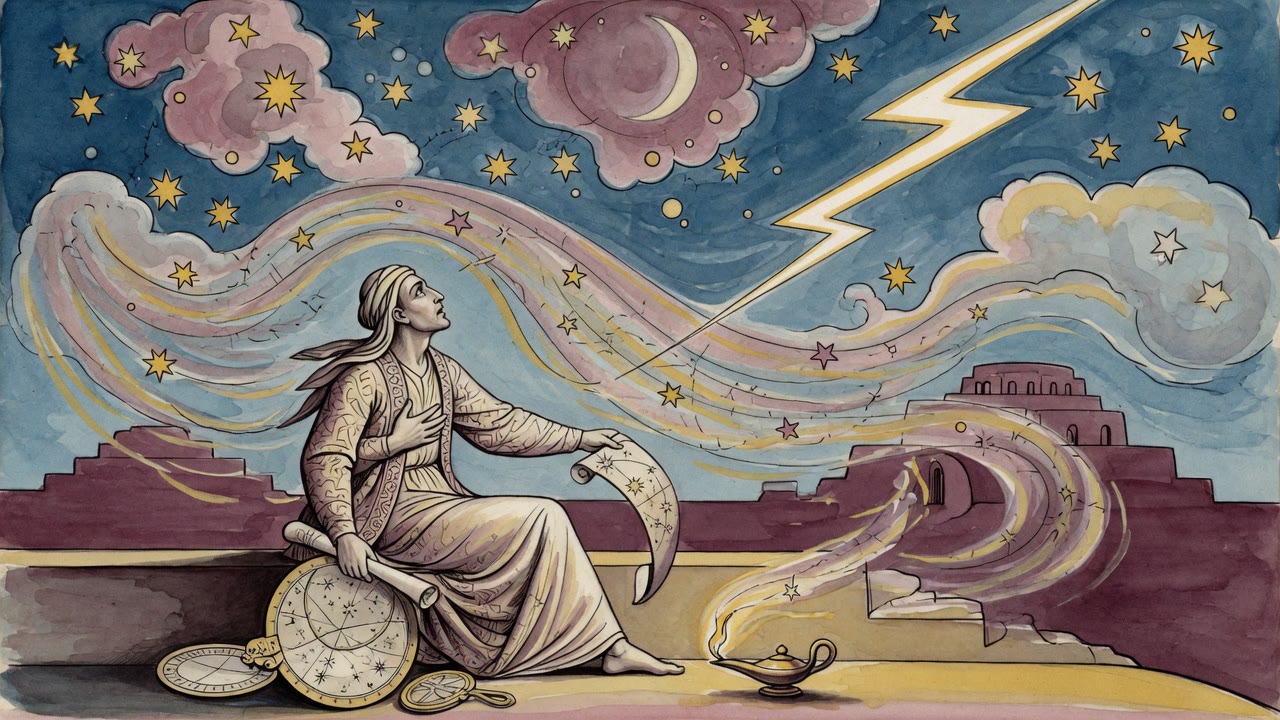
Everyone in Mesopotamia worshipped the stars. The sun, the moon, the constellations—they were the gods of Chaldea, and no one questioned it. No one except Abraham. According to Jos...
Isaac was twenty-five years old when his father took him up the mountain to die. He didn't resist. According to Josephus, this is what makes the Akedah (עקידה), the Binding of Isaa...
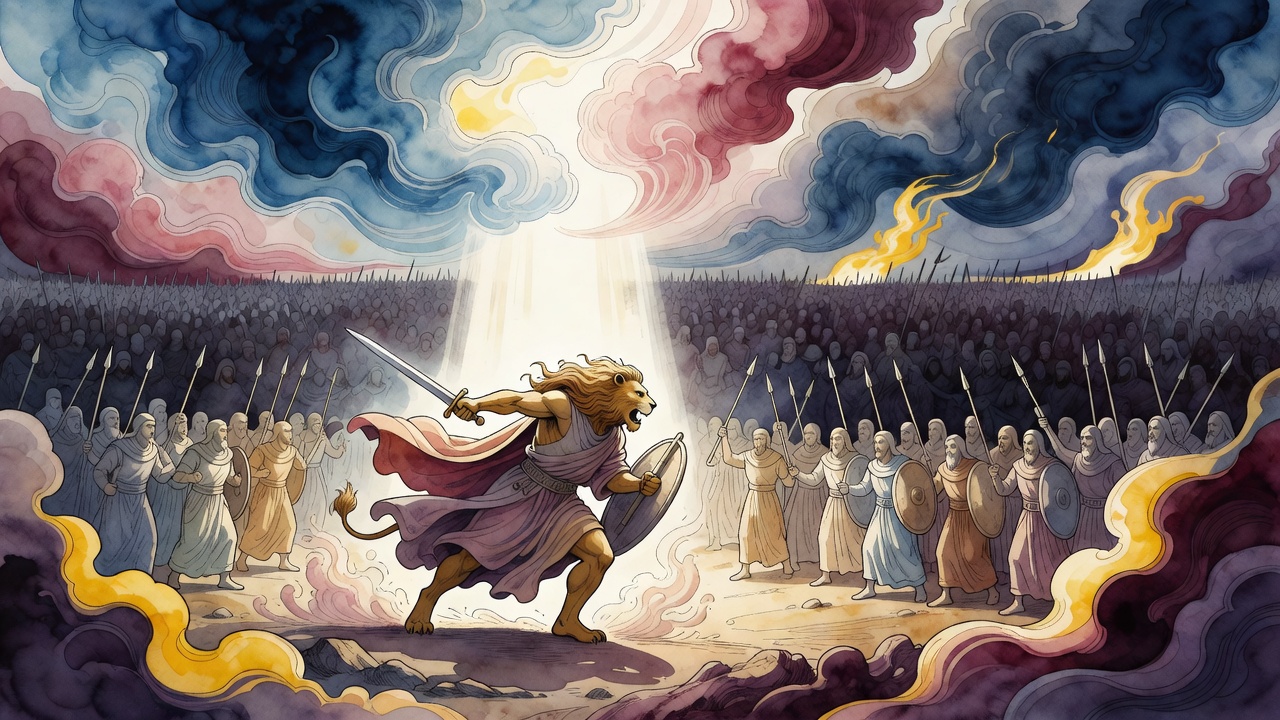
Three hundred men with clay jars and torches routed an army of over a hundred thousand. That is the story of Gideon, and according to Josephus, God designed it specifically so that...
Nahash, king of the Ammonites, had a signature atrocity: he gouged out the right eye of every man he conquered. The logic was military precision—with the left eye covered by a shie...
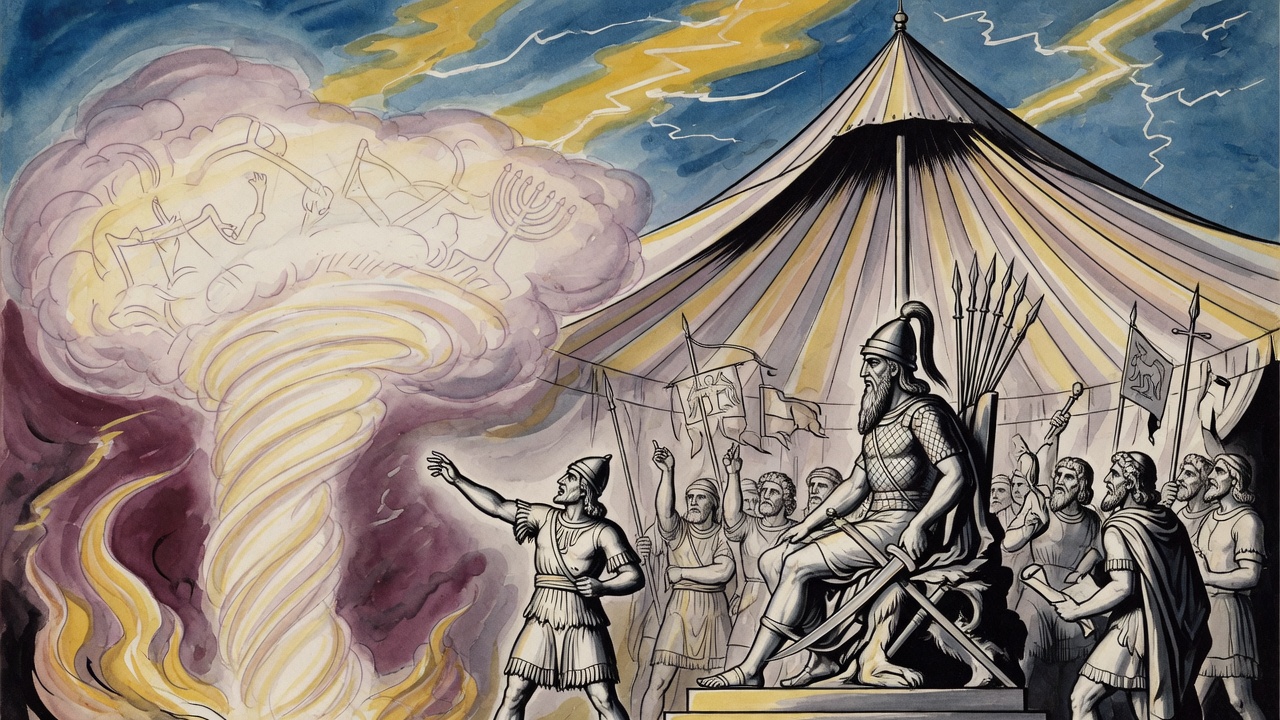
Samuel delivered God's command to Saul without ambiguity: destroy the Amalekites completely. Every man, woman, child, and animal—total annihilation as divine punishment for what Am...
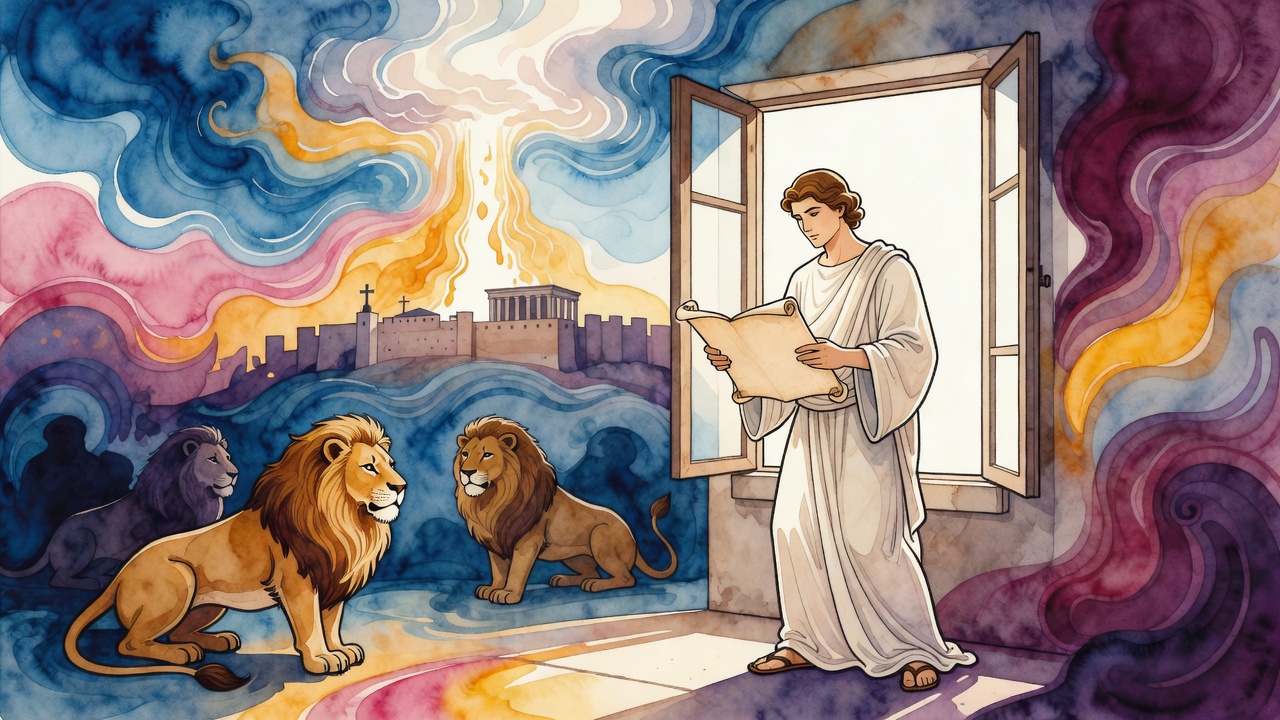
Daniel survived the fall of Babylon. When Darius the Mede took the kingdom, he elevated Daniel to the highest office in the empire—one of only three governors ruling over 360 provi...
It's tied to Rosh ha-Shanah, the Jewish New Year. It's more than just eating apples and honey, you know? It's about something truly profound: the renewal of creation itself. Imagin...
And sometimes, the most profound expressions come from the heart of Jewish mystical literature.These texts, focused on heavenly ascents and visions, offer us glimpses into the ecst...
It's not just about a distant, untouchable God, but about a God intimately involved with creation and revelation. The Heikhalot (the heavenly palaces) texts, by the way, are a coll...
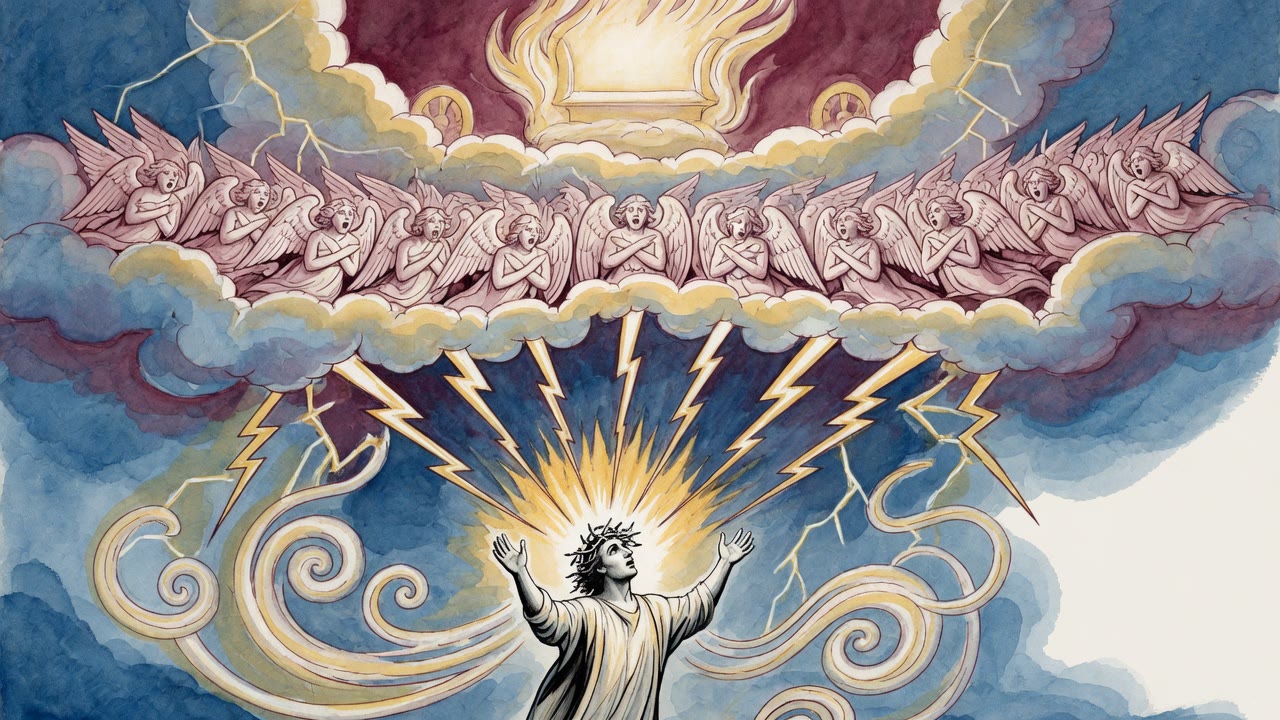
That’s the kind of feeling that bubbles up when we delve into the ancient text of Heikhalot (the heavenly palaces) Rabbati. It's a mystical work, part of the Heikhalot literature –...
It’s a deeply human experience, and one that echoes through Jewish history, especially when we talk about false messiahs. The text before us, from Mitpachat Sefarim – literally "ma...
That’s the kind of space we’re exploring today, thanks to a fascinating peek into Da'at (Knowledge) Tevunot, a work of Jewish philosophy. Imagine a soul speaking, contemplating the...
It's a profound work of Jewish thought, a dialogue exploring the depths of our spiritual and intellectual lives. And right at its heart, we find this deceptively simple, yet utterl...
You work hard, you get results. You slack off, things fall apart. Simple. Well, maybe not so simple. There's a belief, a really common one actually, that says the world operates ac...
And at its heart lies a powerful idea: the absolute, unwavering oneness of God. But what does that really mean? The text we're looking at, from Kalach Pitchei Chokhmah – a work tha...
In the Tikkun (spiritual repair)ei Zohar, a core text of Kabbalah, we find a fascinating, albeit cryptic, passage that delves into the nature of good, evil, and the power of prayer...
But what does it all mean? The Tikkun (spiritual repair)ei Zohar, a central text of Kabbalah, doesn't just read words at face value. It delves into their numerical values, their le...
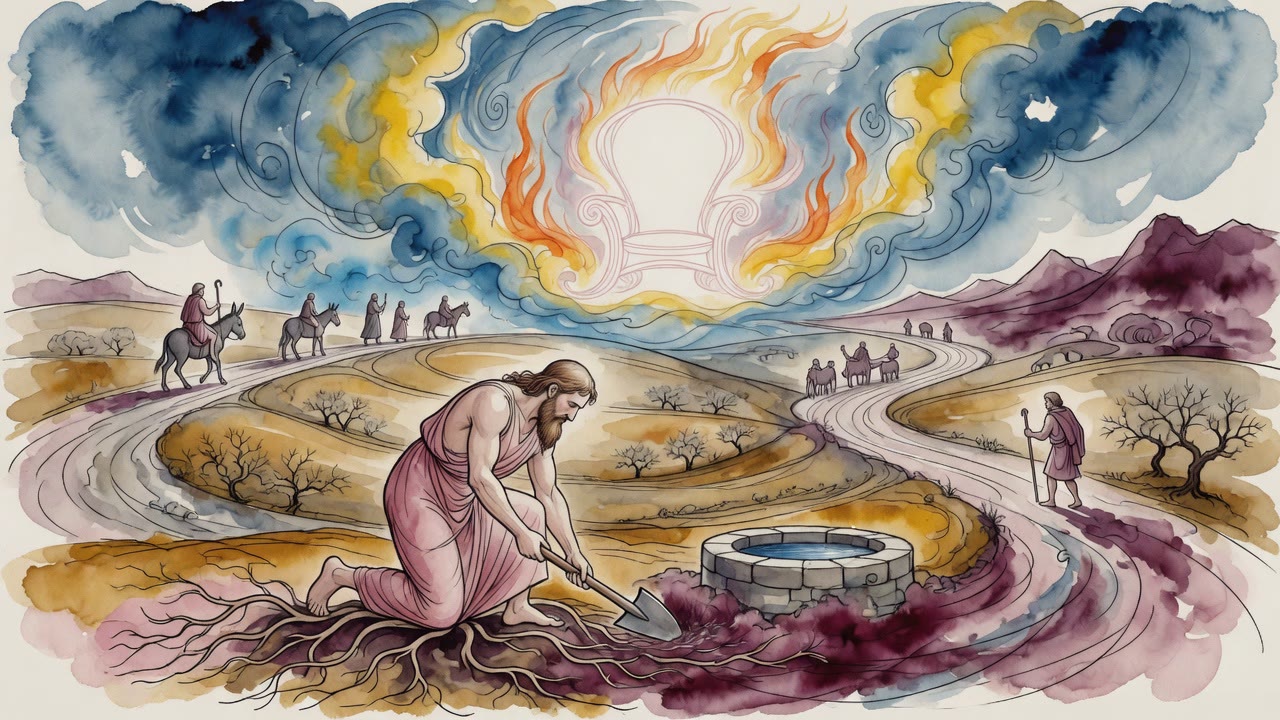
A wise man lay dying. He called his children together and gave them a strange final instruction: water the trees. You can do other work too, but you must always water the trees. He...
A king decreed forced conversion throughout his country. Every Jew had a choice: convert or leave. Some abandoned everything—their homes, their wealth, their entire lives—and fled ...
Two boys grew up in the same town, studied in the same school, and loved each other deeply. One was a khakham (חכם), clever and sophisticated. The other was a tam (תם), simple and ...
A man dreamed that beneath a bridge in Vienna, there was buried treasure. He traveled all the way to Vienna, found the bridge, and stood there trying to figure out how to dig witho...
Chapter eighteen of the Tanya reveals the deepest source of every Jew's connection to God: an inherited love that predates individual experience. The Tanya has just argued that eve...
"The candle of God is the soul of man" (Proverbs 20:27). Chapter nineteen of the Tanya takes this verse and builds from it one of its most luminous teachings: the soul is a flame t...
The Tanya's twentieth chapter asks a question with a startling answer: why will even the most secular, disconnected Jew choose death rather than worship an idol? This is not theore...
Chapter twenty-one of the Tanya makes a metaphysical claim about Torah study that goes beyond anything said before: when you study Torah, God wraps Himself around your mind. The lo...
Chapter twenty-two of the Tanya confronts a paradox: if God's speech never separates from God, and if that speech is what sustains all of creation, then how can evil exist at all? ...
"The Torah and the Holy One, blessed is He, are altogether one," says the Zohar. Chapter twenty-three of the Tanya explains what this means in practice—and the explanation transfor...
Chapter twenty-five of the Tanya returns to the verse that has been its guiding thread—"For this thing is very near to you, in your mouth and in your heart, so you can fulfill it" ...
Rabbi Nachman of Breslov taught that the Torah is not just a text to study. It is a key that unlocks every prayer and opens every closed door. When a person engages deeply with Tor...
Rabbi Nachman of Breslov taught that prayer is the essential weapon of the Messiah. Not a sword. Not an army. Prayer. The teaching begins with a striking image from the Zohar: the ...
Listening to a wicked singer is spiritually dangerous. Listening to a righteous singer can transform your soul. Rabbi Nachman of Breslov explains why, and the answer involves the s...
Rabbi Nachman of Breslov taught that in the future, all suffering will be revealed as good. Not philosophically. Experientially. You will bless God for your pain the same way you b...
"The entire world was created only for my sake" (Sanhedrin 37a). Rabbi Nachman of Breslov takes this teaching at face value: if the world exists for you, then you are responsible f...
Rabbi Nachman of Breslov taught that the pursuit of honor is a spiritual trap, and the only escape is through silence in the face of humiliation. When a person chases honor, they n...
Rabbi Nachman of Breslov taught that the root cause of exile is a lack of faith. And the cure for exile is the Land of Israel. The connection is not sentimental. It is structural. ...
A sigh from a Jewish person can repair what is broken in the world. Rabbi Nachman of Breslov taught this not as poetry but as metaphysics. The sigh, the deep exhalation of grief or...
The essence of life comes from prayer. Rabbi Nachman of Breslov derives this from a single verse: "Prayer to the God of my life" (Psalms 42:9). Prayer is not merely an appeal to th...
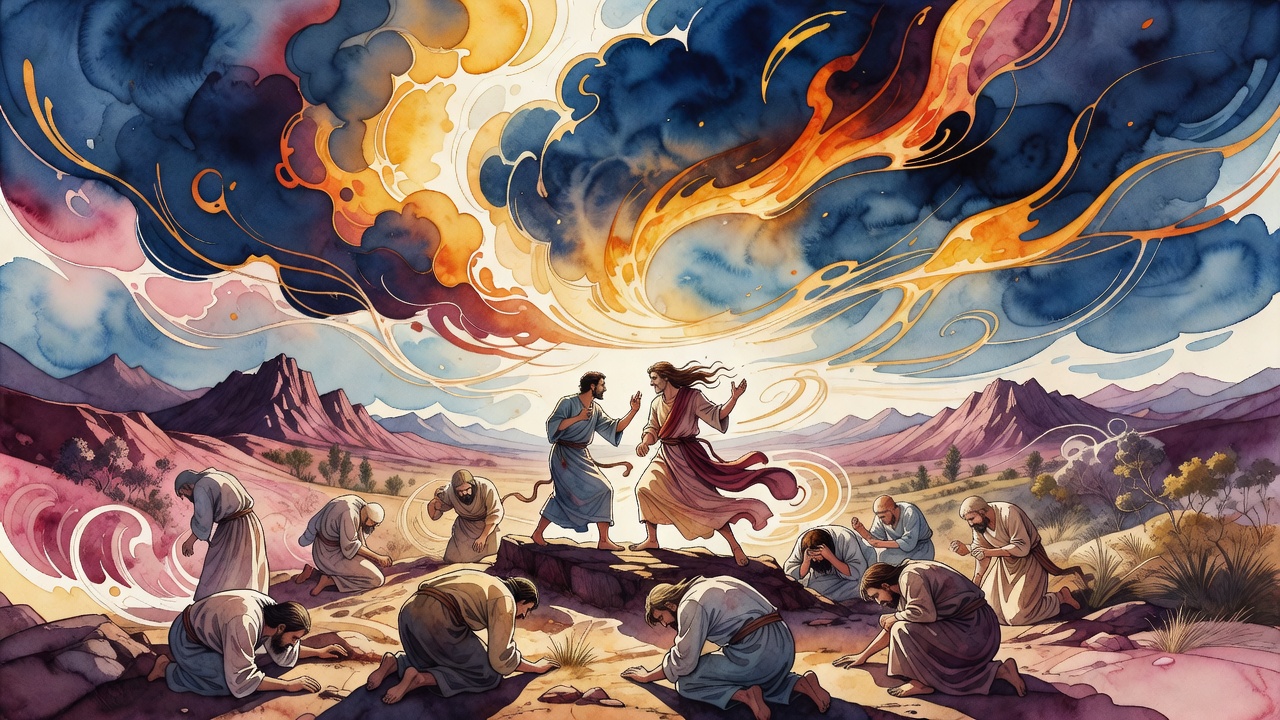
When harsh decrees threaten the Jewish people, Rabbi Nachman of Breslov prescribes an unexpected remedy: dancing and clapping hands. The logic runs through a teaching about what co...
A person trapped on a low spiritual level might assume that deep Torah understanding is beyond their reach. Rabbi Nachman of Breslov says the opposite is true: the pathway from the...
Rabbi Nachman of Breslov taught that there is a reason why Torah scholars so often oppose the true tzaddik (a righteous person)im (the righteous). It is not a flaw in the system. I...