151 texts · Page 3 of 4
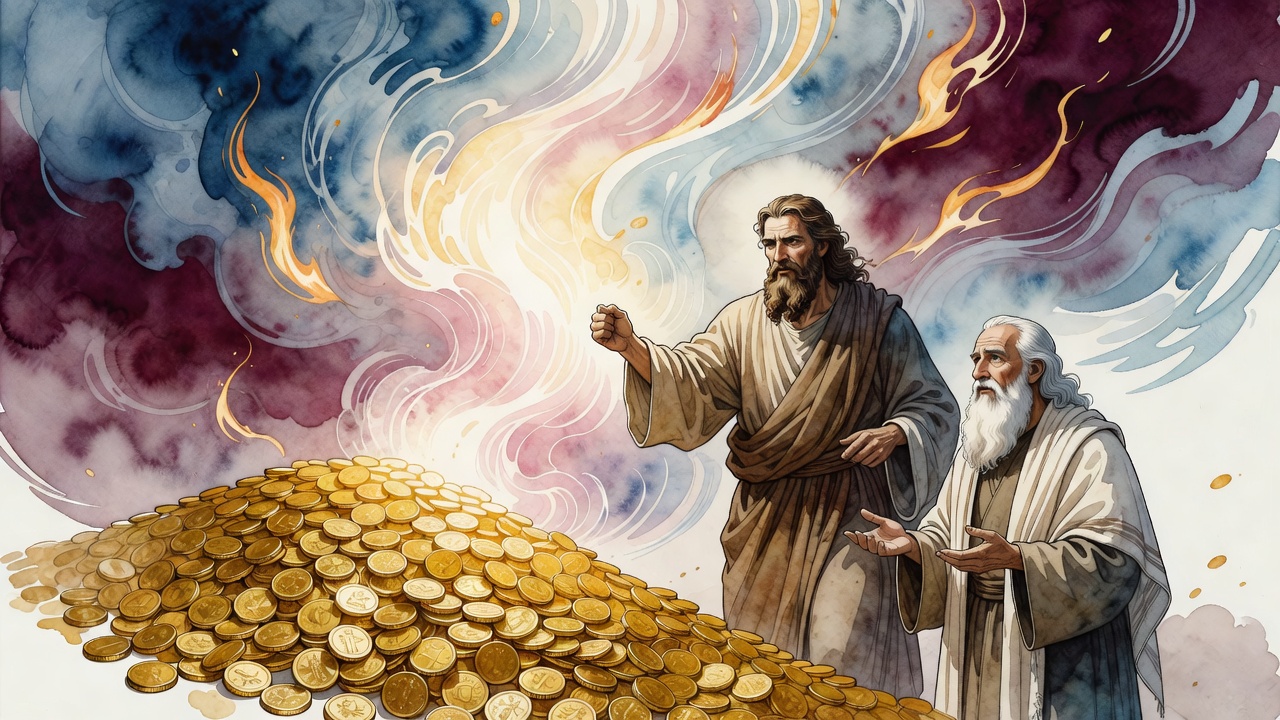
You cannot receive complete divine providence until you shatter your desire for money. Rabbi Nachman of Breslov taught this as a direct spiritual mechanism, not a moral platitude. ...
To draw peace into the world, Rabbi Nachman of Breslov taught, you must elevate God's glory to its source. And that source is fear. "To fear the glorious name" (Deuteronomy 28:58)....
Rabbi Nachman of Breslov taught that anyone who wants to taste the Or HaGanuz (אור הגנוז), the Hidden Light that God stored away from the first day of creation, must elevate the qu...
The Talmud tells a vivid sea-story: Rabbi Yochanan and his companions saw a massive fish raise its head from the water, its eyes shining like two moons, spouting water from its nos...
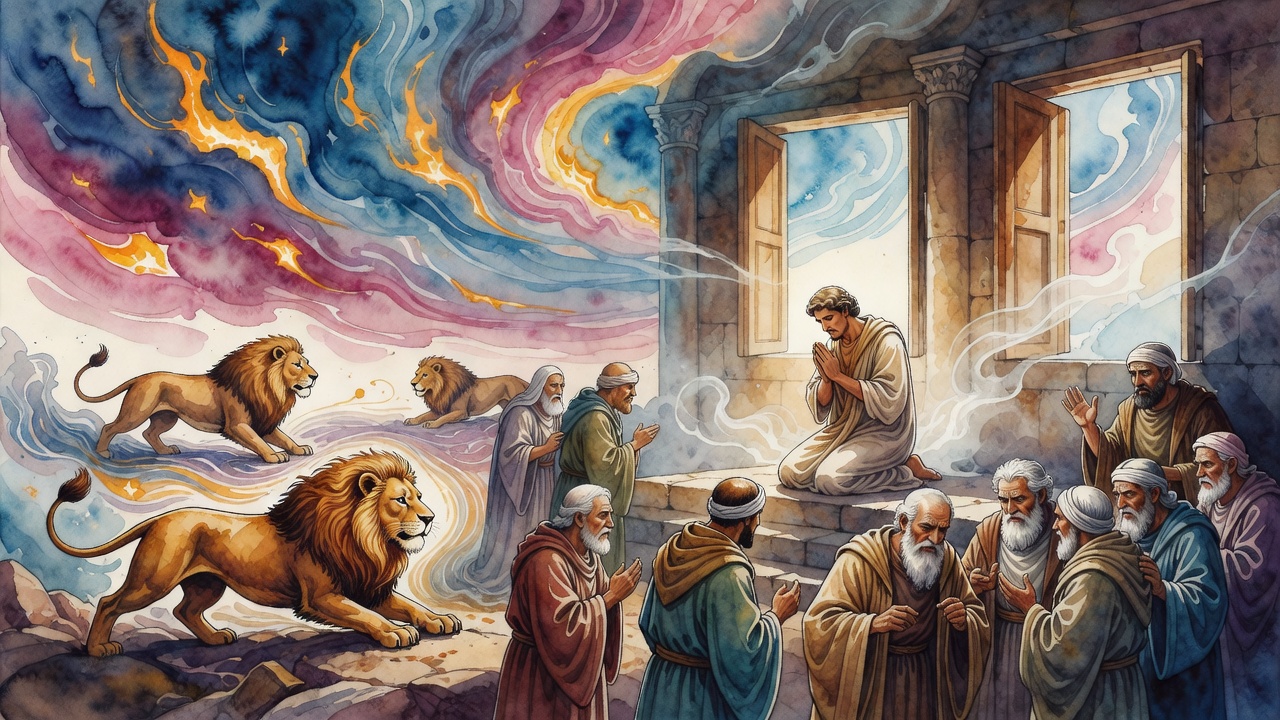
The true tzaddik (a righteous person), Rabbi Nachman of Breslov teaches, is the one who looks at every detail of creation and asks: why did God make it this way? Why does a lion ha...
Everything has a purpose. And that purpose has a purpose of its own, each one higher than the last. Rabbi Nachman of Breslov uses this insight to explain why you must judge every p...
Why travel to see a tzaddik (a righteous person) in person when you can read their teachings in a book? Rabbi Nachman of Breslov answered this question directly: there is an immeas...
There exists a soul in every generation through whom Torah insights are revealed to the world. Rabbi Nachman of Breslov describes this soul as one burdened with suffering: "Bread w...
When God told Abraham, "Go to the land that I will show you" (Genesis 12:1), He was deliberately vague. Rabbi Levi Yitzchak of Berditchev reads this vagueness as a divine instructi...
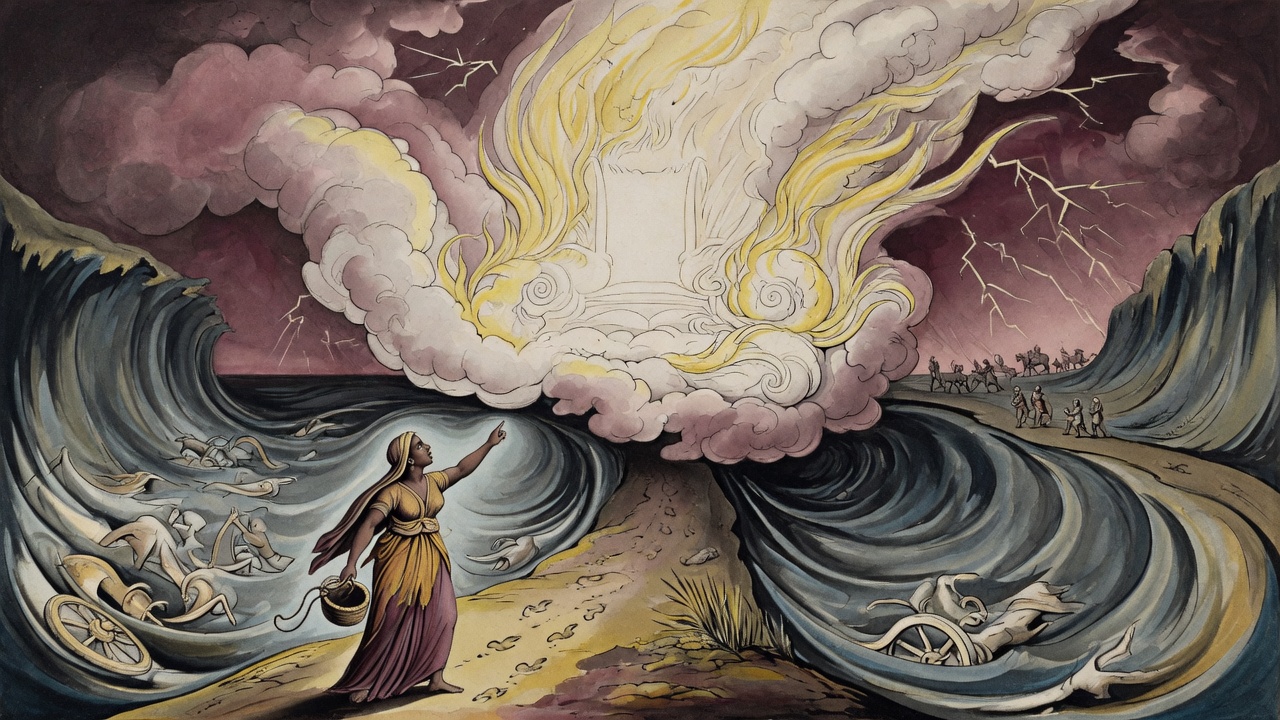
When the sea split, the angels fell behind. Rabbi Levi Yitzchak of Berditchev reads the verse, "The angel of God who had been traveling in front of the Israelite camp moved to thei...
God's command to Abraham—"Go forth from your land, your birthplace, and your father's house" (Genesis 12:1)—reads like travel instructions. Rebbe Elimelech of Lizhensk, in his comm...
"And it came to pass when Pharaoh sent out the people" (Exodus 13:17). Rebbe Elimelech of Lizhensk reads the entire Exodus story as a map of the soul's struggle against the evil in...
Medieval Jewish folk belief wove a dense web of connections between the natural world and the supernatural. Certain plants healed. Certain foods enhanced memory or destroyed it. Th...
Rabbi Eliezer agreed that the tefillin (leather phylacteries worn during prayer) belong on the upper arm rather than the palm, but he arrived at the conclusion through entirely dif...
The Torah records a transformation at the Red Sea: "And the people feared the Lord" (Exodus 14:31). The Mekhilta notes the significance of the word "feared." In the past, the Israe...
The Mekhilta draws a parallel that cuts both ways. In the previous passage, the rabbis established that believing in Moses equals believing in God. Now they demonstrate the reverse...
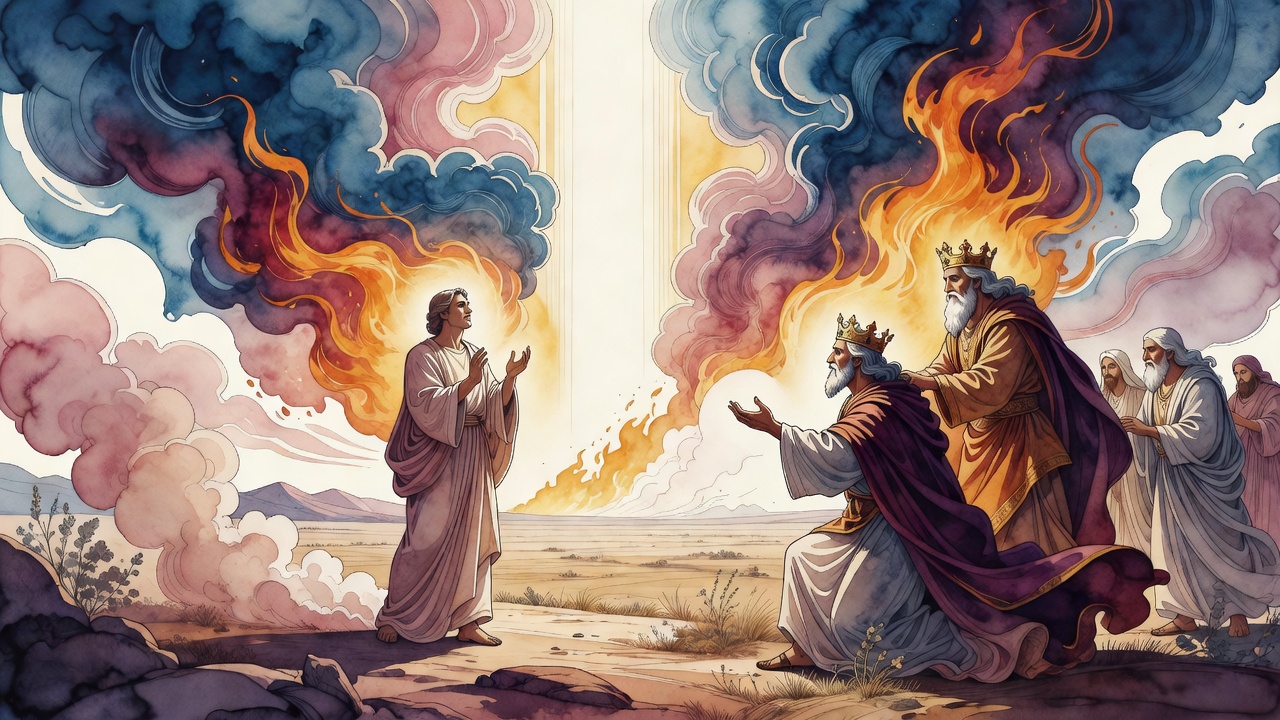
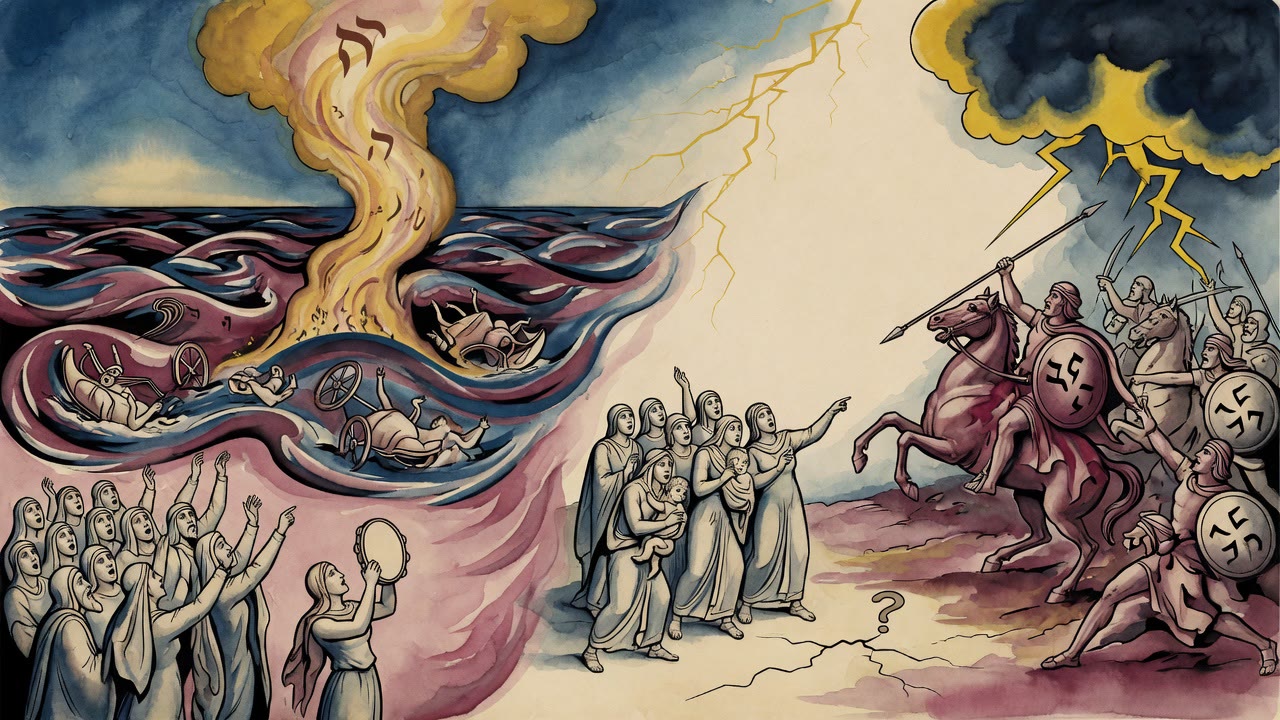
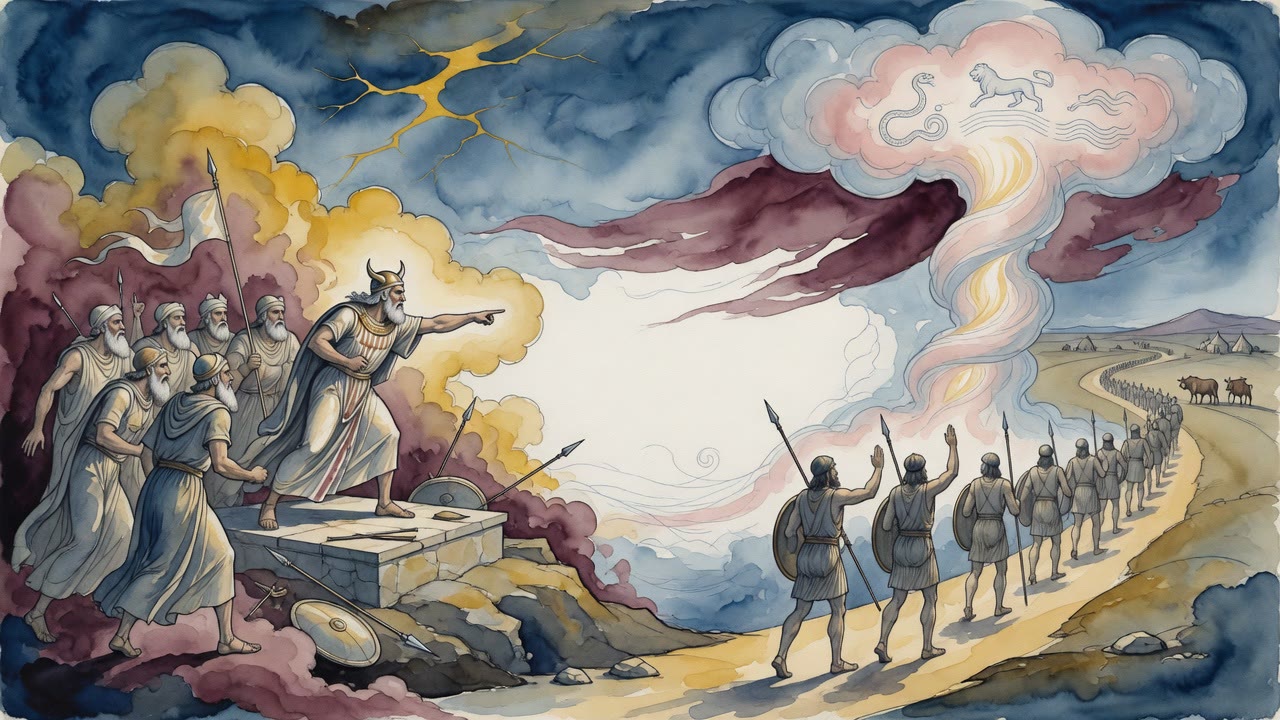
King Jehoshaphat marched his army into the desert of Tekoa and won a battle with nothing but faith. The Mekhilta DeRabbi Yishmael, a 3rd-century CE halakhic midrash (rabbinic inter...
The Torah says in its description of life after the Exodus: "And you do what is just in His eyes" (Exodus 15:26). The Mekhilta identifies this as a reference to integrity in one's ...
The name "Merivah" comes from the Hebrew root "riv," meaning quarrel or dispute. But what exactly was Israel disputing? The Mekhilta presents two interpretations, and both are auda...
Rabbi Elazar Hamodai reveals a chilling detail about Amalek's attack. The Israelites were protected by the Clouds of Glory — miraculous formations that surrounded the camp on all s...
The Mekhilta preserves a remarkable story about the descendants of Rechav — also known as the Rechabites, a family that had taken a perpetual vow to drink only water, never wine, a...
The Torah uses the Hebrew word "bagdah" in connection with a father who has sold his daughter as a maid-servant (Exodus 21:8). The Mekhilta interprets this word as a description of...
Two verses in the Torah appear to contradict each other on the subject of work during the six days before Shabbat (the Sabbath). One verse says "Six days may work be done," using a...
Midrash Tehillim, a collection of rabbinic interpretations of the Book of Psalms, grapples with this very feeling. Specifically, Midrash Tehillim 31 dives into (Psalm 31:22), "Bles...
It’s a story rooted deep in the Flood narrative, and it's got some seriously fascinating layers. After the great flood, Noah needed to know if the waters had receded. So, he sent o...
In (Deuteronomy 1:4), we read about Moses recounting how God helped them defeat Sichon, king of the Amorites. But what does that seemingly simple historical detail really tell us? ...
The Israelites felt that way too, right before they were about to enter the Promised Land. But did they trust the One who'd brought them that far? In the book of Sifrei Devarim, a ...
Specifically, in the first chapter, where the Israelites are poised to enter the Promised Land. We read, "and the cities to which we will come" (Deuteronomy 1:28). The Sifrei Devar...
But instead of rejoicing, a wave of despair washed over them. "And you murmured in your tents..." That simple phrase from Sifrei Devarim (Deuteronomy) opens a window into a moment ...
Today, let’s crack open Sifrei Devarim, a legal midrash on the book of Deuteronomy, and see what it reveals about a specific, and disturbing, situation. The passage we’re looking a...
The Sifrei Devarim, a collection of legal midrash (rabbinic interpretive commentary)im on the Book of Deuteronomy, grapples with this very issue. The verse in question, (Deuteronom...
We all know the story of Moses. The great leader who led the Israelites out of Egypt, received the Torah at Mount Sinai... a figure of immense stature. But even Moses, the humblest...
The opening verse of Deuteronomy lists a string of place names — "in the wilderness, in the Arabah, over against Suph, between Paran and Tophel, and Laban, and Hazeroth, and Di-zah...
Moses had the worst errand of his life. God told him to bring his brother up the mountain to die. He could not bring himself to say the words. Aaron said them for him. "My brother,...
There was a man who paid his tithes faithfully every single year without exception. Rain or drought, abundance or scarcity, he set aside exactly one-tenth of everything he harveste...
A man earned sixty dinars. He divided them into three equal portions: twenty for food, twenty for his house, and twenty he saved for his children. It was a sensible arrangement — f...
Jose ben Yoezer of Tzeredah was one of the first of the zugot (pairs) — the great paired leaders who guided the Jewish people in the centuries before the common era. He was also on...
A man grew tired of his wealthy wife and plotted to divorce her through deceit. He devised a scheme: he would publicly accuse her of unfaithfulness, using his own best friend as th...
When Moses sent twelve spies into the land of Canaan to scout the territory before the Israelite invasion, ten of them came back terrified. "We saw giants there," they reported. "T...
The Midrash on the Ten Commandments tells the story of a faithful woman whose devotion was tested beyond what most people could endure — and who emerged triumphant. A certain man w...
The medieval Jewish collection known as the Parables of Solomon preserves a story about a man whose faithfulness was tested in the most extreme circumstances — a test that proved, ...
A married woman betrayed her husband with a robber — and the story that unfolds from this betrayal became a cautionary tale about the entanglement of sin and its consequences. The ...
Three maxims were given to a man — three simple rules for living — and his obedience to these maxims saved his life. The tale, found in Jewish and comparative folklore collections,...
King Solomon stood before God and prayed at the dedication of the Temple. "Master of the Universe," he said, "let everything else be set aside and focus on my prayer and supplicati...
A psalm of Asaph opens this section of Aggadat Bereshit: "God has made Himself known in Judah; His name is great in Israel" (Psalm 76:2). And immediately the rabbis add the verse f...
It's more than just a belief, it's a foundational principle that underpins everything. to what some of our tradition's greatest thinkers have said about it. We can turn to Maimonid...
Our ancestor Abraham felt it too. The Torah tells us, in (Genesis 15:12): "About the time of the setting of the sun a trance fell upon Abraham; and lo, a great horror of darkness c...
We find him in (Genesis 17:3), and the Torah tells us, "Abraham fell on his face." But... why? What was going on in that moment that caused Abraham, the patriarch, the man of faith...