220 myths · Page 6 of 8
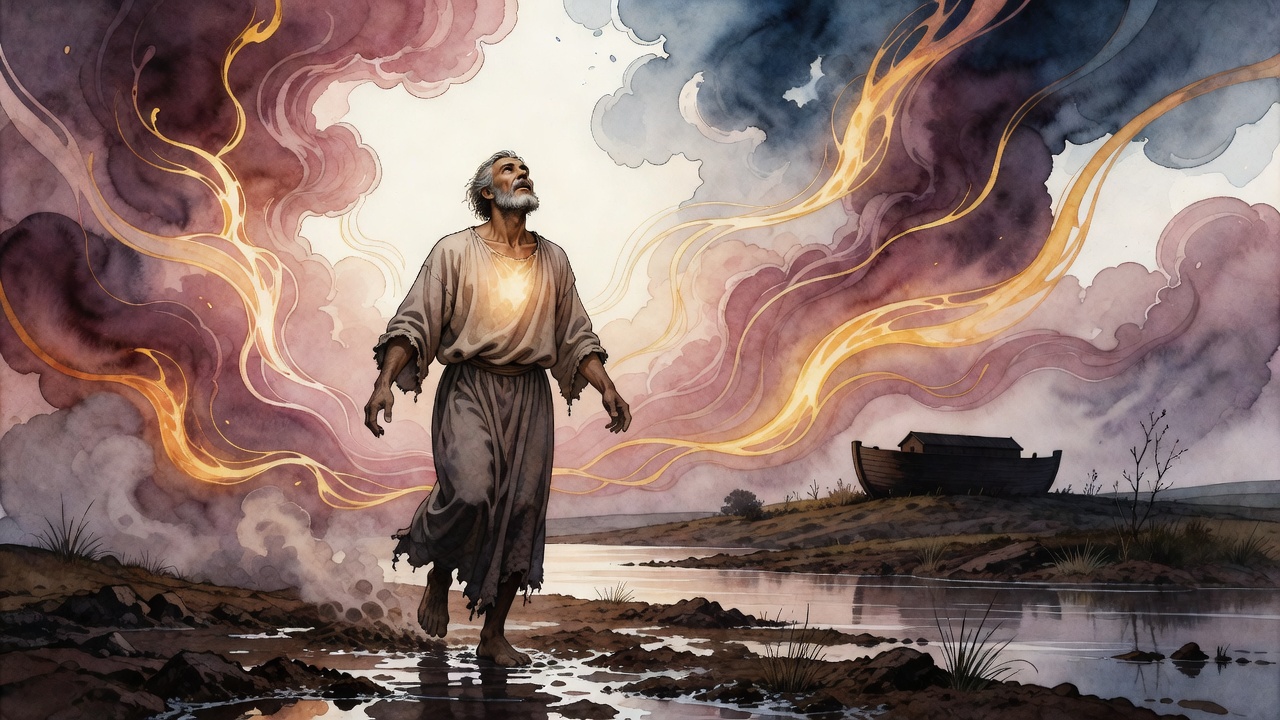
Noah stepped onto wet earth, tasted covenant sweetness like Torah on the tongue, and felt the Shekhinah, the Divine Presence, rest on a world rinsed clean.
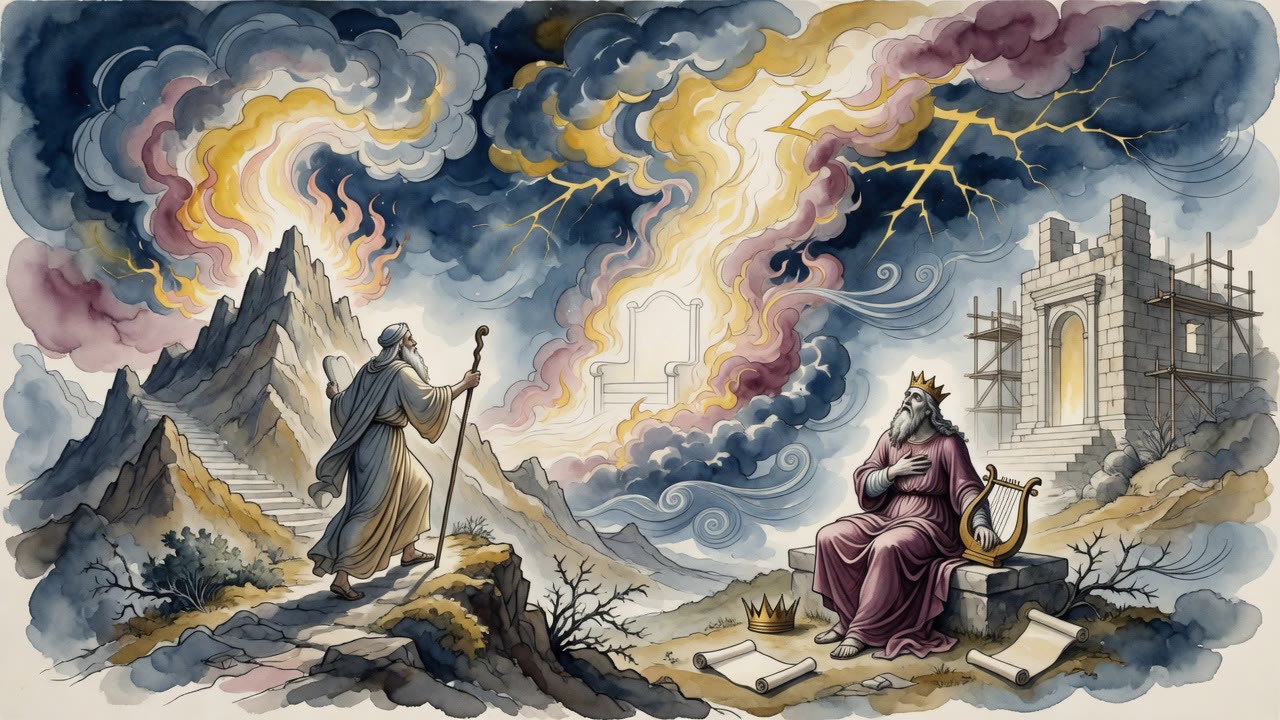
Bereishit is the first word of the Torah. The mystics say Lilith hid inside its six letters and waited there for a crack she could widen.
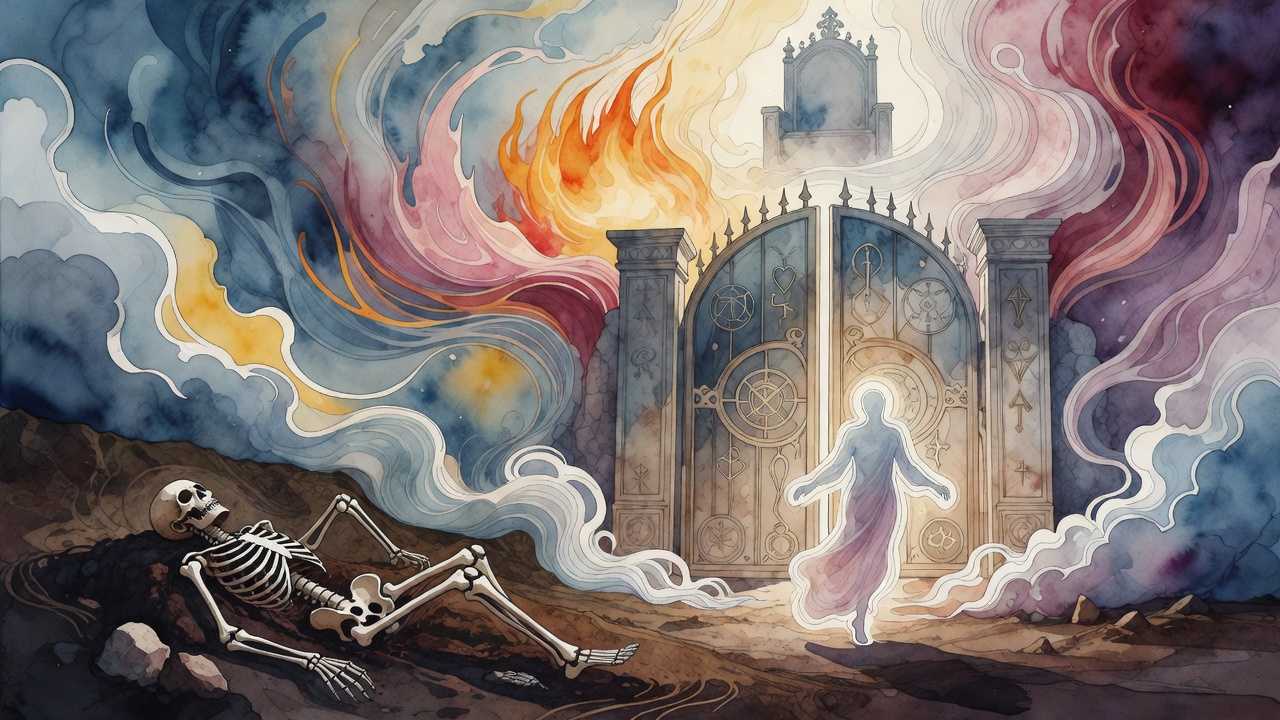
Bones softened under earth while a soul paced outside Eden. The gate would not open until the body was gone. Later the scars would return first.
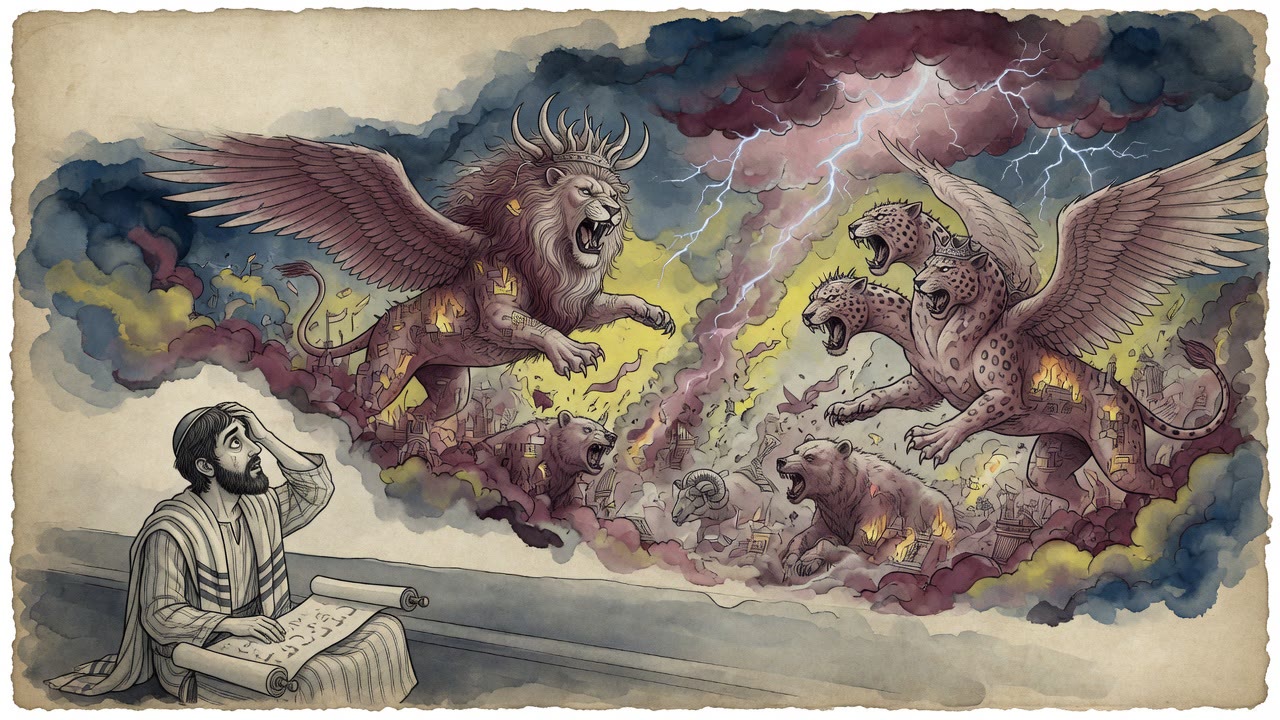
Rabbi Ishmael asked why the angel was weeping. Seganzegael opened the tablets and showed him letters written with grief.
He woke with a rebuke already under his ribs. She said she had no strength to rise. The Zohar on the shelf had stayed shut for years.
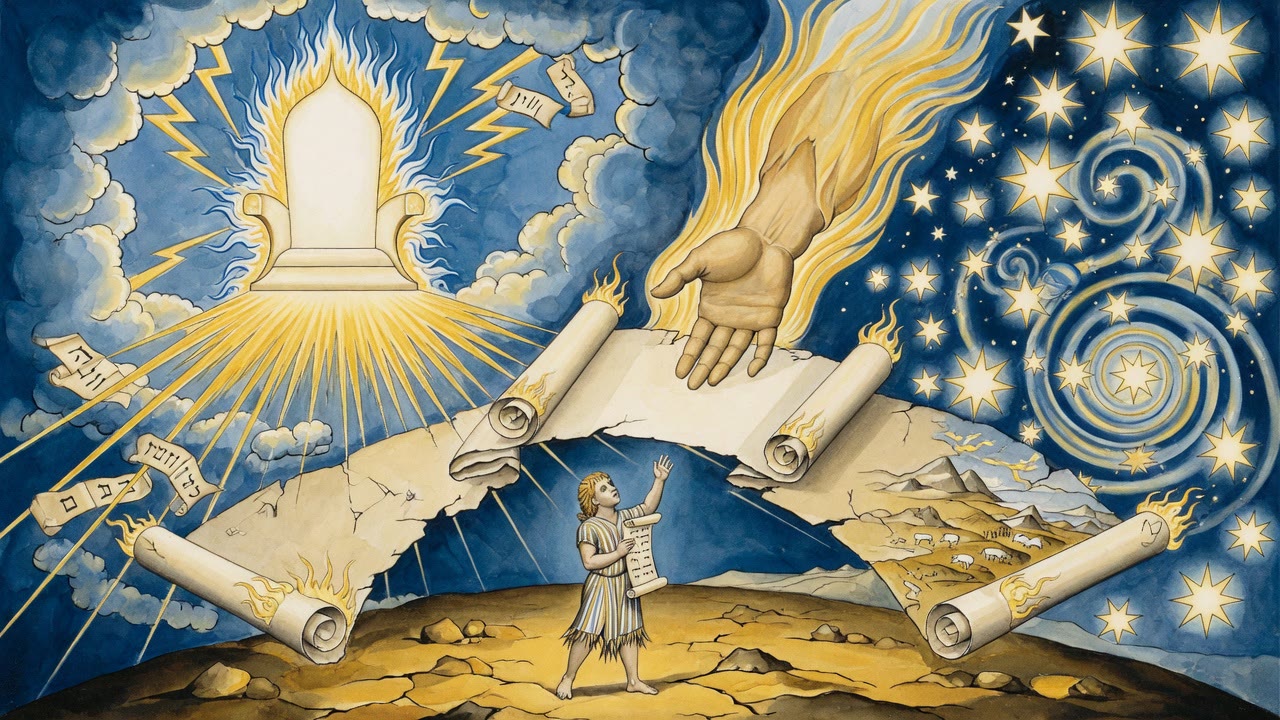
Builders shaped foundation stones for a house still incomplete. Then the throne of glory hung between altar and inner room. Faces hit the floor.
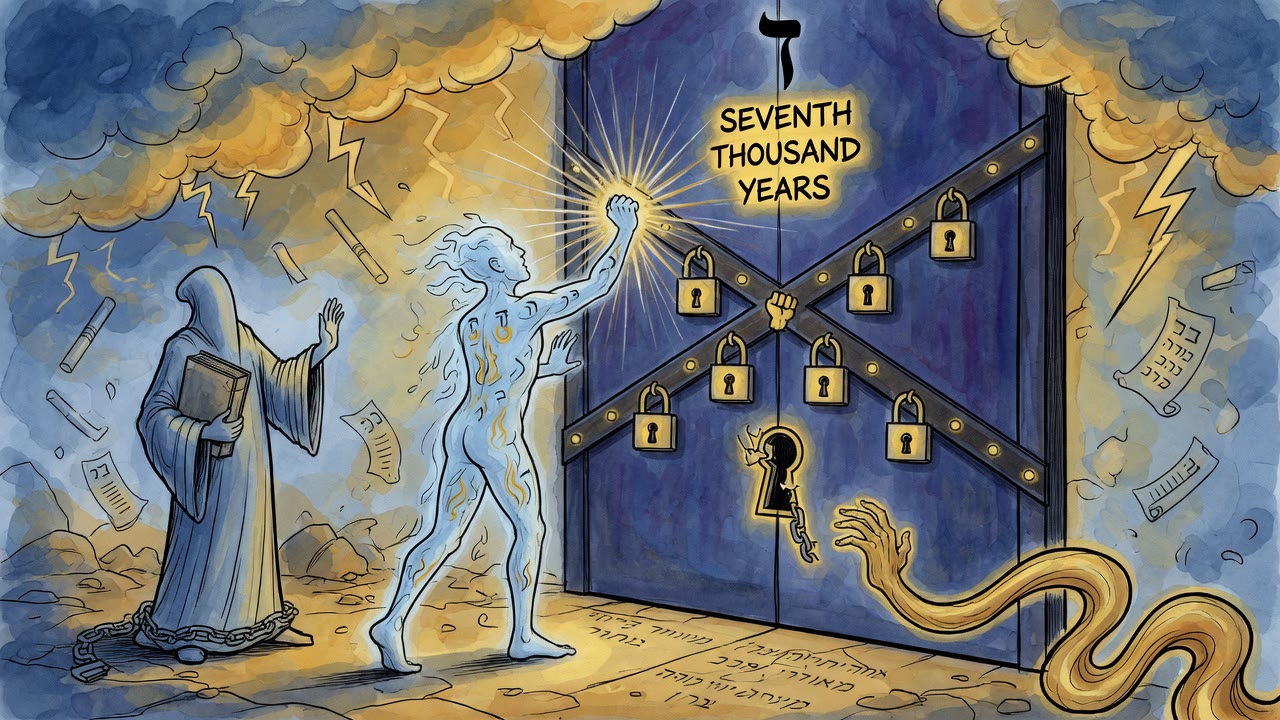
Heat leaked through a door with no handle. The Soul knocked once to mark the place, then turned back toward the rooms that still answered.
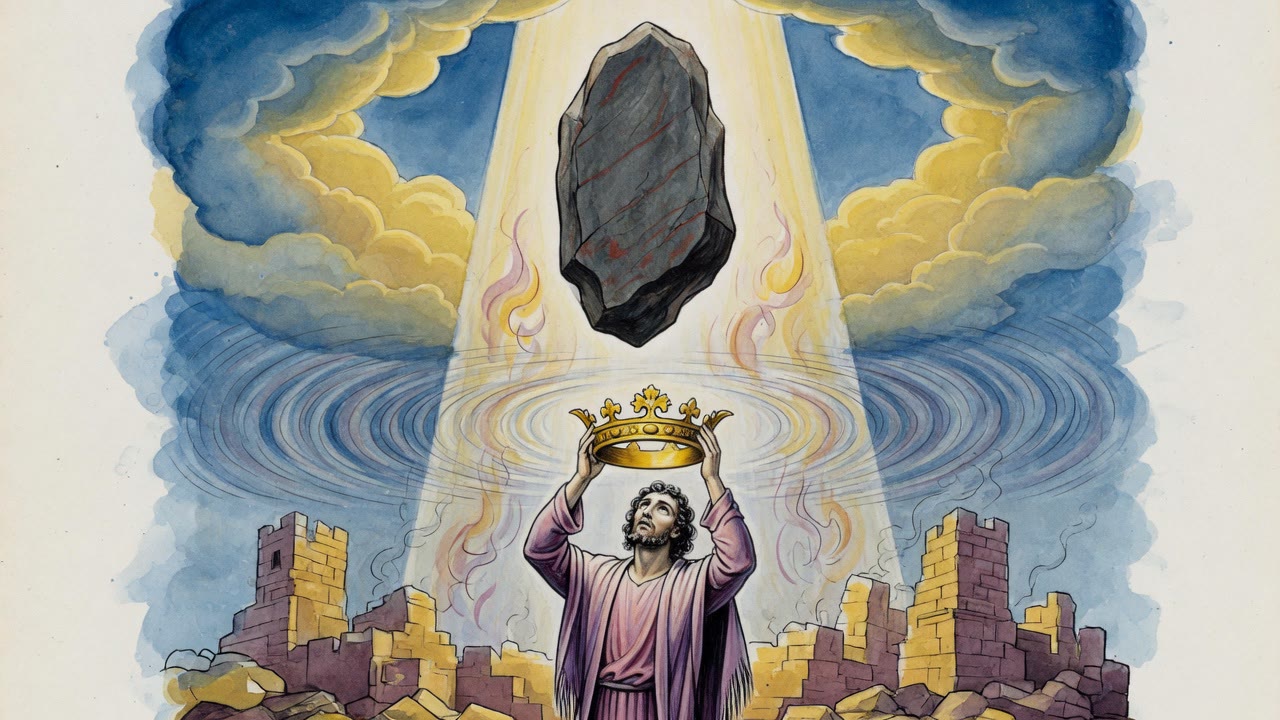
The Masters of the Mishnah cried out as if he had hurled rocks. No stone left his hand. The words finished their rows and the Throne shook.
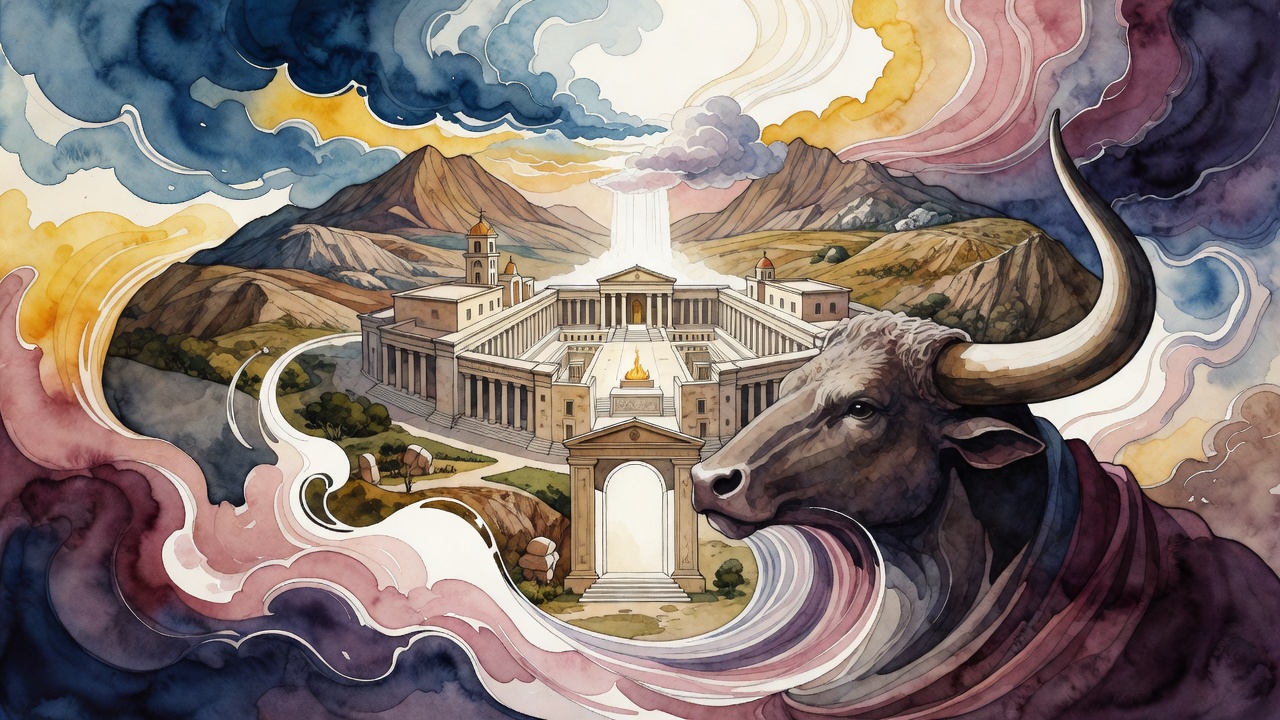
The sanctuary nested in Benjamin's land like a head between shoulders, while Judah's portion pressed the courts like an ox's horn.
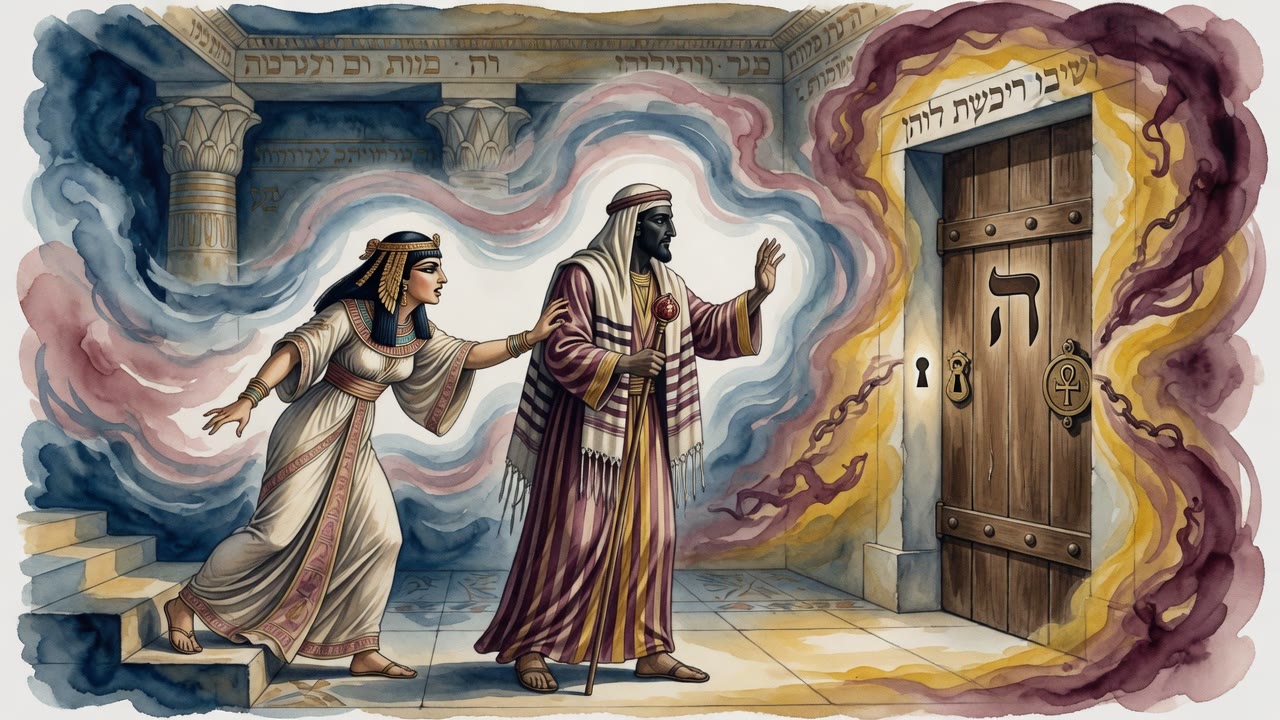
She got a fist into his linen at the shoulder. He twisted. The garment stayed in her hand. He went out with his back bare.
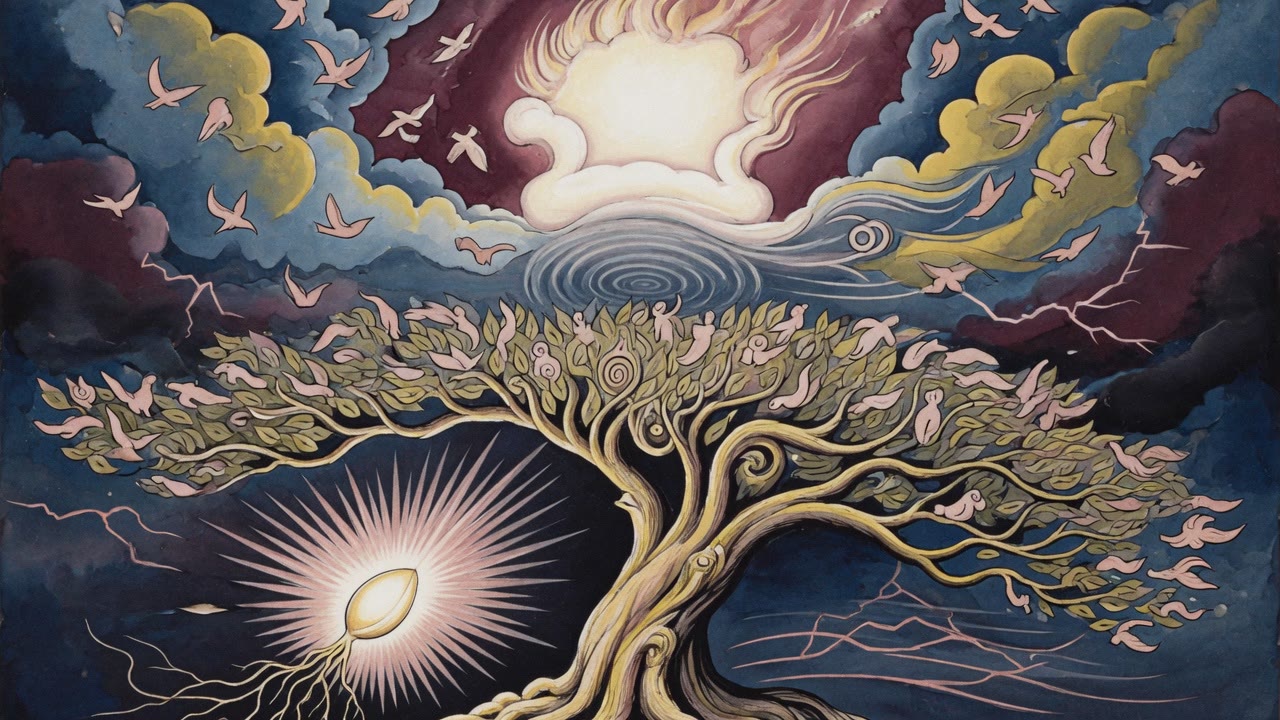
Galgiel took the reins before dawn. The sun had to bathe first. Yesterday's fire was still on it, and the earth could not take that heat twice.
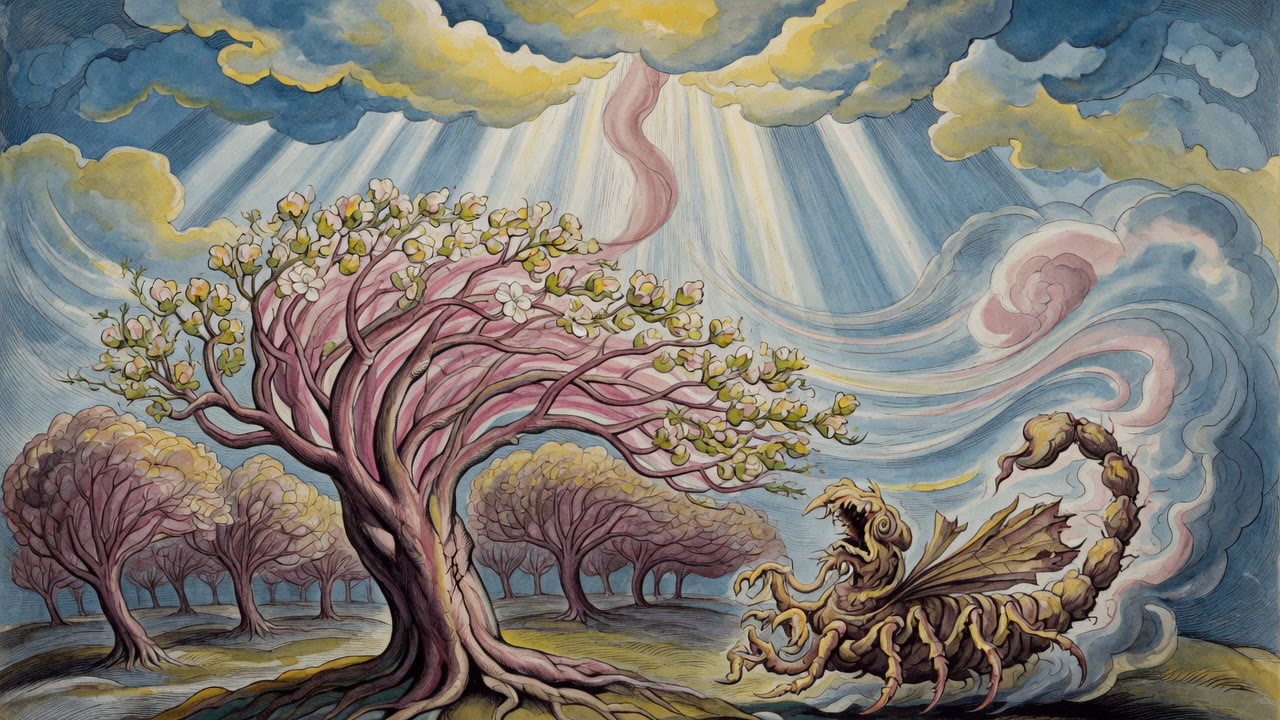
He set figs and dates on a white cloth in Shevat. The trees still looked dead. He asked that the worm find no seam in the fruit.
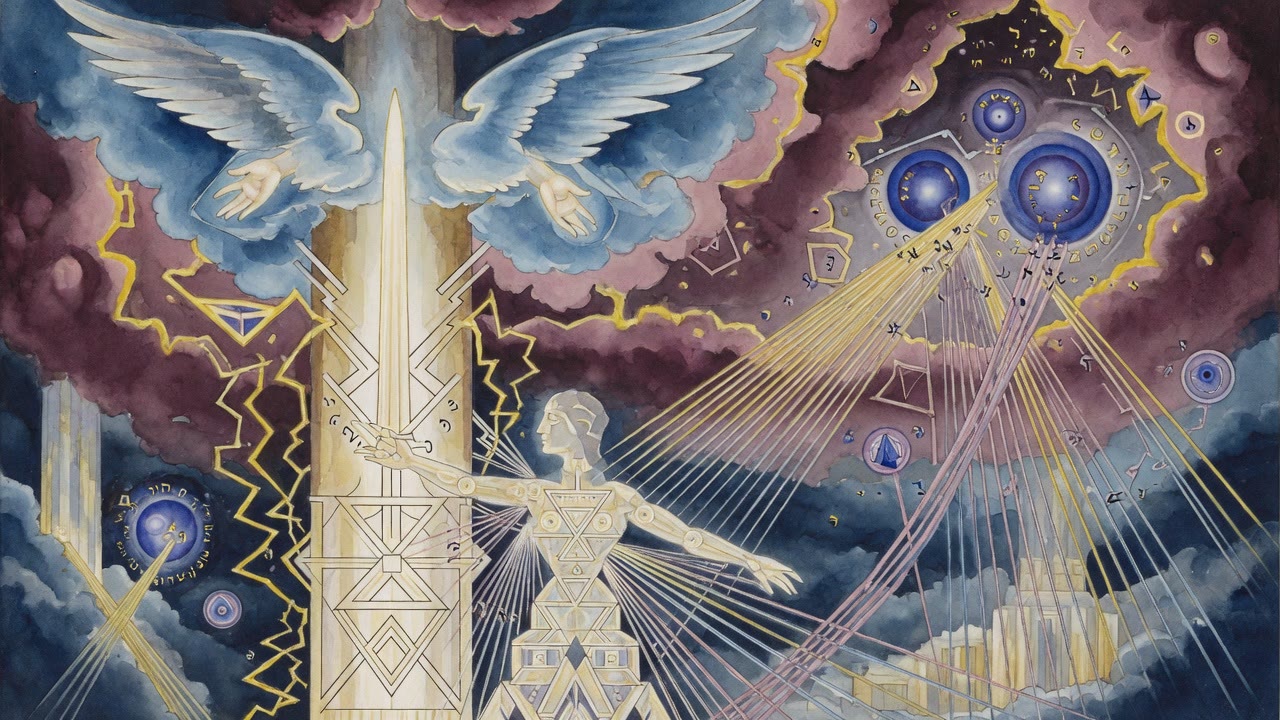
Zeir Anpin shoved the severities off his back. Nukvah was built from what he refused. Below, Adam slept through the surgery and woke to a face.
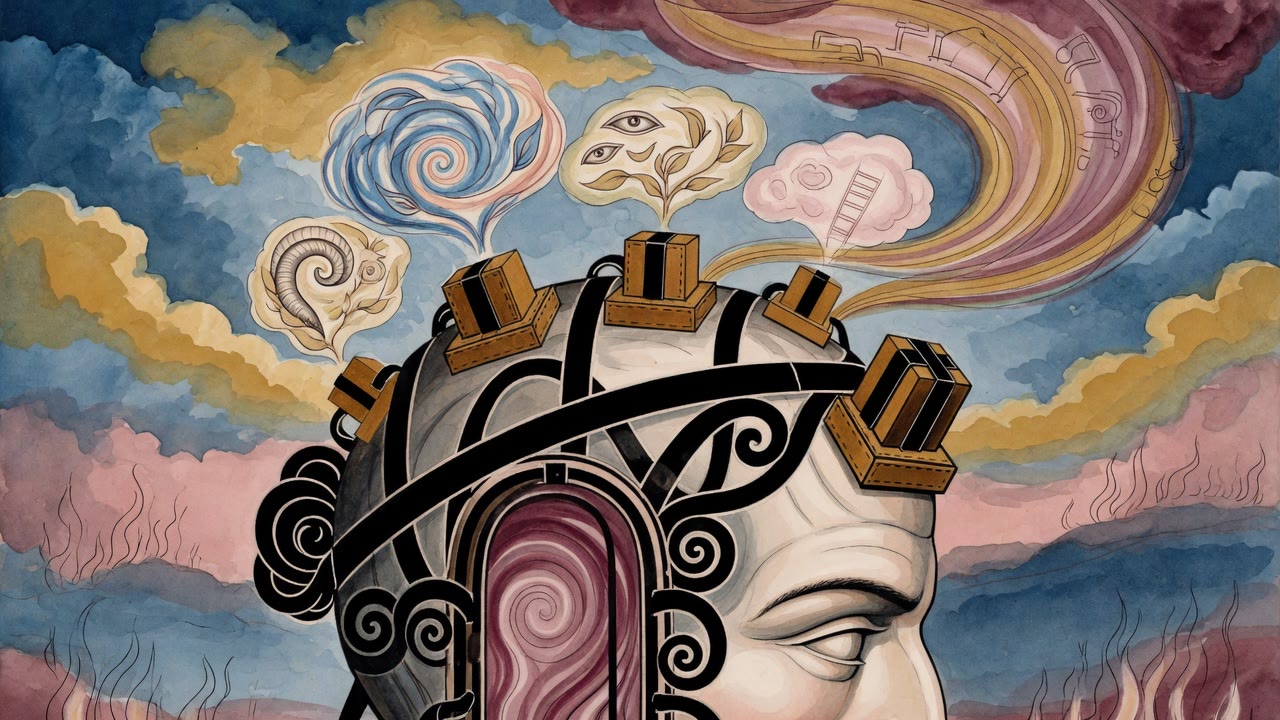
The leather was cold on his arm. He pulled until the knot sat at the skull. If it slipped, Leah's gate sat wrong all morning.
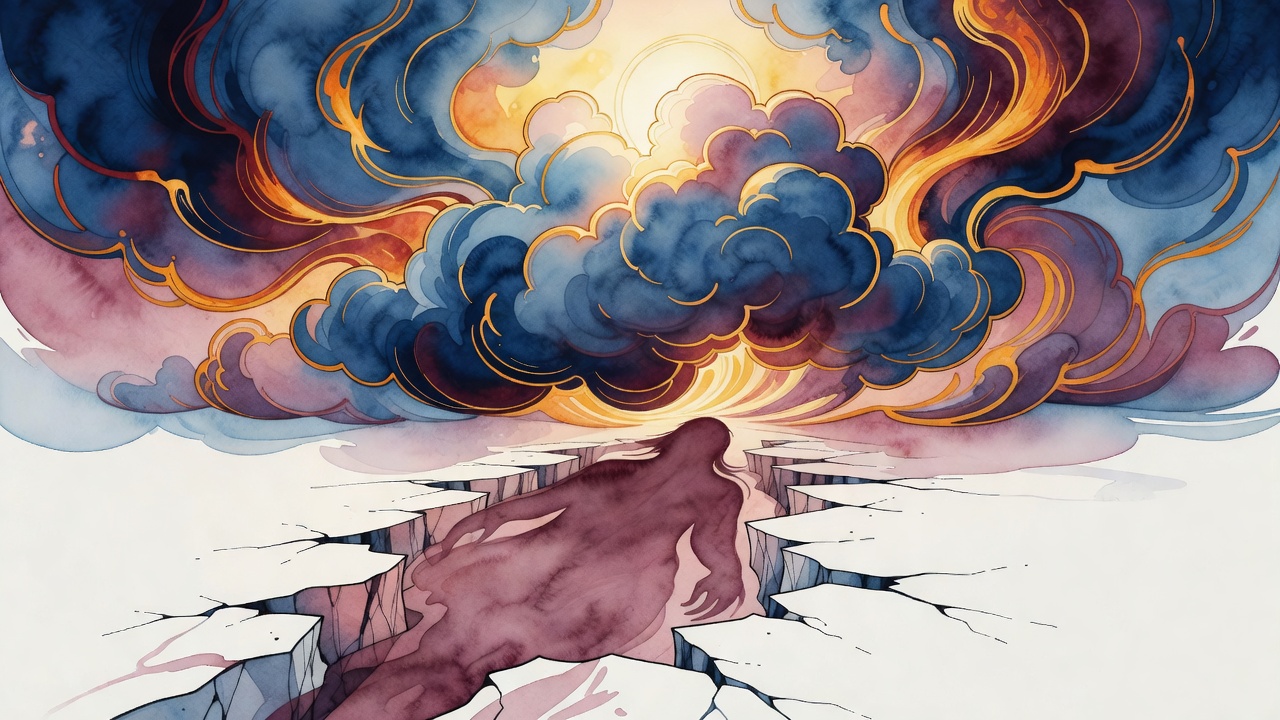
When God concealed His countenance the world felt a cold seam open, and evil entered not as a rival god but as a shadow of withdrawal.
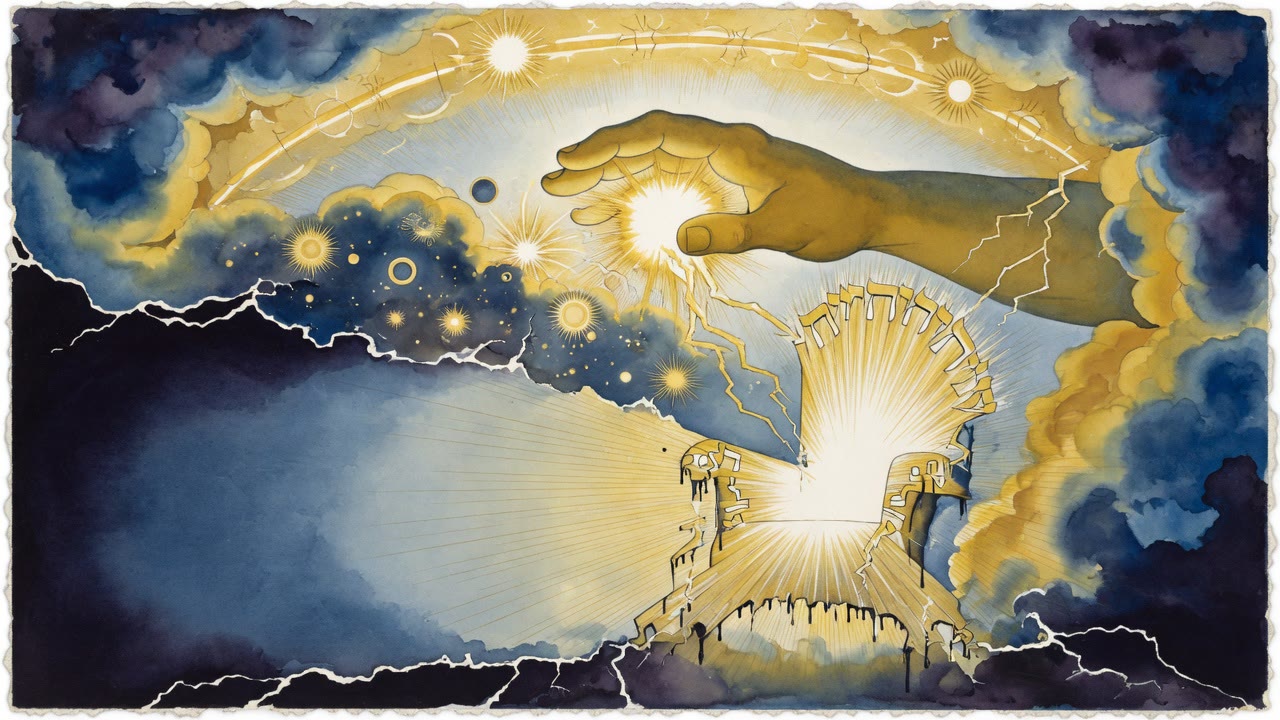
The Intellect poured her cup half full and left the pitcher within her reach. She argued all night. At dawn she filled the cup herself and drank it standing.
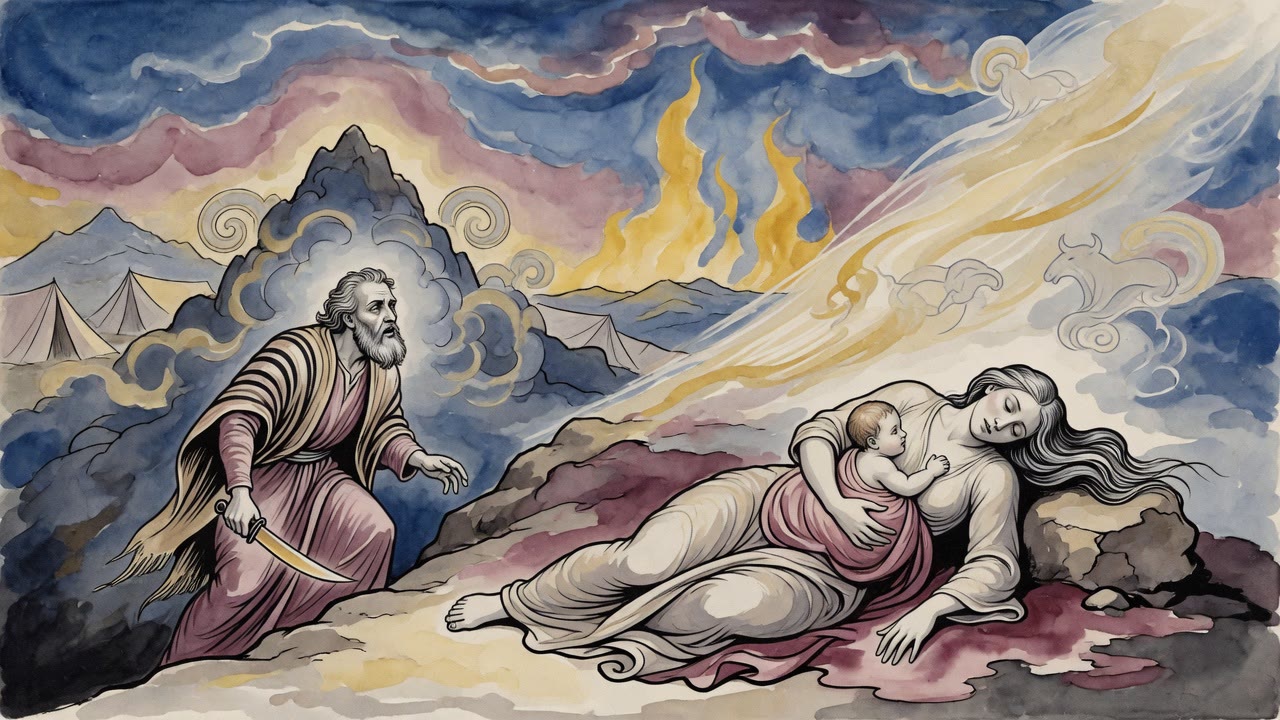
Only Sarah's age is counted year by year at death. Each of the hundred twenty-seven was full, even the barren decades the stars had written empty.
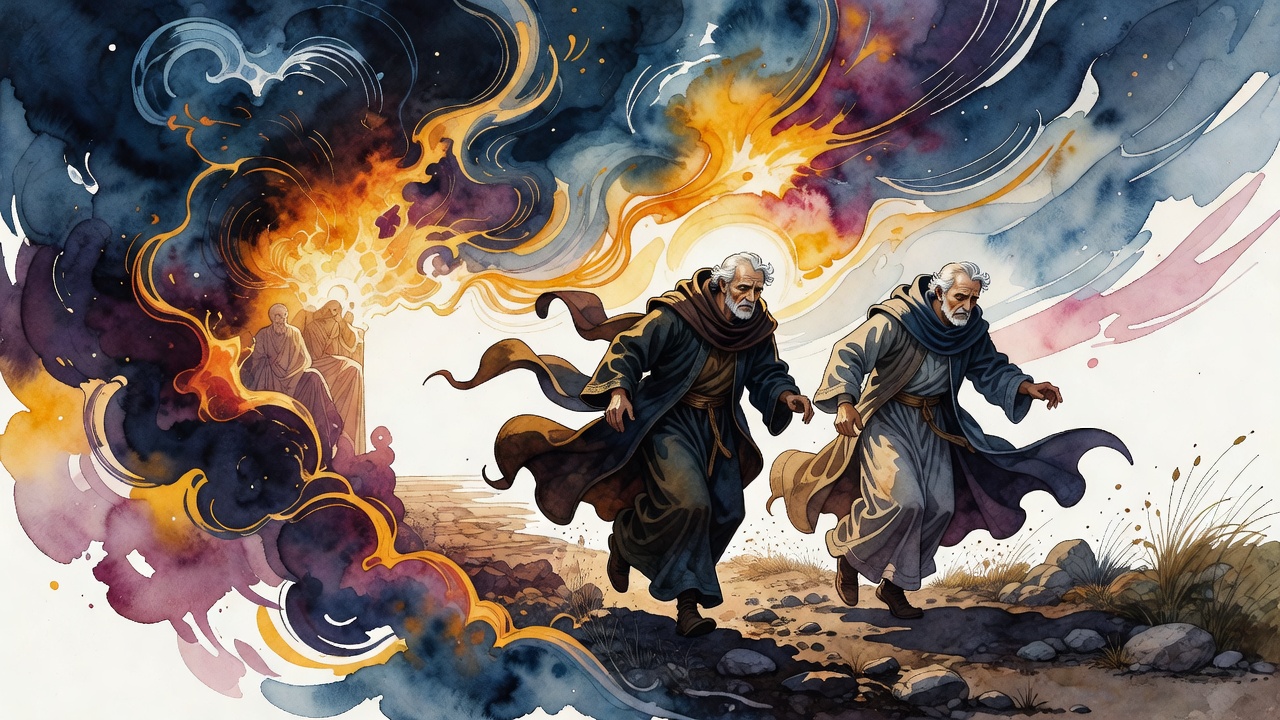
Rabbi Hillel sent two Zohar men from Prague to argue faith. They sat for two weeks. They came home with no answer in their mouths.
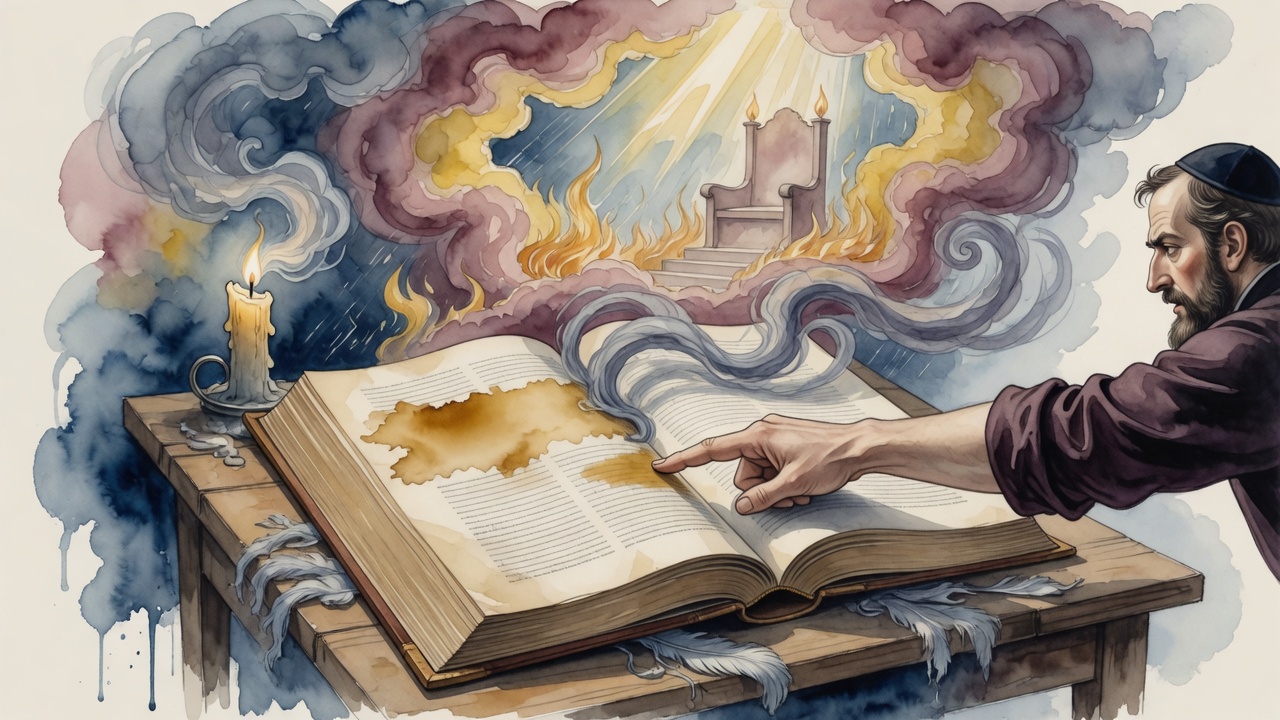
His finger stopped on a Spanish word for synagogue. The Aramaic had been a river he trusted. He copied the word twice, and the second line cut the paper.
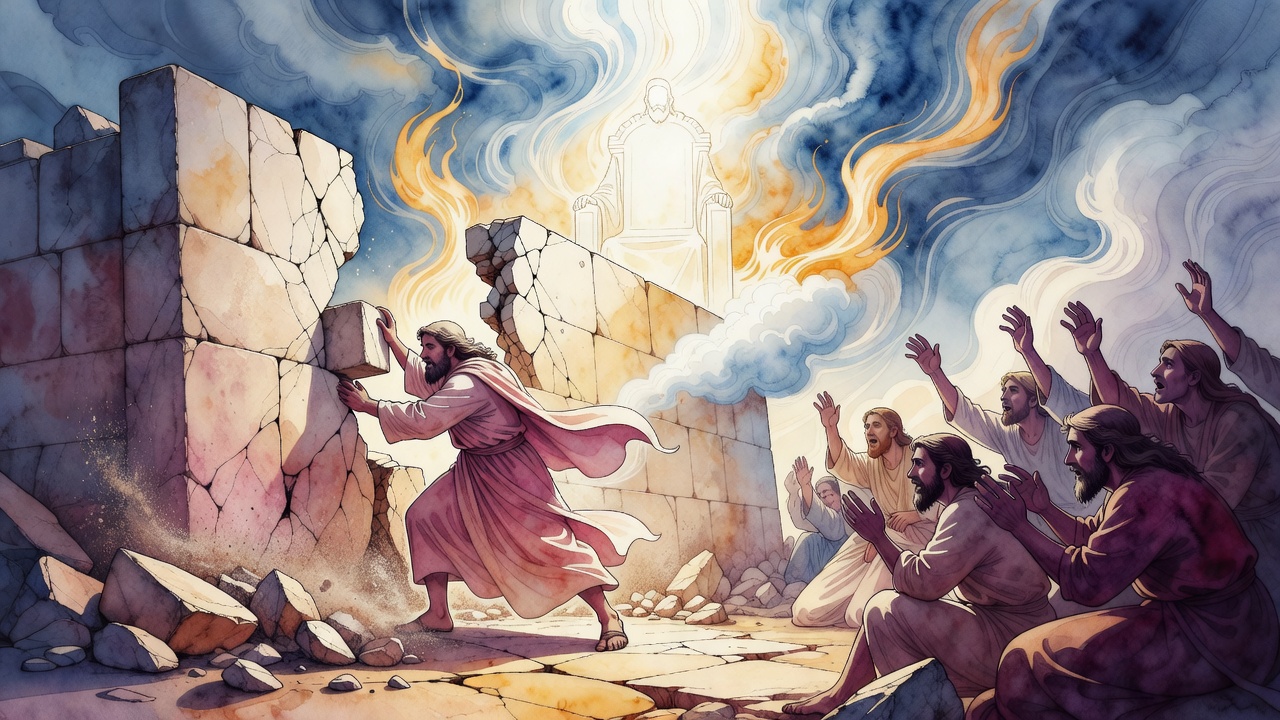
A student asked for hidden books after the last case. Meir pointed at the cracked doorway. Petitioners were still in the rain.
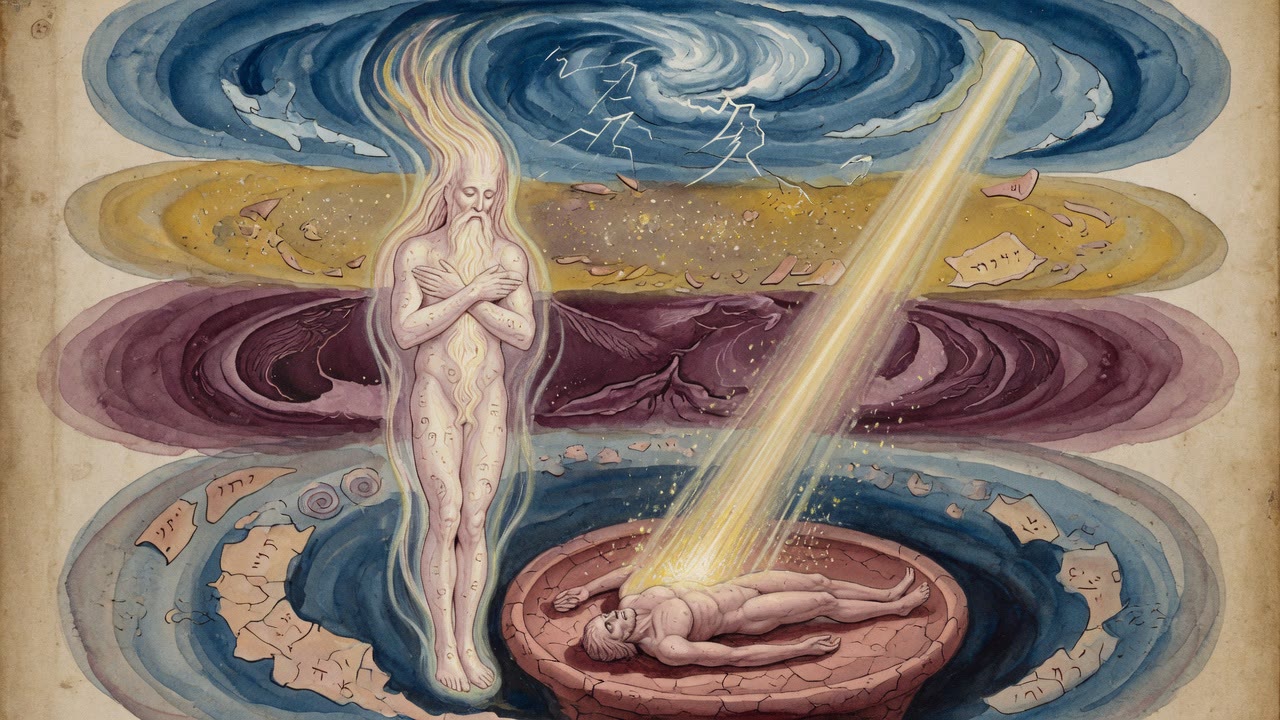
The fruit was still on Adam's teeth when the ladder under the worlds froze. Eve asked if he was cold. He said he was counting something that would not finish.
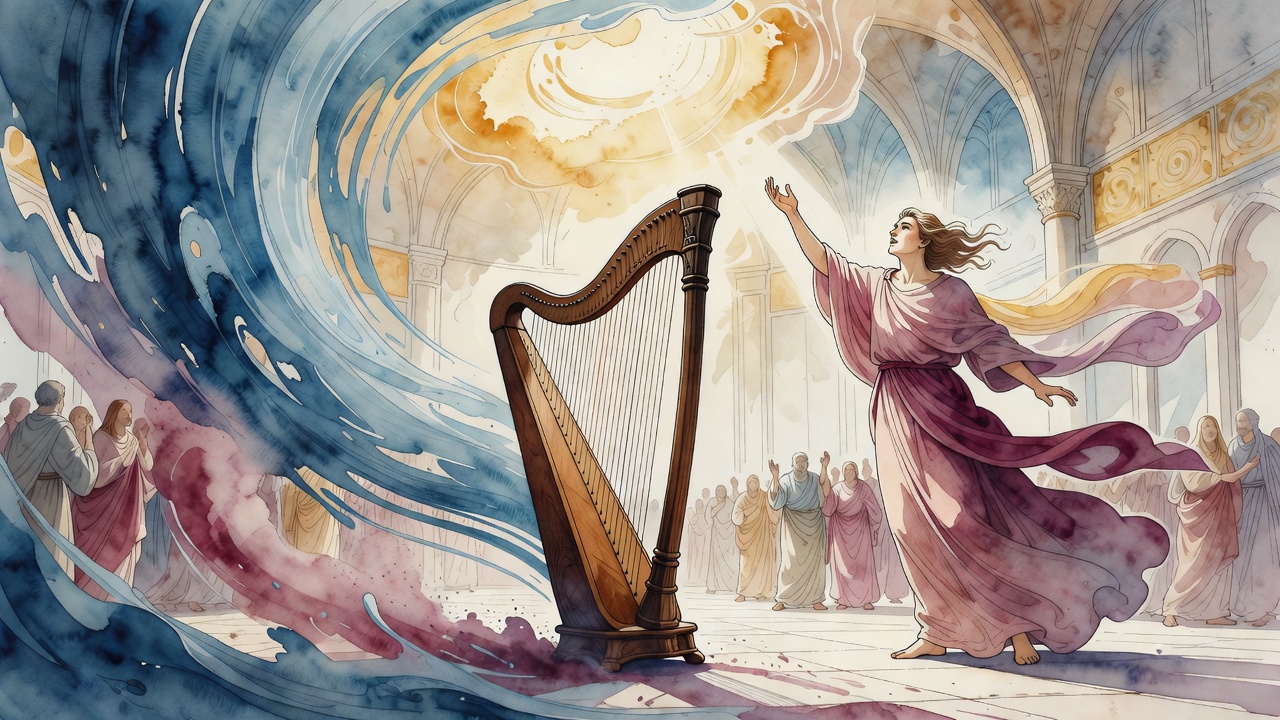
At midnight the north wind played the harp above David's bed. Ten melodies began with Ashrei, and even a frog claimed to out-sing the king.
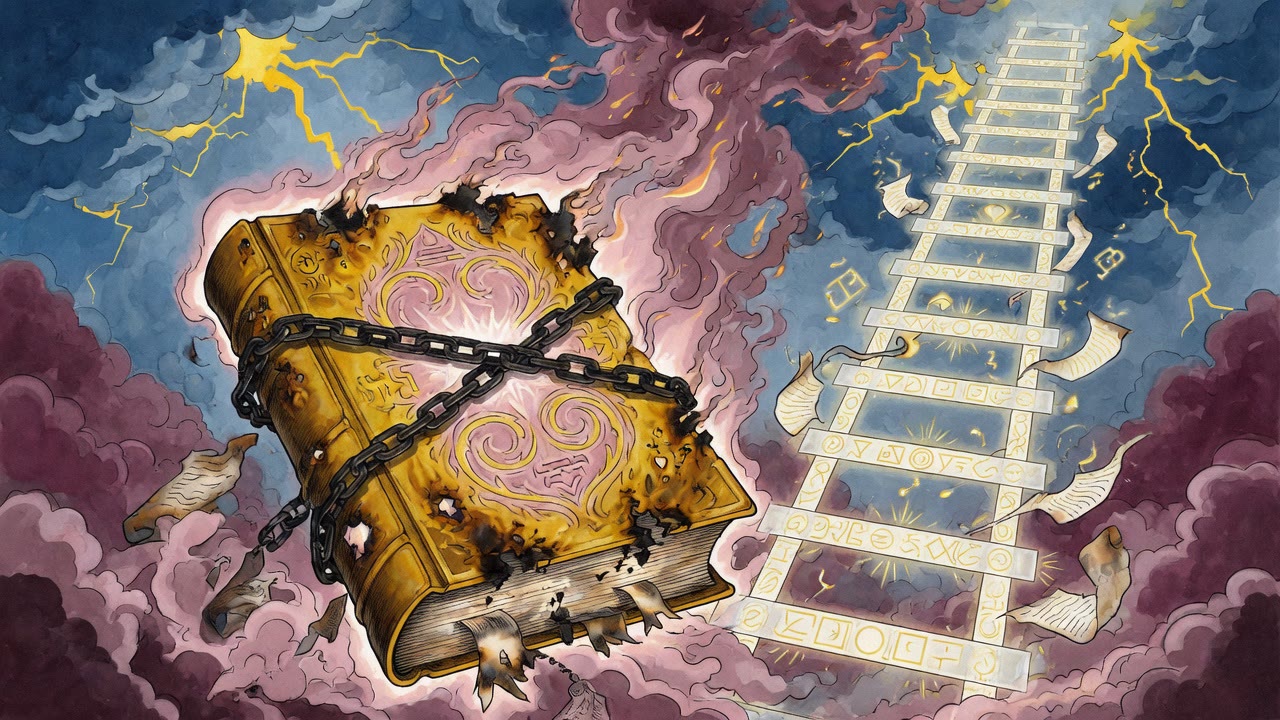
Rabbi Shimon's book burned for centuries while its depths stayed locked. A later master built a ladder of commentary so a generation could climb.
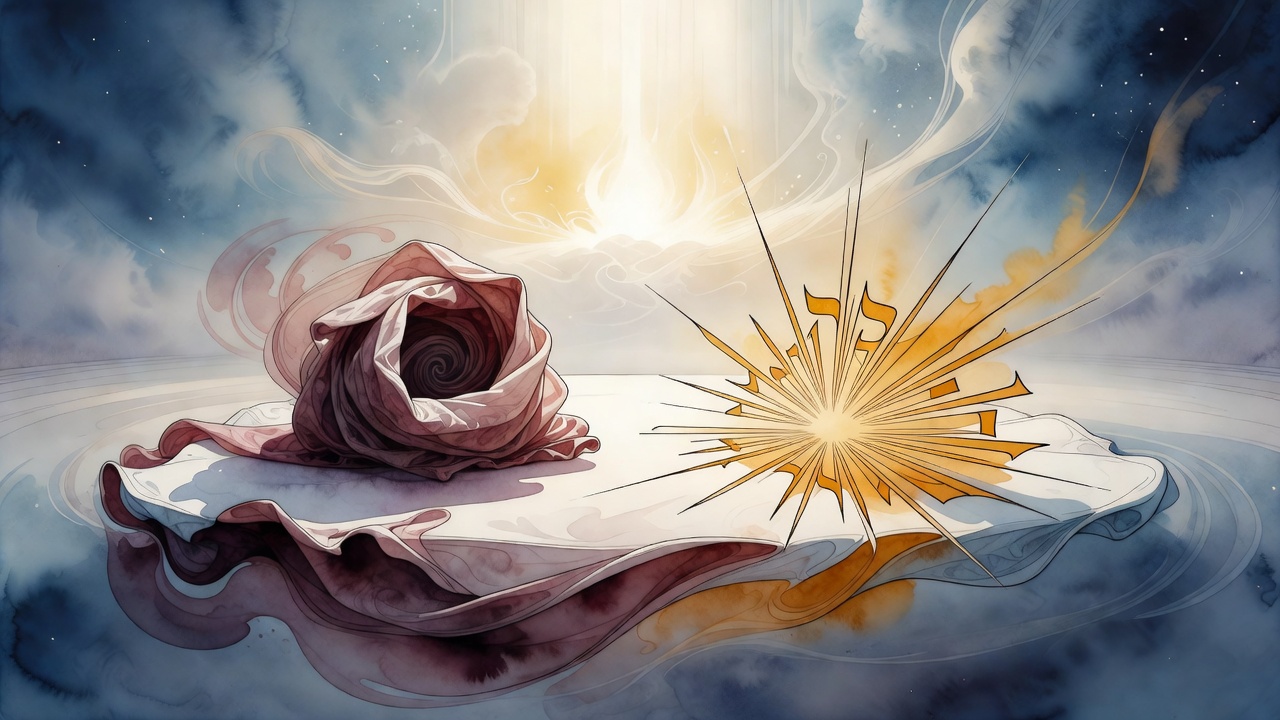
Across a table without wood, the Soul folded its patience shut. The Intellect had to speak in order, or the room stayed empty of understanding.
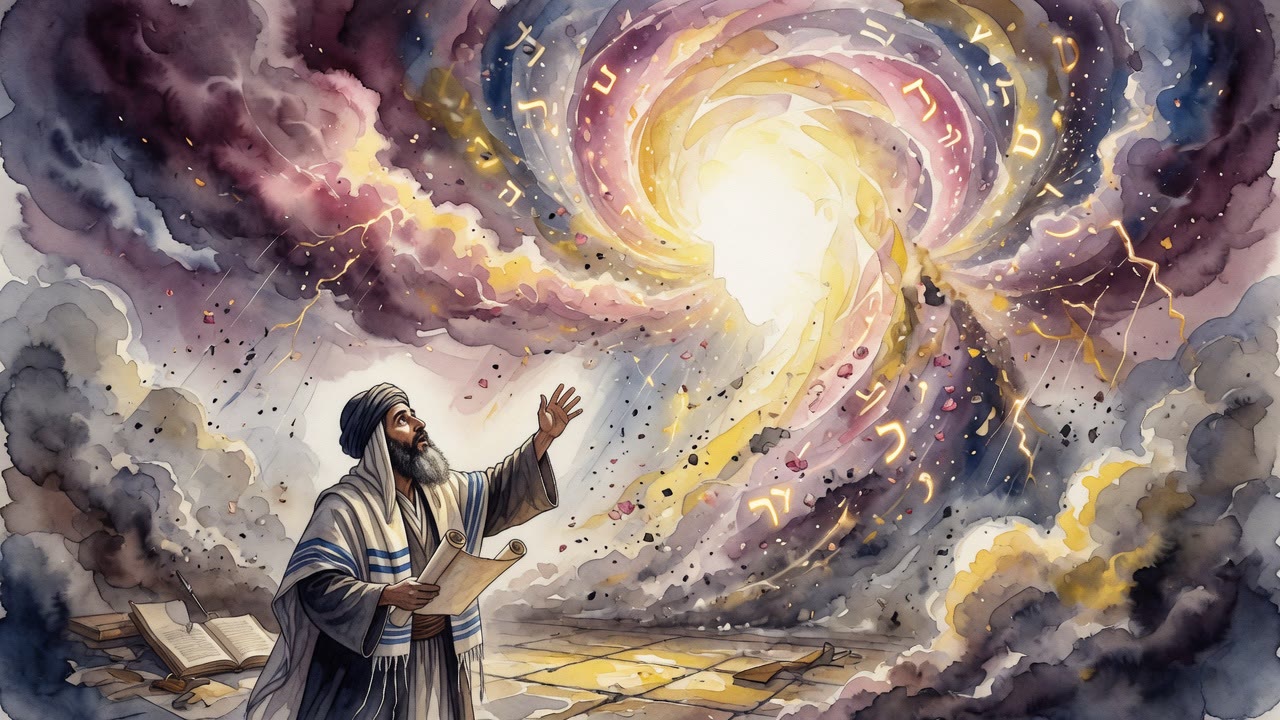
By the river Chebar Ezekiel sees wheels and living beings, then the shapes of letters themselves begin to teach what he saw.
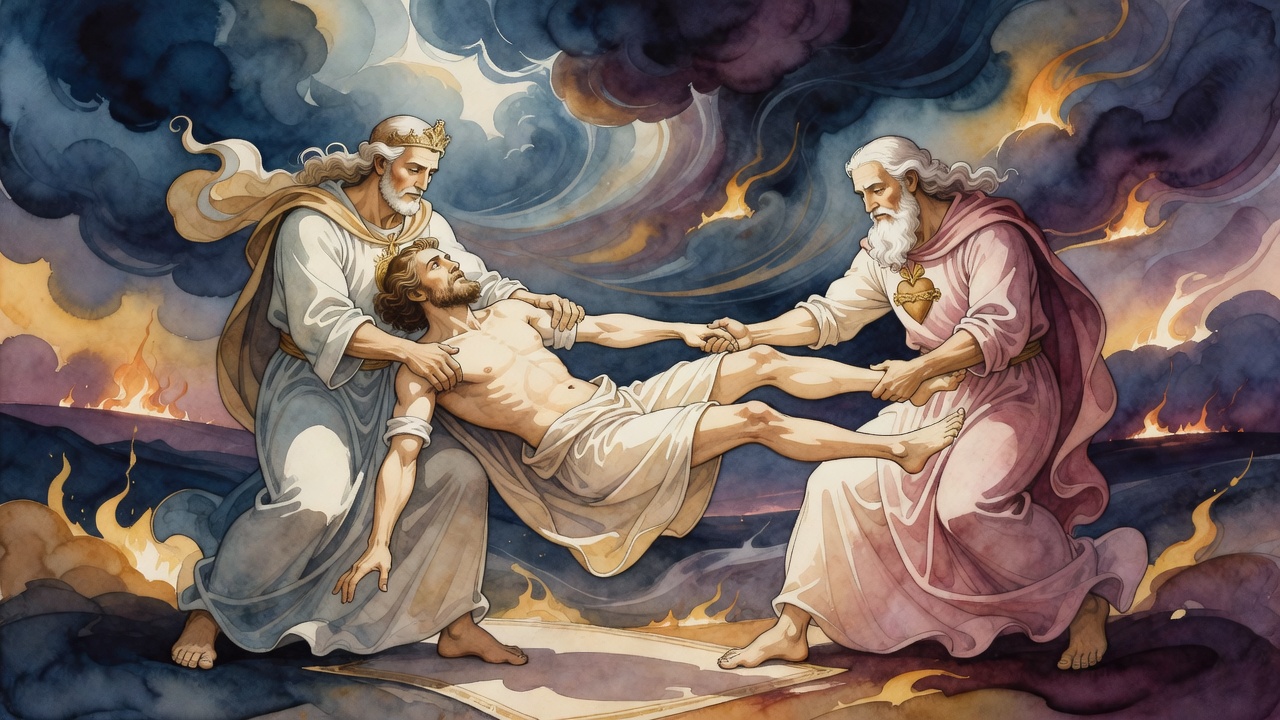
His hand was already on the bread. The left side of his chest pulled harder, and the skull answered with a cold no.
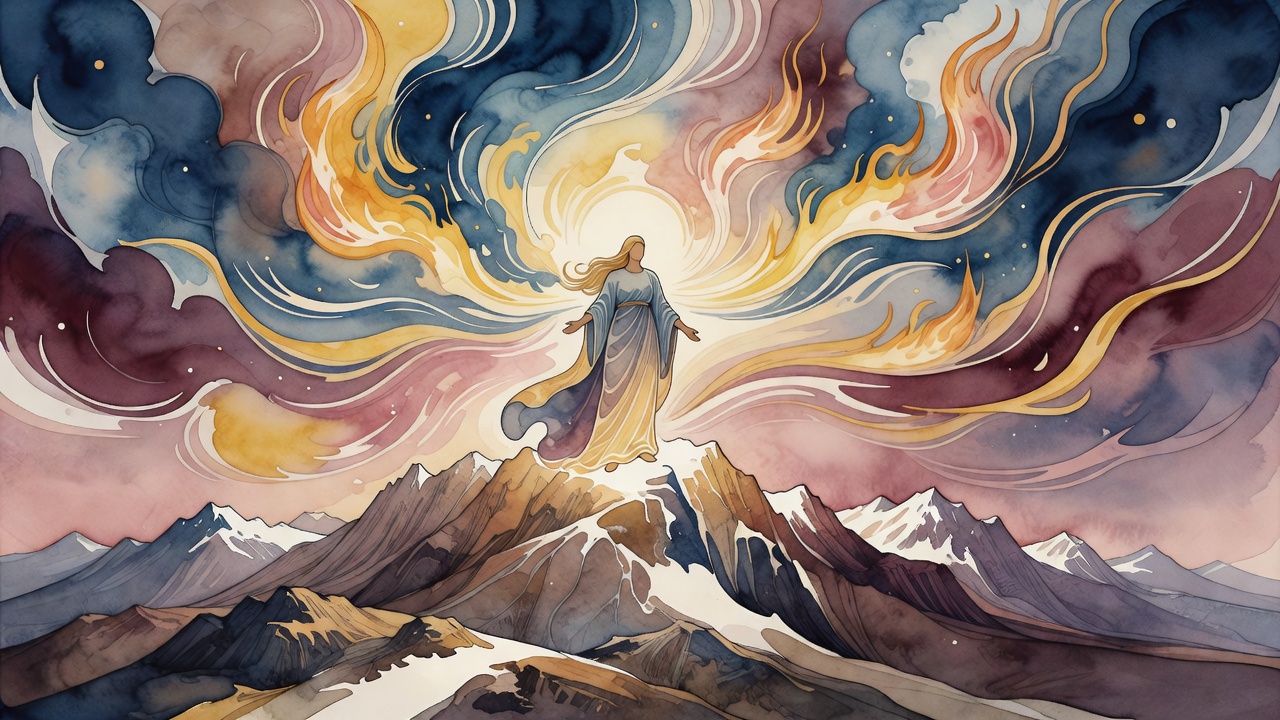
Forty-nine nights they counted, and children asked if today was the day. On the fiftieth morning the air on the mountain grew heavy.
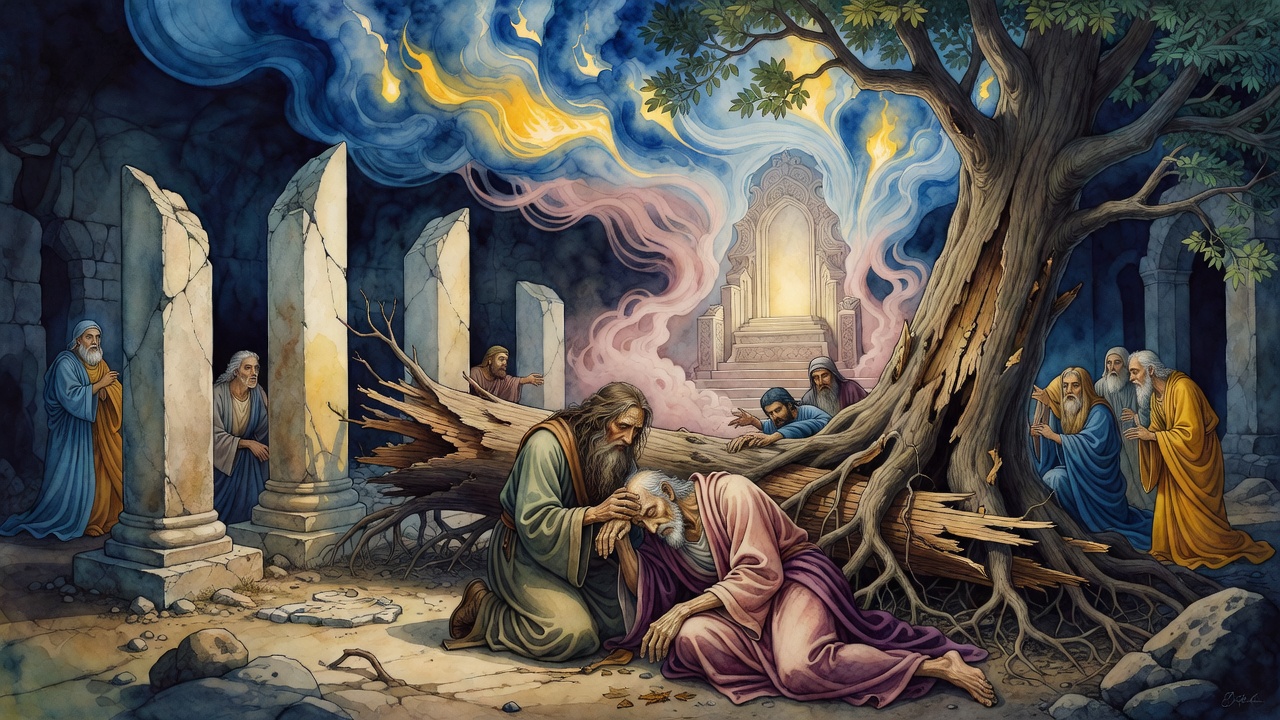
He kissed the dying hands and put his mouth to the dust. Three times he fell. Then he named the three pillars that had become one.
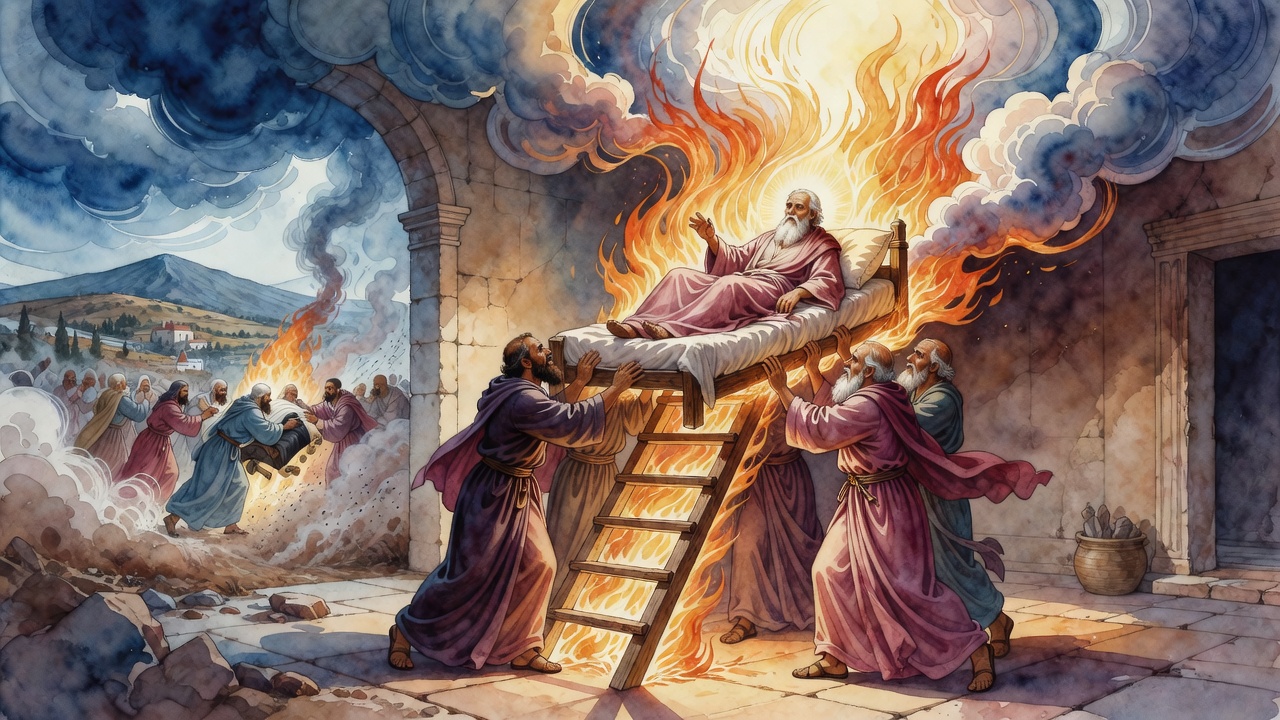
The house smelled of spices, not of a corpse. Two men lifted him onto a bed shaped like a ladder. Outside, two towns reached for the body.
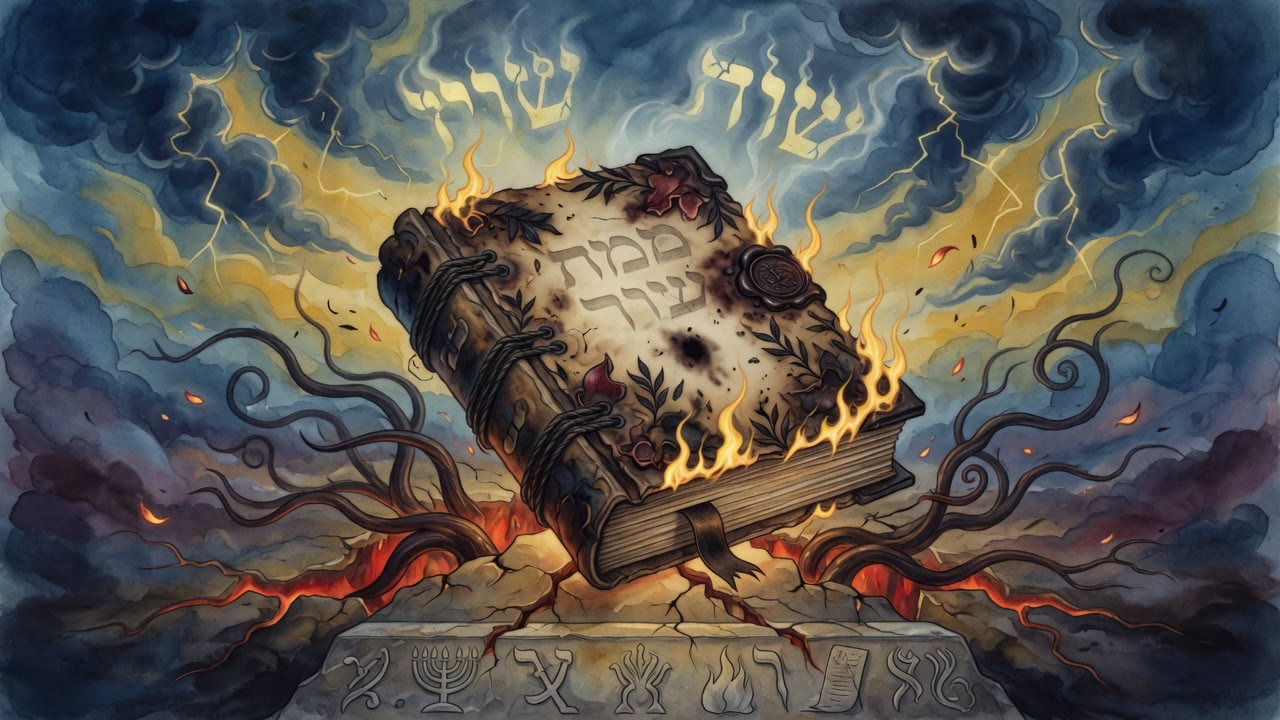
A closed booklet held names no one should speak. Ninety-seven forces of impurity hid in two Torah words, and Gehenna (afterlife of judgment) shook for the.
