5,036 texts · Page 26 of 105
The infamous villain of the Purim story, the one who plotted to annihilate the Jewish people in ancient Persia. But have you ever stopped to consider the sheer audacity of his argu...
We all know the story: Esther, Mordechai, the wicked Haman, and the foolish King Ahasuerus. But the chilling details of Haman's plan, as described in Legends of the Jews by Louis G...
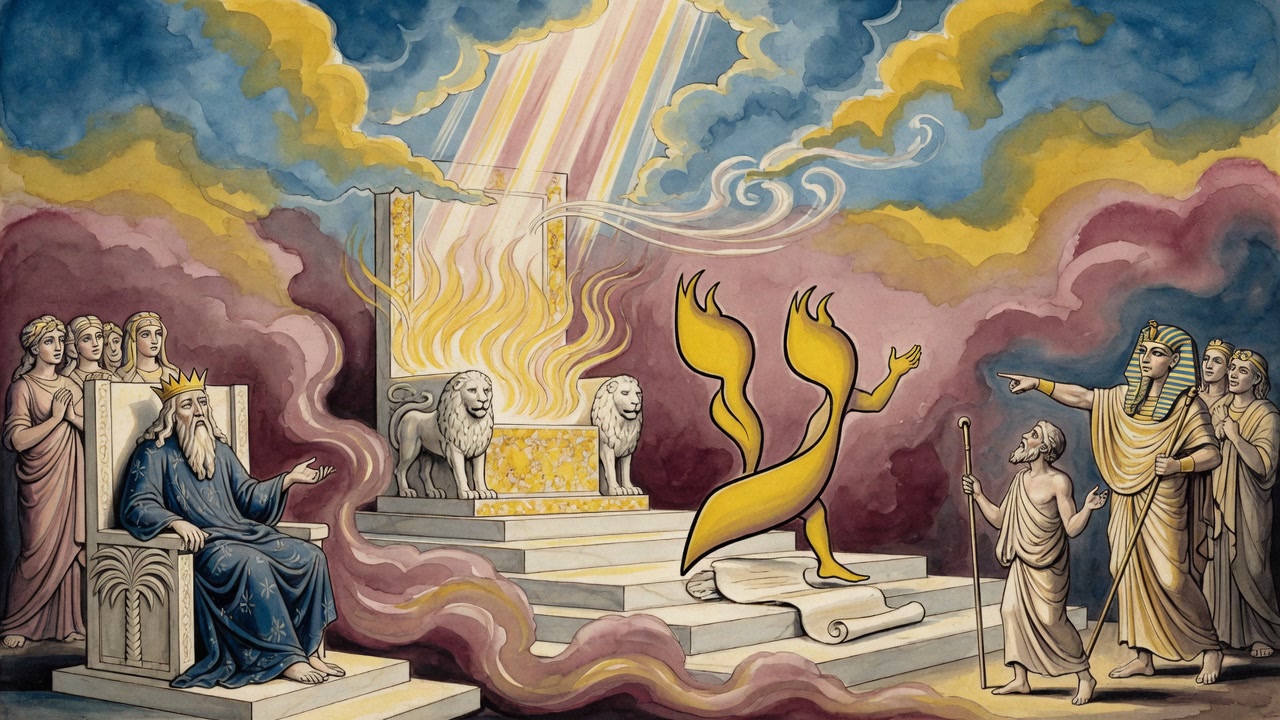
We're going to look at the actual edict – or, more accurately, the alleged edict – issued by King Ahasuerus based on the advice of none other than Haman. : how would you convince a...
The Book of Esther, and the rich tapestry of stories woven around it, grapples with just that question. It’s a chilling thought experiment, isn't it? The story, as retold in Ginzbe...
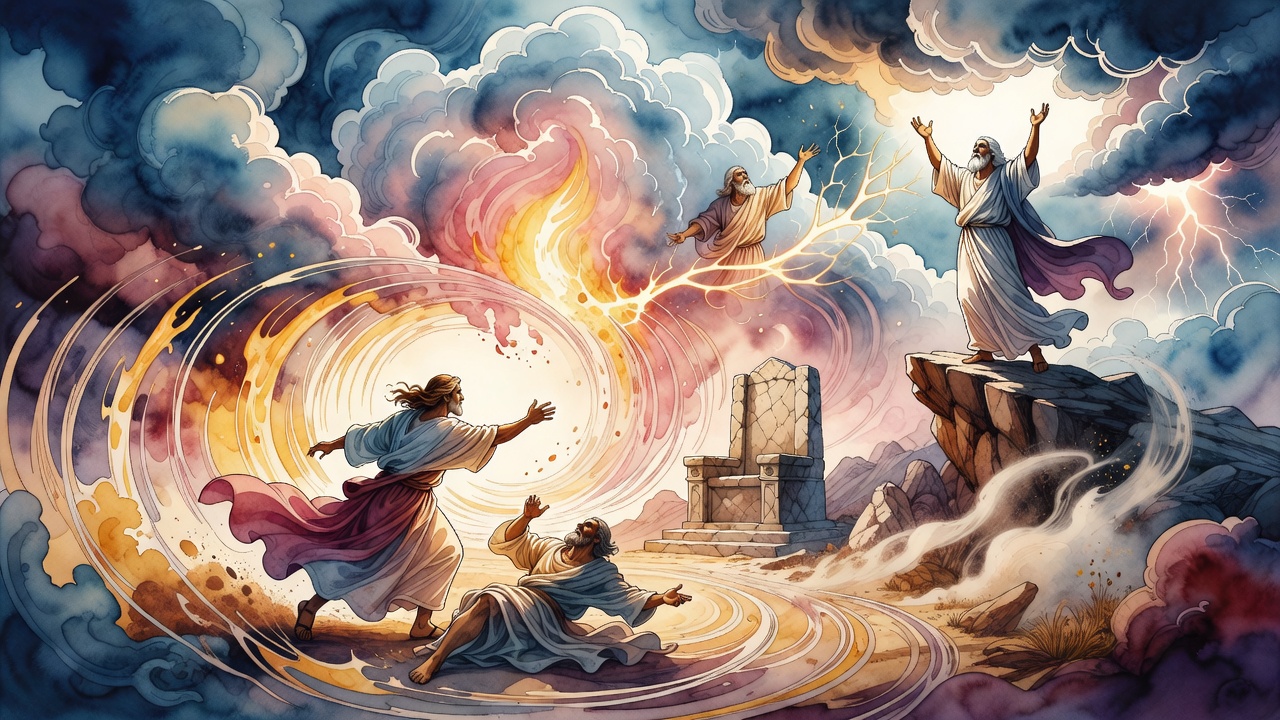
Jewish tradition certainly knows that feeling, and it gives us some incredible stories about how our ancestors faced it. Imagine this: the prophet Elijah, a figure practically syno...
The Jewish tradition offers some pretty powerful ways to navigate those moments, drawing strength from the stories of our ancestors. Imagine Esther, poised to enter the court of Ki...
The Book of Esther tells us the broad strokes, but Jewish tradition fills in the emotional depth, the internal struggles, and the sheer courage it took to face such a daunting task...
That’s where we find Esther in the story, right after that fateful banquet. King Ahasuerus, still riding high on the wine and the atmosphere, repeats his offer. He's practically be...
We all know the happy ending, the costumes, the graggers (noisemakers), and the hamantaschen (three-cornered pastries). But let’s pull back the curtain for a moment and look at the...
He was down. Like, really down. After the whole ordeal with having to lead Mordecai around in royal robes – a humiliation orchestrated by the very man he wanted to destroy – and th...
She wasn't done. This time, she wanted her story, the story of her courage and her people’s deliverance, enshrined within the Holy Scriptures. But the sages hesitated. Big time. Ad...
The historian Josephus, writing in his work Against Apion, gives us a glimpse into the Jewish perspective on this very question. He contrasts the Jewish reverence for scripture wit...
It turns out, they often are. And that's precisely what Flavius Josephus, the first-century Jewish historian, points out in his work, Against Apion. He's making a case for the anti...
It's easy to imagine them through our own lens, colored by sacred texts and centuries of tradition. But what did the rest of the world see? Well, let’s start with a rather unflatte...
Today, we're diving into one such path, guided by the words of Josephus, a first-century Romano-Jewish historian. He's responding to some pretty harsh claims made by an Egyptian pr...
To a bit of ancient Egypt as seen through the eyes of Flavius Josephus, the first-century Romano-Jewish scholar, as he confronts some pretty wild accusations leveled against the Je...
Our story comes to us, indirectly, from Flavius Josephus, the 1st-century Romano-Jewish historian. In his work Against Apion, Josephus is defending Judaism against its detractors. ...
Sometimes, digging into the past brings up unexpected things... and uncomfortable questions. Today, we're wading into one of those uncomfortable corners, a place where ancient bias...
It concerns Moses, the ultimate liberator, and some truly wild accusations leveled against him. Now, Josephus, in his work Against Apion, addresses these very claims, specifically ...
We often think of the classic texts – the Torah, the Midrash (rabbinic interpretive commentary) – but there's a whole other world of accounts out there, often written by those not ...
We've been looking at how different writers tried to explain the story of the Israelites leaving Egypt. Last time, we dug into Manetho's version, and now we're going to look at Che...
That’s exactly what we find ourselves facing when we delve into the writings of Lysimachus, a figure who, according to Josephus in his work Against Apion, spun a tale so incredibly...
Remember that feeling when someone tells you something so outrageous, so demonstrably false, that you almost don't want to dignify it with a response? But then you realize, silence...
Our guide for this adventure is Flavius Josephus, the first-century Romano-Jewish scholar and historian, and the story comes from his work, Against Apion. This book is essentially ...
That's the situation the Jewish people faced in antiquity, and it's what prompted Flavius Josephus to write his powerful work, Against Apion. You see, back in the day, not everyone...
It's more than just a historical account; it's a defense of the Jewish people and their traditions. Josephus wants to set the record straight about Moses. He argues that when our a...
The historian Josephus, in his work Against Apion, gives us some insight into this very question. He highlights how Jewish law, as he understood it, navigated the delicate balance ...
In his work, Against Apion, he outlines some of the core principles embedded in Jewish law. And they go way beyond the usual "be nice" platitudes. He points out that our legislator...
Ever get the feeling someone's telling stories about you, and they're just... not true? That's kind of the situation the Jewish historian Josephus found himself in during the first...
The Egyptian princess who raised Moses had to make him swear an oath before handing him over to the king. That is how little she trusted her own father's court—the same court whose...
God declared His secret name to Moses at the burning bush—and then Josephus, the first-century Jewish historian, refused to write it down. "It is not lawful for me to say any more,...
Ten times Pharaoh promised to free the Hebrews. Ten times he broke his word. Each broken promise brought something worse than the last, and according to Josephus, the plagues that ...
Six hundred chariots. Fifty thousand horsemen. Two hundred thousand infantry. That was the army Pharaoh sent racing after the Hebrews barely three days after letting them go—and he...
The Egyptians who chased the Hebrews into the sea did not drown quietly. According to Josephus, the water came crashing back accompanied by storms, rain, thunder, lightning, and th...
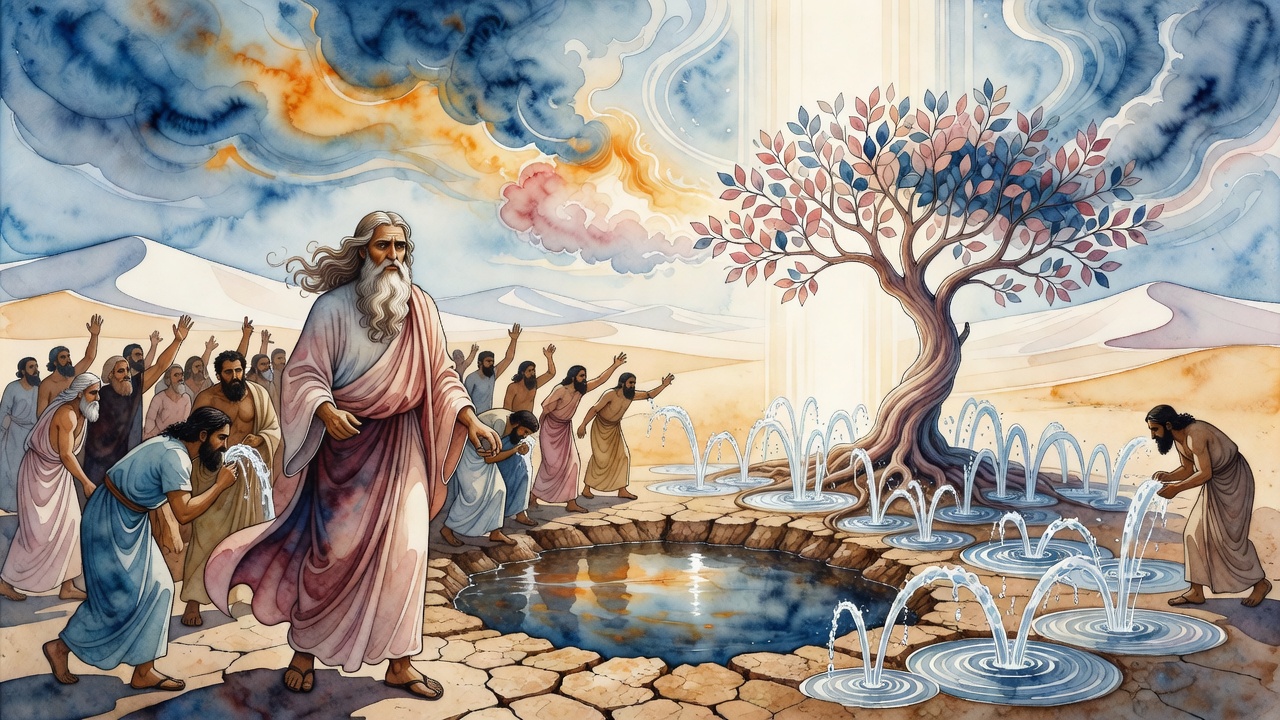
Moses struck a rock and a river came pouring out. Not a trickle, not a seep—a full river, bursting from dry stone in the middle of the desert, clear and sweet enough to make an ent...
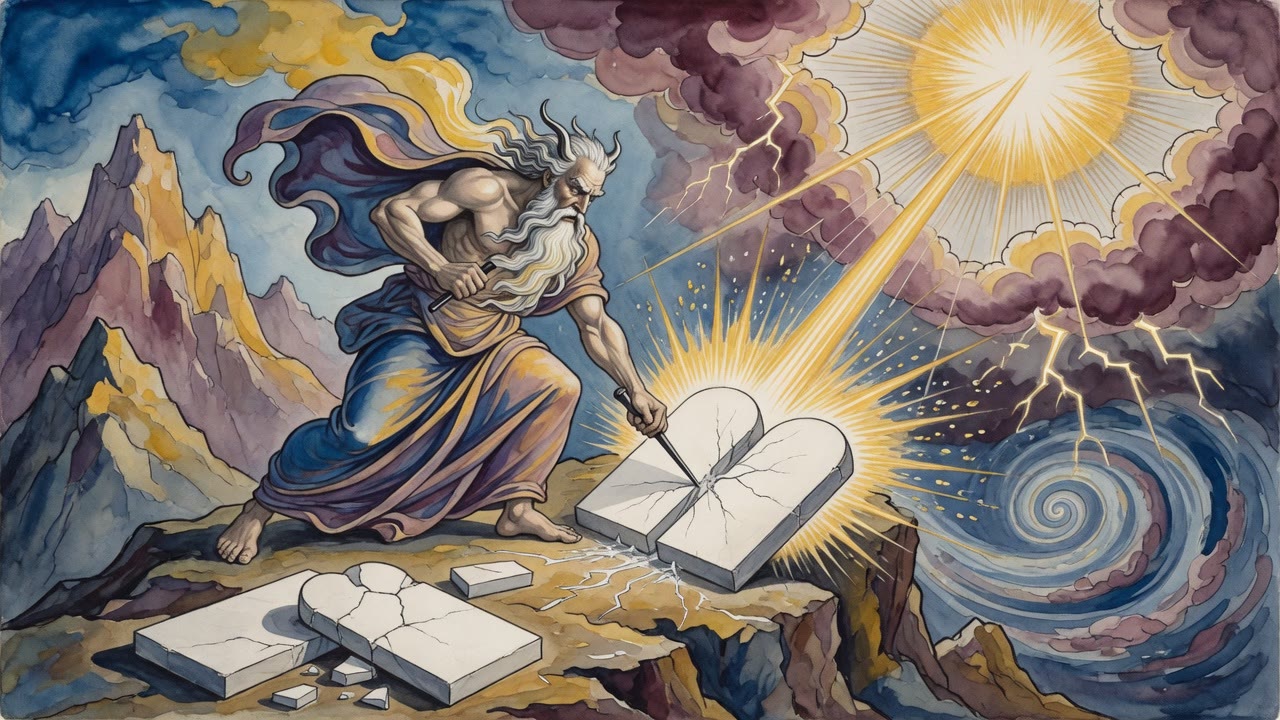
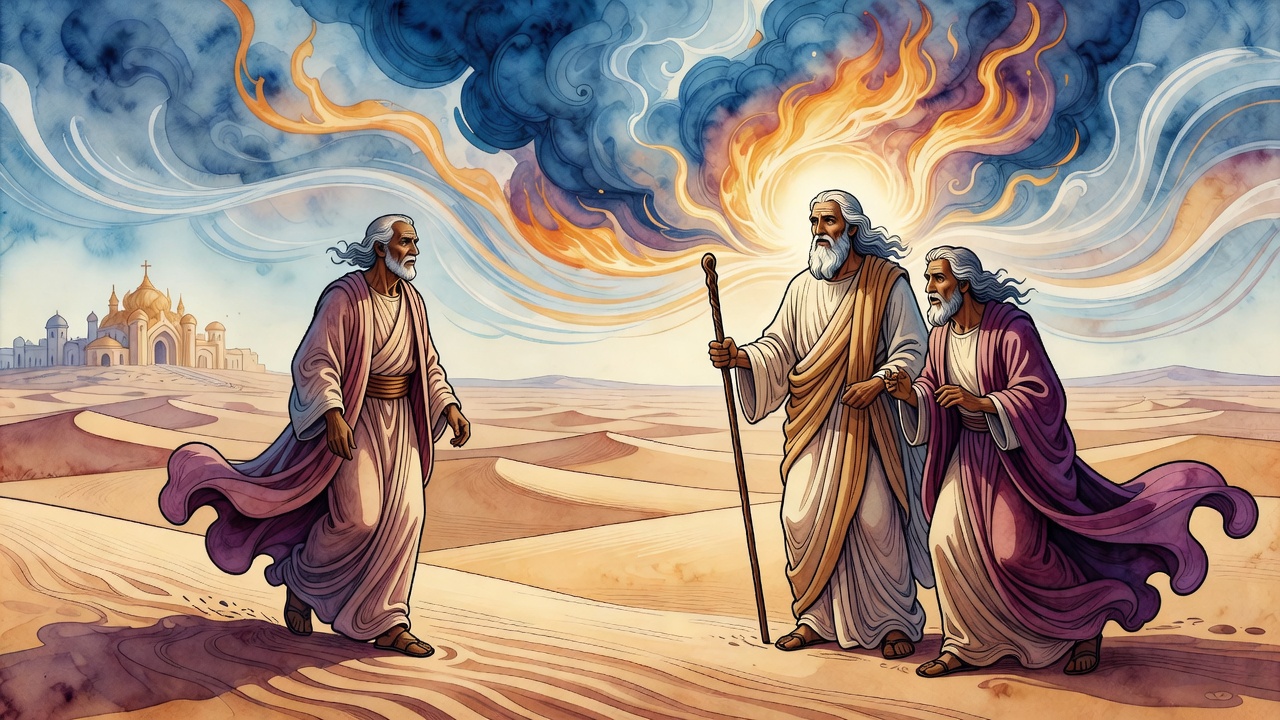
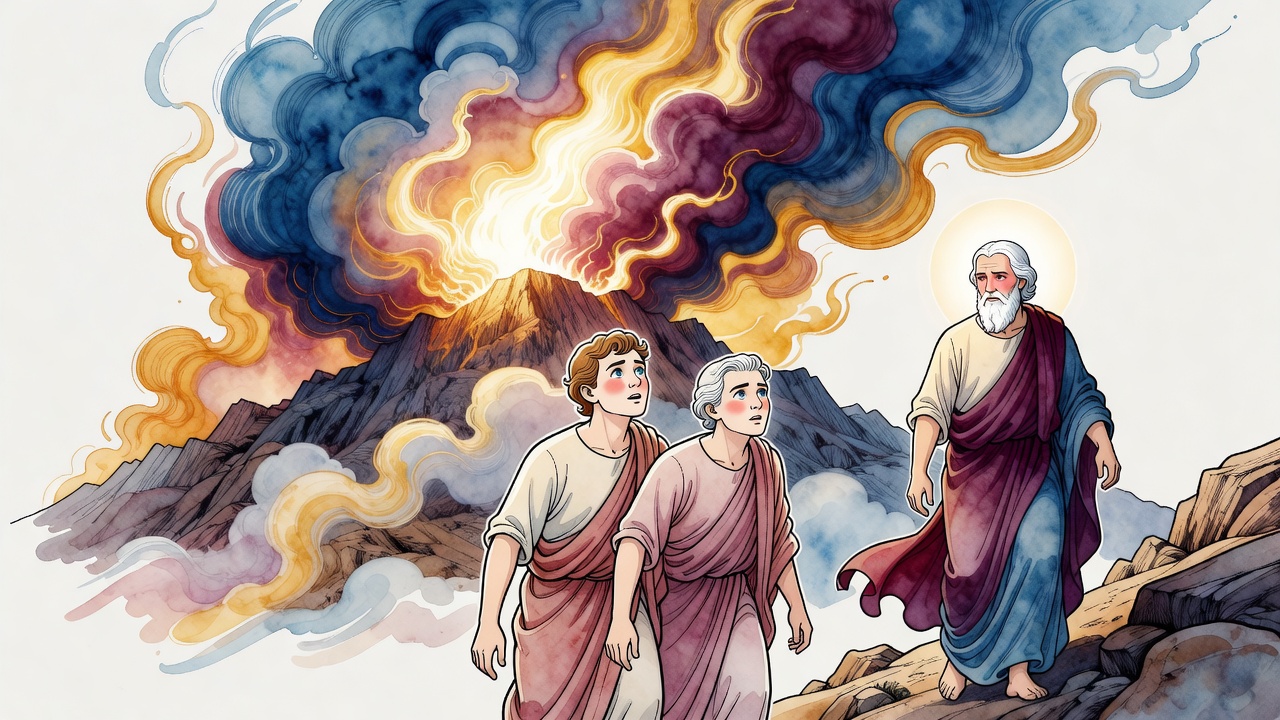
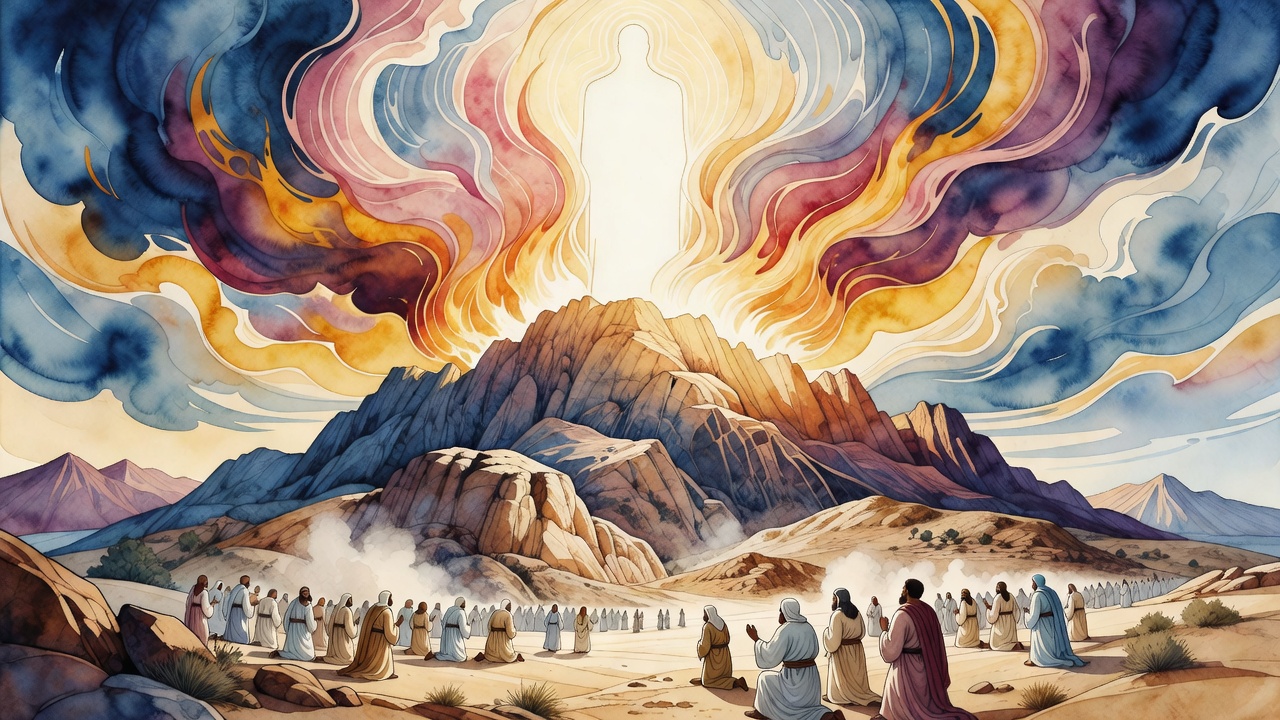
The mountain was on fire, the sky had turned black, and every person in the camp was convinced they were about to die. That was the scene at Mount Sinai when God spoke the Ten Comm...
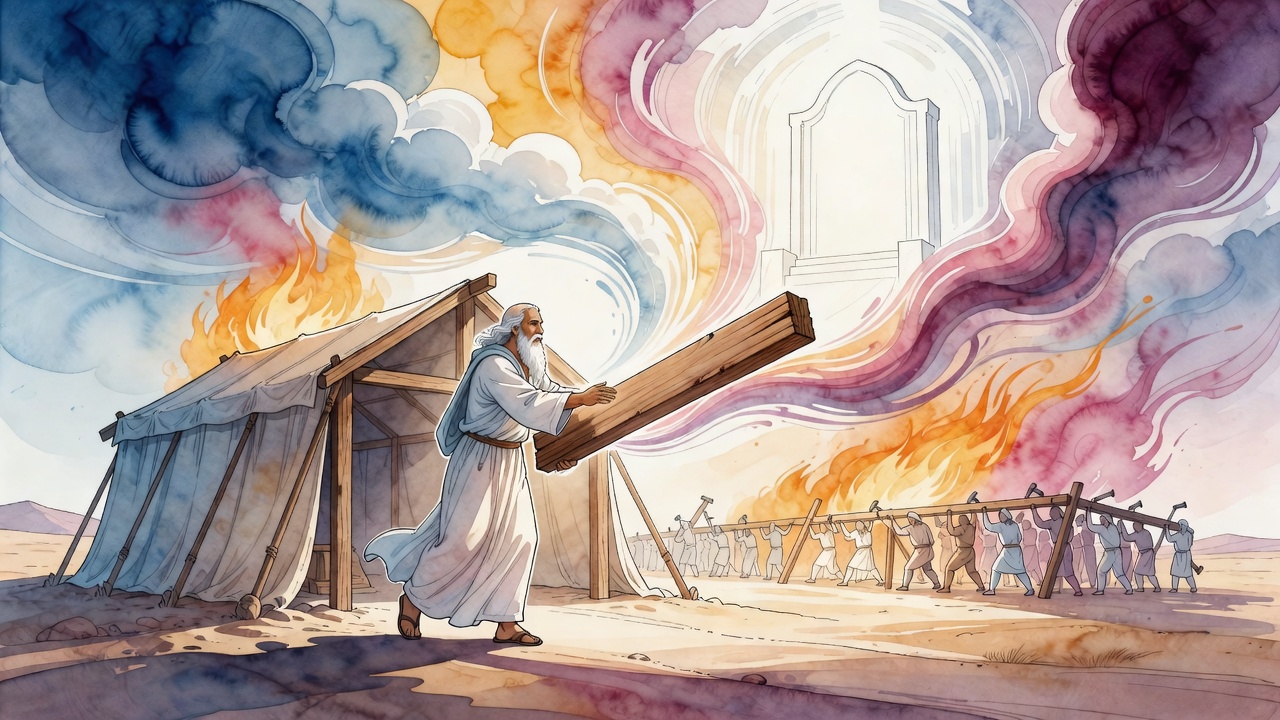
The people brought so much gold that Moses had to tell them to stop. That detail, preserved by Josephus, captures something remarkable about the building of the Mishkan (Tabernacle...
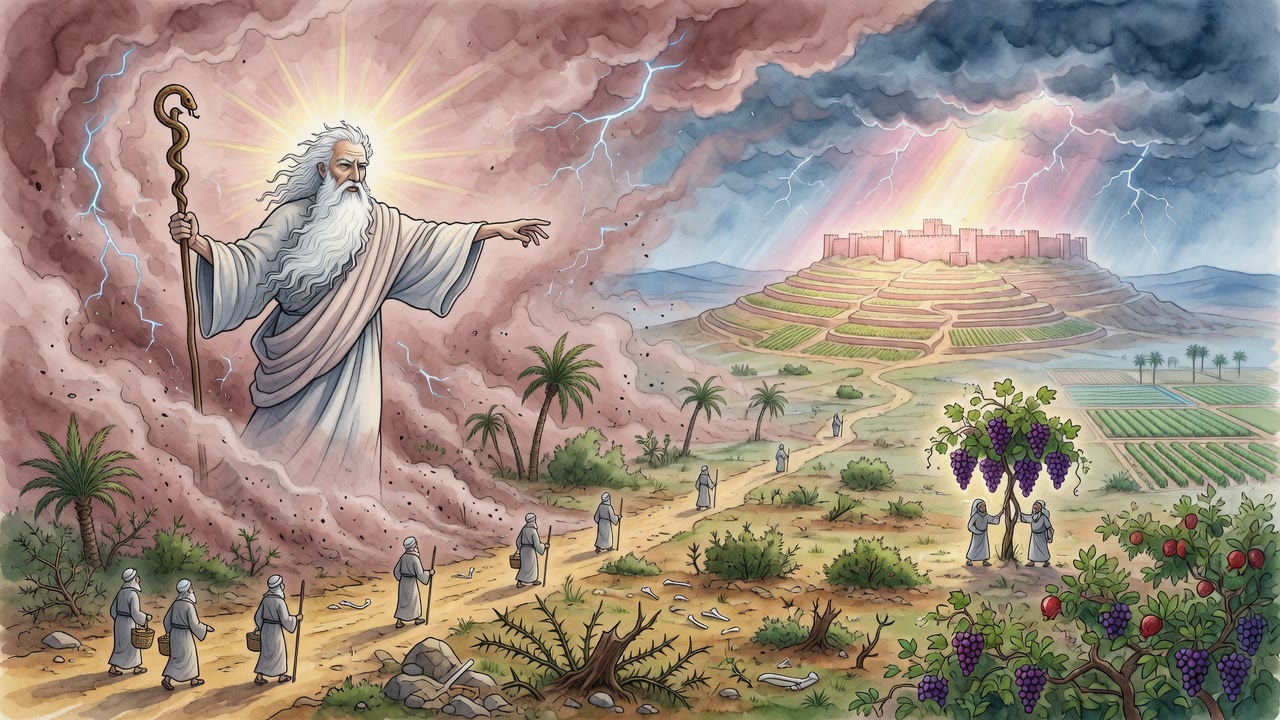
Twelve men walked into the land of Canaan. Twelve came back. And with a few terrified words, they nearly destroyed an entire nation's future. Moses had brought the Israelites to th...
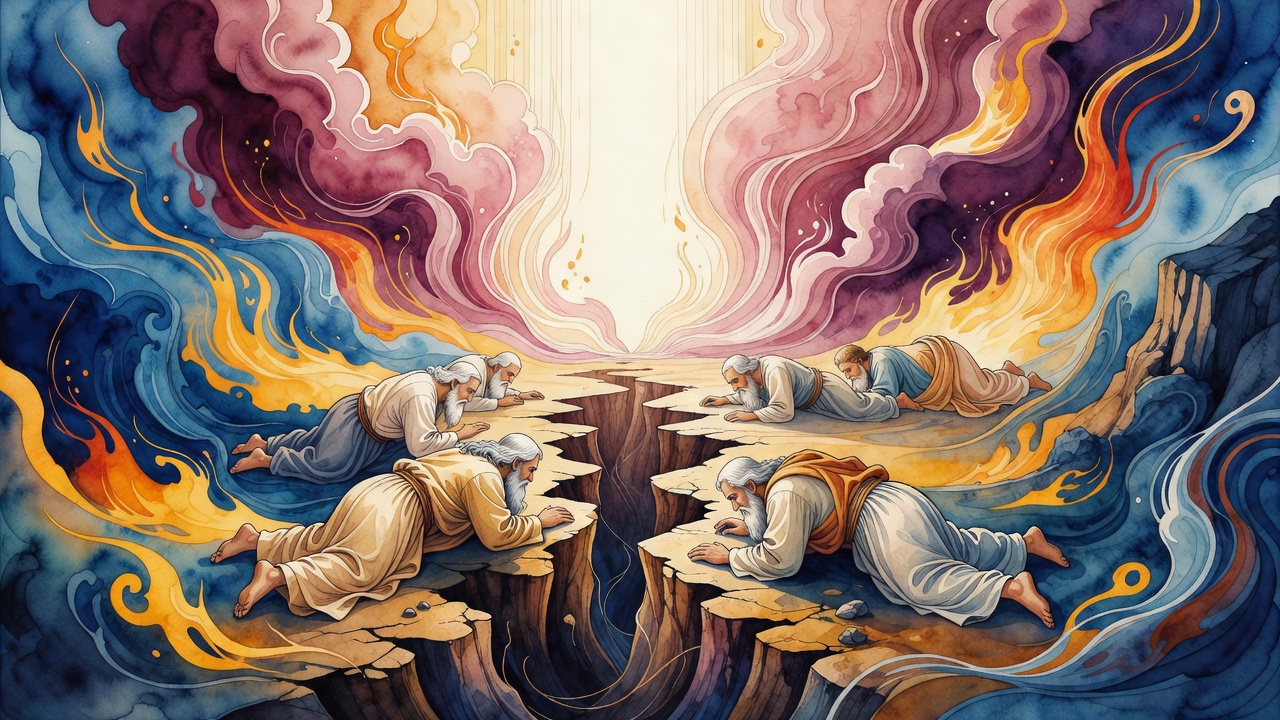
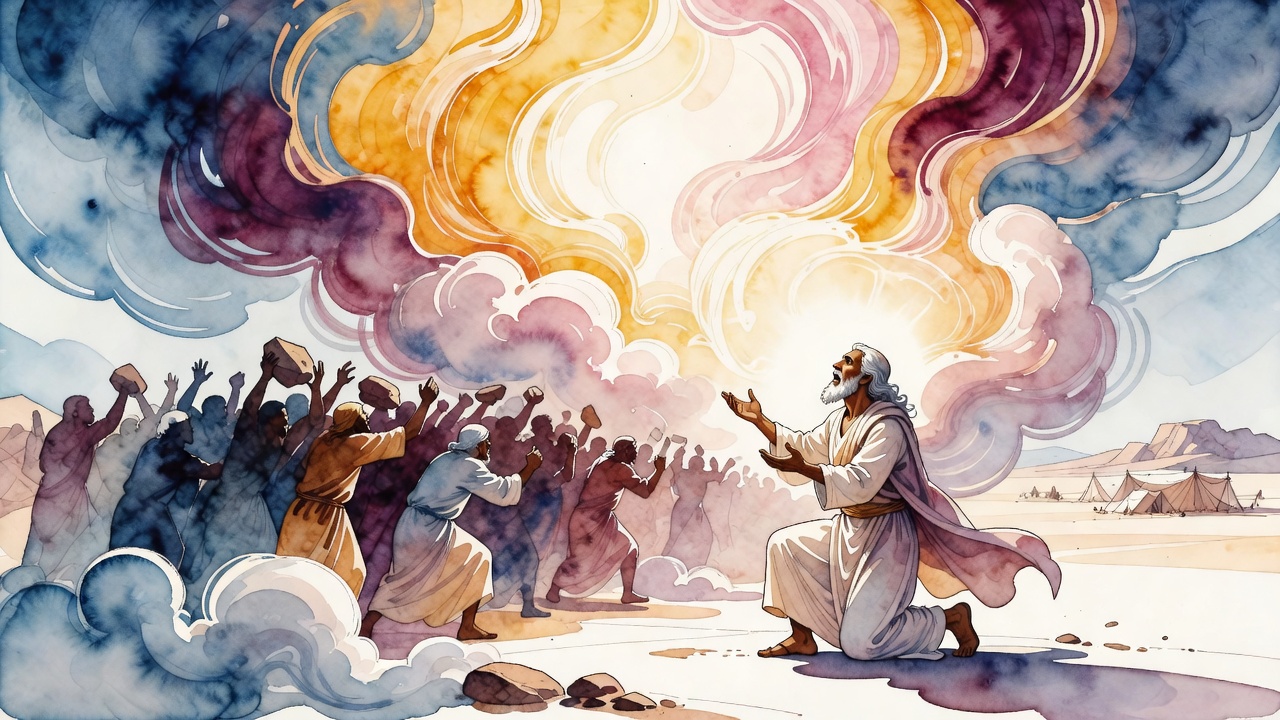
The earth opened its mouth and swallowed men alive. Not in a myth. Not in a metaphor. According to Josephus, the ground beneath the tents of the rebels cracked apart with a sound l...
A donkey saw an angel before the greatest prophet of the ancient Near East did. That detail alone tells you everything about the story of Balaam. Balak, the king of Moab, was terri...
Balaam could not curse Israel. So he taught their enemies how to make Israel curse itself. Before leaving, the prophet gave Balak and the Midianite princes a final piece of advice:...
Moses spent his final days doing what he had done since Sinai: giving laws. But these were different. These were the laws of a man who knew he would never cross the Jordan. The mil...
Moses did not die in any normal sense. According to Josephus, writing in the first century CE, the greatest prophet who ever lived simply vanished—swallowed by a cloud on a mountai...
Tzimtzum, a Hebrew word that means "contraction" or "self-limitation," is a profound idea in Jewish mysticism, particularly within the Kabbalistic tradition. It suggests that, befo...
Why the different guises? The Hasidic master Levi Yitzchak of Berditchev explains that God does not change, but rather it is those who perceive God who are different. God appears t...
It’s a question that’s haunted mystics and theologians for millennia. And the answer, as we find in Jewish tradition, is both breathtakingly beautiful and terrifyingly destructive....
In Jewish mysticism, this presence is often understood through the concept of the Shekhinah (the Divine Presence). But here's something fascinating: it's not just one Shekhinah, bu...
We often jump straight to God, the Creator, but Jewish mystical tradition offers a fascinating glimpse at something...more. Something that acted as a bridge between the unknowable ...