1,018 myths · Page 27 of 34
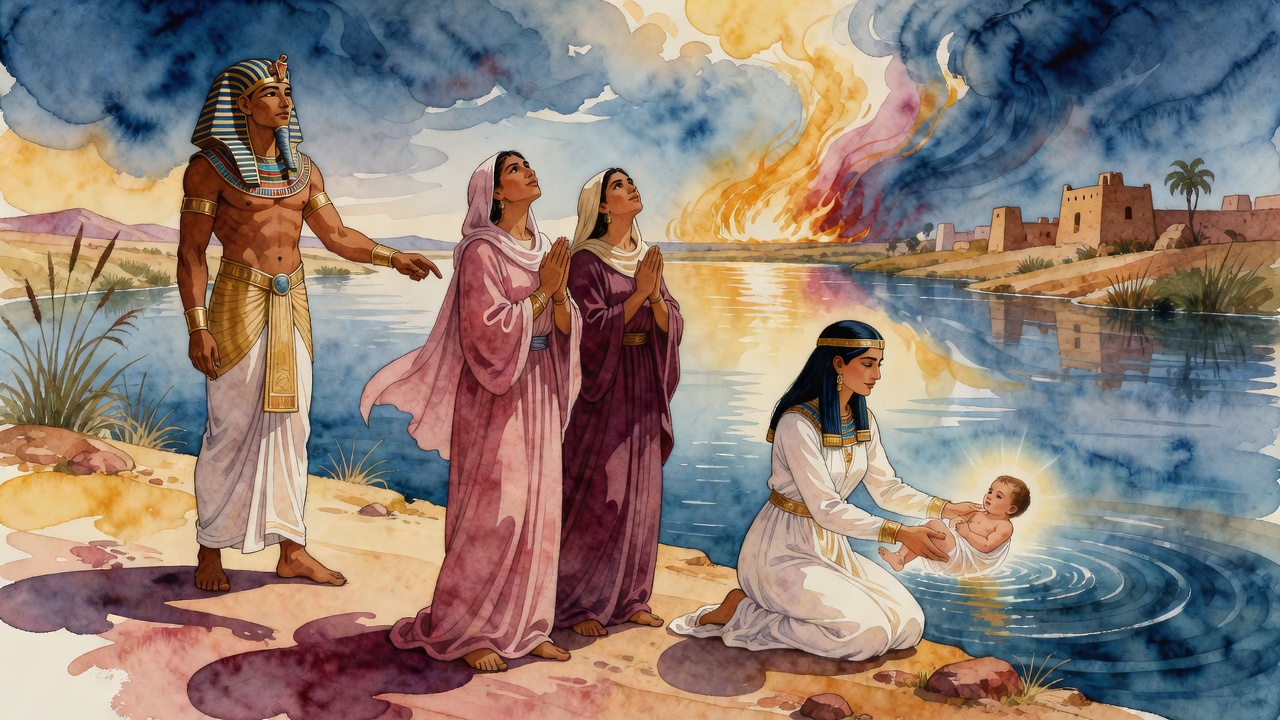
Pharaoh demands dead boys. Jokheved and Miriam answer with prayer, not biology. A princess draws a living child from the river and names him for the rescue.
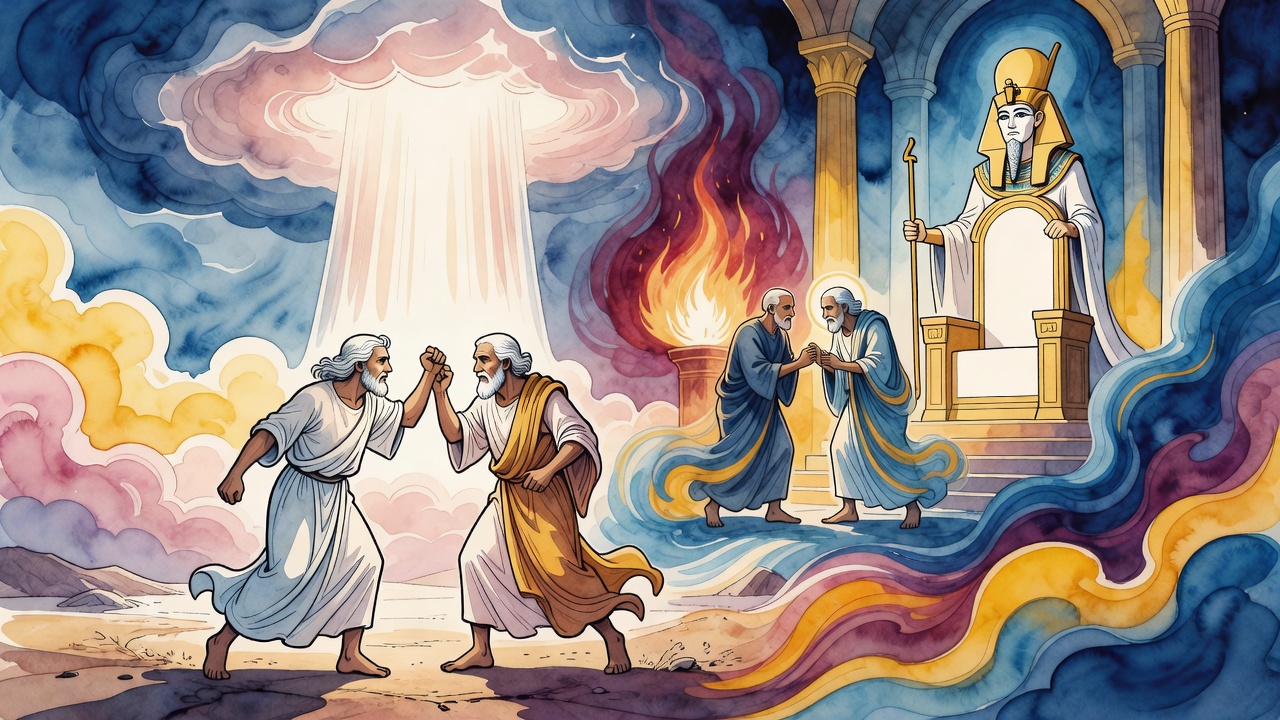
Young Moses breaks up a fight between Dathan and Abiram. Years later the same pair stay in Egypt and feed Pharaoh news so he can hunt the freed slaves.
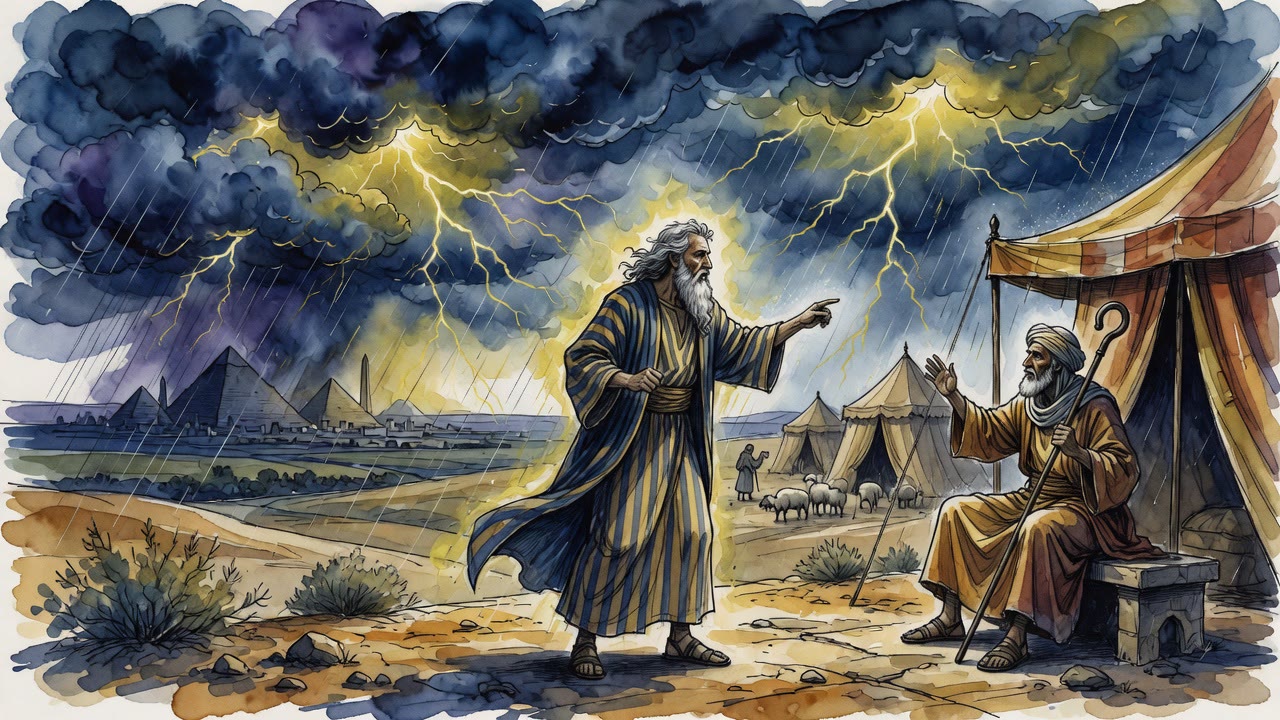
Moses asks Jethro's permission as if only checking on kin. God says the hunters of his life are reckoned dead, and Pharaoh's passion will be made obstinate.
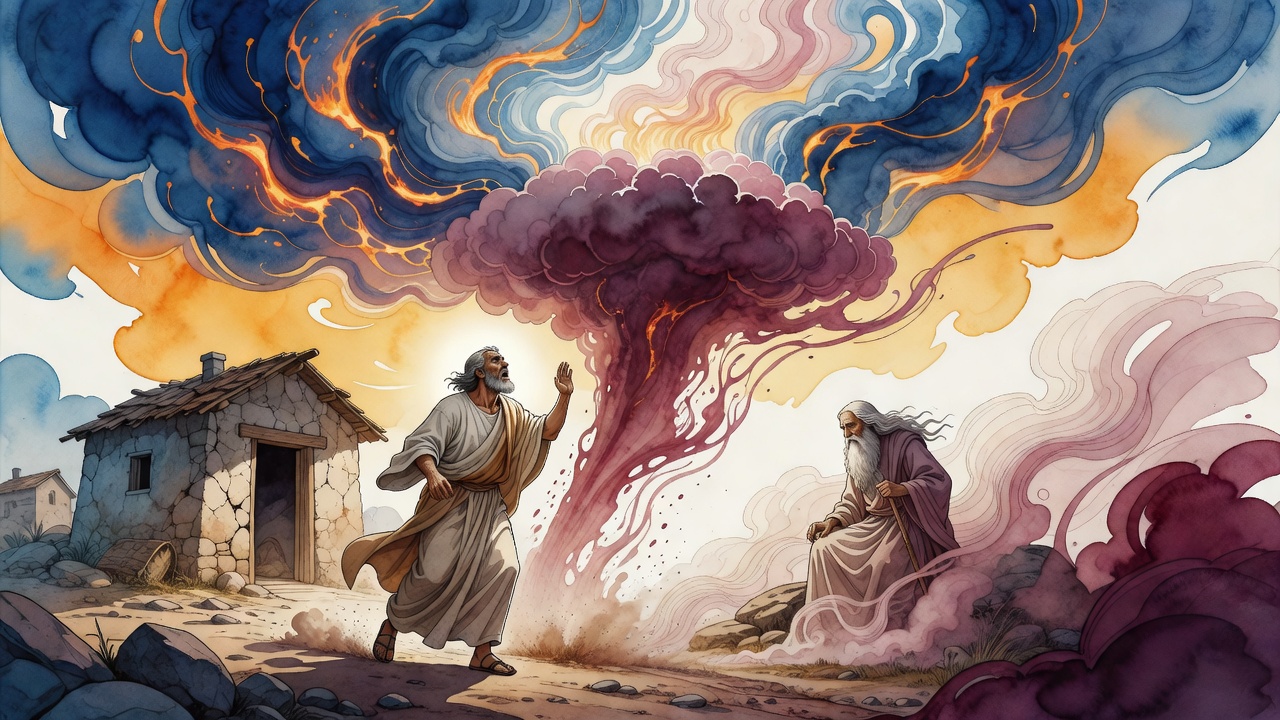
At a roadside inn the LORD met Moses to kill him, while Abraham at ninety-nine had learned that only the cut made a man whole before God.
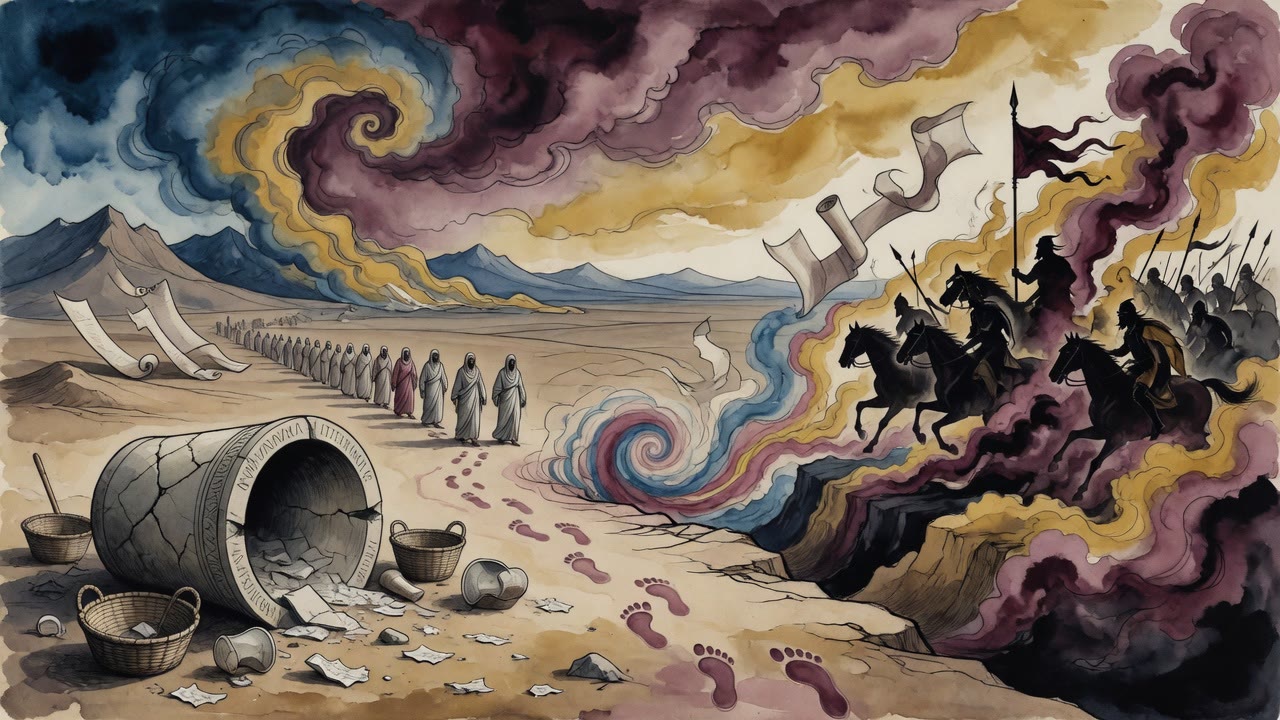
The rod Moses carried up the hill had already broken Egypt and split the sea. Below, an army that came to fight found it could not move.
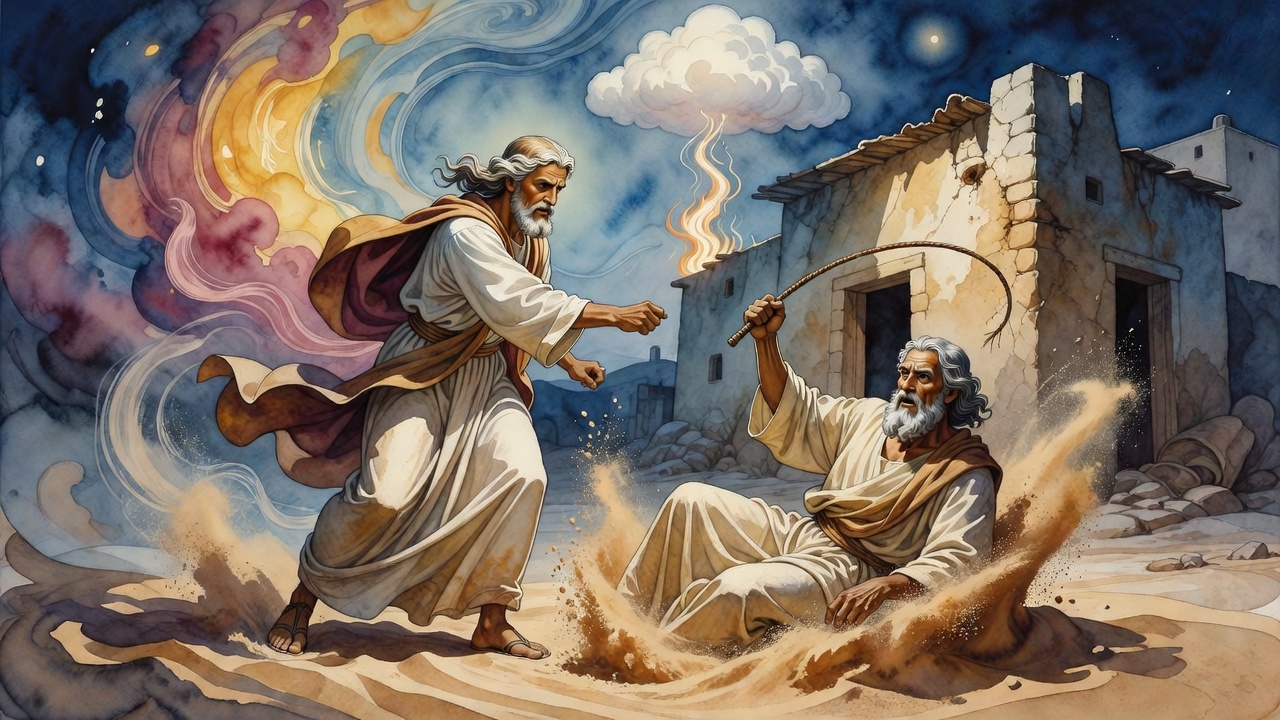
An Egyptian steals a night from an Israelite house, then raises his whip. Moses turns, judges the man, and buries him in sand before Egypt wakes.
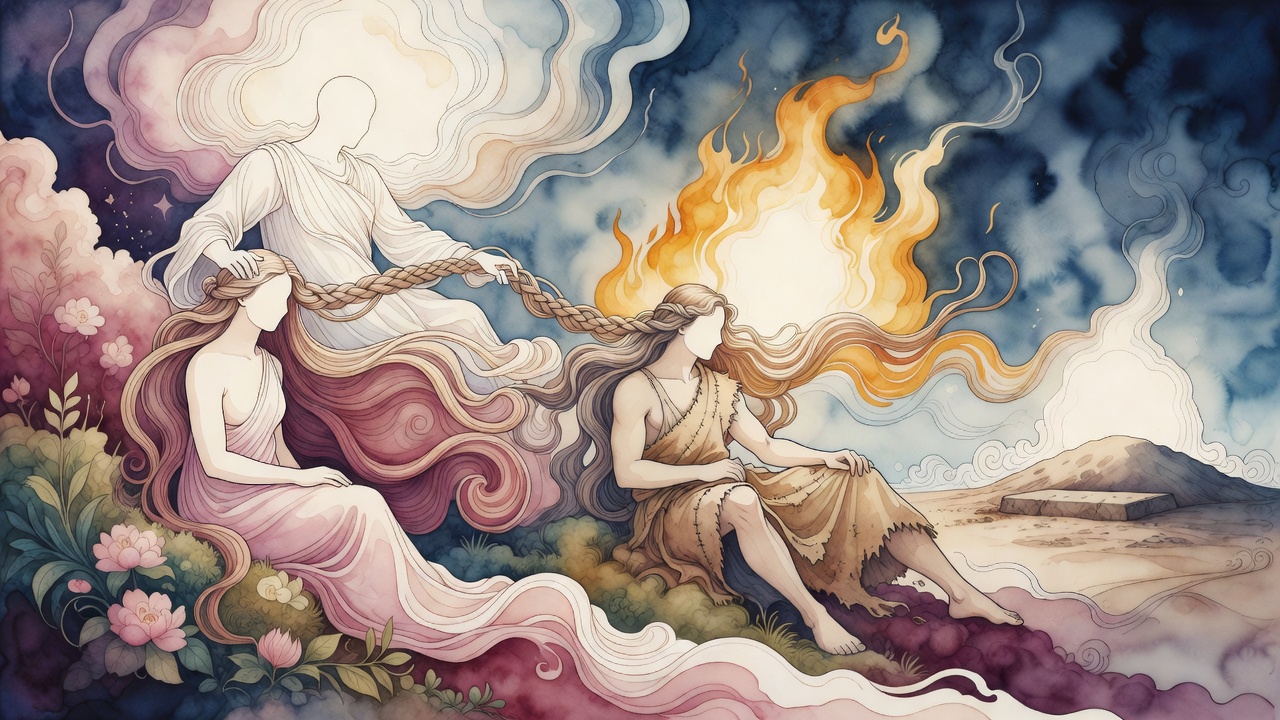
God did not shove her out from behind a tree. He braided her hair first. Adam waited, short a rib, with nothing to offer her but a name.
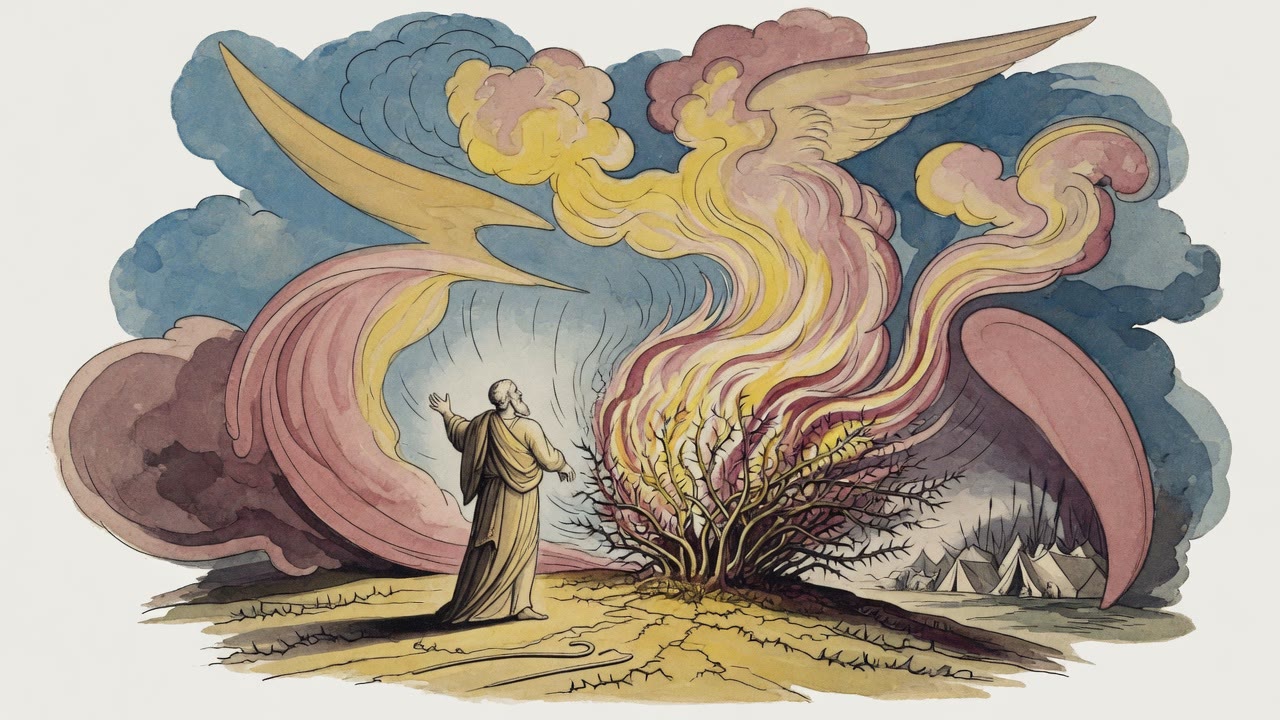
The bush burned and made no ash. Moses wanted a name he could carry into Egypt. What he got was a future he had to keep behind his teeth.
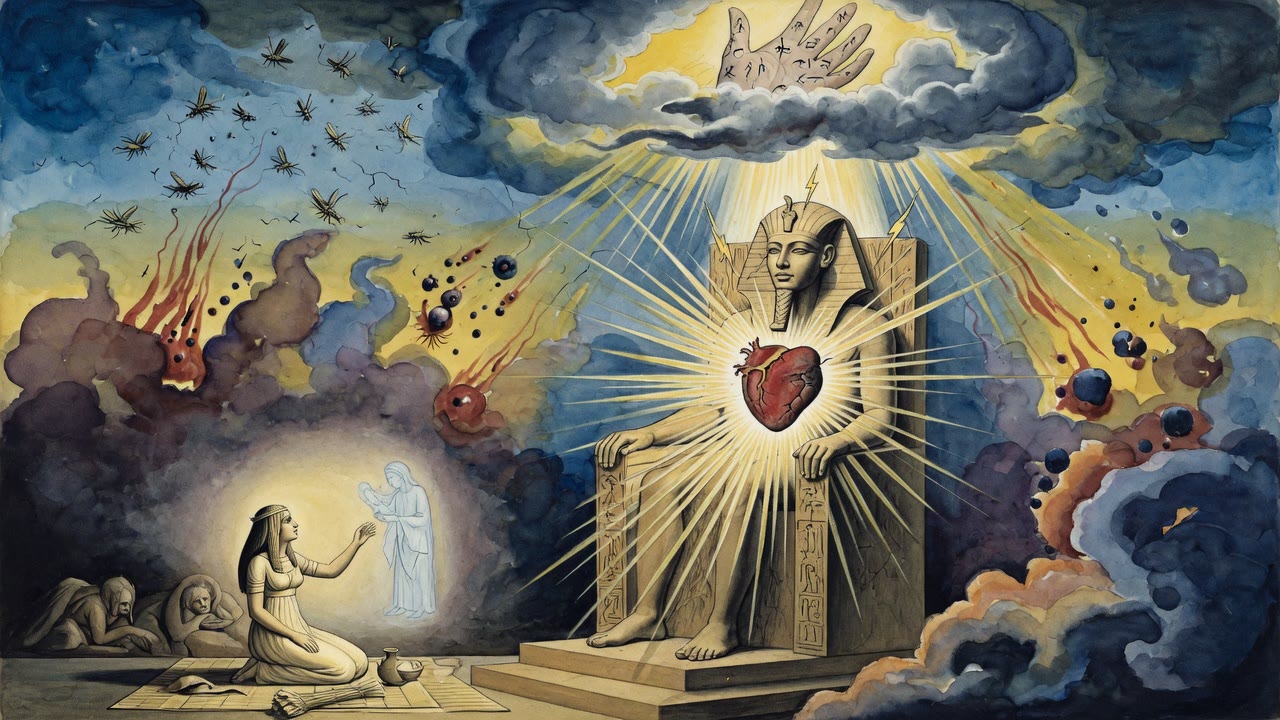
Warning after warning strikes Egypt, and Pharaoh hardens himself first. Heaven cooks his heart like twice-boiled liver, while Bitya lives by an old kindness.
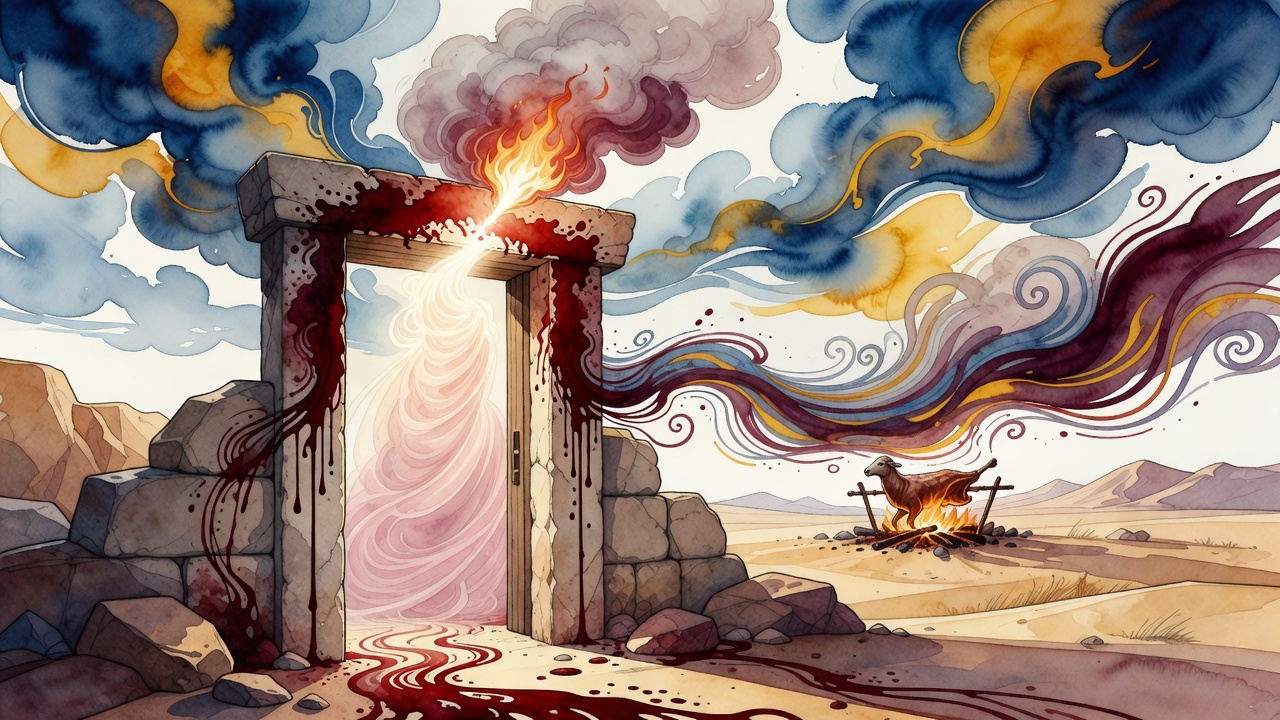
Before the first Passover, Israel must circumcise to eat the lamb. Eden winds carry the roast scent, two bloods mingle, and God kisses each doorway.
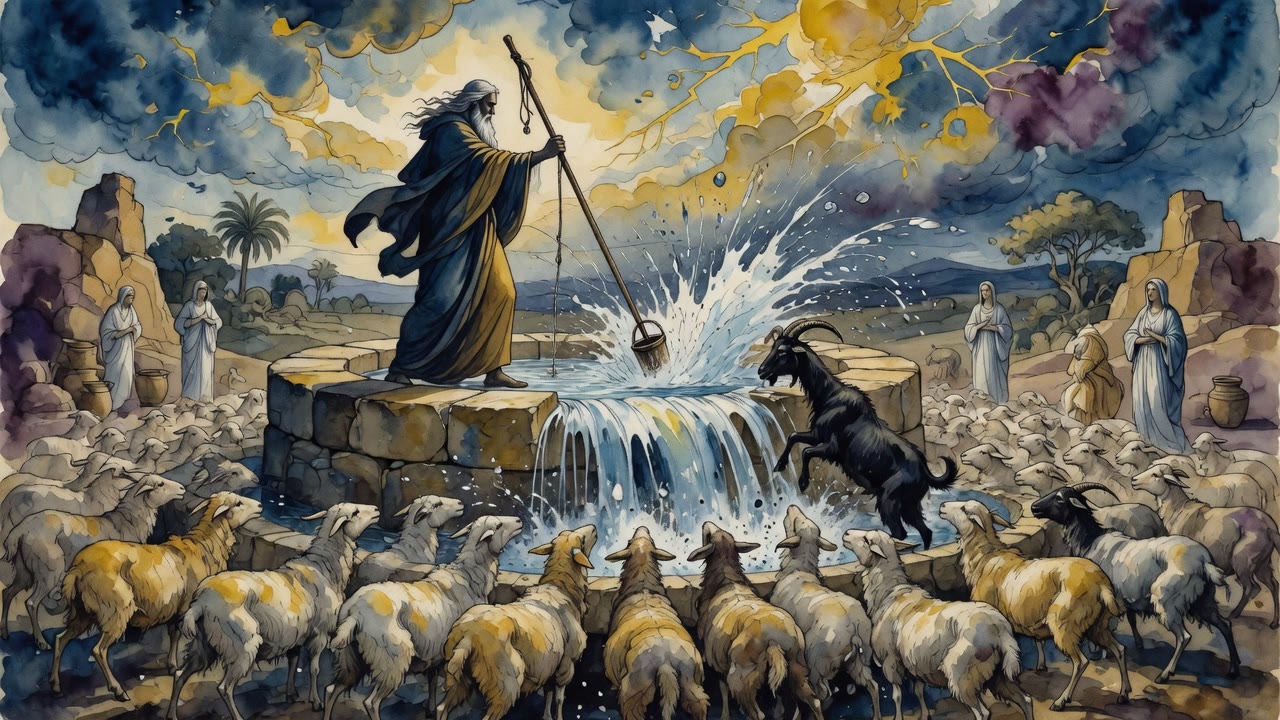
Shepherds shoved seven sisters from the trough. A fugitive from Egypt pulled one bucket, and every sheep at the well drank.
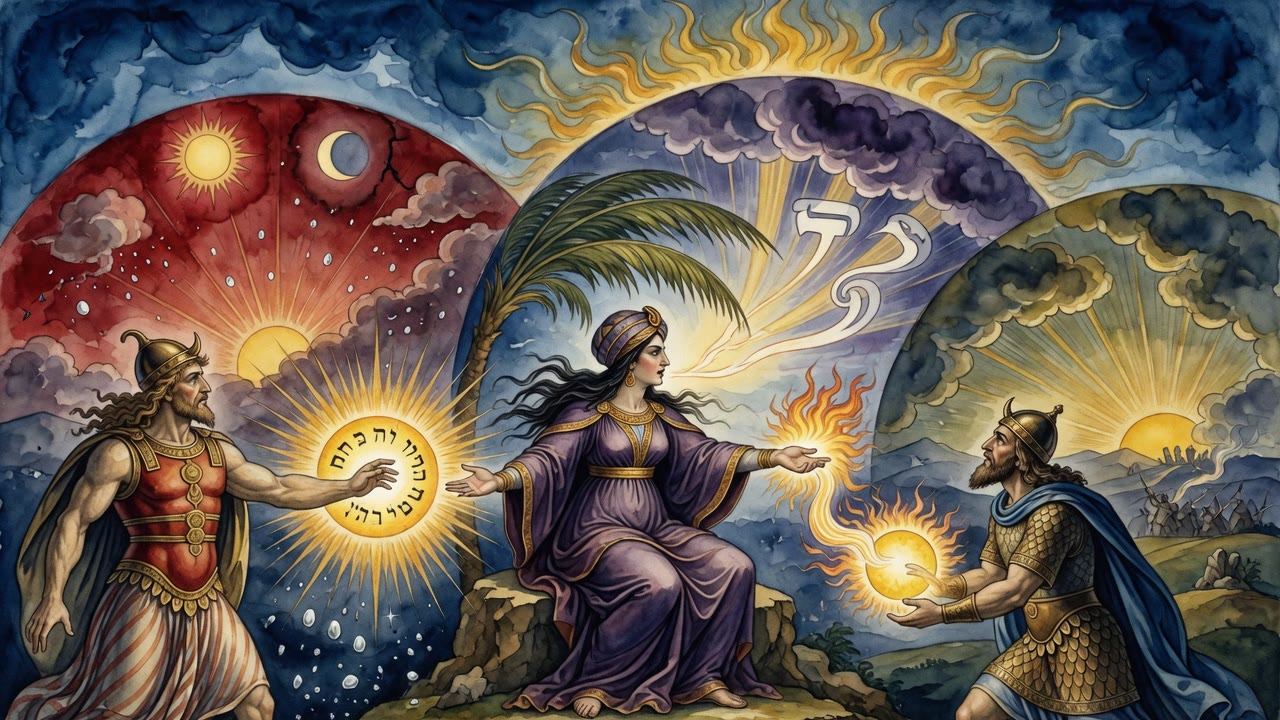
Ash clung to the hills. He closed twenty volumes on eighty-three names, ending with a man chosen by lot who did not know the rites.
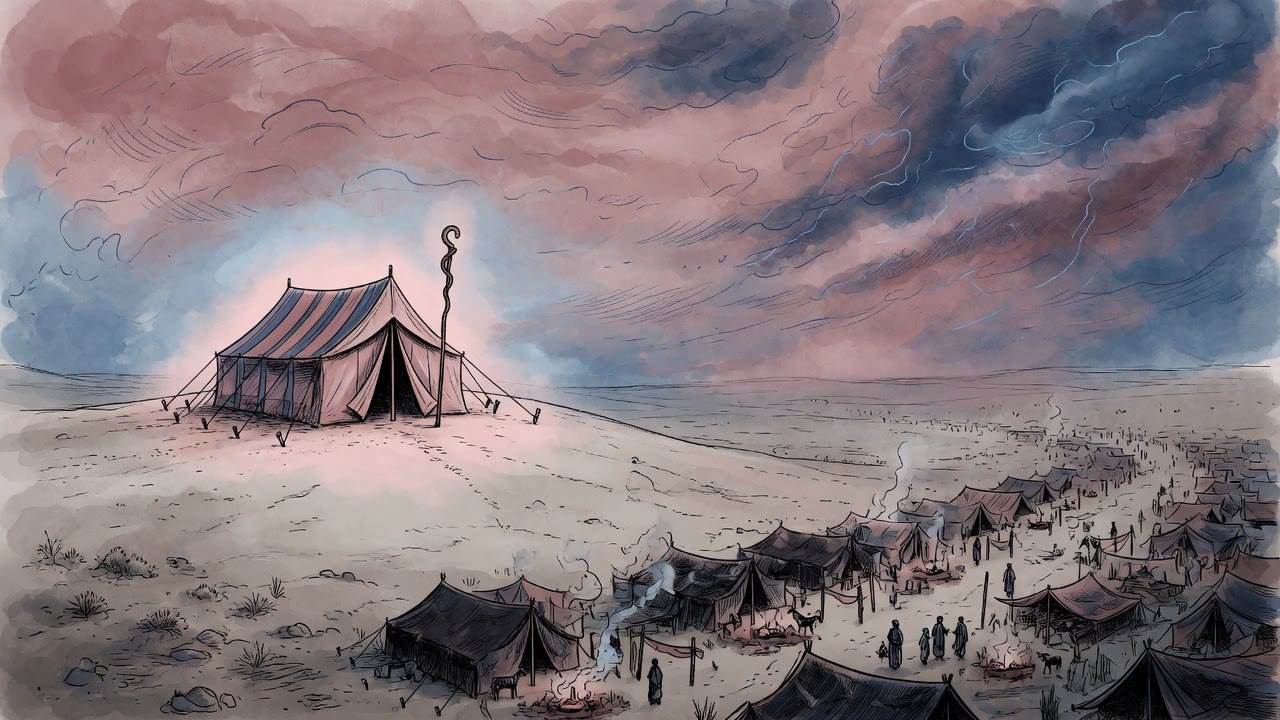
The gold of the calf still stank in the dust. Moses dragged his tent past the last row of Israel and did not look back.
The calf was still cold metal behind him. Moses would not march the people on a rumor of protection. He asked Heaven for a name.
Pharaoh tore the Levites scrolls of hope and drove Israel to bleed in the clay, while the people cried like a lamb between wolf and shepherd.
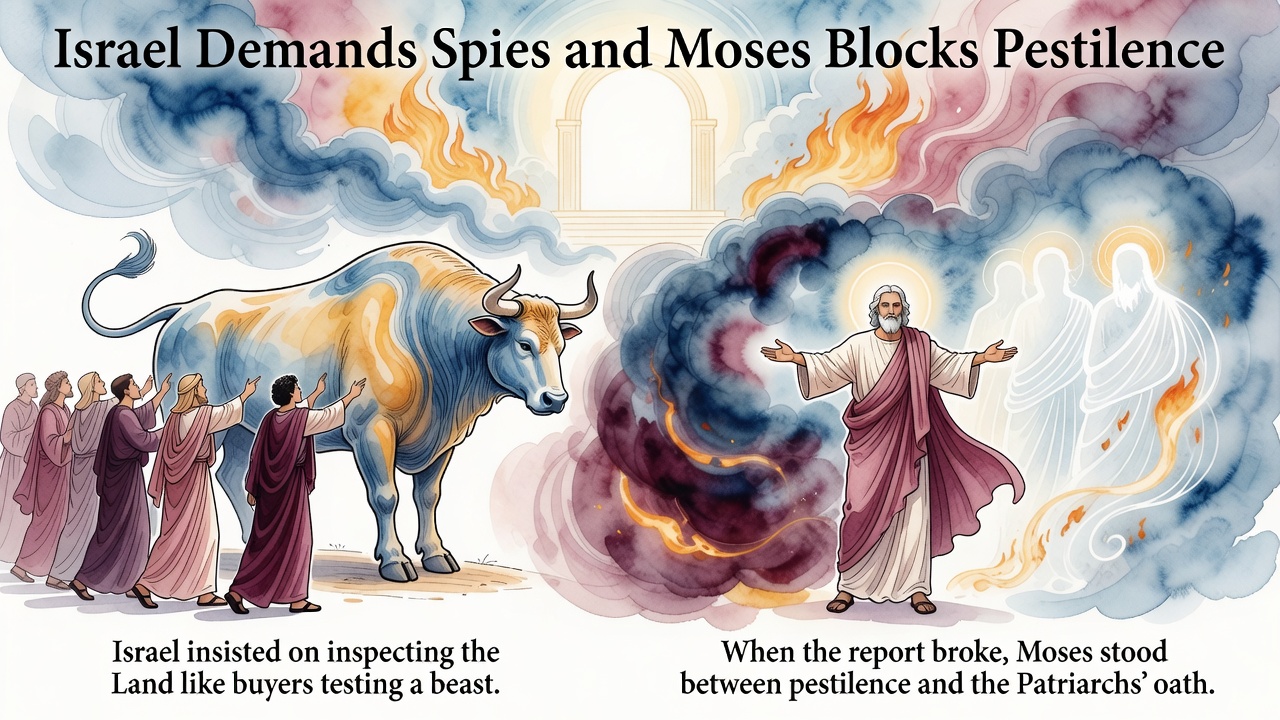
Israel insisted on inspecting the Land like buyers testing a beast. When the report broke, Moses stood between pestilence and the Patriarchs' oath.
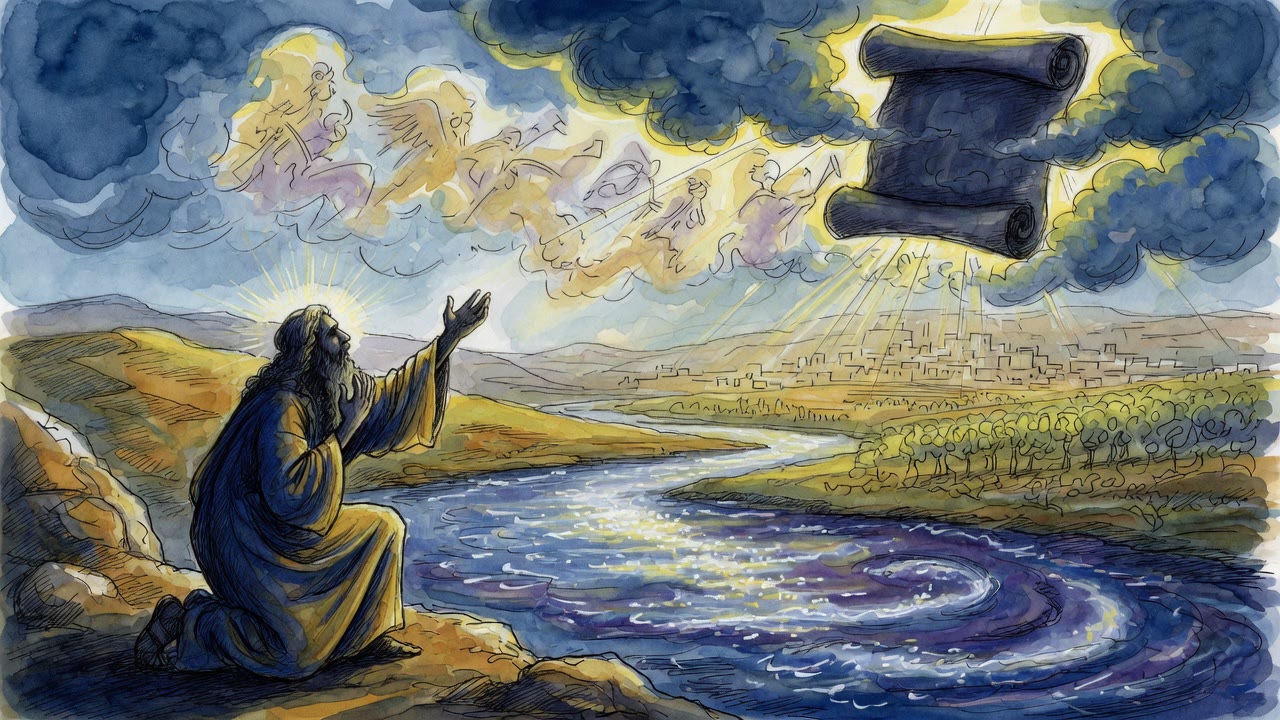
Moses stood on the east bank and asked Heaven to undo its own oath. The answer came in two words he had once thrown at other men.
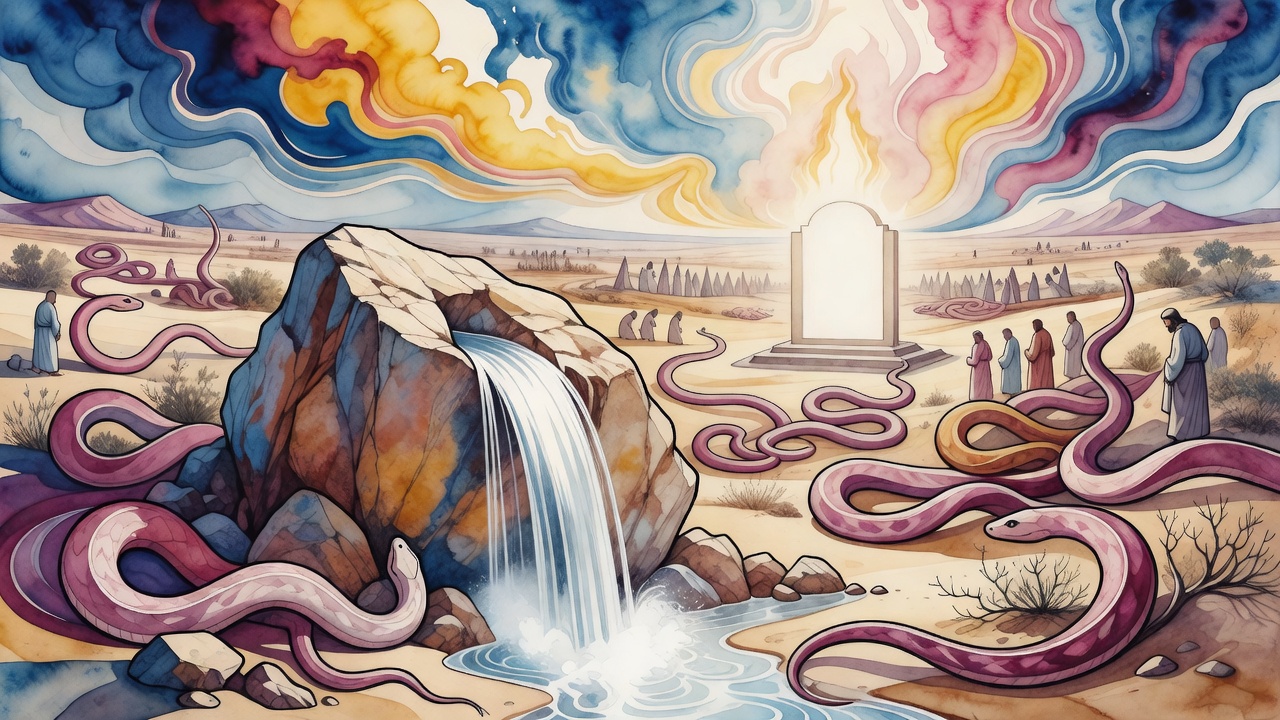
The letters of one word Moses spoke add up to 852, the years Israel was given on its land. The exile came at 850, two years early.
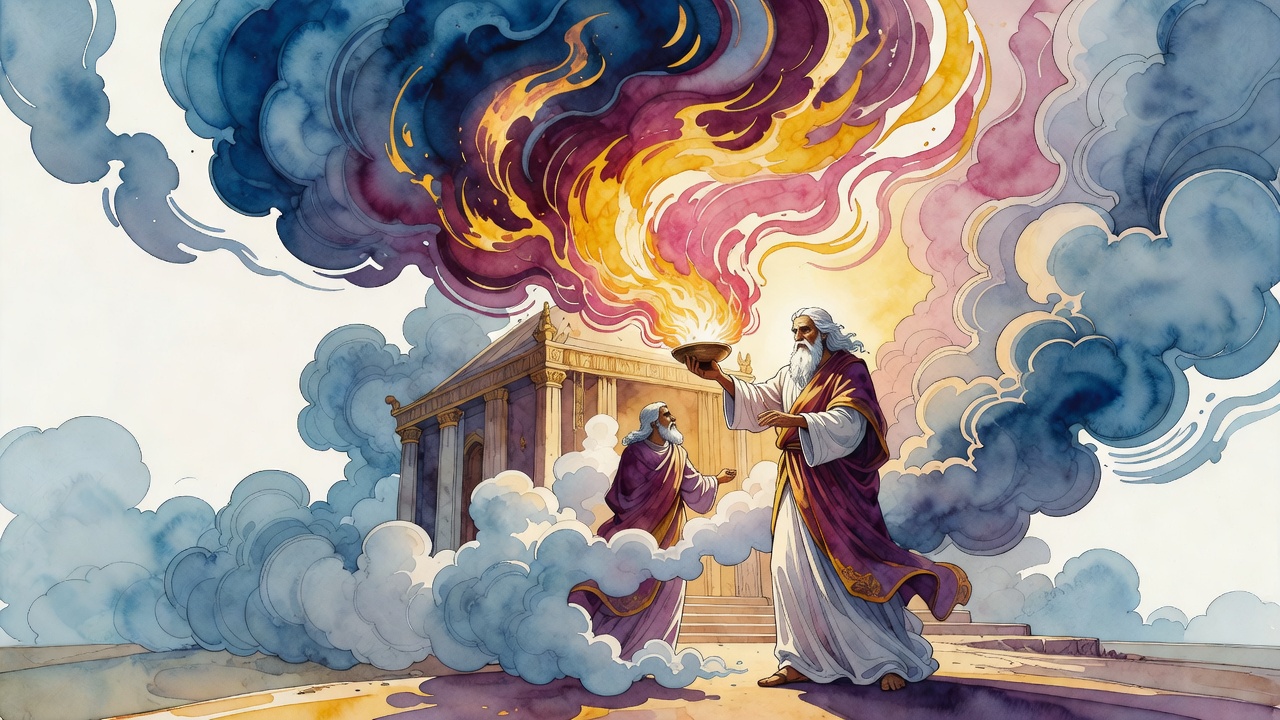
For seven days Moses served as high priest in smoke Aaron would own. When the Mishkan rose, the Shekhinah, the Divine Presence, came home by invitation.
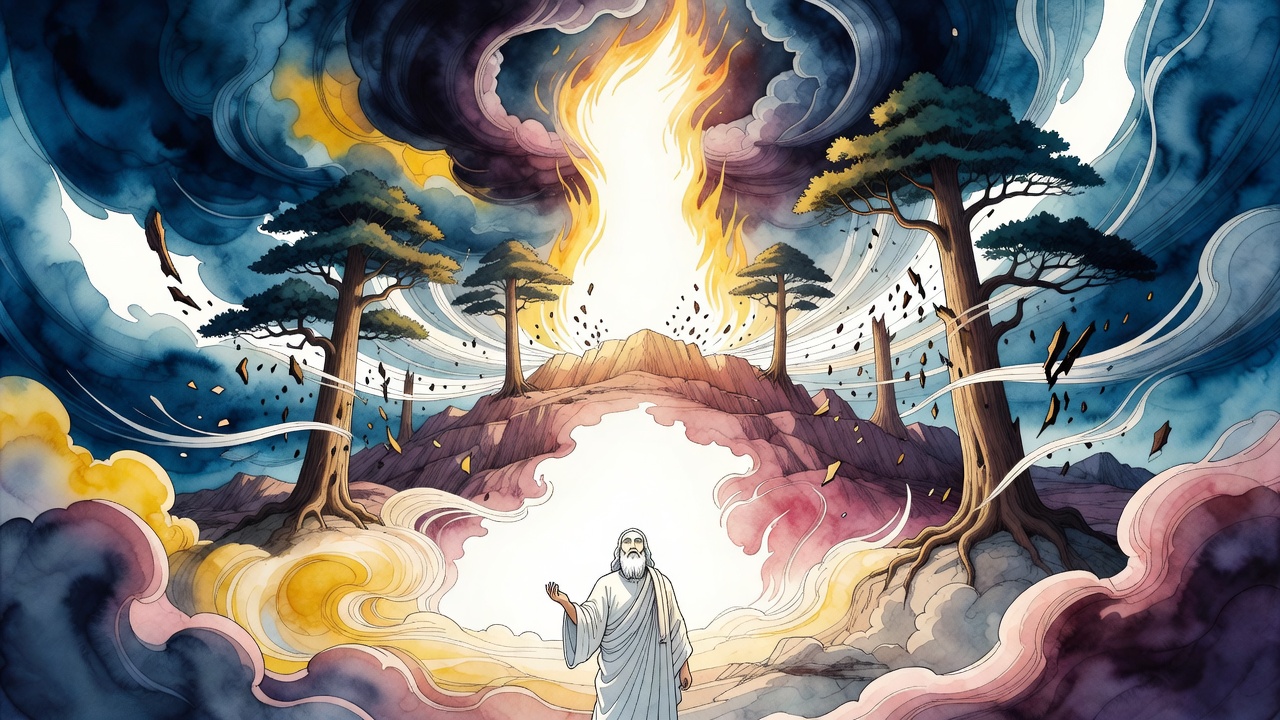
Moses climbed into fire thick enough to taste. Below the fence each Israelite heard a private address and did not dissolve.
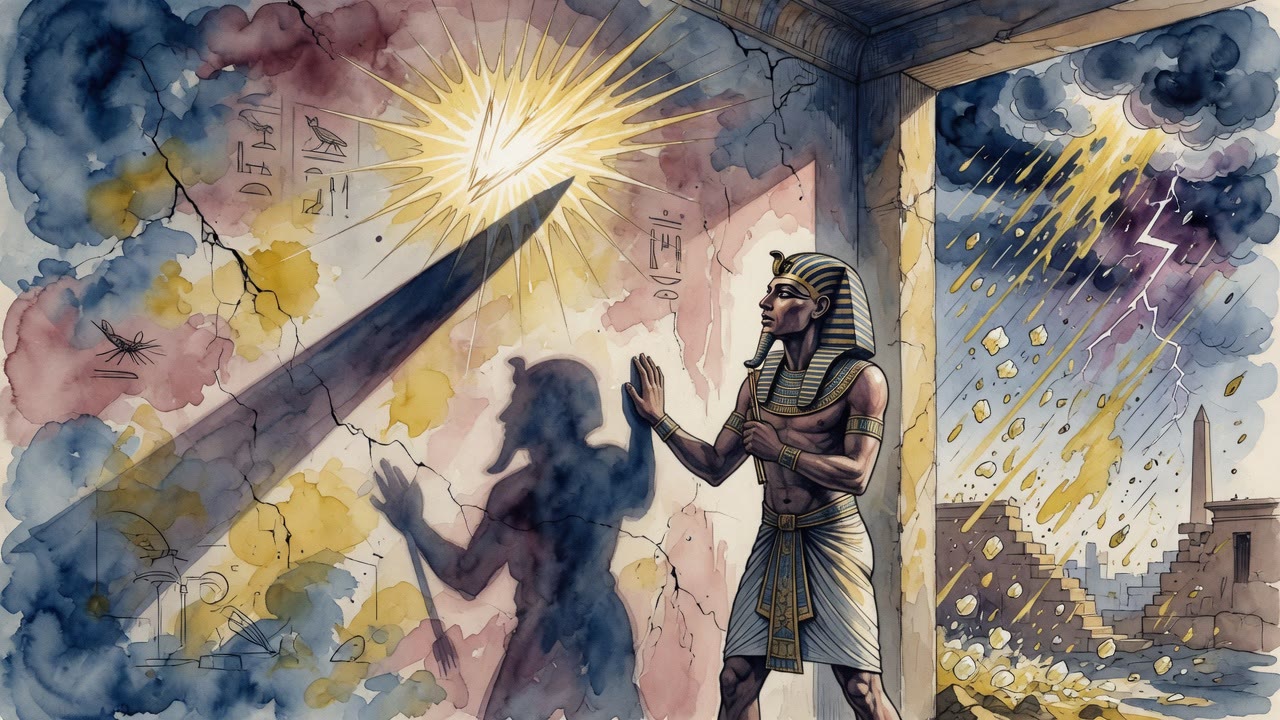
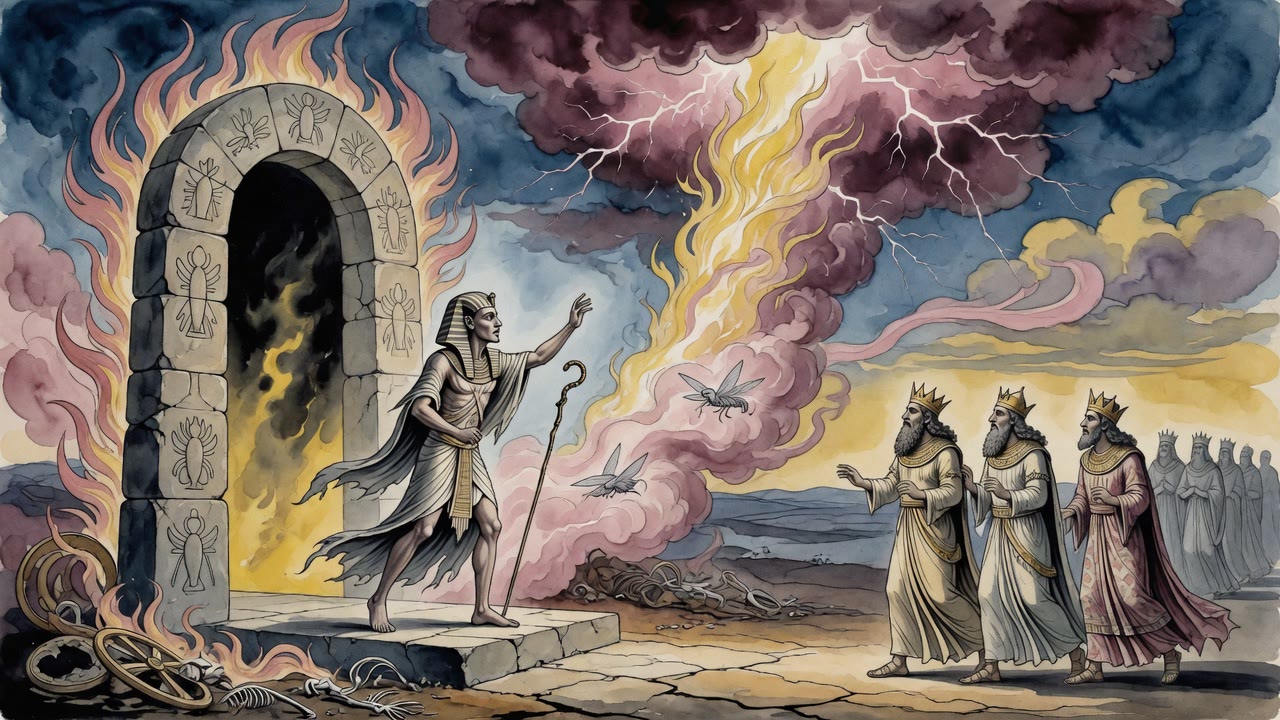
God scratches a mark on Pharaoh's wall and times the hail to a moving shadow. The stones that batter Egypt wait later for Sennacherib and the last war.
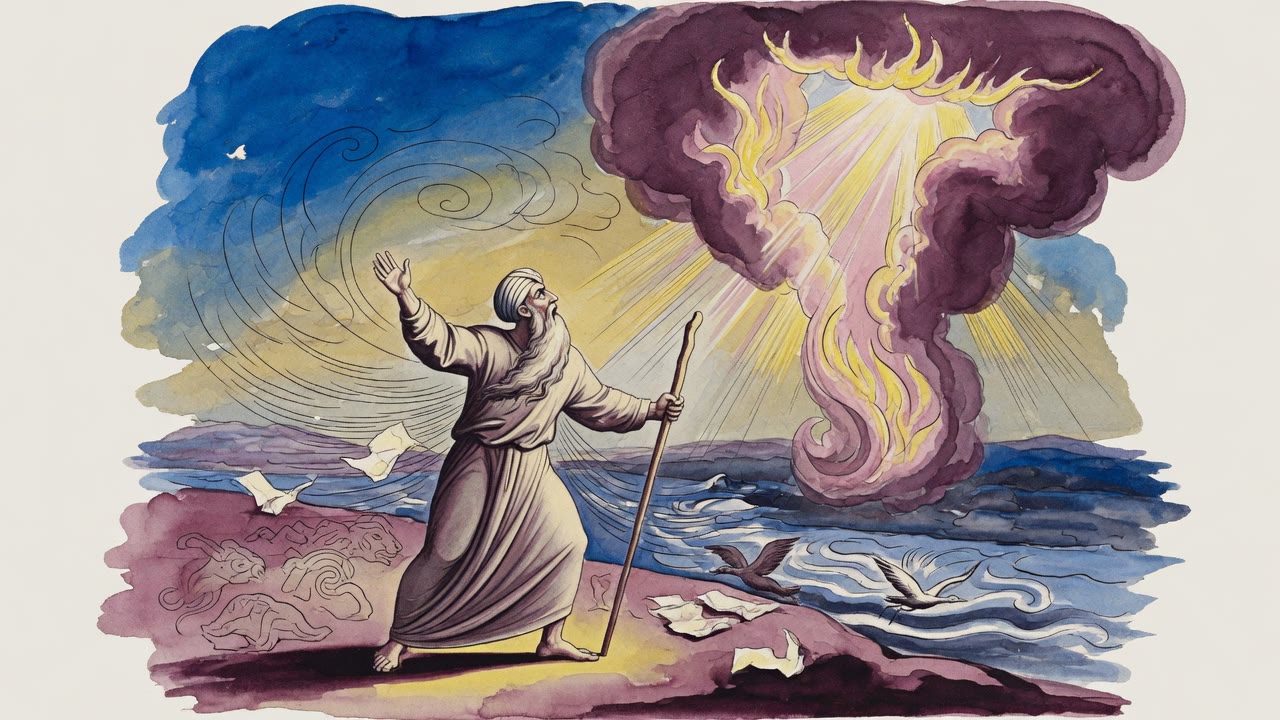
Palace food had run his body ahead of his years. He left the painted rooms without a decree and stood in dust where men carried brick.
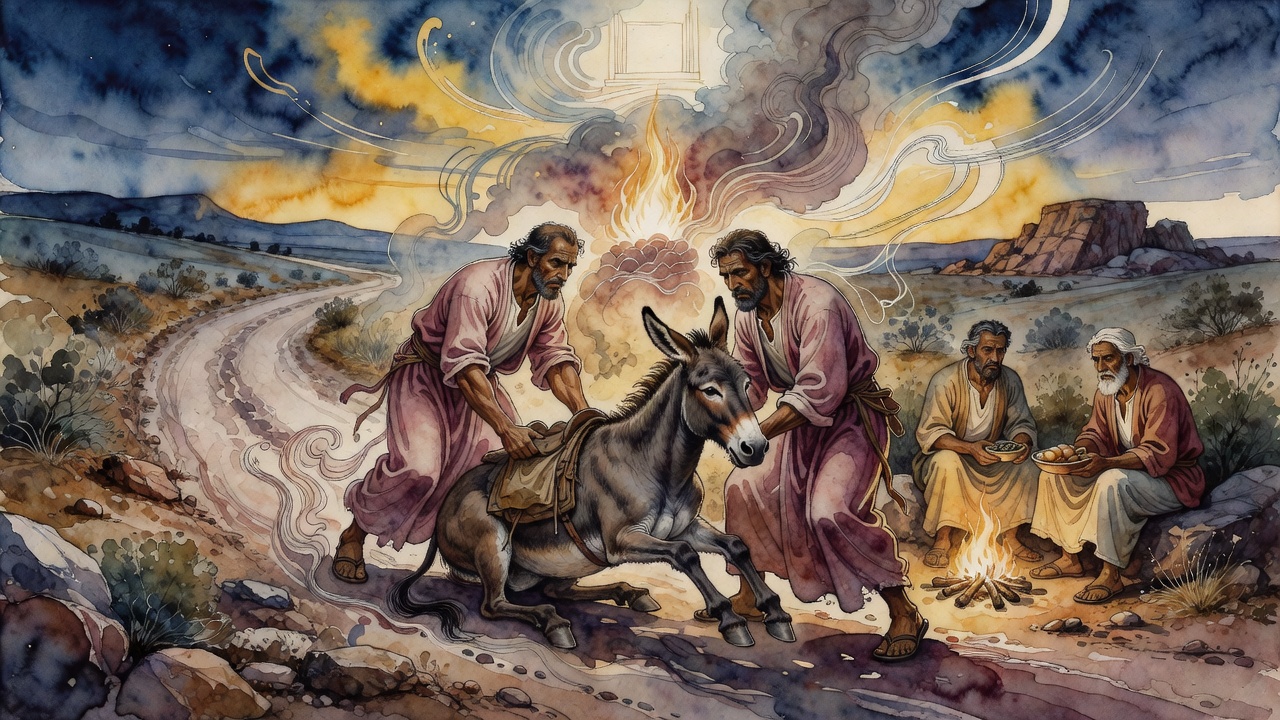
Two donkey drivers share a road and a hatred. One beast falls. The enemy remembers a verse, turns back, and lifts the load. That night they eat as friends.
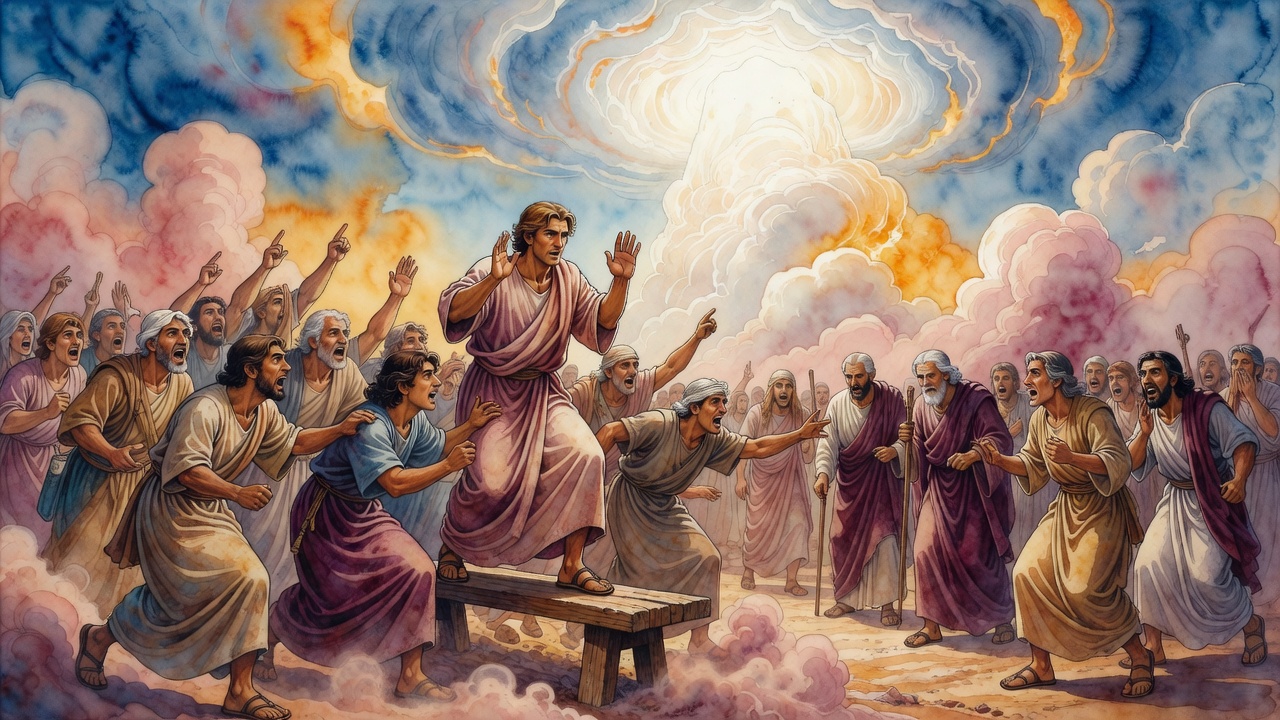
The pole of grapes still hung between two men. Ten mouths called the land a grave, so Caleb climbed until the camp had to look up.
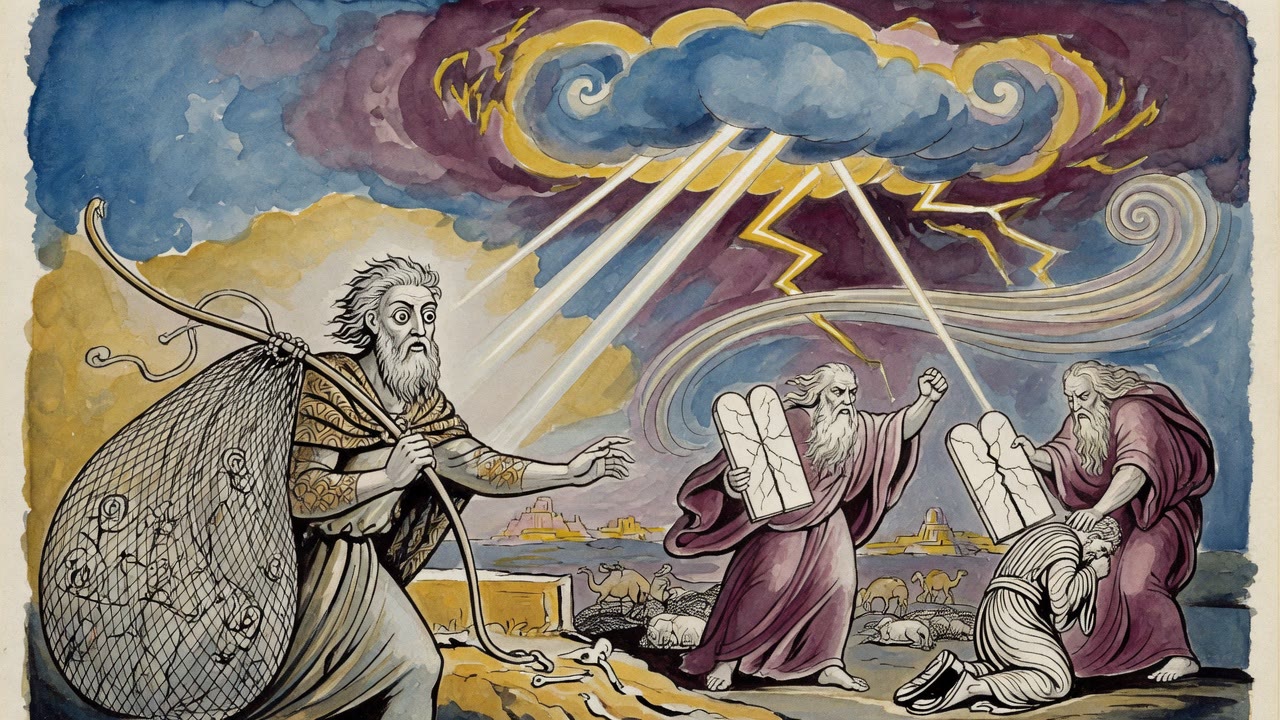
Moses came with words meant to pull him back. Korah sealed his mouth so the speech could not bend him. Dathan and Abiram would not even come up.
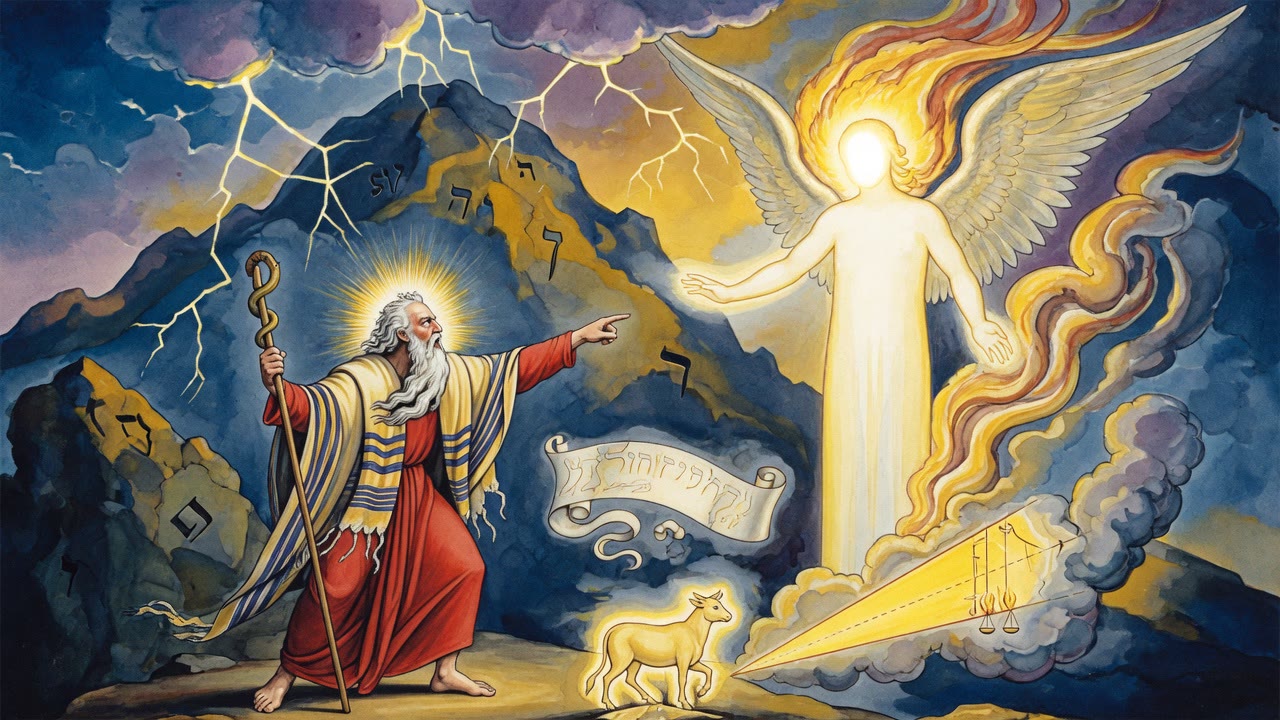
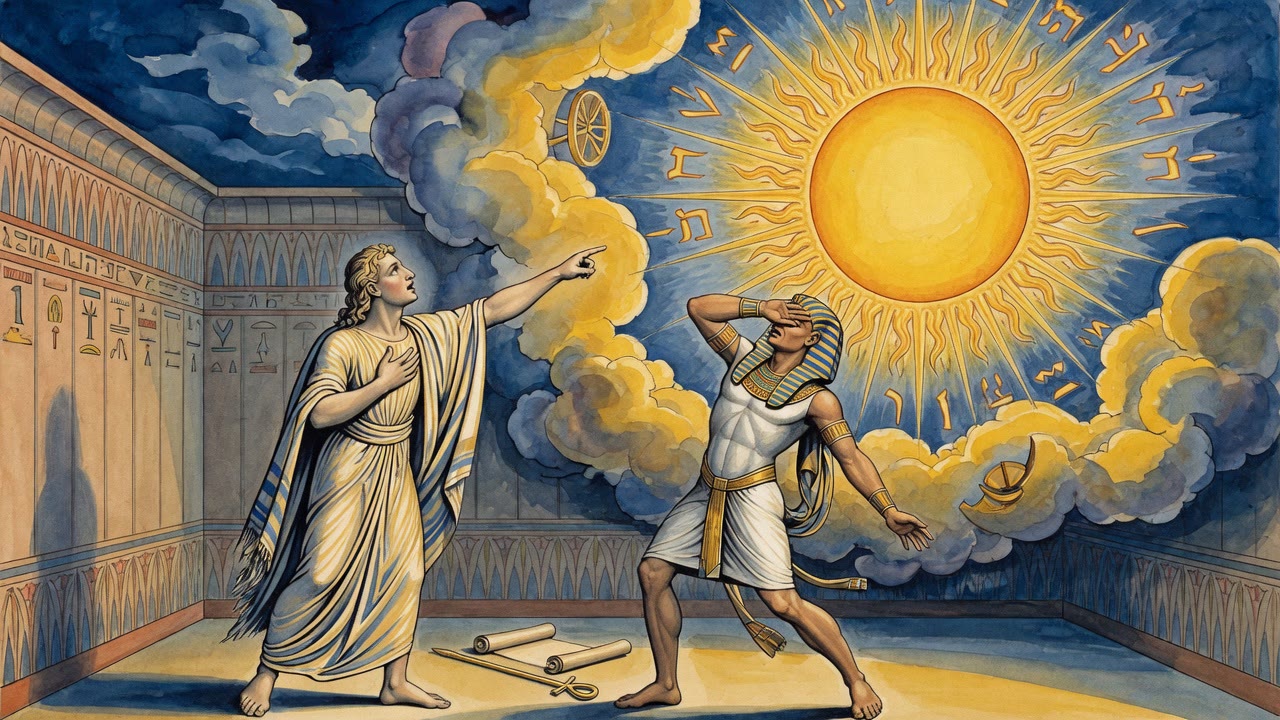
In Potiphars house Joseph prays under his breath. The Egyptian demands to see his God. Joseph points at the sun and asks who can stare at a mere servant.
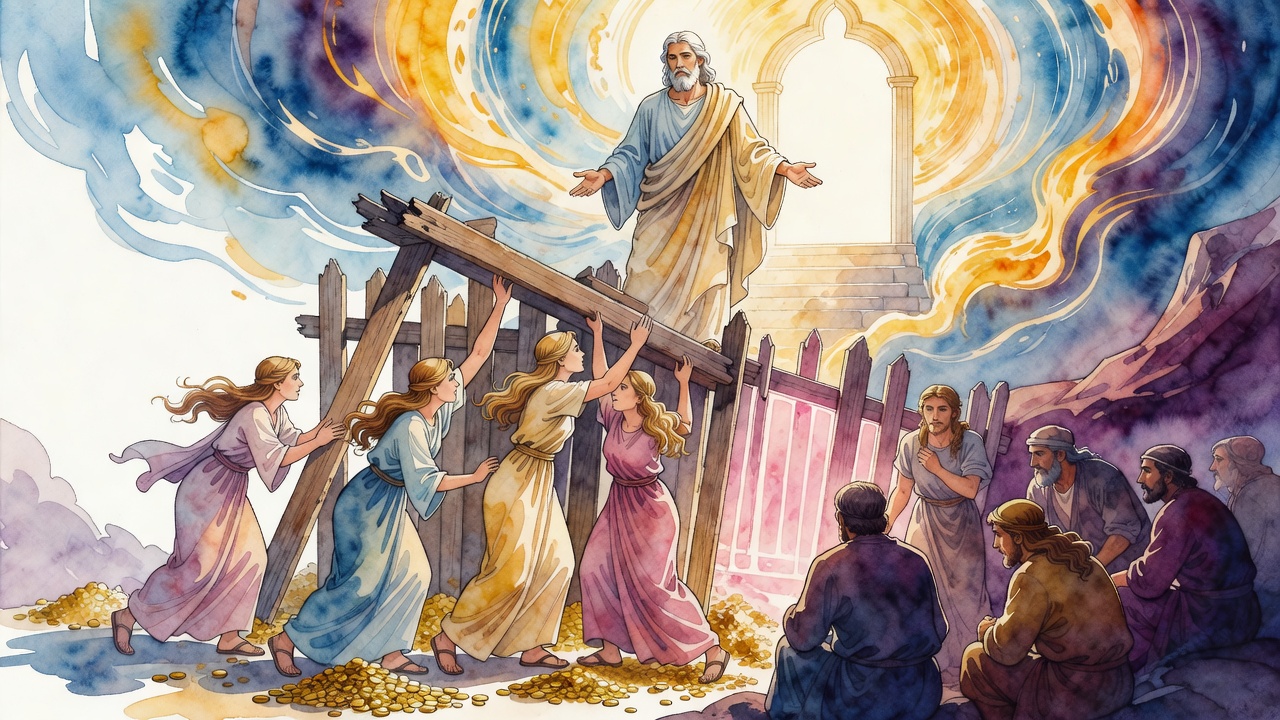
Women refuse gold for the calf and never sit in the spies counsel. Five sisters climb every court until Moses lifts their case to Heaven and the Land answers.
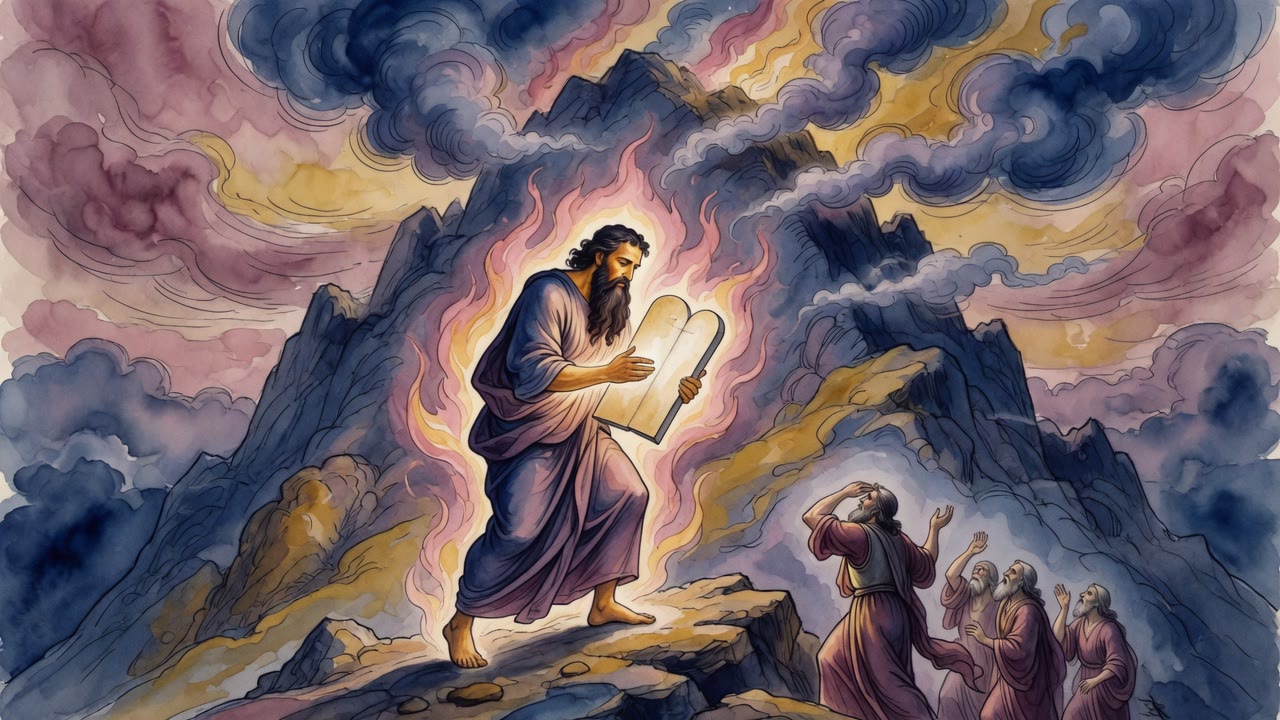
God ties Moses death to vengeance on Midian. Moses could delay and live. He arms Israel at once, then blesses the tribes with the Angel of Death overhead.
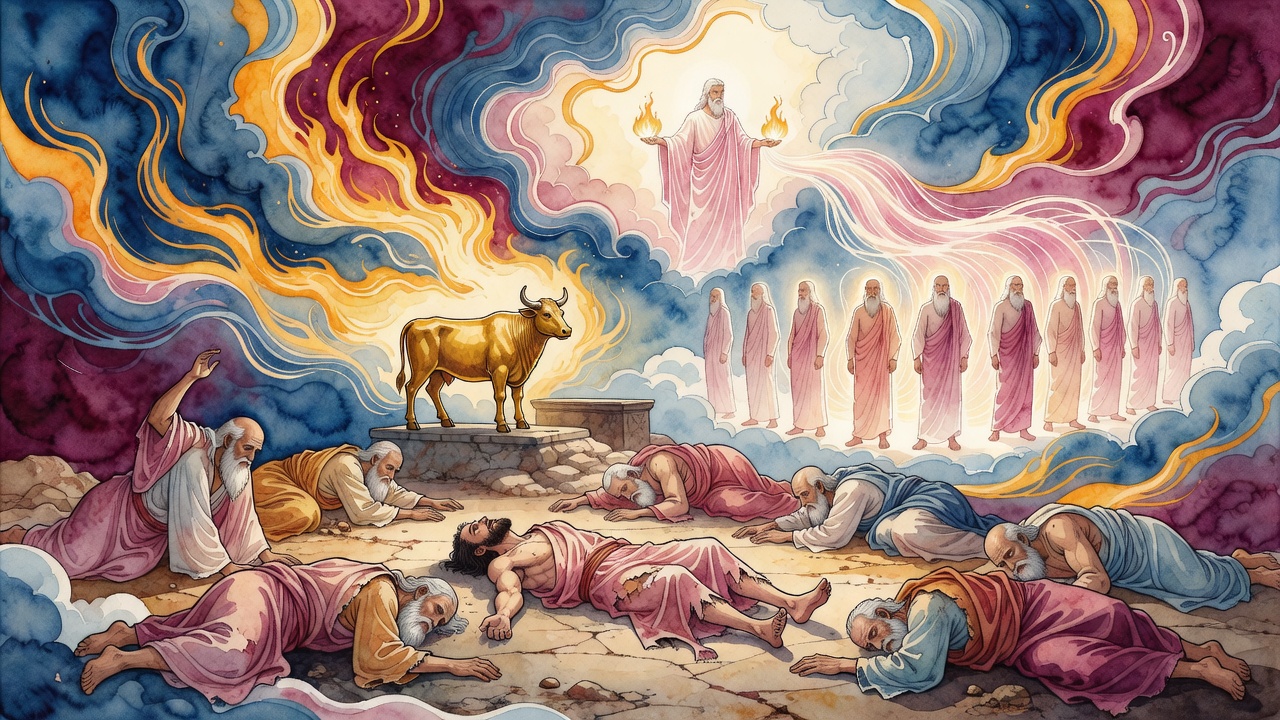
Seventy elders refuse the calf and die for it. Hur is killed for hard words. Moses later kindles a new seventy from his spirit and loses not a spark.
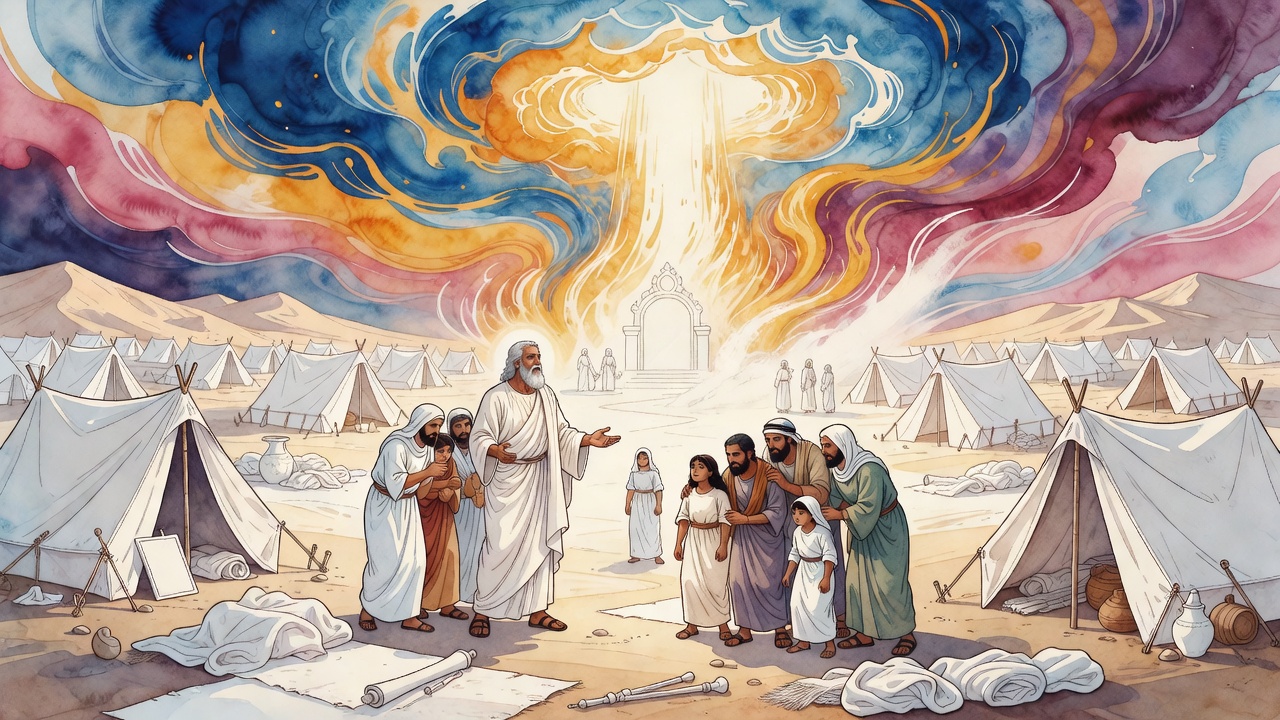
Ninety-eight curses land and the camp turns white. Who can withstand even one? Moses gathers them close and answers with a single fact. You are still standing.
